B21, China Town Mall, Midrand

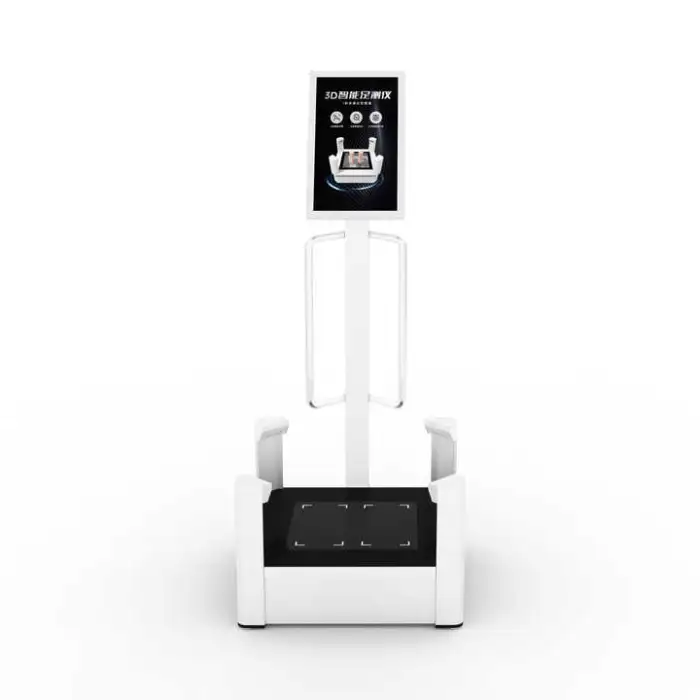
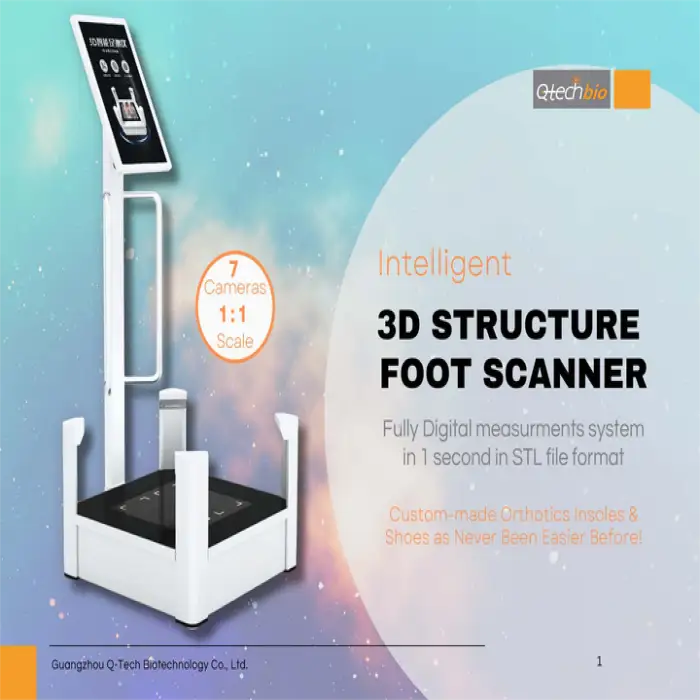
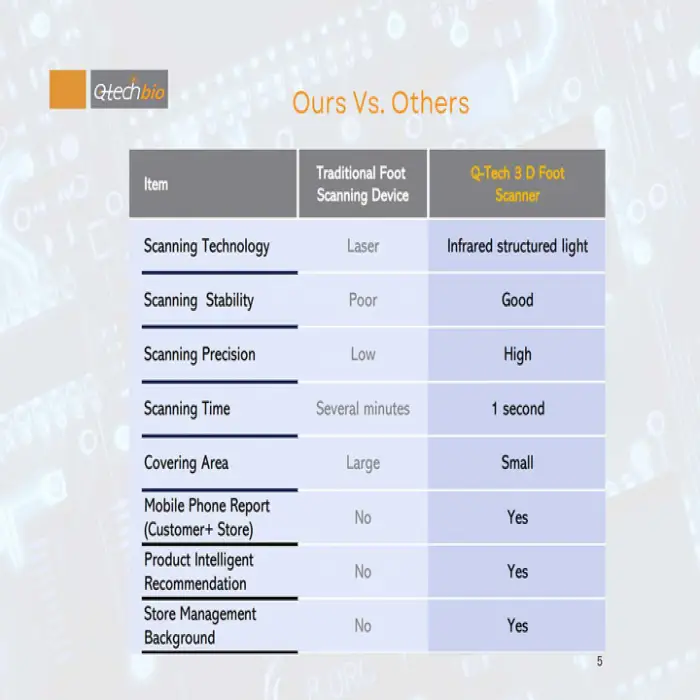
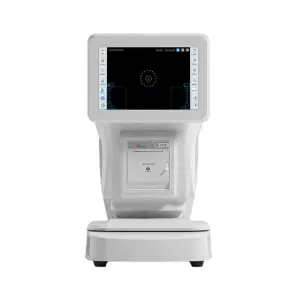
Intelligent 3D Structure Foot Scanner, All-digital Measurement System, Customized Corrective Insoles
Asset finance available
Do you want funding for this equipment?
Afrimart can connect you with trusted funding partners who specialise in asset finance for businesses like yours. Compare options and apply in minutes — final approval is subject to provider review.
Check funding options
Secure & no obligation

- Section : Medical Supplies
- Category : Medical Consumables
- SKU : 1601424893312

Intelligent 3D Structure Foot Scanner, All-digital Measurement System, Customized Corrective Insoles
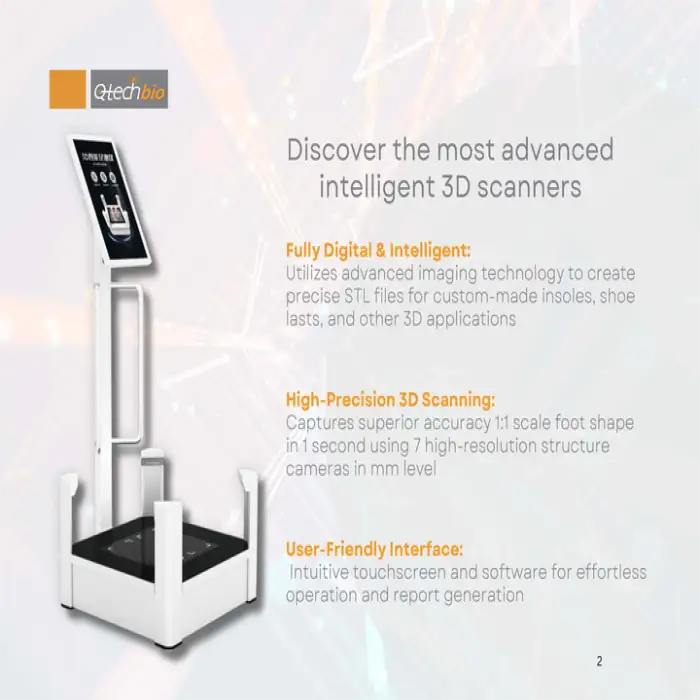
The Intelligent 3D Structure Foot Scanner is a modern tool designed to measure your feet accurately. It creates a 3D model of your feet and helps in making custom insoles that fit perfectly. This all-digital measurement system ensures comfort and support for all users. Whether you have specific foot needs or just want better comfort, this product is a great choice.
Specifications
| Attribute | Details |
|---|---|
| Service | Return and Replacement |
| Function | Scan the soles of the feet |
| Application | Foot care and support |
| Selling Units | Single item |
Key Features
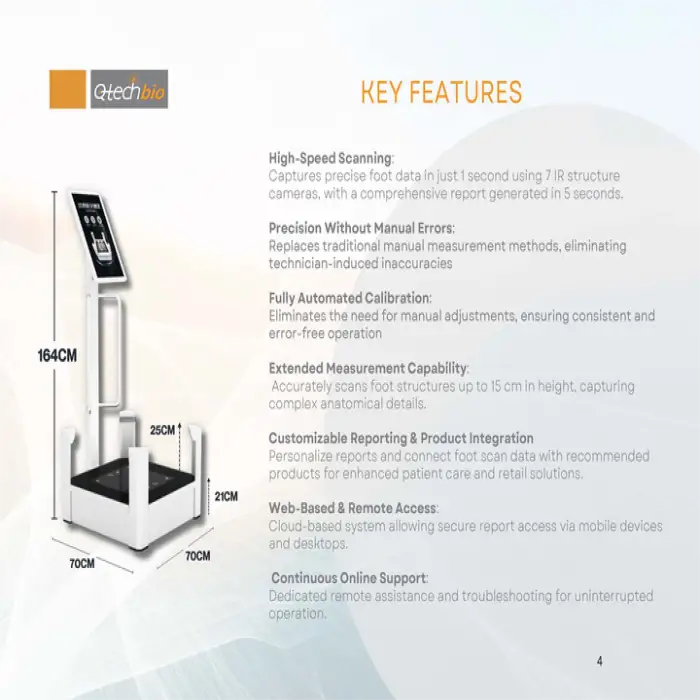
- 3D foot scanning technology for precise measurements
- All-digital system for accurate data collection
- Customizable insoles for individual comfort
- Easy to use with quick results
- Support for foot health and well-being
Applications
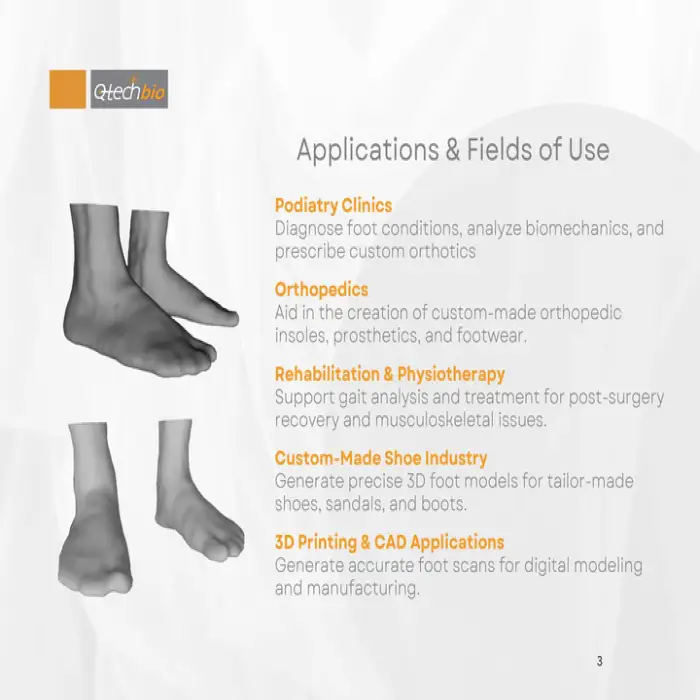
- Ideal for people with foot pain or discomfort
- Useful in sports and fitness for better performance
- Great for individuals needing specialized foot support
- Perfect for clinics and foot care professionals
- Enhances comfort for everyday footwear
Product Info Gallery
- Shipping Timeframes: All orders are processed within 2-5 business days (excluding weekends and holidays). After your order has been processed, the estimated delivery time is before 11 Jul, 2026, depending on customs, Please note that due to high demand, some items may experience longer shipping times, which will be communicated at order confirmation email.
- Order Processing Time: Please allow 2-5 business days for us to process your order before it is shipped . Orders placed after 16:00 on Fridays, or during weekends and public holidays, will begin processing on the next business day. Processing times may be extended during peak seasons or sales events.
- Manufacturing Time: Some products needs manufacturing time, the manufacturing process will take approximately 10-30 business days depending on the product. This timeframe may vary depending on the complexity of the product and current demand. but this will be communicated with you during order confirmation.
- Returns and Exchanges: We offer a 30-day return policy for most items. If you are not completely satisfied with your purchase, you may return it within 30 days of receipt for a refund or exchange. Items must be unused, in their original packaging, and accompanied by proof of purchase. Return shipping costs are the responsibility of the customer, unless the item was damaged or defective upon arrival.
1. What is the Intelligent 3D Structure Foot Scanner?
A modern all-digital measurement system that creates a 3D model of the feet to generate precise measurements used to design customized corrective insoles for improved comfort and support.
2. How does the 3D scanning process work?
The scanner captures the sole geometry using 3D scanning technology, producing a digital foot model and measurement data that are used to design and manufacture personalized insoles.
3. How long does a scan take?
Typical scans are quick — most users complete a full foot scan in under a minute, with the device and software delivering immediate measurement results.
4. How accurate are the measurements?
The system is designed for precise, clinical-level measurements suitable for custom insoles. Final accuracy depends on proper device setup and calibration; ask the vendor for detailed tolerance and accuracy specifications.
5. Who is this product intended for?
Suitable for individuals seeking better comfort, people with foot pain or biomechanical issues, athletes wanting performance support, shoe retailers, and foot care clinics or professionals.
6. Can the scanner be used to address specific foot conditions?
Yes. The digital measurements support customized insole designs for common concerns such as plantar fasciitis, flat feet, overpronation, and general foot discomfort. Clinical assessment is recommended for medical conditions.
7. Are the custom insoles produced on-site?
The scanner generates digital data that can be used to make insoles. Insoles can be manufactured on-site if you have appropriate fabrication equipment, or the digital files can be sent to a production lab or third-party manufacturer.
8. Which file formats and integrations are supported?
The system exports digital measurement data and 3D models in common formats used in insole manufacturing. Exact supported formats and integrations vary by software package — confirm with your supplier for specifics (e.g., STL/OBJ support).
9. What connectivity and software are included?
The scanner is an all-digital solution that works with accompanying software to view, edit and export scan data. Connectivity options and software features (PC integration, network, cloud) depend on the chosen configuration — check product options with the vendor.
10. What type of materials can be used to make the custom insoles?
Custom insoles can be produced from a variety of materials such as EVA foam, polyurethane, gel layers, cork, or carbon-fiber-reinforced materials depending on comfort and corrective needs. Material choices are determined by the insole manufacturer.
11. Is the device portable and what are the power requirements?
Form factor and portability depend on the model and configuration. Many scanners are compact for clinic or retail use. Power requirements vary — review the product specification or ask the supplier for details on power input and any battery options.
12. What maintenance and cleaning are required?
Routine maintenance typically includes keeping the scanning surface clean with a mild disinfectant, avoiding harsh chemicals, and performing periodic calibration as recommended by the manufacturer to maintain measurement accuracy.
13. What training or support is provided?
The system is designed for ease of use with quick results, and most vendors provide user guides, training materials, or on-site/remote training and technical support. Ask your supplier about included training and service packages.
14. What is the return, replacement and warranty policy?
Return and replacement service is offered; specific warranty terms, return windows, and conditions depend on the seller. Confirm the exact policy with the vendor or sales representative before purchase.
15. How is customer data and scan privacy handled?
The scanner produces personal foot data. Vendors typically offer secure storage and export options; verify how scan data is stored, transmitted, and protected and whether the software complies with your local data-protection requirements.
Latest Order Arrivals
Discover our latest orders
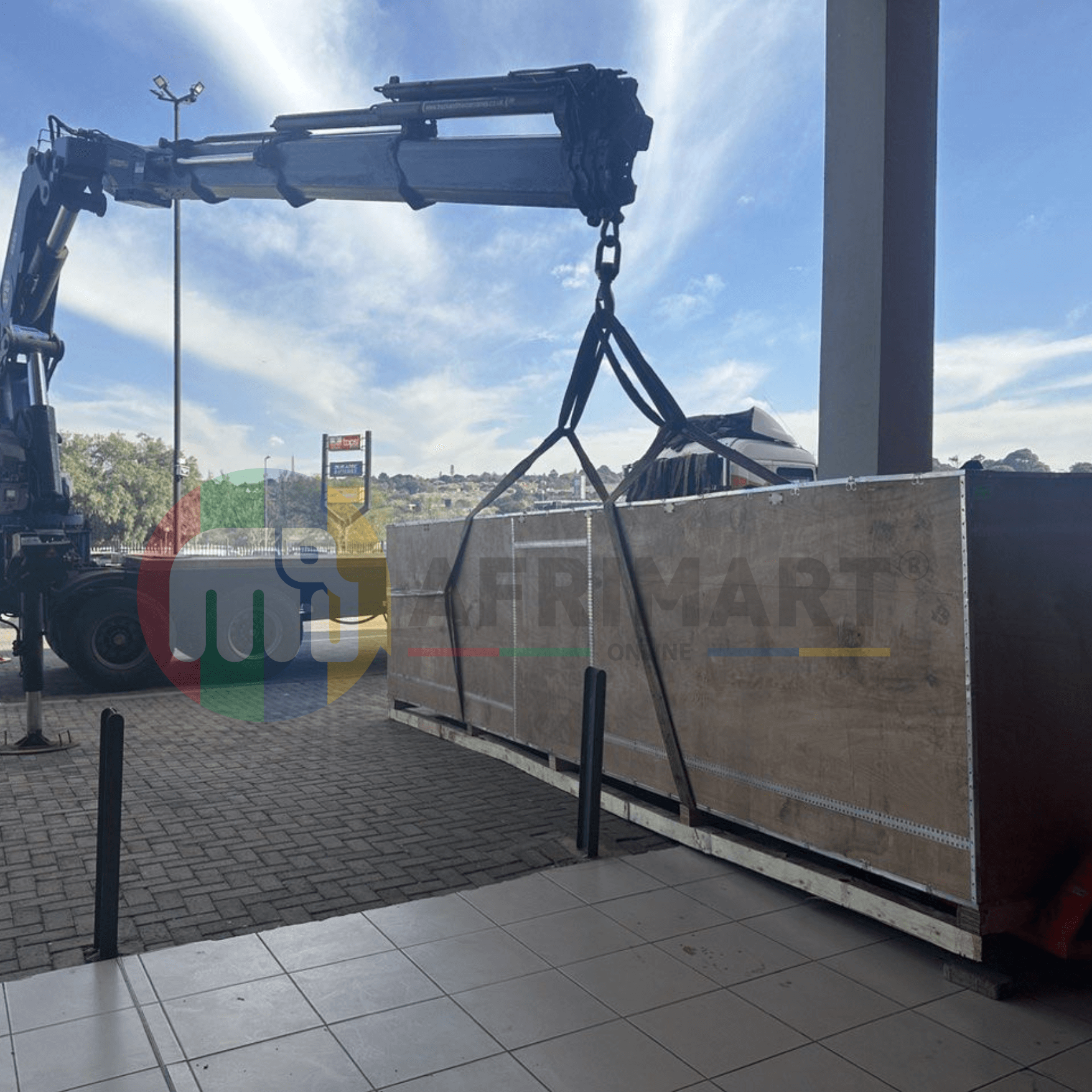
12 Heads Embroidery Machine
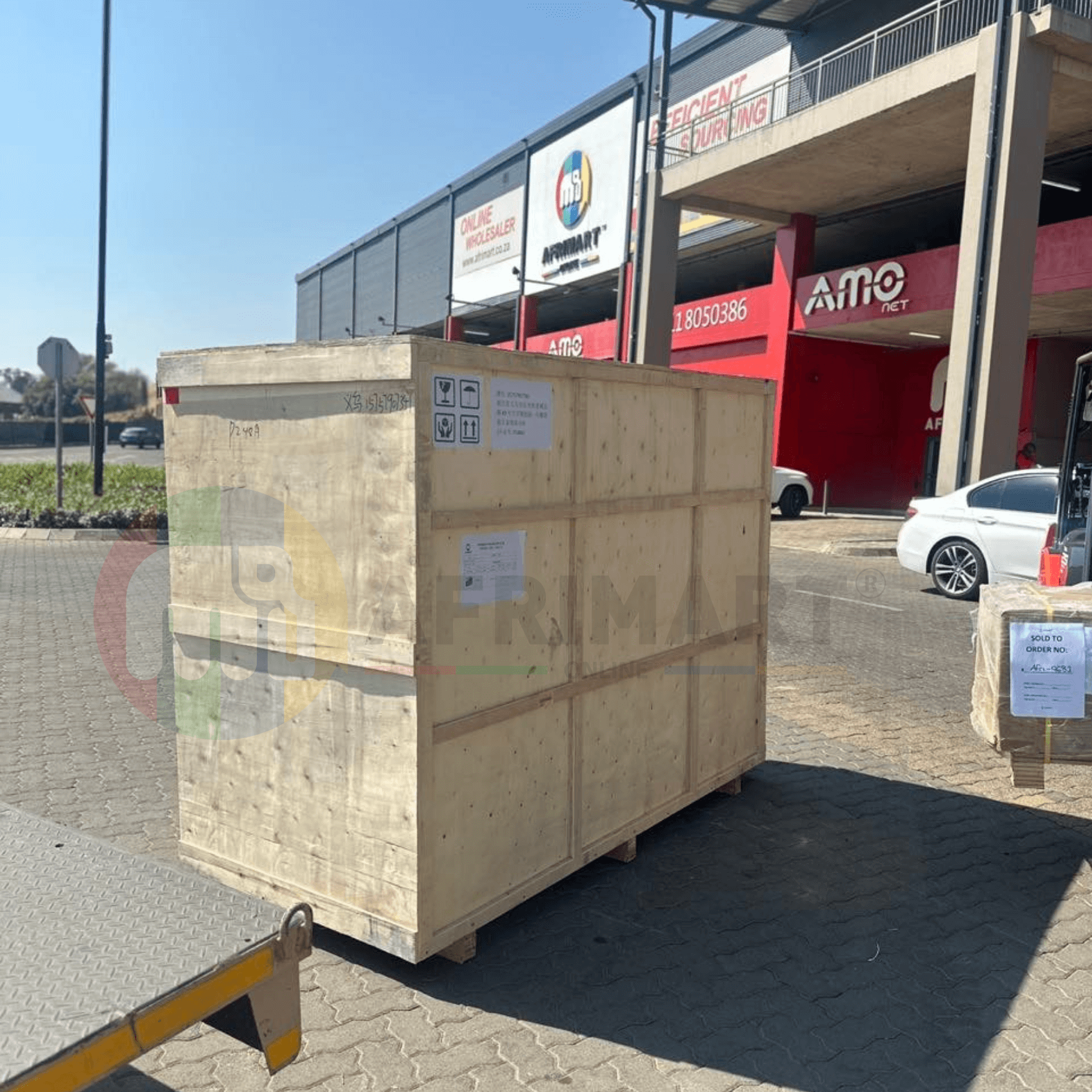
Dewatering Pump Machine
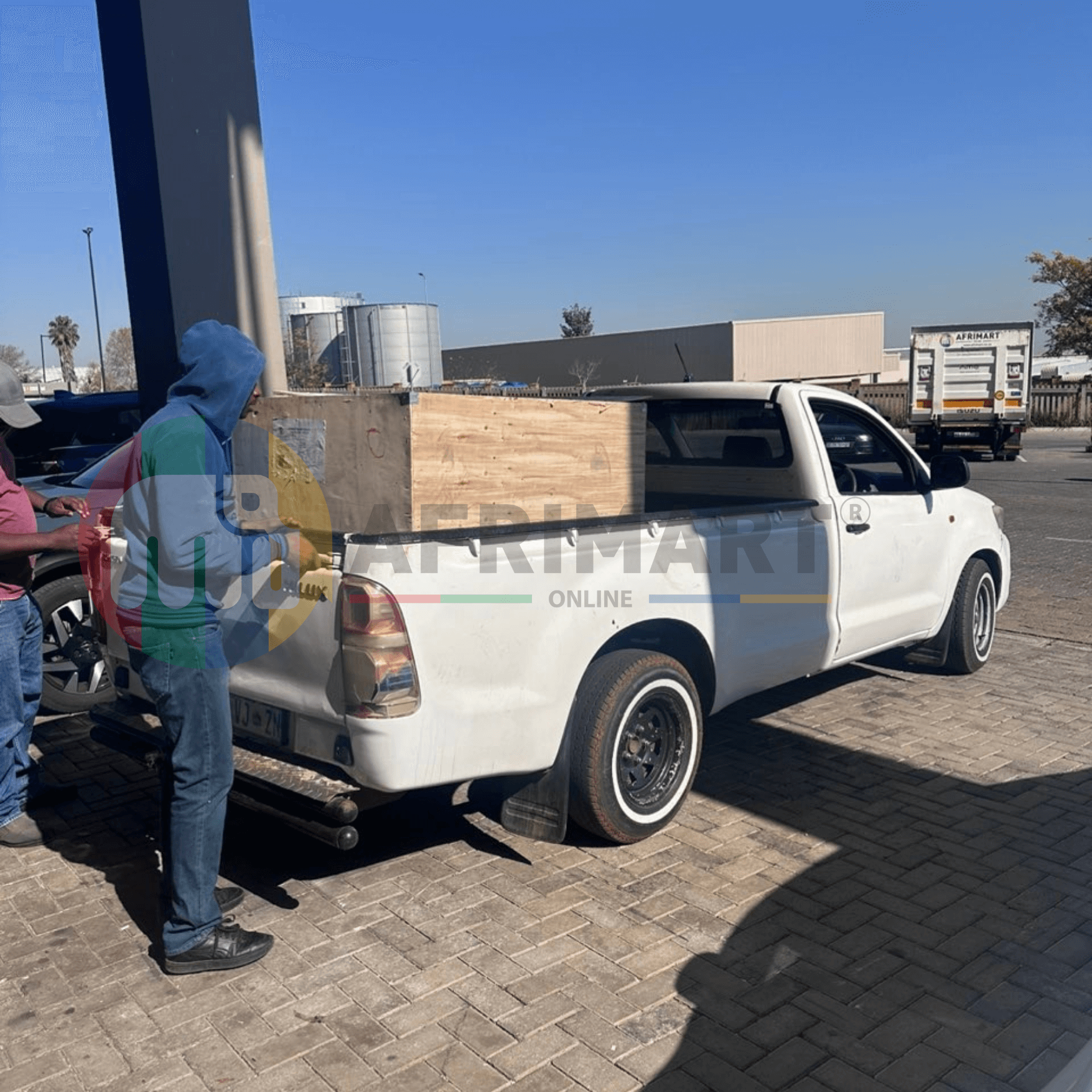
Order Collection
Portable Water Drilling Rig
Order Usefully Collected
Batch of Orders
Agriculture Processing Machines
Meat Grinder Machine
Water Pump Equipment
Packaging Machine and accessories
Fabrics Manufacturing Equipment
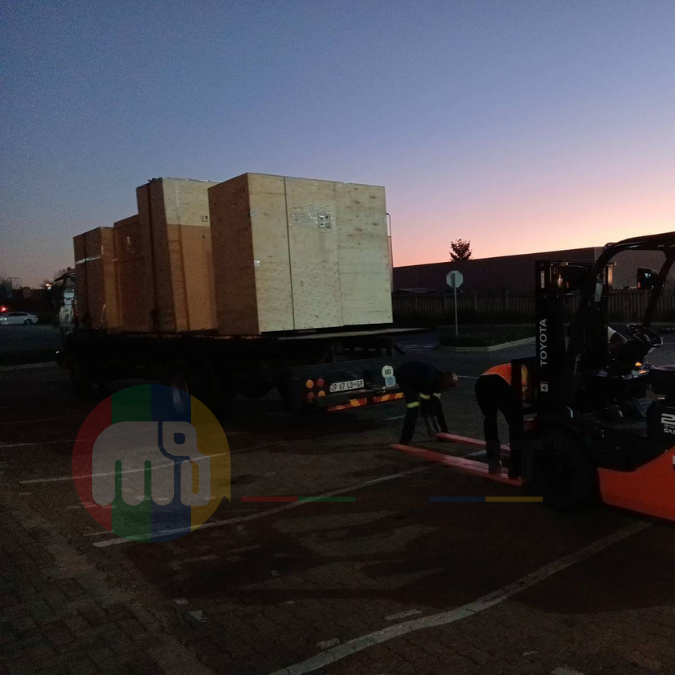
Mining Equipments
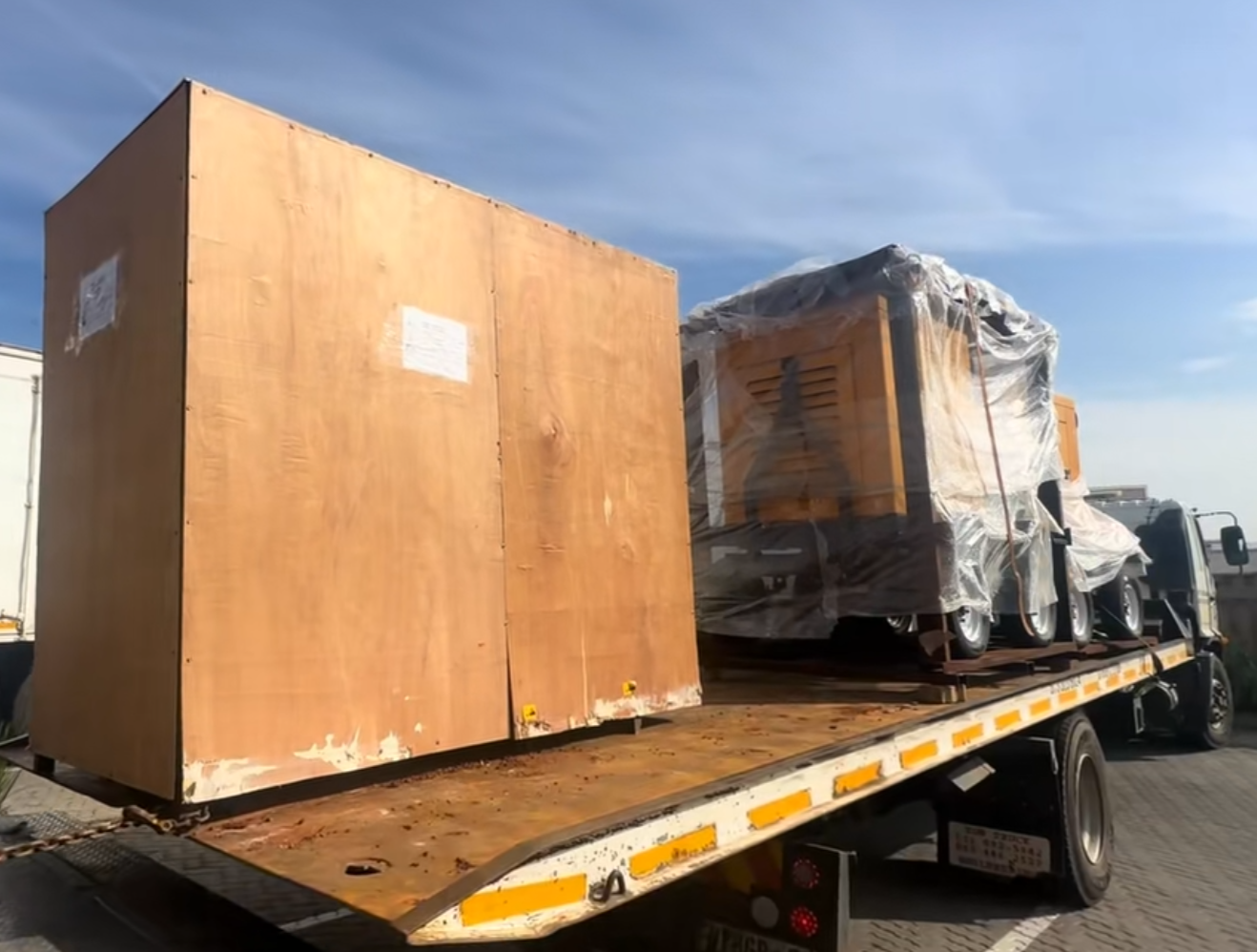
Food Processing Machine
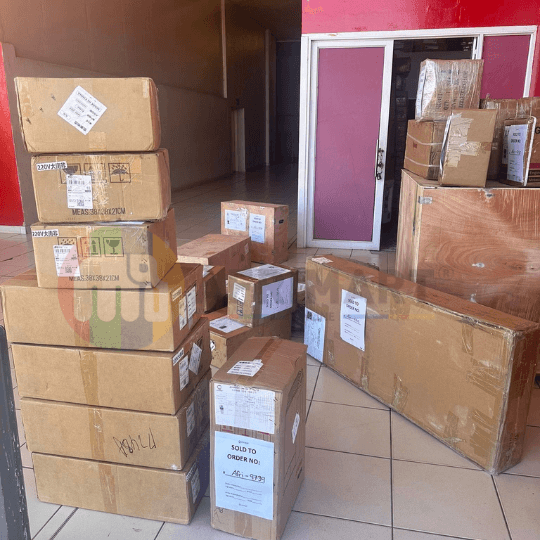
Batch of Orders
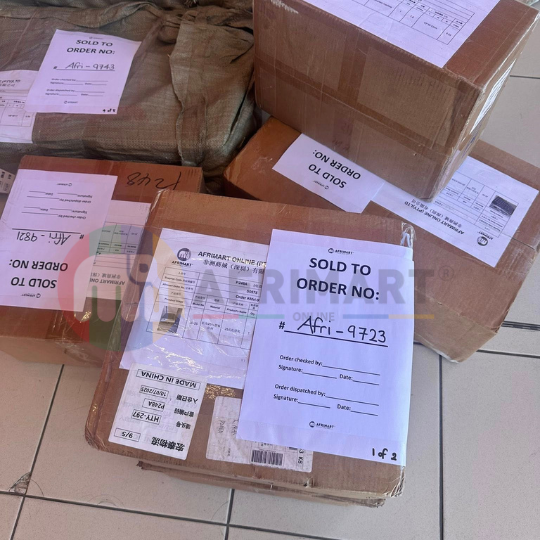
Batch of Orders
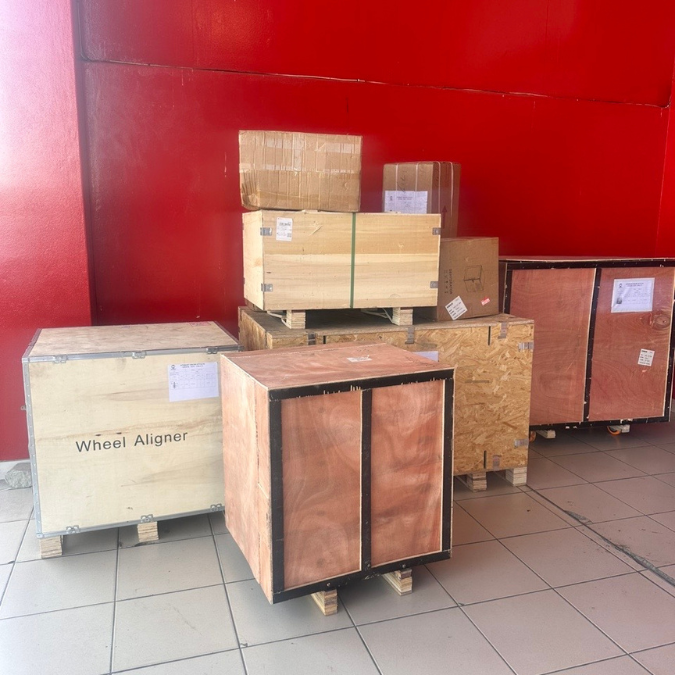
Latest Orders Labelled
wheel alignment machines
new arrivals
Pre Orders Offloading
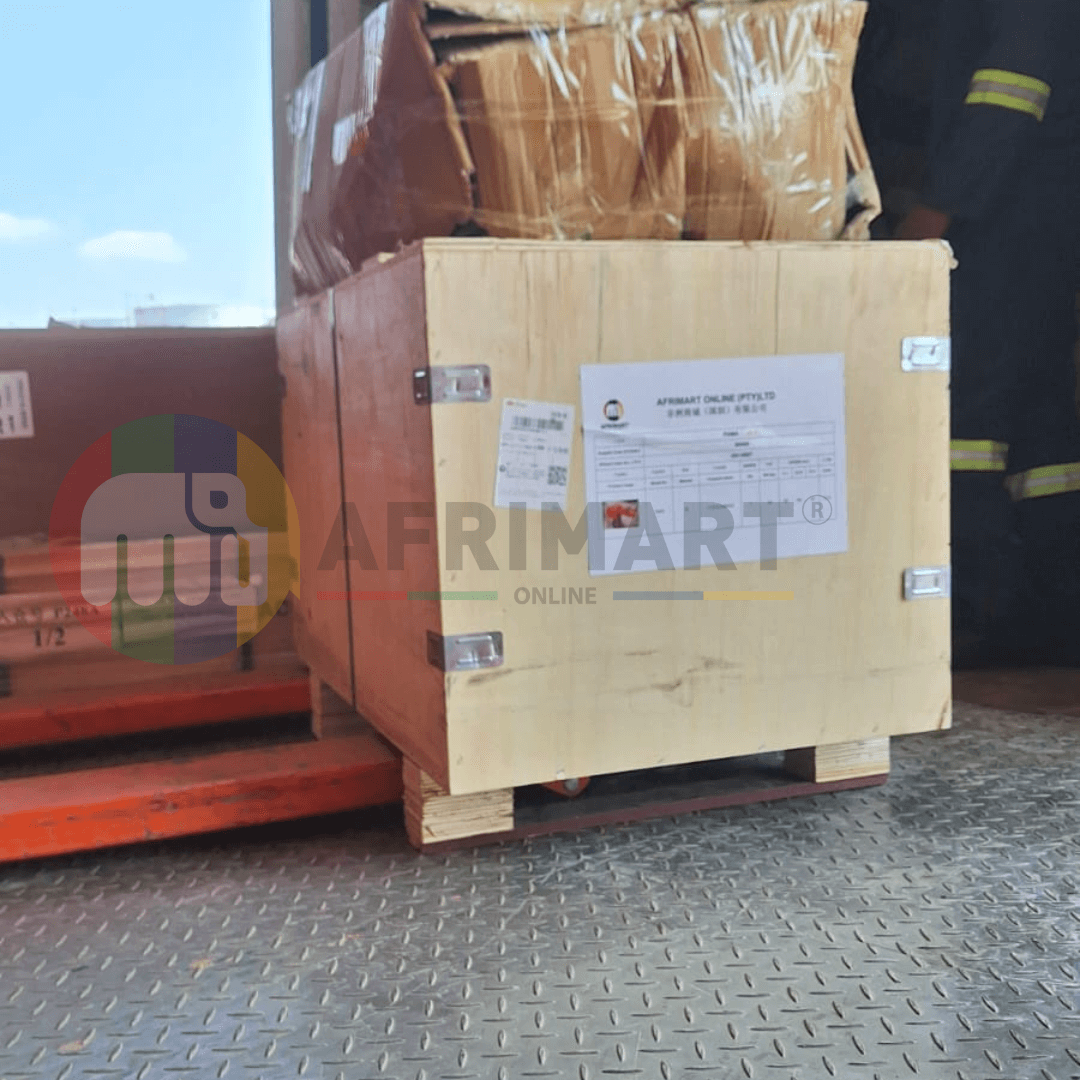
Latest Arrivals
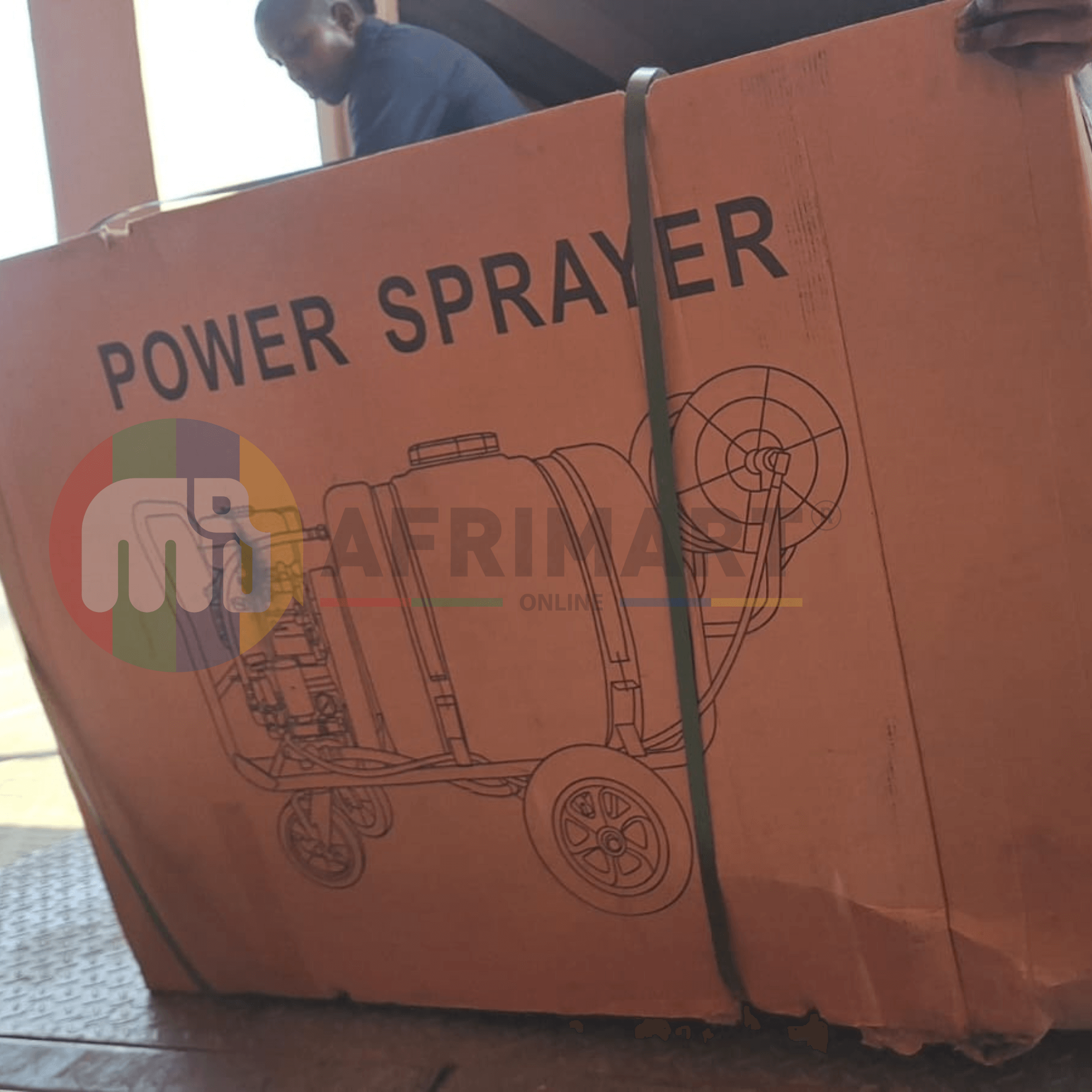
Latest Arrivals
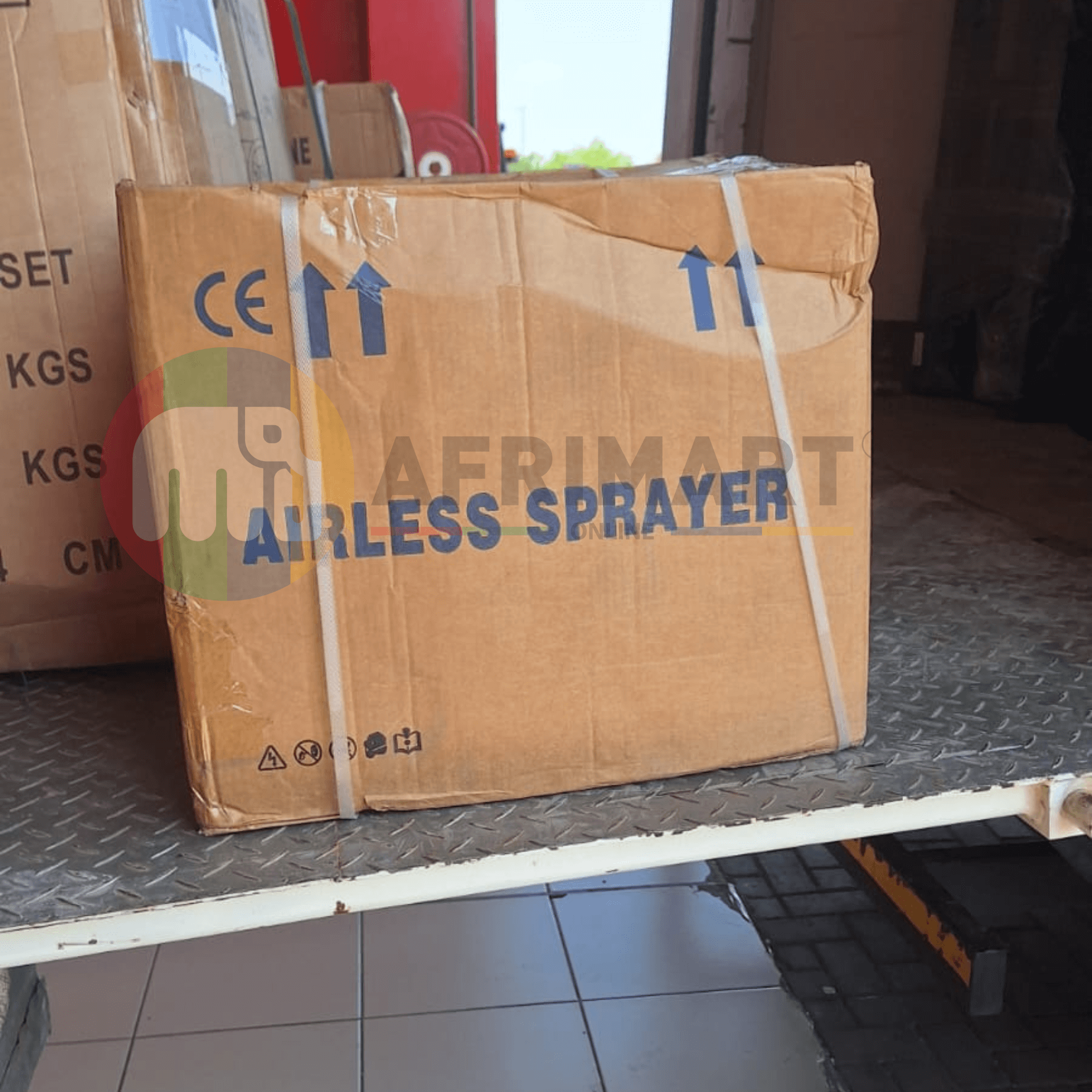
Latest Arrivals
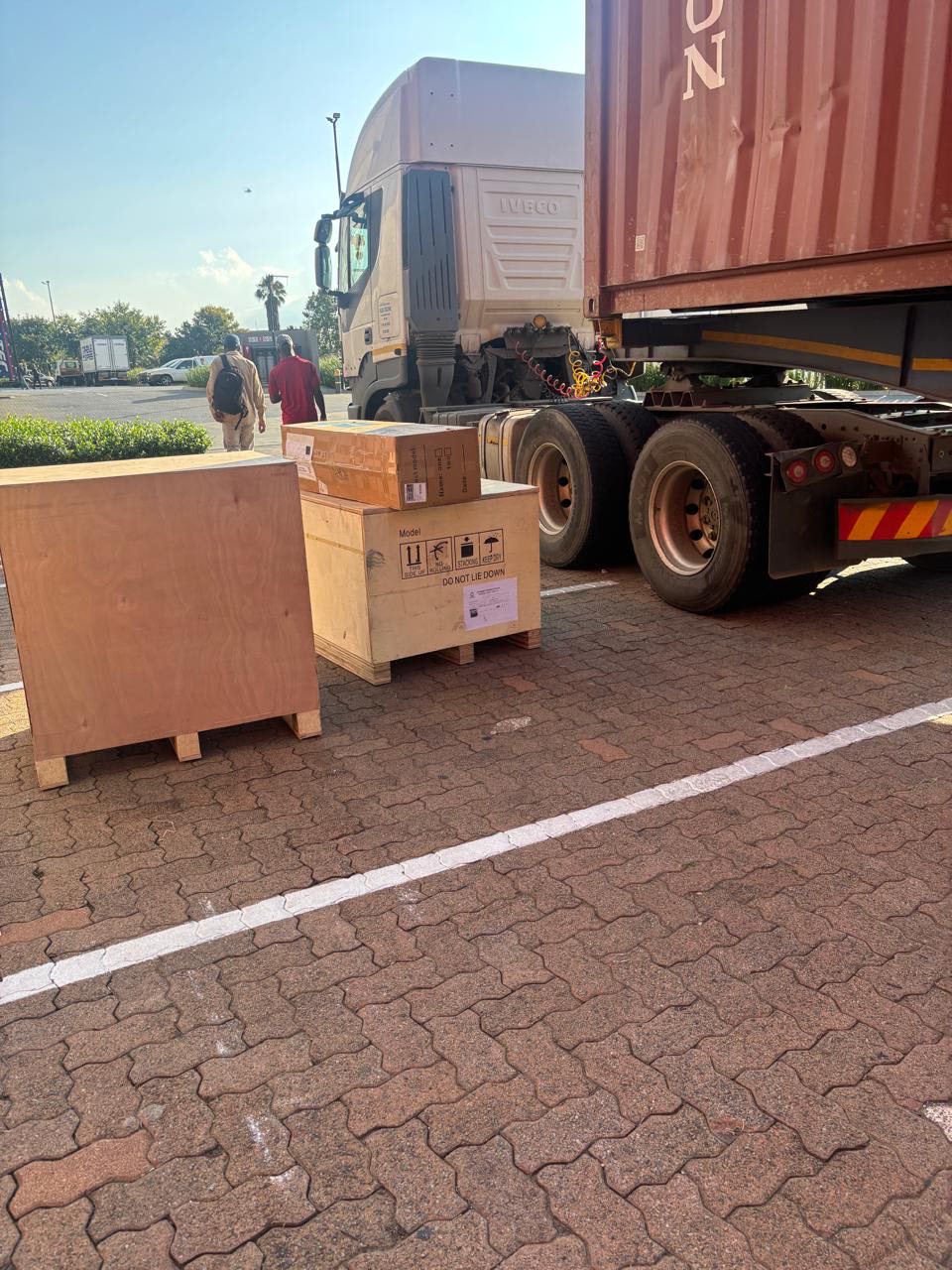
26 January 2026
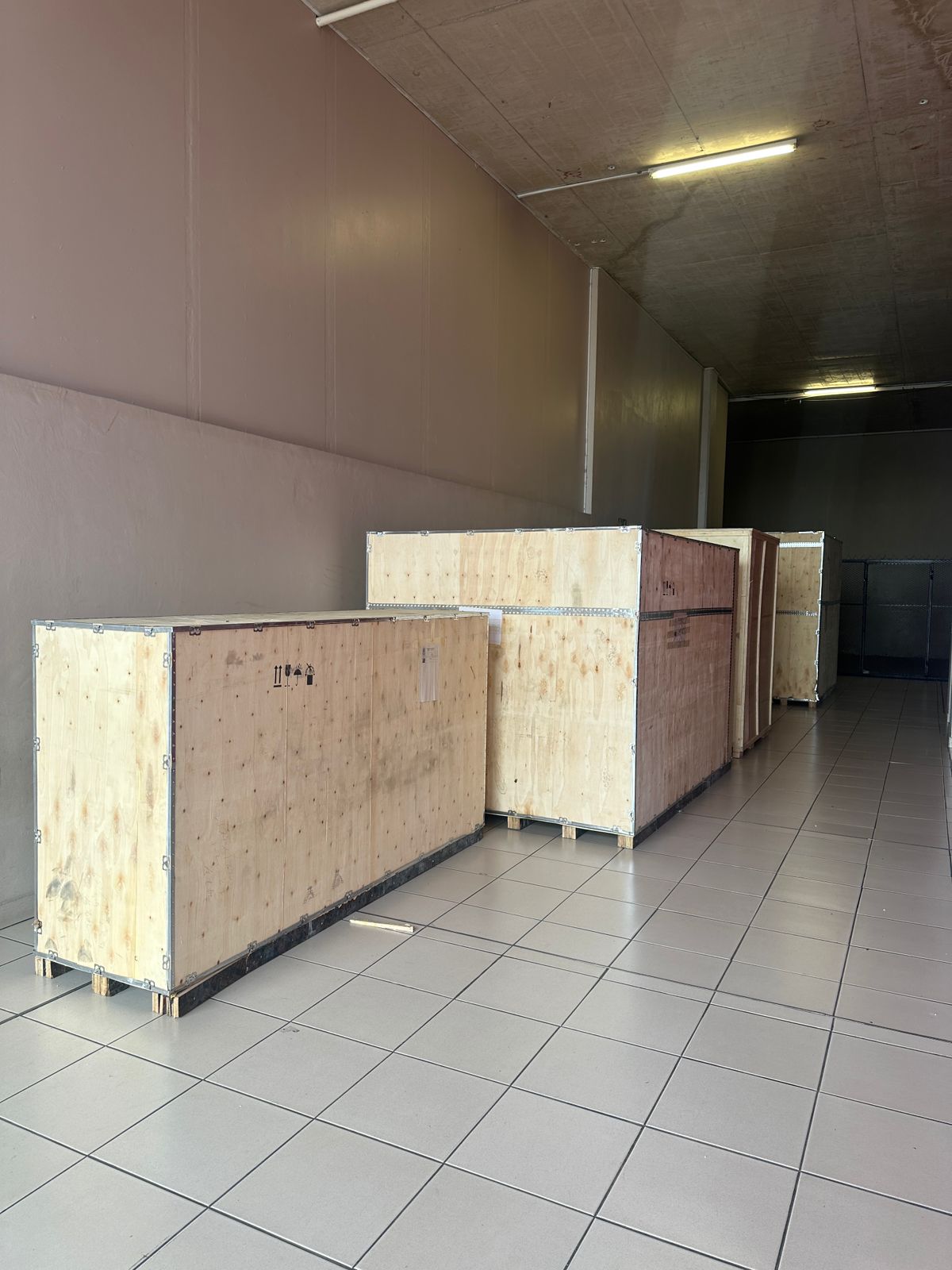
Toilet paper making machine
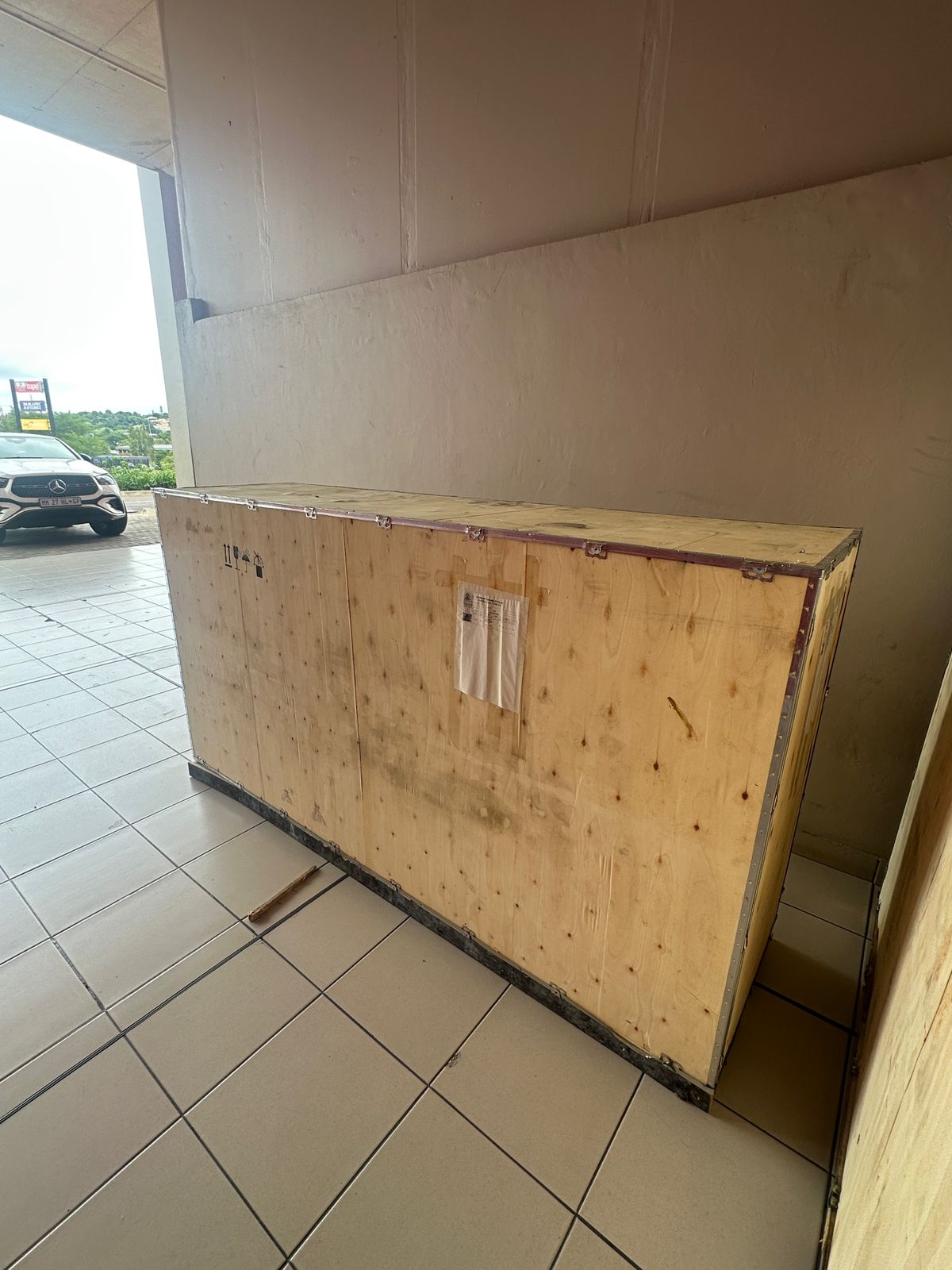
Toilet paper making machine
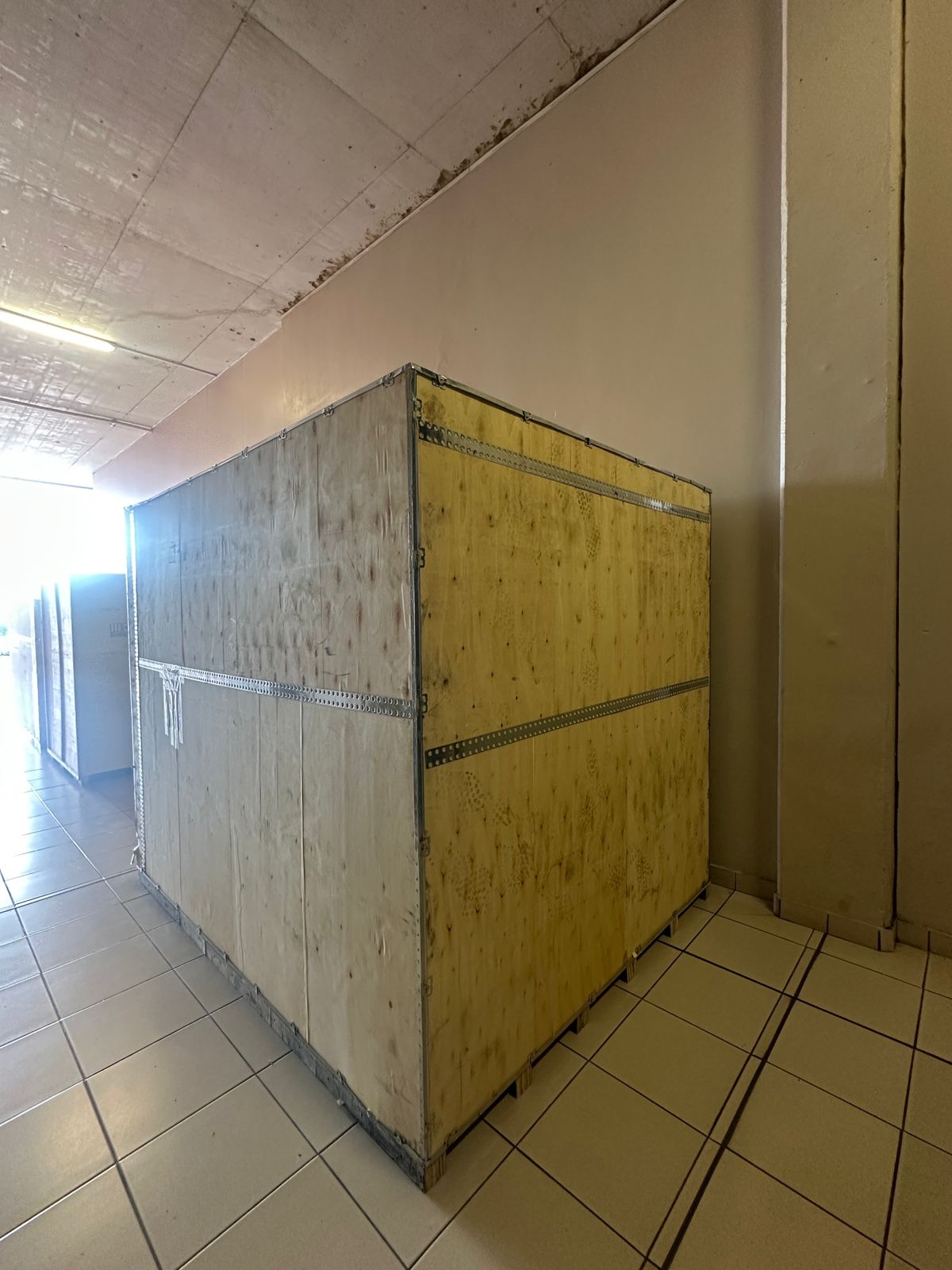
Toilet paper Rewinding Machine
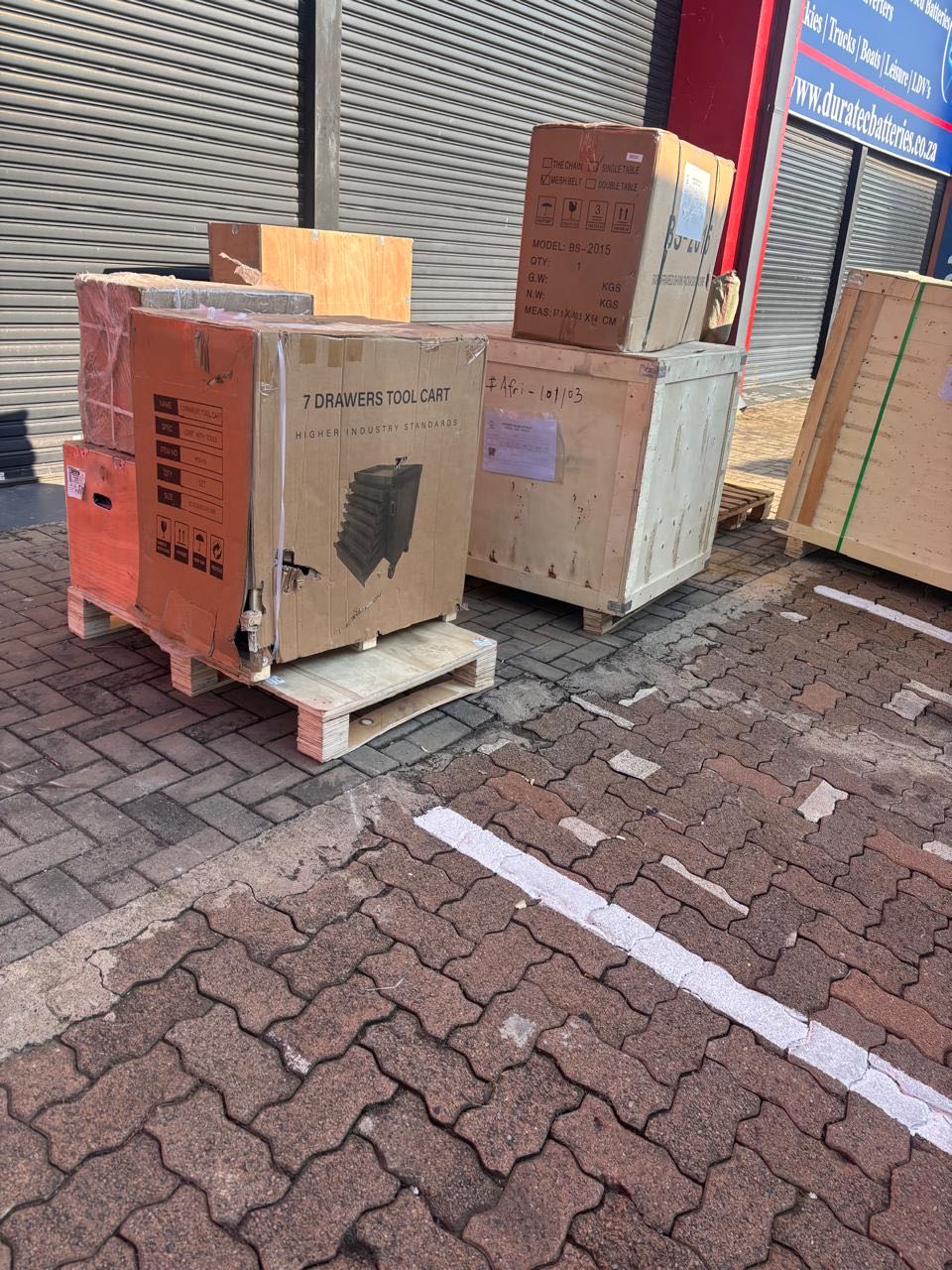
latest arrivals
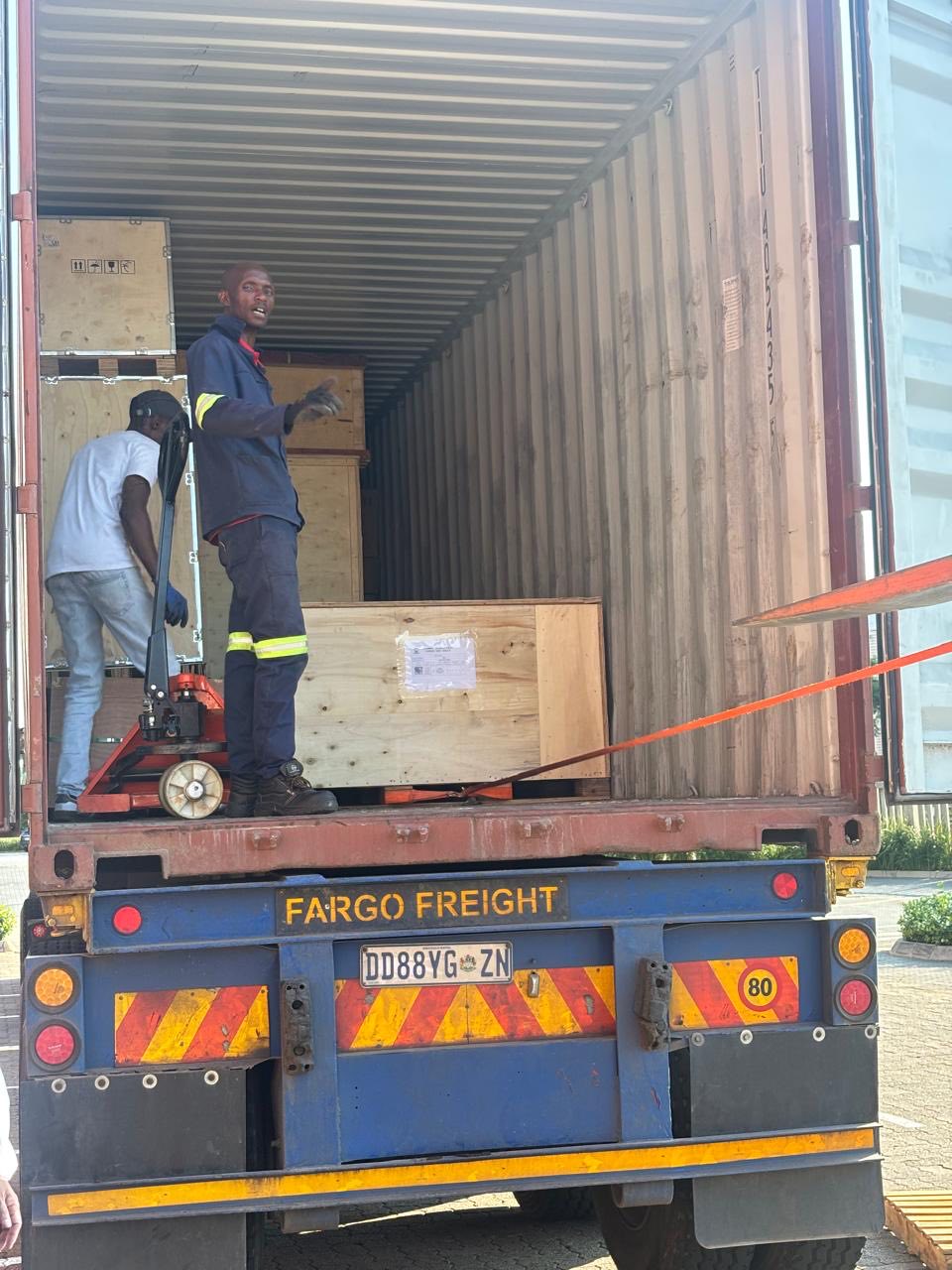
offloading
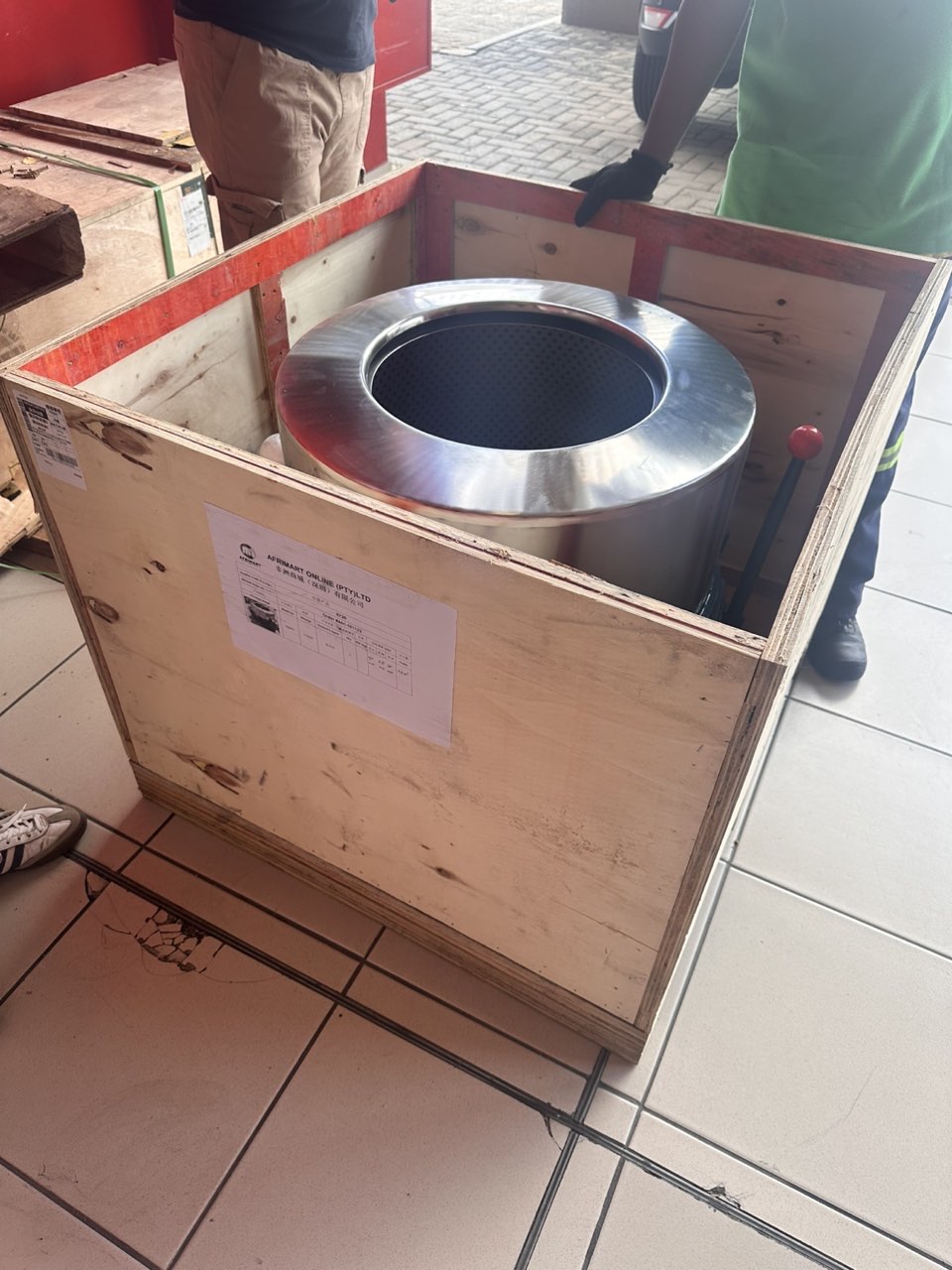
order success
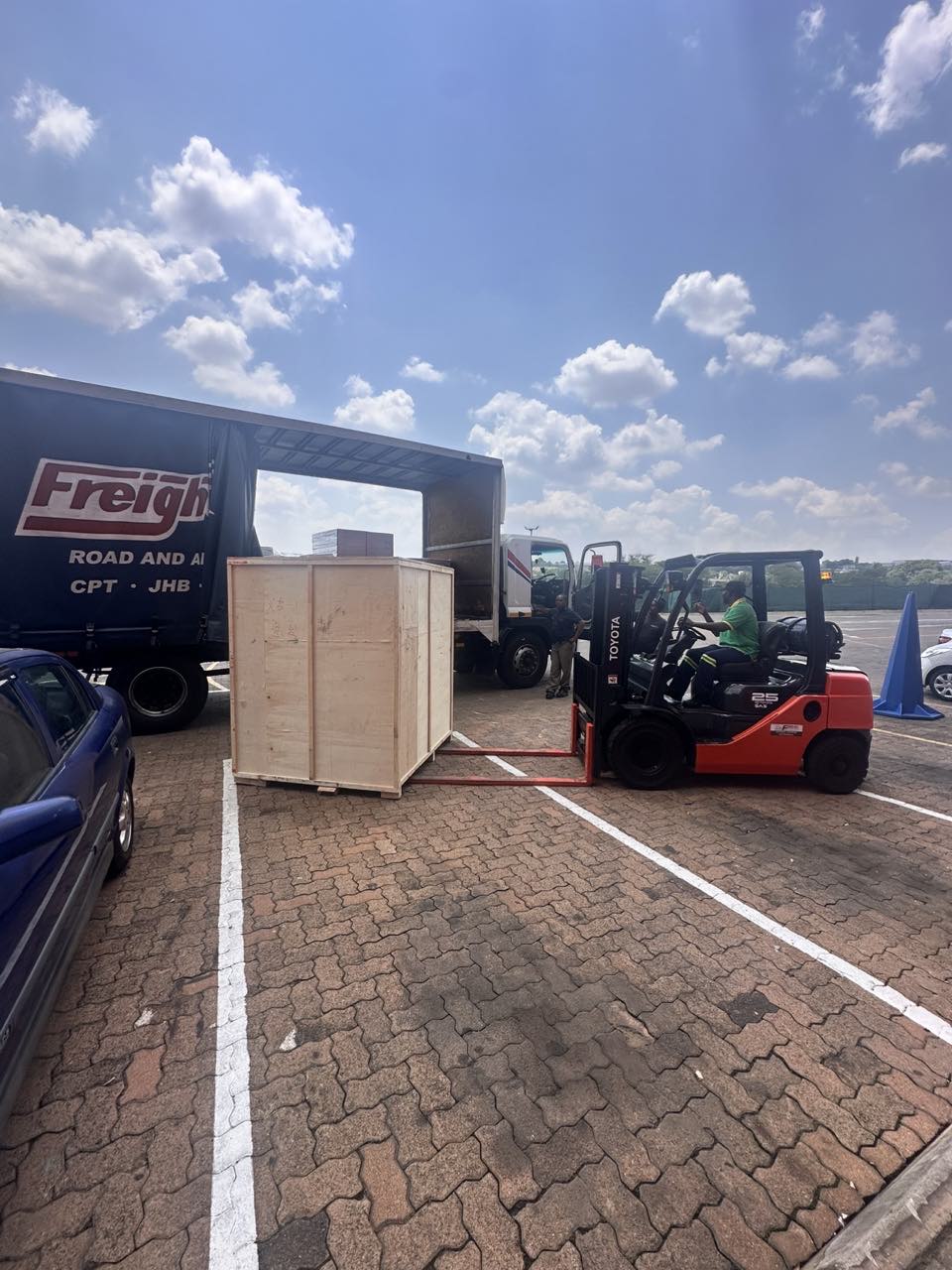
order collection
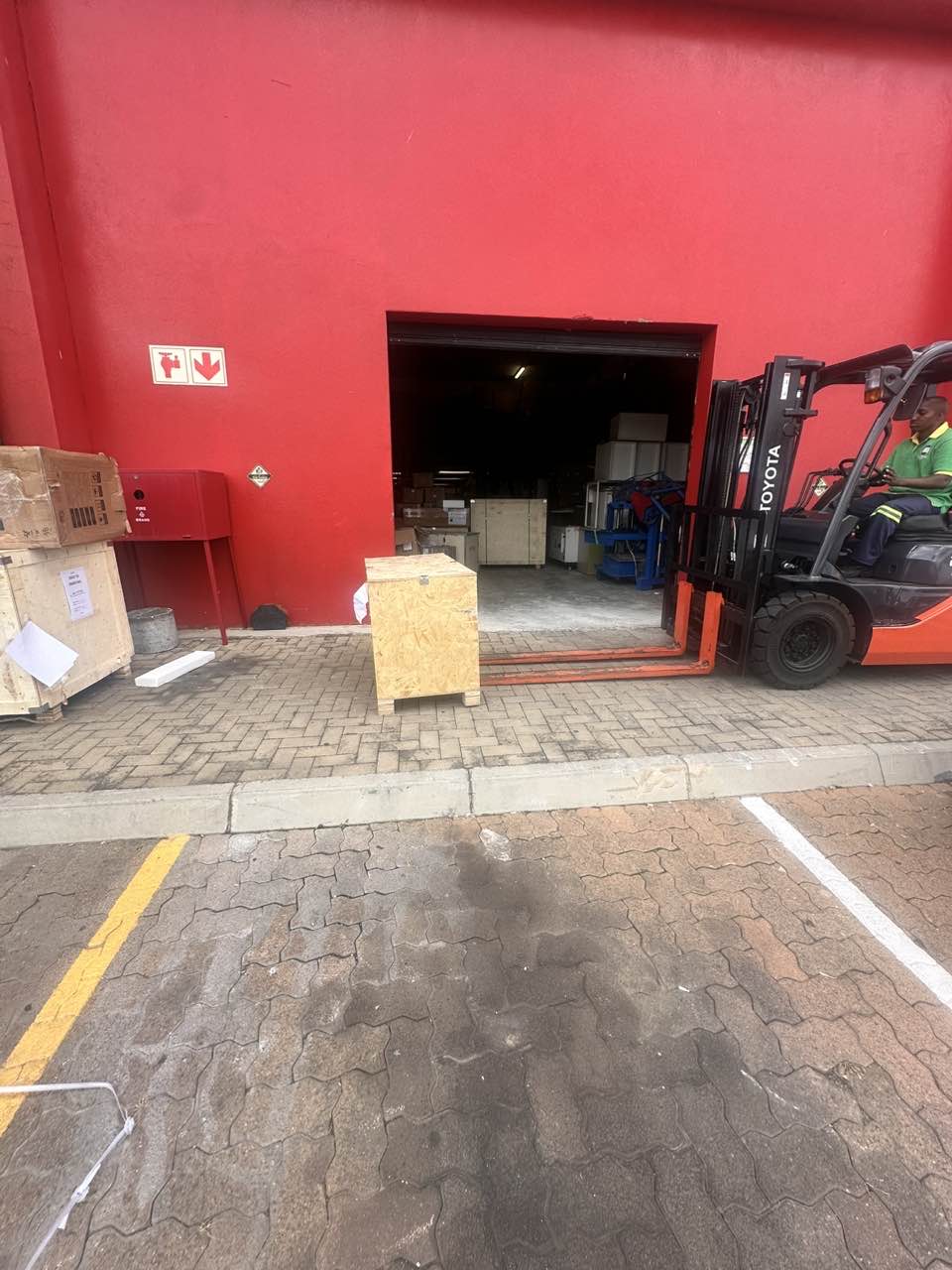
order offloading