B21, China Town Mall, Midrand

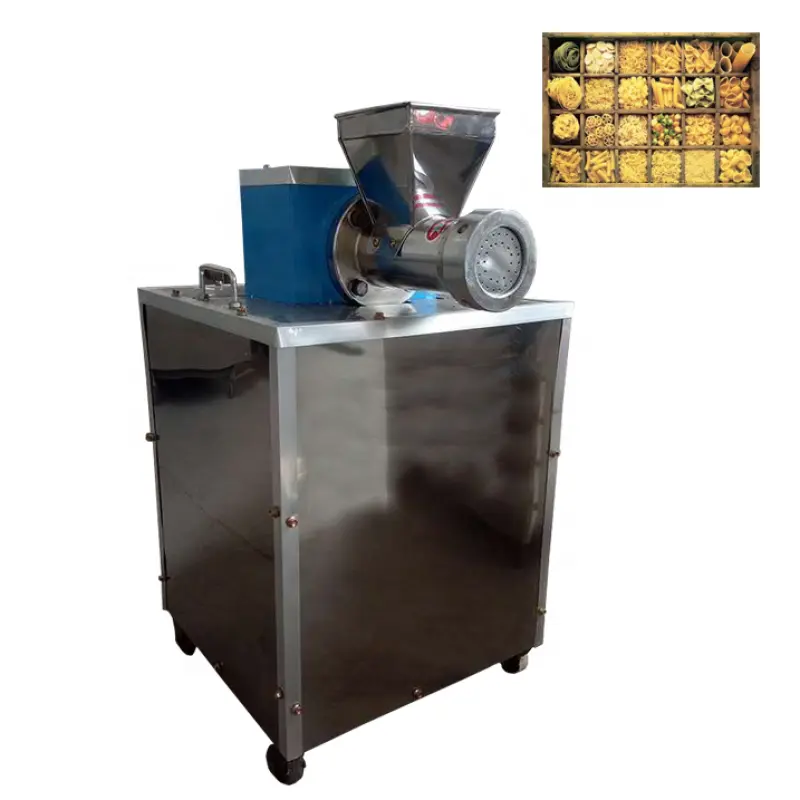
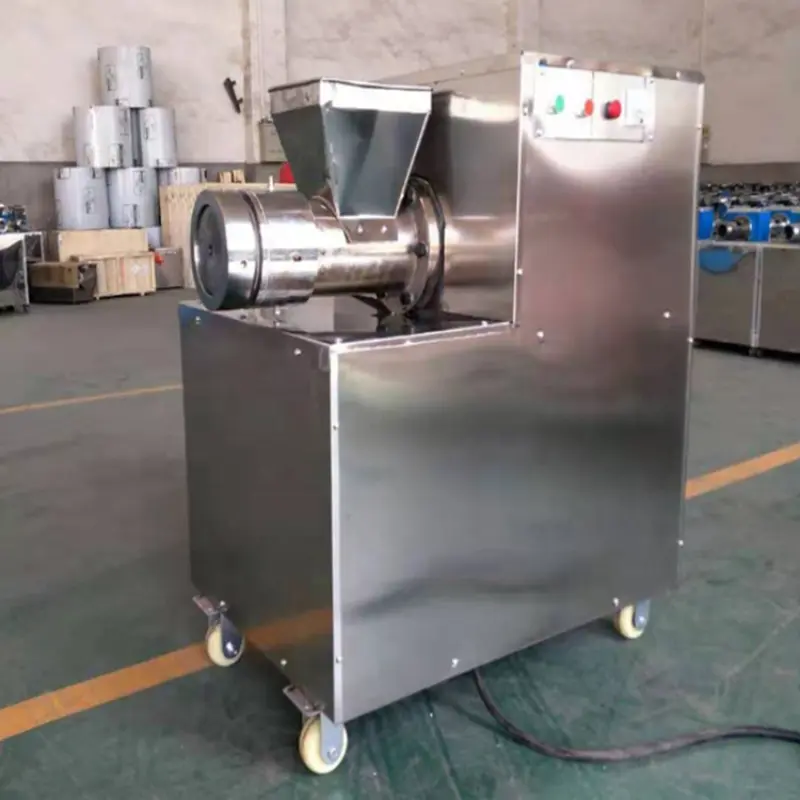
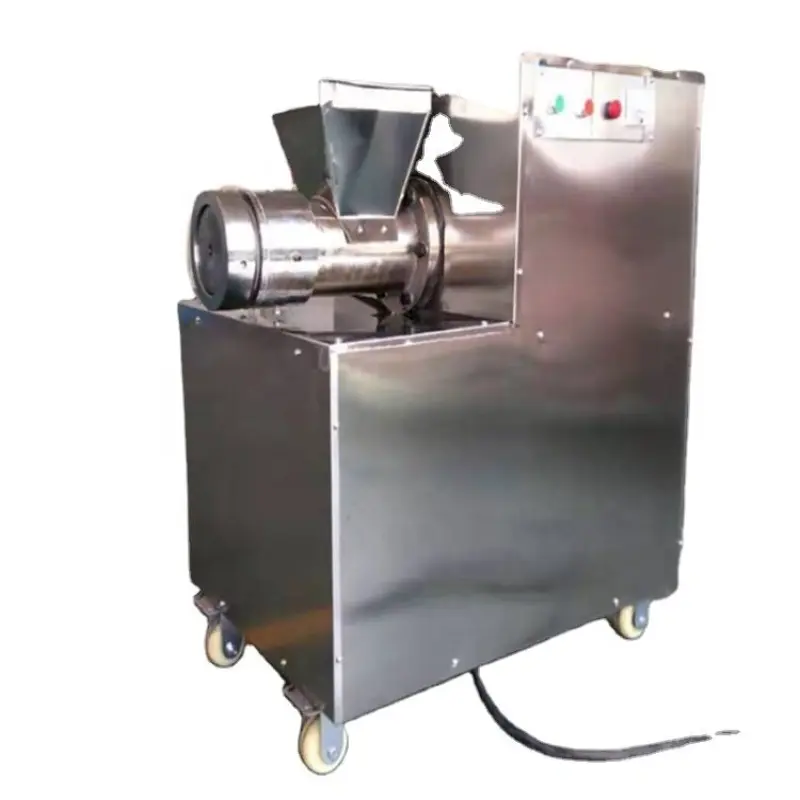
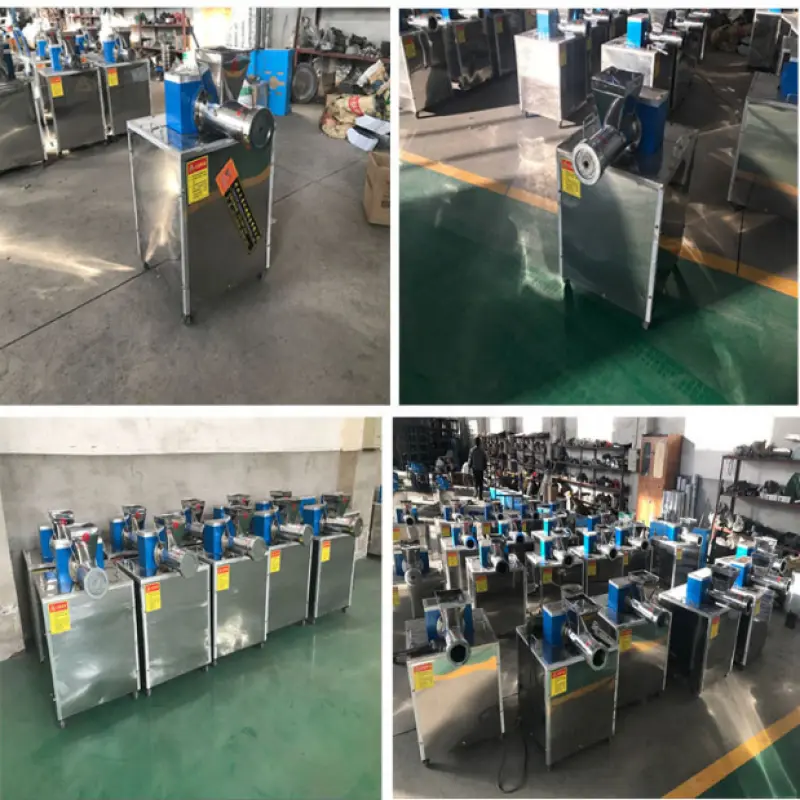
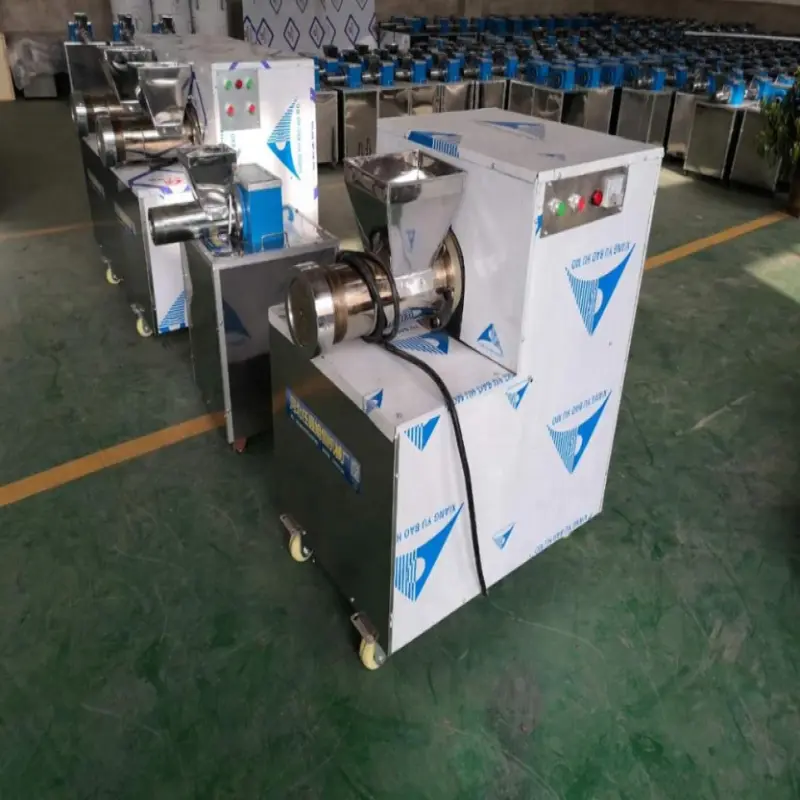
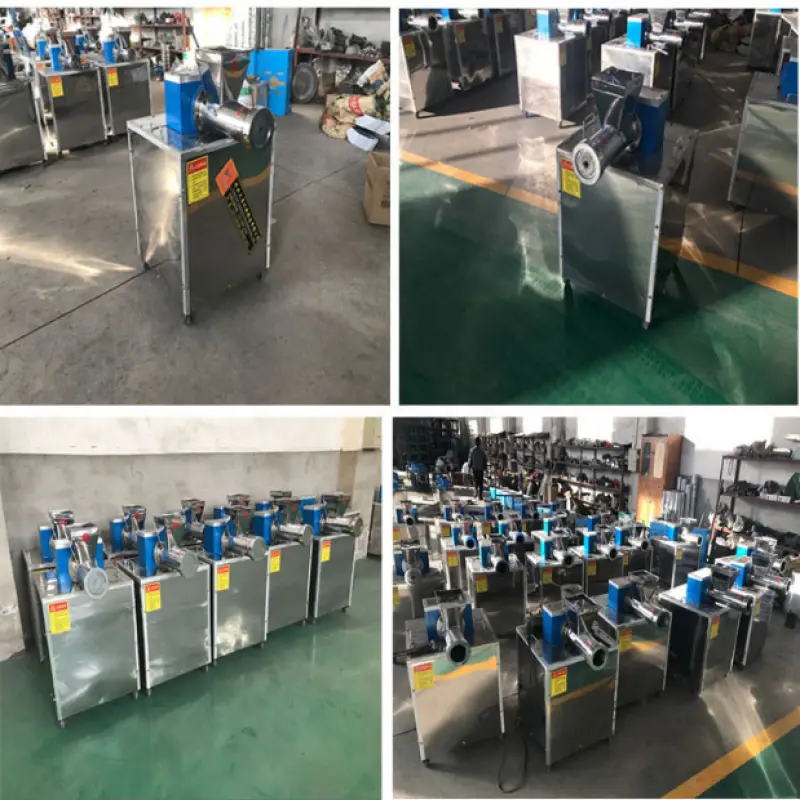
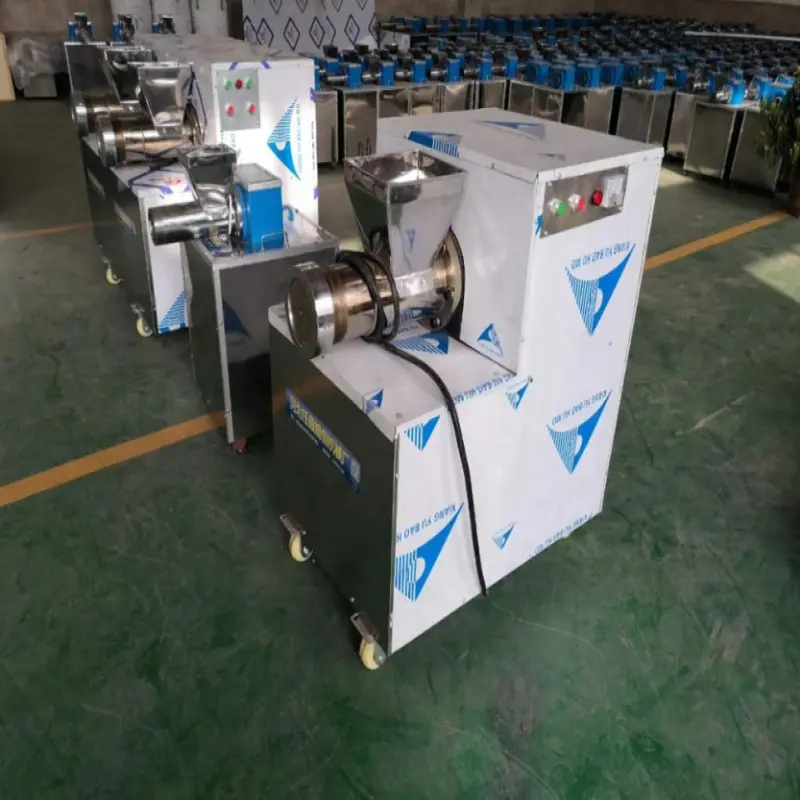
Industrial Italian Pasta Making Machine Pasta Extruder Small Snacks Processing Machine
Asset finance available
Do you want funding for this equipment?
Afrimart can connect you with trusted funding partners who specialise in asset finance for businesses like yours. Compare options and apply in minutes — final approval is subject to provider review.
Check funding options
Secure & no obligation

Model:
- Section : Machinery
- Category : Food & Beverage Machinery
- SKU : 1600411164259

Product Description
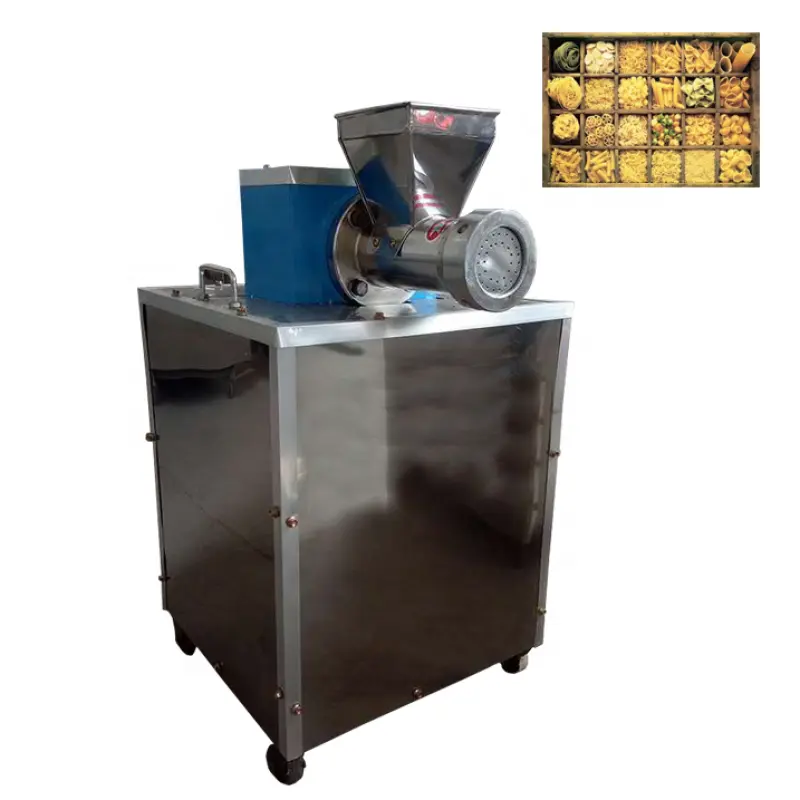
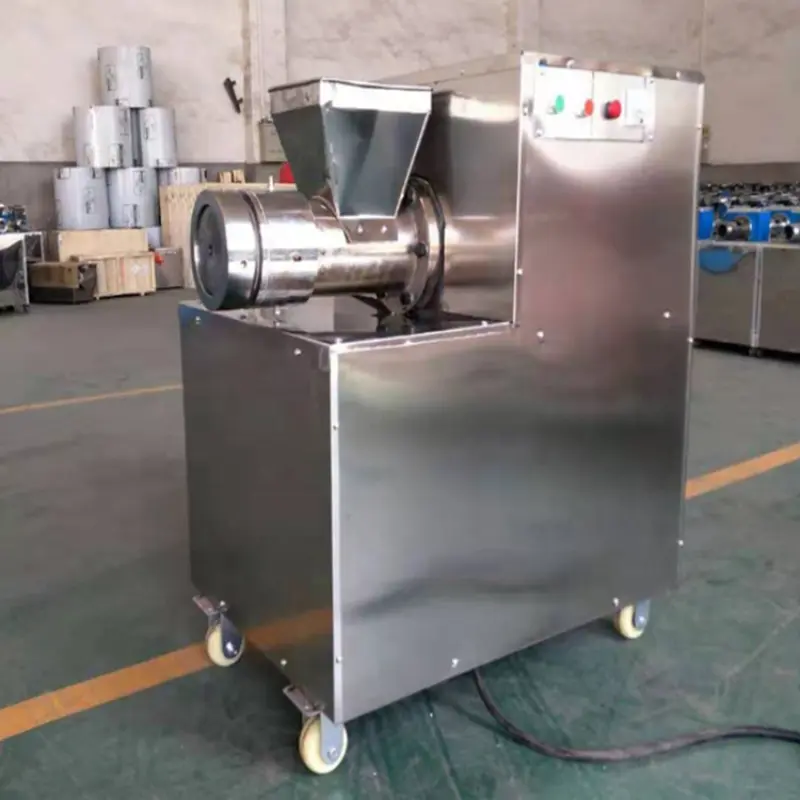
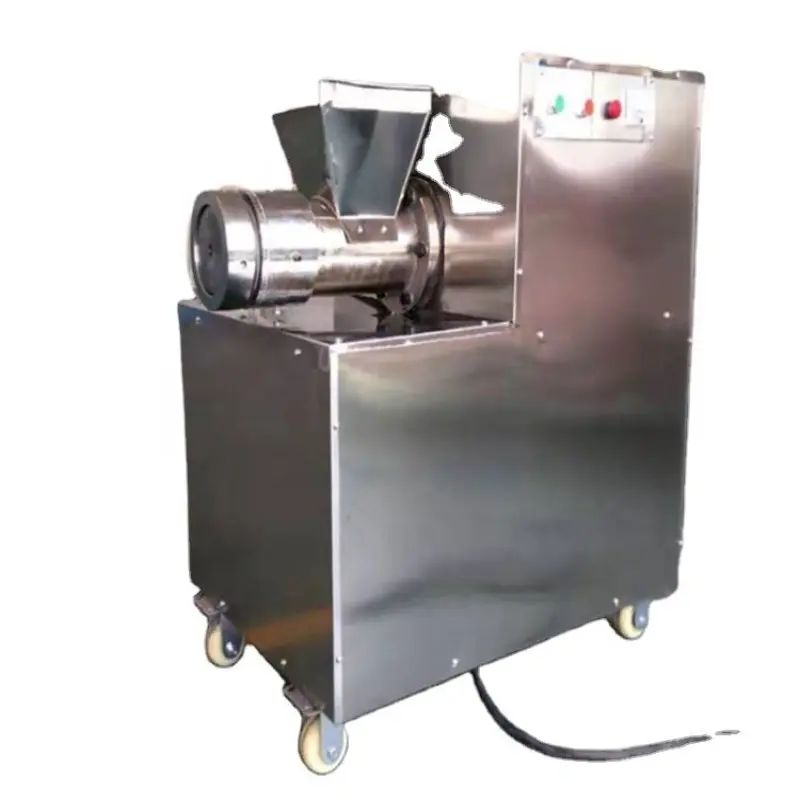
Industrial Italian pasta making machine pasta extruder small snacks processing machine
Description of Multifunctional Pasta Machine
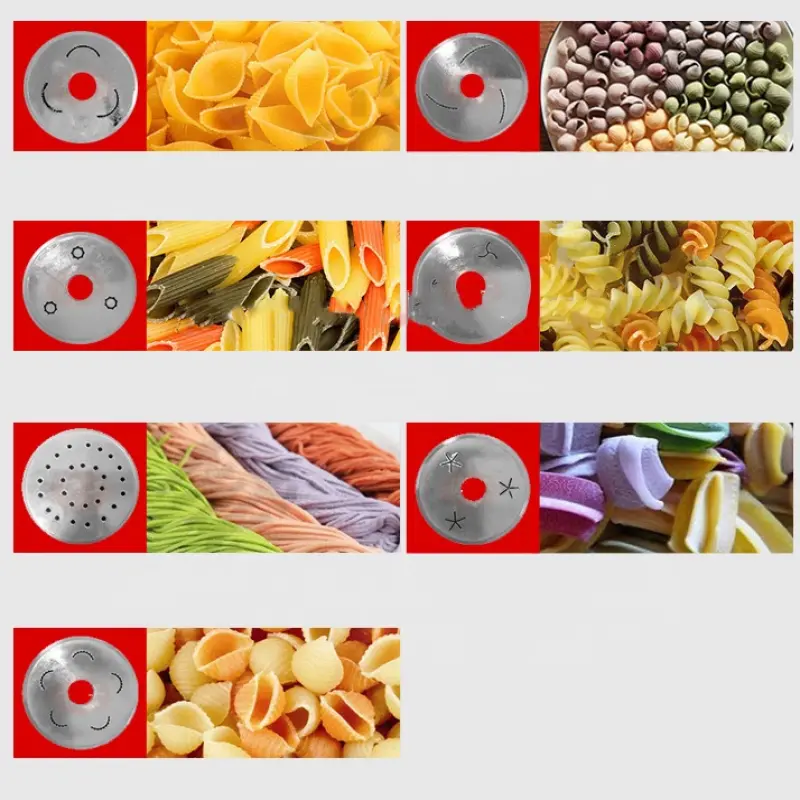
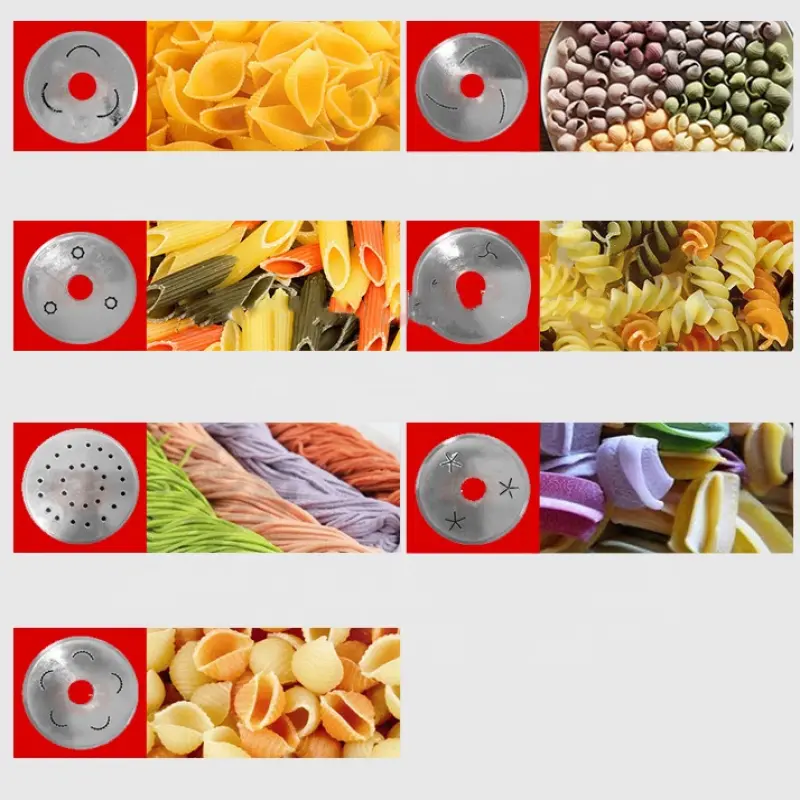
The pasta machine is a multi-functional pasta processing machine that can process dozens of different shapes of pasta. For example: shell type, conch type, hollow surface, tornado, etc. The produced food can be used as a staple food or as a snack, not suitable for families, restaurants and food processing plants. The pasta machine has the characteristics of small size, light weight, convenient movement and simple operation. The main raw materials are flour, rice flour, starch, and miscellaneous grains. The whole work process can be operated by one person, with high output and can bring huge economic benefits for you.
Features
1. Low energy consumption.
2. High efficiency.
3. Different kind of mold for different shapes pasta, noodles, snack.
4. Compact structure and easy operation.
5. The Italy pasta cooker has different kinds of moulds to select.
Introduction of Using Method
Raw material - noodle mixing machine - pasta machine feeding port - spiral production - hob cutting - finished product outlet
1. Raw material processing: The flour is passed through a noodle mixer or manually stirred to make a dough shape, so that the flour is fully absorbed, and the gluten network is formed after puffing, and left for 10 minutes, and the surface temperature is maintained at 20-30 ° then placed on the machine.
2. The agitated fabric is fed into the multi-functional pasta machine, and the fabric is formed into a ring after repeated rolling processes.
3. The extruded fabric is cut by a hob, and the corresponding shape of the food is produced according to the mold installed at the exit of the machine, and the whole pasta production work is completed.
Parameters:
| Model | Capacity | Power | Size |
| JCYM-60 | 15-30kg/h | 2.5kw | 420*500*750mm |
| JCYM-80 | 30-60kg/h | 3kw | 500*600*800mm |
| JCYM-100 | 60-90kg/h | 4kw | 500*650*900mm |
| JCYM-130S | 100-150kg/h | 5.5kw | 950*650*1000mm |
| JCYM-130D | 200-300kg/h | 11kw | 1300*950*1000mm |


- Shipping Timeframes: All orders are processed within 2-5 business days (excluding weekends and holidays). After your order has been processed, the estimated delivery time is before 12 Jul, 2026, depending on customs, Please note that due to high demand, some items may experience longer shipping times, which will be communicated at order confirmation email.
- Order Processing Time: Please allow 2-5 business days for us to process your order before it is shipped . Orders placed after 16:00 on Fridays, or during weekends and public holidays, will begin processing on the next business day. Processing times may be extended during peak seasons or sales events.
- Manufacturing Time: Some products needs manufacturing time, the manufacturing process will take approximately 10-30 business days depending on the product. This timeframe may vary depending on the complexity of the product and current demand. but this will be communicated with you during order confirmation.
- Returns and Exchanges: We offer a 30-day return policy for most items. If you are not completely satisfied with your purchase, you may return it within 30 days of receipt for a refund or exchange. Items must be unused, in their original packaging, and accompanied by proof of purchase. Return shipping costs are the responsibility of the customer, unless the item was damaged or defective upon arrival.
1. What is the Industrial Italian Pasta Making Machine used for?
It is a multifunctional pasta extruder that produces dozens of pasta and snack shapes (for example: shell, conch, hollow surface, tornado). It can make staple-food pasta or extruded snacks using flour, rice flour, starch and mixed grains.
2. Who is this machine suitable for?
The machine is designed for small- to medium-scale production: small food processing plants, snack producers, restaurants and snack shops. It can be used in some household setups, but may be oversized for occasional home use.
3. What models, capacities and power ratings are available?
Available models and specs from the product listing: JCYM-6015 (30 kg/h, 2.5 kW, 420×500×750 mm); JCYM-8030 (60 kg/h, 3 kW, 500×600×800 mm); JCYM-10060 (90 kg/h, 4 kW, 500×650×900 mm); JCYM-130S100 (100–150 kg/h, 5.5 kW, 950×650×1000 mm); JCYM-130D200 (200–300 kg/h, 11 kW, 1300×950×1000 mm).
4. What raw materials can the machine process?
Typical raw materials are wheat flour, rice flour, various starches and mixed/miscellaneous grains. Dough should be prepared (mixed and rested) before feeding into the extruder.
5. What shapes and products can be made?
With interchangeable molds the machine can produce many shapes such as shell type, conch type, hollow-surface shapes, tornado shapes and other extruded snack/noodle forms—mold choice determines final shape.
6. How do I operate the machine (basic workflow)?
Basic steps: prepare dough (mixer or manual) and rest ~10 minutes at ~20–30°C; feed the dough into the machine’s inlet; the machine forms and extrudes the product through the mold; cut with the hob/cutter; collect finished product at the outlet.
7. How many people are needed to run it?
The machine is designed to be operated by a single person for the full process (mixing usually uses a separate noodle mixer).
8. How energy efficient is the machine?
The machine is described as low energy consumption and high efficiency. Exact power draw varies by model (see model power ratings).
9. Are the molds interchangeable and can I order additional shapes?
Yes—different molds are available for different shapes. Suppliers typically offer a range of molds and can supply additional or custom molds on request; contact the seller for availability and pricing.
10. What cleaning and maintenance are required?
Daily: remove and clean molds and cutting parts, brush out dough residue, wipe surfaces. Weekly/monthly: check and tighten fasteners, inspect/grease bearings and moving parts per manual, inspect power/motor connections. Always unplug the machine before cleaning and avoid exposing electrical components to water.
11. What safety precautions should I follow?
Keep hands and loose clothing away from the feed inlet and cutter; switch off and unplug before maintenance or cleaning; ensure proper grounding and electrical protection; follow supplier safety guidelines and provide operator training.
12. What are typical dough preparation recommendations?
The product suggests mixing flour (or other raw material) into a uniform dough, allowing it to puff and rest for about 10 minutes with surface temperature around 20–30°C before feeding. Exact hydration and recipe depend on ingredient type—test small batches to optimize texture.
13. What about materials, warranty and after-sales support?
Contact the seller for details on construction materials (food contact surfaces are commonly stainless or food-grade coated), warranty length, spare parts and after-sales support. Many suppliers provide manuals, spare molds and technical assistance, but terms vary by vendor.
Latest Order Arrivals
Discover our latest orders
12 Heads Embroidery Machine
Dewatering Pump Machine
Order Collection
Portable Water Drilling Rig
Order Usefully Collected
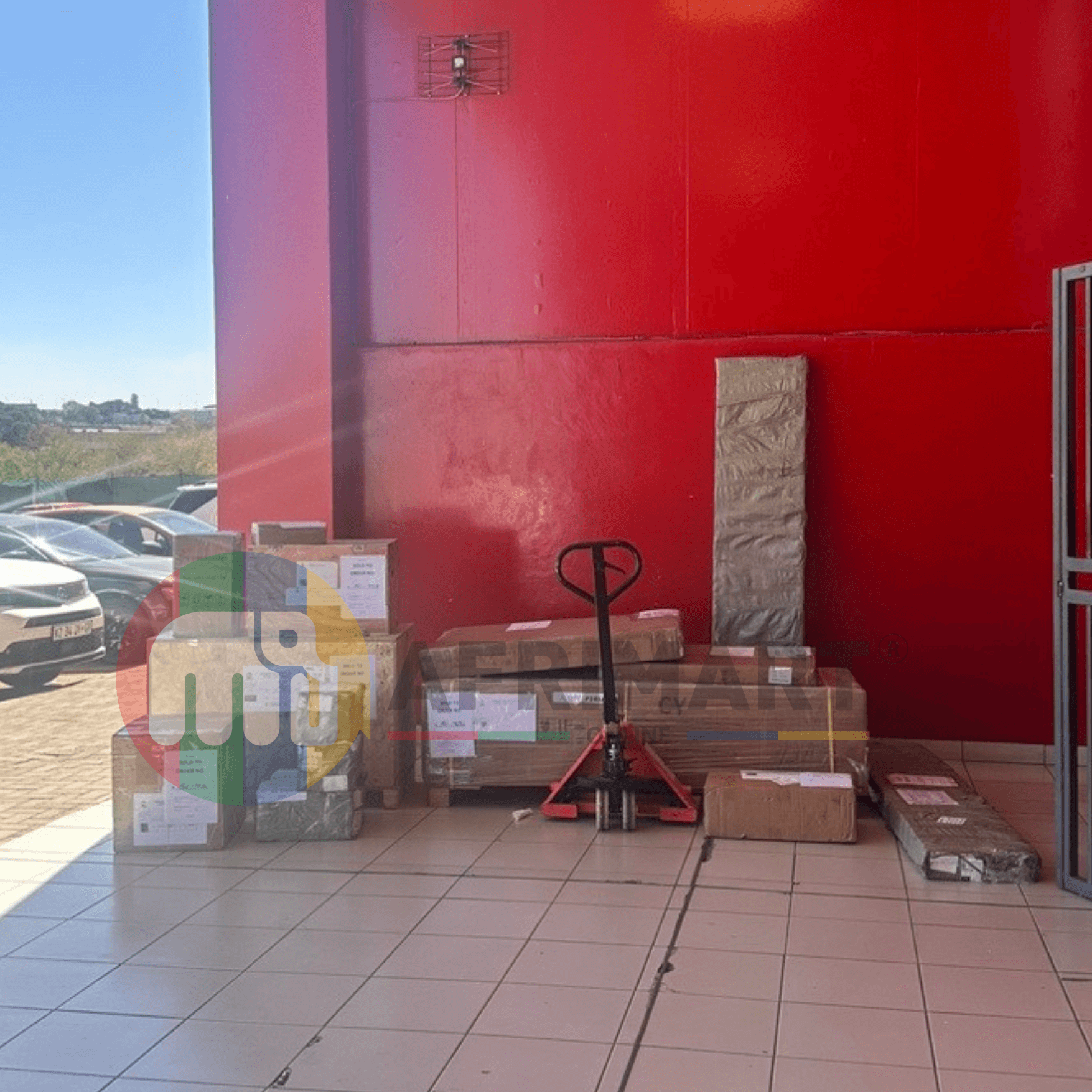
Batch of Orders
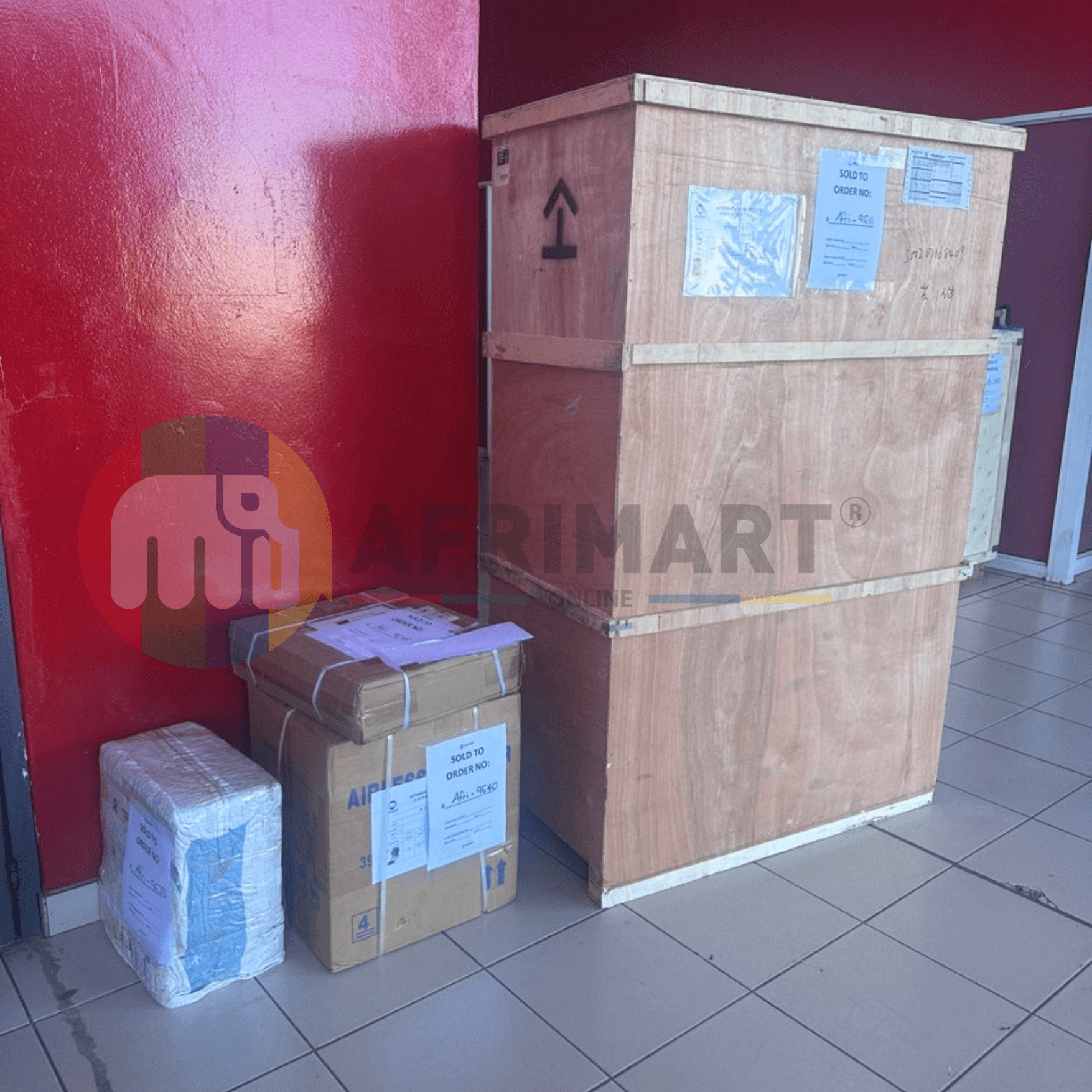
Agriculture Processing Machines
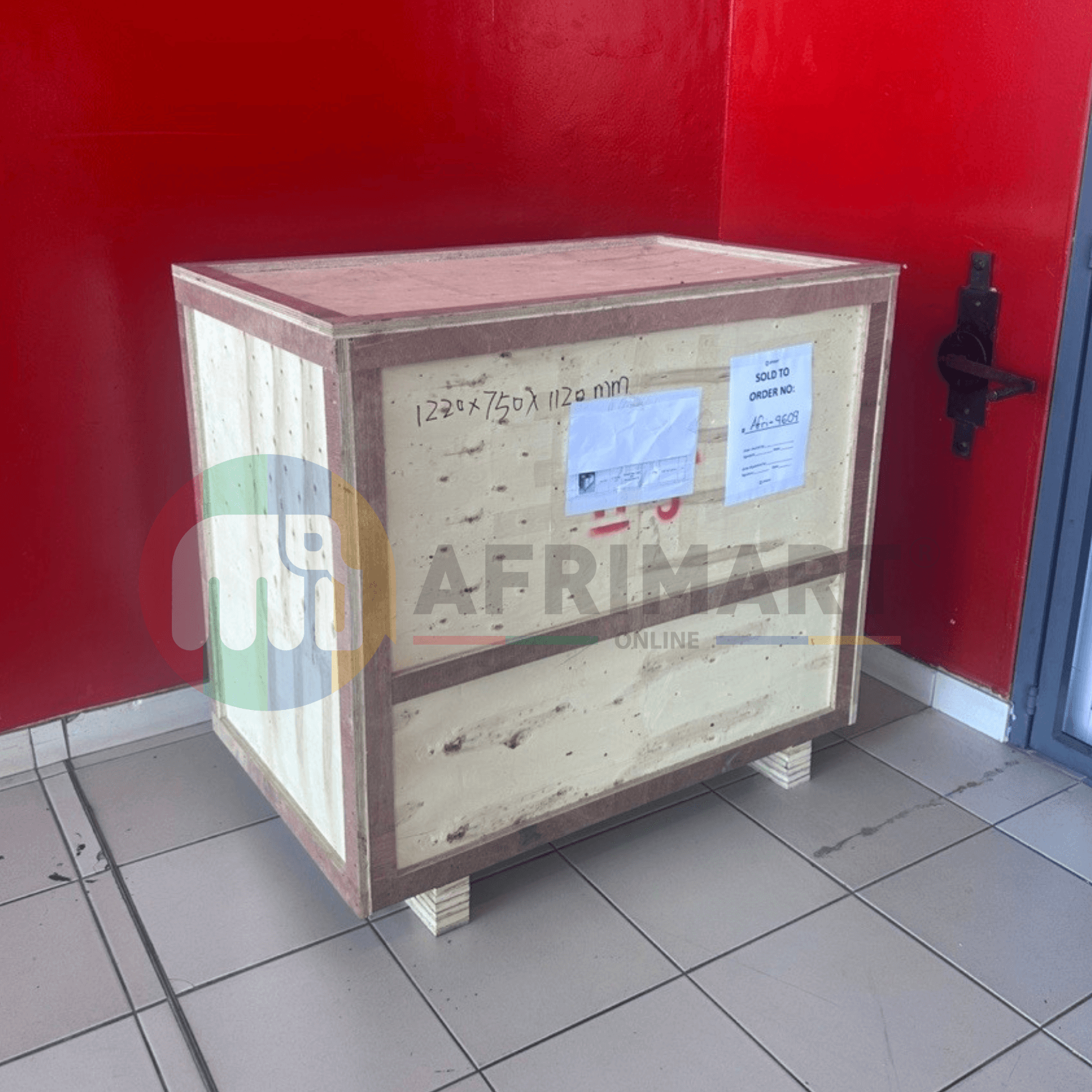
Meat Grinder Machine
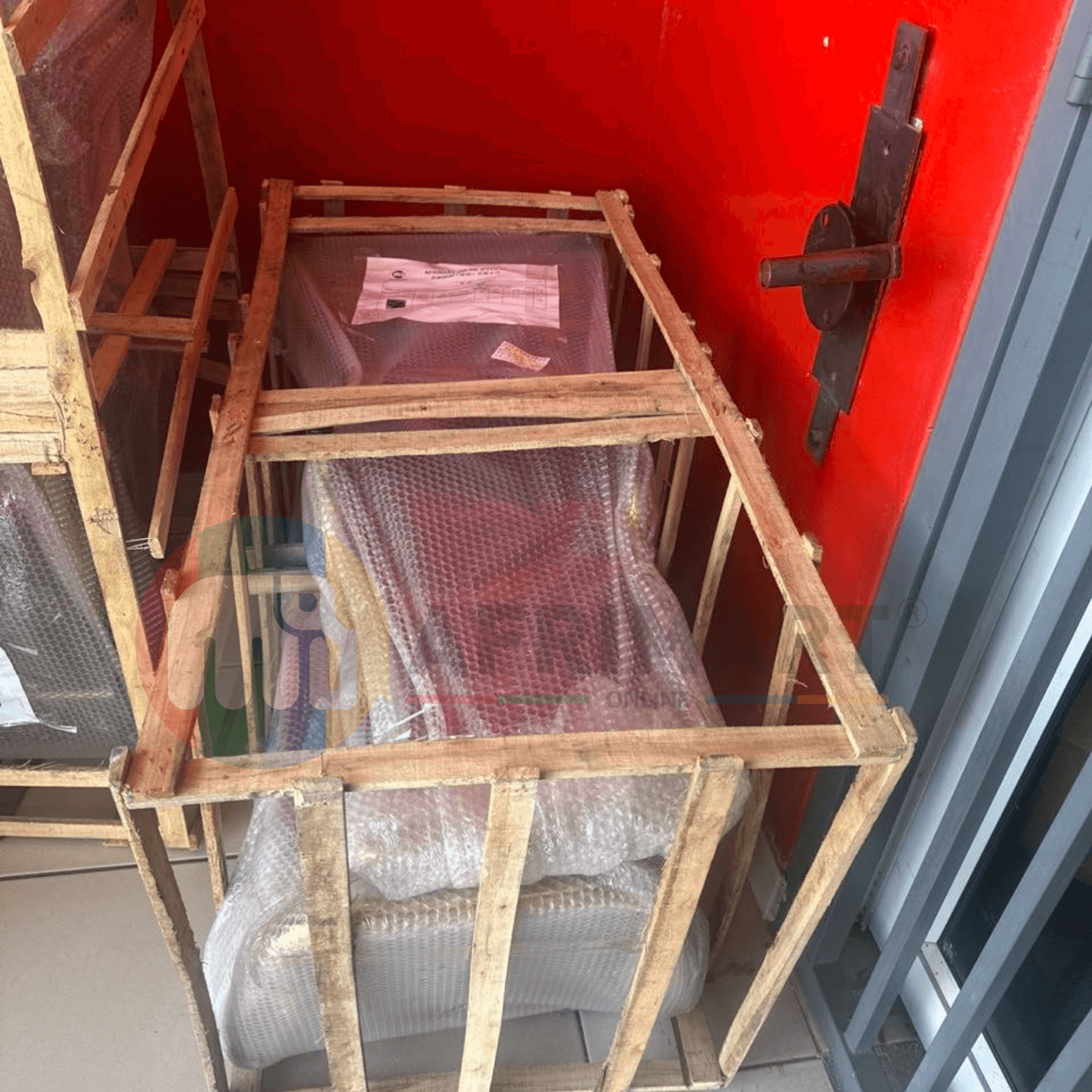
Water Pump Equipment
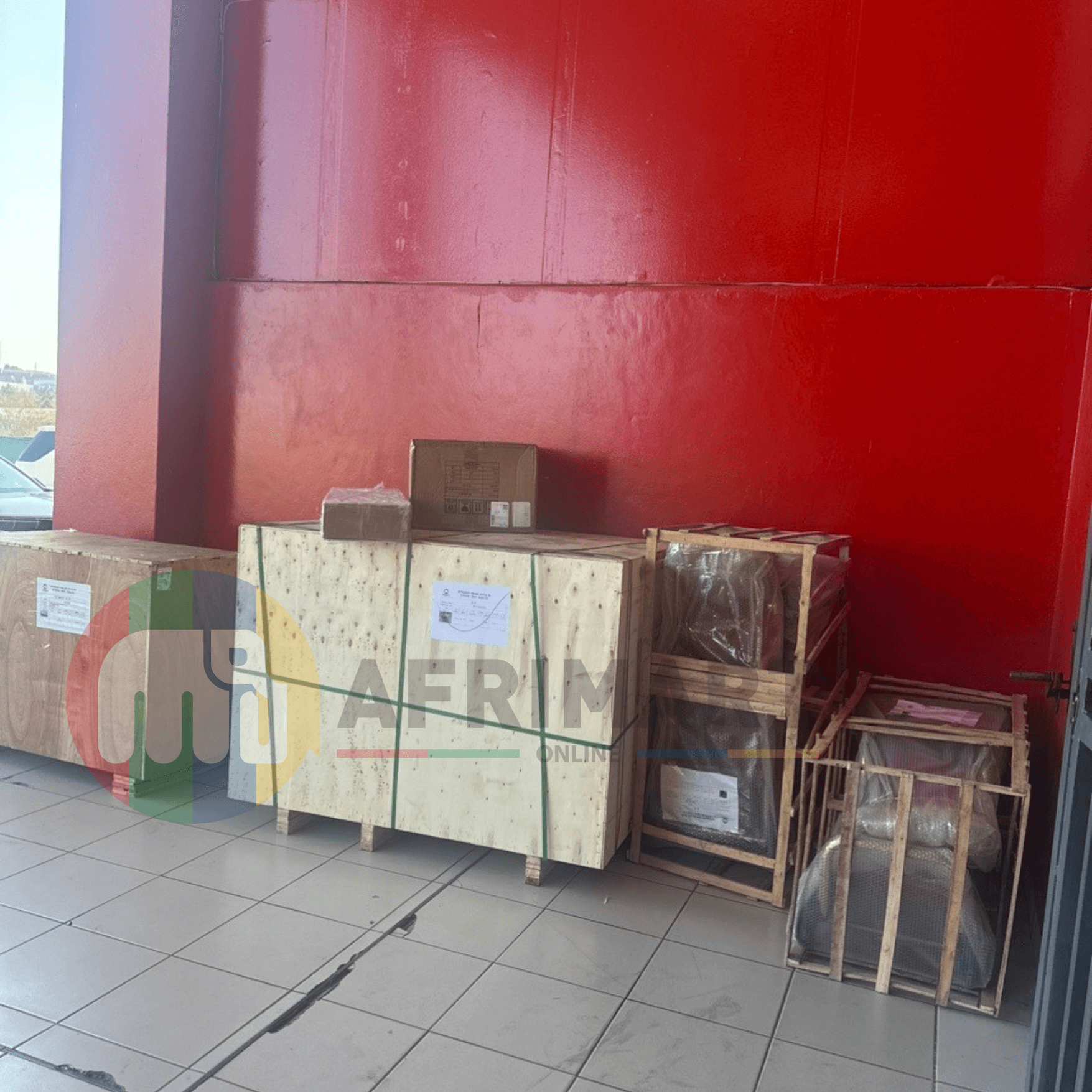
Packaging Machine and accessories
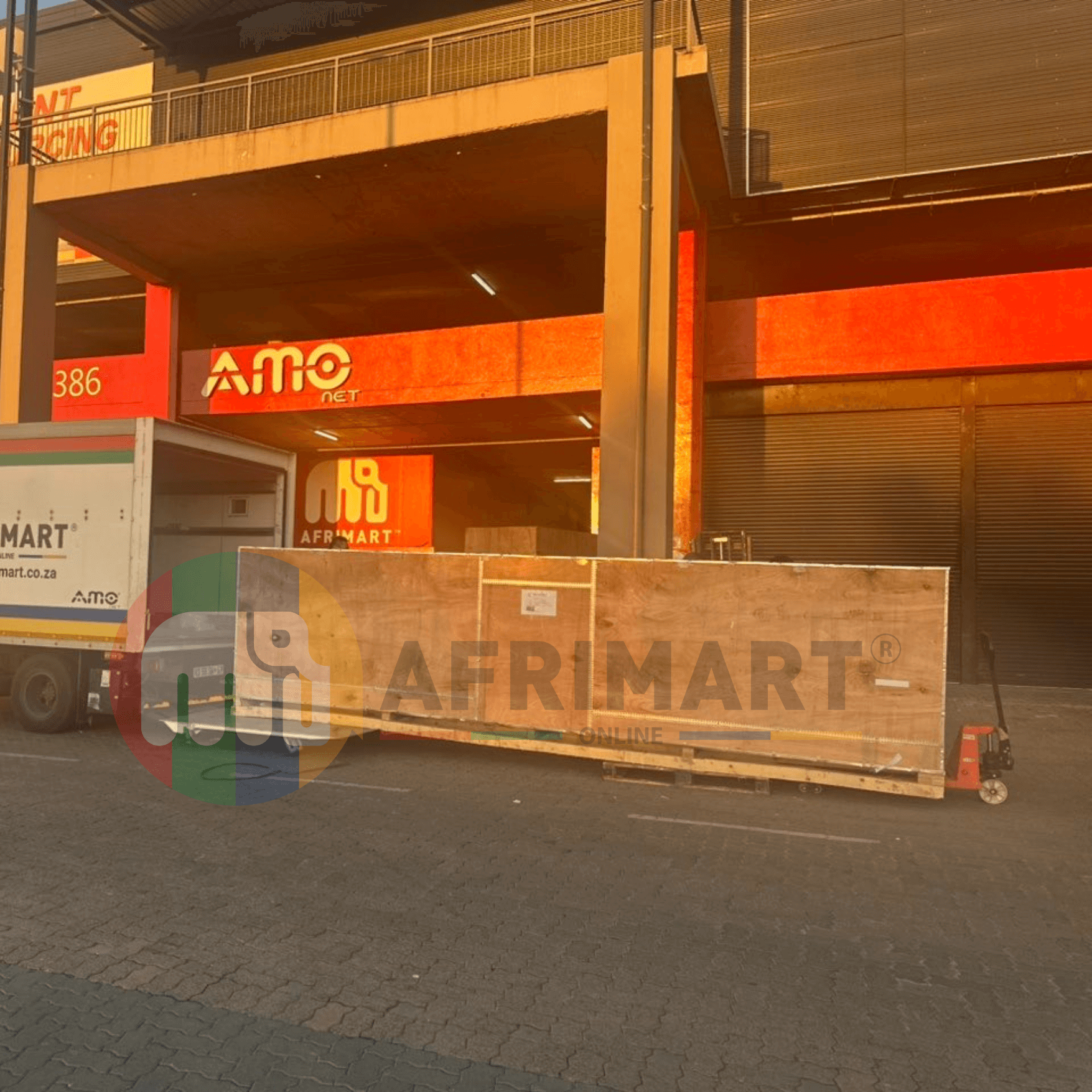
Fabrics Manufacturing Equipment
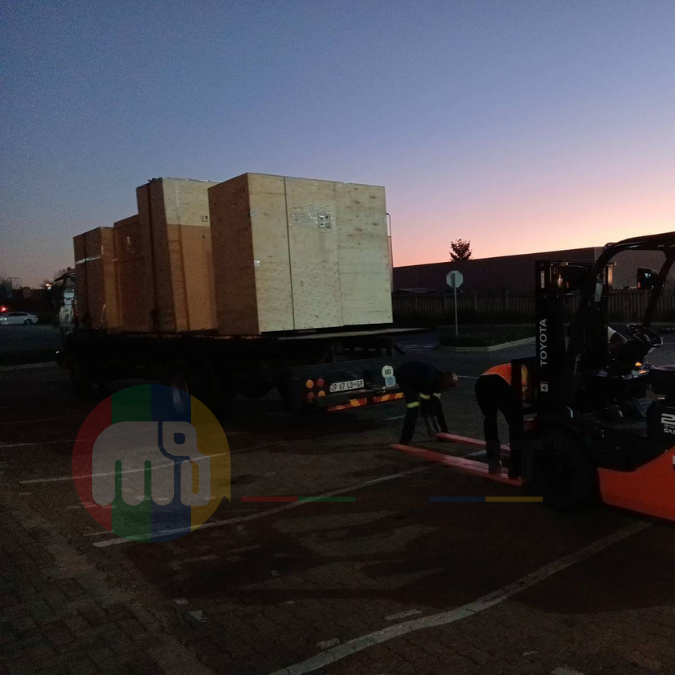
Mining Equipments
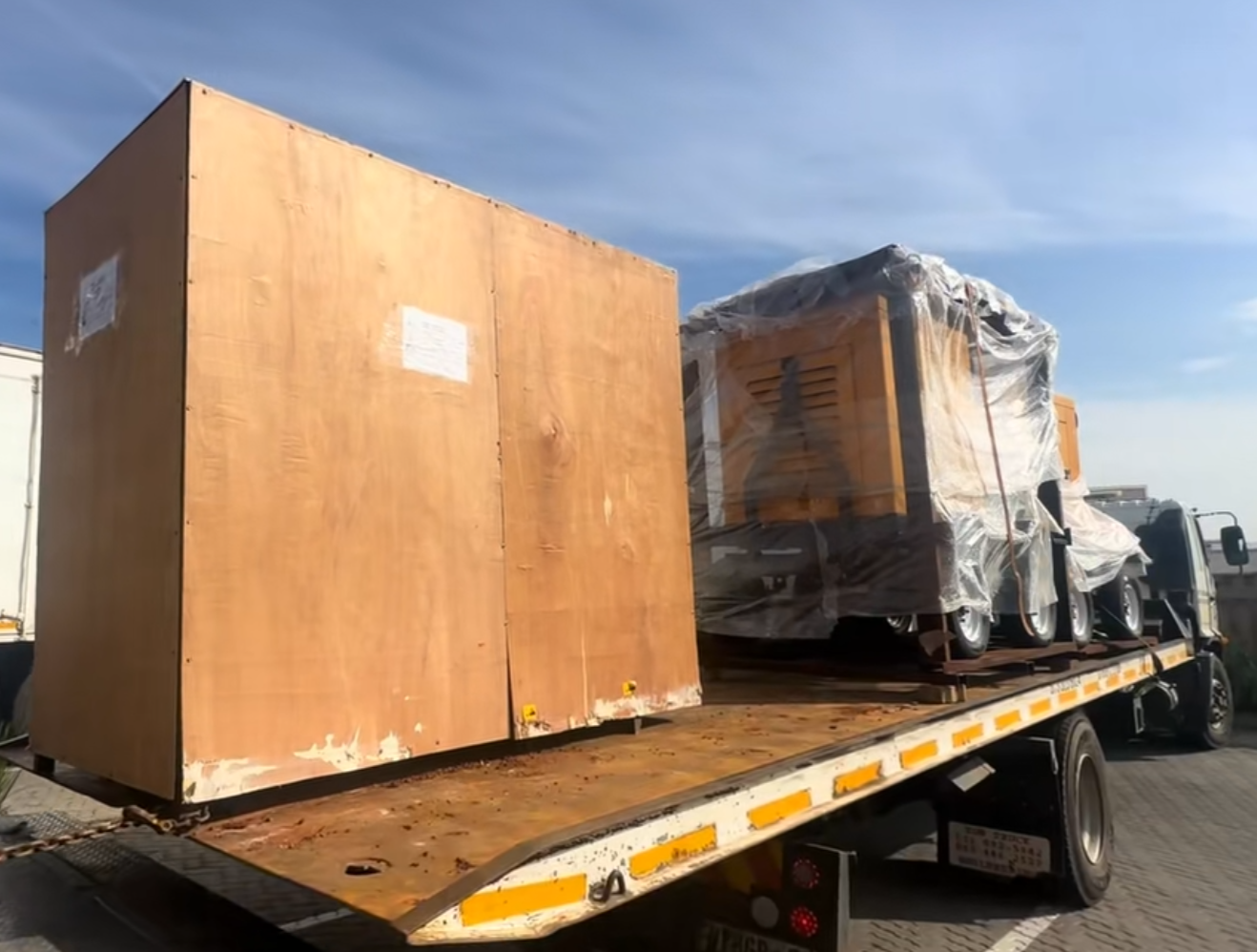
Food Processing Machine
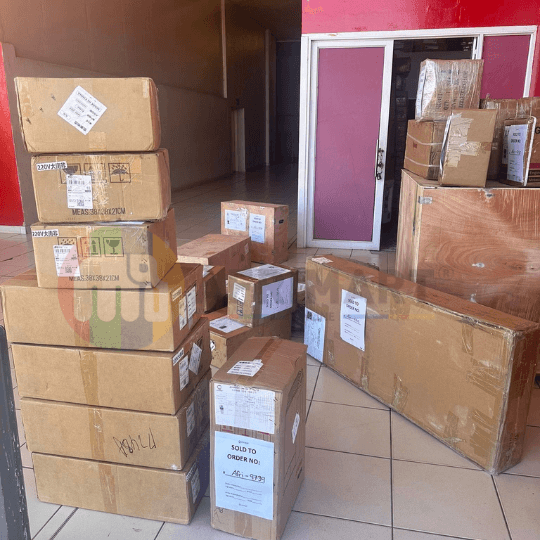
Batch of Orders
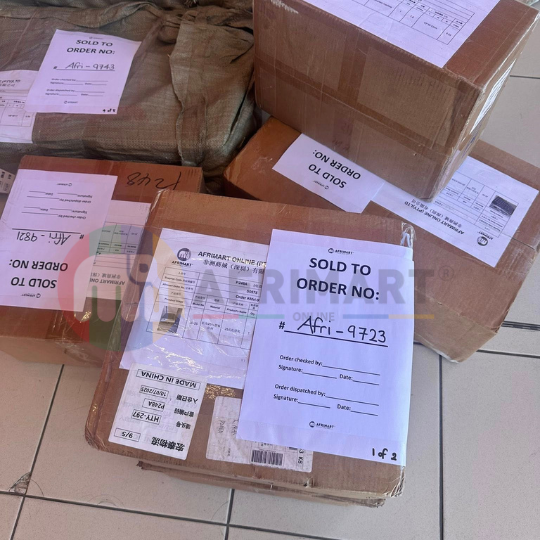
Batch of Orders
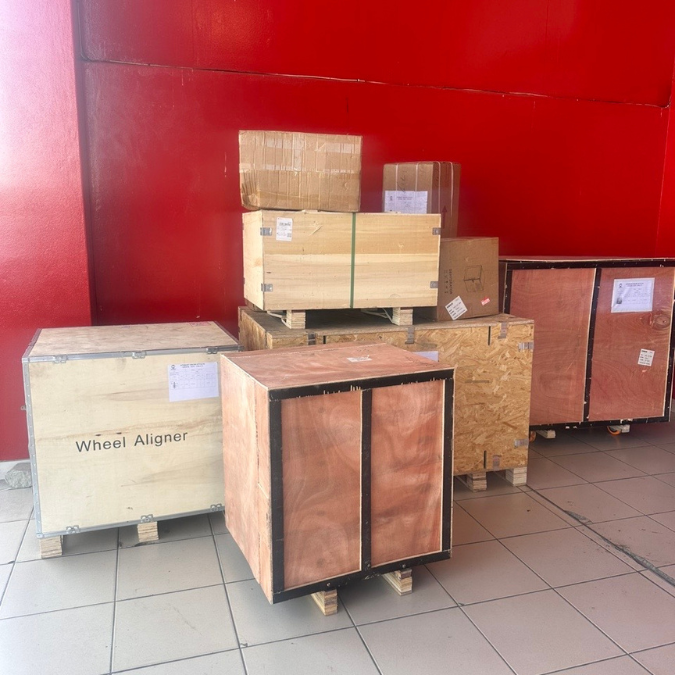
Latest Orders Labelled
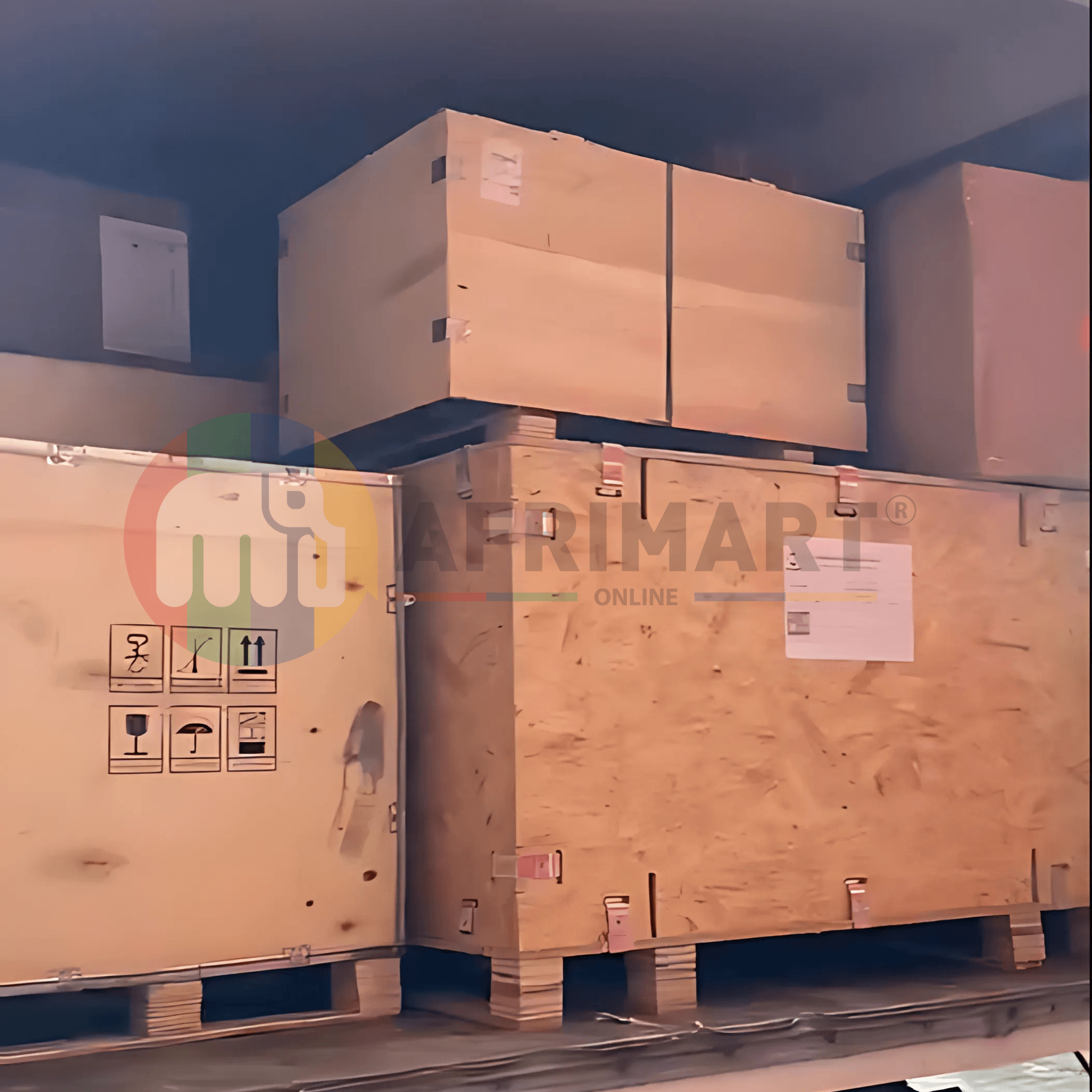
wheel alignment machines
new arrivals
Pre Orders Offloading
Latest Arrivals
Latest Arrivals
Latest Arrivals
26 January 2026
Toilet paper making machine
Toilet paper making machine
Toilet paper Rewinding Machine
latest arrivals
offloading
order success
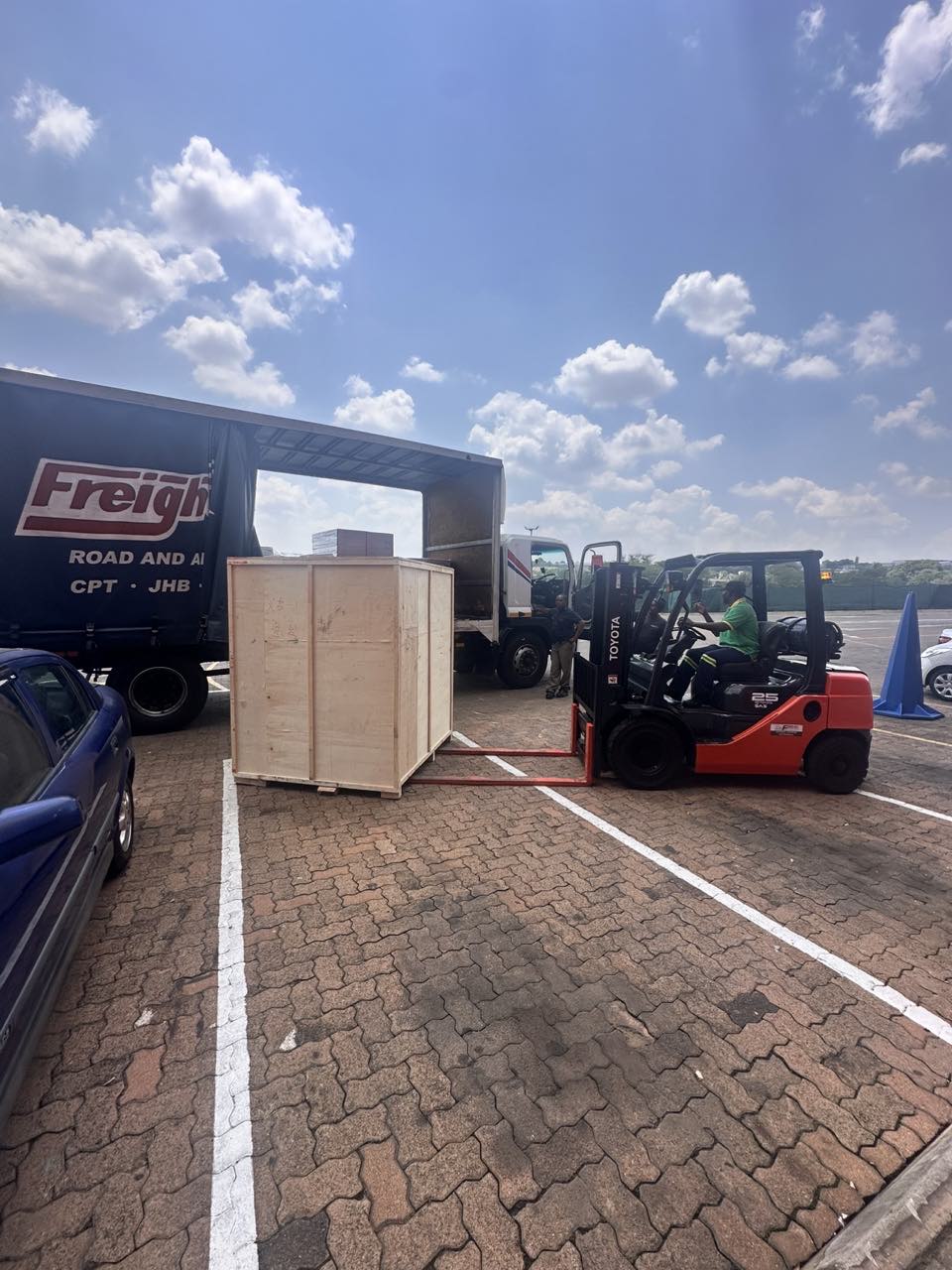
order collection
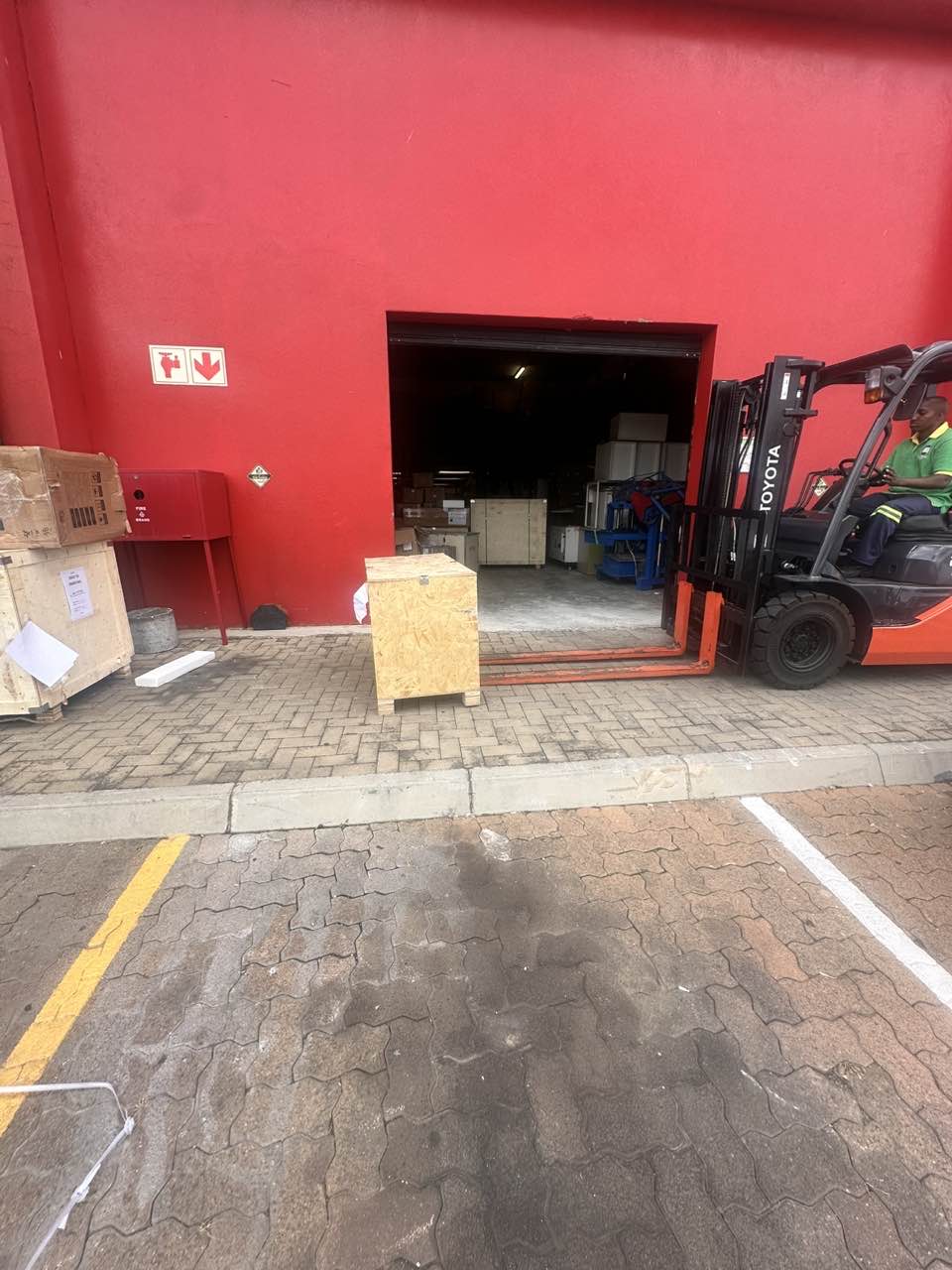
order offloading