B21, China Town Mall, Midrand

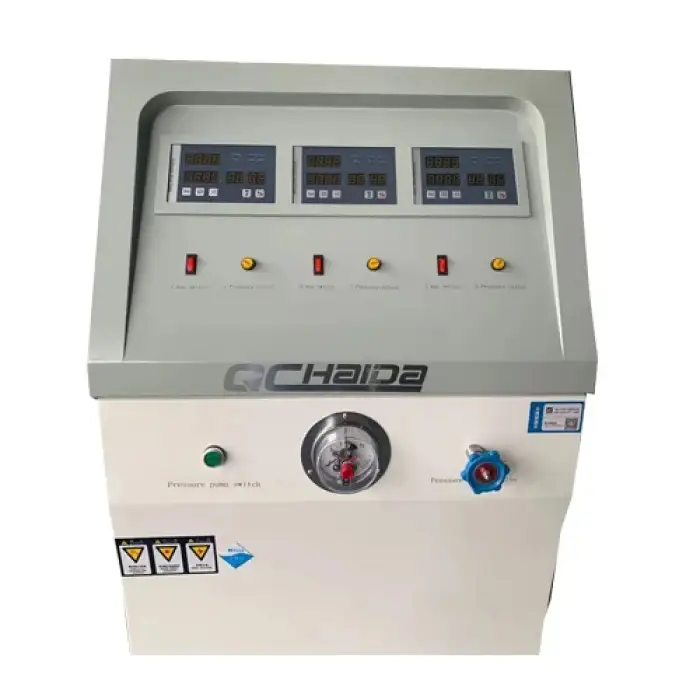
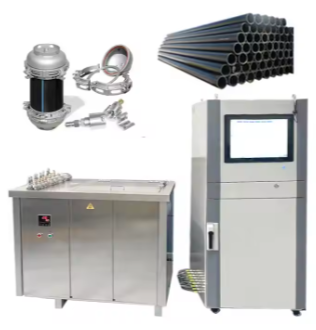

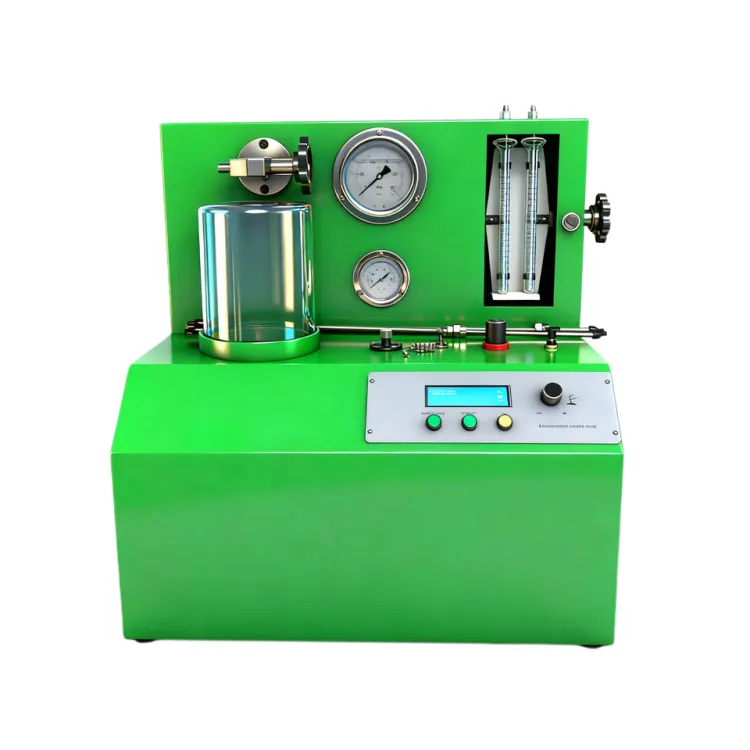
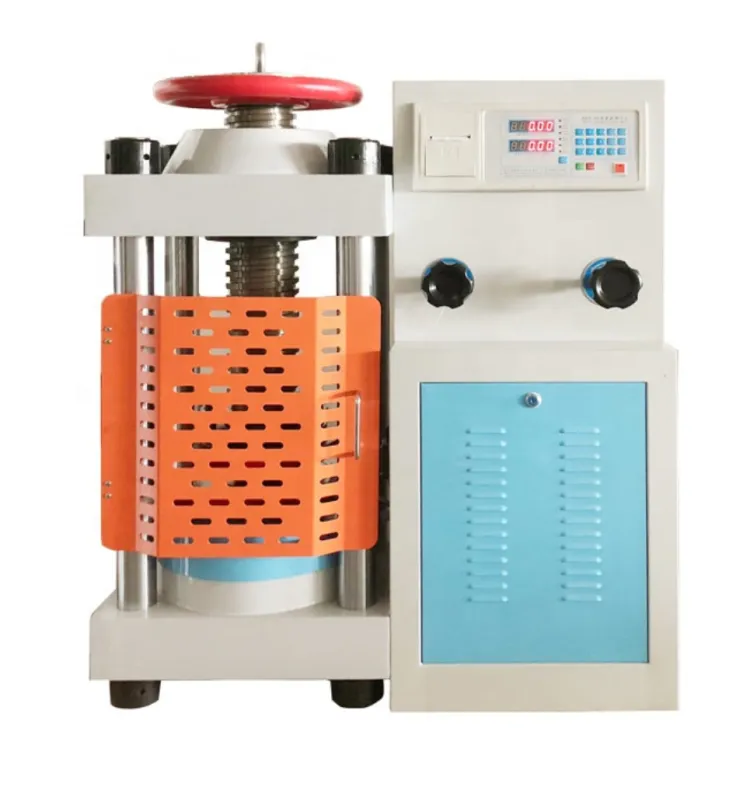
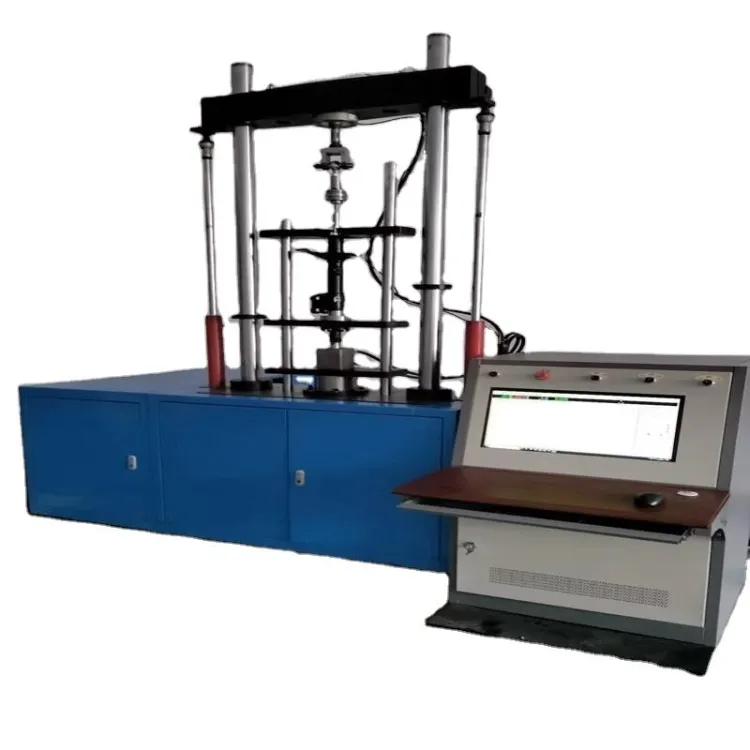
Hydrostatic Pressure and Burst Testing Machine

- Section : Consumer Electronics
- Category : Testing Equipment
- SKU : 1600259441819

- Shipping Timeframes: All orders are processed within 2-5 business days (excluding weekends and holidays). After your order has been processed, the estimated delivery time is before 21 Jun, 2026, depending on customs, Please note that due to high demand, some items may experience longer shipping times, which will be communicated at order confirmation email.
- Order Processing Time: Please allow 2-5 business days for us to process your order before it is shipped . Orders placed after 16:00 on Fridays, or during weekends and public holidays, will begin processing on the next business day. Processing times may be extended during peak seasons or sales events.
- Manufacturing Time: Some products needs manufacturing time, the manufacturing process will take approximately 10-30 business days depending on the product. This timeframe may vary depending on the complexity of the product and current demand. but this will be communicated with you during order confirmation.
- Returns and Exchanges: We offer a 30-day return policy for most items. If you are not completely satisfied with your purchase, you may return it within 30 days of receipt for a refund or exchange. Items must be unused, in their original packaging, and accompanied by proof of purchase. Return shipping costs are the responsibility of the customer, unless the item was damaged or defective upon arrival.
1. What is the primary purpose of the Hydrostatic Pressure and Burst Testing Machine?
The primary purpose of the Hydrostatic Pressure and Burst Testing Machine is to test the resistance of thermoplastic pipes against internal pressure and to determine their pressure-resisting capabilities, including burst strength and long-term durability.
2. What types of materials can be tested with this machine?
This machine is suitable for testing various thermoplastic pipes and compound pipes, including P-R, PP-B, PP-A, PE, PE-X, PVC, PVC-U, and PVC-C.
3. How does the machine determine the maximum pressure value?
The machine determines the maximum pressure value by subjecting the pipes to controlled internal pressure and measuring the pressure-resisting broken time until failure occurs.
4. Is this machine compliant with industry standards?
Yes, the Hydrostatic Pressure and Burst Testing Machine is designed and manufactured according to industry standards for testing thermoplastic pipes for fluid conveyance.
5. Who can benefit from using this testing machine?
Manufacturers of plastic pipes and testing institutions are the primary users of this machine as it helps ensure product quality and compliance with safety standards.
6. What is the significance of the short-time hydraulic failure test?
The short-time hydraulic failure test helps assess the immediate burst strength of the pipes, which is crucial for understanding their performance under sudden pressure changes.
7. Can the machine perform long-term constant pressure tests?
Yes, the machine is equipped to conduct long-term constant internal pressure tests to evaluate the durability and longevity of thermoplastic pipes under sustained pressure.
8. What temperature ranges can the machine accommodate during testing?
The machine is designed to operate under various temperature conditions, but specific temperature ranges can vary based on the model. It's recommended to consult the user manual for detailed specifications.
9. What safety features are included in the Hydrostatic Pressure and Burst Testing Machine?
The machine includes several safety features such as pressure relief valves, emergency shut-off switches, and safety enclosures to protect operators during testing.
10. How often should the machine be calibrated?
Calibration frequency depends on usage and manufacturer recommendations. Regular calibration is advisable to ensure accurate testing results.
11. What is the expected lifespan of the Hydrostatic Pressure and Burst Testing Machine?
The lifespan of the machine depends on maintenance and usage, but with proper care and regular servicing, it can last for many years.
12. What kind of maintenance is required for the machine?
Regular maintenance includes cleaning, checking for leaks, inspecting pressure gauges, and ensuring that all mechanical components are functioning properly.
13. Is training required to operate the testing machine?
Yes, operators should receive training on the machine's operation, safety protocols, and testing procedures to ensure safe and effective use.
14. Can the machine be used for testing other types of materials?
While the machine is primarily designed for thermoplastic pipes, it may be compatible with certain other materials. Consult with the manufacturer for specific applications.
15. What is the warranty period for the Hydrostatic Pressure and Burst Testing Machine?
Warranty periods can vary by manufacturer, but typically, the machine comes with a warranty of one to two years covering parts and workmanship.
Latest Order Arrivals
Discover our latest orders
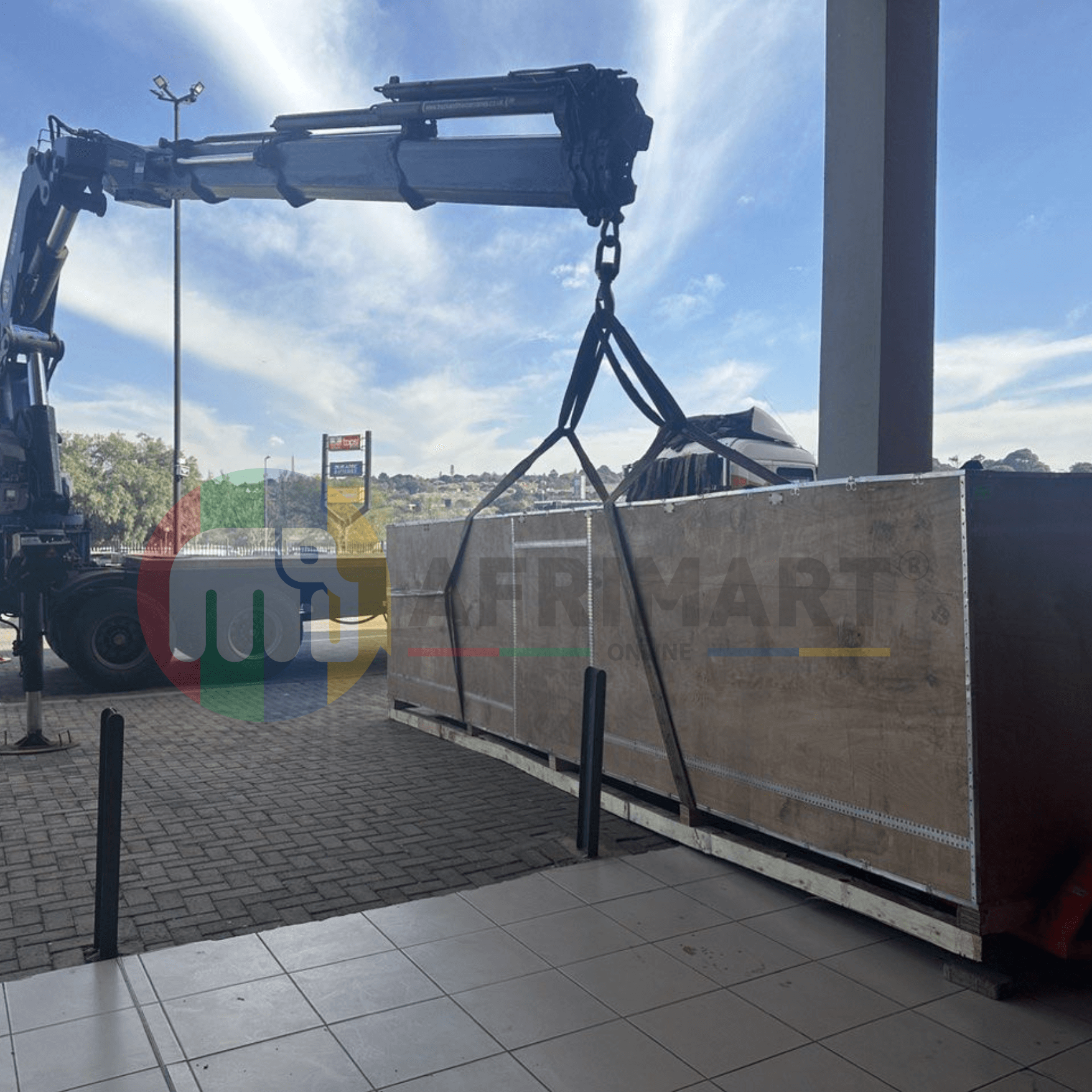
12 Heads Embroidery Machine
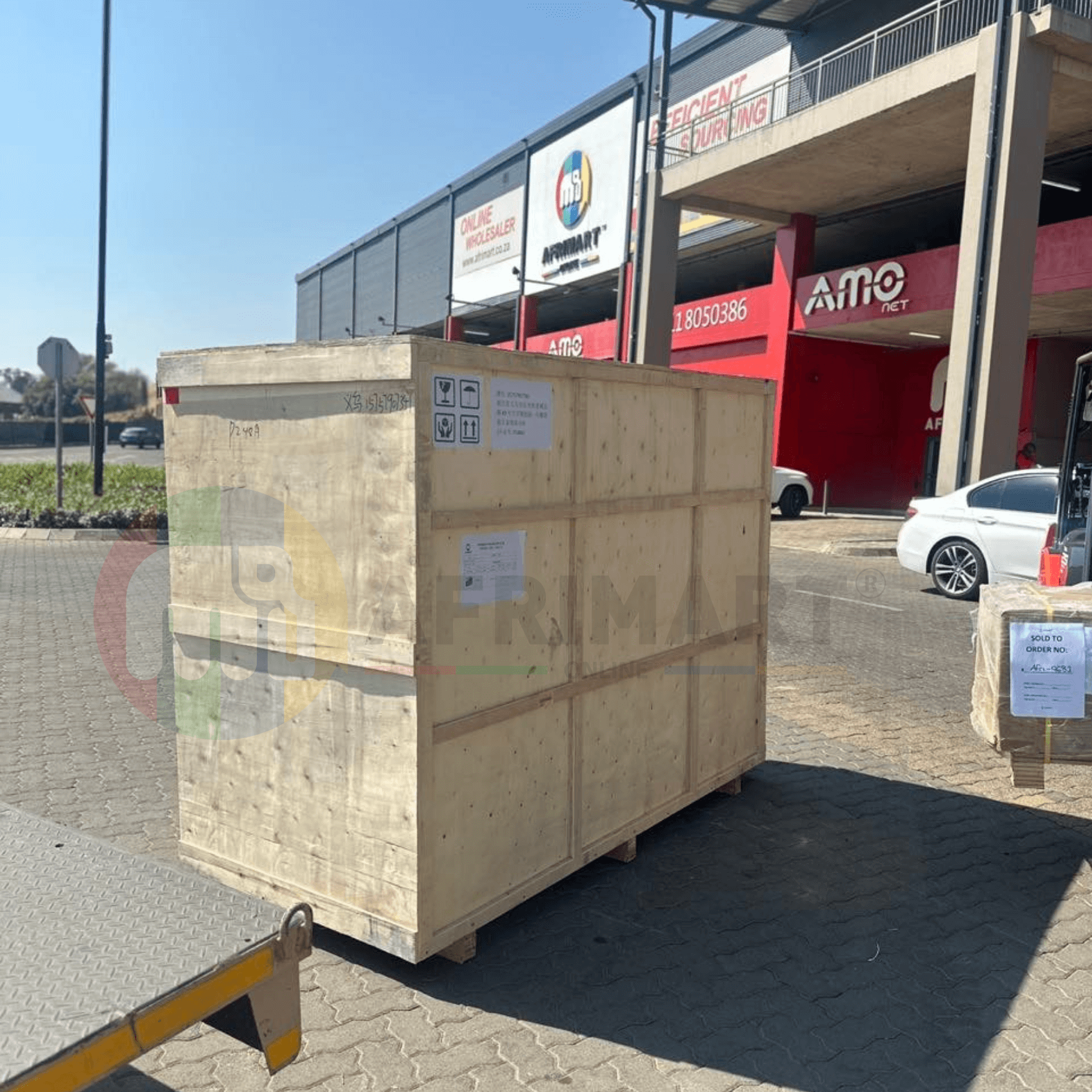
Dewatering Pump Machine
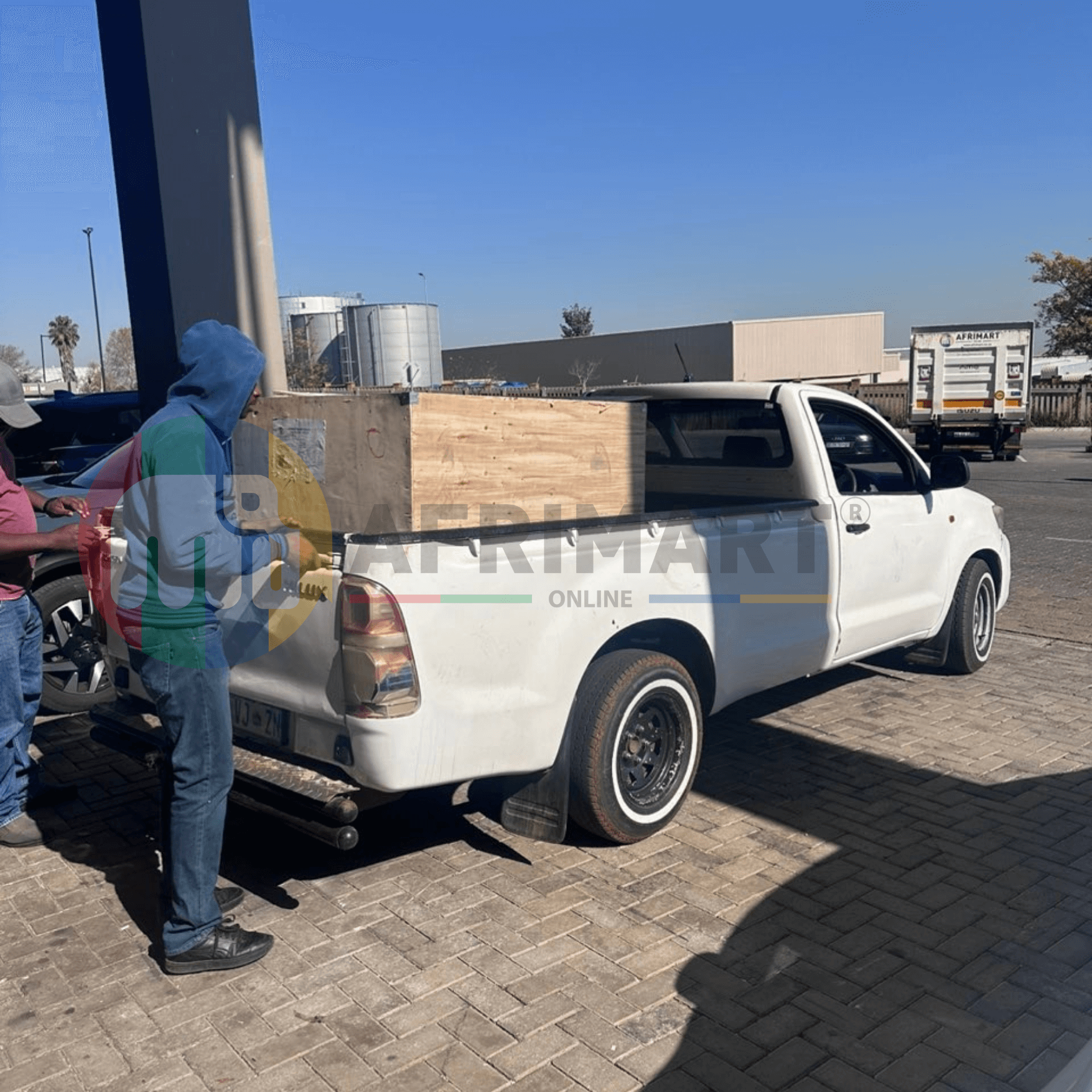
Order Collection
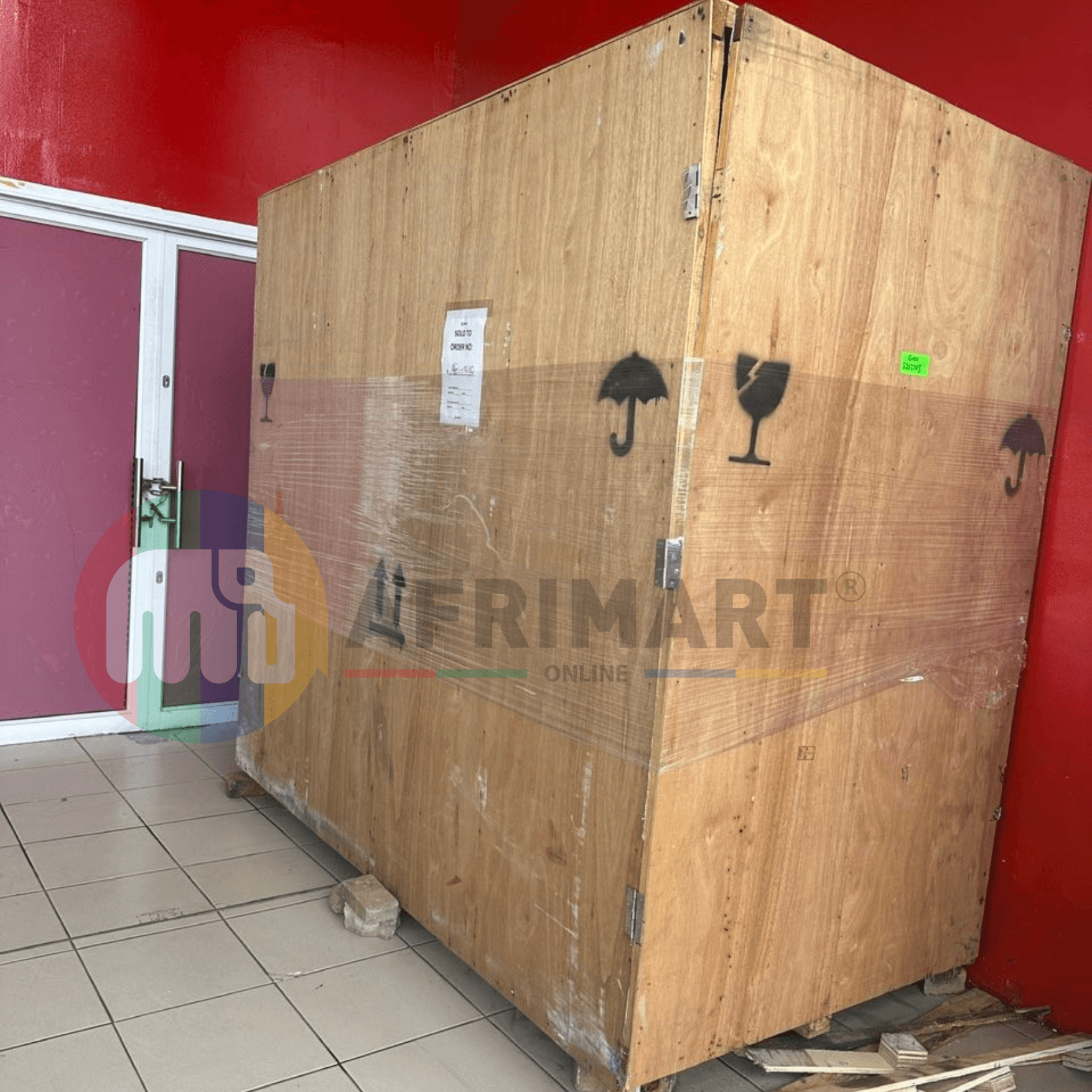
Portable Water Drilling Rig
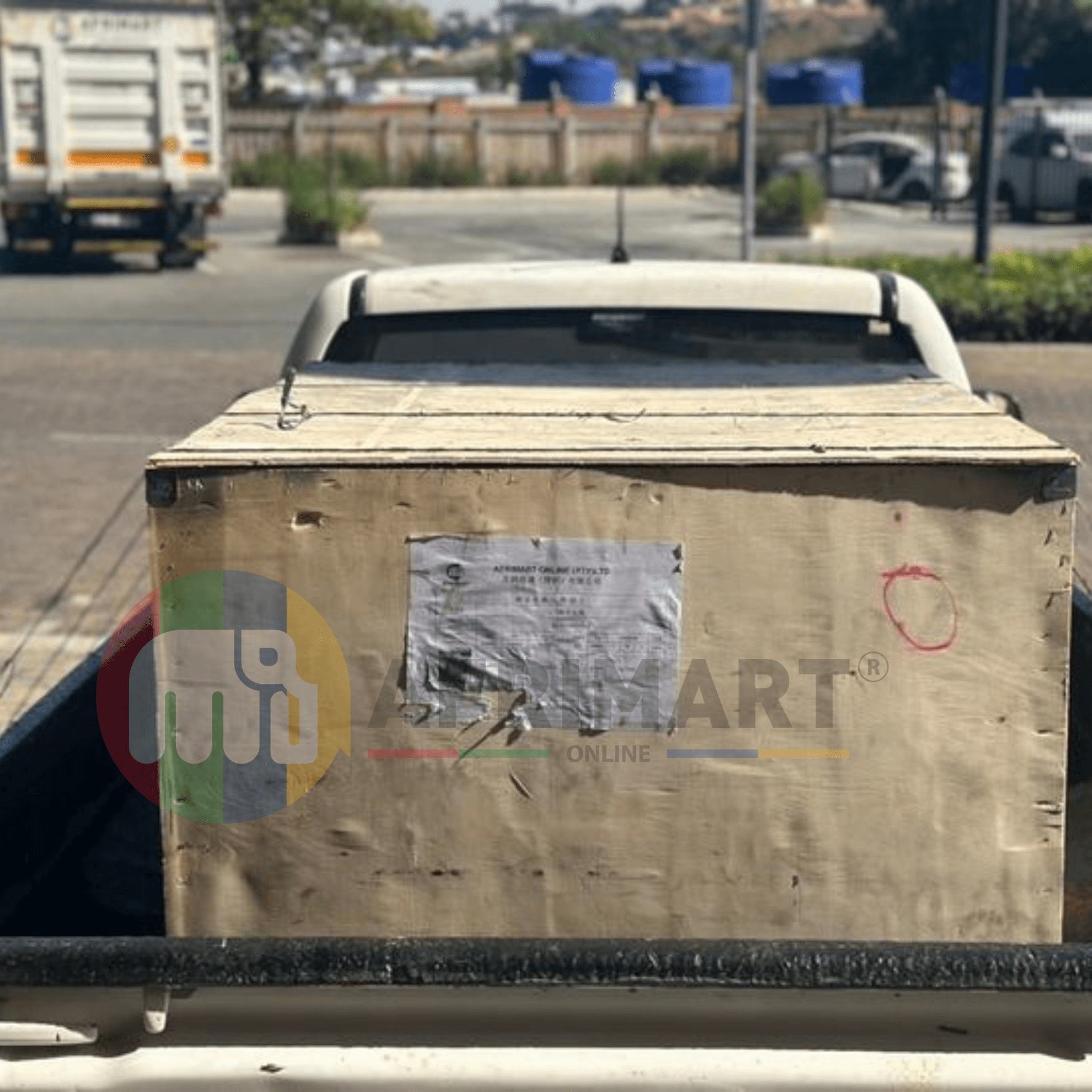
Order Usefully Collected
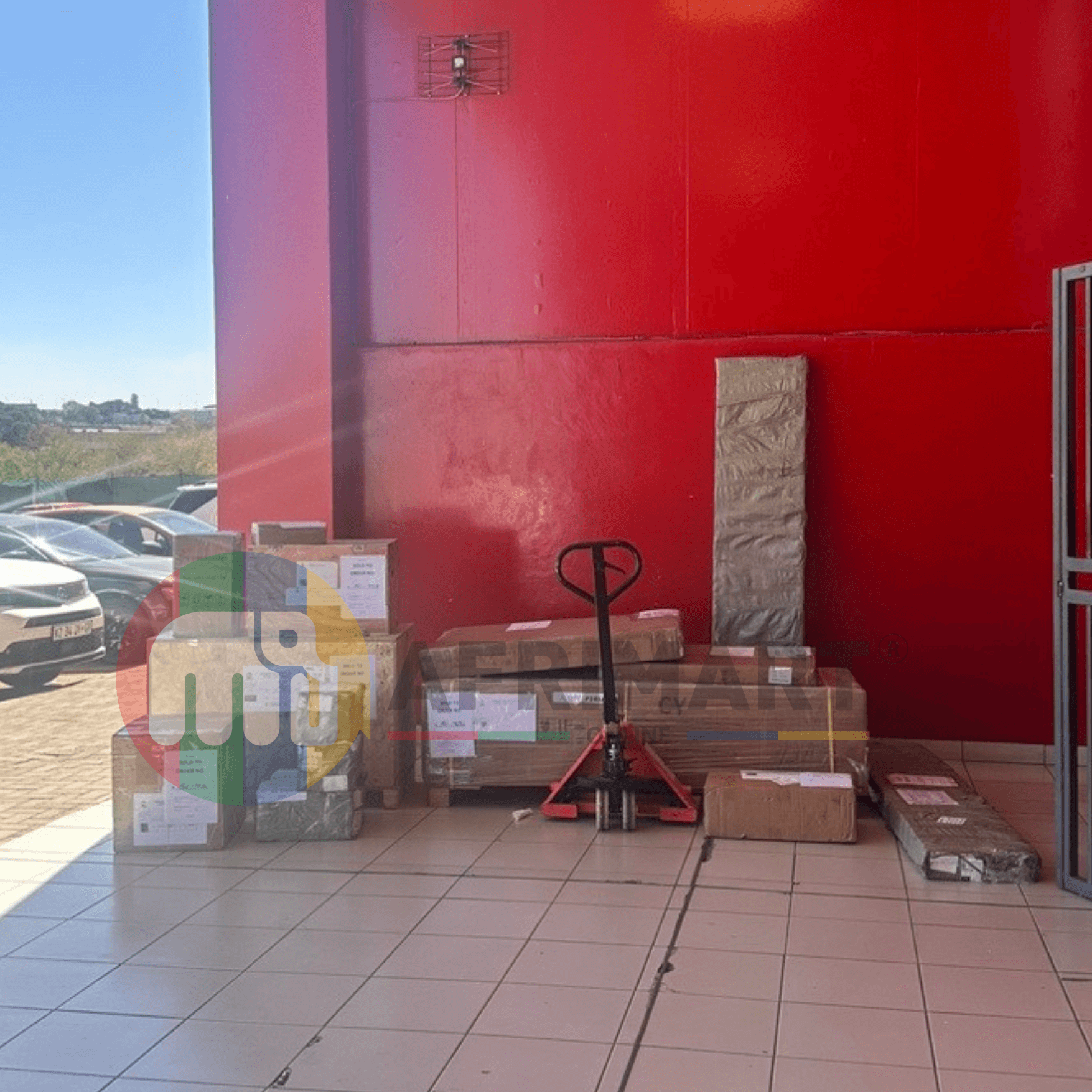
Batch of Orders
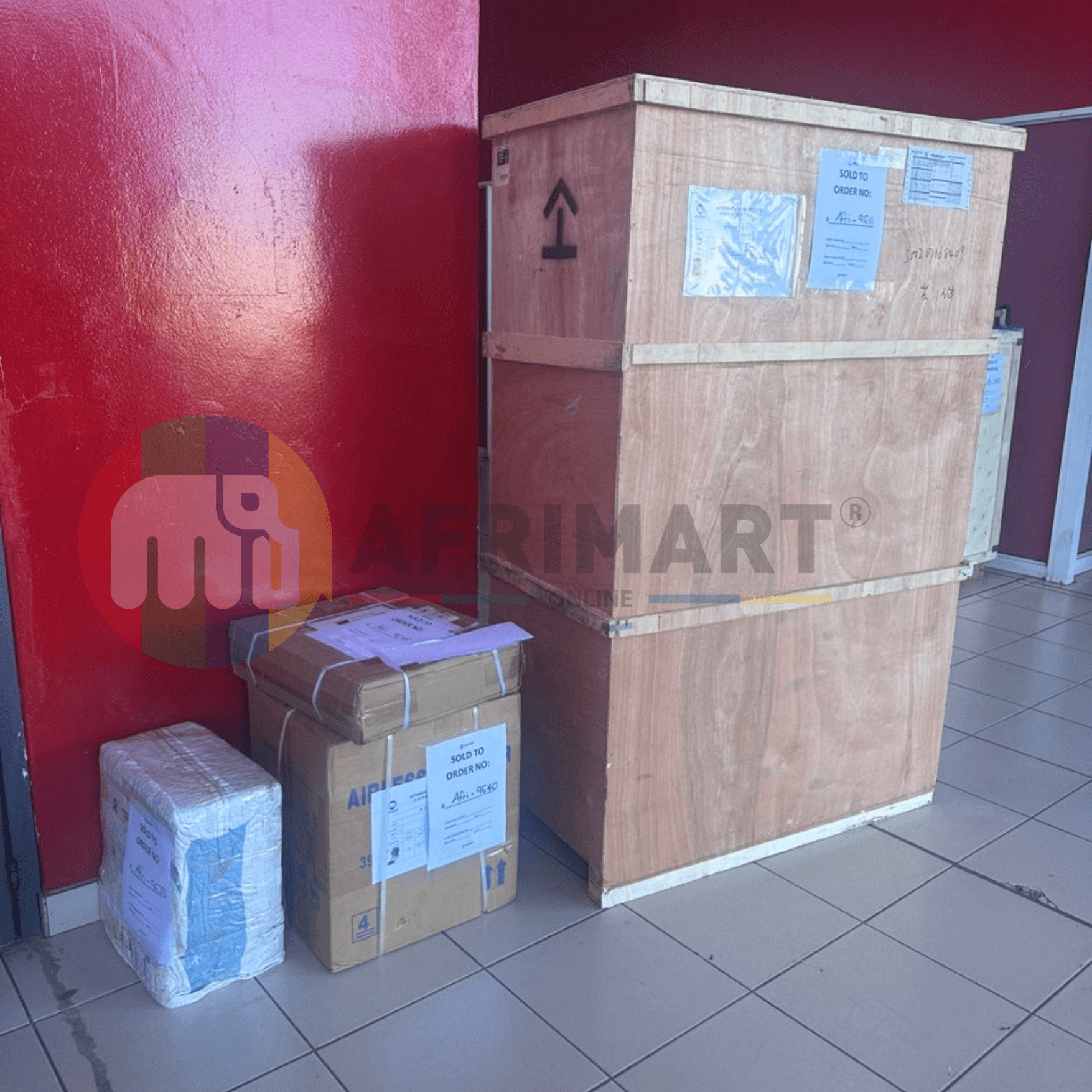
Agriculture Processing Machines
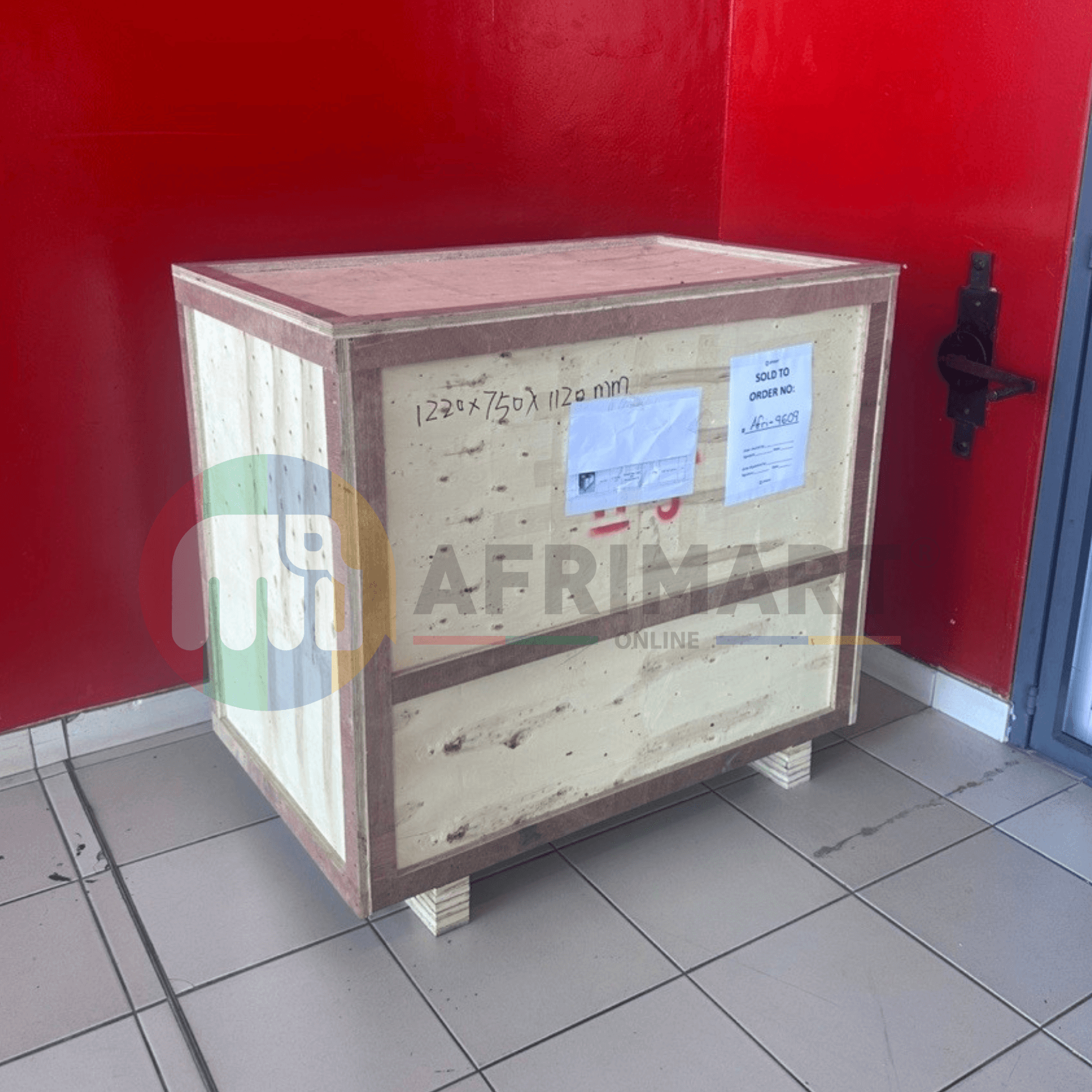
Meat Grinder Machine
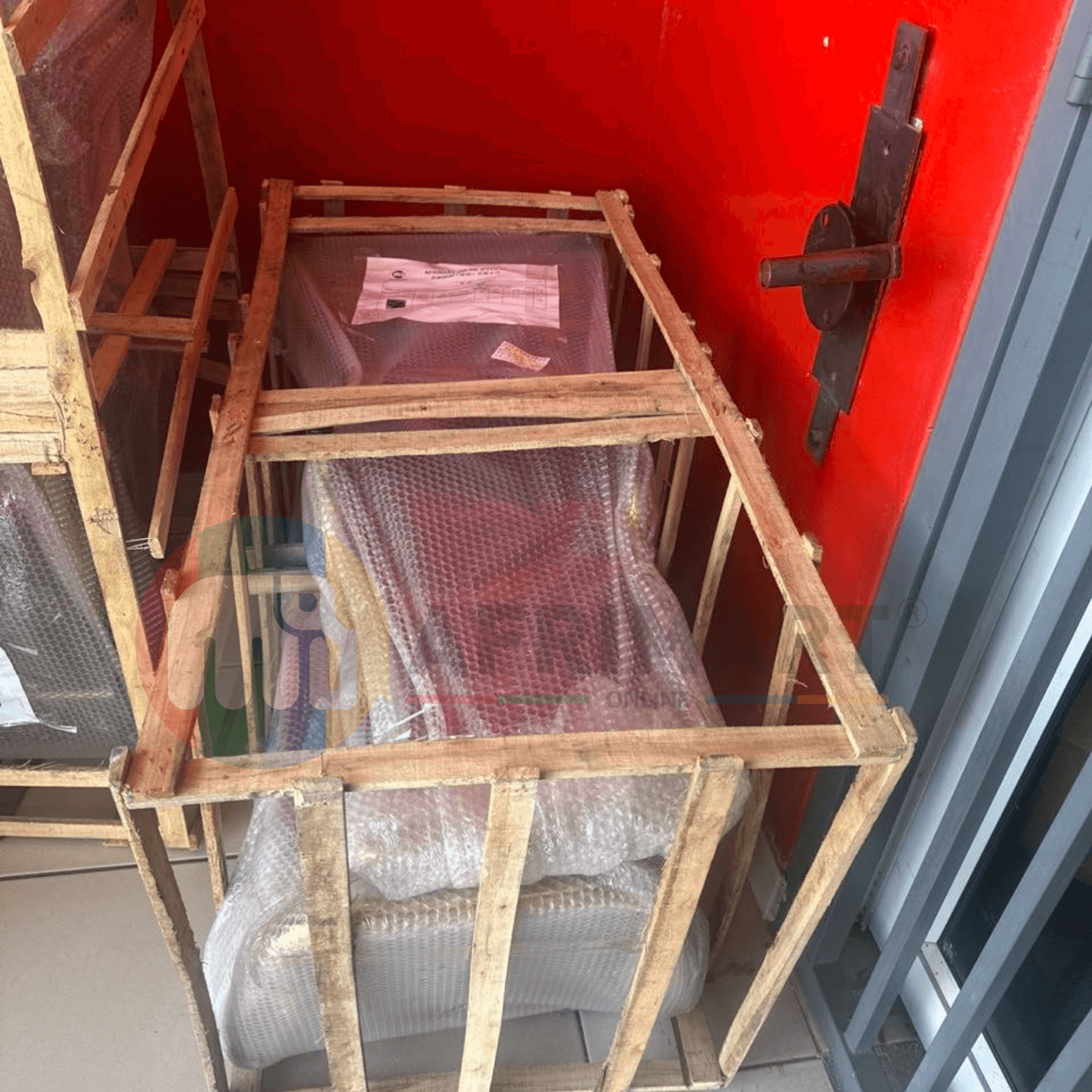
Water Pump Equipment
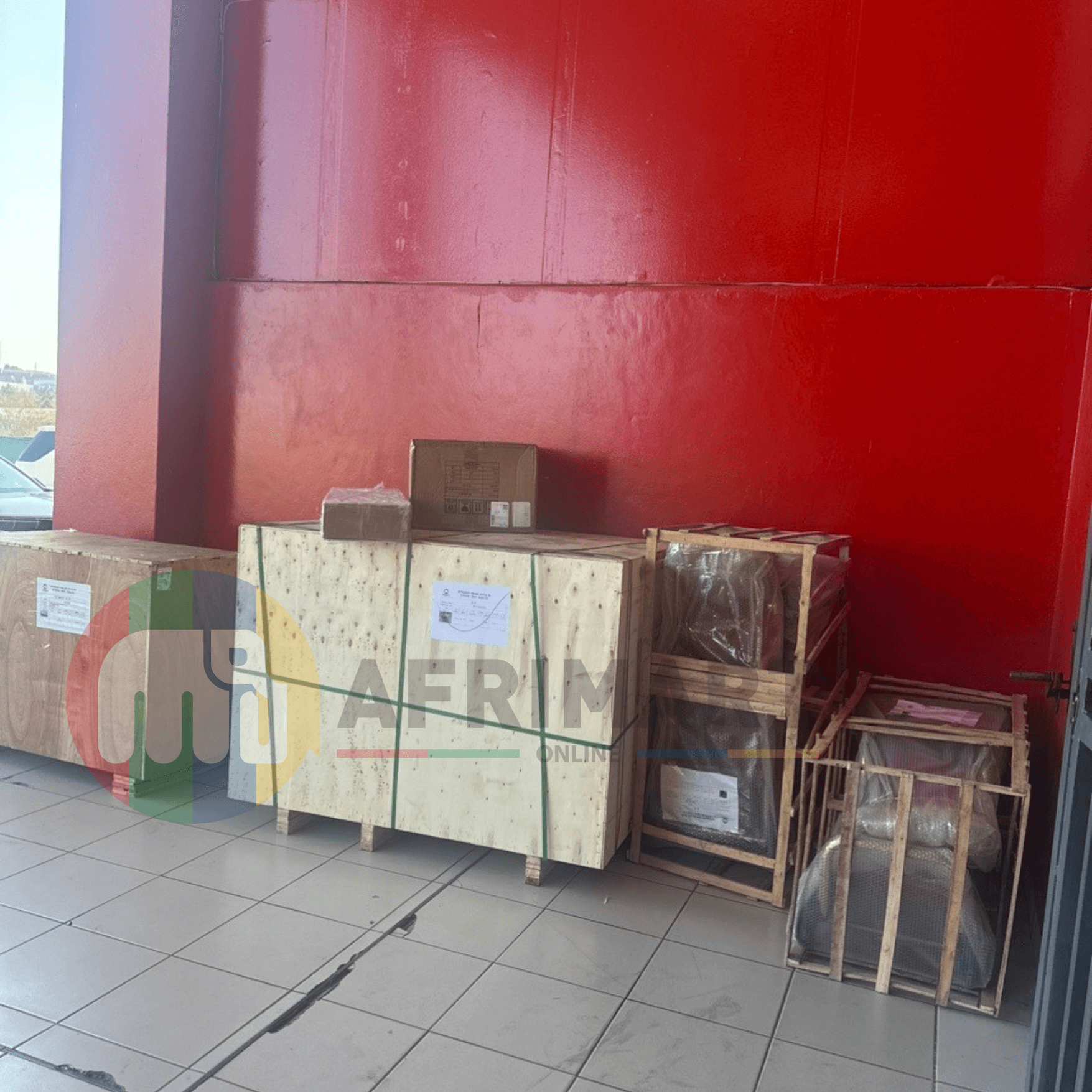
Packaging Machine and accessories
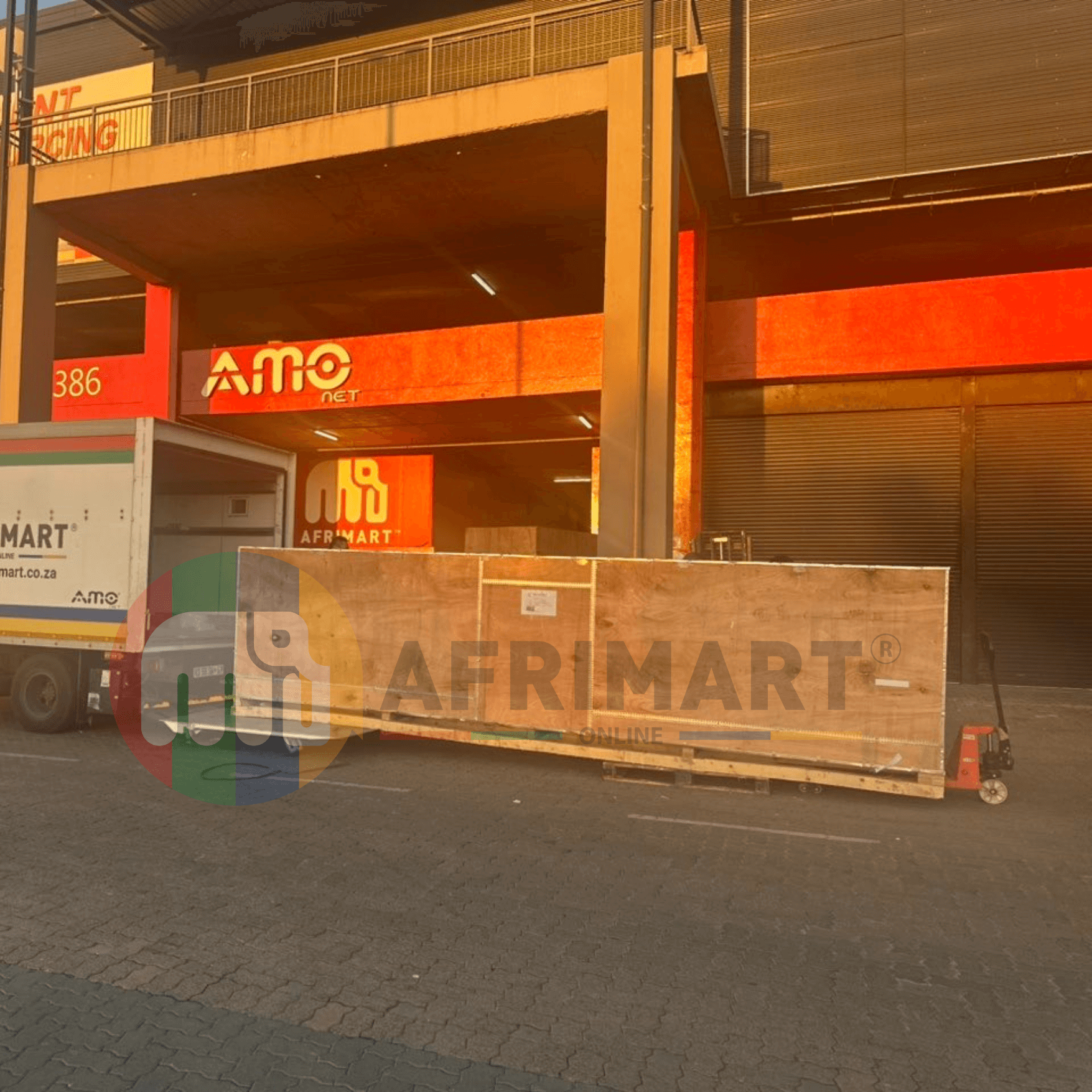
Fabrics Manufacturing Equipment
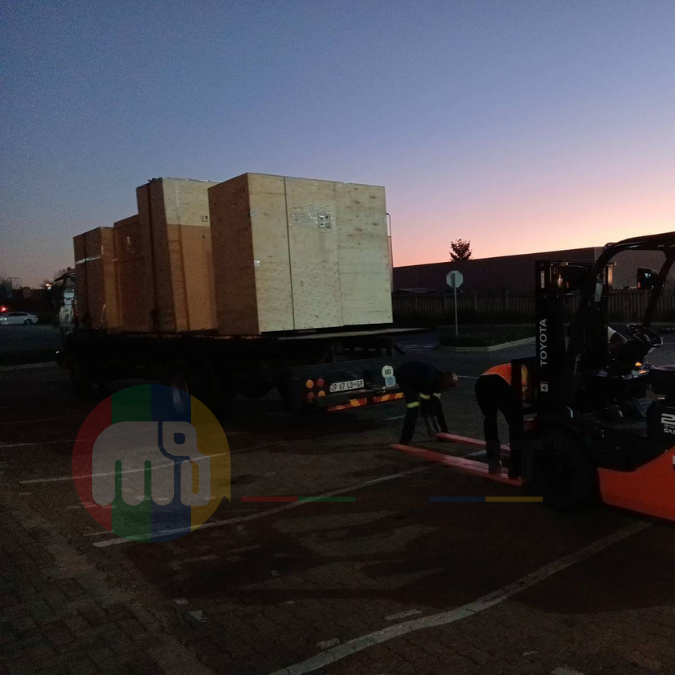
Mining Equipments
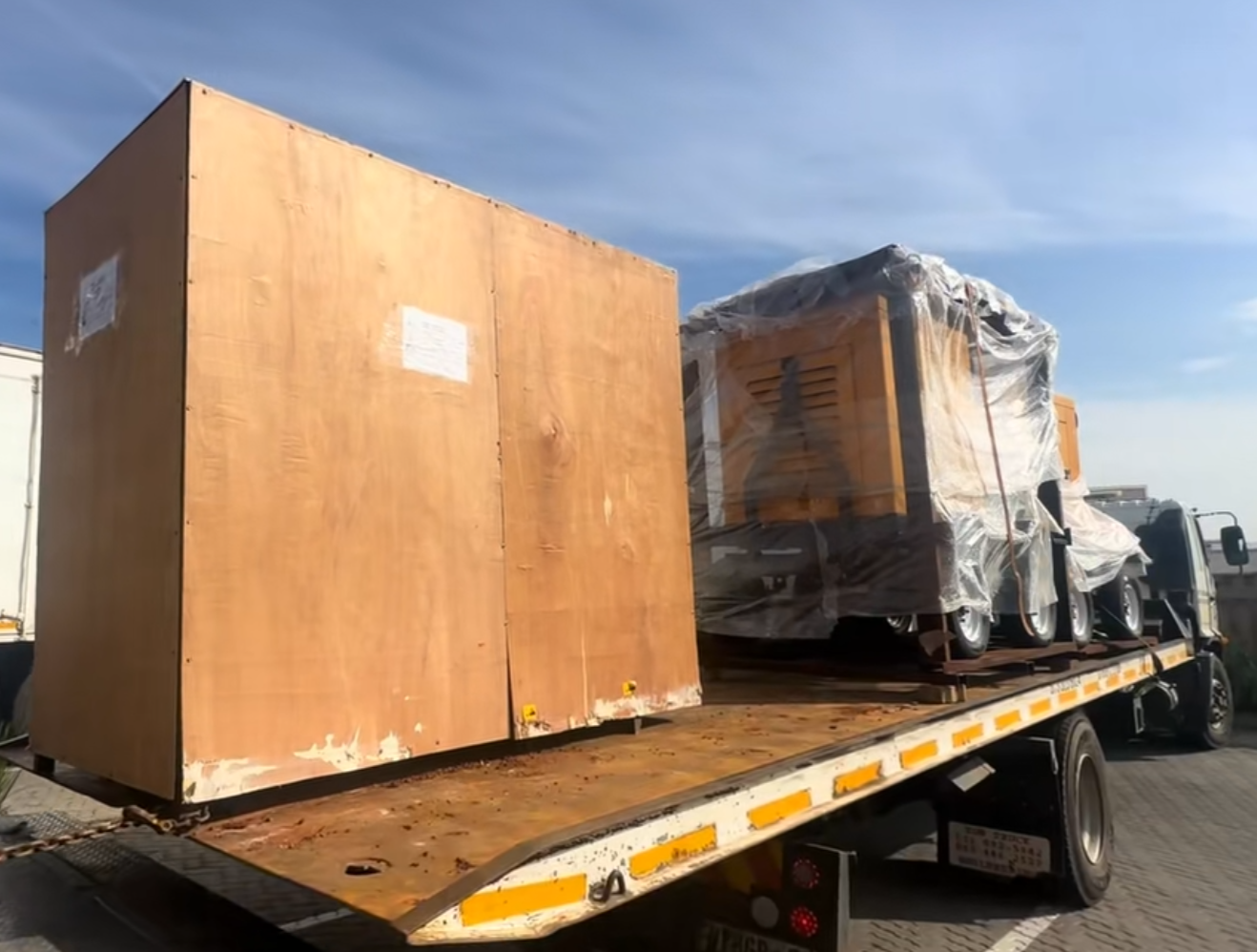
Food Processing Machine
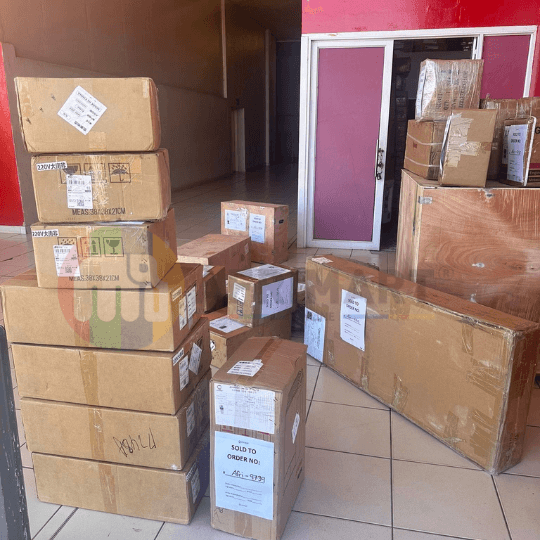
Batch of Orders
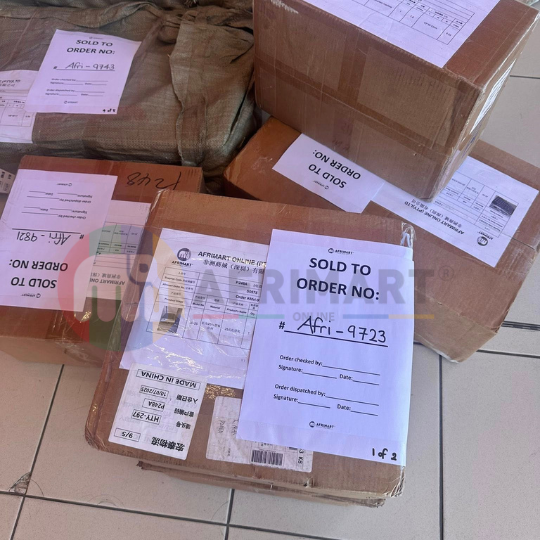
Batch of Orders
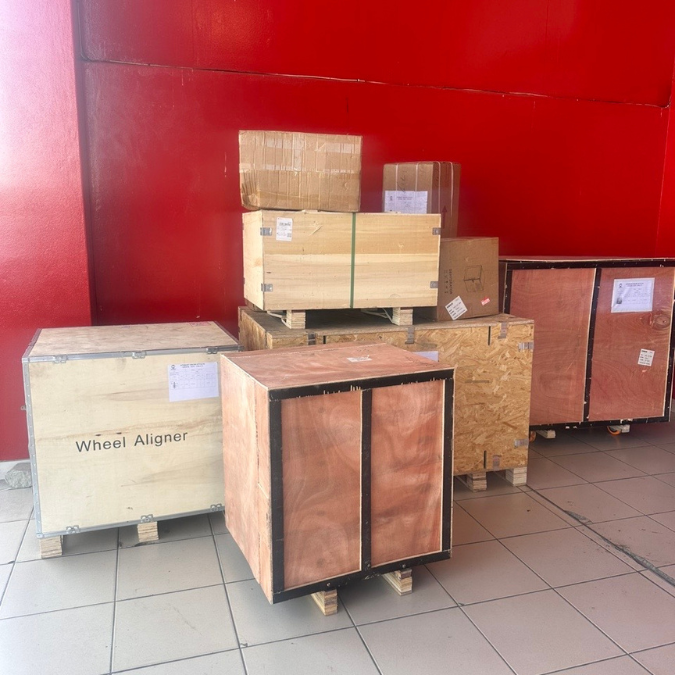
Latest Orders Labelled
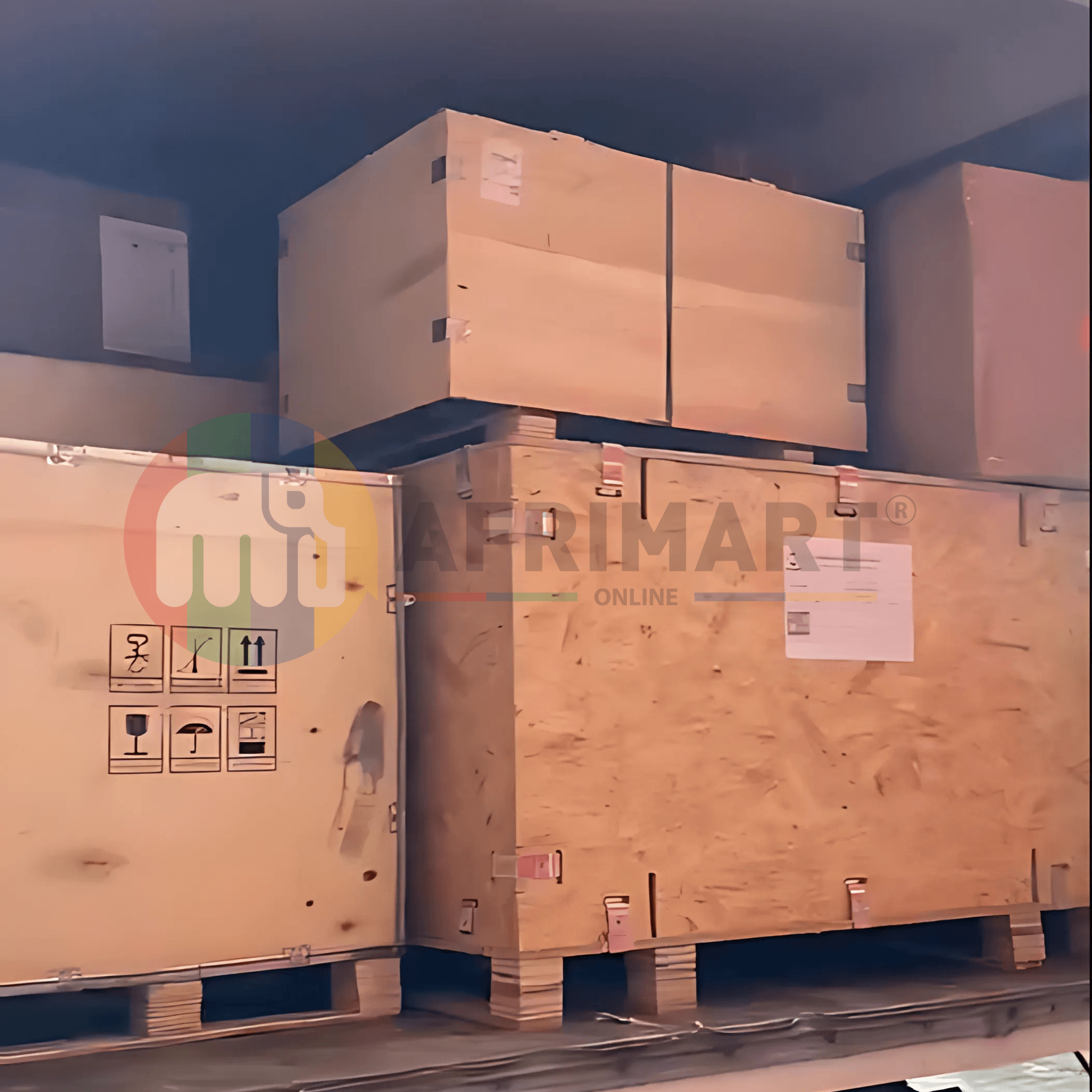
wheel alignment machines
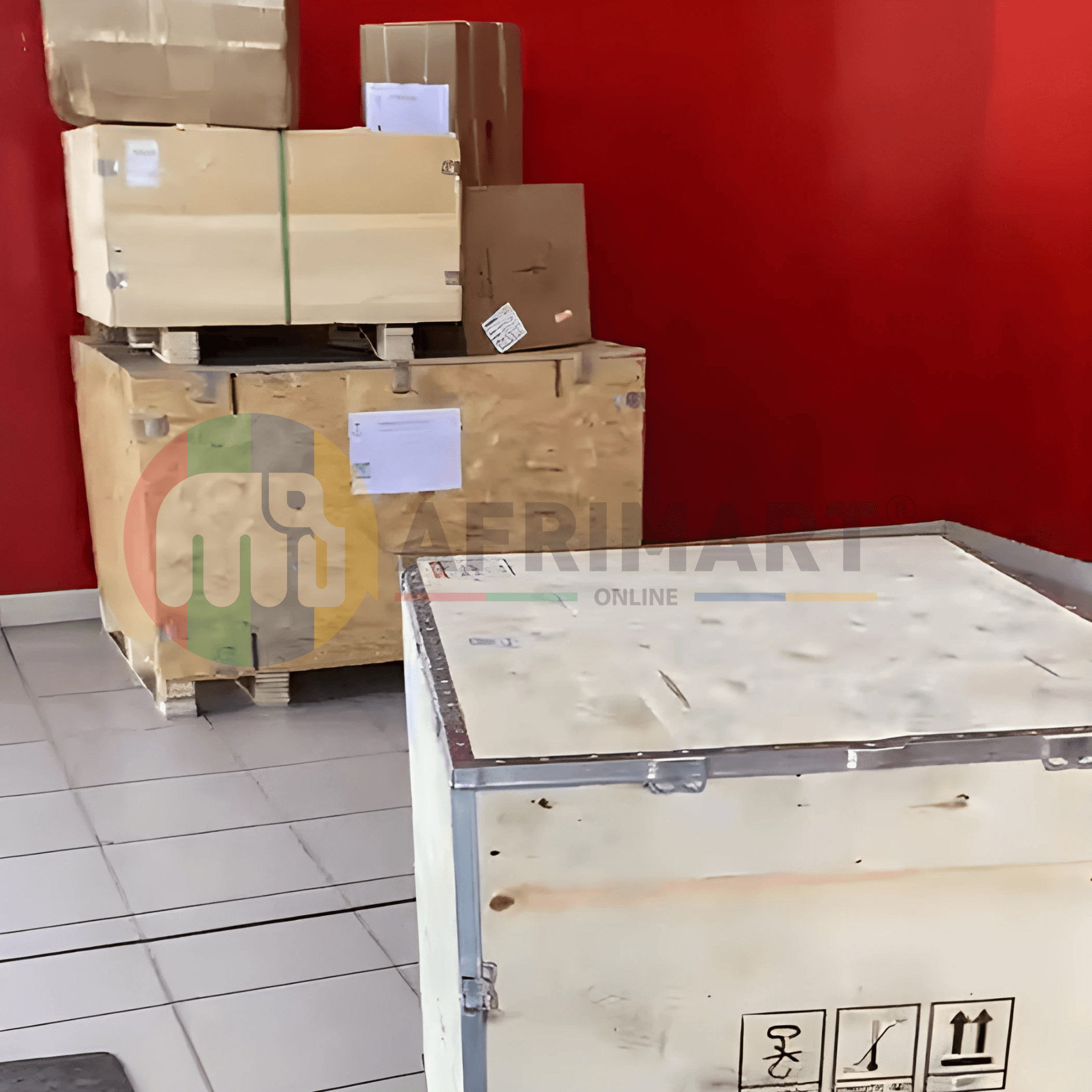
new arrivals
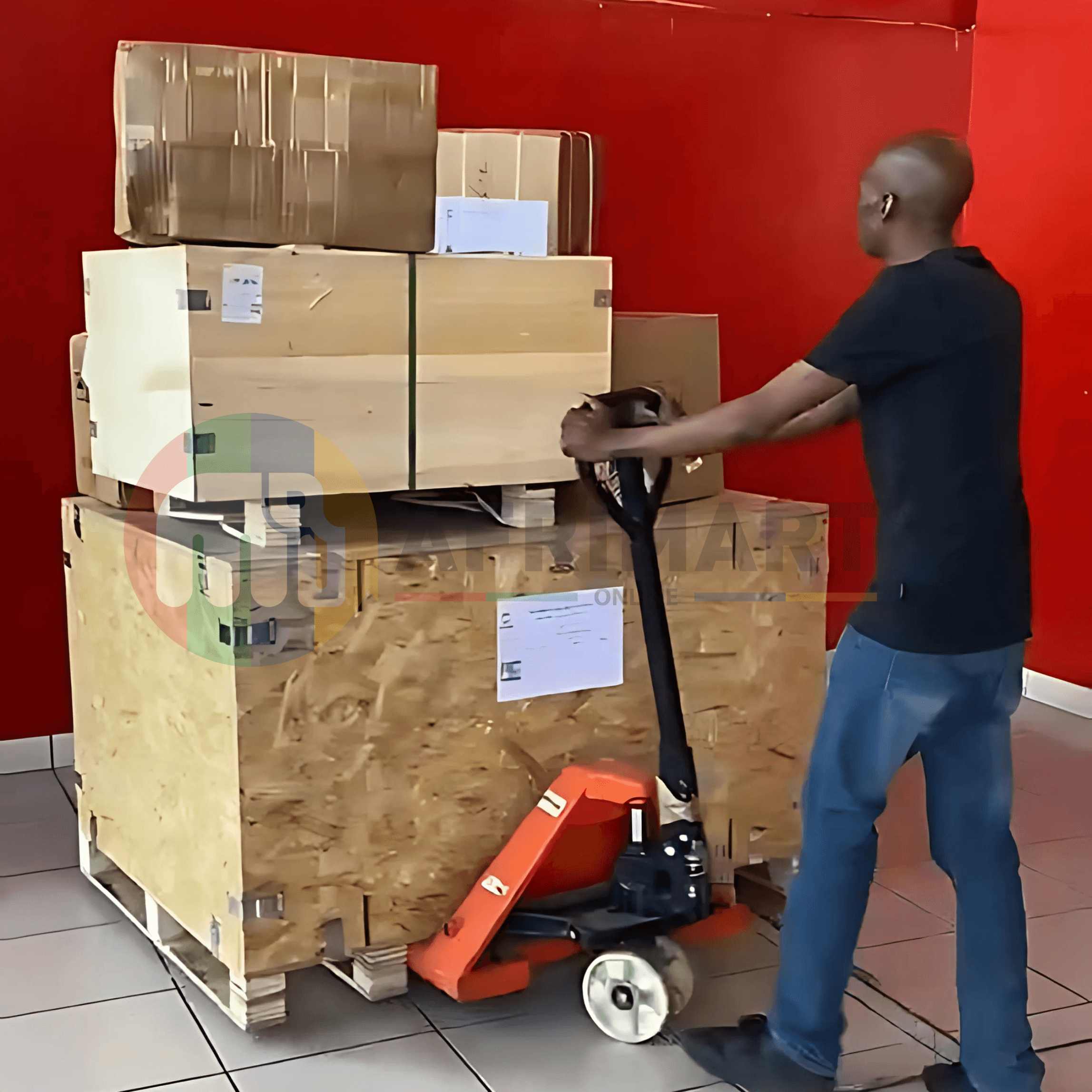
Pre Orders Offloading
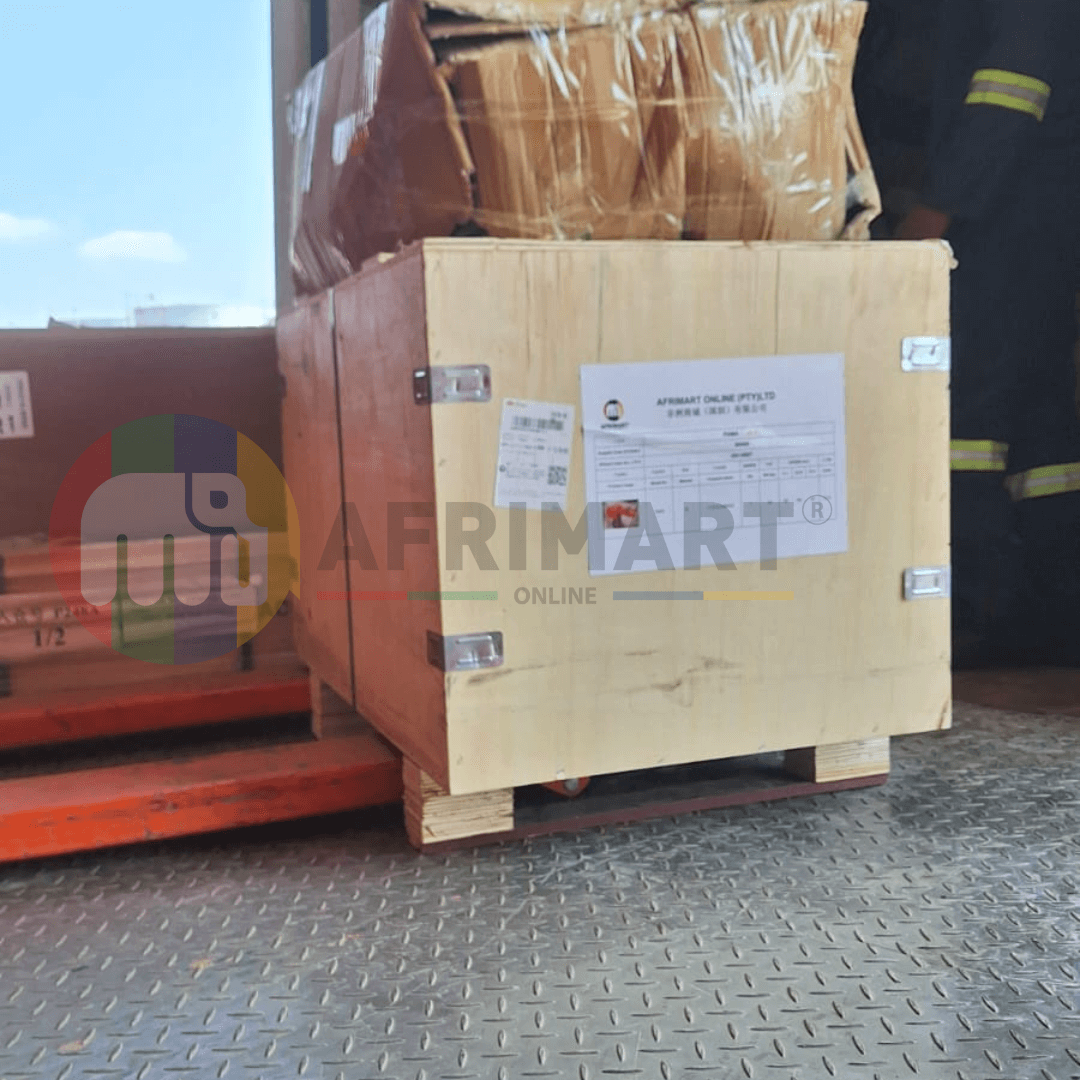
Latest Arrivals
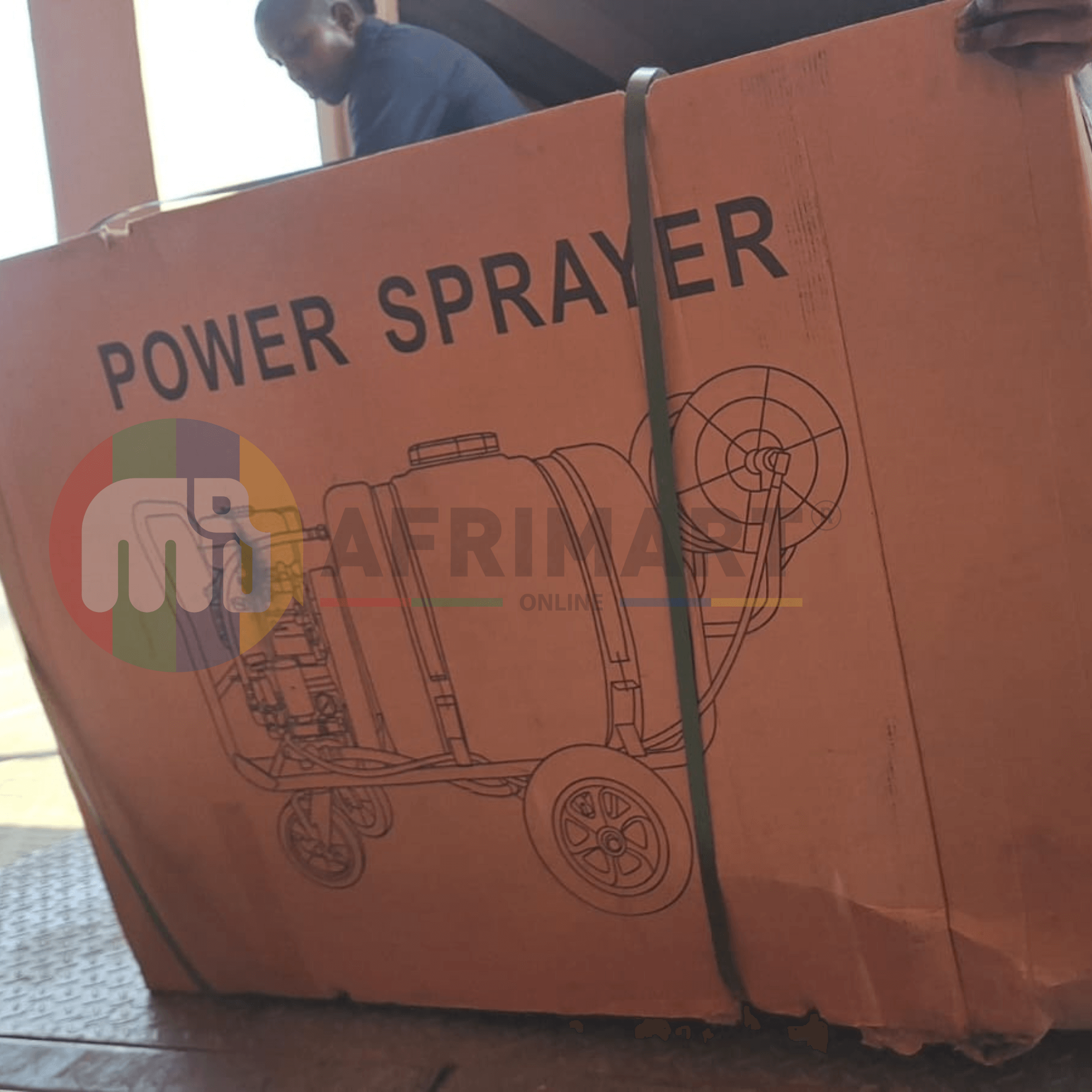
Latest Arrivals
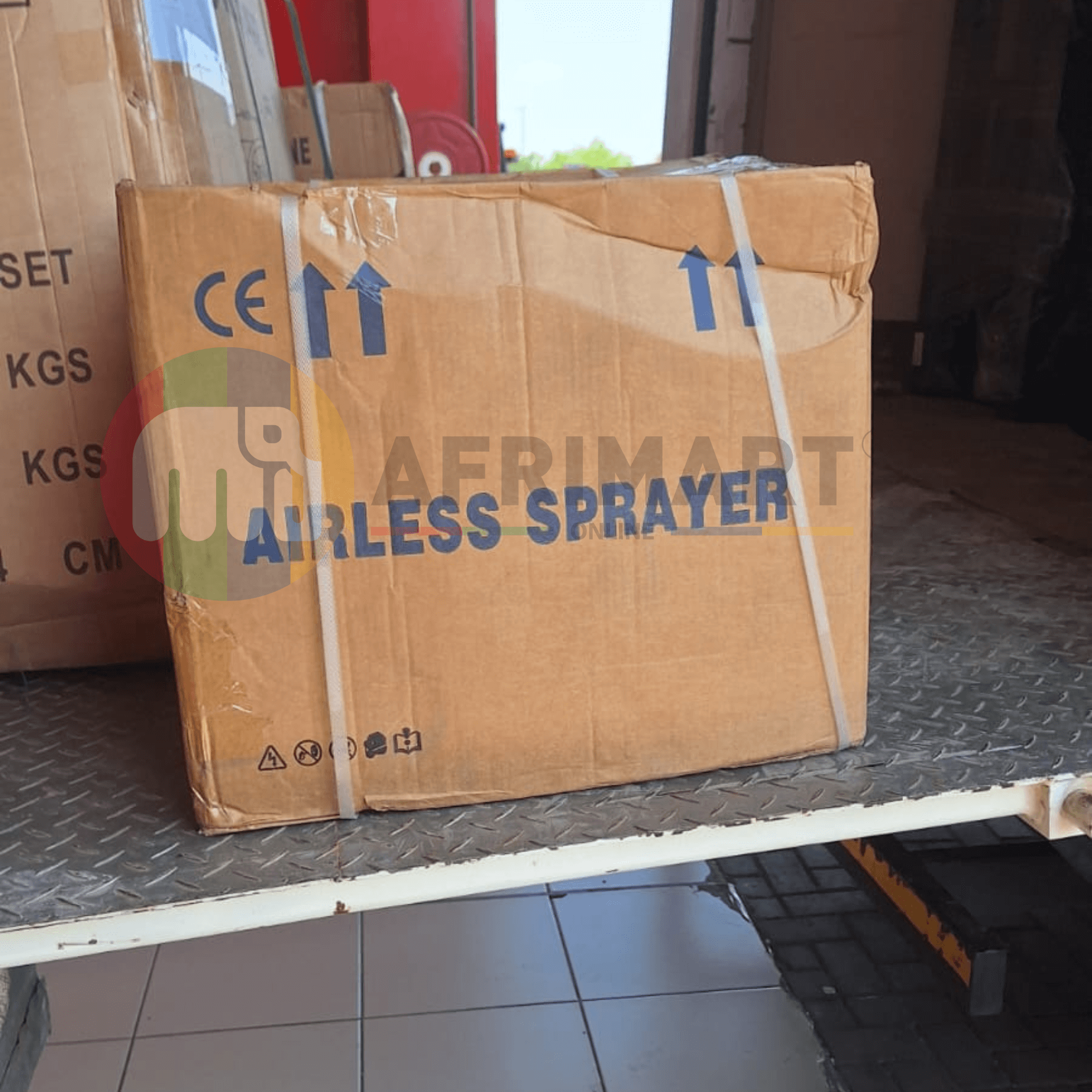
Latest Arrivals
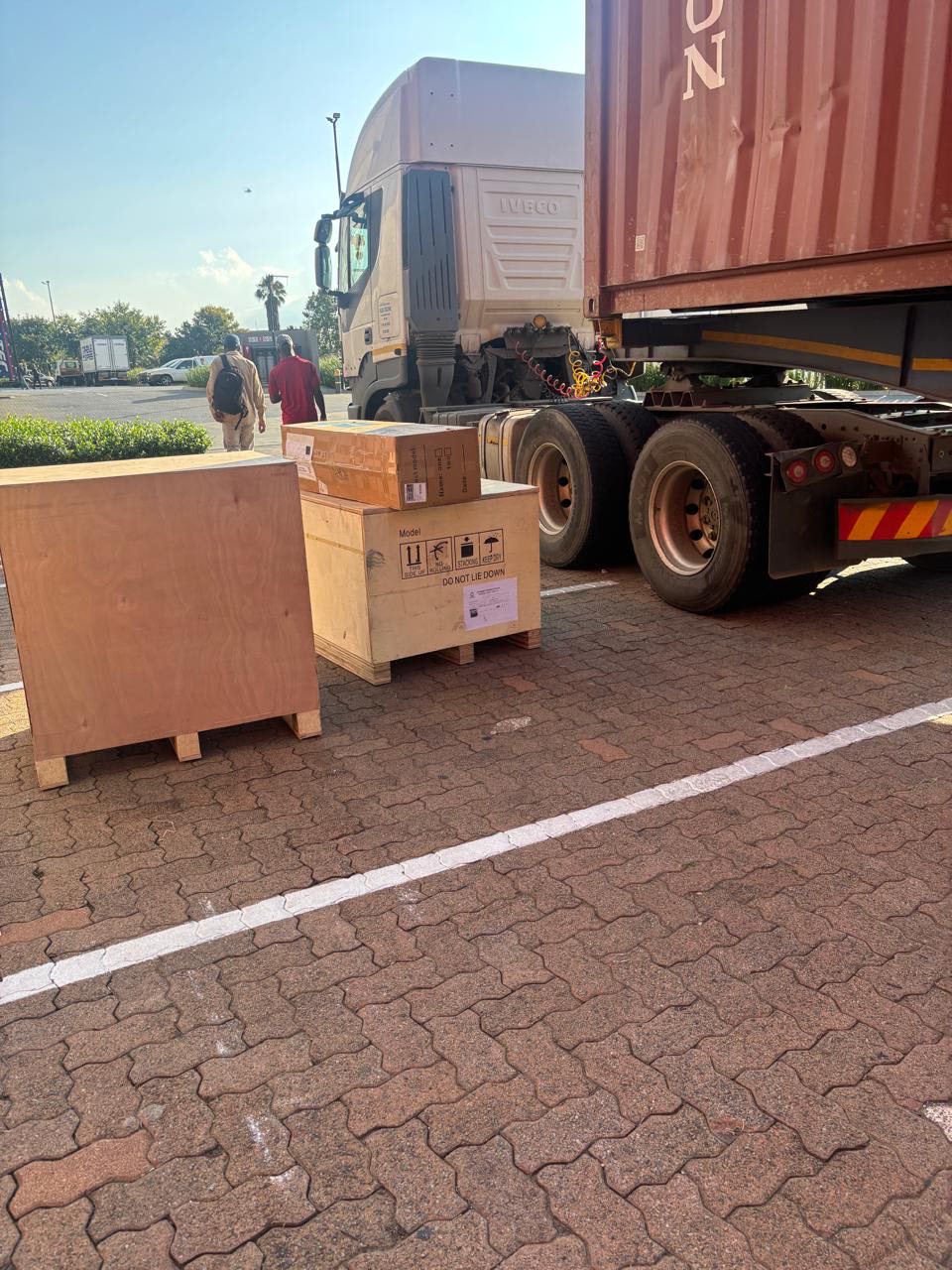
26 January 2026
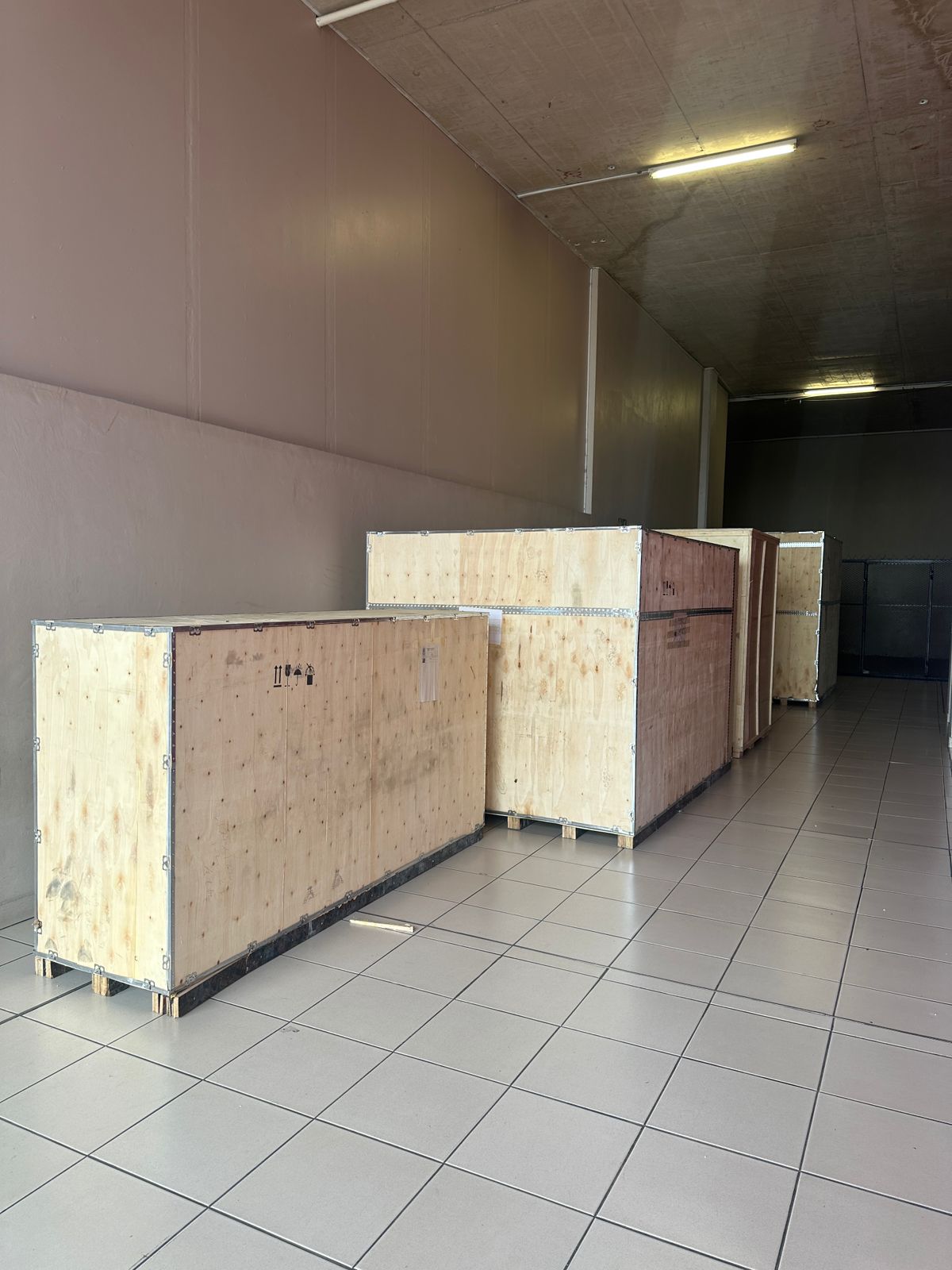
Toilet paper making machine
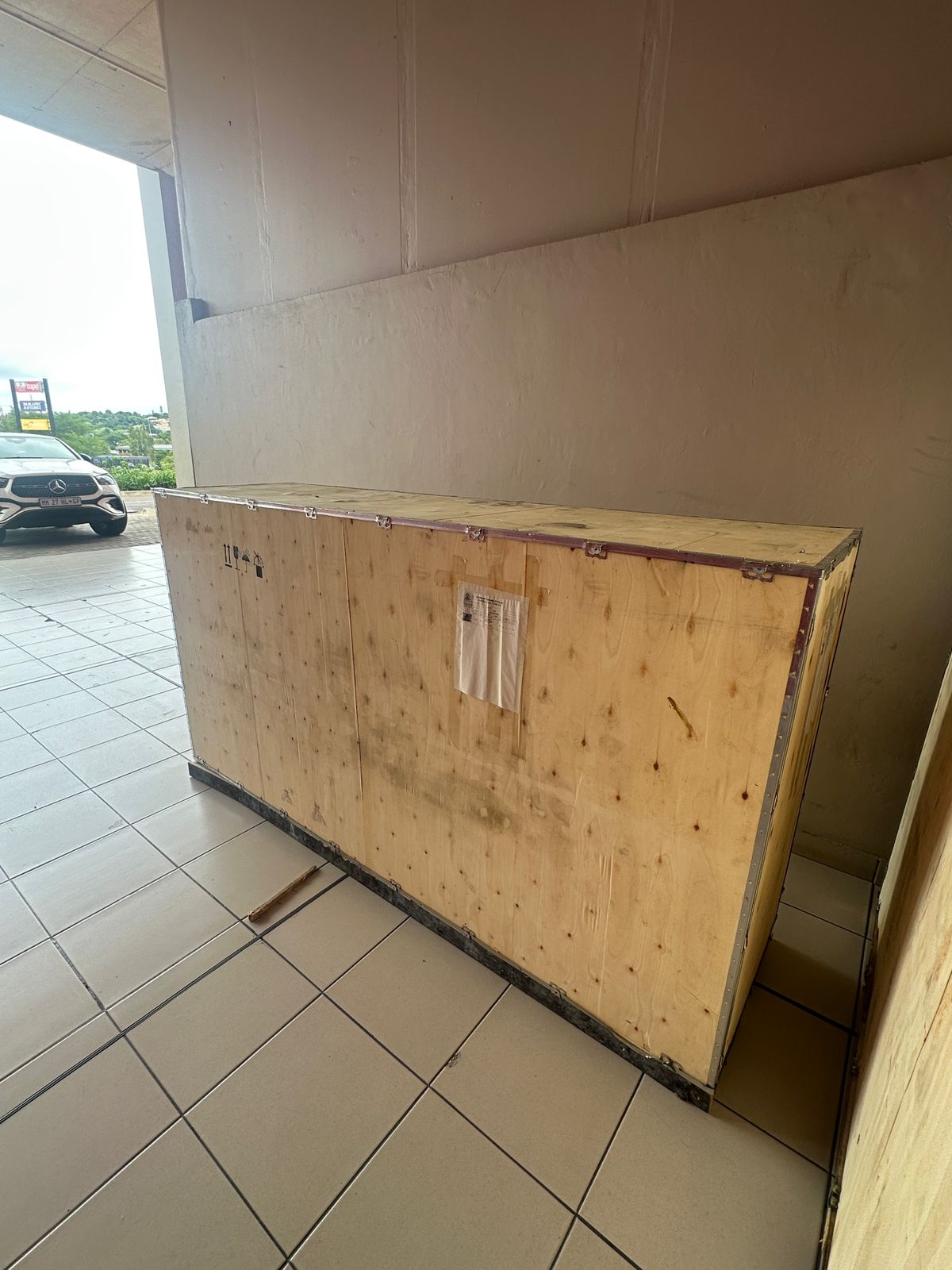
Toilet paper making machine
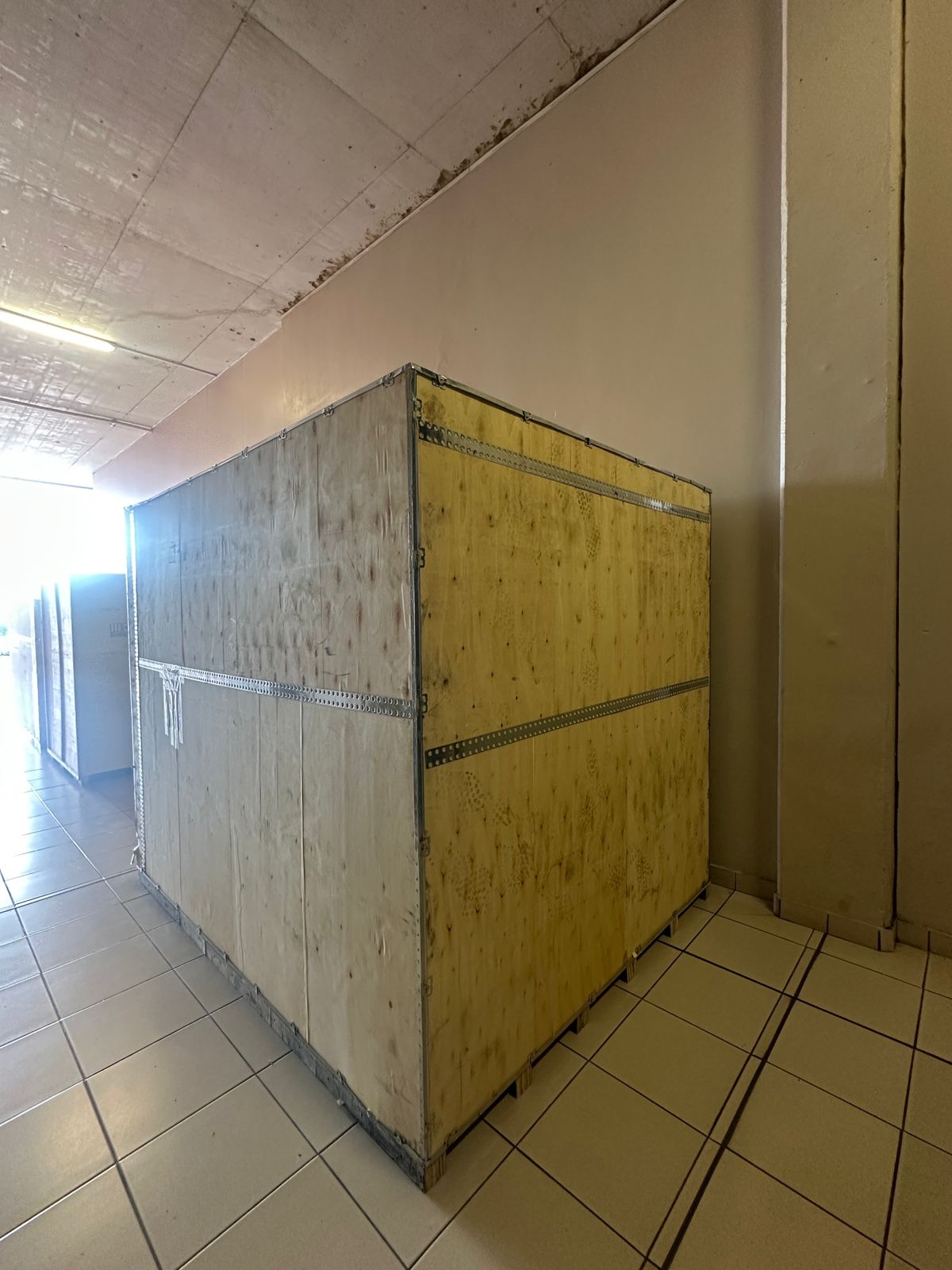
Toilet paper Rewinding Machine
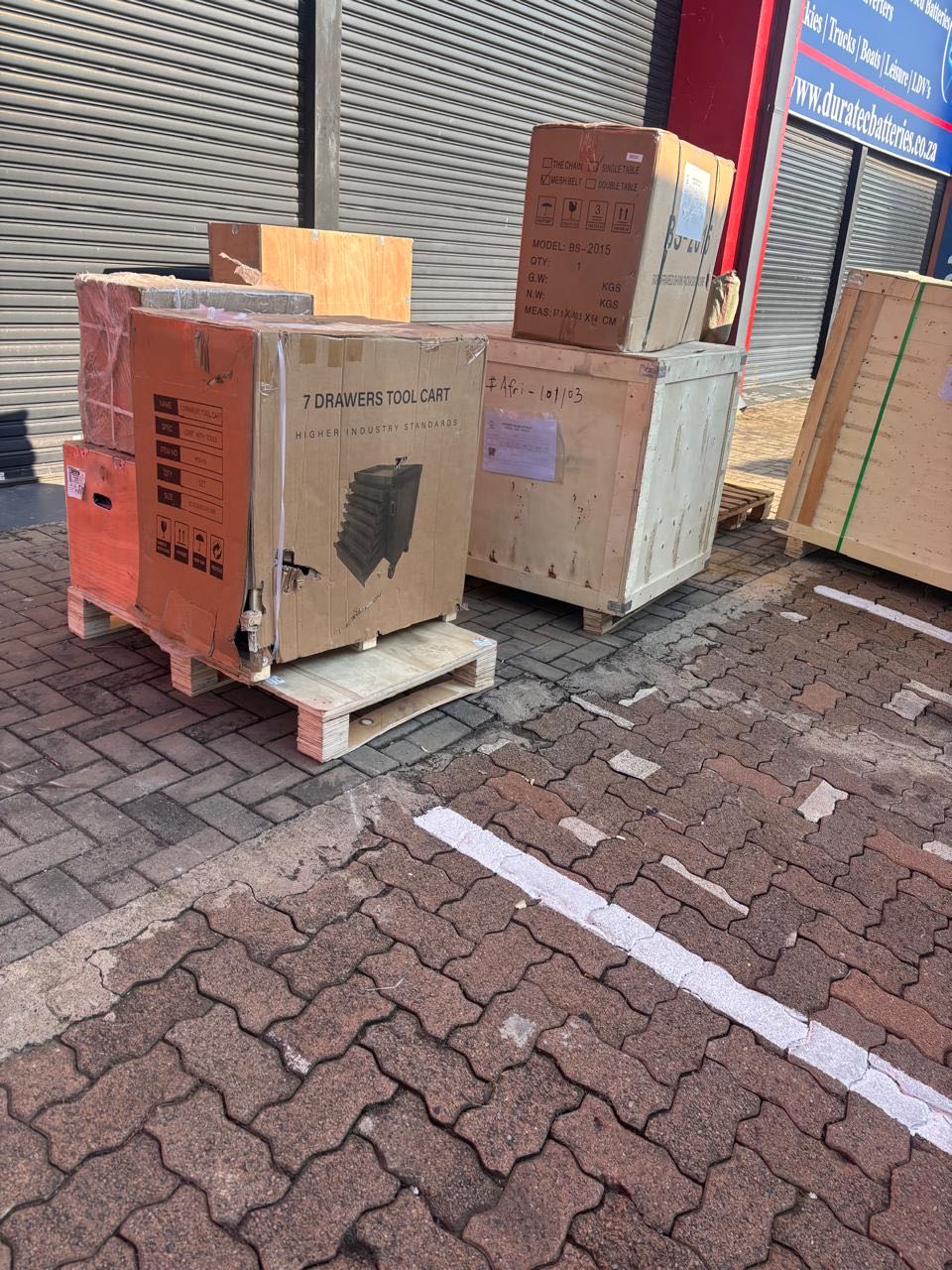
latest arrivals
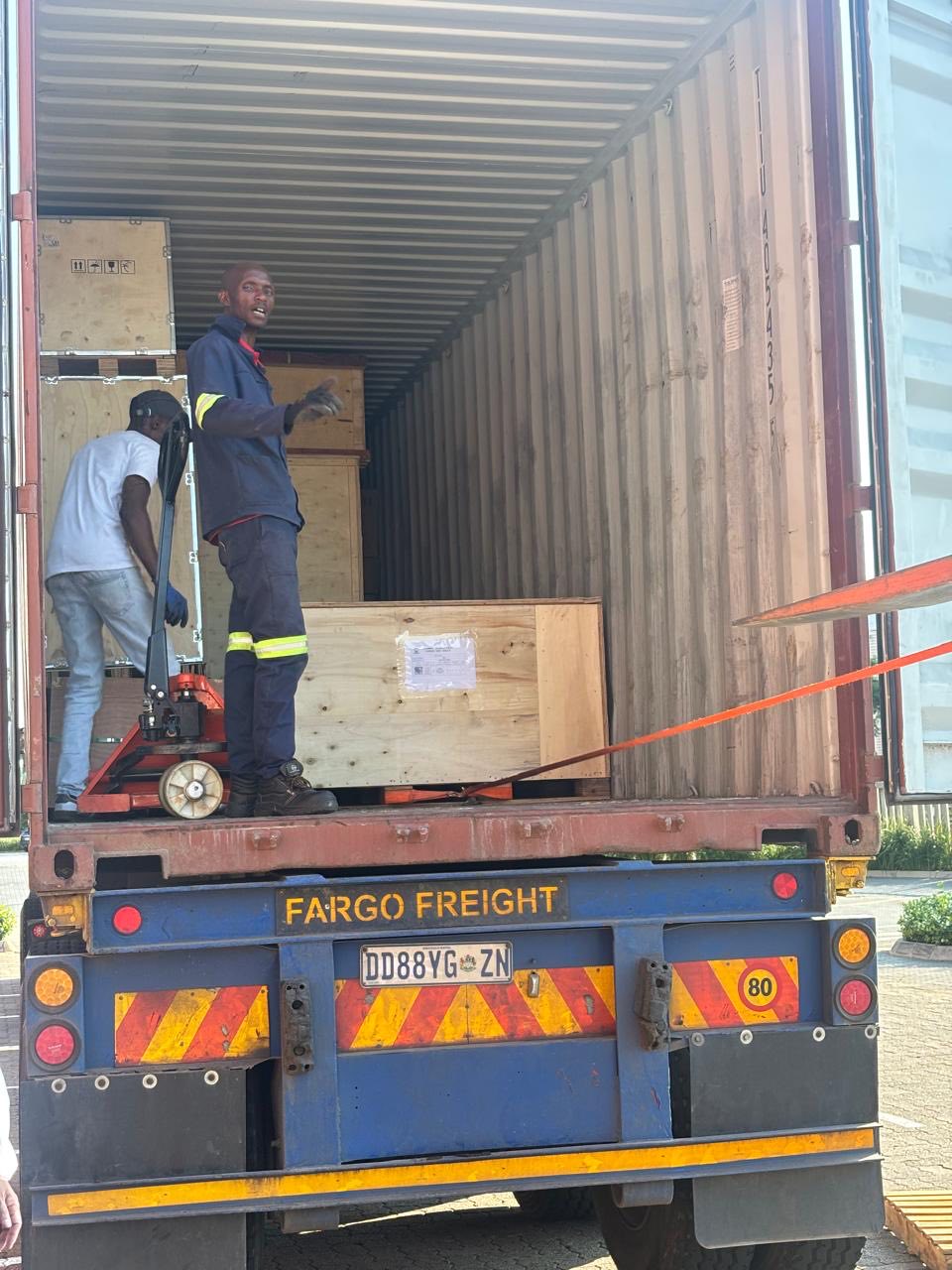
offloading
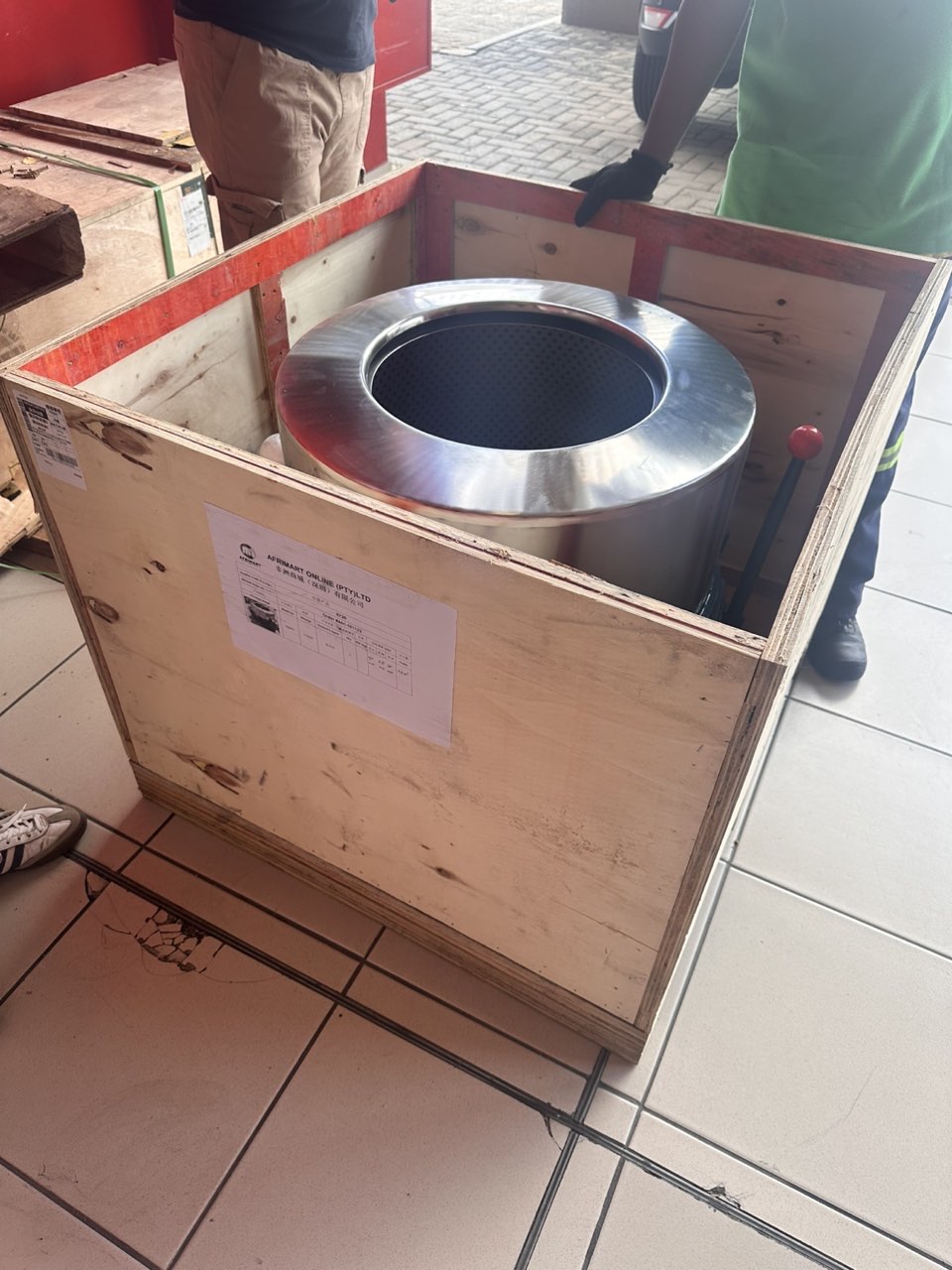
order success
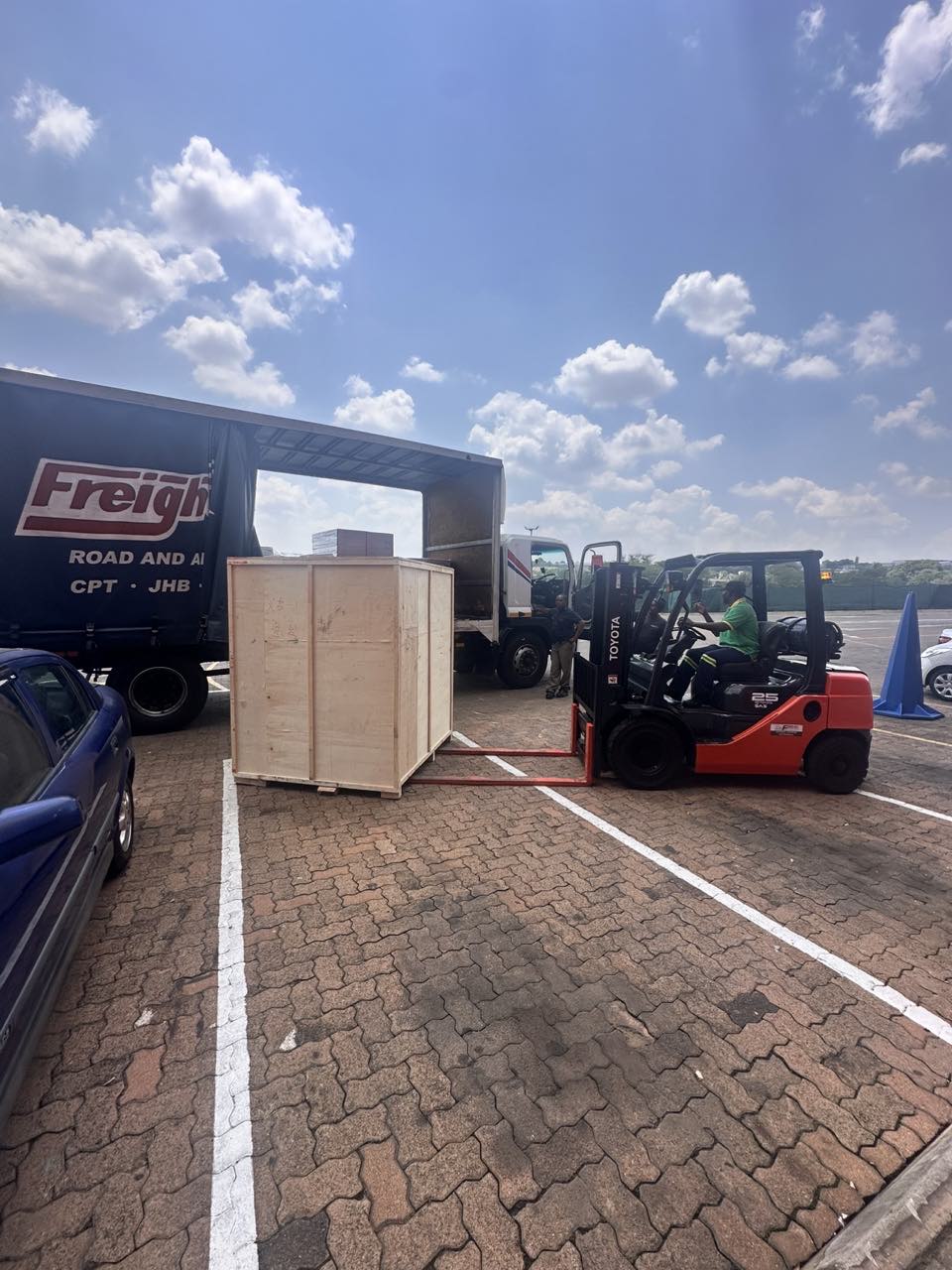
order collection
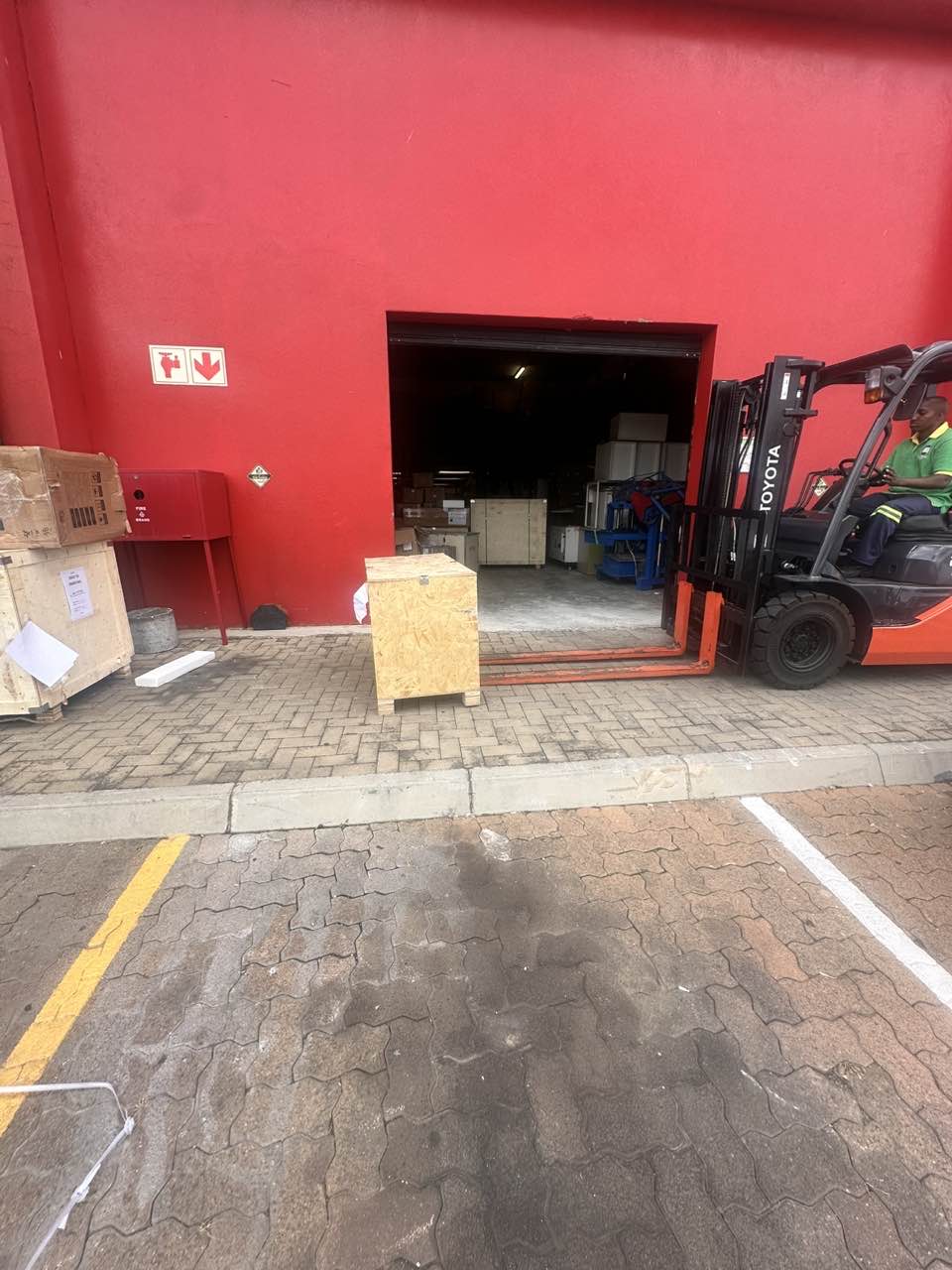
order offloading