B21, China Town Mall, Midrand

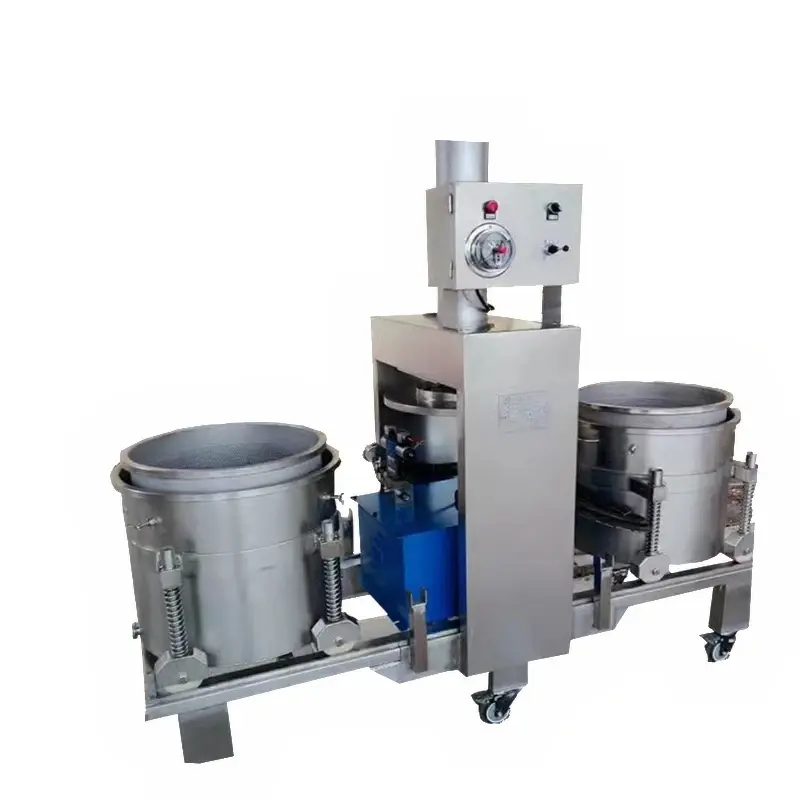
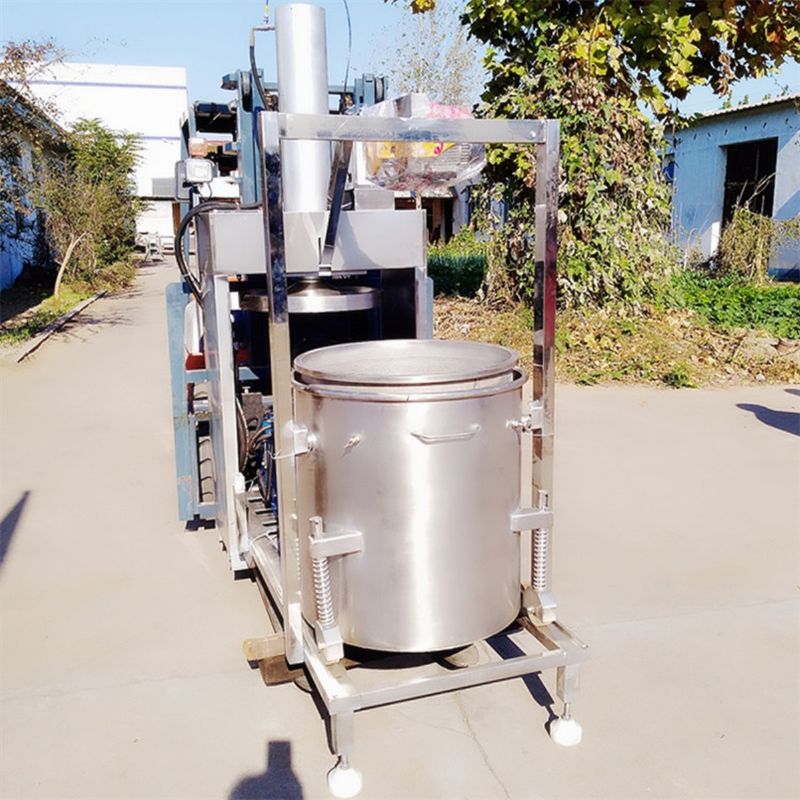
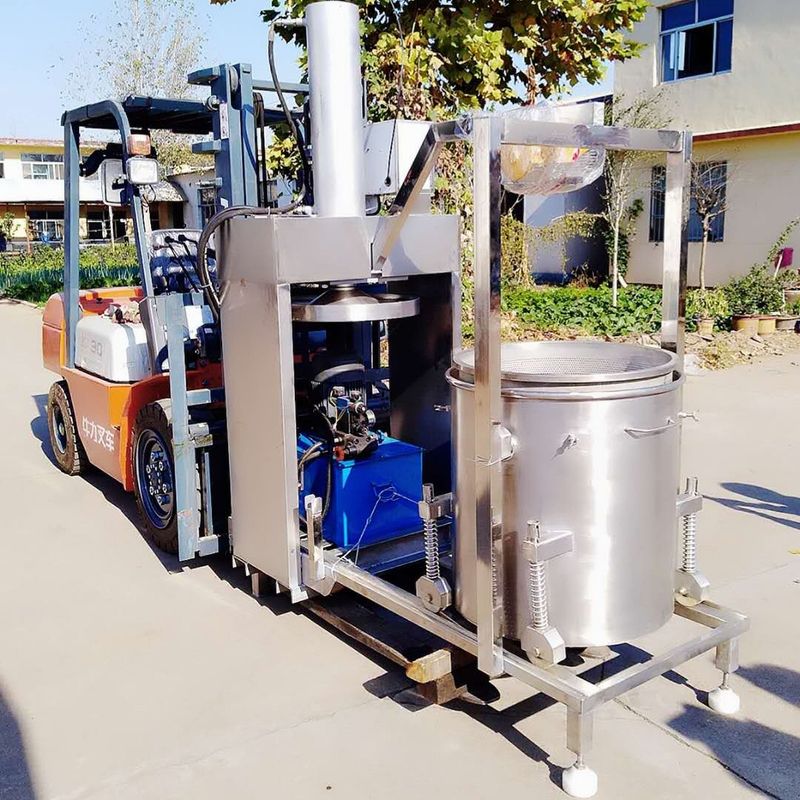
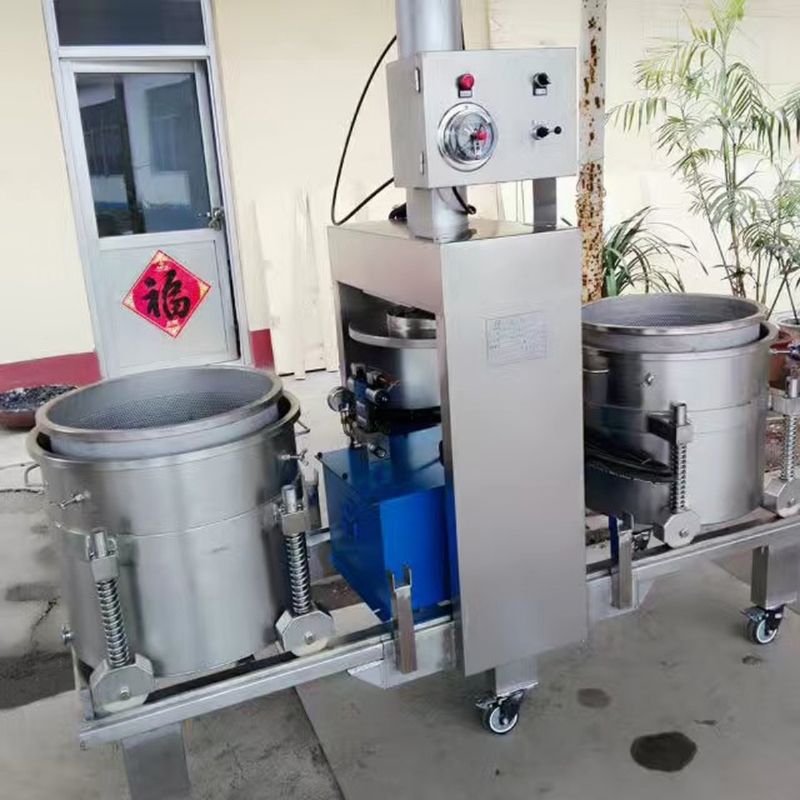
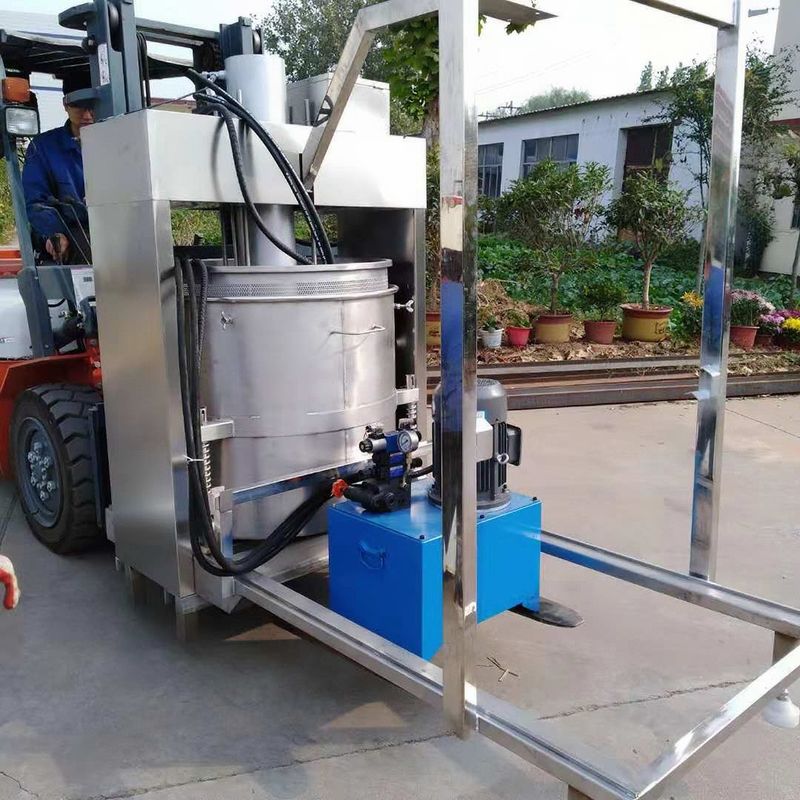
Hydraulic Pressing Machine Hydraulic Dough Press Machine
Asset finance available
Do you want funding for this equipment?
Afrimart can connect you with trusted funding partners who specialise in asset finance for businesses like yours. Compare options and apply in minutes — final approval is subject to provider review.
Check funding options
Secure & no obligation

- Section : Machinery
- Category : Fruit & Vegetable Processing Machines
- SKU : 1601100998705

- Shipping Timeframes: All orders are processed within 2-5 business days (excluding weekends and holidays). After your order has been processed, the estimated delivery time is before 09 Aug, 2026, depending on customs, Please note that due to high demand, some items may experience longer shipping times, which will be communicated at order confirmation email.
- Order Processing Time: Please allow 2-5 business days for us to process your order before it is shipped . Orders placed after 16:00 on Fridays, or during weekends and public holidays, will begin processing on the next business day. Processing times may be extended during peak seasons or sales events.
- Manufacturing Time: Some products needs manufacturing time, the manufacturing process will take approximately 10-30 business days depending on the product. This timeframe may vary depending on the complexity of the product and current demand. but this will be communicated with you during order confirmation.
- Returns and Exchanges: We offer a 30-day return policy for most items. If you are not completely satisfied with your purchase, you may return it within 30 days of receipt for a refund or exchange. Items must be unused, in their original packaging, and accompanied by proof of purchase. Return shipping costs are the responsibility of the customer, unless the item was damaged or defective upon arrival.
1. What is the Hydraulic Pressing Machine / Hydraulic Dough Press Machine used for?
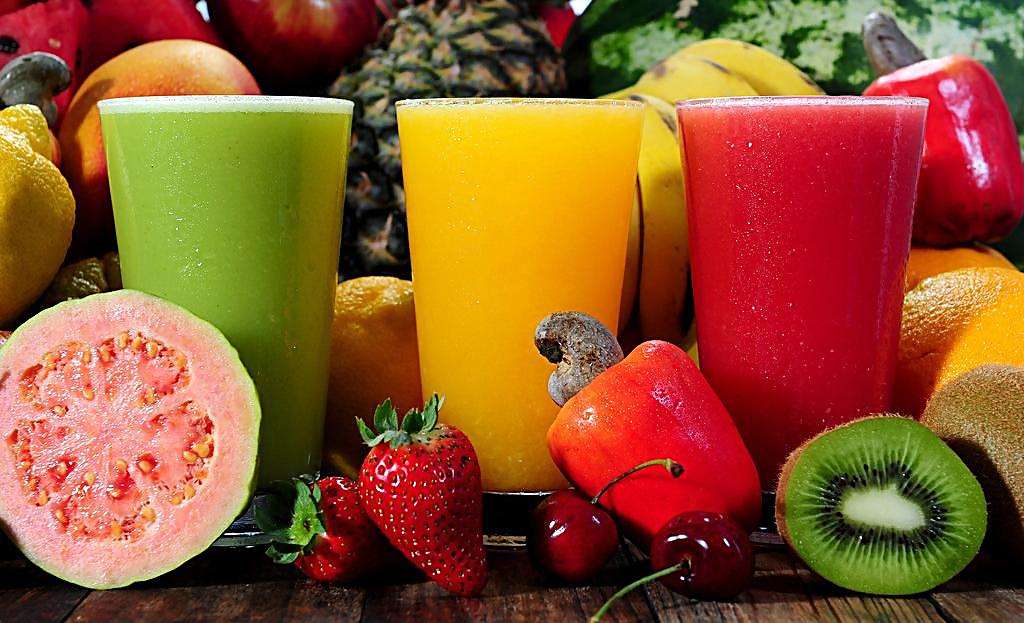
This multifunctional machine is designed primarily for efficient juice extraction and food processing. It can press fruits, vegetables, and certain bean products for juice production and is also suitable for pressing and forming dough-type products in food processing applications.
2. What models and capacities are available?
Two models are available: TPP-YY100 with a 100 L container (30-ton pressure) and TPP-YY400 with a 400 L container (50-ton pressure).
3. What are the main technical specifications for each model?
TPP-YY100: 30-ton pressure, 100 L tank (500×500 mm), 3 kW motor, 380V 50Hz, press time 15–20 minutes, dimension 1300×736×1760 mm, weight 350 kg. TPP-YY400: 50-ton pressure, 400 L tank (800×800 mm), 4 kW motor, 380V 50Hz, press time 10–20 minutes (typically 15–20), dimension 1750×940×2370 mm, weight 800 kg.
4. What material is the machine made from and is it food-safe?
The machine is constructed from stainless steel 304, which is durable, corrosion-resistant, and suitable for hygienic food processing when cleaned and maintained properly.
5. What is the typical press cycle time and production throughput?
Press time is typically 15–20 minutes per cycle. Throughput depends on model and raw material yield: TPP-YY100 typically achieves about 3–4 cycles per hour (equivalent to 300–400 L of batch volume processed per hour), while TPP-YY400 can achieve roughly 3–6 cycles per hour depending on press time (equivalent to 1,200–2,400 L of batch volume per hour). Actual juice yield depends on fruit/vegetable type and pre-processing.
6. What power and electrical requirements are needed?
The machines require a 380V, 50Hz three-phase supply. Power ratings are 3 kW for the TPP-YY100 and 4 kW for the TPP-YY400. Confirm local electrical compatibility before installation.
7. How easy is the machine to operate and what is the basic operating process?
The machine is designed for straightforward operation: load prepared raw material into the tank, lower the pressing plate, operate the hydraulic press according to the control, hold for the programmed press time, then release and remove the pressed cake. Basic operator training is recommended for safe and efficient use.
8. What safety features should I expect and what precautions should operators take?
Hydraulic presses should be used with standard hydraulic safety measures (pressure relief, stable frame, secure guards) and an emergency stop where supplied. Operators must be trained, keep hands clear of moving parts, inspect hoses and seals regularly, and follow local safety regulations.
9. How do I clean and sanitize the machine?
Clean all food-contact surfaces after each production run using potable water and food-grade cleaning agents or sanitizers. Remove solid residues, rinse thoroughly, and dry. Periodically inspect seals and joints; avoid high-pressure spray directly at hydraulic components. Follow your local food safety protocols.
10. What routine maintenance is required?
Regular maintenance includes checking hydraulic oil level and condition, inspecting hoses/seals for wear or leaks, tightening fasteners, cleaning the tank and pressing plate, and replacing hydraulic filters as needed. Follow the manufacturer's maintenance schedule for service intervals.
11. Are spare parts and consumables available (seals, filters, plates)?
Yes—typical spare parts such as hydraulic seals, filters, hoses, pressing plates and gaskets are commonly available. Contact the supplier or authorized service center to order genuine replacement parts.
12. Can the machine handle different raw materials (soft fruit, hard fruit, beans, dough)?
Yes. The hydraulic press is versatile and can process a wide range of materials including soft and firm fruits, certain vegetables, bean products, and dough-type materials. Pre-processing (cutting, macerating) may improve yields for harder items.
13. What are the physical footprint and installation requirements?
Dimensions: TPP-YY100 = 1300×736×1760 mm (W×D×H), weight 350 kg. TPP-YY400 = 1750×940×2370 mm, weight 800 kg. Install on a level, load-bearing floor with access to a 380V three-phase supply. Allow space for loading/unloading and maintenance access.
14. Can the machine be customized (capacity, electrical options, accessories)?
Many suppliers offer customization options such as alternate tank sizes, different electrical configurations, additional pressing plates or baskets, and accessory kits. Contact the manufacturer or your sales representative to discuss specific customization needs.
15. What warranty and after-sales support are provided?
Warranty terms and after-sales support vary by supplier. Contact your seller for specific warranty length, coverage details, installation assistance, and service contracts. It's recommended to confirm these terms before purchase.
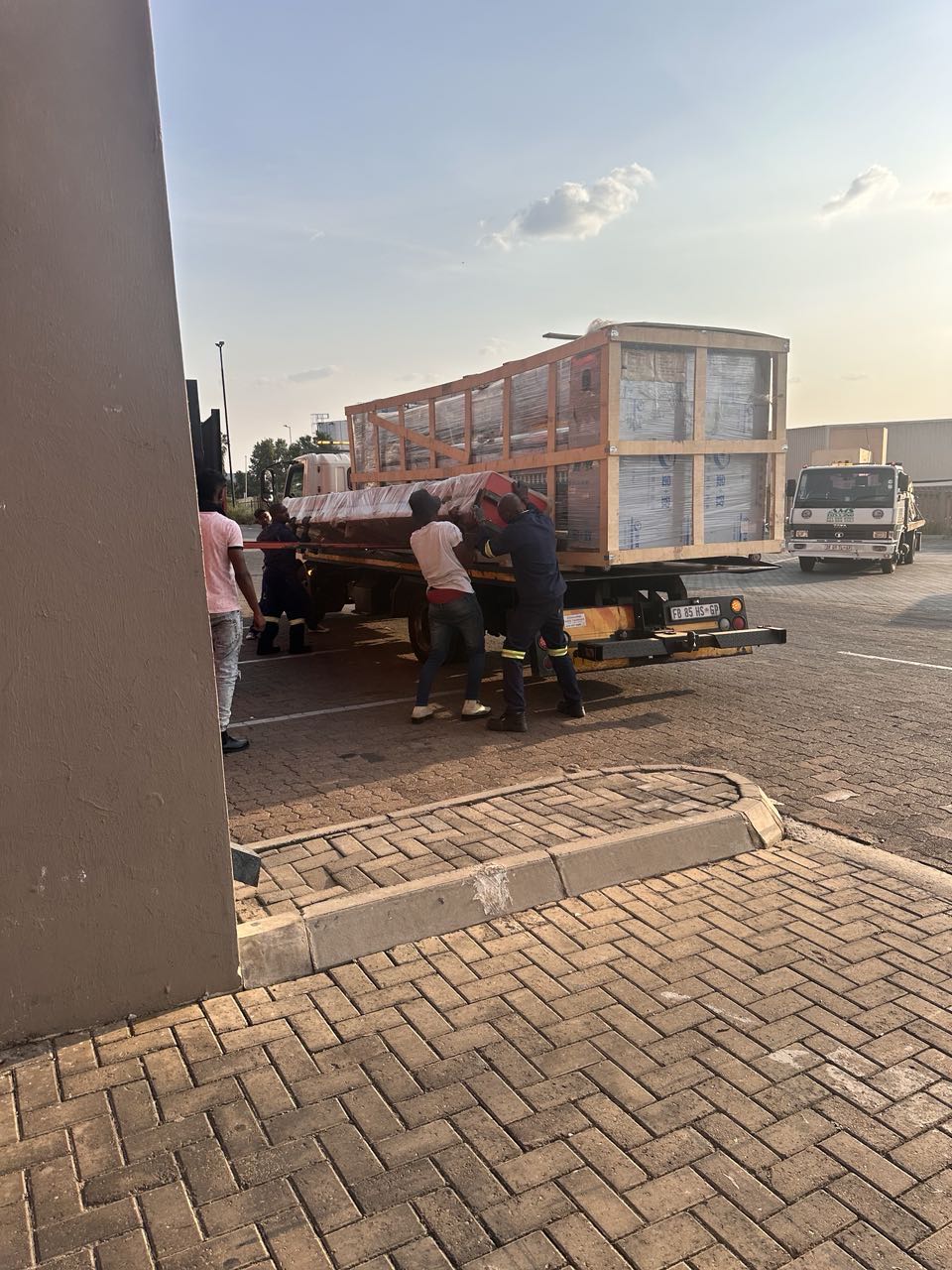
Latest Order Arrivals
Discover our latest orders
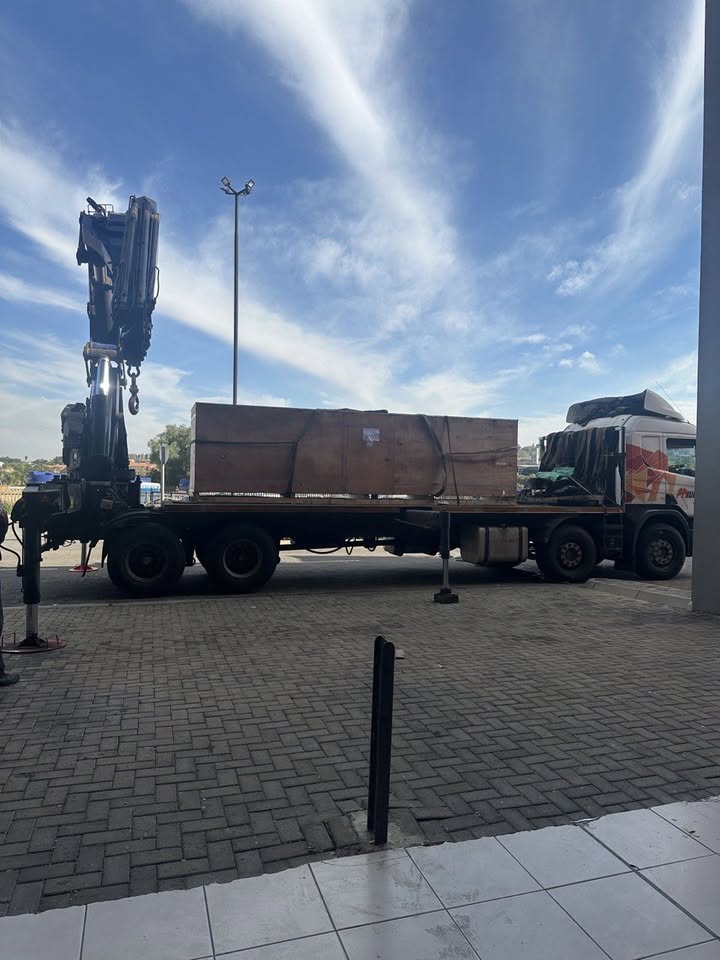
12 Heads Embroidery Machine
Toilet Paper Machine Machine
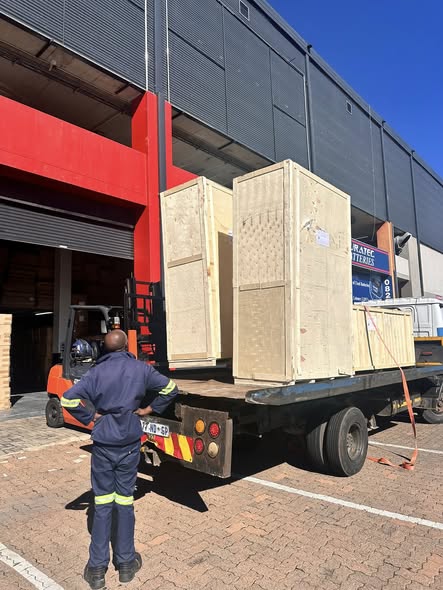
Order Collection
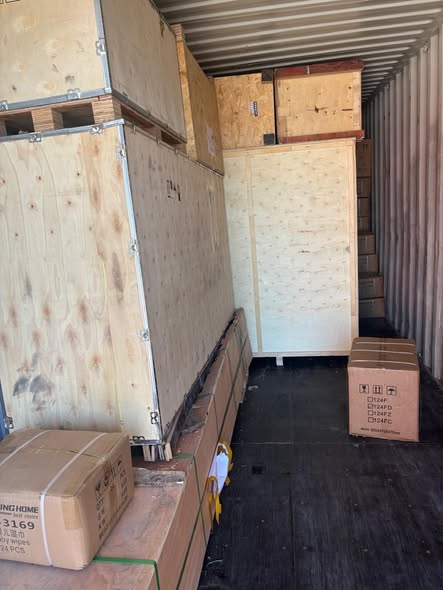
Cross Border Clients
Order cros border countries Collected
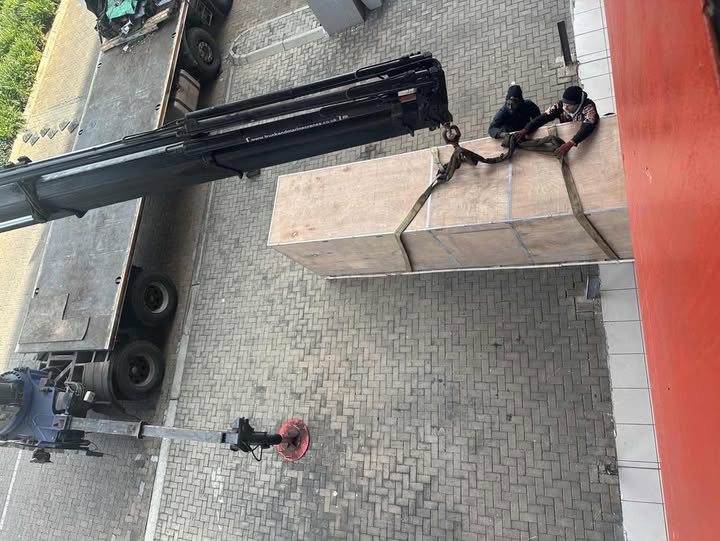
Industrial Machine Cllection
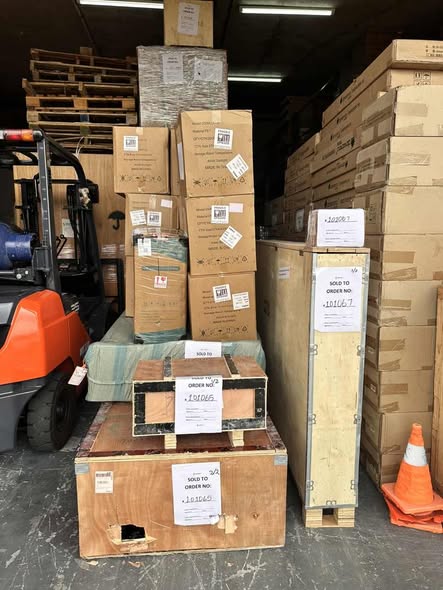
Agriculture Processing Machines
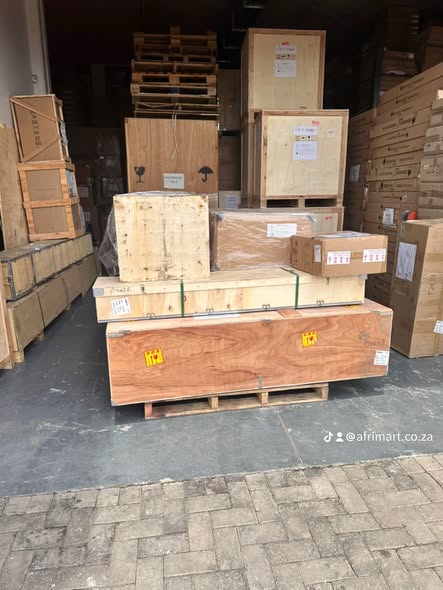
Ready for collection
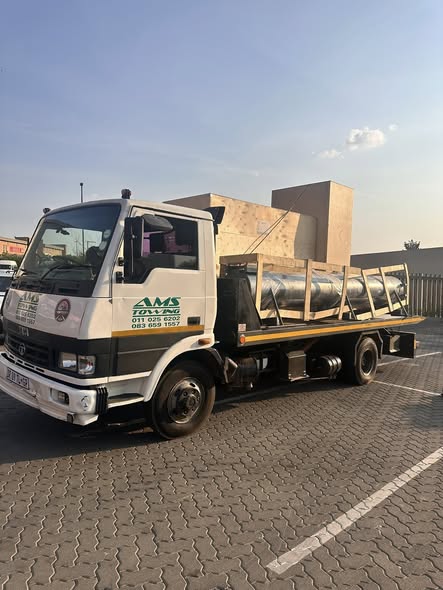
Water Pump Equipment
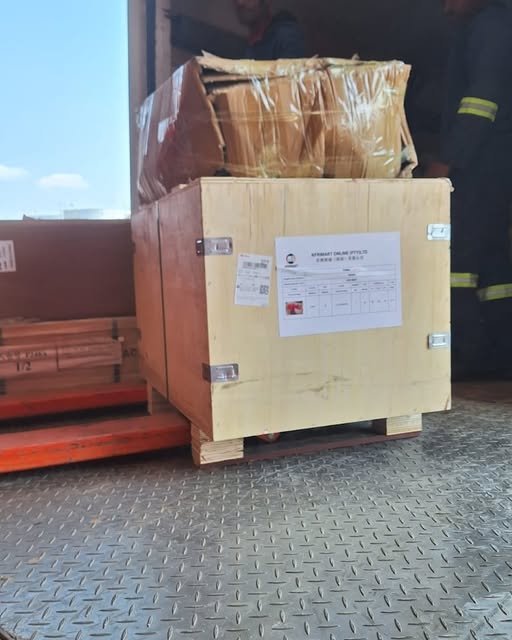
Packaging Machine and accessories
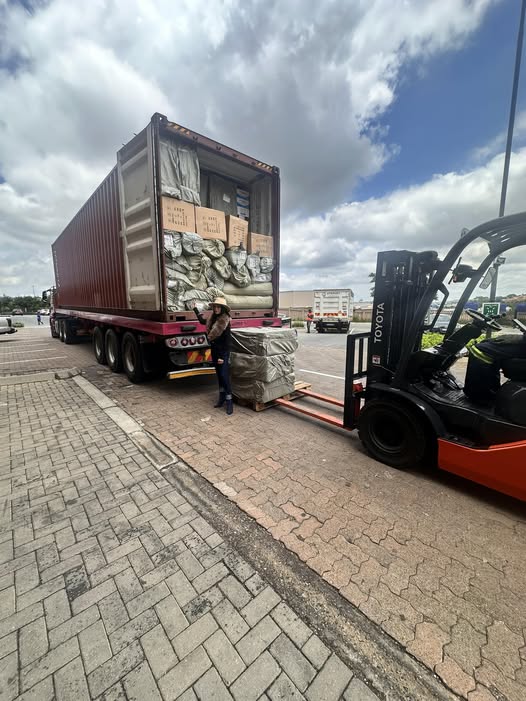
Fabrics Manufacturing Equipment
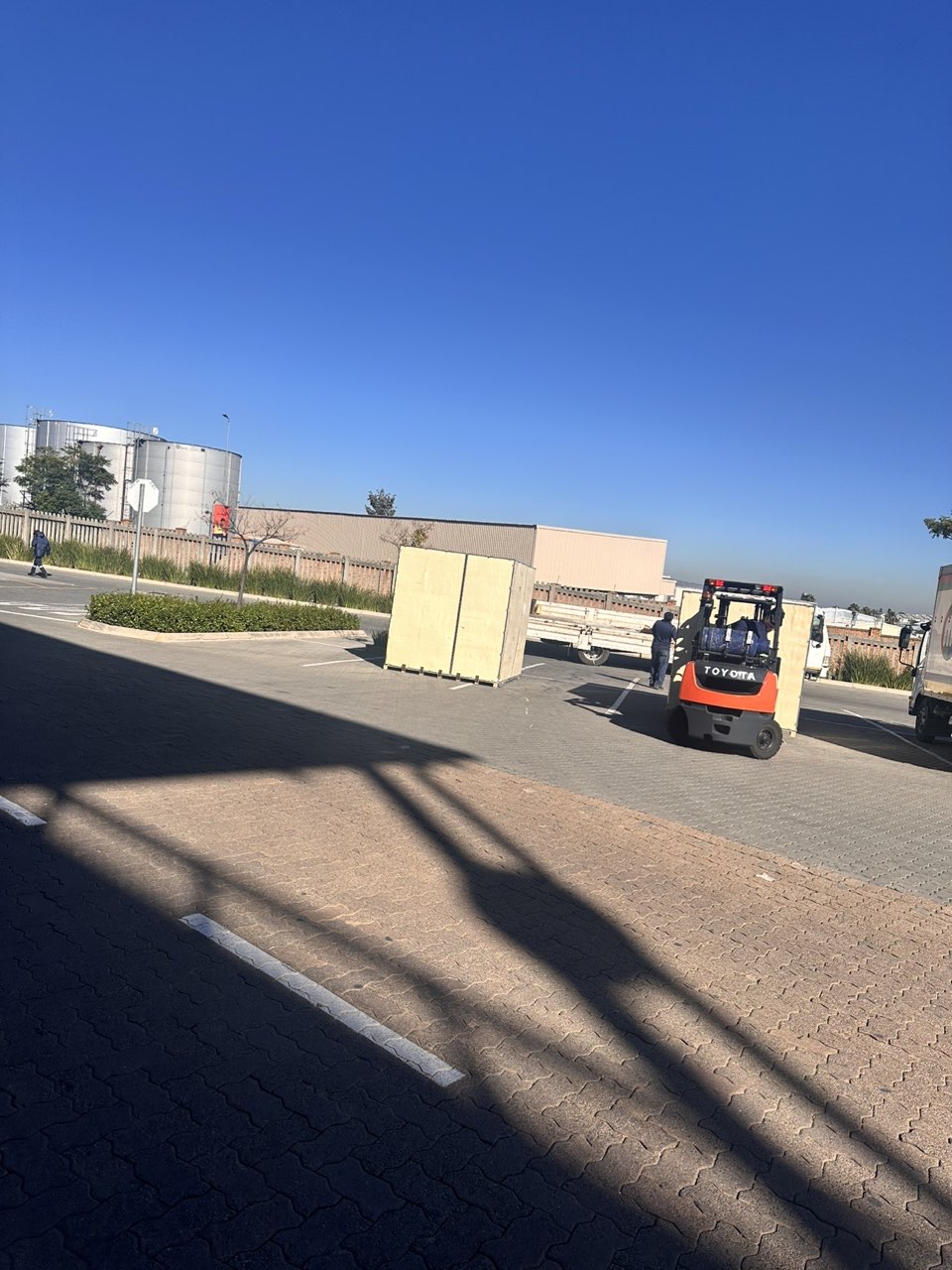
Mining Equipments
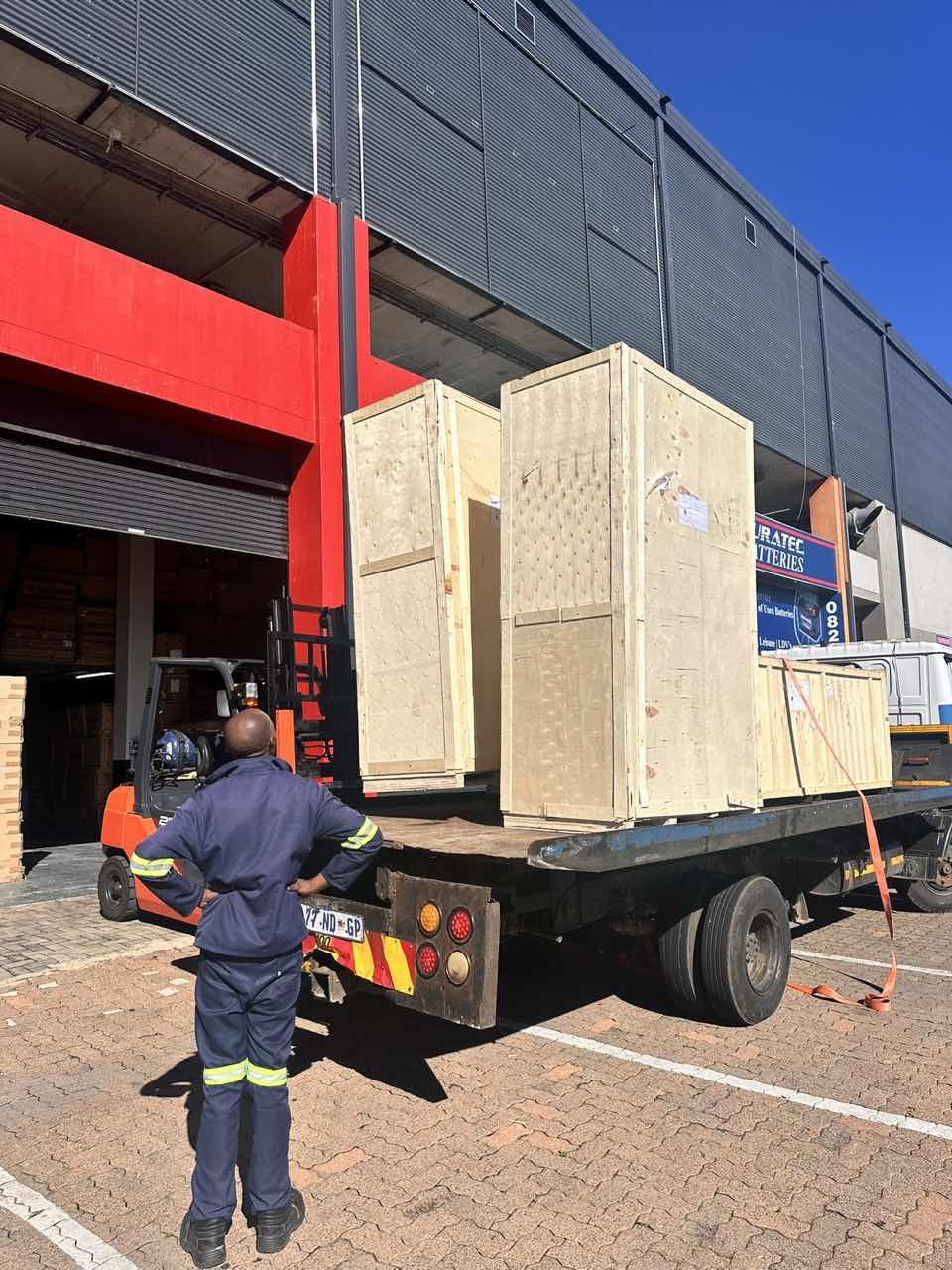
Food Processing Machine
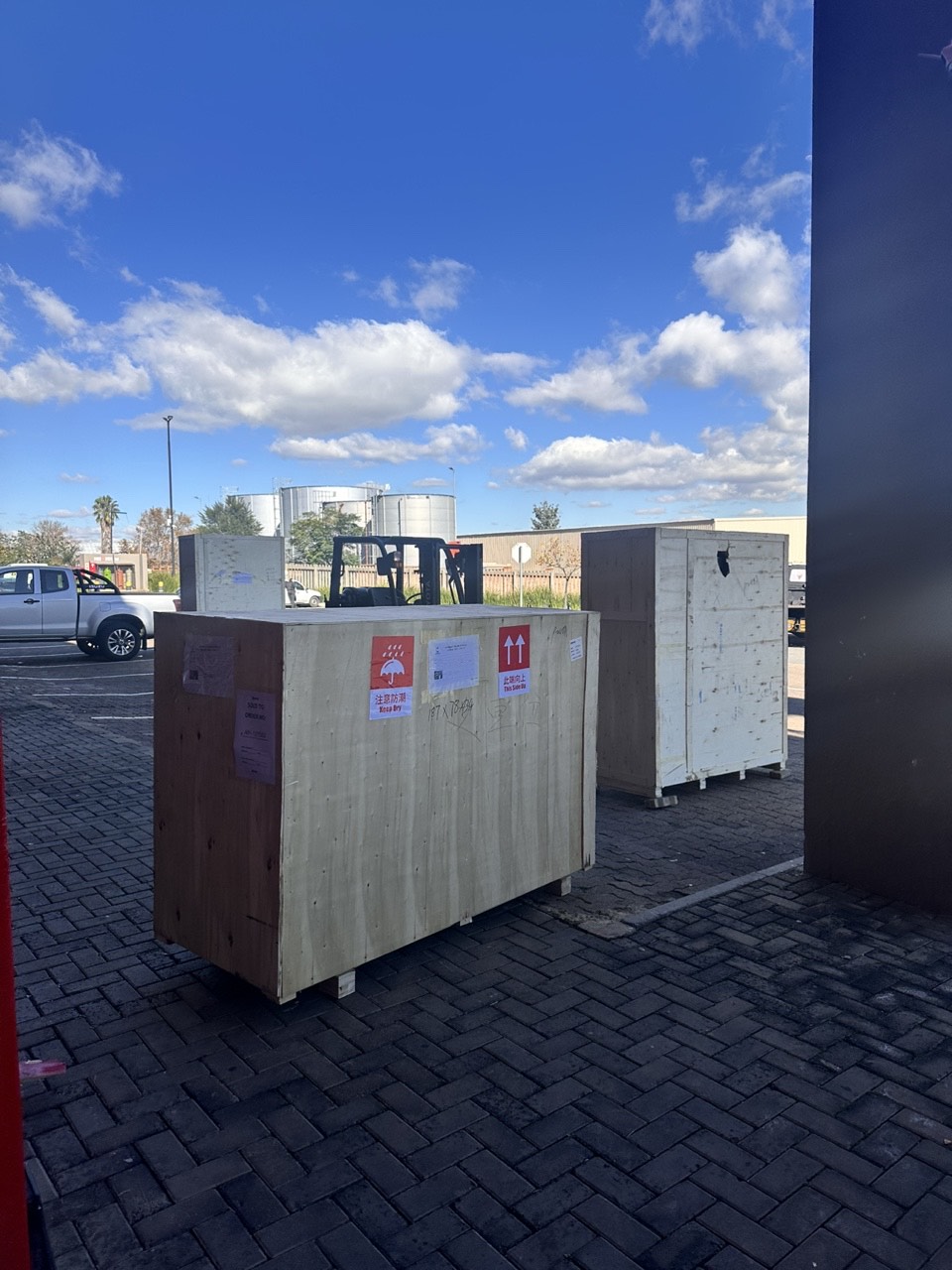
Batch of Orders
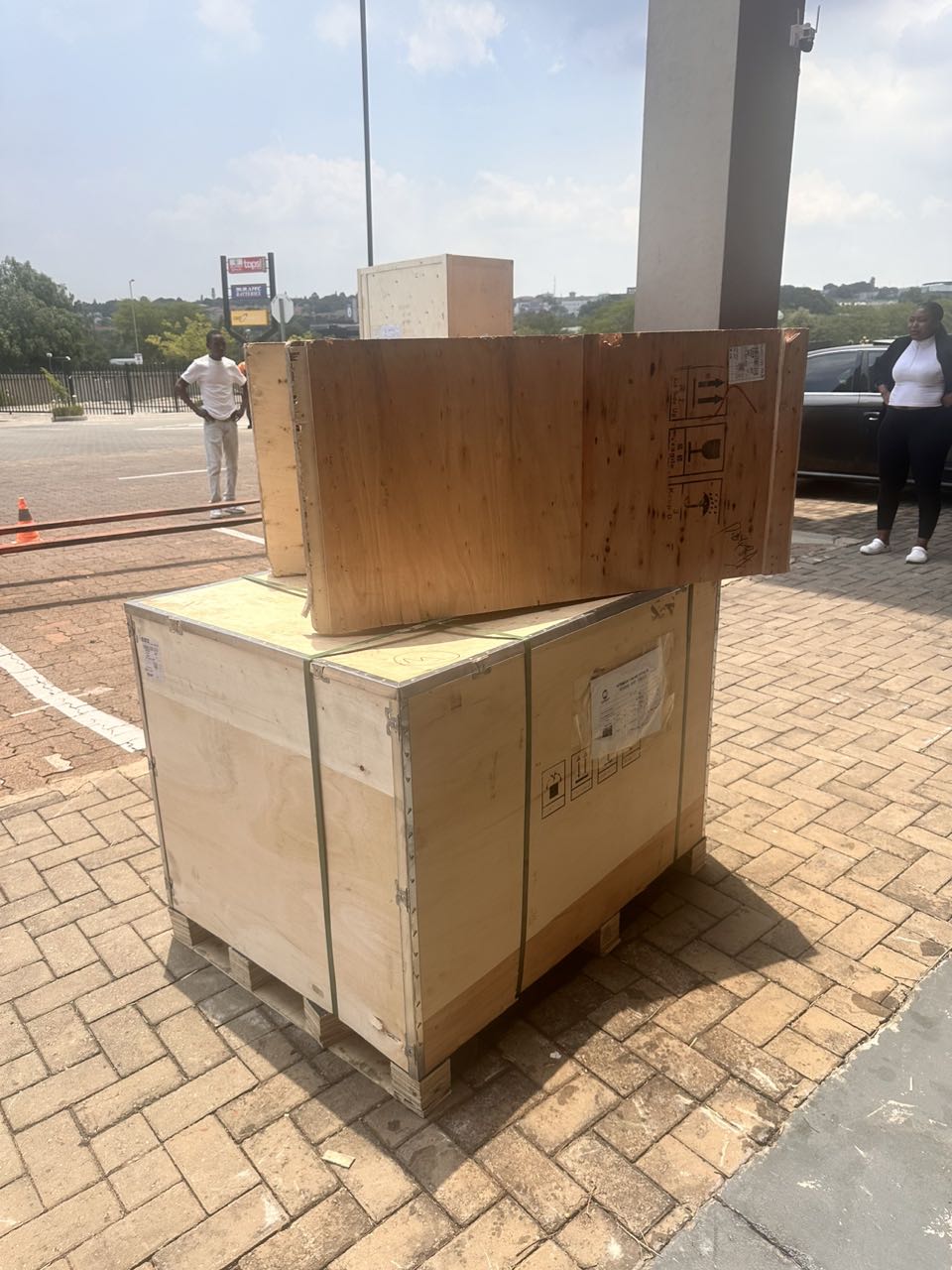
Batch of Orders
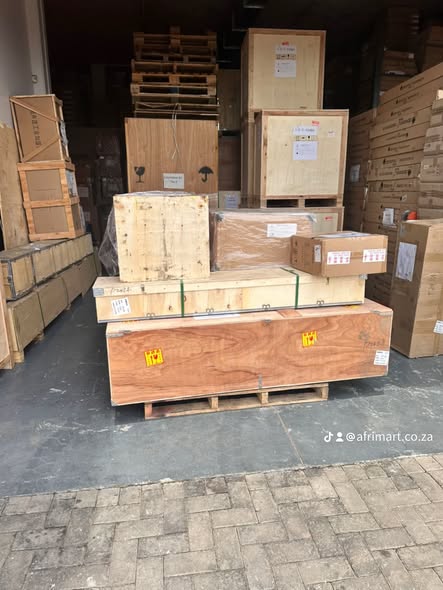
Latest Orders Labelled
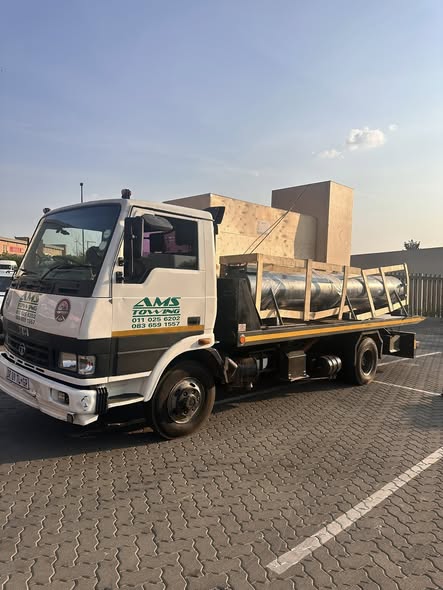
wheel alignment machines
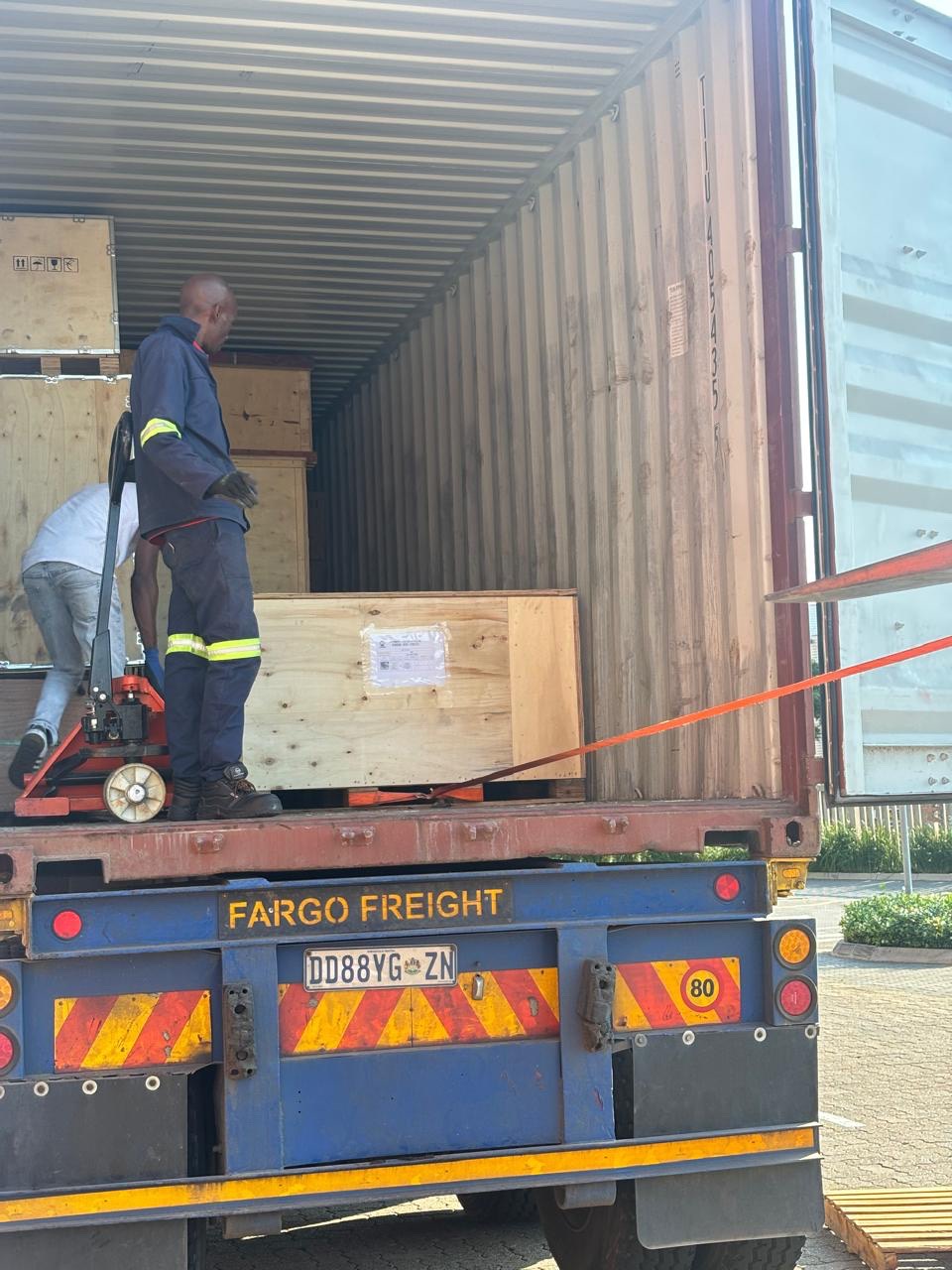
new arrivals
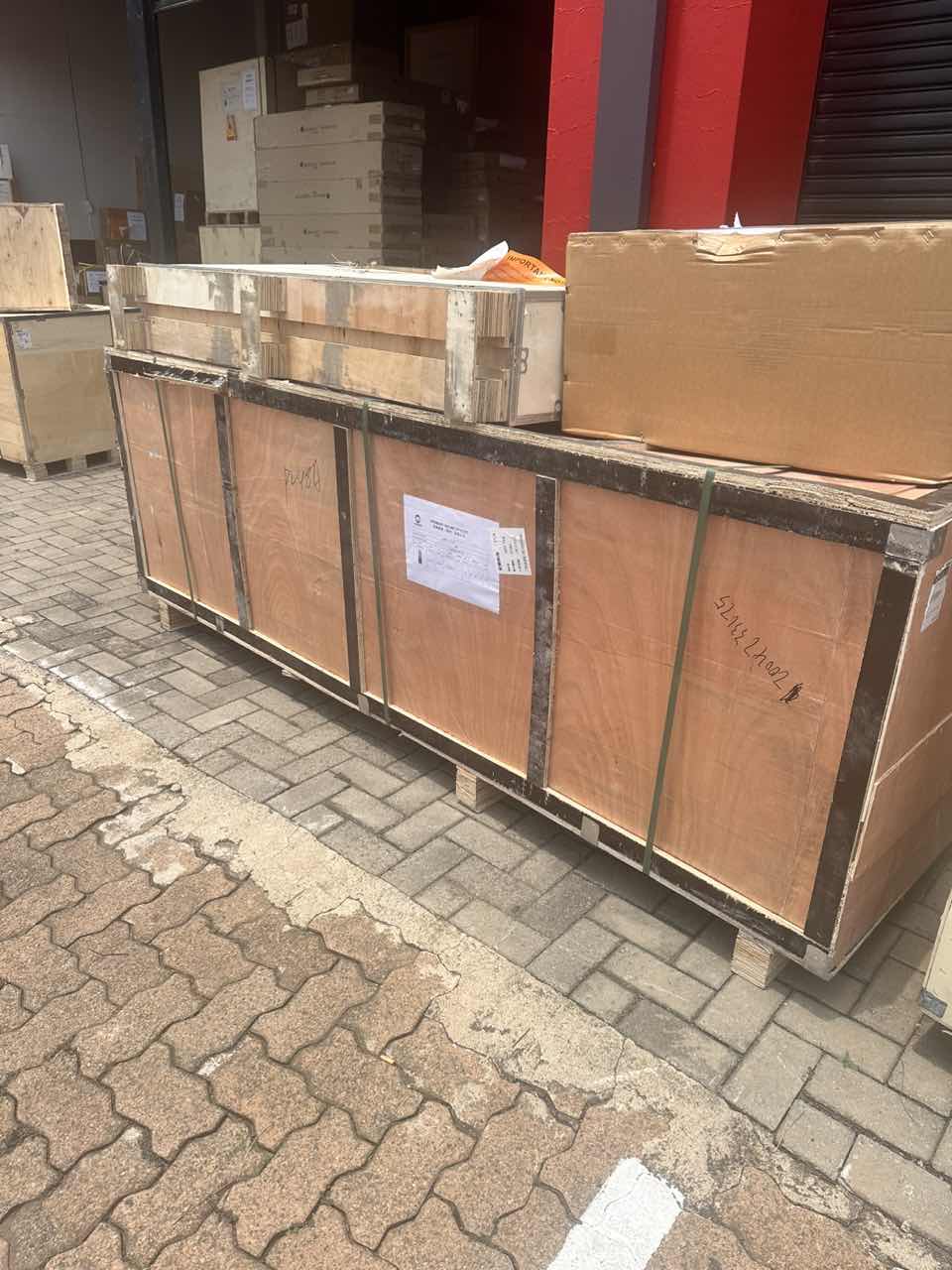
Pre Orders Offloading
Latest Arrivals
Latest Arrivals
Latest Arrivals
Loading
Toilet paper making machine
Toilet paper making machine
Toilet paper Rewinding Machine
latest arrivals
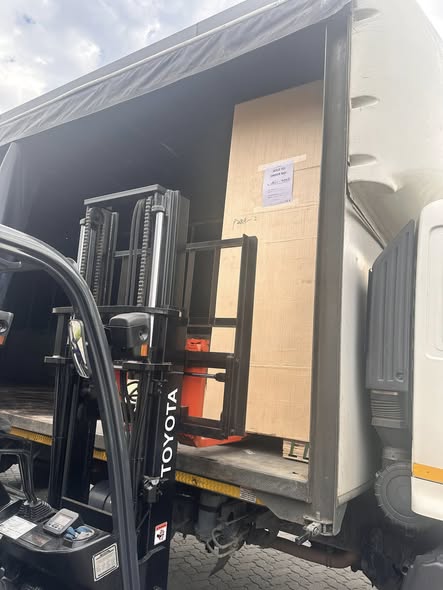
offloading
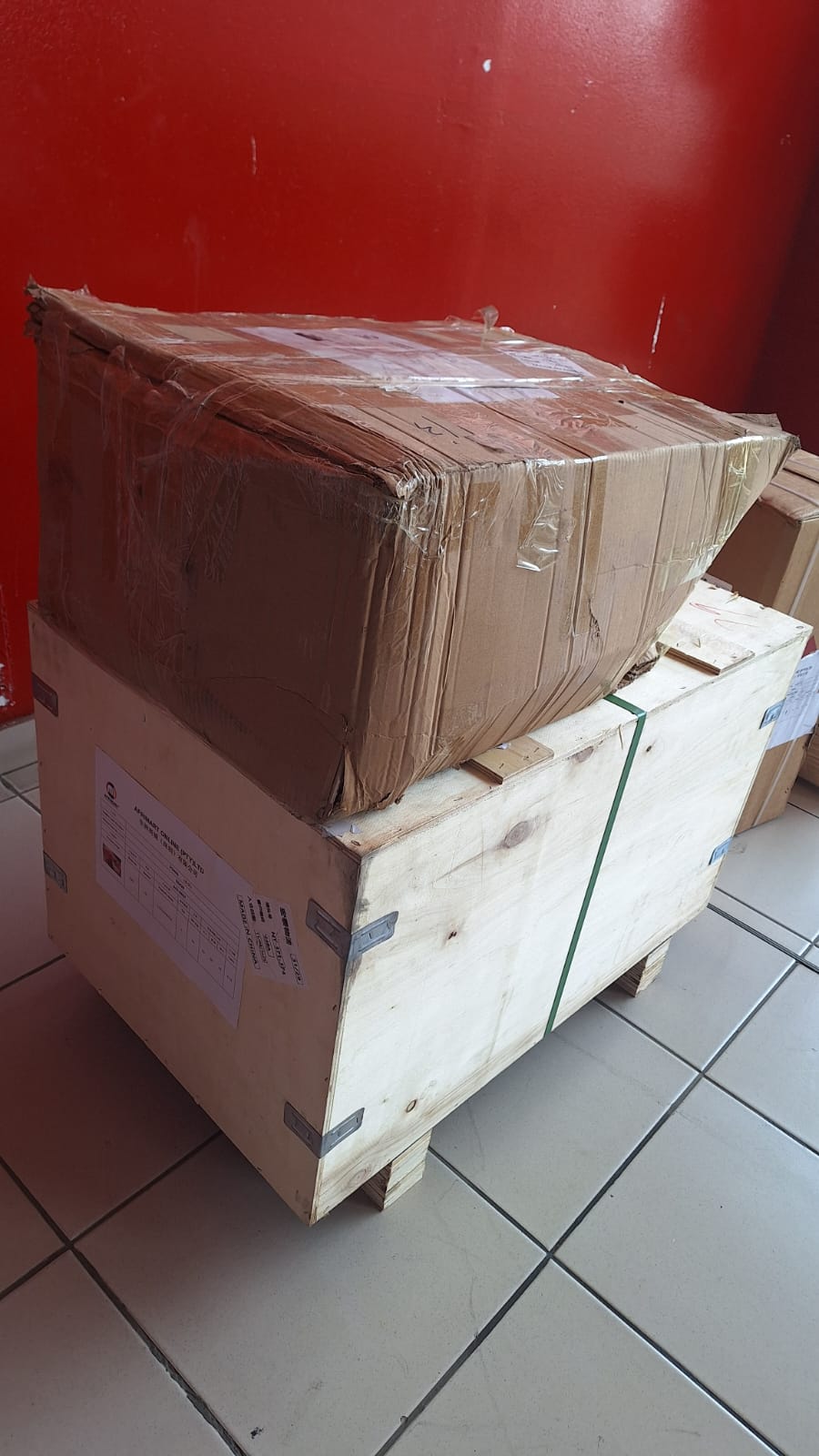
order success
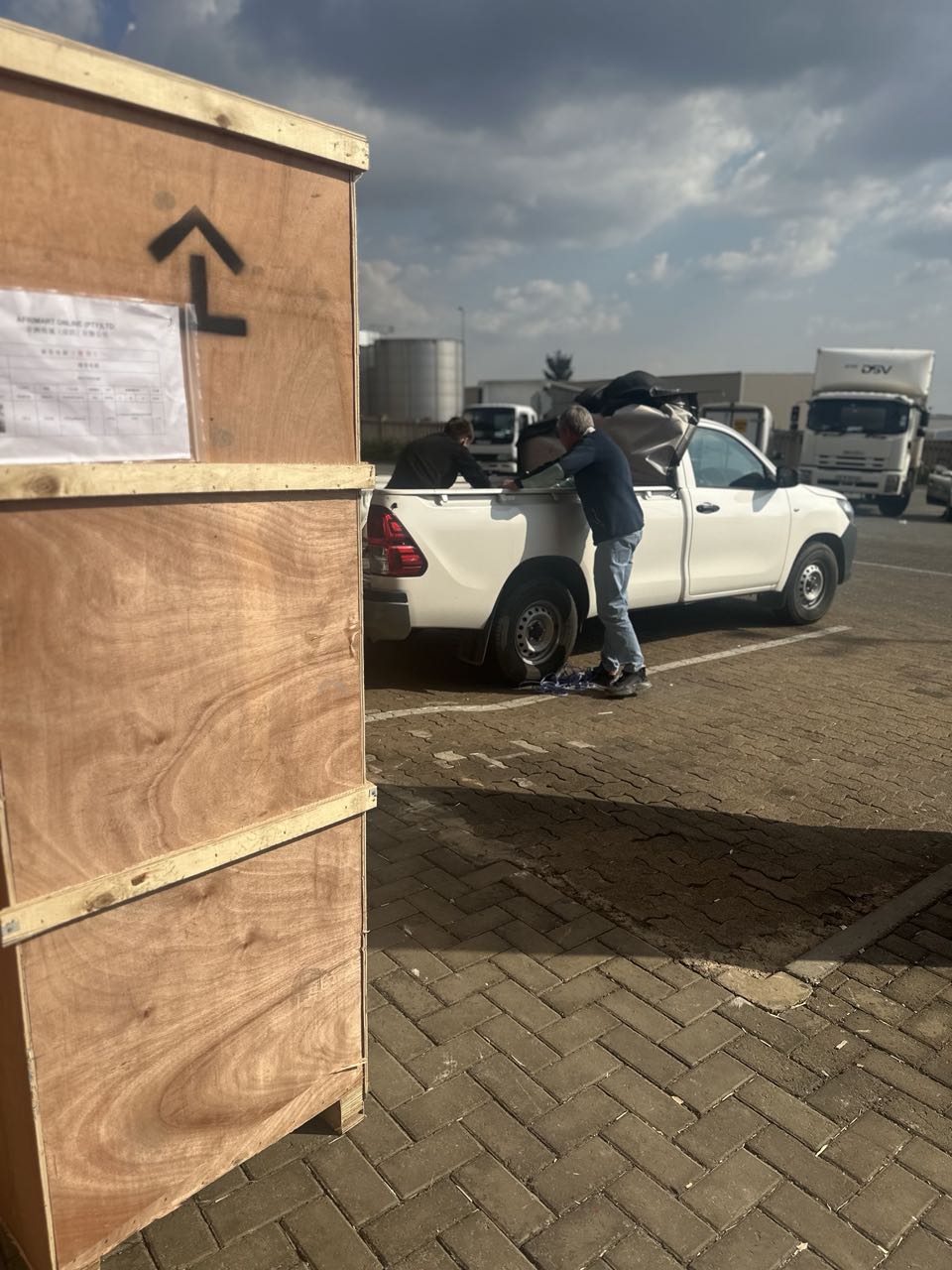
order collection
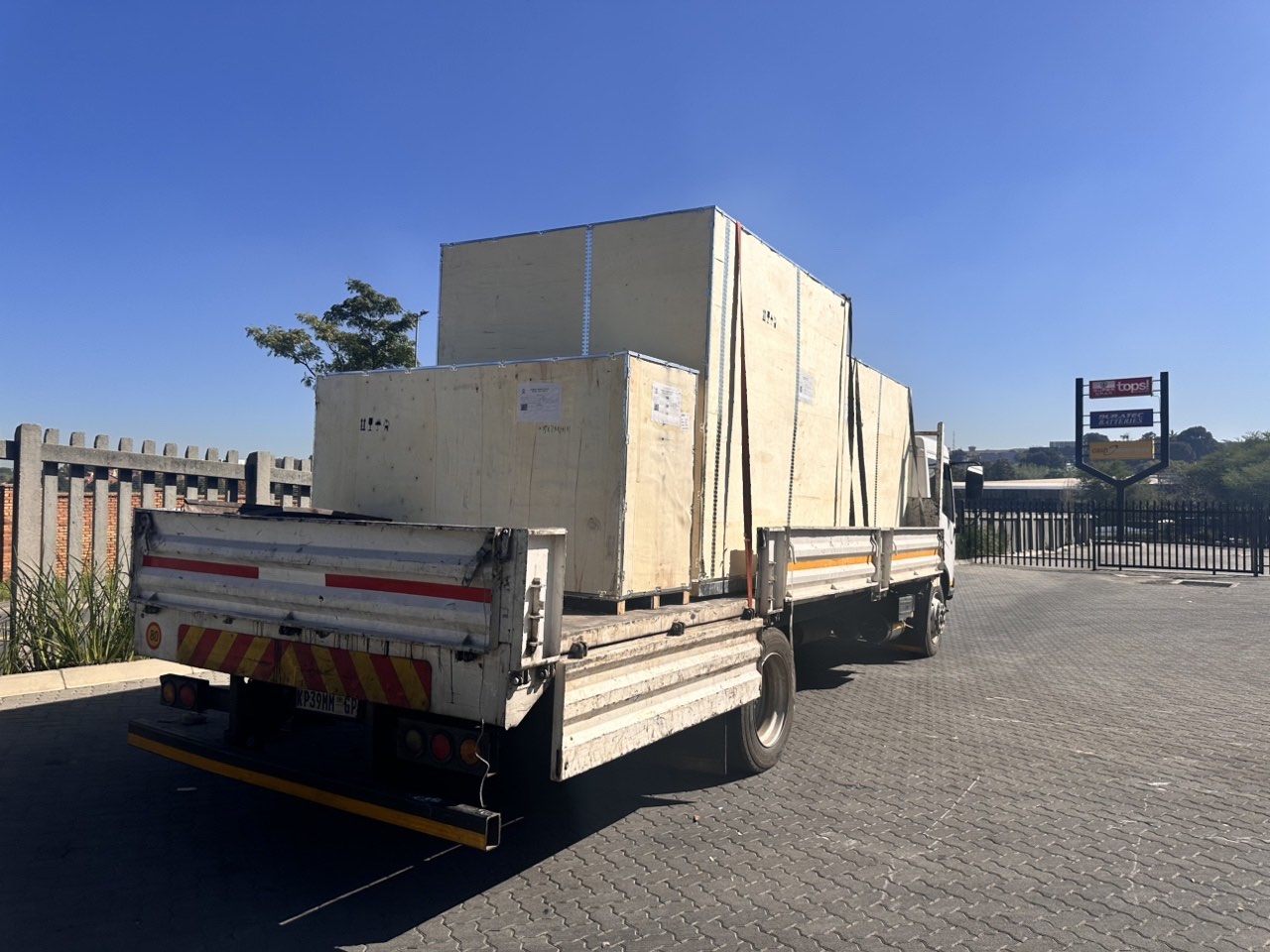
order offloading