B21, China Town Mall, Midrand

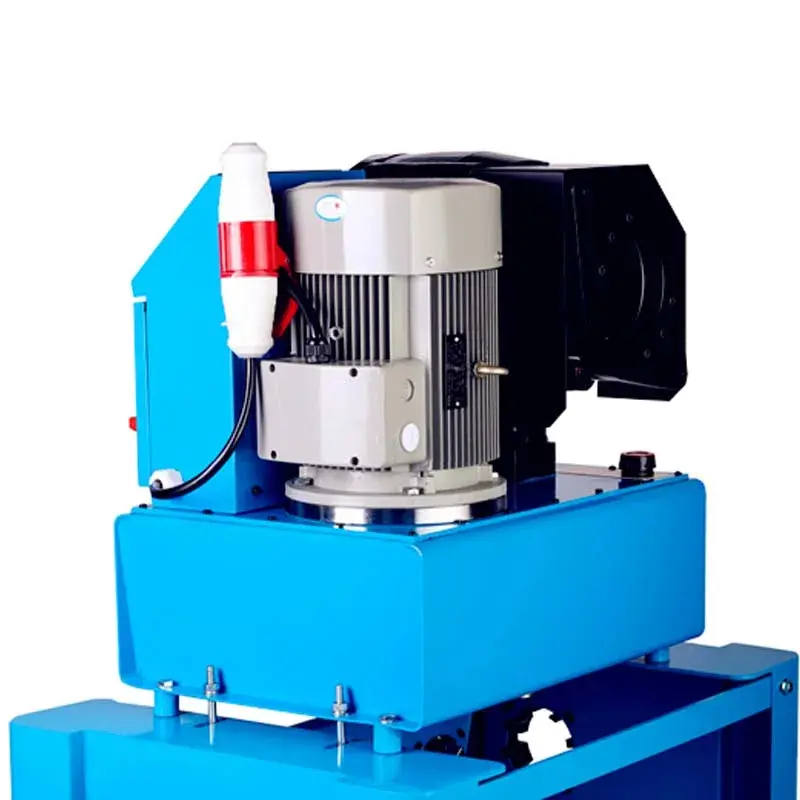
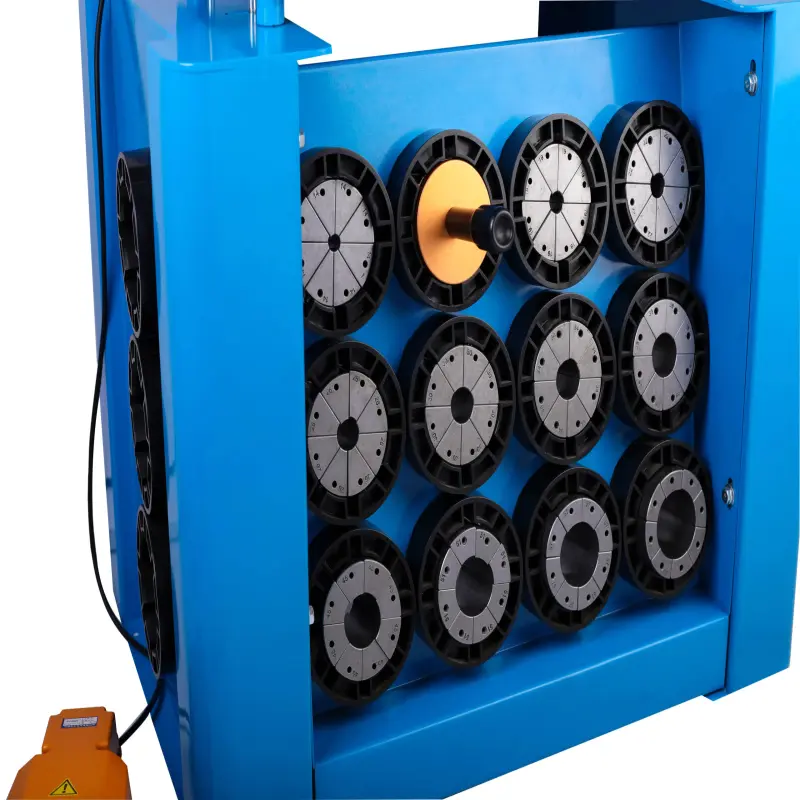
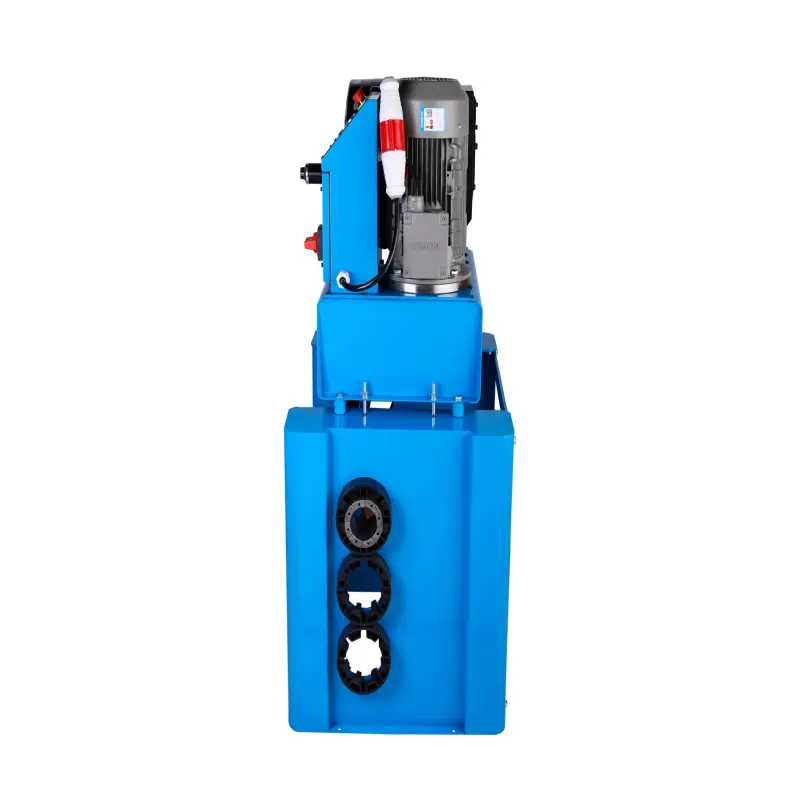
Hydraulic Hose Press Crimper Pressing Machine

- Section : Machinery
- Category : Machine Tool Equipment
- SKU : 1600955465923

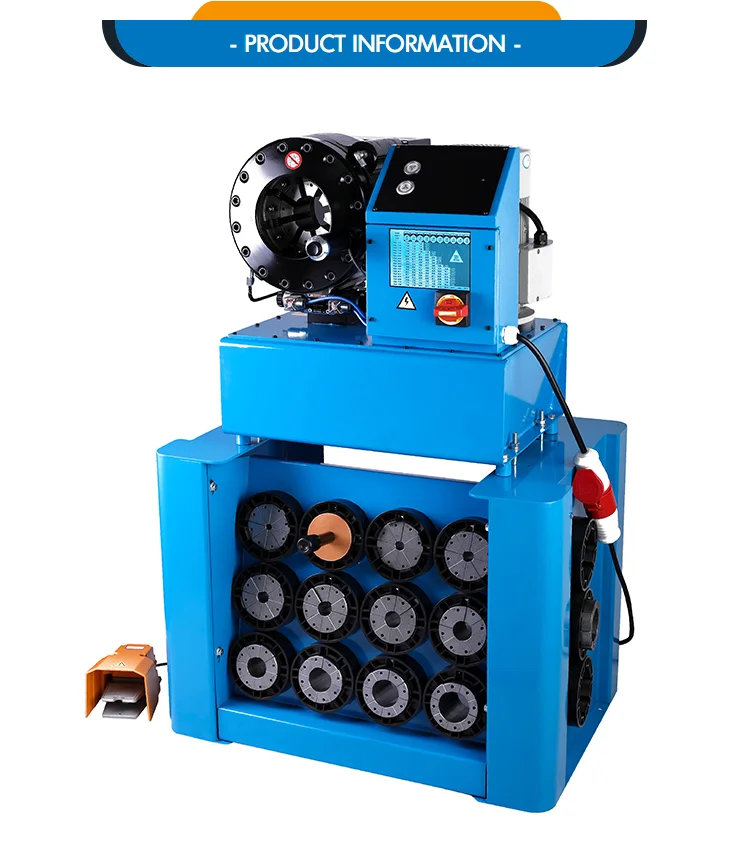
Product Description:
| SPECIFICATIONS FOR HYDRAULIC HOSE CRIMPING MACHINE | |||
| Production name | Hose crimping machine | Machine model | JYC-P32 |
| Machine type | Hydraulic crimping tool | Application | Crimping hose |
| Crimping range | 6-51mm(1/4--2 inch) | System pressure | 31.5Mpa |
| Crimping force | 3200kN | Operation mode | Electrical |
| Dies set | 13 sets | Die length | 75mm |
| Dimension | 650*470*620mm | Weight | 290KG |
| Voltage | 220V/380V | Power | 3KW/4KW |
| Rated Flow | 10ml/r | Prodection Class | IP54 |
- Shipping Timeframes: All orders are processed within 2-5 business days (excluding weekends and holidays). After your order has been processed, the estimated delivery time is before 09 Aug, 2026, depending on customs, Please note that due to high demand, some items may experience longer shipping times, which will be communicated at order confirmation email.
- Order Processing Time: Please allow 2-5 business days for us to process your order before it is shipped . Orders placed after 16:00 on Fridays, or during weekends and public holidays, will begin processing on the next business day. Processing times may be extended during peak seasons or sales events.
- Manufacturing Time: Some products needs manufacturing time, the manufacturing process will take approximately 10-30 business days depending on the product. This timeframe may vary depending on the complexity of the product and current demand. but this will be communicated with you during order confirmation.
- Returns and Exchanges: We offer a 30-day return policy for most items. If you are not completely satisfied with your purchase, you may return it within 30 days of receipt for a refund or exchange. Items must be unused, in their original packaging, and accompanied by proof of purchase. Return shipping costs are the responsibility of the customer, unless the item was damaged or defective upon arrival.
1. What is the Hydraulic Hose Press Crimper Pressing Machine used for?
This machine is used to crimp and assemble hydraulic hose ends and fittings. It compresses hose ferrules to form secure crimps for hydraulic hose assemblies.
2. What is the crimping range (hose sizes) this machine supports?
Crimping range is 6–51 mm (approximately 1/4" to 2"), covering most common hydraulic hose sizes in that range.
3. What is the maximum crimping force and system pressure?
The machine provides a crimping force of 3200 kN and operates at a system pressure of 31.5 MPa.
4. How is the machine powered and what are the electrical requirements?
Operation is electrical. Voltage options indicated are 220V or 380V and the motor power options are 3 kW or 4 kW. Confirm single- or three-phase configuration with the supplier before purchase.
5. How many die sets are supplied and what is the die length?
The machine comes with 13 die sets and the die length is 75 mm.
6. What are the machine dimensions and weight?
Overall dimensions are 650 × 470 × 620 mm and the machine weight is approximately 290 kg.
7. What does the rated flow 10 ml/r mean?
Rated flow of 10 ml/r refers to the hydraulic pump’s displacement per revolution. It’s a specification that affects hydraulic speed and cycle time of the crimping action.
8. What does protection class IP54 mean for this machine?
IP54 means the machine is protected against limited dust ingress (dust-protected) and against water splashes from any direction. It is not waterproof for immersion.
9. How do I change or install crimping dies?
General safe procedure: switch off and isolate power, relieve hydraulic pressure, open the crimp head, remove the old dies, fit the correct die set ensuring proper orientation and seating, close and secure the head, then power up and run a test crimp. Always follow the manufacturer's detailed manual for your model.
10. Which types of hoses and fittings can it crimp?
It crimps hydraulic hoses and compatible fittings whose outer diameters fall within the 6–51 mm range. Compatibility with specific hose/fitting series should be verified against the die set profile and manufacturer's recommendations.
11. What routine maintenance is required?
Typical maintenance includes checking and replacing hydraulic oil as recommended, inspecting and cleaning dies, checking hydraulic hoses and seals for leaks, tightening fasteners, replacing worn parts, and keeping electrical components clean. Follow the machine's maintenance schedule in the supplied manual.
12. What safety precautions should operators follow?
Wear appropriate PPE (gloves, safety glasses), keep hands away from the crimp area during operation, verify hydraulic pressure is relieved before maintenance, lock out power when servicing, and ensure operators are trained on the machine and emergency stop procedures.
13. How do I know when a die needs to be replaced?
Replace dies if you observe visible wear, chips, deformation, inconsistent crimps, leaking hose assemblies, or if crimp dimensions fall out of specification. Regular inspection will help detect wear early.
14. Is customization available (different voltages, extra die sets, foot switch)?
Many suppliers offer options such as different voltage configurations, additional or specialized die sets, and control accessories (e.g., foot switch). Contact the supplier or manufacturer to confirm available customizations and lead times.
15. Where can I get replacement dies, spare parts, or technical support?
Order replacement dies and spare parts from the machine manufacturer or authorized distributor. For technical support, consult the supplier’s service department or the user manual for troubleshooting guidance and contact details.
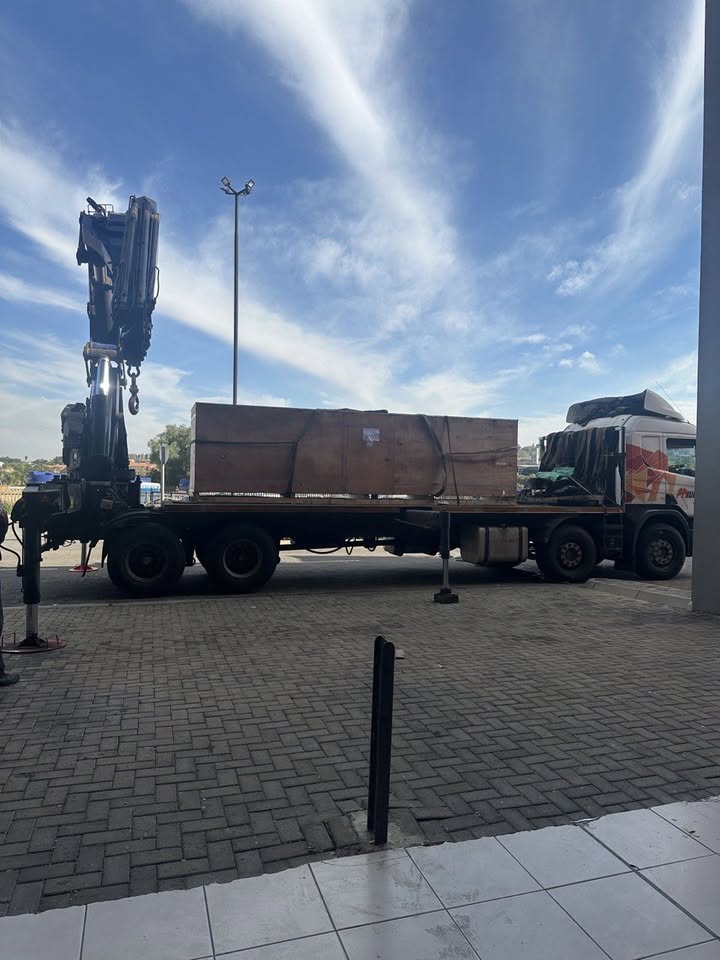
Latest Order Arrivals
Discover our latest orders
12 Heads Embroidery Machine
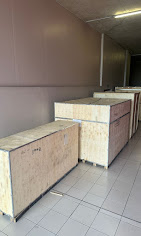
Toilet Paper Machine Machine
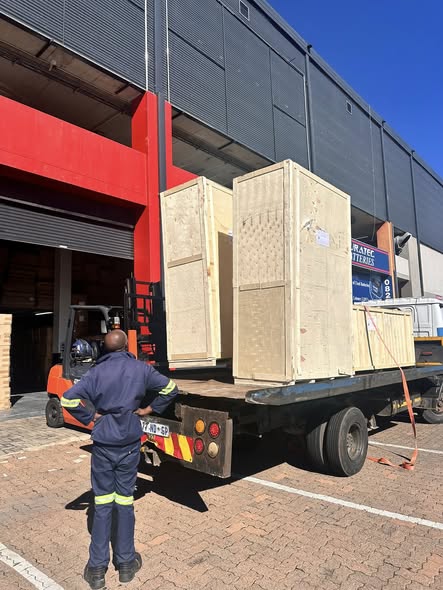
Order Collection
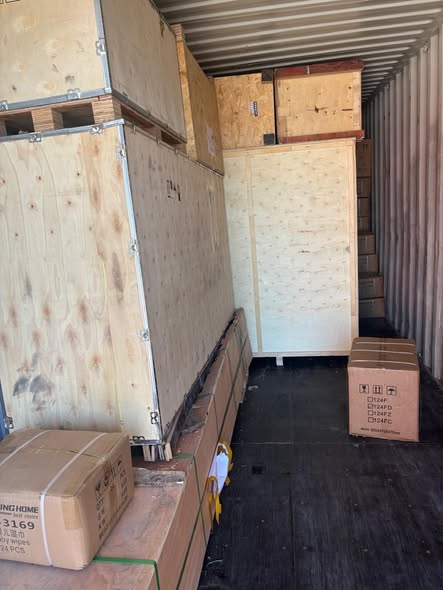
Cross Border Clients
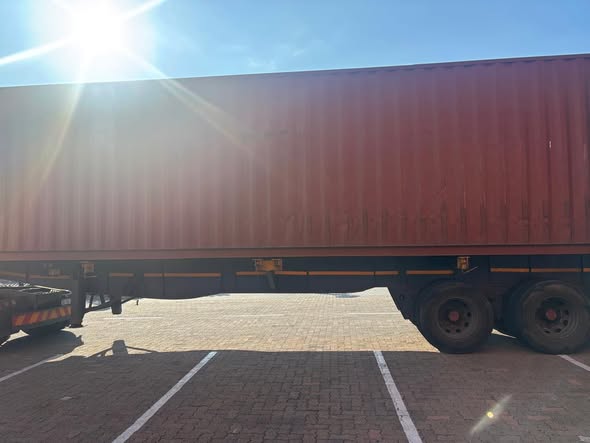
Order cros border countries Collected
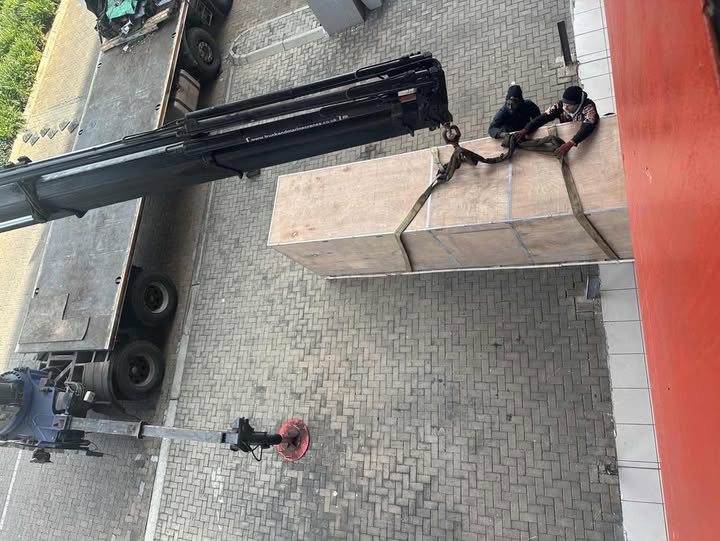
Industrial Machine Cllection
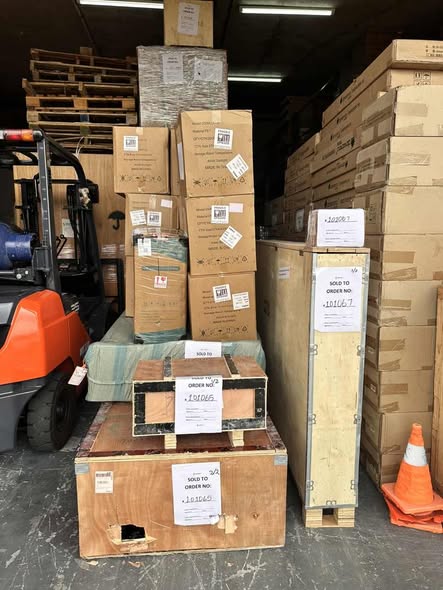
Agriculture Processing Machines
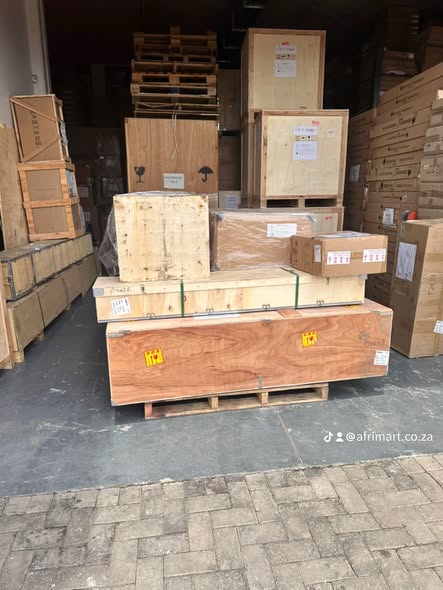
Ready for collection
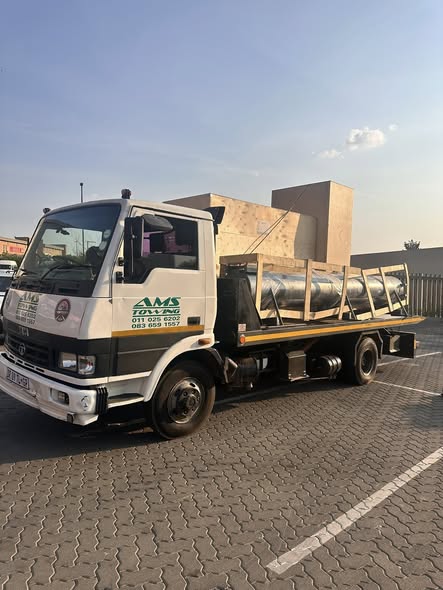
Water Pump Equipment
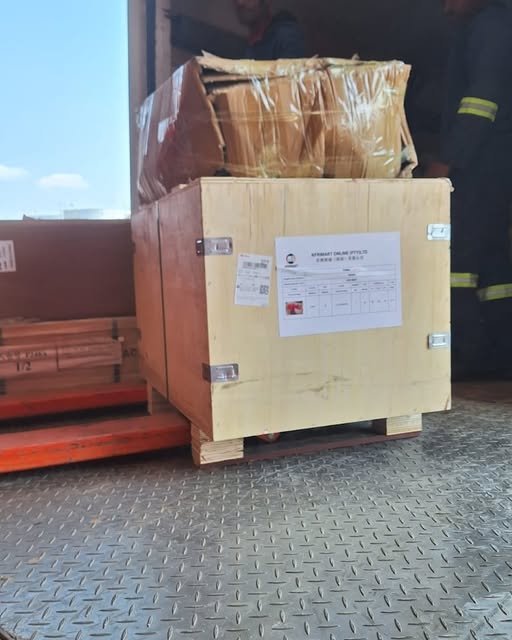
Packaging Machine and accessories
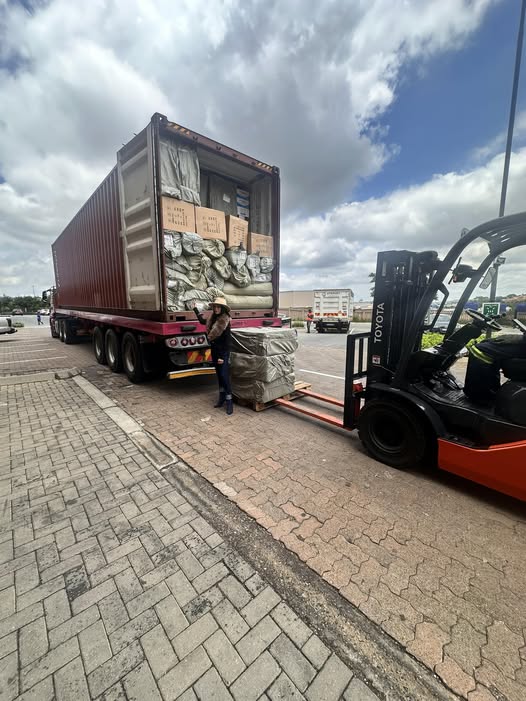
Fabrics Manufacturing Equipment
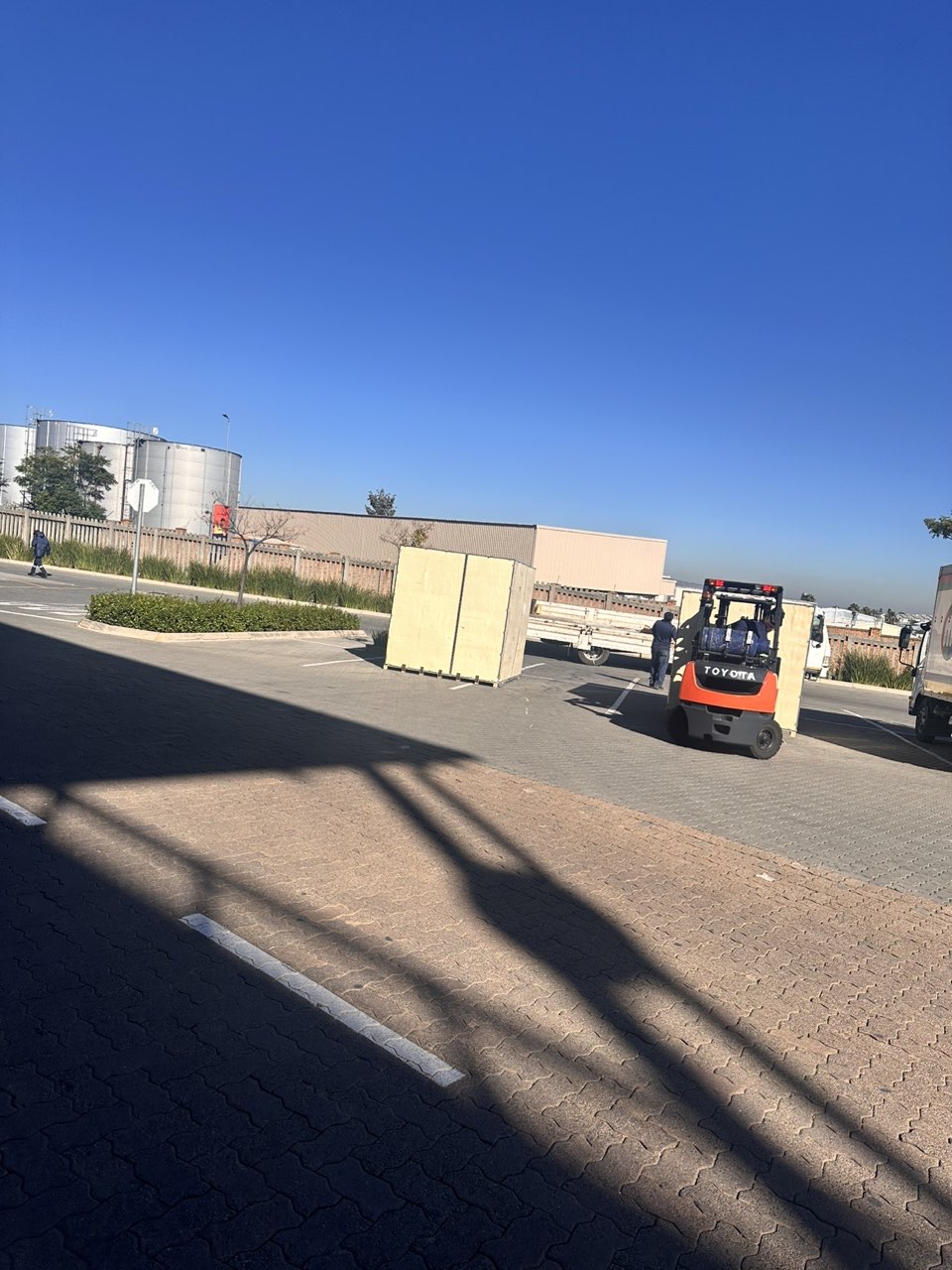
Mining Equipments
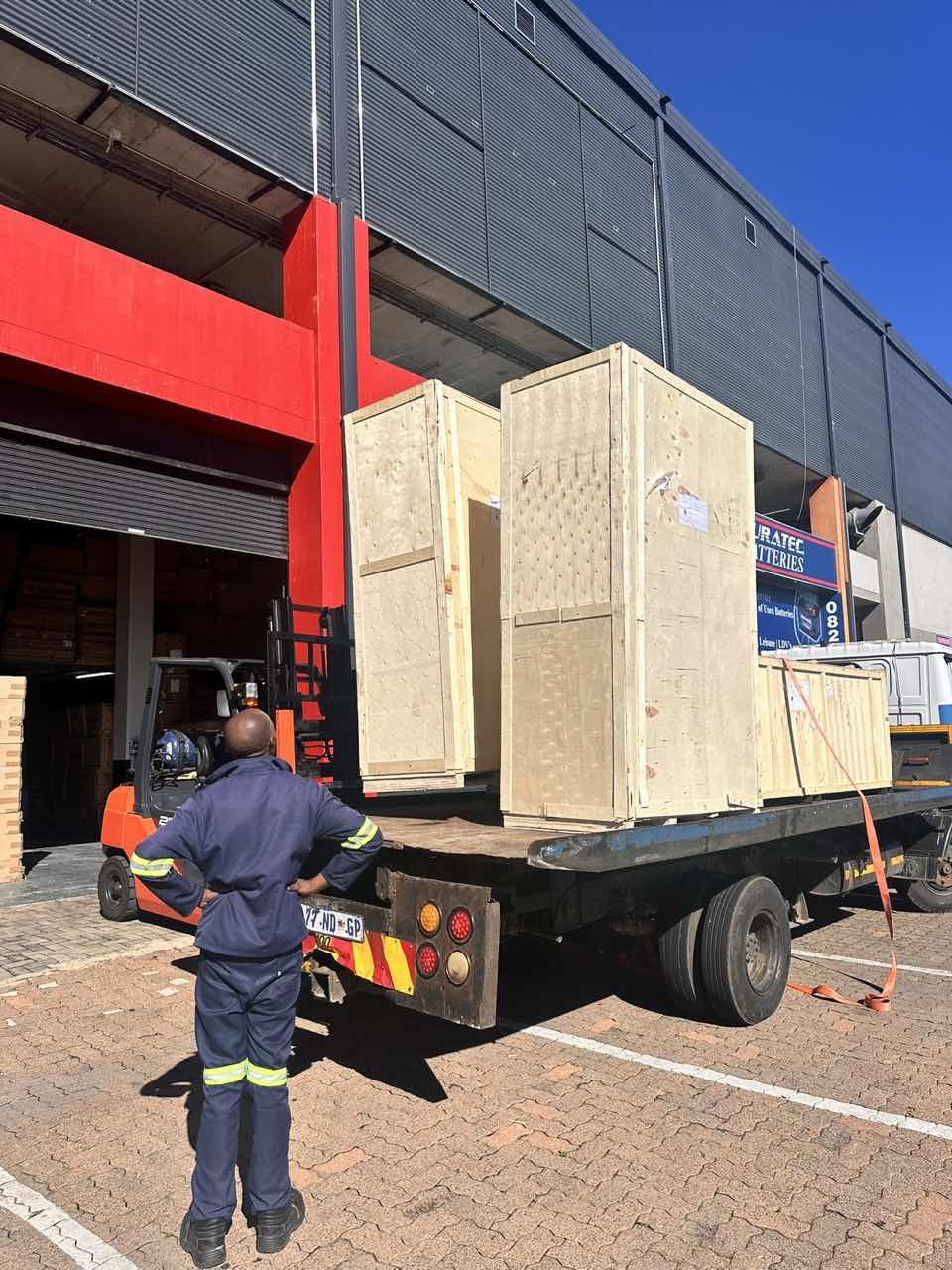
Food Processing Machine
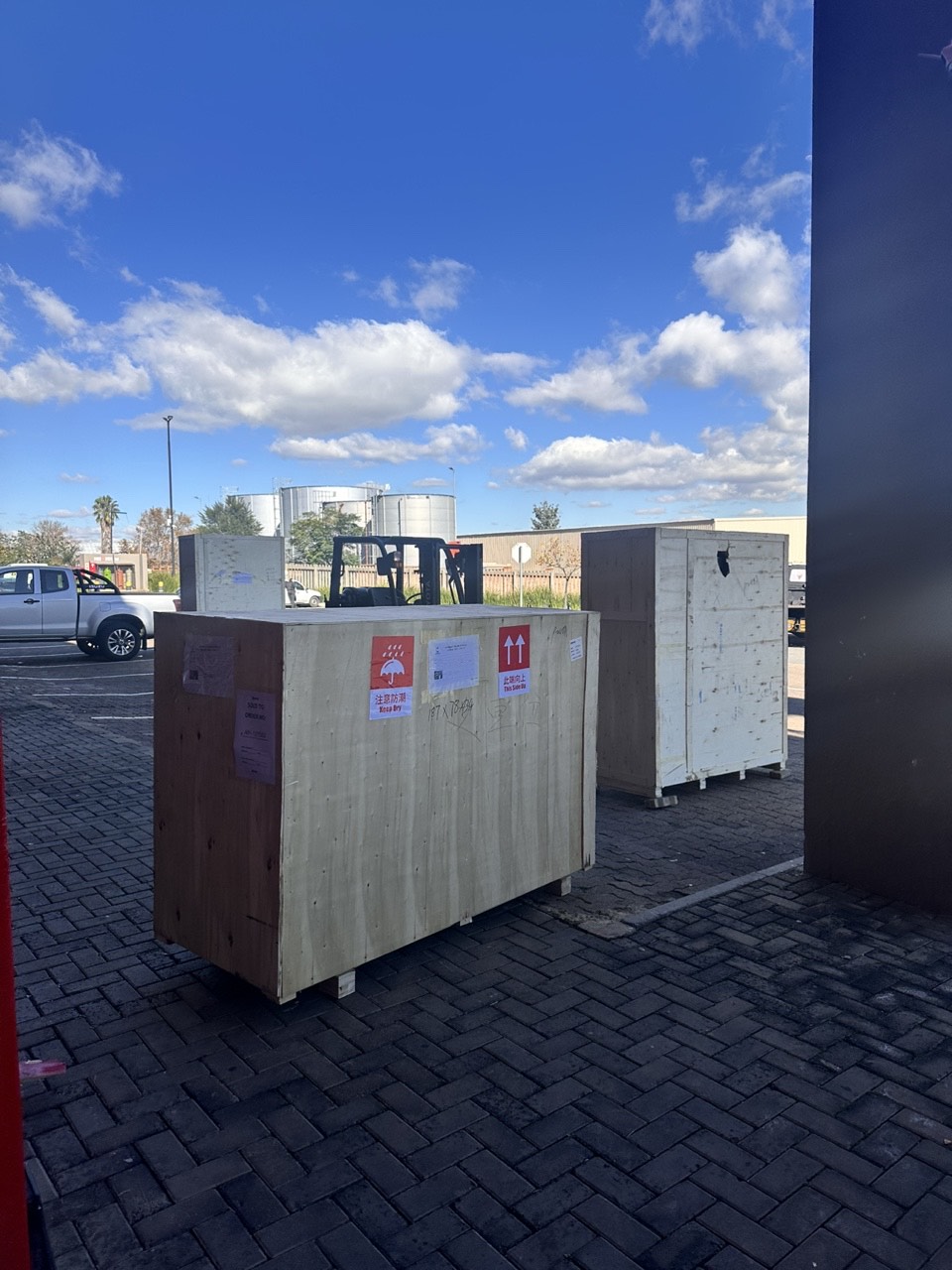
Batch of Orders
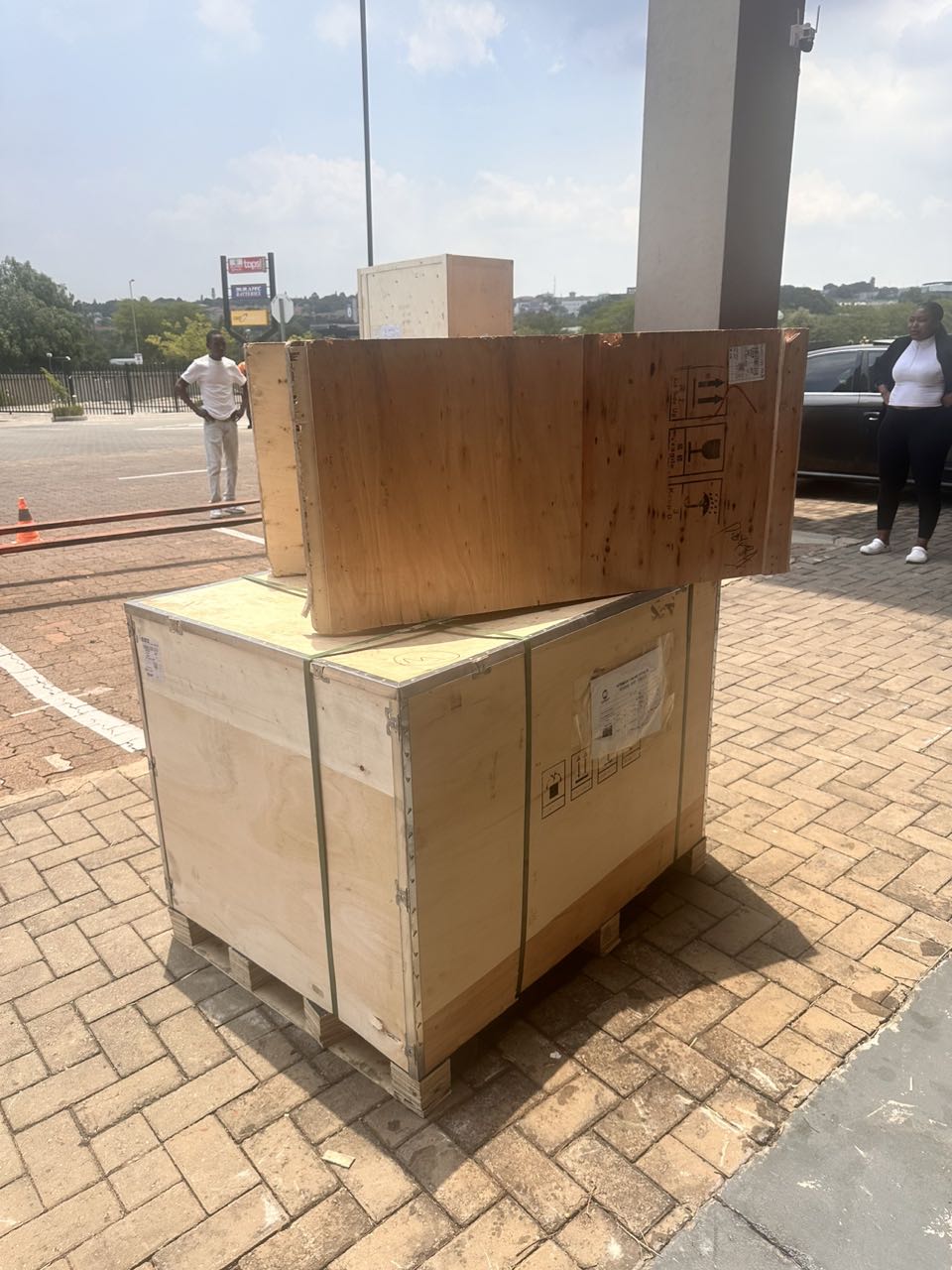
Batch of Orders
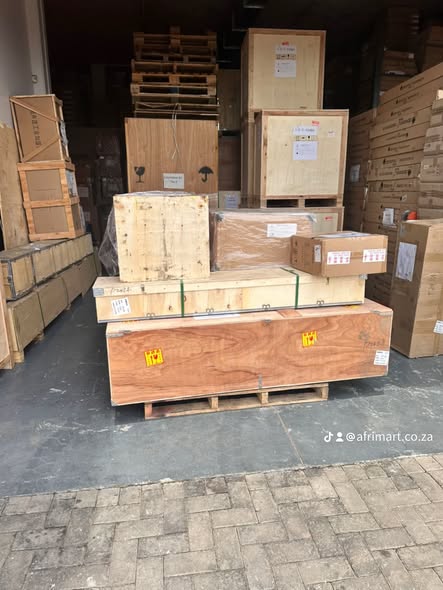
Latest Orders Labelled
wheel alignment machines
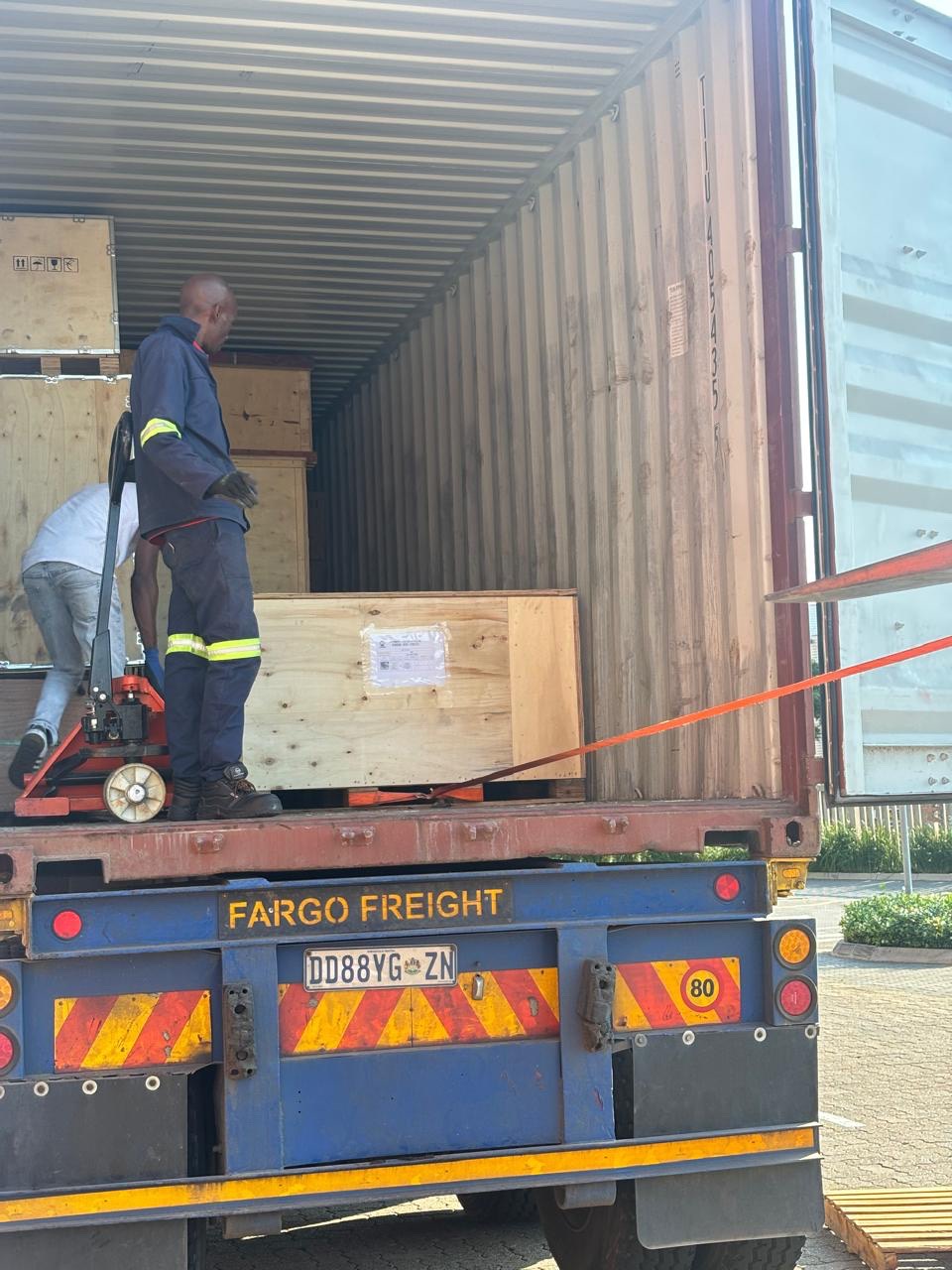
new arrivals
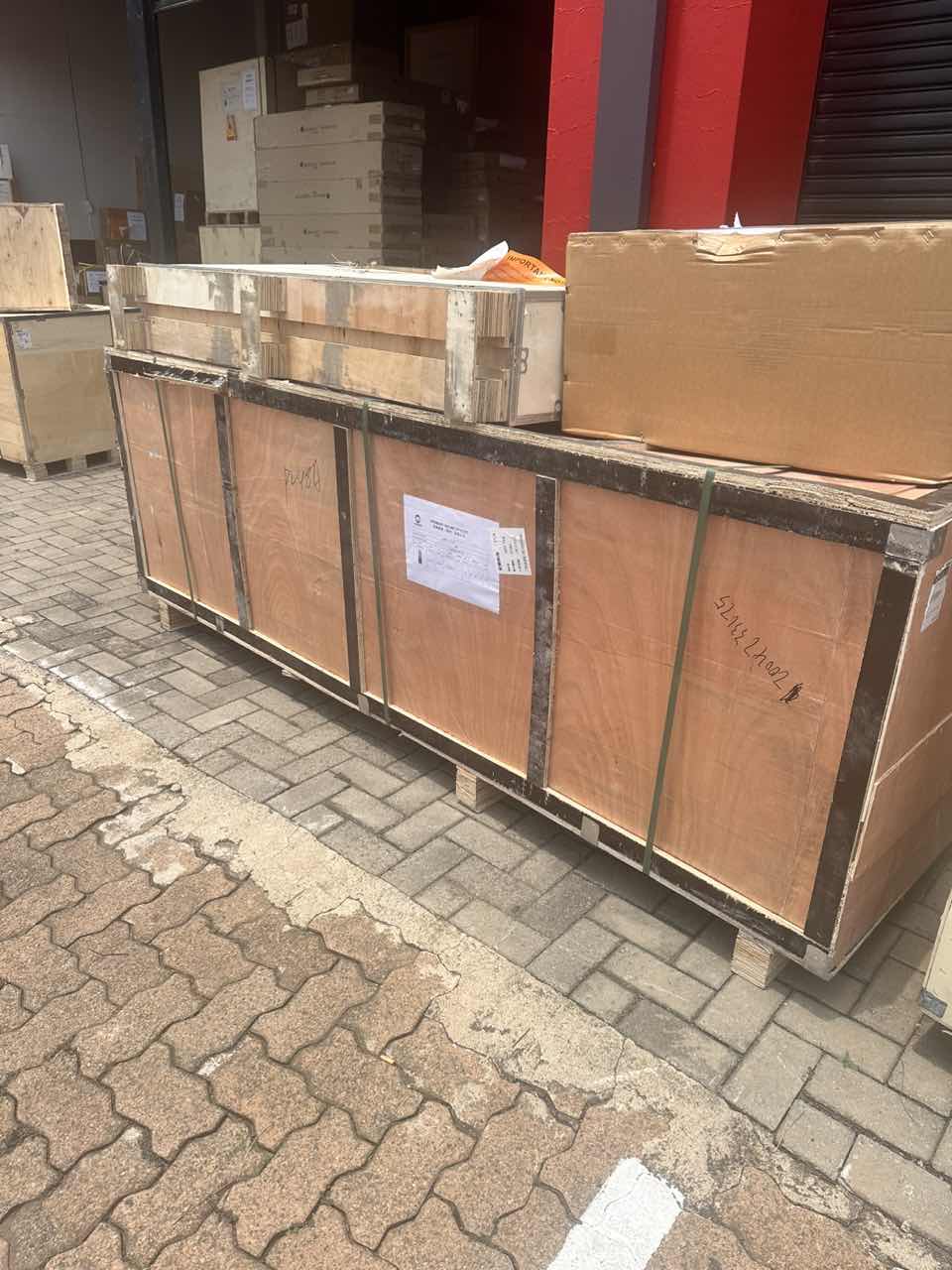
Pre Orders Offloading
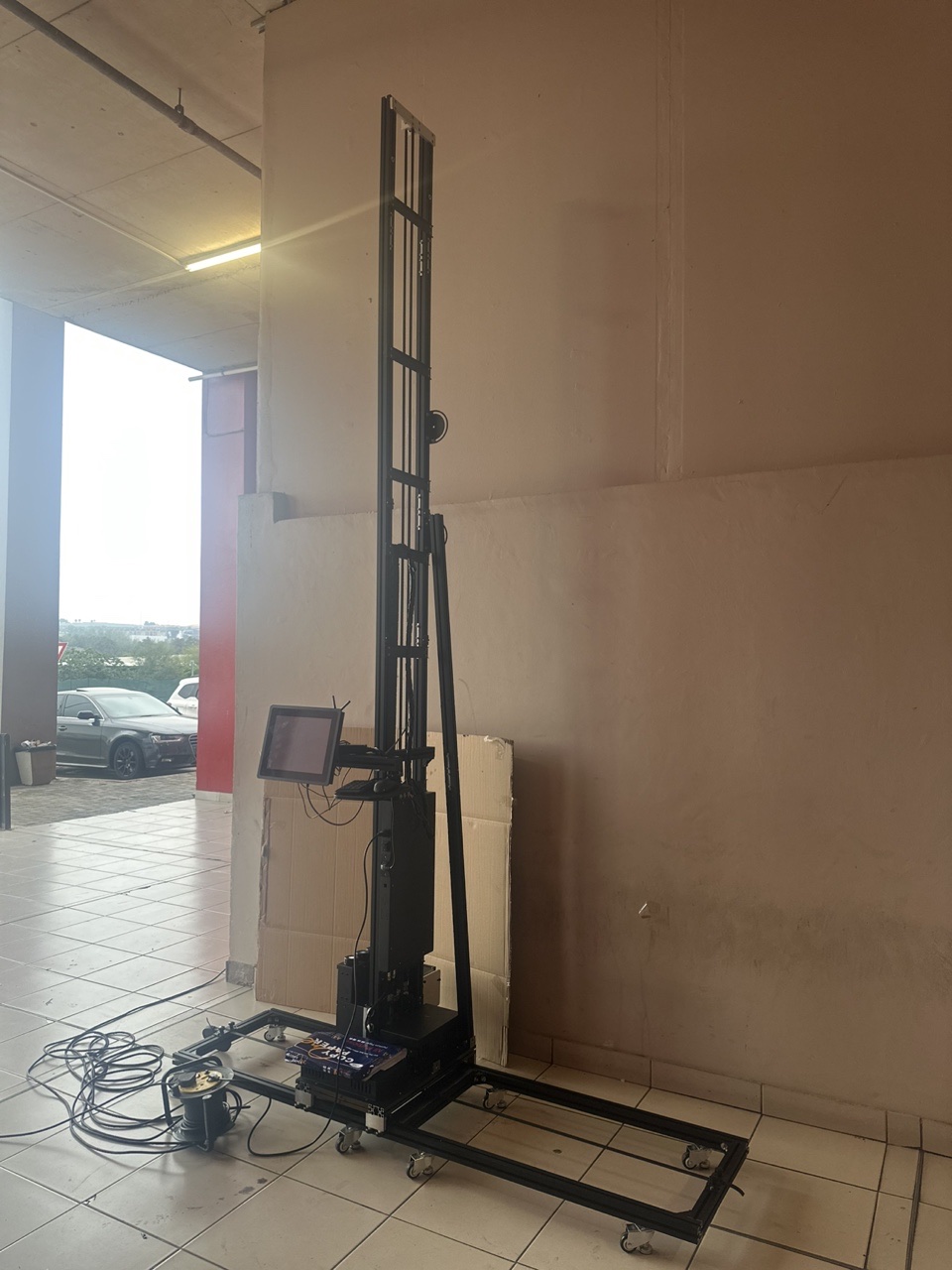
Latest Arrivals
Latest Arrivals
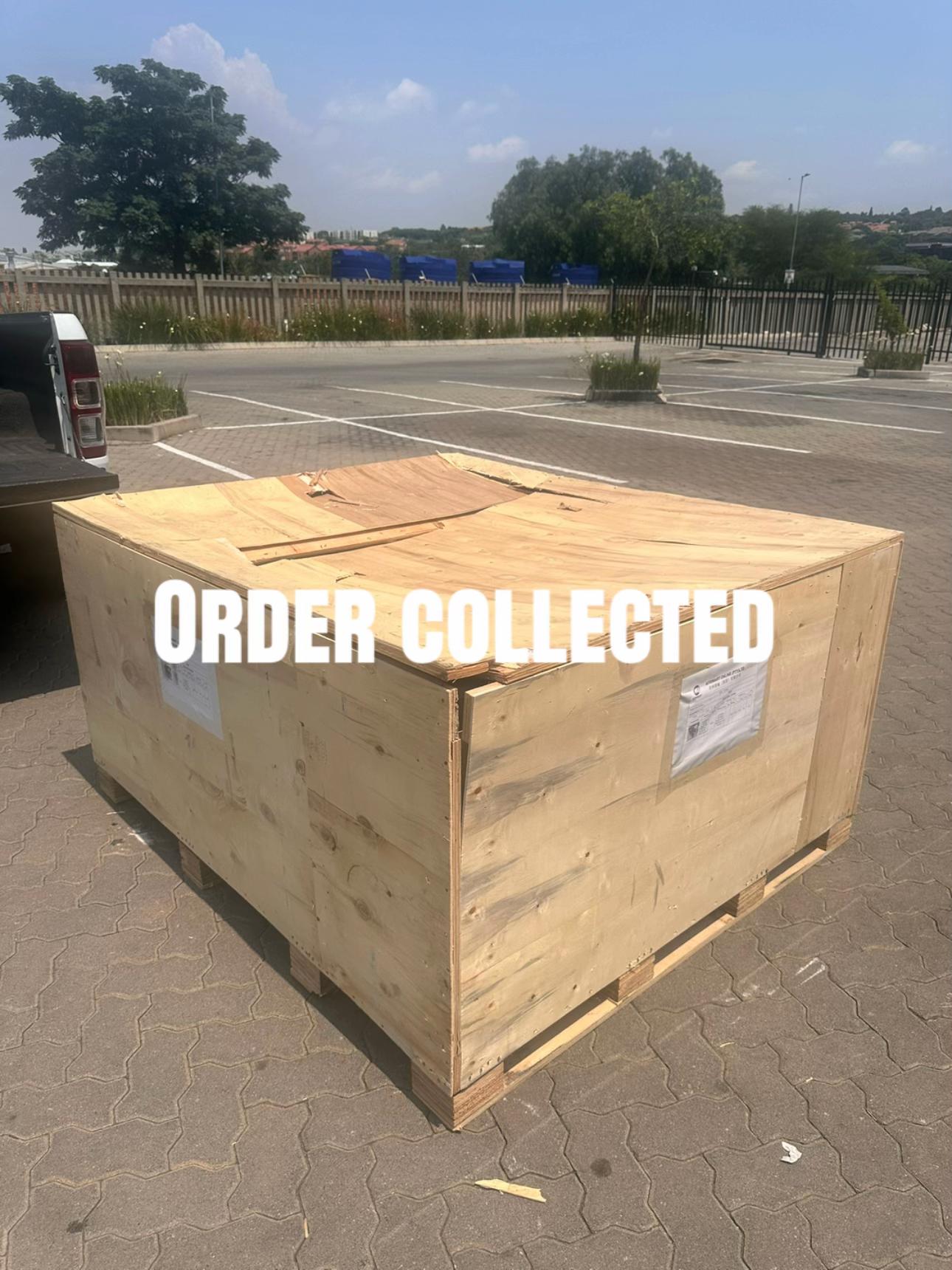
Latest Arrivals
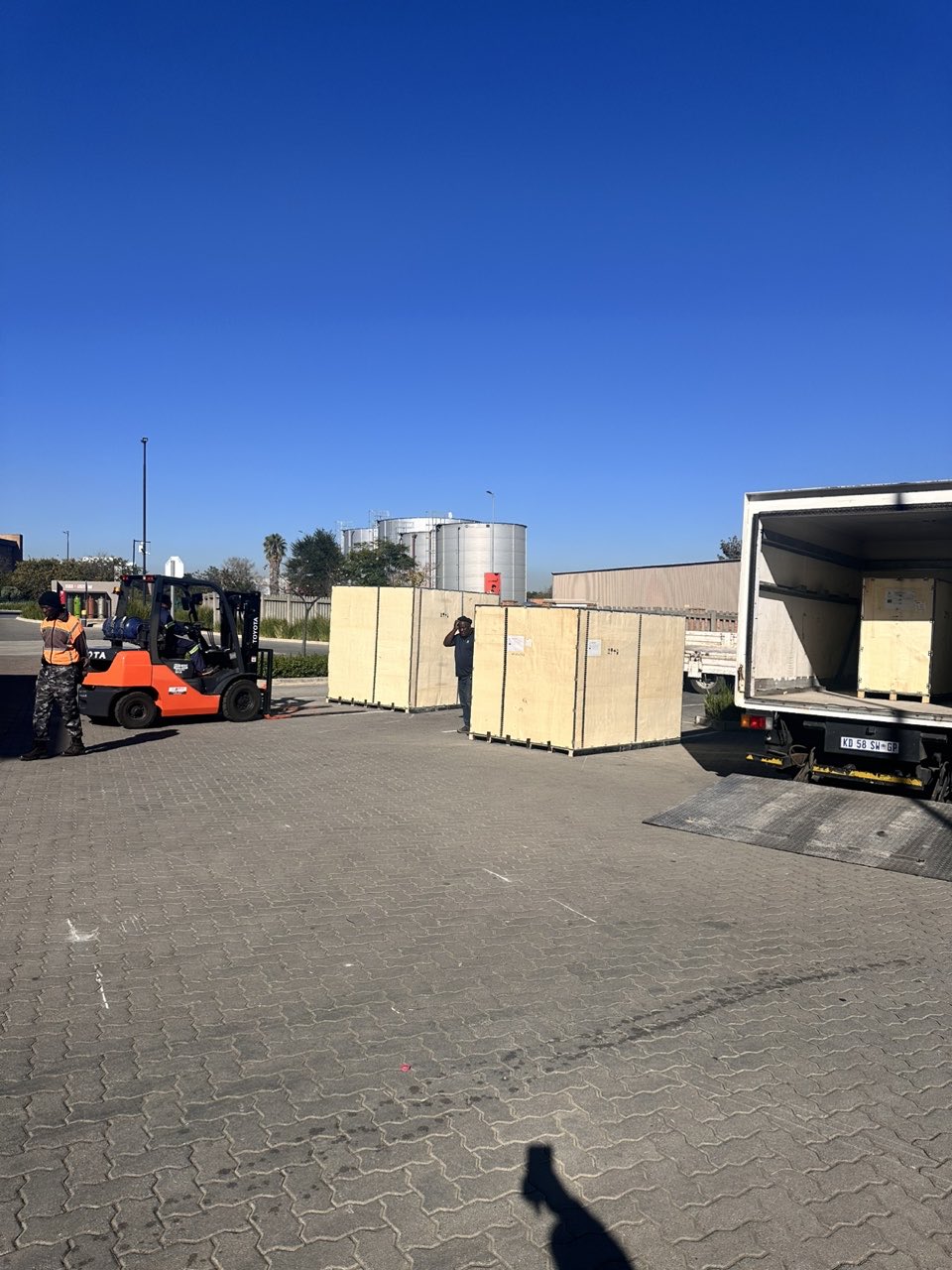
Loading
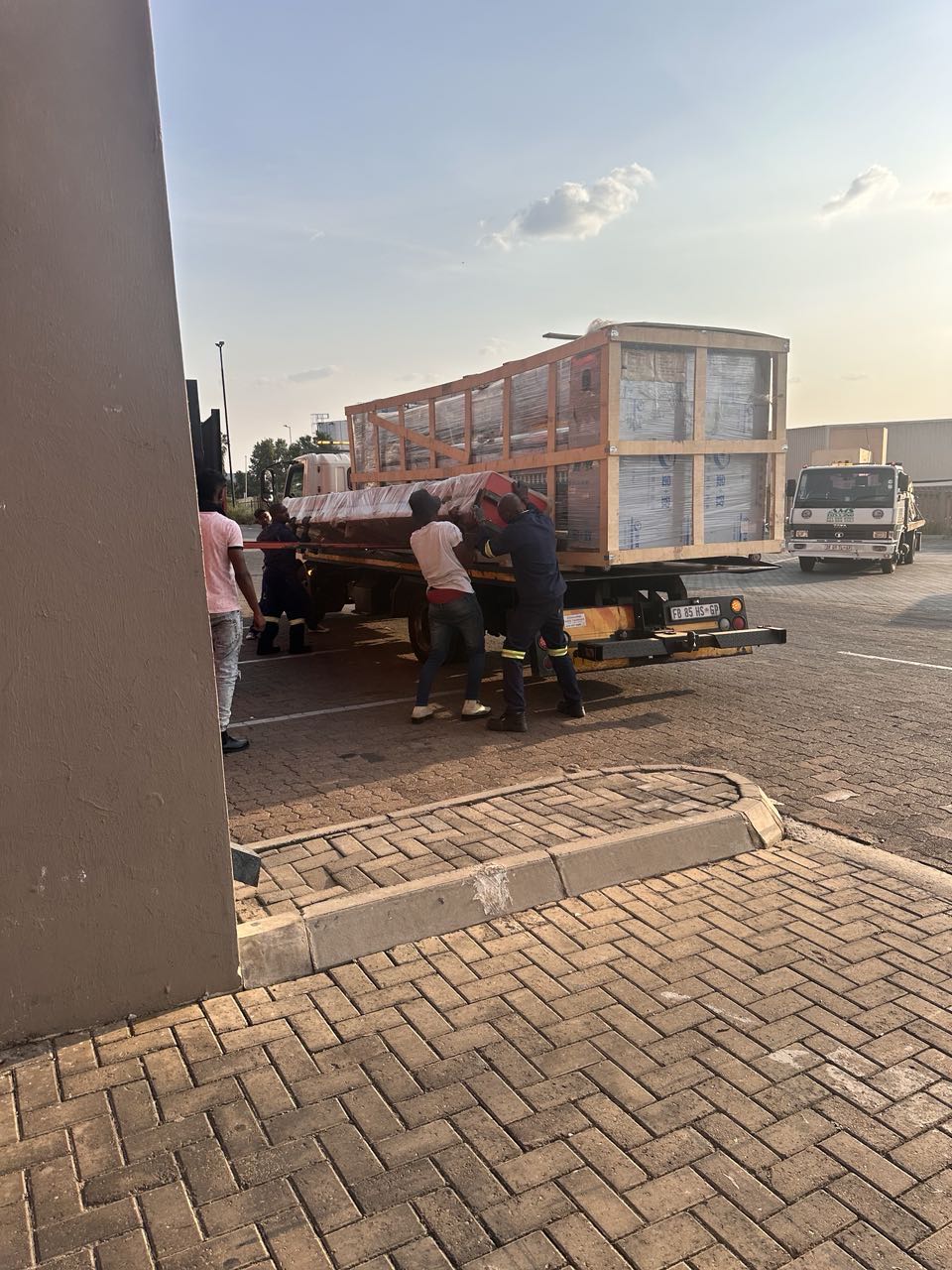
Toilet paper making machine
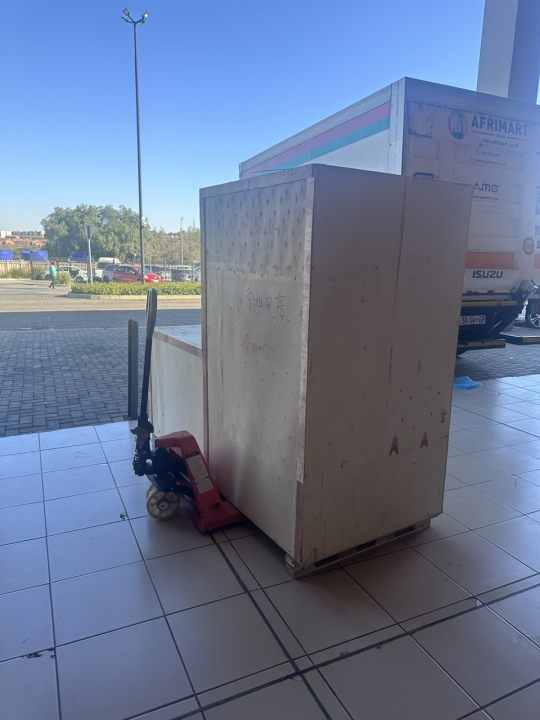
Toilet paper making machine
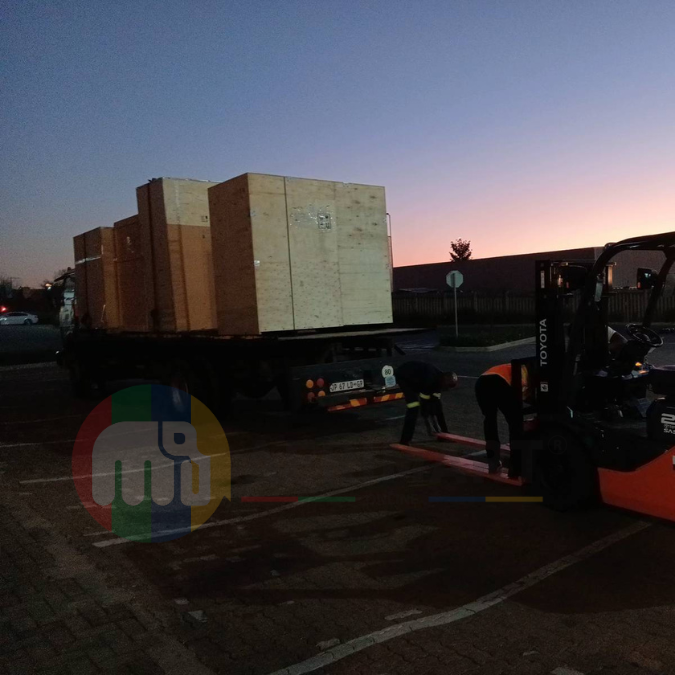
Toilet paper Rewinding Machine
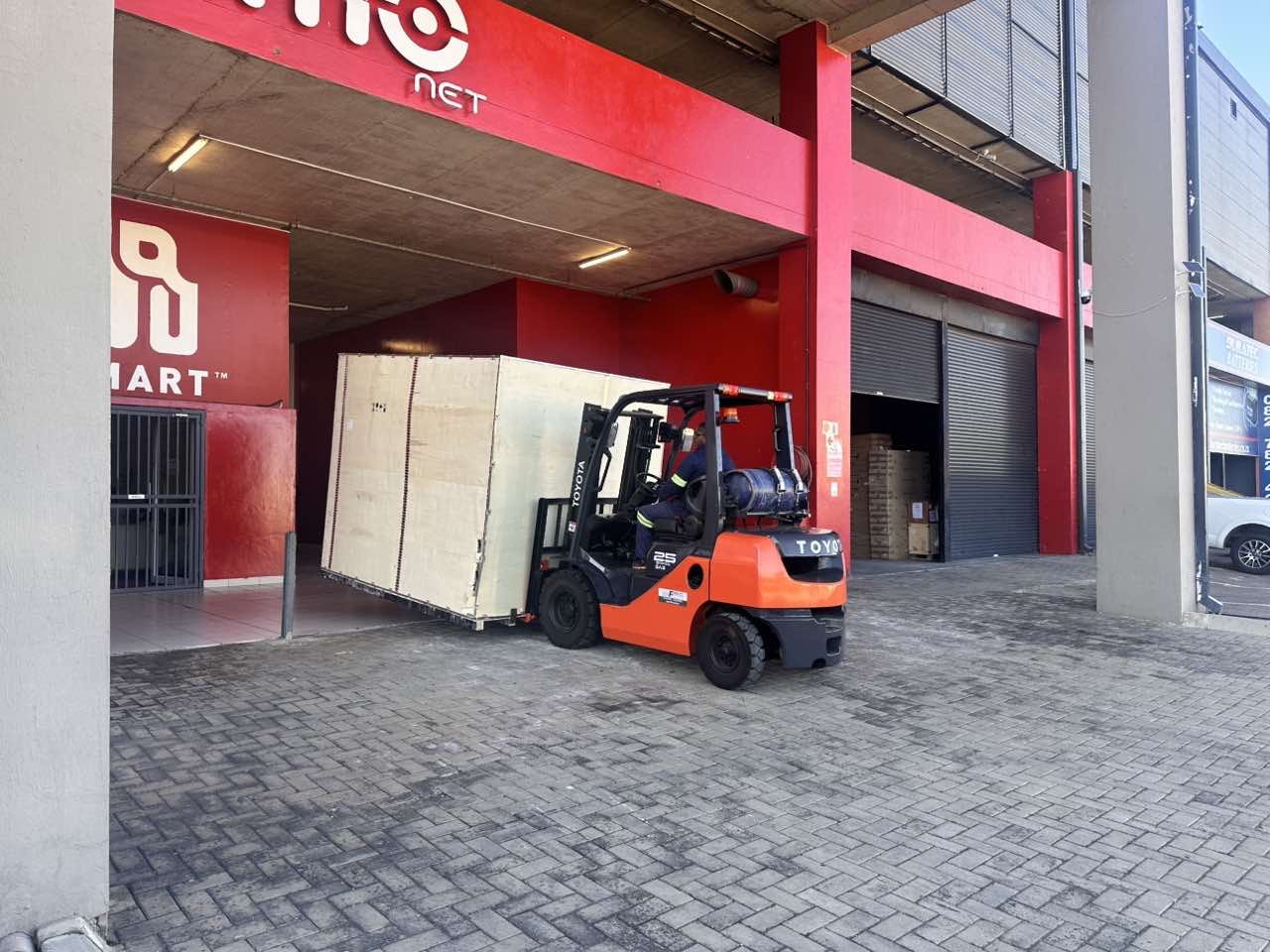
latest arrivals
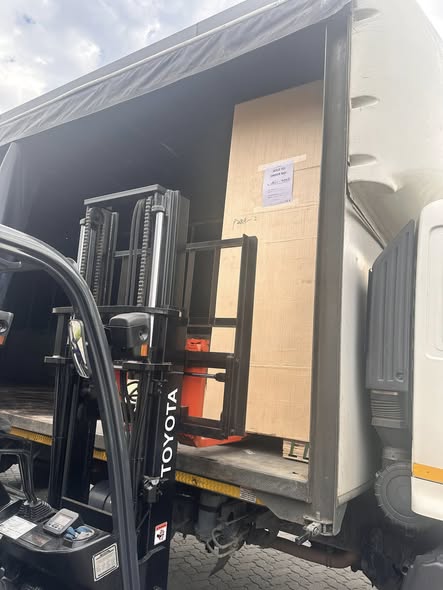
offloading
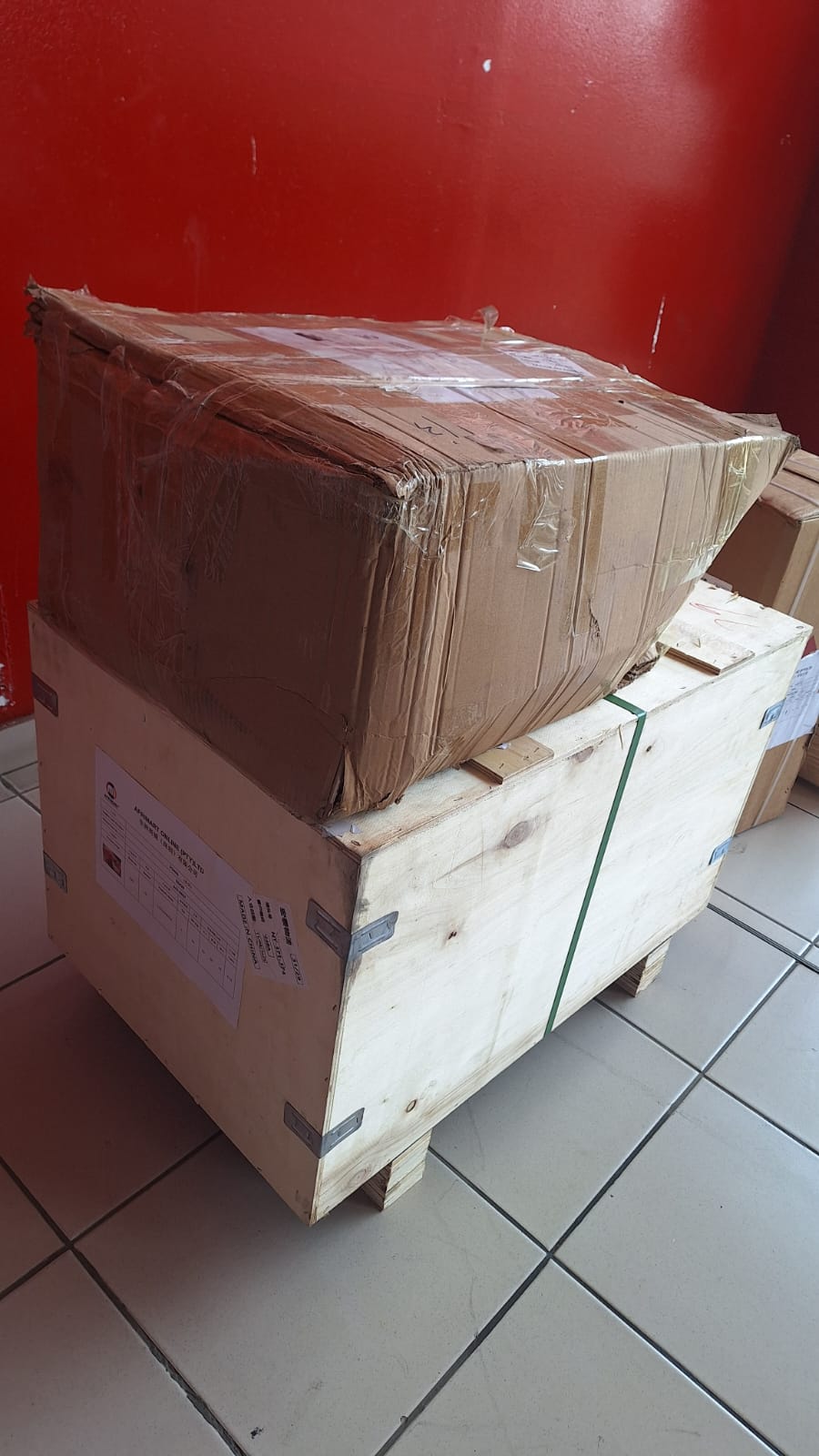
order success
order collection
order offloading