B21, China Town Mall, Midrand

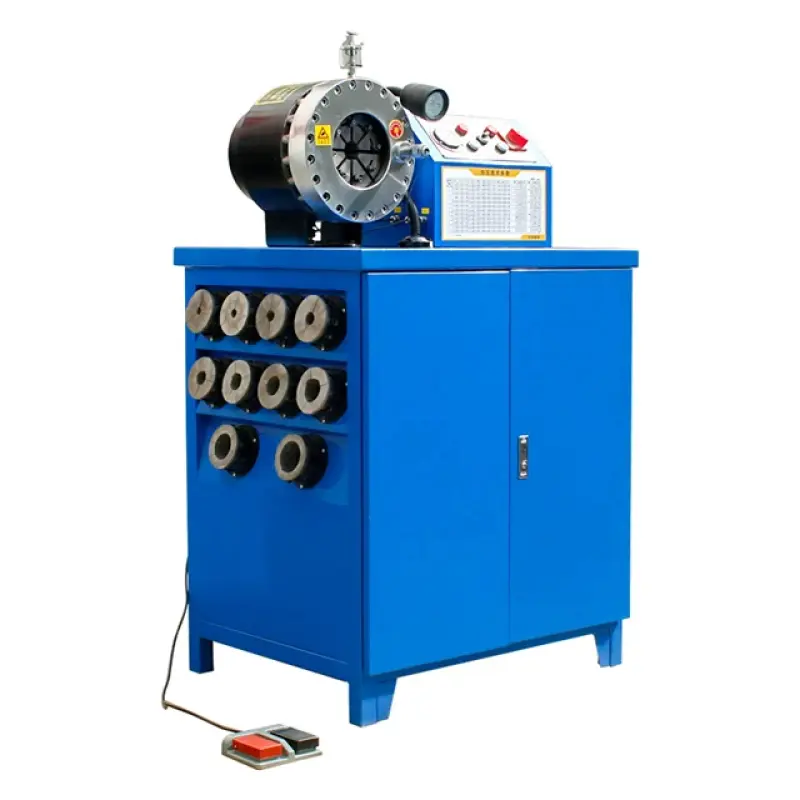
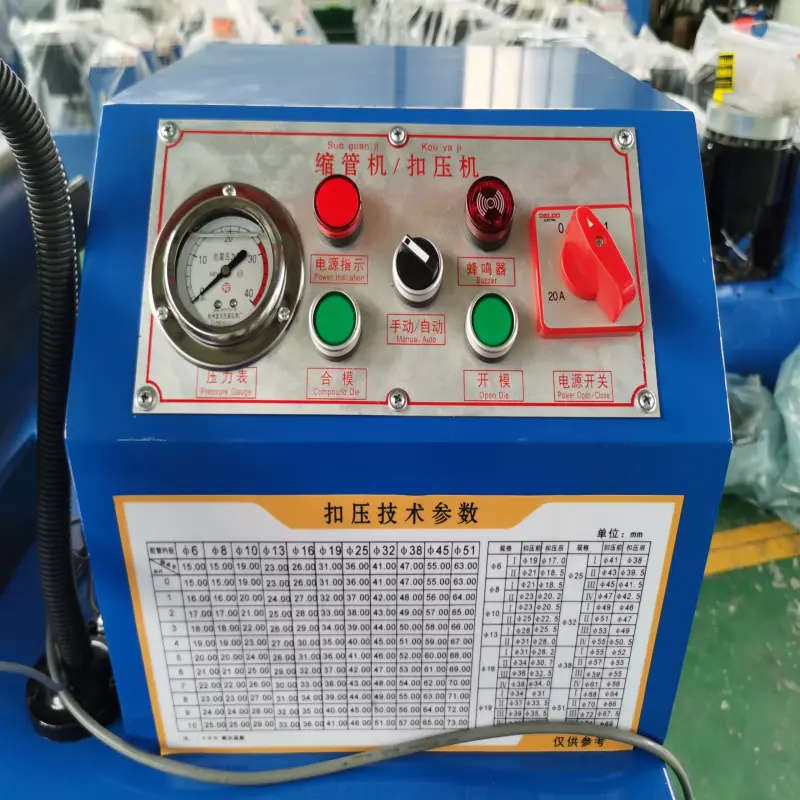
Hose Crimping Standard 1/4-2inch
Asset finance available
Do you want funding for this equipment?
Afrimart can connect you with trusted funding partners who specialise in asset finance for businesses like yours. Compare options and apply in minutes — final approval is subject to provider review.
Check funding options
Secure & no obligation

- Section : Machinery
- Category : Industrial Machinery
- SKU : 1600818543023

Product Description




- Shipping Timeframes: All orders are processed within 2-5 business days (excluding weekends and holidays). After your order has been processed, the estimated delivery time is before 09 Aug, 2026, depending on customs, Please note that due to high demand, some items may experience longer shipping times, which will be communicated at order confirmation email.
- Order Processing Time: Please allow 2-5 business days for us to process your order before it is shipped . Orders placed after 16:00 on Fridays, or during weekends and public holidays, will begin processing on the next business day. Processing times may be extended during peak seasons or sales events.
- Manufacturing Time: Some products needs manufacturing time, the manufacturing process will take approximately 10-30 business days depending on the product. This timeframe may vary depending on the complexity of the product and current demand. but this will be communicated with you during order confirmation.
- Returns and Exchanges: We offer a 30-day return policy for most items. If you are not completely satisfied with your purchase, you may return it within 30 days of receipt for a refund or exchange. Items must be unused, in their original packaging, and accompanied by proof of purchase. Return shipping costs are the responsibility of the customer, unless the item was damaged or defective upon arrival.
1. What is the Hose Crimping Standard 1/4-2inch?
A hose crimping tool/machine designed to assemble and crimp hydraulic, industrial and automotive hoses with diameters between 1/4 inch and 2 inches. It secures fittings to hose ends using interchangeable die sets to form a leak‑proof crimp.
2. What hose sizes does this crimper support?
It supports hose diameters from 1/4" up to 2". Verify whether sizes refer to hose I.D. or fitting size in the specific product listing or manual.
3. Which types of fittings and hoses are compatible?
Most common hydraulic and industrial hose types (wire‑braid, textile, thermoplastic) and standard fittings (SAE, JIC, ORFS, BSP, etc.) are compatible when the correct die set is used. Always confirm compatibility for specialized hose constructions.
4. Is this a manual, hydraulic, or electric crimper?
The product name indicates the crimping capacity but not the drive type. Hose crimpers with this capacity are commonly available in manual, hydraulic bench/portable, and electric versions. Check the specific model description to confirm drive type.
5. Are dies included and can I get replacement dies?
Many units ship with a range of dies that cover the 1/4"–2" range or a subset. Replacement and additional die sets are normally available from the manufacturer or authorized dealers to match specific hose/fitting profiles.
6. How do I change or install dies?
General steps: depressurize and power down the machine, open the crimping head, remove the retaining pins or fasteners, swap in the correct die halves, resecure fasteners and close the head. Always follow the manufacturer’s step‑by‑step instructions and safety procedures.
7. What maintenance is required?
Regular maintenance typically includes cleaning the crimping area, inspecting and lubricating moving parts per the manual, checking hydraulic fluid and seals if applicable, and inspecting dies for wear. Follow scheduled maintenance in the product manual to ensure consistent crimps and long life.
8. What safety precautions should I take?
Wear appropriate PPE (safety glasses, gloves), keep hands clear of the crimping head, ensure the machine is properly grounded and secured, depressurize systems before servicing, use guards and emergency stop features, and follow the operator’s manual and local safety regulations.
9. What causes a poor or uneven crimp and how do I fix it?
Common causes: incorrect die selection, worn or damaged dies, misaligned hose/fitting, incorrect pressure or stroke settings, or contaminated components. Fixes include selecting correct dies, replacing worn dies, properly seating the hose and fitting, and verifying machine calibration and hydraulic pressure.
10. How long does a crimp cycle take?
Cycle time varies by machine type and operator skill. Typical hydraulic/electric crimpers perform a single crimp in approximately 5–20 seconds. Manual crimping can be slower. Check the model spec for exact cycle times.
11. What is the crimping force or pressure required?
Required force depends on hose construction and fitting size. The machine’s maximum crimping force varies by model; consult the product specifications or datasheet to ensure it meets the force requirements for your hose assemblies.
12. Does the crimper offer adjustable crimp diameter or presets?
Many modern crimpers offer adjustable crimp settings or programmable presets to achieve consistent crimp diameters and profiles. Confirm if the specific model includes manual adjustment, digital presets, or automatic calibration features.
13. Are there certifications or standards this machine meets?
Some crimpers comply with industry standards (ISO, CE, ANSI) and factory quality checks. Check the product listing or manufacturer documentation for certifications relevant to your region and industry requirements.
14. What accessories are commonly available for this crimper?
Common accessories include additional die sets for specific fittings, hose guides, foot switches, protective guards, die storage racks, hydraulic pumps (for some models), and calibration/test gauges.
15. What warranty and after‑sales support is provided?
Warranty and support vary by manufacturer and seller. Typical offerings include a limited warranty period (commonly 6–24 months), spare parts availability, technical support, and repair services. Confirm warranty terms and support channels before purchase.
Latest Order Arrivals
Discover our latest orders
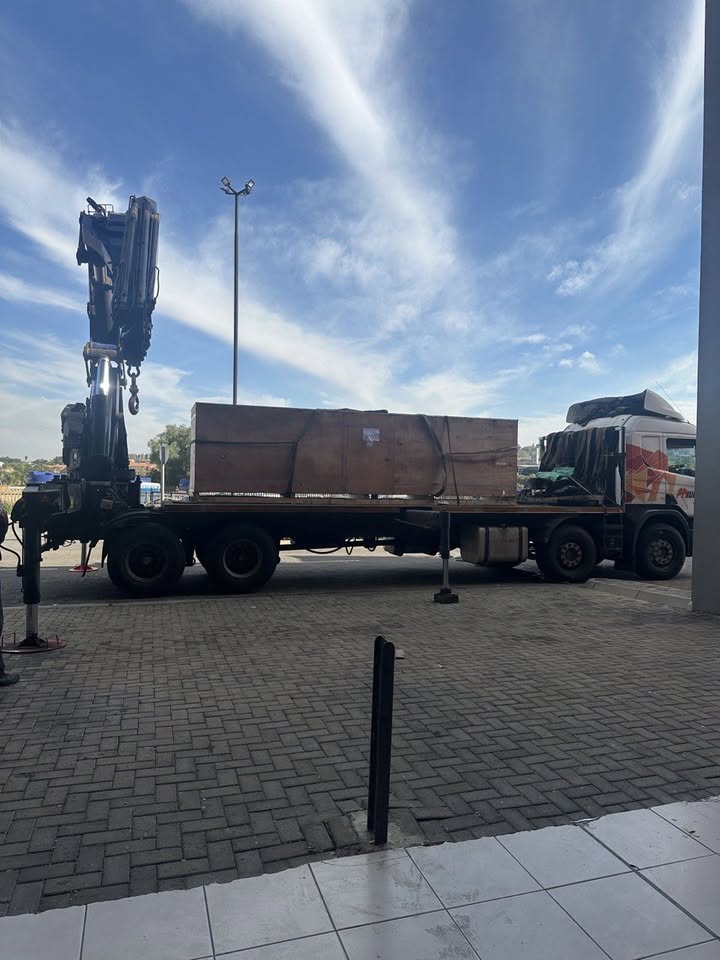
12 Heads Embroidery Machine
Toilet Paper Machine Machine
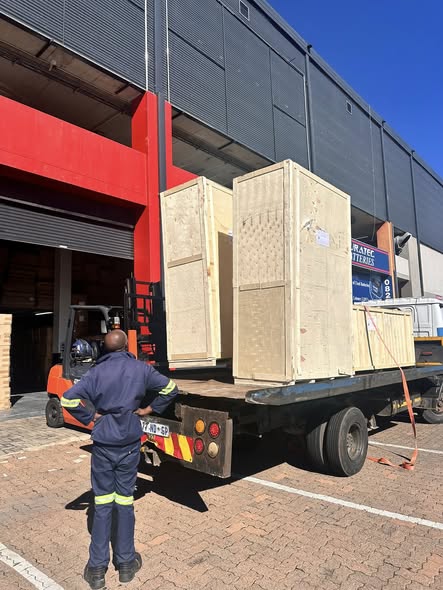
Order Collection
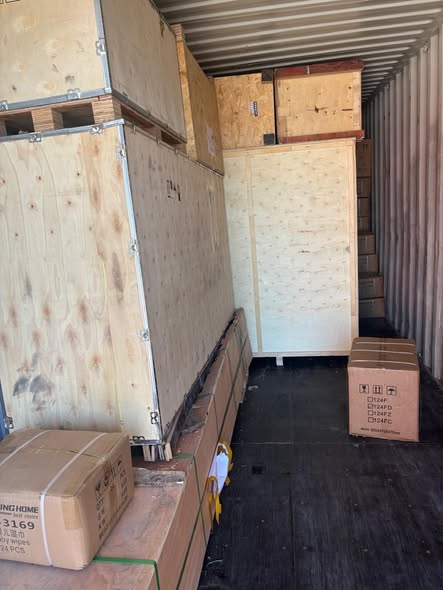
Cross Border Clients
Order cros border countries Collected
Industrial Machine Cllection
Agriculture Processing Machines
Ready for collection
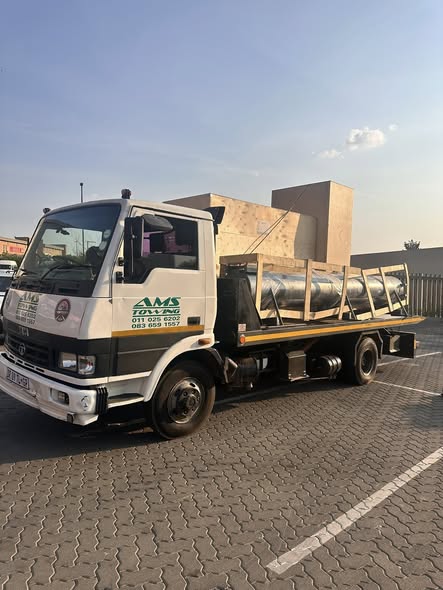
Water Pump Equipment
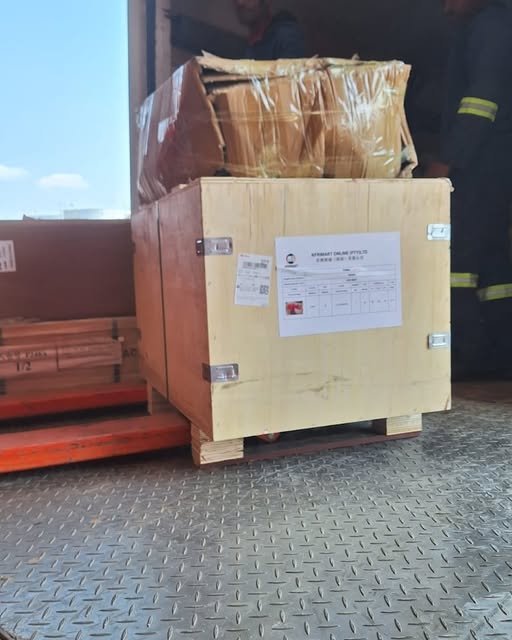
Packaging Machine and accessories
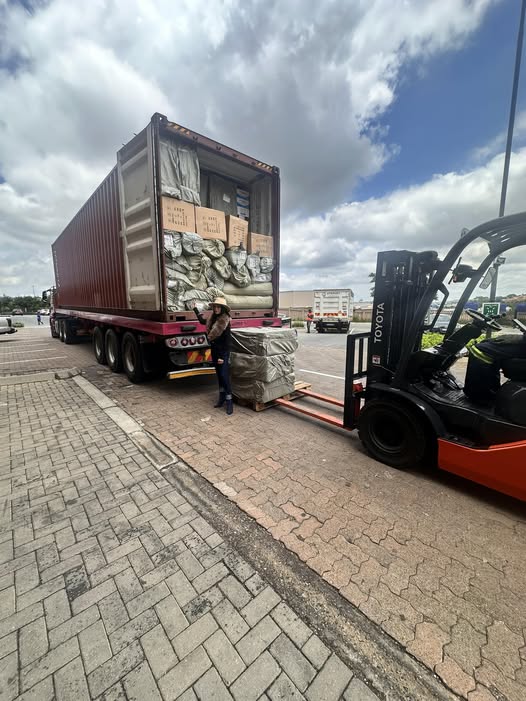
Fabrics Manufacturing Equipment
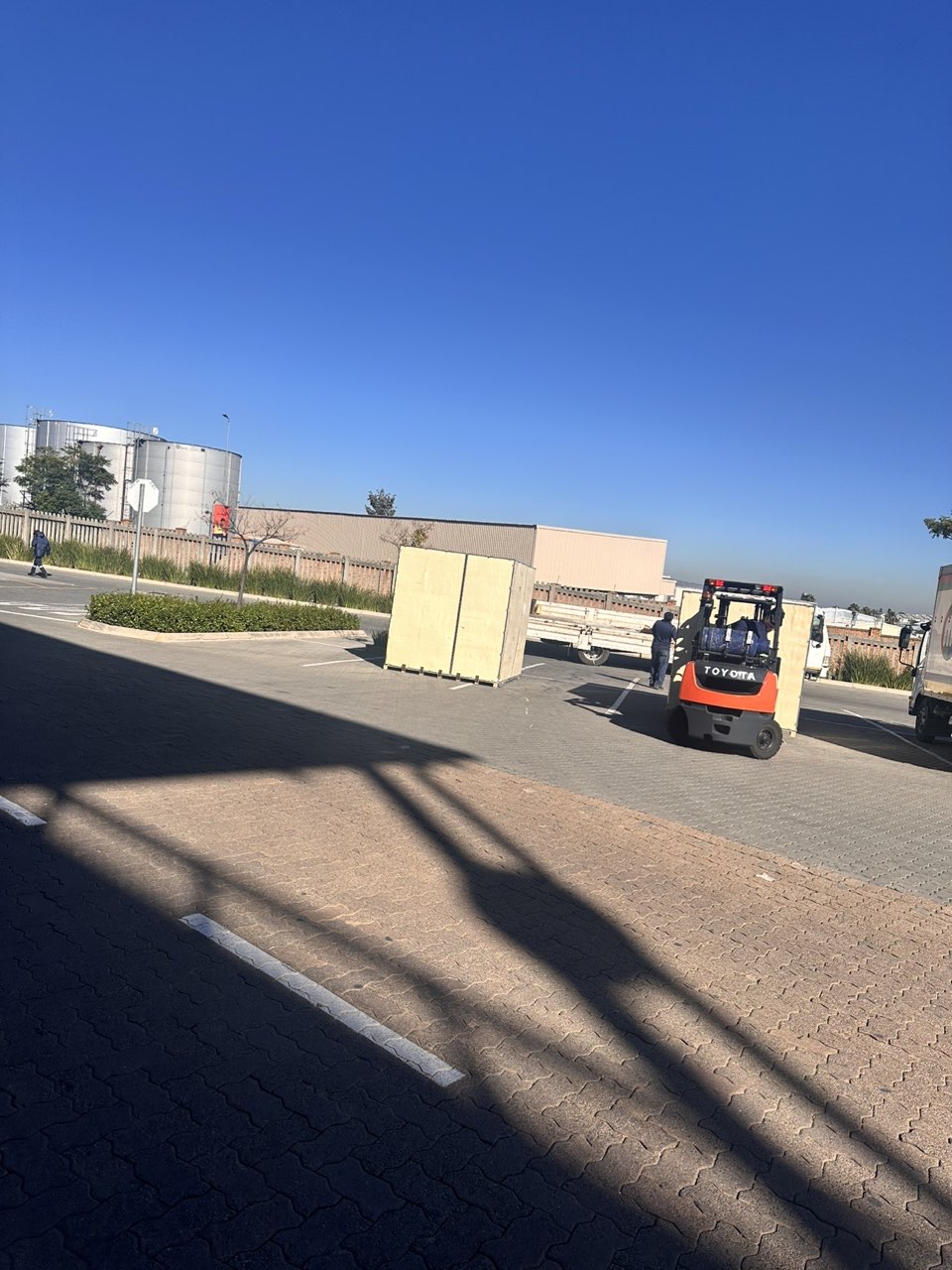
Mining Equipments
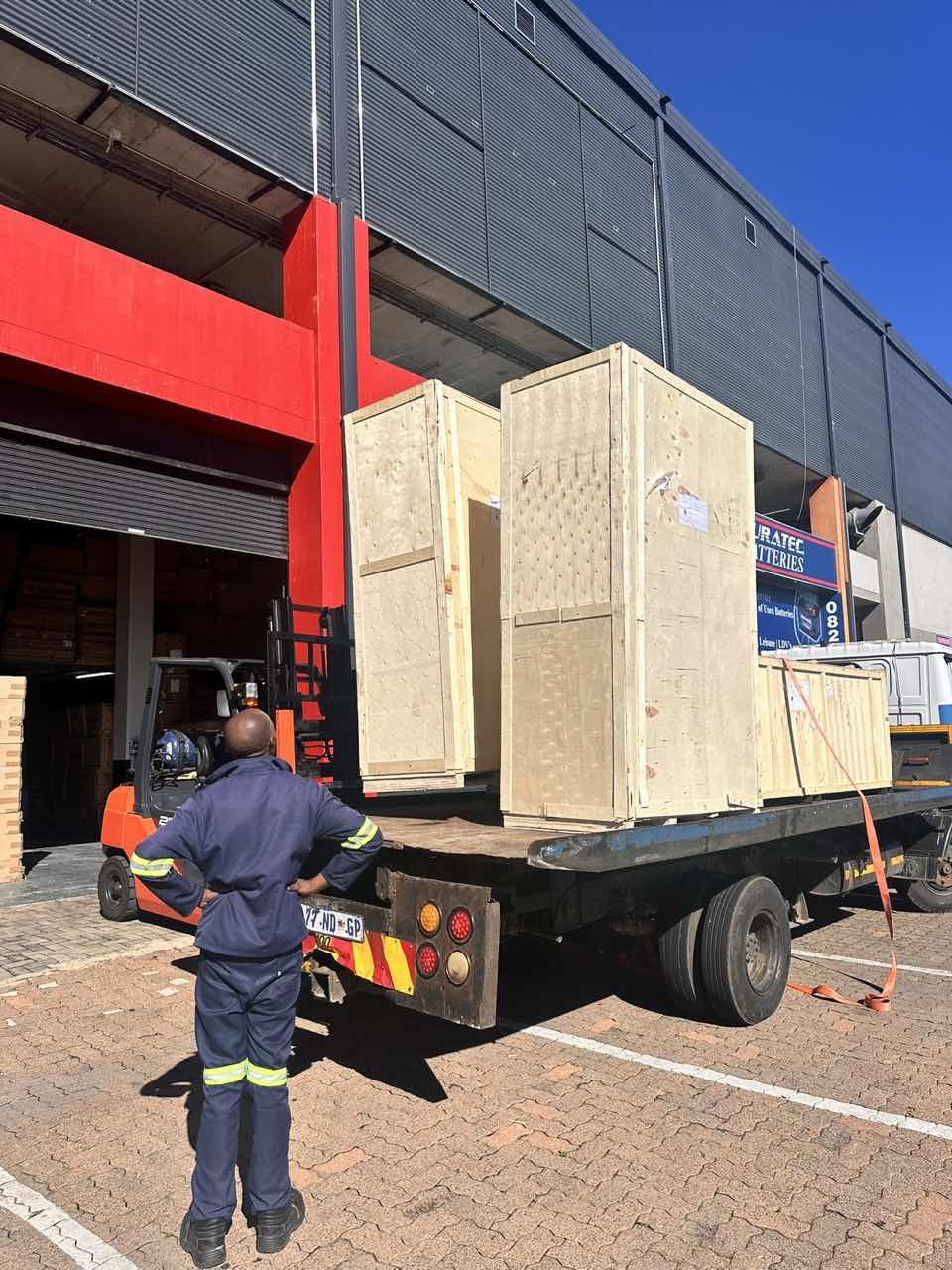
Food Processing Machine
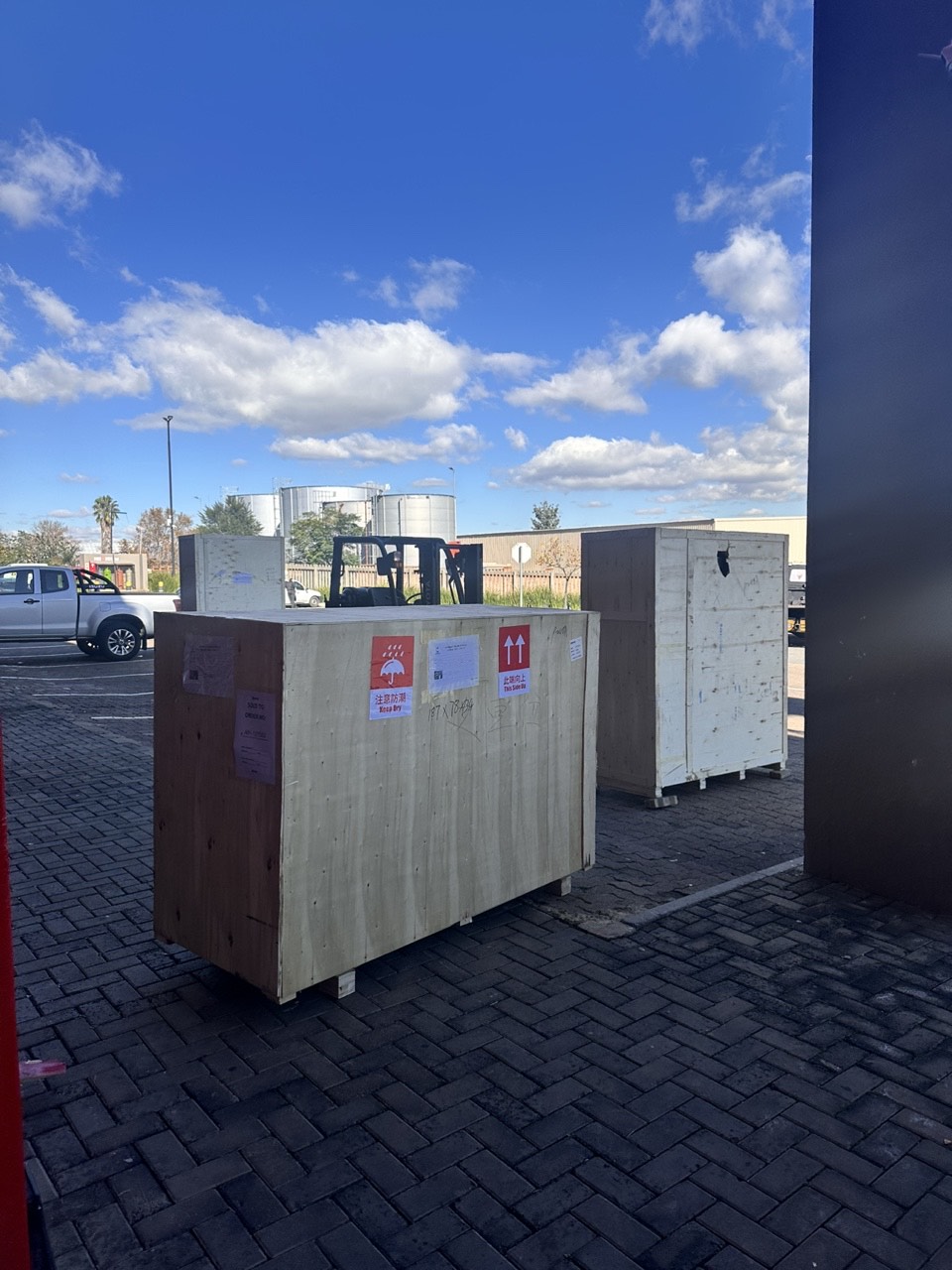
Batch of Orders
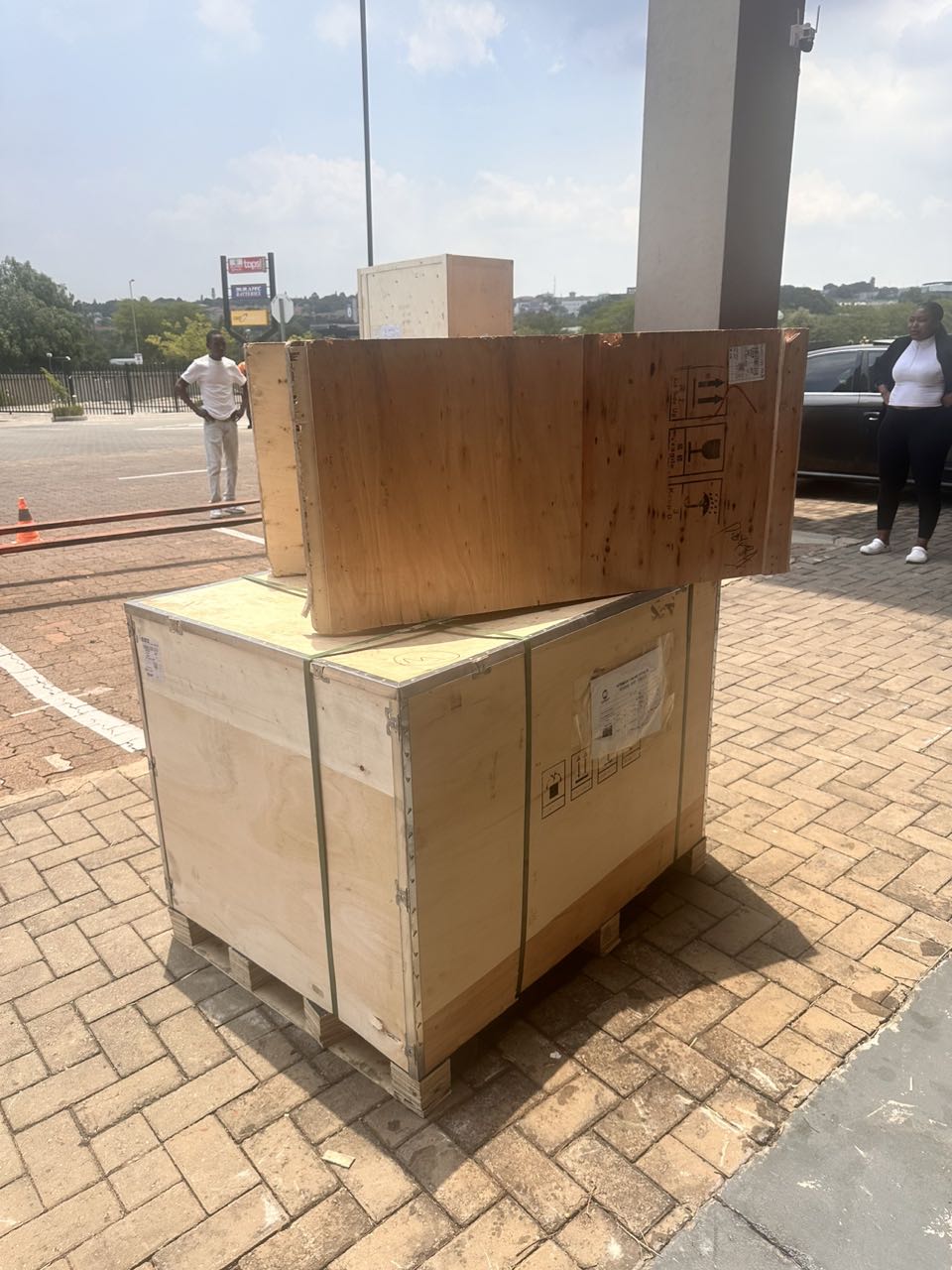
Batch of Orders
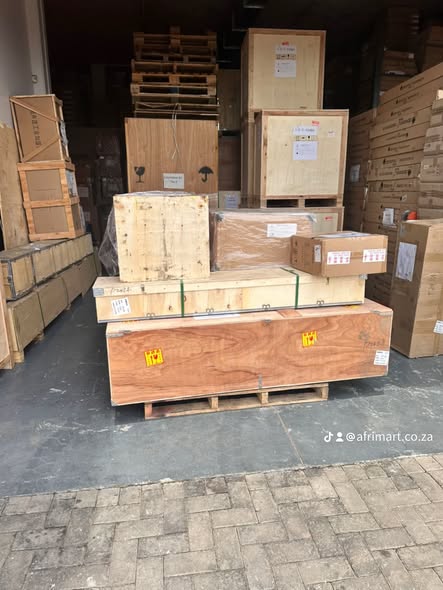
Latest Orders Labelled
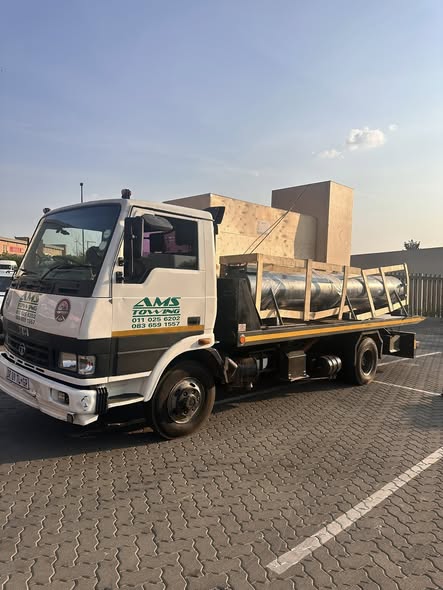
wheel alignment machines
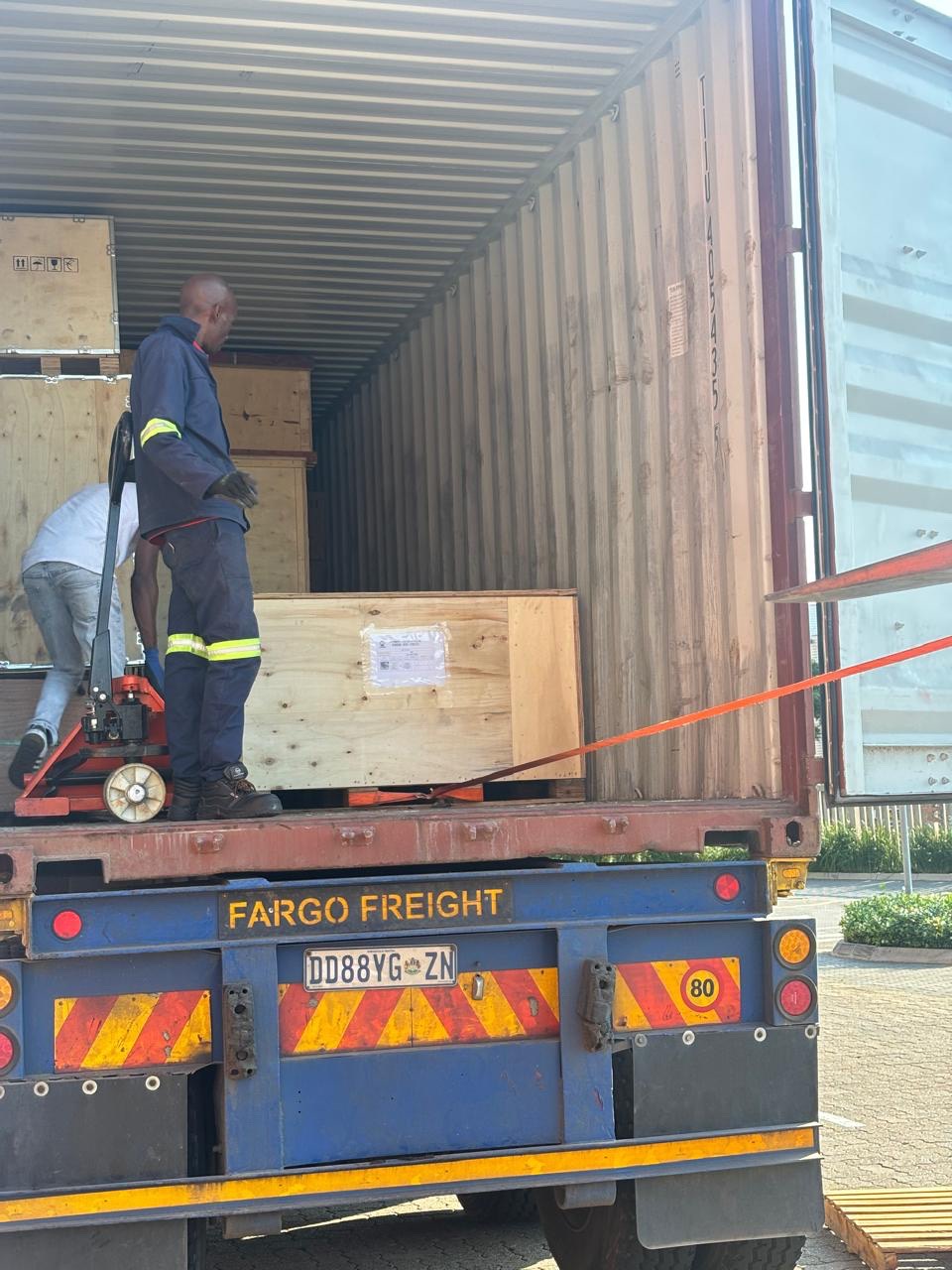
new arrivals
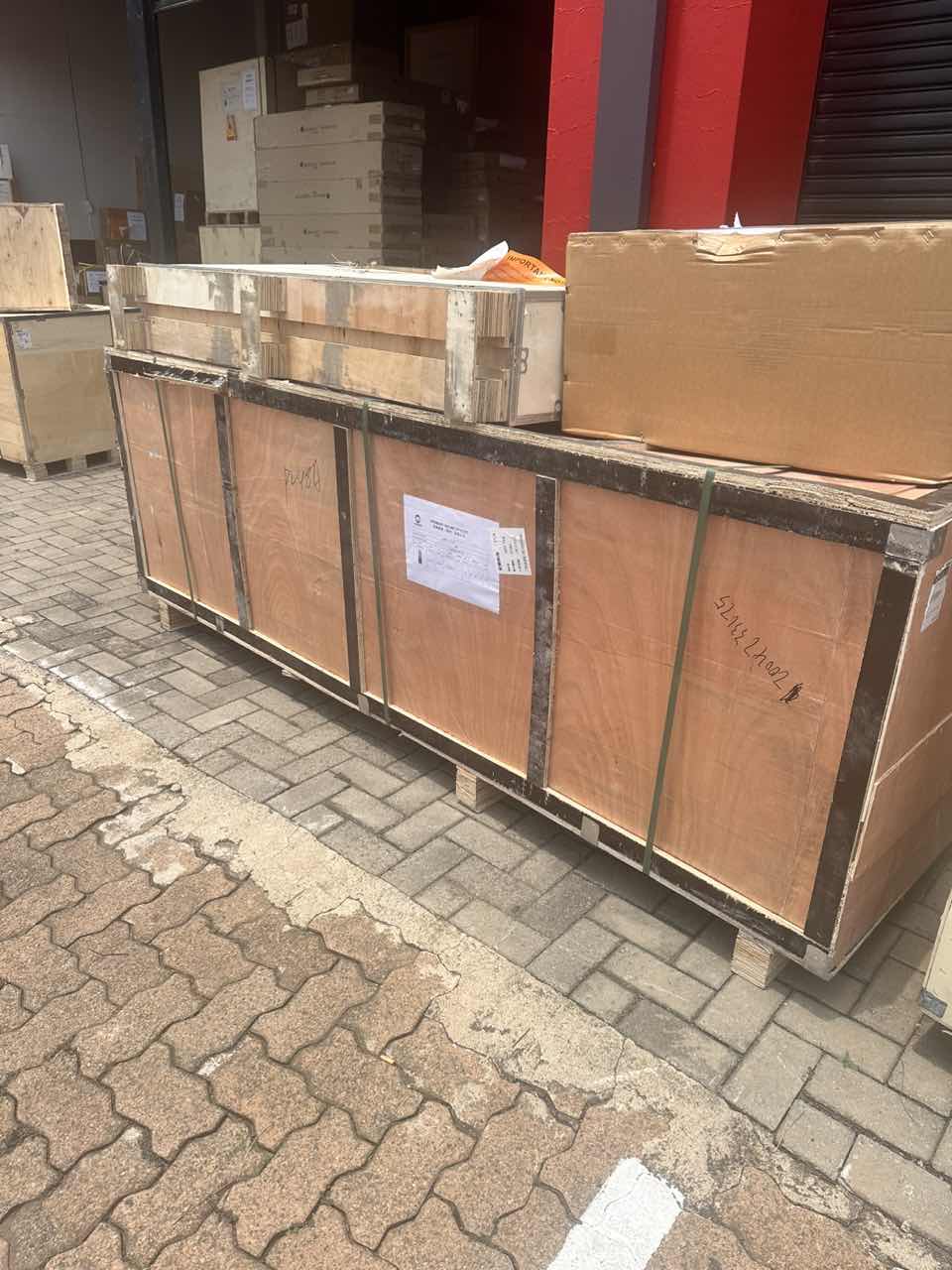
Pre Orders Offloading
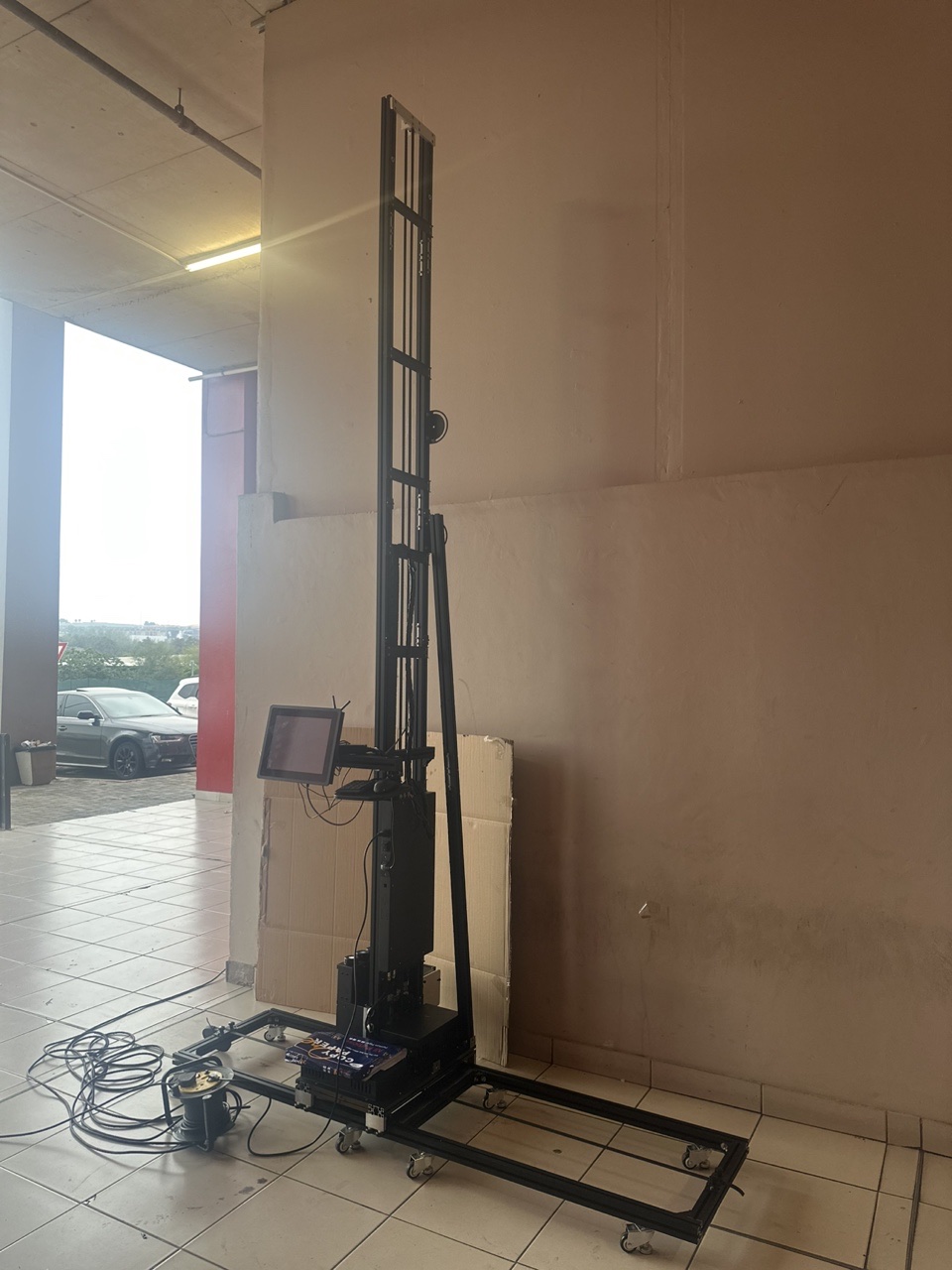
Latest Arrivals
Latest Arrivals
Latest Arrivals
Loading
Toilet paper making machine
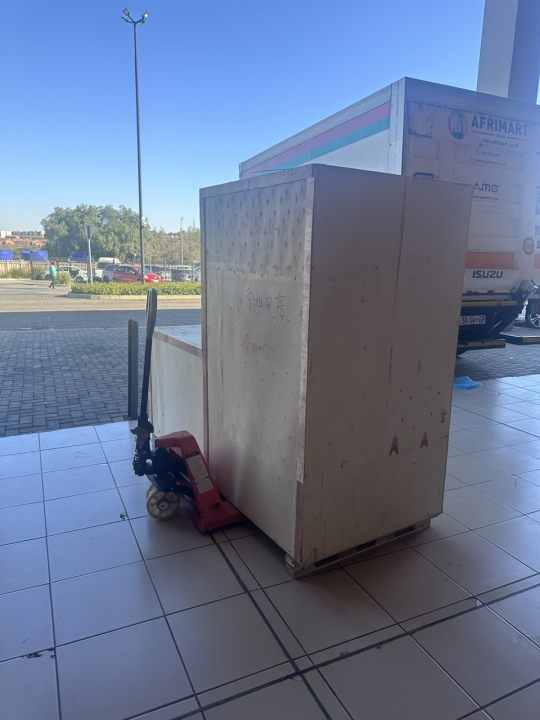
Toilet paper making machine
Toilet paper Rewinding Machine
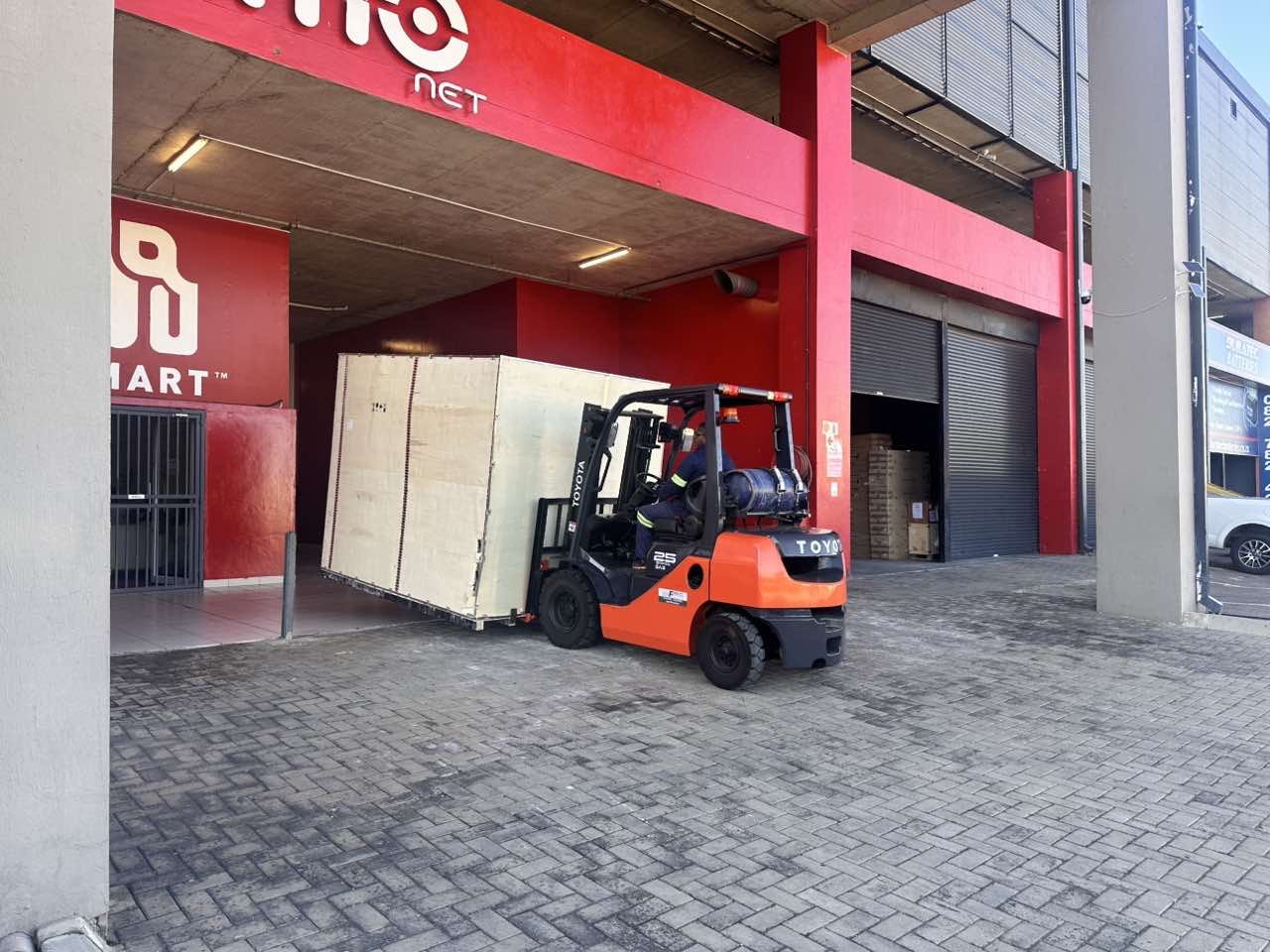
latest arrivals
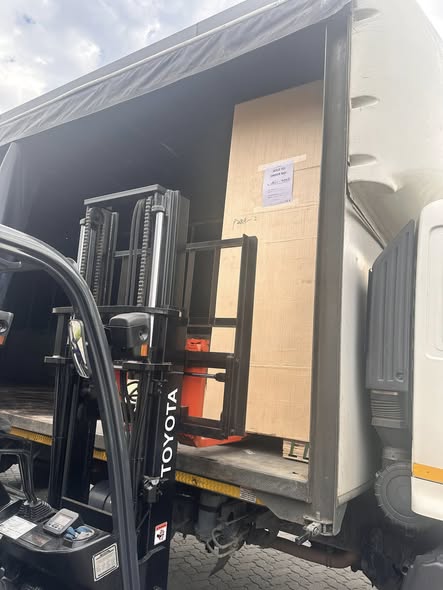
offloading
order success
order collection
order offloading