B21, China Town Mall, Midrand

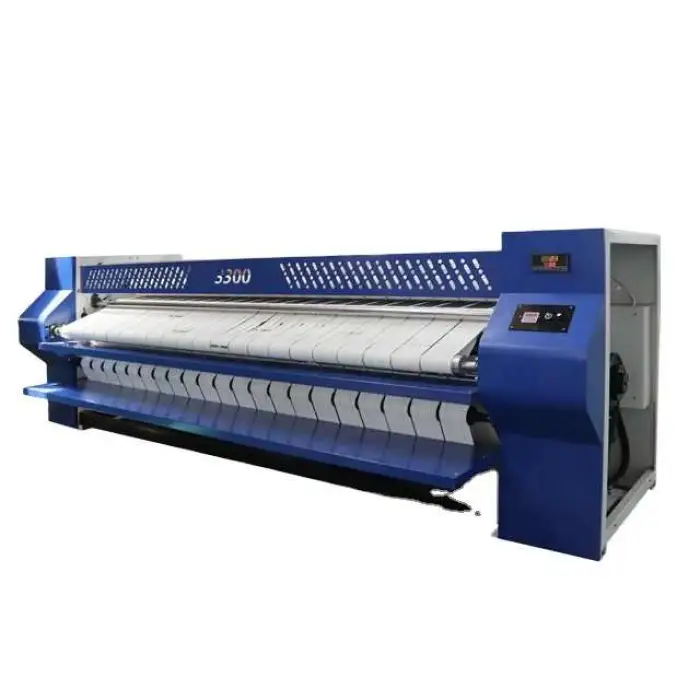
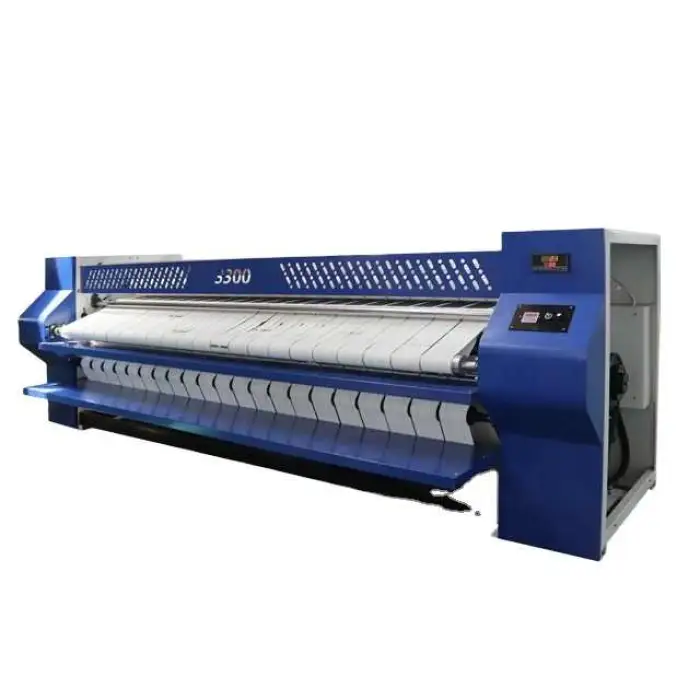
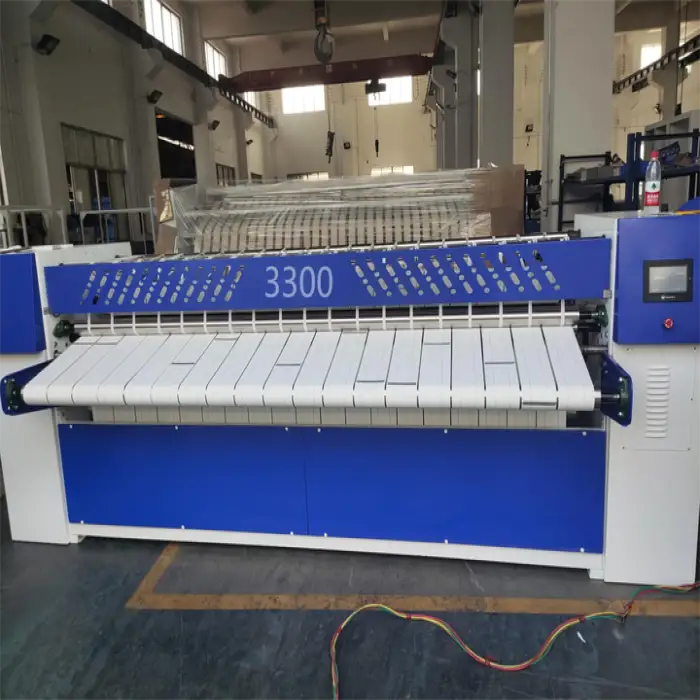
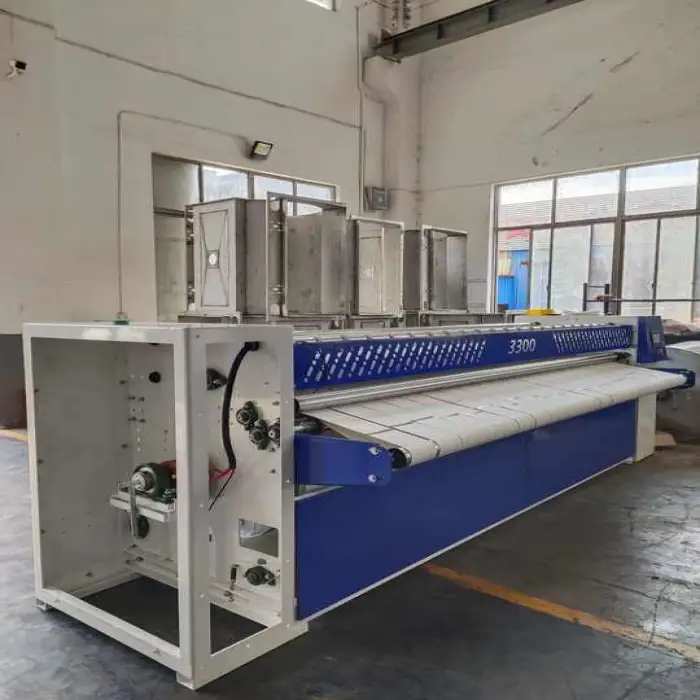
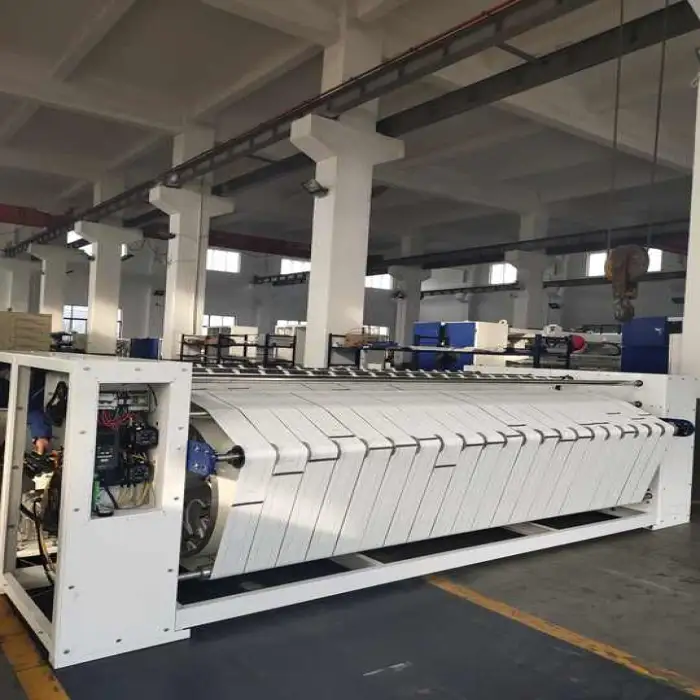
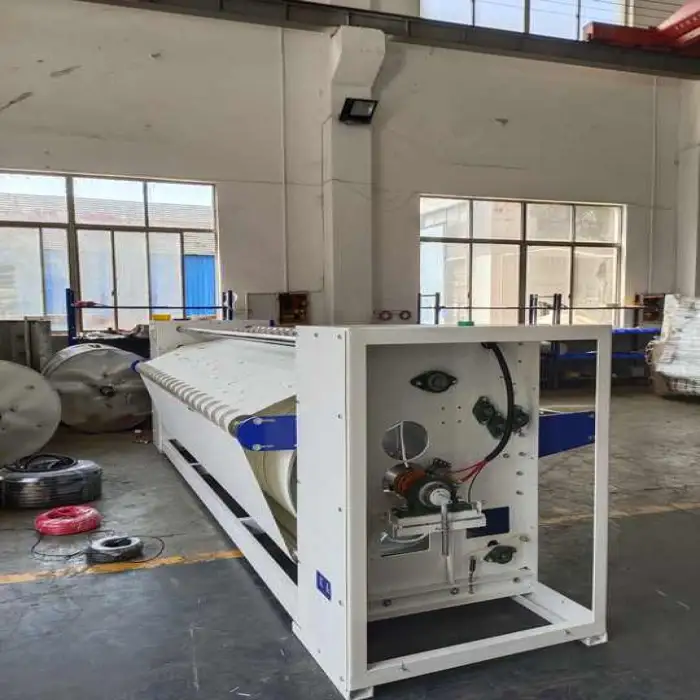
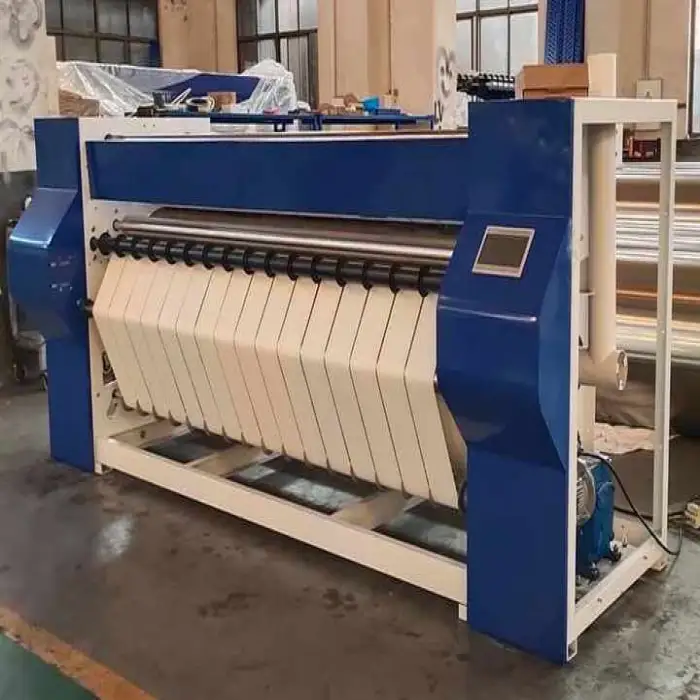
HOOP Pressing and Ironing and Folding Machine Industrial Laundry Machine 100kg Washing Machine
Asset finance available
Do you want funding for this equipment?
Afrimart can connect you with trusted funding partners who specialise in asset finance for businesses like yours. Compare options and apply in minutes — final approval is subject to provider review.
Check funding options
Secure & no obligation
- Section : Machinery
- Category : Cleaning Equipment
- SKU : 1600902331508

HOOP Pressing and Ironing and Folding Machine Industrial Laundry Machine 100kg Washing Machine
The HOOP Pressing and Ironing and Folding Machine is an advanced industrial laundry solution. Designed for high efficiency, this machine simplifies the process of drying, ironing, and finishing laundry. With a full automatic operation, it is perfect for businesses that need reliable and effective laundry services.
Specifications
| Attribute | Details |
|---|---|
| Size | 4460*1540*1420 mm |
| Brand Name | HOOP |
| Power | 1.5KW-3KW |
| Weight | 1700 Kg - 8500 Kg |
| Description | Full Automatic Efficient flatwork roller ironing machine |
| Function | Efficient drying ironing finishing |
| Capacity | 3300mm |
| Power Supply | 110/220/380/415v |
| Control | Full Automatic |
| Heating | Electric/Steam/Gas |
| Selling Units | Single item |
| Single Package Size | 450X250X145 cm |
| Single Gross Weight | 2200.000 KG |
Key Features
- Full automatic operation for easy use.
- Efficient drying and ironing capabilities.
- Multiple heating options: electric, steam, or gas.
- Large capacity of 3300mm for high volume laundry.
- Robust design, weighing between 1700 Kg and 8500 Kg.
Applications
- Ideal for industrial laundries.
- Perfect for hotels and restaurants.
- Great for hospitals and healthcare facilities.
- Useful in dry cleaning businesses.
- Excellent choice for large-scale laundry operations.
The HOOP Pressing and Ironing and Folding Machine is your partner in efficient laundry management. Experience seamless ironing and folding with this powerful machine.
Product Info Gallery
- Shipping Timeframes: All orders are processed within 2-5 business days (excluding weekends and holidays). After your order has been processed, the estimated delivery time is before 09 Aug, 2026, depending on customs, Please note that due to high demand, some items may experience longer shipping times, which will be communicated at order confirmation email.
- Order Processing Time: Please allow 2-5 business days for us to process your order before it is shipped . Orders placed after 16:00 on Fridays, or during weekends and public holidays, will begin processing on the next business day. Processing times may be extended during peak seasons or sales events.
- Manufacturing Time: Some products needs manufacturing time, the manufacturing process will take approximately 10-30 business days depending on the product. This timeframe may vary depending on the complexity of the product and current demand. but this will be communicated with you during order confirmation.
- Returns and Exchanges: We offer a 30-day return policy for most items. If you are not completely satisfied with your purchase, you may return it within 30 days of receipt for a refund or exchange. Items must be unused, in their original packaging, and accompanied by proof of purchase. Return shipping costs are the responsibility of the customer, unless the item was damaged or defective upon arrival.
1. What is the primary function of the HOOP Pressing and Ironing and Folding Machine?
This is an industrial flatwork roller ironing machine that dries, irons (presses) and folds large-volume linens for a finished flat appearance. It is intended for continuous, full-automatic finishing of sheets, tablecloths, pillowcases and similar items.
2. The product name includes "100kg Washing Machine" — does this machine wash 100 kg?
No. The listed product is a pressing/ironing and folding machine. The "100kg" in the name likely refers to the typical washer size this finishing machine is paired with. Confirm with the vendor if you need a matching 100 kg washer or integrated system.
3. What are the physical dimensions and required floor space?
Machine dimensions are 4460 × 1540 × 1420 mm (L×W×H). Single package size is 450 × 250 × 145 cm. Ensure you provide clearance around the machine for loading/unloading and maintenance.
4. What does the 3300 mm capacity refer to?
3300 mm refers to the working width (roller/ironing width) — the maximum fabric width the flatwork roller can process in one pass.
5. How much does the machine weigh?
Weight varies by model and configuration; listed ranges are approximately 1,700 kg to 8,500 kg. A representative single gross weight is shown as 2,200 kg. Confirm the exact weight for the model you order to plan transport and floor loading.
6. What are the electrical and power requirements?
Power consumption is listed between 1.5 kW and 3 kW depending on configuration. Power supply options include 110 V, 220 V, 380 V and 415 V. Confirm required voltage, phase and breaker sizing with the supplier and your electrician prior to installation.
7. What heating options are available?
The machine supports electric, steam or gas heating. Each option requires specific utility hookups: appropriate electrical supply for electric heating, steam header supply at specified pressure for steam, or gas line and ventilation for gas. Confirm required specifications with the manufacturer.
8. Is the machine fully automatic?
Yes. The unit is described as full-automatic with automated feeding/ironing/folding cycles and control systems designed to minimize manual handling.
9. What types of linens can this machine handle?
Designed for flatwork: bed sheets, table linens, pillowcases, flat garments and other large flat textiles. It is not intended for small or highly delicate garments that require individual pressing.
10. What installation requirements should I prepare for?
Prepare a level, load-bearing floor to support the machine weight, adequate clearance around the unit, proper electrical supply and breakers, and any required steam, gas or exhaust/ventilation connections depending on heating selection. Professional installation by authorized technicians is recommended.
11. What is the expected throughput (kg/hour) of the machine?
Throughput depends on linen type, feeding method, operator speed and chosen model. The specification sheet does not list a kg/hour rate—contact the supplier with your linen mix and desired capacity so they can provide an estimated production rate and recommend a matching model.
12. What routine maintenance is required?
Typical maintenance includes daily cleaning of rollers and sensors, routine lubrication of bearings and moving parts, periodic inspection of belts and heating elements, and scheduled preventive service per the manufacturer manual. Keep a log and follow the supplier's maintenance schedule.
13. What safety features are included and is training required?
Most industrial finishing machines include emergency stop buttons, safety guards and interlocks. Operator training is recommended to ensure safe operation, proper loading/unloading and understanding of emergency procedures. Verify specific safety features with the manufacturer.
14. How do I obtain spare parts and after-sales service?
Contact HOOP or your authorized distributor for genuine spare parts and service agreements. It’s advisable to stock commonly worn parts (belts, heating elements, seals) and arrange a service contract for timely maintenance and repairs.
15. What warranty and certifications are provided with the machine?
Warranty terms and certifications (e.g., CE, ISO) are not specified in the provided listing. Ask the vendor for the warranty period, scope of coverage, and copies of applicable certifications and compliance documentation before purchase.
Latest Order Arrivals
Discover our latest orders

12 Heads Embroidery Machine

Toilet Paper Machine Machine

Order Collection

Cross Border Clients

Order cros border countries Collected

Industrial Machine Cllection

Agriculture Processing Machines

Ready for collection

Water Pump Equipment

Packaging Machine and accessories

Fabrics Manufacturing Equipment

Mining Equipments

Food Processing Machine

Batch of Orders

Batch of Orders

Latest Orders Labelled

wheel alignment machines

new arrivals

Pre Orders Offloading

Latest Arrivals

Latest Arrivals

Latest Arrivals

Loading

Toilet paper making machine

Toilet paper making machine

Toilet paper Rewinding Machine

latest arrivals

offloading

order success

order collection

order offloading