B21, China Town Mall, Midrand

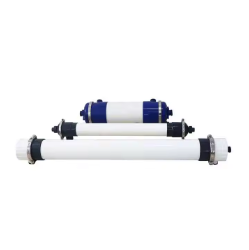
Hollow Fiber UF Membrane Crossflow Filter

- Section : Consumer Electronics
- Category : Measuring & Gauging Tools
- SKU : 1601338014523

UF Membrane Modules
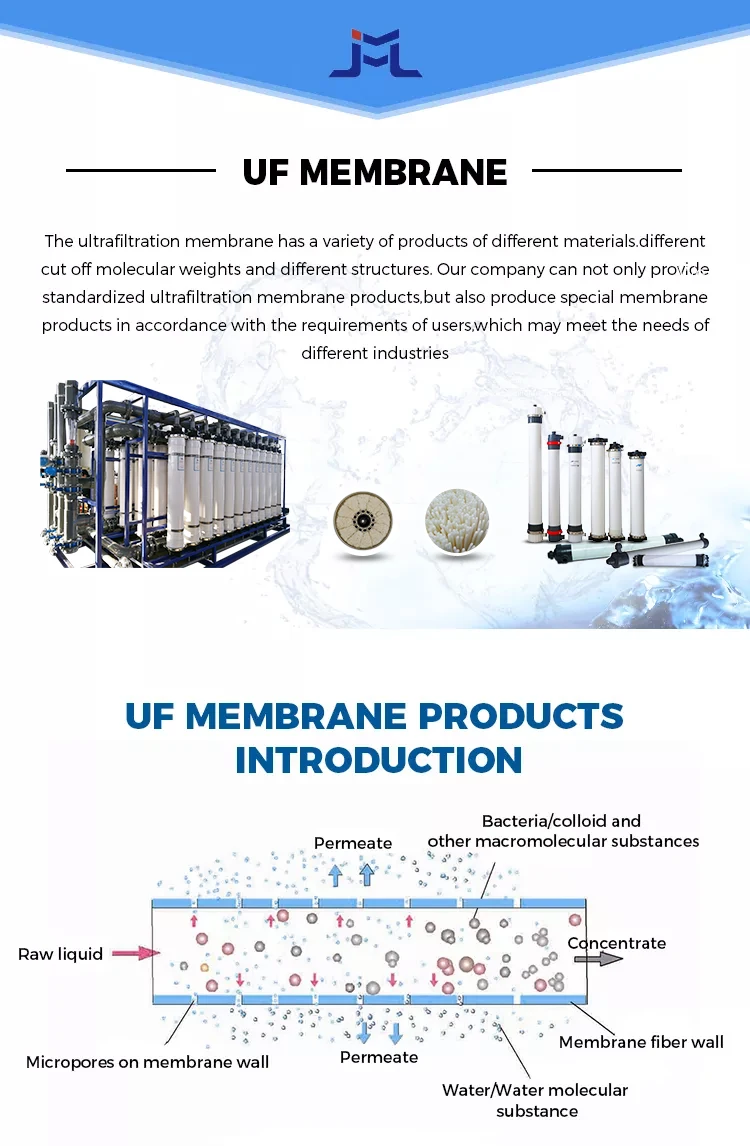
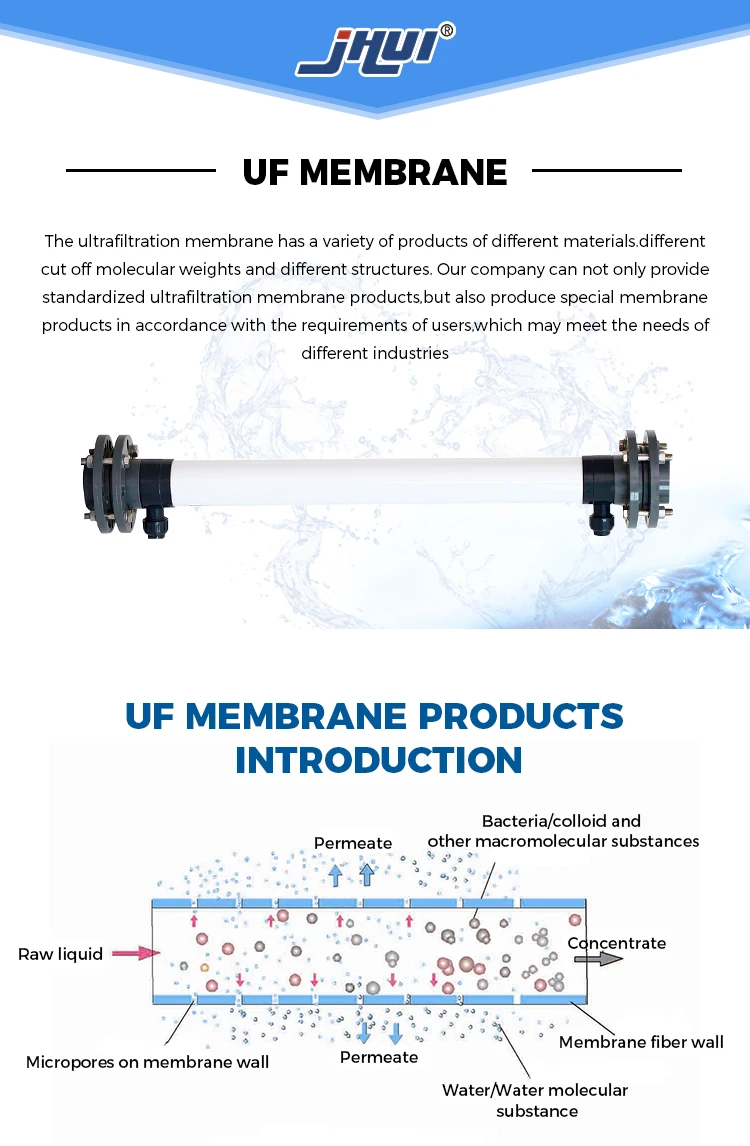
Ultrafiltration (UF) membranes are advanced filtration solutions designed for high-efficiency separation of suspended solids, bacteria, and macromolecules in water and wastewater treatment. They offer superior performance, durability, and chemical resistance, ensuring consistent filtration quality across various industries.
Membrane Material Options
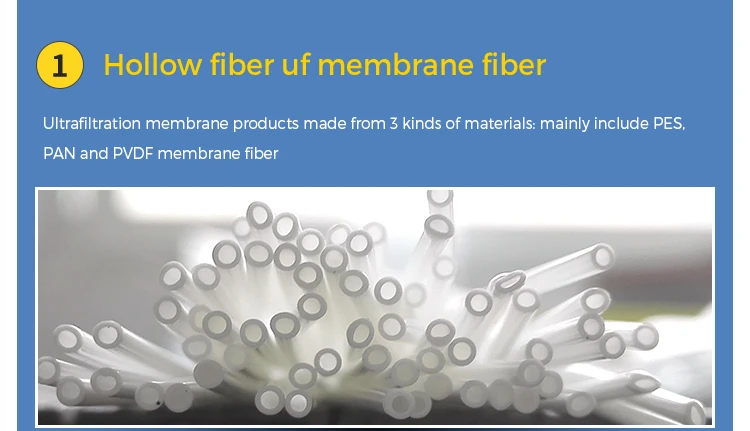
PES (Polyethersulfone): Excellent chemical resistance and thermal stability, ideal for high-purity applications.
PAN (Polyacrylonitrile): Strong mechanical properties and fouling resistance, suited for industrial wastewater treatment.
PVDF (Polyvinylidene Fluoride): High chlorine tolerance and chemical durability, preferred for harsh environments.
Key Features
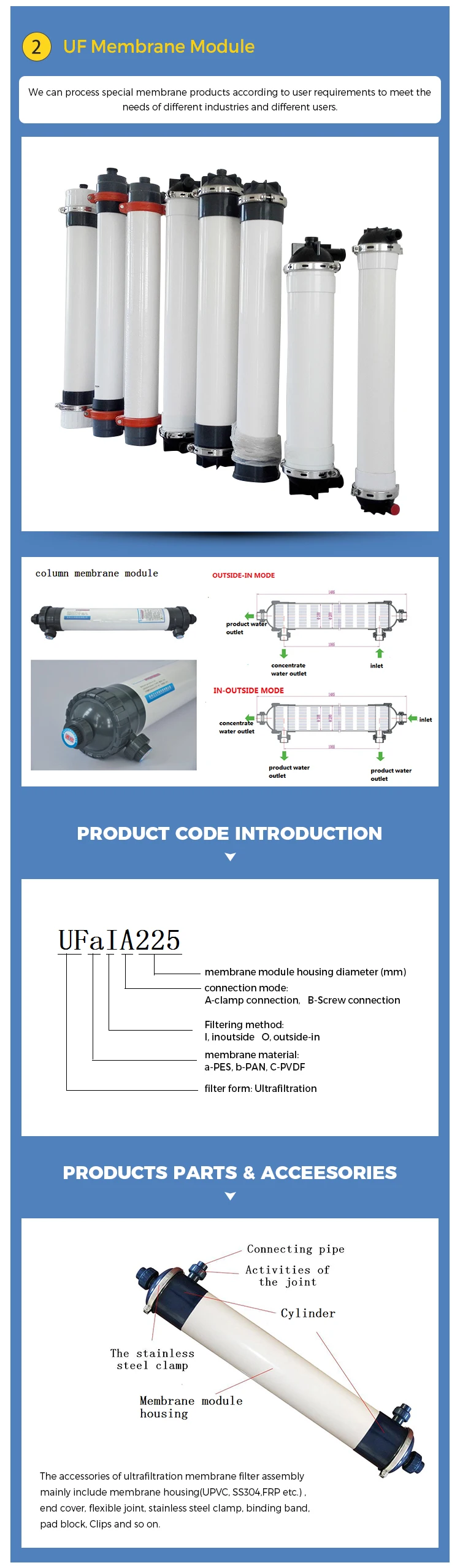
Multiple filtration modes: Inside-out & Outside-in configurations available.
Wide pore size range: 0.002 – 0.08µm for precise filtration.
High Molecular Weight Cut-off (MWCO): From 50k to 150k Dalton for selective separation.
Superior chemical resistance: Compatible with NaClO, H₂O₂, NaOH, and HCl for effective cleaning.
Robust performance: High flux rates with excellent fouling resistance.
Versatile operation: Suitable for cross-flow and dead-end filtration.
Optimized backwash cycle: Improves membrane longevity and efficiency.
Technical Parameters
| Parameter | PES Membrane | PAN Membrane | PVDF Membrane |
|---|---|---|---|
| Pore Size | 0.002 - 0.01µm | 0.02µm | 0.03 - 0.08µm |
| MWCO | 50k - 67k Dalton | 80k - 100k Dalton | 100k - 150k Dalton |
| Max Feed Turbidity | <50 NTU | <80 NTU | <100 NTU |
| Max Chlorine Resistance | 2000 ppm (Momentary) | 500 ppm (Momentary) | 2000 ppm (Momentary) |
| pH Range | 2 - 12 | 2 - 10 | 2 - 10 |
| Max Permeate Flow | 120 - 150 L/m²·h | 120 - 150 L/m²·h | 120 - 150 L/m²·h |
| Operating Temperature | 5 - 45°C | 5 - 45°C | 5 - 45°C |
| Max Feed Pressure | 0.5 MPa | 0.5 MPa | 0.5 MPa |
| Max Backwash Pressure | 0.25 MPa | 0.25 MPa | 0.25 MPa |
| Cleaning Agents | NaClO, H₂O₂, NaOH, HCl | NaClO, H₂O₂, NaOH, HCl | NaClO, H₂O₂, NaOH, HCl |
UF Membrane Module Options
1. PAN Membrane Modules
Φ90 - Φ250 mm outer diameter.
Effective filtration area: 4 - 35 m².
Design flux: 0.2 - 2.8 m³/0.1MPa·25°C.
2. PVDF Membrane Modules
Φ90 - Φ250 mm outer diameter.
Effective filtration area: 9 - 77 m².
Design flux: 0.54 - 9.0 m³/0.1MPa·25°C.
3. PES Membrane Modules
Φ90 - Φ315 mm outer diameter.
Effective filtration area: 4.5 - 80 m².
Design flux: 0.225 - 6.4 m³/0.1MPa·25°C.
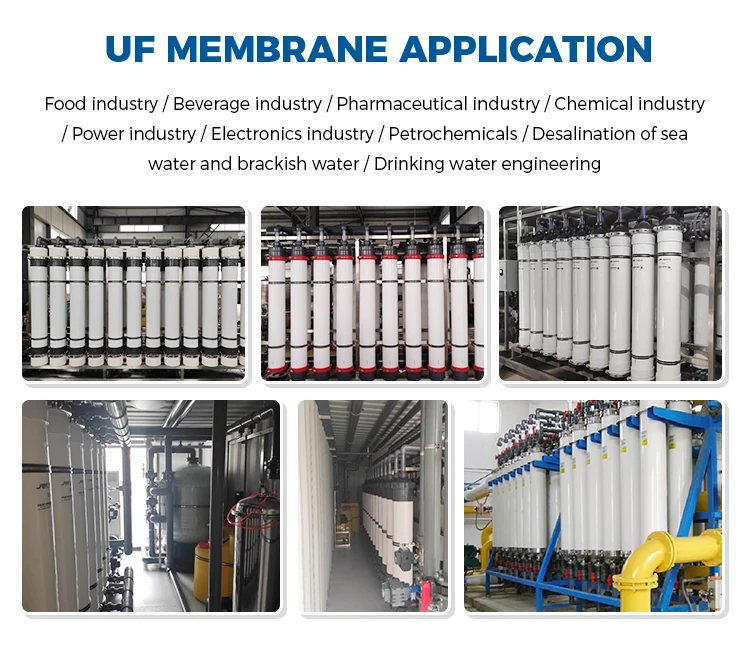
Applications
Drinking Water Treatment
Industrial Process Water & Wastewater Reuse
Pharmaceutical & Biotechnology Filtration
Food & Beverage Industry
Municipal Wastewater Treatment
Desalination Pretreatment
Electronics & Semiconductor Manufacturing
The UF membrane series ensures high efficiency, reliability, and long lifespan, making them a cost-effective solution for various filtration applications.
UF Membrane
UF Membrane
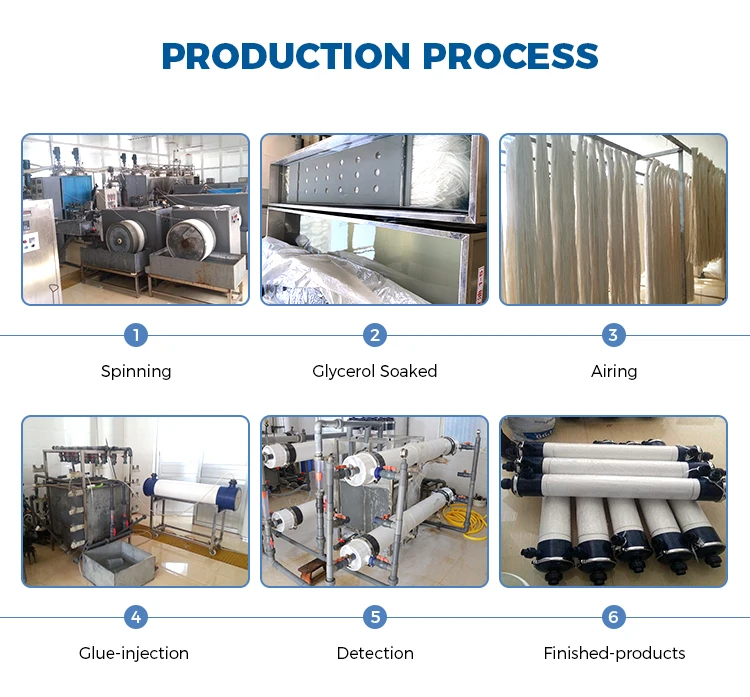
Product Introduction

- Shipping Timeframes: All orders are processed within 2-5 business days (excluding weekends and holidays). After your order has been processed, the estimated delivery time is before 29 May, 2026, depending on customs, Please note that due to high demand, some items may experience longer shipping times, which will be communicated at order confirmation email.
- Order Processing Time: Please allow 2-5 business days for us to process your order before it is shipped . Orders placed after 16:00 on Fridays, or during weekends and public holidays, will begin processing on the next business day. Processing times may be extended during peak seasons or sales events.
- Manufacturing Time: Some products needs manufacturing time, the manufacturing process will take approximately 10-30 business days depending on the product. This timeframe may vary depending on the complexity of the product and current demand. but this will be communicated with you during order confirmation.
- Returns and Exchanges: We offer a 30-day return policy for most items. If you are not completely satisfied with your purchase, you may return it within 30 days of receipt for a refund or exchange. Items must be unused, in their original packaging, and accompanied by proof of purchase. Return shipping costs are the responsibility of the customer, unless the item was damaged or defective upon arrival.
1. What is a Hollow Fiber UF Membrane Crossflow Filter?
A Hollow Fiber UF Membrane Crossflow Filter is an advanced ultrafiltration solution designed for the efficient separation of suspended solids, bacteria, and macromolecules in water and wastewater treatment.
2. What are the main materials used for UF membranes?
The main materials used for UF membranes include PES (Polyethersulfone), PAN (Polyacrylonitrile), and PVDF (Polyvinylidene Fluoride), each offering different properties suitable for various applications.
3. What is the pore size range of the UF membranes?
The pore size range of the UF membranes varies by material: PES membranes have a pore size of 0.002 - 0.01µm, PAN membranes have a pore size of 0.02µm, and PVDF membranes range from 0.03 - 0.08µm.
4. What industries can benefit from using UF membranes?
Industries such as drinking water treatment, industrial process water reuse, pharmaceuticals, biotechnology, food and beverage, municipal wastewater treatment, desalination pretreatment, and electronics manufacturing can benefit from UF membranes.
5. Can UF membranes handle high turbidity levels?
Yes, the maximum feed turbidity for different membrane types varies: PES can handle <50 NTU, PAN <80 NTU, and PVDF <100 NTU.
6. What is the maximum chlorine resistance for these membranes?
The maximum chlorine resistance is 2000 ppm for PES and PVDF membranes (momentarily), and 500 ppm for PAN membranes (momentarily).
7. What is the operating temperature range for the UF membranes?
The operating temperature range for all types of UF membranes is between 5°C and 45°C.
8. What are the cleaning agents compatible with UF membranes?
Compatible cleaning agents for UF membranes include NaClO (sodium hypochlorite), H₂O₂ (hydrogen peroxide), NaOH (sodium hydroxide), and HCl (hydrochloric acid).
9. What is the design flux for PES membrane modules?
The design flux for PES membrane modules ranges from 0.225 to 6.4 m³/0.1MPa·25°C.
10. How does crossflow filtration differ from dead-end filtration?
Crossflow filtration allows the feed water to flow parallel to the membrane surface, reducing fouling, while dead-end filtration forces water perpendicular to the membrane, which can lead to faster clogging.
11. What is the purpose of the backwash cycle in UF membranes?
The backwash cycle is optimized to improve membrane longevity and efficiency by reversing the flow to dislodge and remove accumulated particles.
12. What is the maximum permeate flow rate for these membranes?
The maximum permeate flow rate for all types of UF membranes is between 120 to 150 L/m²·h.
13. Is the UF membrane suitable for high-purity applications?
Yes, PES membranes are particularly suitable for high-purity applications due to their excellent chemical resistance and thermal stability.
14. What does MWCO stand for and what are the ranges for different membranes?
MWCO stands for Molecular Weight Cut-off, which indicates the range of molecular sizes that can be effectively separated by the membrane. PES membranes have an MWCO of 50k - 67k Dalton, PAN membranes 80k - 100k Dalton, and PVDF membranes 100k - 150k Dalton.
15. Can the UF membrane be used in harsh chemical environments?
Yes, PVDF membranes are preferred for harsh environments due to their high chlorine tolerance and chemical durability.
Latest Order Arrivals
Discover our latest orders
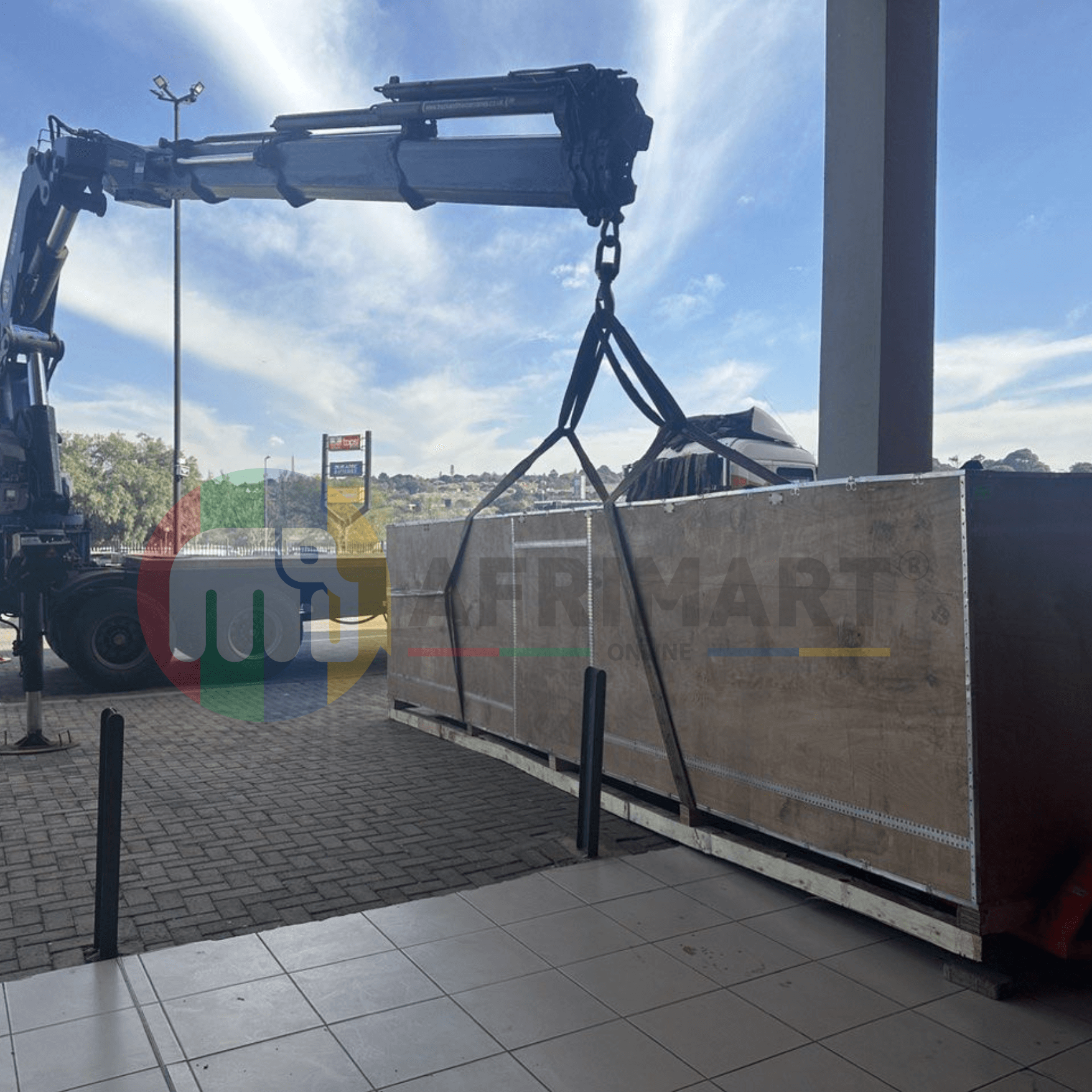
12 Heads Embroidery Machine
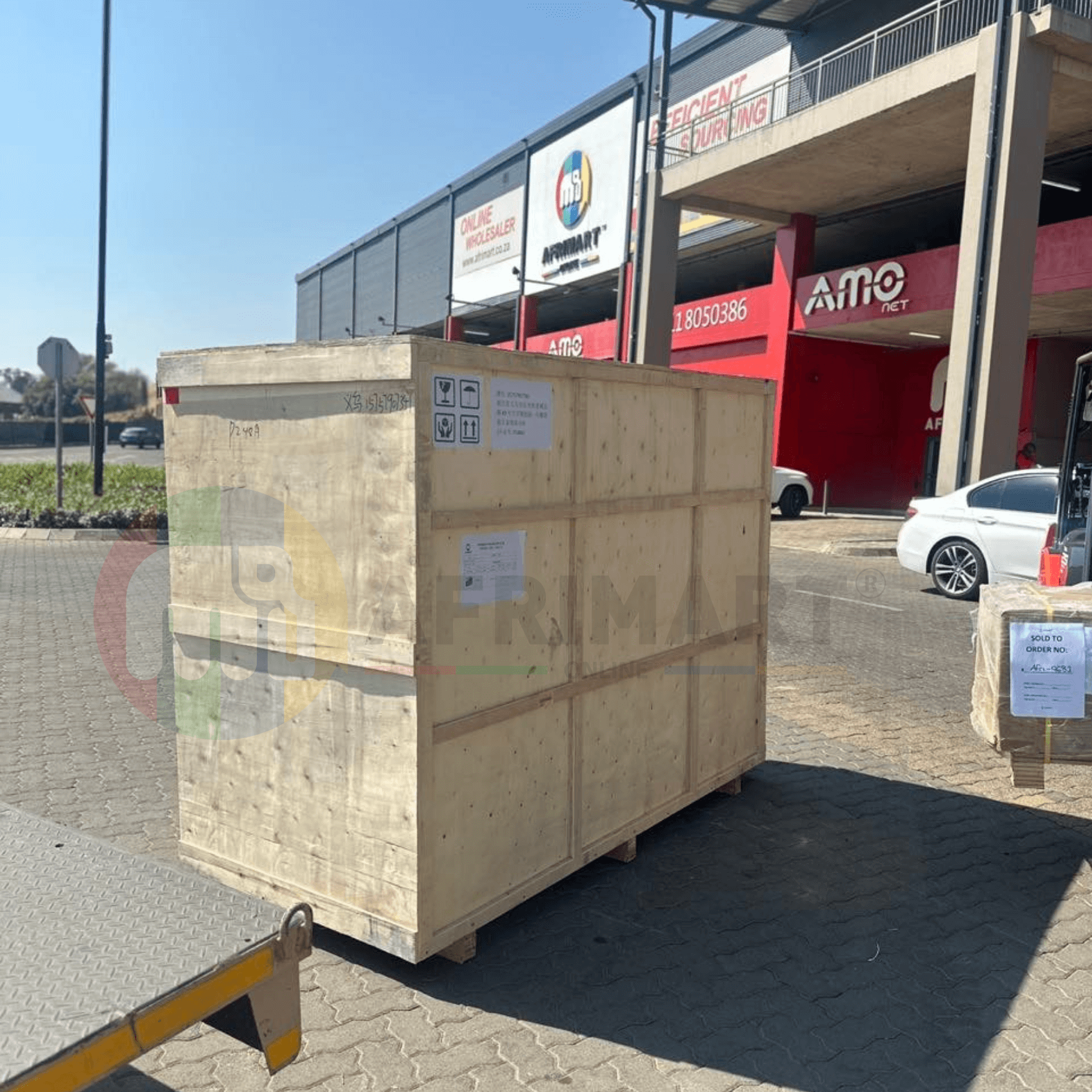
Dewatering Pump Machine
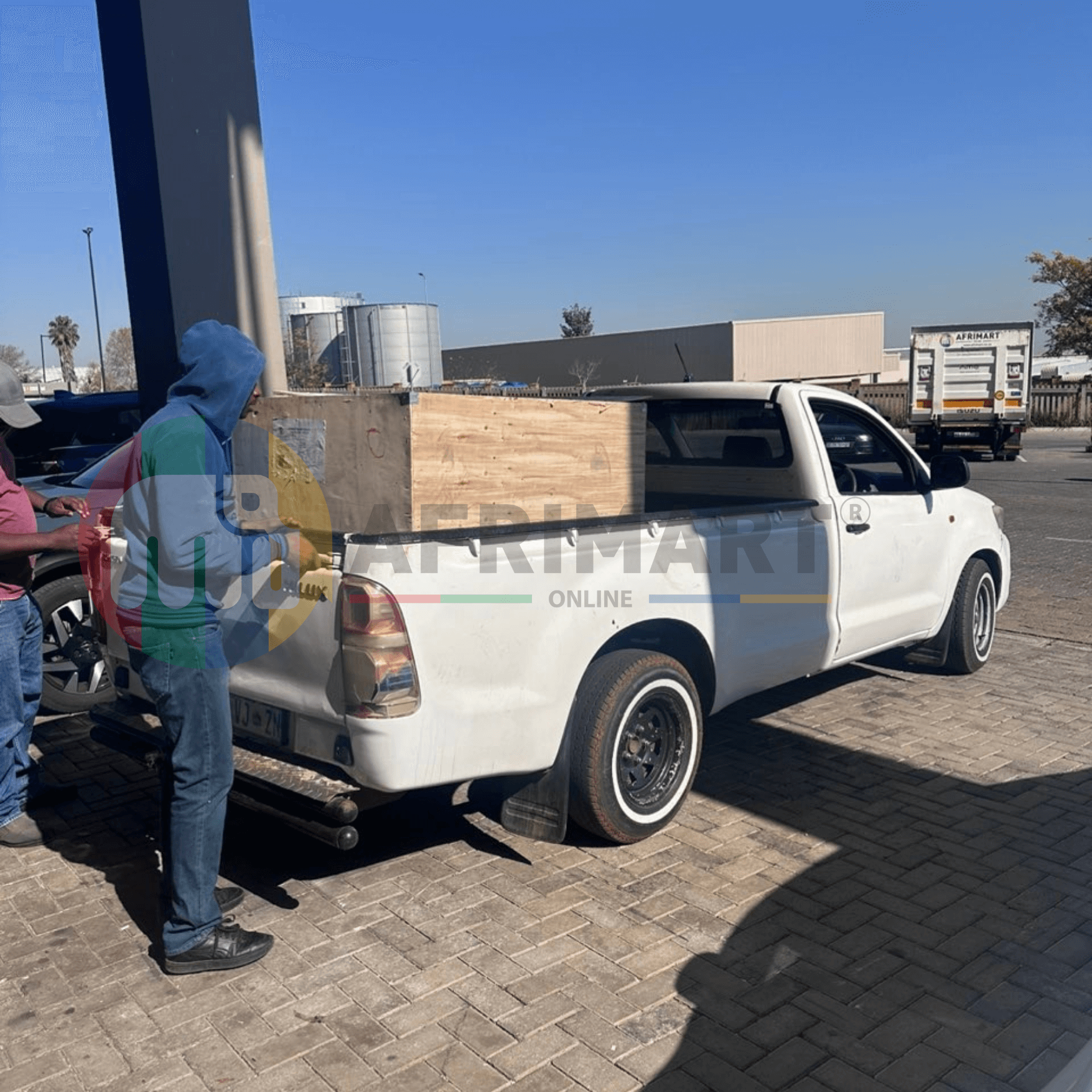
Order Collection
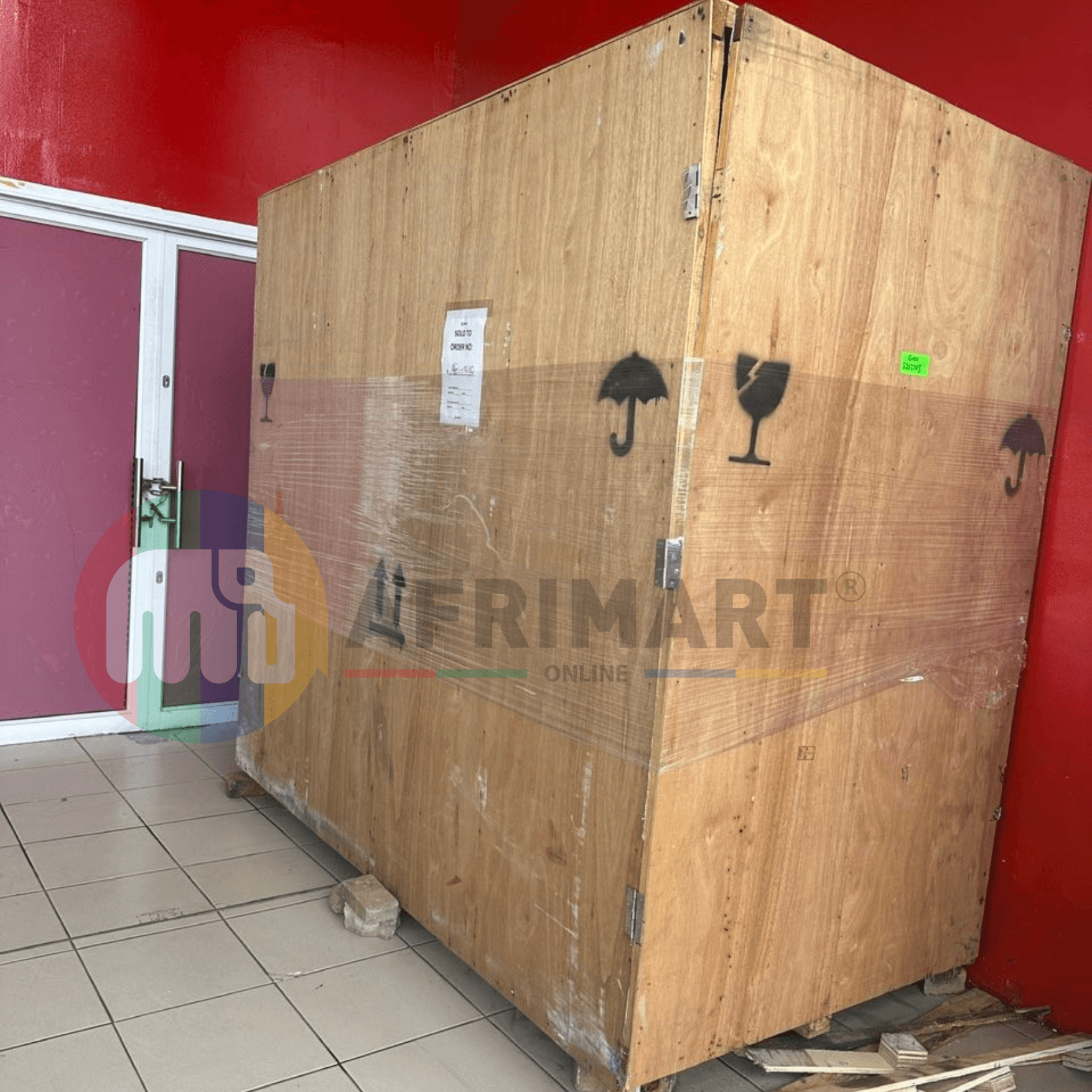
Portable Water Drilling Rig
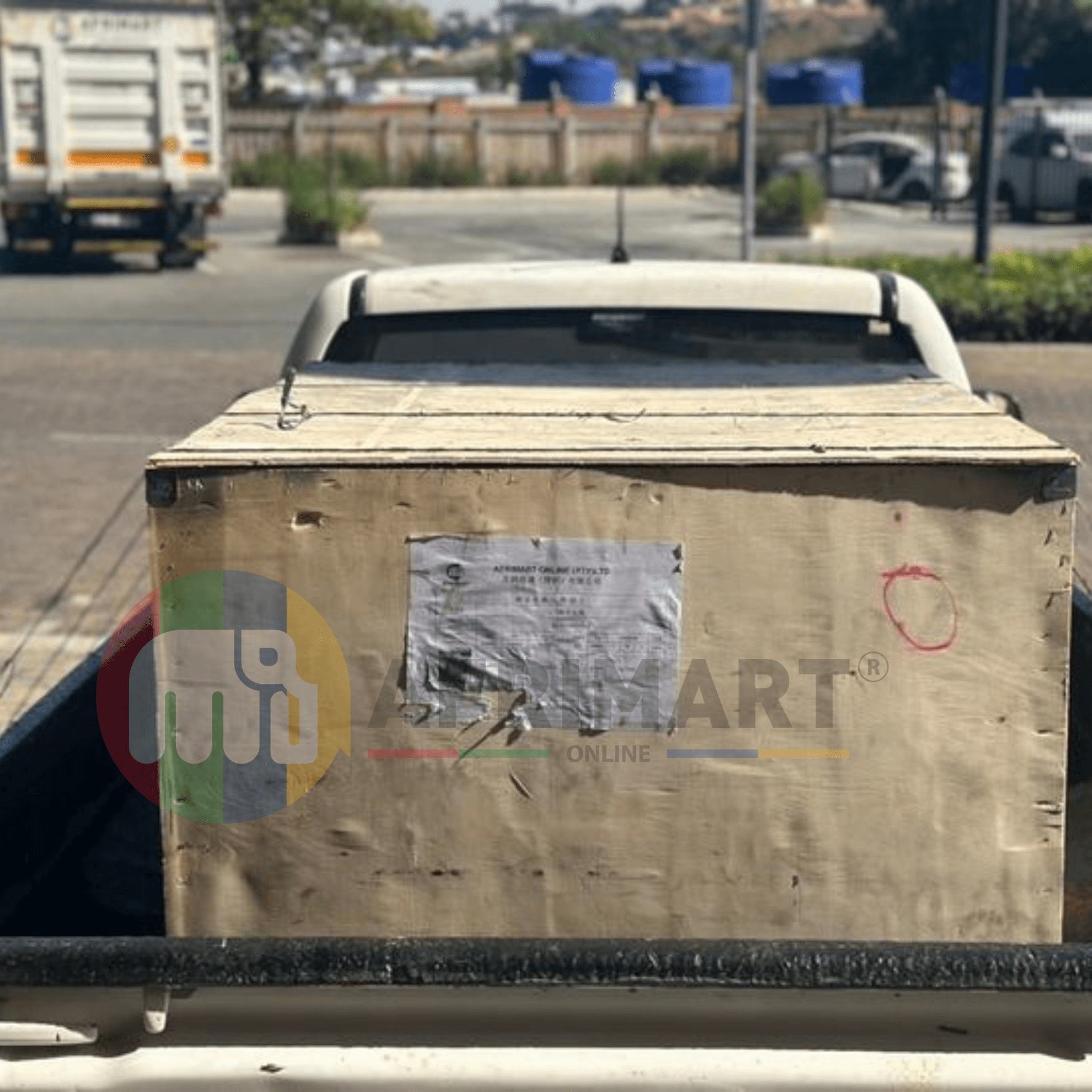
Order Usefully Collected
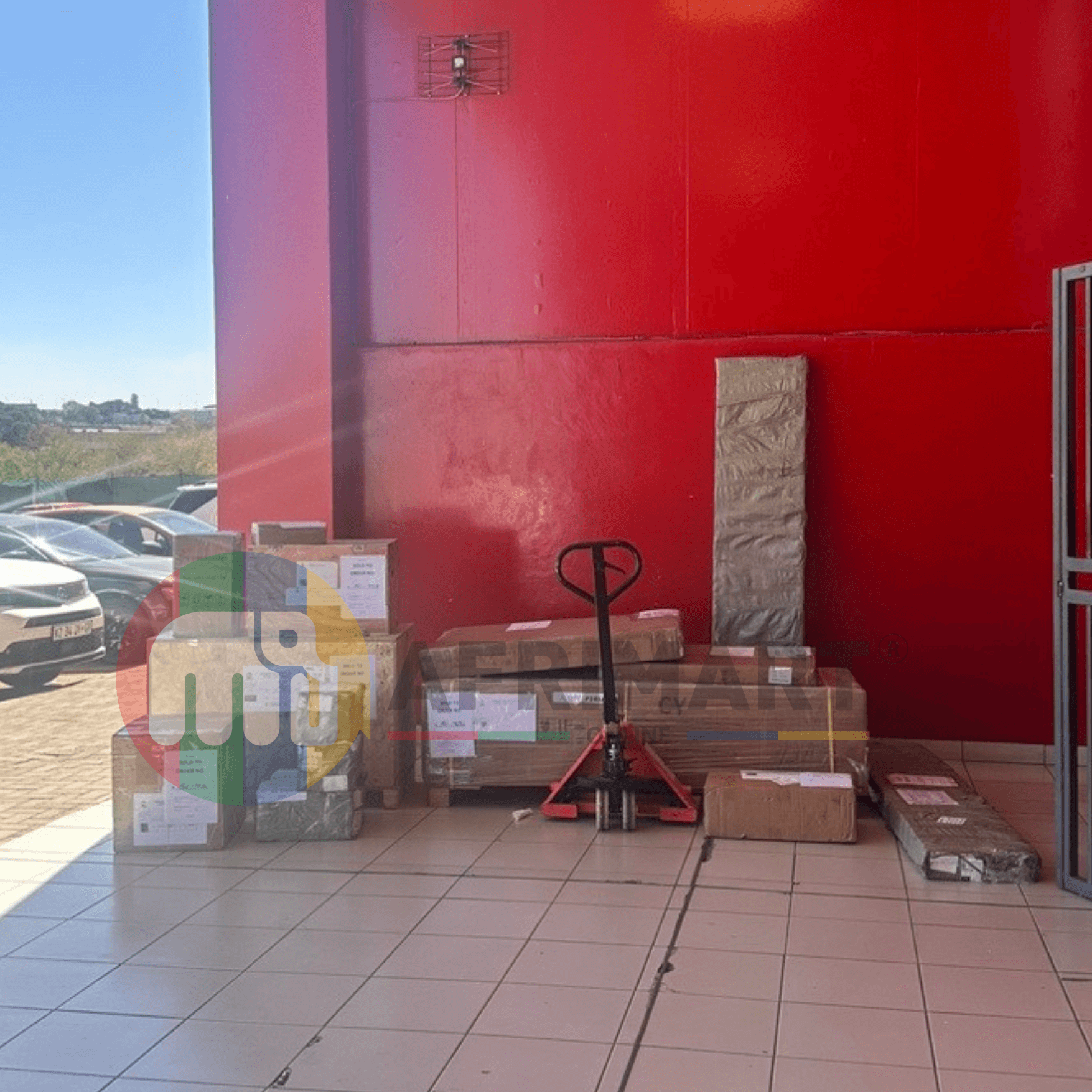
Batch of Orders
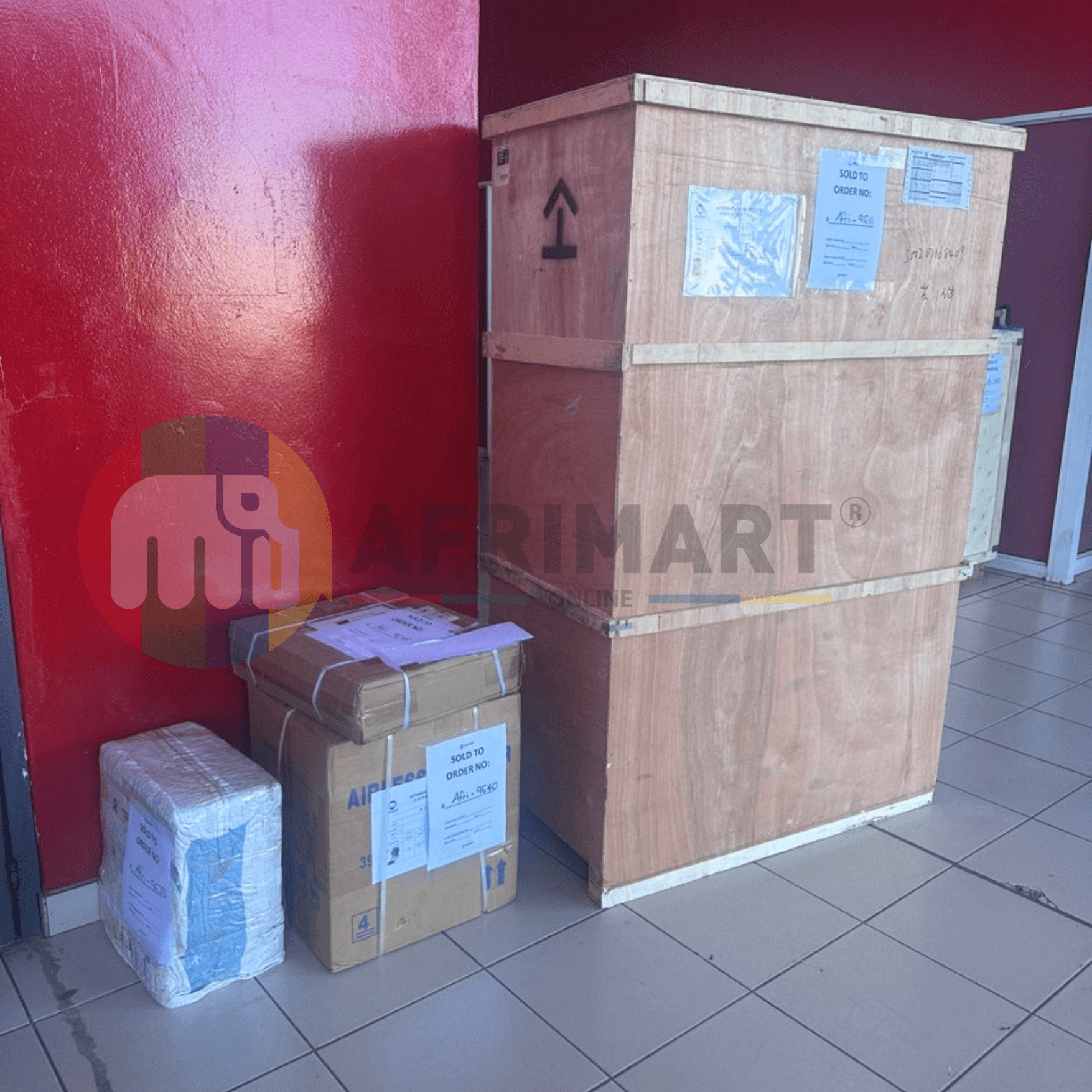
Agriculture Processing Machines
Meat Grinder Machine
Water Pump Equipment
Packaging Machine and accessories
Fabrics Manufacturing Equipment
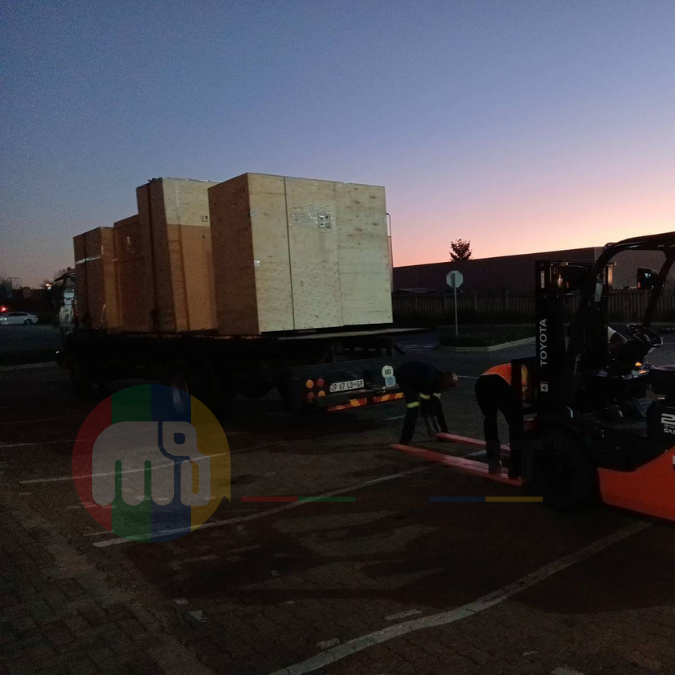
Mining Equipments
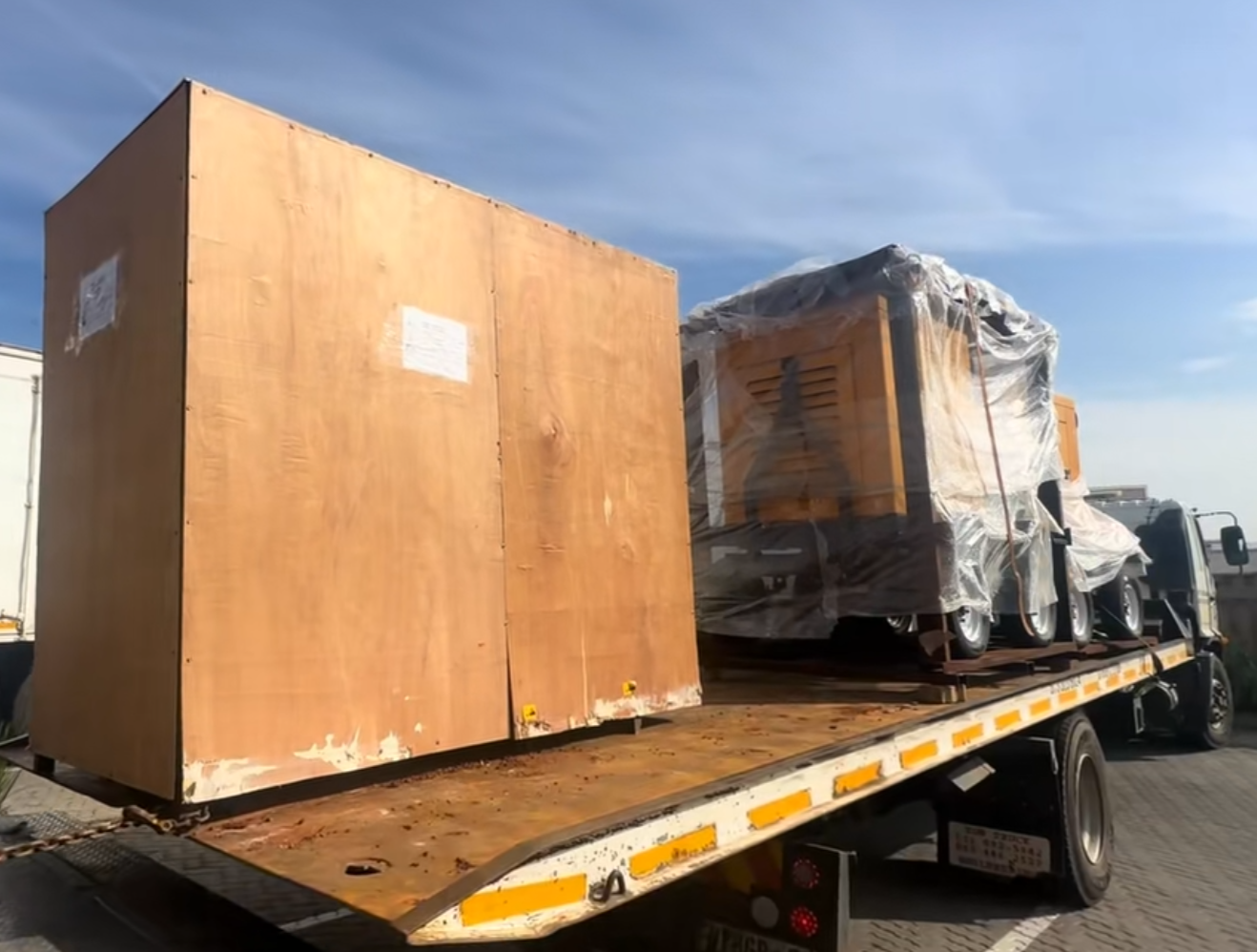
Food Processing Machine
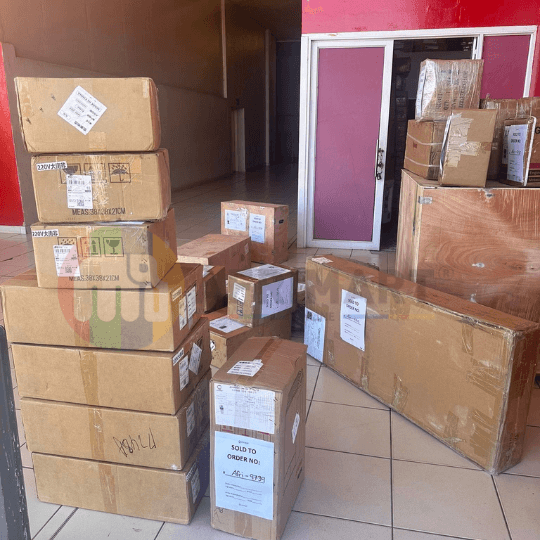
Batch of Orders
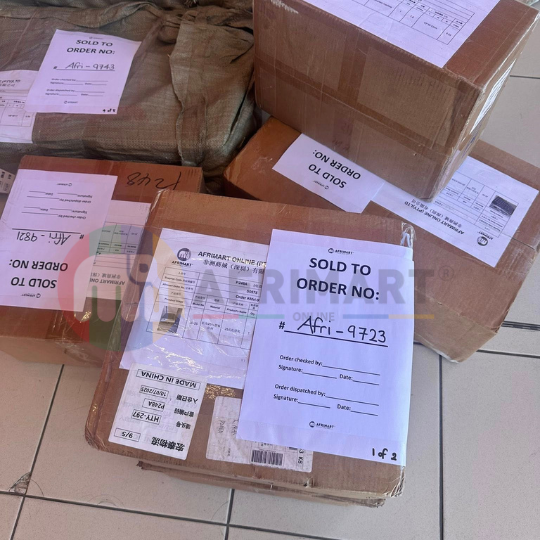
Batch of Orders
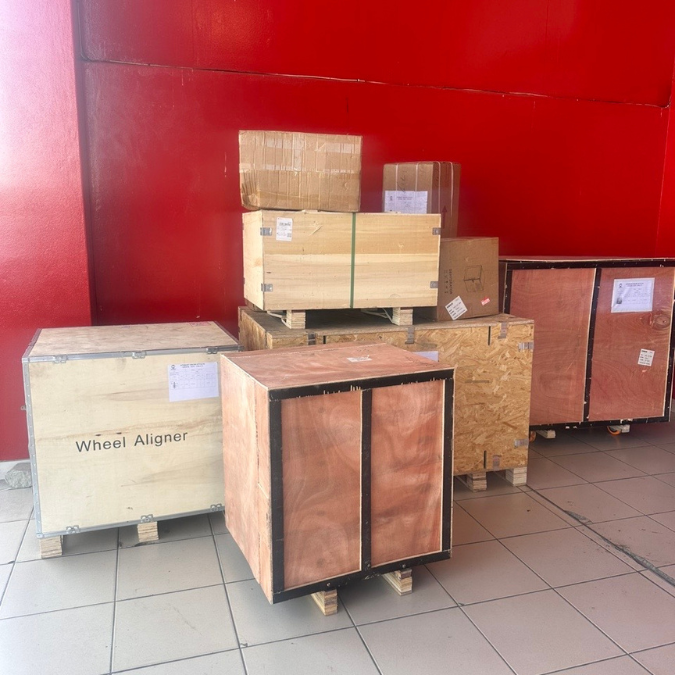
Latest Orders Labelled
wheel alignment machines
new arrivals
Pre Orders Offloading
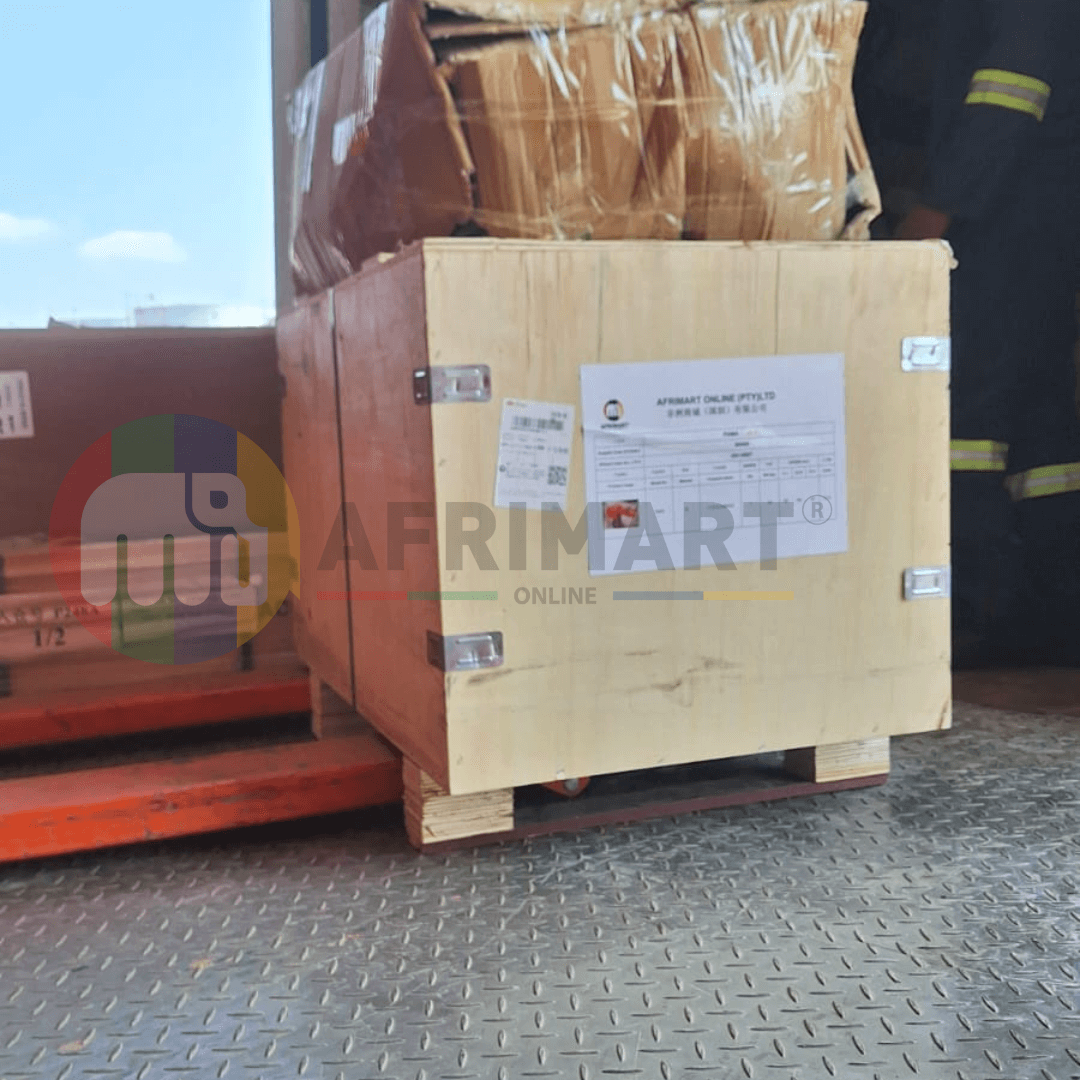
Latest Arrivals
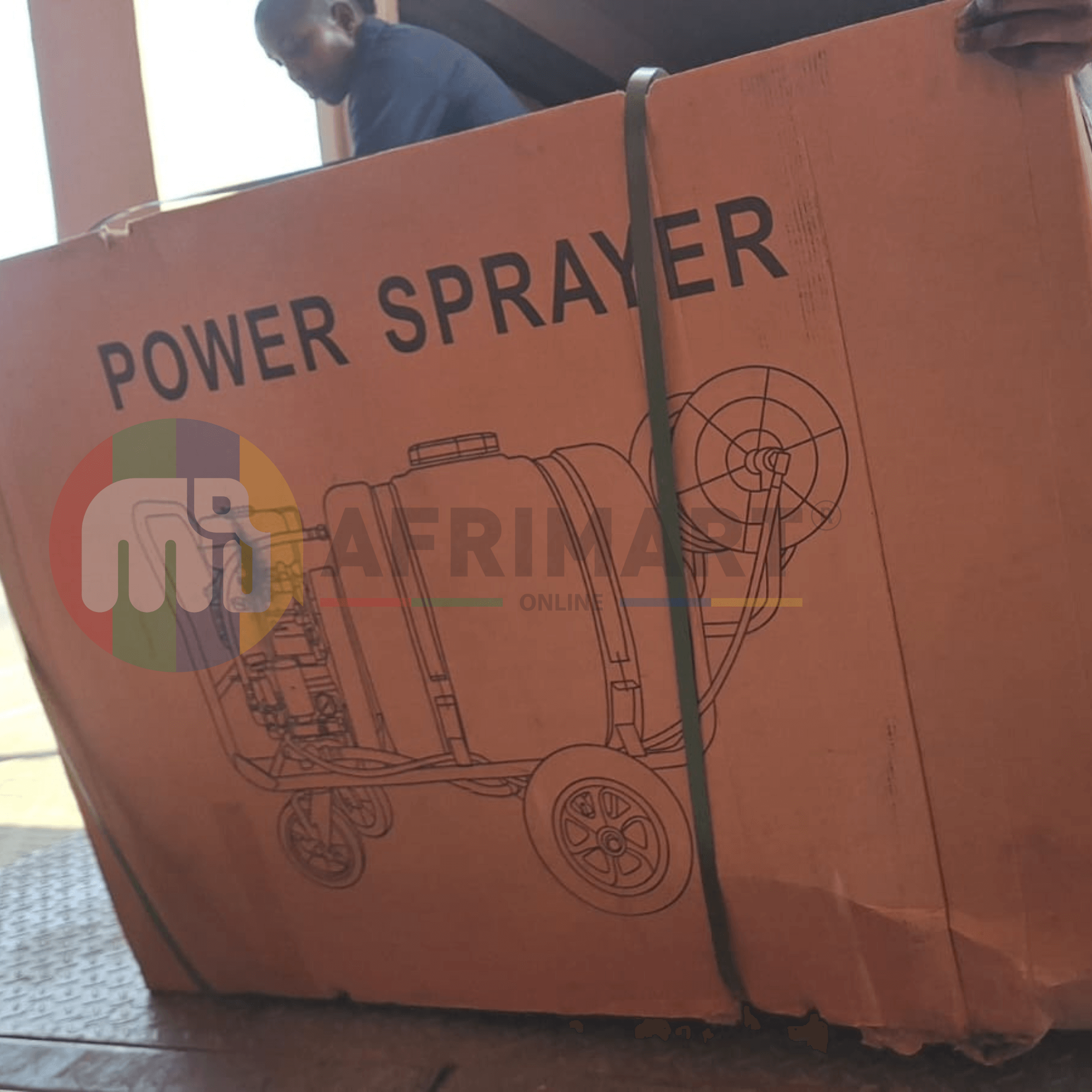
Latest Arrivals
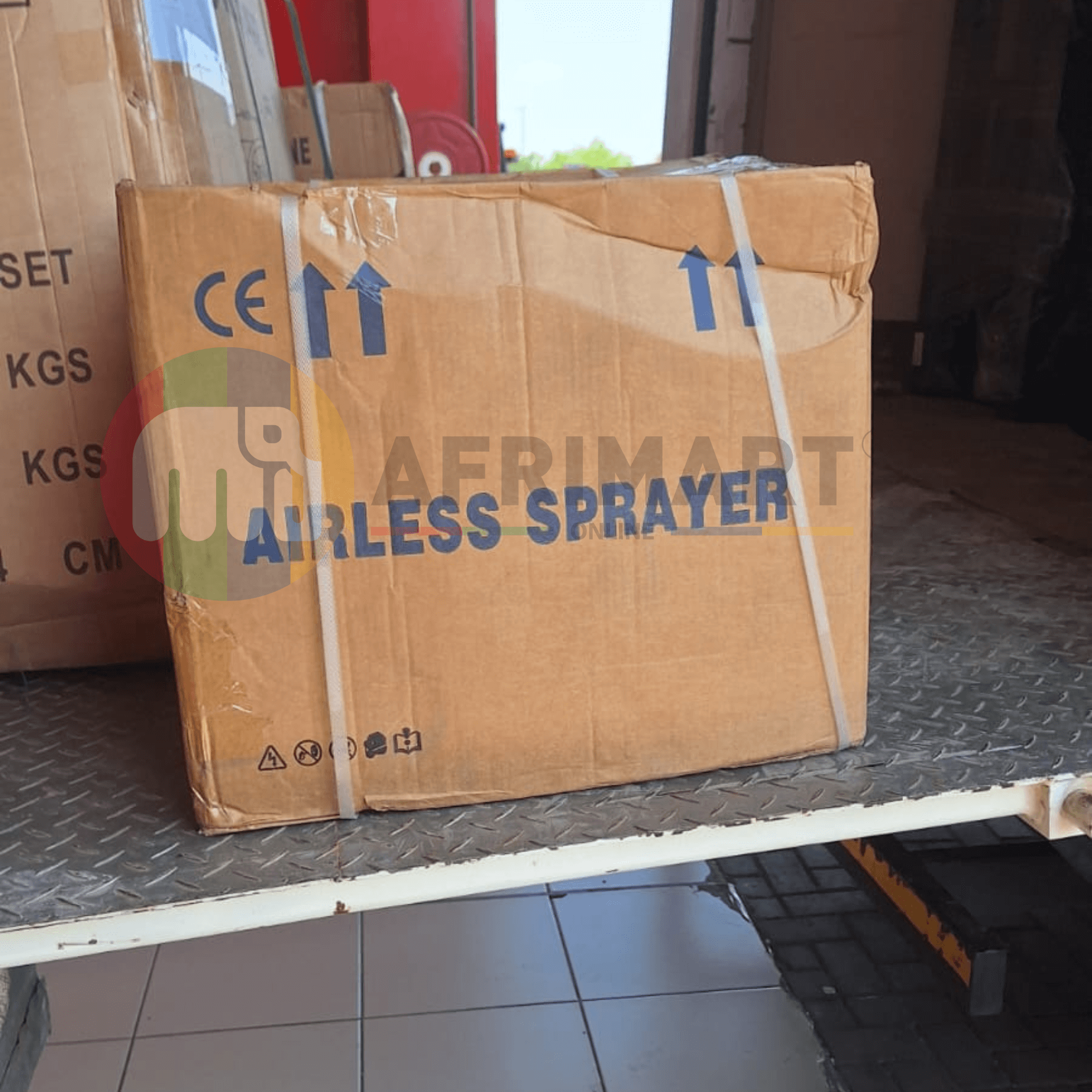
Latest Arrivals
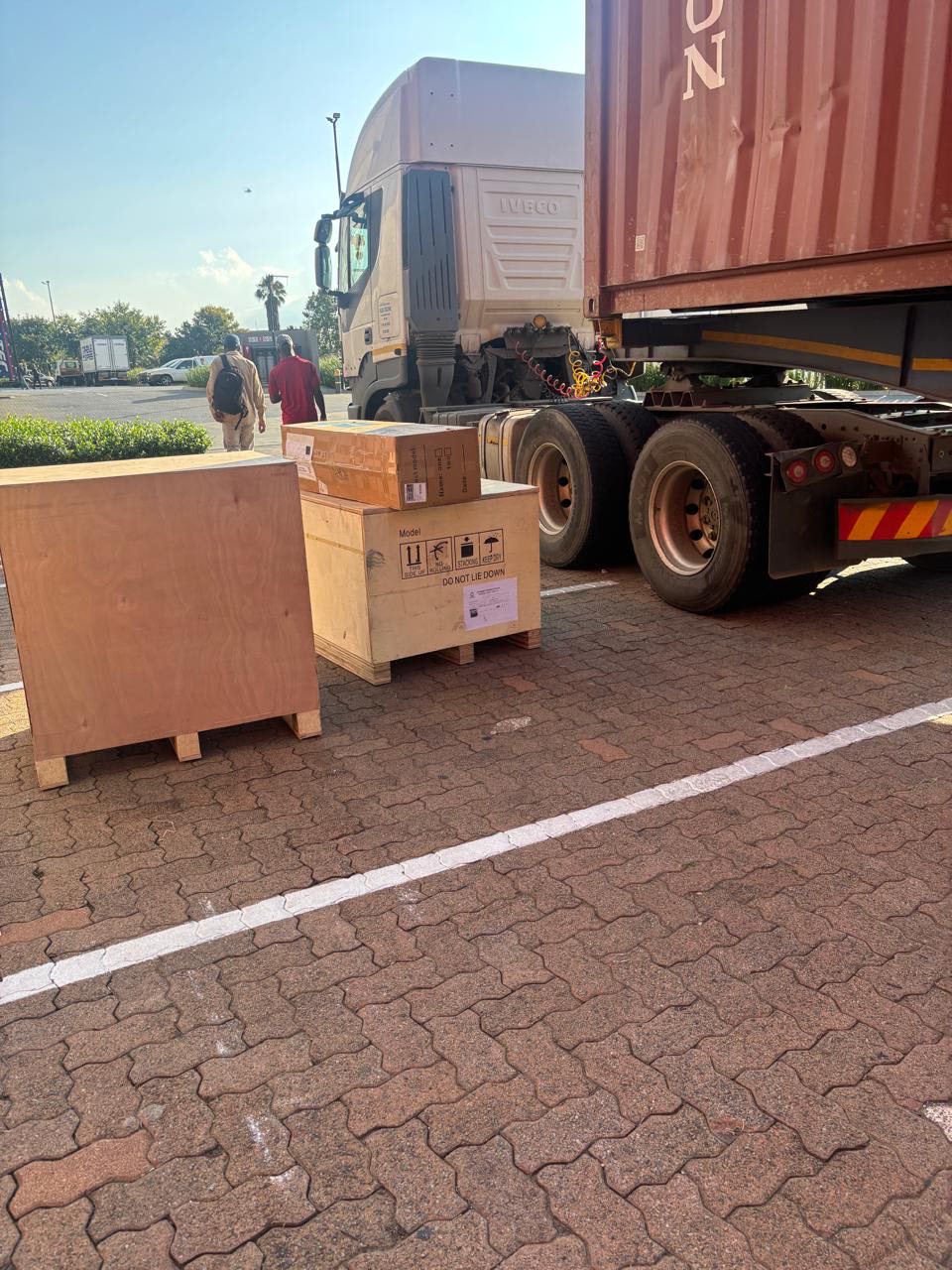
26 January 2026
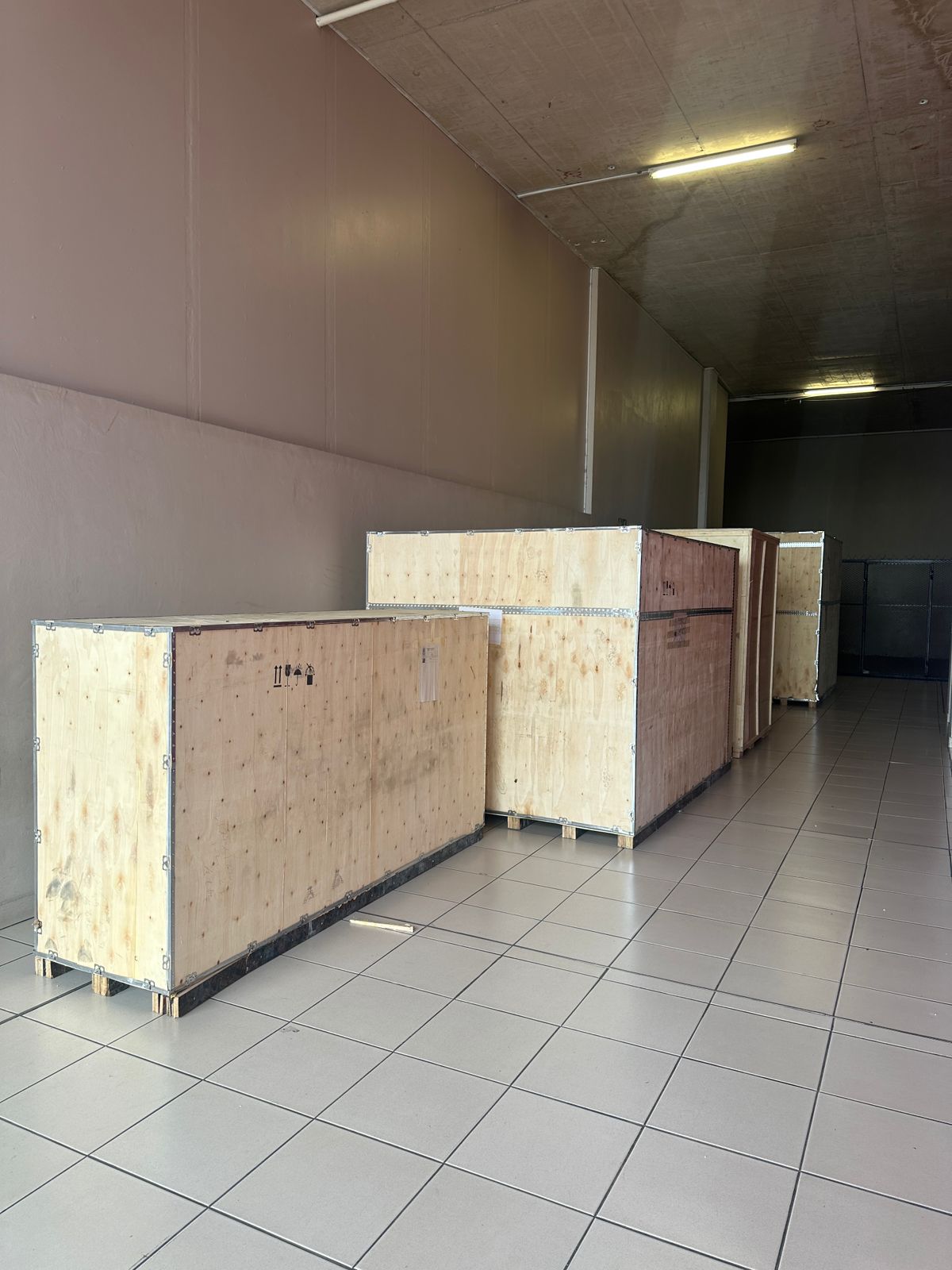
Toilet paper making machine
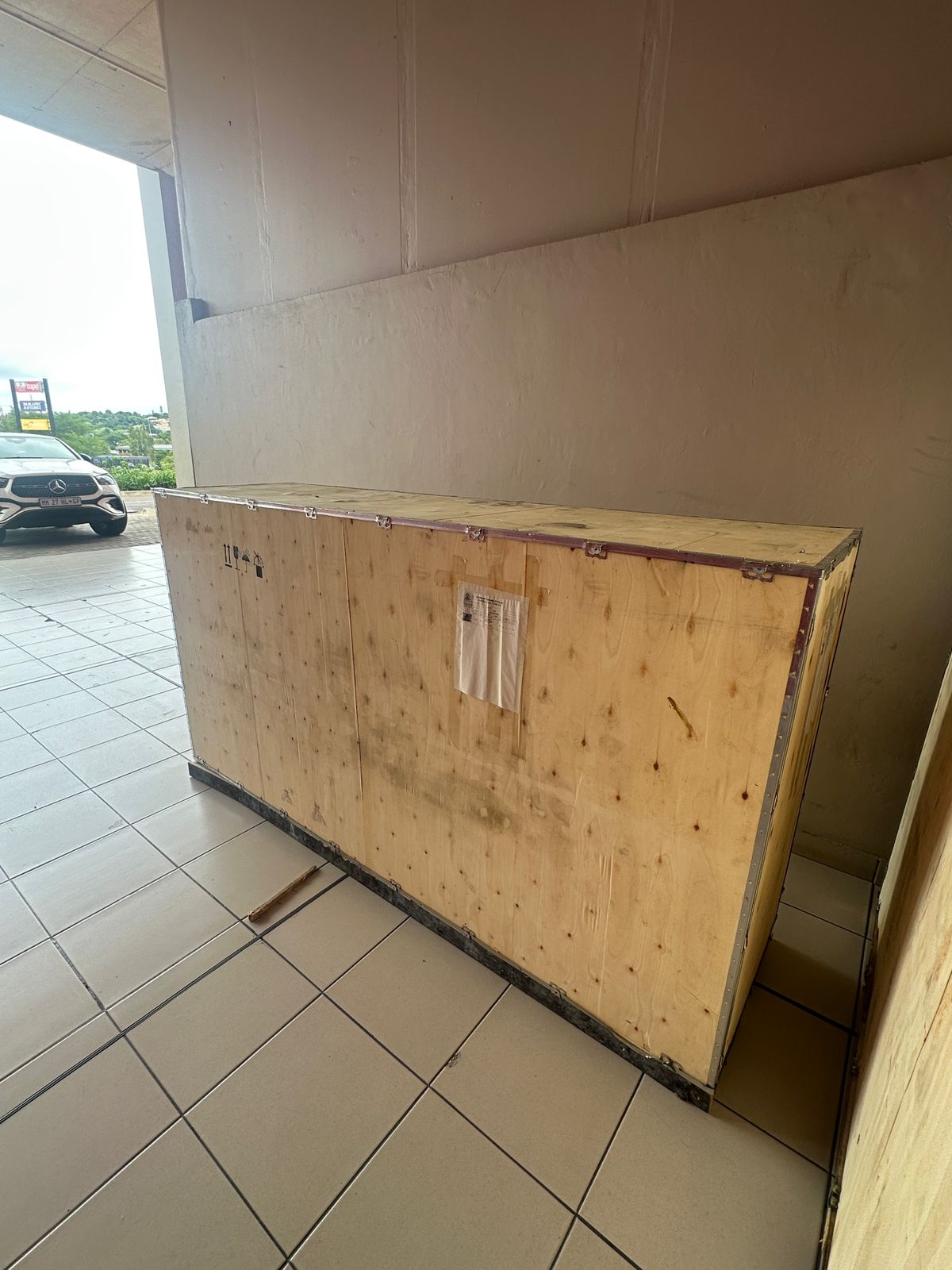
Toilet paper making machine
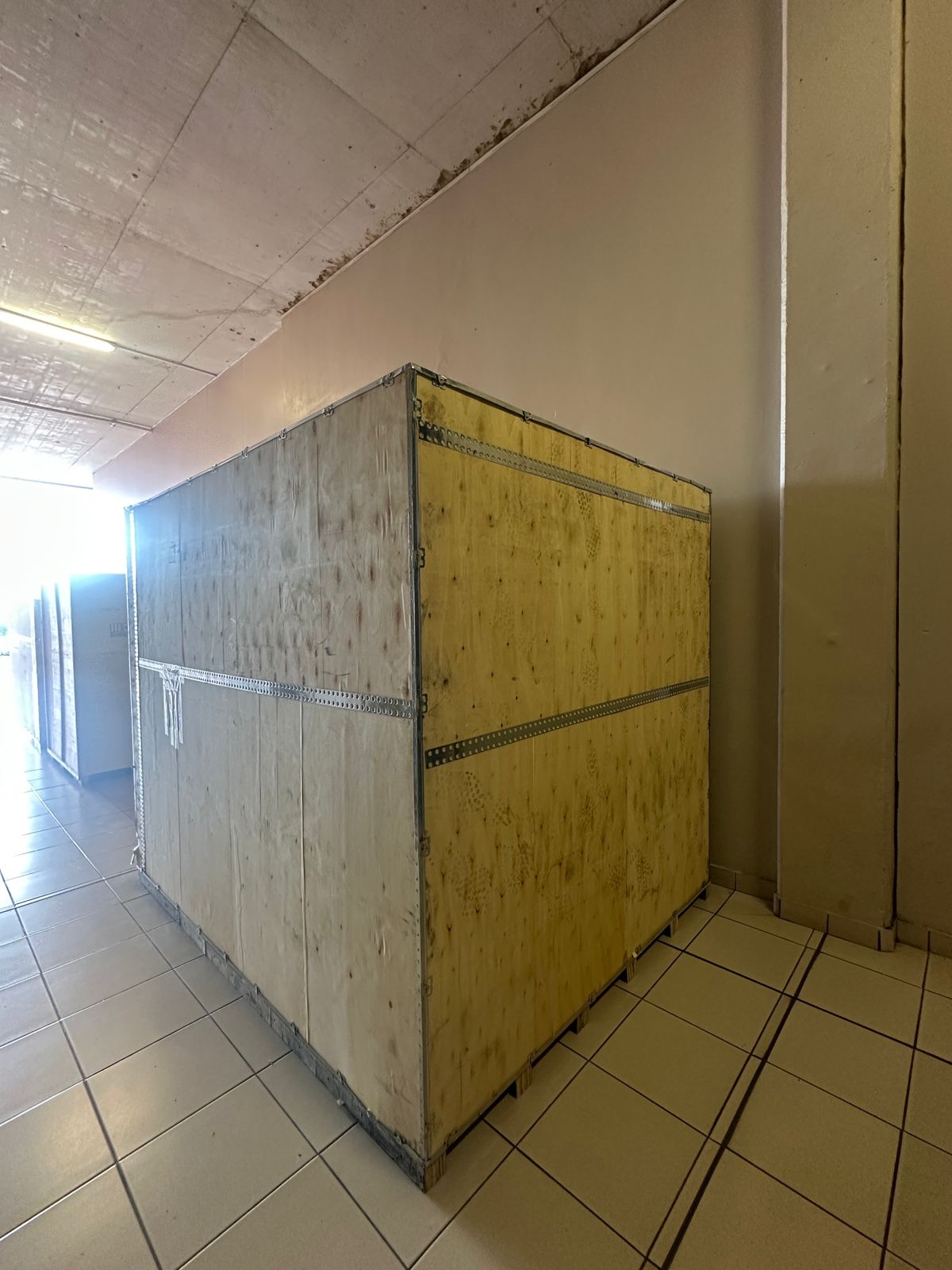
Toilet paper Rewinding Machine
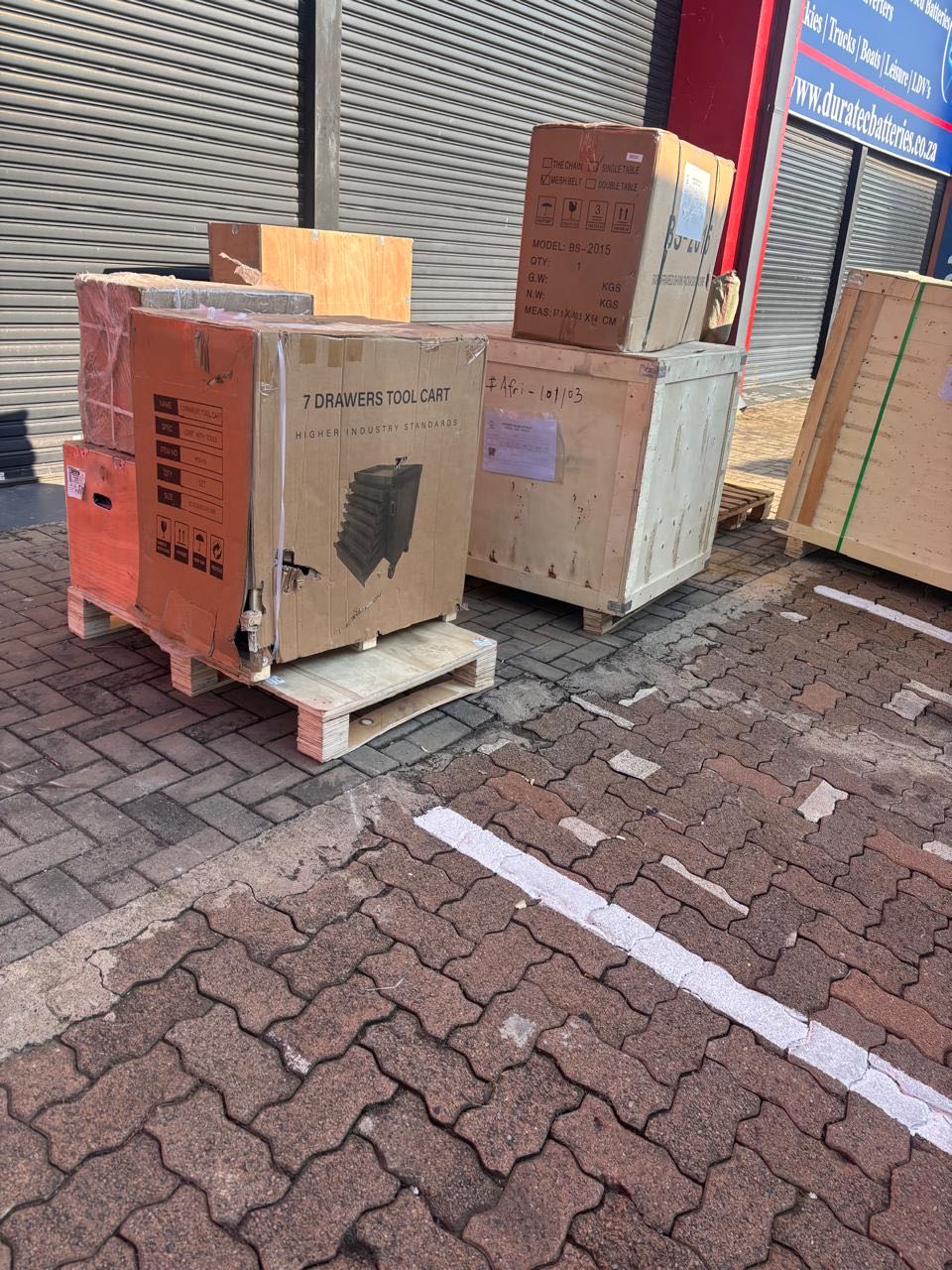
latest arrivals
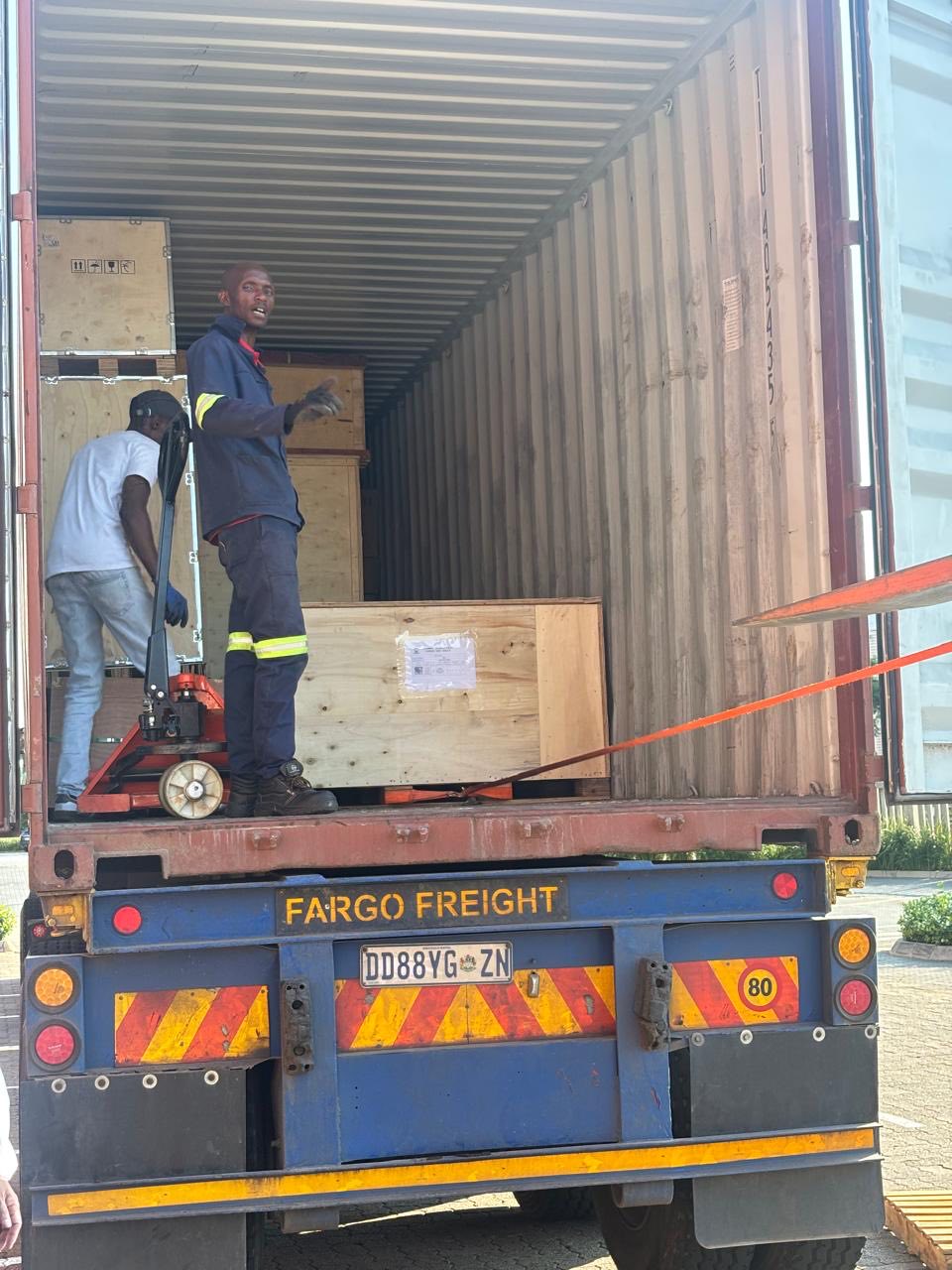
offloading
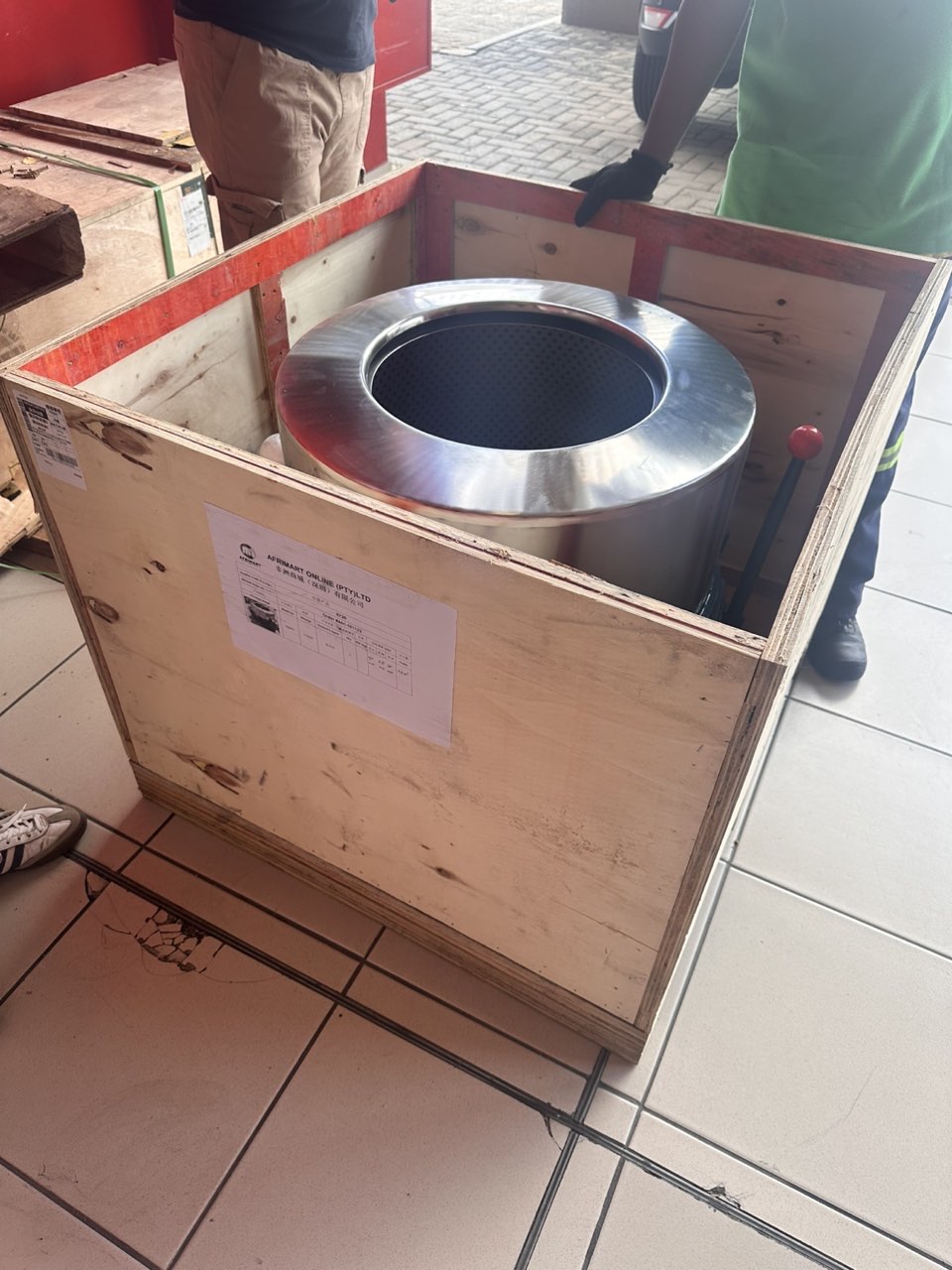
order success
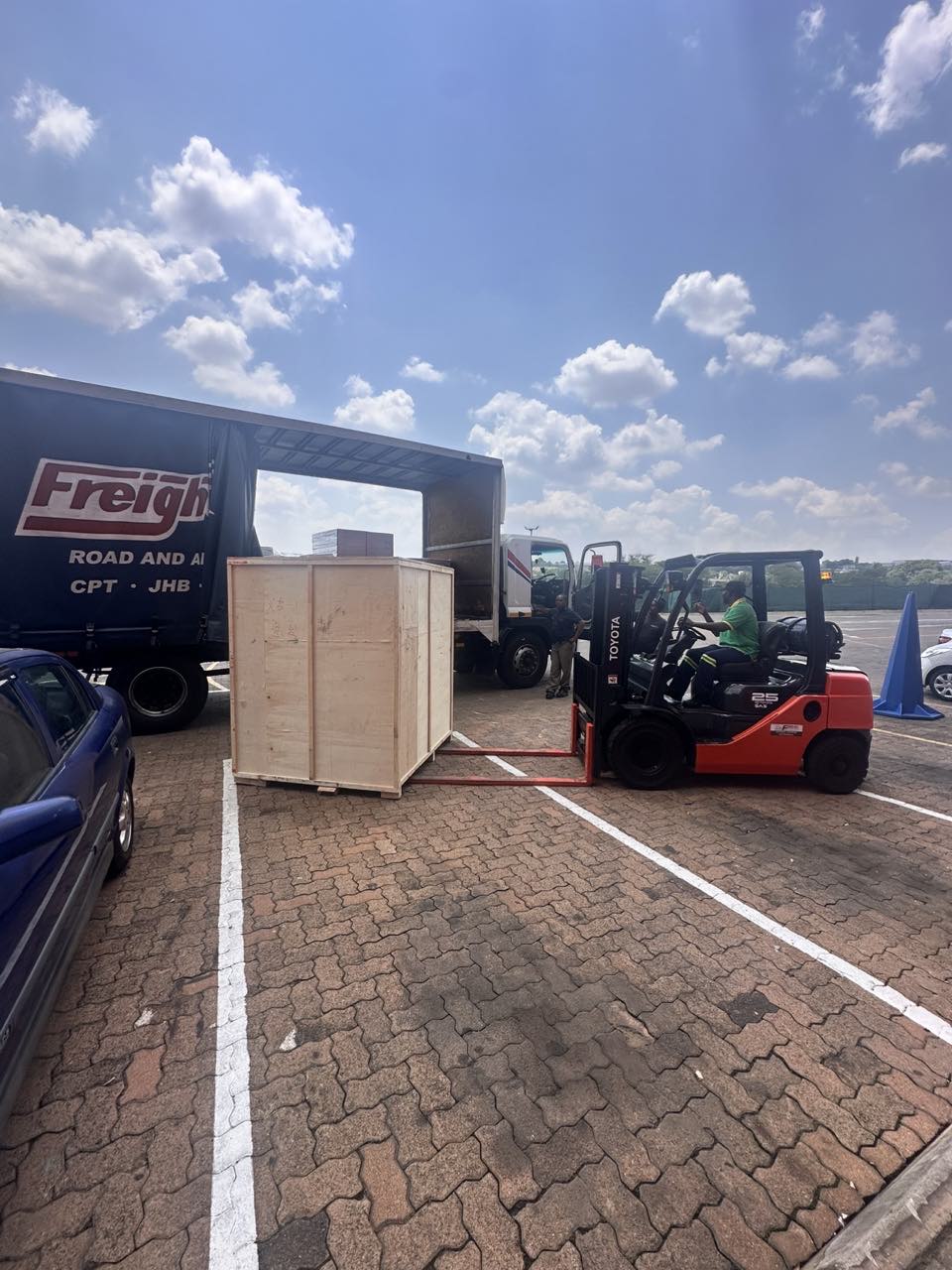
order collection
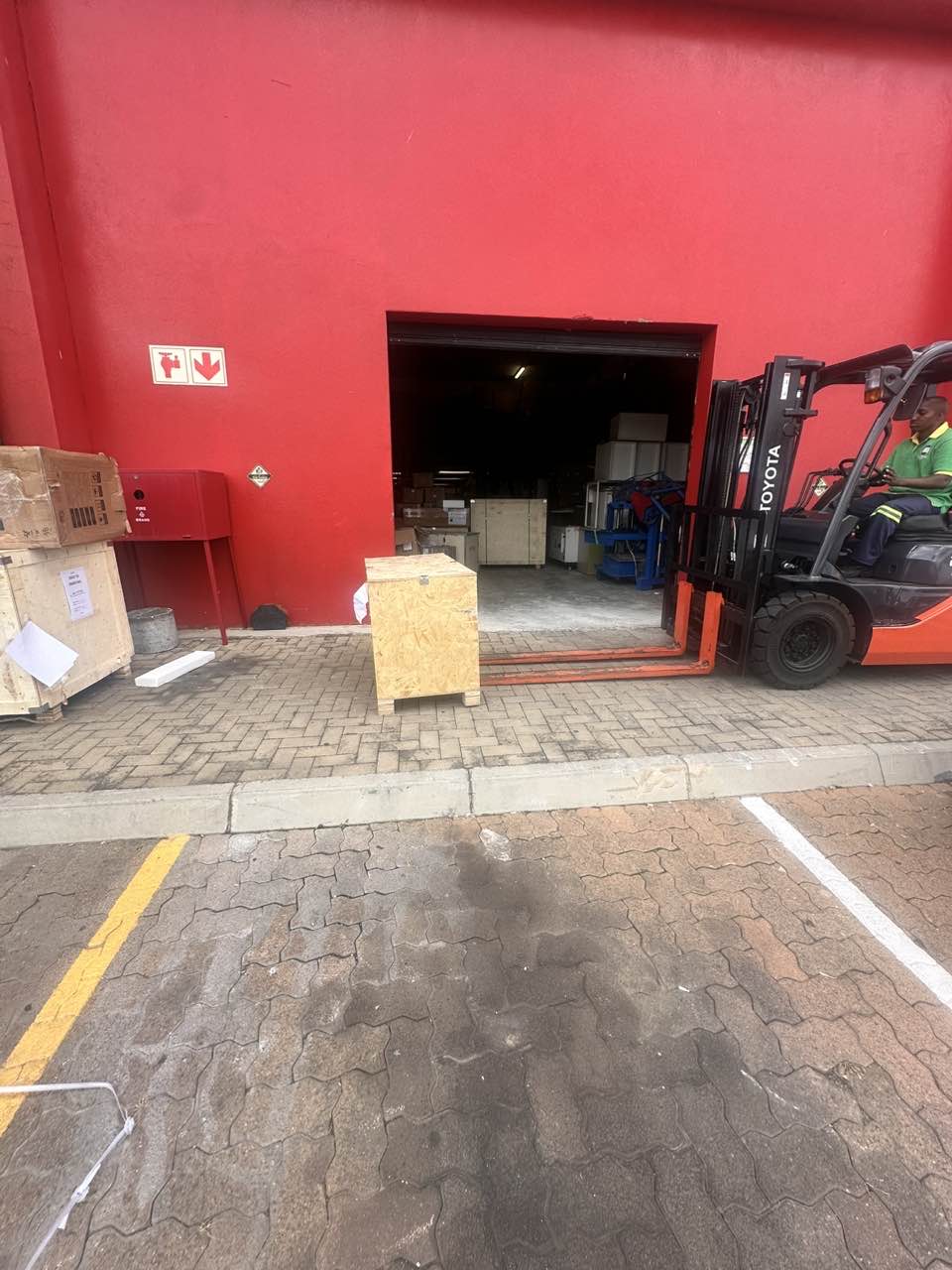
order offloading