B21, China Town Mall, Midrand

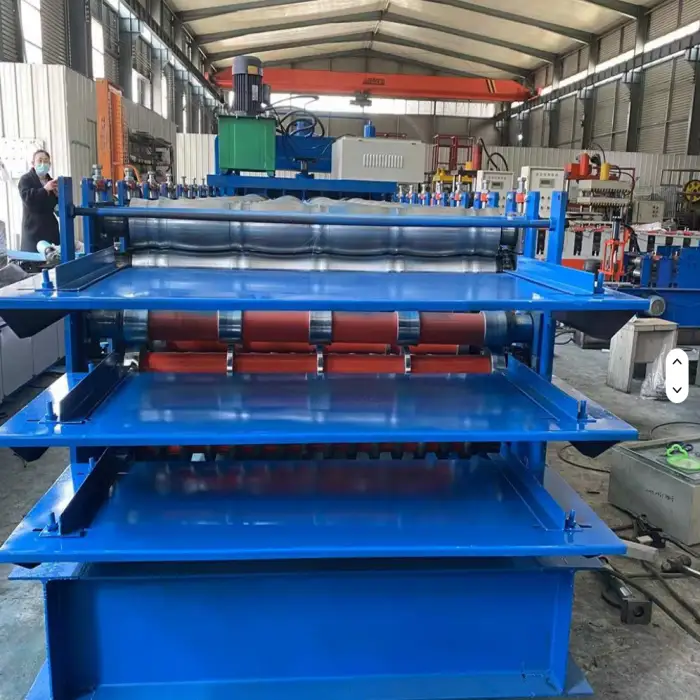
High Speed Metal Roofing Forming Machine Roof Roll Forming Machine Ibr Roof Sheet Making Machine

- Section : Machinery
- Category : Construction Machinery
- SKU : 1601269717685

High Speed Metal Roofing Forming Machine Roof Roll Forming Machine Ibr Roof Sheet Making Machine
The High Speed Metal Roofing Forming Machine is your ultimate solution for producing high-quality IBR roof sheets. This reliable roof roll forming machine is designed to work with metal sheets of varying thickness. It combines speed and efficiency, making it perfect for building material shops. With its advanced features, you can easily create durable roofing materials that meet your needs.
Specifications
| Attribute | Details |
|---|---|
| Type | Tile Forming Machine |
| Tile Type | Steel |
| Voltage | 380V |
| Rolling Thickness | 0.3-0.8mm |
| Feeding Width | Other |
| Weight | 5500 kg |
| Key Selling Points | Automatic |
| Core Components | Pressure vessel, motor, bearing, pump, gearbox, engine, PLC |
| Brand Name | Superb |
Key Features
- High-speed operation for efficient production.
- Automatic controls for easy use.
- Robust design for durability.
- Adjustable settings for different sheet thicknesses.
- Equipped with high-quality components for reliability.
Applications
- Manufacturing IBR roof sheets for residential buildings.
- Creating roofing materials for commercial projects.
- Providing roofing solutions for construction companies.
- Supplying building material shops with quality products.
- Used in various industries requiring metal sheet roofing.
Product Info Gallery
- Shipping Timeframes: All orders are processed within 2-5 business days (excluding weekends and holidays). After your order has been processed, the estimated delivery time is before 17 May, 2026, depending on customs, Please note that due to high demand, some items may experience longer shipping times, which will be communicated at order confirmation email.
- Order Processing Time: Please allow 2-5 business days for us to process your order before it is shipped . Orders placed after 16:00 on Fridays, or during weekends and public holidays, will begin processing on the next business day. Processing times may be extended during peak seasons or sales events.
- Manufacturing Time: Some products needs manufacturing time, the manufacturing process will take approximately 10-30 business days depending on the product. This timeframe may vary depending on the complexity of the product and current demand. but this will be communicated with you during order confirmation.
- Returns and Exchanges: We offer a 30-day return policy for most items. If you are not completely satisfied with your purchase, you may return it within 30 days of receipt for a refund or exchange. Items must be unused, in their original packaging, and accompanied by proof of purchase. Return shipping costs are the responsibility of the customer, unless the item was damaged or defective upon arrival.
1. What does the High Speed Metal Roofing Forming Machine produce?
It is designed to produce IBR (Indian Board Rib) metal roof sheets and similar steel roofing tiles used in residential, commercial and industrial buildings.
2. What materials and thicknesses can the machine handle?
The machine is built for steel roofing materials and supports rolling thicknesses from 0.3 to 0.8 mm. It is suitable for galvanized and color‑coated steel within that thickness range; consult the supplier for other metals.
3. What are the electrical and power requirements?
Standard supply specification is 380 V (three‑phase). Final power requirements depend on optional equipment and local electrical standards; confirm with the manufacturer before installation.
4. How fast is the machine (production speed)?
This is a high‑speed roll forming machine; actual line speed depends on material, profile complexity and setup. Contact the supplier with your profile and material details to get an expected meters‑per‑minute rate.
5. What is the feeding width of the machine?
Feeding width is configurable to match customer coil or sheet sizes. The spec sheet lists 'Other' — please provide the coil width you plan to use so the supplier can confirm or customize the feed width.
6. What are the machine's main components?
Core components include a pressure vessel, motor, bearings, hydraulic pump, gearbox, engine, and PLC control system. High‑quality components are used to ensure reliable operation.
7. Is the machine automatic or manual?
The machine features automatic controls (PLC) for most production functions such as feed, forming, cutting and basic diagnostics; operator input is required for setup, material loading and quality checks.
8. Can the machine produce different roof profiles or be customized?
Yes. The roll tooling and cutting setup can be changed to produce different IBR variants or custom profiles. Discuss desired profiles with the supplier for tooling options and lead times.
9. What site preparation and installation are required?
A flat, level foundation with capacity to support the machine weight (~5500 kg) is needed, plus adequate electrical supply and access for loading coils. The supplier typically provides layout drawings and can assist with on‑site installation and commissioning.
10. What routine maintenance is required?
Regular maintenance includes lubrication of bearings and moving parts, inspection and tightening of bolts, cleaning of forming rollers, hydraulic oil checks, and periodic PLC and electrical inspections. Follow the manufacturer’s maintenance schedule.
11. What safety features are included?
Standard safety features typically include emergency stop buttons, guarding around moving parts, safety interlocks and grounding. Operators should follow lockout/tagout procedures and receive safety training prior to use.
12. Are spare parts and after‑sales support available?
Yes. The manufacturer/supplier provides spare parts for core components and consumables, plus technical support. Ask about availability of common wear parts and expected delivery times.
13. Do you provide operator training and commissioning?
Suppliers commonly offer commissioning, on‑site setup and operator training as part of the purchase or as an add‑on service. Confirm training scope and costs when placing your order.
14. What is the expected machine lifespan and build quality?
The machine is designed for robust, long‑term industrial use with durable components and a heavy‑duty frame. Actual lifespan depends on operating conditions and maintenance; regular servicing will extend service life.
15. What are the warranty terms and delivery lead time?
Warranty terms and lead times vary by supplier and configuration. Typical offerings include a limited warranty on major components and a lead time based on tooling and customization — request a formal quote to get exact warranty coverage and estimated delivery.
Latest Order Arrivals
Discover our latest orders
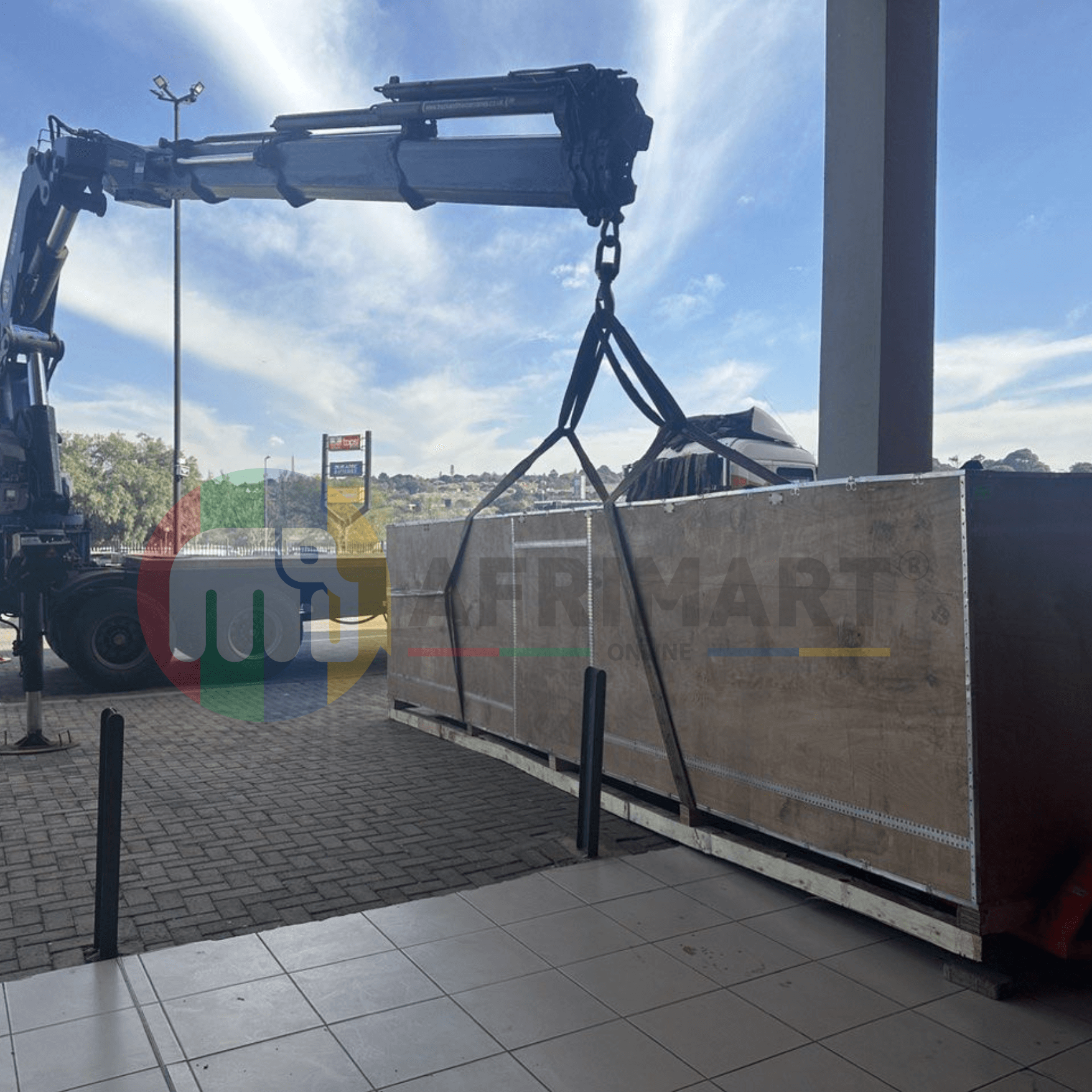
12 Heads Embroidery Machine
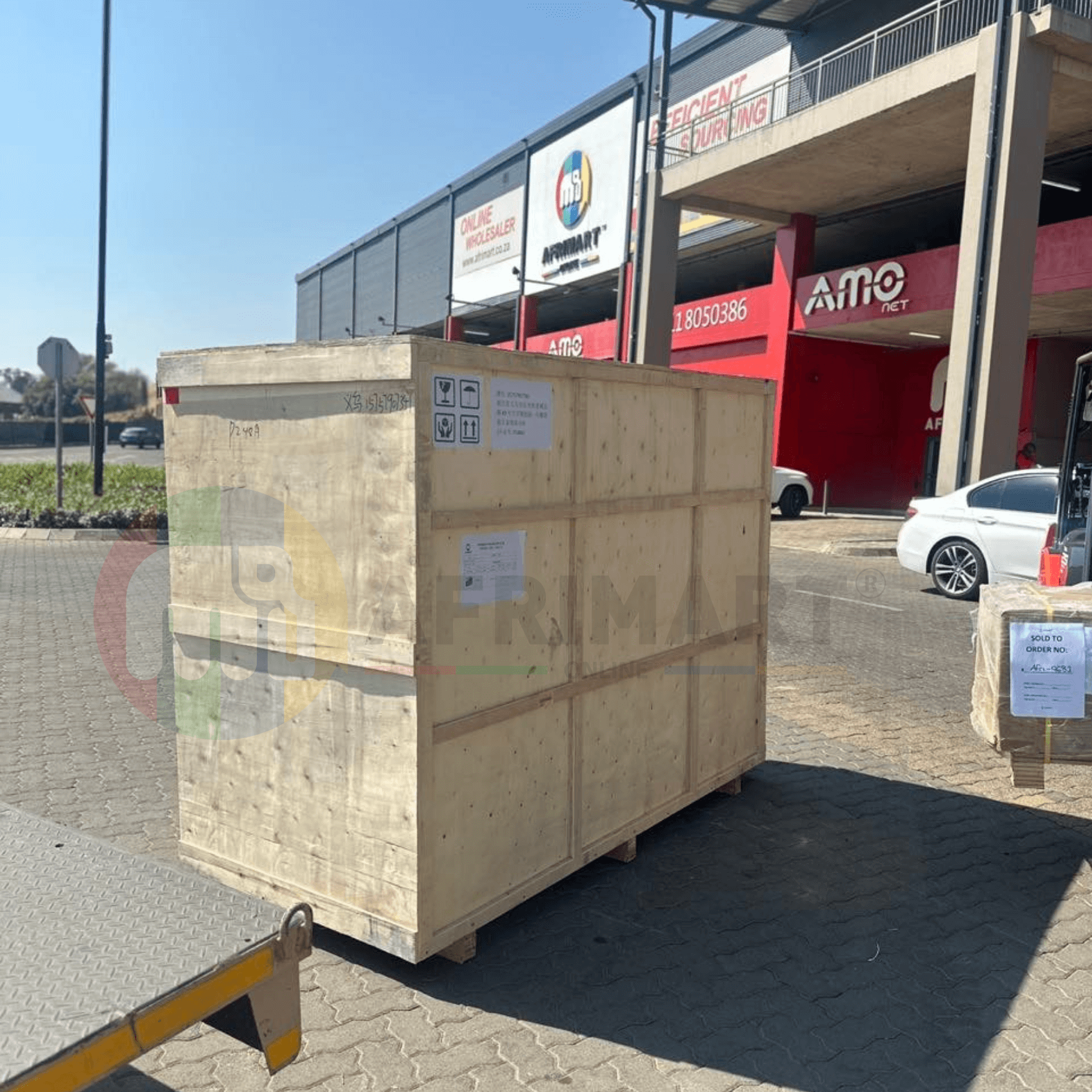
Dewatering Pump Machine
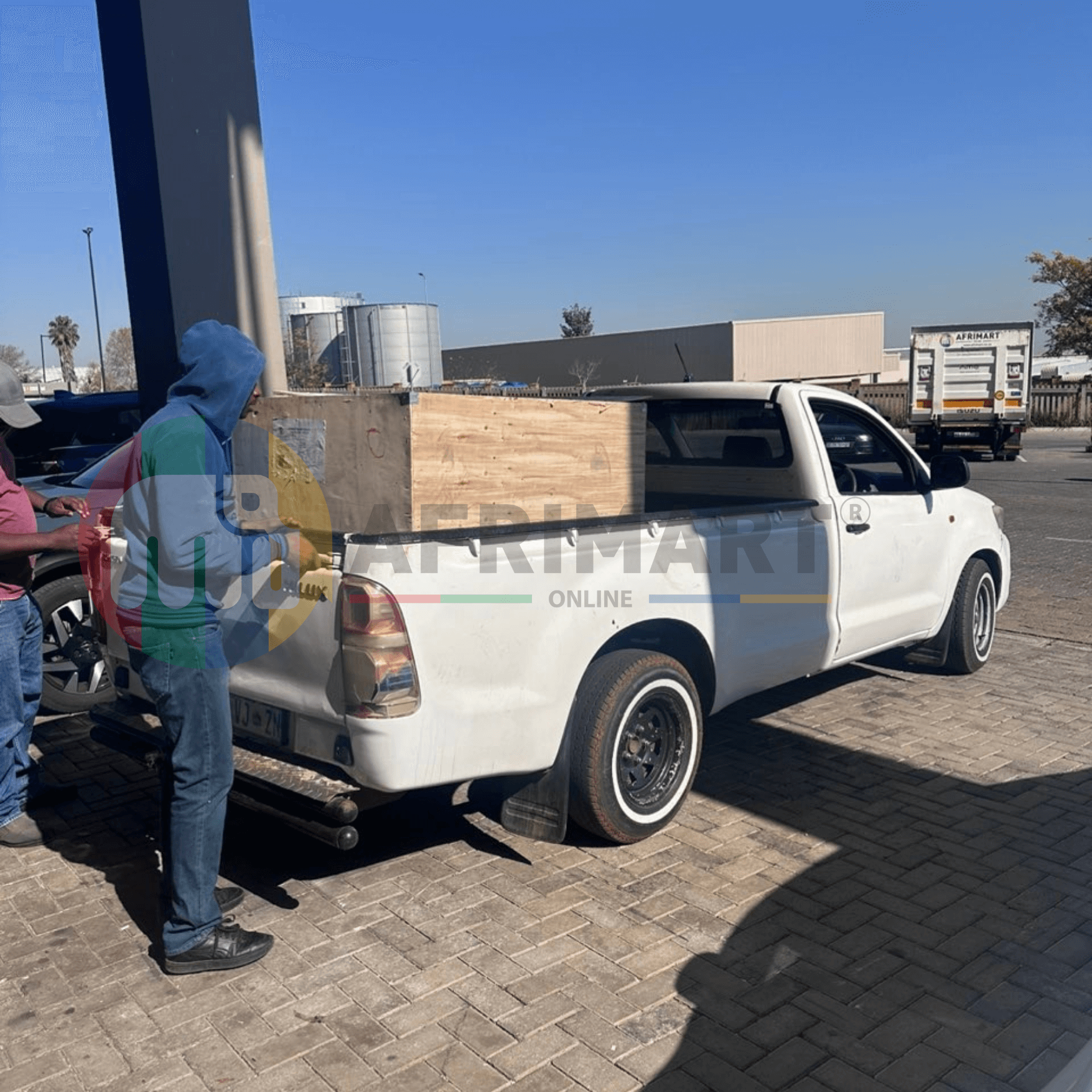
Order Collection
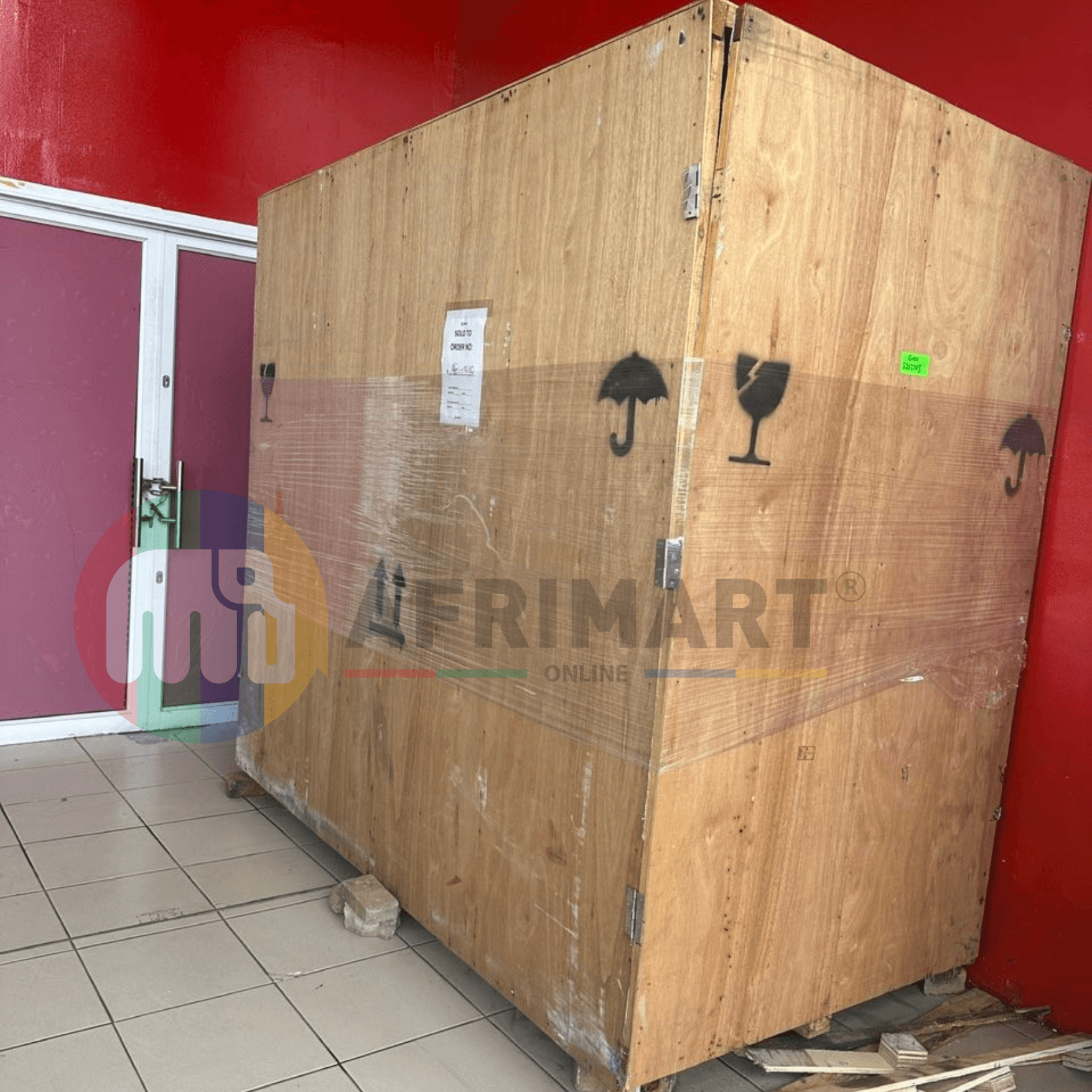
Portable Water Drilling Rig
Order Usefully Collected
Batch of Orders
Agriculture Processing Machines
Meat Grinder Machine
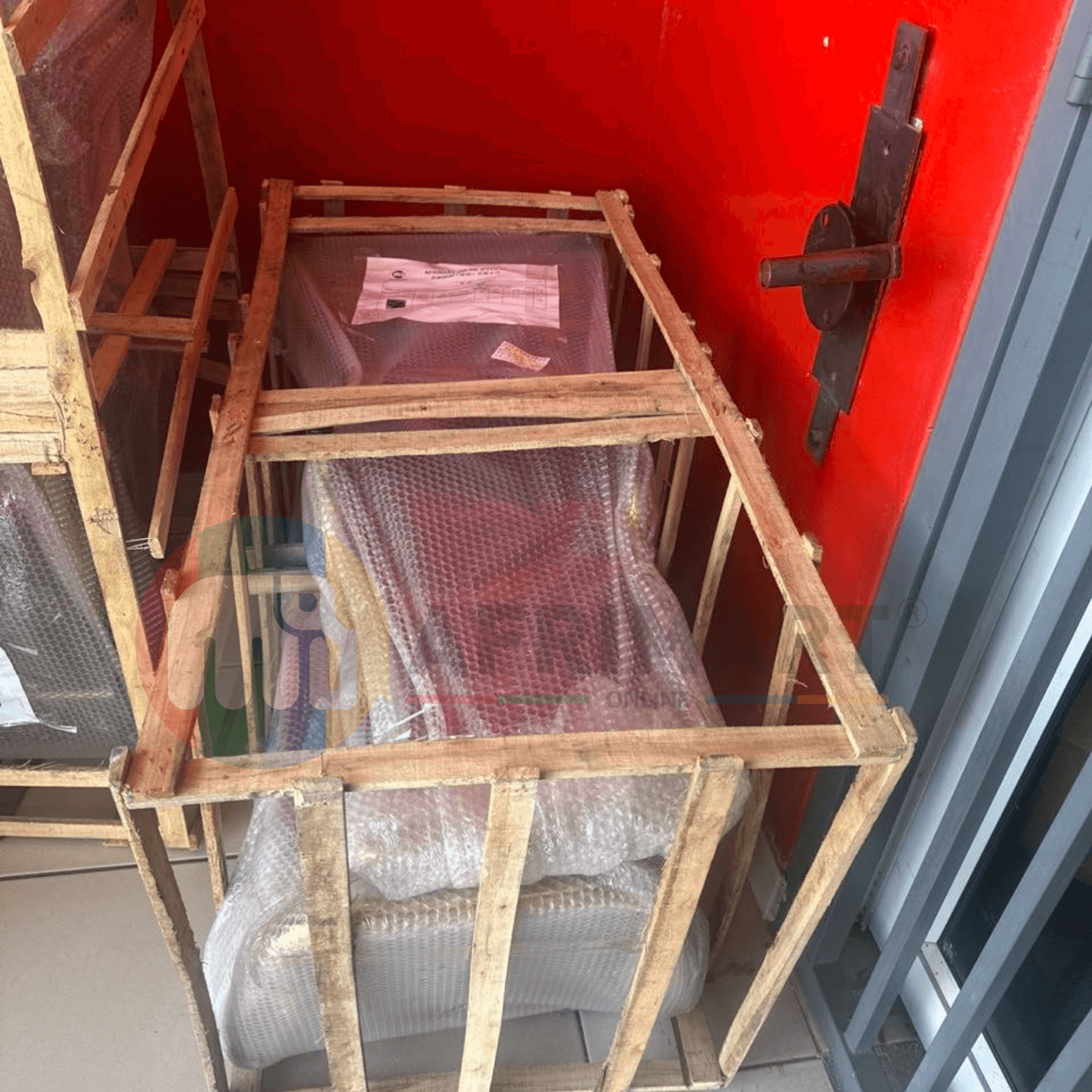
Water Pump Equipment
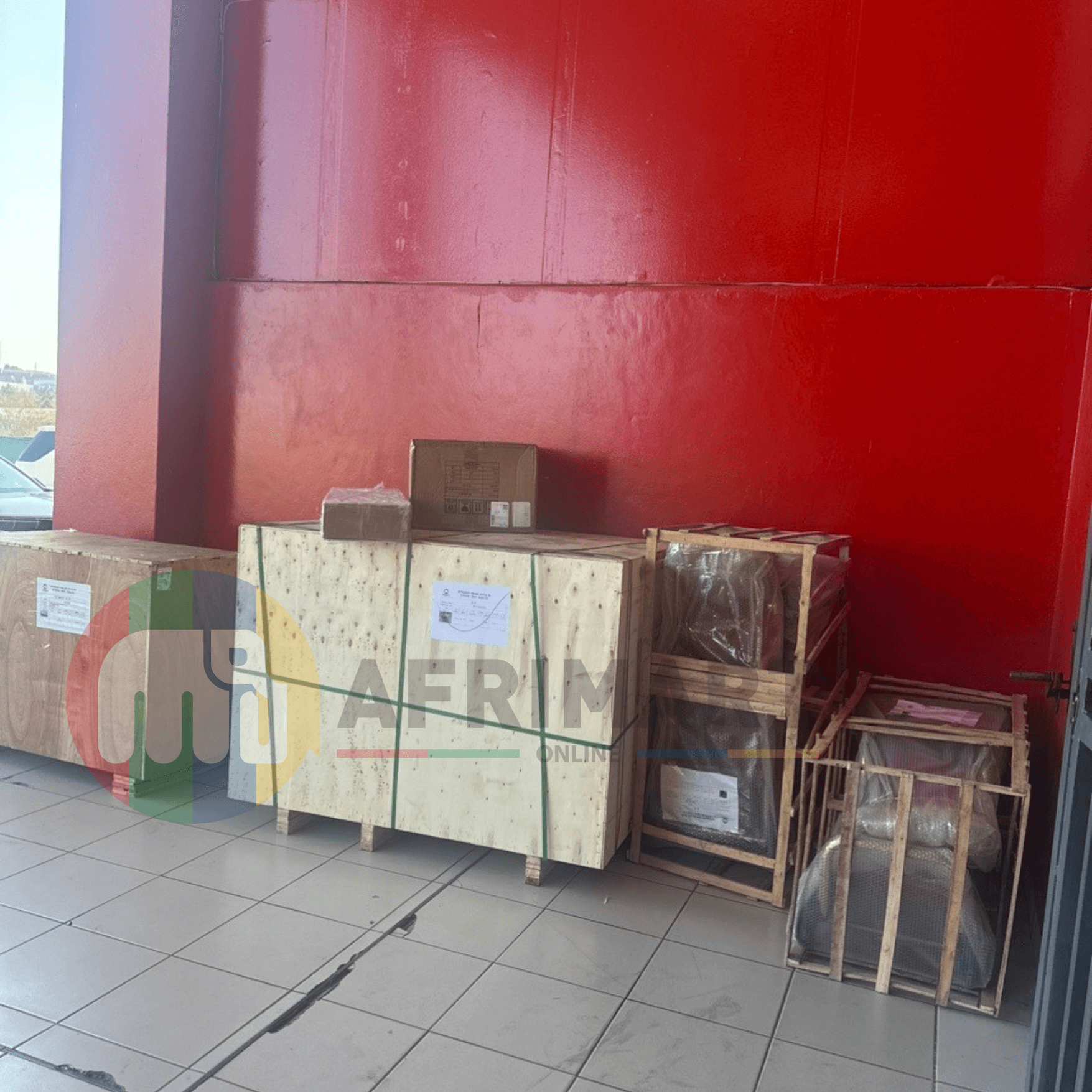
Packaging Machine and accessories
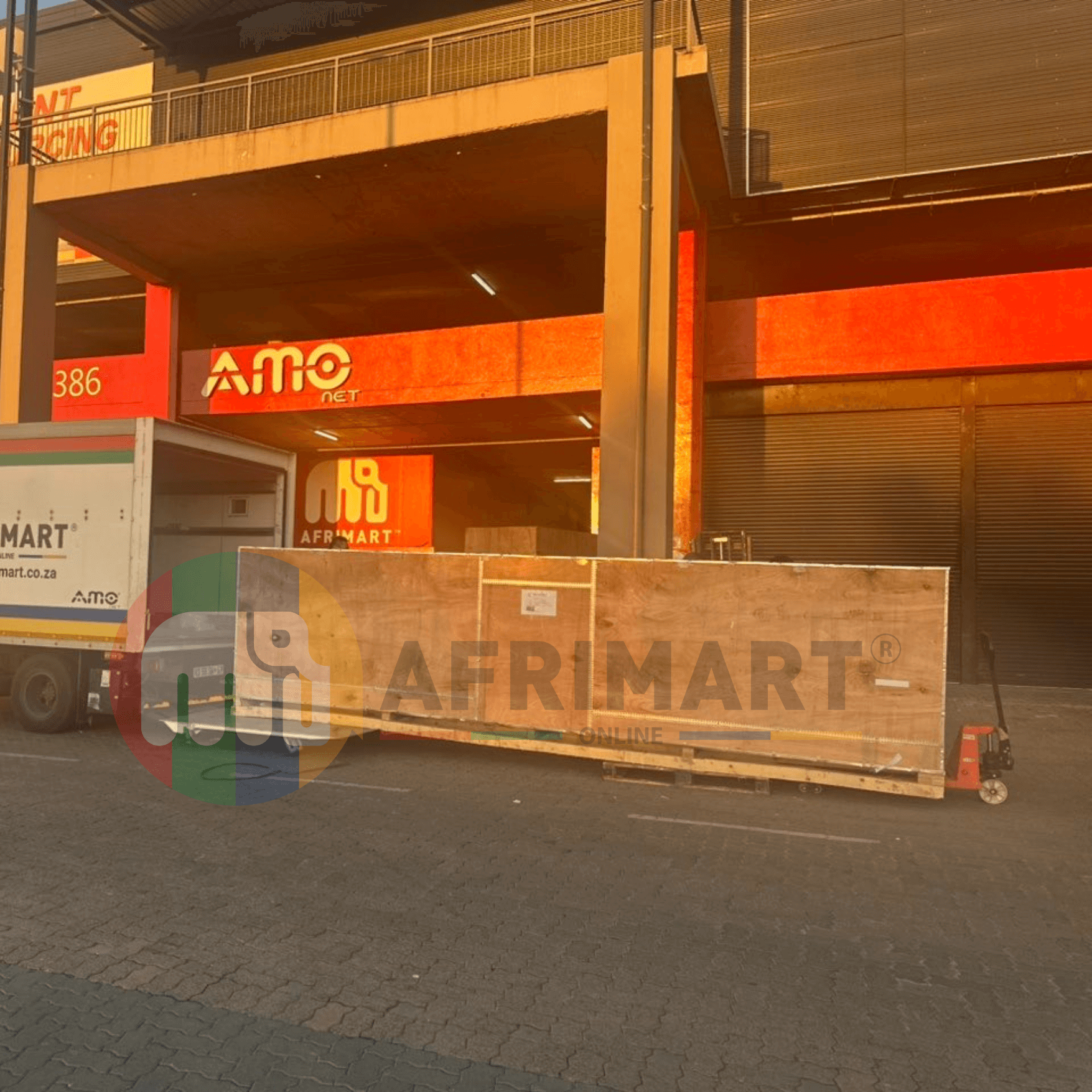
Fabrics Manufacturing Equipment
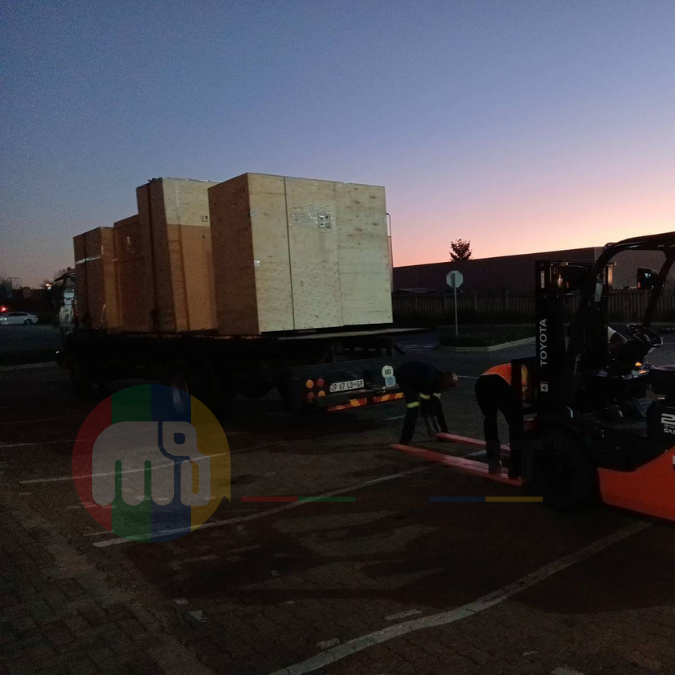
Mining Equipments
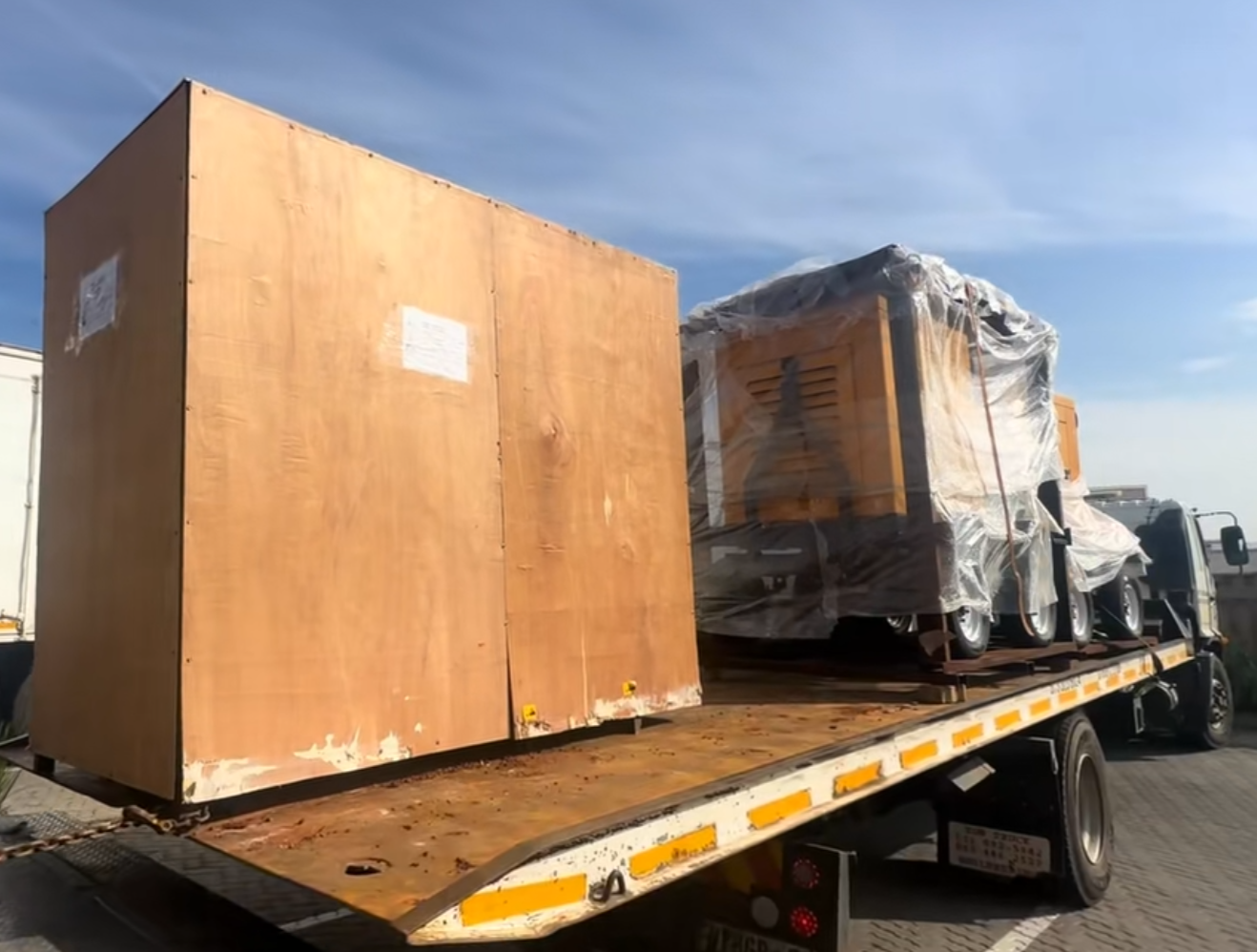
Food Processing Machine
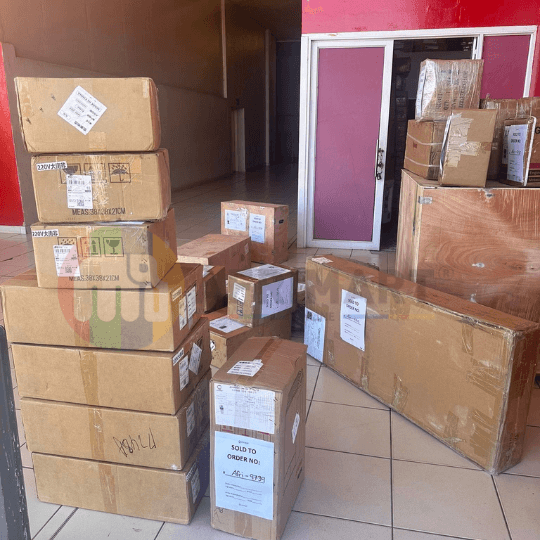
Batch of Orders
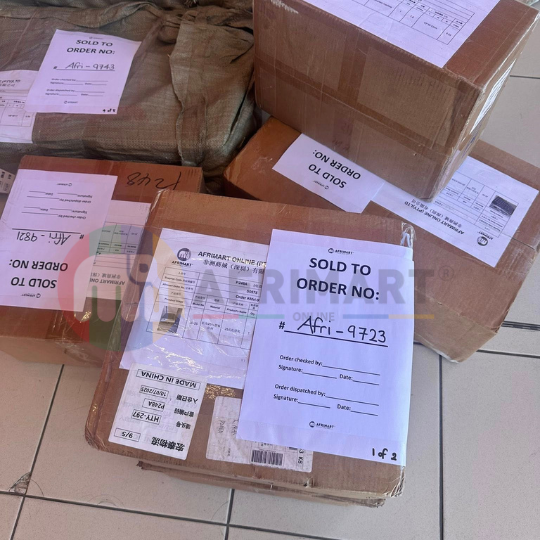
Batch of Orders
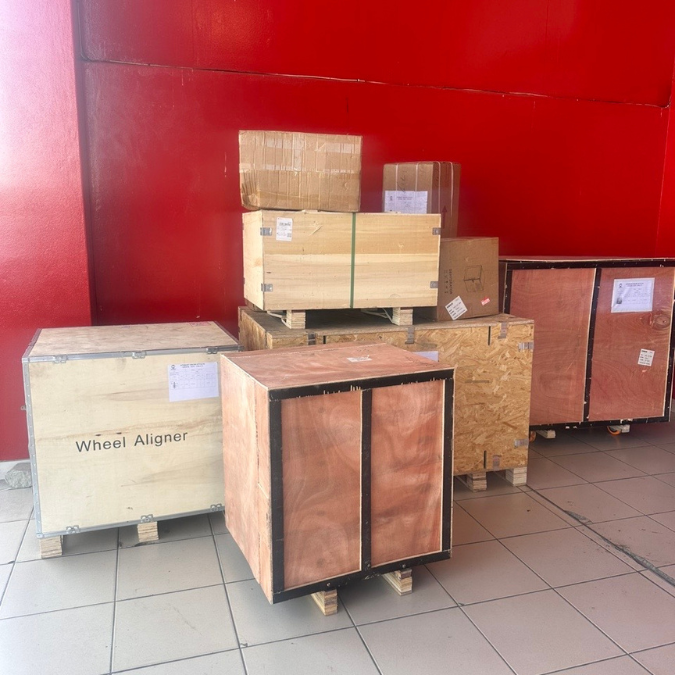
Latest Orders Labelled
wheel alignment machines
new arrivals
Pre Orders Offloading
Latest Arrivals
Latest Arrivals
Latest Arrivals
26 January 2026
Toilet paper making machine
Toilet paper making machine
Toilet paper Rewinding Machine
latest arrivals
offloading
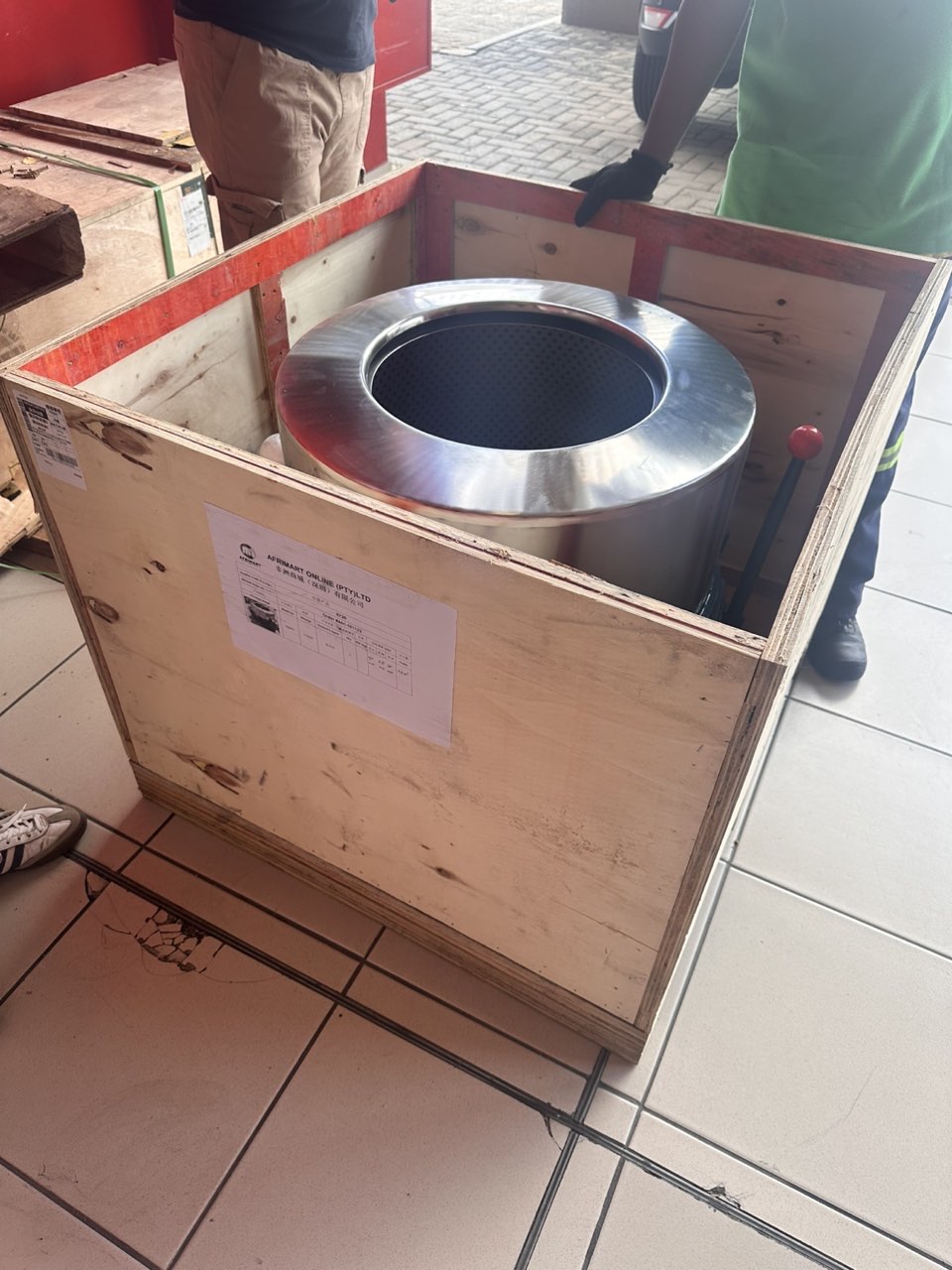
order success
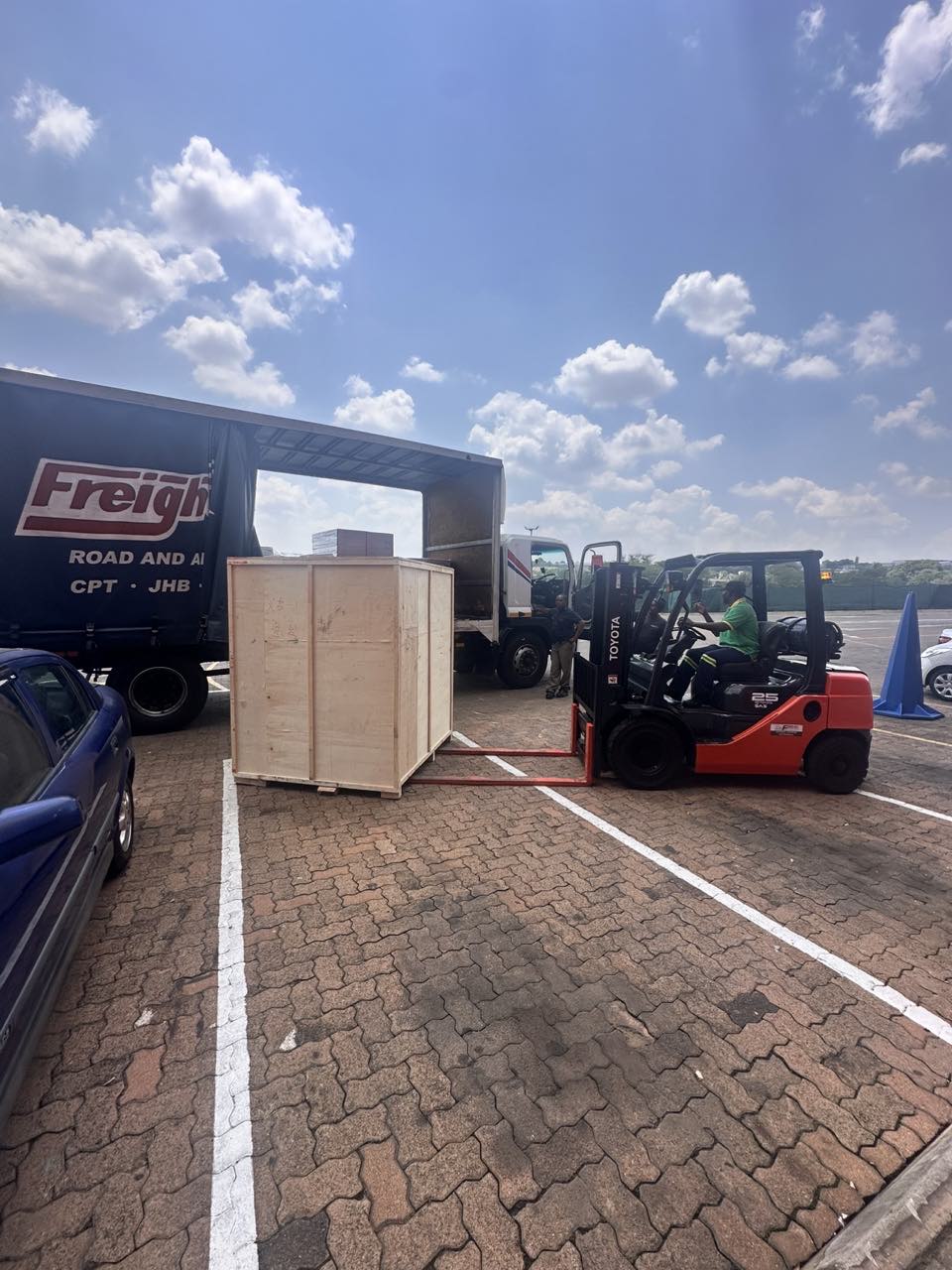
order collection
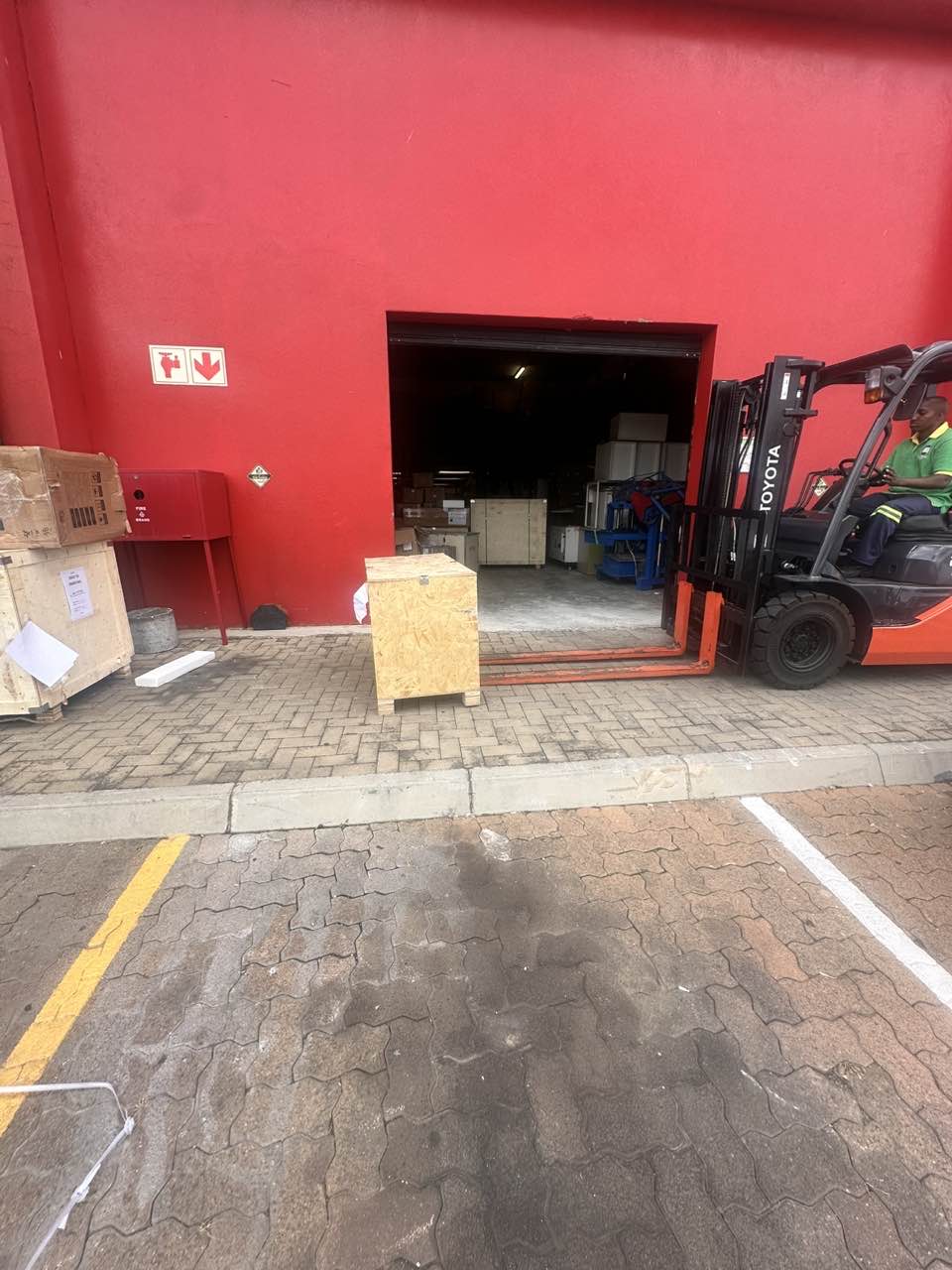
order offloading