B21, China Town Mall, Midrand

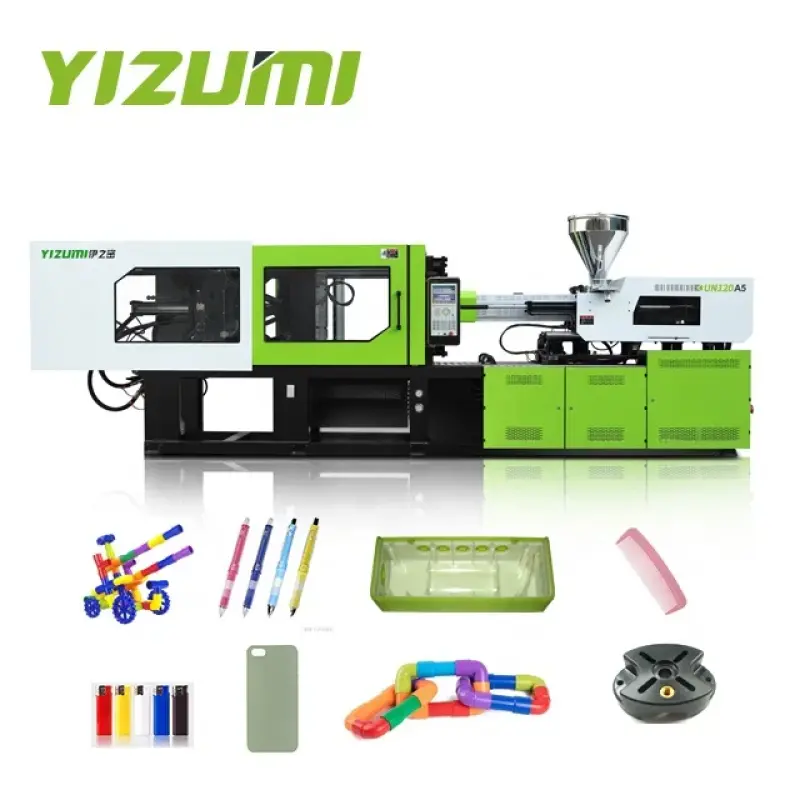
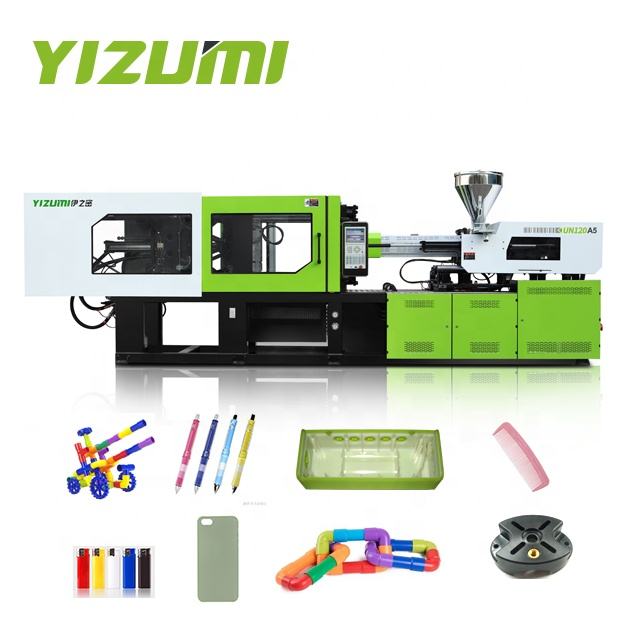
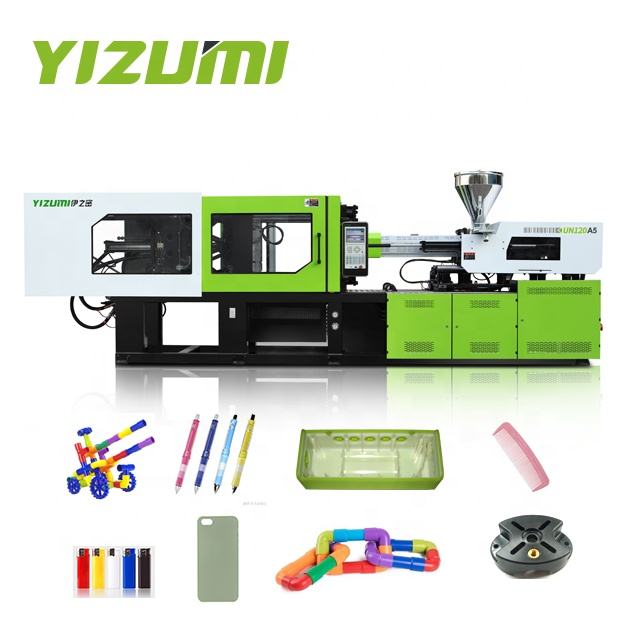
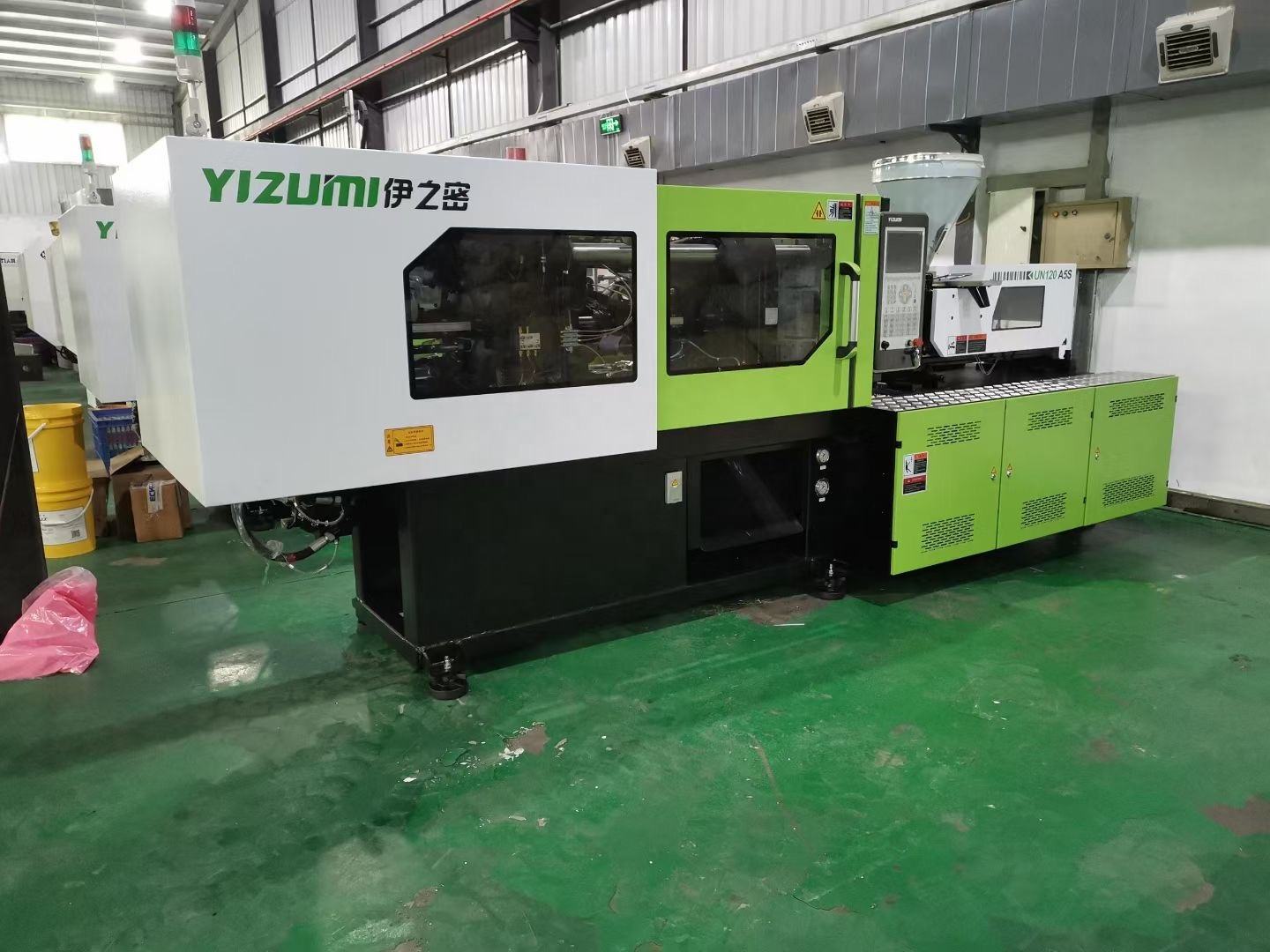
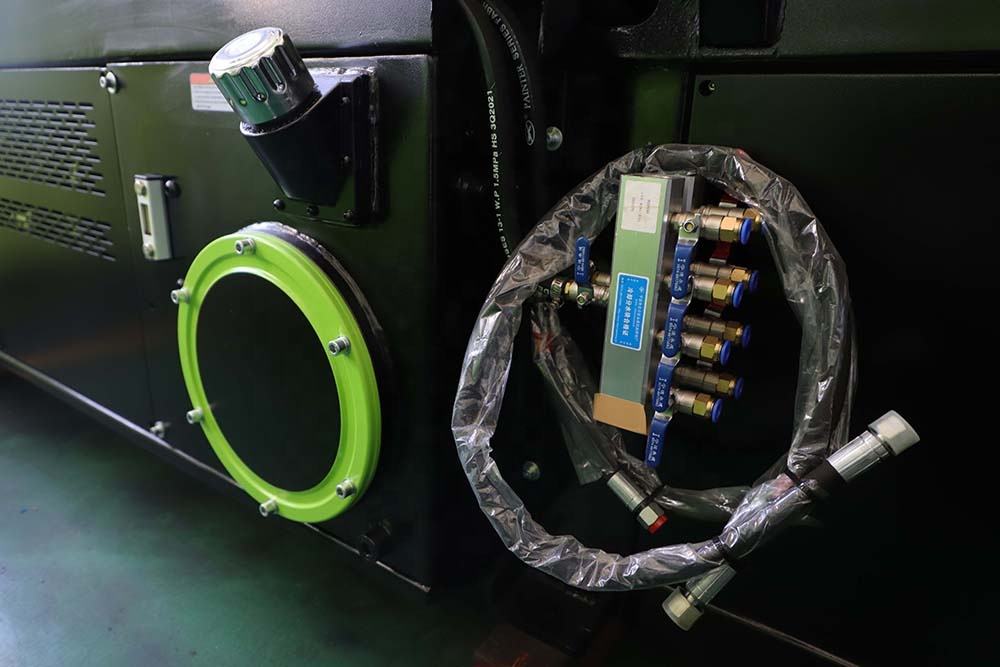
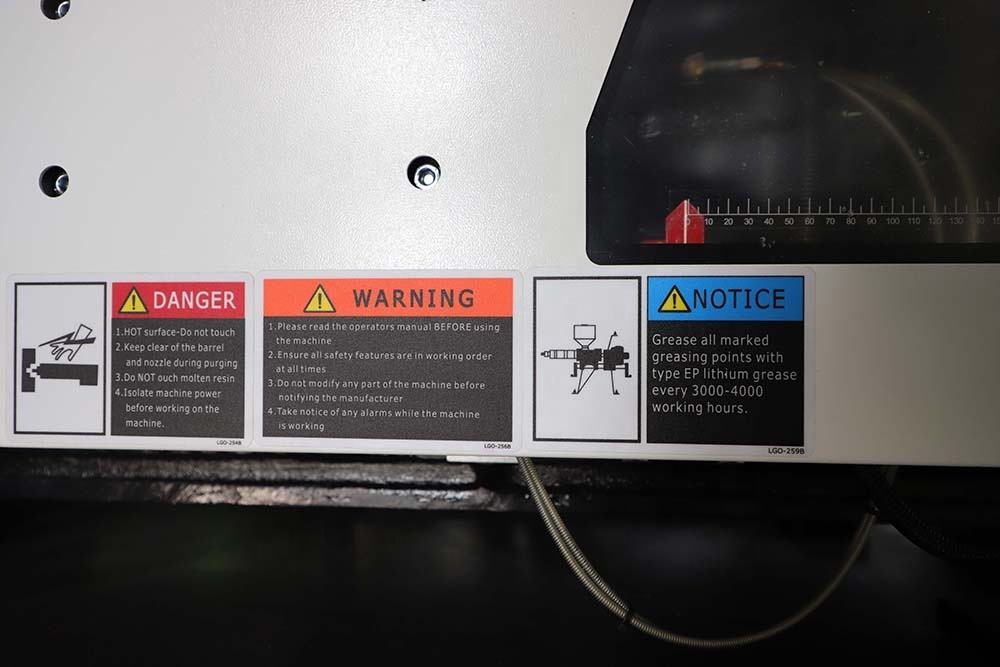
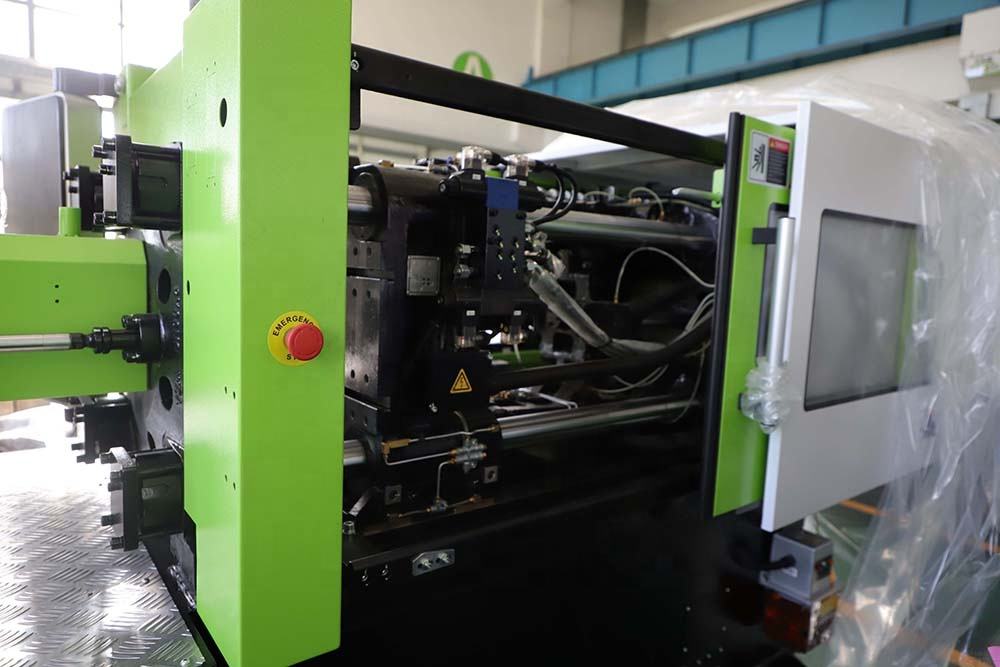
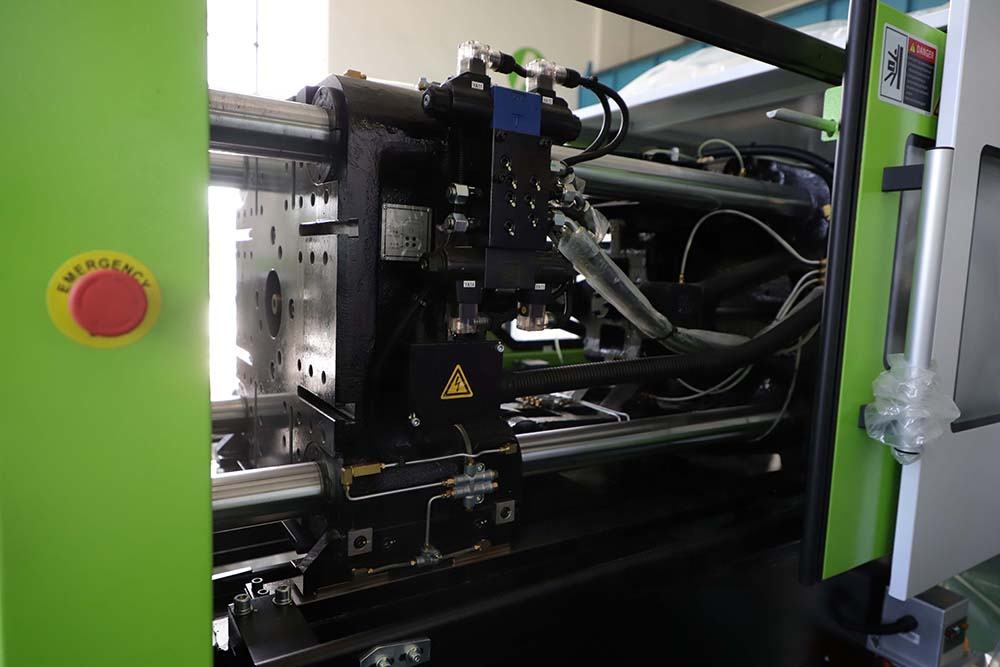
High Precision 120 Ton Polypropylene Plastic Injection Molding Machine for Electric Sockets
Asset finance available
Do you want funding for this equipment?
Afrimart can connect you with trusted funding partners who specialise in asset finance for businesses like yours. Compare options and apply in minutes — final approval is subject to provider review.
Check funding options
Secure & no obligation

- Section : Machinery
- Category : Plastic & Rubber Processing Machinery
- SKU : 1600427182937

Product Description

Specification
| DESCRIPTION | UNIT | DATA | |
Injection unit | Shot volume | cm3 | 246.9 |
| Shot weight (PS) | g | 227.1 | |
| oz | 8 | ||
| Screw diameter | mm | 43 | |
| Injection pressure | Mpa | 170 | |
| Injection rate | g/s | 125.6 | |
| Screw L:D ratio | 20:1 | ||
| Max. injection speed | mm/s | 94 | |
| Screw stroke | mm | 170 | |
| Screw speed(stepless) | r/min | 0-208 | |
Clamping unit | Clamping force | kN | 1200 |
| Opening stroke | mm | 360 | |
| Space between bars | mm*mm | 410x410 | |
| Max. Daylight | mm | 810 | |
| mold thickness(Min.Max) | mm | 145-450 | |
| Hydraulic ejection storke | mm | 120 | |
| Ejector number | 5 | ||
| Hydraulic ejection force | kN | 42 | |
Power unit | Hydraulic system pressure | Mpa | 17.5 |
| Pump motor | kw | 15 | |
| Heating power | kw | 9 | |
| Number of temp control zones | 4 | ||
General | Dry cycle time | s | 2 |
| Oil tank capacity | L | 155 | |
| Machine dimensions(LxWxH) | m*m*m | 4.82x1.3x2.05 | |
| Machine weight | kg | 4000 |
NOTE: The listed machine price is for standard machine only, any extra requirement (e.g. CE/UL/KCS safety standard and so on) will be subject to extra charge.
Main Parts


Injection Unit

Optimized injection unit : increase rigidity, ensure coaxiality of the forces on motion and injection, reduce resistance, and enhance the stability and accuracy of injection.
Integrated linear guide rail structure : minimizes the friction to motion, increases injection accuracy and enhances plasticizing efficiency.
Horizontal dual-carriage design : dual-carriage design for two-cylinder parallel injection, effectively eliminating rotary torque to ensure a reliable and stable injection.
New universal screw and barrel unit : easy color change and cleaning, low shear without t empera ture rise and wider applicability, etc.
User-friendly designs:ensure the operation safety, reduce labor intensity and offer more ease of operation and maintenance.
Clamping Unit

Uniform-stress molding technology
High-rigidity T-slot platen
Compulsory ejector return
Closed-loop control of mold open position
Anti-tilt platen support design
Low pressure mold protection
Control System

Mirle Controller ( Standard)
1:10.4-inch 800X 600 TFT LCD with separate control by 32-bit CPU.
2.240 sets of mold data memory, USB port for extension of storage.
3. 7+1 sections of PID temperature control supports switchover between type J and type K thermocouples.
4.Production quality control, with display of process parameter graphs and statistics tables..

KEBA Controller ( Optional)
1. Expandable with multiple modules including AO, AI, DO, DI, and TM .
2. Real-time monitoring of signals from machine equipped
sensors to coordinate corresponding movements for higher operating safety;
3. Support common RS232/485 communication interface,
CANOPEN, Ethernet port,temperature compensation sensor connector, and USB port.
Product details


Production Process


00:00
01:13
- Shipping Timeframes: All orders are processed within 2-5 business days (excluding weekends and holidays). After your order has been processed, the estimated delivery time is before 09 Aug, 2026, depending on customs, Please note that due to high demand, some items may experience longer shipping times, which will be communicated at order confirmation email.
- Order Processing Time: Please allow 2-5 business days for us to process your order before it is shipped . Orders placed after 16:00 on Fridays, or during weekends and public holidays, will begin processing on the next business day. Processing times may be extended during peak seasons or sales events.
- Manufacturing Time: Some products needs manufacturing time, the manufacturing process will take approximately 10-30 business days depending on the product. This timeframe may vary depending on the complexity of the product and current demand. but this will be communicated with you during order confirmation.
- Returns and Exchanges: We offer a 30-day return policy for most items. If you are not completely satisfied with your purchase, you may return it within 30 days of receipt for a refund or exchange. Items must be unused, in their original packaging, and accompanied by proof of purchase. Return shipping costs are the responsibility of the customer, unless the item was damaged or defective upon arrival.
1. What is the clamping force of this machine and what does '120 Ton' mean?
The machine provides 1,200 kN of clamping force (commonly referred to as 120 ton). This is the maximum force applied to keep the mold closed during injection and is suitable for most electric-socket molds within the platen and daylight limits shown in the spec.
2. Is this machine suitable for manufacturing polypropylene (PP) electric sockets?
Yes. The machine is designed for polypropylene and similar thermoplastics. The screw/barrel design is optimized for low shear and minimal temperature rise, improving polypropylene plasticizing and part quality for socket production.
3. What are the key injection unit specifications I should know?
Key injection specs: shot volume 3,246.9 cm3; shot weight (PS) 227.1 g; screw diameter 43 mm; screw L/D ratio 20:1; max injection pressure 170 MPa; max injection speed 94 mm/s; screw stroke 170 mm; screw speed 0–208 r/min (stepless).
4. What are the clamping unit dimensions and mold size limits?
Platen space between tie-bars is 410 x 410 mm. Maximum daylight is 810 mm. Mold thickness range (min–max) is 145–450 mm. Opening stroke is 360 mm. Check your mold footprint and height to ensure compatibility.
5. How many ejection points and what ejection capacity does the machine have?
The machine has 5 ejectors with a hydraulic ejection stroke of 120 mm and total hydraulic ejection force of 42 kN.
6. What hydraulic and electrical power requirements are specified?
Hydraulic system pressure is 17.5 MPa. Pump motor power is 15 kW and heating power is 9 kW. Total electrical power depends on site voltage and auxiliaries; a three-phase industrial power supply is required — confirm exact voltage and supply capacity with your vendor.
7. How many temperature control zones are provided and what controller comes standard?
The standard machine includes 4 temperature control zones. The Mirle controller is standard (10.4-inch TFT LCD, 32-bit CPU, 240 mold memory sets, USB). A KEBA controller with expanded I/O and communication options is available as an option.
8. Can the controller provide production quality control and data logging?
Yes. The Mirle controller offers production quality control features with process parameter graphs and statistics. KEBA (optional) adds real-time monitoring, extended communications (RS232/485, CANopen, Ethernet, USB) and additional I/O modules.
9. What are the machine dimensions, weight, and required oil capacity?
Machine dimensions are 4.82 x 1.30 x 2.05 m (L x W x H). Machine weight is approximately 4,000 kg. Hydraulic oil tank capacity is 155 L.
10. Are CE/UL/KCS safety certifications included in the listed price?
No. The listed machine price is for the standard machine only. Certification to CE/UL/KCS or other special safety standards and any additional safety/custom requirements will incur extra charges.
11. What options and upgrades are available?
Options commonly requested include the KEBA advanced controller, extra temperature control zones, safety guarding and interlocks to meet specific standards, hot-runner systems, color changers, mold cooling/exchanger packages, and customized electrical voltage configurations. Ask your supplier for a full options list and pricing.
12. What is the typical cycle time and production rate for electric sockets?
Cycle time depends heavily on part geometry, wall thickness, mold design and cooling. The spec lists 'Dry cycle times: 2' but does not define units — for accurate cycle estimates provide the part drawing and molding conditions so the supplier can simulate expected cycle time and output rate.
13. What maintenance and service support is recommended?
Regular maintenance includes hydraulic oil checks and changes per supplier schedule, screw/barrel and nozzle inspection, platen and tie-bar lubrication, cleaning of cooling channels and temperature sensors, and electrical/control backups. Ask the vendor about maintenance intervals, spare parts kits, onsite commissioning, and training services.
14. Are spare parts and aftermarket support available?
Yes. Standard wear parts (screws, barrels, nozzle tips, heaters, thermocouples, hydraulic seals) are available. Availability and lead times depend on your supplier; it’s recommended to establish a spare-parts agreement or keep critical parts on hand for high-volume production.
15. Do you provide installation, commissioning and operator training?
Most suppliers offer optional installation, commissioning and on-site operator/maintenance training for an additional fee. Confirm scope (mechanical, electrical hookup, mold setup, parameter tuning, and training hours) when ordering so it can be included in the proposal.
Latest Order Arrivals
Discover our latest orders
12 Heads Embroidery Machine
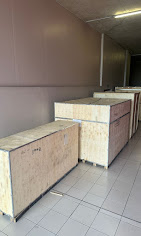
Toilet Paper Machine Machine
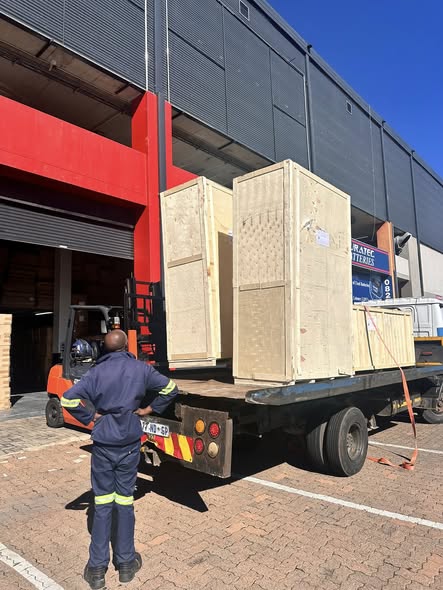
Order Collection
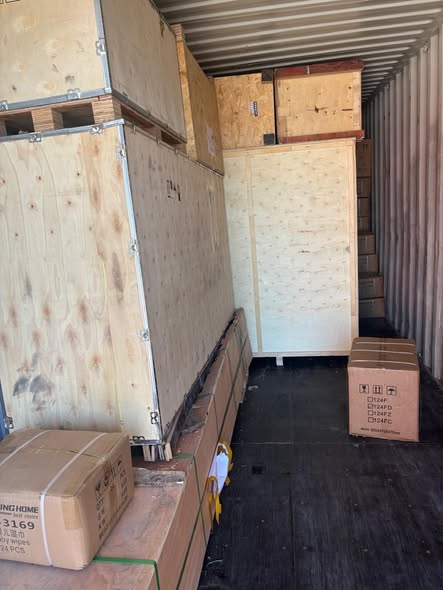
Cross Border Clients
Order cros border countries Collected
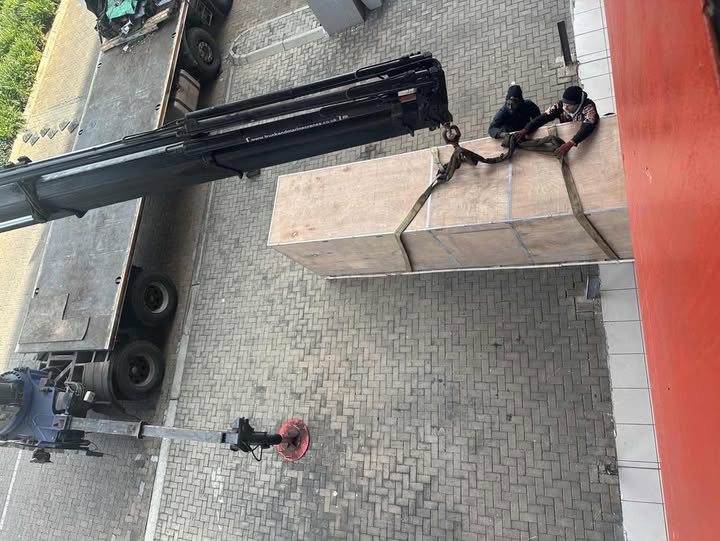
Industrial Machine Cllection
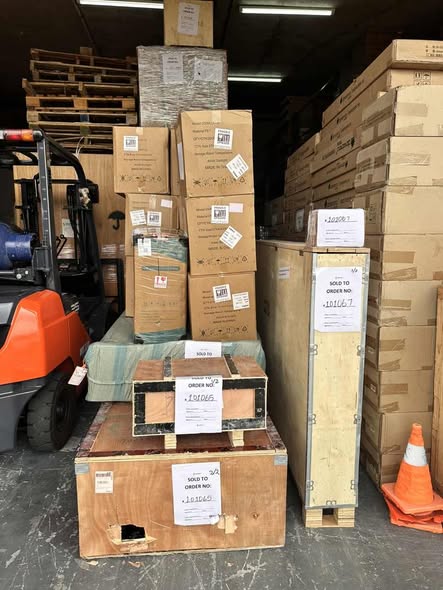
Agriculture Processing Machines
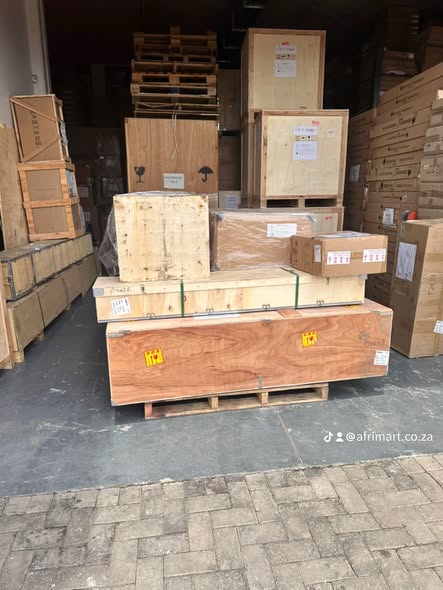
Ready for collection
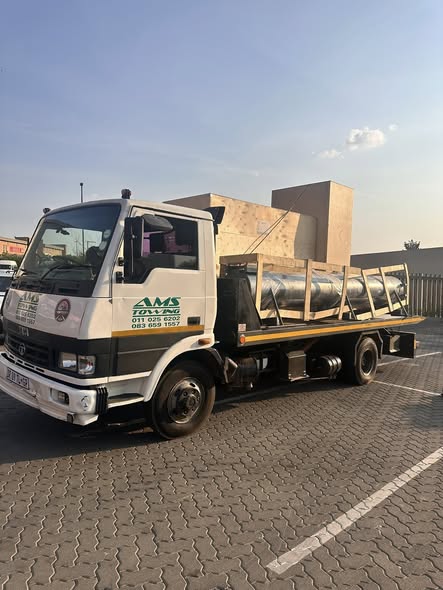
Water Pump Equipment
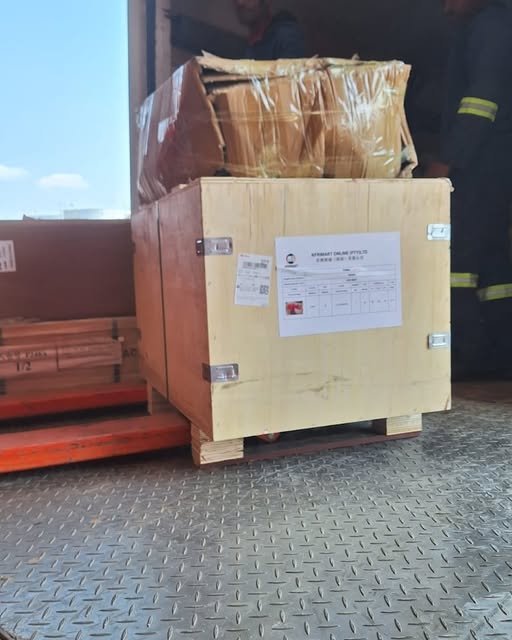
Packaging Machine and accessories
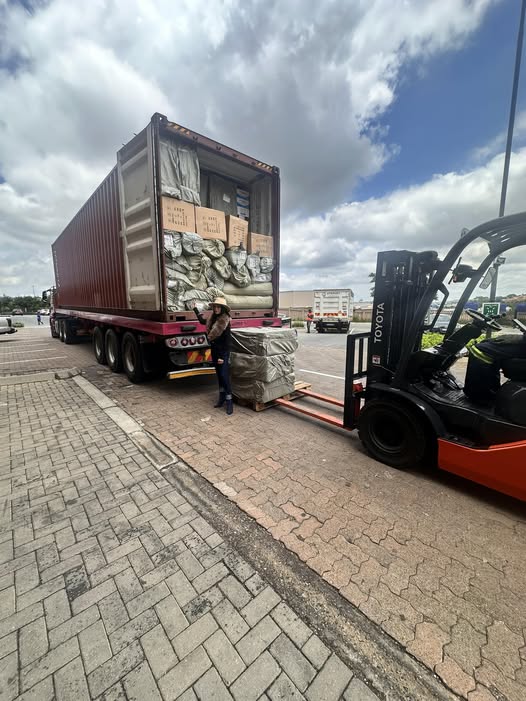
Fabrics Manufacturing Equipment
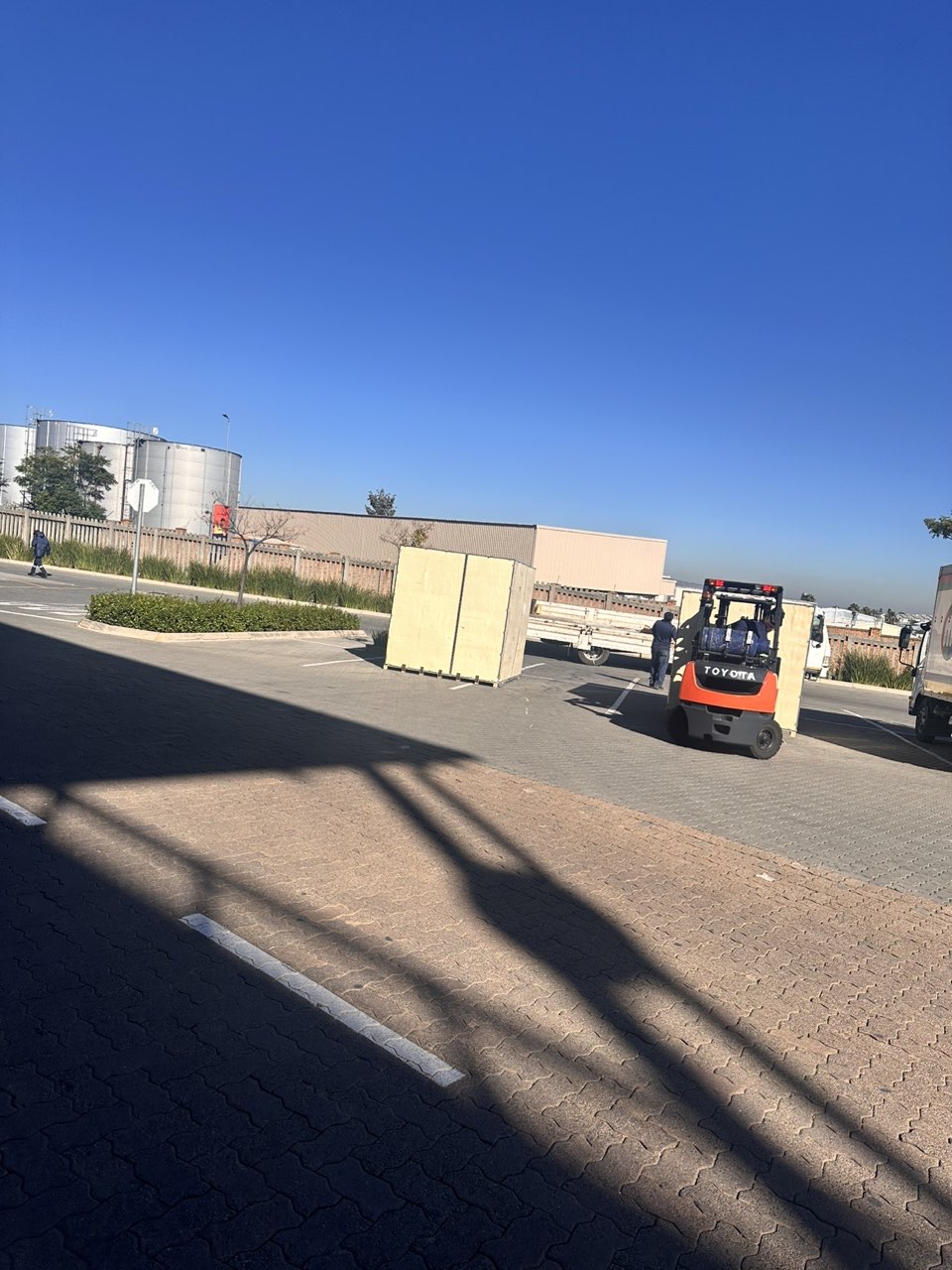
Mining Equipments
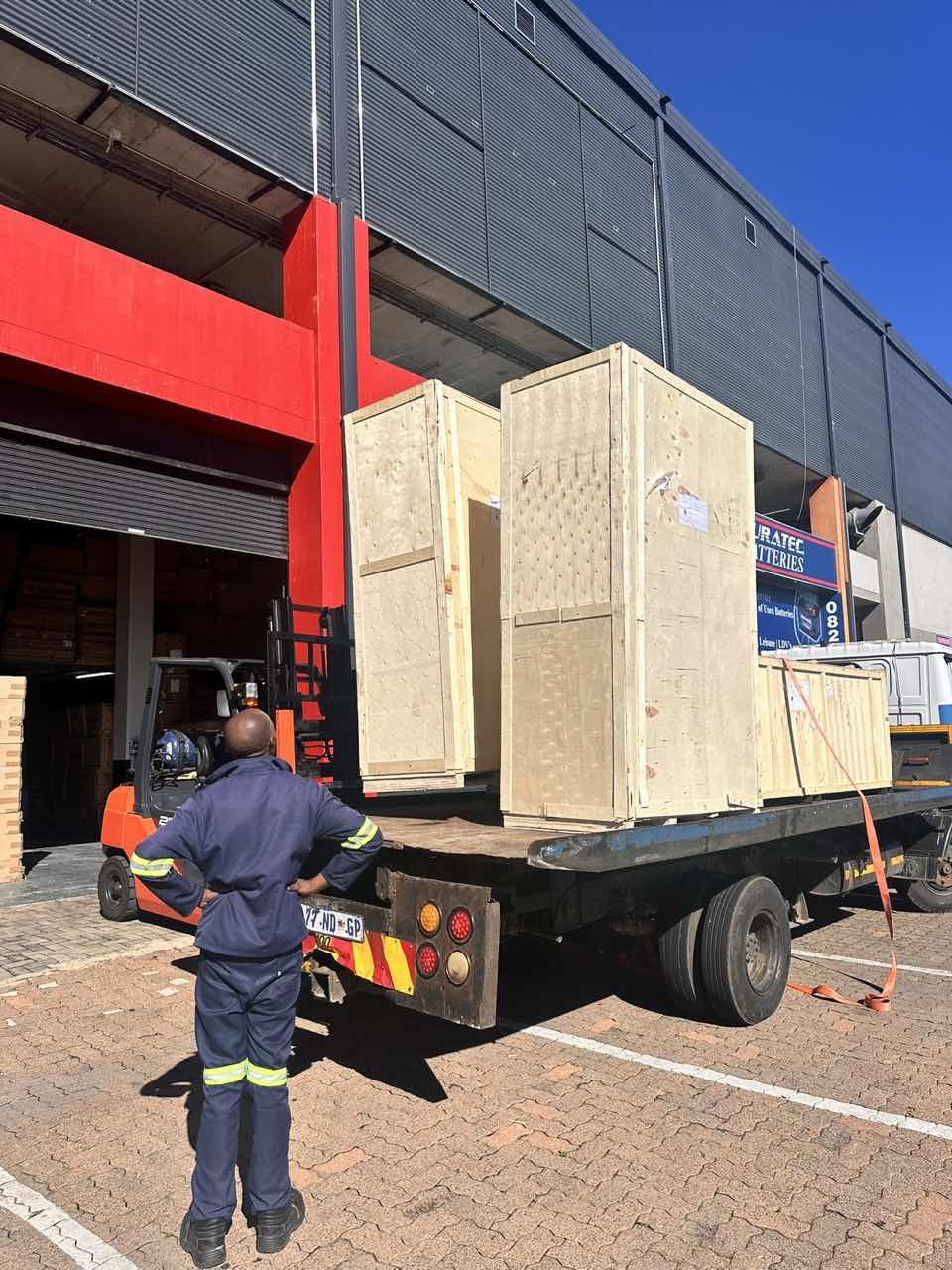
Food Processing Machine
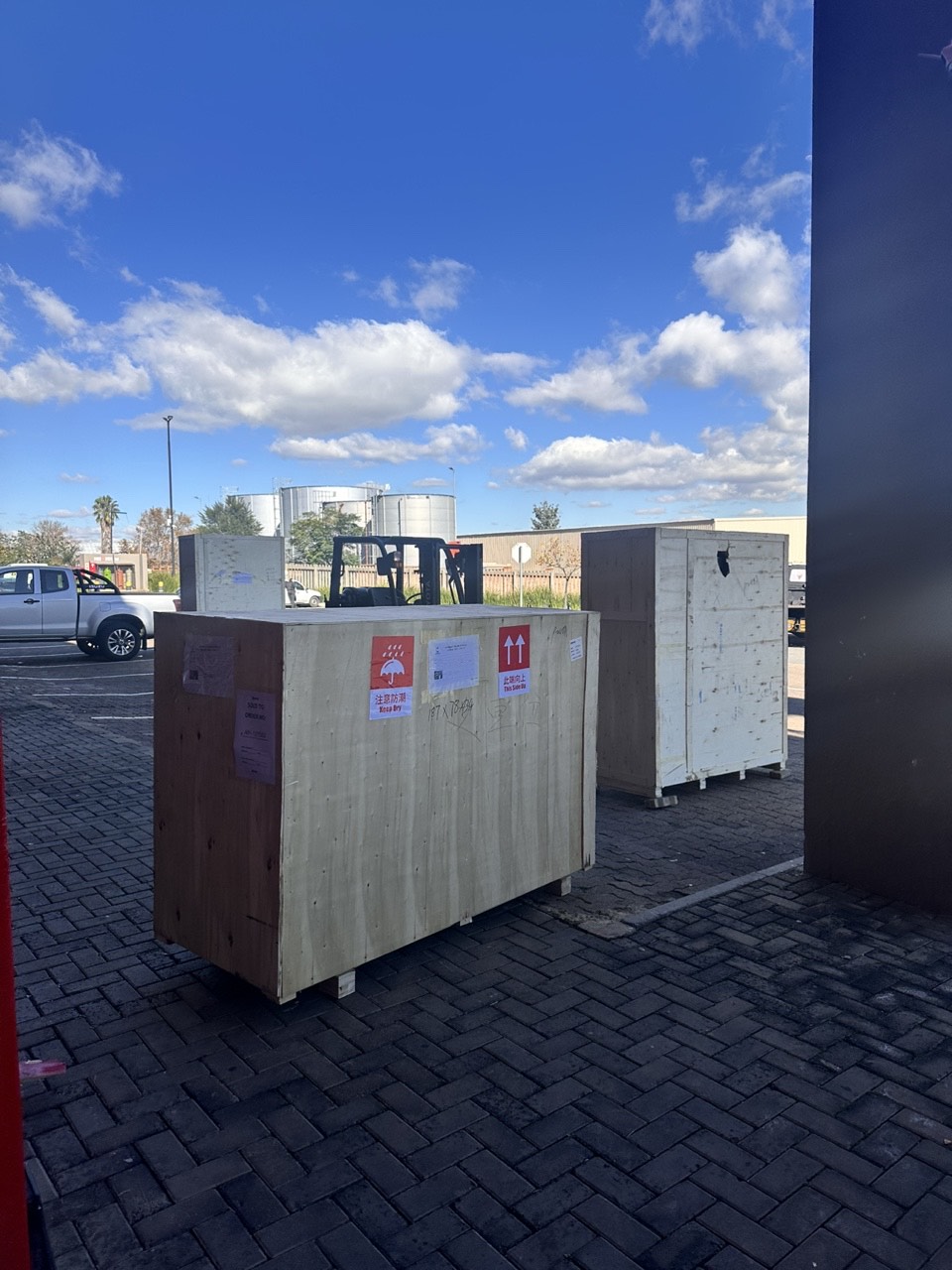
Batch of Orders
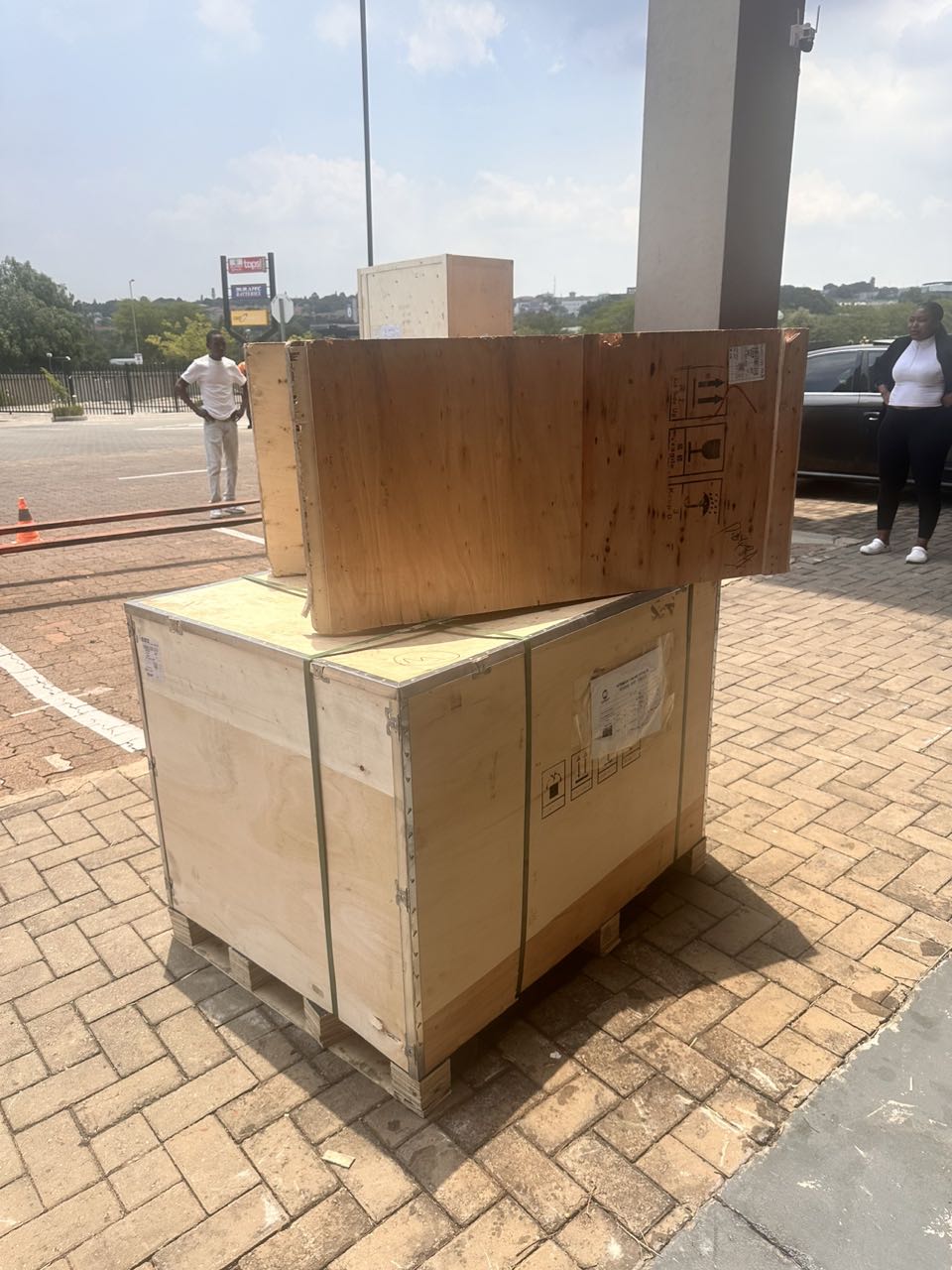
Batch of Orders
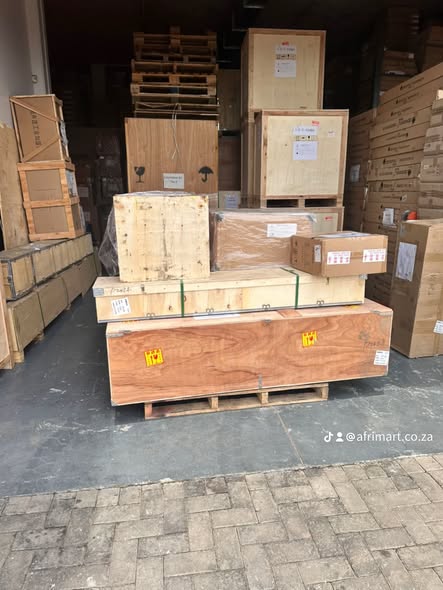
Latest Orders Labelled
wheel alignment machines
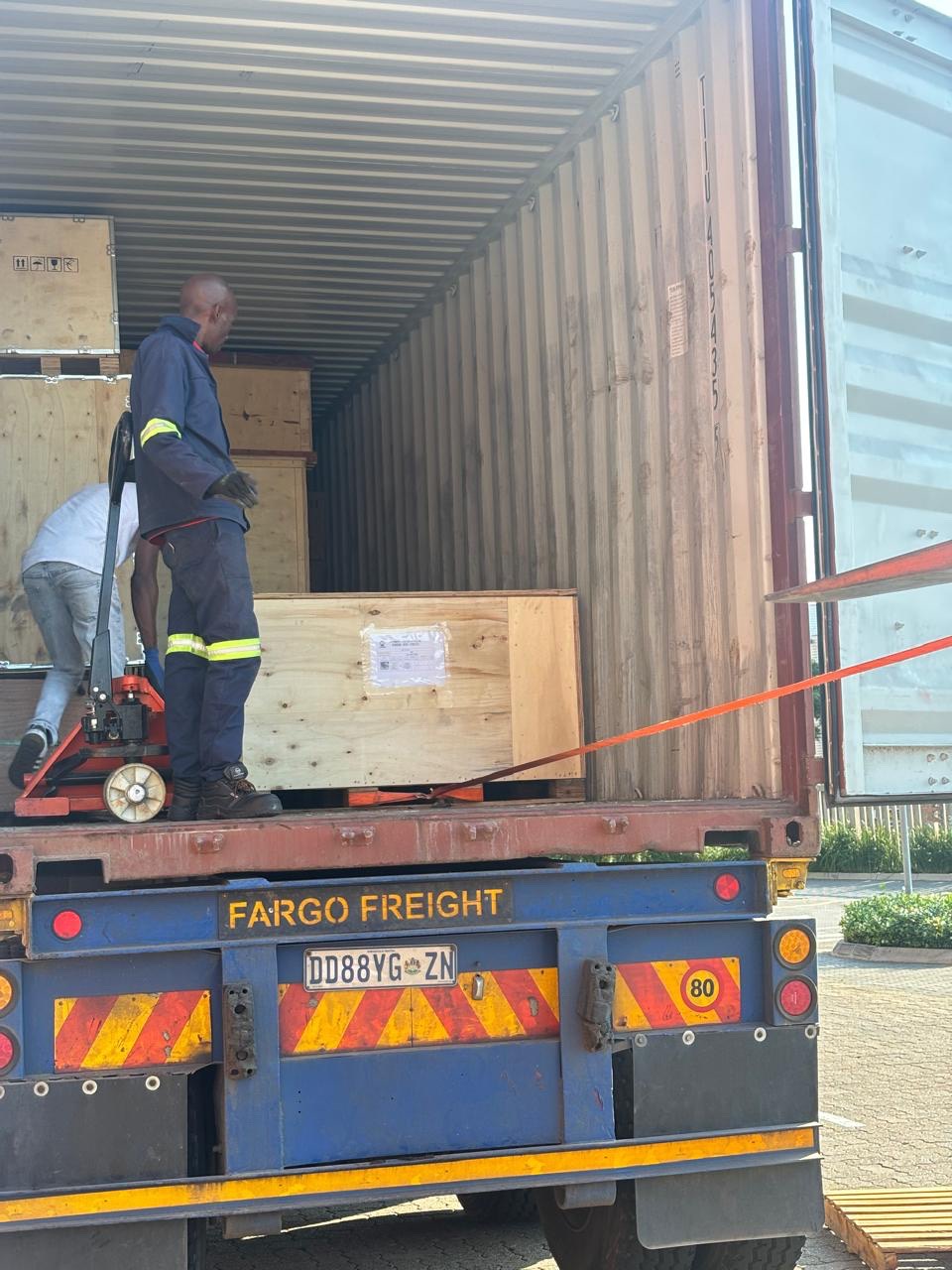
new arrivals
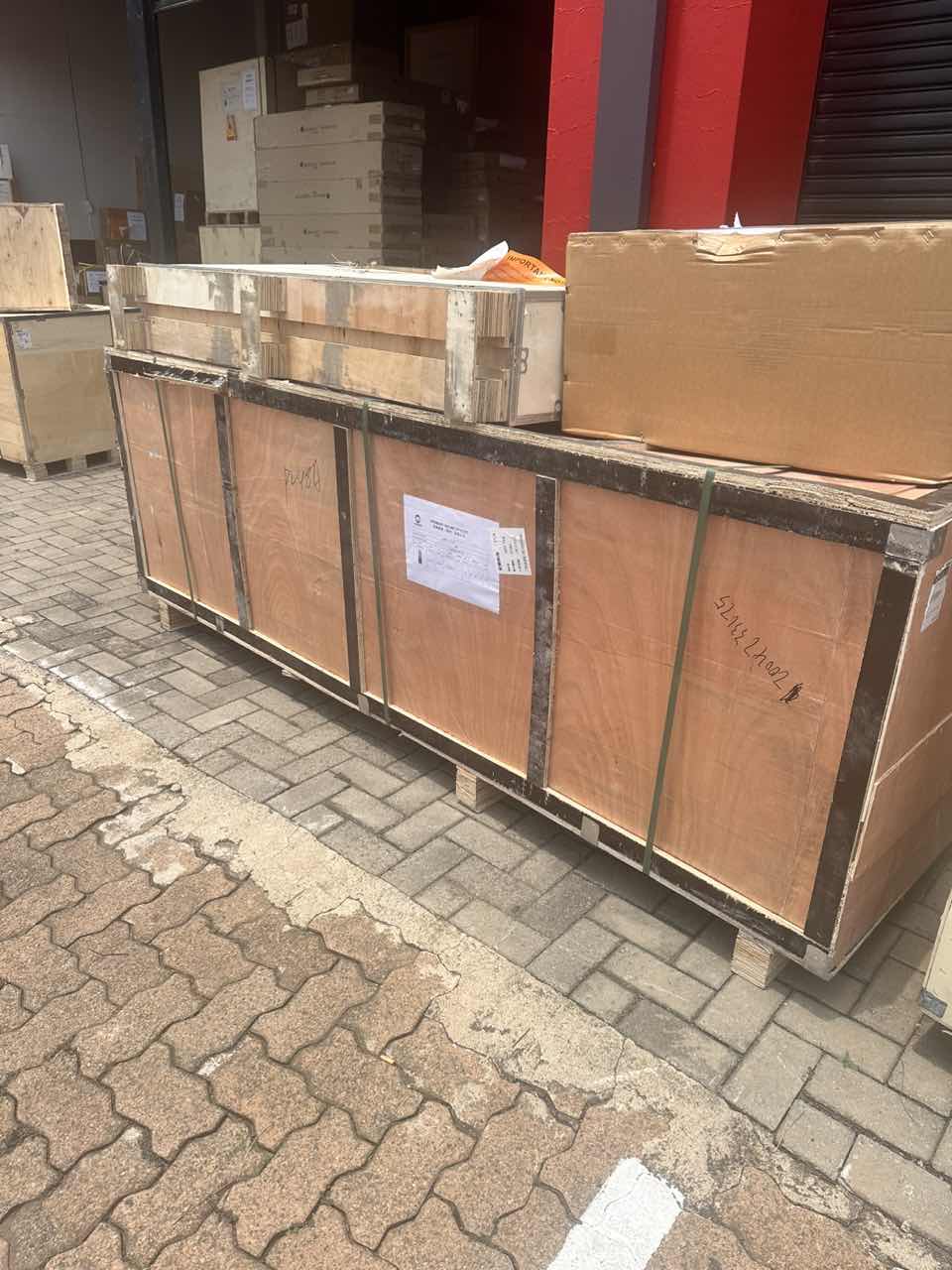
Pre Orders Offloading
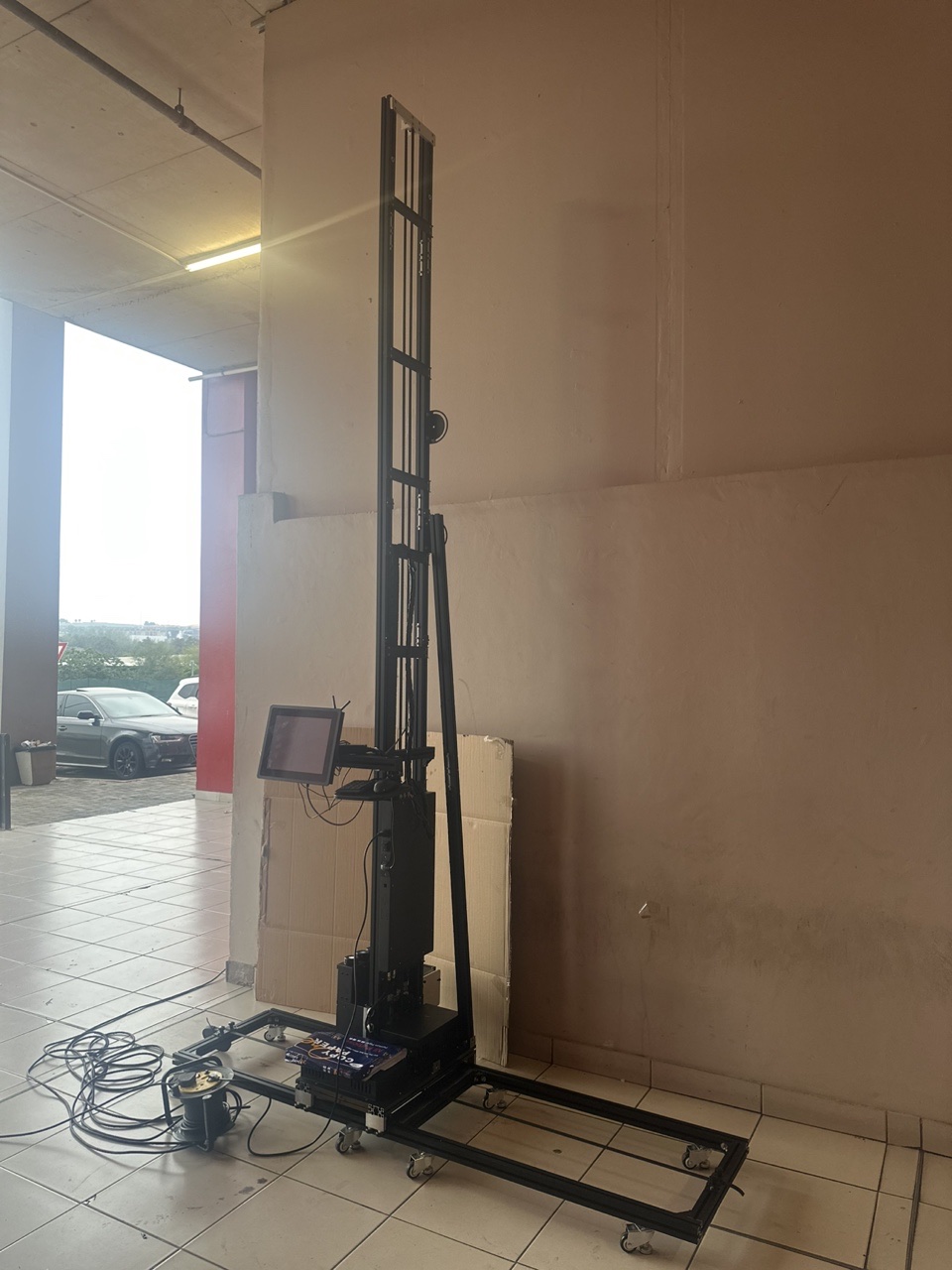
Latest Arrivals
Latest Arrivals
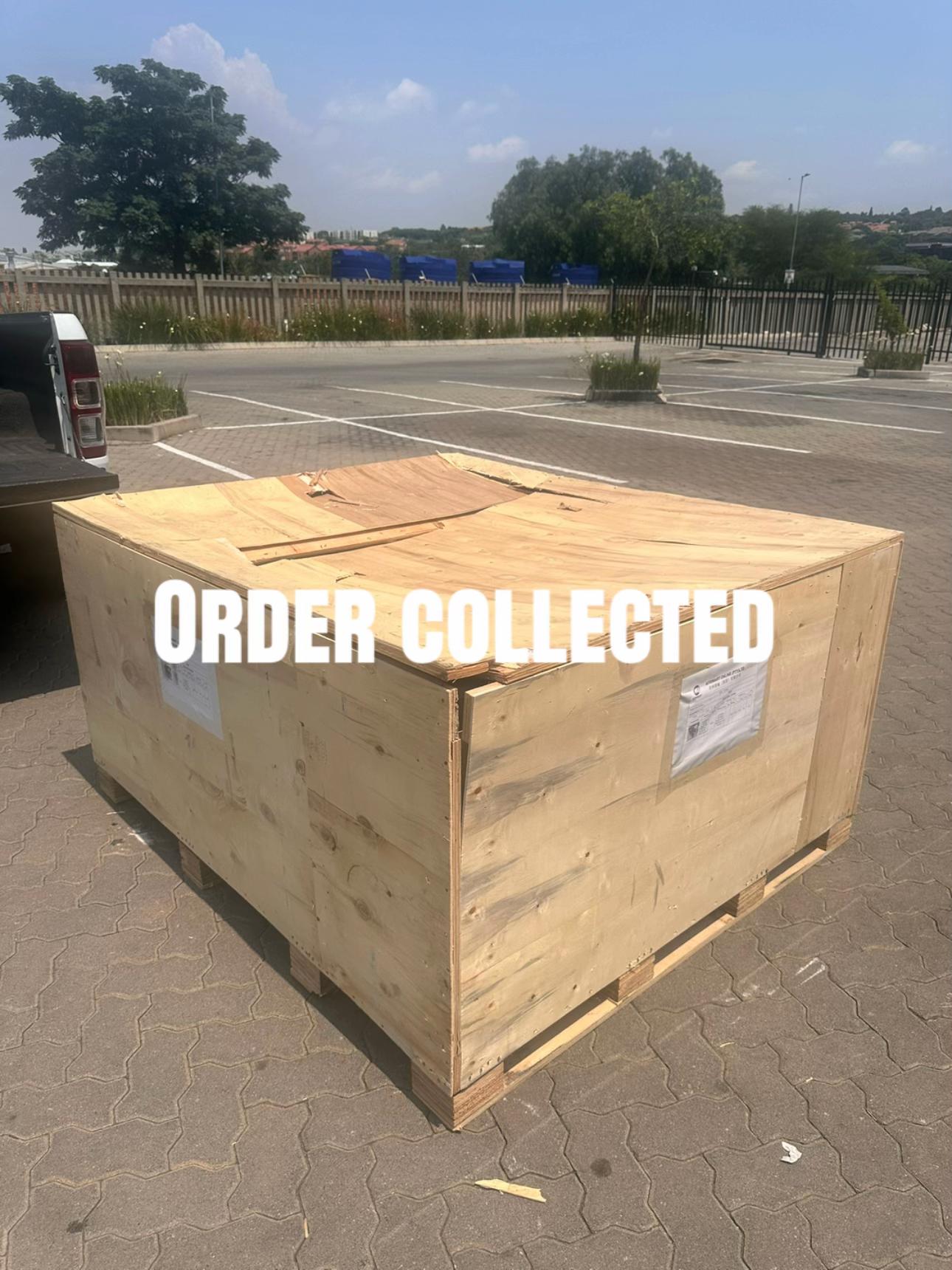
Latest Arrivals
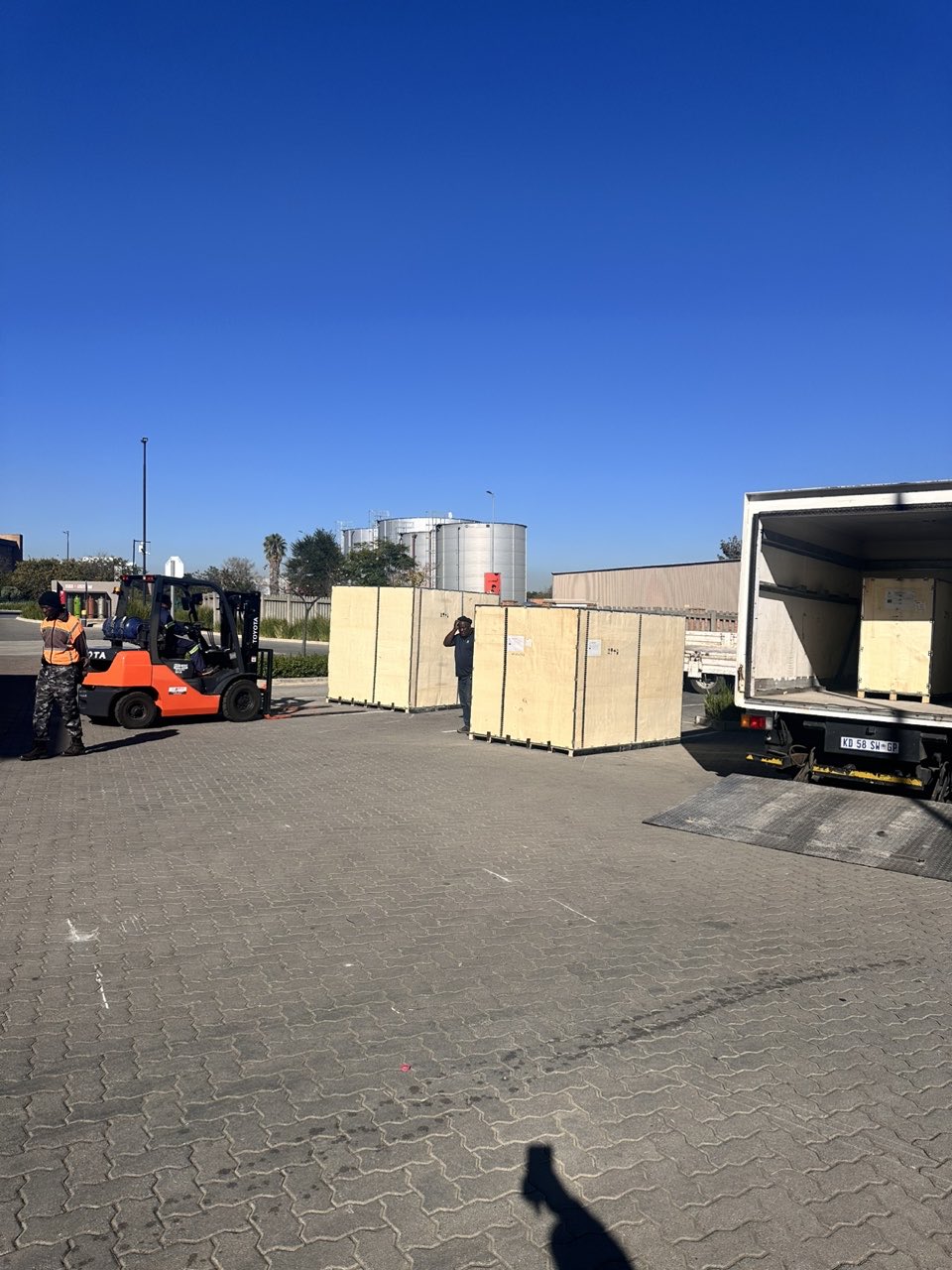
Loading
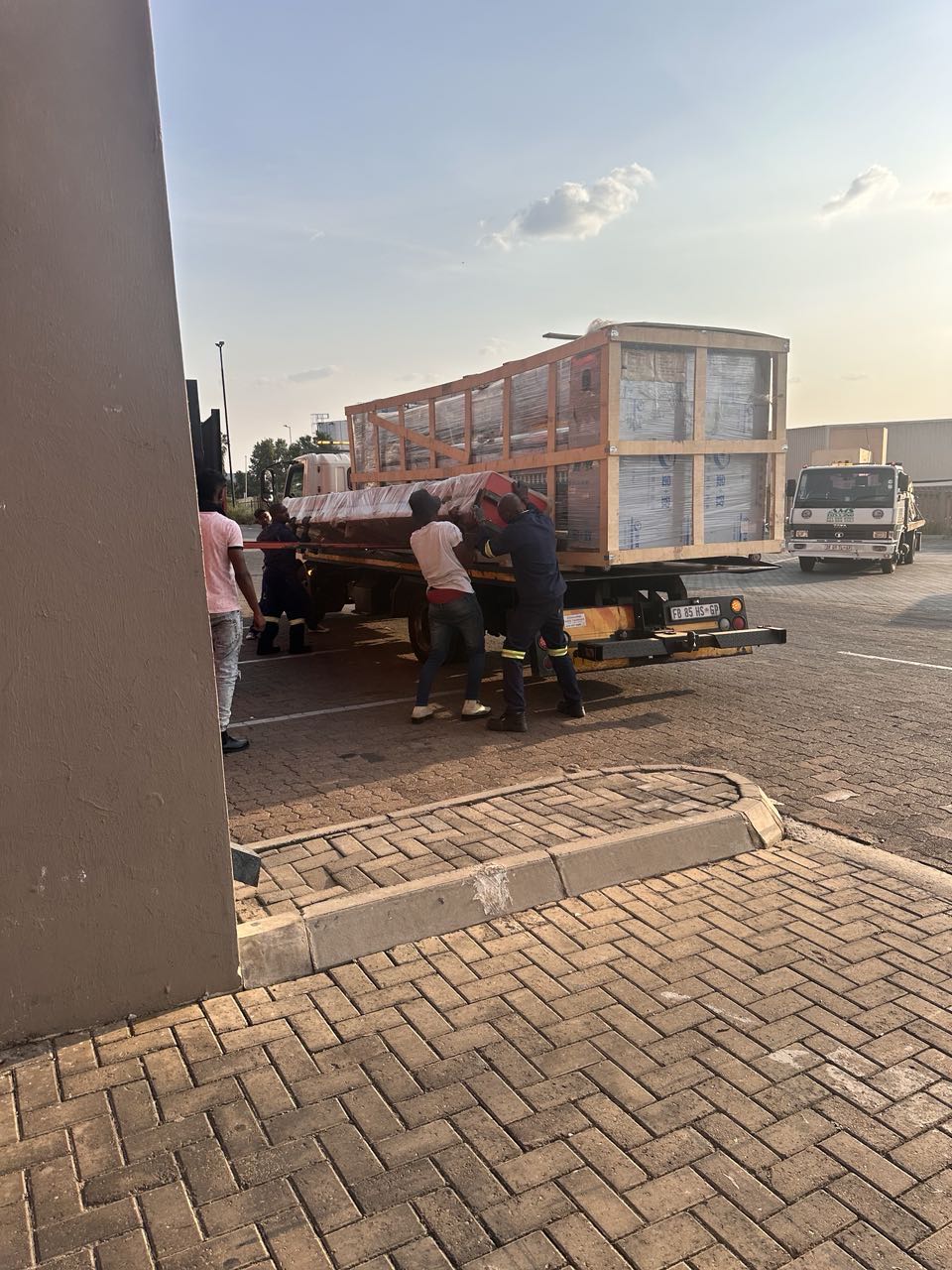
Toilet paper making machine
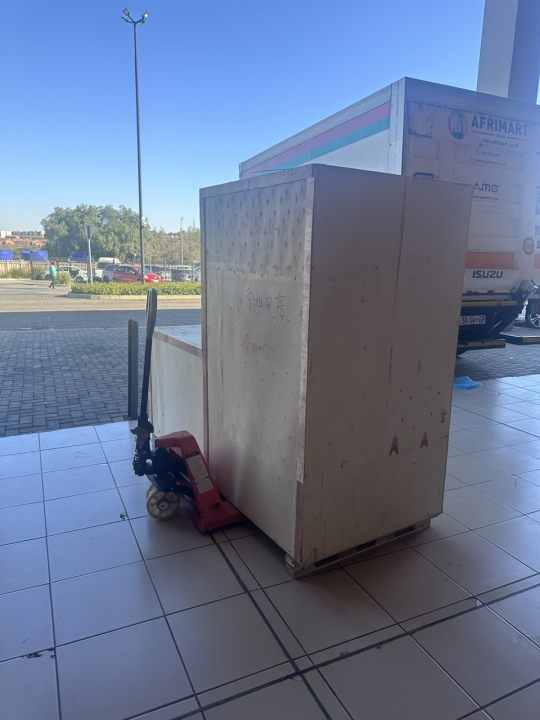
Toilet paper making machine
Toilet paper Rewinding Machine
latest arrivals
offloading
order success
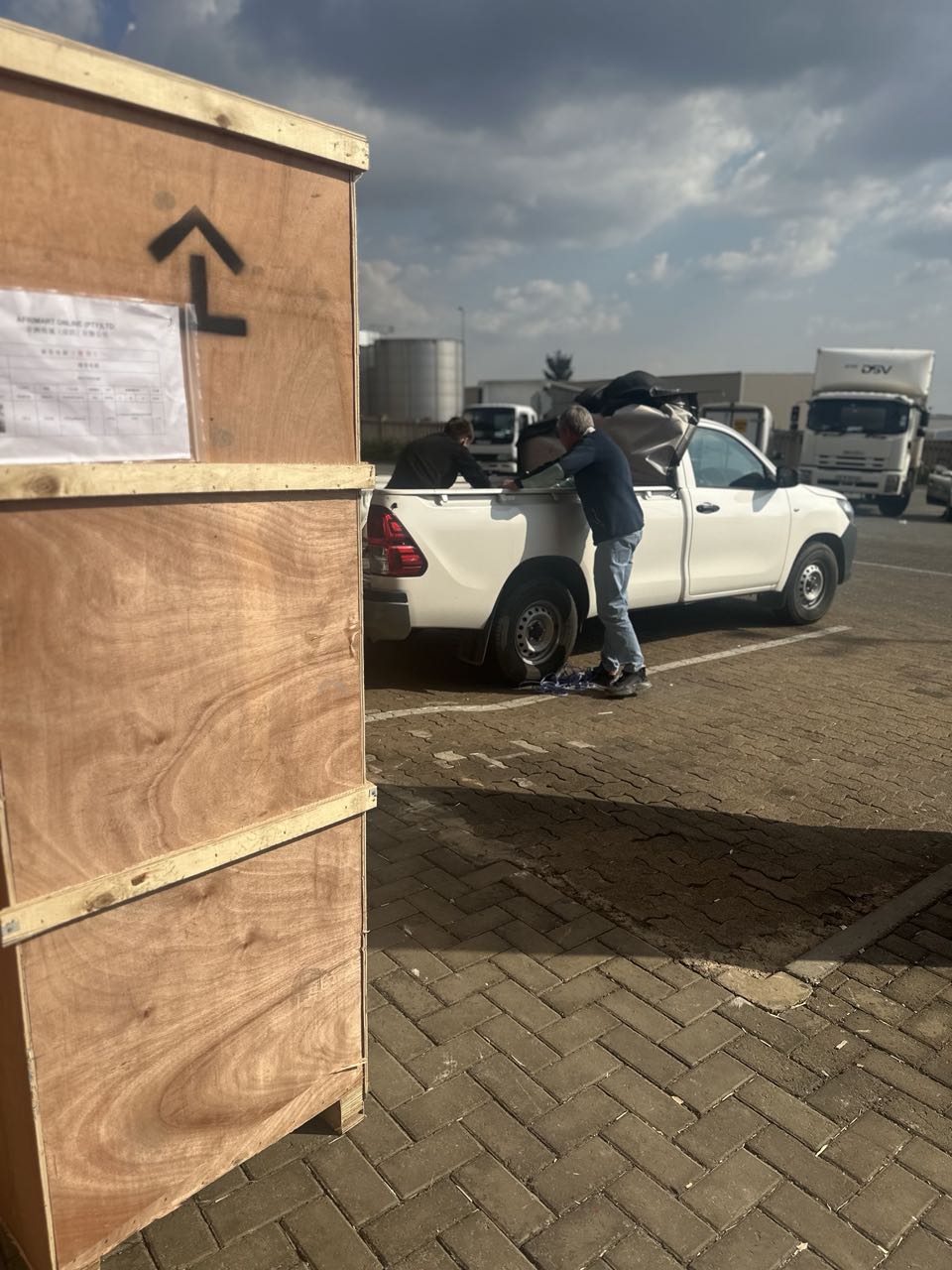
order collection
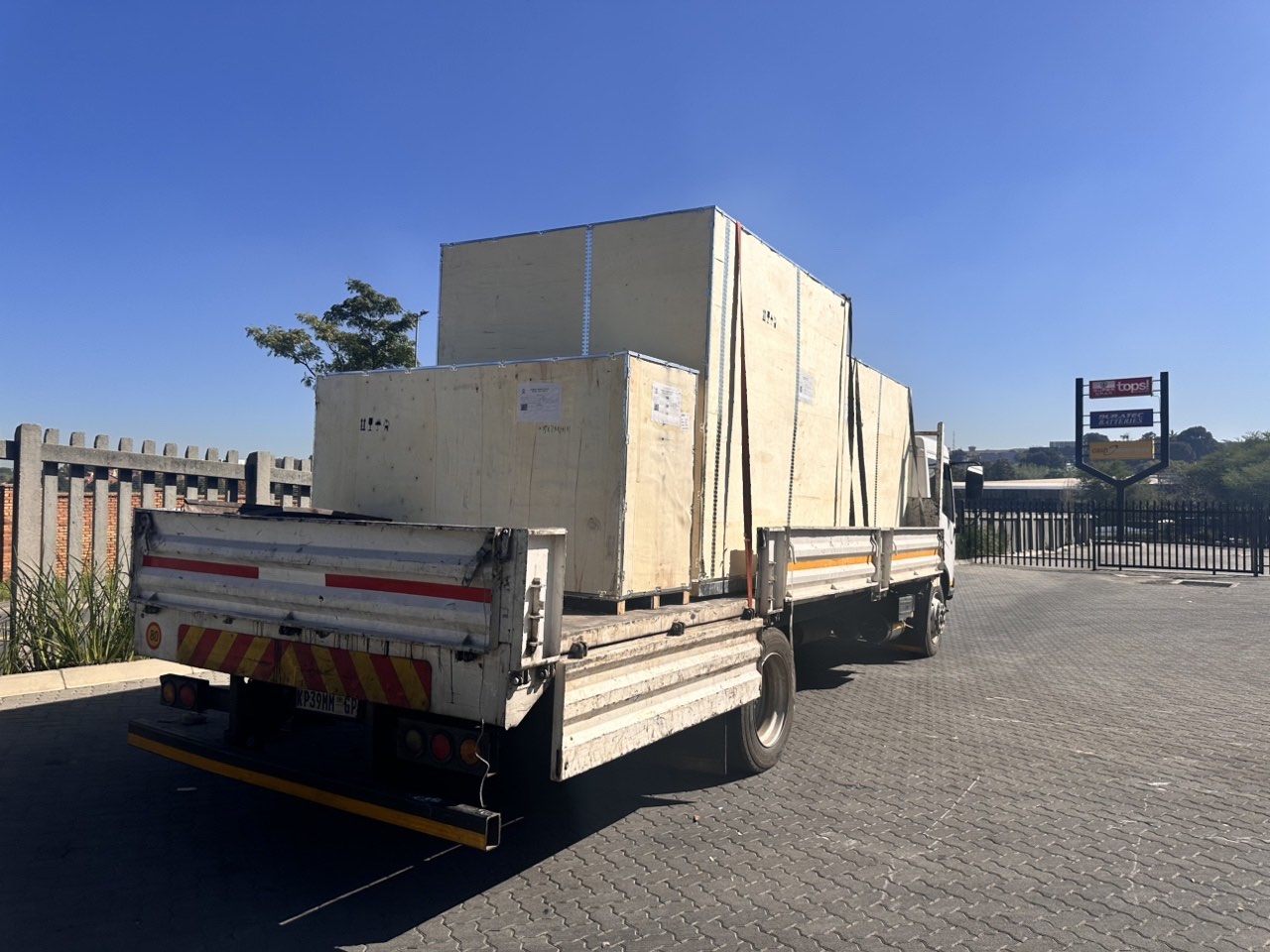
order offloading