B21, China Town Mall, Midrand

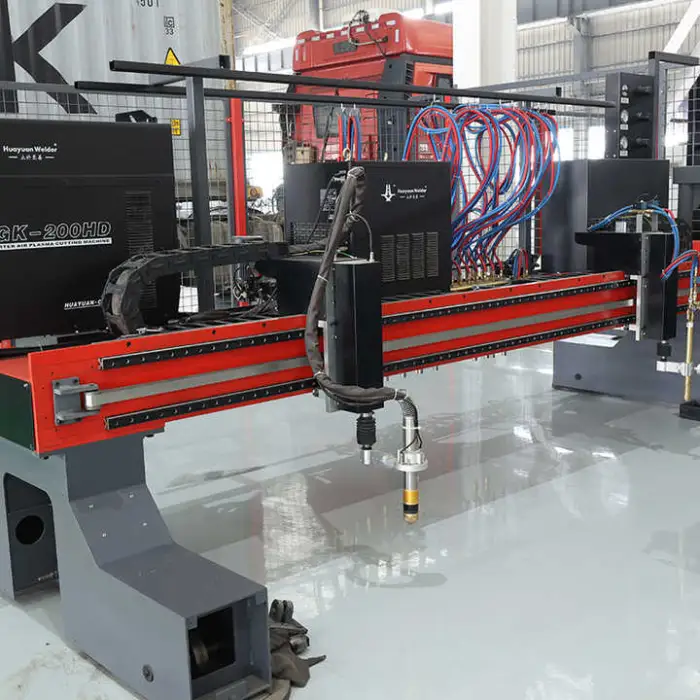
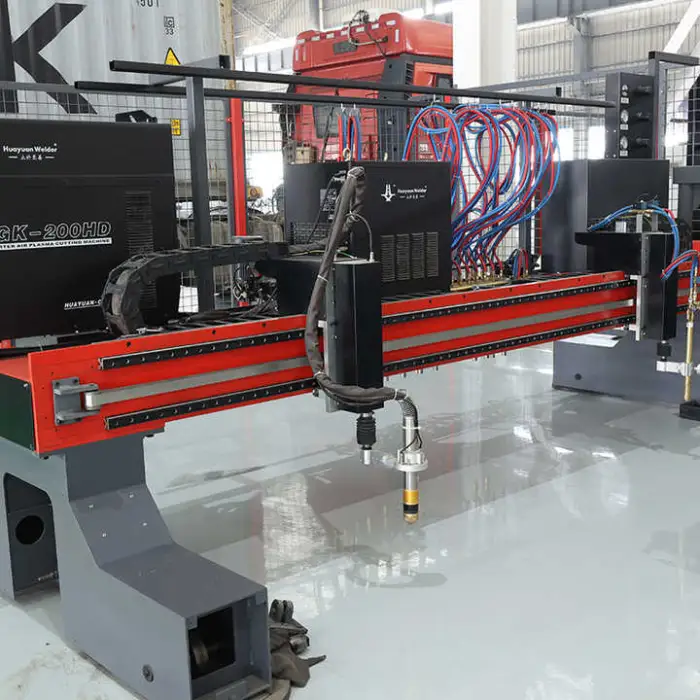
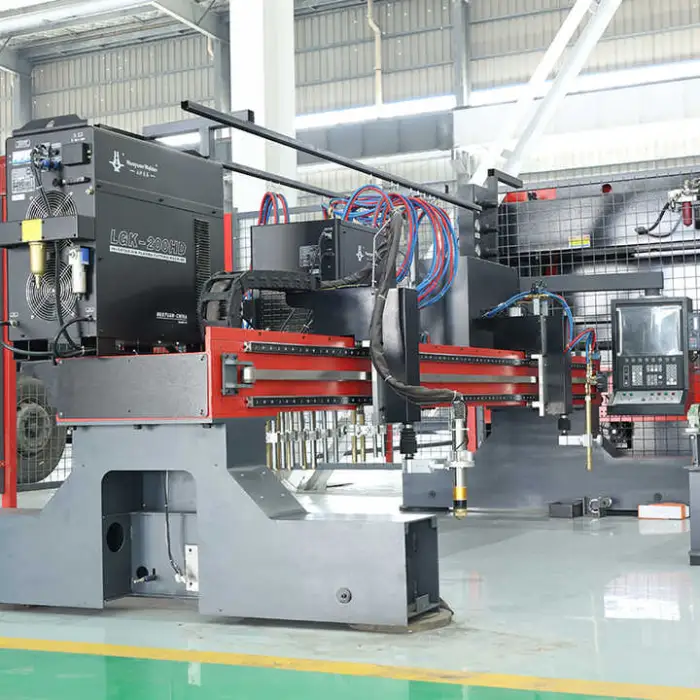
Heavy-Duty CNC Plasma & Flame Dual Cutting Machine
Asset finance available
Do you want funding for this equipment?
Afrimart can connect you with trusted funding partners who specialise in asset finance for businesses like yours. Compare options and apply in minutes — final approval is subject to provider review.
Check funding options
Secure & no obligation

- Section : Machinery
- Category : CNC industrial Machinery
- SKU : 1601198544824

Heavy-Duty CNC Plasma & Flame Dual Cutting Machine
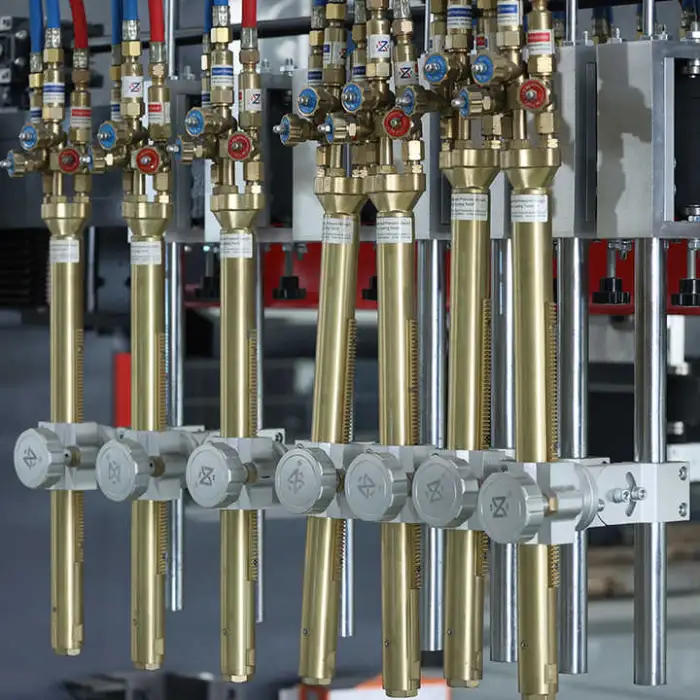
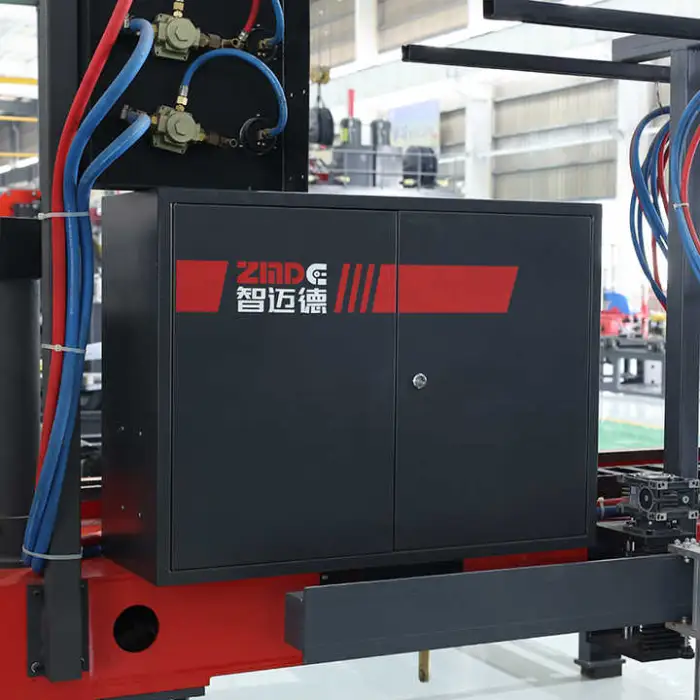
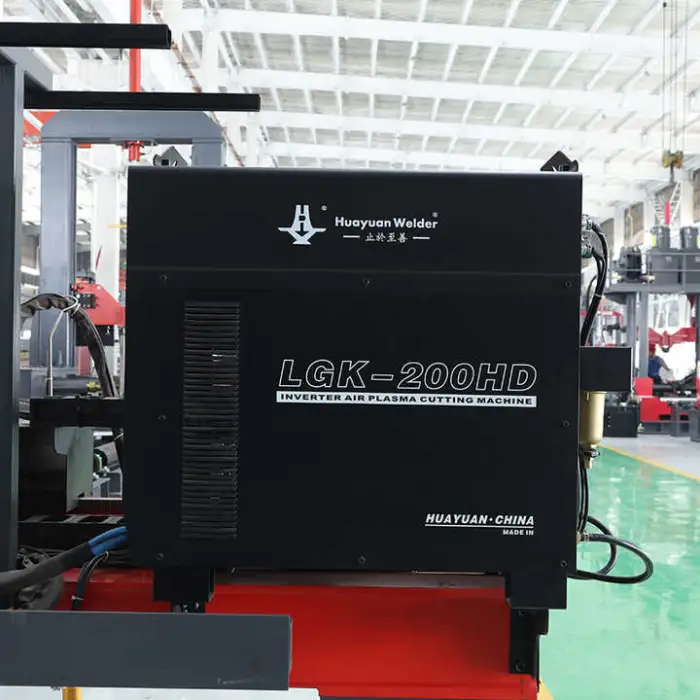
The Heavy-Duty CNC Plasma & Flame Dual Cutting Machine is a powerful tool for industrial metal cutting. It combines plasma and flame cutting methods to handle a wide range of materials. This machine is designed for high precision and efficiency, making it ideal for various cutting applications.
Specifications
| Attribute | Details |
|---|---|
| Cutting Thickness (mm) | 5 - 300 |
| Cutting Speed (mm/min) | 0 - 10000 |
| Cutting Precision (mm) | 0.5 |
| Core Components | PLC, Engine, Gearbox, Motor, Pressure Vessel, CNC System, Nesting Software |
| Weight (kg) | 3000 |
| Voltage | 380V |
| Machine Type | H-Beam Cutter |
| Dimension (l*w*h) | 21m * 5.4m * 2.5m |
| Cutting Mode | Plasma Cutting + Flame Cutting |
| Type | Automatic |
| Service Provided | Training |
| Cutting Material | Metal, Stainless Steel, Carbon Steel |
| Plasma Cutting Thickness | 5 - 150mm |
| Flame Cutting Thickness | 5 - 150mm (maximum 300mm) |
Key Features
- Dual cutting modes for versatile applications.
- High cutting speed for increased productivity.
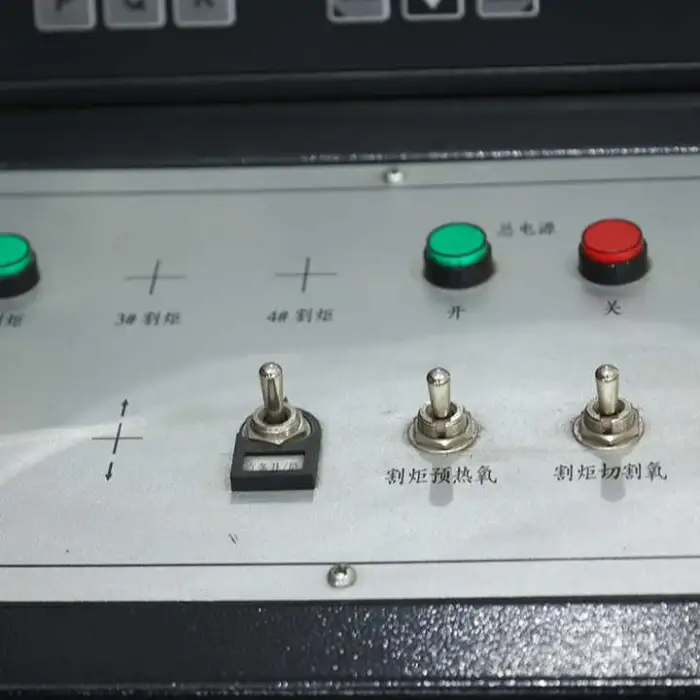
- Easy to operate with user-friendly controls.
- Durable construction for long-lasting performance.
- Comprehensive training provided for users.
Applications
- Industrial metal fabrication.
- Construction and building projects.
- Manufacturing of metal structures.
- Repair and maintenance services.
- Custom metal cutting projects.
Product Info Gallery
- Shipping Timeframes: All orders are processed within 2-5 business days (excluding weekends and holidays). After your order has been processed, the estimated delivery time is before 02 Jul, 2026, depending on customs, Please note that due to high demand, some items may experience longer shipping times, which will be communicated at order confirmation email.
- Order Processing Time: Please allow 2-5 business days for us to process your order before it is shipped . Orders placed after 16:00 on Fridays, or during weekends and public holidays, will begin processing on the next business day. Processing times may be extended during peak seasons or sales events.
- Manufacturing Time: Some products needs manufacturing time, the manufacturing process will take approximately 10-30 business days depending on the product. This timeframe may vary depending on the complexity of the product and current demand. but this will be communicated with you during order confirmation.
- Returns and Exchanges: We offer a 30-day return policy for most items. If you are not completely satisfied with your purchase, you may return it within 30 days of receipt for a refund or exchange. Items must be unused, in their original packaging, and accompanied by proof of purchase. Return shipping costs are the responsibility of the customer, unless the item was damaged or defective upon arrival.
1. What materials can the Heavy-Duty CNC Plasma & Flame Dual Cutting Machine cut?
Designed for industrial use, it can cut a wide range of metals including carbon steel, stainless steel and other ferrous and non-ferrous metals commonly used in fabrication.
2. What are the cutting thickness ranges for this machine?
Overall cutting capability is 5–300 mm. Plasma cutting is suitable for 5–150 mm. Flame cutting is typically 5–150 mm and can reach up to 300 mm for thick carbon steel where oxy-fuel is appropriate.
3. What cutting speed and precision can I expect?
Cutting speed ranges from 0 up to 10,000 mm/min depending on material and thickness. Cutting precision is specified at ±0.5 mm.
4. When should I use plasma cutting versus flame cutting?
Use plasma cutting for higher-precision, faster cuts on thinner to mid-thickness metals (including stainless steel and non-ferrous materials). Use flame (oxy-fuel) cutting for thicker carbon steel sections where deep penetration is required and the slightly lower edge precision is acceptable.
5. What electrical and utility connections are required?
The machine requires a 380V three-phase electrical supply. Additional utilities typically include compressed air for plasma systems, and gas (oxygen and fuel gas such as acetylene or LPG) and proper exhaust/ventilation for flame cutting. Exact utility specs depend on the plasma power source and torch options—confirm with the supplier.
6. What are the machine dimensions and installation requirements?
Machine footprint is 21 m (L) × 5.4 m (W) × 2.5 m (H) and it weighs approximately 3000 kg. Installation usually requires a level reinforced foundation or floor, lifting equipment (crane or forklift) for placement, anchoring, and space for gas and ventilation systems.
7. What core components and control systems come with the machine?
Core components include PLC, engine, gearbox, motor, pressure vessel, CNC system and included nesting software for optimizing cutting layouts. Exact CNC model and plasma power source options may vary by configuration.
8. Which CAD/CAM file formats and software does the machine support?
The included nesting software typically accepts common formats such as DXF and DWG. Many CNC systems also accept standard NC code. Confirm specific format support and post-processor compatibility with the supplier if you use specialized CAM software.
9. Is operator training provided?
Yes. The product listing indicates training is provided—this usually covers machine operation, CNC/nesting software, safety procedures and basic maintenance. Confirm the scope and location (on-site or at factory) with the vendor.
10. What safety measures should be used with this machine?
Follow industry-standard safety: use appropriate PPE (welding goggles/helmet, gloves, protective clothing), ensure proper fume extraction and ventilation, install gas leak detection and fire suppression as needed, maintain proper grounding, and implement lockout/tagout procedures during maintenance.
11. What consumables and routine maintenance are required?
Consumables include plasma electrodes, nozzles/tips and shields; flame cutting requires torch tips and regular oxygen/fuel management parts. Routine maintenance includes lubricating moving parts, checking gearbox and drive components, inspecting torch mounts and wiring, replacing worn consumables, and periodic calibration of the CNC system.
12. Can the machine be customized or fitted with different torches and power sources?
Yes. Many buyers customize plasma power supplies, torch types, and automation options to suit application-specific needs. Contact the manufacturer or sales representative to discuss available options and compatibility.
13. What after-sales support, spare parts or warranty options are available?
Warranty terms and after-sales support vary by supplier. The listing does not specify warranty length—contact the seller for warranty details, spare parts availability and service agreements. Many vendors also offer extended support packages.
14. How does the machine handle nesting and production optimization?
The machine includes nesting software to arrange parts efficiently on sheets to reduce material waste and improve throughput. The nesting package typically generates optimized cut paths that the CNC system executes.
15. How do I arrange shipping, installation and commissioning?
Shipping and installation services are typically arranged through the supplier. Due to the machine size and weight, plan for suitable transport, on-site lifting equipment and foundation preparation. Ask the vendor about on-site commissioning and operator training as part of the purchase.
Latest Order Arrivals
Discover our latest orders
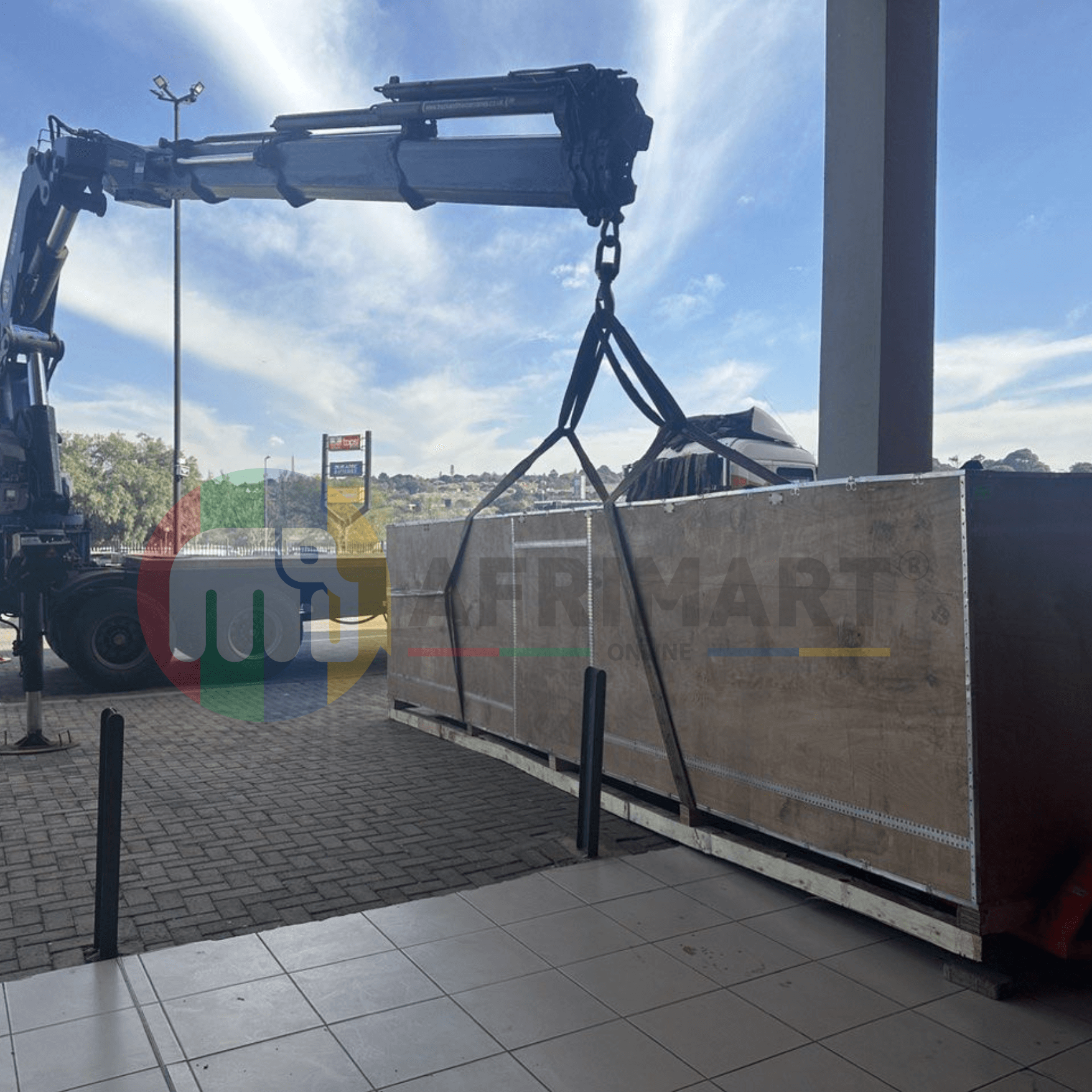
12 Heads Embroidery Machine
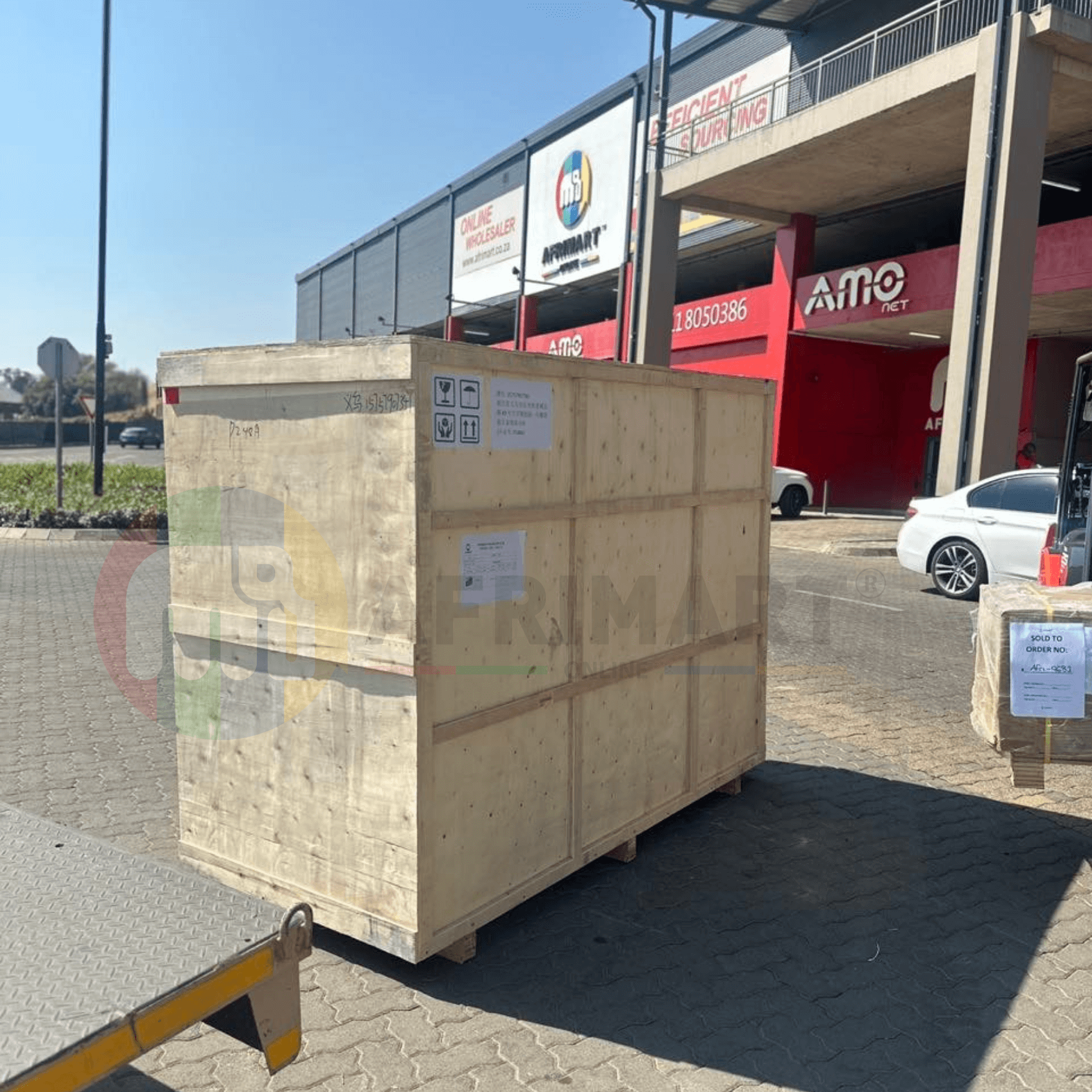
Dewatering Pump Machine
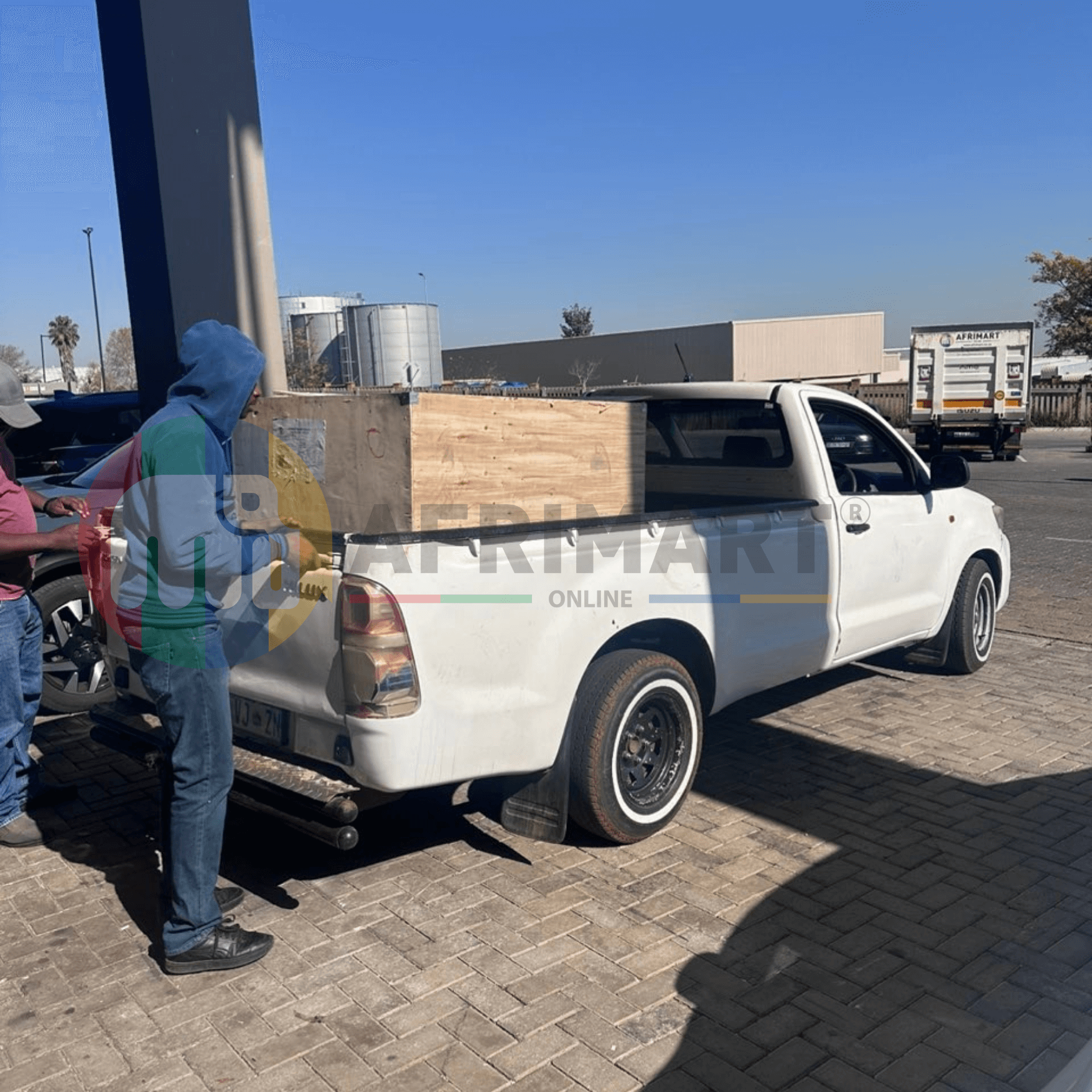
Order Collection
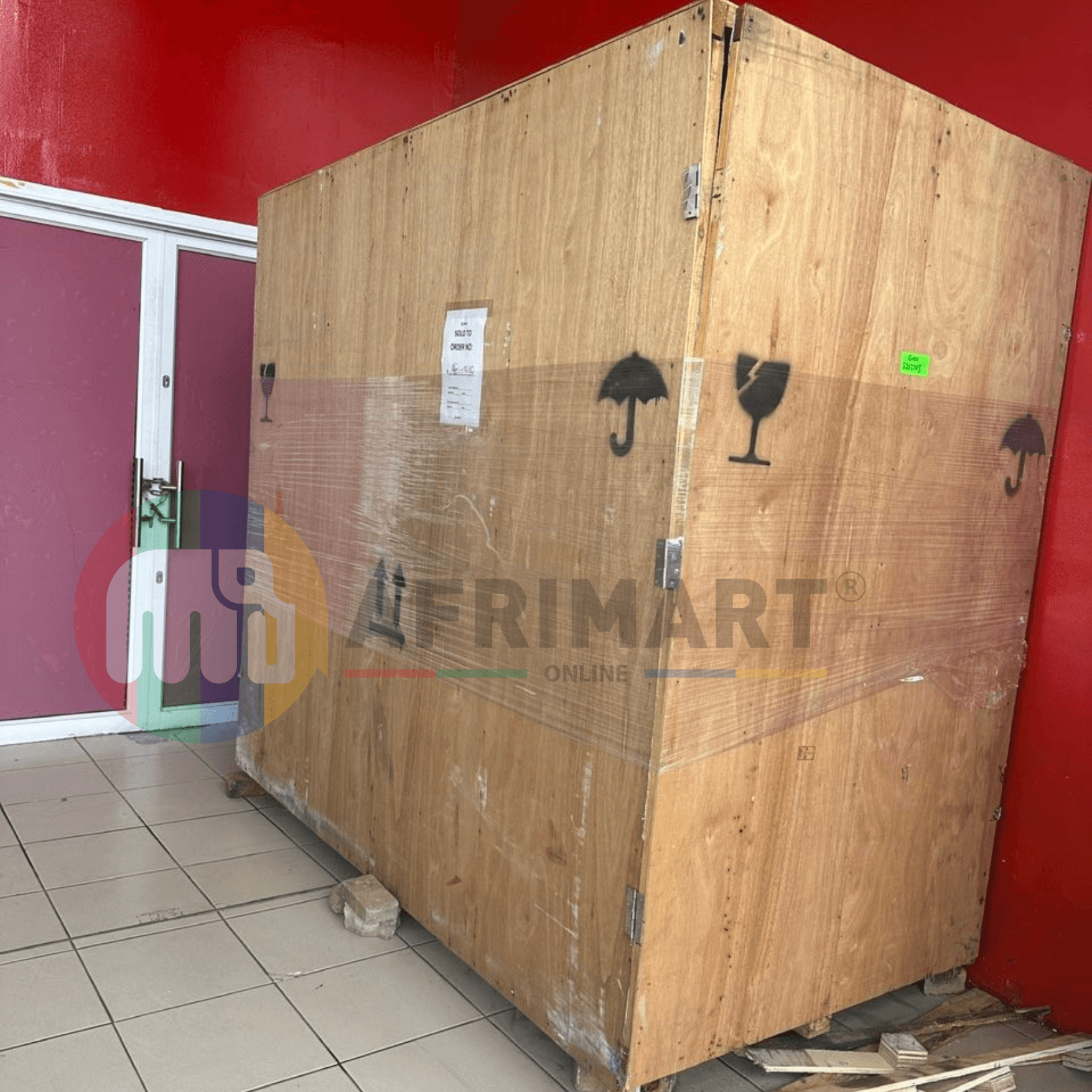
Portable Water Drilling Rig
Order Usefully Collected
Batch of Orders
Agriculture Processing Machines
Meat Grinder Machine
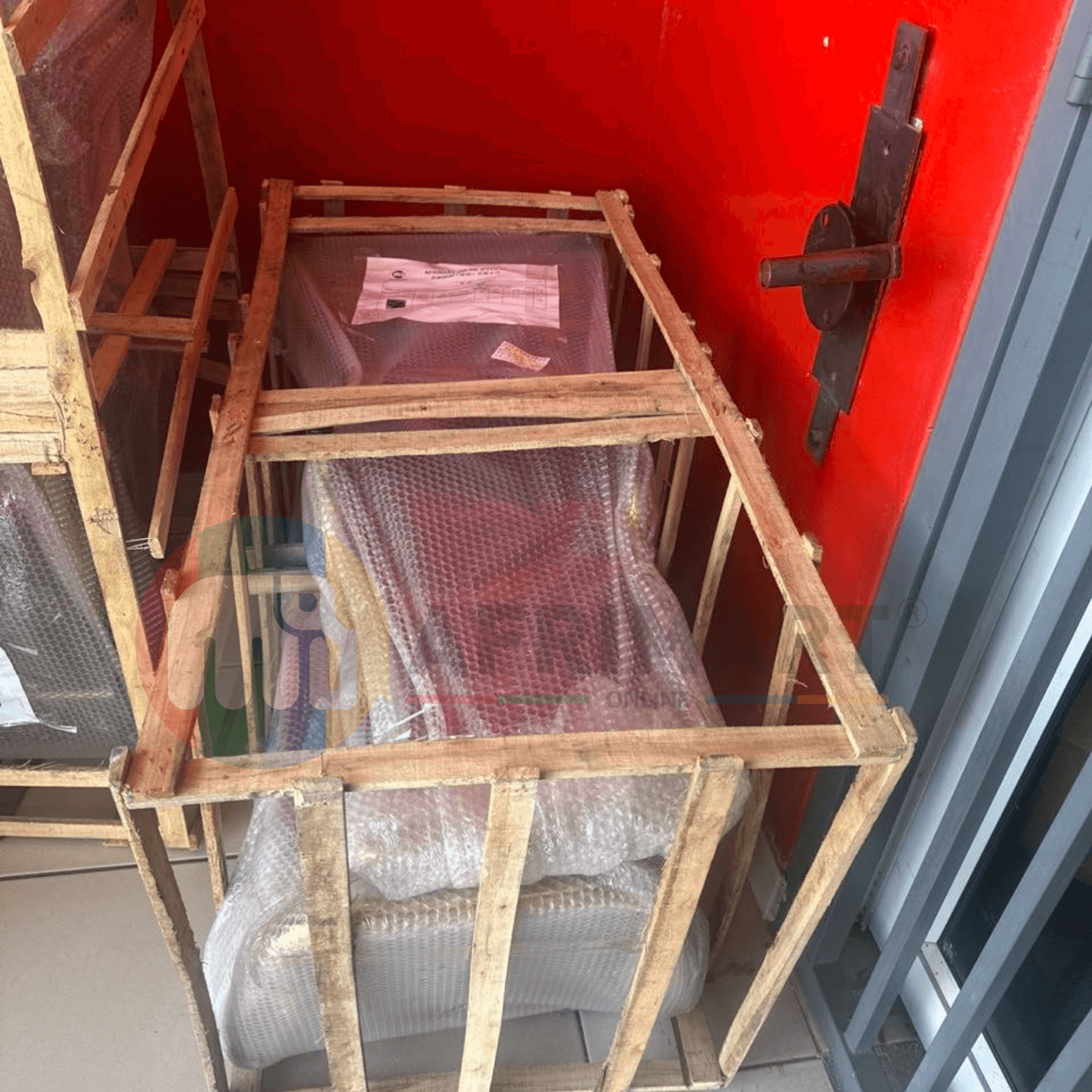
Water Pump Equipment
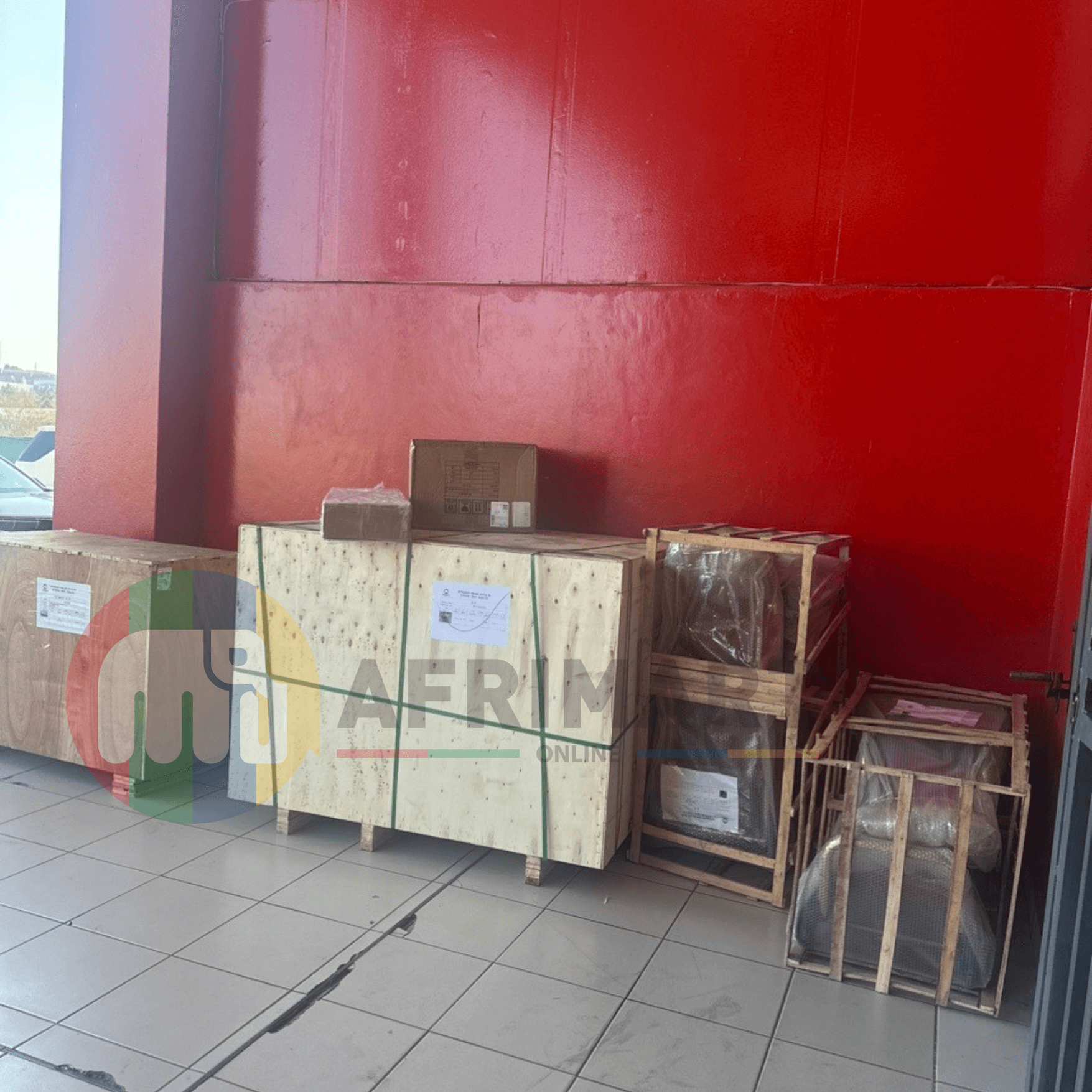
Packaging Machine and accessories
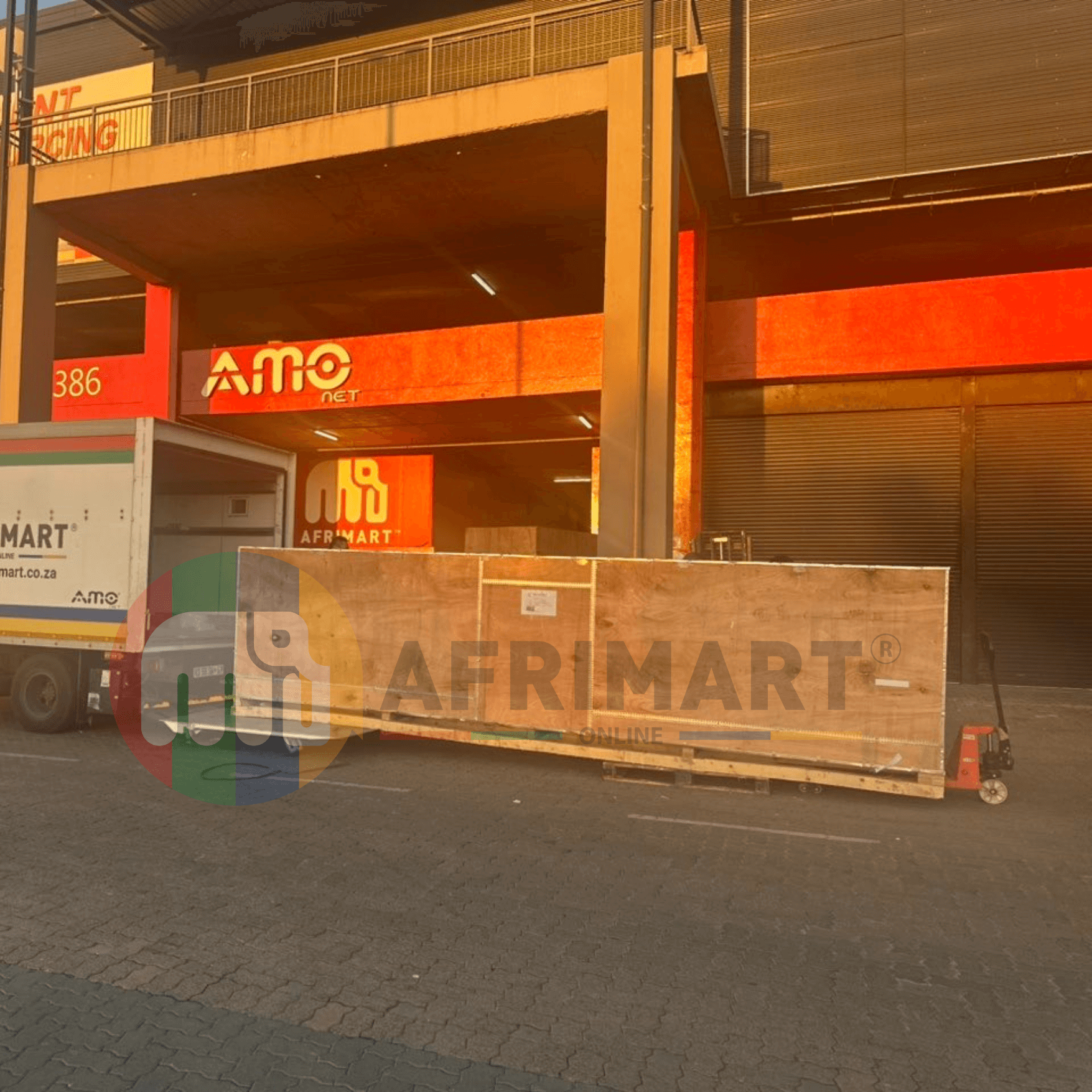
Fabrics Manufacturing Equipment
Mining Equipments
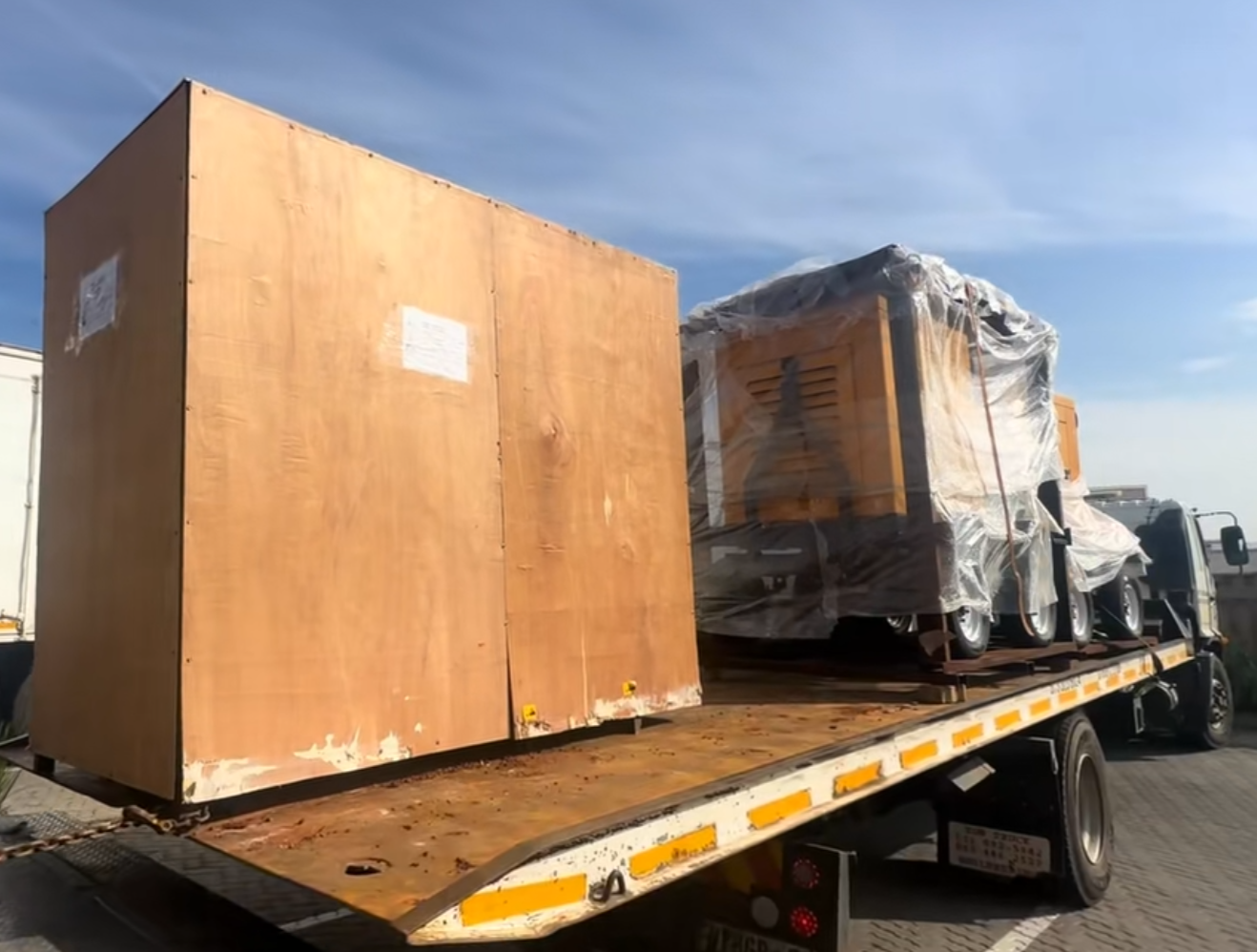
Food Processing Machine
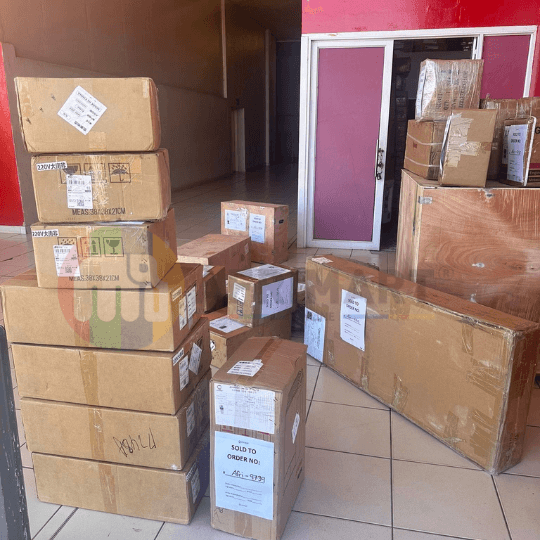
Batch of Orders
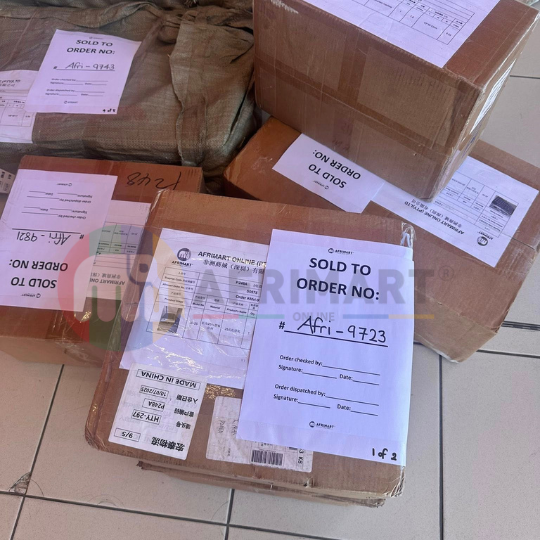
Batch of Orders
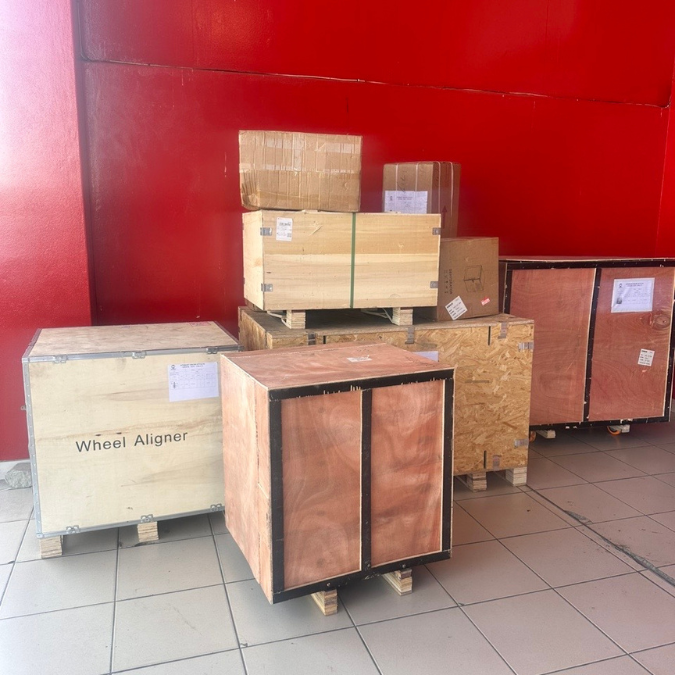
Latest Orders Labelled
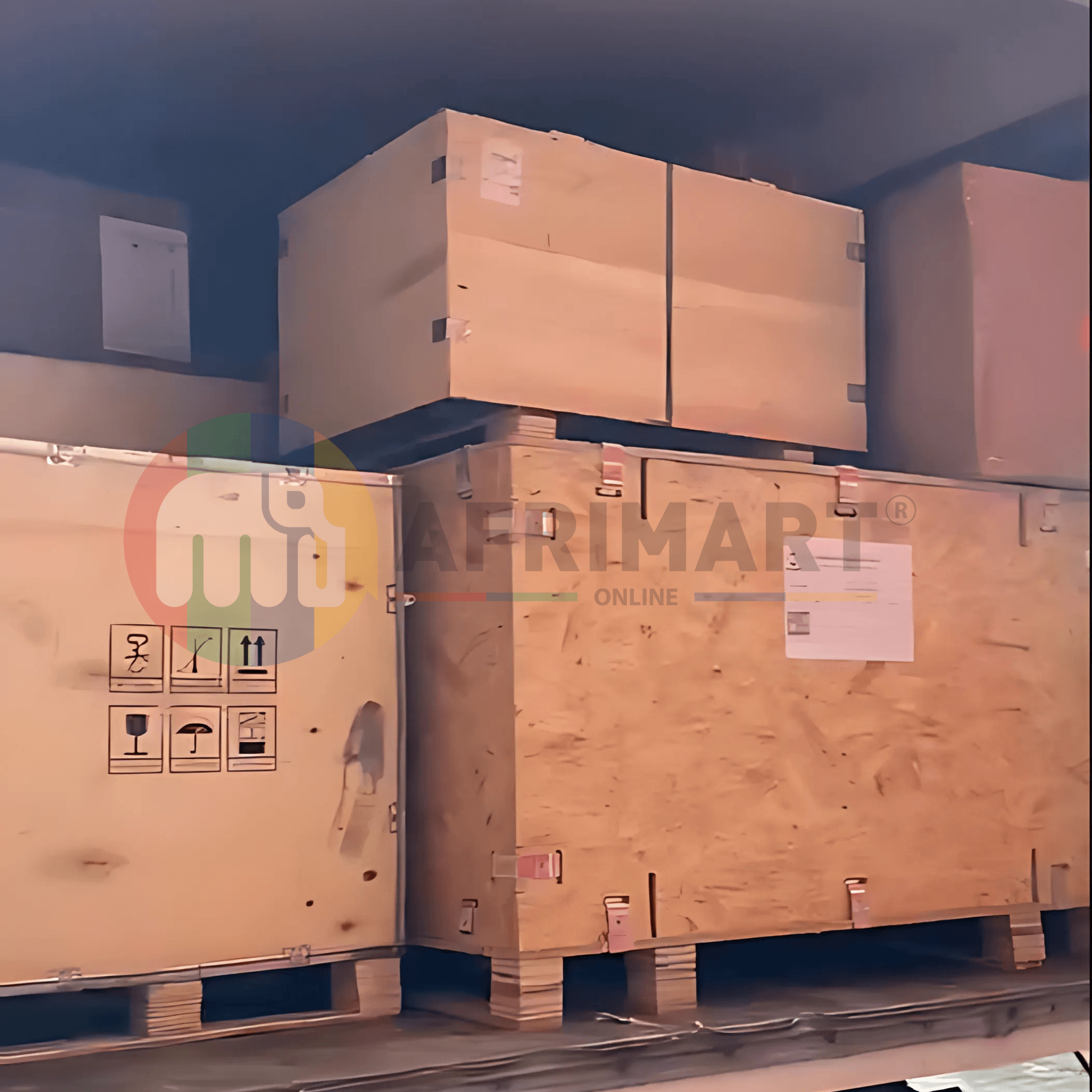
wheel alignment machines
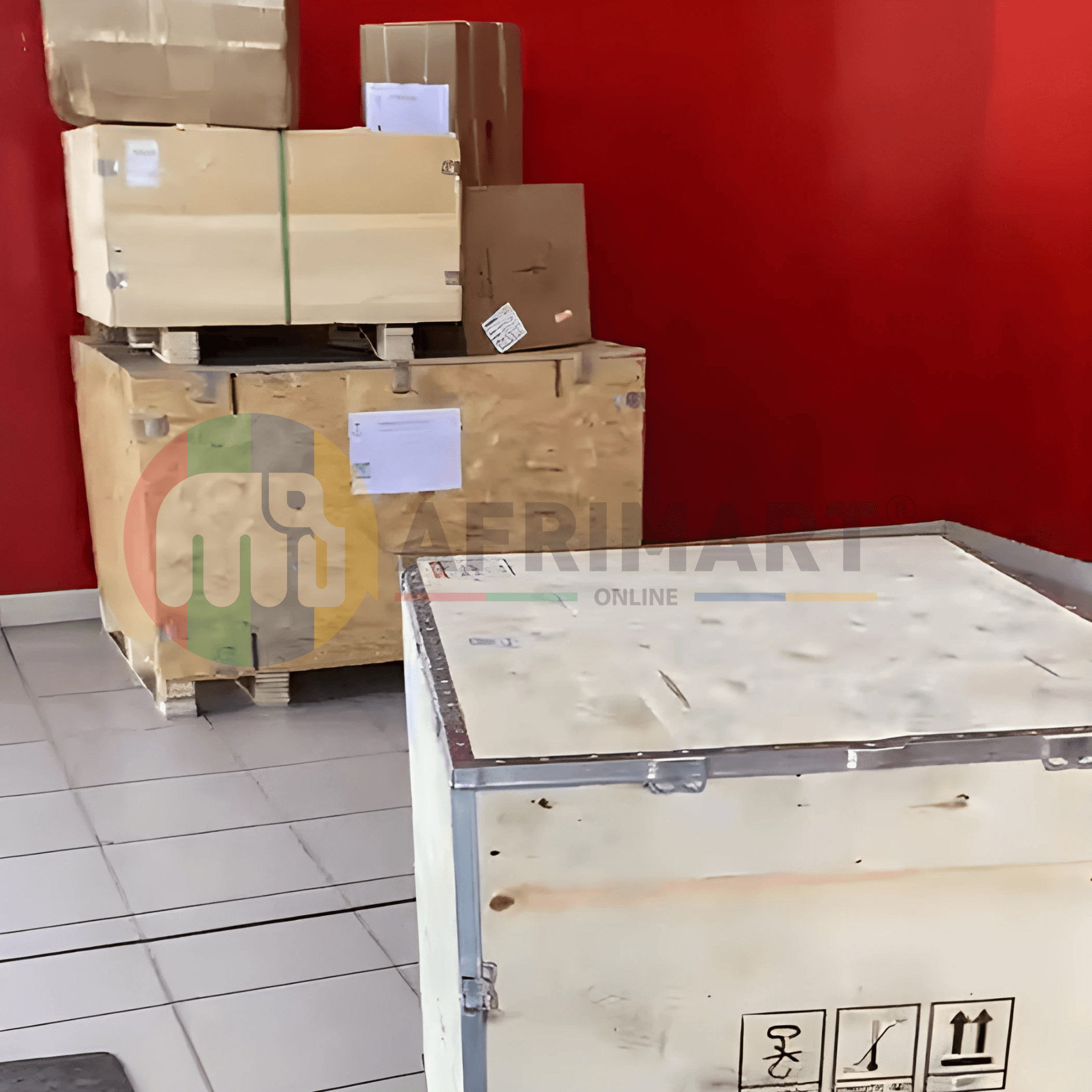
new arrivals
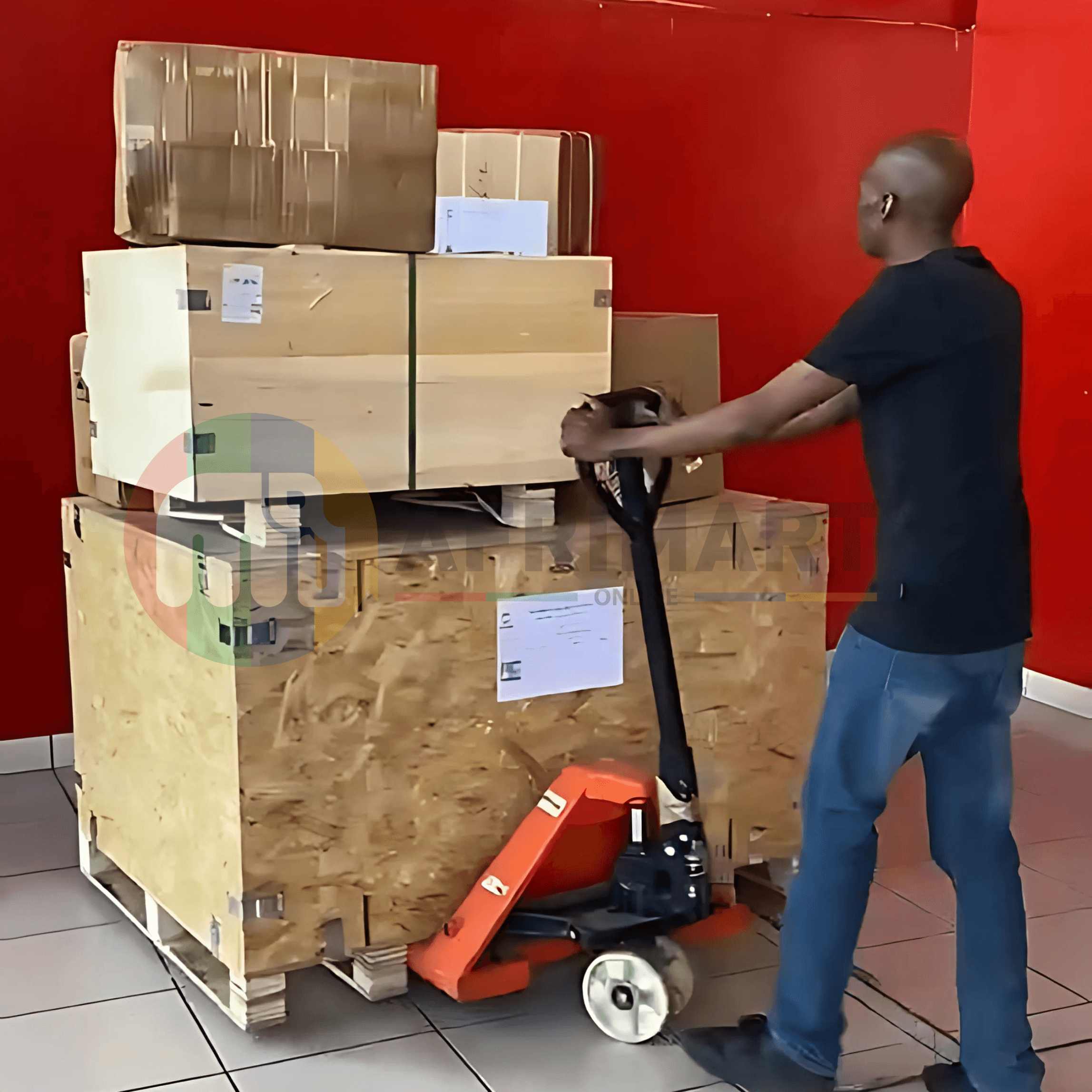
Pre Orders Offloading
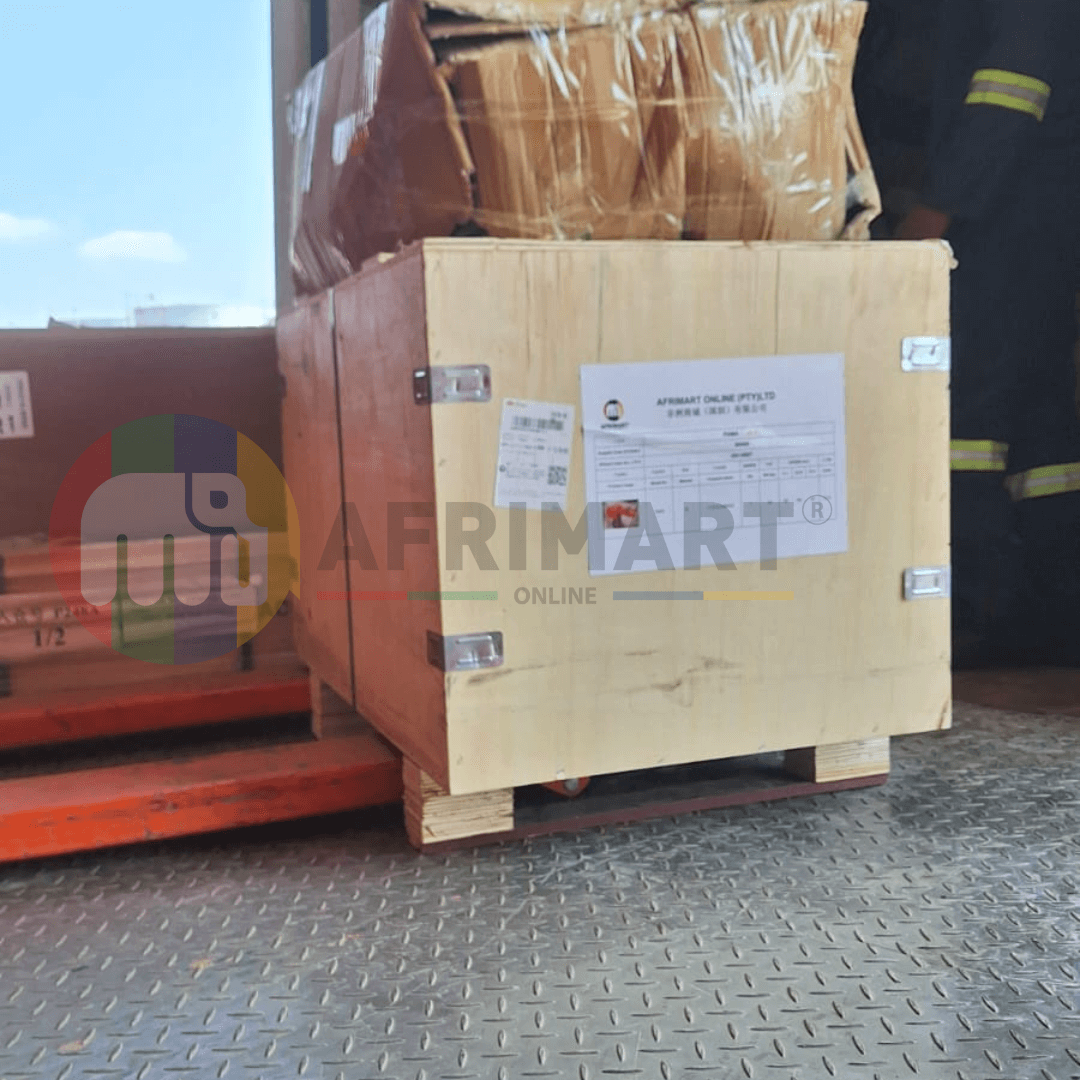
Latest Arrivals
Latest Arrivals
Latest Arrivals
26 January 2026
Toilet paper making machine
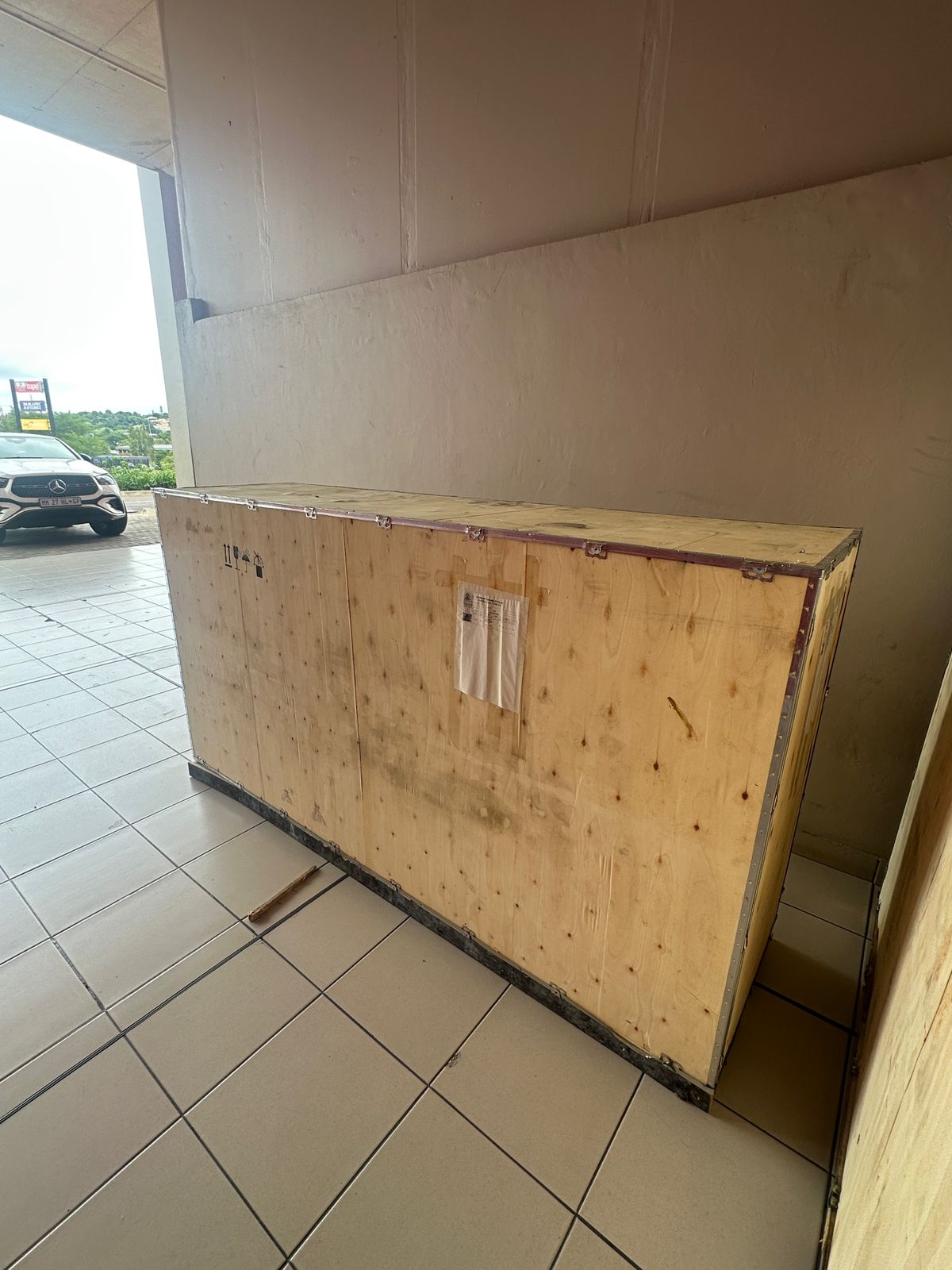
Toilet paper making machine
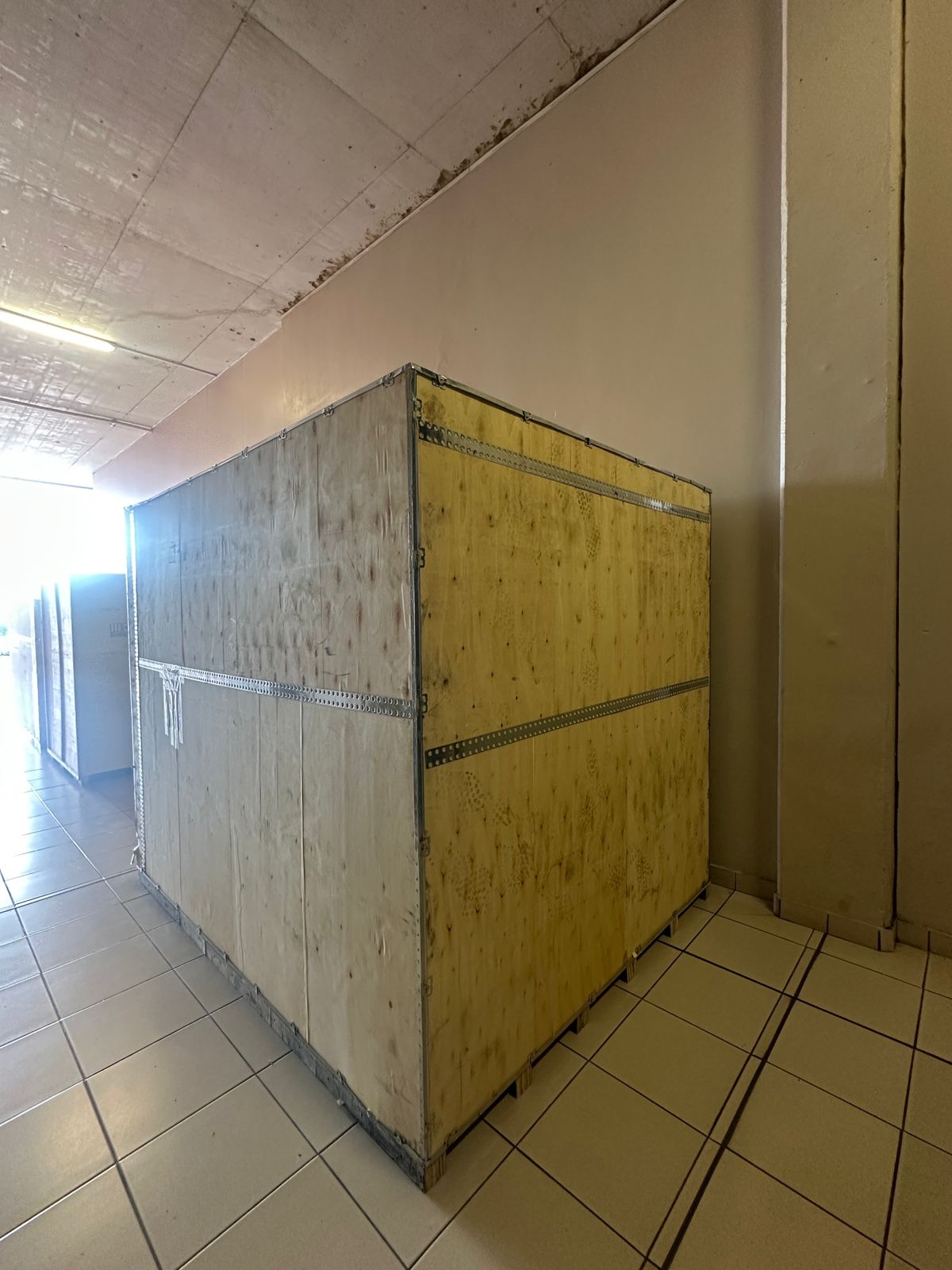
Toilet paper Rewinding Machine
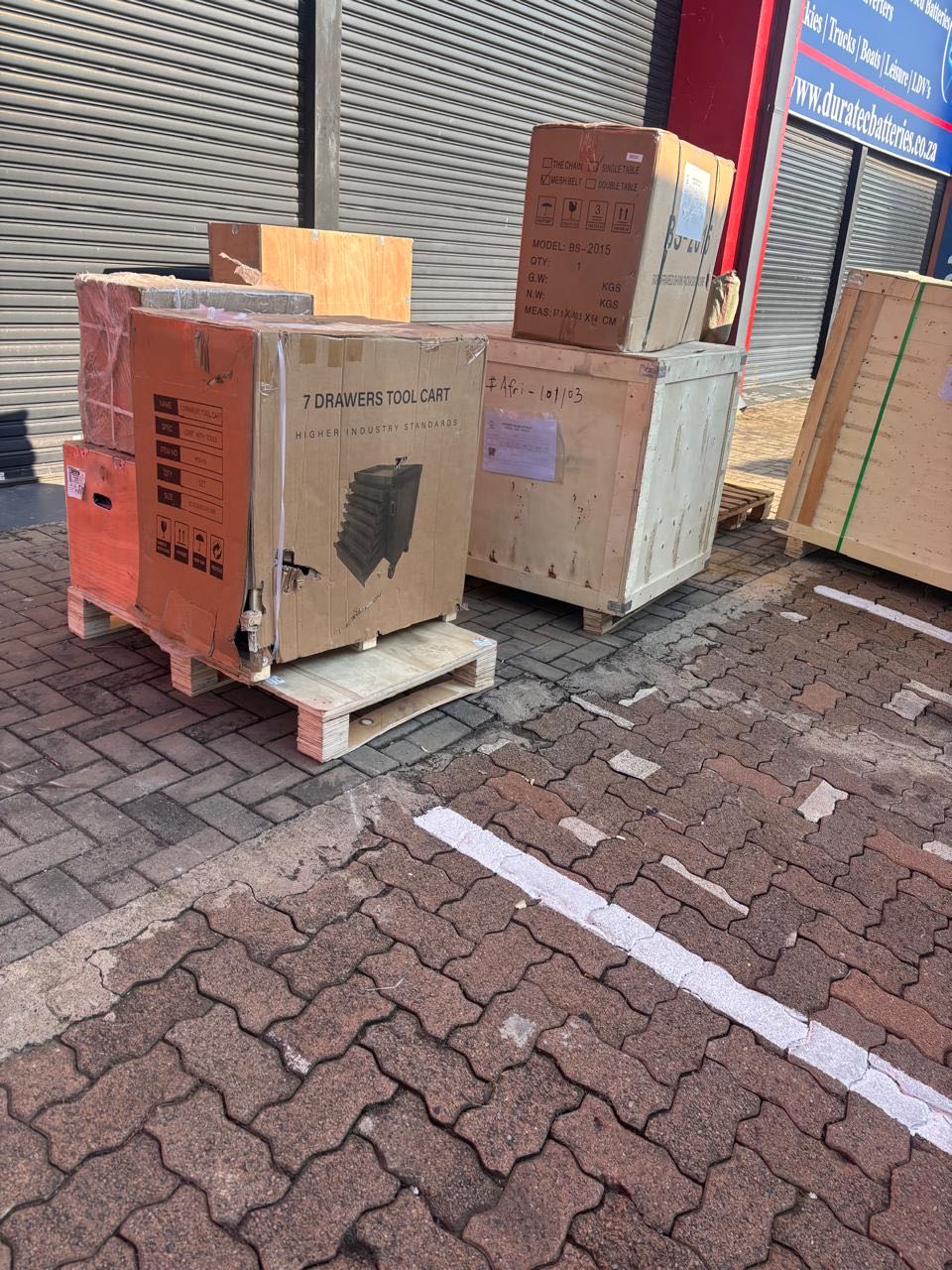
latest arrivals
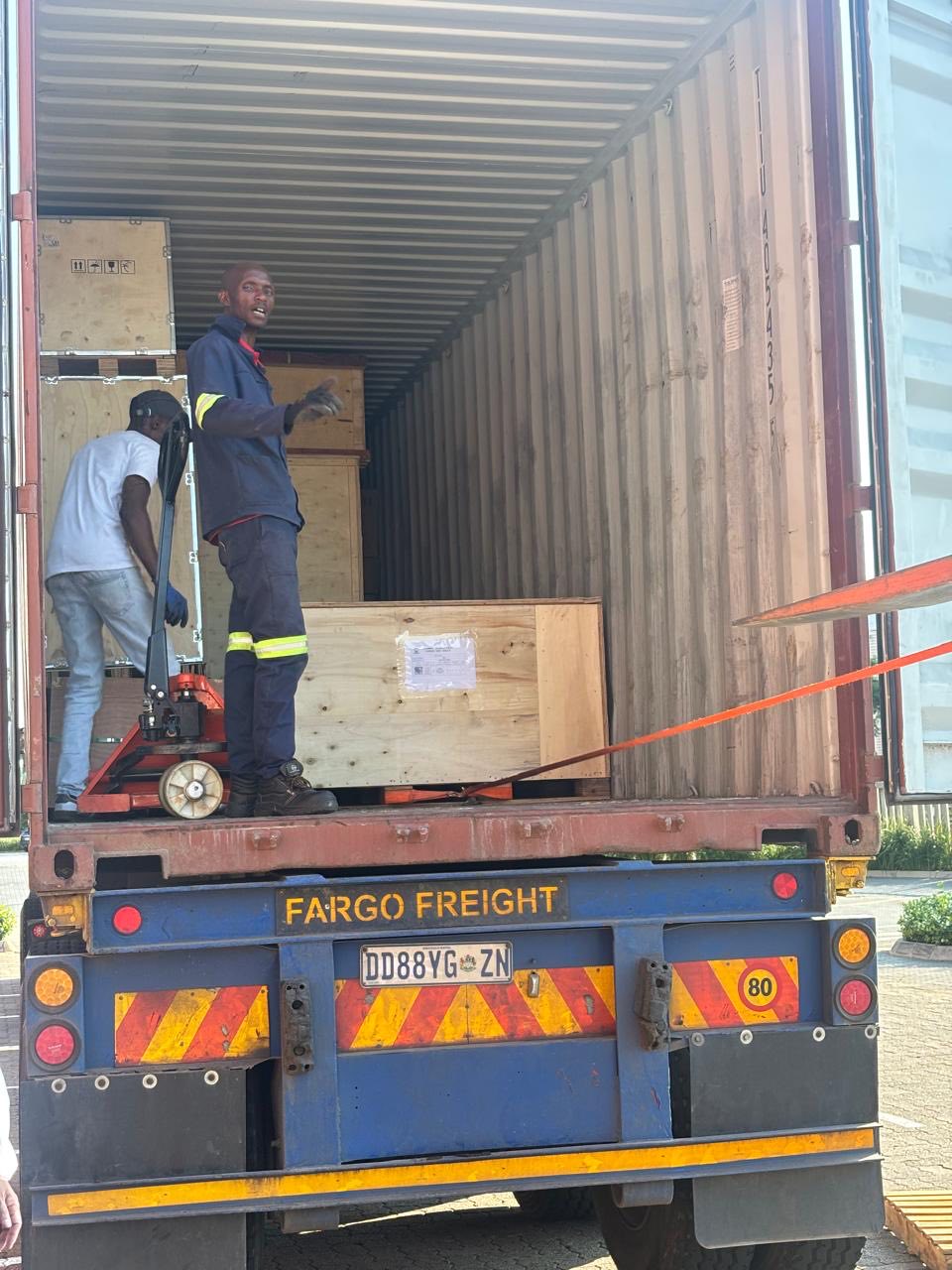
offloading
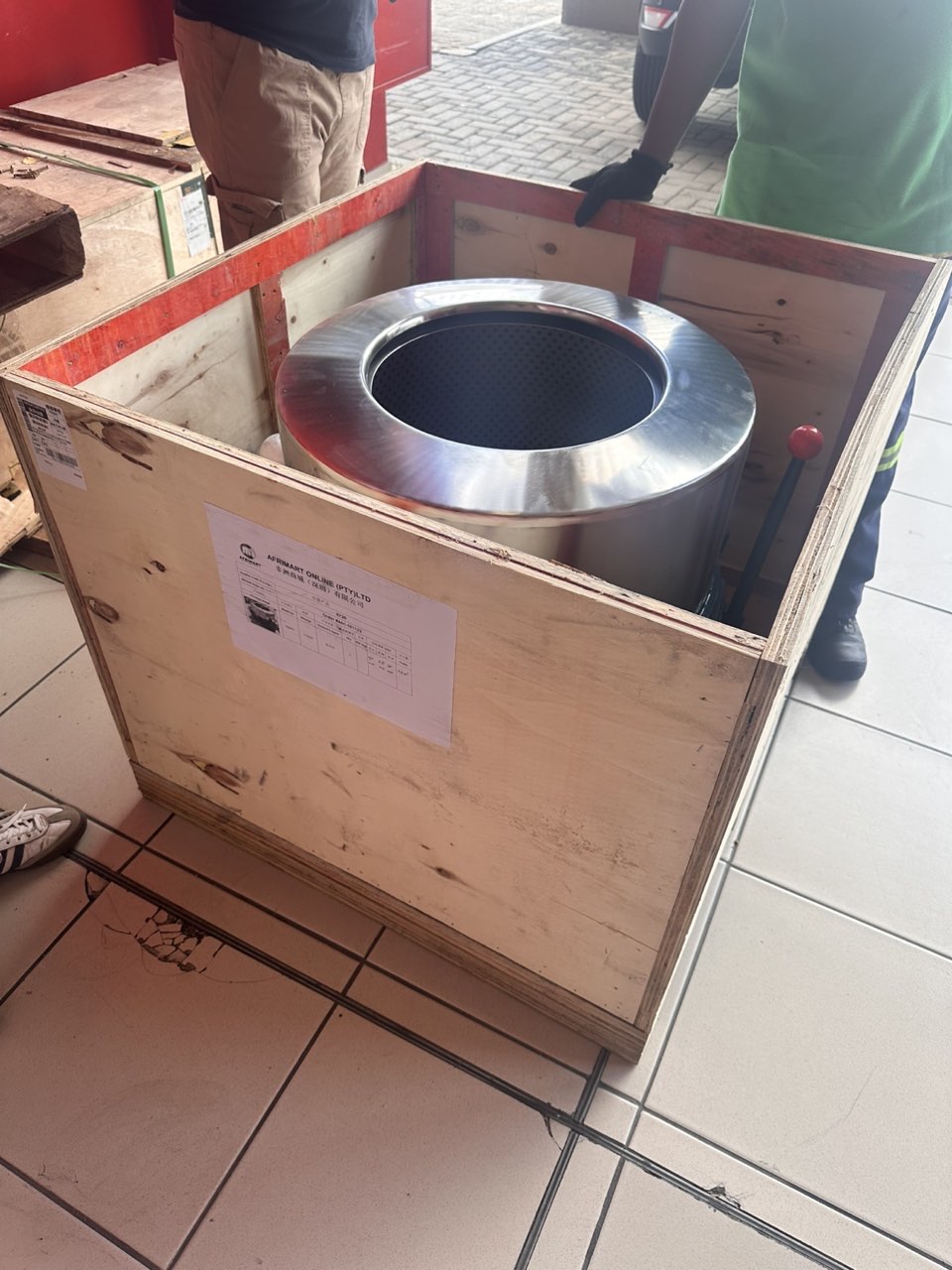
order success
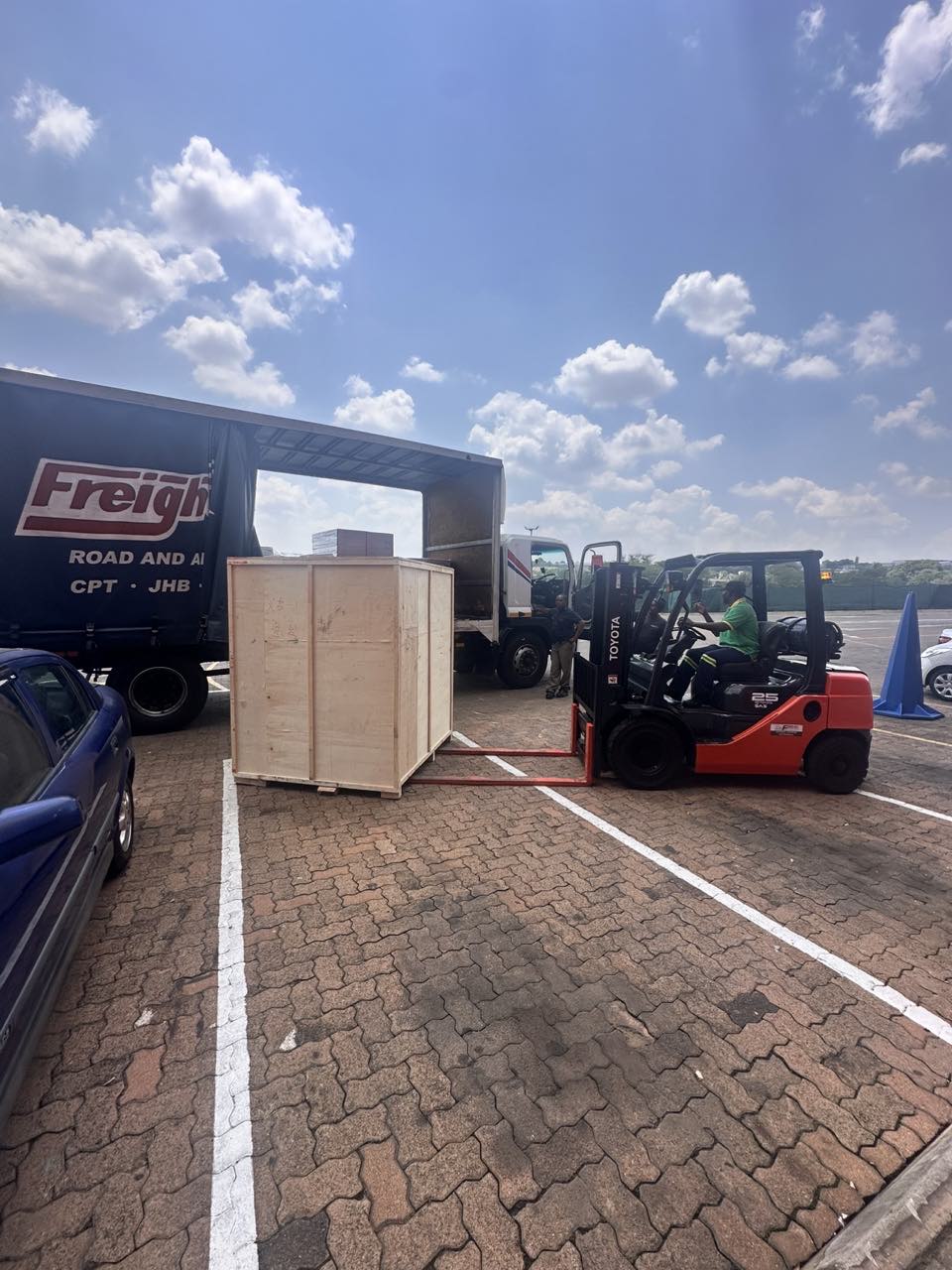
order collection
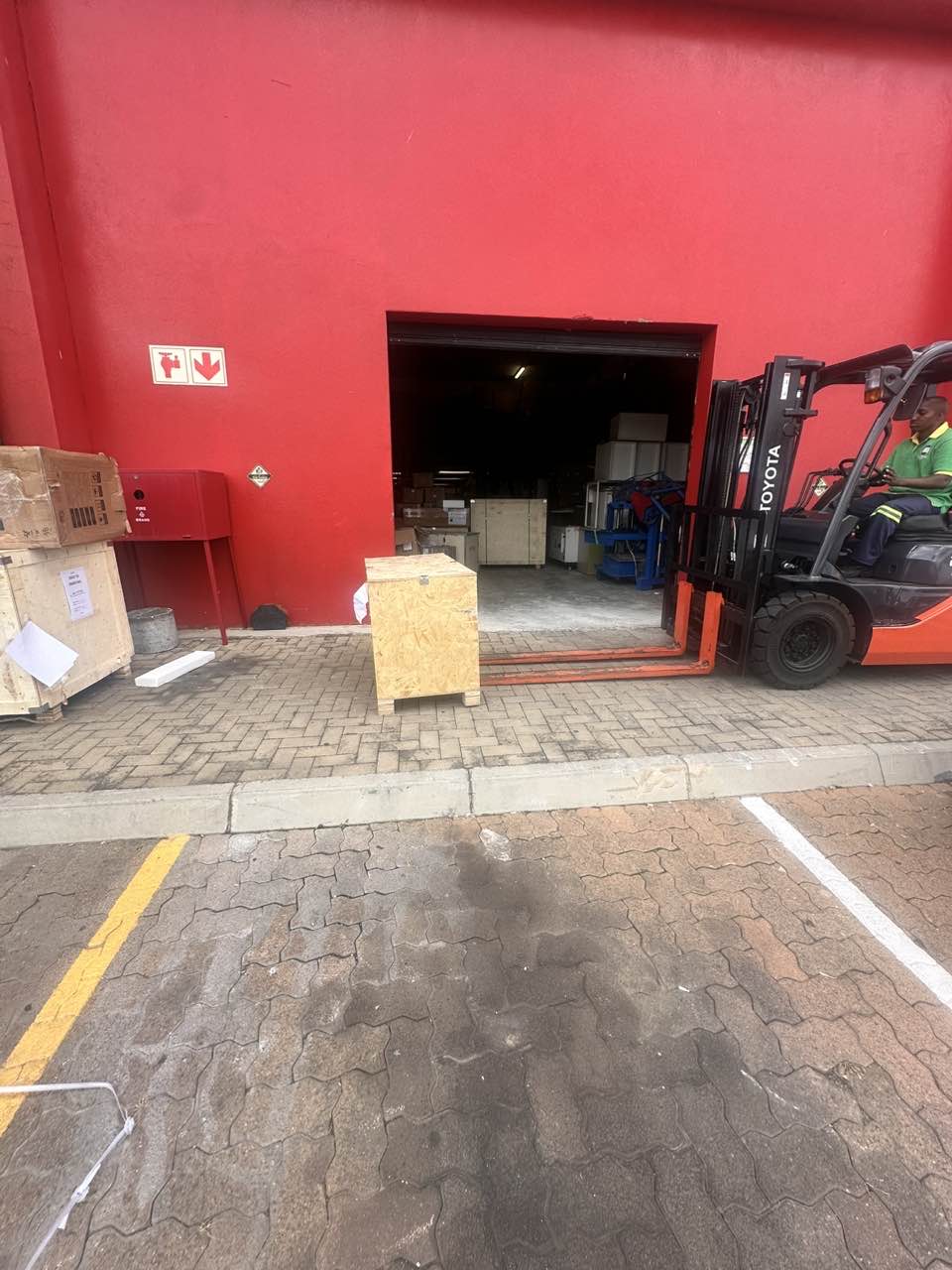
order offloading