B21, China Town Mall, Midrand


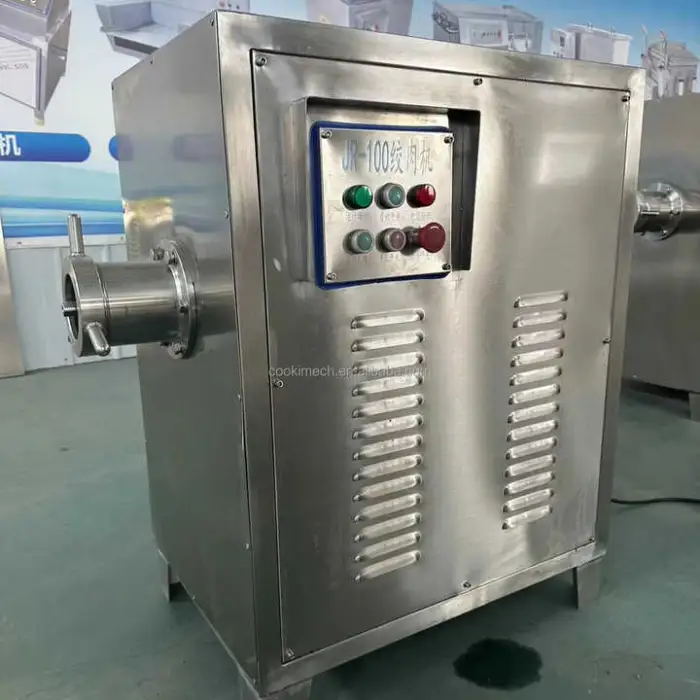
Heavy Duty Crusher Bone Meat Grinder/big Mincers Meat/meat Mincer Industrial
Asset finance available
Do you want funding for this equipment?
Afrimart can connect you with trusted funding partners who specialise in asset finance for businesses like yours. Compare options and apply in minutes — final approval is subject to provider review.
Check funding options
Secure & no obligation

- Section : Machinery
- Category : Other Food Processing Machinery
- SKU : 1601356689432

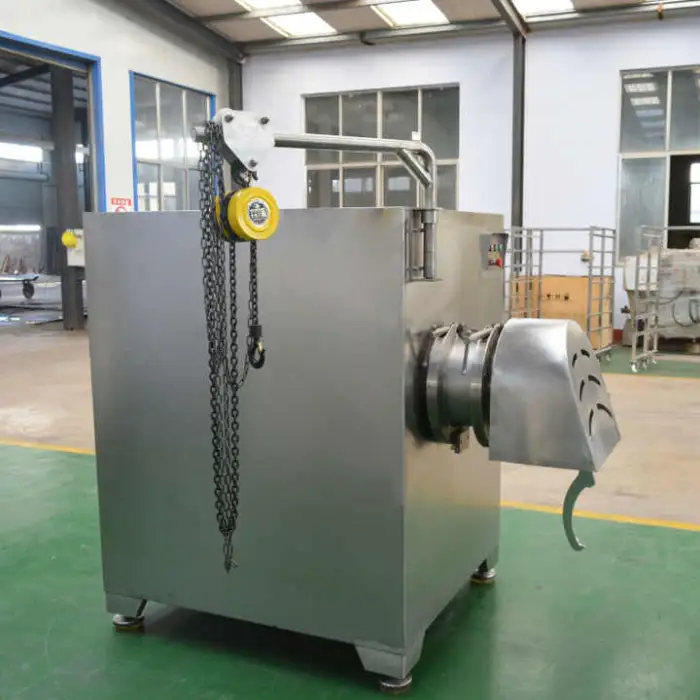
Heavy Duty Crusher Bone Meat Grinder - Big Mincers Meat Mincer Industrial
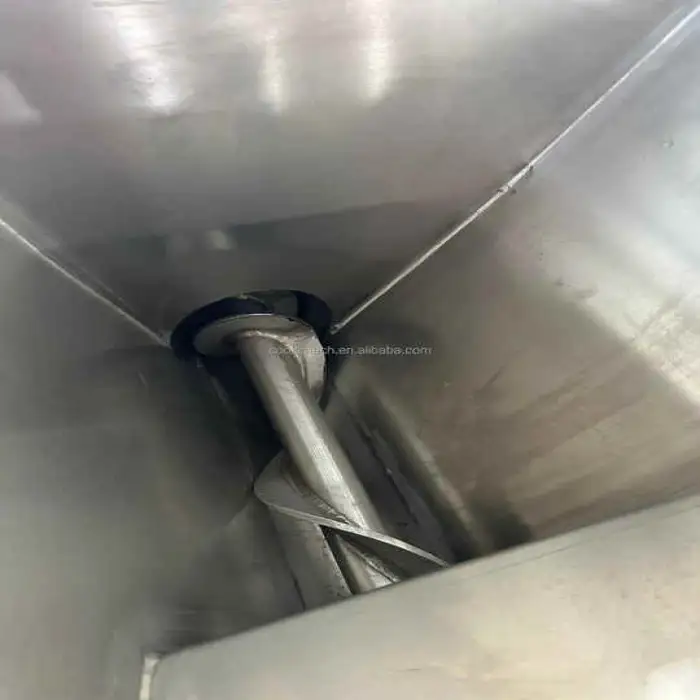
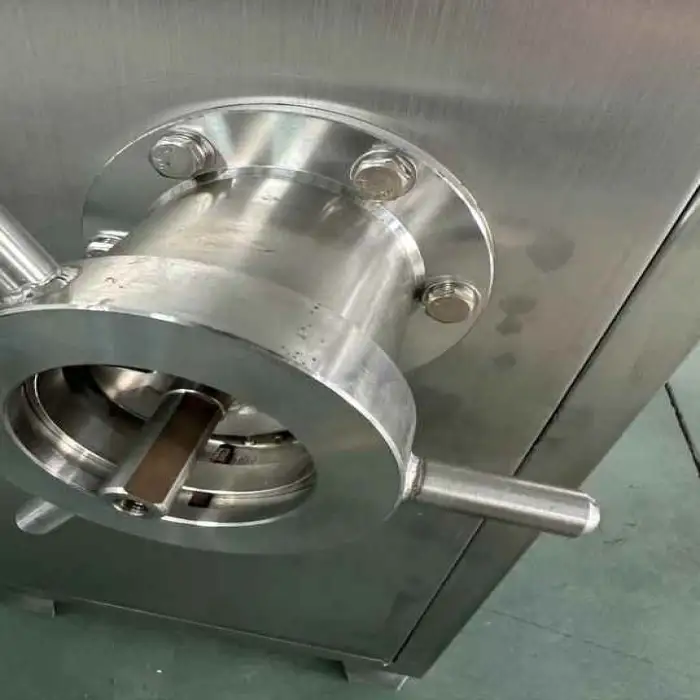
The Heavy Duty Crusher Bone Meat Grinder is a powerful and efficient machine designed for industrial meat processing. This meat mincer can handle a production capacity of 600 to 1000 kg per hour, making it perfect for large-scale operations. Built from high-quality 304 stainless steel, it ensures durability and easy cleaning. With its electric design, this meat grinder offers reliability and ease of use.
Specifications
| Attribute | Details |
|---|---|
| Condition | New |
| Production Capacity | 600-1000 kg/h |
| Weight | 258 kg |
| Brand Name | CookiMech |
| Voltage | 110-600 V |
| Dimension (L*W*H) | 920*620*1060 mm |
| Product Name | Meat Grinder Meat Mincer Machine |
| Material | 304 Stainless Steel |
| Type | Electric Grinder Meat |
| Service Provided | Online Support |
| Selling Units | Single item |
| Single Package Size | 92X62X106 cm |
| Single Gross Weight | 67.000 KG |
Key Features
- High production capacity of 600-1000 kg/h
- Durable 304 stainless steel construction
- Electric operation for ease of use
- Compact size for industrial settings
- Online support for assistance
Applications
- Meat processing plants
- Butcher shops
- Food production companies
- Restaurants and catering services
- Large-scale kitchens
Product Info Gallery
- Shipping Timeframes: All orders are processed within 2-5 business days (excluding weekends and holidays). After your order has been processed, the estimated delivery time is before 14 Jul, 2026, depending on customs, Please note that due to high demand, some items may experience longer shipping times, which will be communicated at order confirmation email.
- Order Processing Time: Please allow 2-5 business days for us to process your order before it is shipped . Orders placed after 16:00 on Fridays, or during weekends and public holidays, will begin processing on the next business day. Processing times may be extended during peak seasons or sales events.
- Manufacturing Time: Some products needs manufacturing time, the manufacturing process will take approximately 10-30 business days depending on the product. This timeframe may vary depending on the complexity of the product and current demand. but this will be communicated with you during order confirmation.
- Returns and Exchanges: We offer a 30-day return policy for most items. If you are not completely satisfied with your purchase, you may return it within 30 days of receipt for a refund or exchange. Items must be unused, in their original packaging, and accompanied by proof of purchase. Return shipping costs are the responsibility of the customer, unless the item was damaged or defective upon arrival.
1. What is the production capacity of the Heavy Duty Crusher Bone Meat Grinder?
The grinder has a production capacity of 600–1000 kg per hour, depending on meat type, bone content, feed size and selected plate/knife combination.
2. Can this machine grind bones as well as meat?
Yes — the unit is described as a crusher/bone-capable meat grinder designed for heavy-duty industrial use. However, allowable bone size and hardness can affect performance; confirm limitations with the supplier before processing very large or dense bones.
3. What materials is the machine made from? Is it food‑safe?
The machine is constructed from 304 stainless steel, a commonly used food‑grade material that is corrosion resistant and suitable for food processing environments.
4. What are the machine dimensions and required floor space?
Overall dimensions are 920 × 620 × 1060 mm (L × W × H). Allow additional clearance around the unit for feeding, maintenance and cleaning when planning installation.
5. What is the machine weight and what does the packaging weigh?
The specification lists a machine weight of 258 kg. The spec also lists a single gross weight of 67.000 KG, which appears inconsistent with the machine weight — please confirm exact net and shipping weights with the seller before shipment.
6. What are the voltage and power requirements?
The product specification lists voltage options from 110–600 V. Motor power and exact electrical configuration may vary by model; contact the supplier or check the detailed technical sheet for the motor rating and wiring requirements for your region.
7. Is the grinder suitable for continuous industrial operation?
The unit is designed for heavy‑duty industrial use and high throughput. For continuous 24/7 operation, confirm the recommended duty cycle, cooling requirements and any recommended maintenance intervals with the manufacturer.
8. What accessories, plates and knives are included or available?
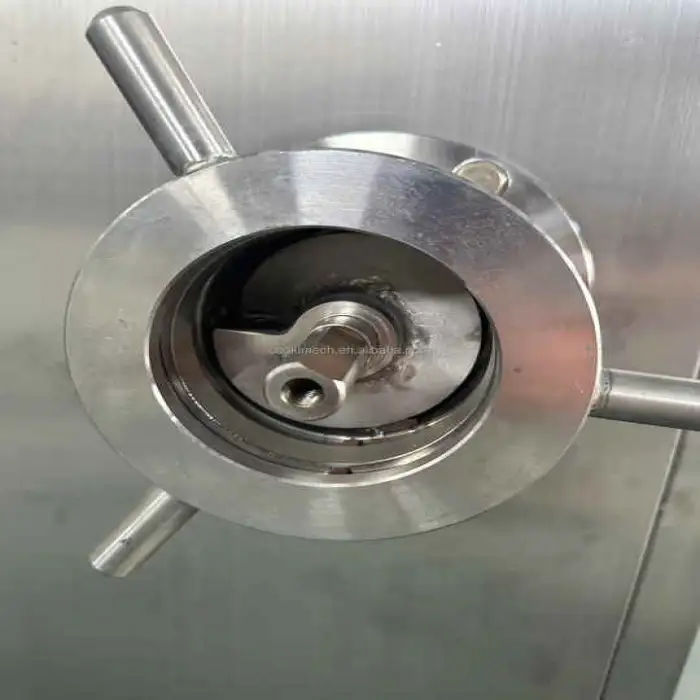
Standard offerings often include grinding knives and perforated plates in various hole sizes; other accessories (e.g., sausage stuffing tubes, different plate sizes, additional knives) may be available as options. Check with the supplier for the included items and optional accessories.
9. How do I clean and sanitize the machine?
Because it’s made of 304 stainless steel, the surfaces are easy to clean. Follow good practice: disconnect power, dismantle removable grinding parts, wash with food‑safe detergent, rinse and sanitize, then dry before reassembly. Refer to the manufacturer’s cleaning and sanitation instructions for safe disassembly and reassembly steps.
10. What maintenance is required to keep the grinder in good condition?
Routine maintenance typically includes daily cleaning, inspection of knives and plates for wear, sharpening or replacing blades as needed, checking fasteners, and lubricating any bearings per the manufacturer’s guidance. Keep a log of service and replace consumables promptly to maintain performance.
11. What safety features does the machine have?
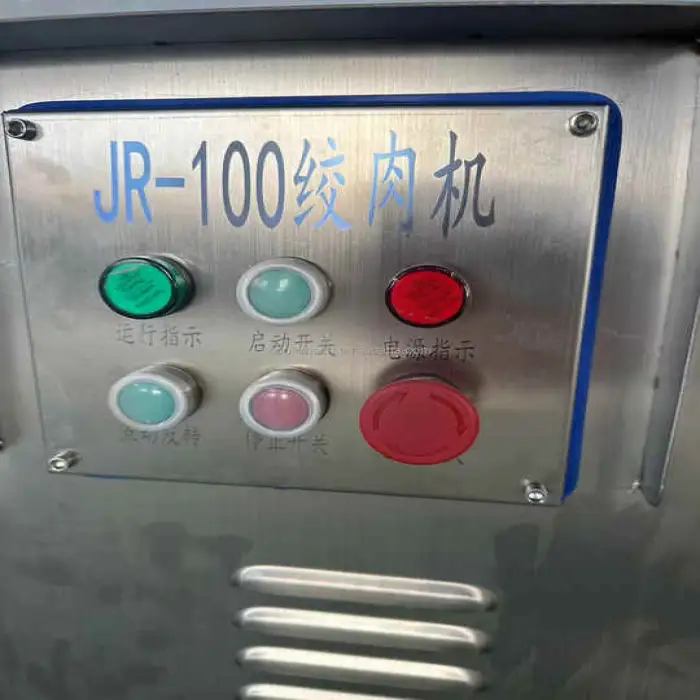
The product listing does not enumerate specific safety features. Industrial grinders commonly include safety guards, emergency stop buttons and overload protection. Ask the supplier for a list of built‑in safety features and recommended operator safety procedures.
12. Does the machine have certifications for food safety and electrical compliance (e.g., CE, UL)?
Certifications are not listed in the provided specification. If you require CE, UL or other local approvals, request certification documents from the supplier before purchase to ensure compliance with regulatory and workplace requirements.
13. Is online or after‑sales support available?
Yes — the specification lists online support as a provided service. For on‑site commissioning, spare parts or trained technician visits, confirm available service packages and response times with the vendor.
14. How does meat type and bone content affect throughput?
Throughput depends on factors such as meat texture, fat content, amount and hardness of bone, feed size and plate/knife selection. Softer boneless meat will be near the top of the capacity range; heavy bone content or large bone fragments will reduce throughput. Test runs or supplier guidance can help estimate realistic production rates for your product mix.
15. What are the typical lead time, shipping options and ordering requirements?
Lead time, shipping methods and minimum order quantities are not specified in the listing. Contact the seller or distributor to obtain current lead times, freight options, packaging details and any order minimums or required documentation for purchase and import.
Latest Order Arrivals
Discover our latest orders
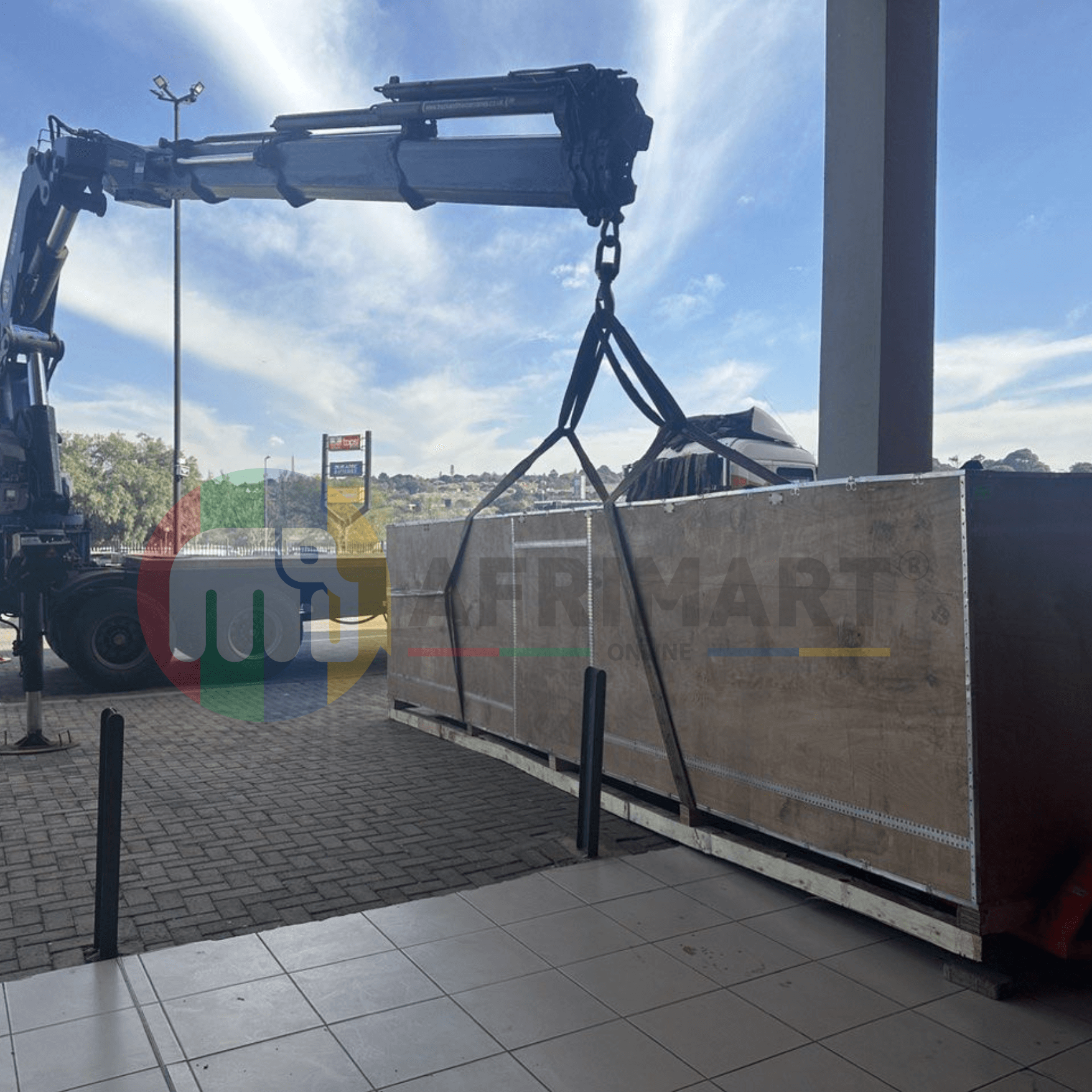
12 Heads Embroidery Machine
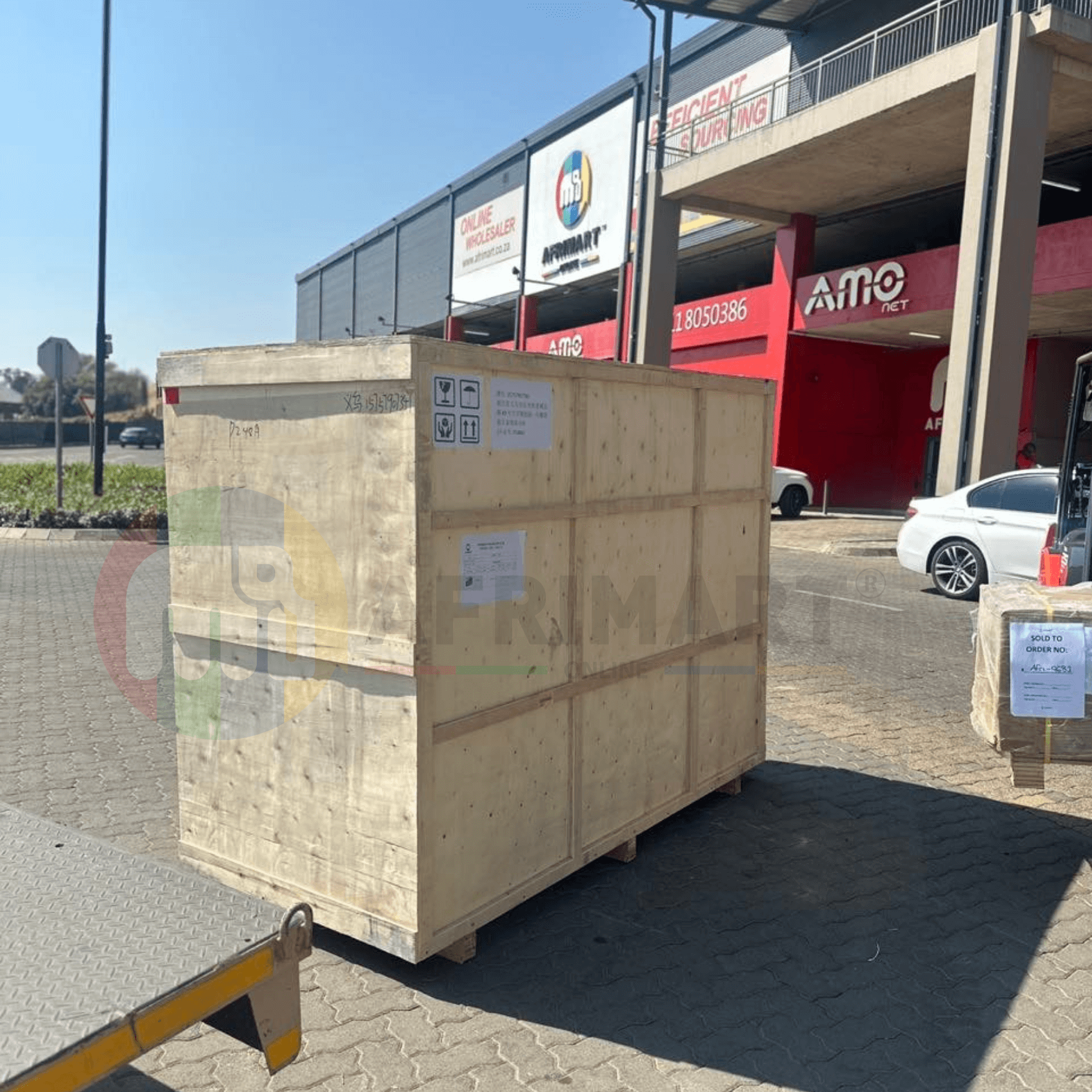
Dewatering Pump Machine
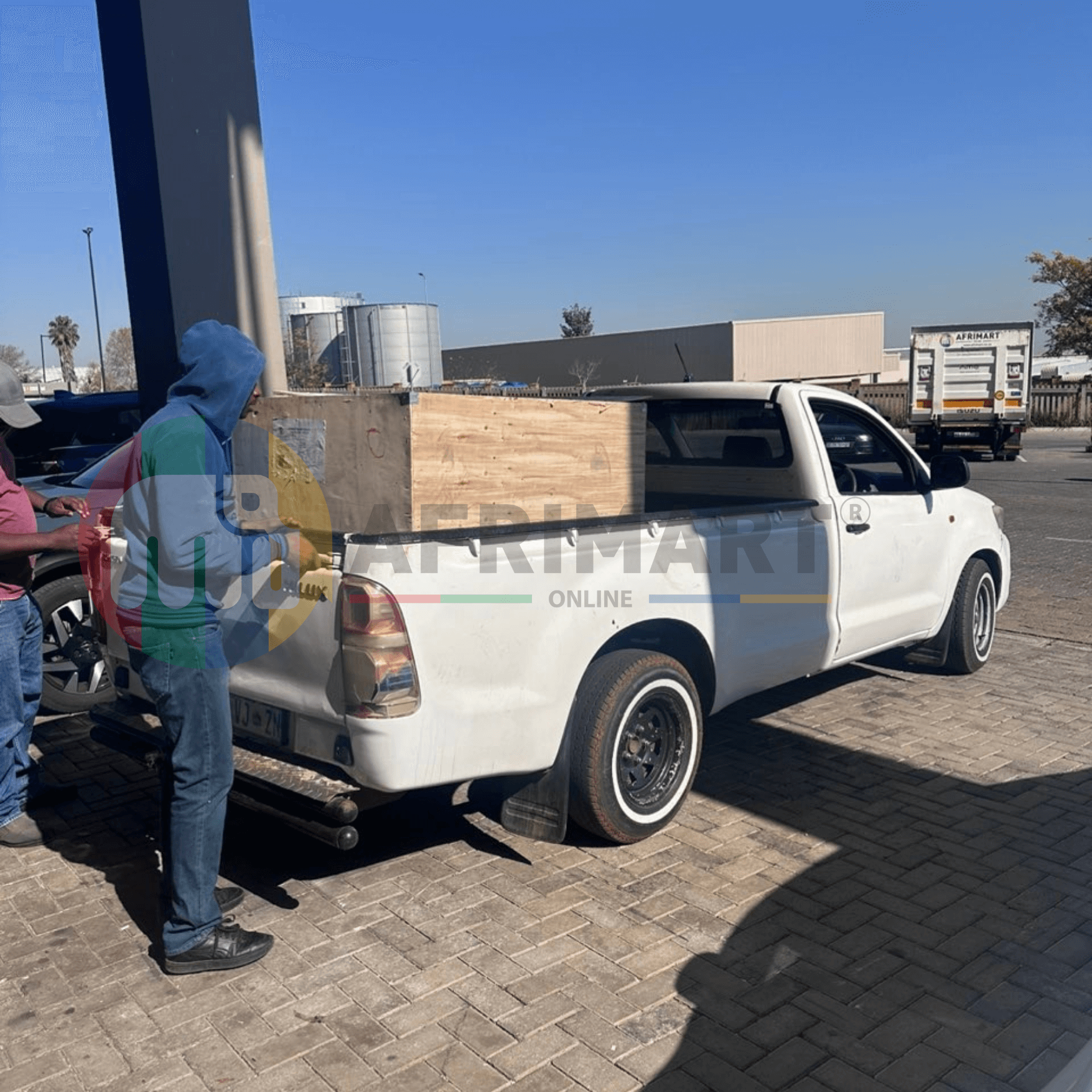
Order Collection
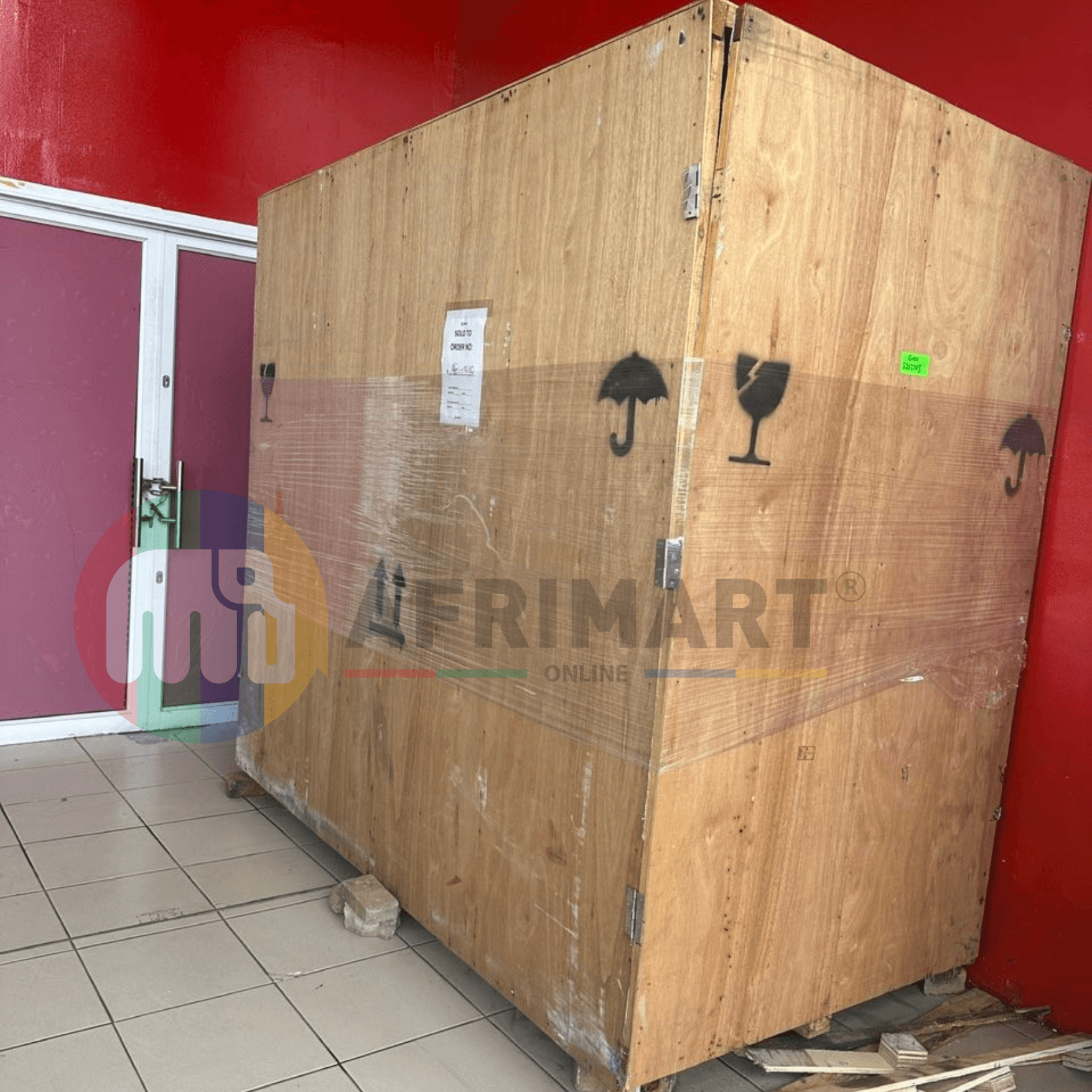
Portable Water Drilling Rig
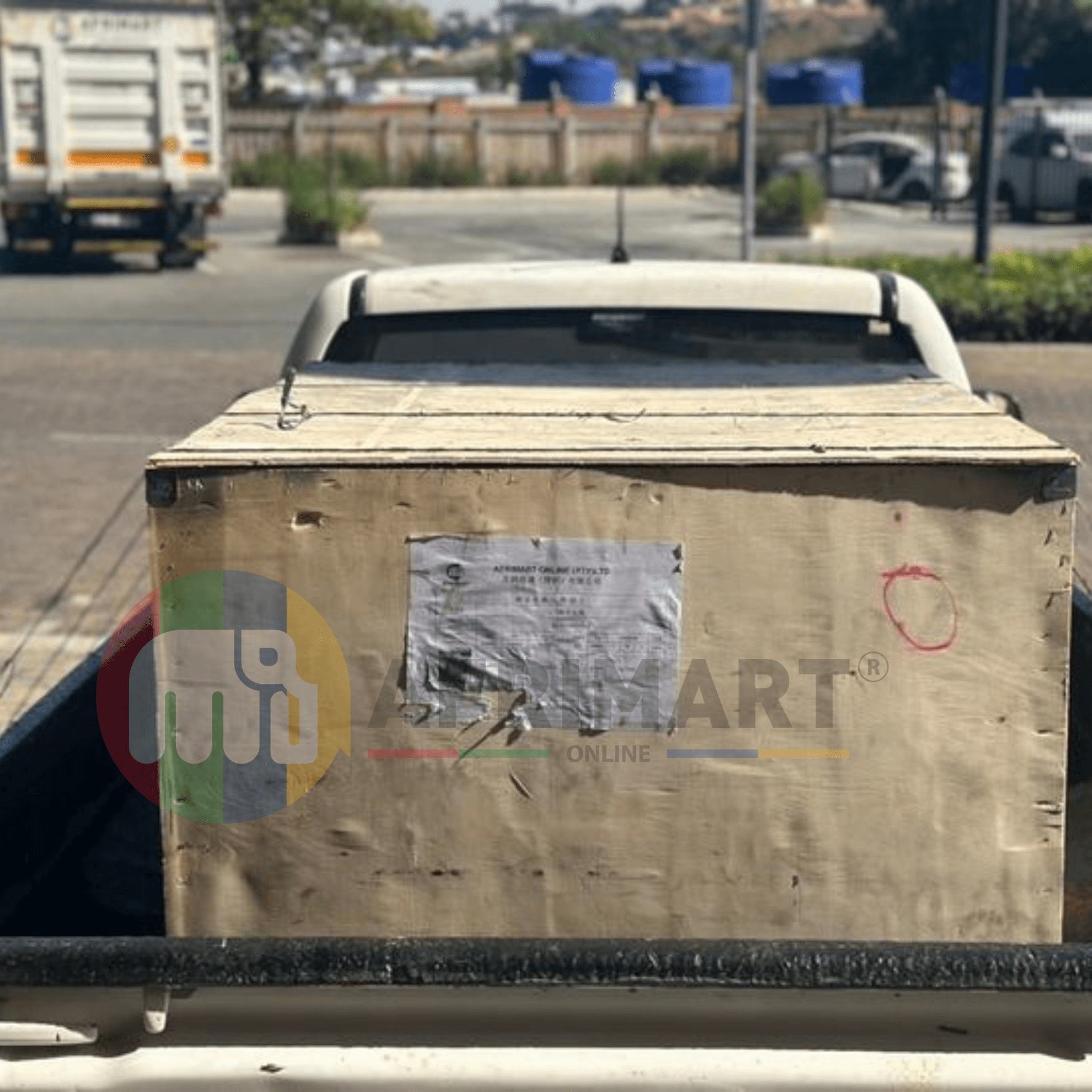
Order Usefully Collected
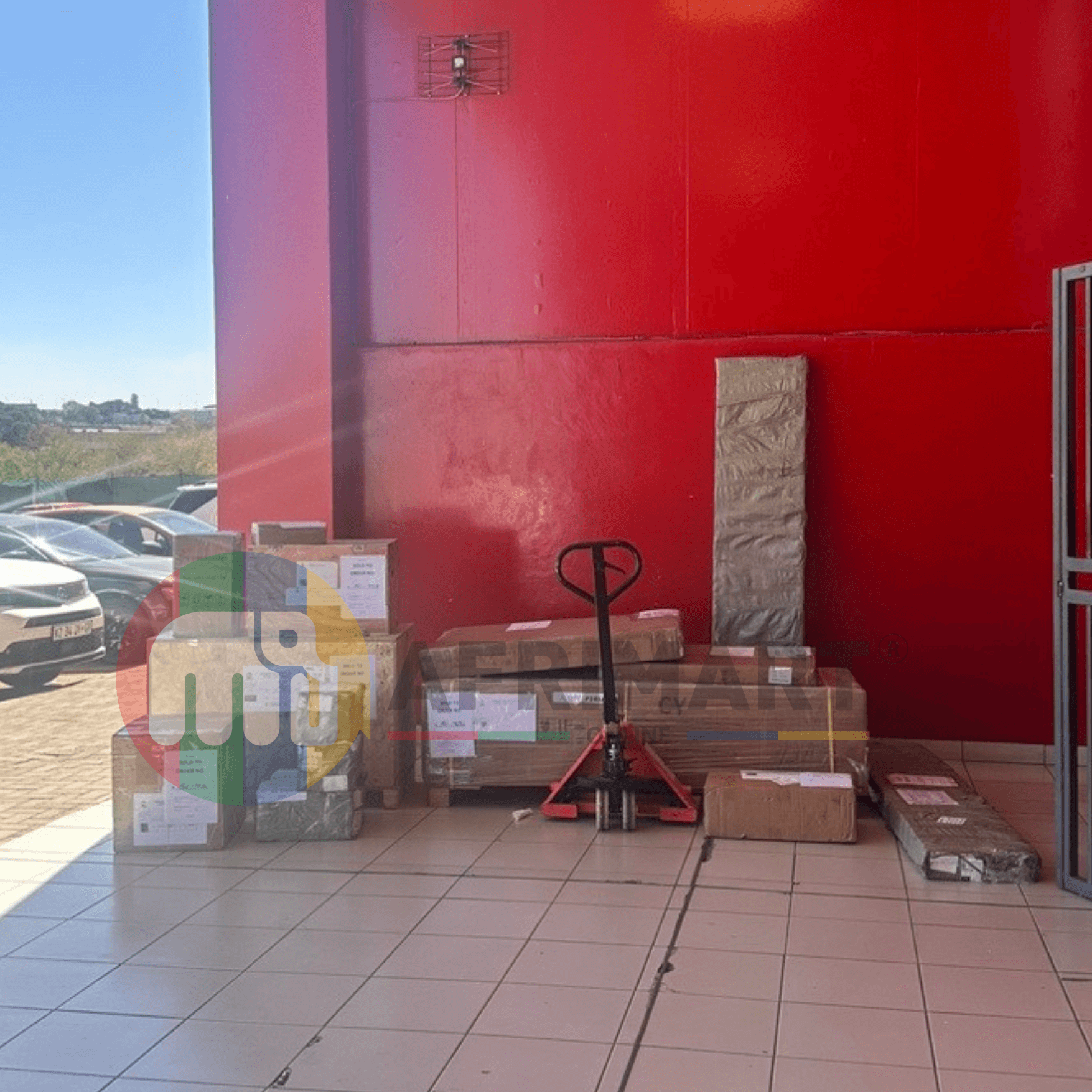
Batch of Orders
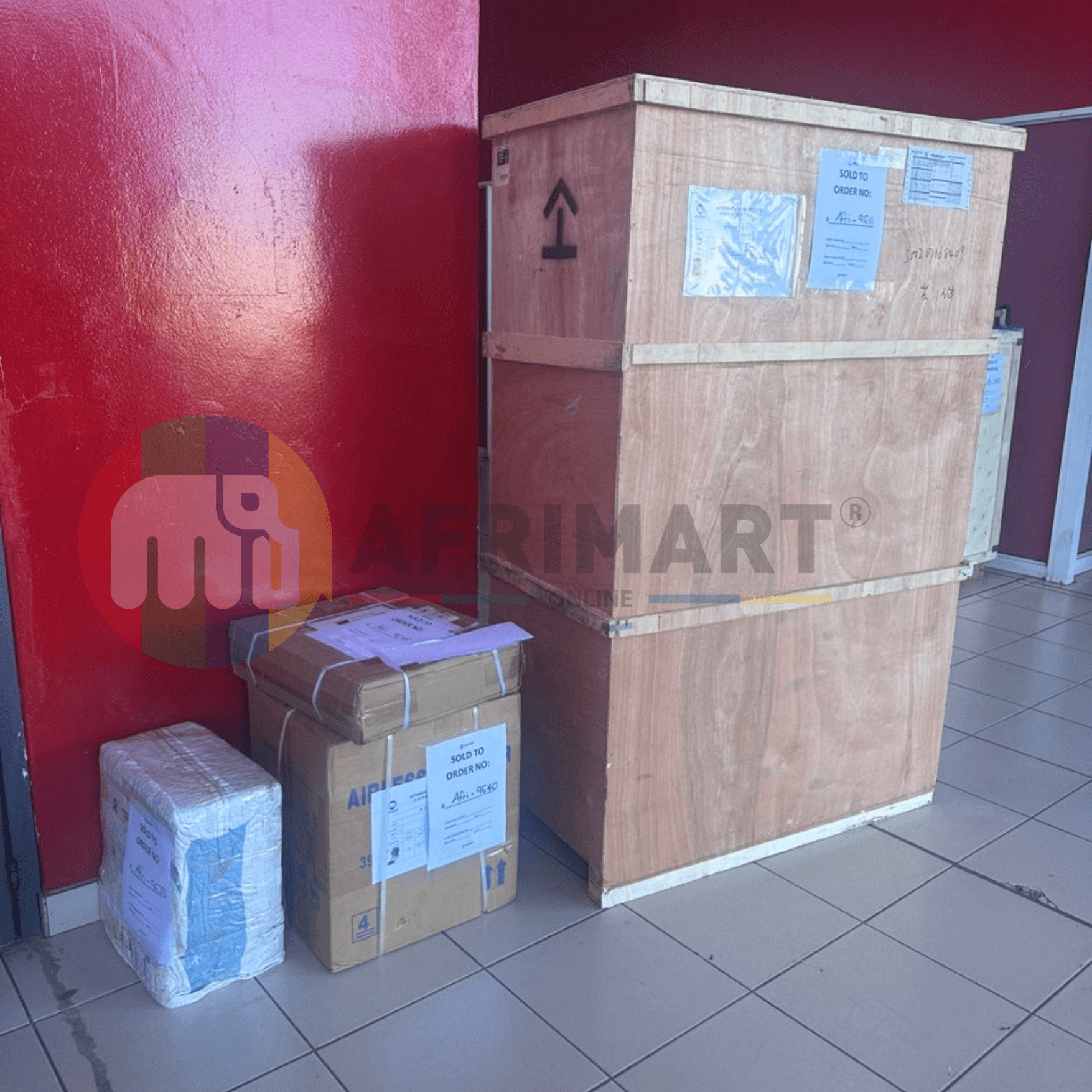
Agriculture Processing Machines
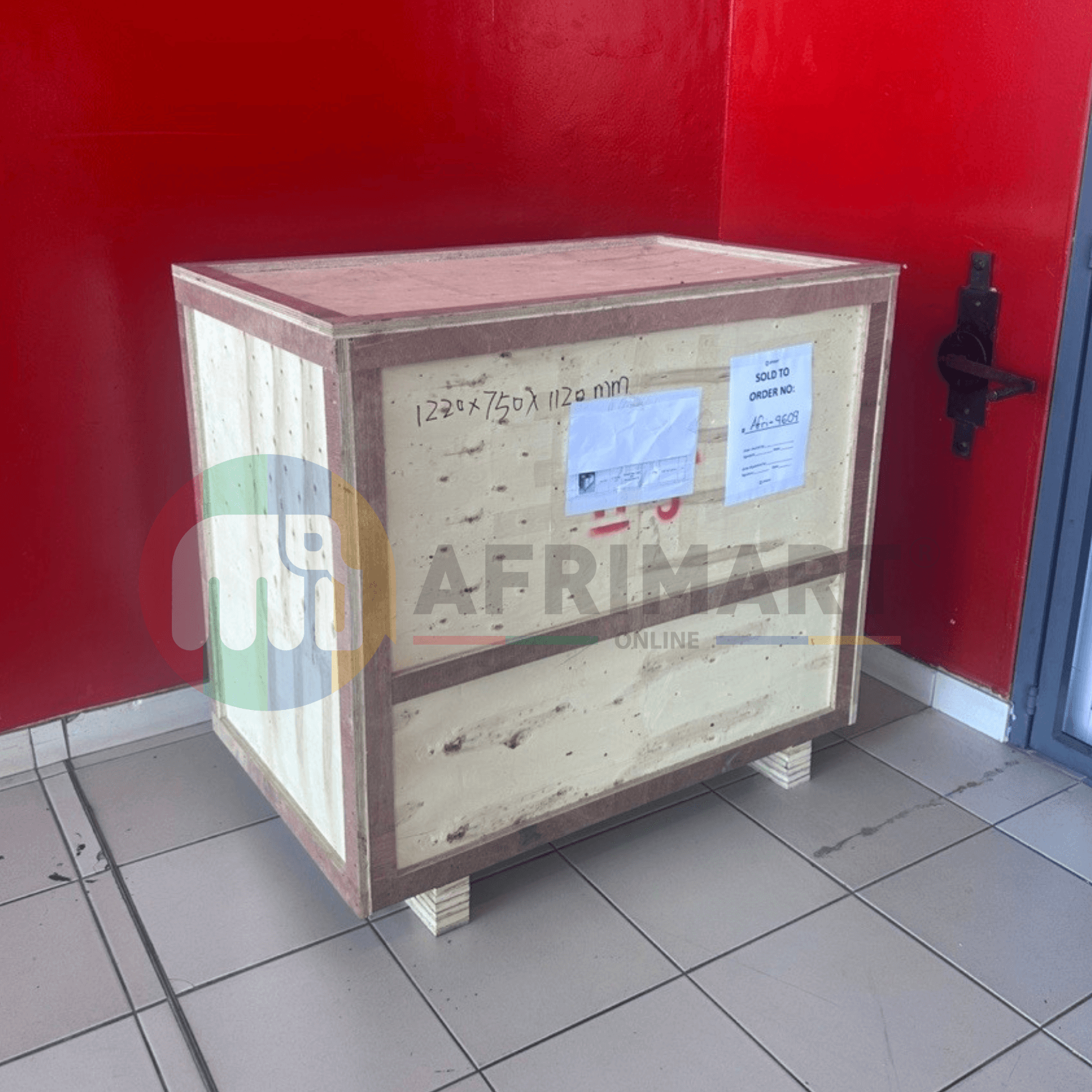
Meat Grinder Machine
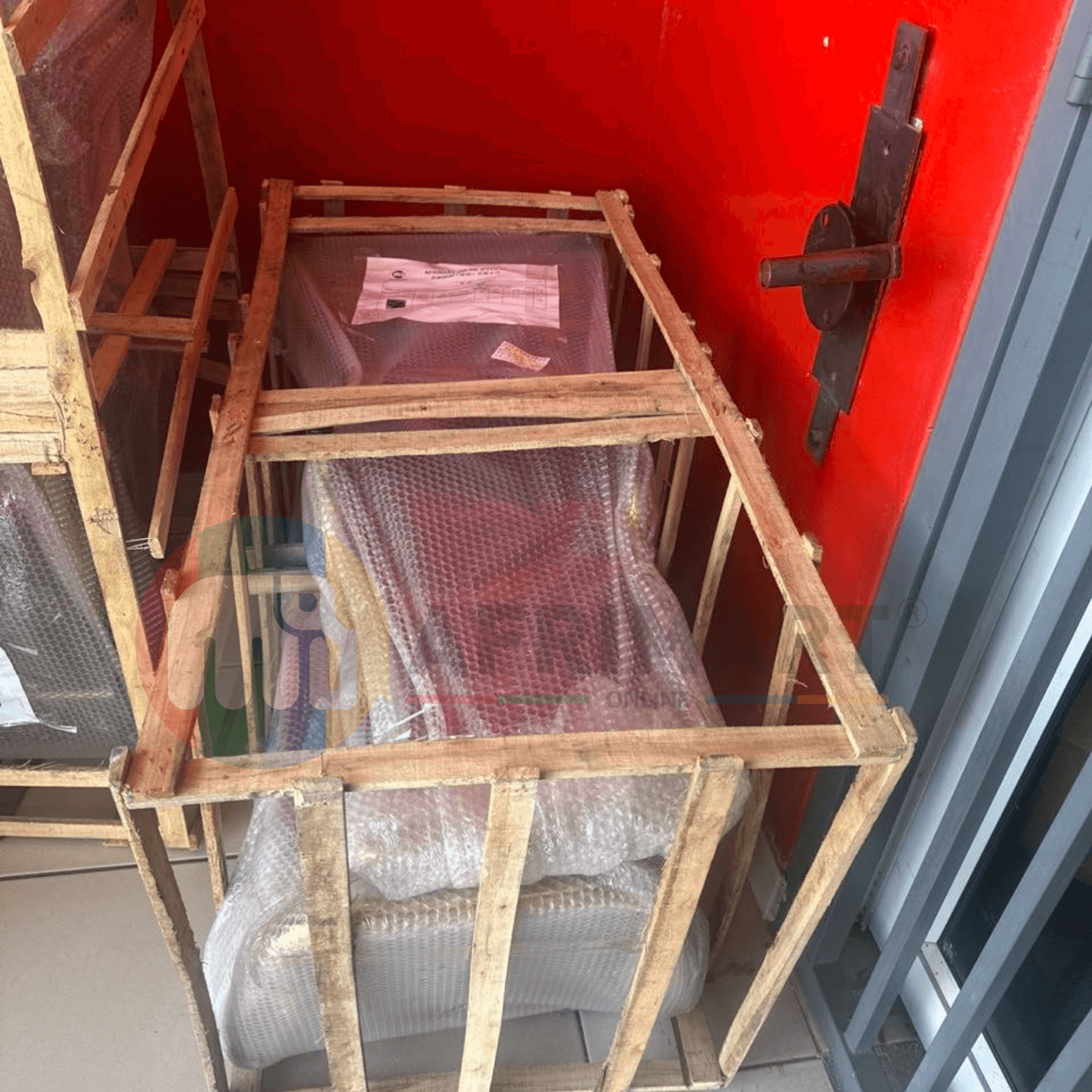
Water Pump Equipment
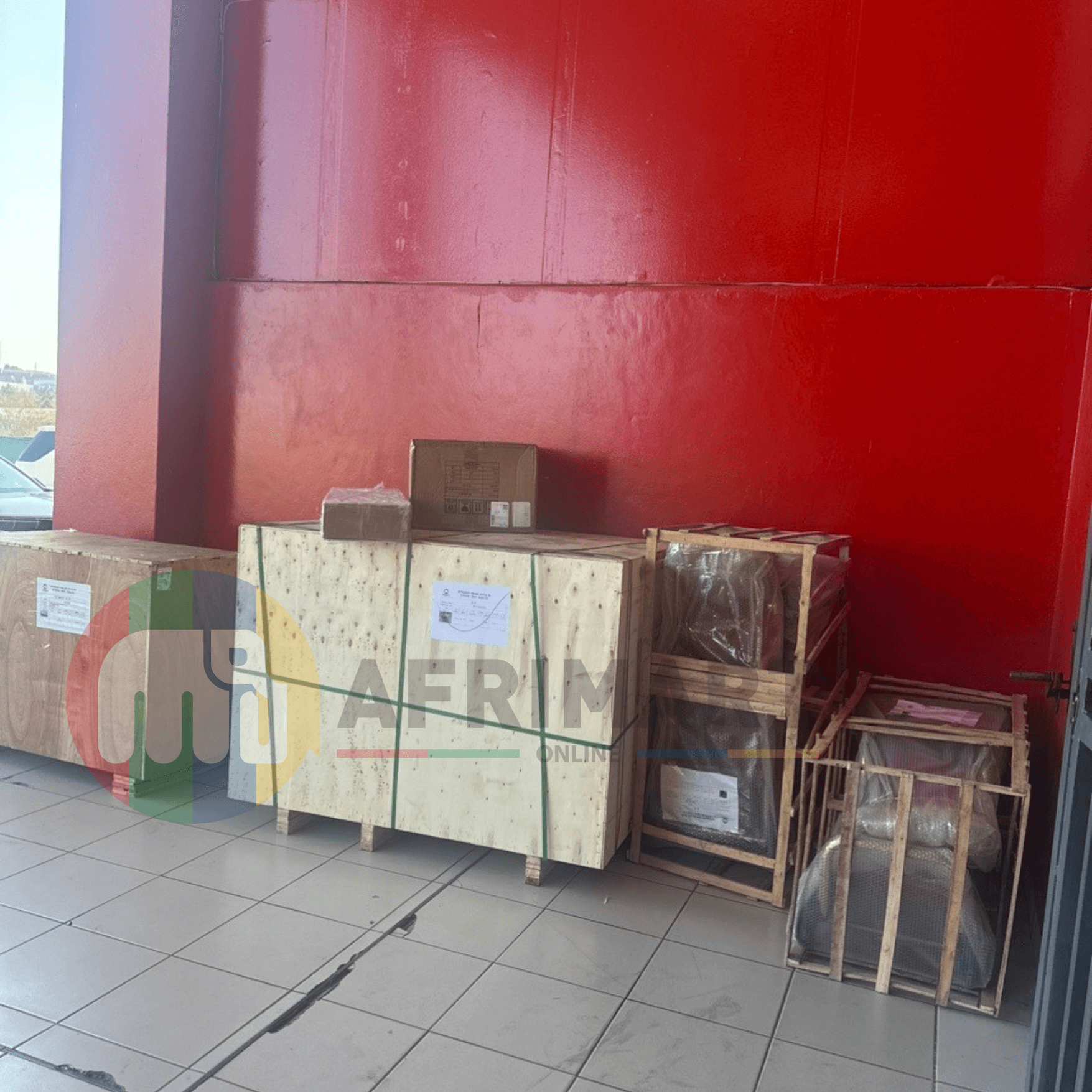
Packaging Machine and accessories
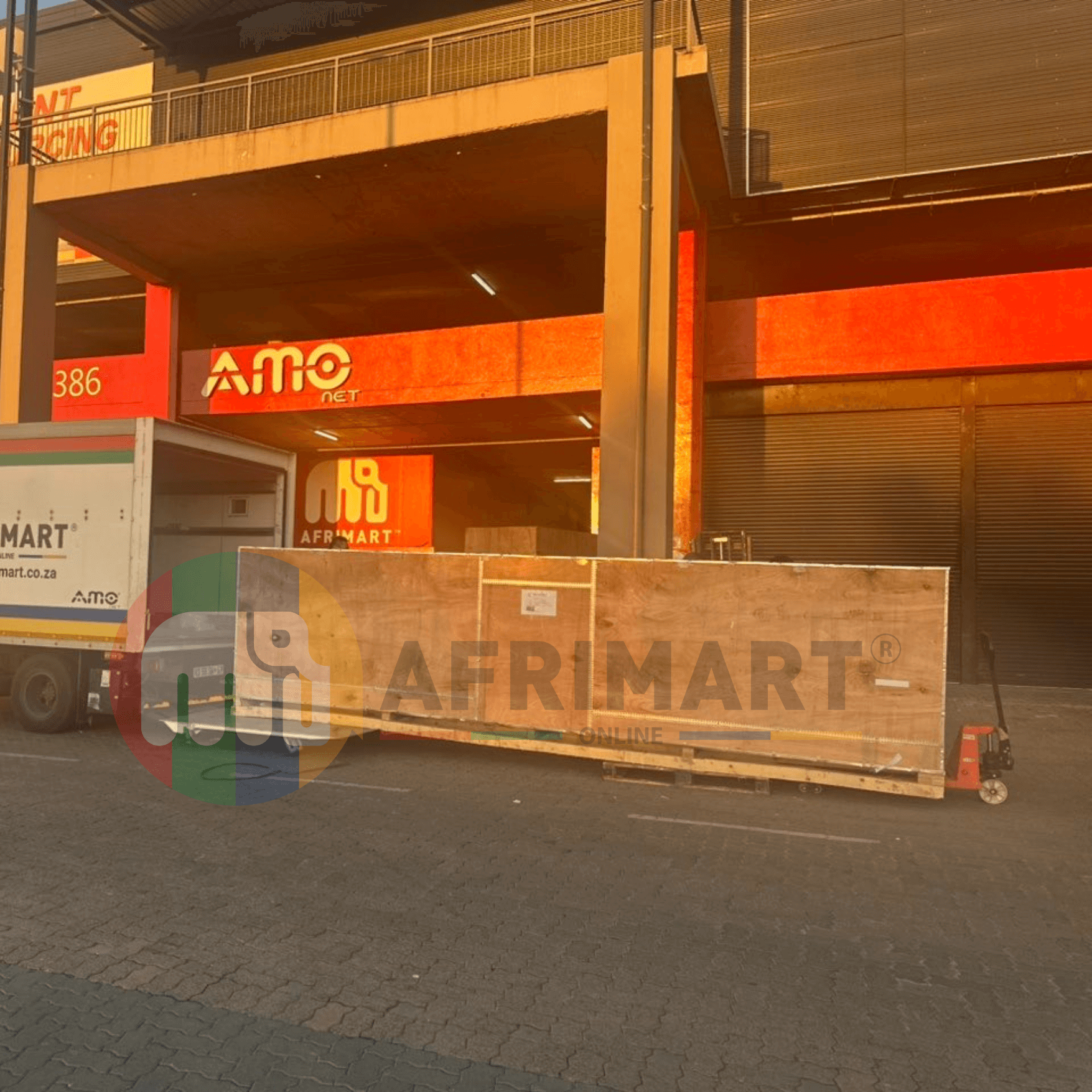
Fabrics Manufacturing Equipment
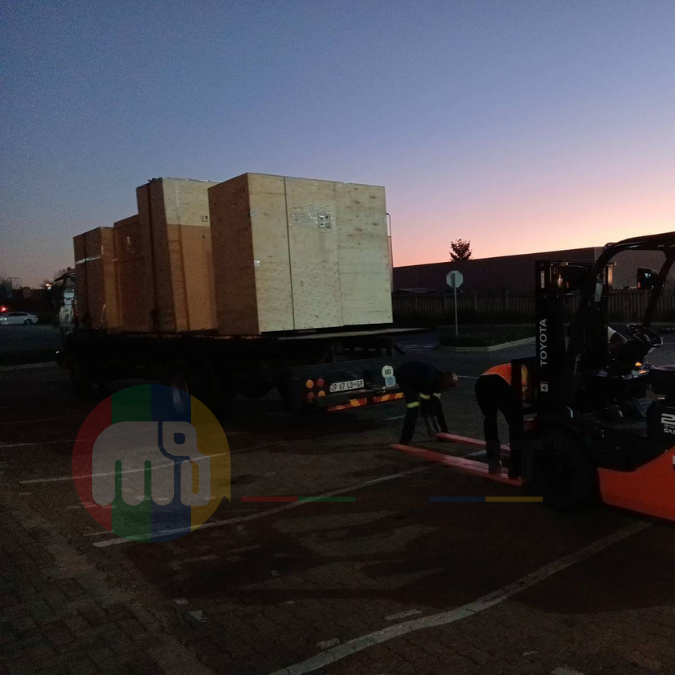
Mining Equipments
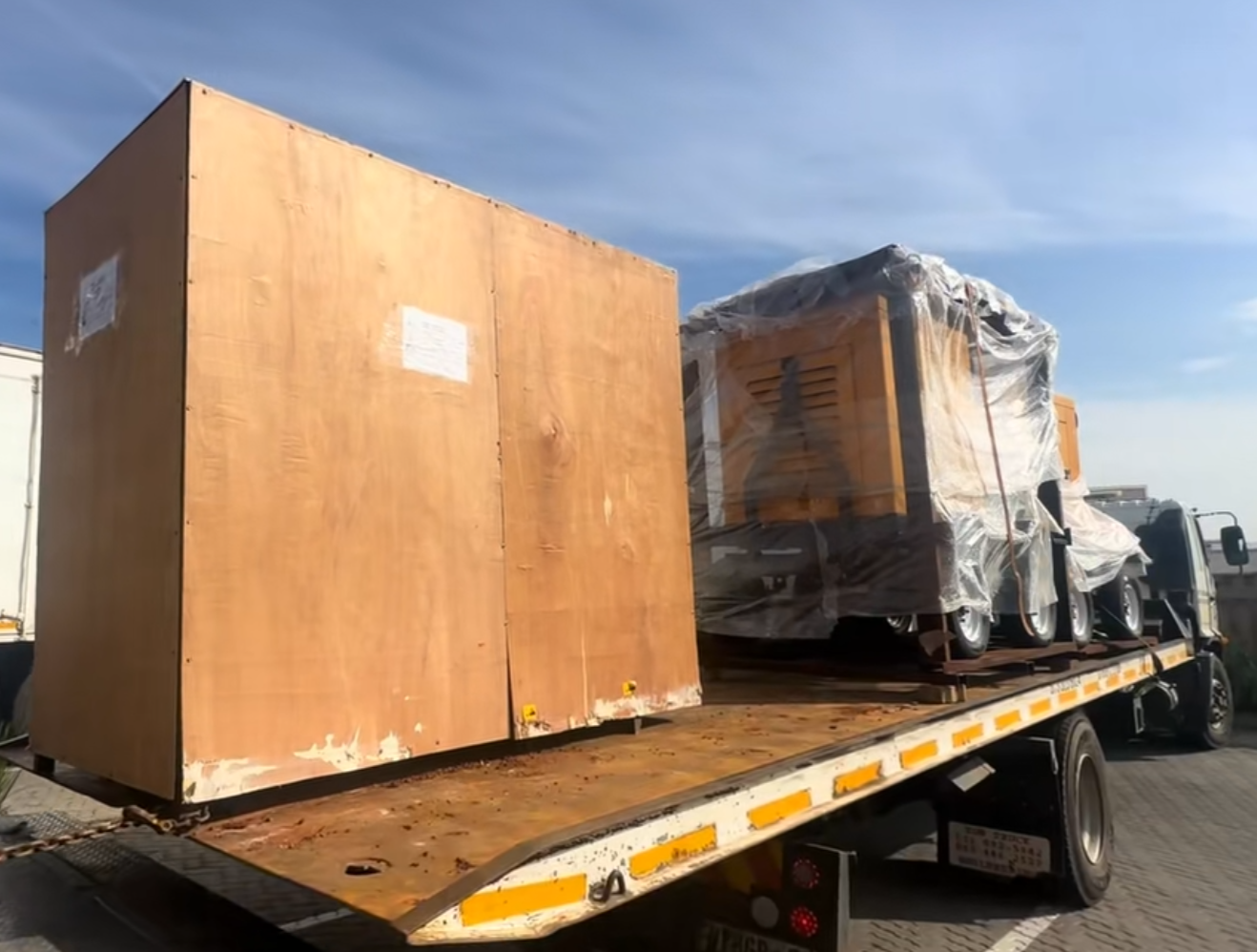
Food Processing Machine
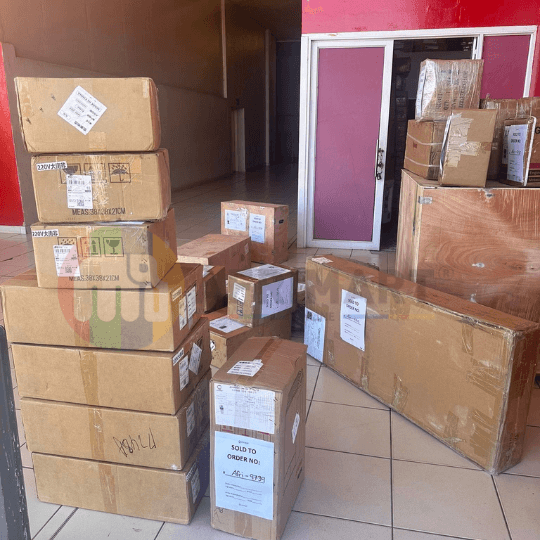
Batch of Orders
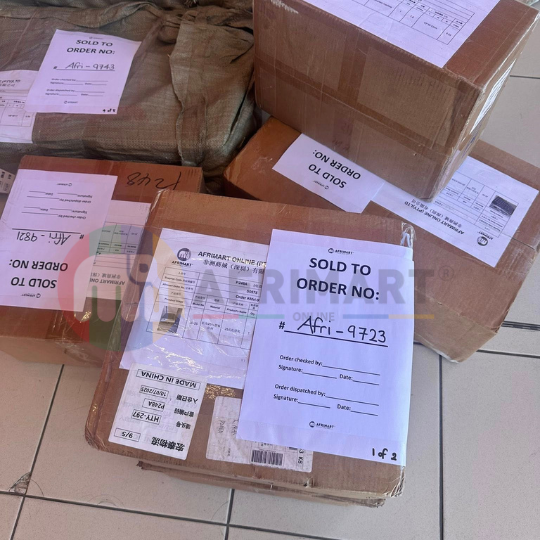
Batch of Orders
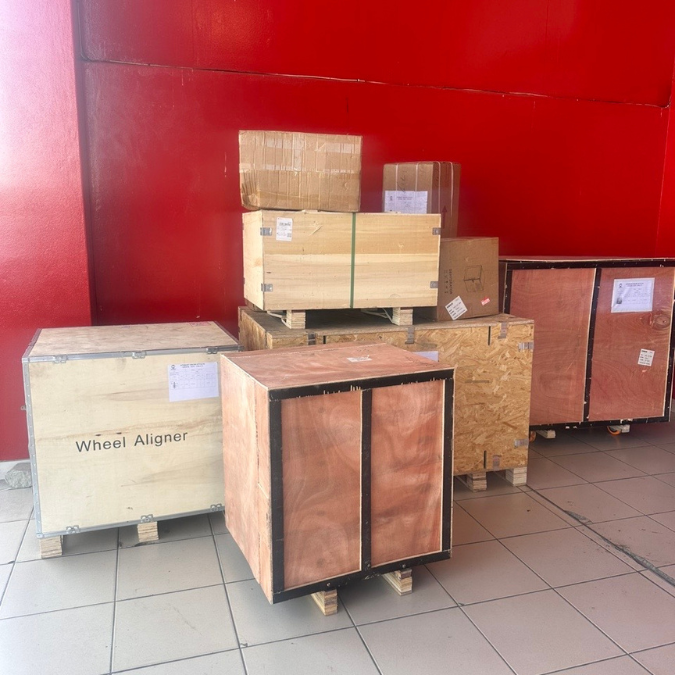
Latest Orders Labelled
wheel alignment machines
new arrivals
Pre Orders Offloading
Latest Arrivals
Latest Arrivals
Latest Arrivals
26 January 2026
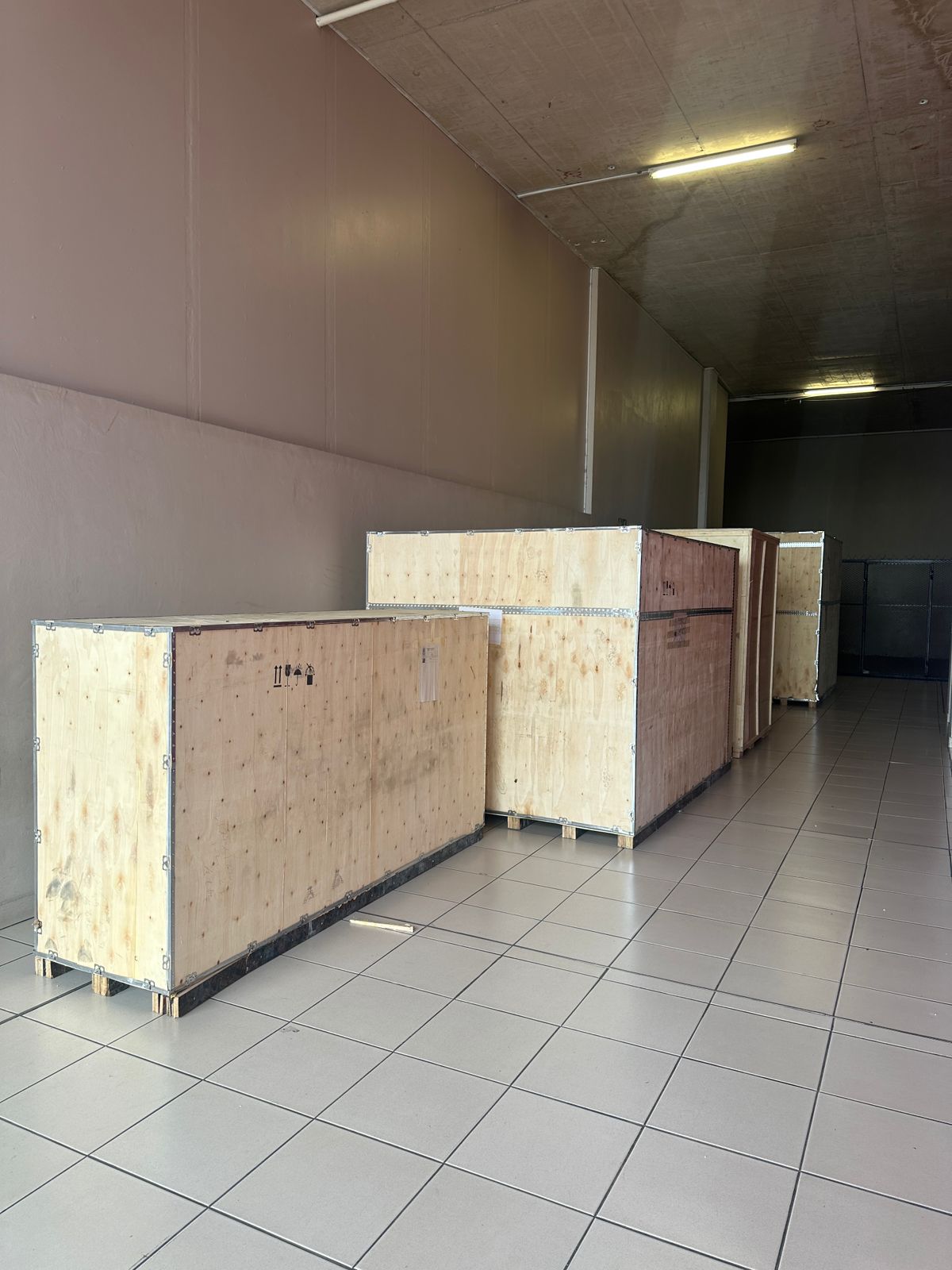
Toilet paper making machine
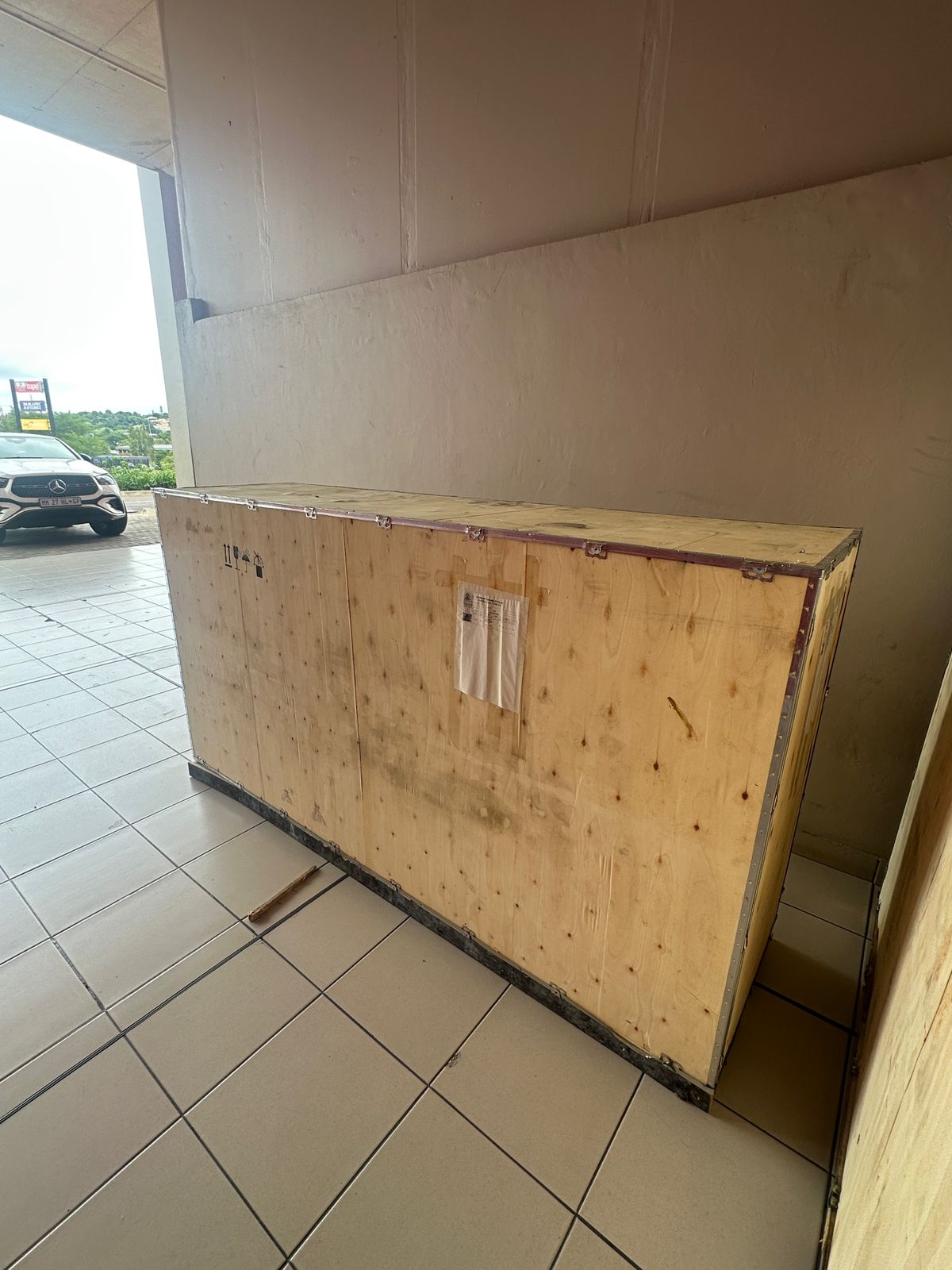
Toilet paper making machine
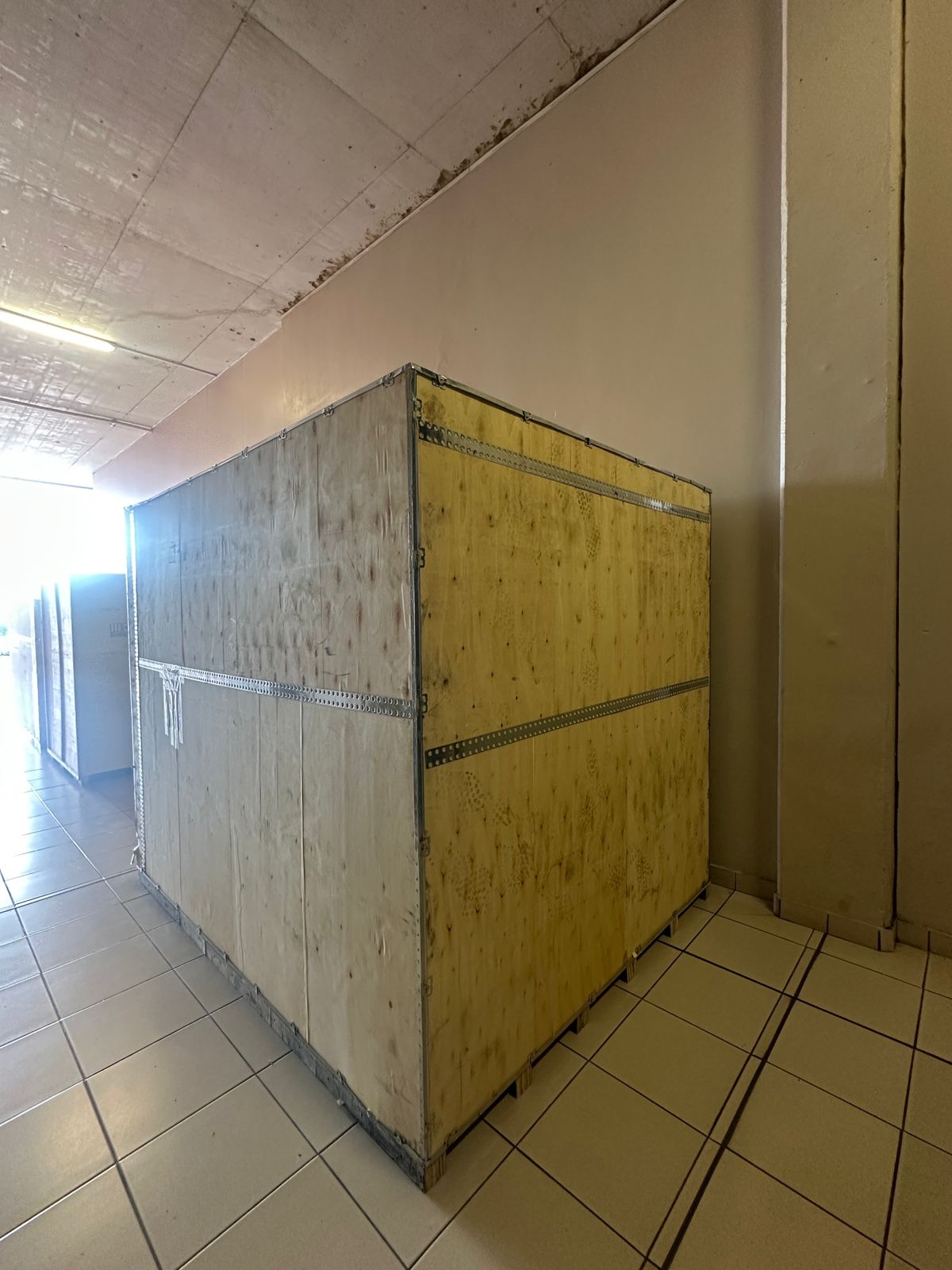
Toilet paper Rewinding Machine
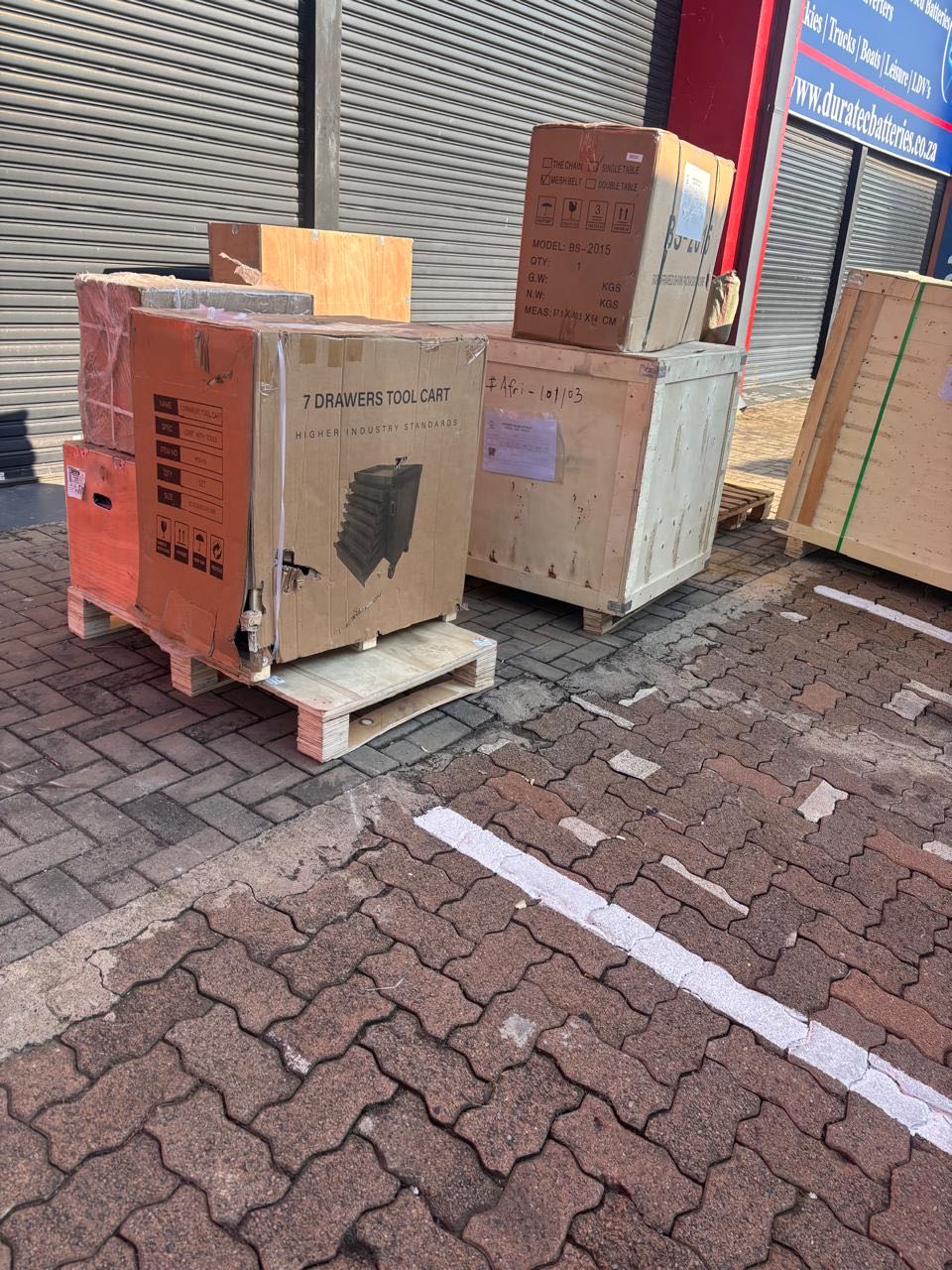
latest arrivals
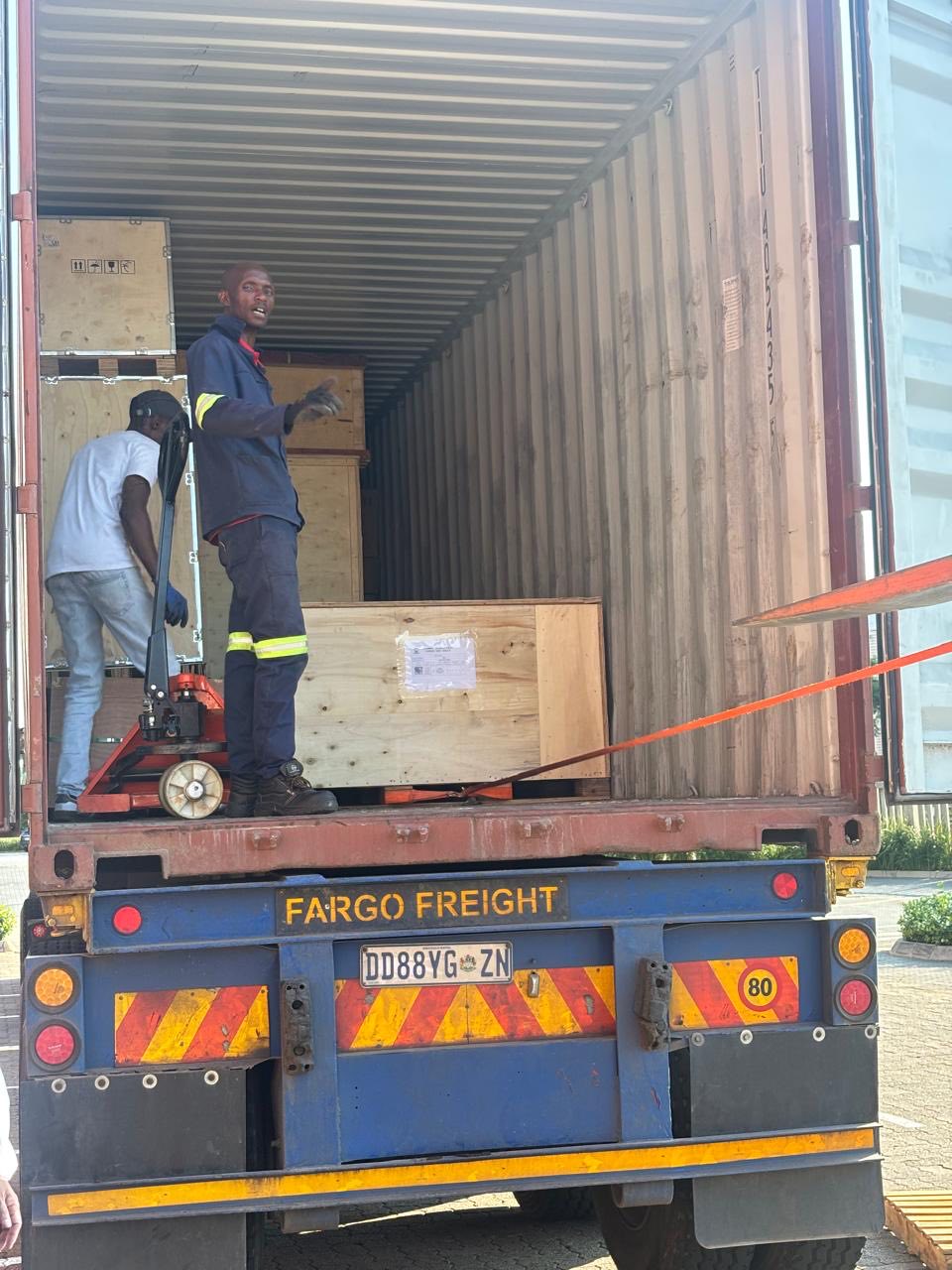
offloading
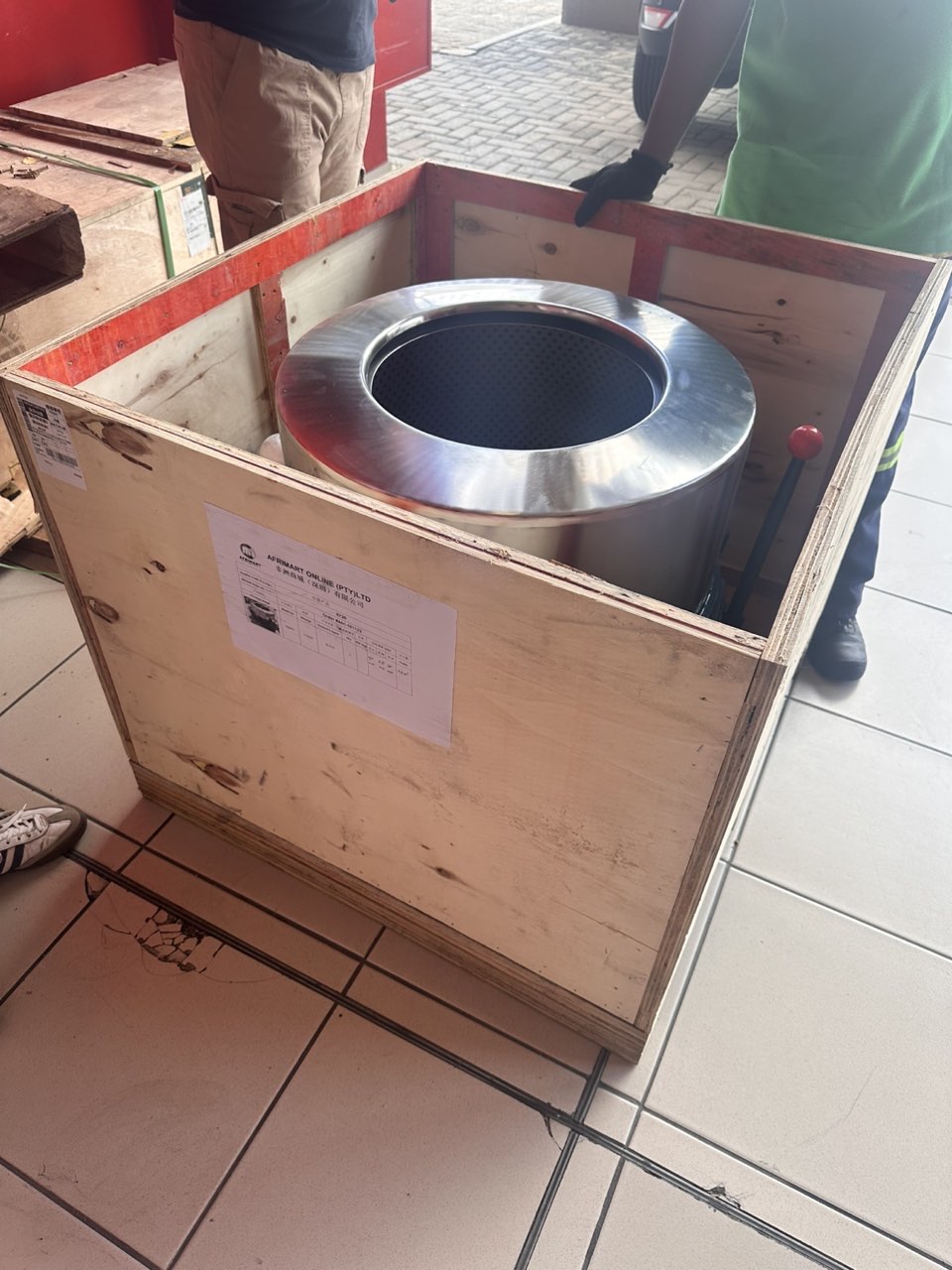
order success
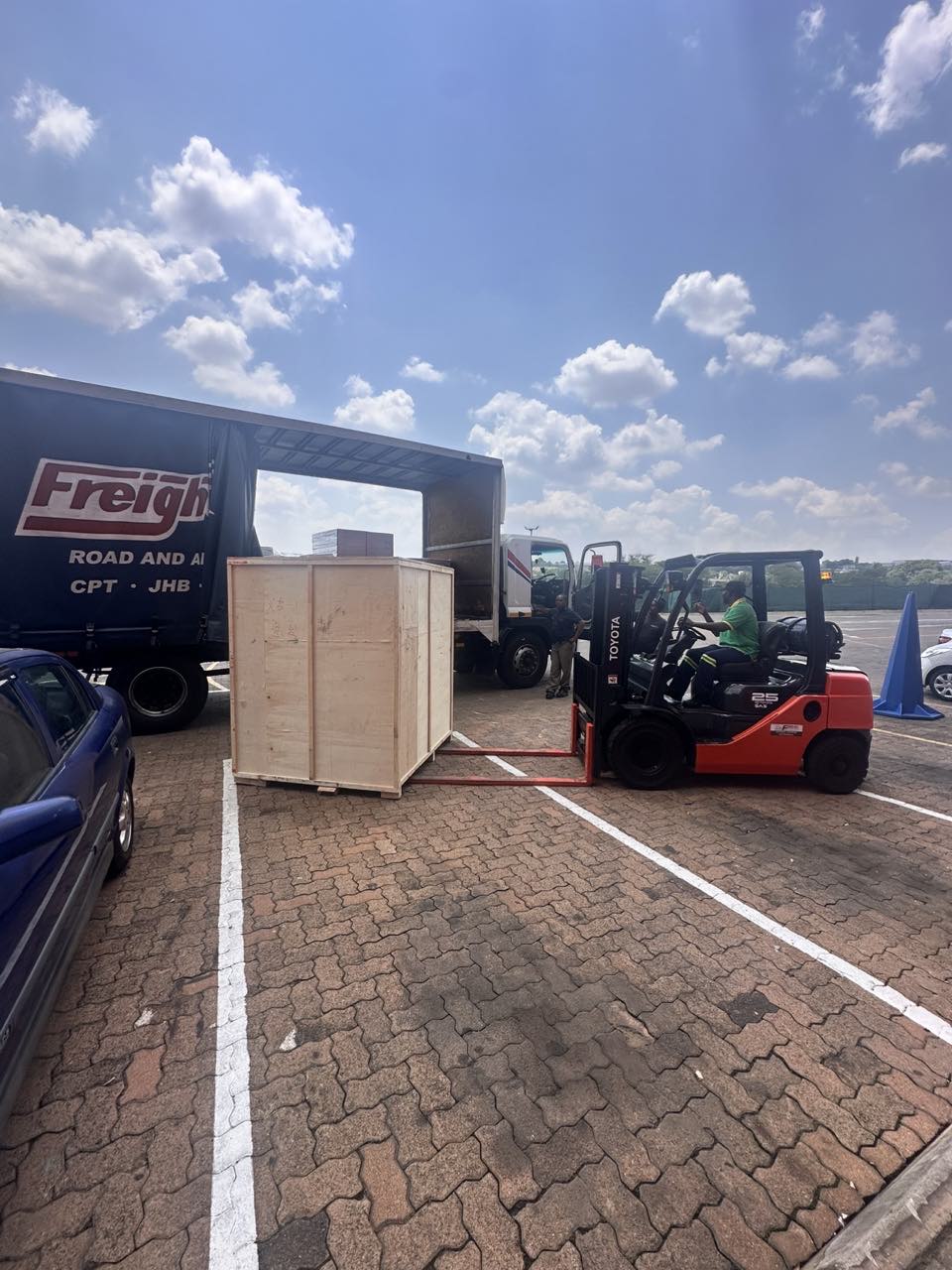
order collection
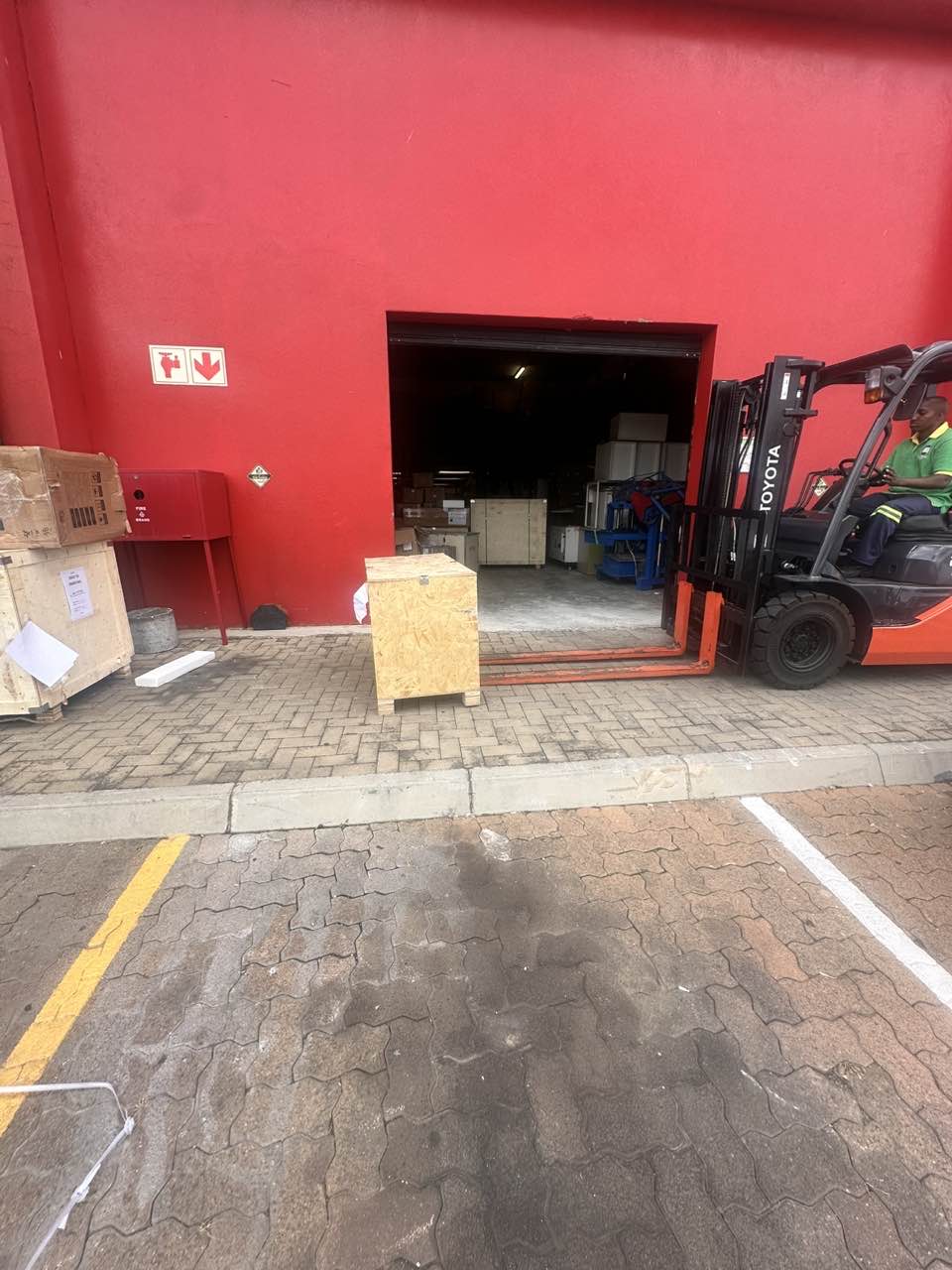
order offloading