B21, China Town Mall, Midrand

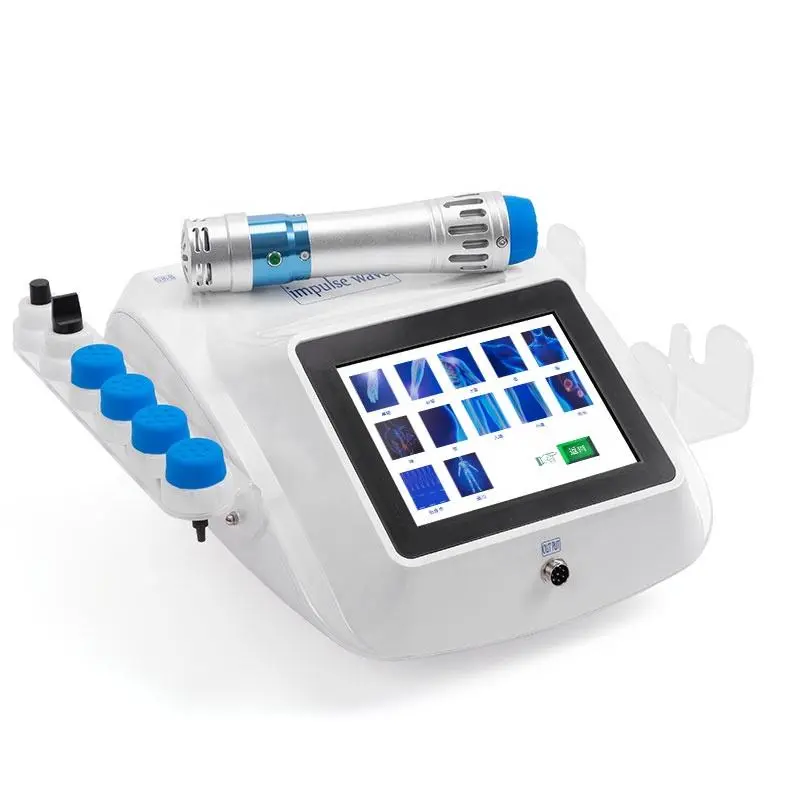
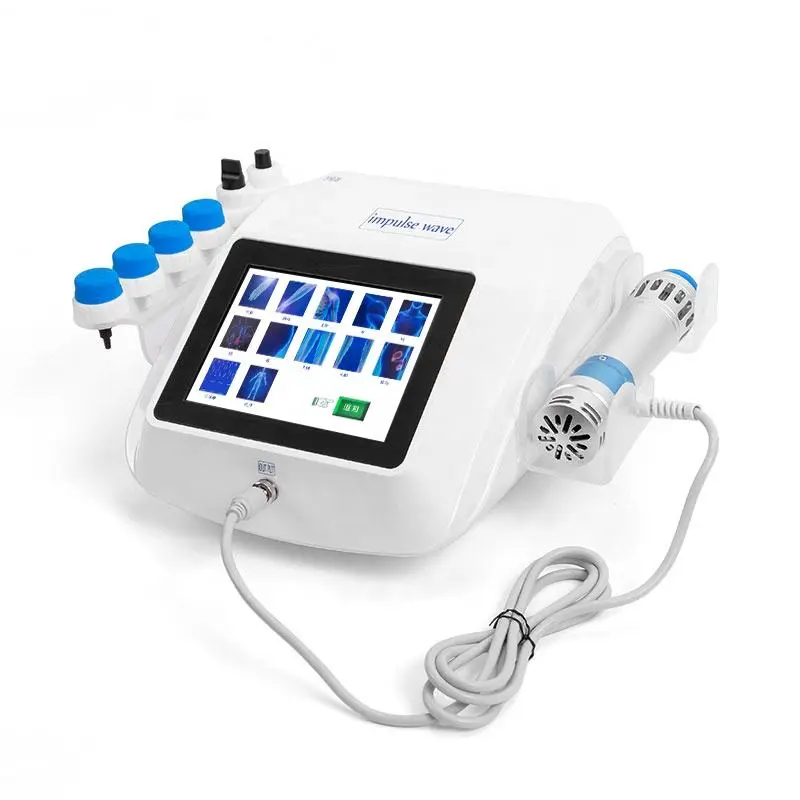
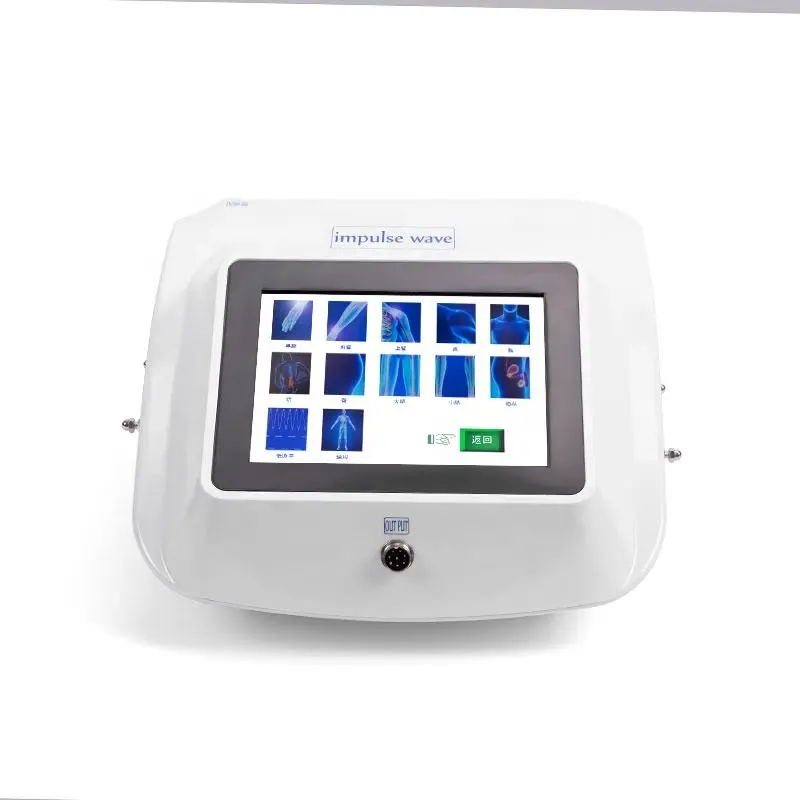
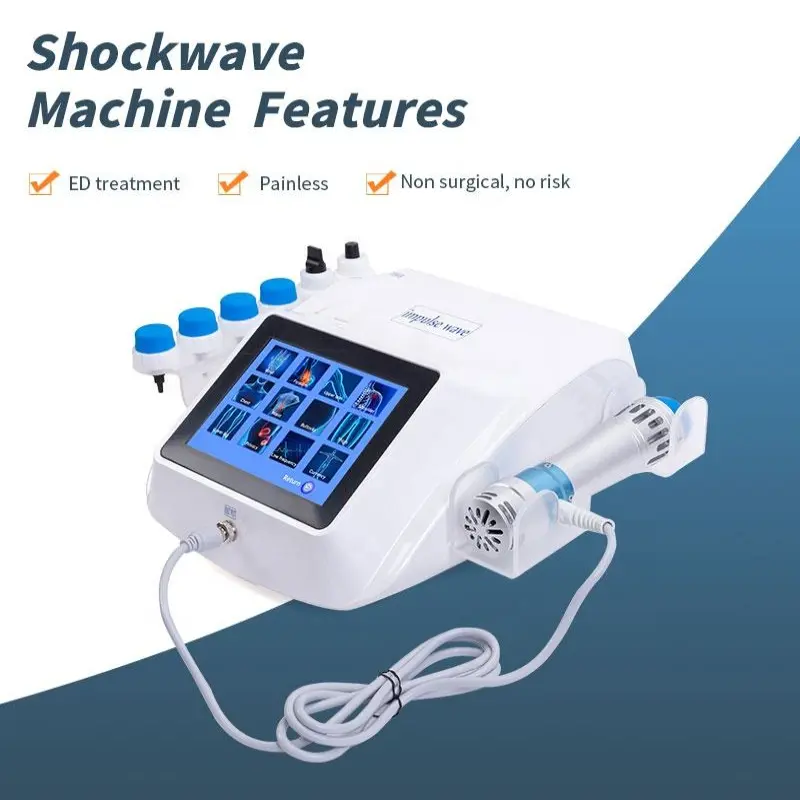
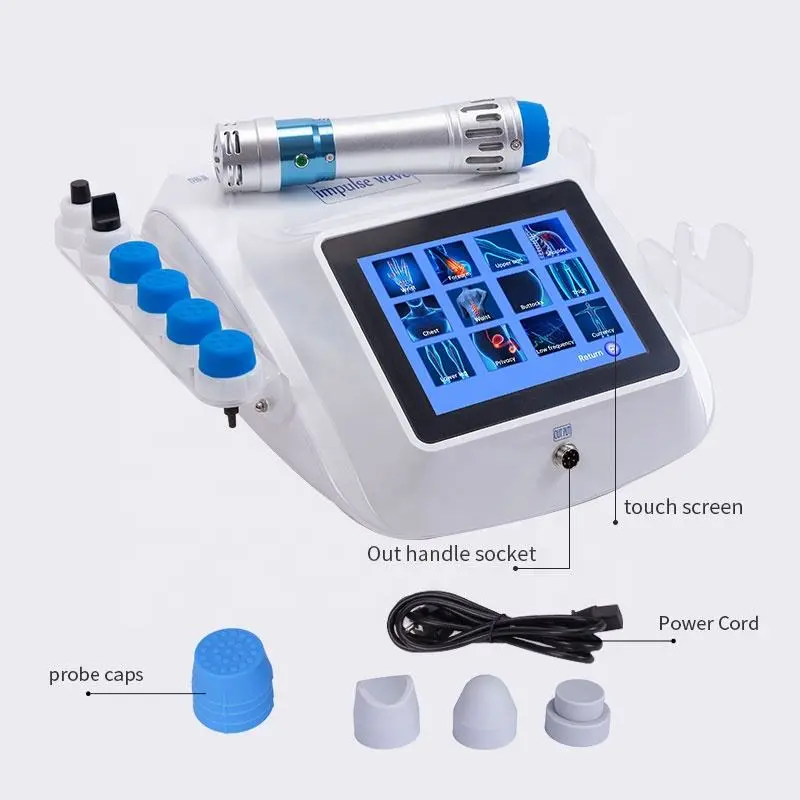
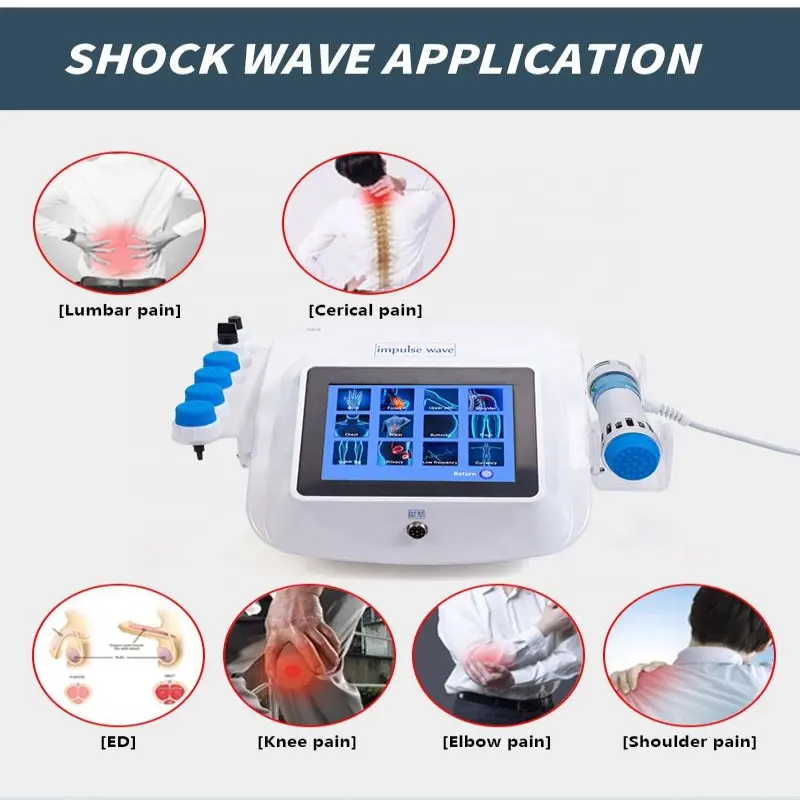
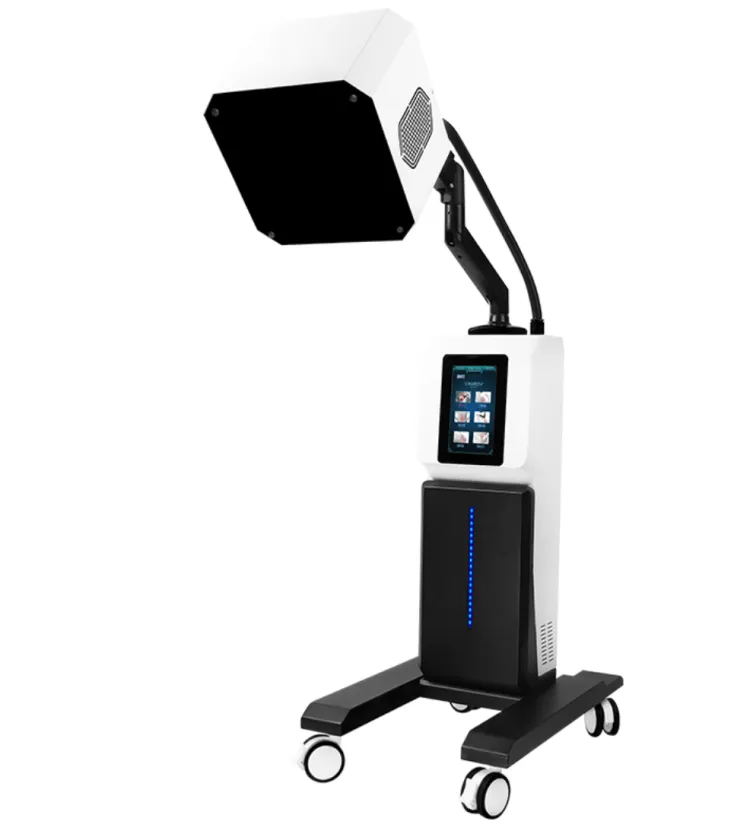
Health Care Shockwave Physiotherapy Instrument

- Section : Medical Supplies
- Category : Physical Therapy Equipment
- SKU : 1600131354066


- Shipping Timeframes: All orders are processed within 2-5 business days (excluding weekends and holidays). After your order has been processed, the estimated delivery time is before 01 Jun, 2026, depending on customs, Please note that due to high demand, some items may experience longer shipping times, which will be communicated at order confirmation email.
- Order Processing Time: Please allow 2-5 business days for us to process your order before it is shipped . Orders placed after 16:00 on Fridays, or during weekends and public holidays, will begin processing on the next business day. Processing times may be extended during peak seasons or sales events.
- Manufacturing Time: Some products needs manufacturing time, the manufacturing process will take approximately 10-30 business days depending on the product. This timeframe may vary depending on the complexity of the product and current demand. but this will be communicated with you during order confirmation.
- Returns and Exchanges: We offer a 30-day return policy for most items. If you are not completely satisfied with your purchase, you may return it within 30 days of receipt for a refund or exchange. Items must be unused, in their original packaging, and accompanied by proof of purchase. Return shipping costs are the responsibility of the customer, unless the item was damaged or defective upon arrival.
1. What is the Health Care Shockwave Physiotherapy Instrument?
The Health Care Shockwave Physiotherapy Instrument is a state-of-the-art device used in physical therapy to treat various musculoskeletal conditions by delivering focused shockwave therapy.
2. How does shockwave therapy work?
Shockwave therapy works by delivering acoustic waves to the targeted area, promoting healing, reducing pain, and improving mobility by enhancing blood flow and stimulating tissue regeneration.
3. What conditions can be treated with this instrument?
This instrument is effective for treating conditions such as tendonitis, plantar fasciitis, calcific shoulder, tennis elbow, and other chronic pain issues.
4. Is the treatment with the Health Care Shockwave Instrument painful?
Most patients report mild discomfort during the treatment, but it is generally well tolerated. Your therapist can adjust the intensity to ensure your comfort.
5. How many sessions are typically required?
The number of sessions varies by individual condition, but most patients require between 3 to 6 sessions for optimal results.
6. How long does each session last?
Each treatment session typically lasts between 15 to 30 minutes, depending on the area being treated and the specific protocol used.
7. Are there any side effects associated with the use of this instrument?
Common side effects may include temporary redness, swelling, or bruising in the treated area. Serious side effects are rare.
8. Who can benefit from using this device?
Individuals suffering from chronic pain, sports injuries, or those recovering from surgery may benefit significantly from this therapy.
9. Can I use this instrument at home?
This device is typically used in a clinical setting by trained professionals. Home use is not recommended without proper guidance.
10. Is there any recovery time after treatment?
Most patients can resume normal activities immediately after treatment, although some may experience minor soreness for a day or two.
11. What should I expect during my first treatment session?
During your first session, your therapist will assess your condition, explain the procedure, and begin treatment, usually starting at a lower intensity.
12. Is the treatment safe?
Yes, the Health Care Shockwave Physiotherapy Instrument is considered safe when used by qualified professionals and is FDA approved for therapeutic use.
13. How can I find a practitioner who uses this instrument?
You can search for local physiotherapy clinics that offer shockwave therapy or consult your healthcare provider for recommendations.
14. What should I do if I experience pain after treatment?
If you experience significant pain after treatment, it is advisable to contact your therapist for guidance and potential follow-up care.
15. Are there any contraindications for using this instrument?
Yes, contraindications may include pregnancy, certain cardiovascular conditions, or the presence of tumors in the treatment area. Always consult with your healthcare provider before starting treatment.
Latest Order Arrivals
Discover our latest orders

12 Heads Embroidery Machine

Dewatering Pump Machine

Order Collection

Portable Water Drilling Rig

Order Usefully Collected

Batch of Orders
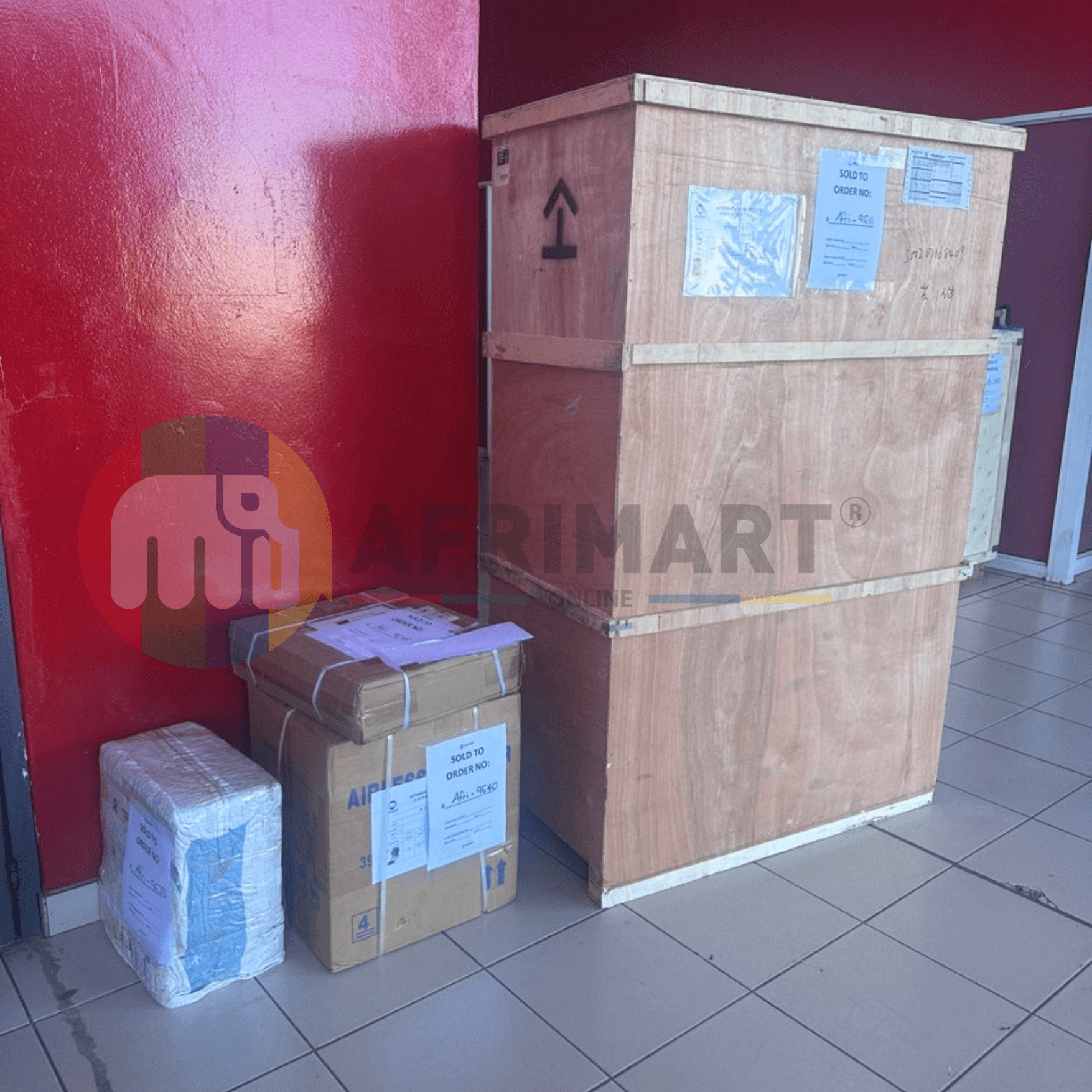
Agriculture Processing Machines

Meat Grinder Machine
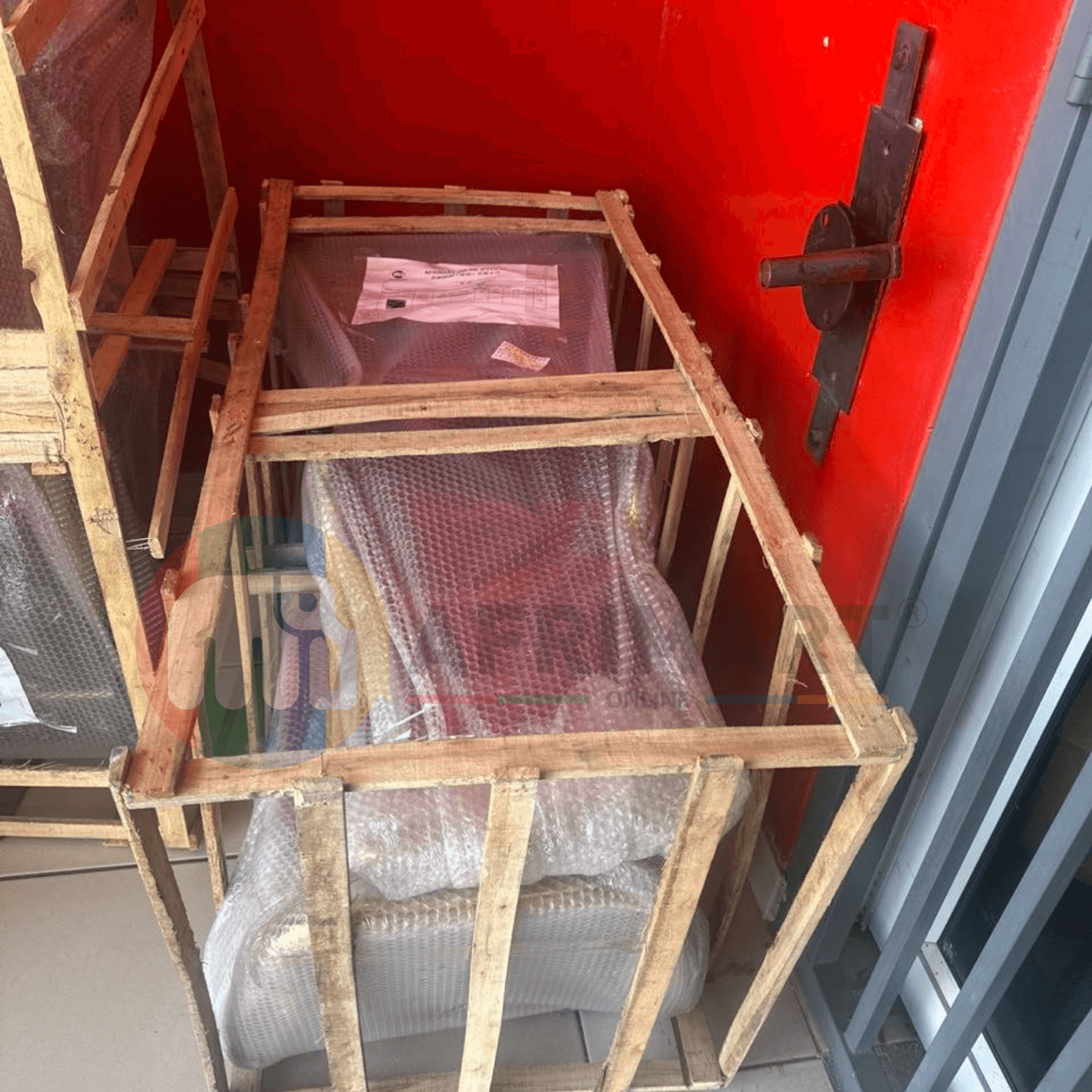
Water Pump Equipment

Packaging Machine and accessories

Fabrics Manufacturing Equipment

Mining Equipments

Food Processing Machine

Batch of Orders
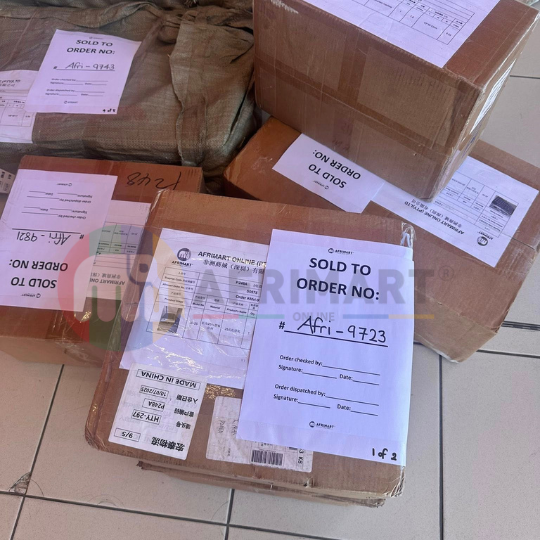
Batch of Orders
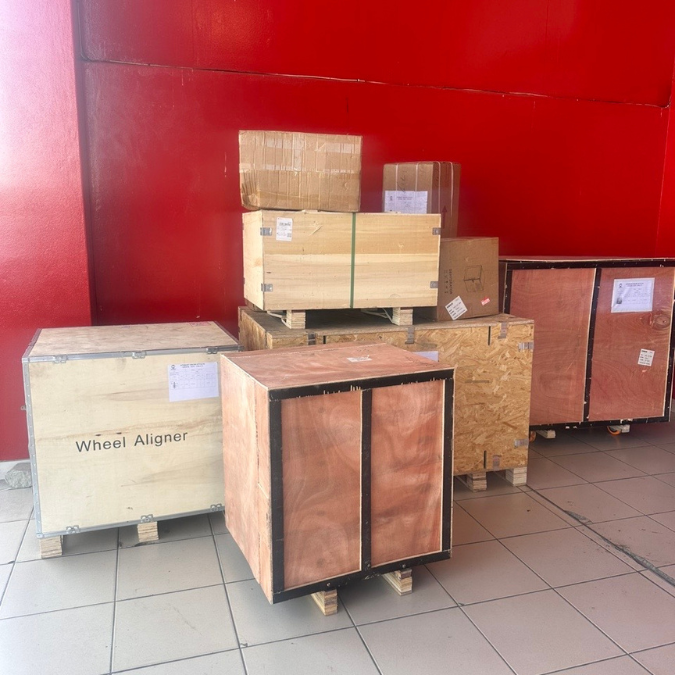
Latest Orders Labelled

wheel alignment machines
new arrivals
Pre Orders Offloading

Latest Arrivals
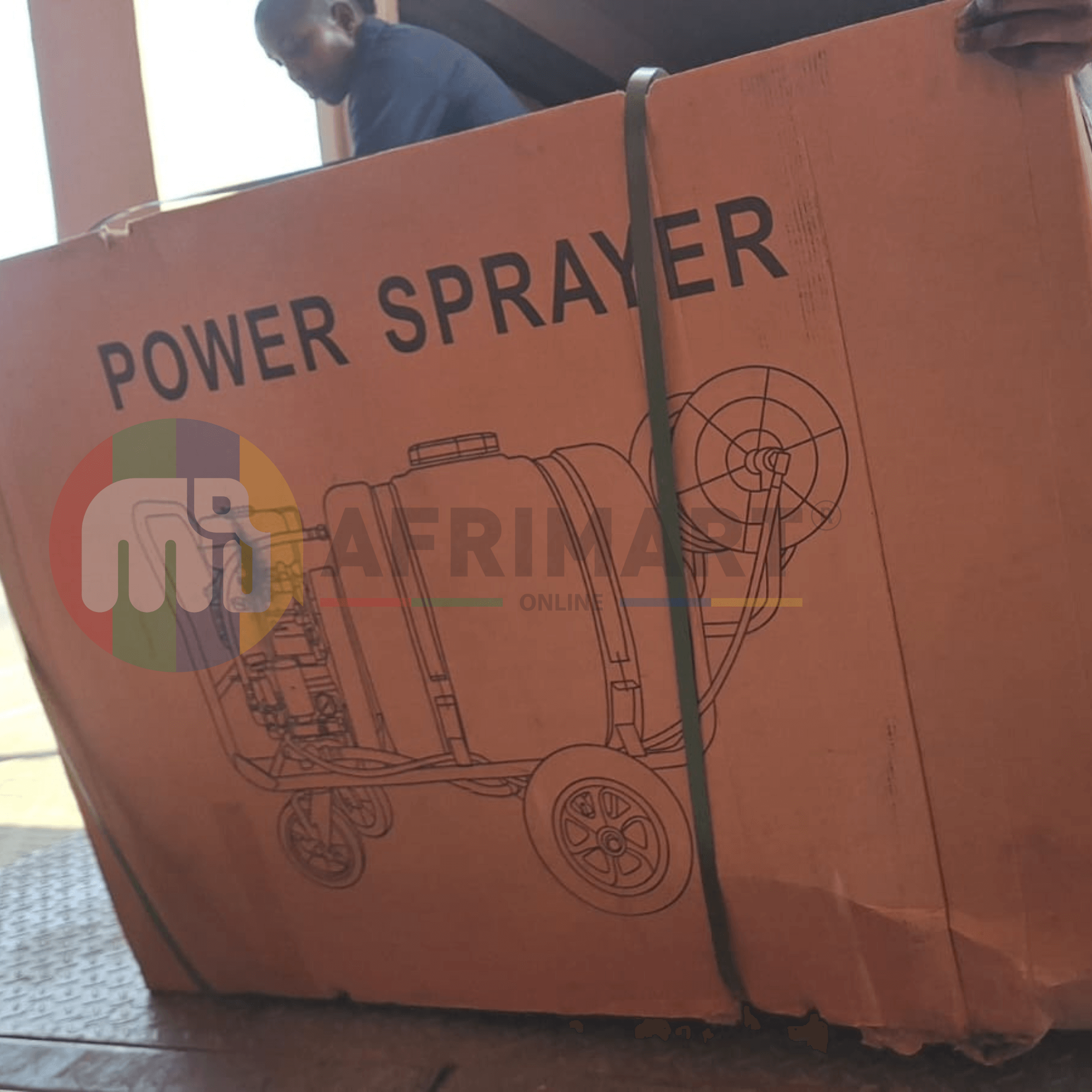
Latest Arrivals
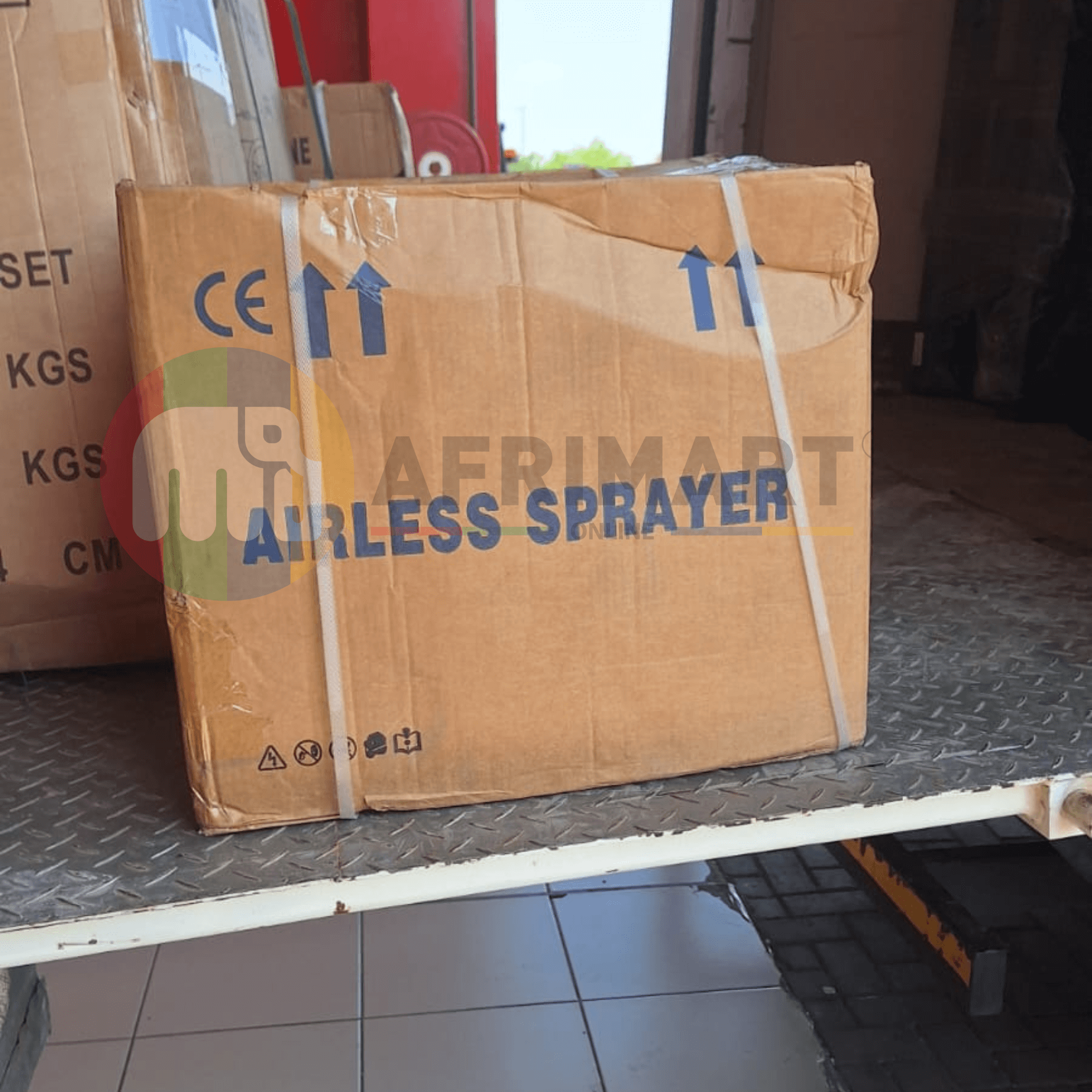
Latest Arrivals

26 January 2026
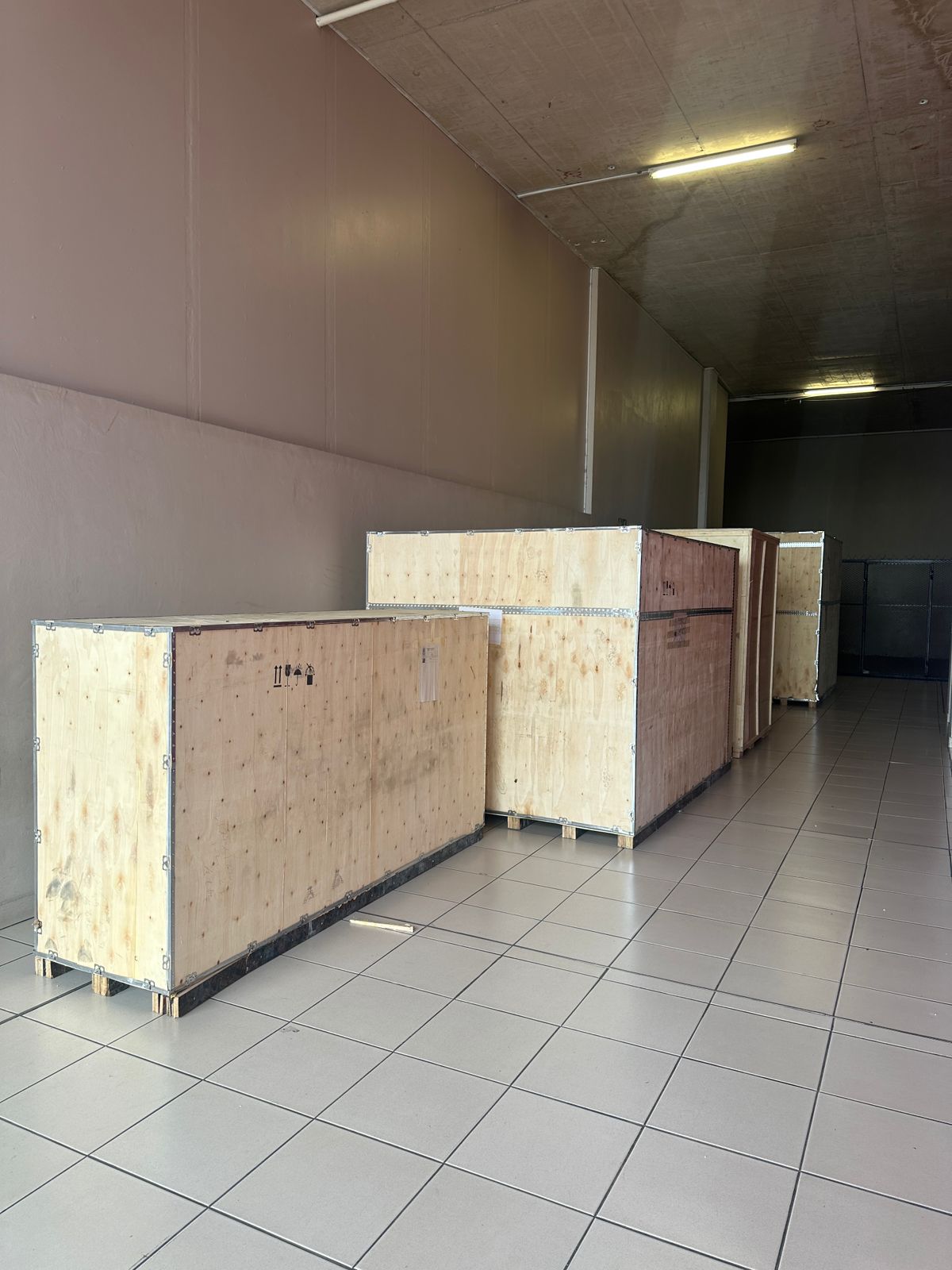
Toilet paper making machine
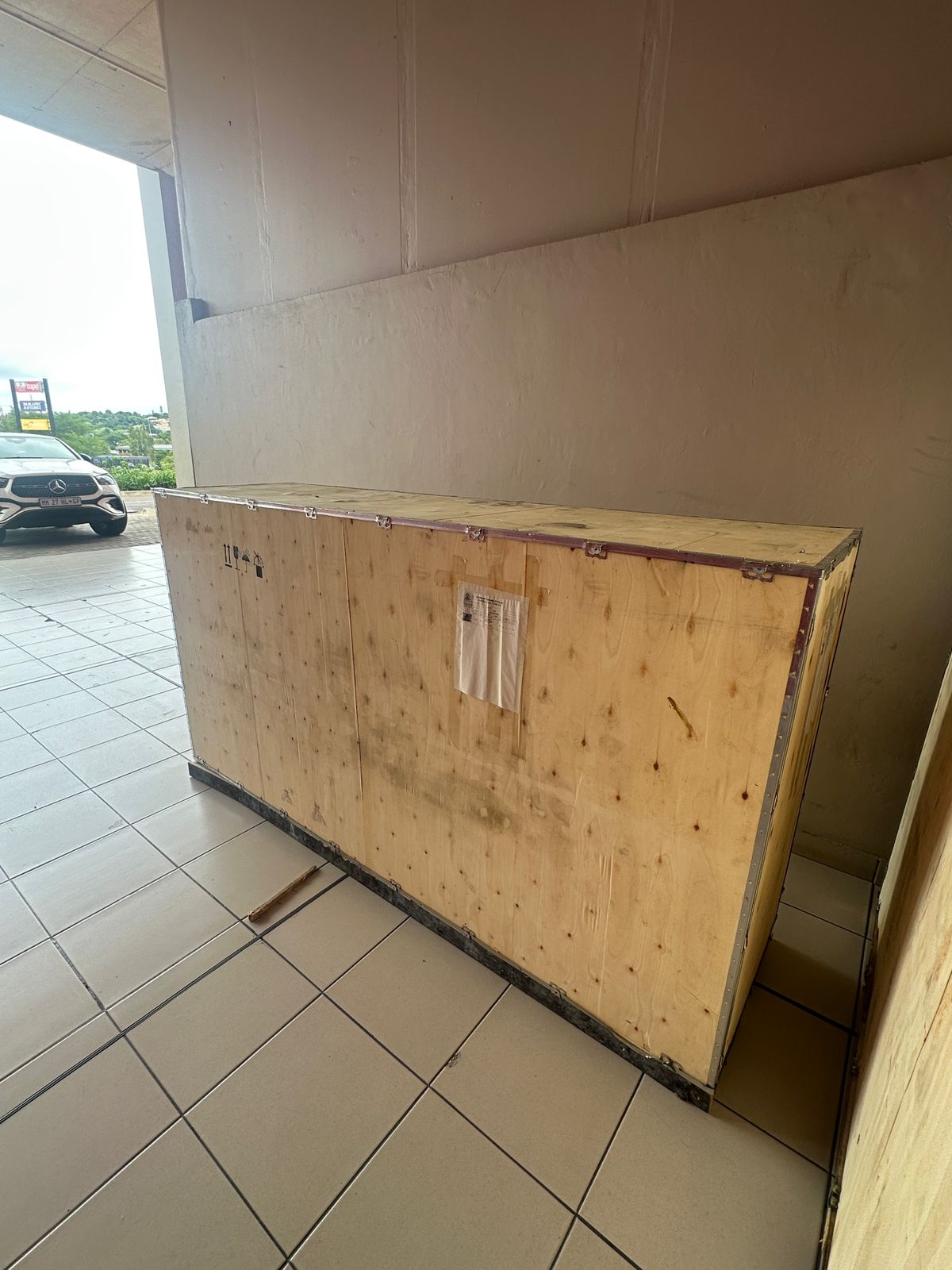
Toilet paper making machine
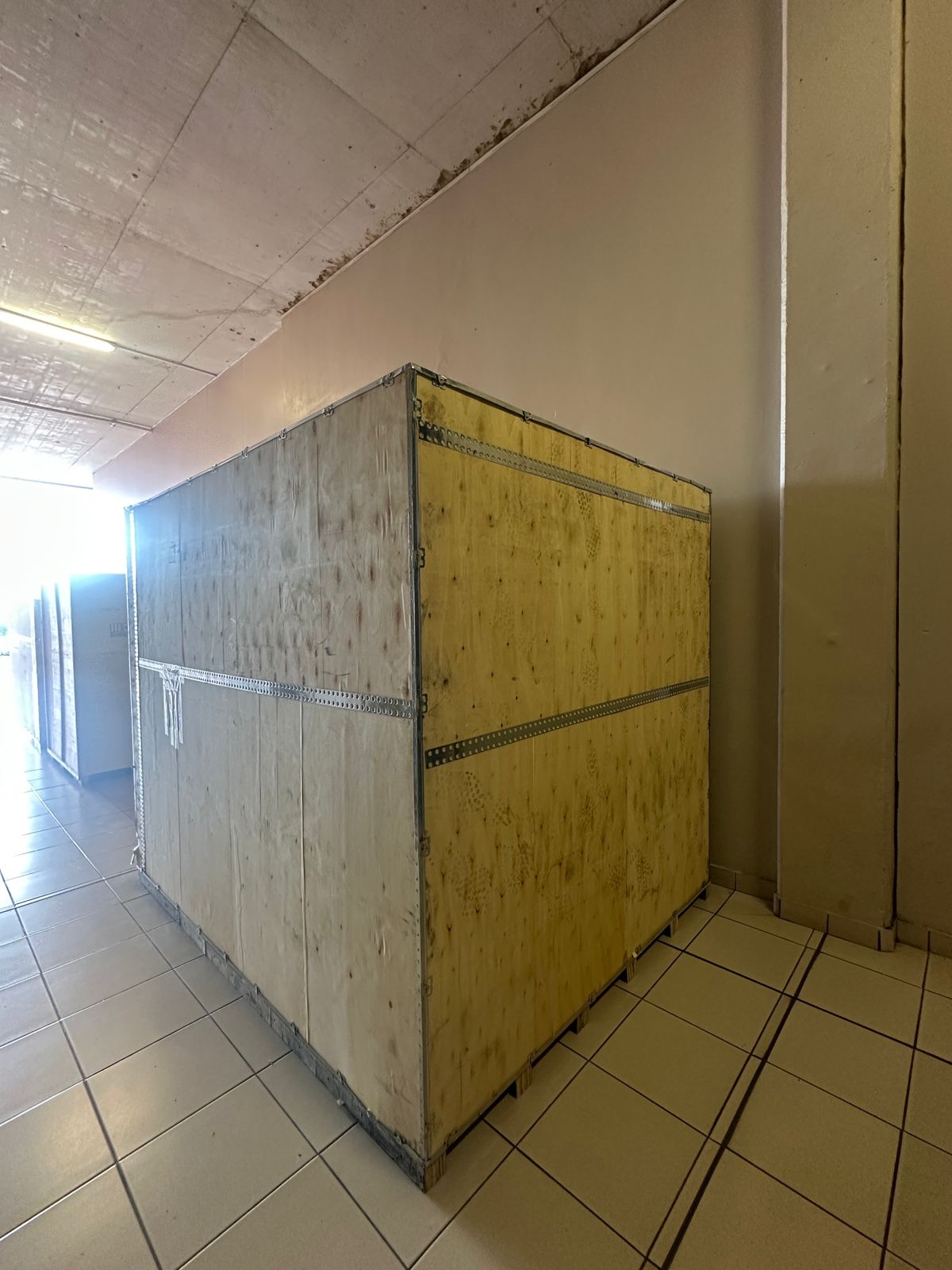
Toilet paper Rewinding Machine
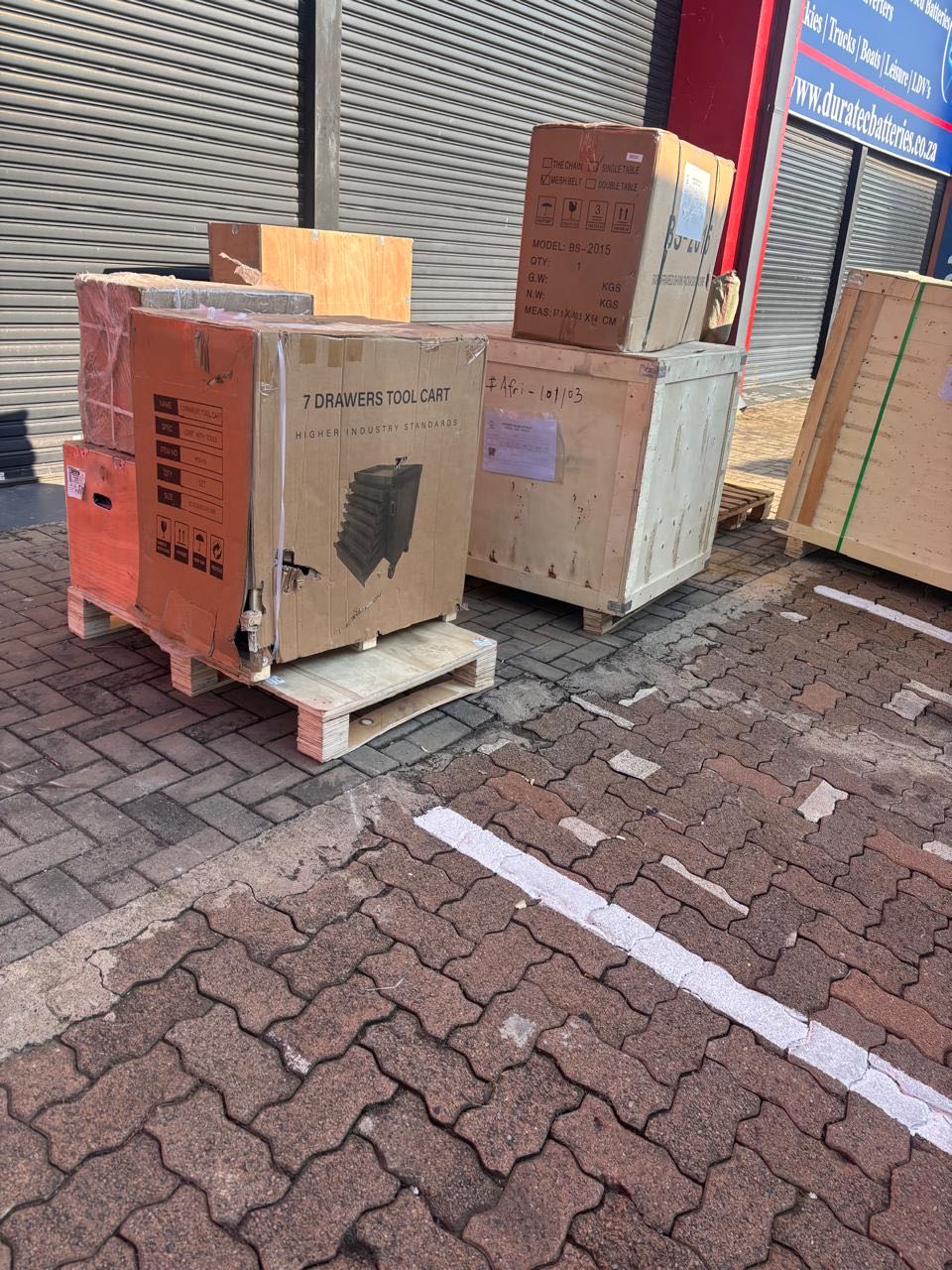
latest arrivals

offloading
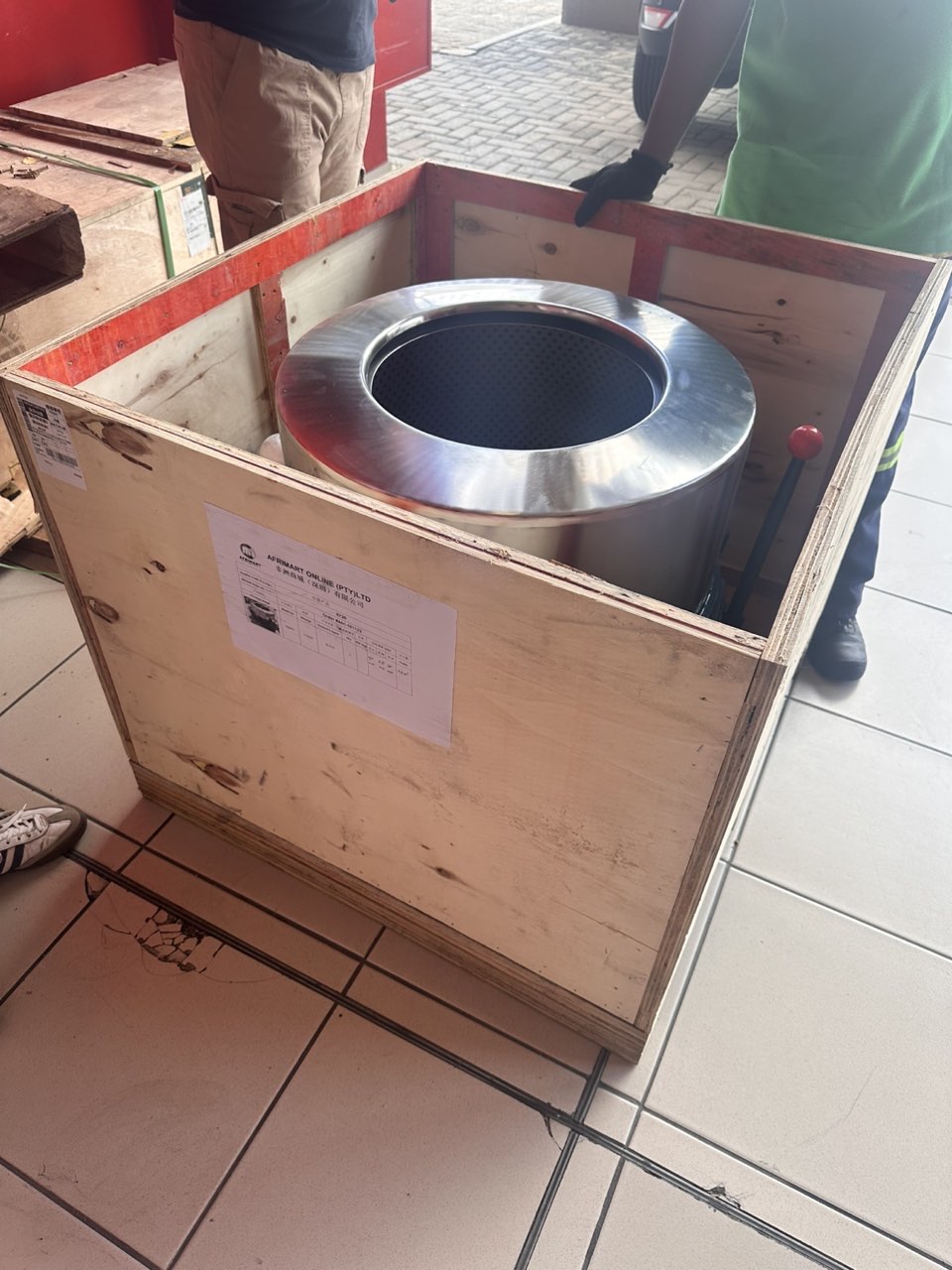
order success
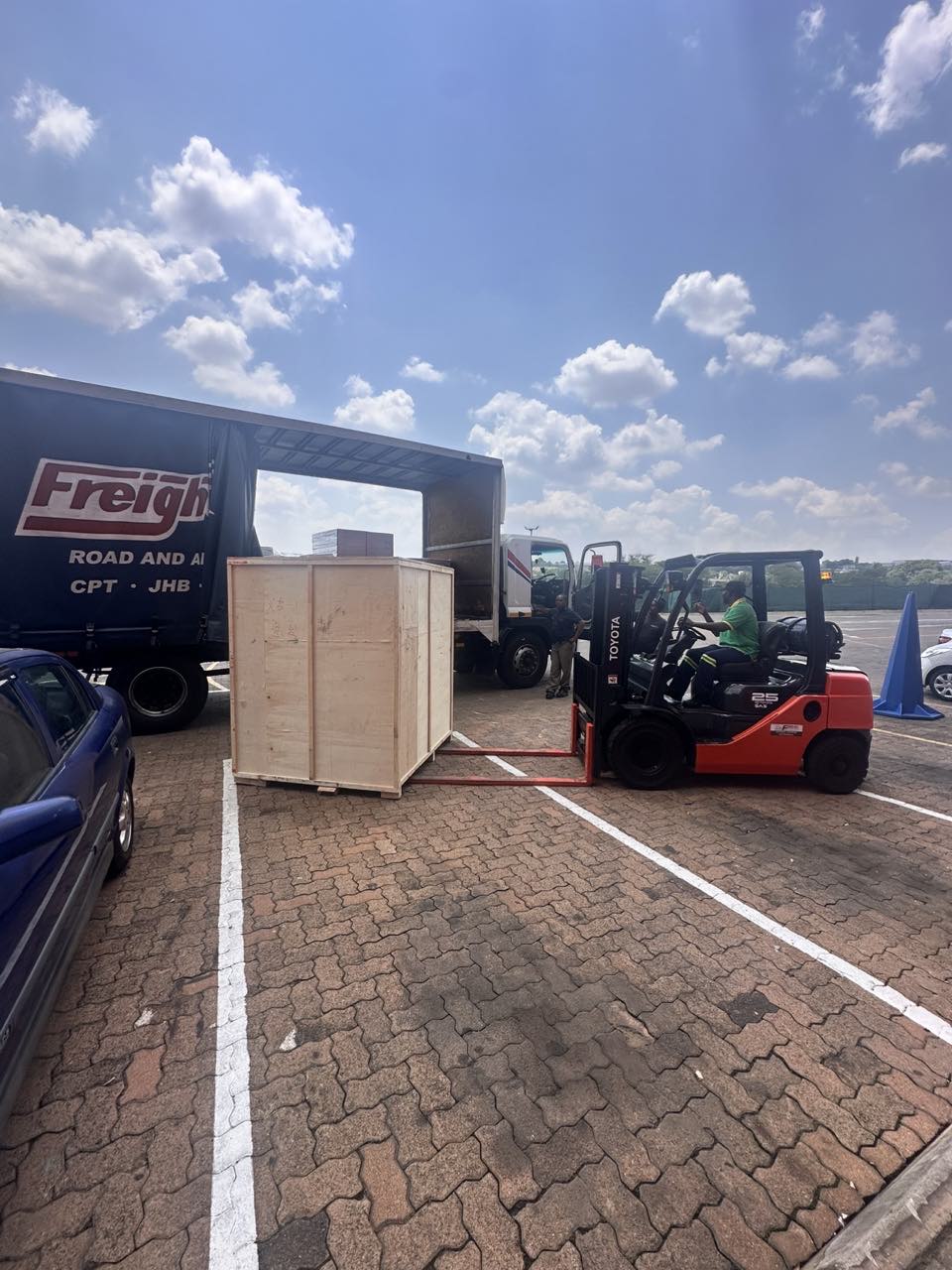
order collection
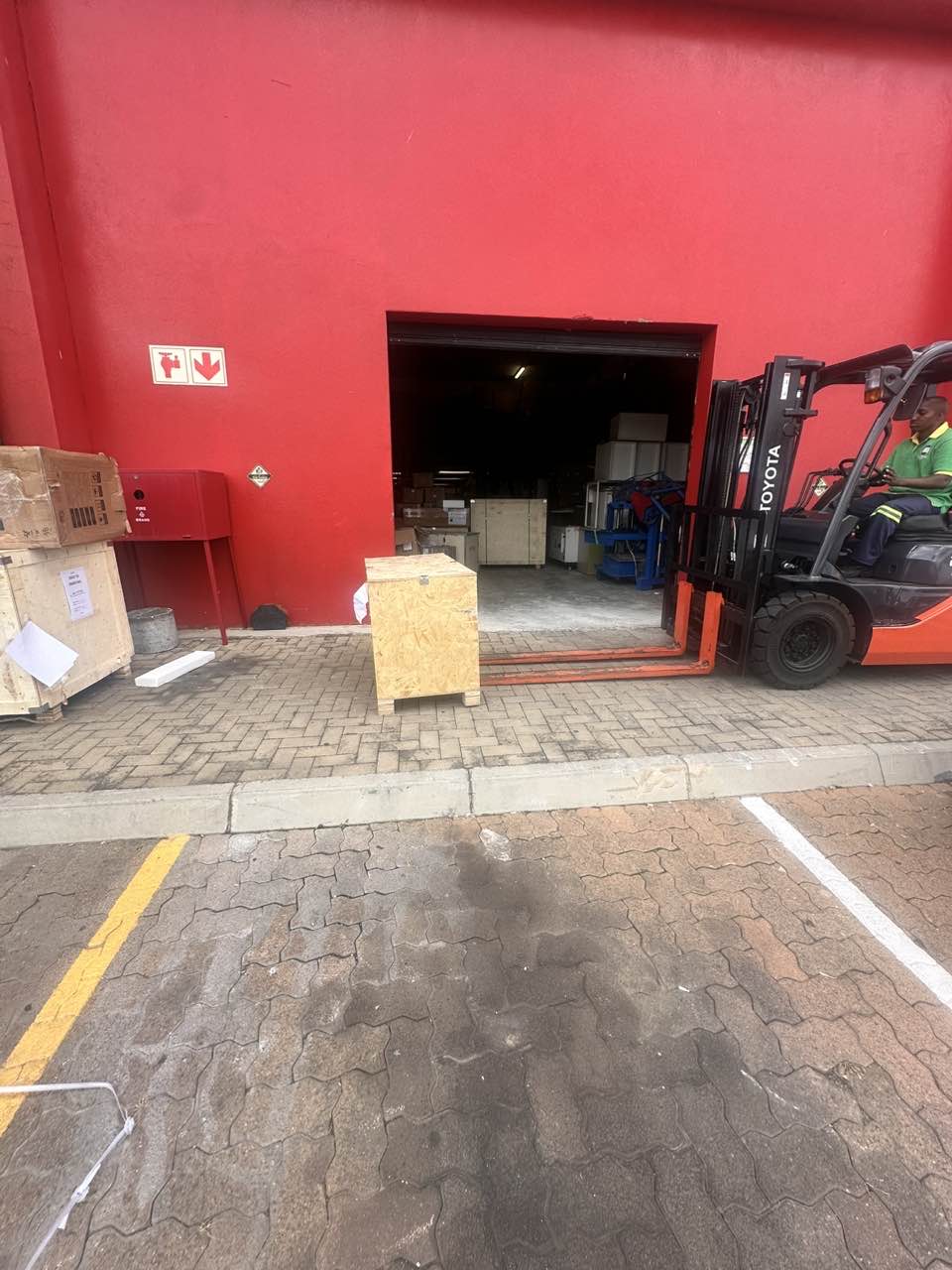
order offloading