B21, China Town Mall, Midrand

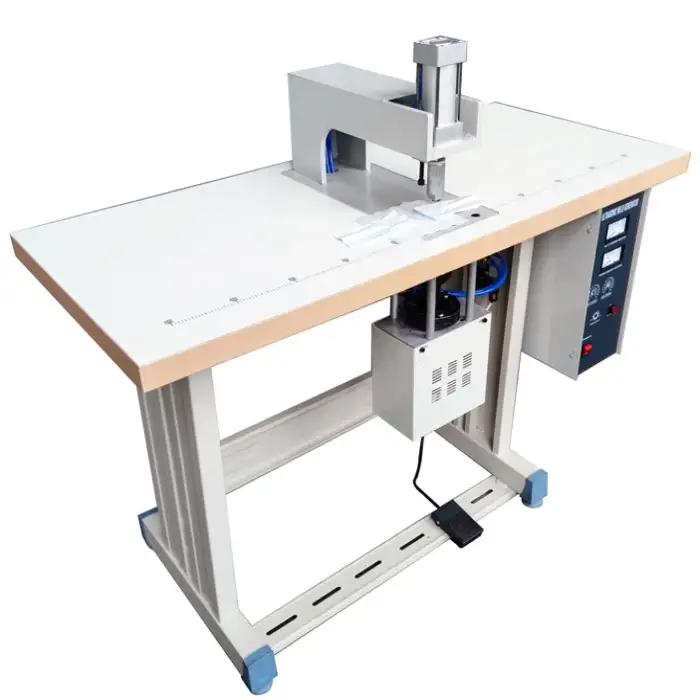
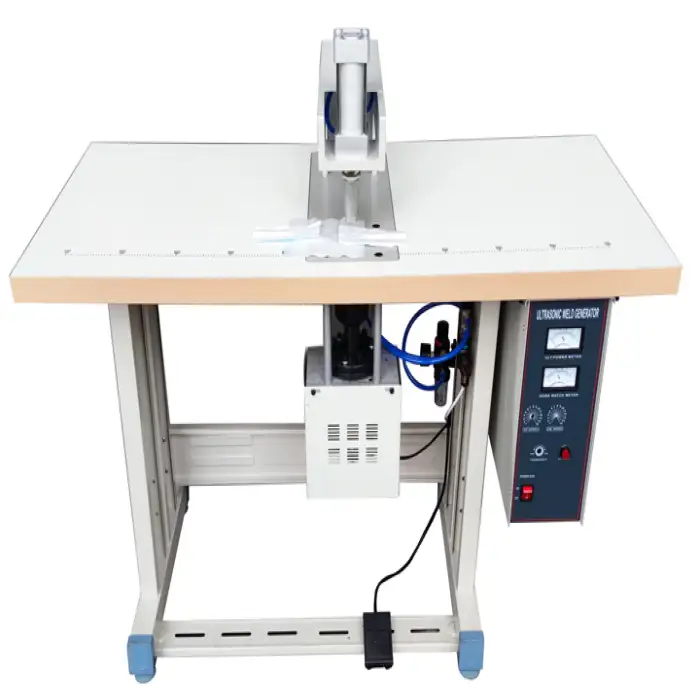
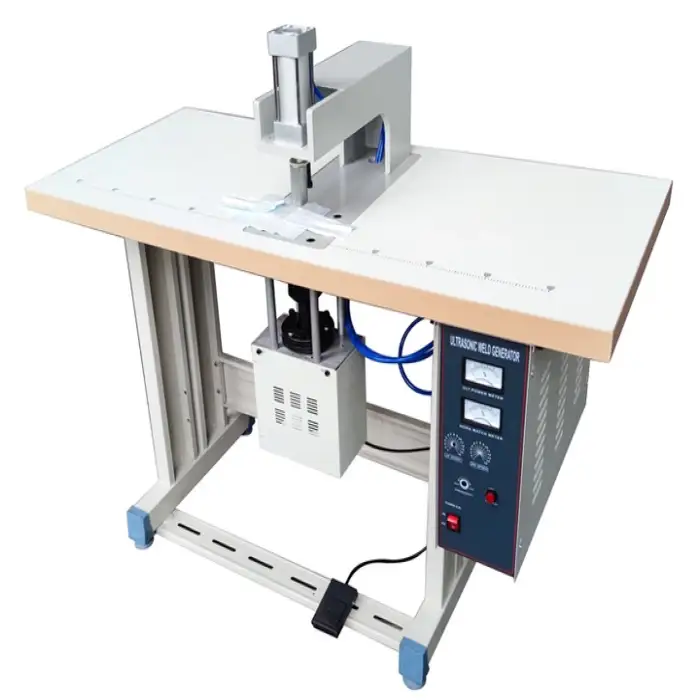
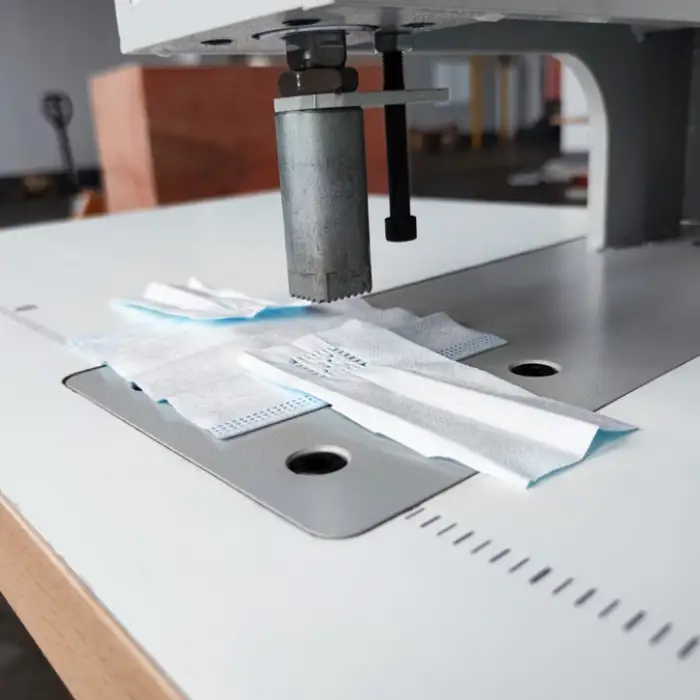
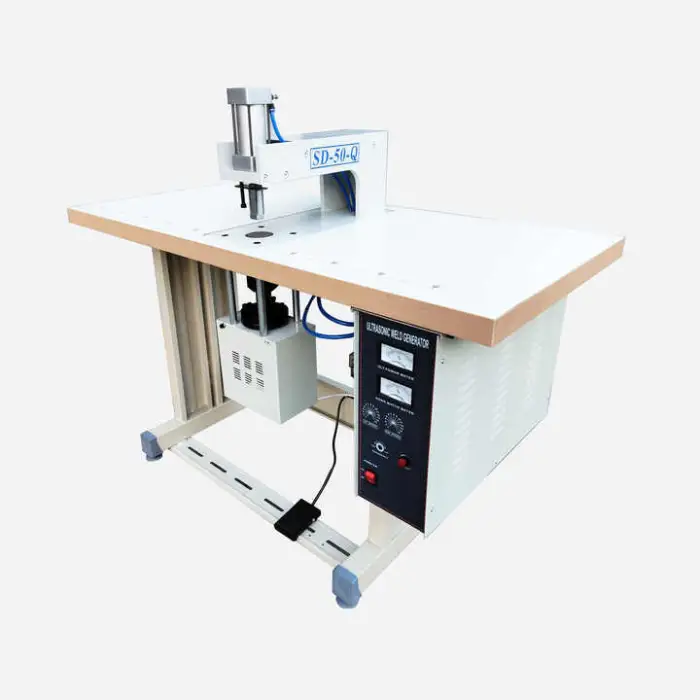
Handle Bag Non Woven Bag Spot Welding Machine

- Section : Machinery
- Category : Apparel Machinery
- SKU : 1600183937318

Handle Bag Non Woven Bag Spot Welding Machine
The Handle Bag Non Woven Bag Spot Welding Machine is a powerful and efficient tool designed for creating non-woven bags. This machine is perfect for both small and large-scale production. It uses advanced technology to ensure high-speed operation and precision in every stitch. Whether you are in a garment shop, manufacturing plant, or working from home, this machine will meet all your bag-making needs.
Specifications
| Attribute | Details |
|---|---|
| Type | Industrial Sewing Machines |
| Stitch Formation | Overlock Stitch |
| Max. Sewing Thickness | Other |
| Power | 1800-2500W |
| Weight | 80 KG |
| Overall Dimensions | 1200*600*1200 mm |
| Supply Ability | 50 pieces per Day |
| Condition | New |
| Certification | CE |
Key Features
- Automatic feed mechanism for easy operation
- Edge cutter for clean finishes
- Ultrasonic technology for precise welding
- High-speed operation to boost productivity
- Manual operation option available
- Flat-bed mechanical configuration for convenience
Applications
- Garment shops for quick bag production
- Manufacturing plants for bulk orders
- Home use for personal projects
- Retail shops for creating custom bags
With the Handle Bag Non Woven Bag Spot Welding Machine, you can produce high-quality non-woven bags quickly and efficiently. Make your bag-making tasks easier and more effective today!
Product Info Gallery
- Shipping Timeframes: All orders are processed within 2-5 business days (excluding weekends and holidays). After your order has been processed, the estimated delivery time is before 20 Jul, 2026, depending on customs, Please note that due to high demand, some items may experience longer shipping times, which will be communicated at order confirmation email.
- Order Processing Time: Please allow 2-5 business days for us to process your order before it is shipped . Orders placed after 16:00 on Fridays, or during weekends and public holidays, will begin processing on the next business day. Processing times may be extended during peak seasons or sales events.
- Manufacturing Time: Some products needs manufacturing time, the manufacturing process will take approximately 10-30 business days depending on the product. This timeframe may vary depending on the complexity of the product and current demand. but this will be communicated with you during order confirmation.
- Returns and Exchanges: We offer a 30-day return policy for most items. If you are not completely satisfied with your purchase, you may return it within 30 days of receipt for a refund or exchange. Items must be unused, in their original packaging, and accompanied by proof of purchase. Return shipping costs are the responsibility of the customer, unless the item was damaged or defective upon arrival.
1. What is the Handle Bag Non Woven Bag Spot Welding Machine used for?
This machine is designed to produce non-woven handle bags quickly and accurately. It integrates ultrasonic spot welding and edge cutting with overlock stitching (where required) to create strong, clean bag seams suitable for garment shops, manufacturing plants, retail or home-based production.
2. What materials can it work with?
It is intended for non-woven materials commonly used in bag-making, such as polypropylene (PP) spunbond, laminated non-woven fabrics and similar substrates. For specialized materials, consult the supplier to confirm compatibility and parameter settings.
3. What are the machine's main specifications?
Key specs include: industrial-grade unit, overlock stitch capability, ultrasonic spot welding technology, power consumption 1800–2500W, weight 80 kg, overall dimensions 1200 × 600 × 1200 mm, and a production capacity up to 50 pieces per day under standard operating conditions. The machine is CE certified and supplied new.
4. How fast is the machine and what is the production capacity?
The machine is built for high-speed operation to boost productivity. Typical output depends on bag size, operator skill and settings; the stated supply ability is up to 50 pieces per day under standard conditions. Actual throughput per hour will vary with job complexity.
5. Does it require manual operation or is it automatic?
The machine offers both modes: an automatic feed mechanism for high-volume production and a manual operation option for small batches, adjustments or specialized jobs.
6. How does the ultrasonic spot welding feature work, and why use it?
Ultrasonic spot welding uses high-frequency vibrations to generate localized heat and bond non-woven materials without thread or adhesives. It provides clean, precise welds with minimal material damage and fast cycle times, ideal for handle attachment and edge sealing.
7. What safety precautions should operators follow?
Follow the user manual and safety labels. Recommended precautions include keeping hands clear of the welding head and edge cutter during operation, wearing appropriate PPE (safety glasses and gloves when required), ensuring proper grounding and power isolation before maintenance, and only allowing trained personnel to operate the machine.
8. What maintenance is required to keep the machine running reliably?
Regular tasks include cleaning the horn and tooling to prevent residue buildup, checking and tightening mechanical fasteners, lubricating moving parts per the manual, inspecting the edge cutter blade and replacing when dull, and verifying electrical connections and grounding. Schedule preventative maintenance based on usage intensity.
9. What common troubleshooting steps should I try if welds are weak or inconsistent?
Check that the horn and anvil surfaces are clean and undamaged, verify the welding amplitude and time settings, ensure correct material positioning and pressure, confirm the power supply is stable and within spec, and inspect for worn tooling. If problems persist, contact the supplier or service center.
10. What power and installation requirements are needed?
The machine's power consumption is 1800–2500W. Specific voltage and phase requirements depend on the model/configuration and local standards—confirm these details with the supplier before purchase so you can arrange the appropriate industrial power supply and circuit protection.
11. Is installation, training or after-sales support provided?
Typical offerings from suppliers include installation assistance, operator training and after-sales support, but exact services vary. Confirm with your vendor which installation, commissioning and training packages are included or available for purchase.
12. Are spare parts and consumables available?
Yes—common consumables such as edge cutter blades, horn tooling and electrical components are generally available from the manufacturer or authorized dealers. Ask your supplier for a spare parts list and lead times when ordering.
13. What warranty and certifications does the machine have?
The product description indicates CE certification. Warranty terms are not specified in the listing—contact the supplier or dealer to confirm warranty length, coverage details and any extended-service options.
Latest Order Arrivals
Discover our latest orders
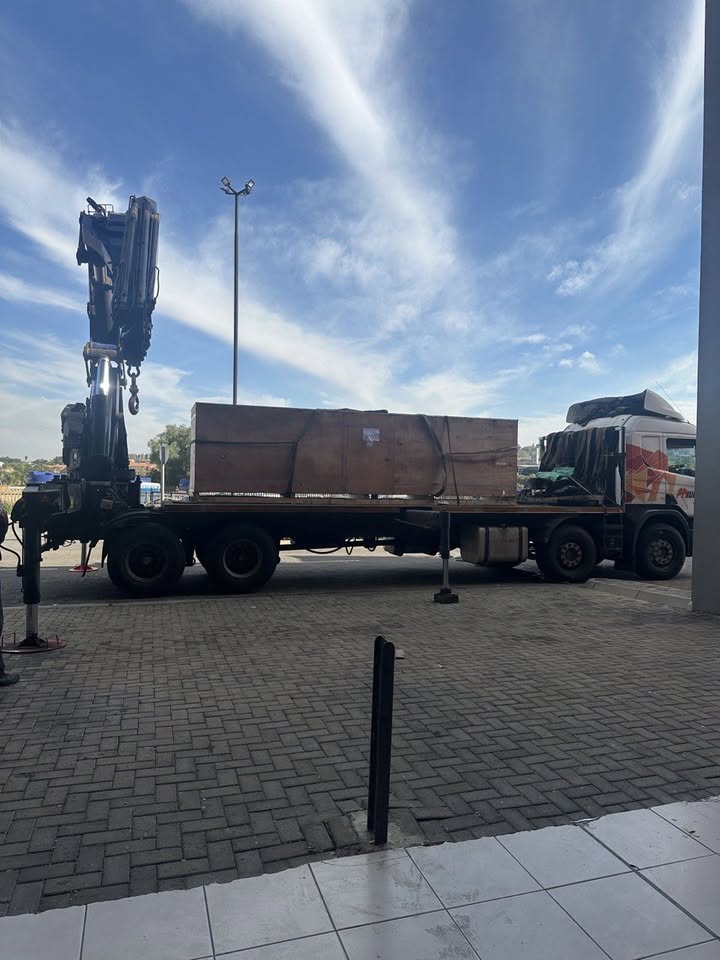
12 Heads Embroidery Machine
Toilet Paper Machine Machine
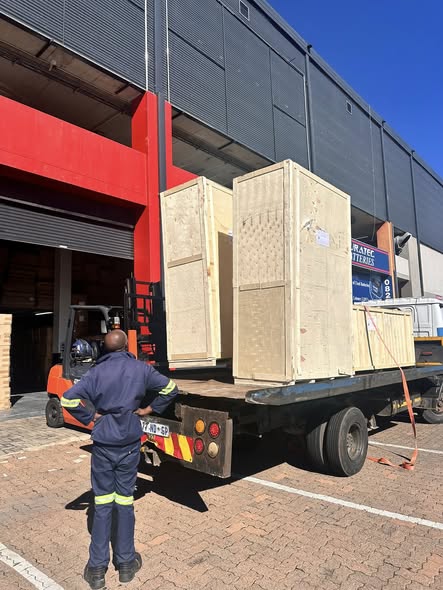
Order Collection
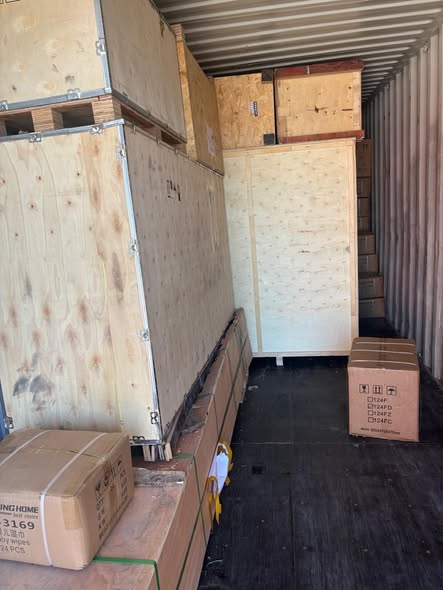
Cross Border Clients
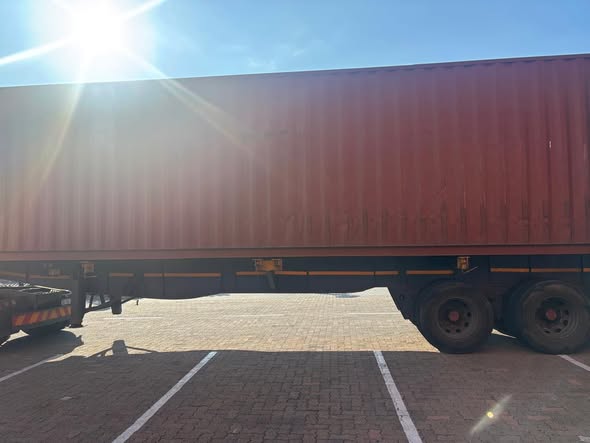
Order cros border countries Collected
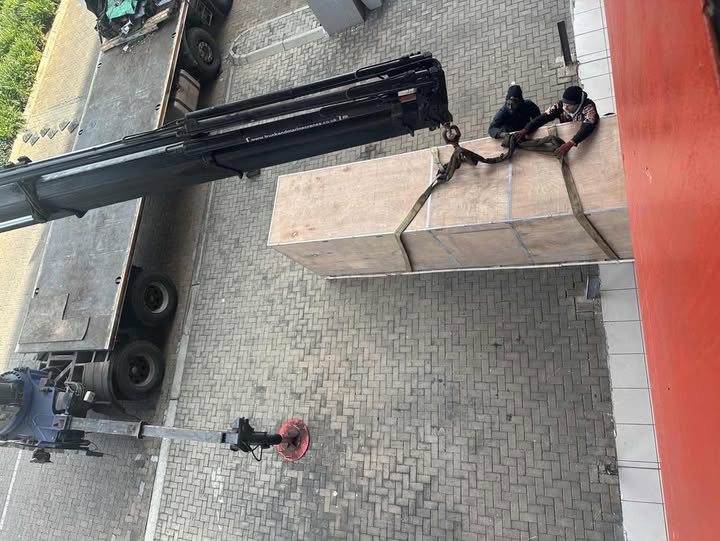
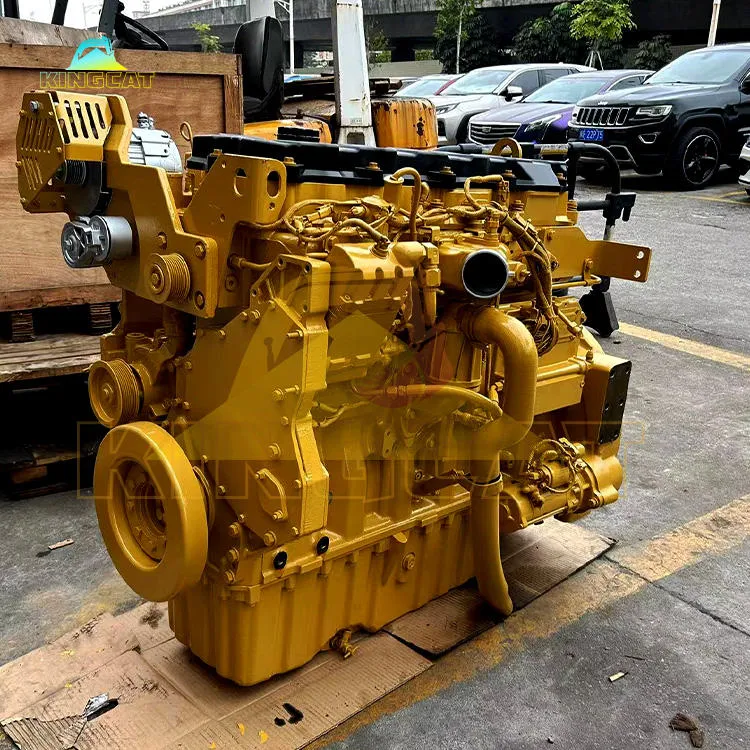
Industrial Machine Cllection
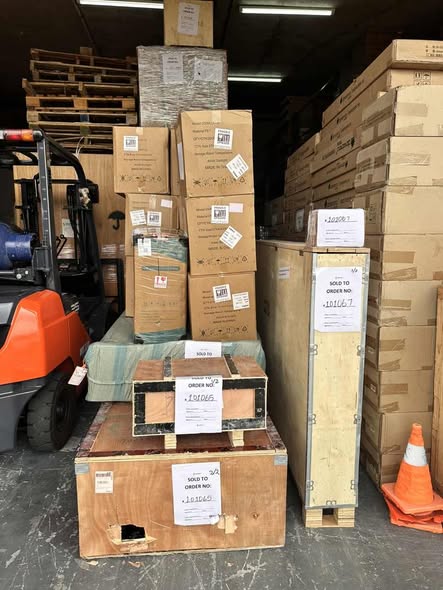
Agriculture Processing Machines
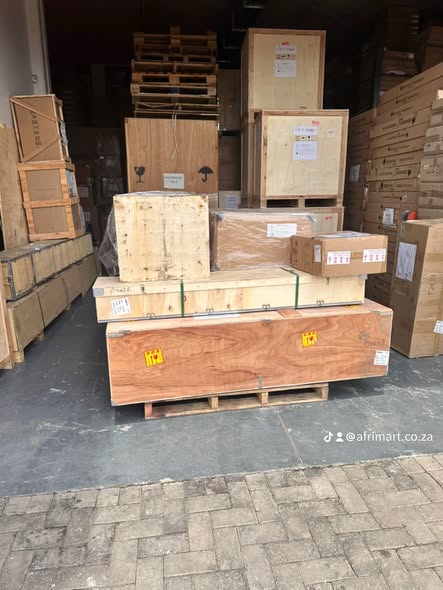
Ready for collection
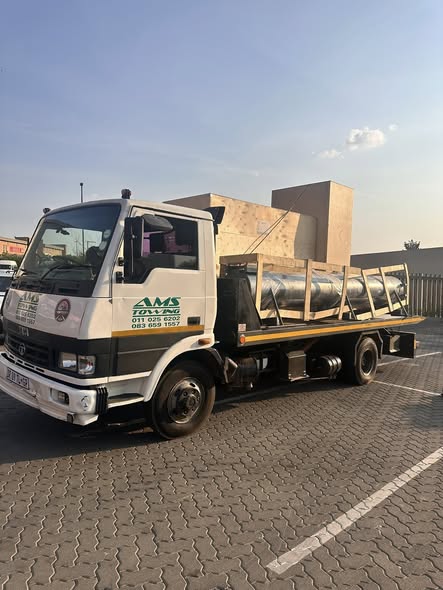
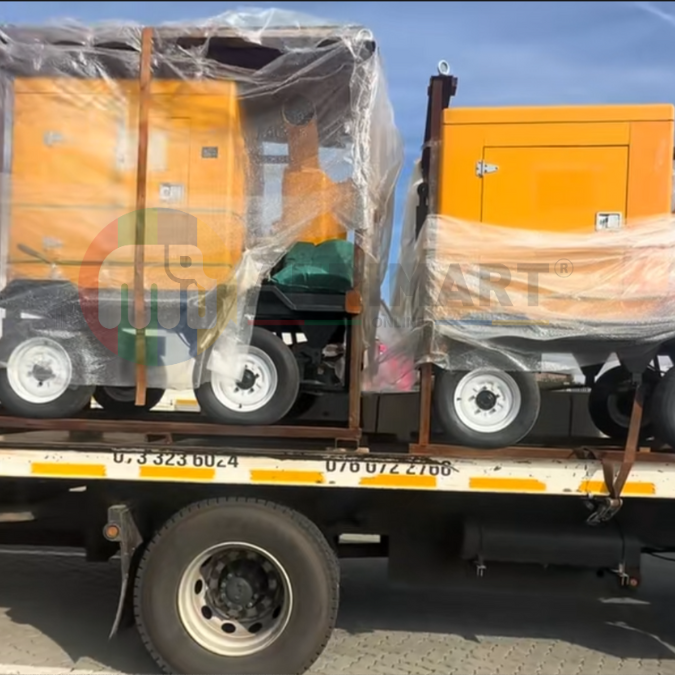
Water Pump Equipment
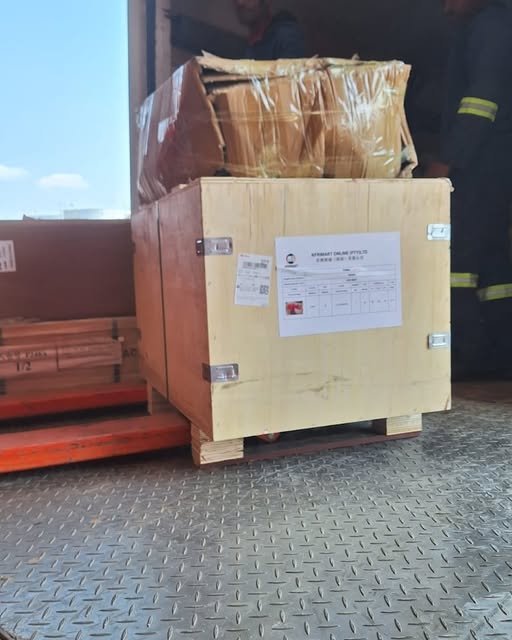
Packaging Machine and accessories
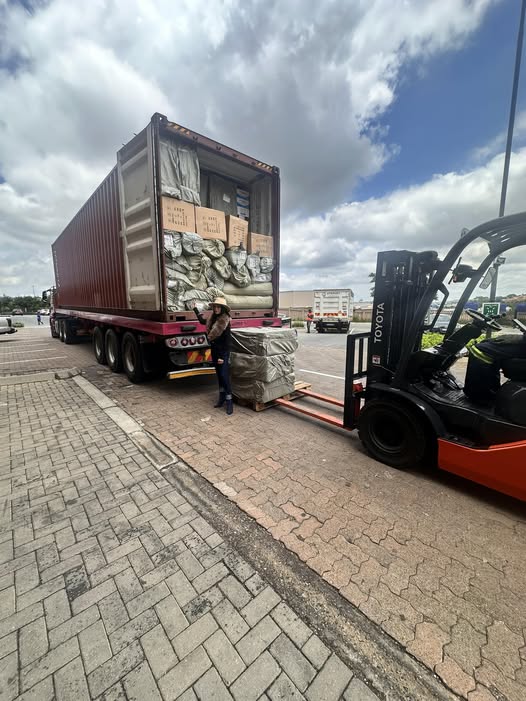
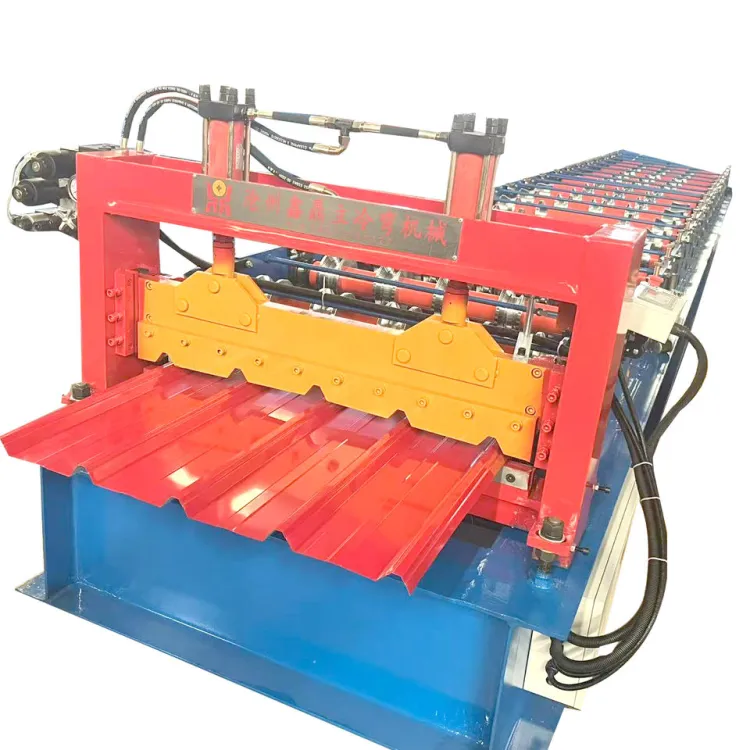
Fabrics Manufacturing Equipment
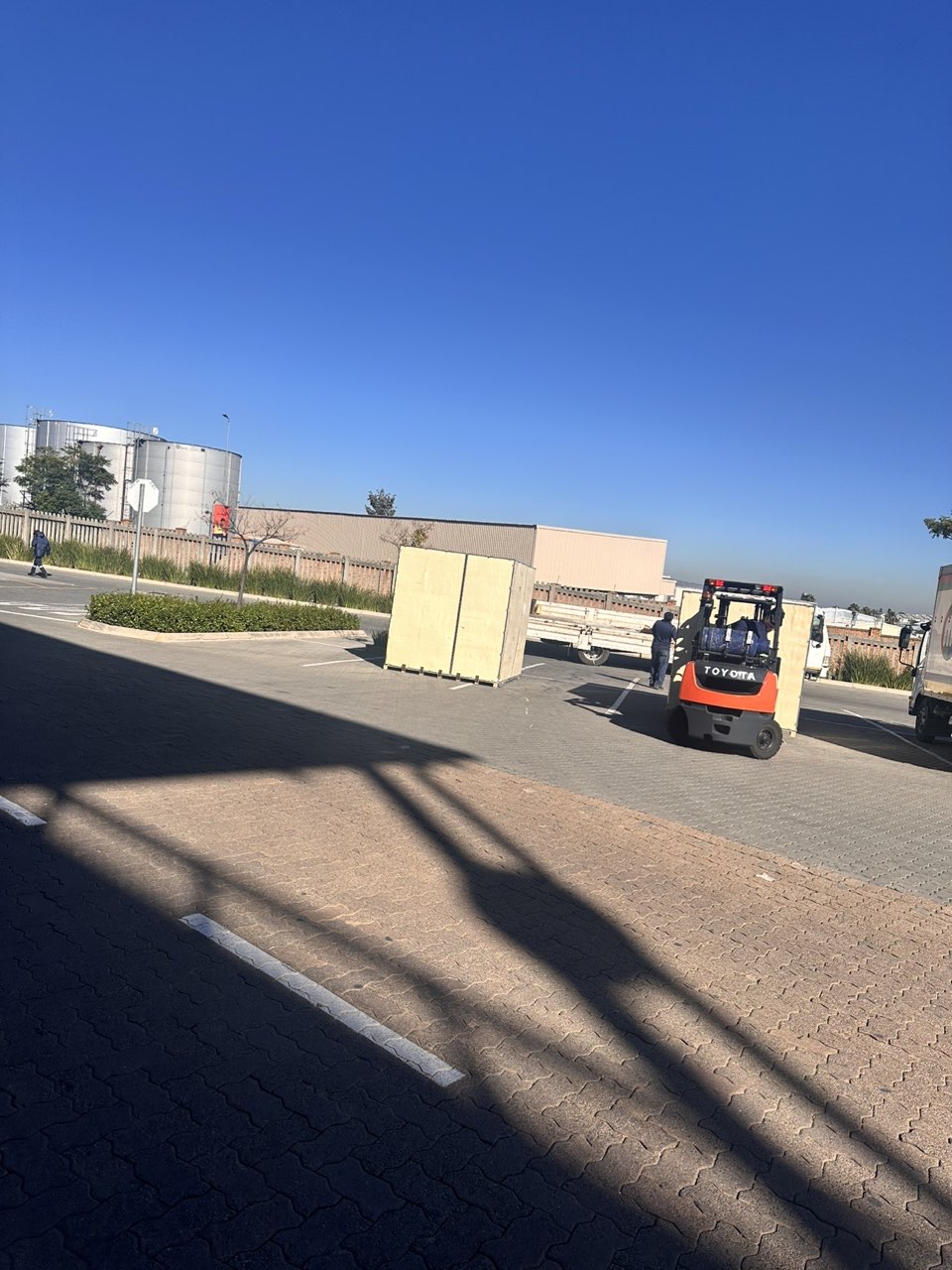
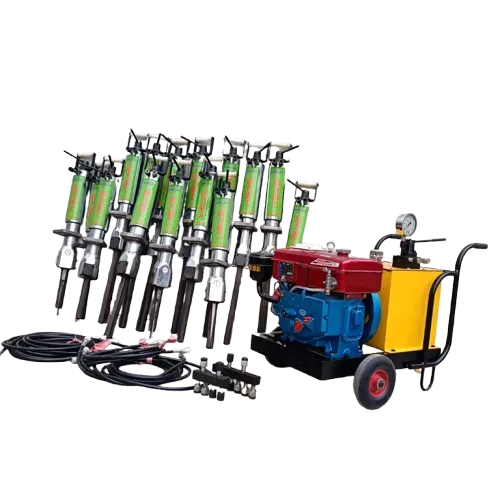
Mining Equipments
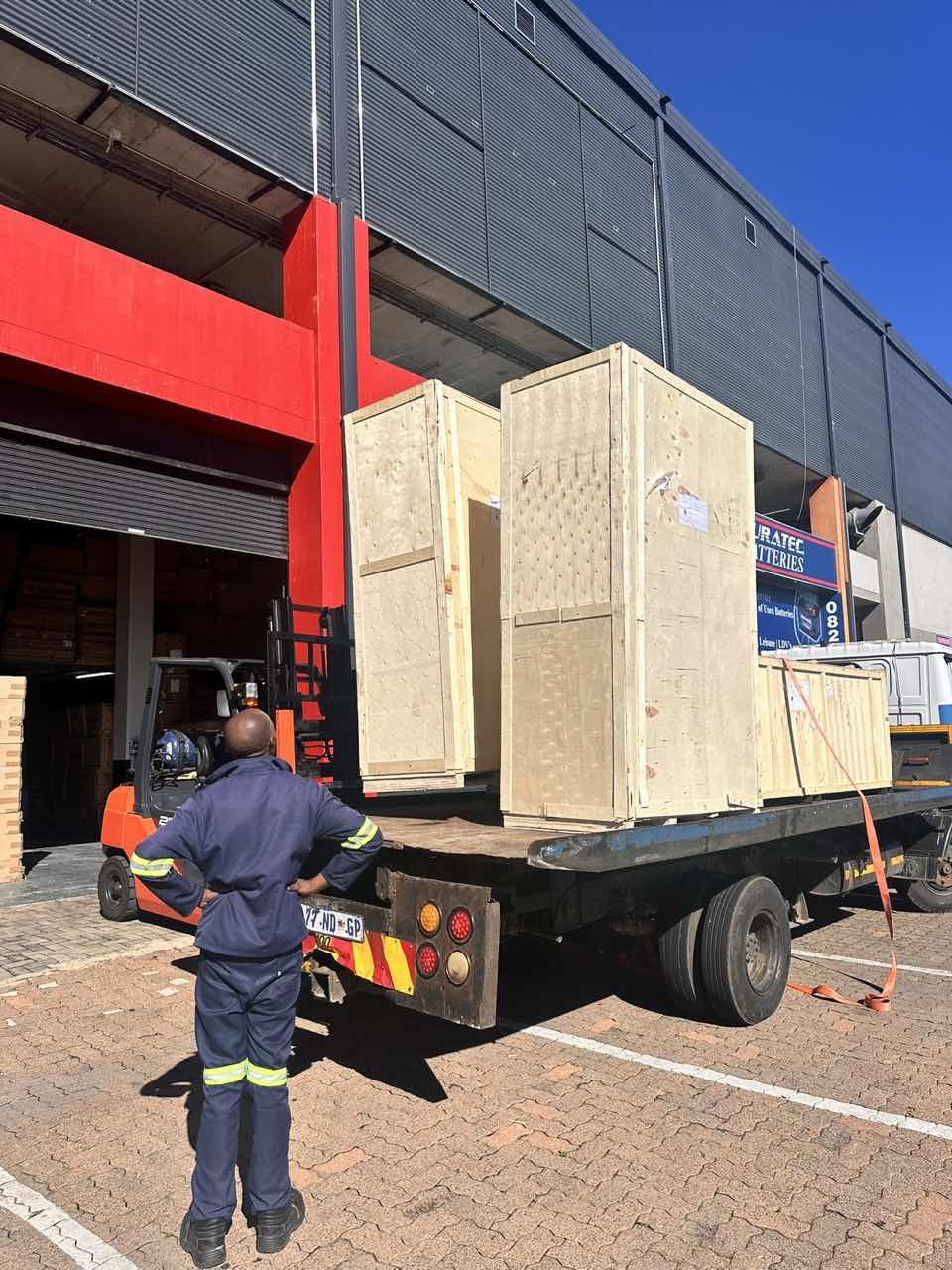
Food Processing Machine
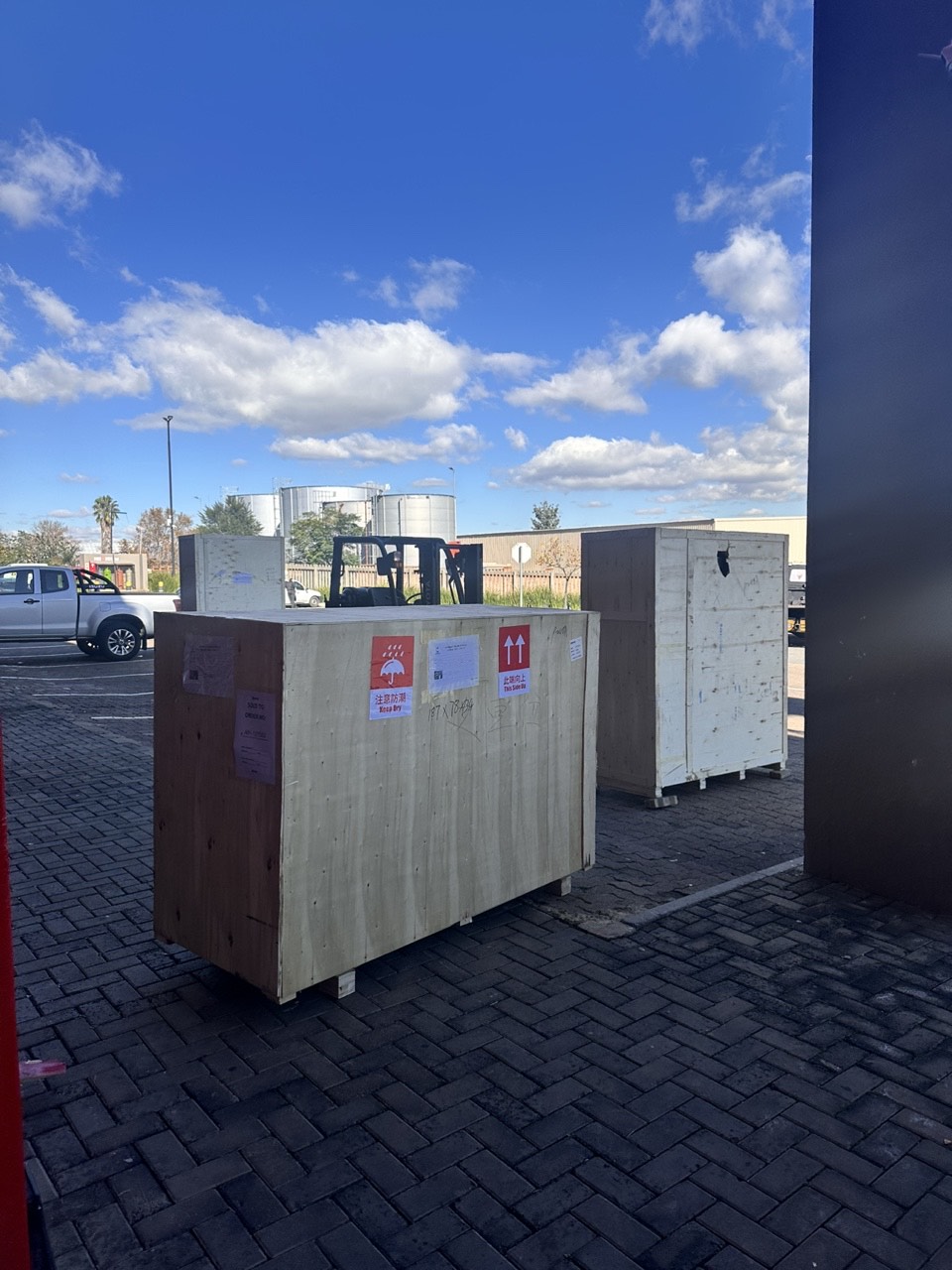
Batch of Orders
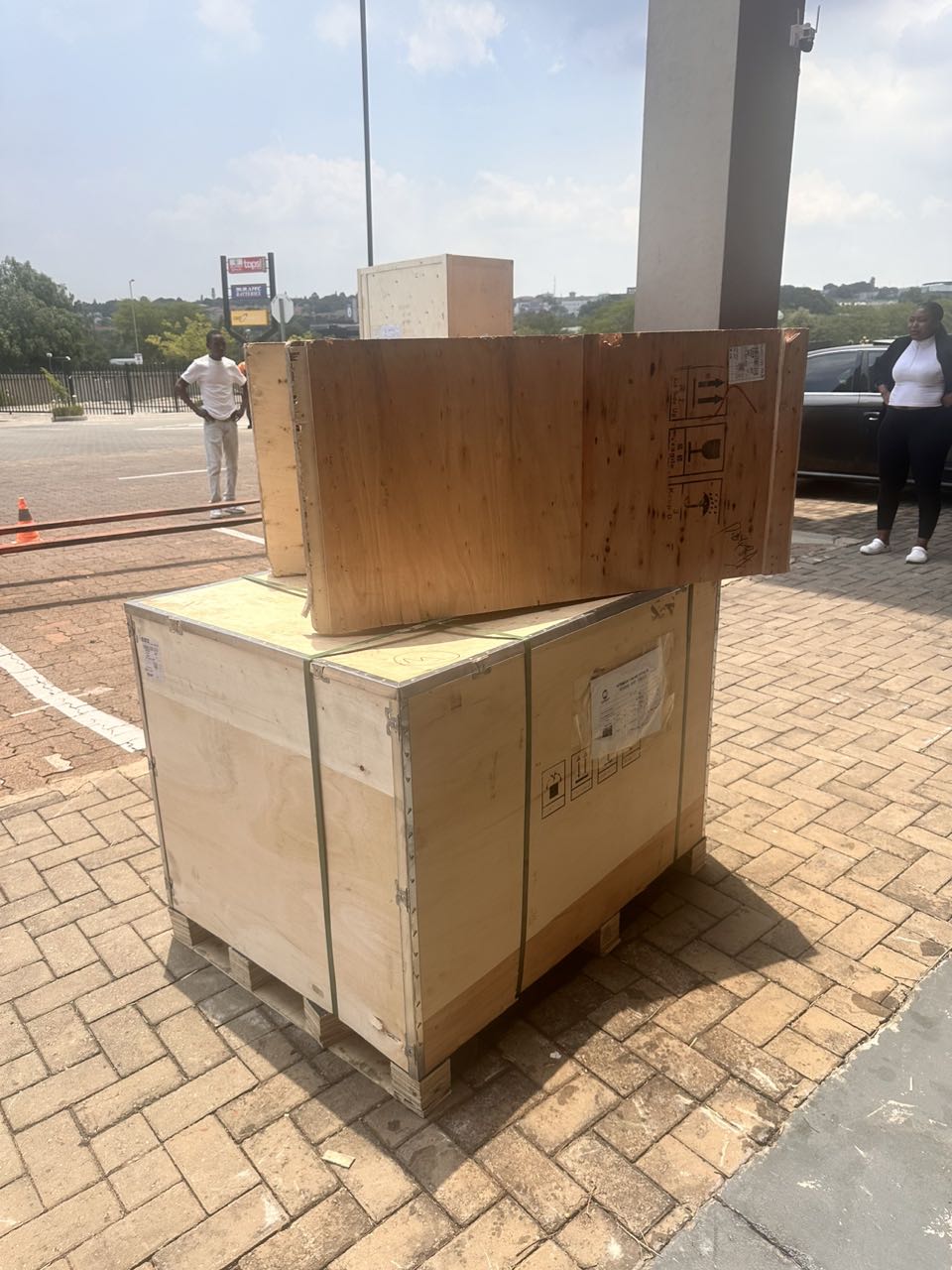
Batch of Orders
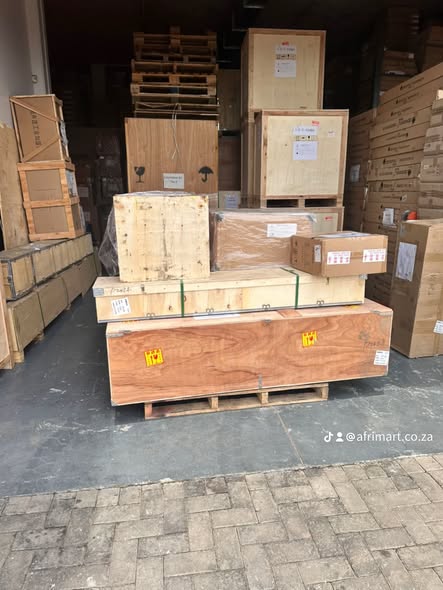
Latest Orders Labelled
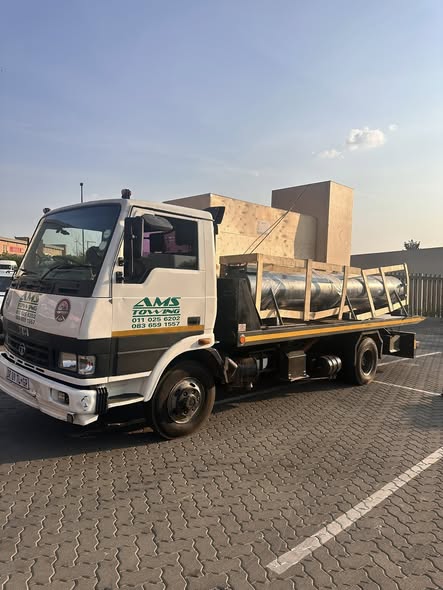
wheel alignment machines
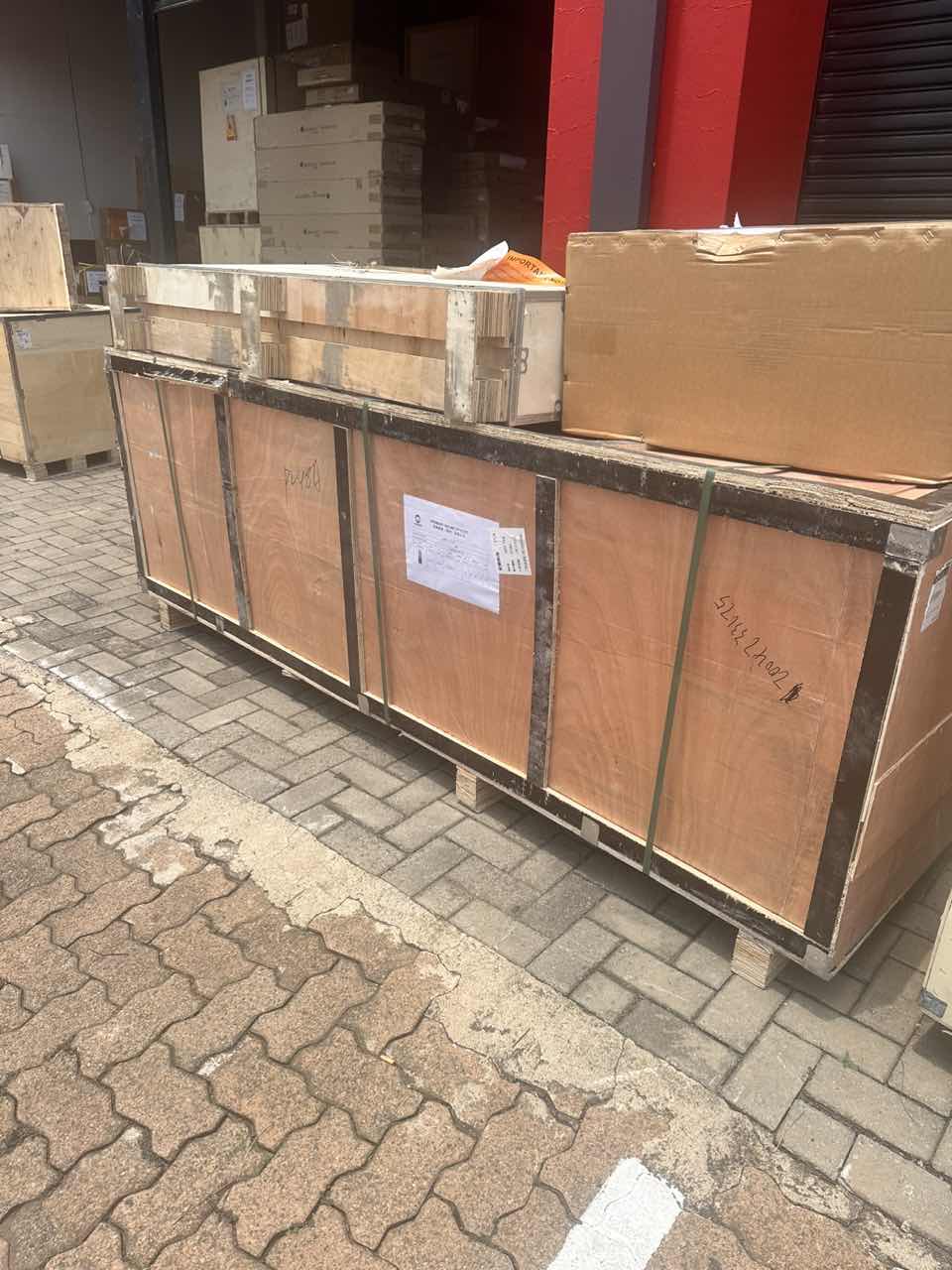
new arrivals
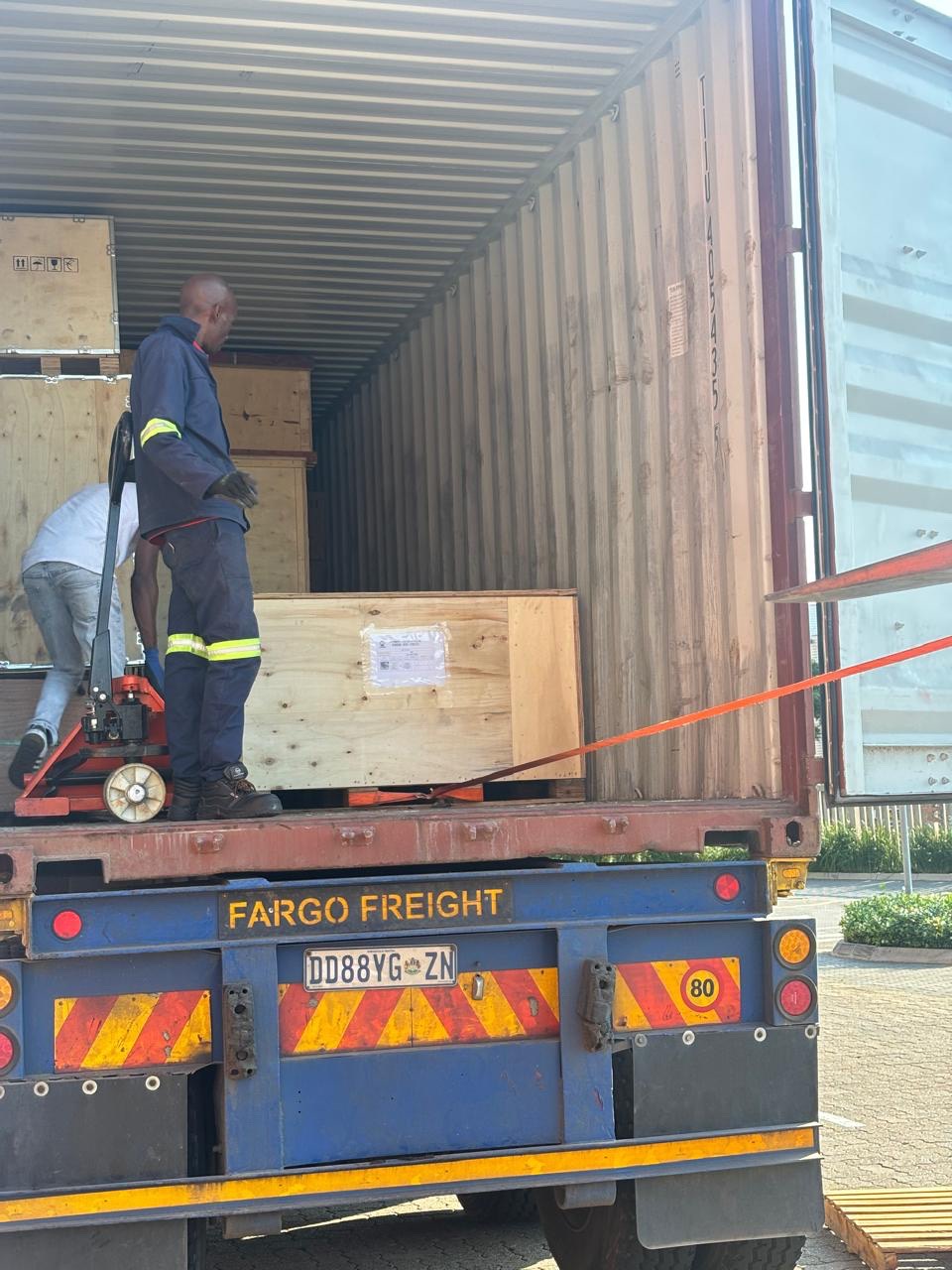
Pre Orders Offloading
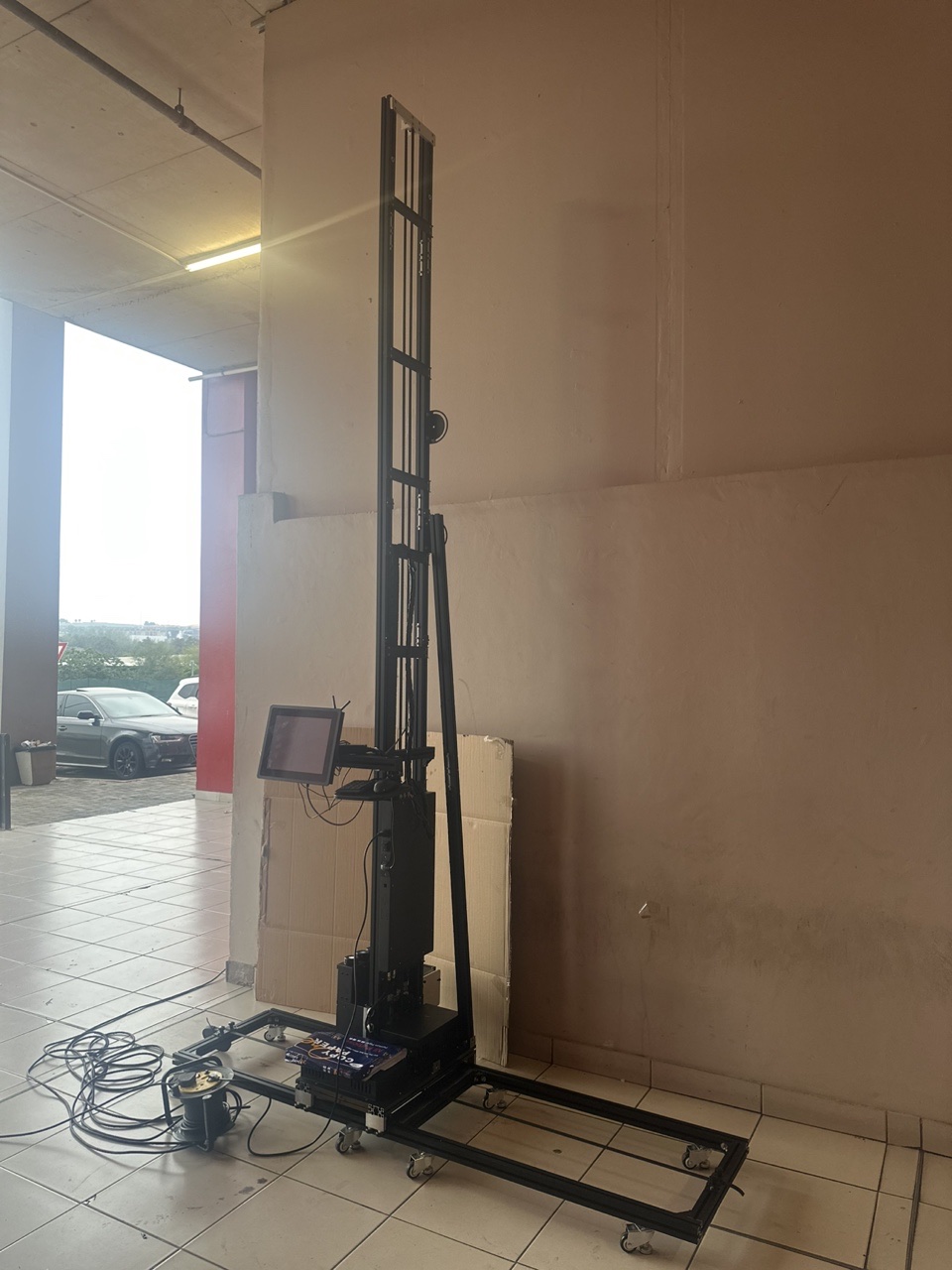
Latest Arrivals
Latest Arrivals
Latest Arrivals
Loading
Toilet paper making machine
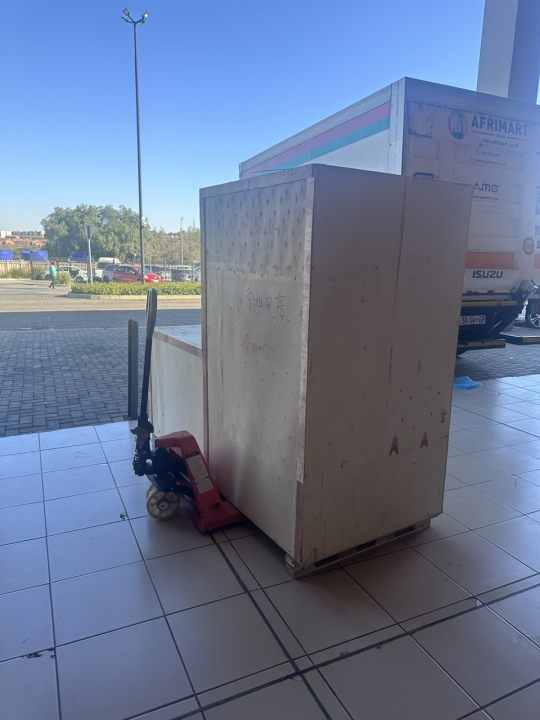
Toilet paper making machine
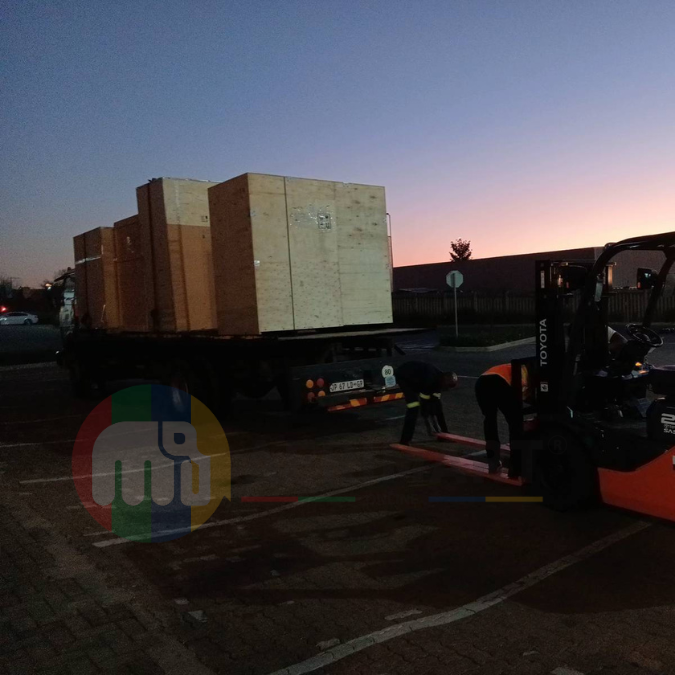
Toilet paper Rewinding Machine
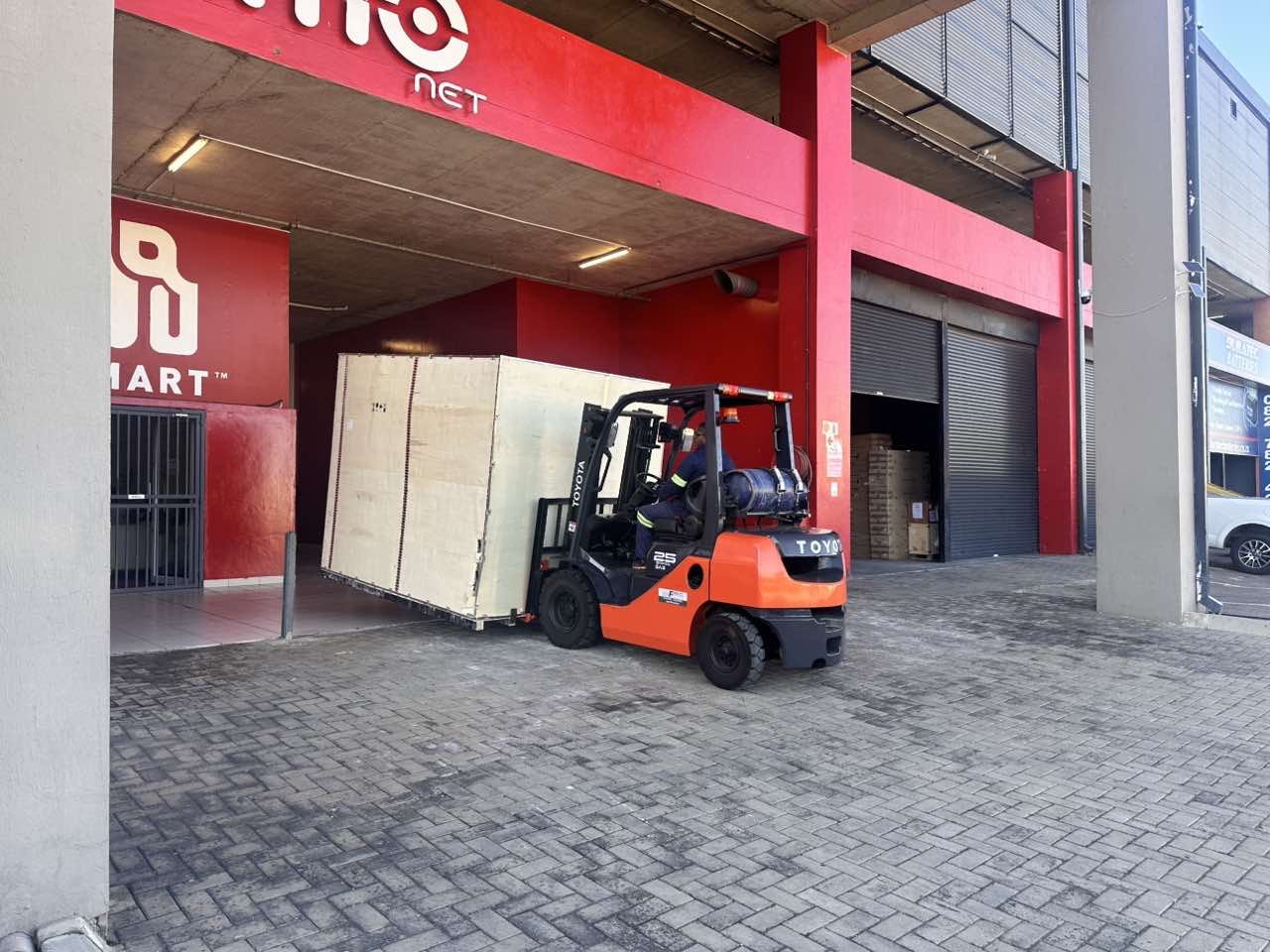
latest arrivals
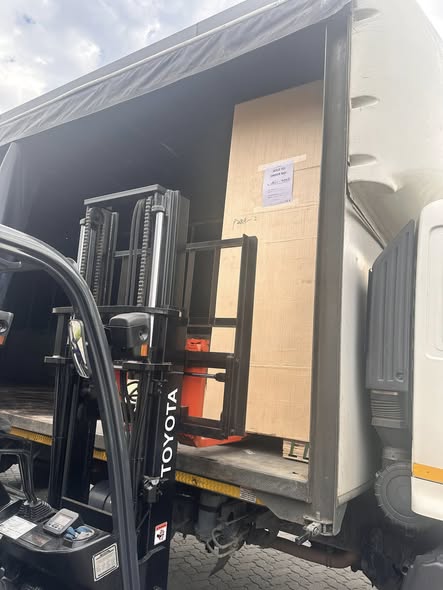
offloading
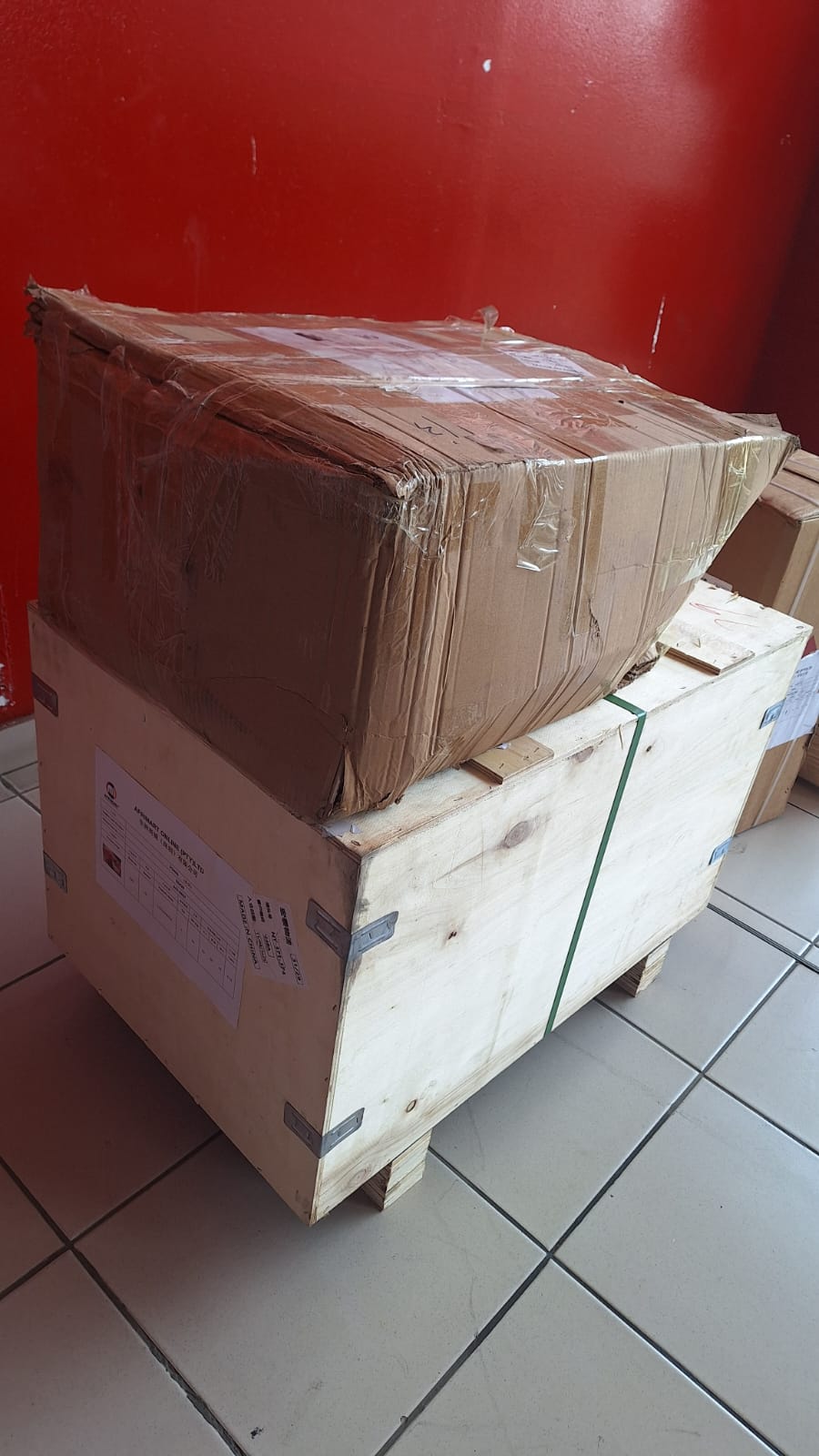
order success
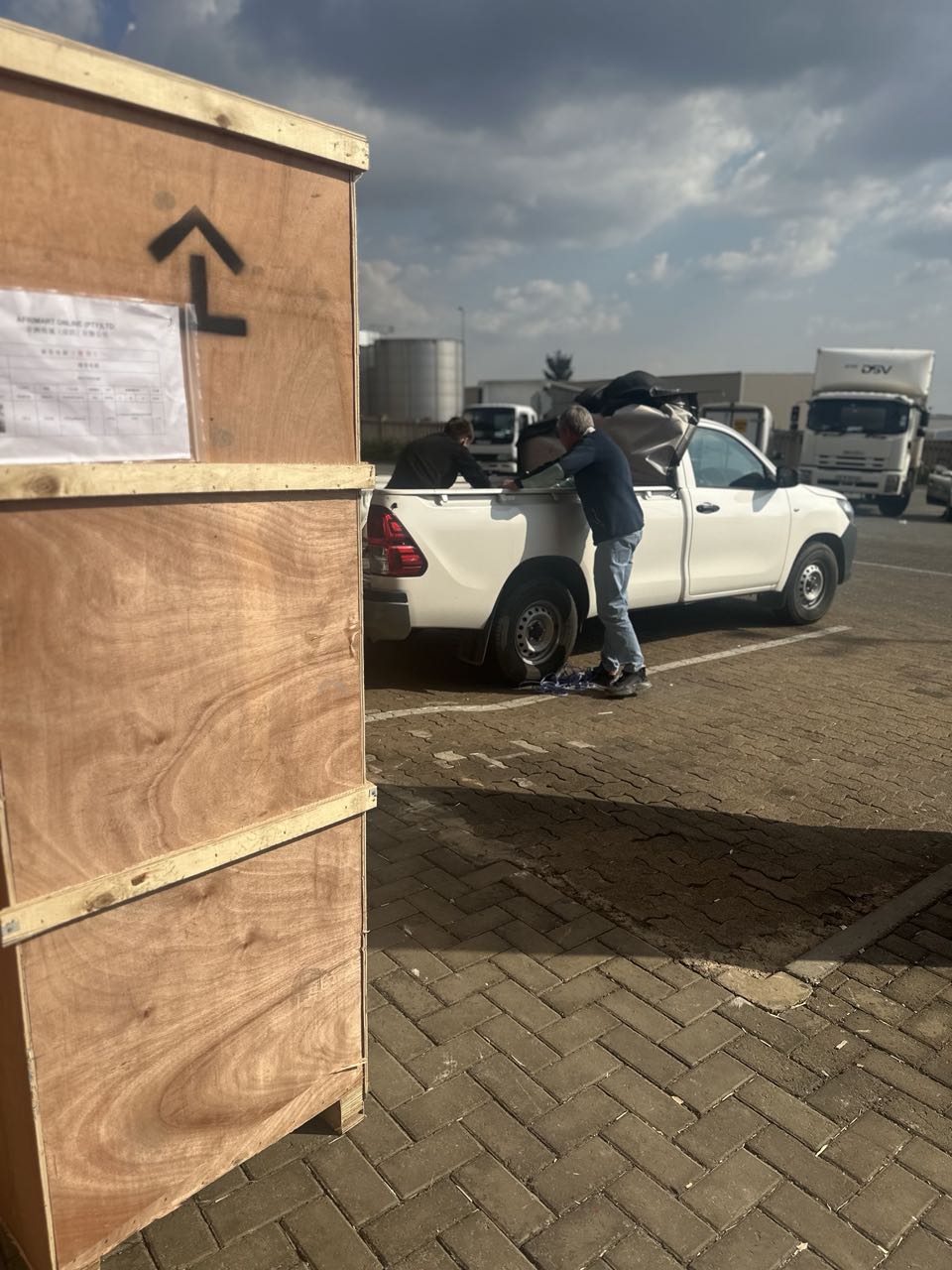
order collection
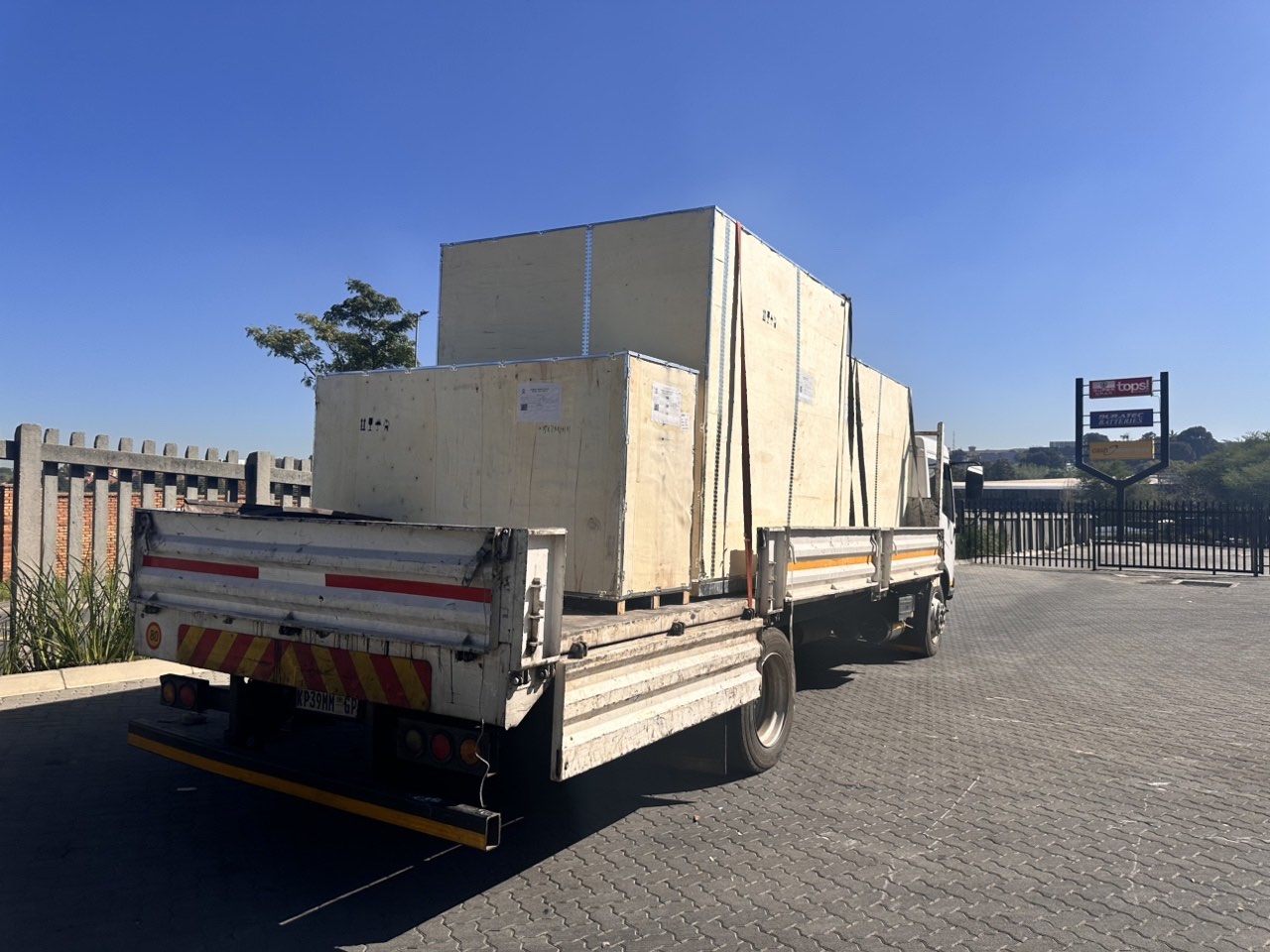
order offloading