B21, China Town Mall, Midrand


Handheld Vitiligo Treatment Professional Medical Device Uvb Light Therapy for Psoriasis Home Use Clinics 308nm

- Section : Appliances
- Category : Food Processors
- SKU : 1601434381666

Handheld Vitiligo Treatment Professional Medical Device UVB Light Therapy for Psoriasis Home Use Clinics 308nm
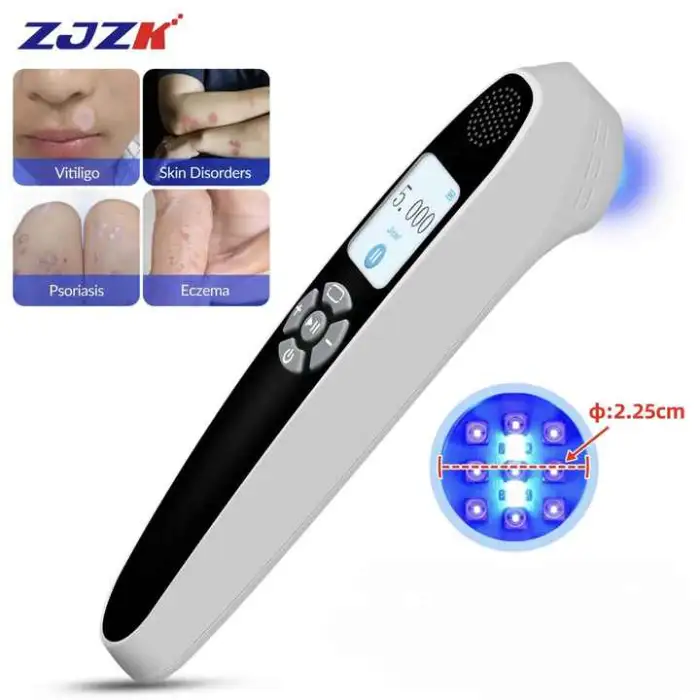
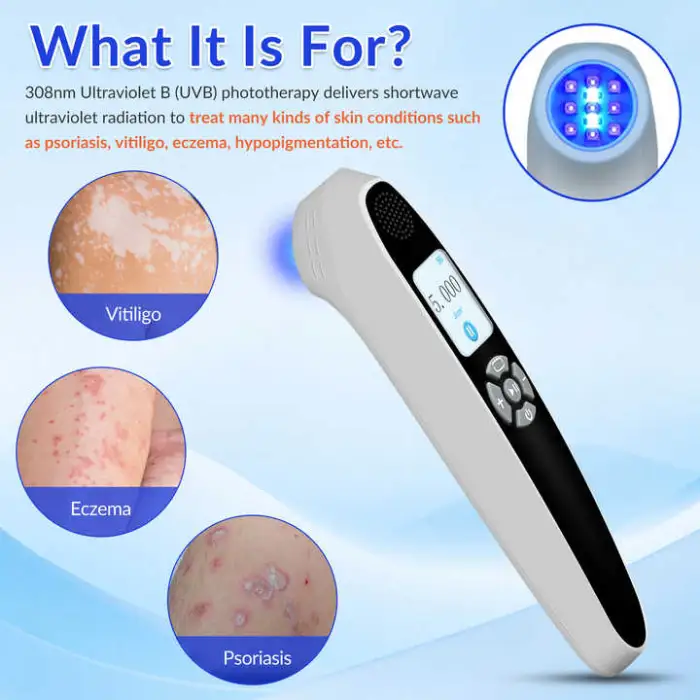
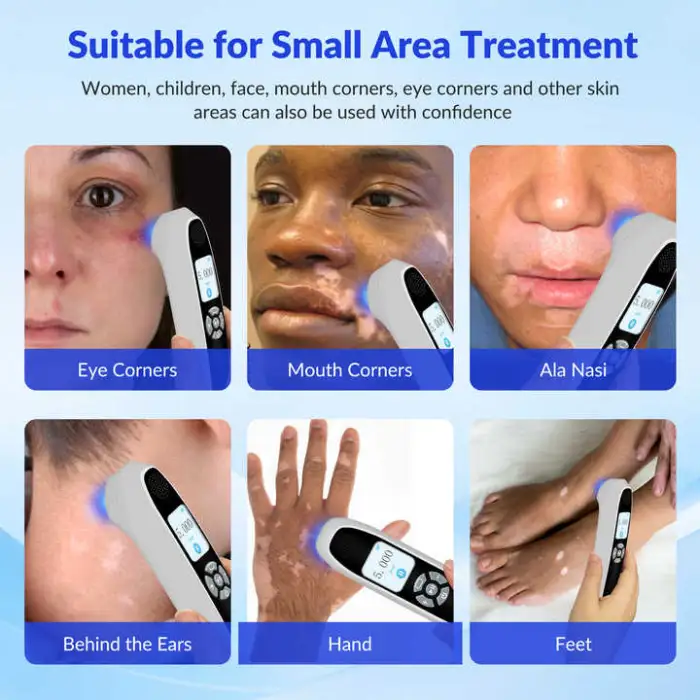
The Handheld Vitiligo Treatment Professional Medical Device is an advanced UVB light therapy device designed to help treat skin conditions like vitiligo and psoriasis. This device is easy to use at home or in clinics. It offers a comfortable experience while providing effective treatment. With a wavelength of 308nm, it targets specific areas for better results. Enjoy pain relief and improved skin health with this durable and reliable device.
Specifications
| Attribute | Details |
|---|---|
| Instrument Classification | Class II |
| Feature | Adjustable, Easy operation, Durable |
| Frequency | 50-60Hz |
| Power | 220mW |
| Weight | 0.11kg / 0.24lb |
| Voltage | AC100-240V, 50Hz/60Hz |
| Light Source | Ultraviolet |
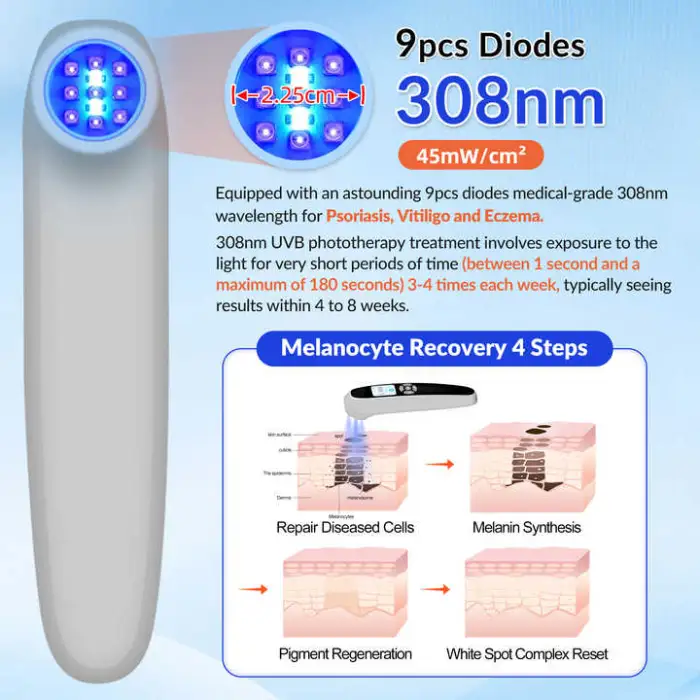
| Wavelengths | 308nm |
Key Features
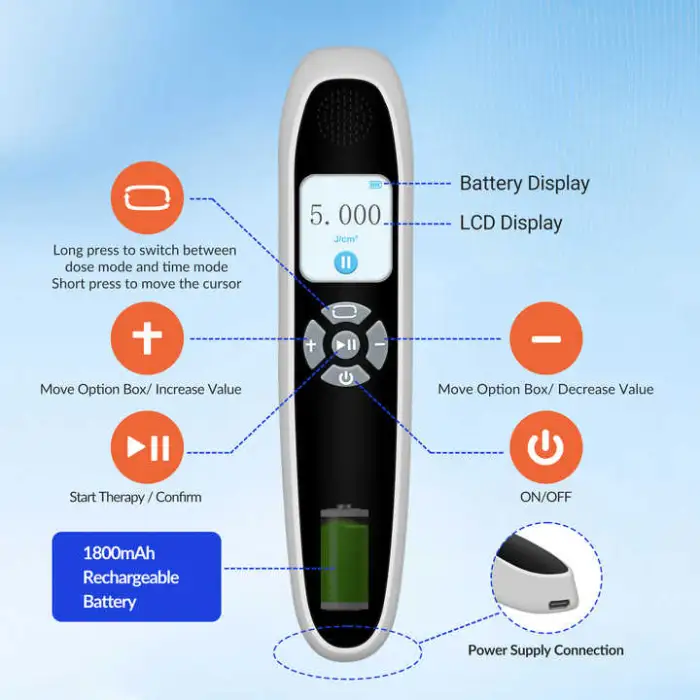
- Easy to operate for home and clinic use
- Lightweight and portable design
- Adjustable settings for personalized treatment
- Effective UVB light therapy with 308nm wavelength
- Durable construction for long-lasting use
Applications
- Treating vitiligo and psoriasis
- Health care and skin treatment
- Pain relief and comfort
- Foot massage therapy
- Home use for skin care
- Professional use in clinics and hospitals
Experience the benefits of the Handheld Vitiligo Treatment Professional Medical Device for effective skin therapy today!
Product Info Gallery
- Shipping Timeframes: All orders are processed within 2-5 business days (excluding weekends and holidays). After your order has been processed, the estimated delivery time is before 03 Aug, 2026, depending on customs, Please note that due to high demand, some items may experience longer shipping times, which will be communicated at order confirmation email.
- Order Processing Time: Please allow 2-5 business days for us to process your order before it is shipped . Orders placed after 16:00 on Fridays, or during weekends and public holidays, will begin processing on the next business day. Processing times may be extended during peak seasons or sales events.
- Manufacturing Time: Some products needs manufacturing time, the manufacturing process will take approximately 10-30 business days depending on the product. This timeframe may vary depending on the complexity of the product and current demand. but this will be communicated with you during order confirmation.
- Returns and Exchanges: We offer a 30-day return policy for most items. If you are not completely satisfied with your purchase, you may return it within 30 days of receipt for a refund or exchange. Items must be unused, in their original packaging, and accompanied by proof of purchase. Return shipping costs are the responsibility of the customer, unless the item was damaged or defective upon arrival.
1. What is the Handheld Vitiligo Treatment Professional Medical Device?
It is a portable UVB light therapy device that emits 308 nm narrowband ultraviolet light designed for localized treatment of skin conditions such as vitiligo and psoriasis. It is intended for use in home and clinical settings and is classified as a Class II medical device.
2. How does 308 nm UVB light therapy work for vitiligo and psoriasis?
Narrowband 308 nm UVB light reduces inflammation and can stimulate repigmentation in vitiligo and slow the rapid skin cell turnover seen in psoriasis. The device delivers targeted UVB to localized areas to maximize effect while minimizing exposure to surrounding skin. Treatment effectiveness varies by individual; consult a dermatologist for a personalized plan.
3. Is this device safe to use at home?
The device is designed for home use, but safety depends on proper operation. Always follow the manufacturer’s instructions and your clinician’s treatment plan. Use appropriate protective eyewear, avoid overexposure, and consult your doctor before starting therapy—especially if you have a history of skin cancer, photosensitivity, or are taking photosensitizing medications.
4. Do I need a prescription to use this device?
Regulatory requirements vary by country. Some jurisdictions require a prescription or physician supervision for UVB phototherapy devices. Check local regulations and consult a dermatologist before purchasing or using the device.
5. How often and how long should I use the device for each treatment?
Treatment frequency and duration depend on your skin type, the condition being treated, and your clinician’s protocol. Common clinical regimens are typically several sessions per week over multiple weeks, with individual session times ranging from very brief to a few minutes. Start with the shortest recommended exposure and follow a dermatologist’s guidance.
6. What safety precautions should I take during treatment?
Always wear protective goggles to shield your eyes, protect non-treated skin (cover with clothing or barrier), avoid sun exposure on treated areas immediately before and after sessions, and stop use if you experience severe redness, blistering, or unusual pain. Keep children and pets away during treatment.
7. Are there any side effects?
Common side effects include temporary redness, itching, dry skin, or mild sunburn-like reactions. Less commonly, prolonged or excessive exposure can cause blistering or hyperpigmentation. Long-term frequent UV exposure may increase skin aging and skin cancer risk—discuss risks with your doctor.
8. Can pregnant or breastfeeding people use this device?
Data are limited; because of potential unknown risks and variations in medical advice, pregnant or breastfeeding individuals should consult their healthcare provider before using UVB therapy.
9. Can I use topical medicines (e.g., corticosteroids, calcineurin inhibitors) with this therapy?
Many topical treatments are combined with phototherapy in clinical practice, but some medications or ointments can increase photosensitivity. Always check with your prescribing clinician before combining treatments so they can advise on timing and safety.
10. What does 'Class II' medical device mean?
Class II indicates the device is subject to greater regulatory controls than low-risk (Class I) devices to ensure safety and effectiveness. Exact regulatory requirements and implications vary by region—verify local certification and approvals with the manufacturer or supplier.
11. What are the device's power and electrical specifications?
The device operates from AC100–240V at 50/60 Hz and has a specified power output. Check the user manual and the product label for voltage, plug type, and any local electrical requirements before use.
12. How should I clean and maintain the device?
Unplug the device before cleaning. Wipe external surfaces and the treatment window with a soft cloth slightly dampened with a mild disinfectant or isopropyl alcohol. Do not immerse in water or spray liquids directly onto the device. Follow the manufacturer’s maintenance schedule and storage recommendations.
13. Does the device come with protective eyewear or a warranty?
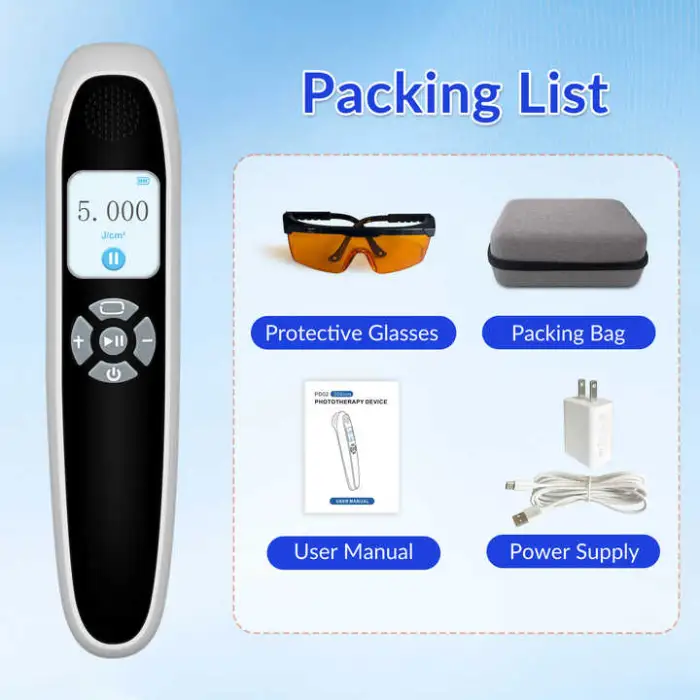
Inclusion of goggles or warranty information is vendor-dependent and not listed in the basic product description. Confirm with the seller/manufacturer whether protective goggles, a warranty, user manual, and after-sales support are included.
14. How long before I might see results?
Response time varies. Some patients notice improvement after several weeks of regular treatment, while others may require months. Progress depends on the condition’s severity, treatment consistency, and individual response. Regular follow-up with your clinician is important to assess effectiveness.
15. Who should not use this device?
People with a history of photosensitivity disorders, active or recent skin cancer, those on photosensitizing medications, or anyone advised against UV exposure by their physician should not use the device. Always consult a healthcare professional before beginning therapy.
Latest Order Arrivals
Discover our latest orders
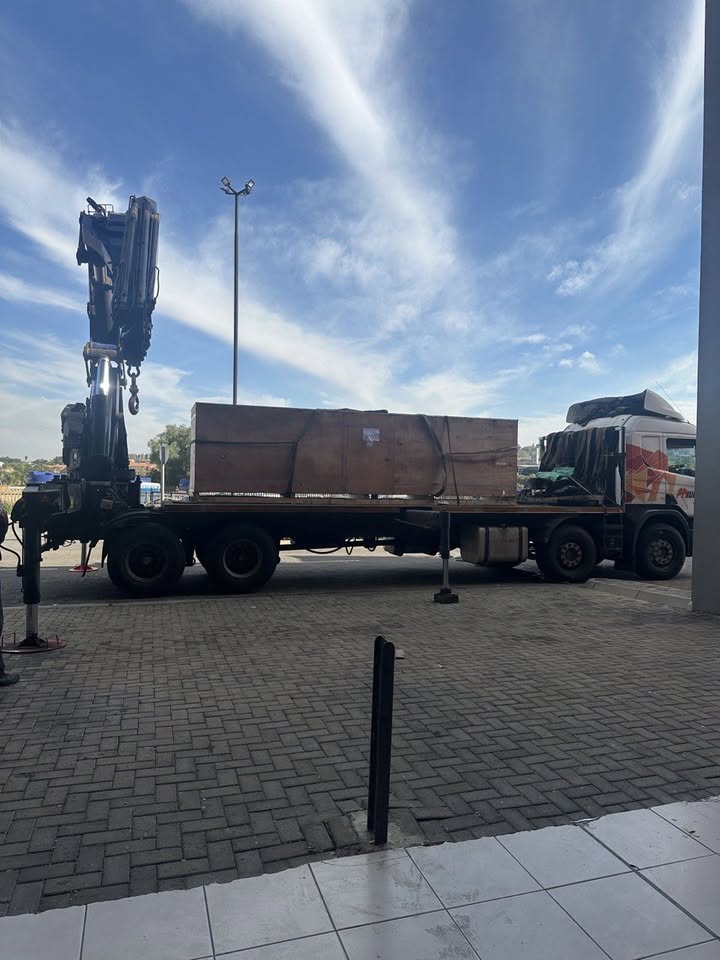
12 Heads Embroidery Machine
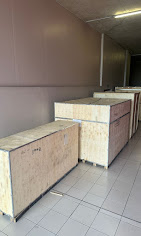
Toilet Paper Machine Machine
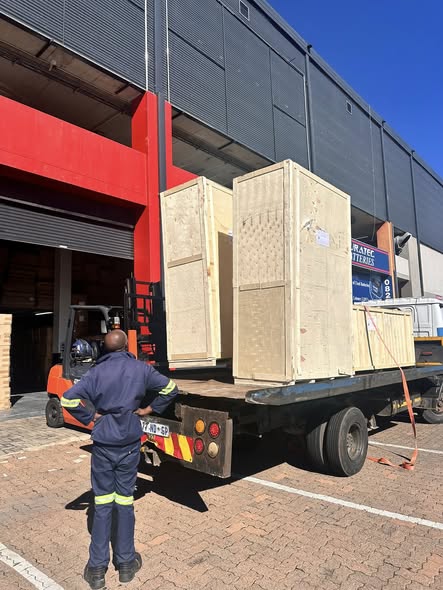
Order Collection
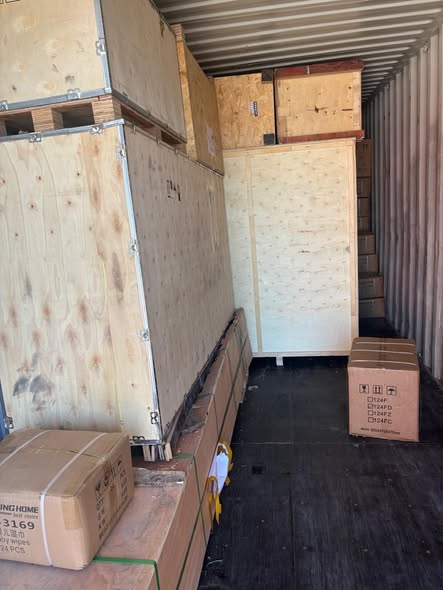
Cross Border Clients
Order cros border countries Collected
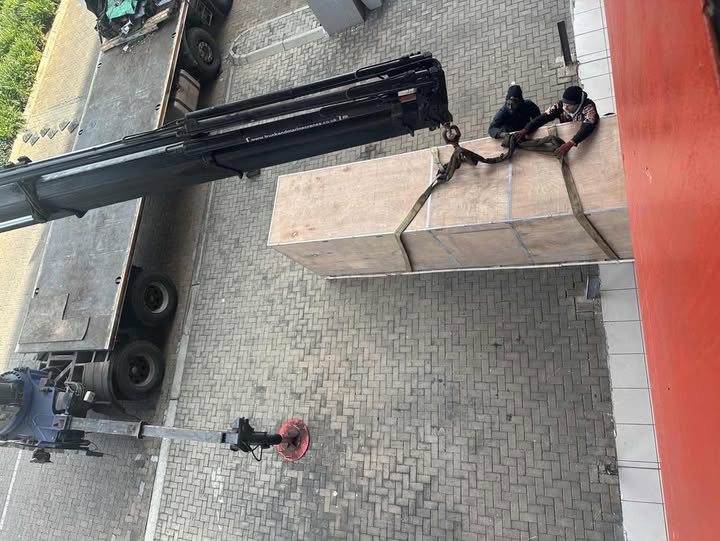
Industrial Machine Cllection
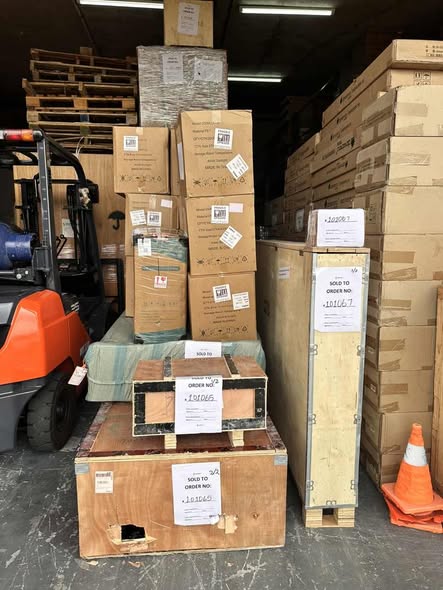
Agriculture Processing Machines
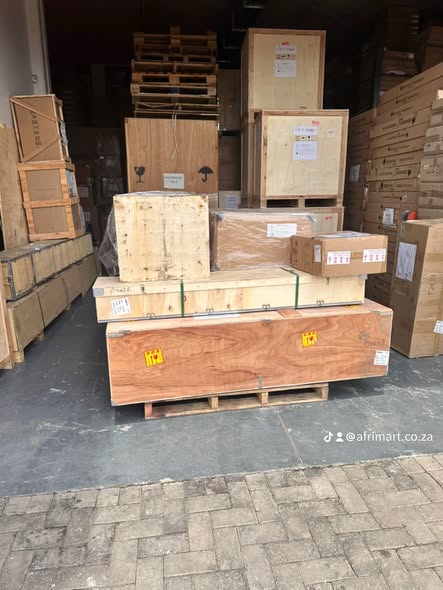
Ready for collection
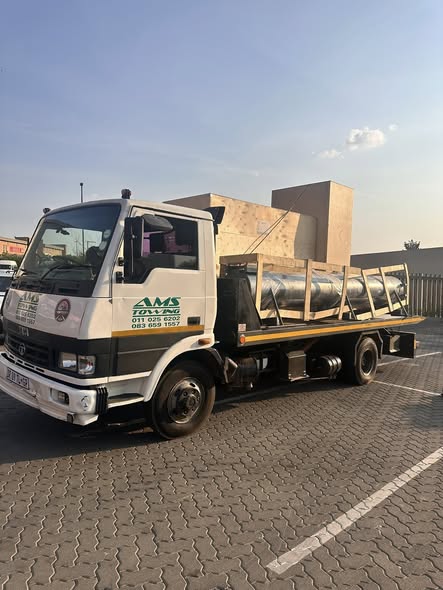
Water Pump Equipment
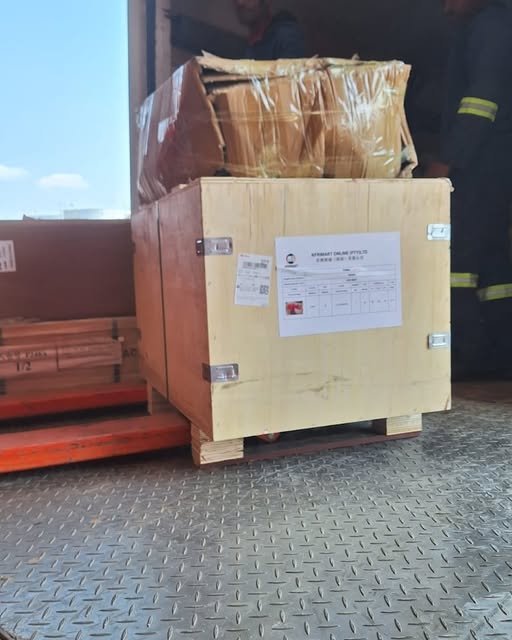
Packaging Machine and accessories
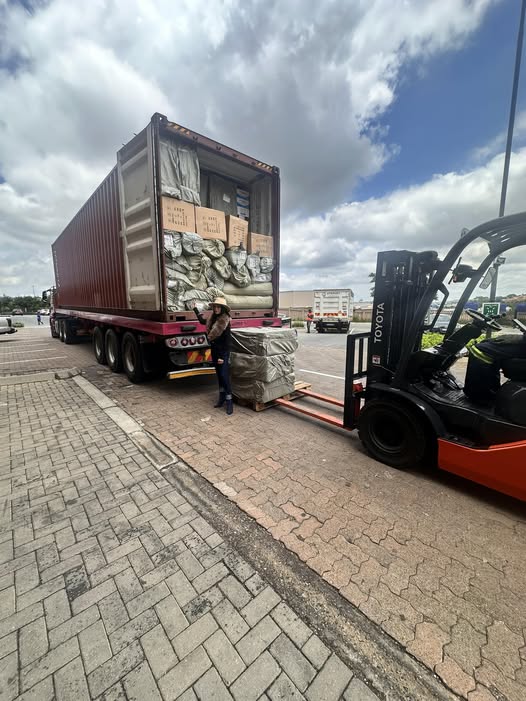
Fabrics Manufacturing Equipment
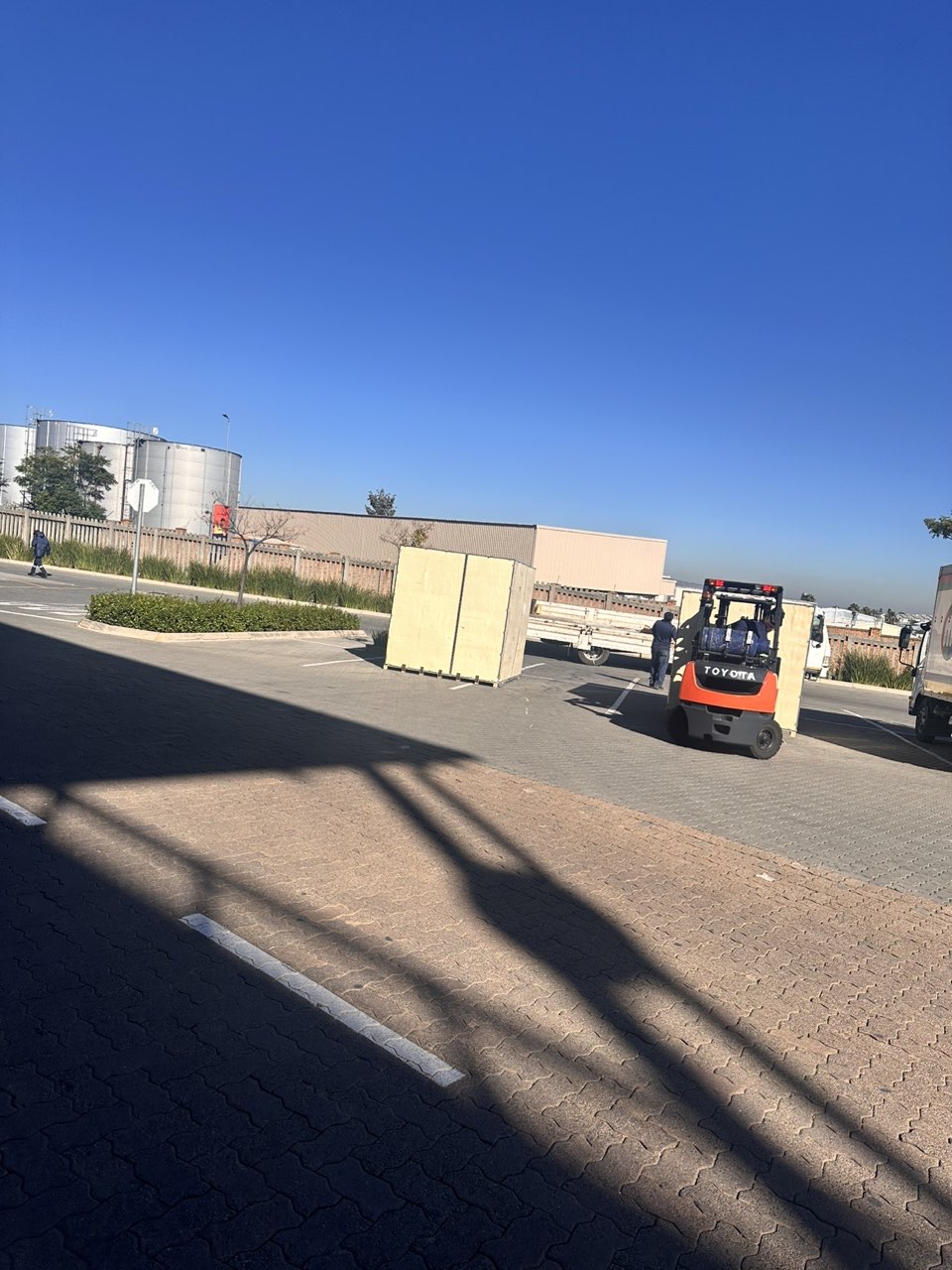
Mining Equipments
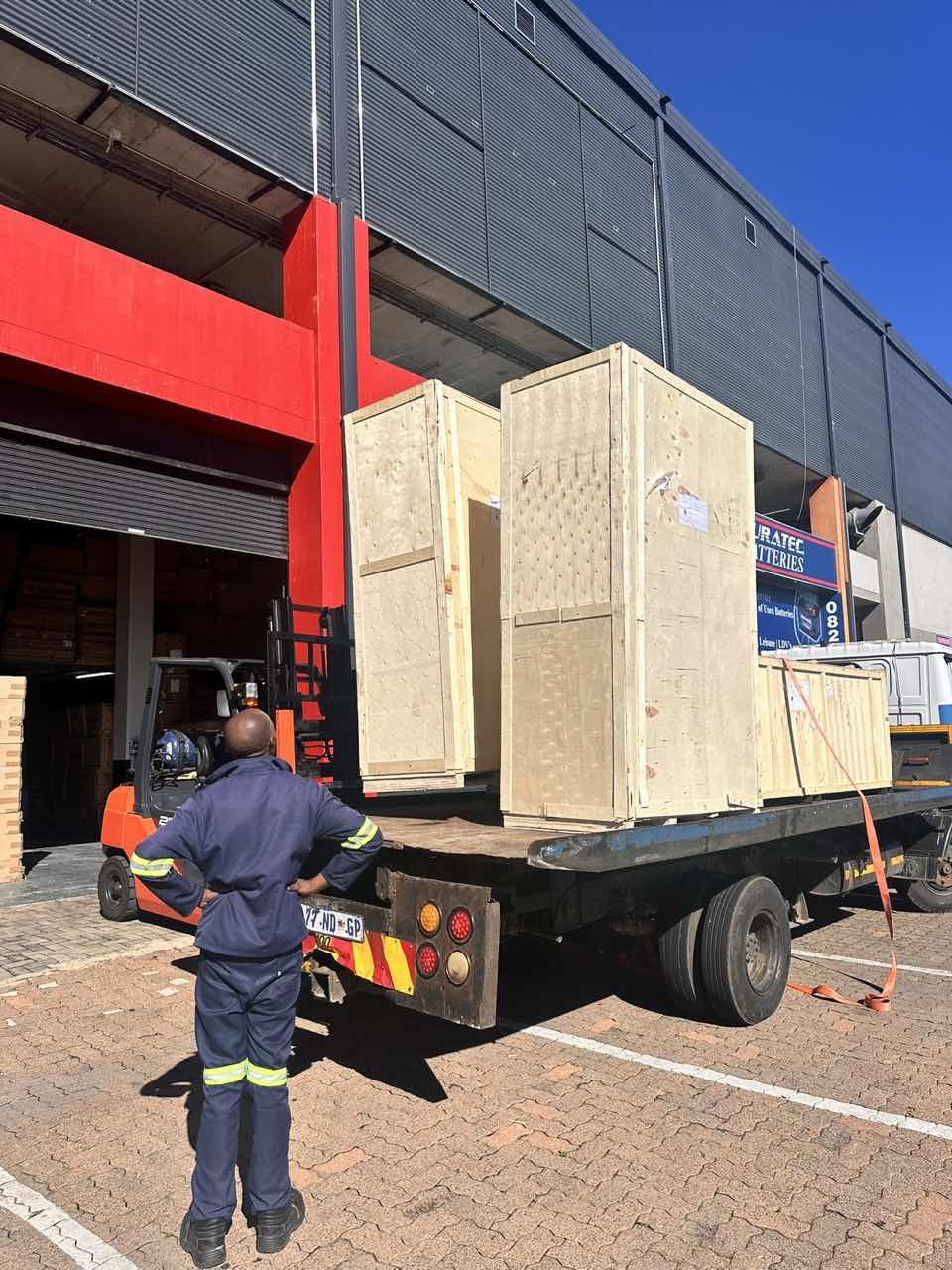
Food Processing Machine
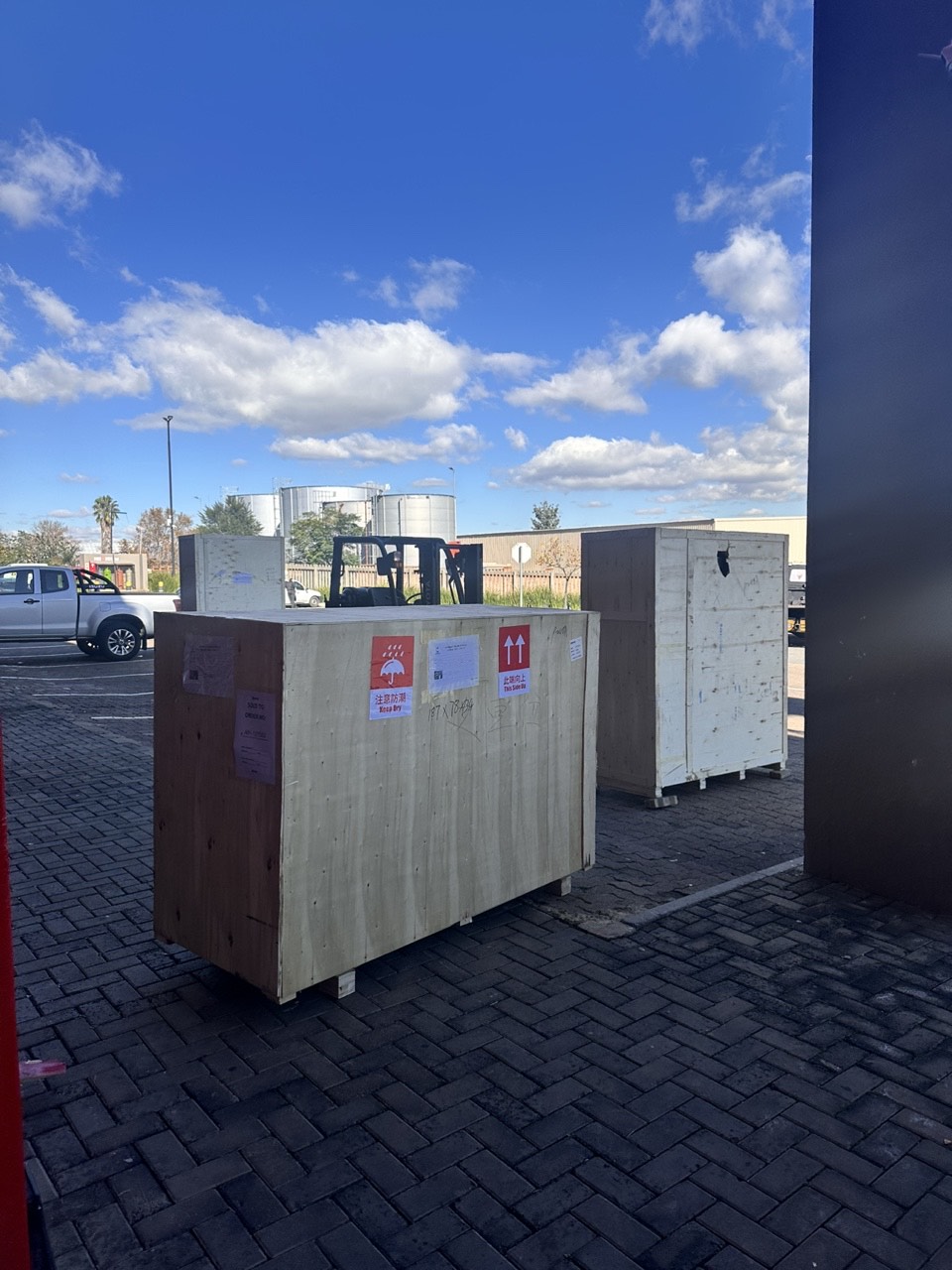
Batch of Orders
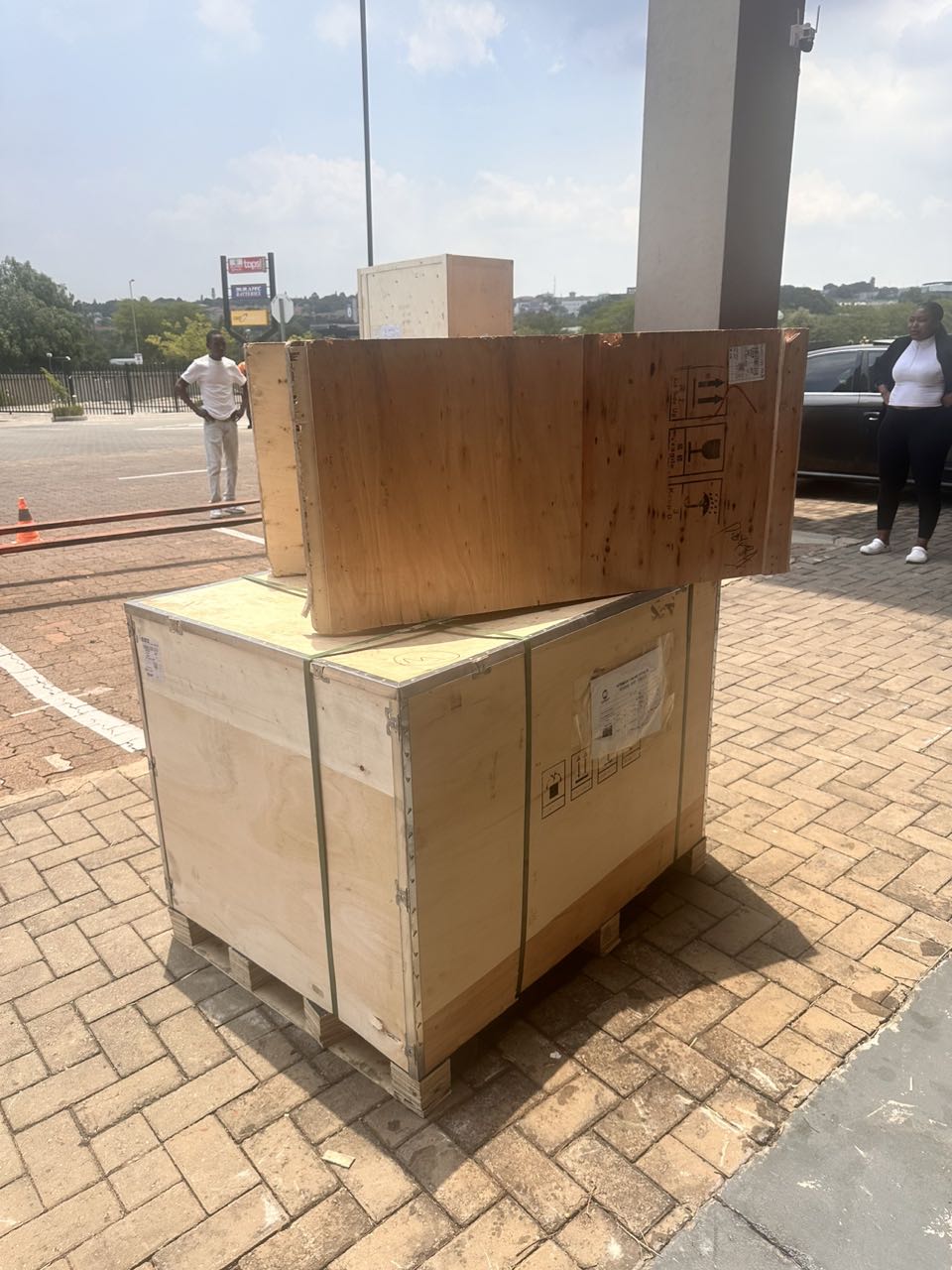
Batch of Orders
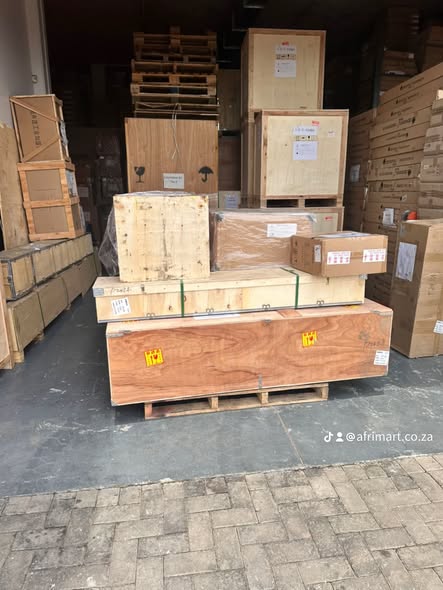
Latest Orders Labelled
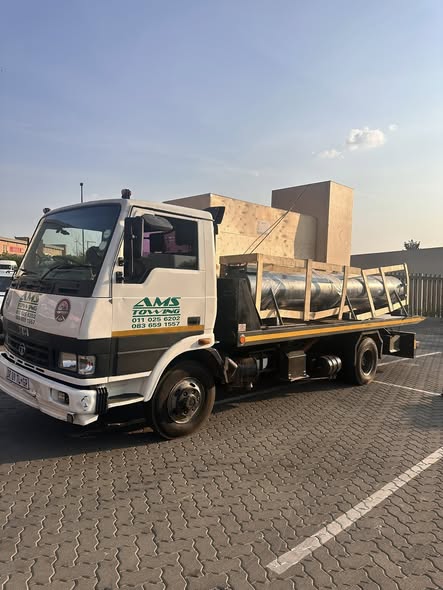
wheel alignment machines
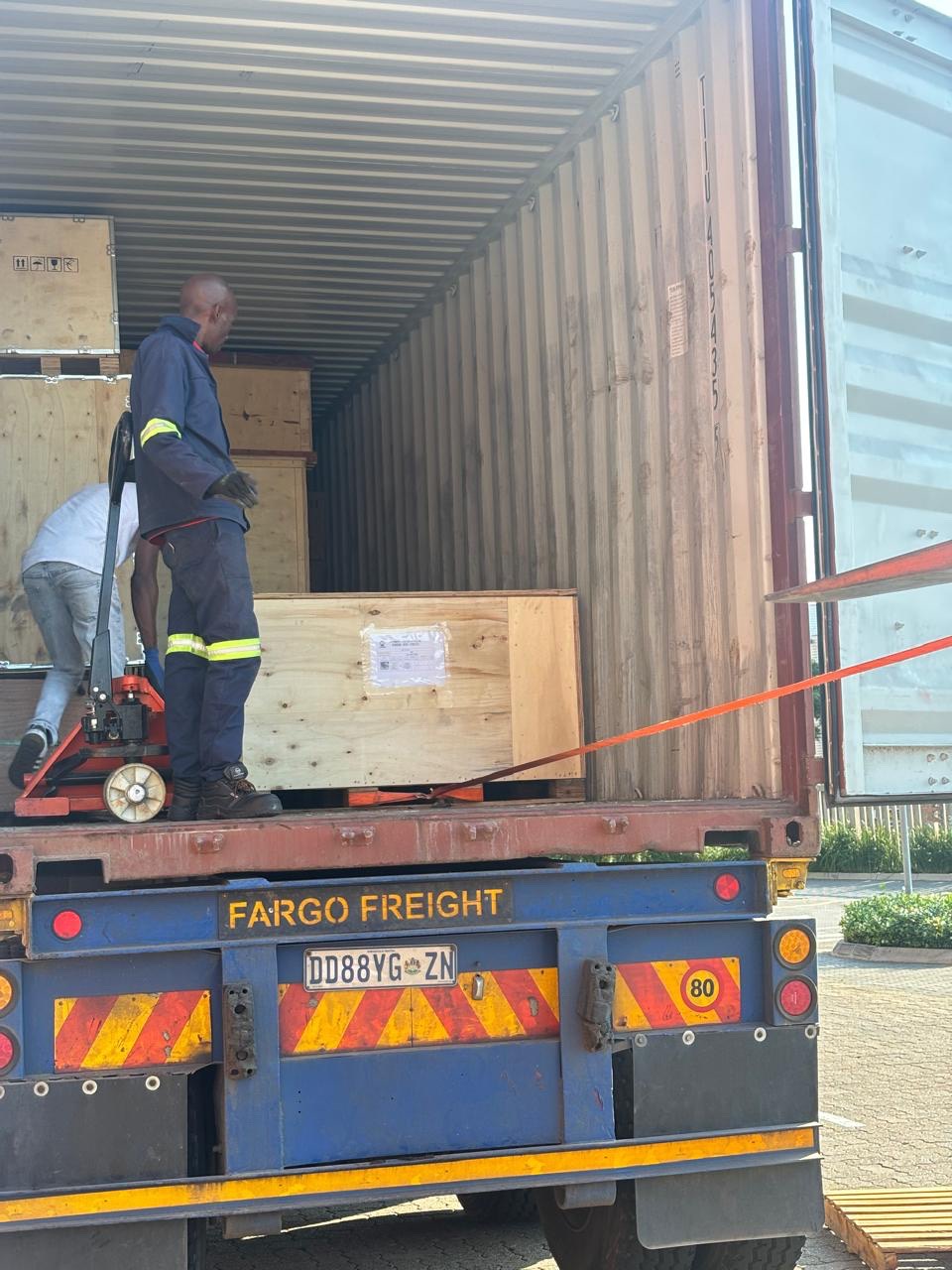
new arrivals
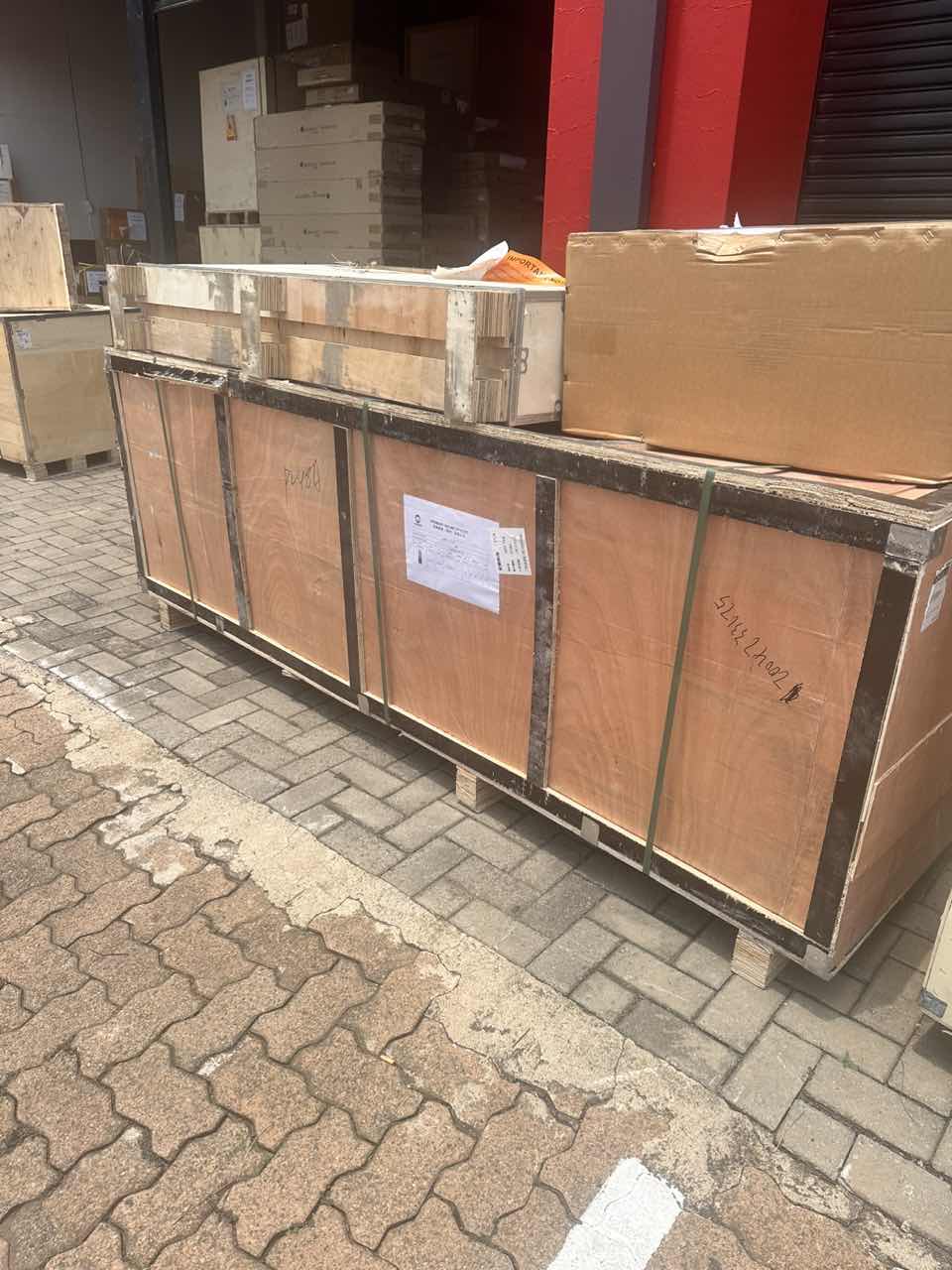
Pre Orders Offloading
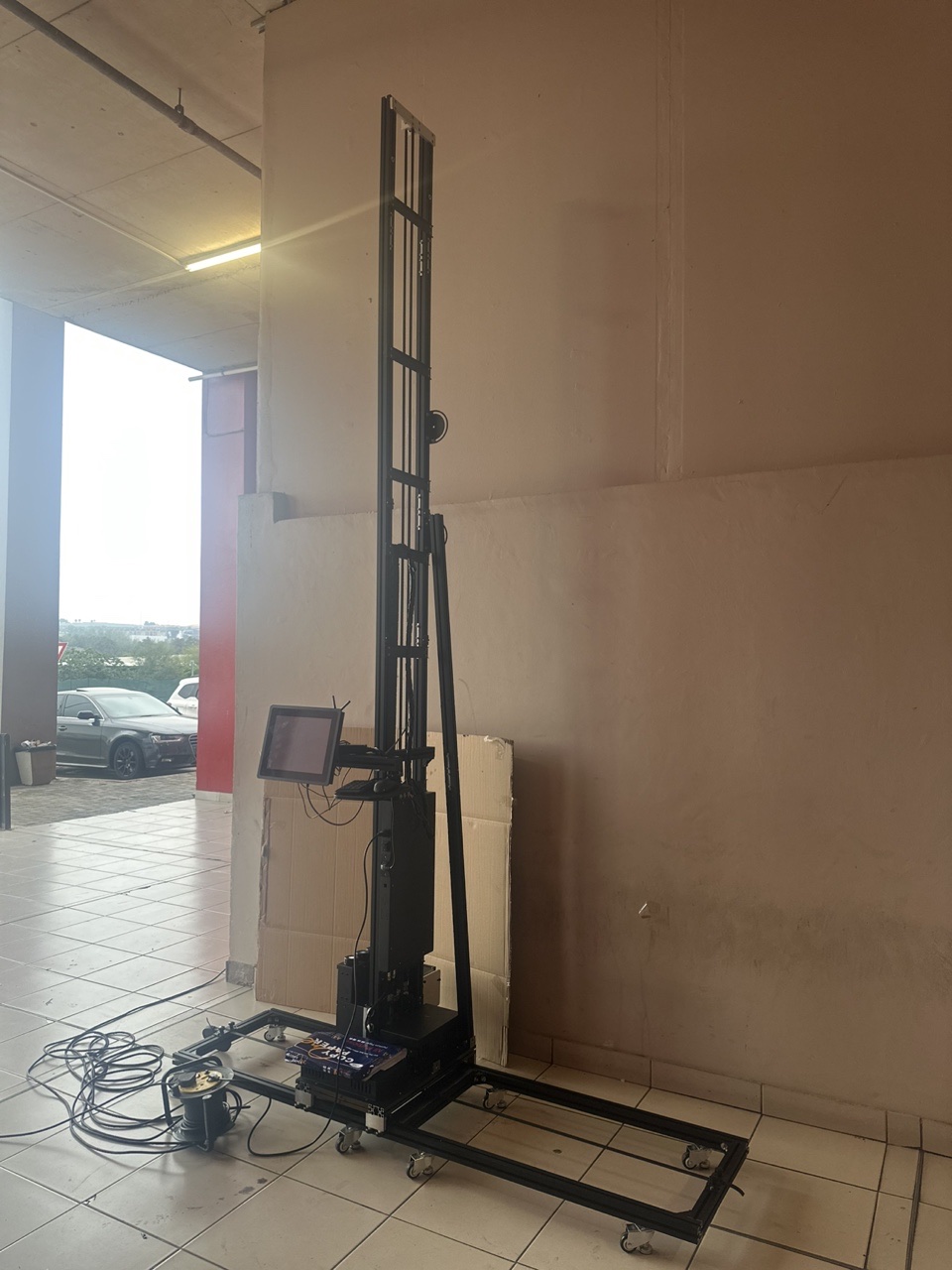
Latest Arrivals
Latest Arrivals
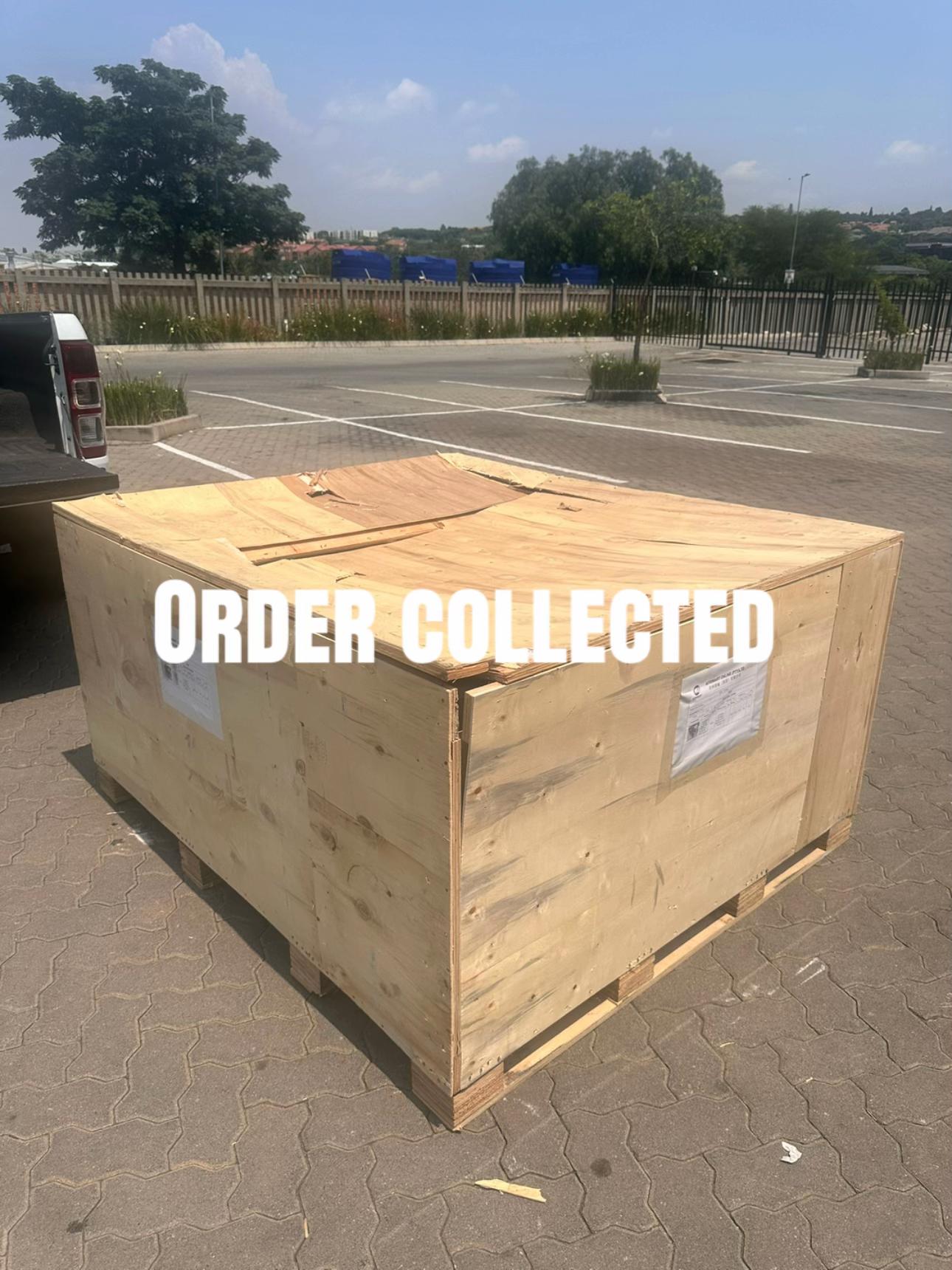
Latest Arrivals
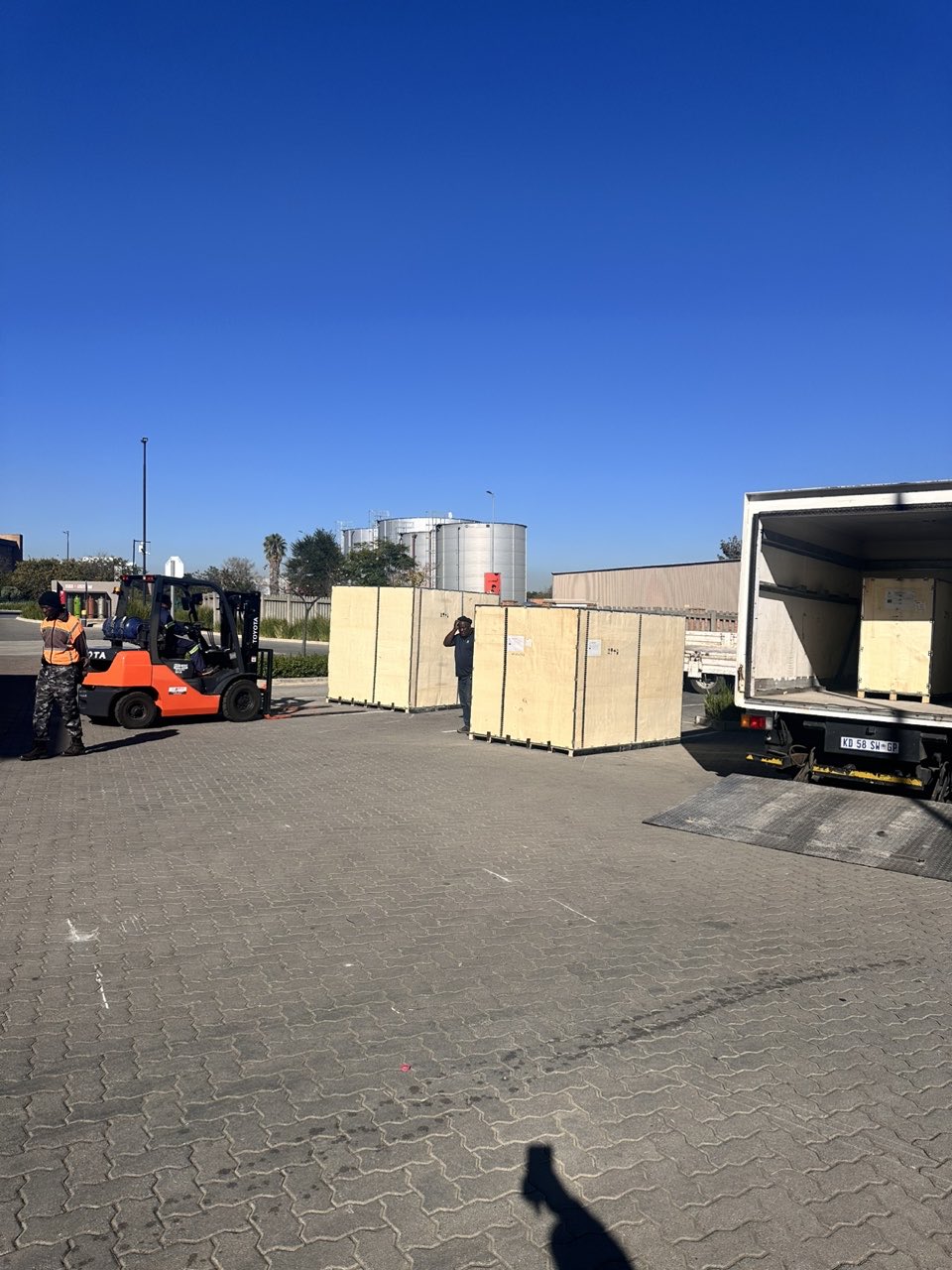
Loading
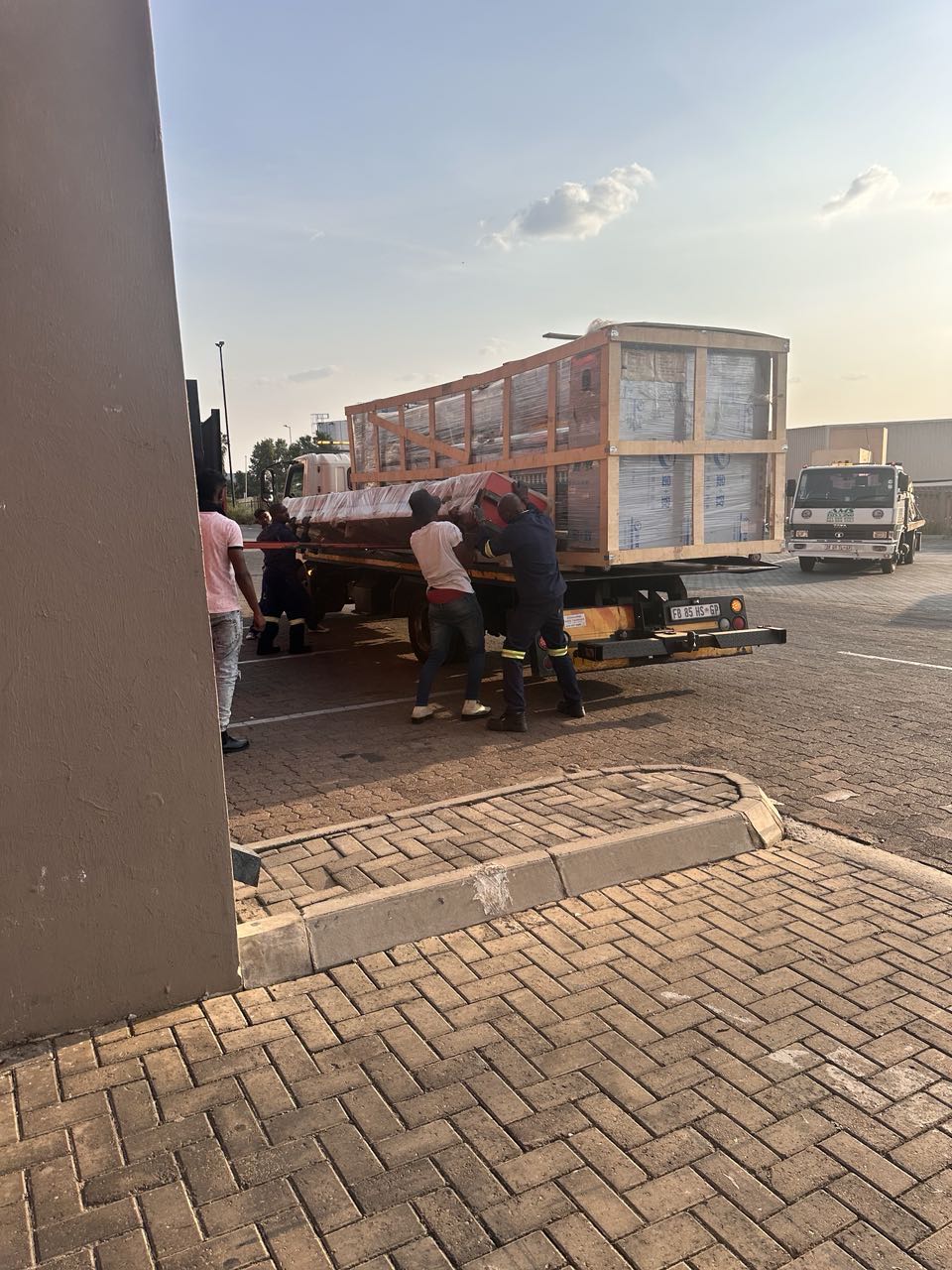
Toilet paper making machine
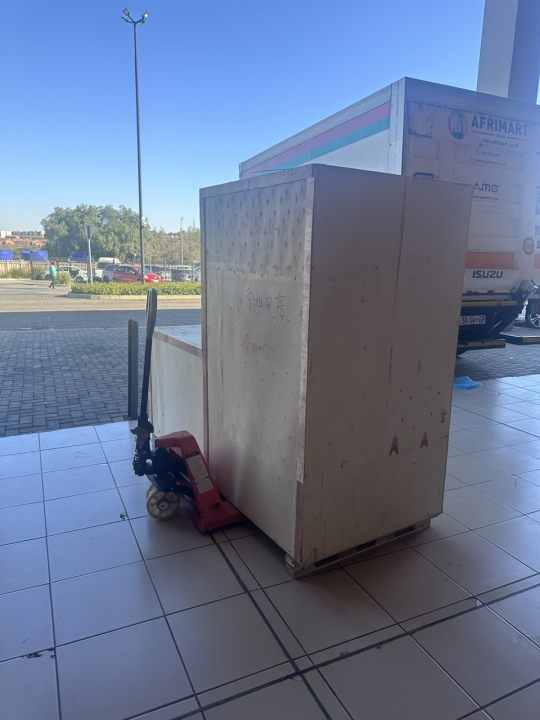
Toilet paper making machine
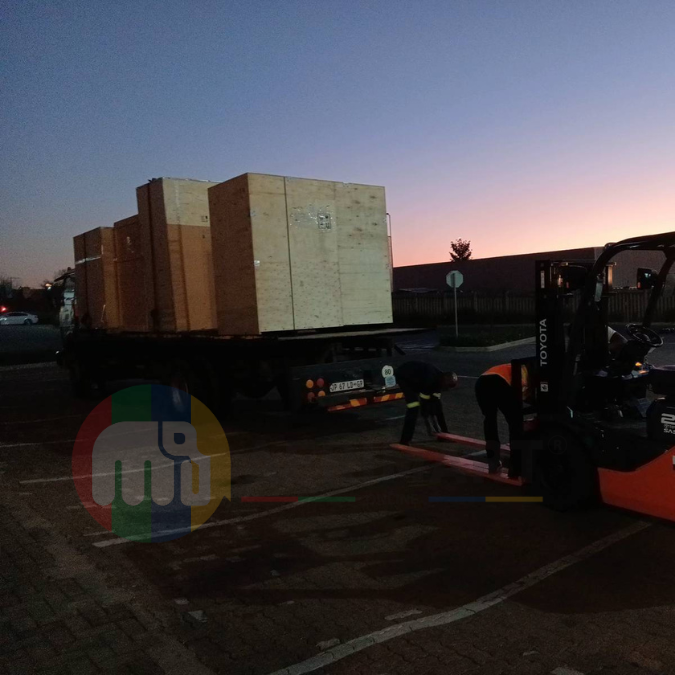
Toilet paper Rewinding Machine
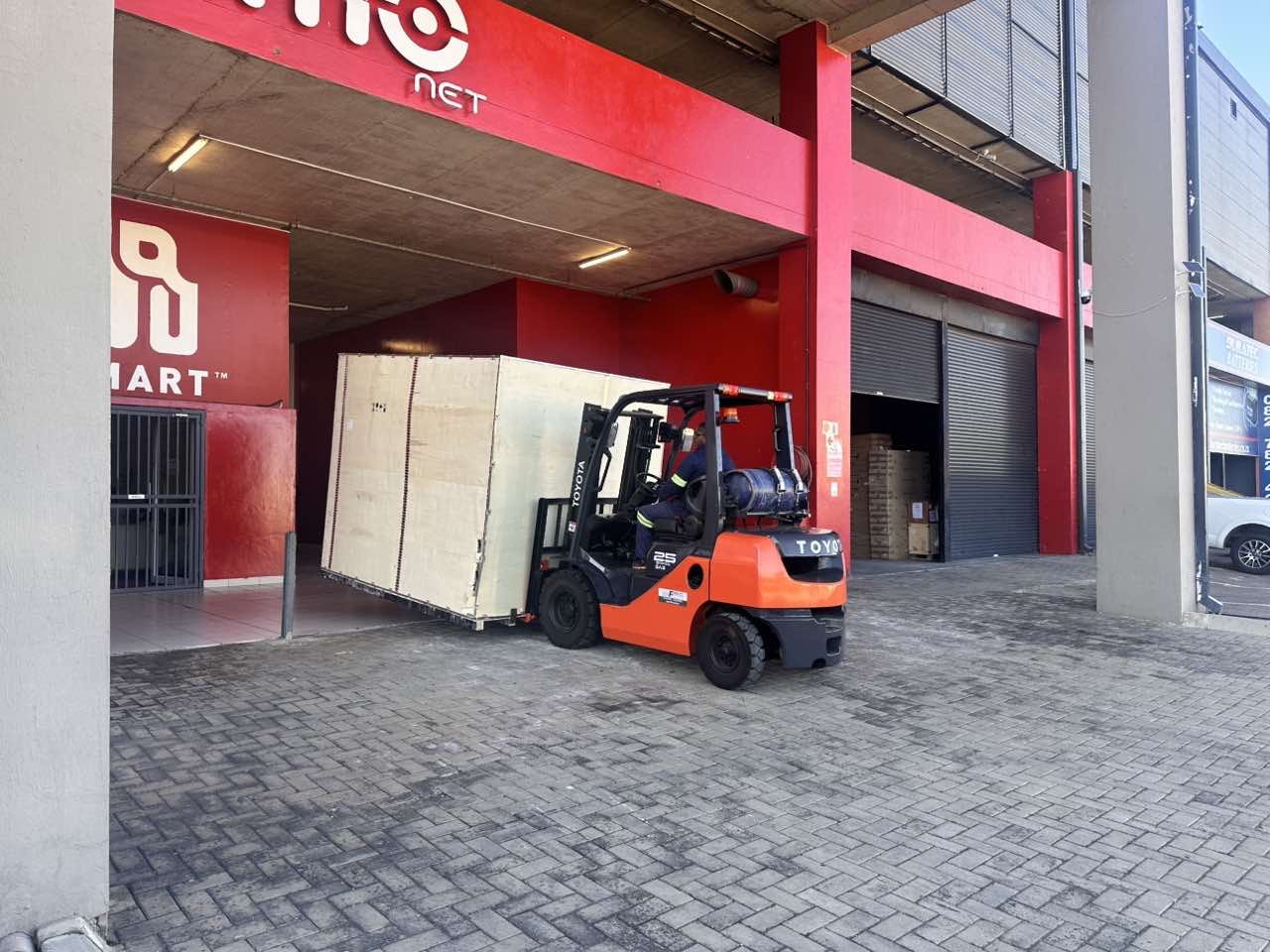
latest arrivals
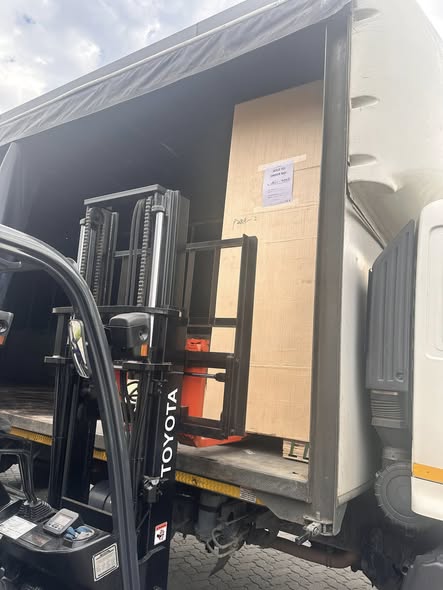
offloading
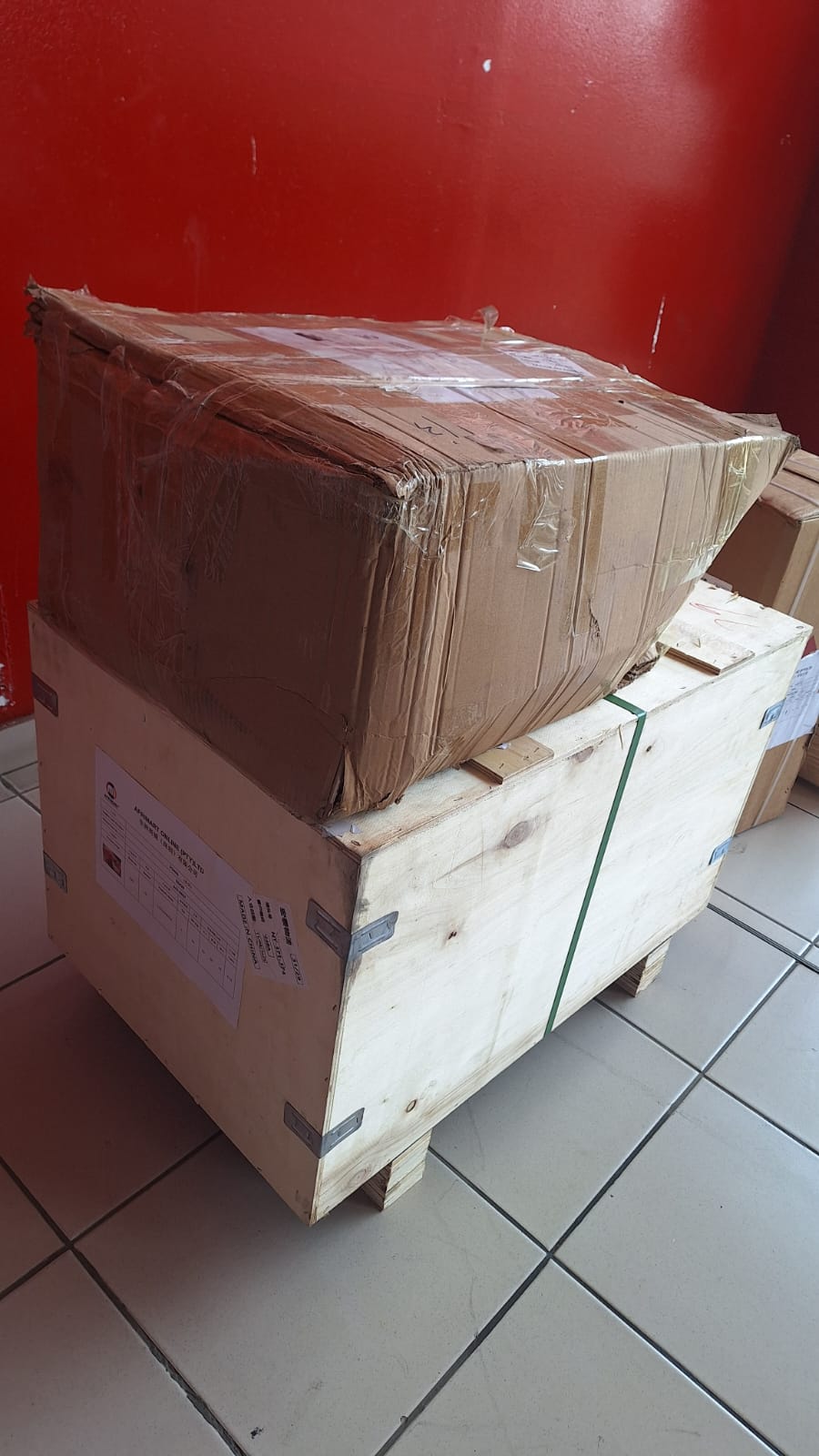
order success
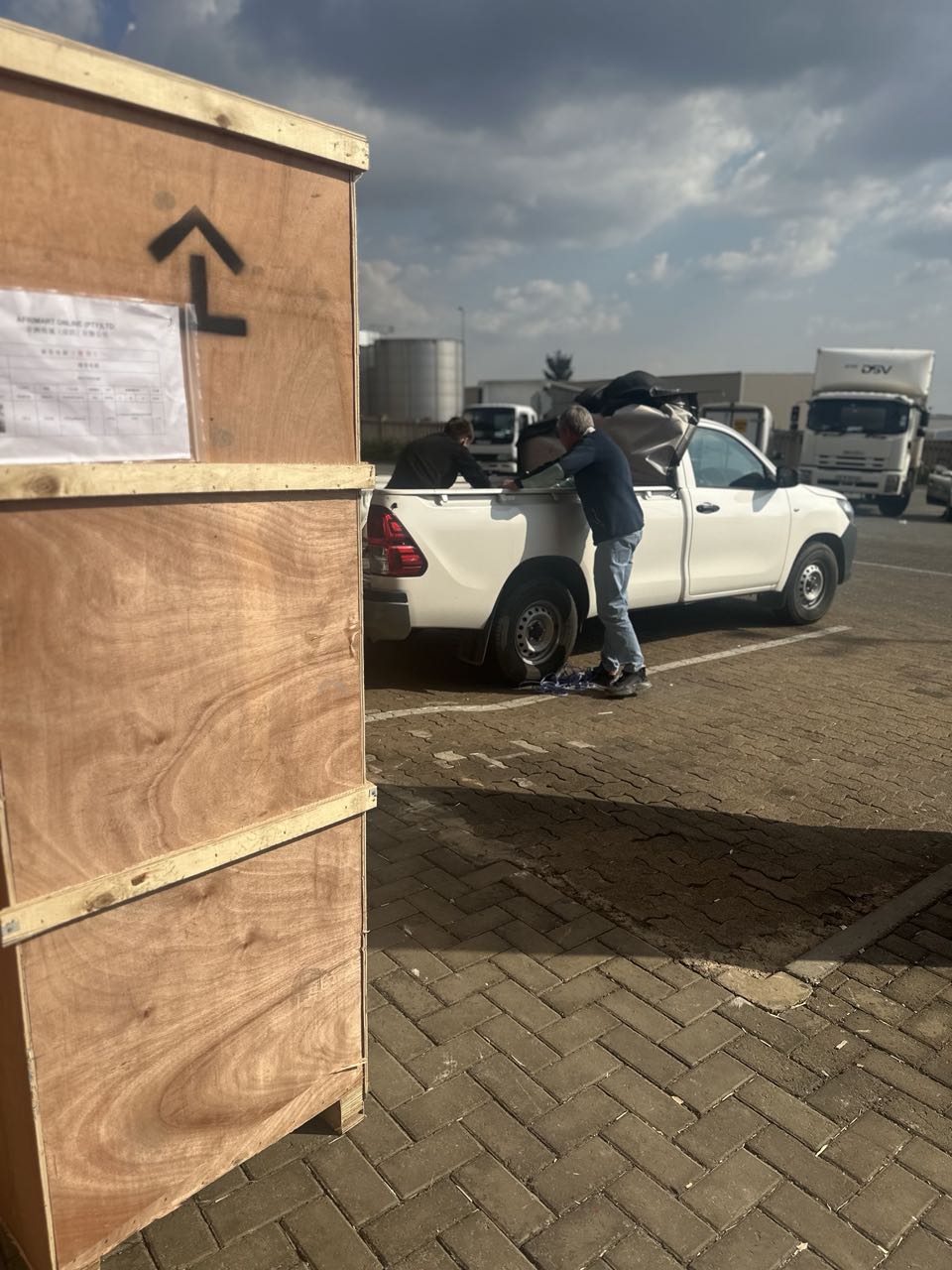
order collection
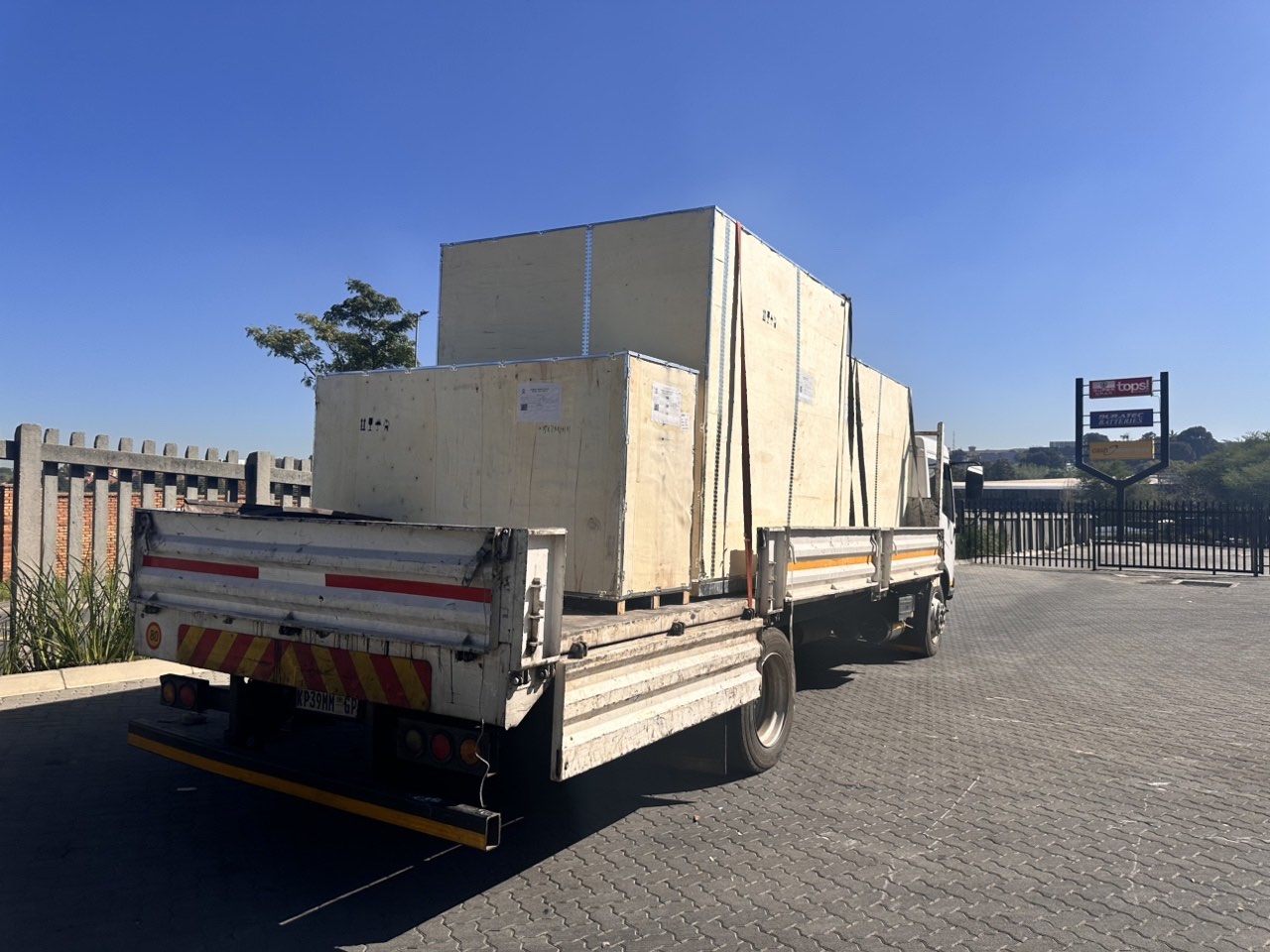
order offloading