B21, China Town Mall, Midrand

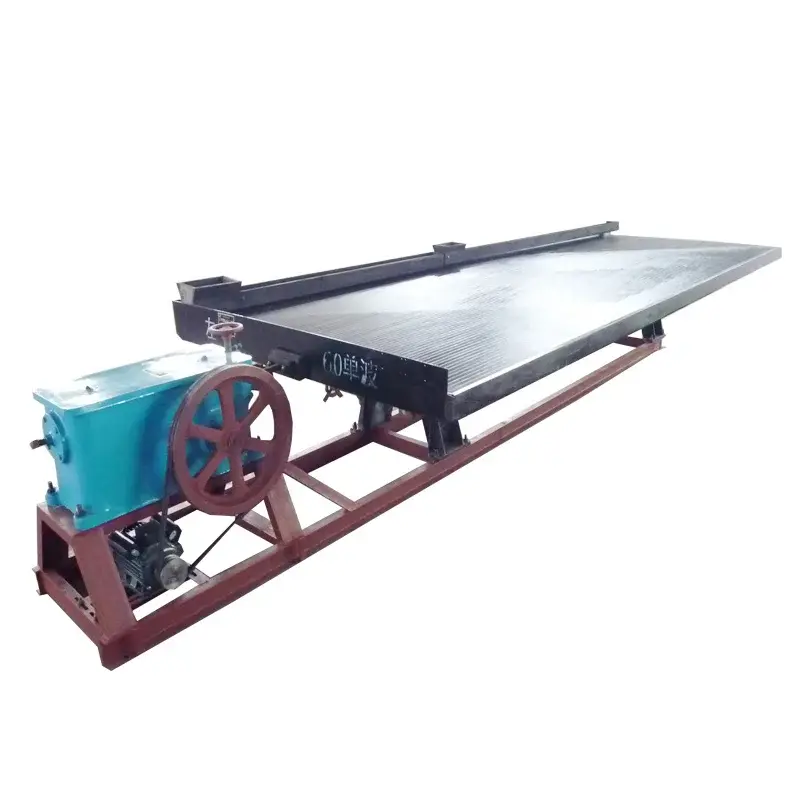
Gravity separation shaking table for gold
Asset finance available
Do you want funding for this equipment?
Afrimart can connect you with trusted funding partners who specialise in asset finance for businesses like yours. Compare options and apply in minutes — final approval is subject to provider review.
Check funding options
Secure & no obligation

- Section : Machinery
- Category : Mining Machinery
- SKU : 1600766220897

- Shipping Timeframes: All orders are processed within 2-5 business days (excluding weekends and holidays). After your order has been processed, the estimated delivery time is before 09 Aug, 2026, depending on customs, Please note that due to high demand, some items may experience longer shipping times, which will be communicated at order confirmation email.
- Order Processing Time: Please allow 2-5 business days for us to process your order before it is shipped . Orders placed after 16:00 on Fridays, or during weekends and public holidays, will begin processing on the next business day. Processing times may be extended during peak seasons or sales events.
- Manufacturing Time: Some products needs manufacturing time, the manufacturing process will take approximately 10-30 business days depending on the product. This timeframe may vary depending on the complexity of the product and current demand. but this will be communicated with you during order confirmation.
- Returns and Exchanges: We offer a 30-day return policy for most items. If you are not completely satisfied with your purchase, you may return it within 30 days of receipt for a refund or exchange. Items must be unused, in their original packaging, and accompanied by proof of purchase. Return shipping costs are the responsibility of the customer, unless the item was damaged or defective upon arrival.
1. What is a gravity separation shaking table for gold?
A shaking table is a gravity concentration device for fine materials that separates minerals by density and particle size using a vibrating tabletop and flowing water. It is commonly used to concentrate gold and other heavy minerals like tin, tungsten, silver, lead, and zinc.
2. Which minerals can this shaking table process?
It is suitable for fine-grained metallic minerals and coal, including gold, tin, tungsten, silver, lead, zinc, tantalum, niobium, iron, manganese, ferrotitanium and similar heavy minerals.
3. What feed size range can the table handle?
The machine can classify granularity from about 2 mm down to 0.02 mm (ore and slime). Typical feed-size specifications list up to 2–0.074 mm depending on material and plant setup.
4. What is the model and main technical specifications?
Model: L-S (6-S). Key specs include water quantity 0.4–0.8 t/h, stroke 10–30 mm, stroke frequency 240–360 cycles/min, motor 1.1 kW, treating capacity 0.5–1.2 t/h, minimum pulp density 15–30%, table size 1520×1825×4500 mm, overall dimension 5454×1825×1242 mm, and weight about 1012 kg.
5. What is the processing capacity and recovery performance?
Rated treating capacity for the listed model is about 0.5–1.2 t/h. The unit is designed for high processing capacity, high recovery rate and a high enrichment ratio, though actual recovery depends on ore characteristics and plant conditions.
6. How is water used and what is the required water flow?
Water is used to form the pulp stream and to help stratify particles on the table. Recommended water quantity for the model is 0.4–0.8 t/h; exact flow should be adjusted based on feed consistency and desired separation.
7. What installation and site requirements are needed?
Provide a level, rigid foundation able to support the machine weight and vibration. Ensure access to suitable power (motor 1.1 kW), a controllable water supply, and a discharge area for concentrates and tailings. Allow clearance for maintenance around the unit.
8. How do you adjust the table for best performance?
Adjust key parameters including table slope (horizontal tilt 0–8°), stroke amplitude (10–30 mm), stroke frequency (240–360 cpm), water flow (0.4–0.8 t/h) and feed rate. Fine-tune riffles and feed distribution to optimize stratification and concentrate grade.
9. What routine maintenance is required?
Regularly clean the table surface and riffles, inspect and tighten fasteners, lubricate bearings per manufacturer intervals, check motor and drive components, monitor wear parts and replace rubber or riffles as needed, and verify water lines are clear.
10. What safety precautions should be followed?
Always isolate power before maintenance, wear appropriate PPE (gloves, eye protection, hearing protection as needed), keep hands and tools away from moving parts, maintain clean, dry working areas to prevent slips, and follow lockout/tagout procedures.
11. How does particle density and pulp concentration affect performance?
Pulp density (minimum 15–30% solids by weight as a guideline) and particle density differences are critical for effective separation. Too dilute or too dense pulp, or insufficient density contrast between minerals, will reduce separation efficiency.
12. Can the shaking table be used for both coarse and slime fractions?
Yes. The shaking table is designed for fine materials and can treat both coarse fines and slime fractions within the stated feed-size range (down to 0.02 mm), though performance depends on correct parameter settings and feed preparation.
13. Are spare parts and accessories available?
The manufacturer supplies a range of table concentrators and should provide spare parts such as motors, drive components, riffles, rubber beds and wear parts. Contact the supplier for availability and lead times.
14. What are the primary advantages of this shaking table?
Advantages include simple gravity-based separation (no chemicals), suitability for fine particles, relatively low power consumption (motor 1.1 kW), high enrichment ratio and recovery when properly operated, and adaptability to a variety of heavy minerals.
15. How should I prepare feed material for best results?
Properly classify and deslime feed to the recommended size range, ensure consistent feed rate and pulp density, remove oversized tramp material, and distribute feed evenly across the table to promote uniform stratification and efficient separation.
Latest Order Arrivals
Discover our latest orders
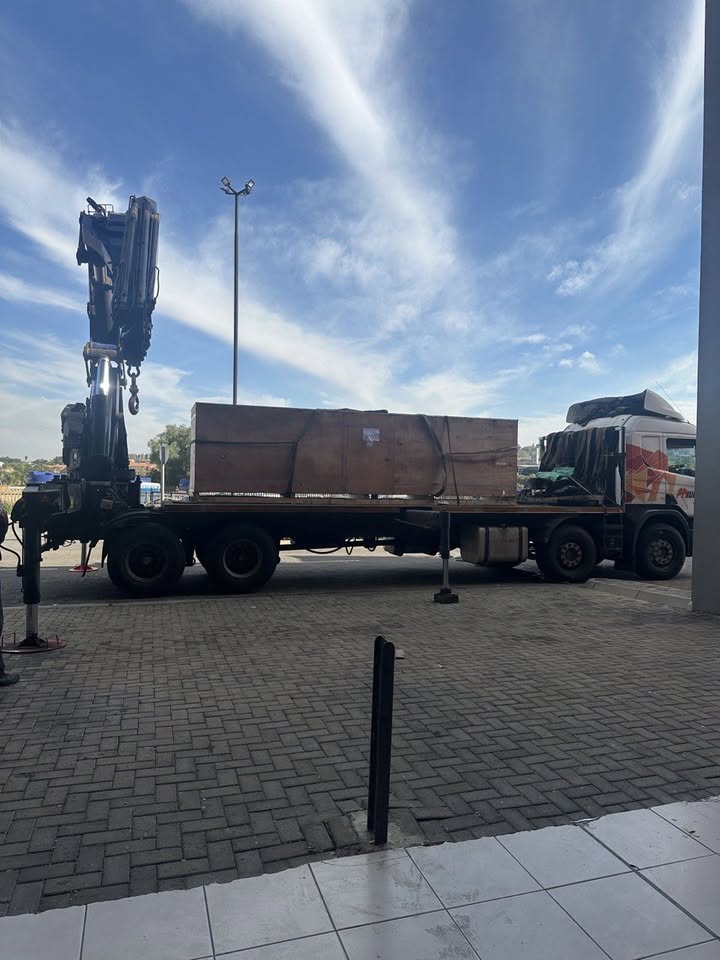
12 Heads Embroidery Machine
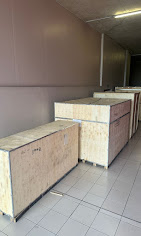
Toilet Paper Machine Machine
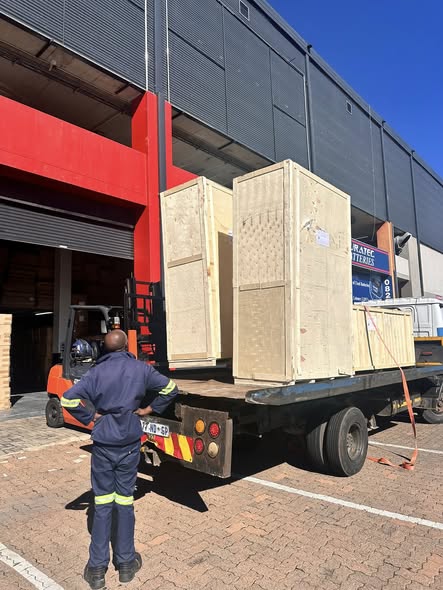
Order Collection
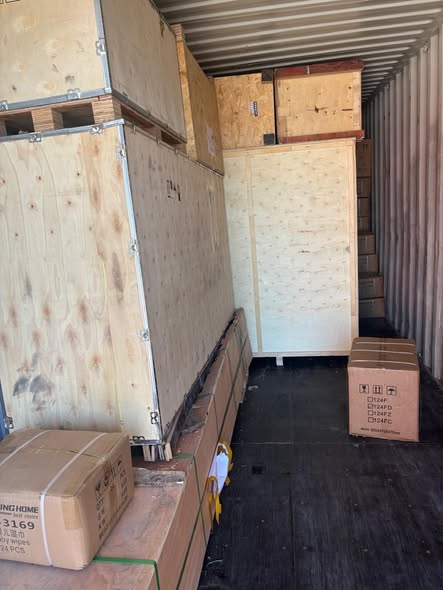
Cross Border Clients
Order cros border countries Collected
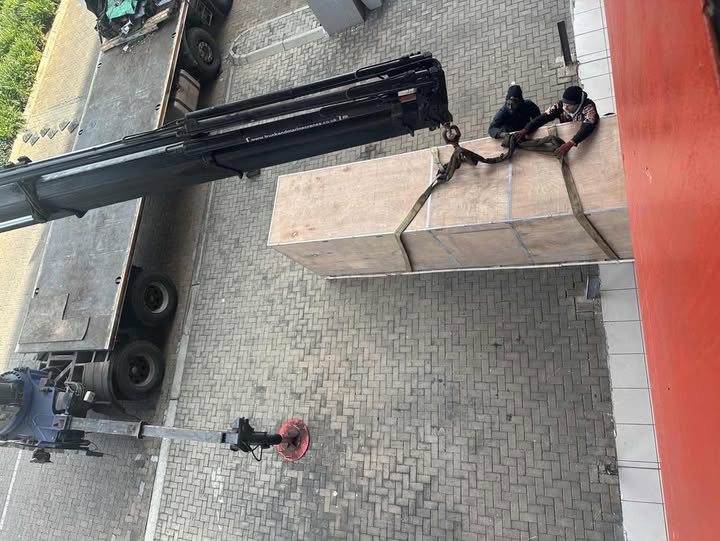
Industrial Machine Cllection
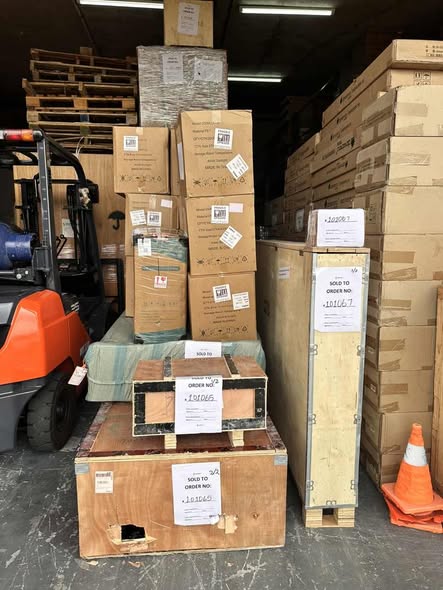
Agriculture Processing Machines
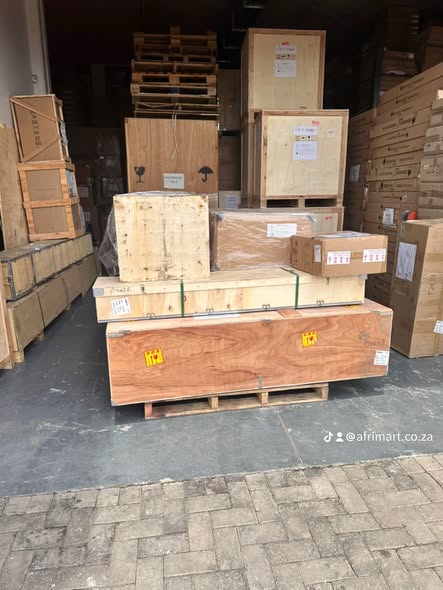
Ready for collection
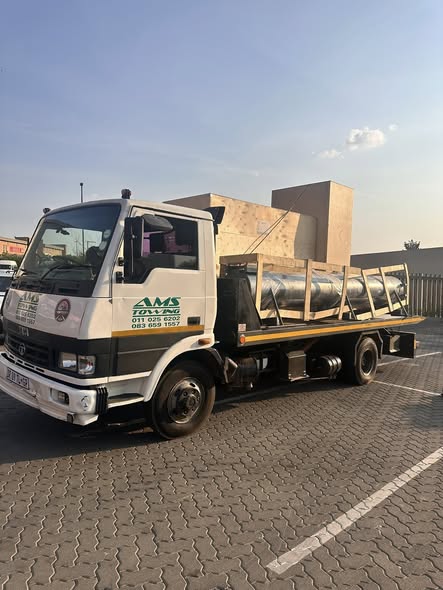
Water Pump Equipment
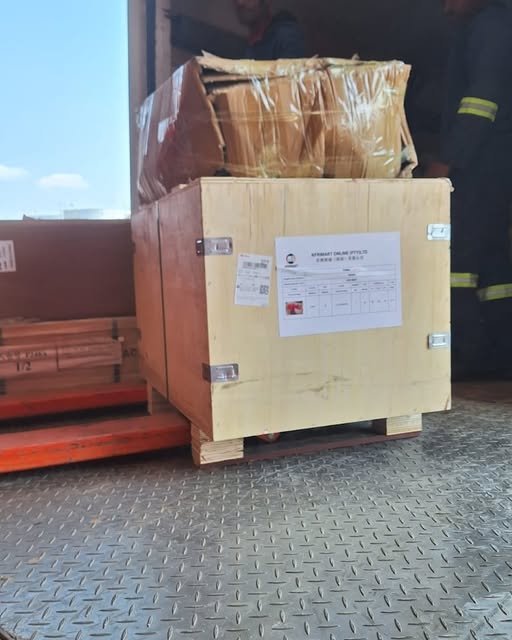
Packaging Machine and accessories
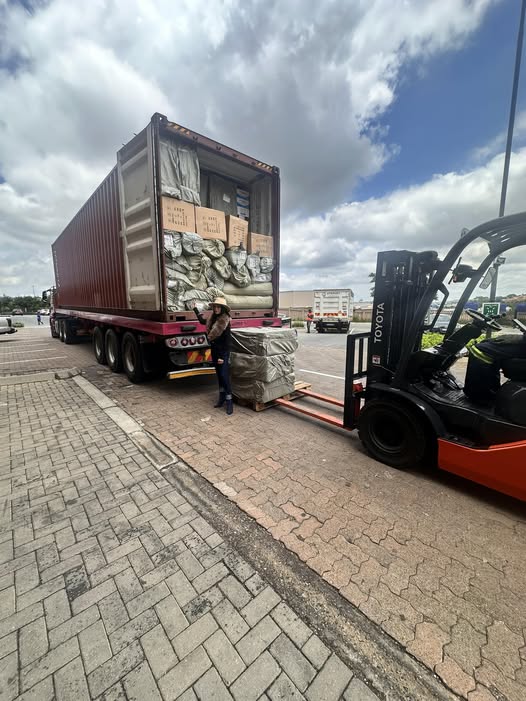
Fabrics Manufacturing Equipment
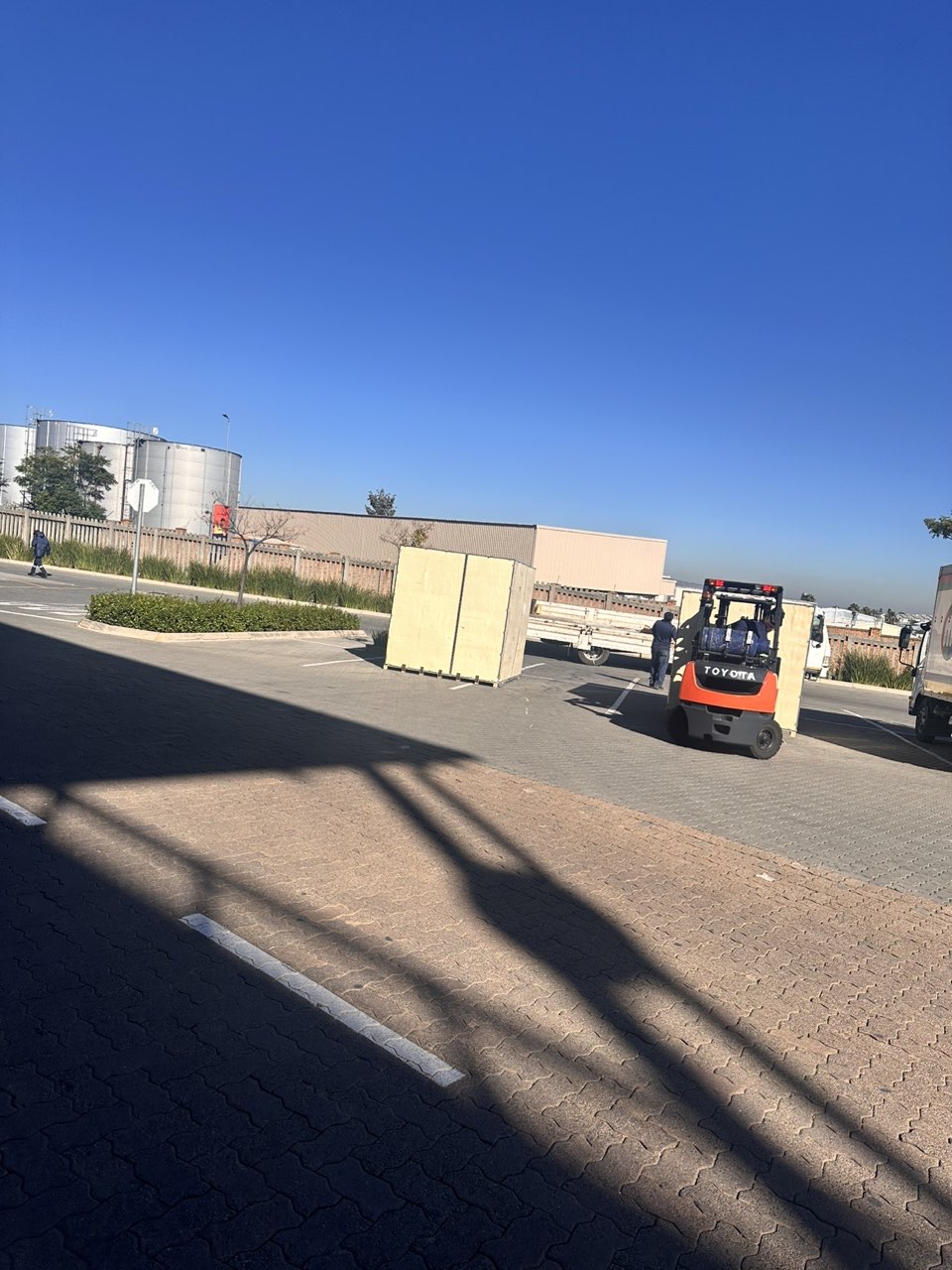
Mining Equipments
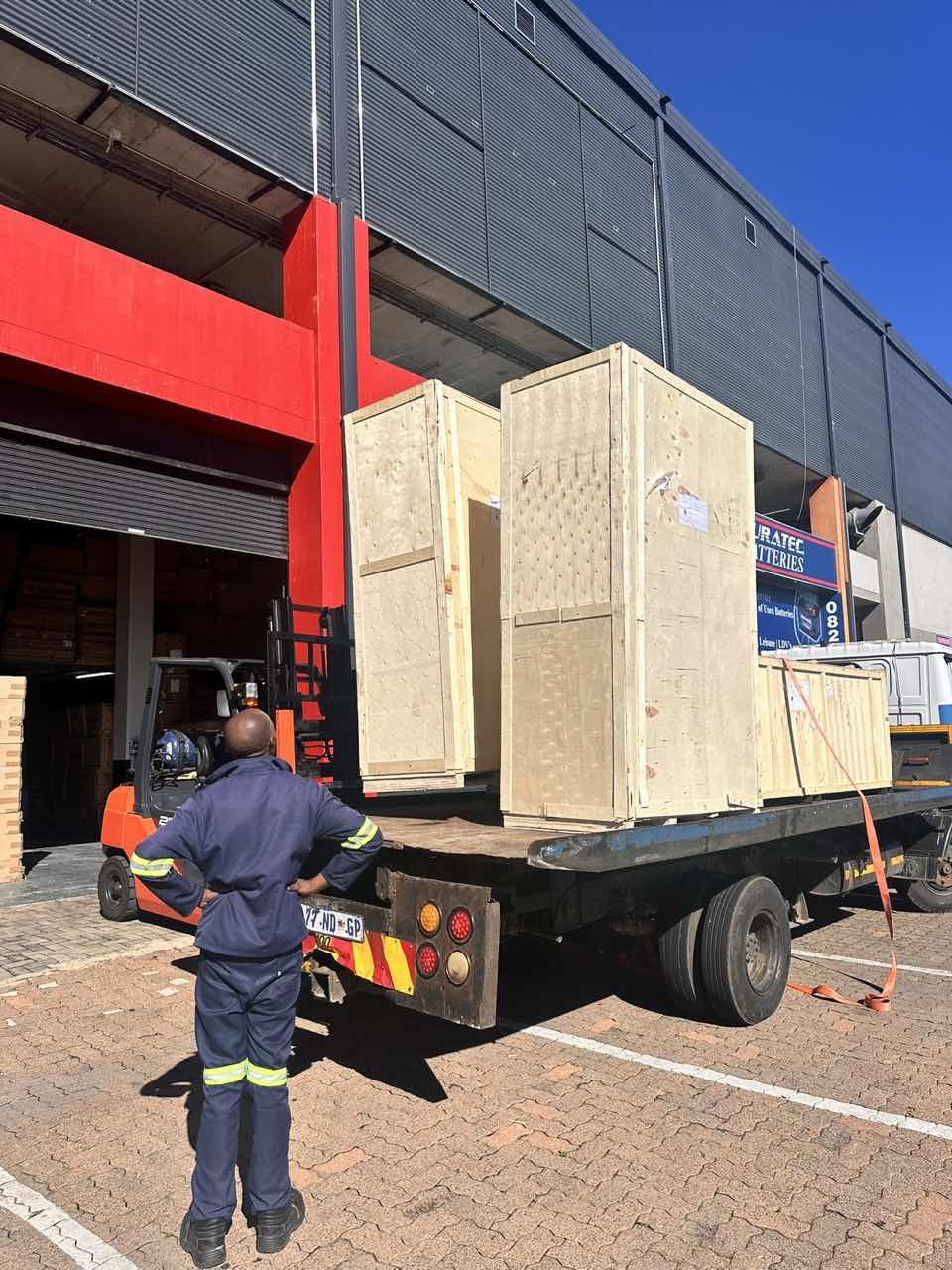
Food Processing Machine
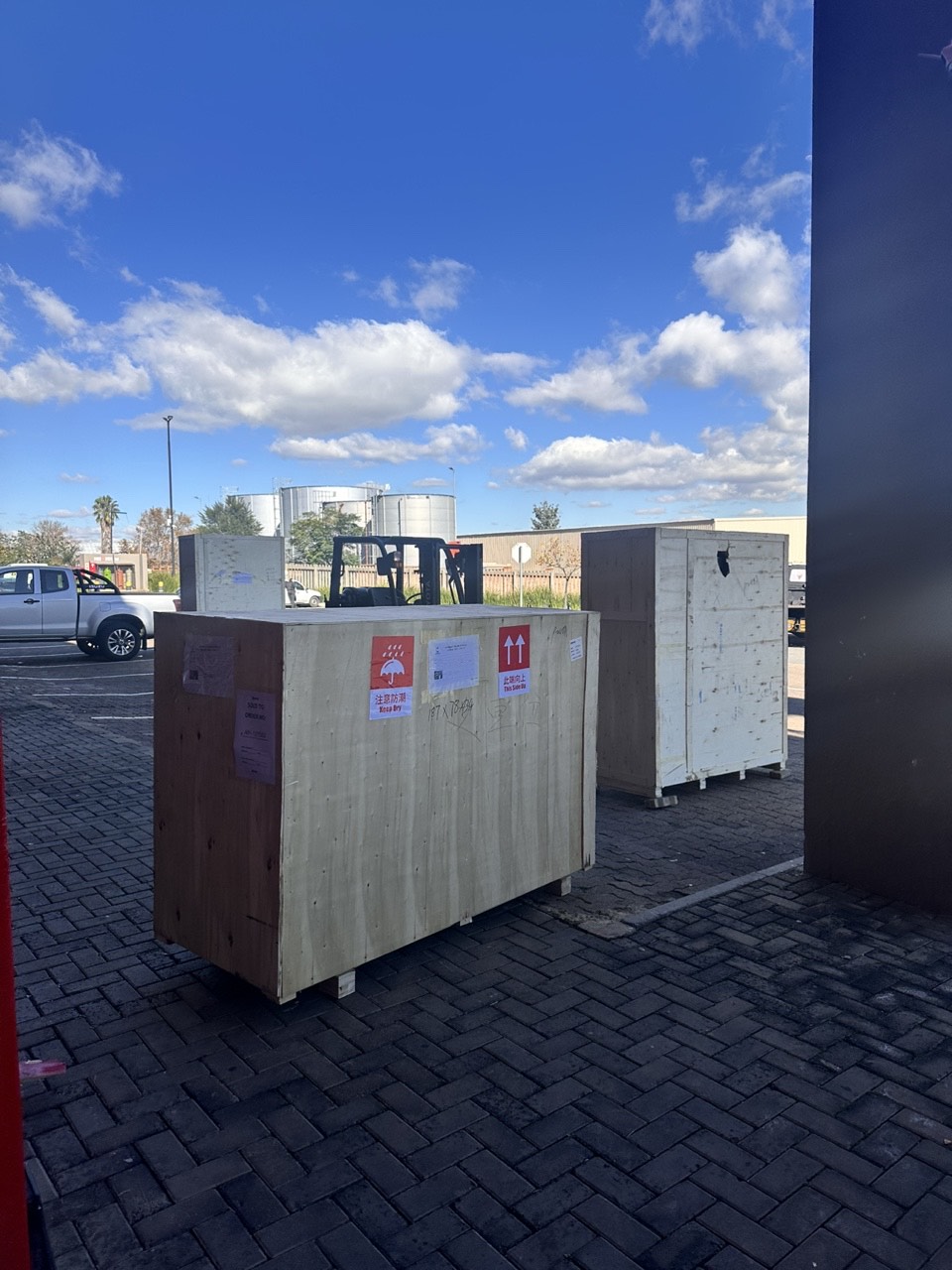
Batch of Orders
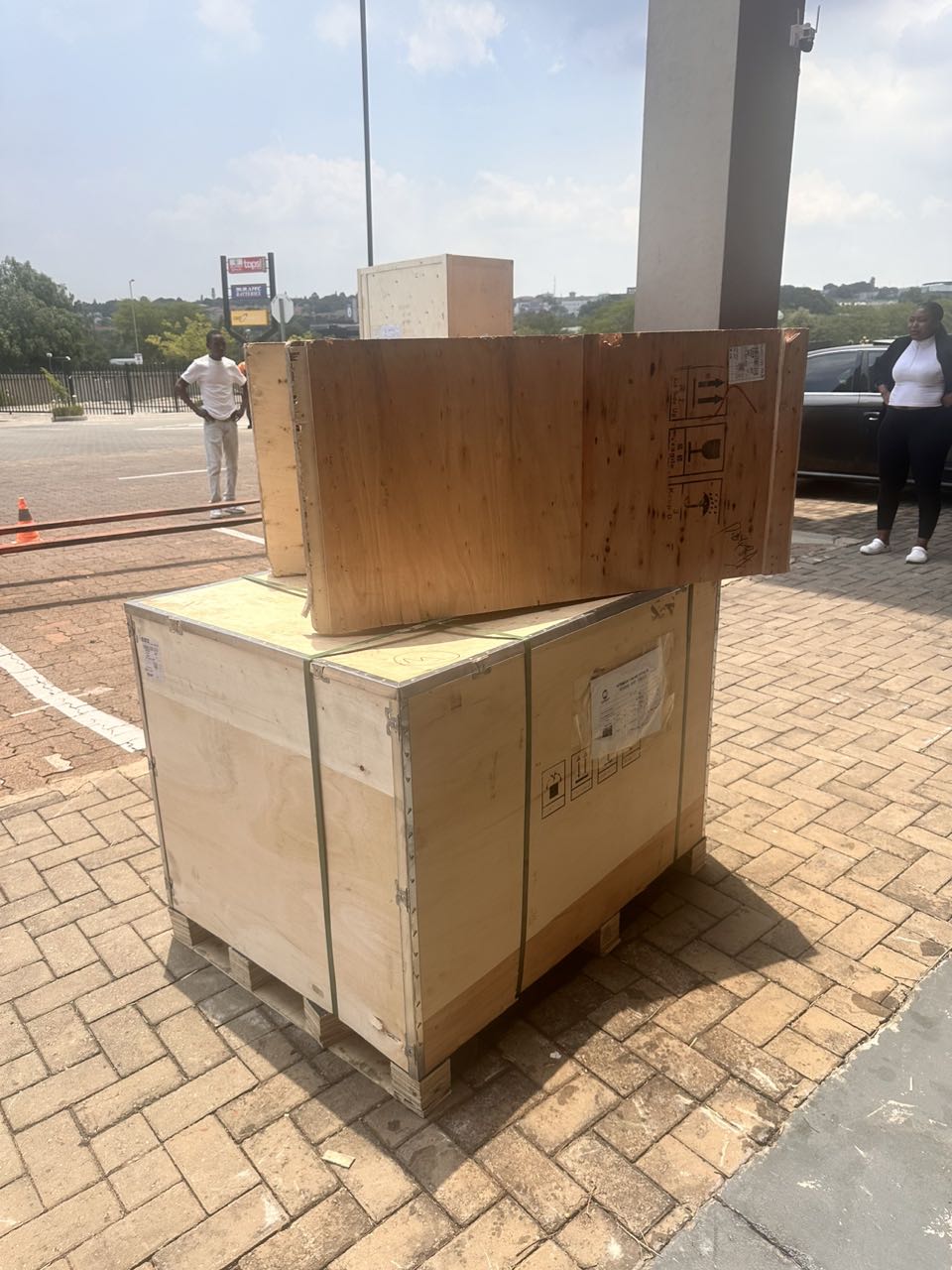
Batch of Orders
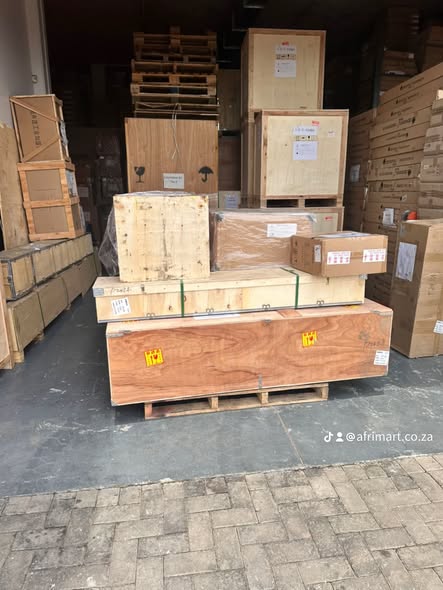
Latest Orders Labelled
wheel alignment machines
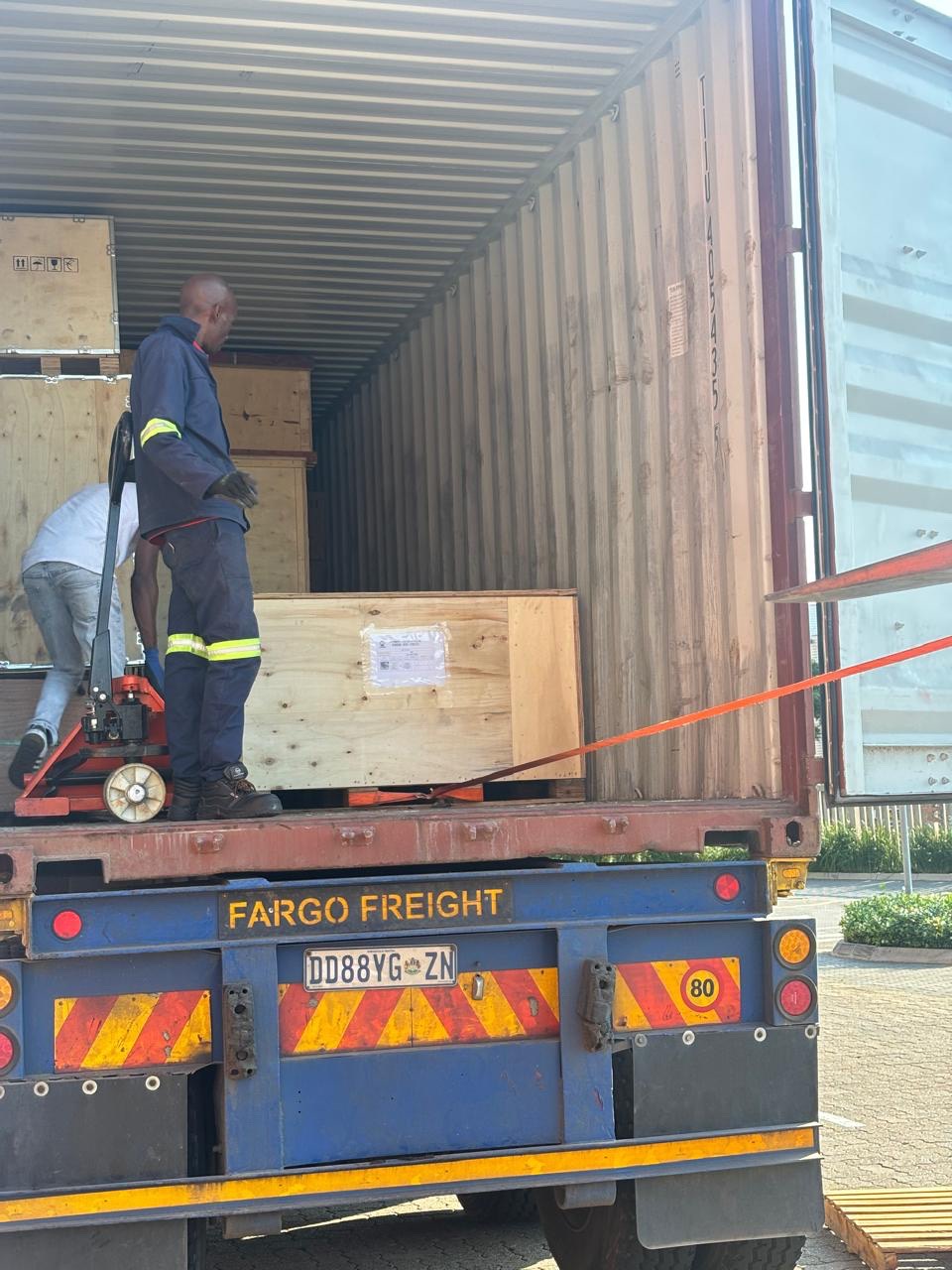
new arrivals
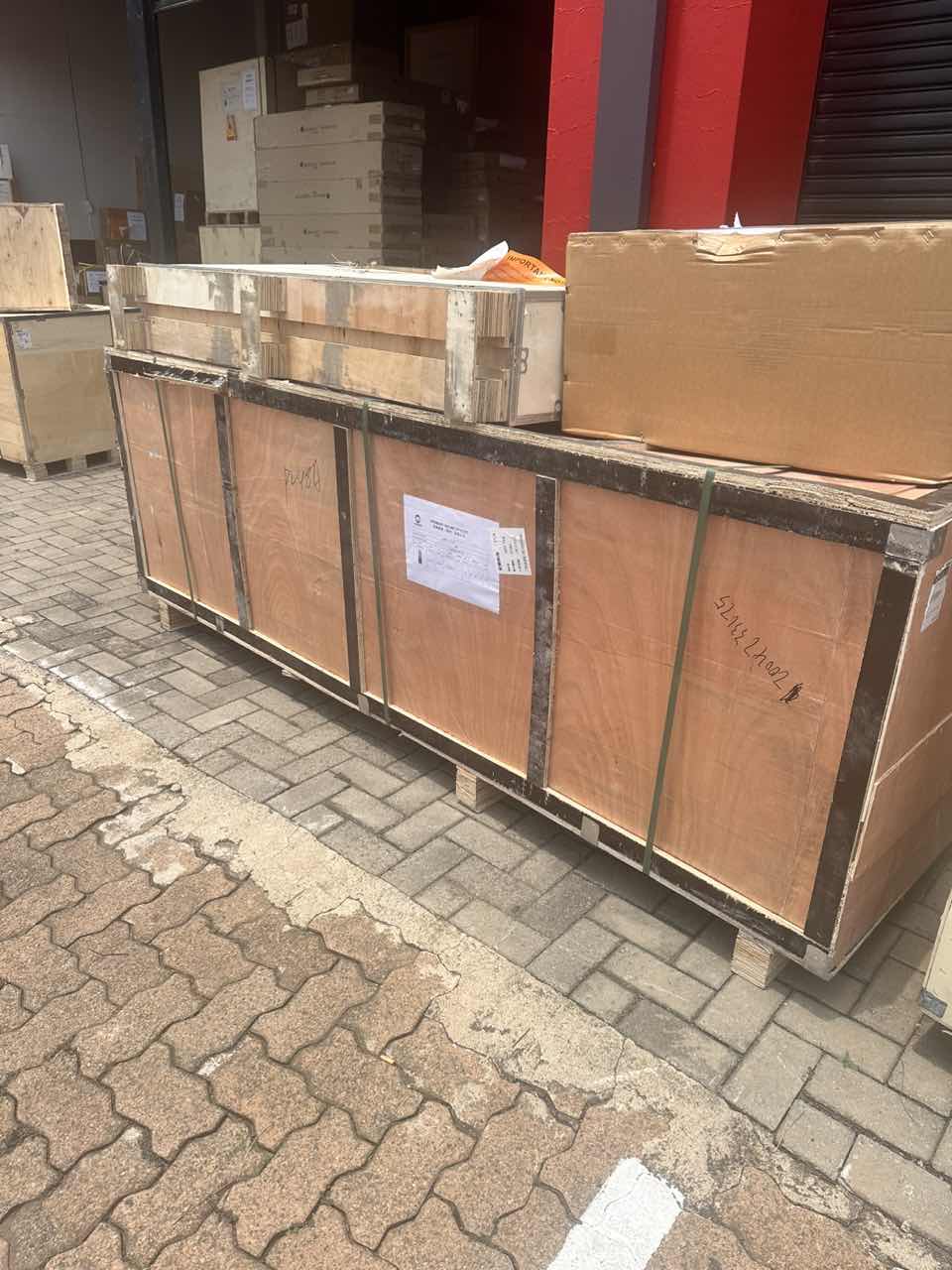
Pre Orders Offloading
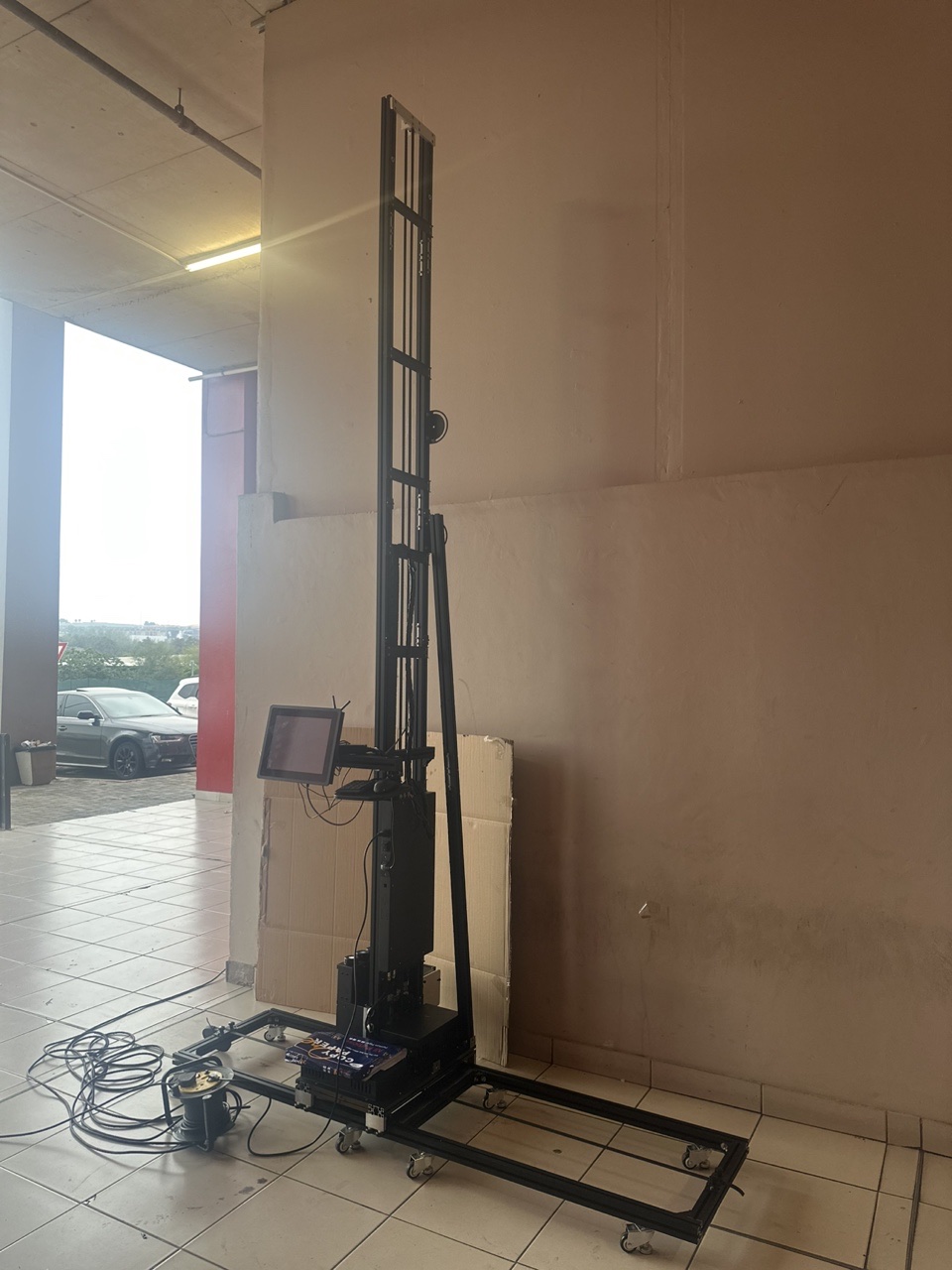
Latest Arrivals
Latest Arrivals
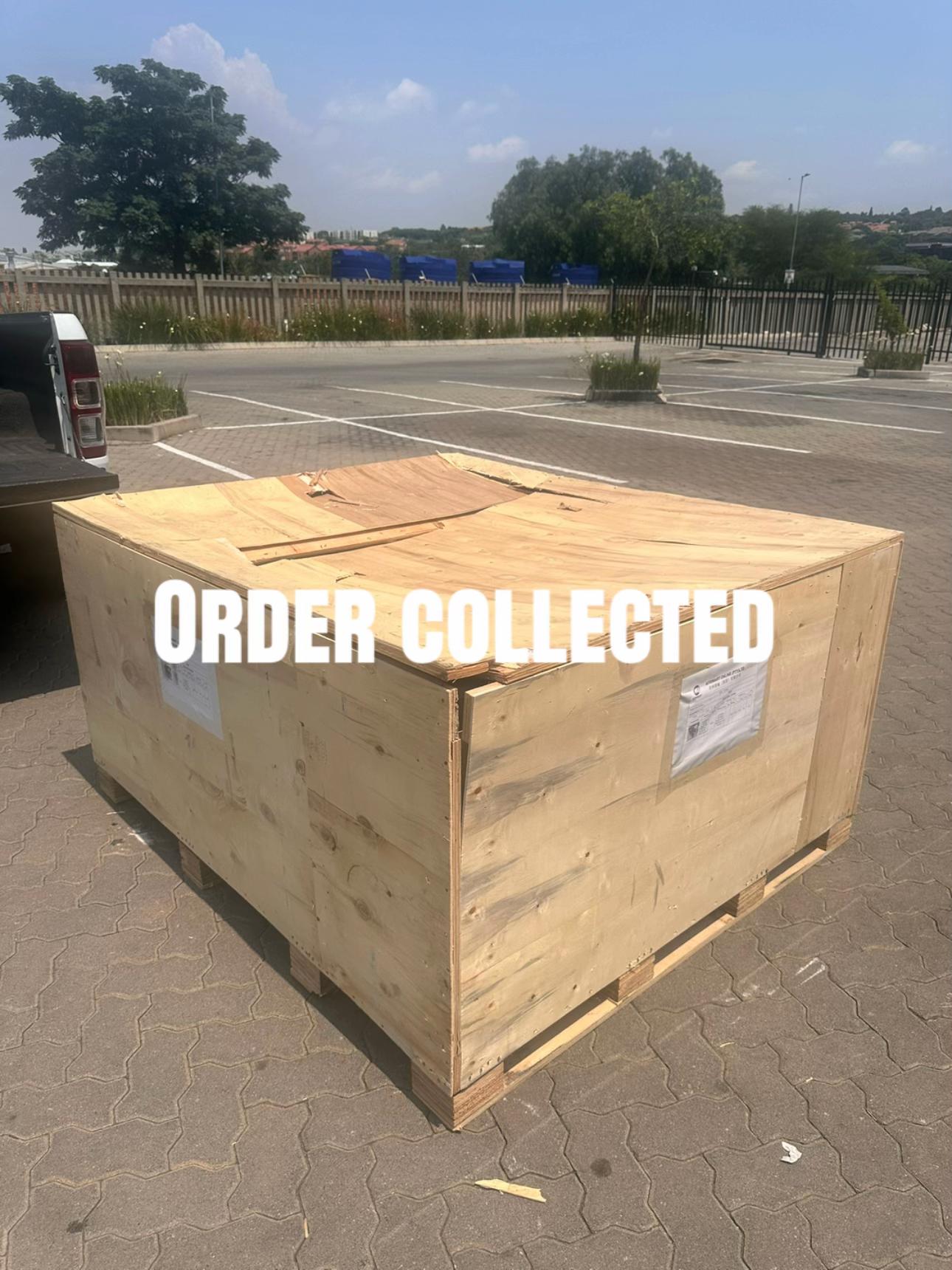
Latest Arrivals
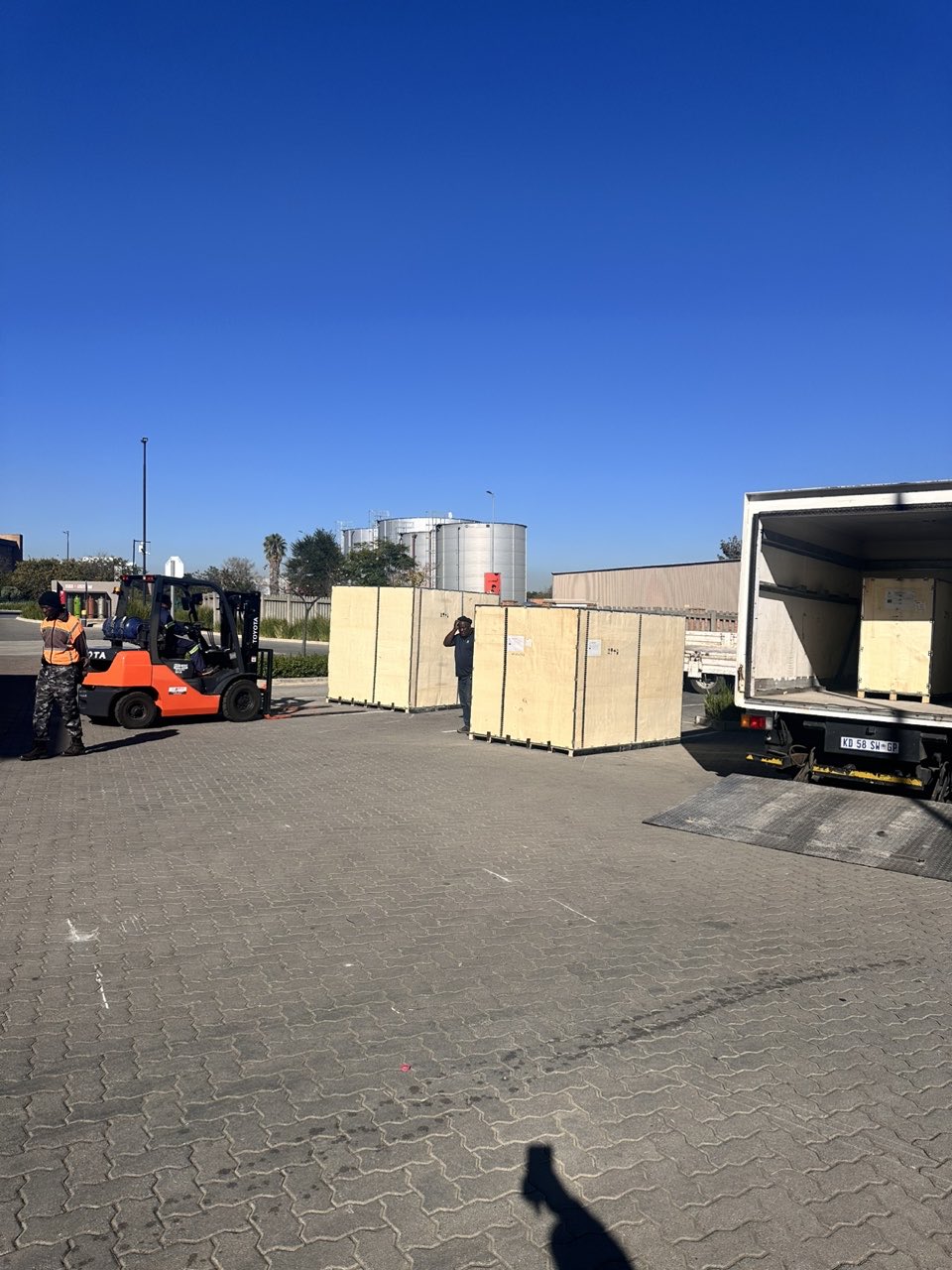
Loading
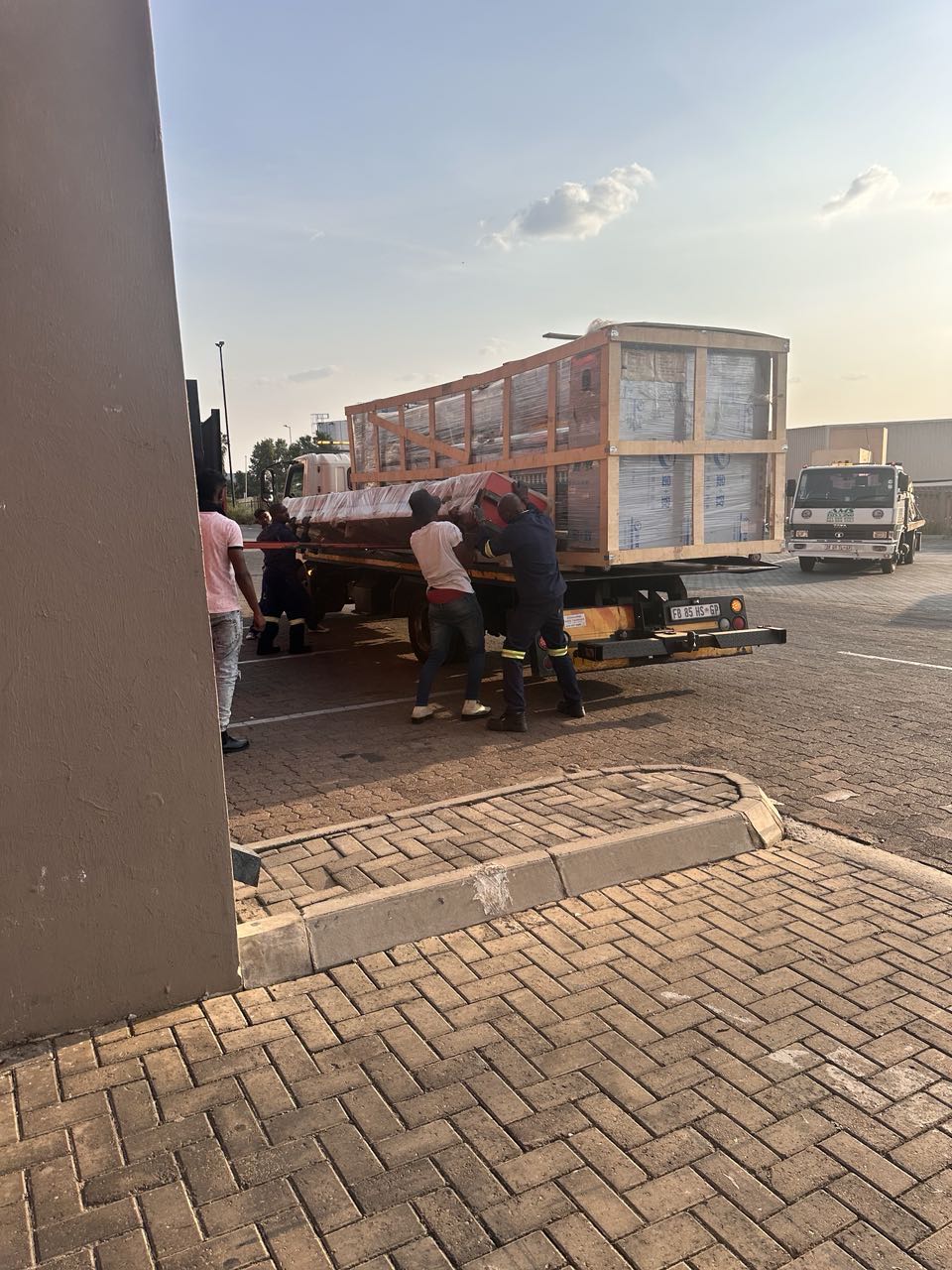
Toilet paper making machine
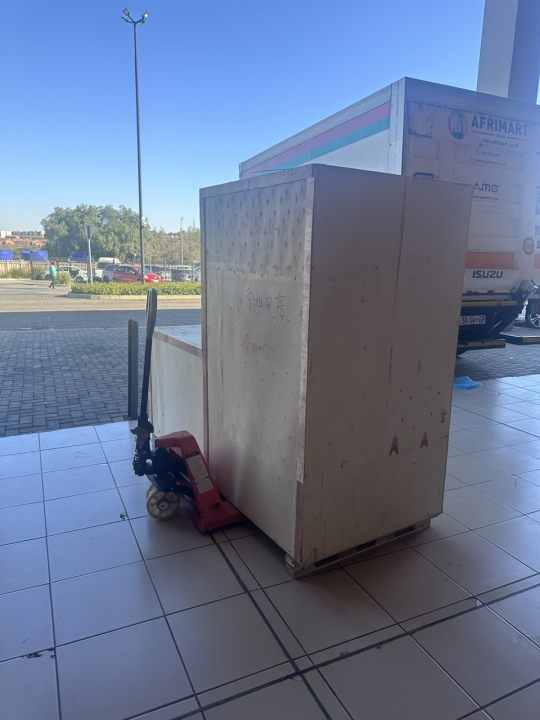
Toilet paper making machine
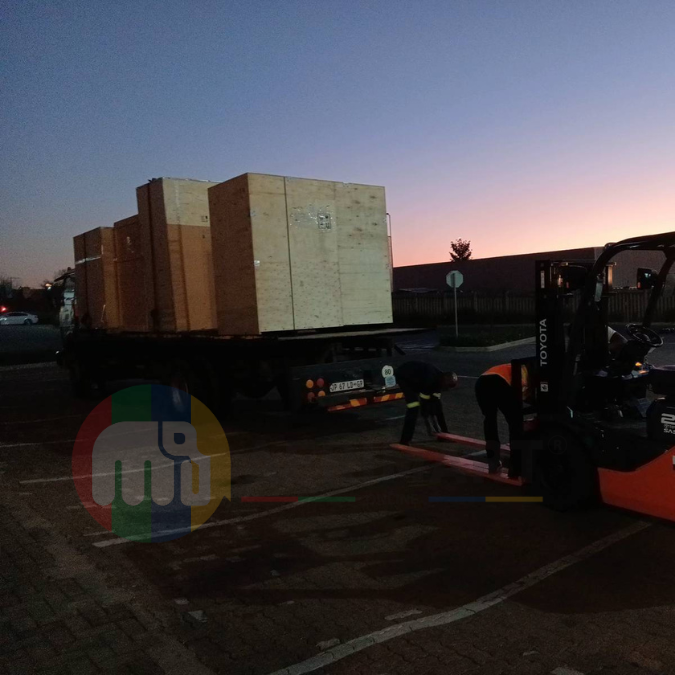
Toilet paper Rewinding Machine
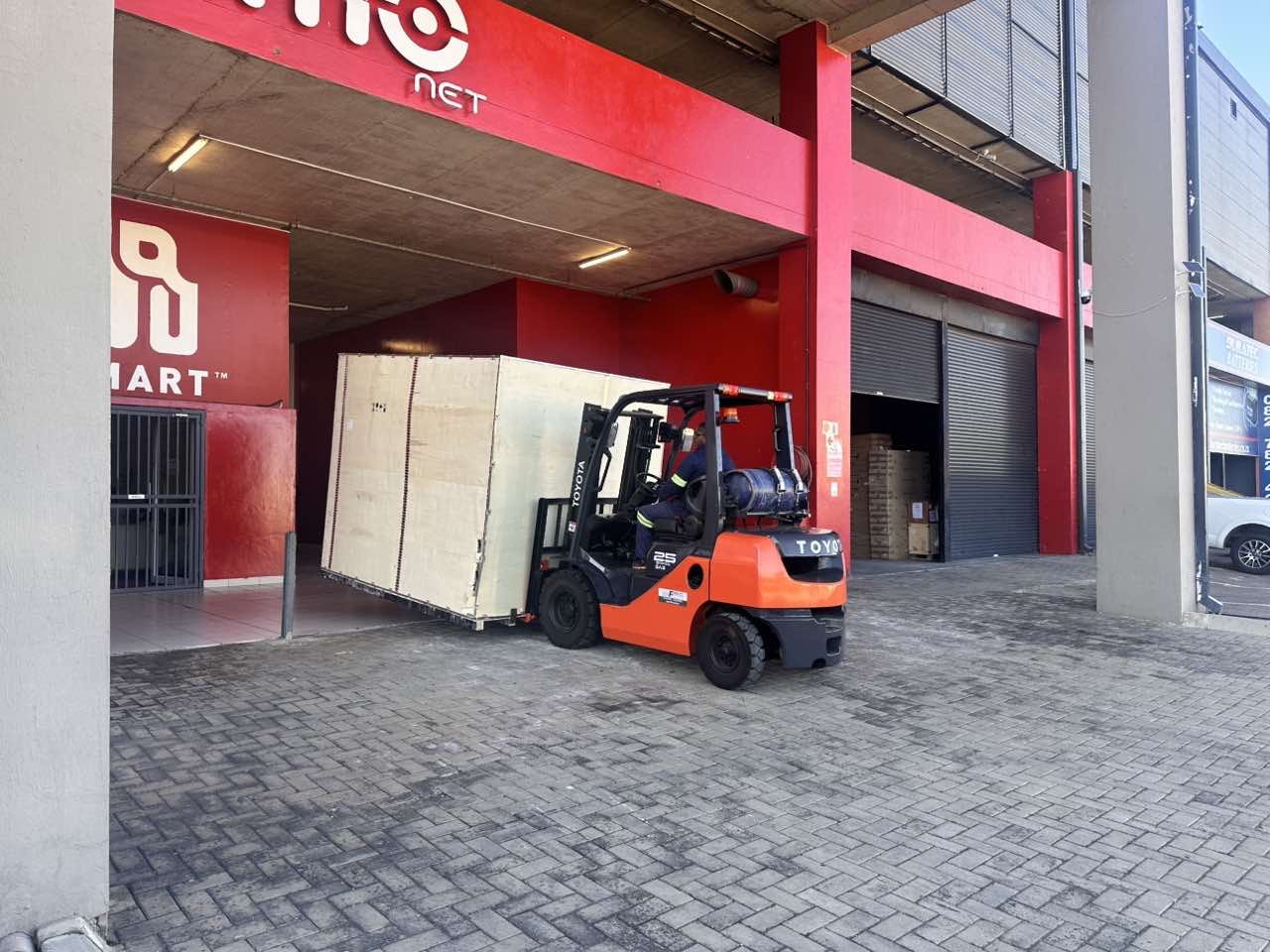
latest arrivals
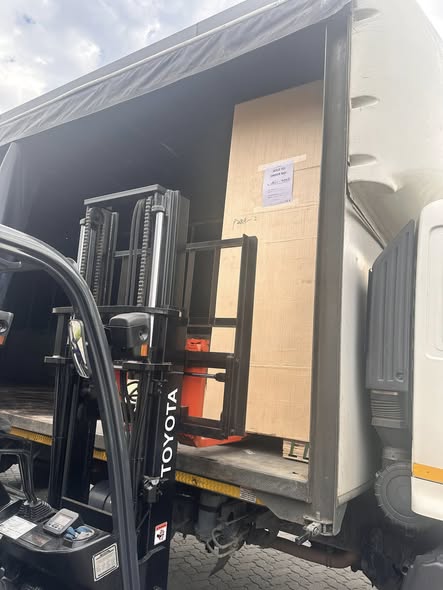
offloading
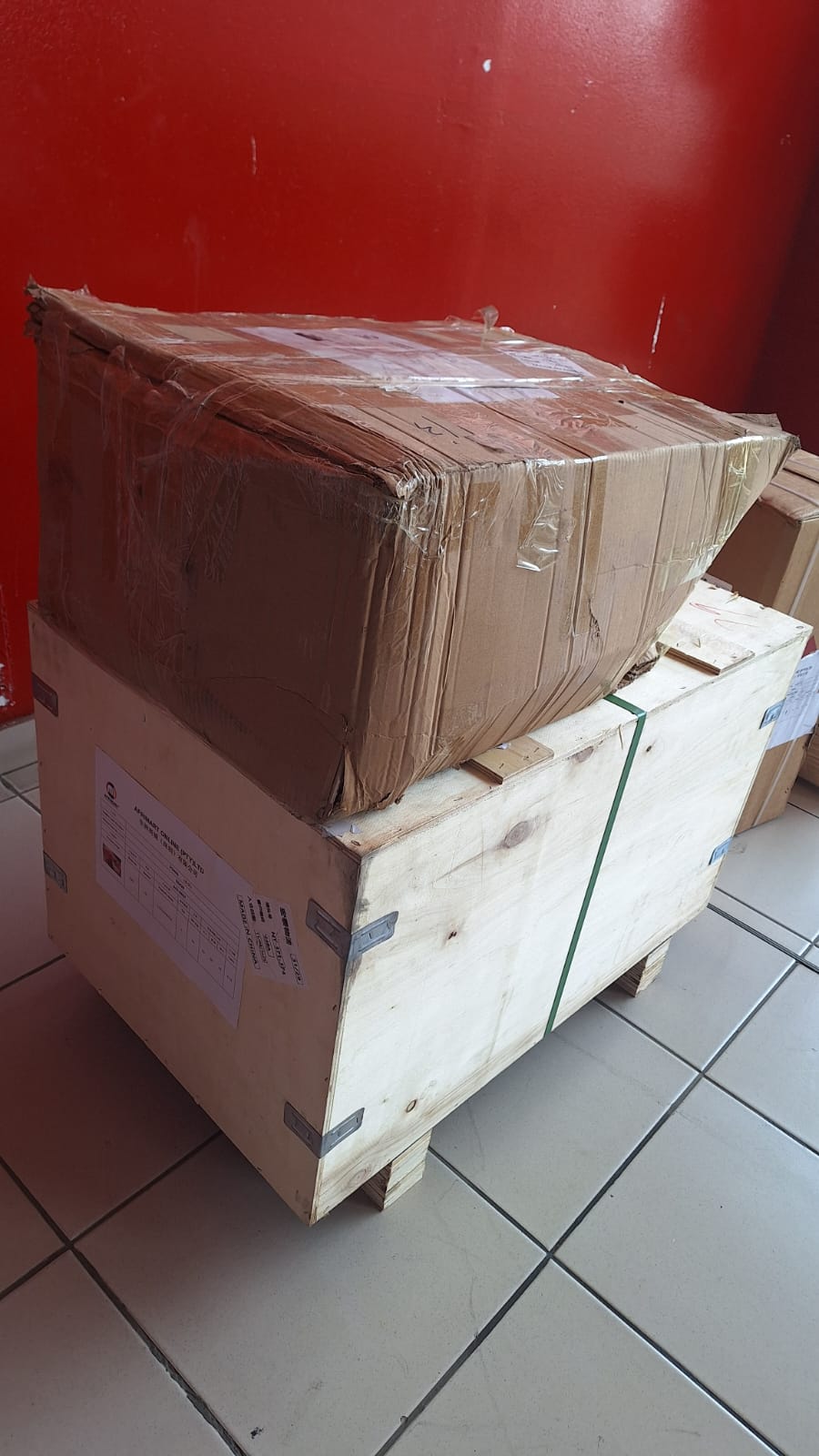
order success
order collection
order offloading