B21, China Town Mall, Midrand

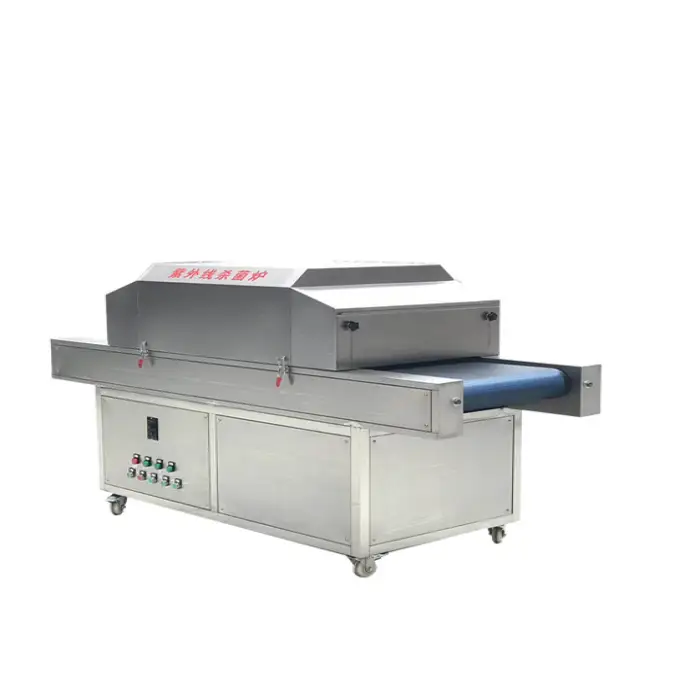
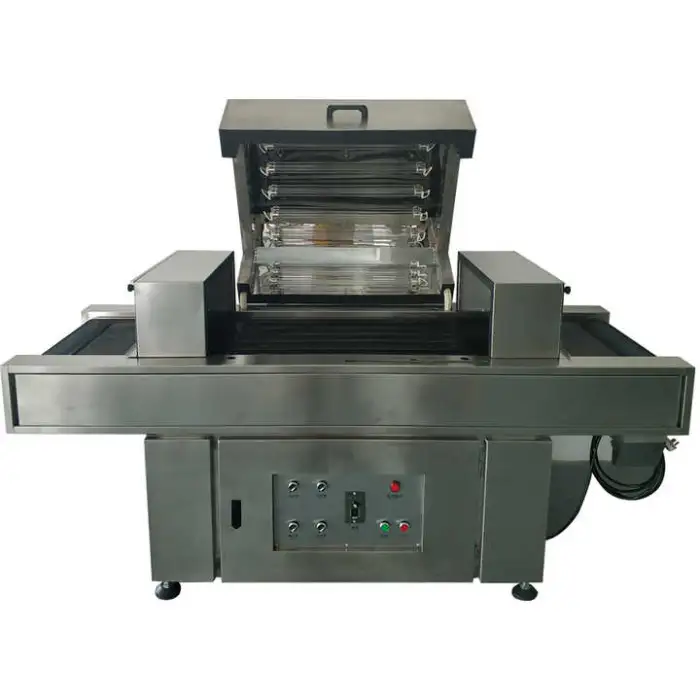
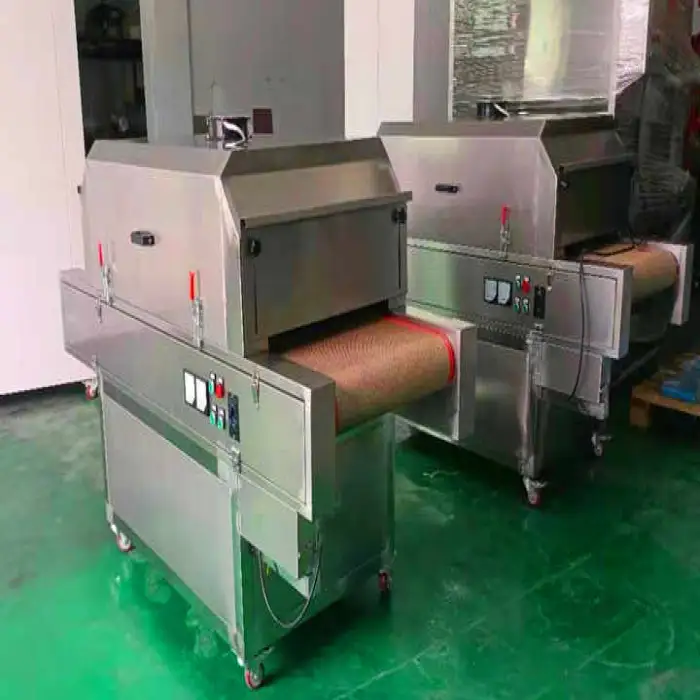
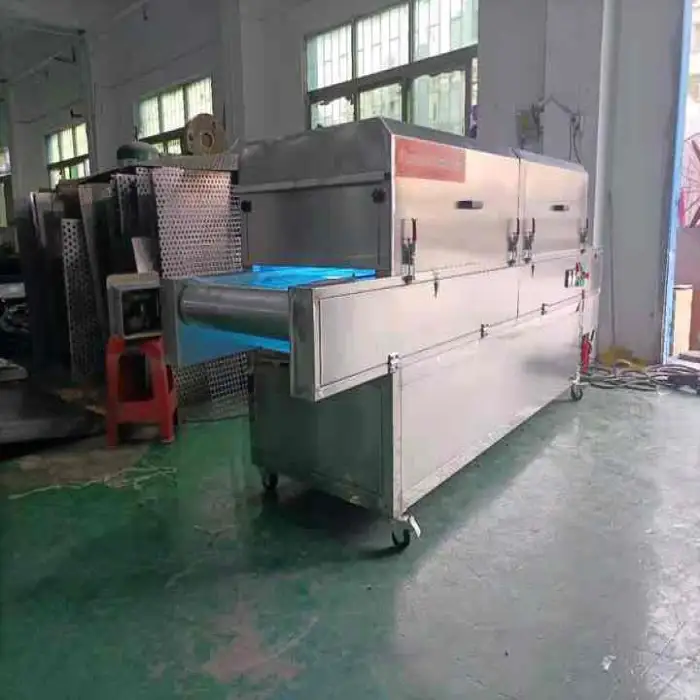
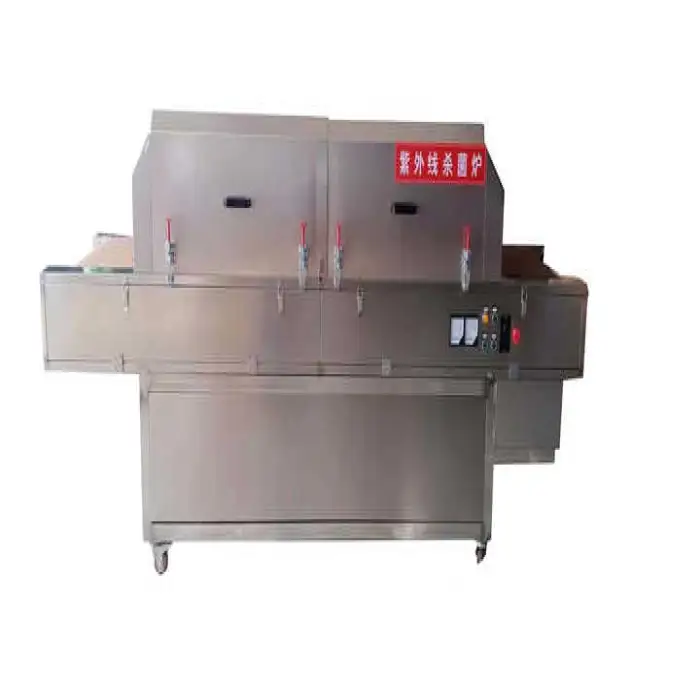
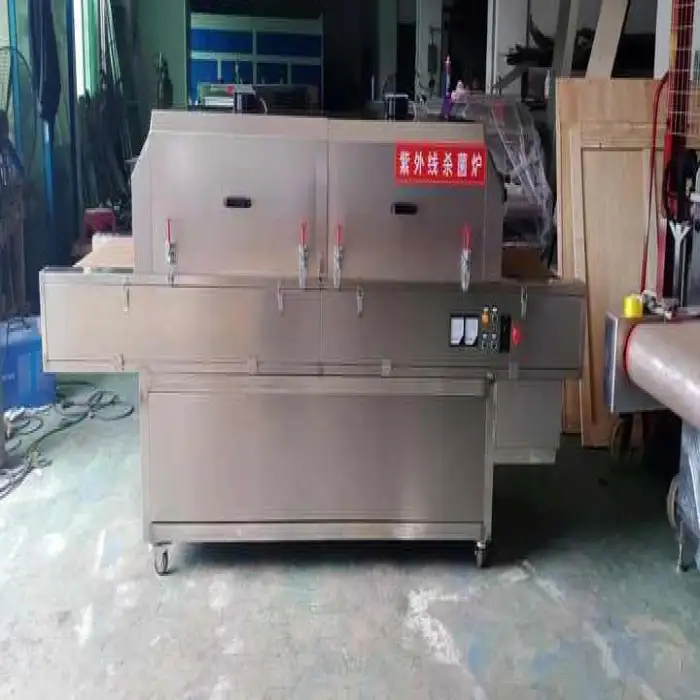
Glass Bottle UV-Tunnel-Sterilizer UV Sterilizing Machine for Food
Asset finance available
Do you want funding for this equipment?
Afrimart can connect you with trusted funding partners who specialise in asset finance for businesses like yours. Compare options and apply in minutes — final approval is subject to provider review.
Check funding options
Secure & no obligation

- Section : Machinery
- Category : Other Food Processing Machinery
- SKU : 1600967581537

Glass Bottle UV-Tunnel-Sterilizer UV Sterilizing Machine for Food
The Glass Bottle UV-Tunnel-Sterilizer UV Sterilizing Machine for Food is a powerful and efficient way to keep your food safe. This machine uses UV-C lamps to sterilize packaged food, making it ideal for hotels, food and beverage factories, and even home use. With its multifunctional design, this sterilizer is easy to operate and helps ensure that your food is free from harmful bacteria.
Specifications
| Attribute | Details |
|---|---|
| Condition | New |
| Power | 7 kW |
| Weight | 200 kg |
| Dimensions (L*W*H) | 2000*800*1400 mm |
| Sterilizing Way | UV-C Lamps |
| Suitable For | Pouch Packaged Food |
| Selling Units | Single item |
Key Features
- Multifunctional design for various food types.
- High sterilization efficiency with UV-C technology.
- Easy to operate with user-friendly controls.
- Compact size for convenient placement.
- Durable construction for long-lasting use.
Applications
- Hotels for food safety and hygiene.
- Food and beverage factories to ensure product safety.
- Home use for sterilizing packaged food.
- Restaurants to maintain high health standards.
- Food delivery services for safe food handling.
Product Info Gallery
- Shipping Timeframes: All orders are processed within 2-5 business days (excluding weekends and holidays). After your order has been processed, the estimated delivery time is before 14 Jul, 2026, depending on customs, Please note that due to high demand, some items may experience longer shipping times, which will be communicated at order confirmation email.
- Order Processing Time: Please allow 2-5 business days for us to process your order before it is shipped . Orders placed after 16:00 on Fridays, or during weekends and public holidays, will begin processing on the next business day. Processing times may be extended during peak seasons or sales events.
- Manufacturing Time: Some products needs manufacturing time, the manufacturing process will take approximately 10-30 business days depending on the product. This timeframe may vary depending on the complexity of the product and current demand. but this will be communicated with you during order confirmation.
- Returns and Exchanges: We offer a 30-day return policy for most items. If you are not completely satisfied with your purchase, you may return it within 30 days of receipt for a refund or exchange. Items must be unused, in their original packaging, and accompanied by proof of purchase. Return shipping costs are the responsibility of the customer, unless the item was damaged or defective upon arrival.
1. What does the Glass Bottle UV-Tunnel-Sterilizer do?
The machine uses UV-C lamps in a tunnel configuration to disinfect the surfaces of packaged foods (e.g., glass bottles, pouches) by reducing surface microbial load. It is intended for surface sterilization of packaged products, not for sterilizing unpackaged food or sterilizing the interior of sealed containers.
2. What types of packaging and products is this UV tunnel suitable for?
It is designed for packaged food such as glass bottles, pouch-packaged items, sealed containers and other packaged products with exposed outer surfaces. Opaque or highly UV-blocking packaging may prevent effective surface treatment; products must remain sealed and intact during processing.
3. Can the UV tunnel sterilize the contents inside sealed bottles or pouches?
No. UV-C sterilization works on exposed surfaces. UV light will not reliably penetrate sealed glass or opaque packaging to sterilize internal contents. The unit is for surface decontamination of packaging only.
4. What are the physical specifications of the machine?
The unit is new, weighs approximately 200 kg, and measures 2000 mm (L) × 800 mm (W) × 1400 mm (H). Installed power rating is 7 kW. Confirm site clearances for installation and service access.
5. What electrical supply is required?
The machine’s rated power is 7 kW. Specific voltage and phase options (single- or three-phase) and breaker requirements depend on the model/configuration—confirm with the supplier and have a qualified electrician install appropriate power and protective devices.
6. How fast does it sterilize and what is the throughput?
Throughput depends on conveyor speed, product size, orientation, and required dose. The tunnel speed can be adjusted to deliver the required UV exposure; consult the supplier for validated throughput rates for your specific product and dose requirements.
7. How effective is the UV-C sterilization (log reduction)?
Effectiveness depends on dose (intensity × exposure time), surface type, shadowing, and distance from lamps. While UV-C is highly effective at reducing surface microbes, exact log reductions must be validated by microbiological testing for each product and process.
8. Are there safety concerns when operating the UV tunnel?
Yes. Direct exposure to UV-C damages skin and eyes. The tunnel is designed with shielding and interlocks, but operators should avoid bypassing safety features, keep access doors closed during operation, and follow the provided safety procedures and PPE guidance.
9. Do the lamps produce ozone and is ventilation required?
Some UV-C lamps emit wavelengths that produce ozone. Check the lamp type used in your unit. If ozone-producing lamps are installed, ensure adequate ventilation or ozone abatement as required by the site; the supplier can confirm lamp specifications.
10. What is the expected lamp lifetime and how are lamps replaced?
Typical UV-C lamp lifetimes range from about 8,000 to 12,000 operating hours, though this varies by lamp type. Lamps should be replaced when UV output declines. Follow the manufacturer's instructions for safe replacement and disposal of used lamps.
11. What routine maintenance and cleaning does the machine require?
Regular maintenance includes cleaning lamp sleeves and reflectors to maintain output, checking conveyor and mechanical components, verifying lamp operation, and replacing lamps/ballasts as needed. Use mild, non-abrasive cleaners and follow the maintenance schedule in the user manual.
12. Does the unit have controls and is it easy to operate?
Yes. The product description states it has user-friendly controls. Operators should be trained on start/stop procedures, speed/dose adjustments, safety interlocks, and basic troubleshooting per the provided manual.
13. What certifications or validations are available?
Certification and compliance (e.g., CE, ISO, HACCP-related documentation) depend on the specific model and supplier. Request certificates, test reports, and process validation support from the vendor prior to purchase to ensure regulatory and customer requirements are met.
14. Is installation, training or after-sales support provided?
Installation, commissioning, operator training, and after-sales service options vary by supplier. Ask the vendor about on-site installation, start-up validation, spare parts availability, and service contracts before buying.
Latest Order Arrivals
Discover our latest orders
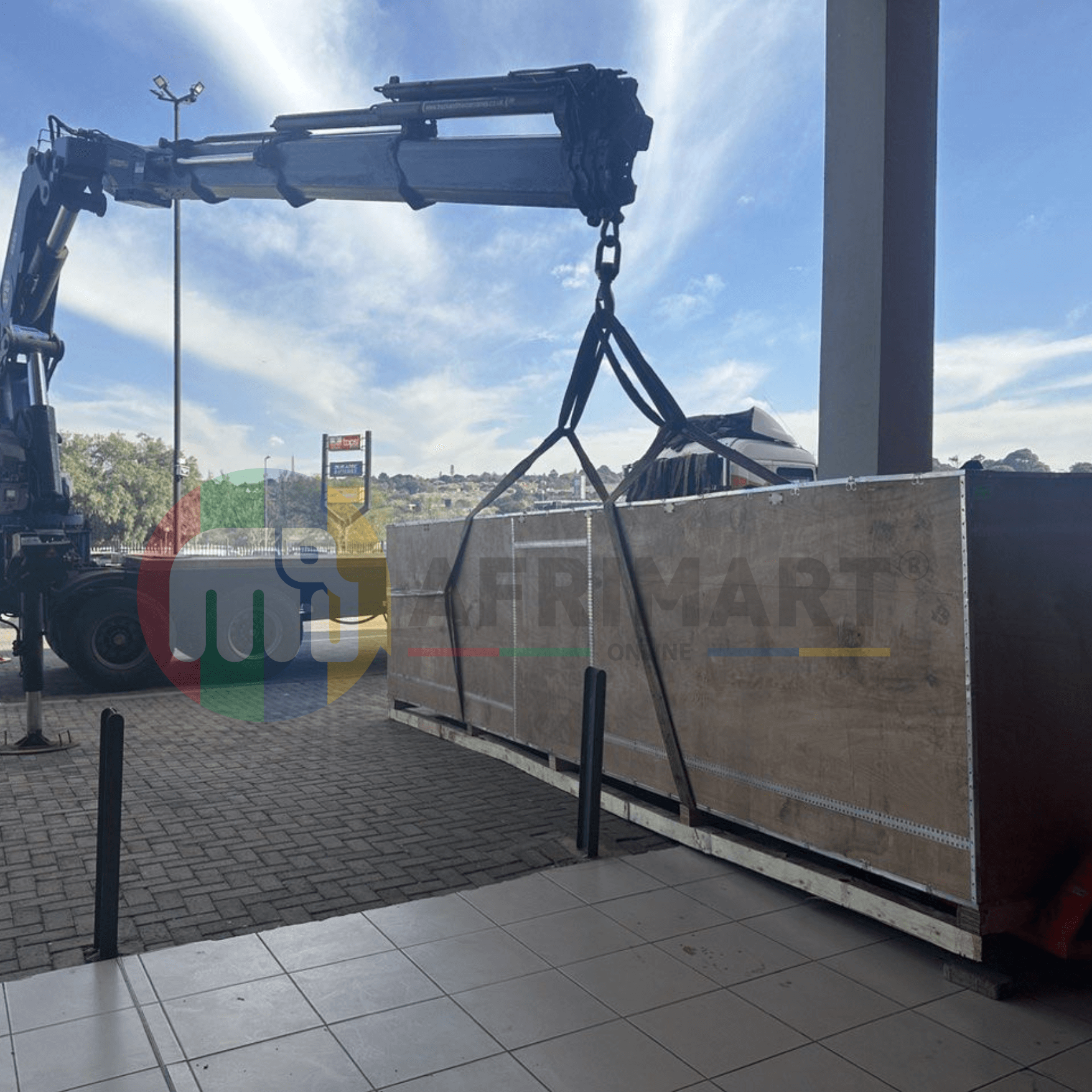
12 Heads Embroidery Machine
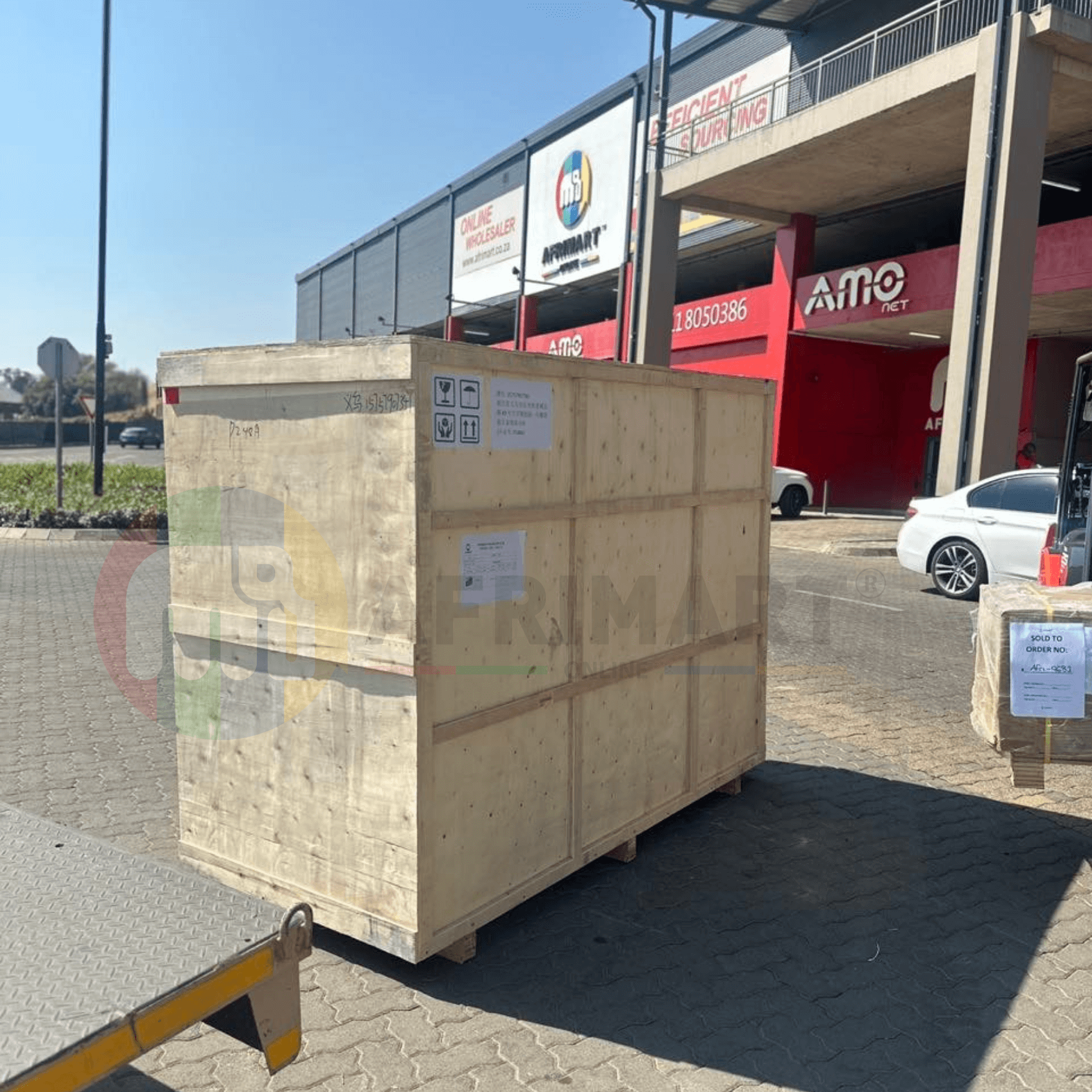
Dewatering Pump Machine
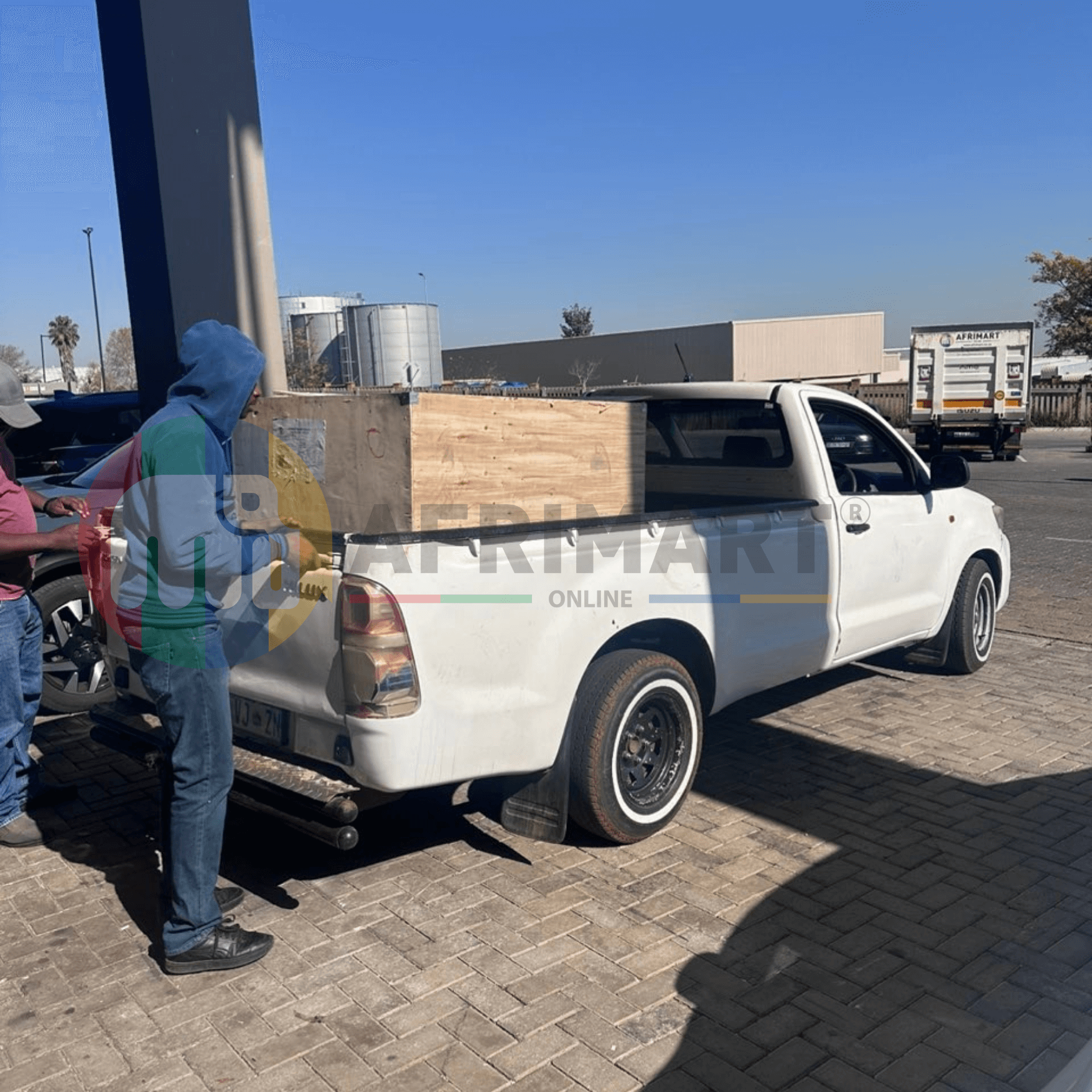
Order Collection
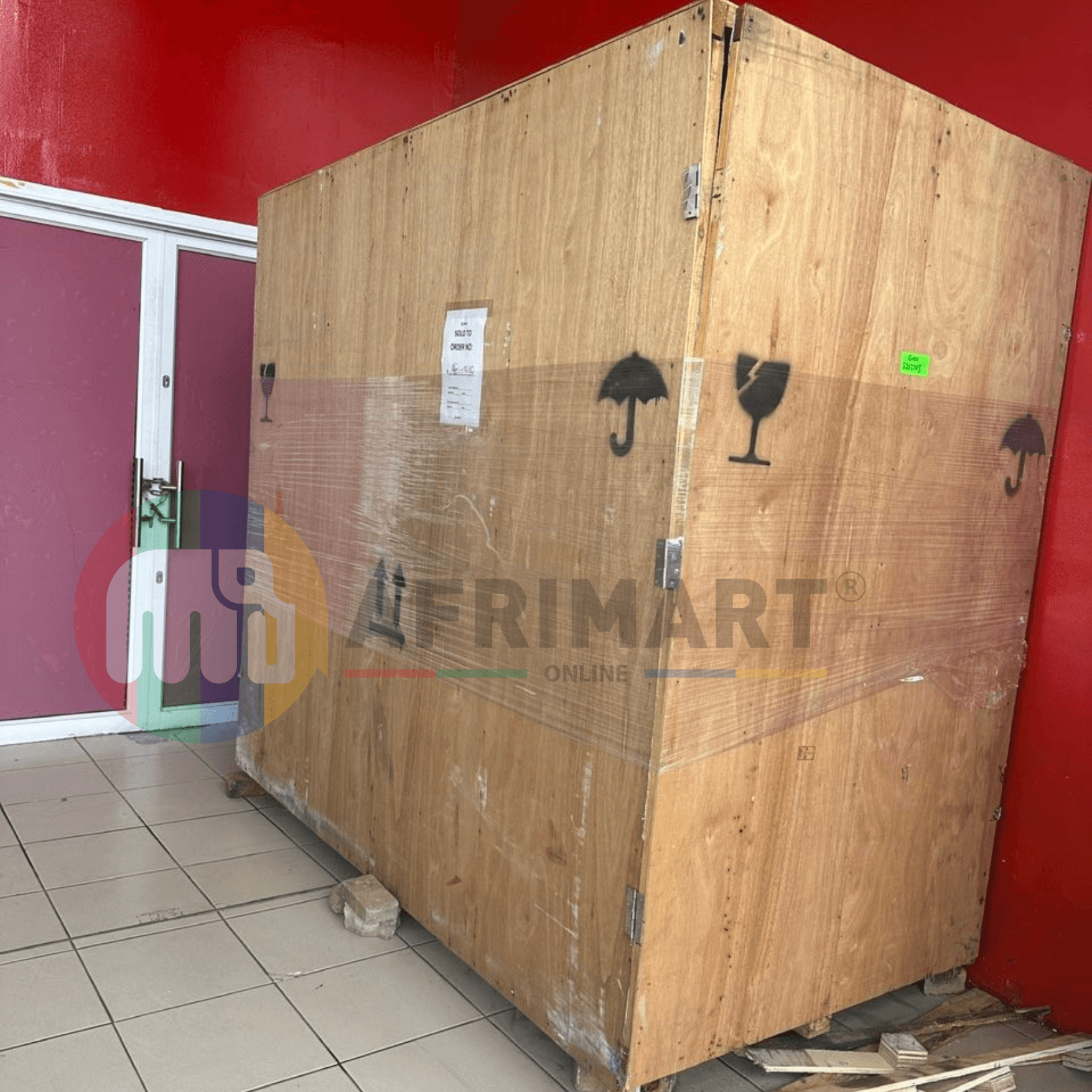
Portable Water Drilling Rig
Order Usefully Collected
Batch of Orders
Agriculture Processing Machines
Meat Grinder Machine
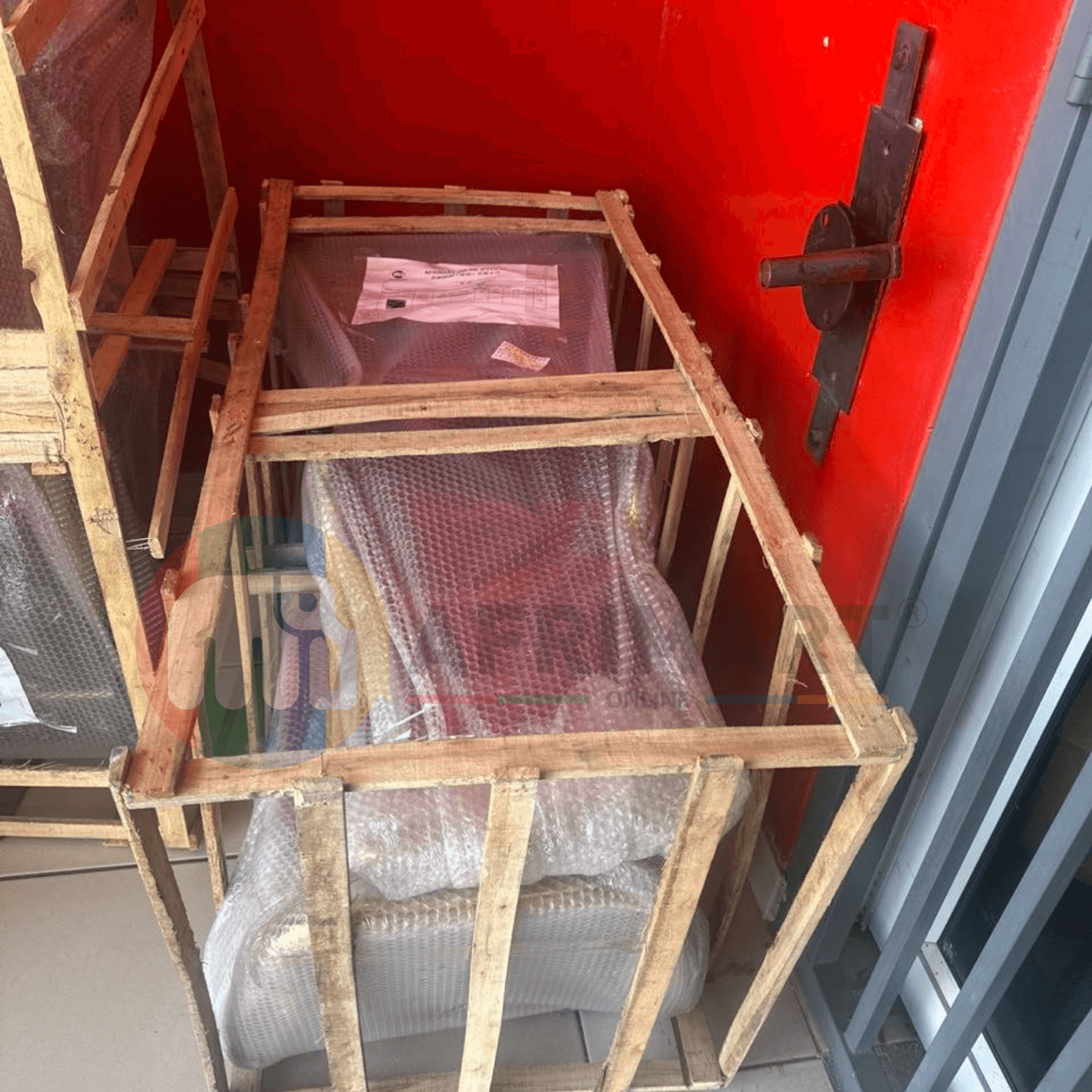
Water Pump Equipment
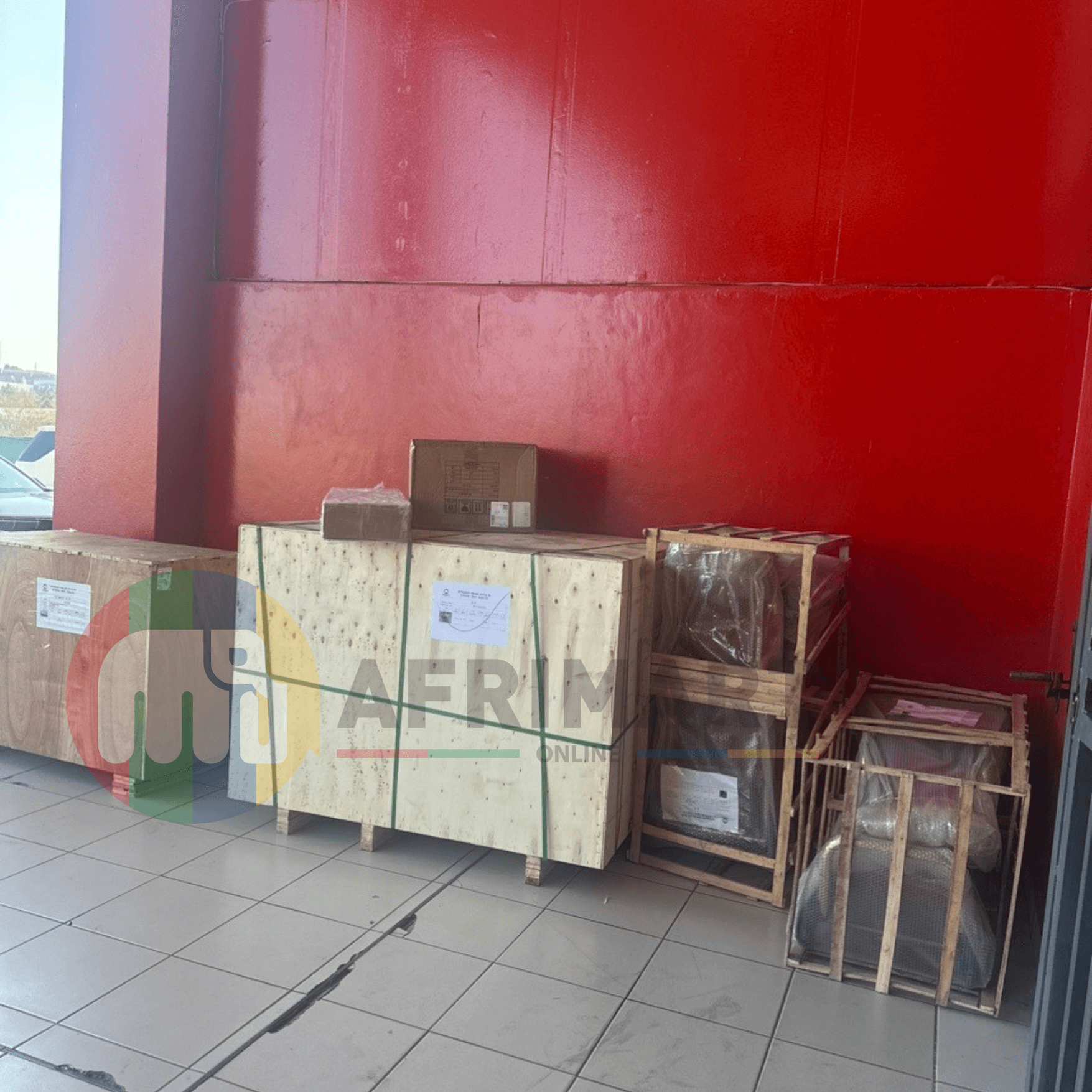
Packaging Machine and accessories
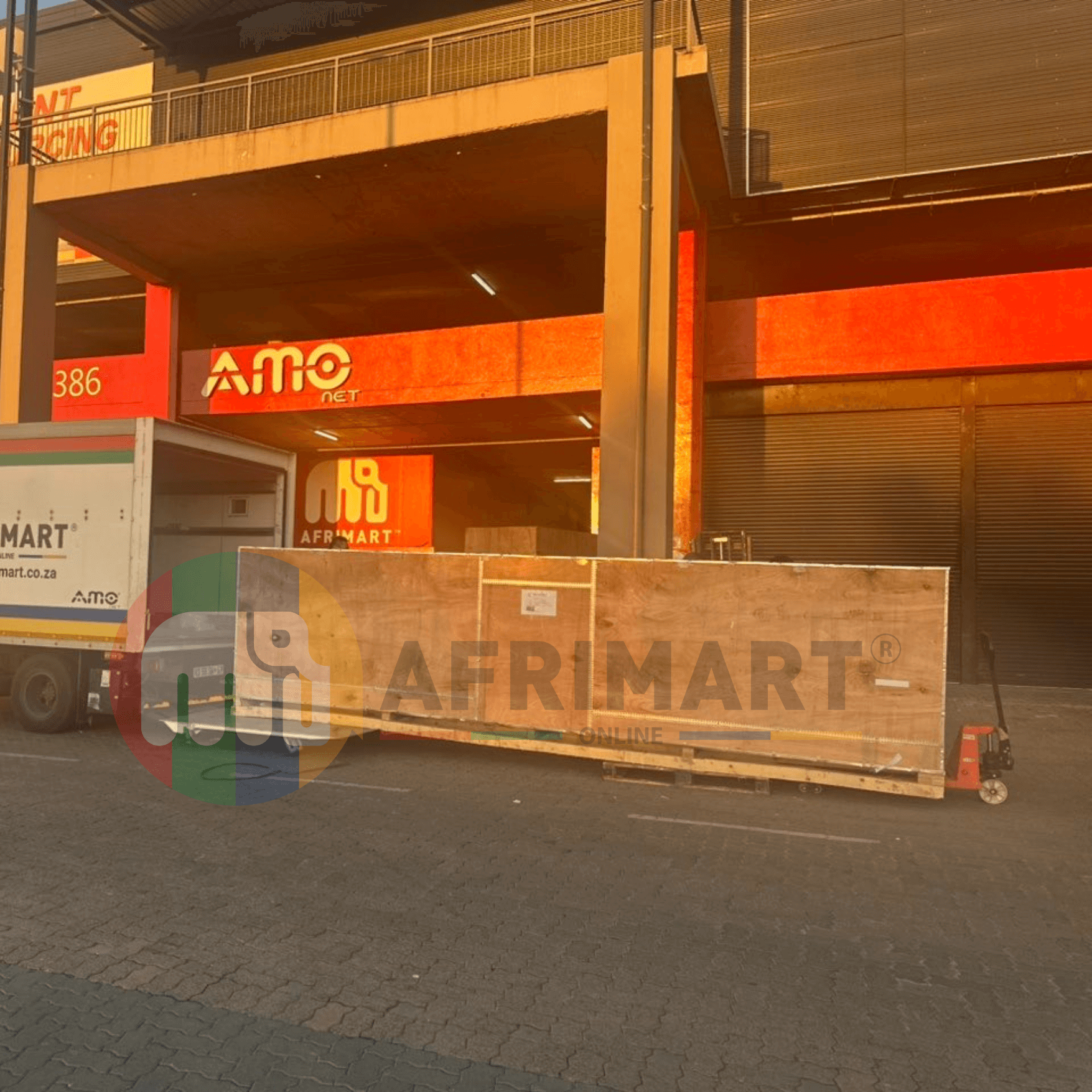
Fabrics Manufacturing Equipment
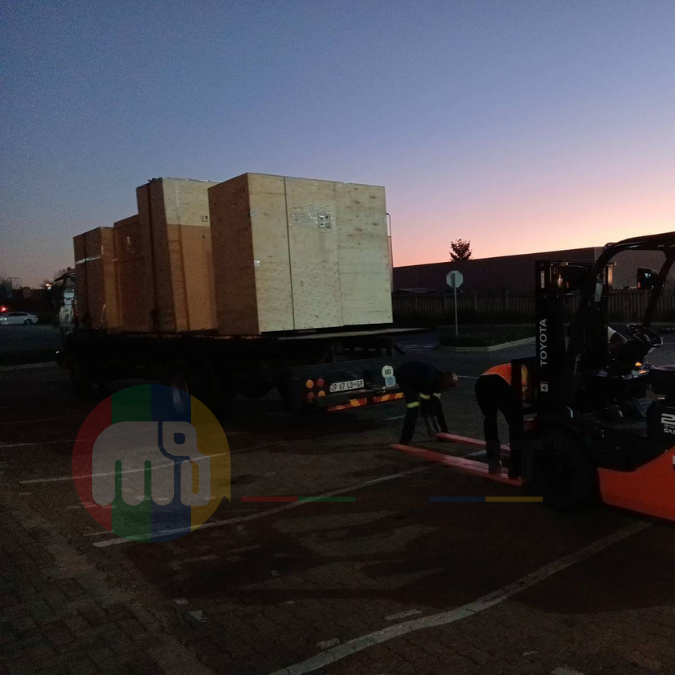
Mining Equipments
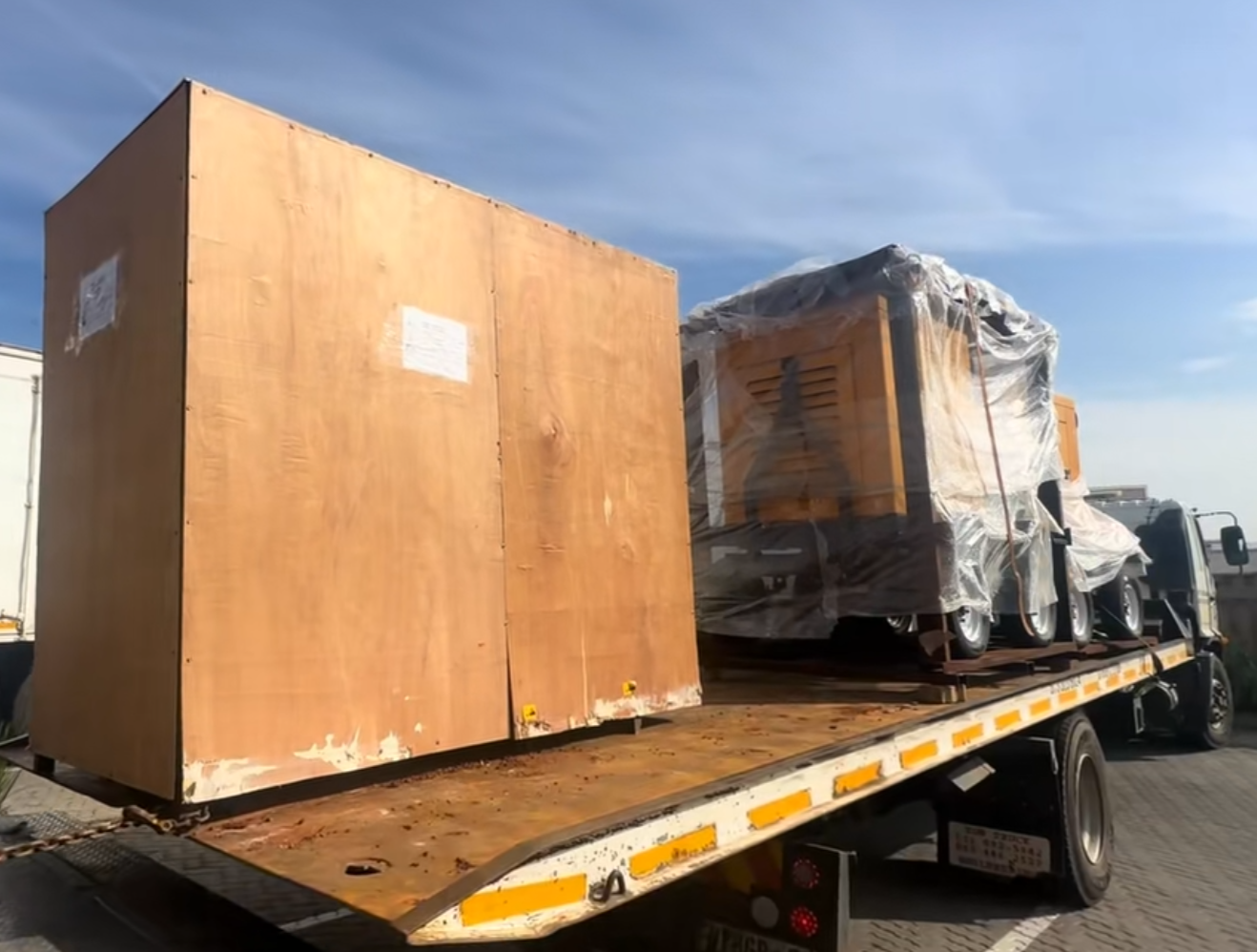
Food Processing Machine
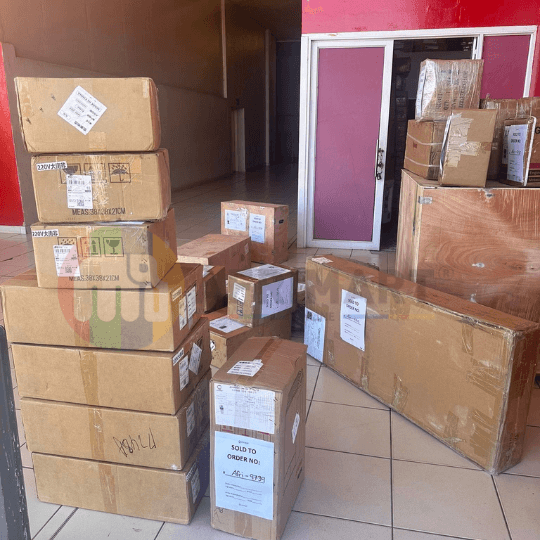
Batch of Orders
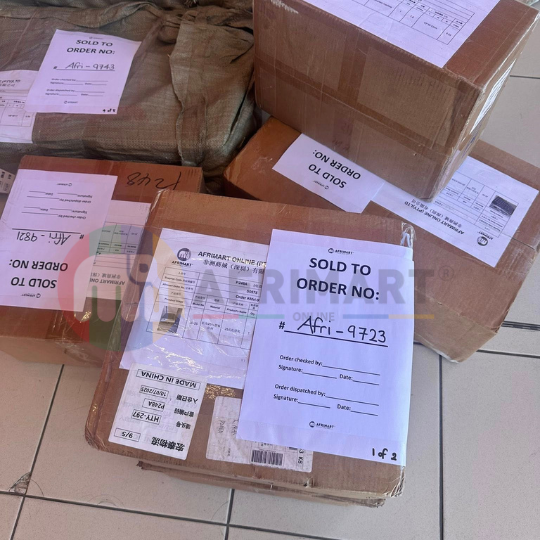
Batch of Orders
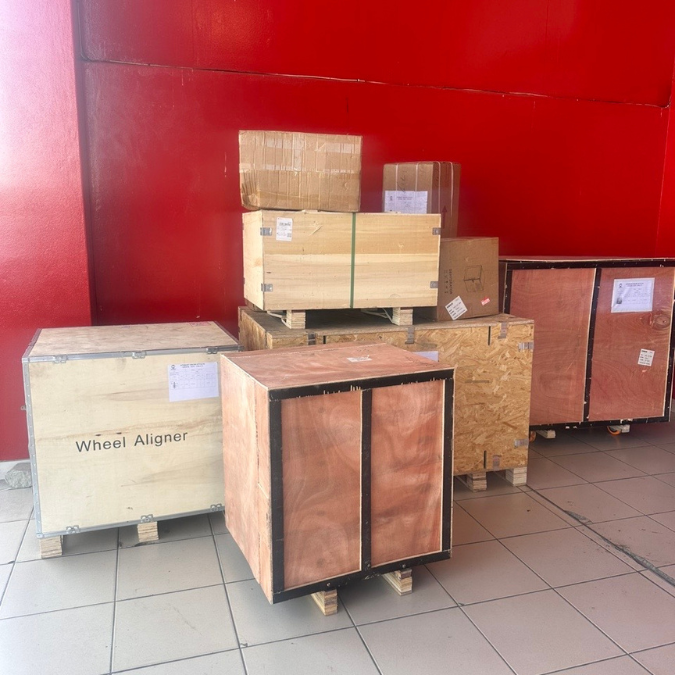
Latest Orders Labelled
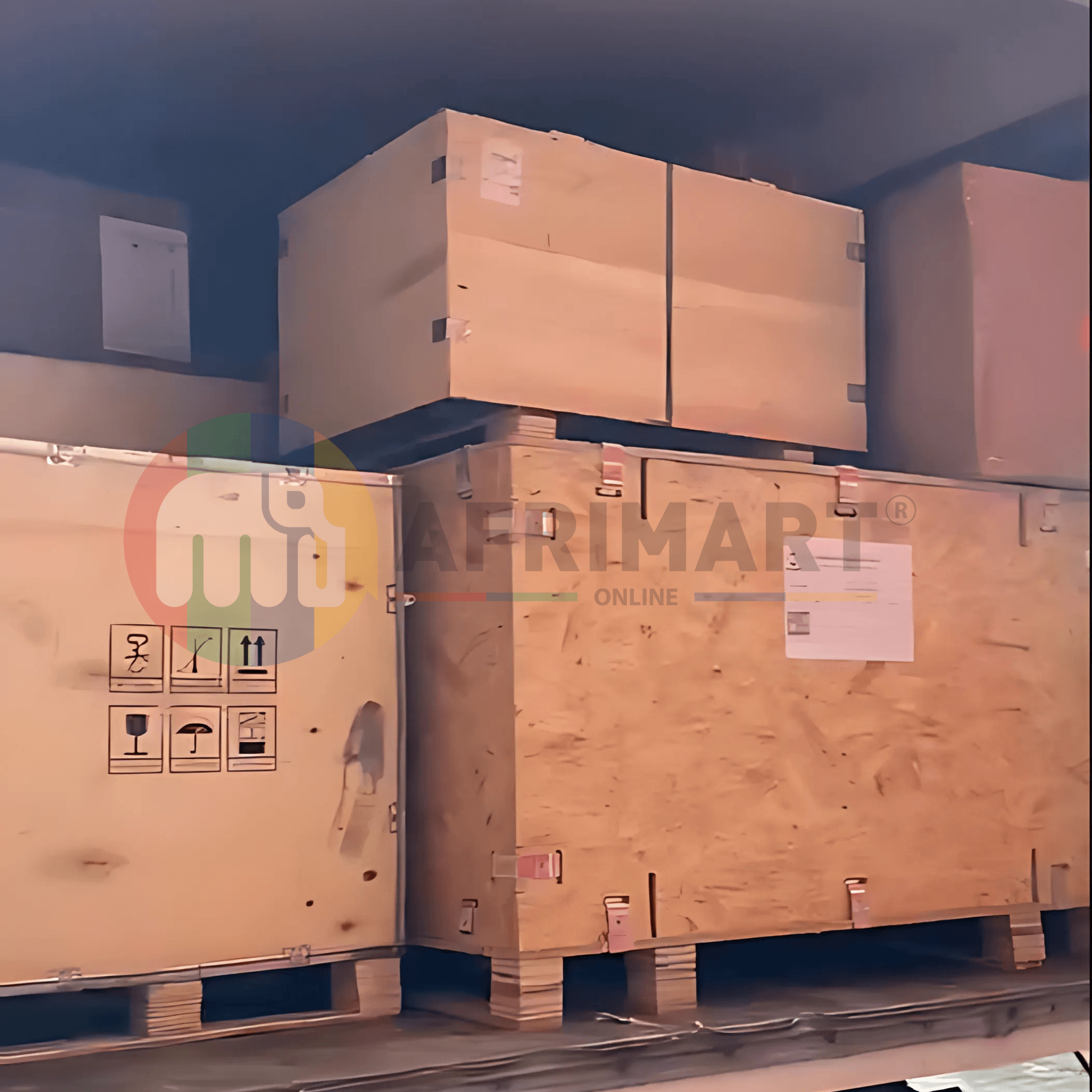
wheel alignment machines
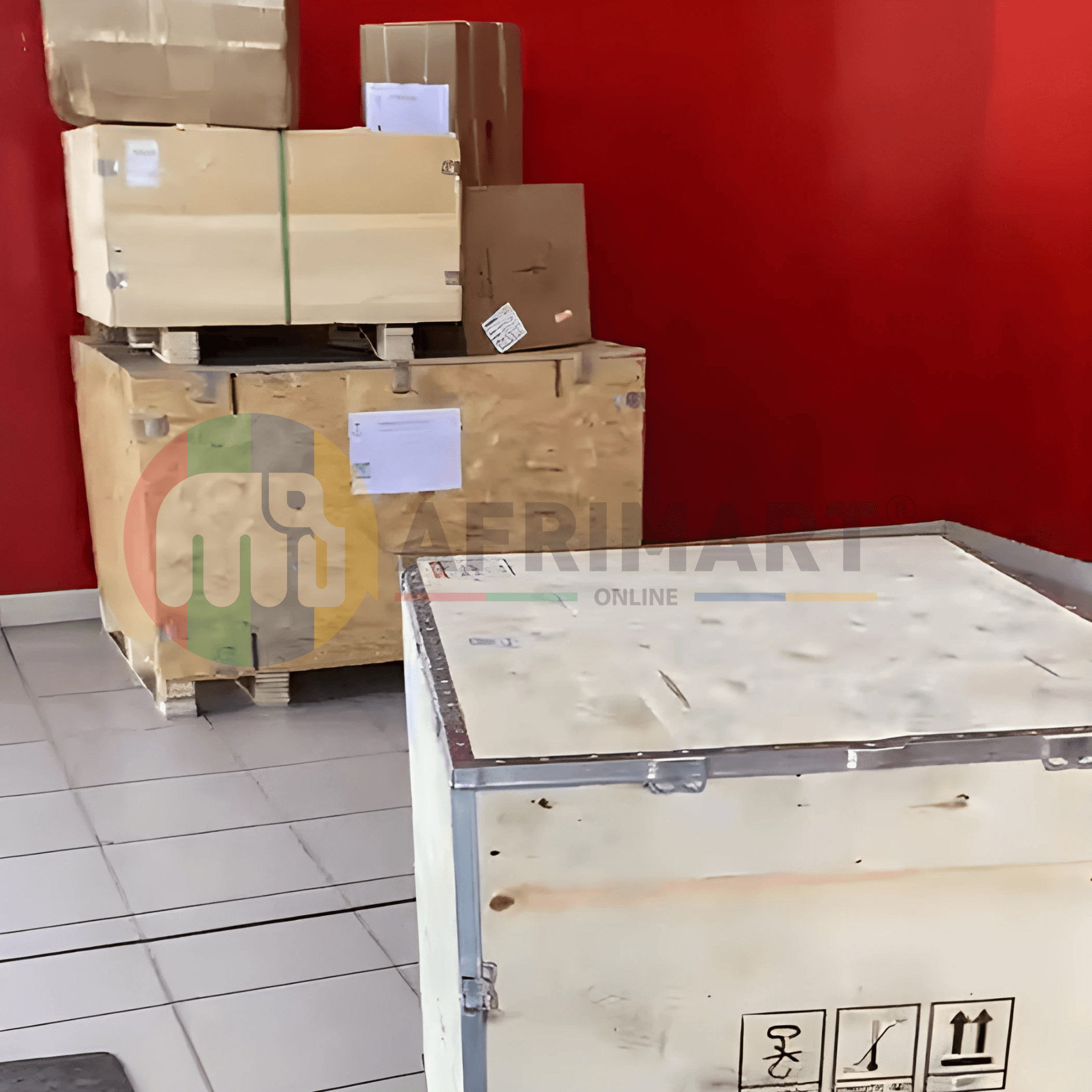
new arrivals
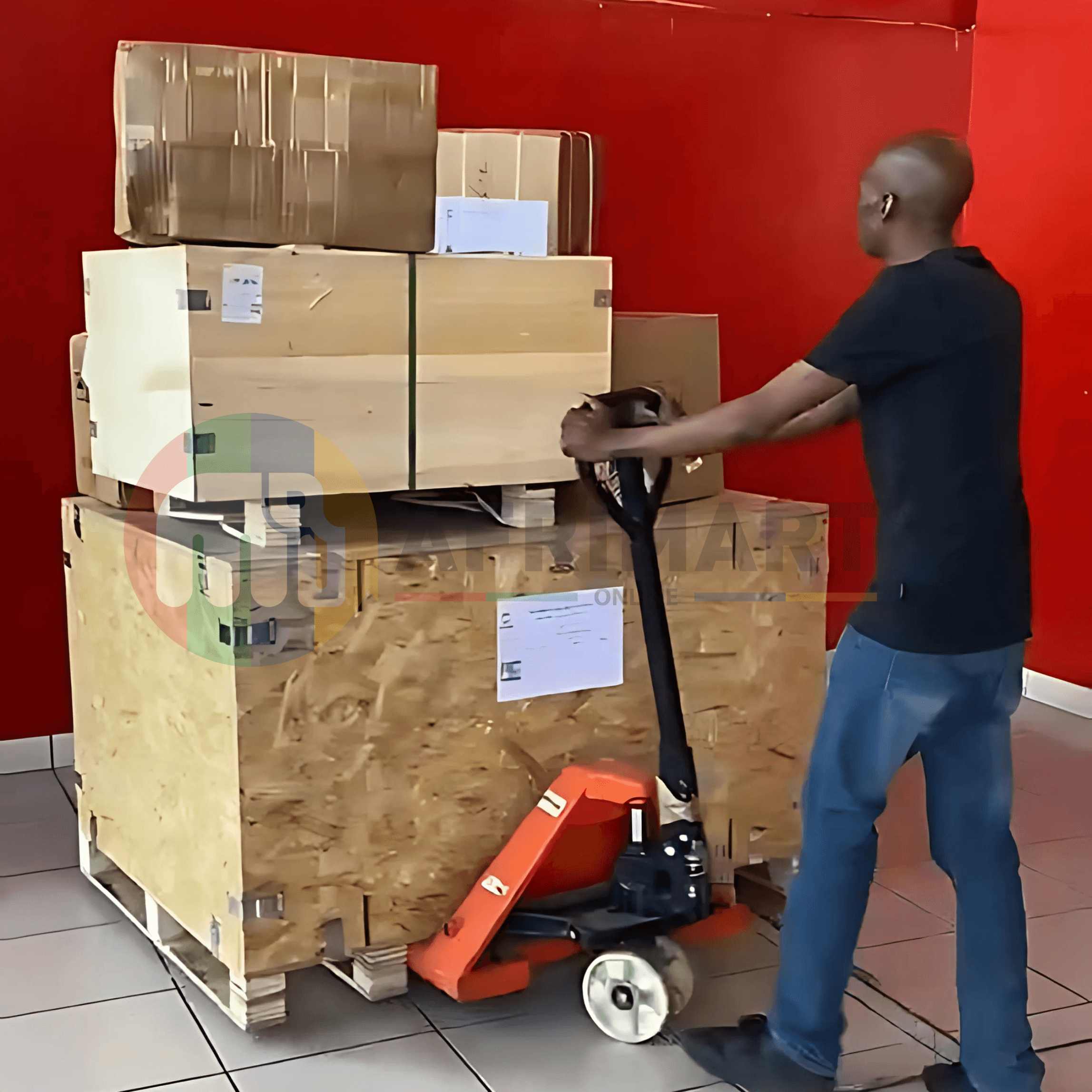
Pre Orders Offloading
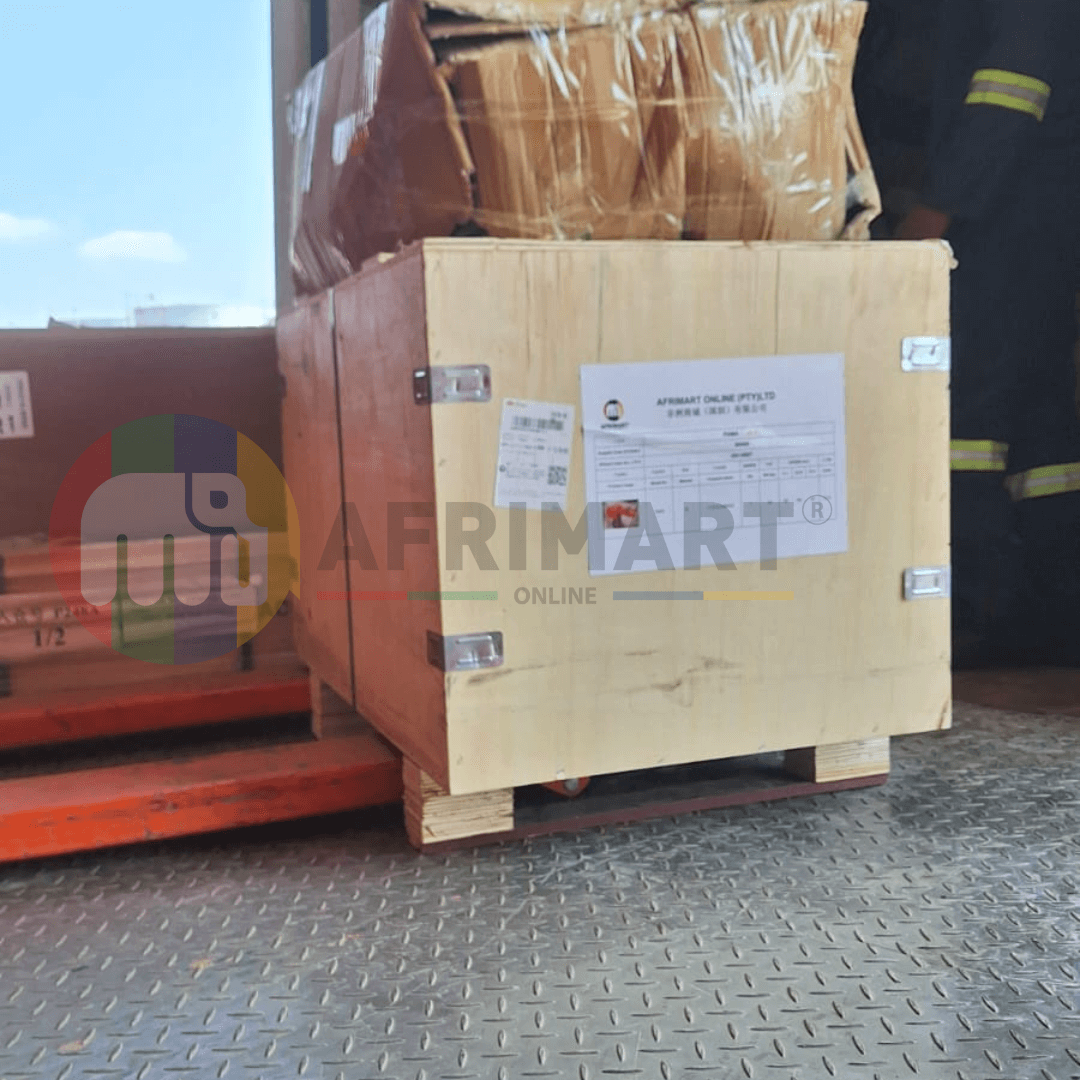
Latest Arrivals
Latest Arrivals
Latest Arrivals
26 January 2026
Toilet paper making machine
Toilet paper making machine
Toilet paper Rewinding Machine
latest arrivals
offloading
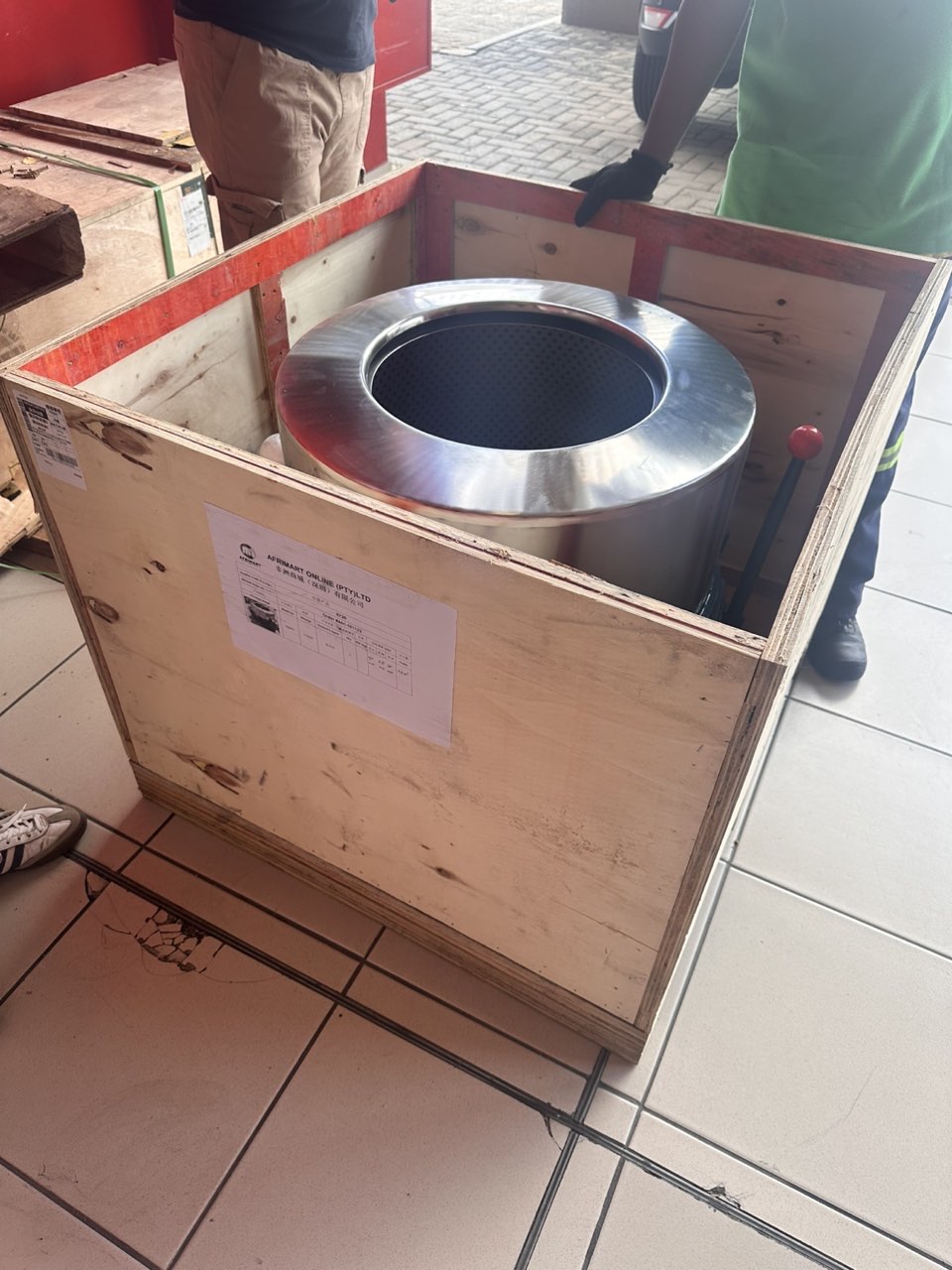
order success
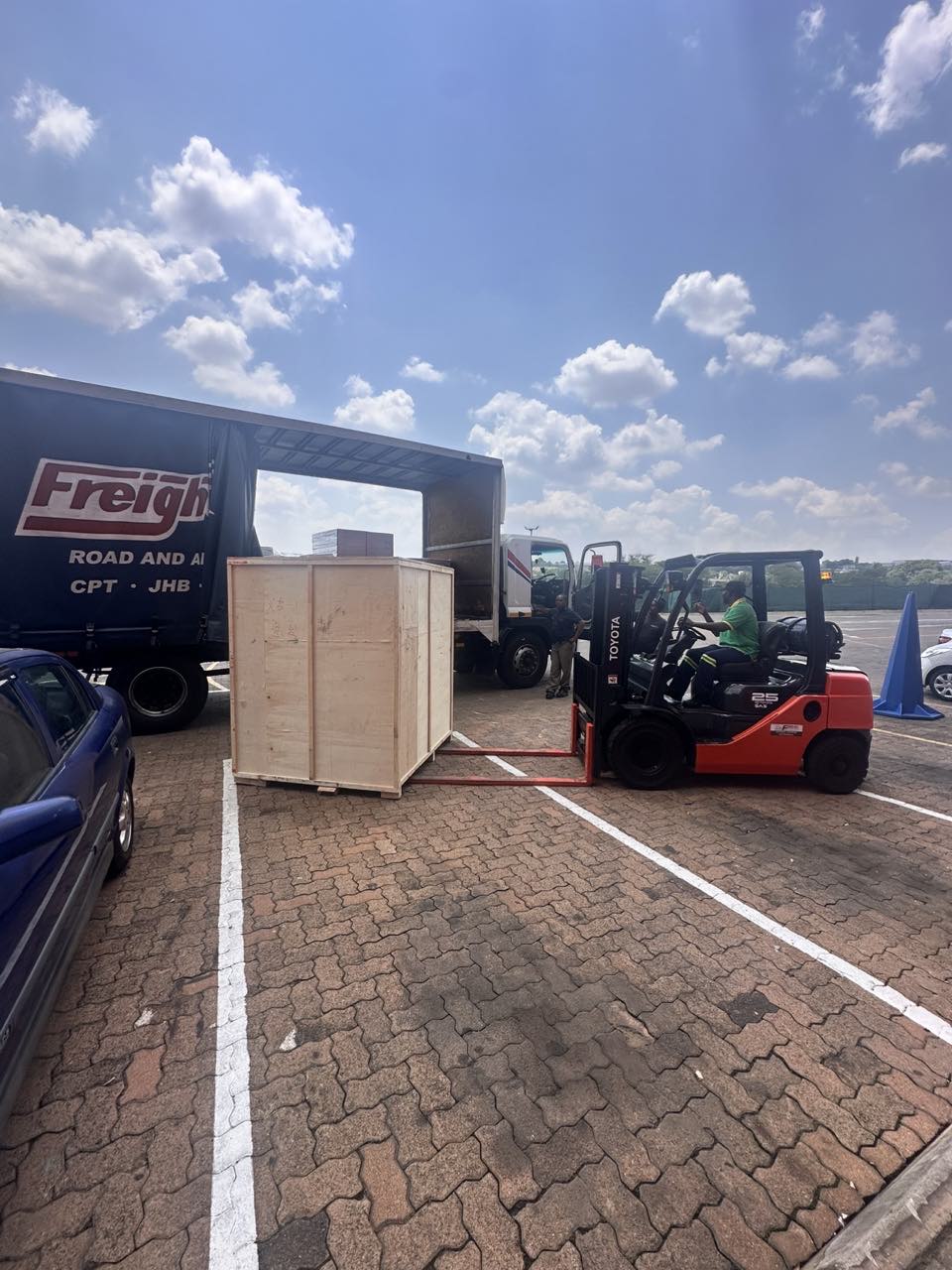
order collection
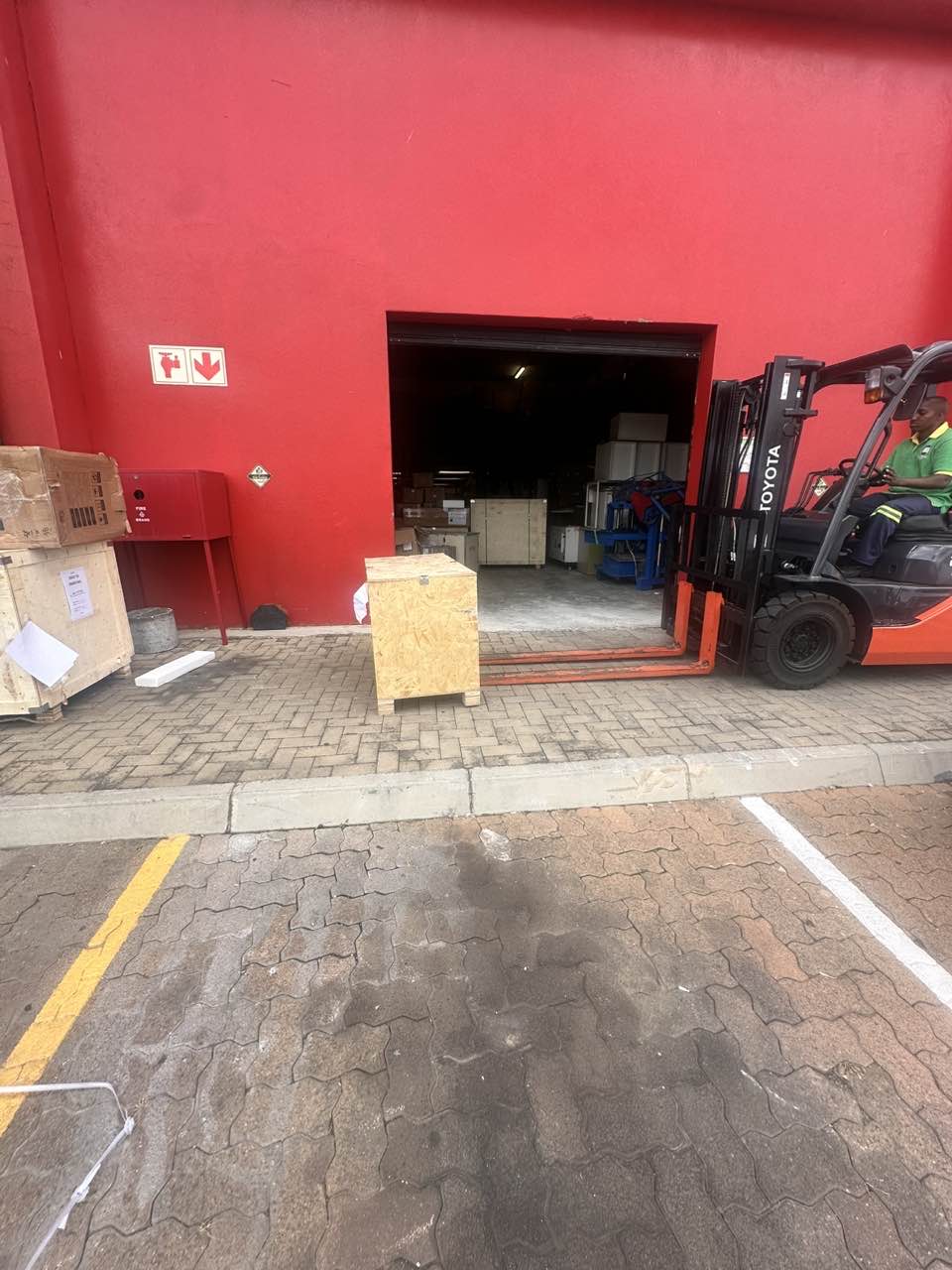
order offloading