B21, China Town Mall, Midrand

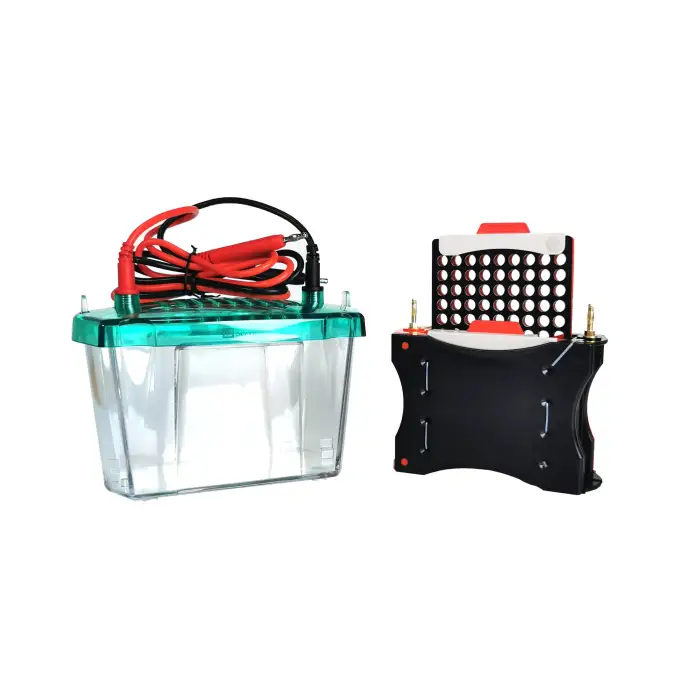
Gel Electrophoresis Equipment RT PCR Testing Laboratory Vertical Electrophoresis Analyzer Lab Instrument

- Section : Machinery
- Category : Chemical Machinery
- SKU : 1601047423980

Electrophoresis Equipment for Laboratory Applications
Electrophoresis is a crucial technique widely applied in fields such as life sciences, analytical chemistry, clinical chemistry, pharmacology, immunology, food industry, and more. It involves the movement of charged particles toward oppositely charged electrodes under a DC electric field. This technique is commonly used in medical research to analyze and separate proteins, nucleic acids, enzymes, and even virus cells.
It is essential for applications like the study of protein content, diagnosis of diseases like hepatitis B (HBAg electrophoresis), primary liver cancer (alpha-fetoprotein, AFP electrophoresis), and other immunological experiments.
Key Features:
In Situ Glue Making Mode:
- Features an anti-reverse design for both the electrophoresis core and cover to prevent reversal of poles during operation.
Rubber Base Design:
- Eliminates the need for spring knobs, reducing risks of spring aging and improper sealing, ensuring reliability.
Optimized Glass Plate Design:
- Card plate and gland matching ensure higher plane force on the glass plate and more uniform glue thickness.
Minimal Electrophoresis Solution Required:
- Only 300ml of electrophoresis solution needed, enhancing efficiency.
Compatibility:
- Can be used with the SVT-2 transfer electrophoresis tank for seamless integration.
Specifications:
| Parameter | SVE-2 | SVT-2 |
|---|---|---|
| External Dimensions (LWH) | 185x108x125 mm | 185x108x125 mm |
| Gel Size / Transfer Size | 83x73 mm | 70x90 mm |
| Maximum Volume of Buffer Solution | 500 mL | 500 mL |
| Maximum Supply Voltage | 200 V | 200 V |
This Electrophoresis Equipment is ideal for applications ranging from protein separation to viral studies and offers precision and efficiency in laboratory settings.


- Shipping Timeframes: All orders are processed within 2-5 business days (excluding weekends and holidays). After your order has been processed, the estimated delivery time is before 03 Mar, 2026, depending on customs, Please note that due to high demand, some items may experience longer shipping times, which will be communicated at order confirmation email.
- Order Processing Time: Please allow 2-5 business days for us to process your order before it is shipped . Orders placed after 16:00 on Fridays, or during weekends and public holidays, will begin processing on the next business day. Processing times may be extended during peak seasons or sales events.
- Manufacturing Time: Some products needs manufacturing time, the manufacturing process will take approximately 10-30 business days depending on the product. This timeframe may vary depending on the complexity of the product and current demand. but this will be communicated with you during order confirmation.
- Returns and Exchanges: We offer a 30-day return policy for most items. If you are not completely satisfied with your purchase, you may return it within 30 days of receipt for a refund or exchange. Items must be unused, in their original packaging, and accompanied by proof of purchase. Return shipping costs are the responsibility of the customer, unless the item was damaged or defective upon arrival.
1. What is gel electrophoresis and how is it used?
Gel electrophoresis is a technique used to separate charged particles, such as proteins and nucleic acids, based on their size and charge by applying an electric field. It is widely used in life sciences, clinical chemistry, and research applications.
2. What are the key features of this gel electrophoresis equipment?
Key features include an in situ glue making mode, a rubber base design for stability, an optimized glass plate design for uniform glue thickness, and minimal electrophoresis solution requirement.
3. How much electrophoresis solution is needed for operation?
This equipment requires only 300ml of electrophoresis solution, which enhances efficiency and reduces waste.
4. What types of applications can this equipment be used for?
This equipment is suitable for a variety of applications, including protein separation, diagnosis of diseases, immunological experiments, and viral studies.
5. Is this equipment compatible with other models?
Yes, it can be used with the SVT-2 transfer electrophoresis tank for seamless integration.
6. What are the external dimensions of the equipment?
The external dimensions of the equipment are 185 mm in length, 108 mm in width, and 125 mm in height.
7. What is the maximum supply voltage for this equipment?
The maximum supply voltage for this electrophoresis equipment is 200 V.
8. How does the rubber base design enhance reliability?
The rubber base design eliminates the need for spring knobs, which reduces the risks of spring aging and improper sealing, ensuring greater reliability during operation.
9. What is the gel size supported by this electrophoresis equipment?
This equipment supports a gel size of 83x73 mm.
10. Can this equipment be used for clinical tests?
Yes, it is commonly used in clinical tests, including the diagnosis of diseases such as hepatitis B and primary liver cancer.
11. What materials can be analyzed using this electrophoresis equipment?
This equipment can analyze proteins, nucleic acids, enzymes, and even virus cells.
12. How does the anti-reverse design benefit the operation?
The anti-reverse design prevents the reversal of poles during operation, ensuring consistent and reliable results.
13. Is training required to use this gel electrophoresis analyzer?
While basic training on electrophoresis techniques is beneficial, this equipment is designed for ease of use in laboratory settings.
14. What is the maximum volume of buffer solution that can be used?
The maximum volume of buffer solution that can be used with this equipment is 500 mL.
15. What industries can benefit from using this electrophoresis equipment?
Industries such as life sciences, analytical chemistry, clinical chemistry, pharmacology, immunology, and the food industry can benefit from this equipment.
Latest Order Arrivals
Discover our latest orders
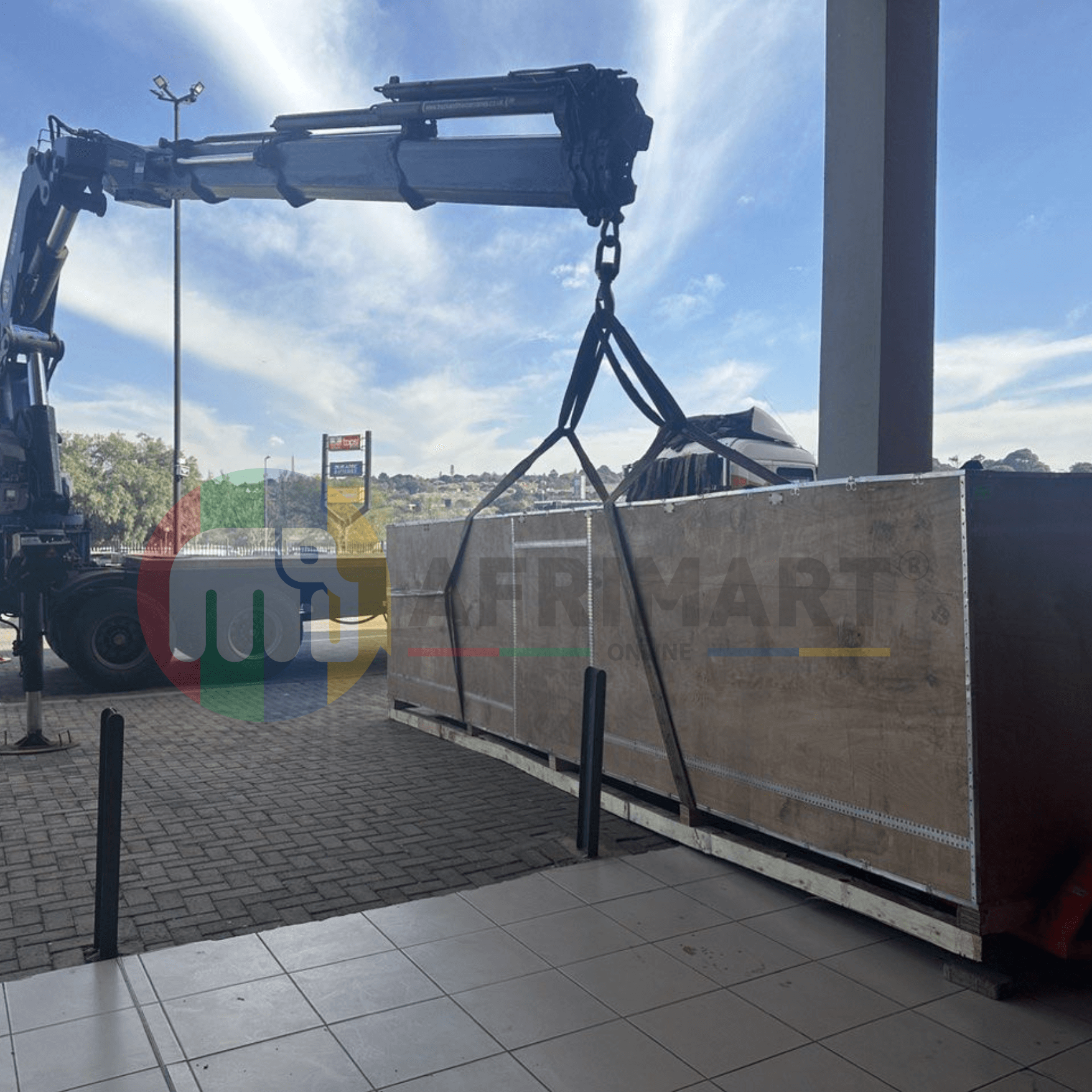
12 Heads Embroidery Machine
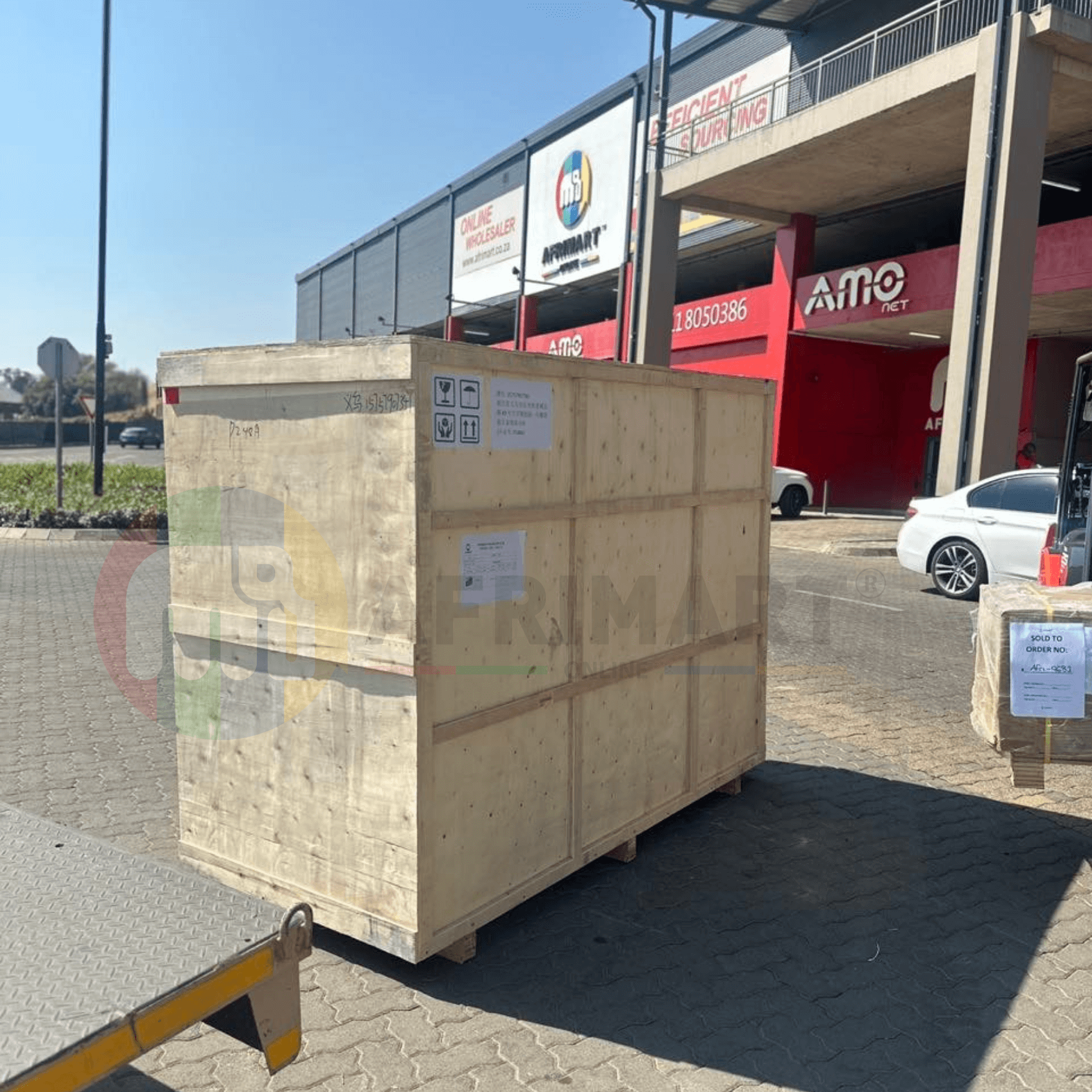
Dewatering Pump Machine
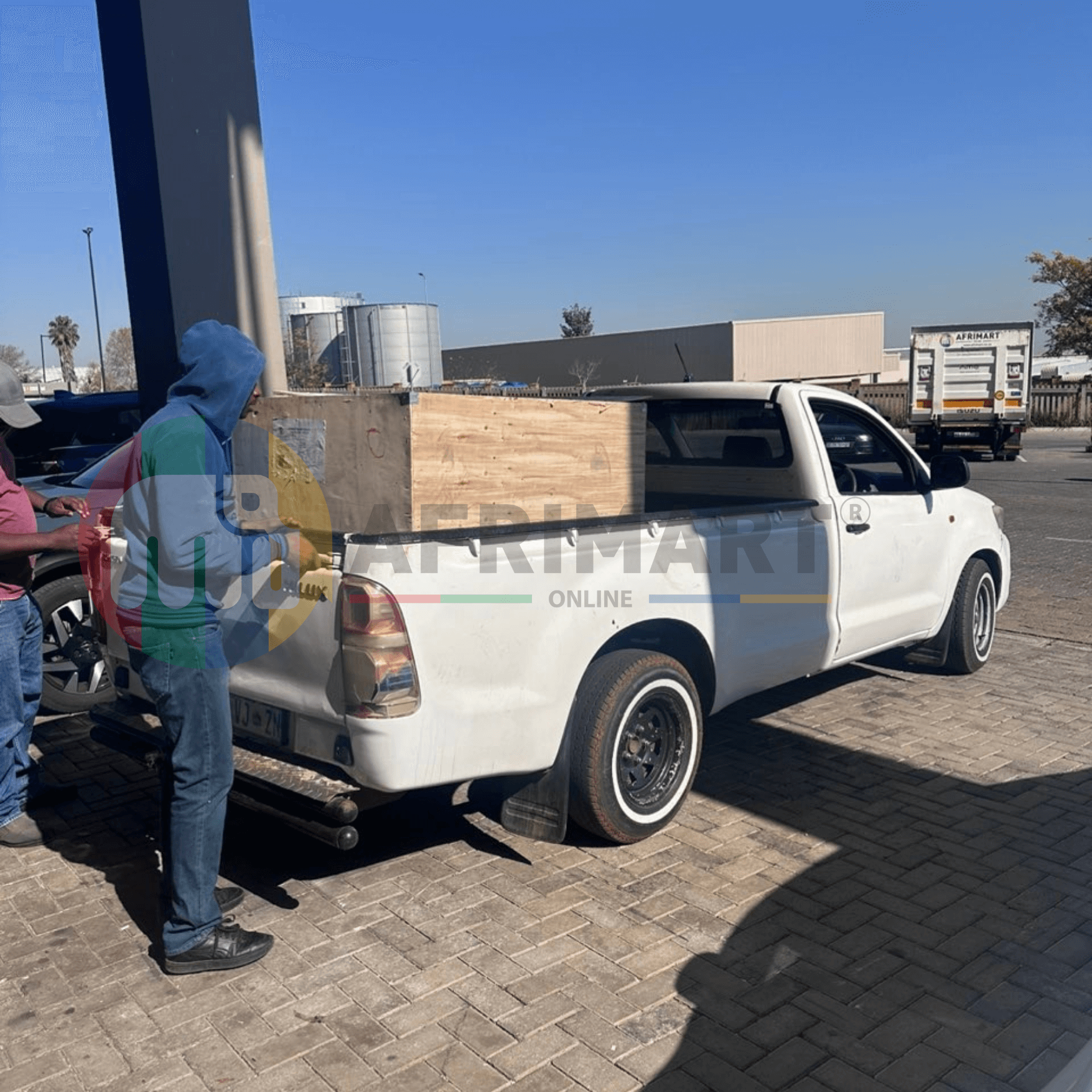
Order Collection
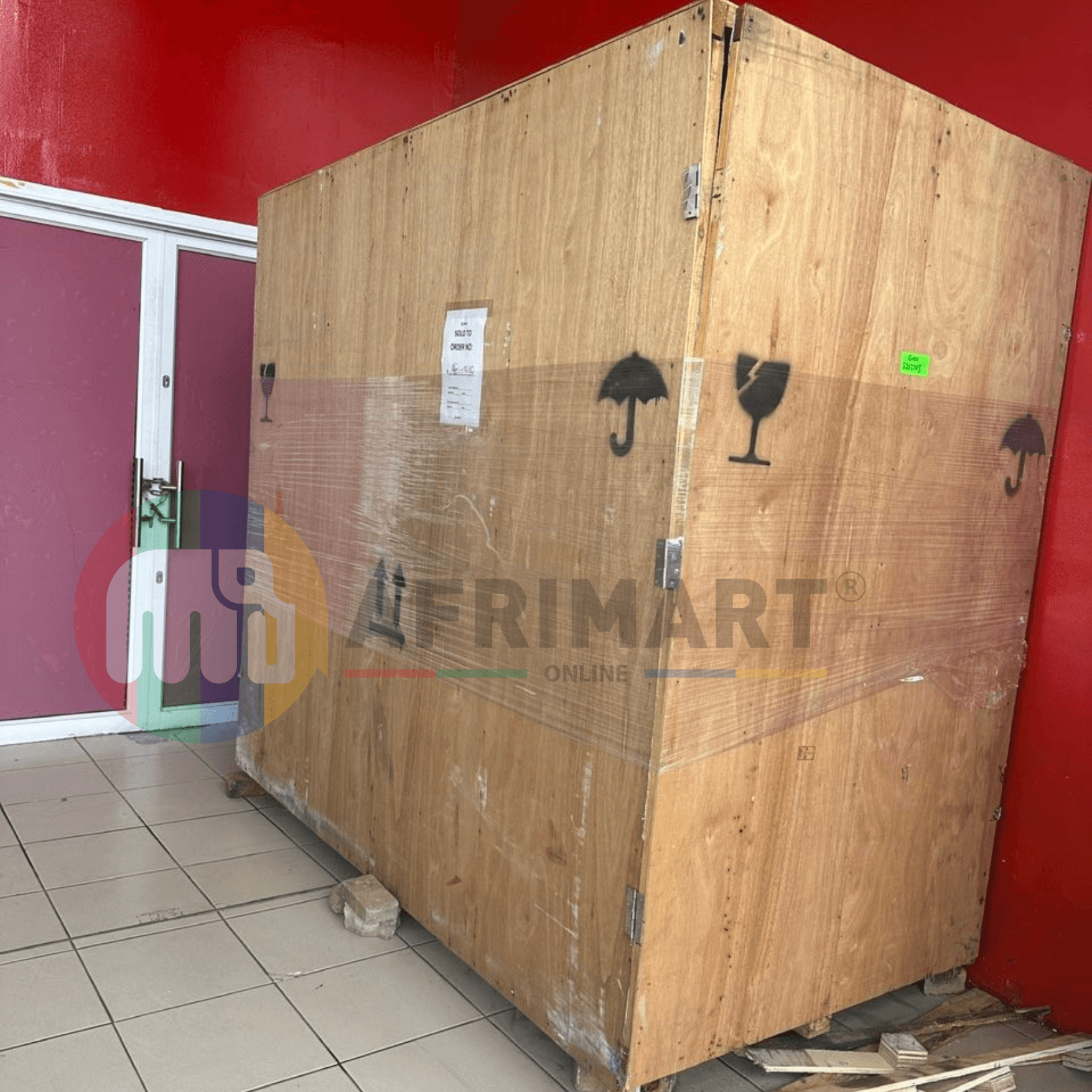
Portable Water Drilling Rig
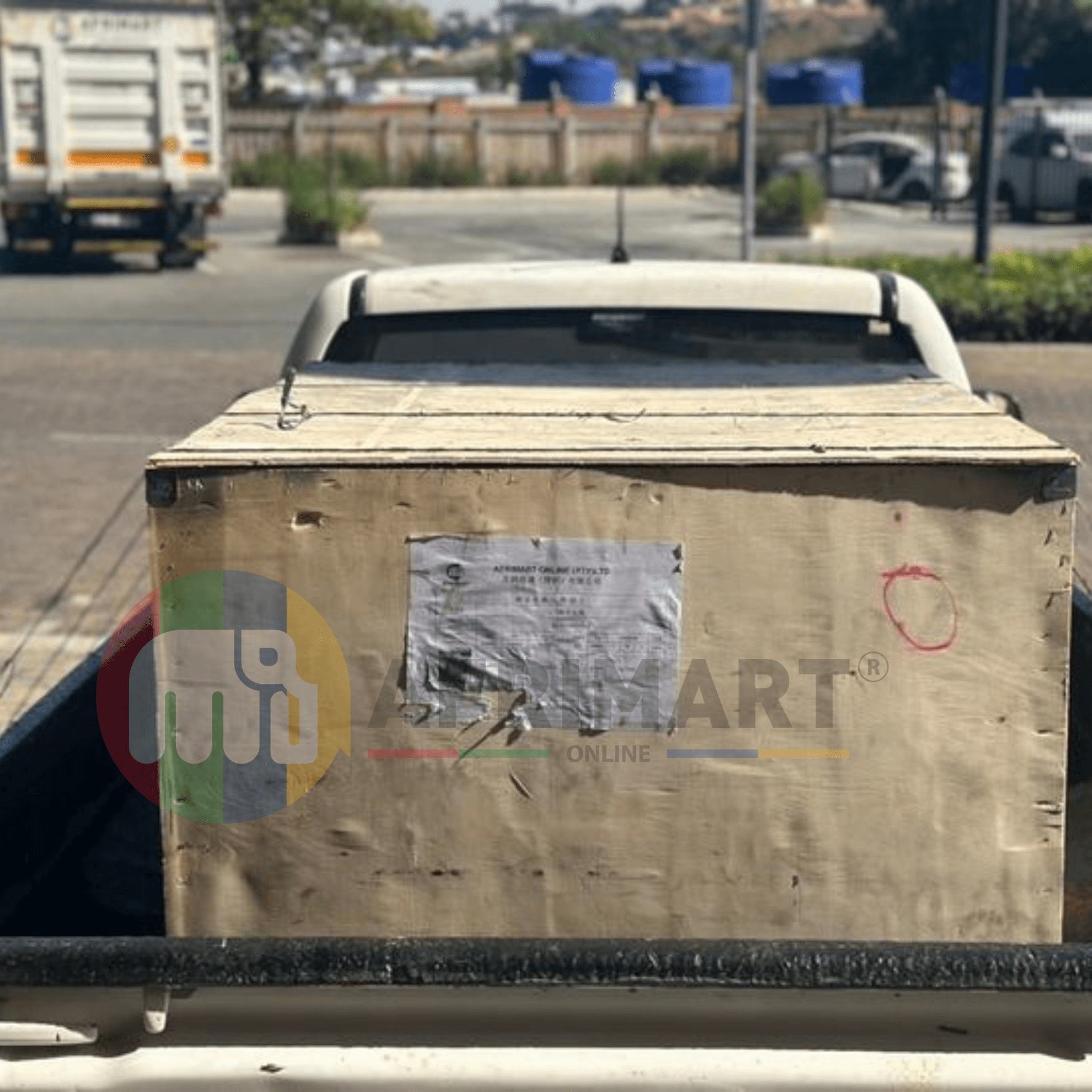
Order Usefully Collected
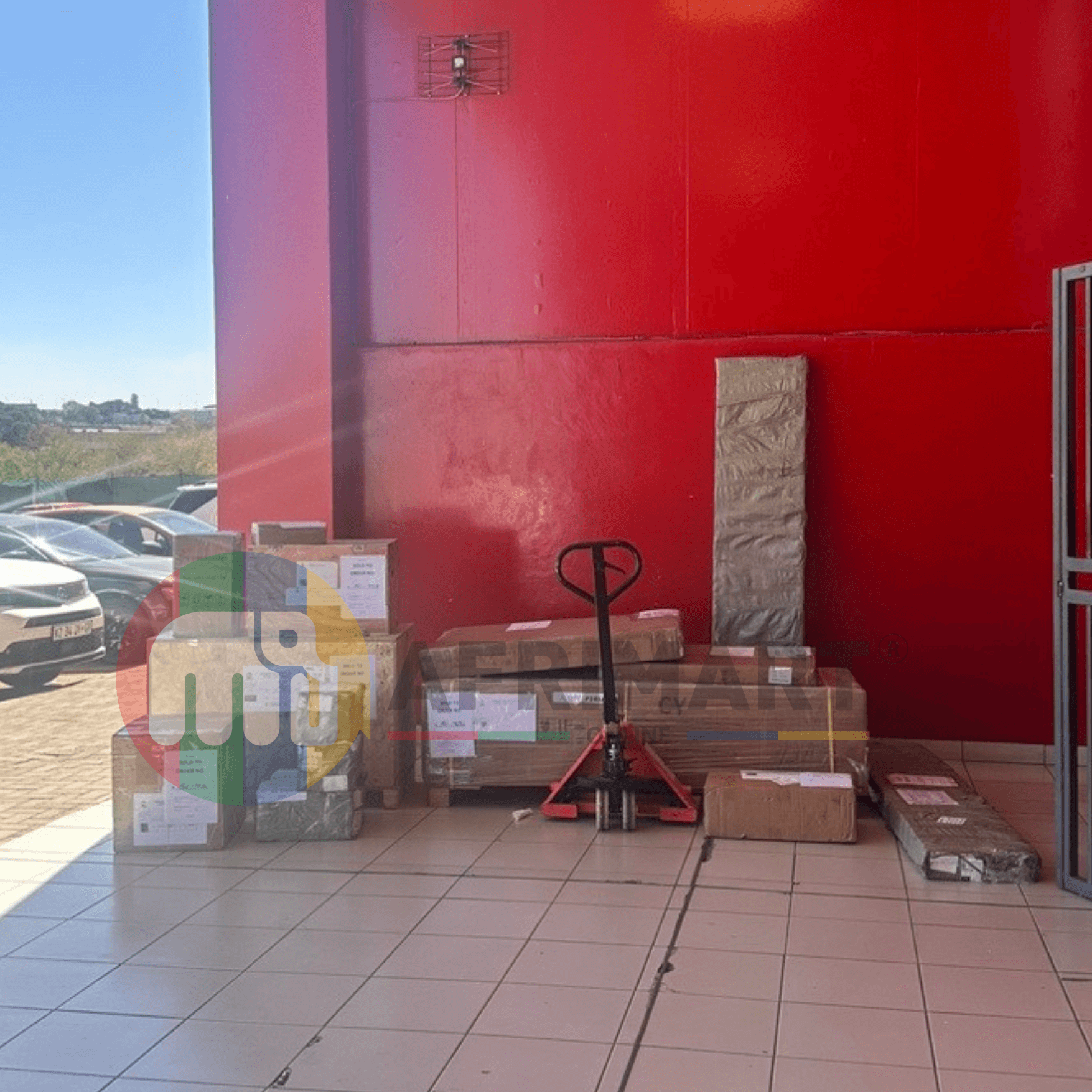
Batch of Orders
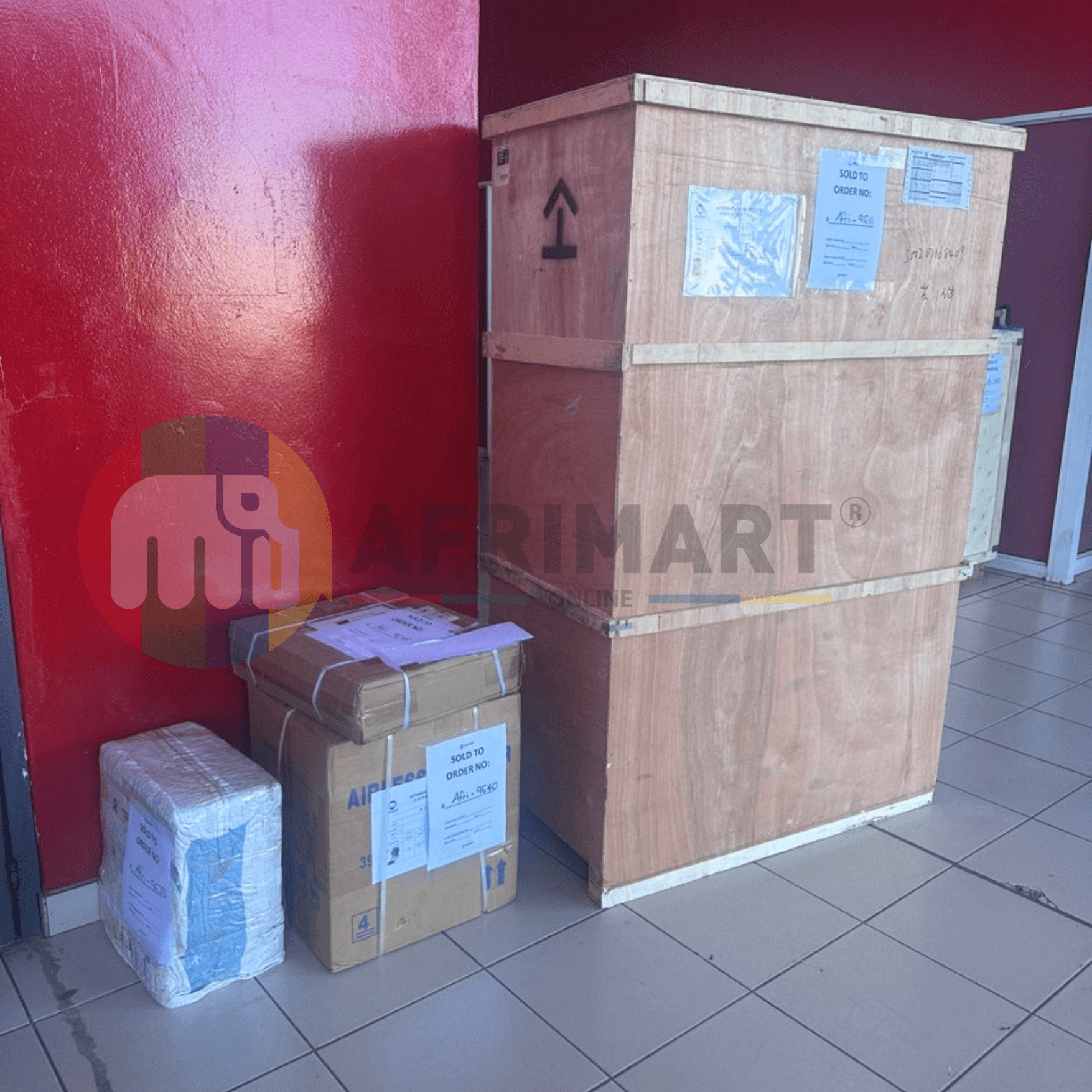
Agriculture Processing Machines
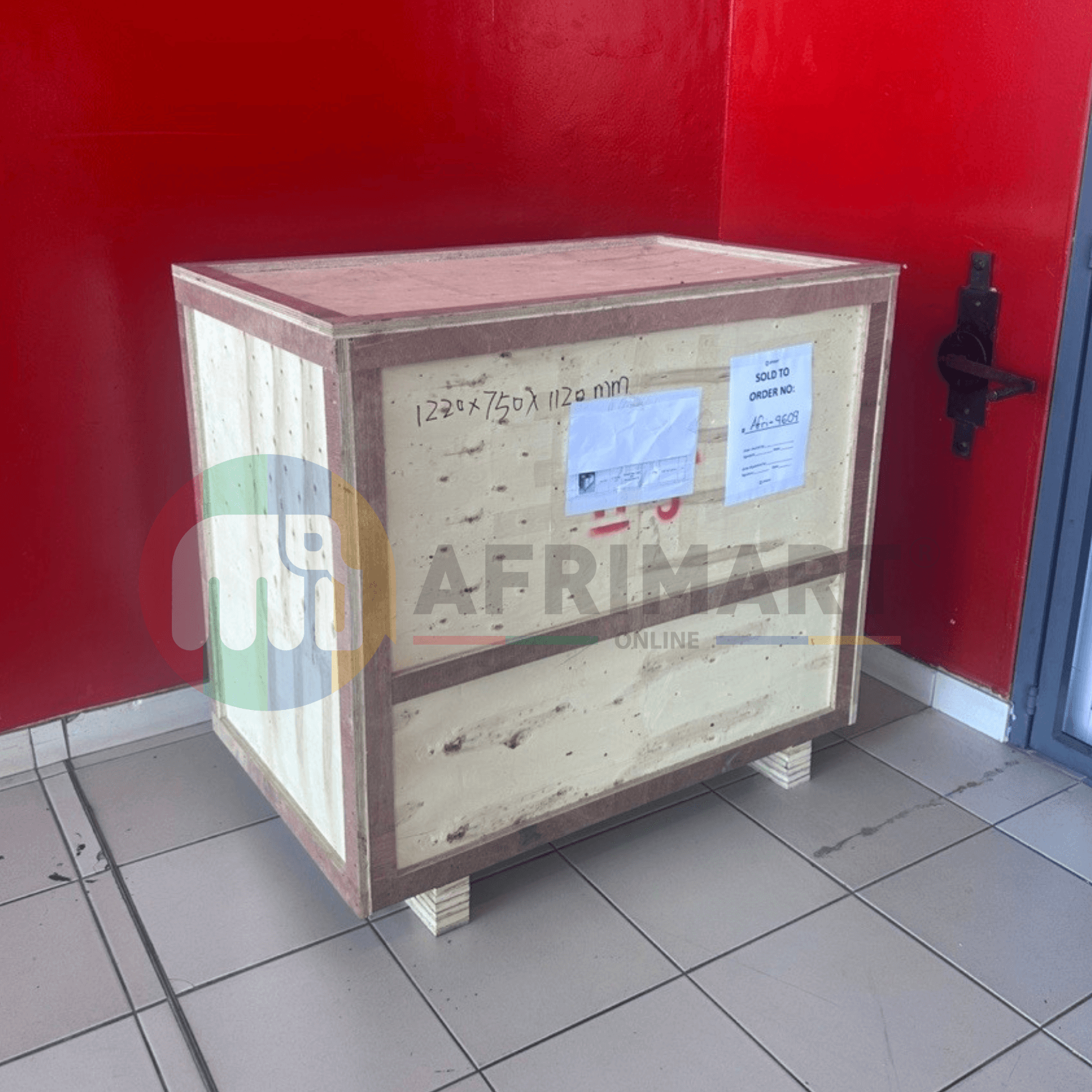
Meat Grinder Machine
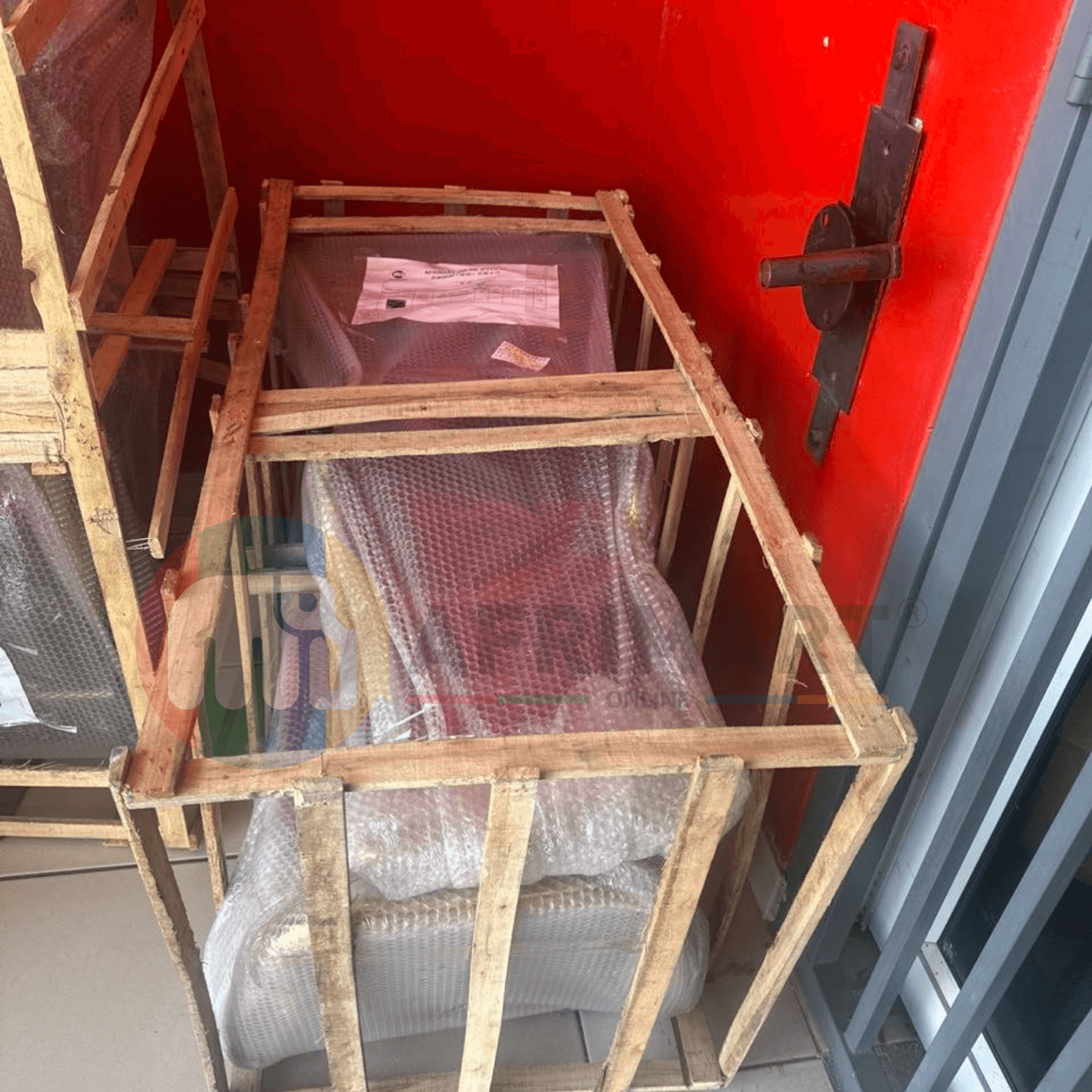
Water Pump Equipment
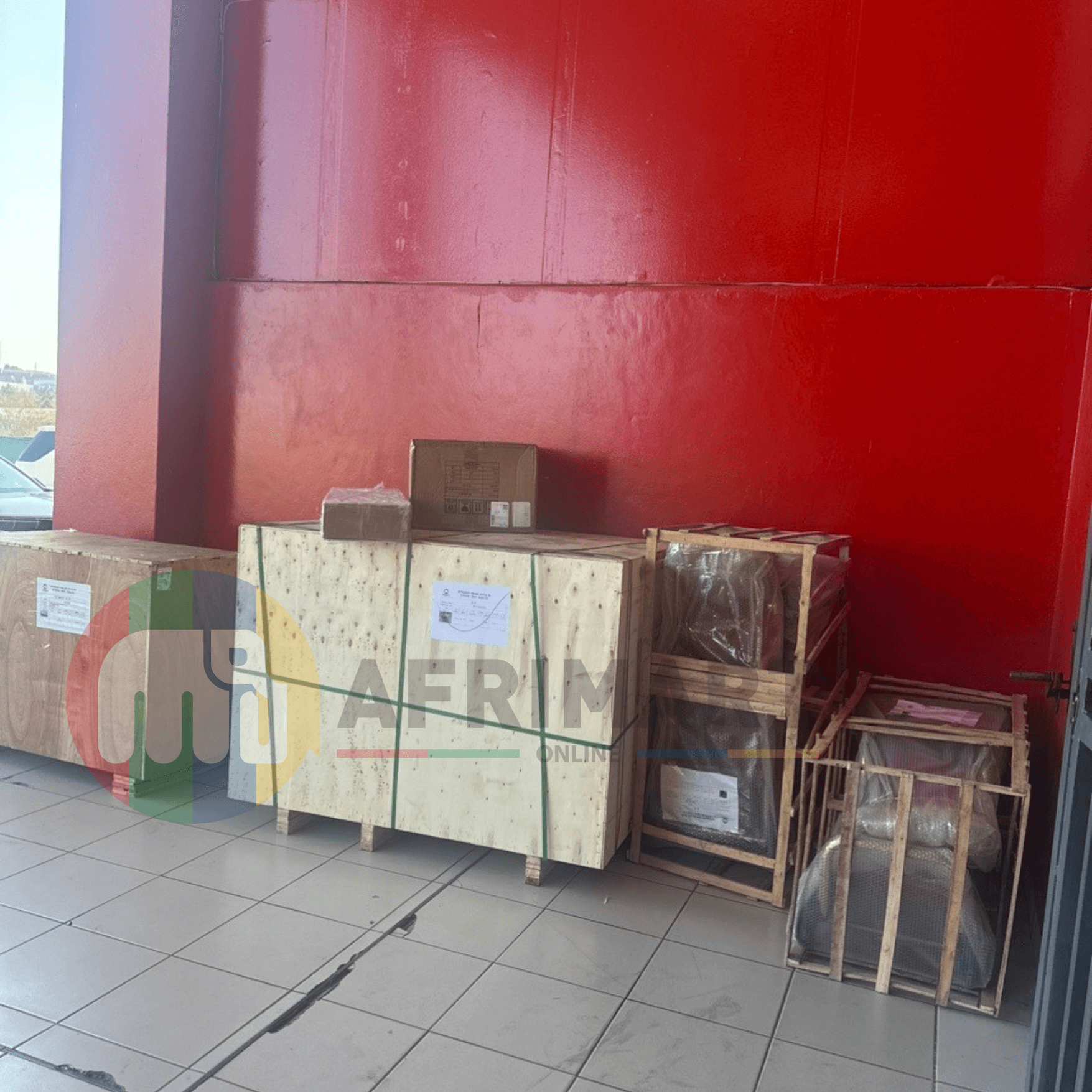
Packaging Machine and accessories
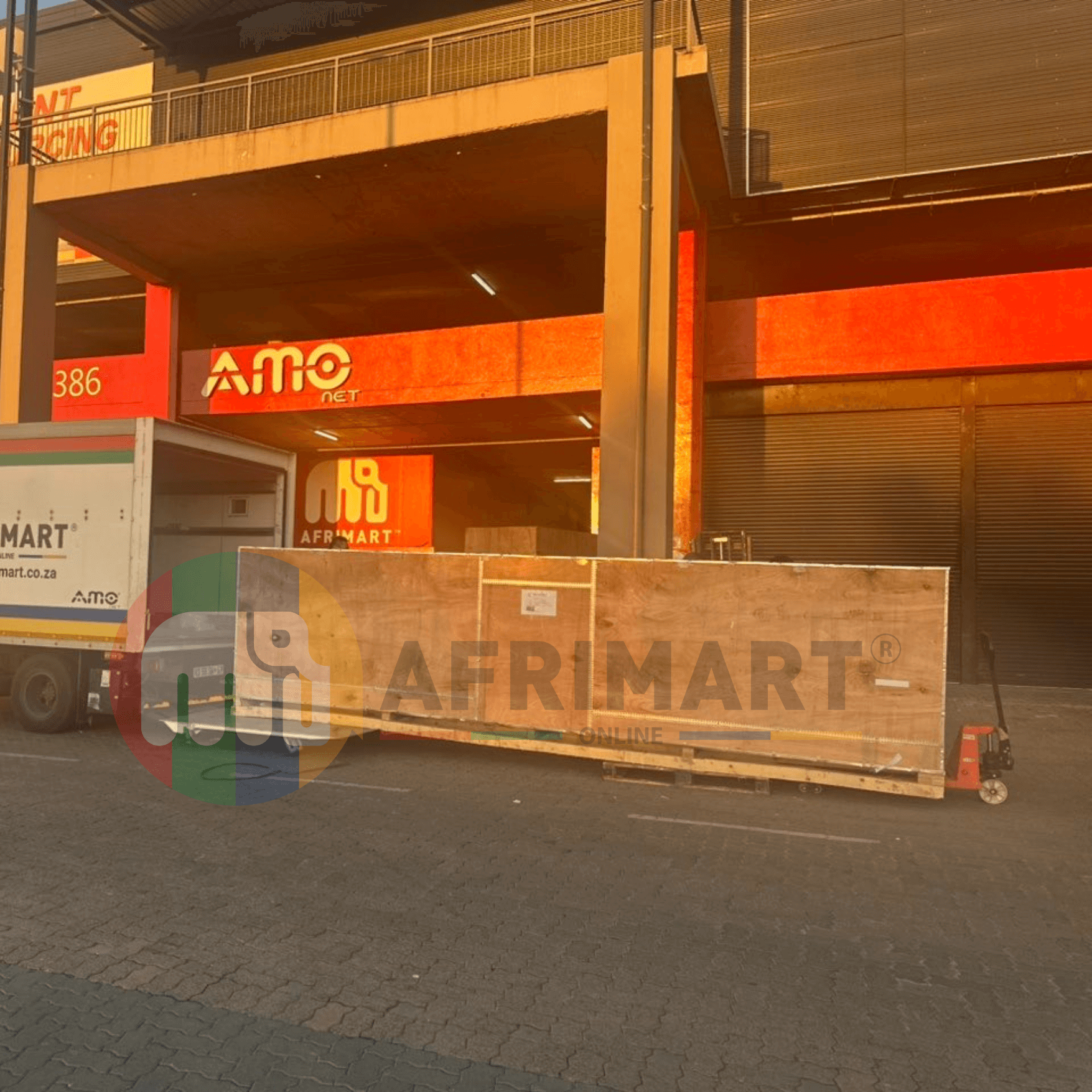
Fabrics Manufacturing Equipment
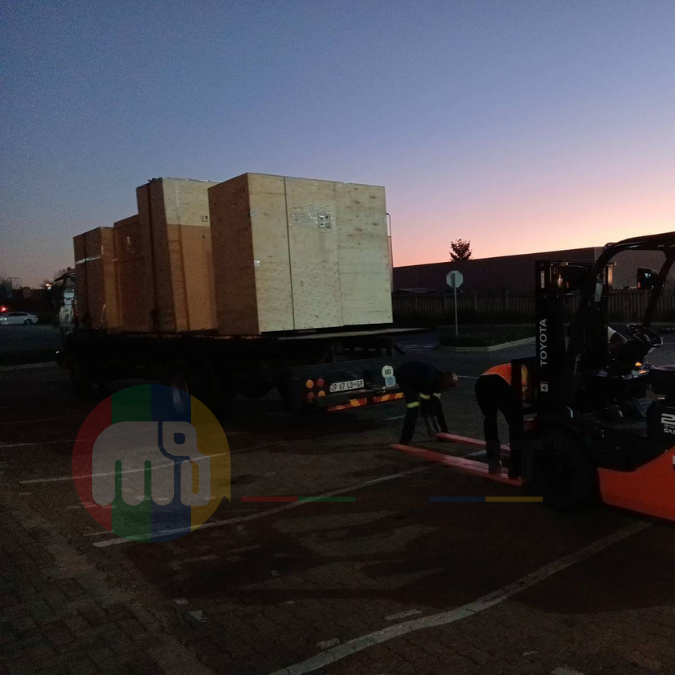
Mining Equipments
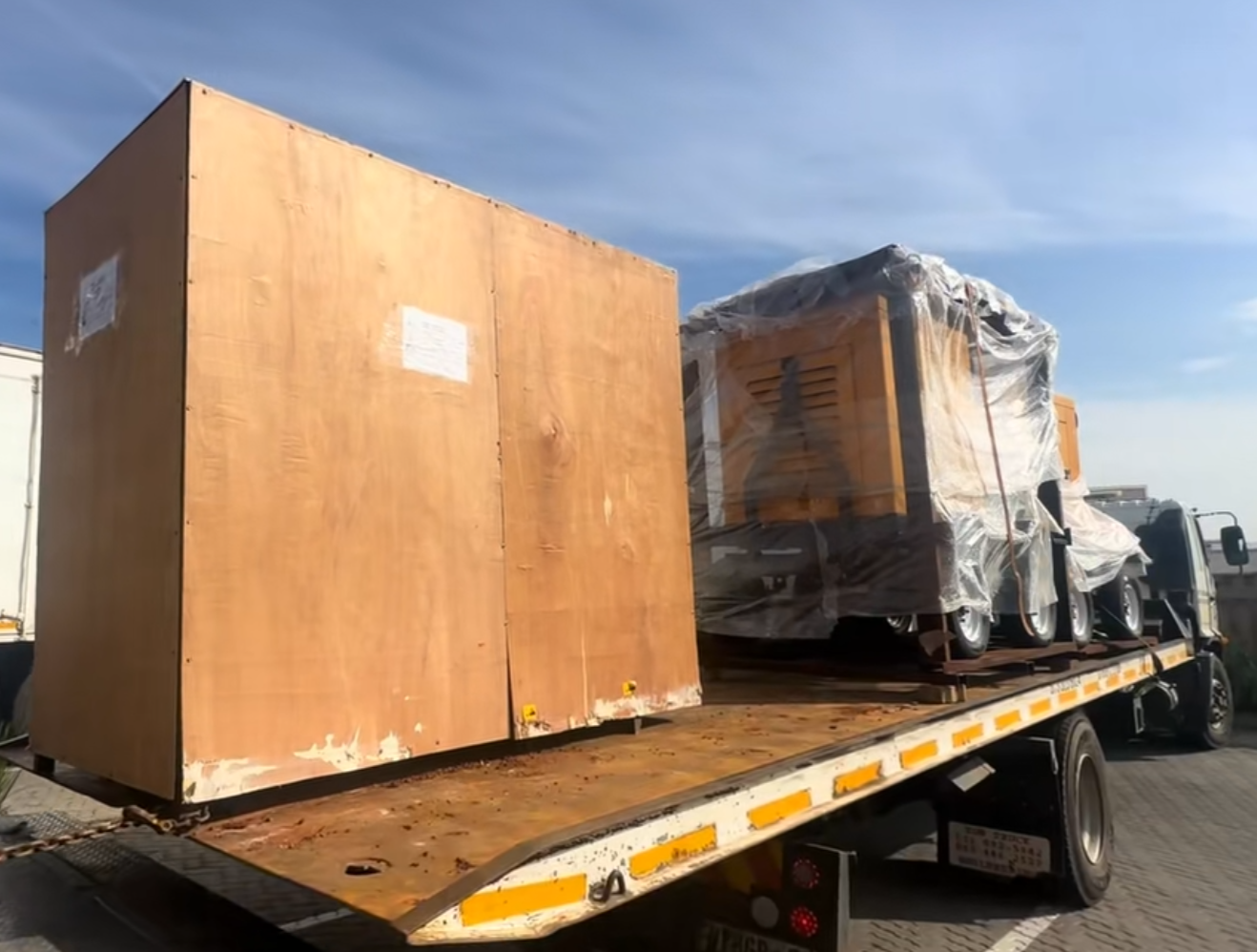
Food Processing Machine
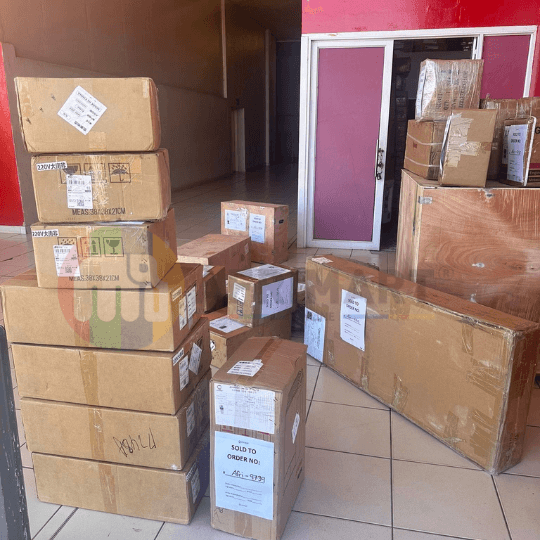
Batch of Orders
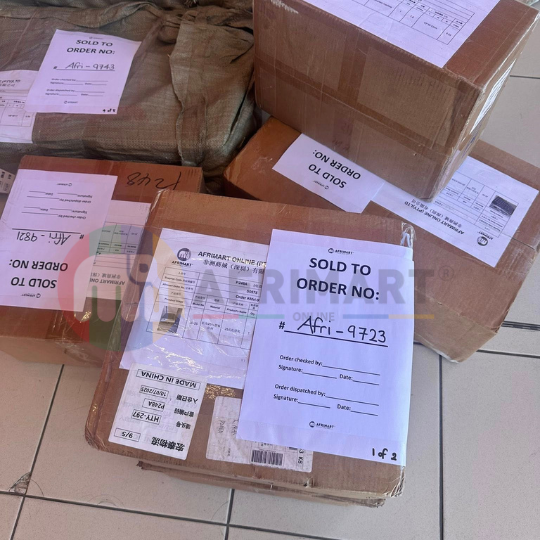
Batch of Orders
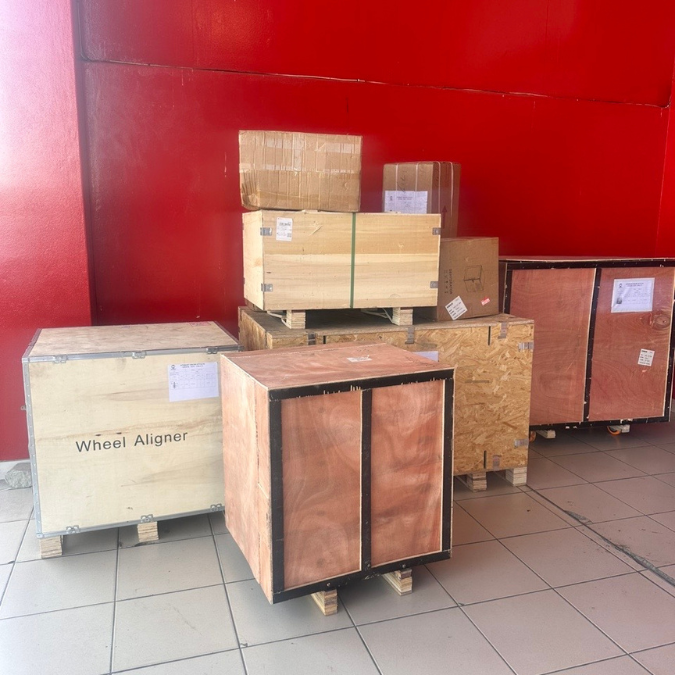
Latest Orders Labelled
wheel alignment machines
new arrivals
Pre Orders Offloading
Latest Arrivals
Latest Arrivals