B21, China Town Mall, Midrand


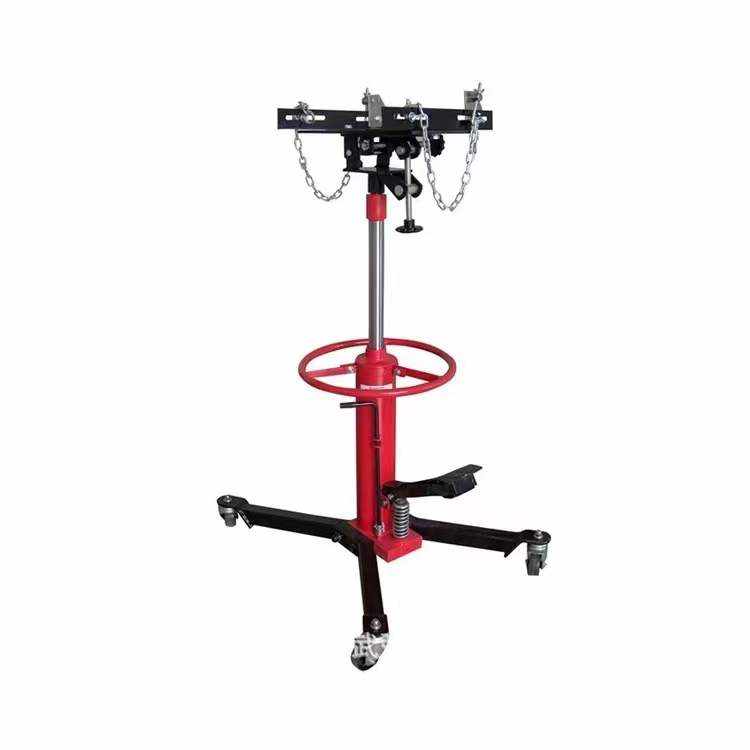
Garage Tools 0.6 T Hydraulic High Lift Transmission Jack

- Section : Sports & Entertainment
- Category : Vehicle Parts & Accessories
- SKU : 1600439764984

Product Description
- Shipping Timeframes: All orders are processed within 2-5 business days (excluding weekends and holidays). After your order has been processed, the estimated delivery time is before 03 Aug, 2026, depending on customs, Please note that due to high demand, some items may experience longer shipping times, which will be communicated at order confirmation email.
- Order Processing Time: Please allow 2-5 business days for us to process your order before it is shipped . Orders placed after 16:00 on Fridays, or during weekends and public holidays, will begin processing on the next business day. Processing times may be extended during peak seasons or sales events.
- Manufacturing Time: Some products needs manufacturing time, the manufacturing process will take approximately 10-30 business days depending on the product. This timeframe may vary depending on the complexity of the product and current demand. but this will be communicated with you during order confirmation.
- Returns and Exchanges: We offer a 30-day return policy for most items. If you are not completely satisfied with your purchase, you may return it within 30 days of receipt for a refund or exchange. Items must be unused, in their original packaging, and accompanied by proof of purchase. Return shipping costs are the responsibility of the customer, unless the item was damaged or defective upon arrival.
1. What is the load capacity of the Garage Tools 0.6 T Hydraulic High Lift Transmission Jack?
The jack is rated for 0.6 T (0.6 metric tons), which is 600 kg (approximately 1323 lb). Do not exceed this rated capacity.
2. What types of transmissions and vehicles can I use this jack with?
It's designed for removing and installing gearboxes, transmissions, transfer cases and other drivetrain components on cars, light trucks and motorcycles, provided the component weight does not exceed 600 kg and the shape fits the saddle or adapter.
3. How do I safely operate the hydraulic transmission jack?
Position the jack beneath the transmission, center and secure the load on the saddle (use adapters/straps if supplied), slowly raise with the pump handle until it contacts the load, align and support with proper jack stands before working, and use the release valve to lower slowly. Never work under a load supported only by the jack.
4. Does this jack have any safety features?
Most transmission jacks of this type include safety features such as a pressure relief/overload valve and a release valve for controlled descent. Always consult the product manual for specific safety equipment and operating limits.
5. Is assembly required and what tools are needed?
Some assembly is typically required (installing the handle, saddle, casters/wheels and attaching fittings). Basic hand tools such as wrenches and screwdrivers are usually sufficient — check the included assembly instructions for exact requirements.
6. What maintenance does the hydraulic jack require?
Regular maintenance includes keeping moving parts clean, checking for hydraulic oil leaks, inspecting seals and fasteners, lubricating pivot points, and replacing hydraulic oil per the manual. Store it in a dry place and periodically check the welds and casters for wear.
7. What hydraulic fluid should be used?
Use the hydraulic jack oil recommended in the product manual. Do not use brake fluid, engine oil, or other non‑specified fluids. If the manual is unavailable, contact the manufacturer for the correct oil type.
8. Can the saddle be tilted or adjusted to fit irregularly shaped transmissions?
Many transmission jacks have a tilting saddle or adjustable adapters to help align irregular loads. Verify whether this specific model includes a tilting mechanism or adapter accessories in the product specifications.
9. How do I check for leaks or hydraulic problems?
Inspect the hydraulic cylinder, hoses and fittings for oil residue, damage or loose connections. If performance is weak (won't hold or raise properly), check fluid level, bleed air from the system according to the manual, and replace damaged seals or components before further use.
10. Are spare parts and accessories available (saddles, straps, casters, seals)?
Spare parts and accessories are often available from the manufacturer or authorized dealers. Contact Garage Tools or your seller with the model number to order compatible saddles, straps, replacement seals or casters.
11. Is this transmission jack portable and easy to move around the shop?
Transmission jacks generally have casters or wheels for mobility and a handle for steering. Portability depends on build weight and wheel configuration; check product specs for the jack's net weight and wheel type to confirm how easy it is to roll around your workspace.
12. Can I use this jack as a regular floor jack for lifting a vehicle?
No. A transmission jack is specifically designed for lifting and supporting transmissions and drivetrain components, not for lifting an entire vehicle. Use a properly rated floor jack and certified jack stands to lift and support vehicles.
13. What precautions should I take while lowering a transmission with this jack?
Ensure the transmission is properly supported and centered, remove any alignment hardware only when safe, lower slowly using the release valve while a second person guides alignment, and never place body parts beneath an unsupported load.
14. How do I store the jack when not in use?
Lower the saddle to its lowest safe position, clean away dirt and oil, drain or top up hydraulic fluid if advised by the manual, and store in a dry, secure area protected from extreme temperatures and corrosive environments.
15. Is there a warranty or customer support for this product?
Warranty terms vary by retailer and region. Check the product packaging or contact the seller/manufacturer for warranty length, coverage details and customer support contact information.
Latest Order Arrivals
Discover our latest orders

12 Heads Embroidery Machine

Toilet Paper Machine Machine

Order Collection

Cross Border Clients

Order cros border countries Collected

Industrial Machine Cllection

Agriculture Processing Machines

Ready for collection

Water Pump Equipment

Packaging Machine and accessories

Fabrics Manufacturing Equipment

Mining Equipments

Food Processing Machine

Batch of Orders

Batch of Orders

Latest Orders Labelled

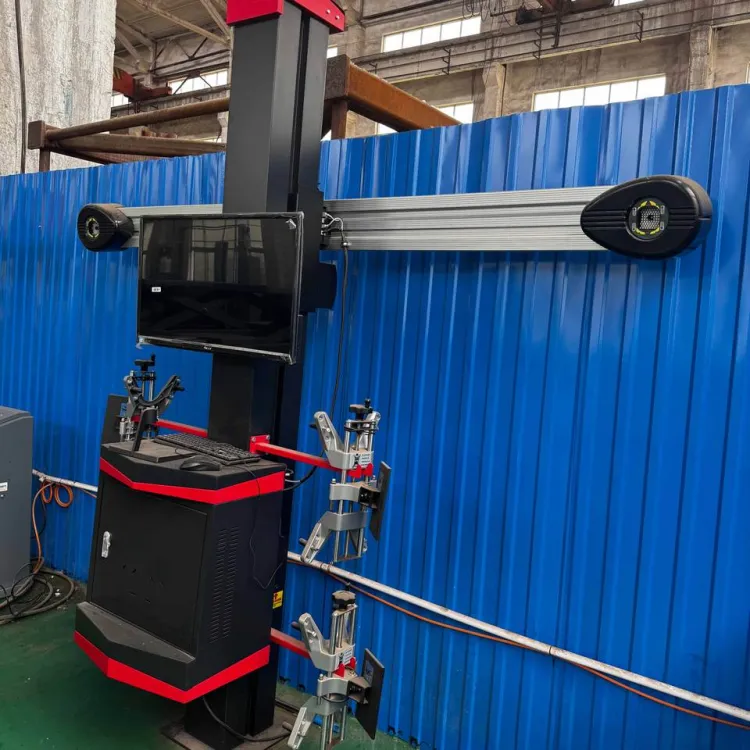
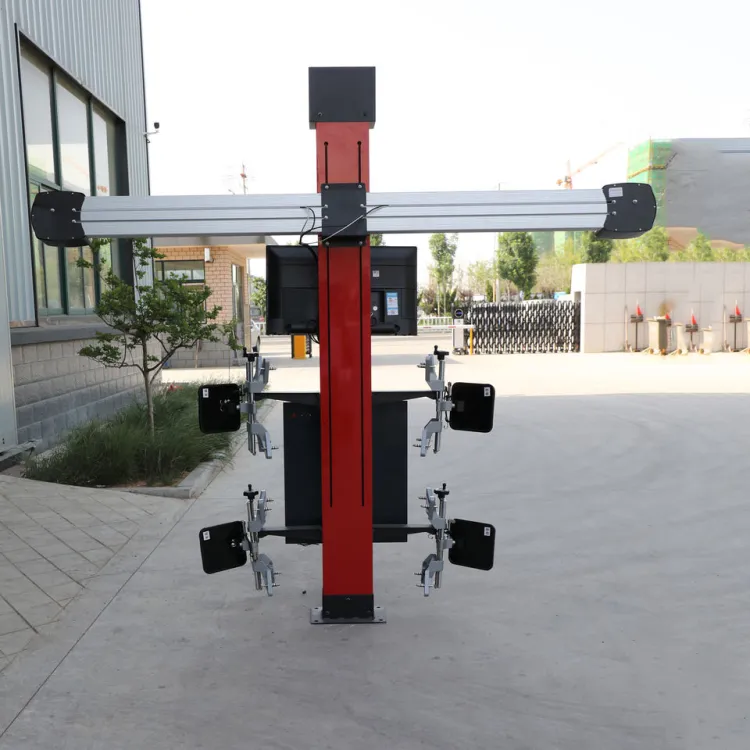
wheel alignment machines

new arrivals

Pre Orders Offloading

Latest Arrivals

Latest Arrivals

Latest Arrivals

Loading

Toilet paper making machine

Toilet paper making machine

Toilet paper Rewinding Machine

latest arrivals

offloading

order success

order collection

order offloading