B21, China Town Mall, Midrand



Product Description
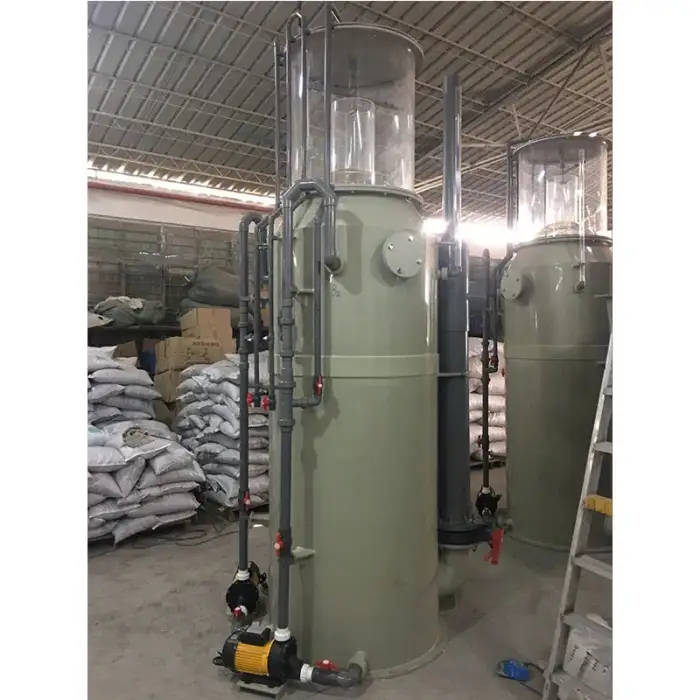
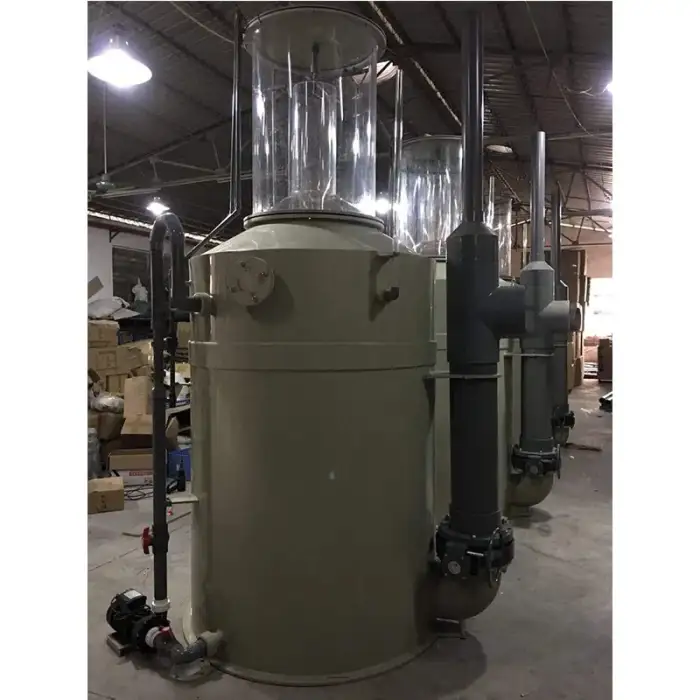
ry Fish Farm Equipment Protein Skimmer Aquaculture System
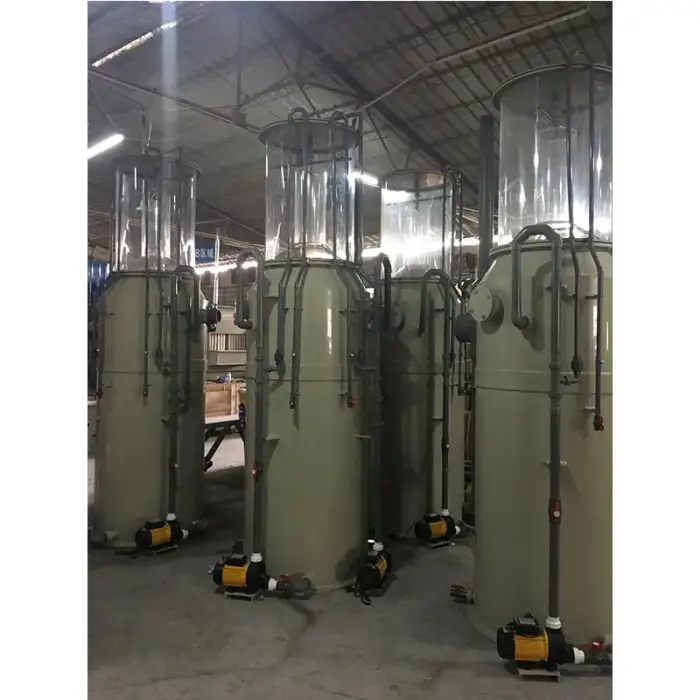
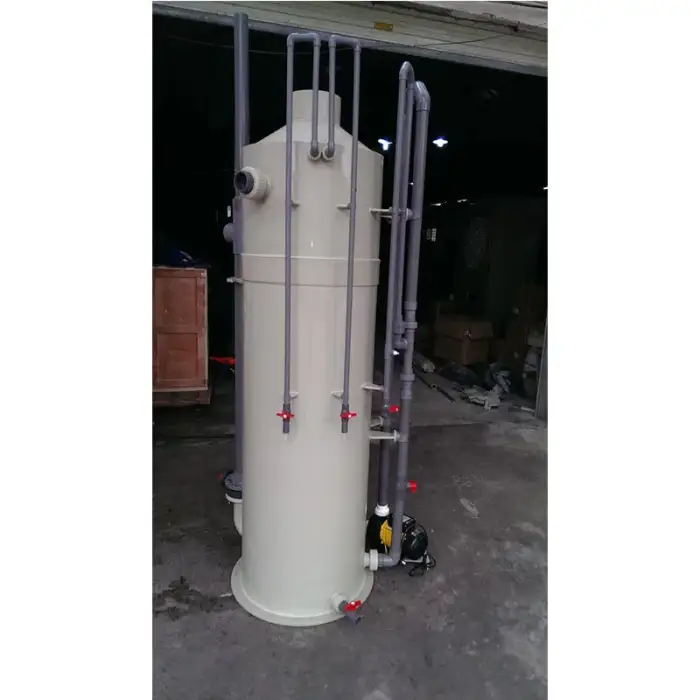
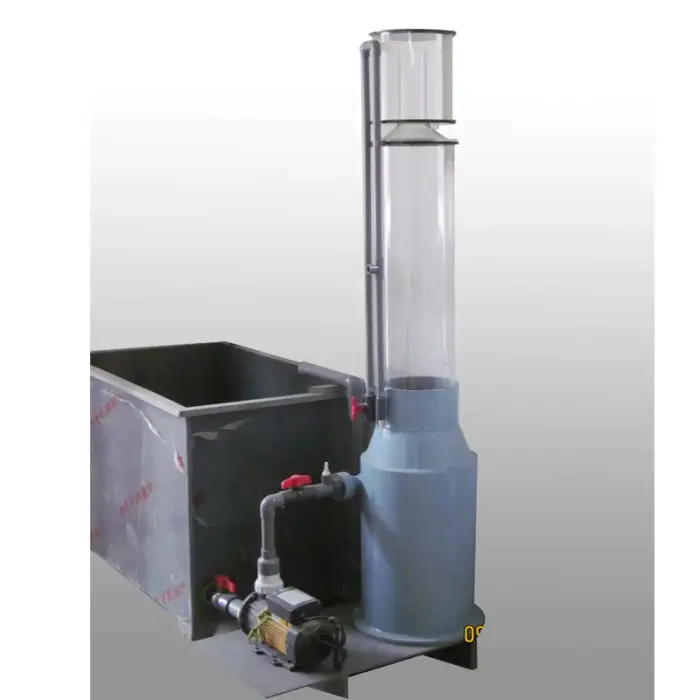
Protein skimmer is the most commonly used by aquarium and aquaculture professionals to describe the removal of suspended and dissolved waste from fish tanks by means of air floatation, which is a relatively simple process which relies on the physical and chemical properties of coagulation.
Protein skimmer enhances the oxygenation of a system both biologically and physically. Biological oxygen demand is reduced by the direct removal of biodegradable organic carbon (protein), as well as bacteria in the water column. Physically, the increased surface area provided by the injection of large volumes of air (in the form of small bubbles) into a column of water creates a condition for gas exchange. The addition of a small dose of ozone to the process, with its coagulative and disinfectant properties, makes skimming possibly the best component one could add to a modern life support system for Aquaculture.

Protein Skimmer used or installed for indoor fish farm

- Shipping Timeframes: All orders are processed within 2-5 business days (excluding weekends and holidays). After your order has been processed, the estimated delivery time is before 07 Apr, 2026, depending on customs, Please note that due to high demand, some items may experience longer shipping times, which will be communicated at order confirmation email.
- Order Processing Time: Please allow 2-5 business days for us to process your order before it is shipped . Orders placed after 16:00 on Fridays, or during weekends and public holidays, will begin processing on the next business day. Processing times may be extended during peak seasons or sales events.
- Manufacturing Time: Some products needs manufacturing time, the manufacturing process will take approximately 10-30 business days depending on the product. This timeframe may vary depending on the complexity of the product and current demand. but this will be communicated with you during order confirmation.
- Returns and Exchanges: We offer a 30-day return policy for most items. If you are not completely satisfied with your purchase, you may return it within 30 days of receipt for a refund or exchange. Items must be unused, in their original packaging, and accompanied by proof of purchase. Return shipping costs are the responsibility of the customer, unless the item was damaged or defective upon arrival.
1. What is a protein skimmer and how does it work?
A protein skimmer is a device used in aquaculture to remove suspended and dissolved waste from water by using air floatation. It works by injecting air into the water, creating small bubbles that attract and coagulate organic waste and bacteria, which are then removed from the water.
2. What are the benefits of using a protein skimmer in my fish farm?
Using a protein skimmer enhances oxygenation in the water, reduces biological oxygen demand, and removes biodegradable organic carbon and harmful bacteria, leading to a healthier environment for your fish.
3. Is the protein skimmer suitable for indoor fish farming?
Yes, the protein skimmer is designed for use in indoor fish farms, helping to maintain water quality and support a sustainable aquaculture system.
4. How often should I clean the protein skimmer?
It is recommended to clean the protein skimmer regularly, typically once a week, to ensure optimal performance and prevent buildup of waste in the collection cup.
5. Can I use ozone with the protein skimmer?
Yes, adding a small dose of ozone can enhance the skimming process by providing coagulative and disinfectant properties, improving water quality even further.
6. What size protein skimmer do I need for my fish farm?
The size of the protein skimmer needed depends on the volume of water in your fish farm. Generally, it's best to choose a skimmer rated for a larger volume than your actual tank size for optimal filtration.
7. How does a protein skimmer improve gas exchange in water?
The skimmer increases surface area in the water by injecting large volumes of air, which facilitates gas exchange, enhancing oxygen levels and improving overall water quality.
8. Are there any maintenance requirements for the protein skimmer?
Maintenance includes regular cleaning of the skimmer and its components, checking the air supply, and monitoring performance to ensure it operates efficiently.
9. What materials are used in the construction of the protein skimmer?
Most protein skimmers are made from durable materials such as acrylic or PVC that are resistant to corrosion and designed for long-term use in aquatic environments.
10. Will the protein skimmer affect the pH level of my water?
While a protein skimmer can slightly affect pH levels due to gas exchange, it generally helps maintain stable water chemistry by removing organic waste and bacteria.
11. How do I install the protein skimmer?
Installation typically involves placing the skimmer in a sump or directly in the tank, connecting it to the water and air supply, and adjusting the water level as per the manufacturer's instructions.
12. What is the maximum flow rate of the protein skimmer?
The maximum flow rate varies by model; refer to the product specifications for the exact flow rate suitable for your aquaculture system.
13. Can a protein skimmer be used in saltwater and freshwater environments?
Yes, protein skimmers can be used in both saltwater and freshwater environments, though they are most commonly utilized in saltwater aquaculture.
14. What are the signs that my protein skimmer is not functioning properly?
Signs of malfunction may include a lack of foam production, unusual noises, water leaks, or an increase in organic waste in the tank. Regular monitoring is essential.
15. Does the protein skimmer require a power source?
Yes, the protein skimmer requires a power source to operate the air pump and any additional components, such as ozone injection systems.
Latest Order Arrivals
Discover our latest orders
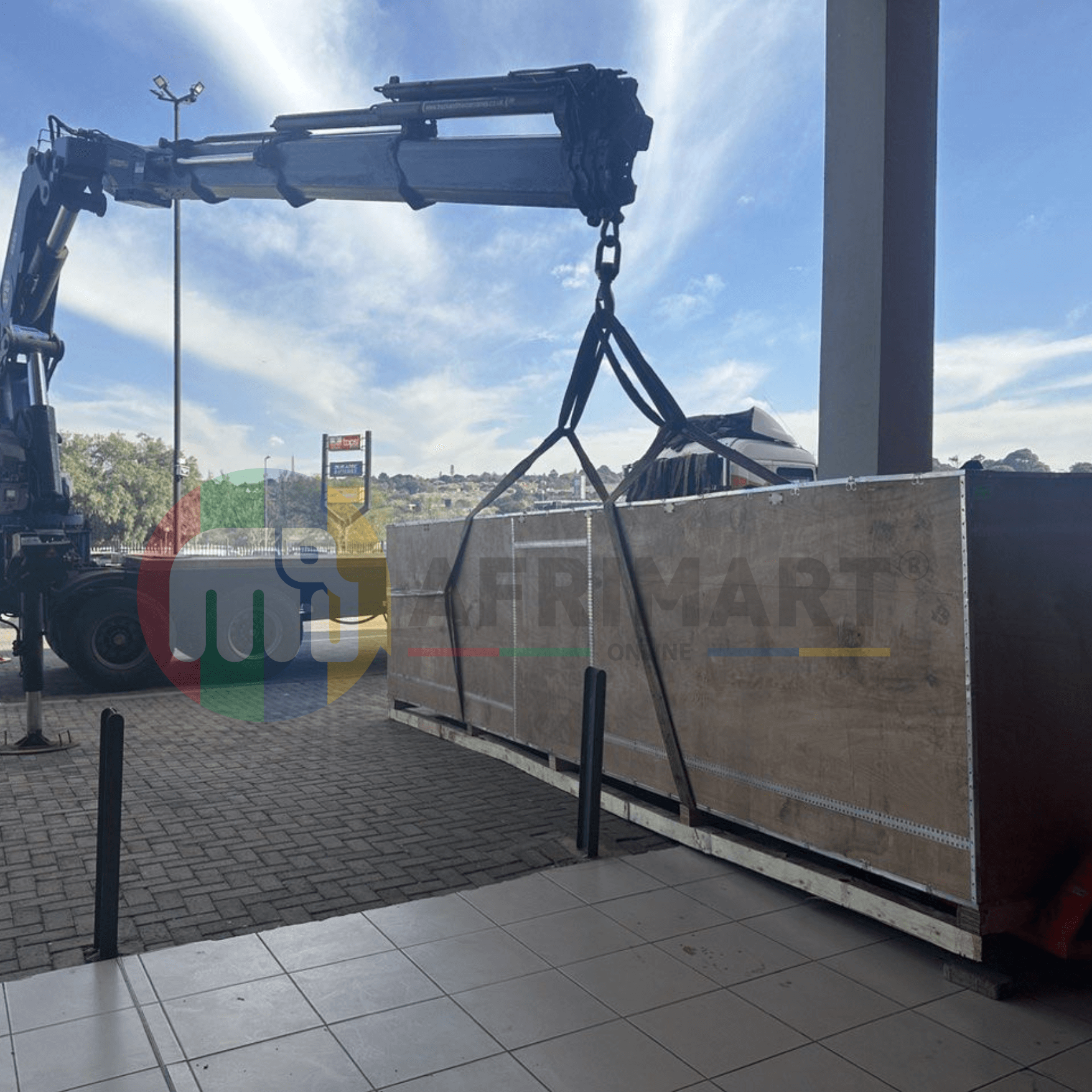
12 Heads Embroidery Machine
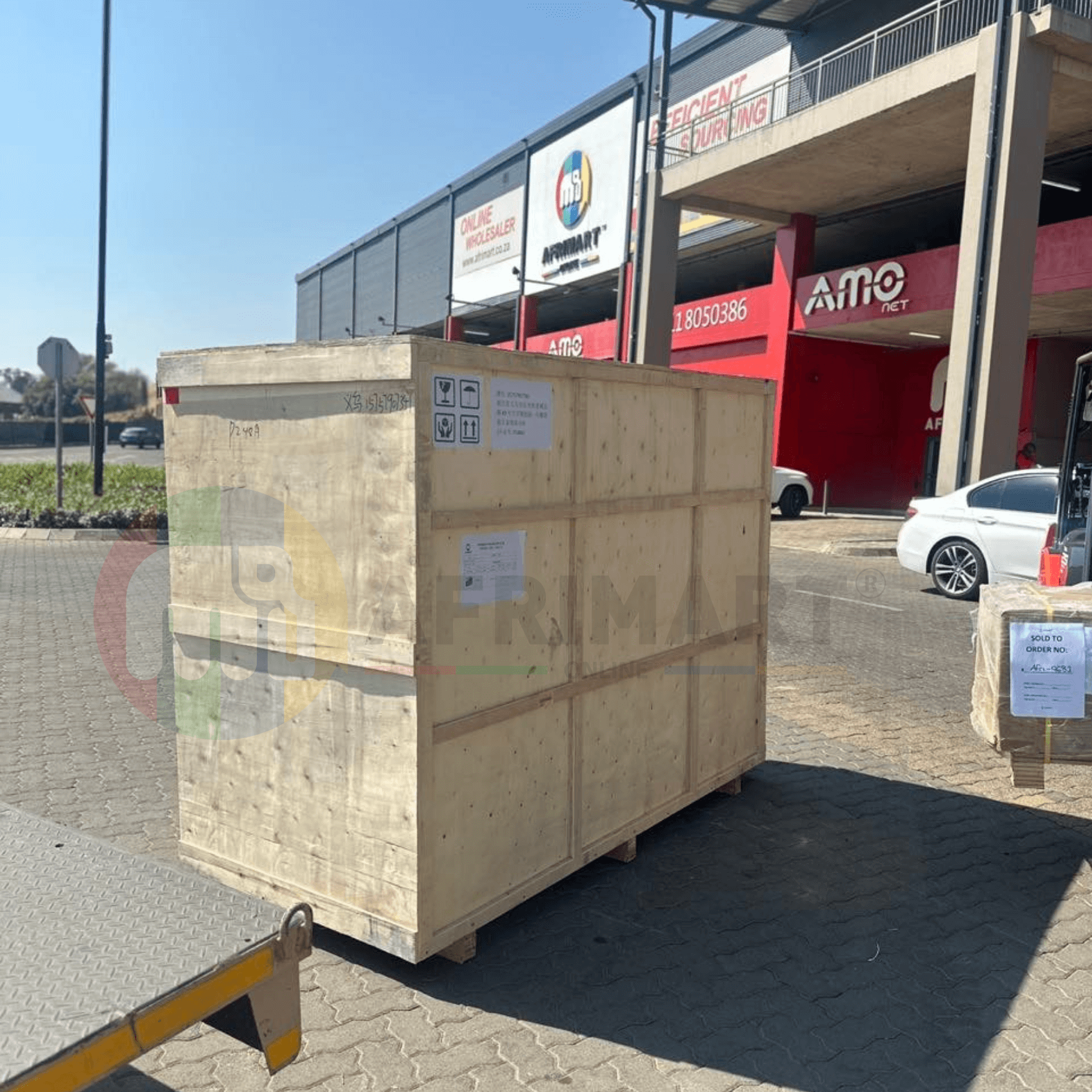
Dewatering Pump Machine

Order Collection
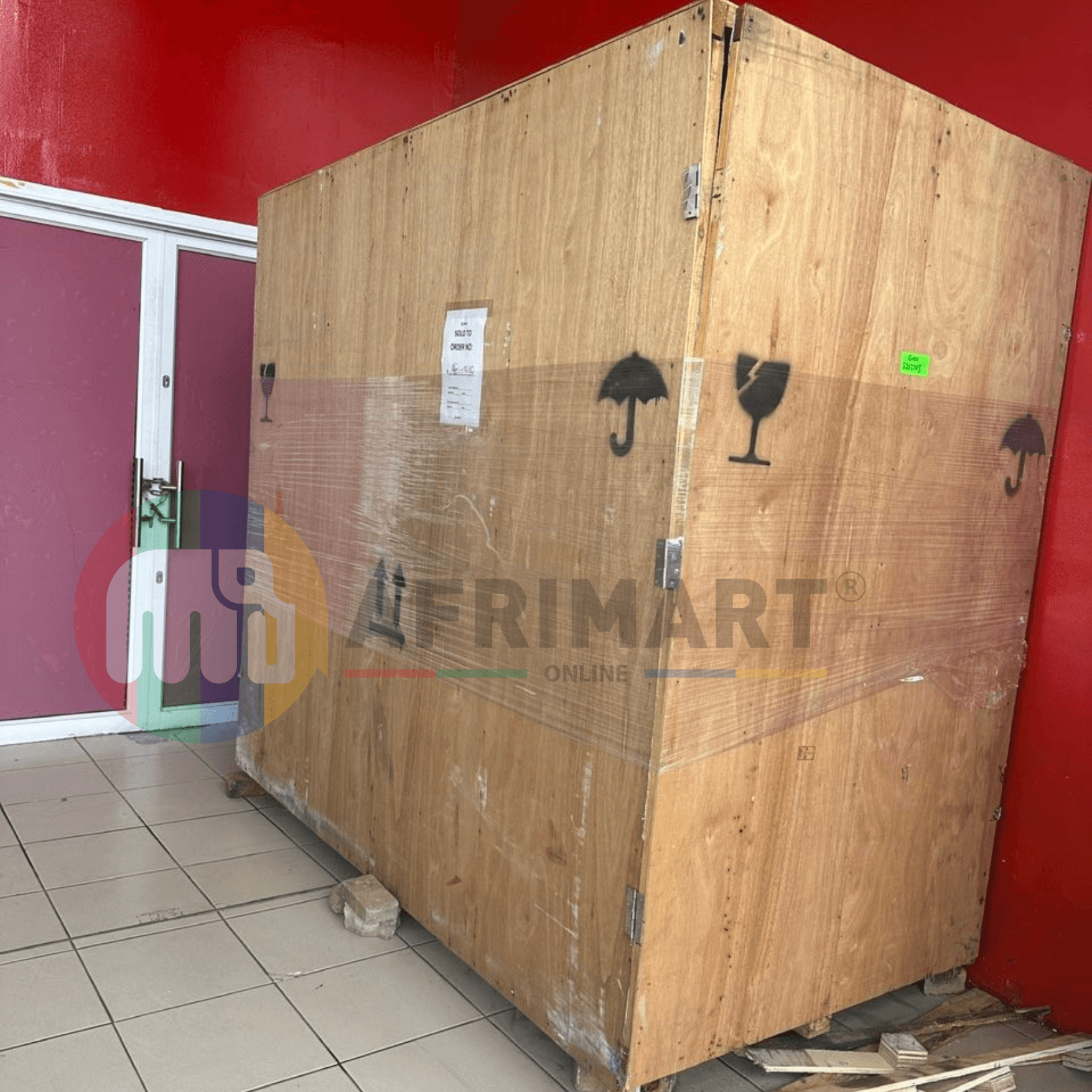
Portable Water Drilling Rig
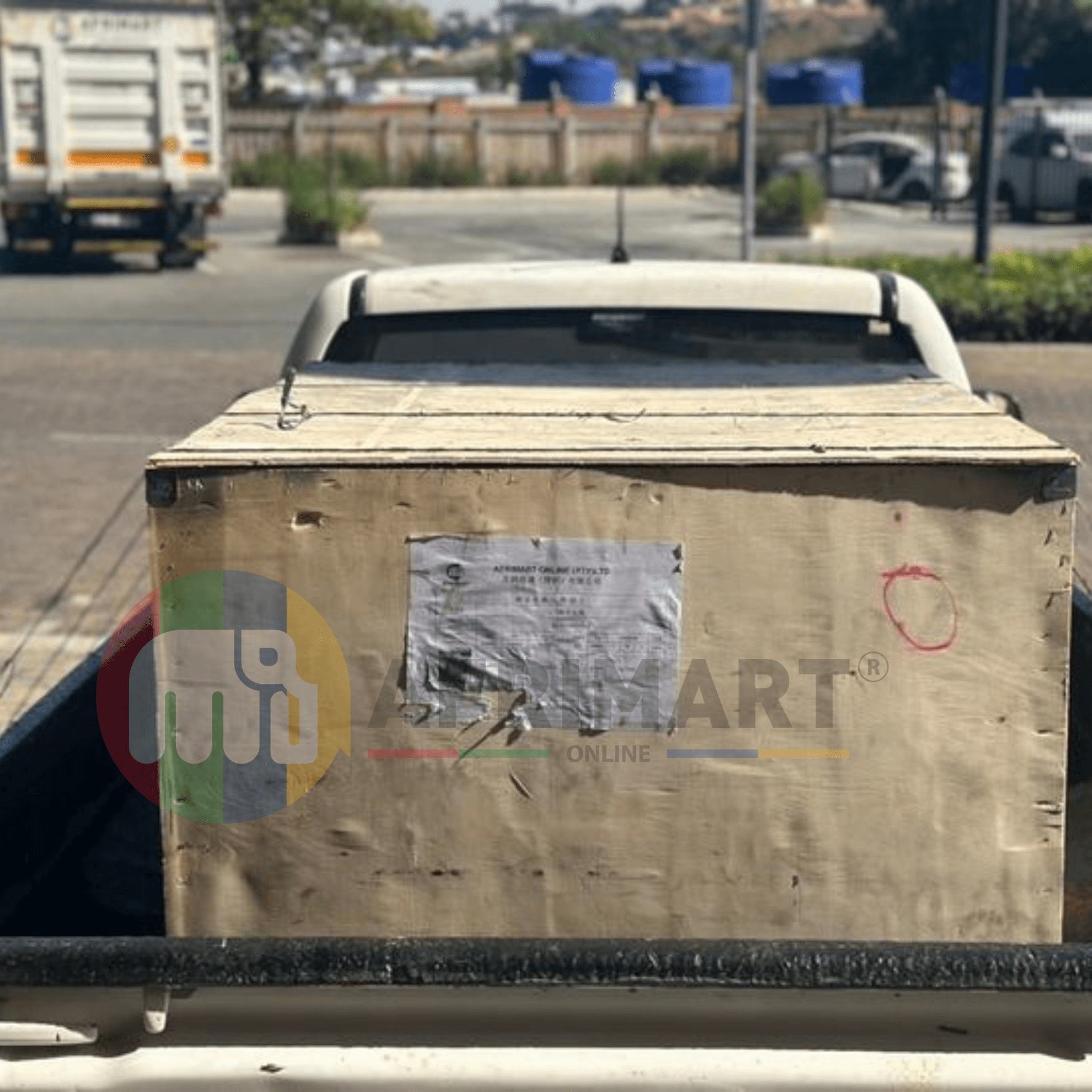
Order Usefully Collected
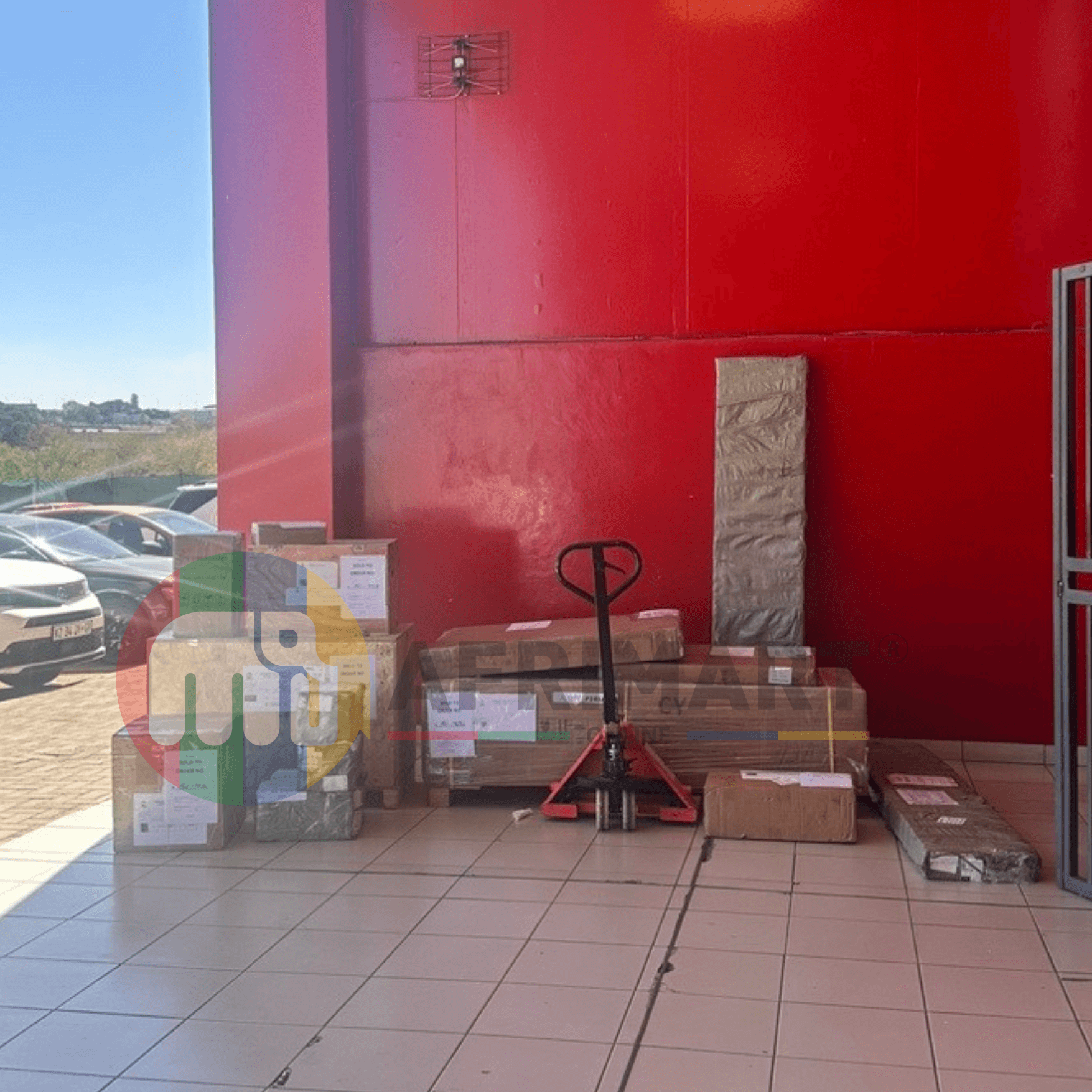
Batch of Orders
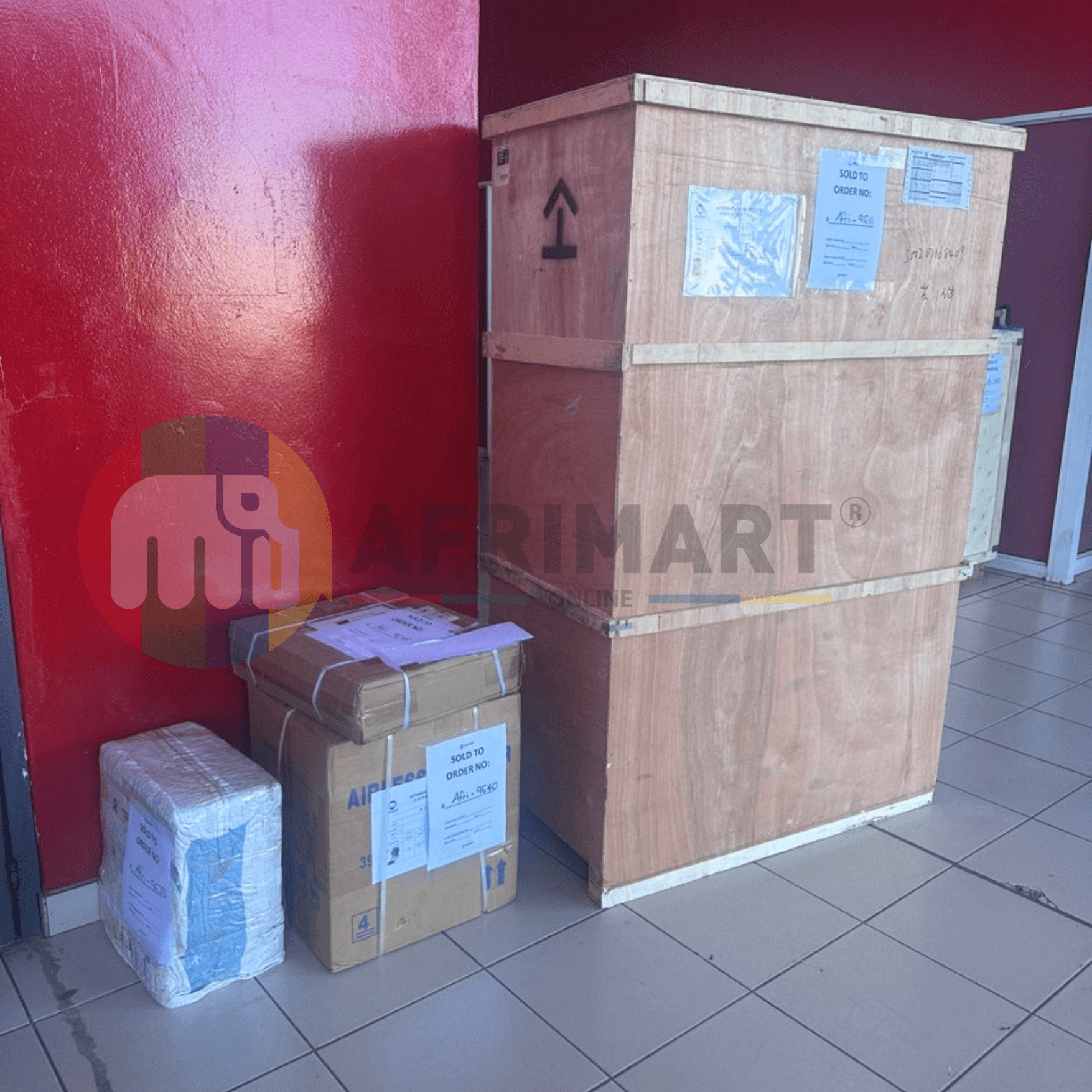
Agriculture Processing Machines
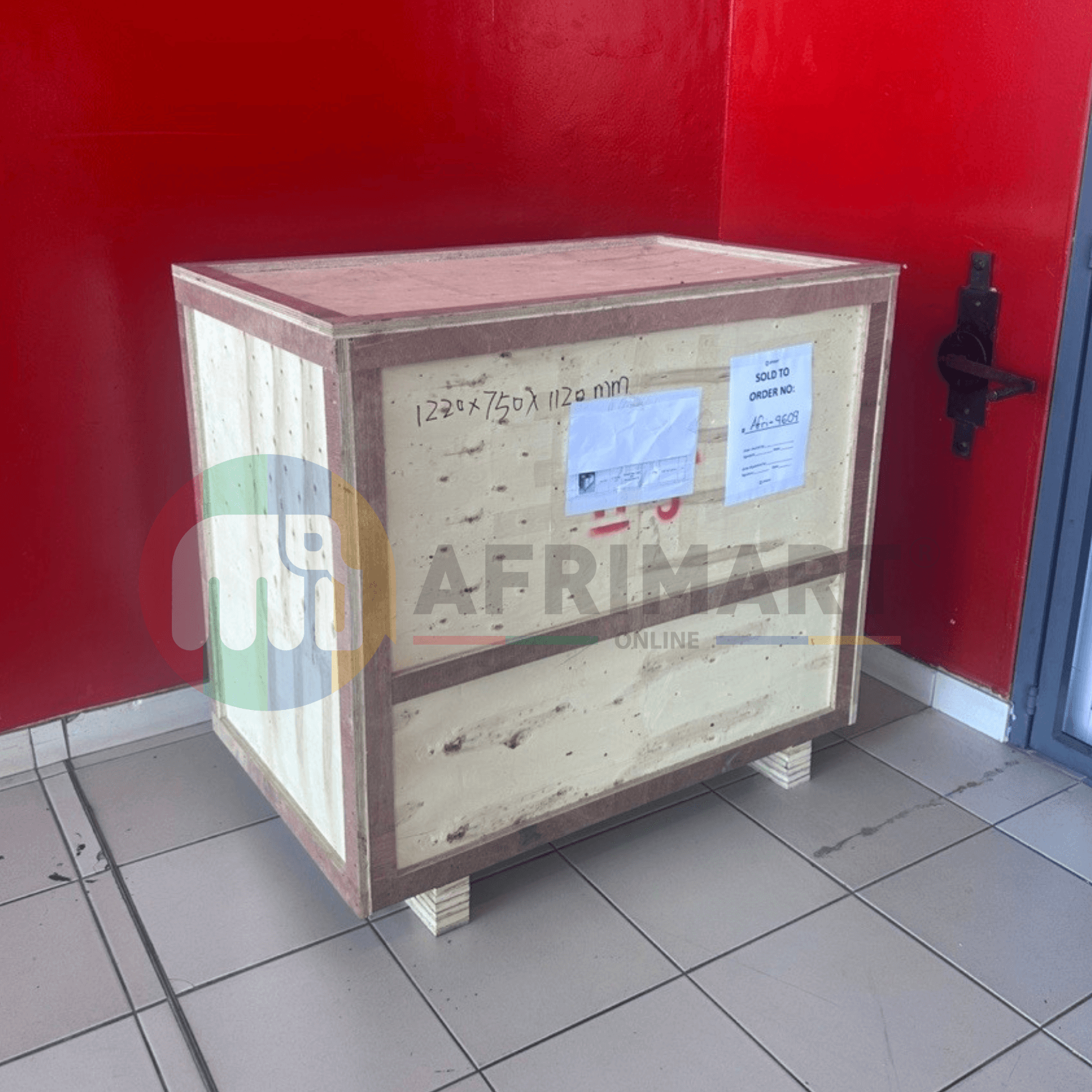
Meat Grinder Machine
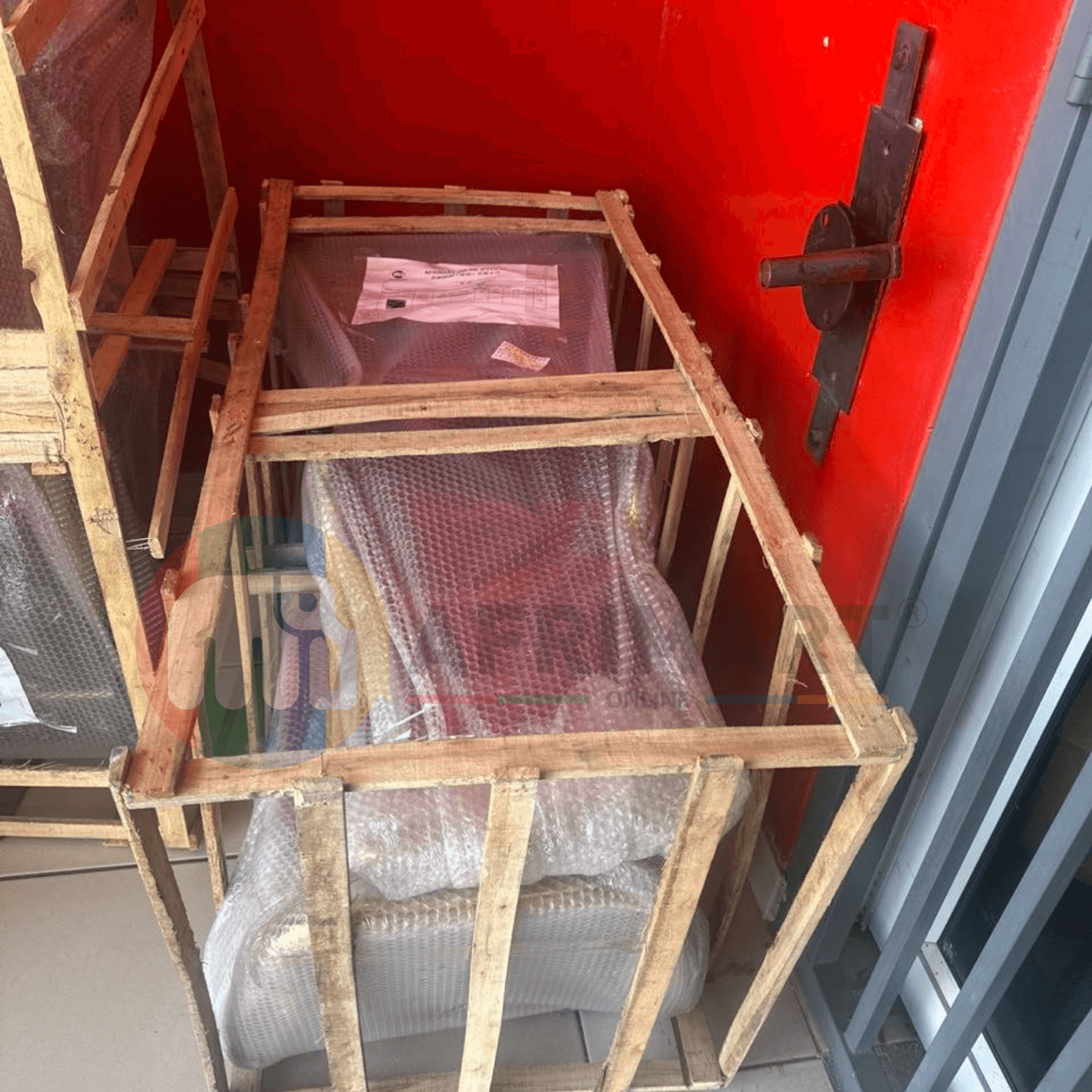
Water Pump Equipment
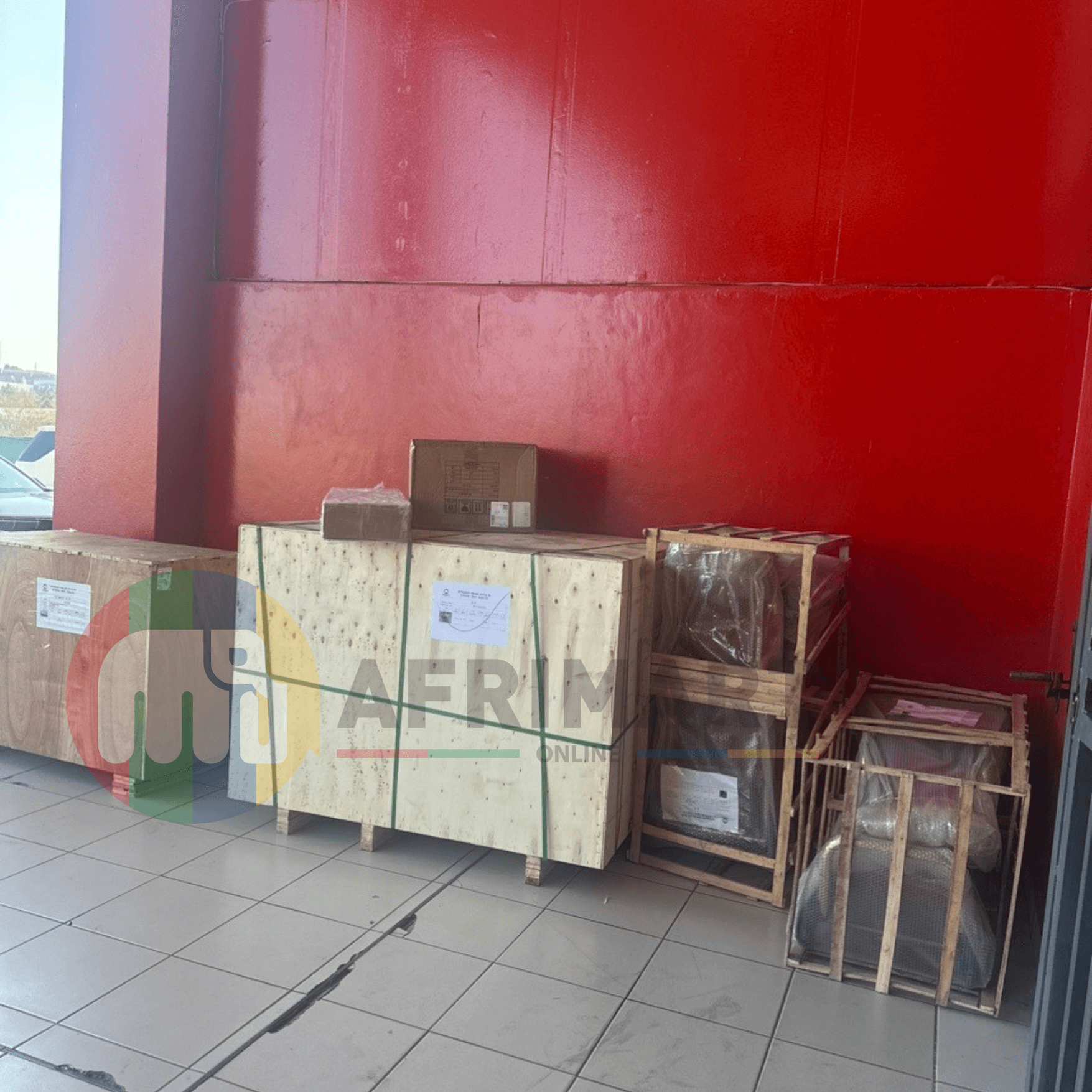
Packaging Machine and accessories
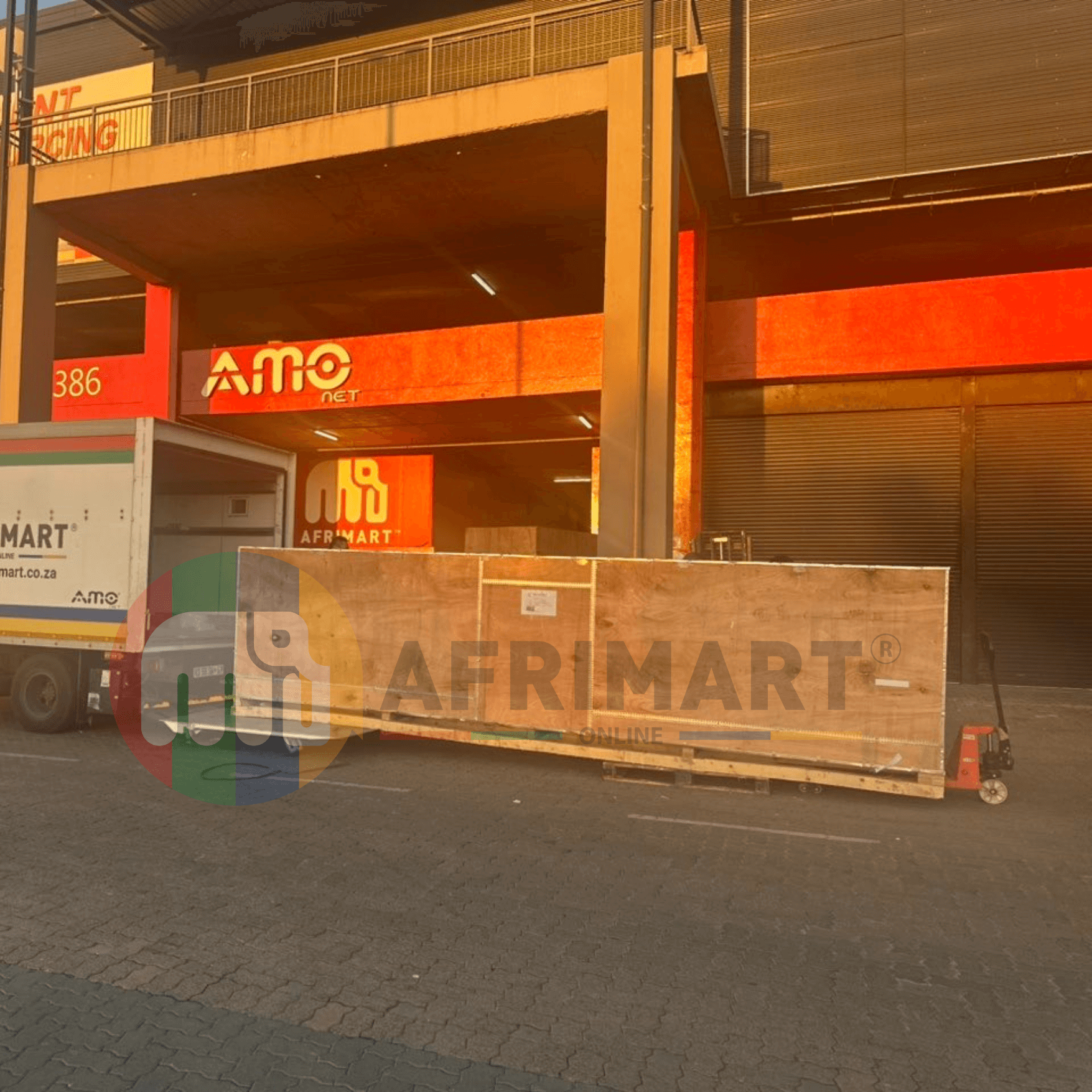
Fabrics Manufacturing Equipment
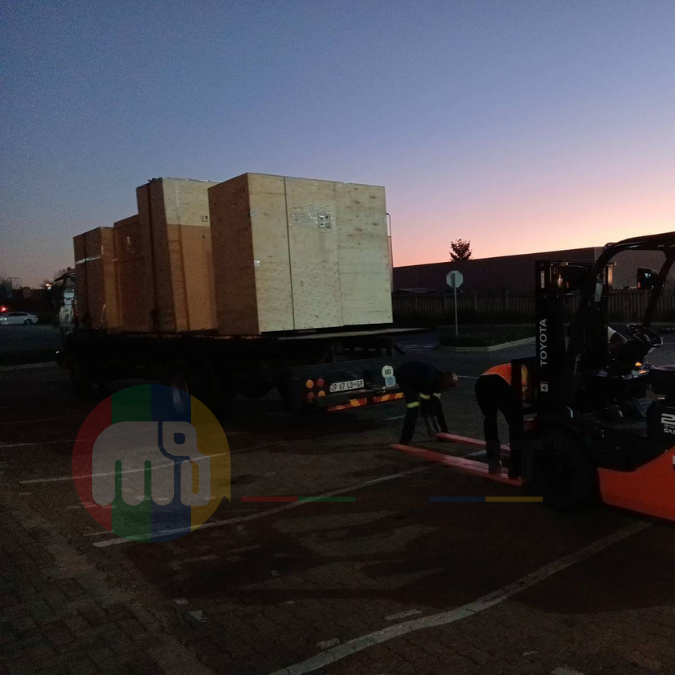
Mining Equipments
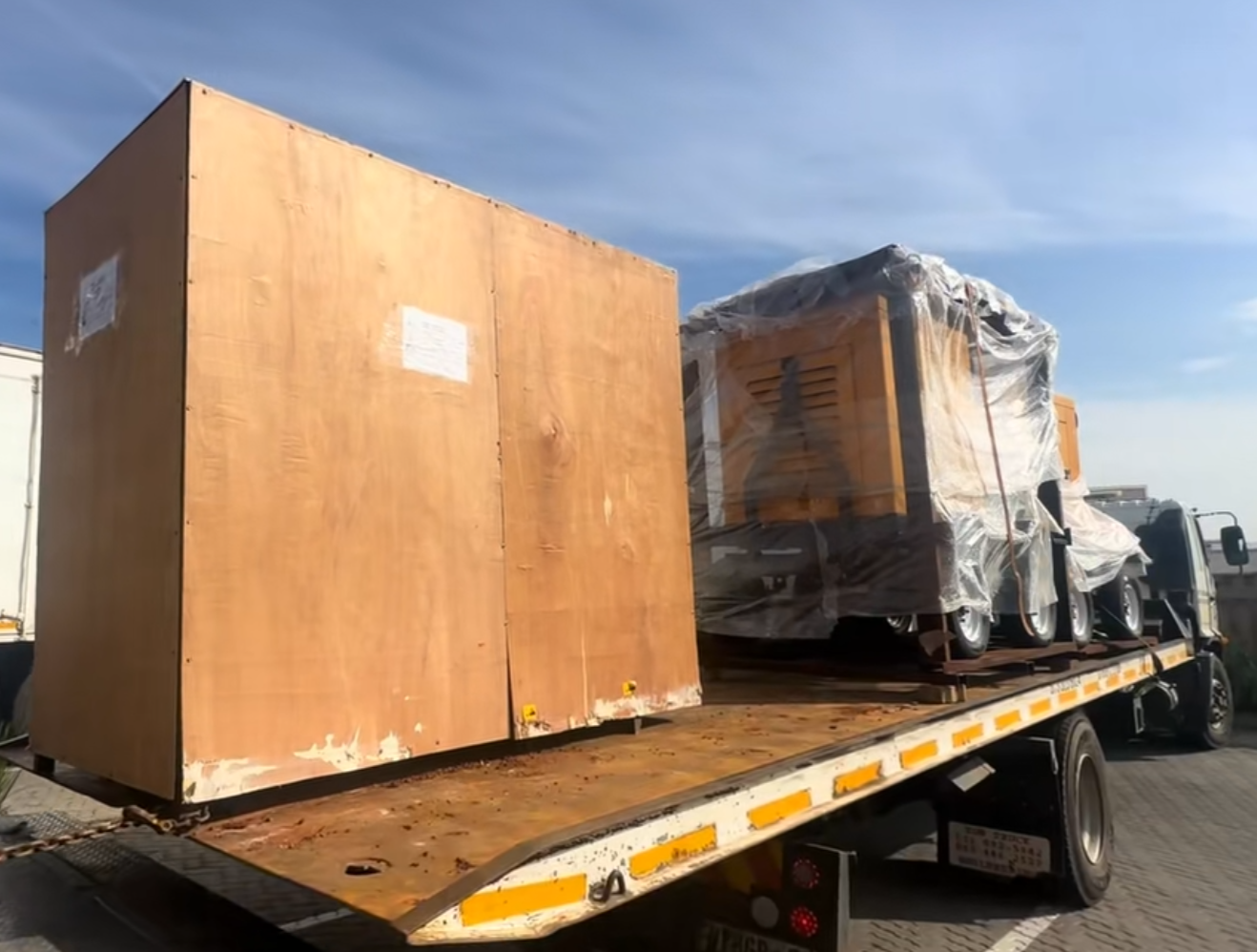
Food Processing Machine
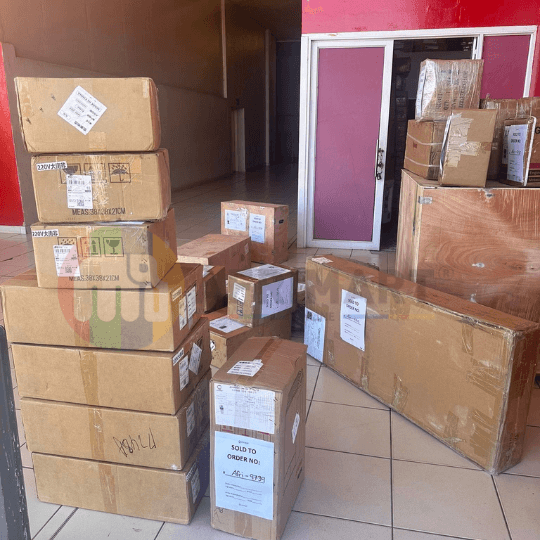
Batch of Orders
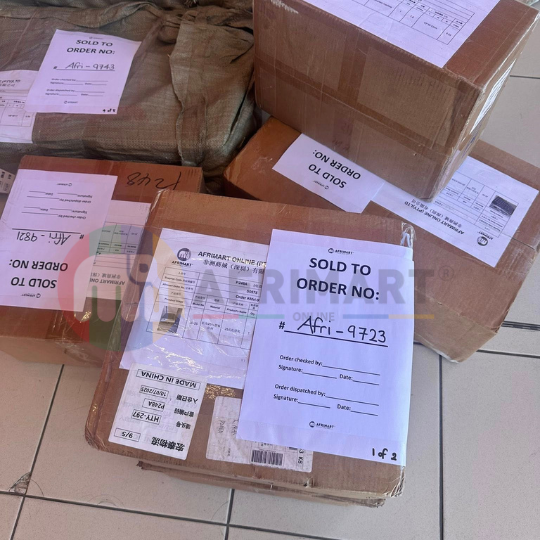
Batch of Orders
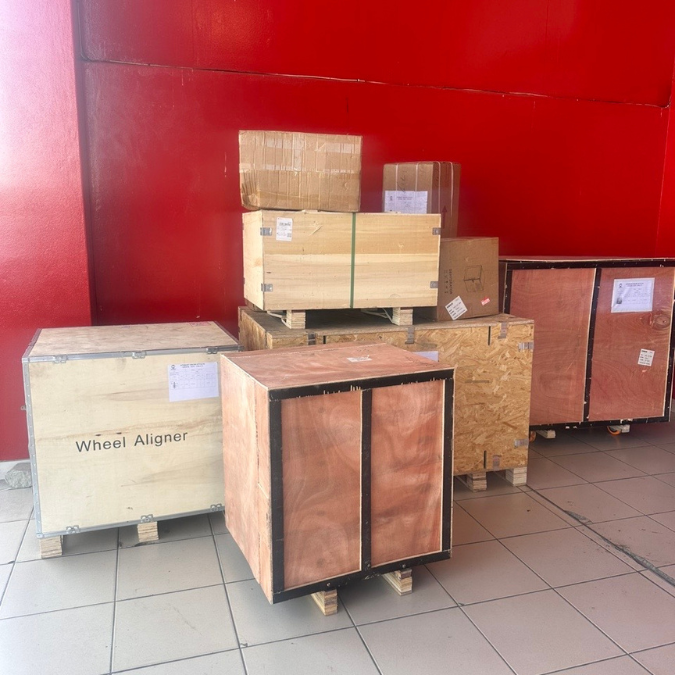
Latest Orders Labelled
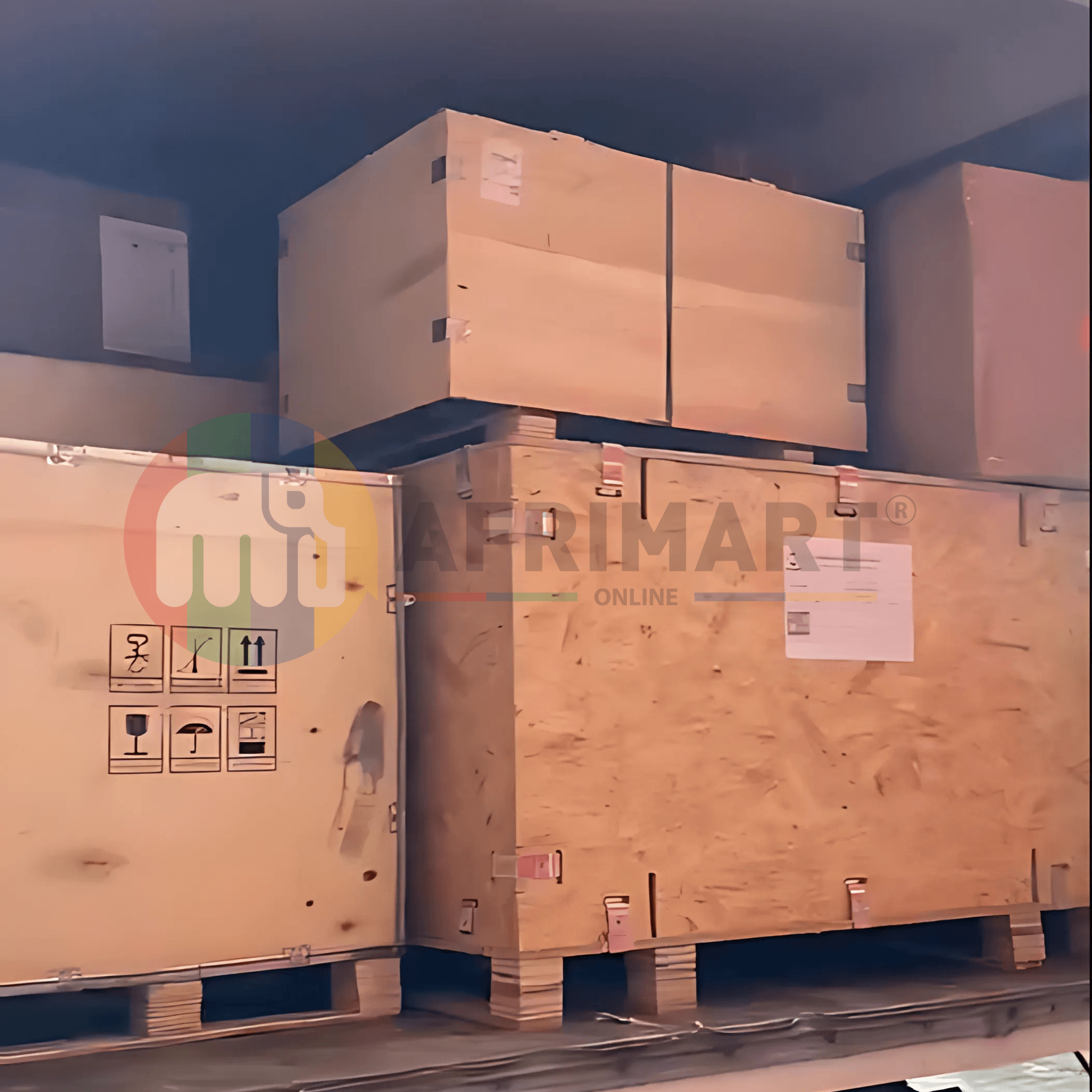
wheel alignment machines
new arrivals
Pre Orders Offloading
Latest Arrivals
Latest Arrivals
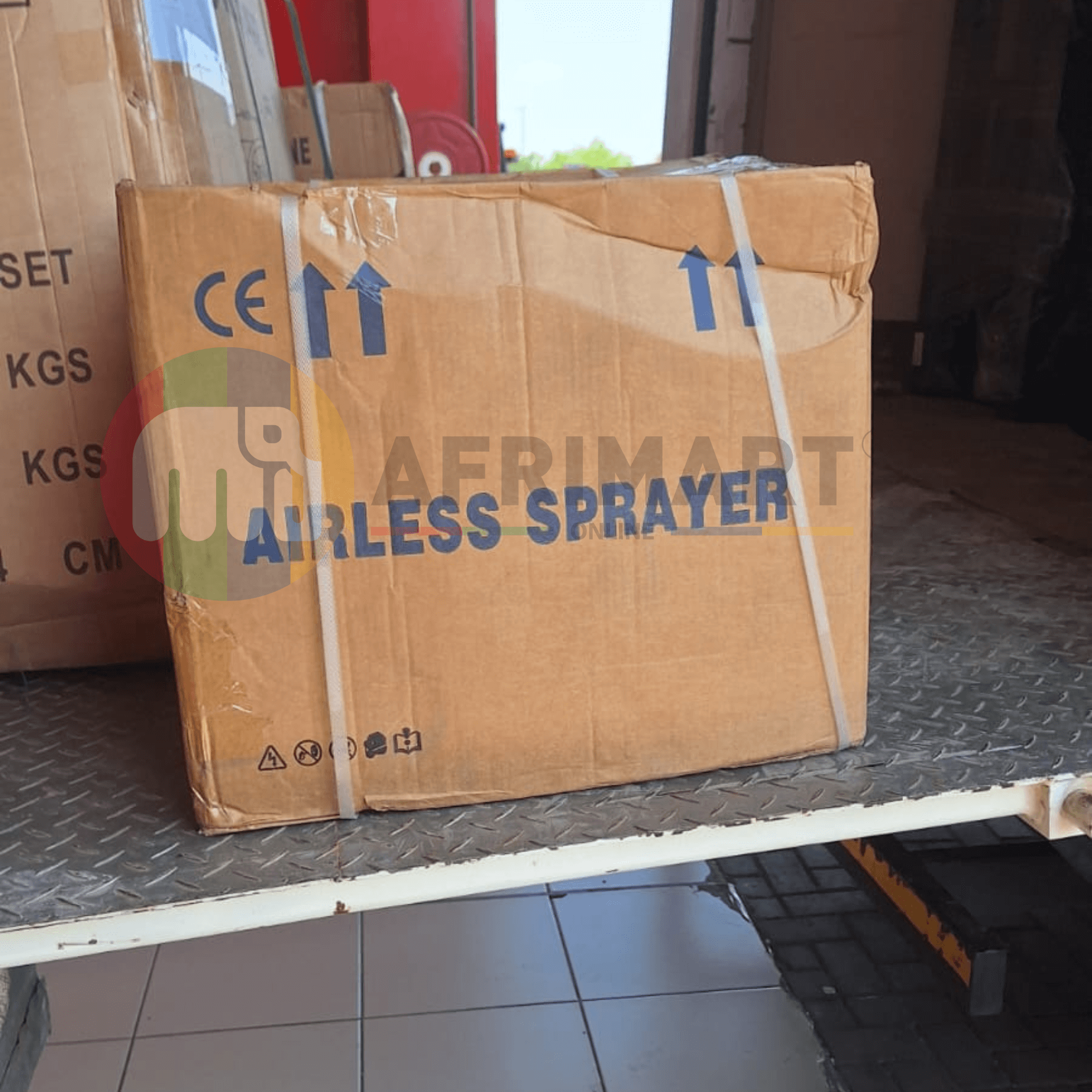
Latest Arrivals
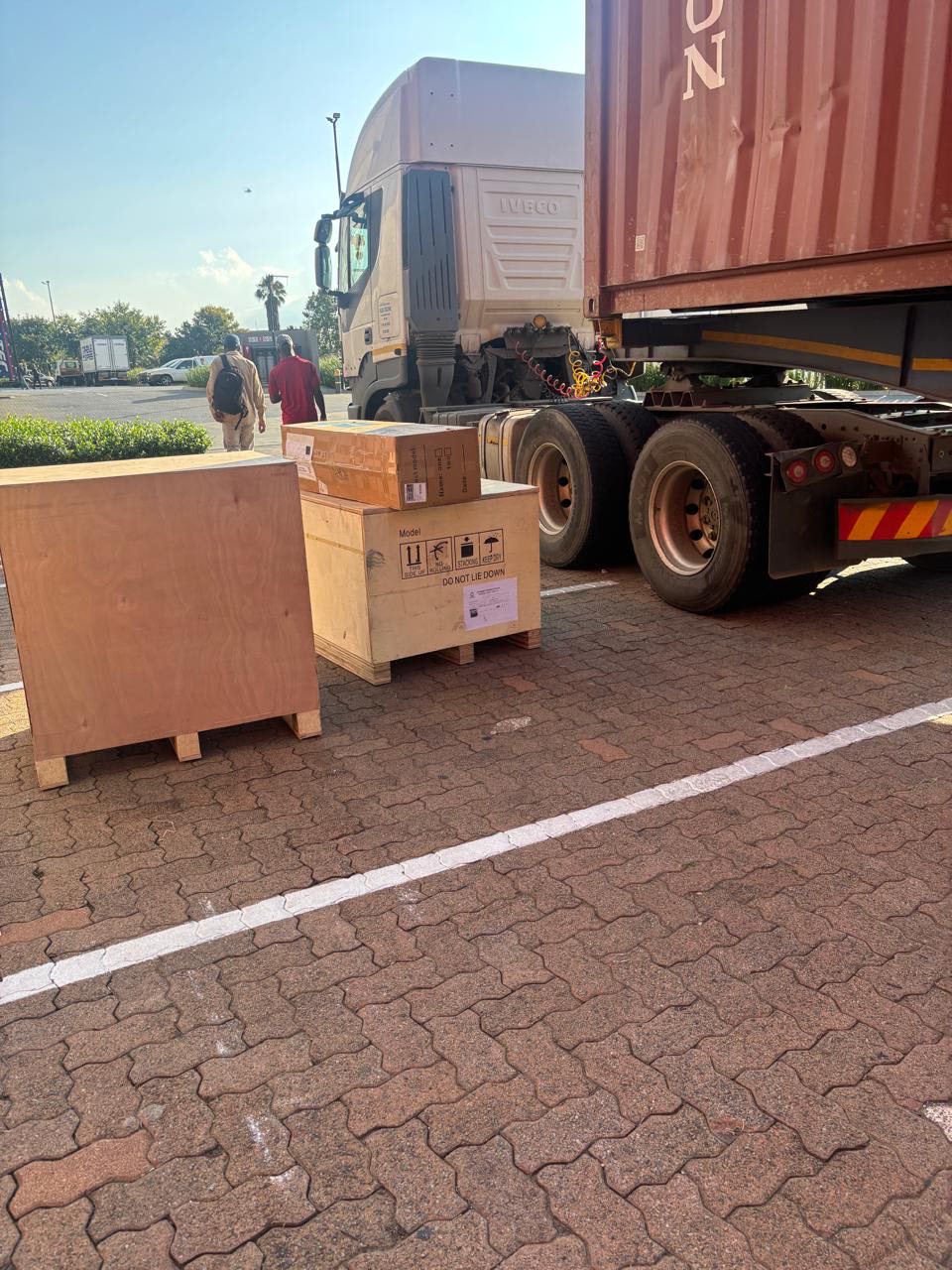
26 January 2026
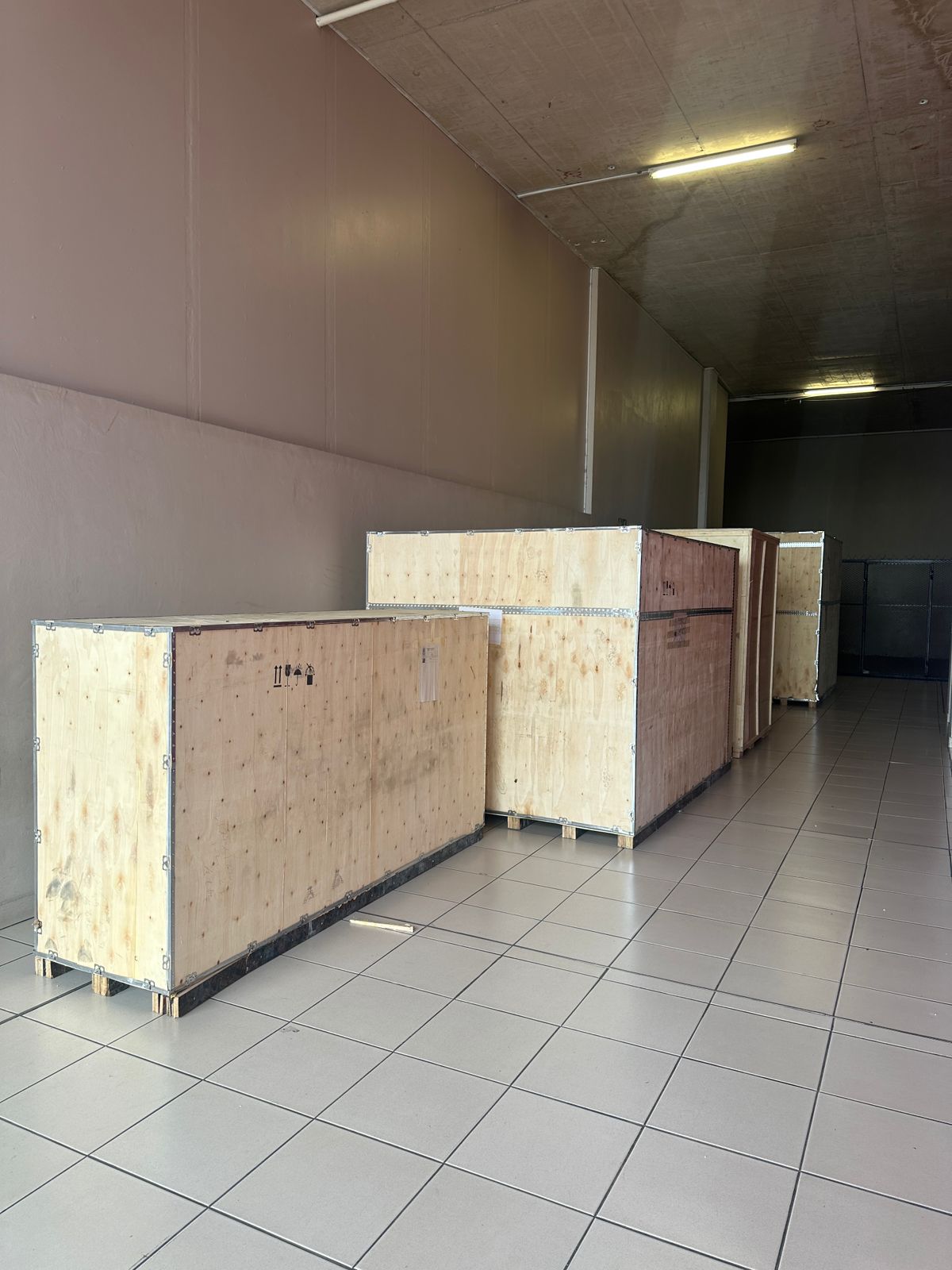
Toilet paper making machine
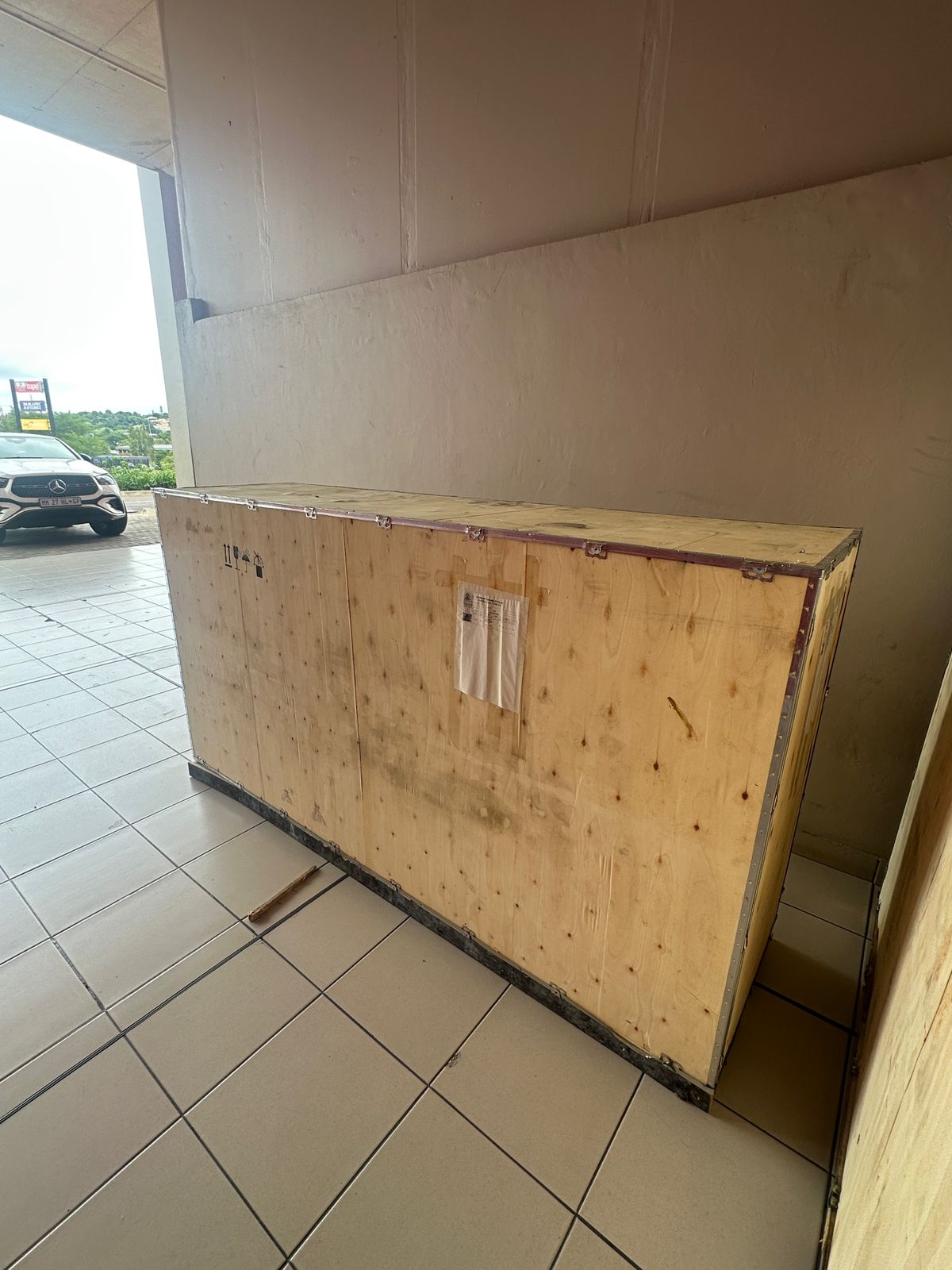
Toilet paper making machine
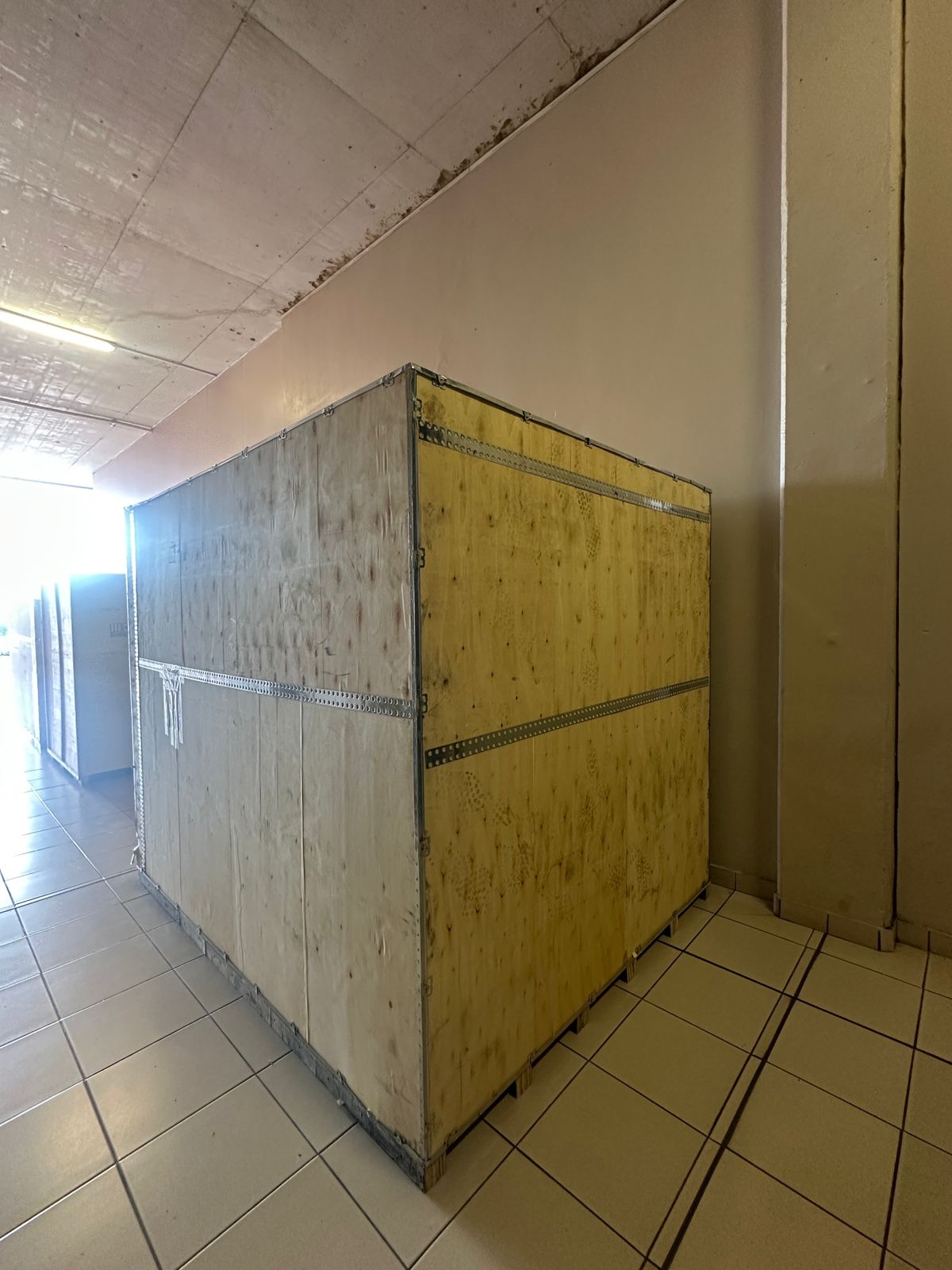
Toilet paper Rewinding Machine
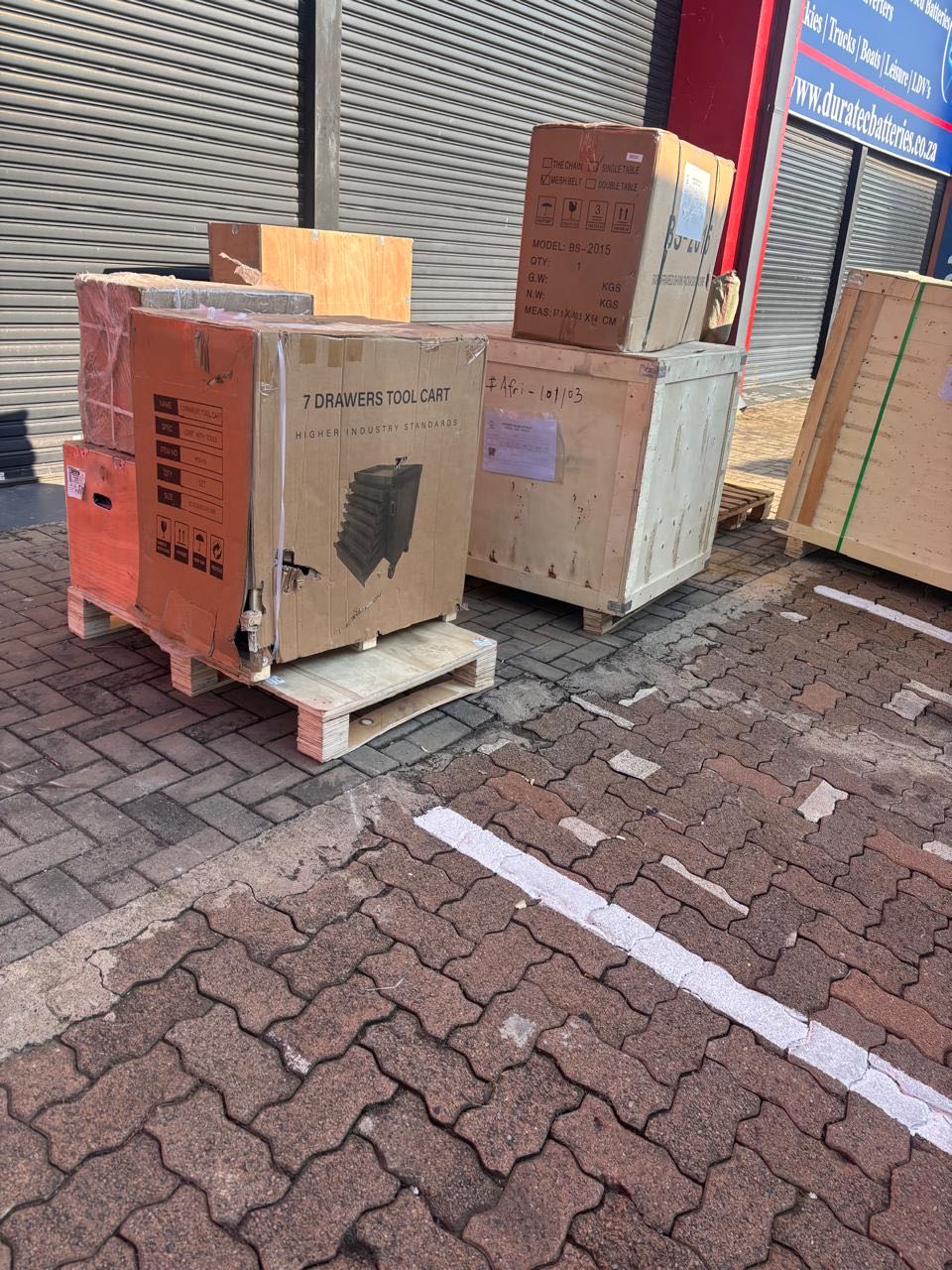
latest arrivals
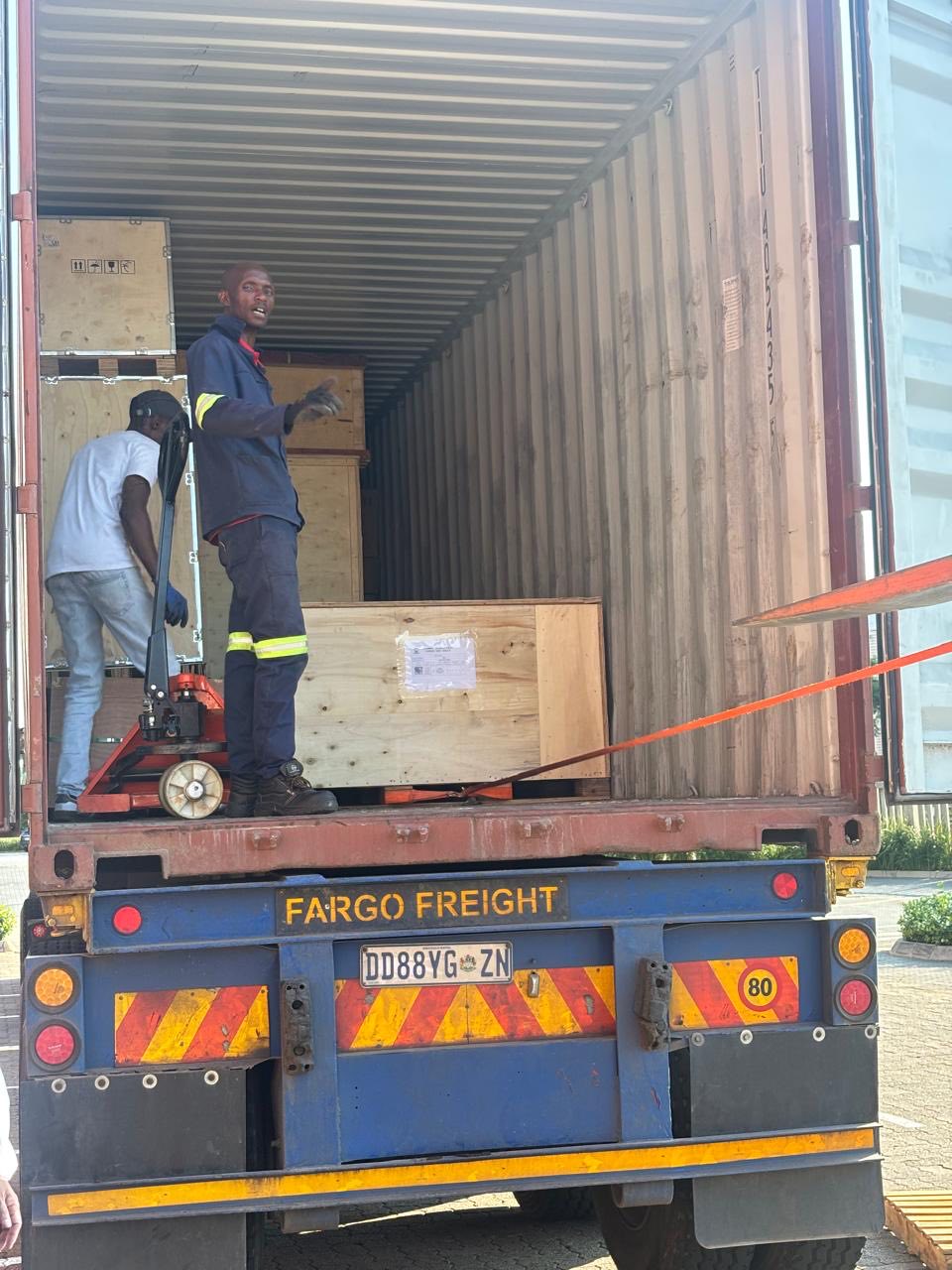
offloading
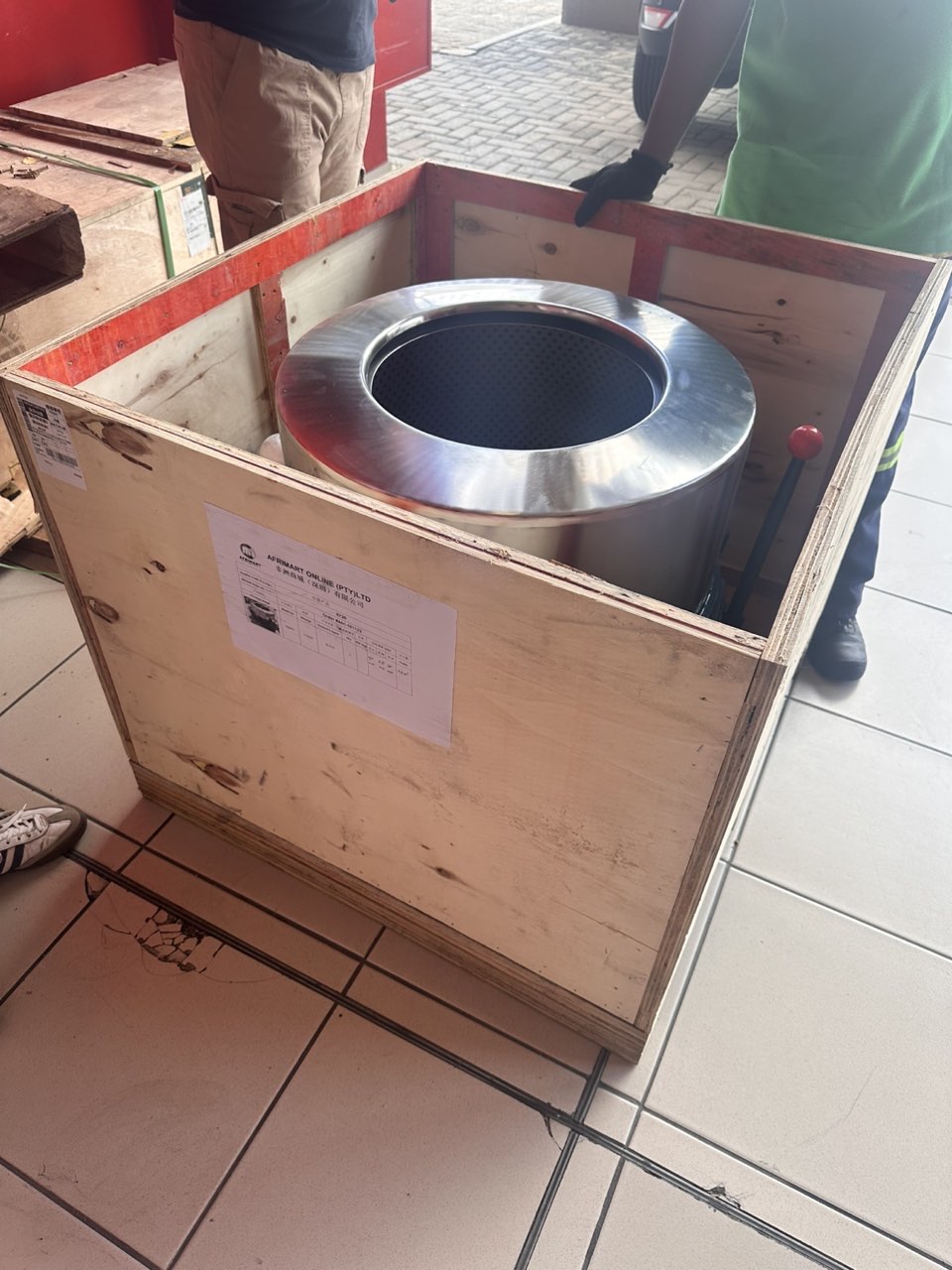
order success
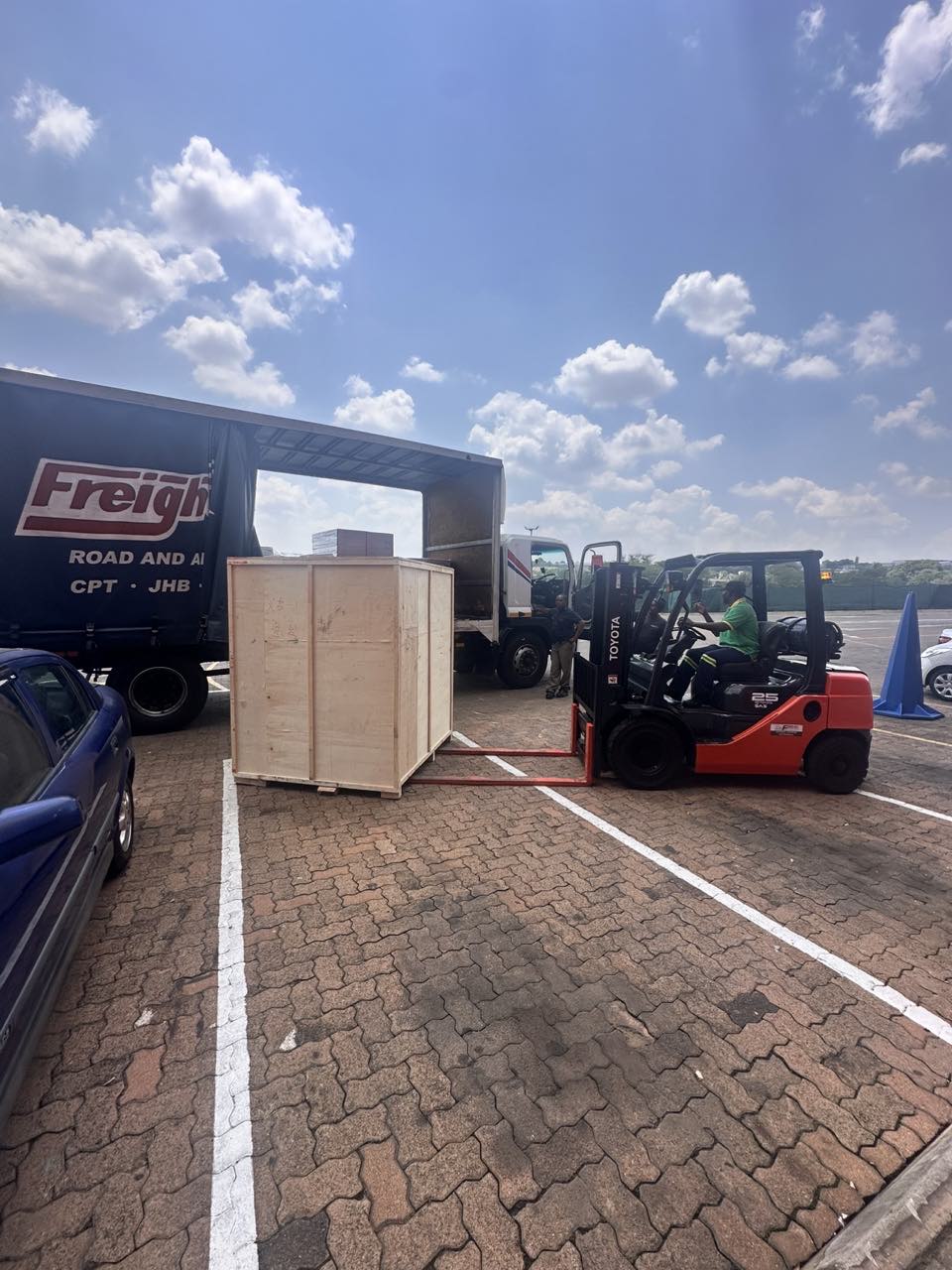
order collection
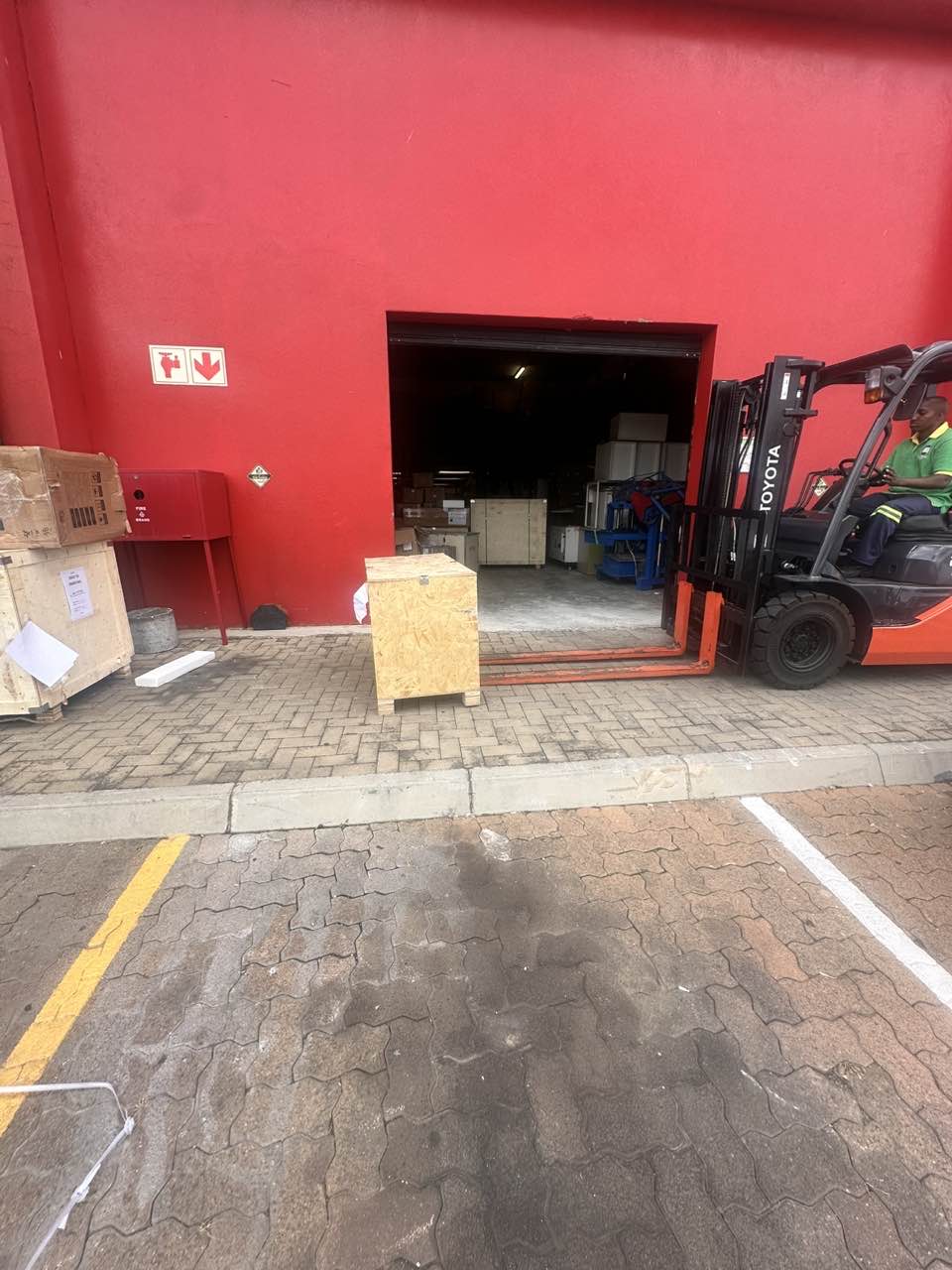
order offloading