B21, China Town Mall, Midrand

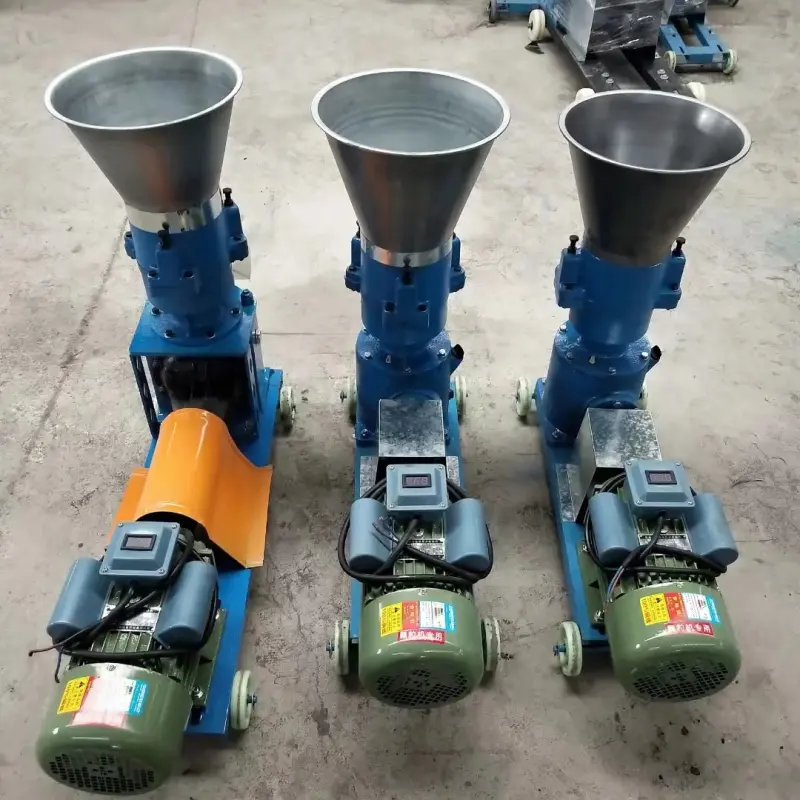
Feed Pallet Production Machine (210) with 4mm and 8mm Grinding Disc

- Section : Machinery
- Category : Agriculture Machinery
- SKU : 1600873061890

Applicable to the family's feed pellet machine
1, simple structure, wide applicability, small footprint, low noise.2, powder feed, grass meal without (or a little) liquid can be added to granulation. Therefore, the moisture content of pellet feed is basically the moisture content of the material before granulation, which is more conducive to storage.3. The granule made by this machine has high hardness, smooth surface and sufficient internal curing degree, which can improve the digestion and absorption of nutrients and kill general pathogenic microorganisms and parasites. It is suitable for raising rabbits, fish, ducks and experimental animals, and can obtain higher economic benefits than the mixed powder feed.4, the model with 1.5---- more than 20 kinds of aperture mold, suitable for different materials granulation, to achieve the best effect.5, adapt to different materials, ensure the effect of pressing. Wood chips, corn straw and other compression molding needs a lot of pressure, in the same pelletizing equipment, roller part is the central part of the whole equipment, and the use of high quality alloy steel, improve the service life of roller.
different model have different efficiency
different size for you choose
| Brand Name | Weiyan |
| Color | As customer's requirements |
| Production Capacity | 60-1250kg/h |
| Main Market | Kenya, India, Pakistan, Zambia,Thailand |
| Inlet Type | Automatic |
| Wechat/whatsapp | 0086 15502552580 |
| Suitable for | Home use,small farm,etc. |
| Package | Special Wooden Case for Exporting |
| Usage | processing animals feed |
| Key word | feed pellet machine |
| Suitable | Model | ROLLERS | Capacity |
| Family using | WY-KL-125 | 2 rollers | 60-75KG/H |
| WY-KL-150 | 2 rollers | 75-140KG/H | |
| Small farm | WY-KL-160(hot sale) | 3 rollers | 100-150KG/H |
| WY-KL-180(hot sale) | 4 rollers | 125-160KG/H | |
Medium farm | WY-KL-210 | 2 rollers | 250-300KG/H |
| WY-KL-230 | 3 rollers | 300-350KG/H | |
| WY-KL-260 | 3 rollers | 400-500KG/H | |
| Large farm | WY-KL-300 | 4 rollers | 500-600KG/H |
| WY-KL-400 | 4 rollers | 1000-1250KG/H |
| According the animals that you feed,choose difference size mill | ||||
| Mill size | SUITABLE | |||
| 2.5MM | shrimp,Animal cub,etc | |||
| 3.5MM | Pigeons, fish, birds,etc | |||
| 4MM(hot sale) | Chicken, duck, goose, rabbit,etc | |||
| 6MM | Pigs, cows, sheep, dogs,etc | |||
| 8MM | Large livestock,etc |

Products Description


- Shipping Timeframes: All orders are processed within 2-5 business days (excluding weekends and holidays). After your order has been processed, the estimated delivery time is before 08 Aug, 2026, depending on customs, Please note that due to high demand, some items may experience longer shipping times, which will be communicated at order confirmation email.
- Order Processing Time: Please allow 2-5 business days for us to process your order before it is shipped . Orders placed after 16:00 on Fridays, or during weekends and public holidays, will begin processing on the next business day. Processing times may be extended during peak seasons or sales events.
- Manufacturing Time: Some products needs manufacturing time, the manufacturing process will take approximately 10-30 business days depending on the product. This timeframe may vary depending on the complexity of the product and current demand. but this will be communicated with you during order confirmation.
- Returns and Exchanges: We offer a 30-day return policy for most items. If you are not completely satisfied with your purchase, you may return it within 30 days of receipt for a refund or exchange. Items must be unused, in their original packaging, and accompanied by proof of purchase. Return shipping costs are the responsibility of the customer, unless the item was damaged or defective upon arrival.
1. What is the Feed Pallet Production Machine (210) with 4mm and 8mm Grinding Disc used for?
This pellet (pallet) machine produces high-hardness animal feed pellets with smooth surfaces and thorough internal curing. It is suitable for rabbits, fish, ducks, chickens, experimental animals and more. It can process powder feeds, grass meal and—depending on model and settings—materials like wood chips and corn straw for compression molding.
2. What is the production capacity of model WY-KL-210 (210)?
The WY-KL-210 model (listed as WY-KL-2102) has an output of approximately 250–300 kg/h. Note that capacity varies by model and raw material; contact the supplier for measured capacity on your specific formula.
3. What is the difference between the 4mm and 8mm grinding discs?
Disc/aperture size controls pellet diameter and target animals: 4 mm is commonly used for chickens, ducks, geese and rabbits; 8 mm is used for larger livestock. The 4mm disc yields smaller pellets for poultry and small animals, while 8mm produces larger pellets for big livestock.
4. Which pellet sizes are available and which animals are they for?
Multiple mold/aperture sizes are available. Common sizes: 2.5 mm for shrimp and animal cubs; 3.5 mm for pigeons, fish and birds; 4 mm for chickens, ducks, geese, rabbits (hot sale); 6 mm for pigs, cows, sheep, dogs; 8 mm for large livestock.
5. What materials can this machine process?
It handles powder feed, grass meal and many raw materials used in animal feeds. It can also press materials like wood chips and corn straw, but those require higher pressure and suitable model/roller configuration to achieve good results.
6. How much moisture should the raw material have before granulation?
This machine works with powder or grass meal with little or no added liquid — the moisture of the pellets will generally reflect the input material's moisture. For best storage and pellet quality, follow the feed formula’s recommended moisture; contact the supplier if you need guidance for a specific raw material.
7. How many aperture/mold options are available?
There are more than 20 aperture (mold) choices to match different materials and animal requirements, enabling you to select the best pellet size and shape for optimal results.
8. How do I choose the right model for my farm?
Choose by required output and farm size: family models (e.g., WY-KL-125, WY-KL-150), small farm (WY-KL-160, WY-KL-180), medium farm (WY-KL-210, WY-KL-230, WY-KL-260), large farm (WY-KL-300, WY-KL-400). Refer to the listed capacities (60–1250 kg/h across the range) and select the model matching your daily/peak production needs.
9. What is the inlet type and how is the machine powered?
The machine uses an automatic inlet/feed type. Power requirements depend on the model and motor configuration—please request the motor specification for your chosen model from the supplier to ensure your site has the appropriate electrical supply.
10. What are the main maintenance needs and service life factors?
Key maintenance includes regular cleaning, routine lubrication of bearings and moving parts, and periodic inspection of rollers and molds. Rollers are made from high-quality alloy steel to improve service life, but life will vary by load, material abrasiveness and maintenance. Replacement rollers, molds and grinding discs are available as spare parts.
11. How should I clean and maintain the 4mm/8mm grinding discs?
Always switch off and disconnect power before servicing. Remove the disc according to the manual, brush off debris, and wipe clean with a dry or lightly damp cloth; dry thoroughly before reassembly. Avoid aggressive chemicals that damage metal surfaces. Inspect for wear and replace if pellets become inconsistent.
12. What packaging and shipping options are provided?
Machines are packed in special wooden export cases. The product is sold in markets including Kenya, India, Pakistan, Zambia and Thailand. For shipping lead times, freight options and customs guidance, contact the supplier with your destination details.
13. Is after-sales support, spare parts or training available?
Yes—suppliers typically provide spare parts (rollers, molds, discs) and can offer installation guidance and operation training. For warranty terms, after-sales service and spare parts pricing, contact the seller directly.
14. How can I get more product details, pricing or place an order?
Contact the supplier via WeChat/WhatsApp at 0086 15502552580 for quotes, motor specifications, warranty information, spare parts and ordering. Provide your desired model, pellet size and expected daily output to get the fastest accurate response.
Latest Order Arrivals
Discover our latest orders
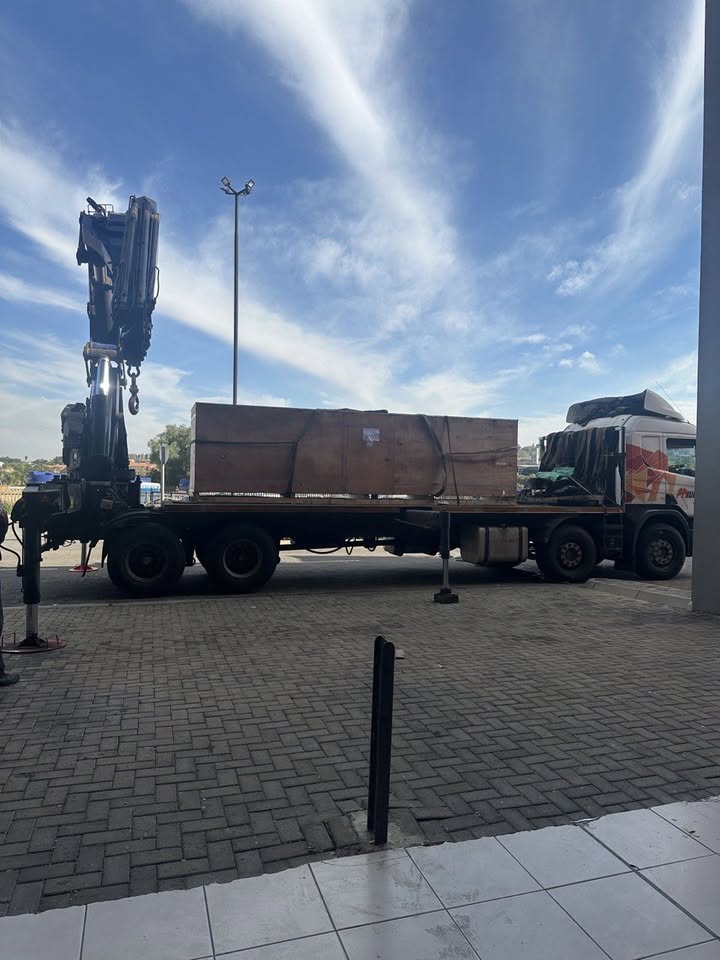
12 Heads Embroidery Machine
Toilet Paper Machine Machine
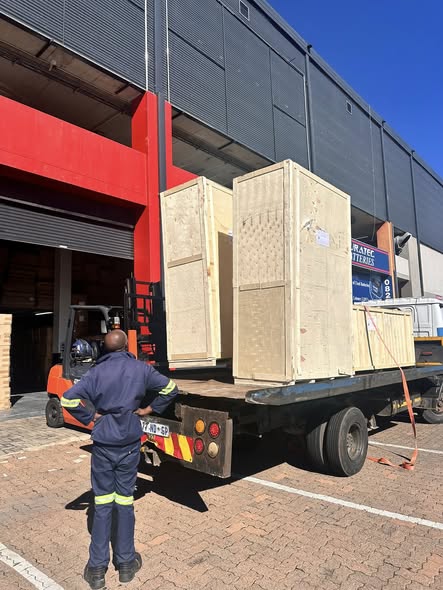
Order Collection
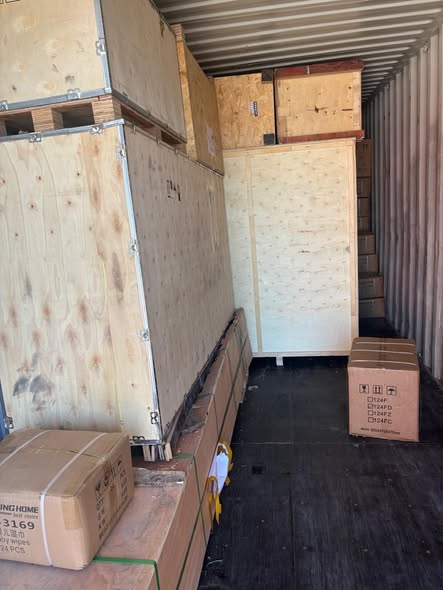
Cross Border Clients
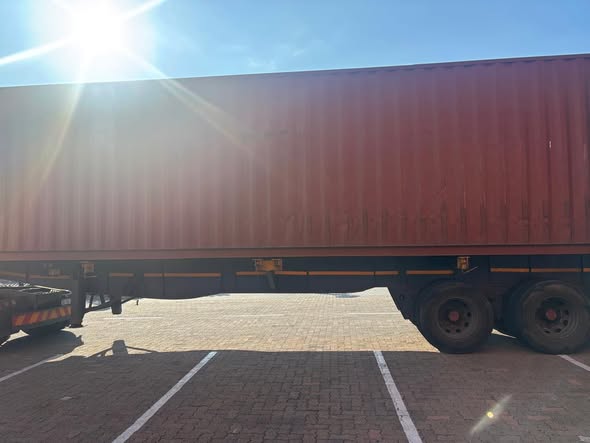
Order cros border countries Collected
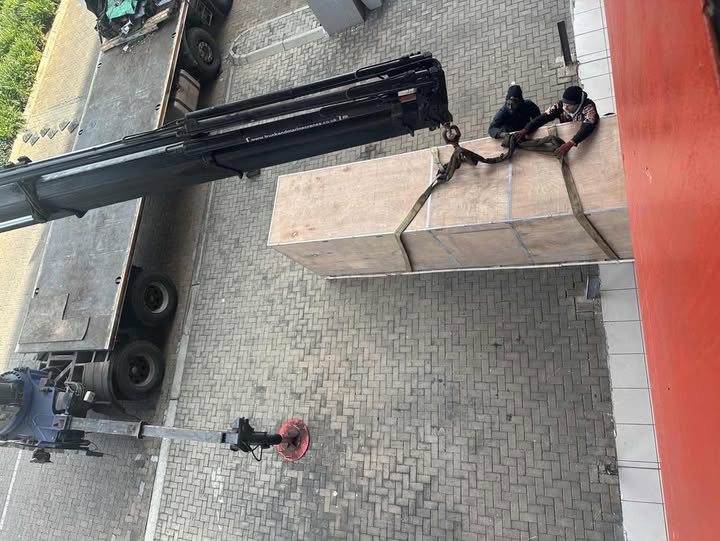
Industrial Machine Cllection
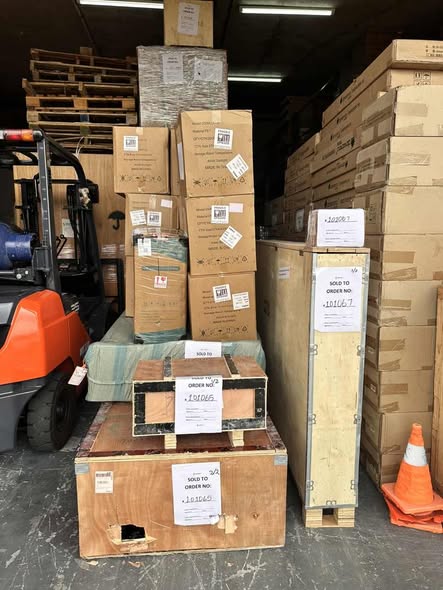
Agriculture Processing Machines
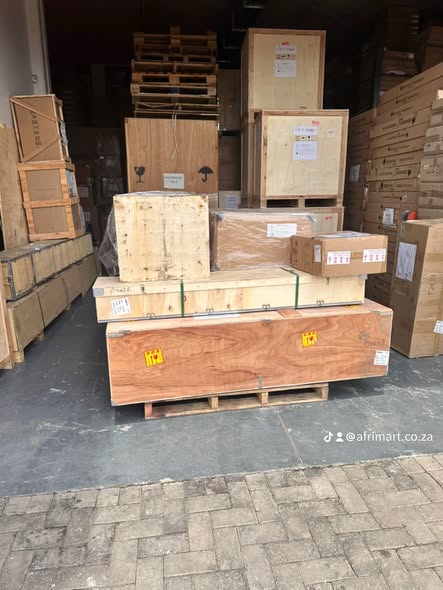
Ready for collection
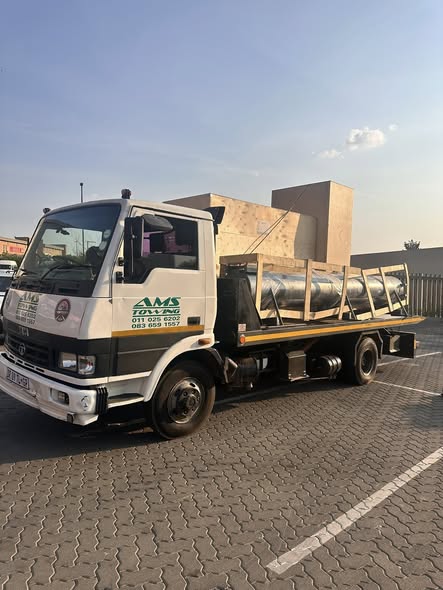
Water Pump Equipment
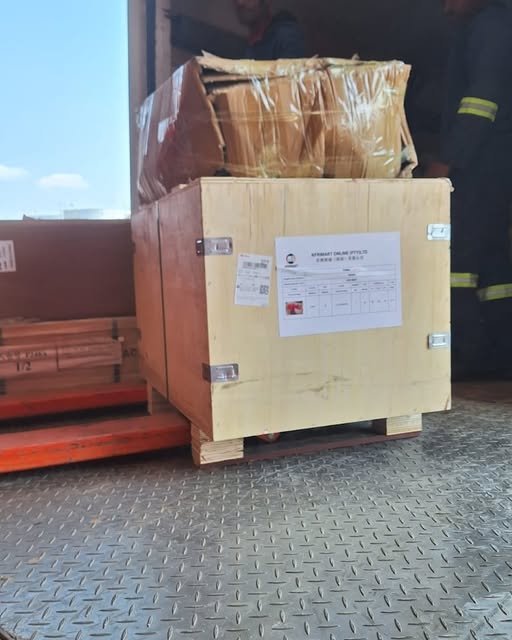
Packaging Machine and accessories
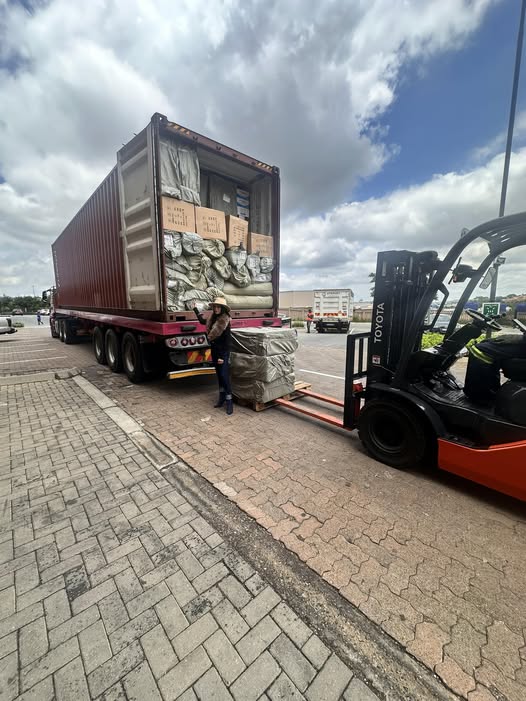
Fabrics Manufacturing Equipment
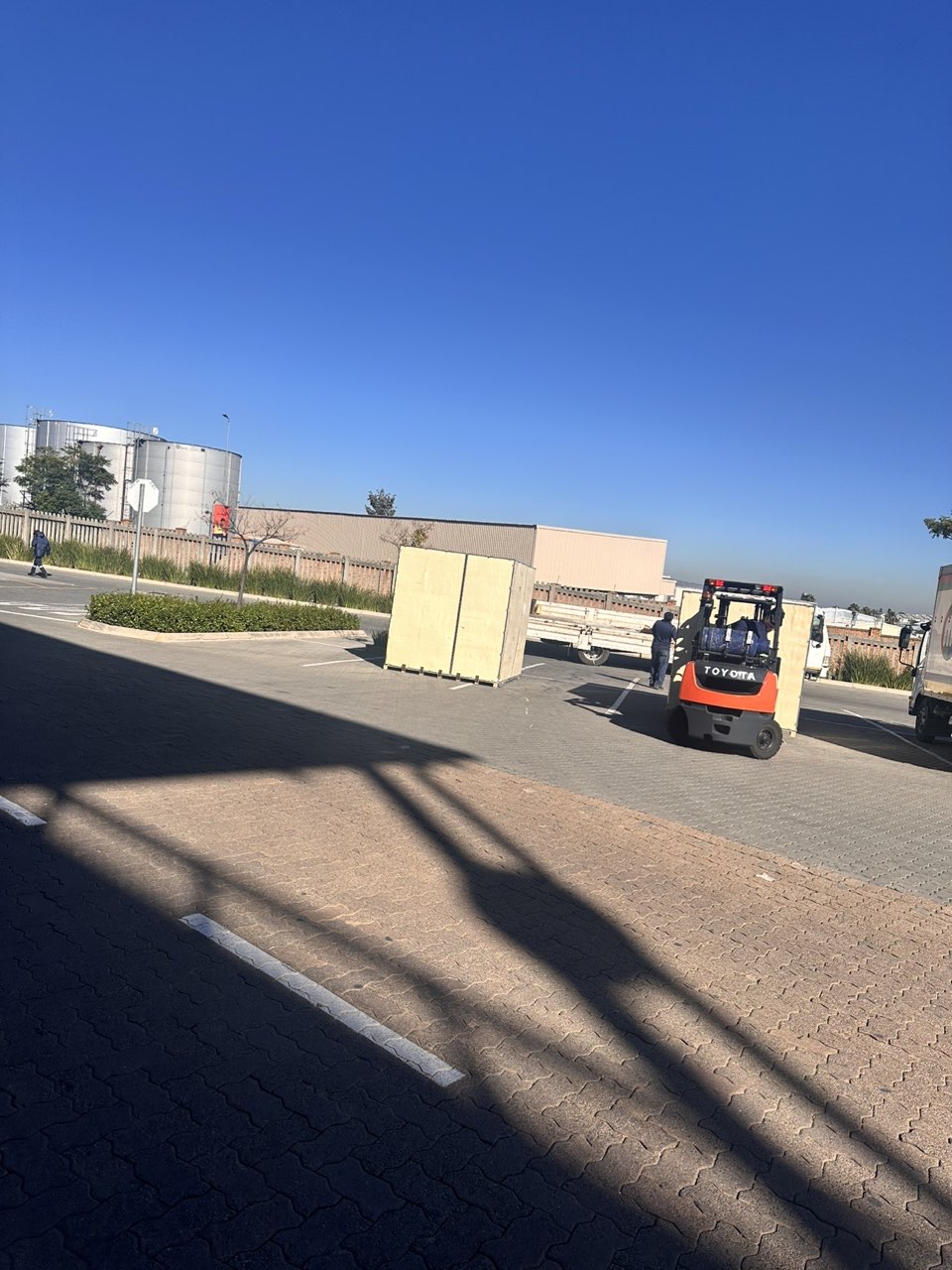
Mining Equipments
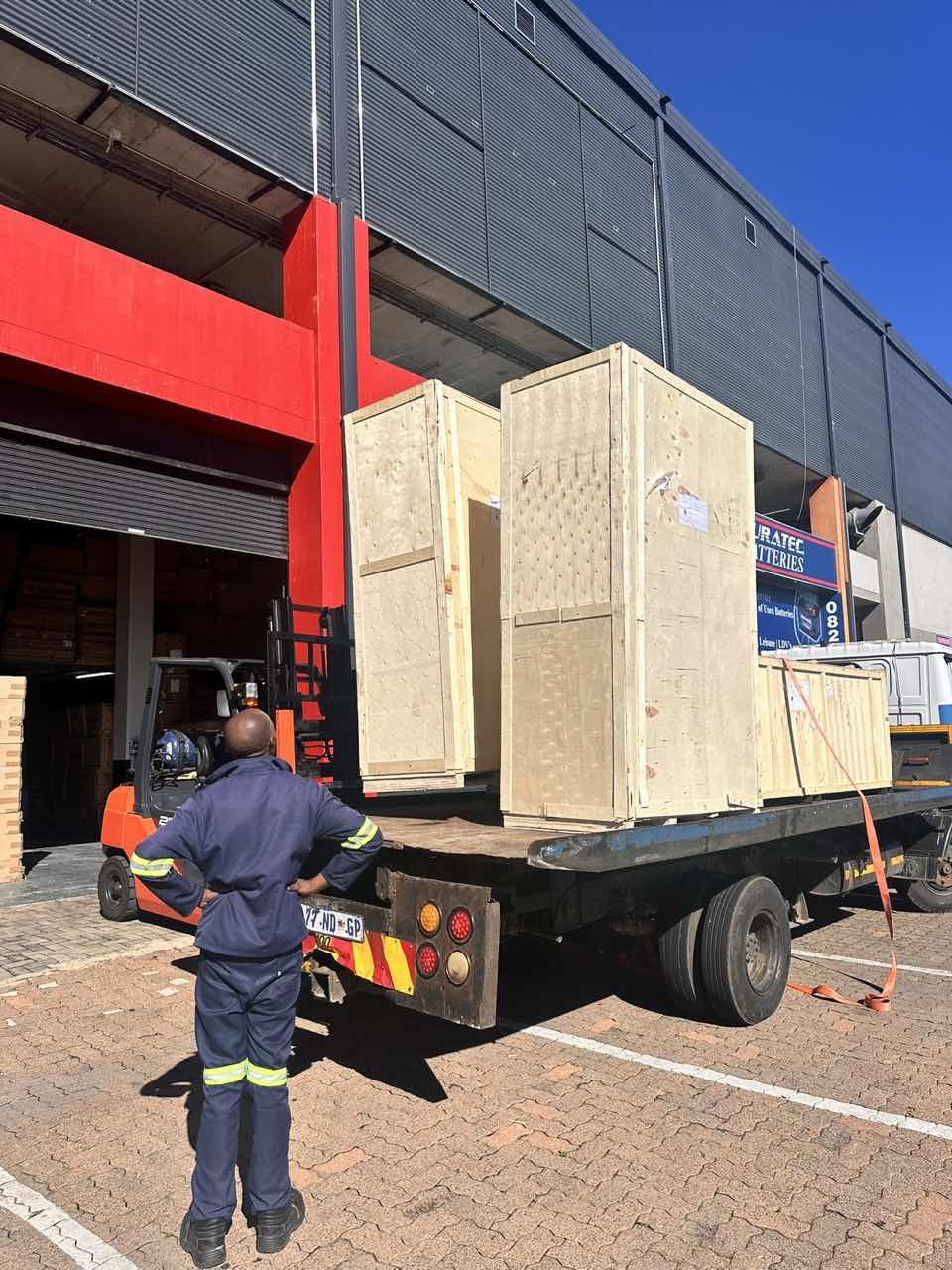
Food Processing Machine
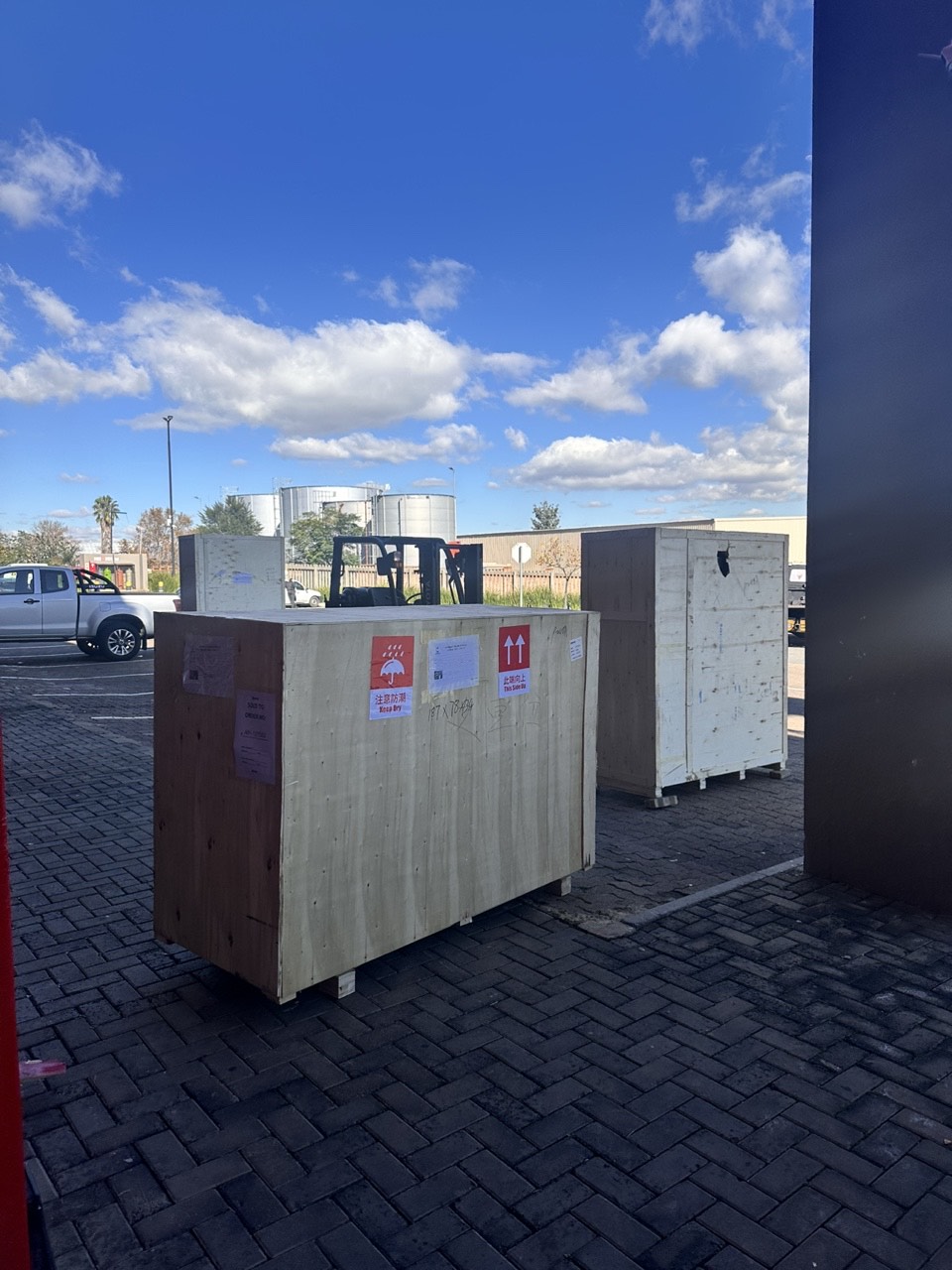
Batch of Orders
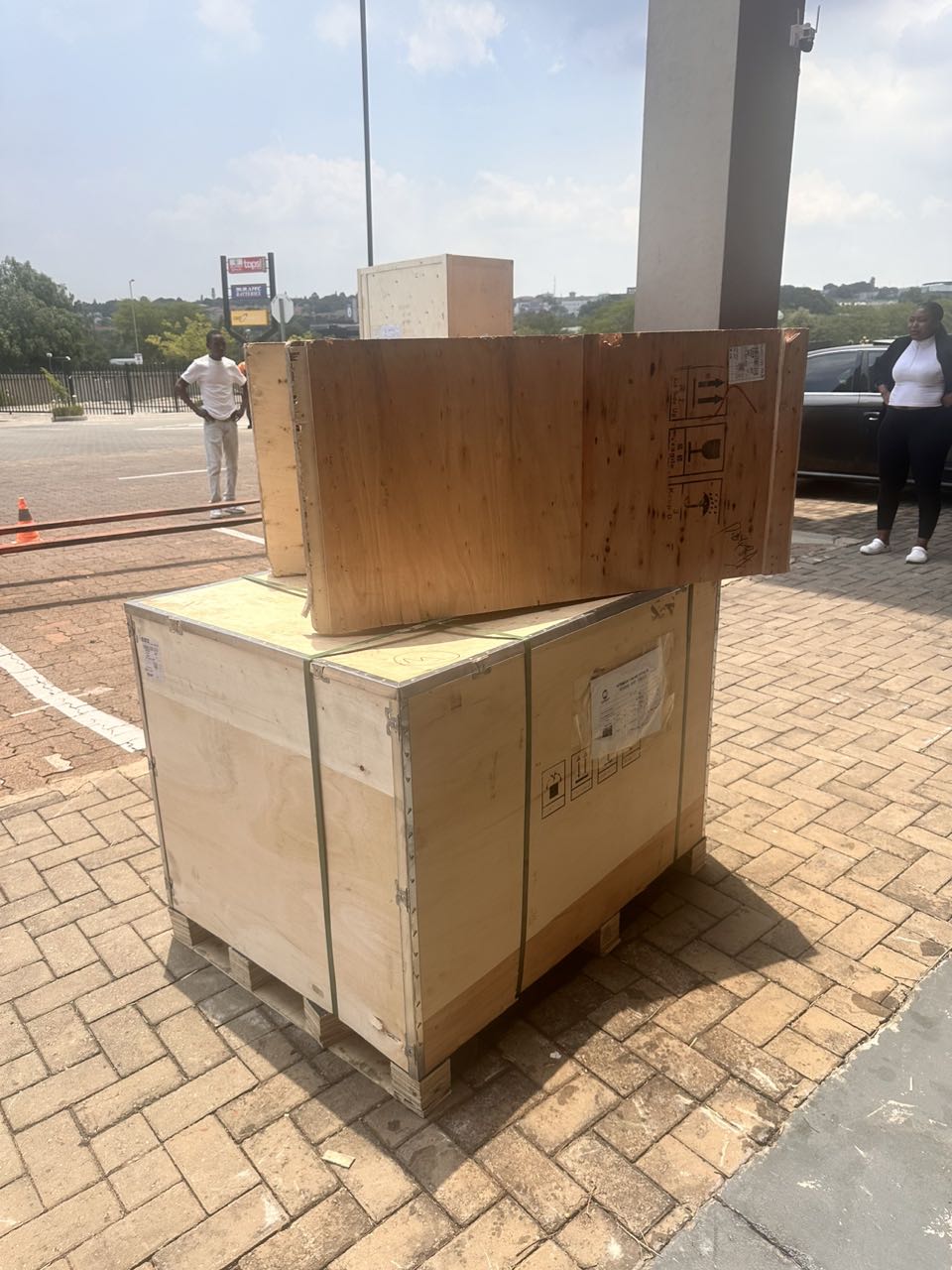
Batch of Orders
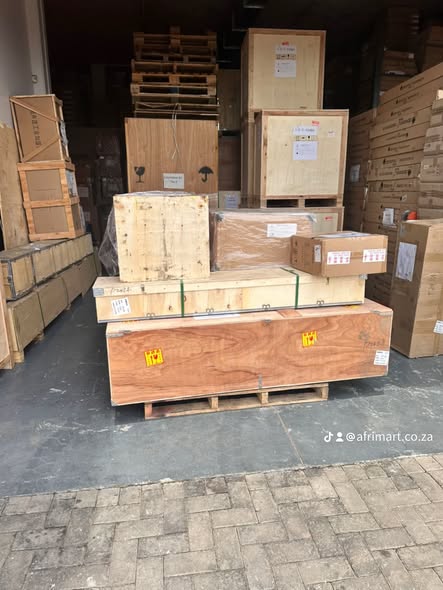
Latest Orders Labelled
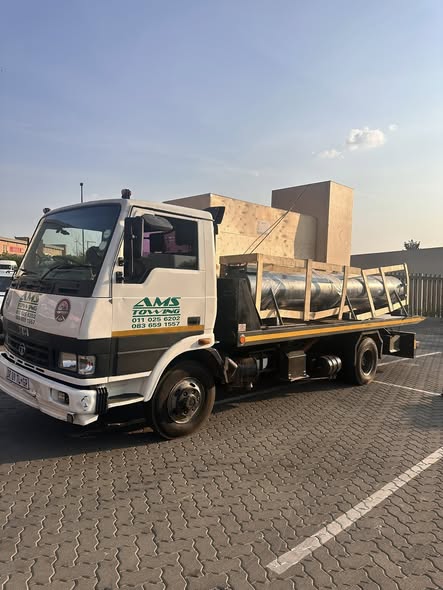
wheel alignment machines
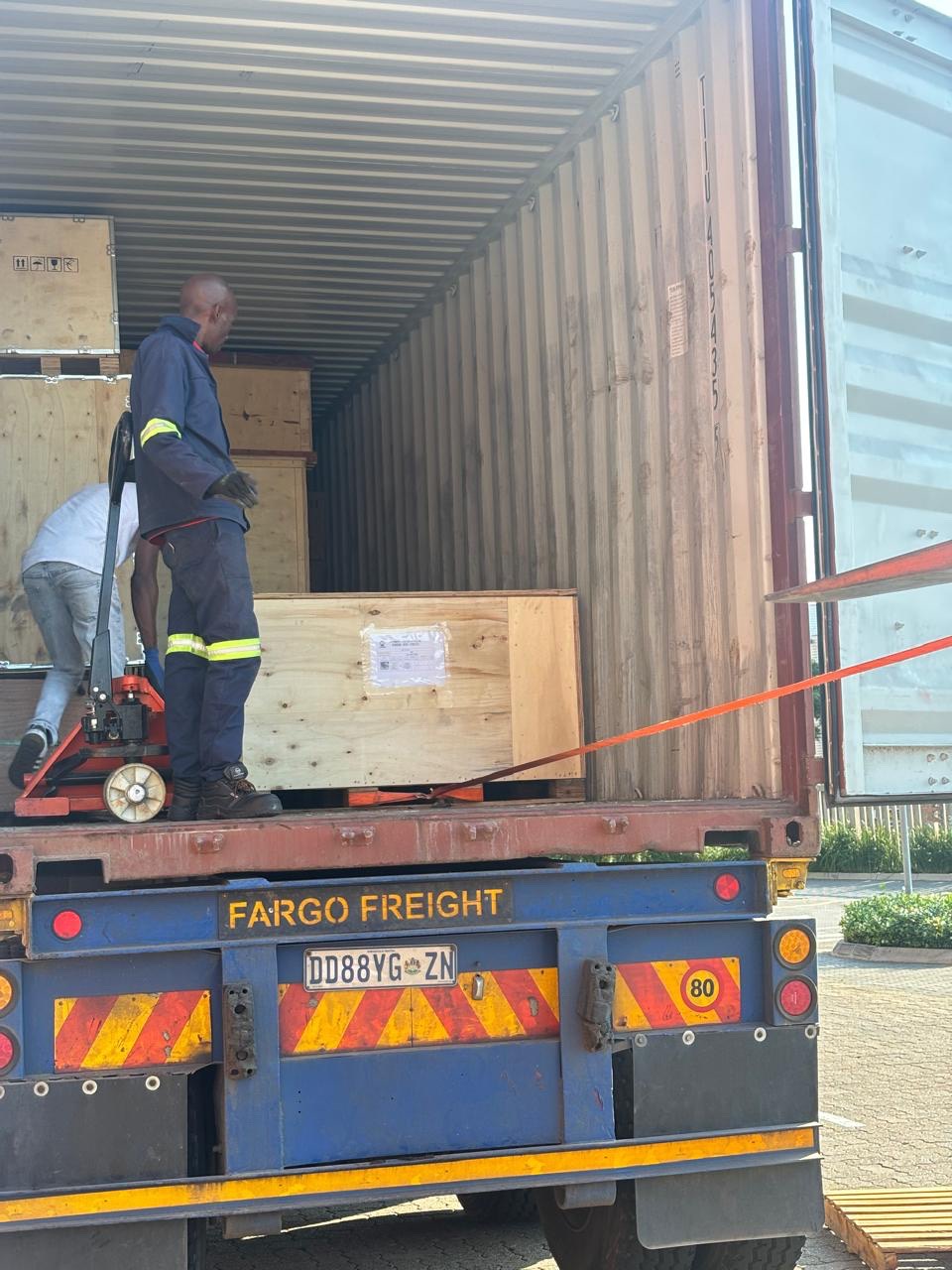
new arrivals
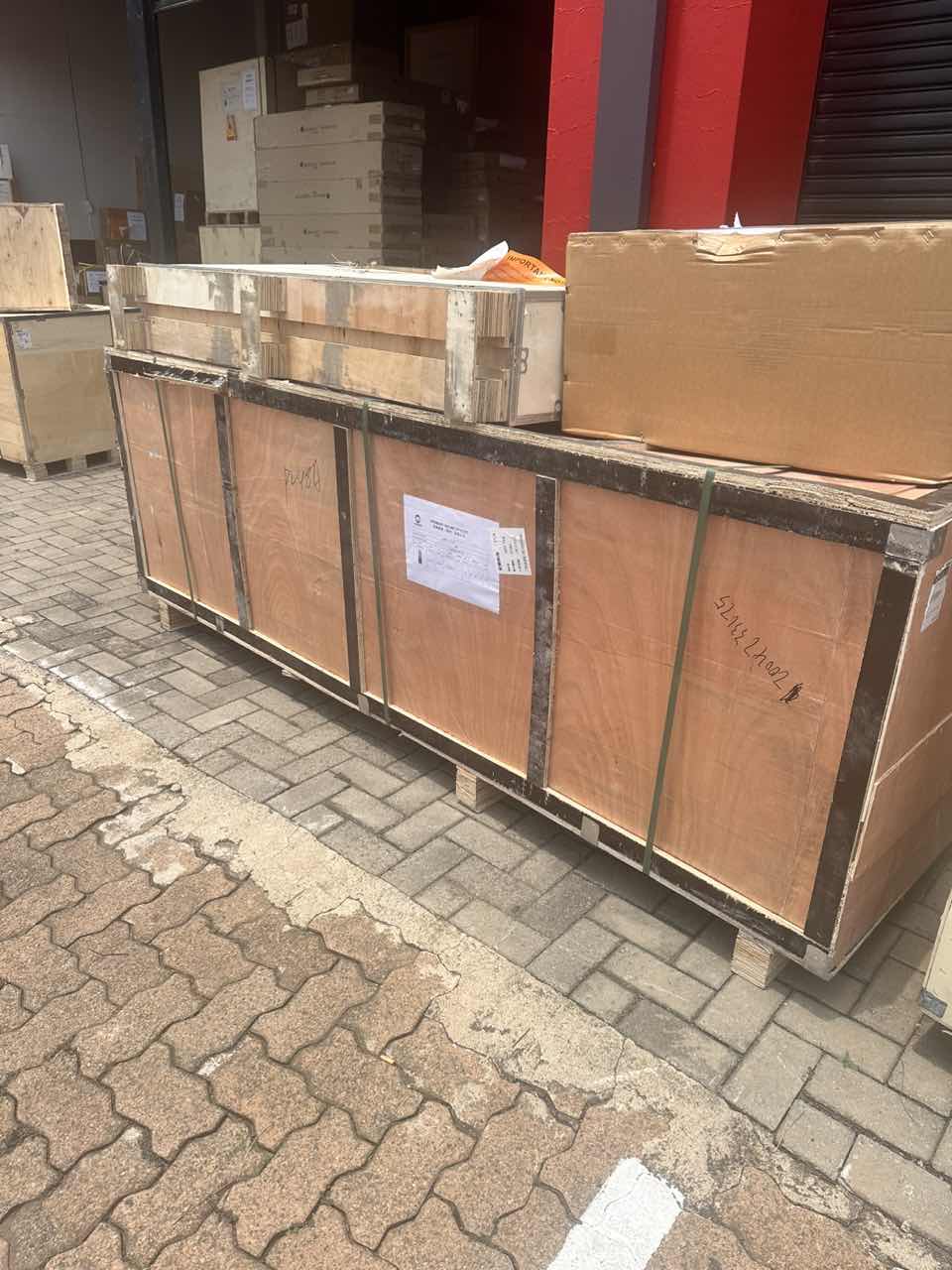
Pre Orders Offloading
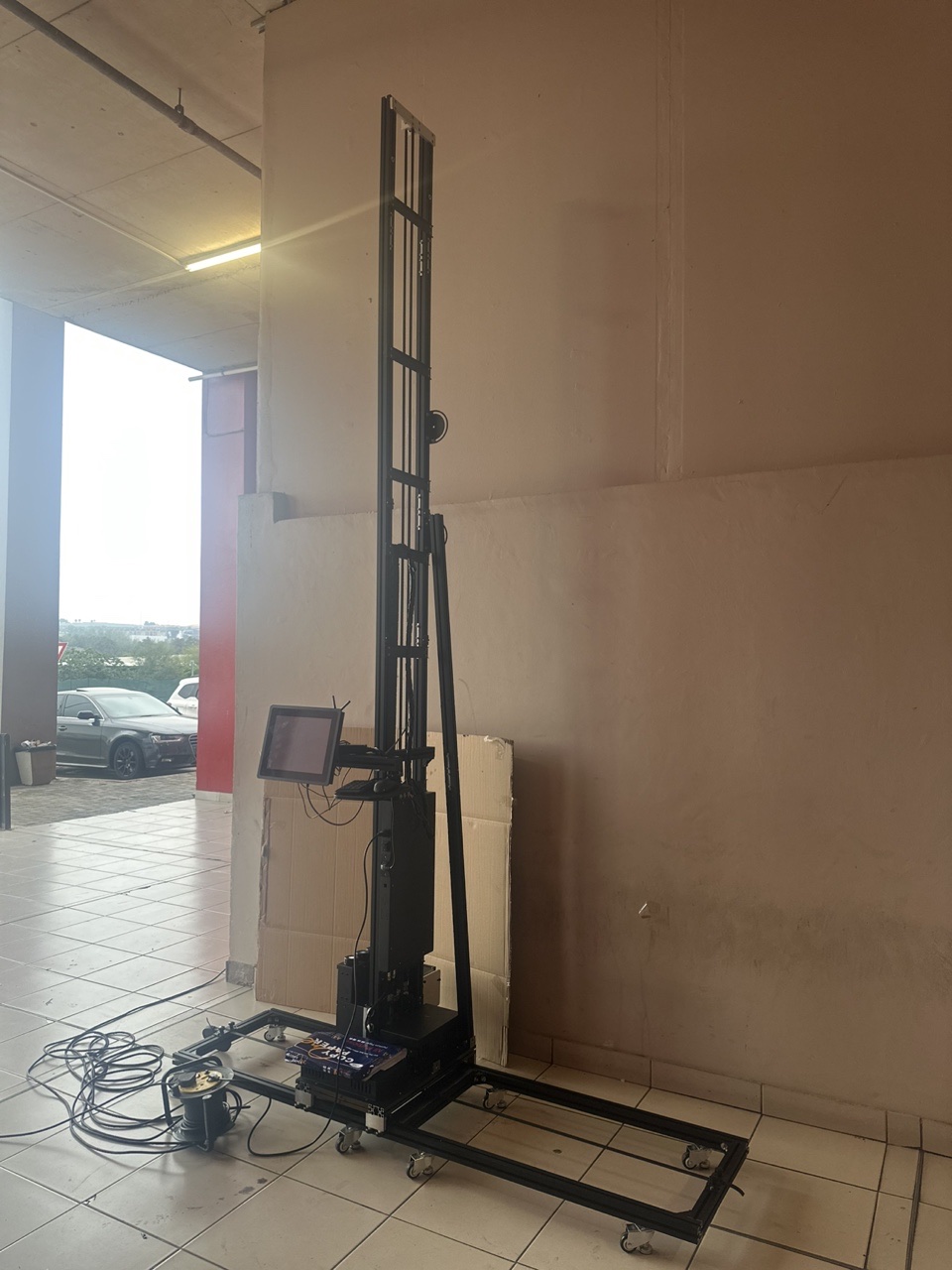
Latest Arrivals
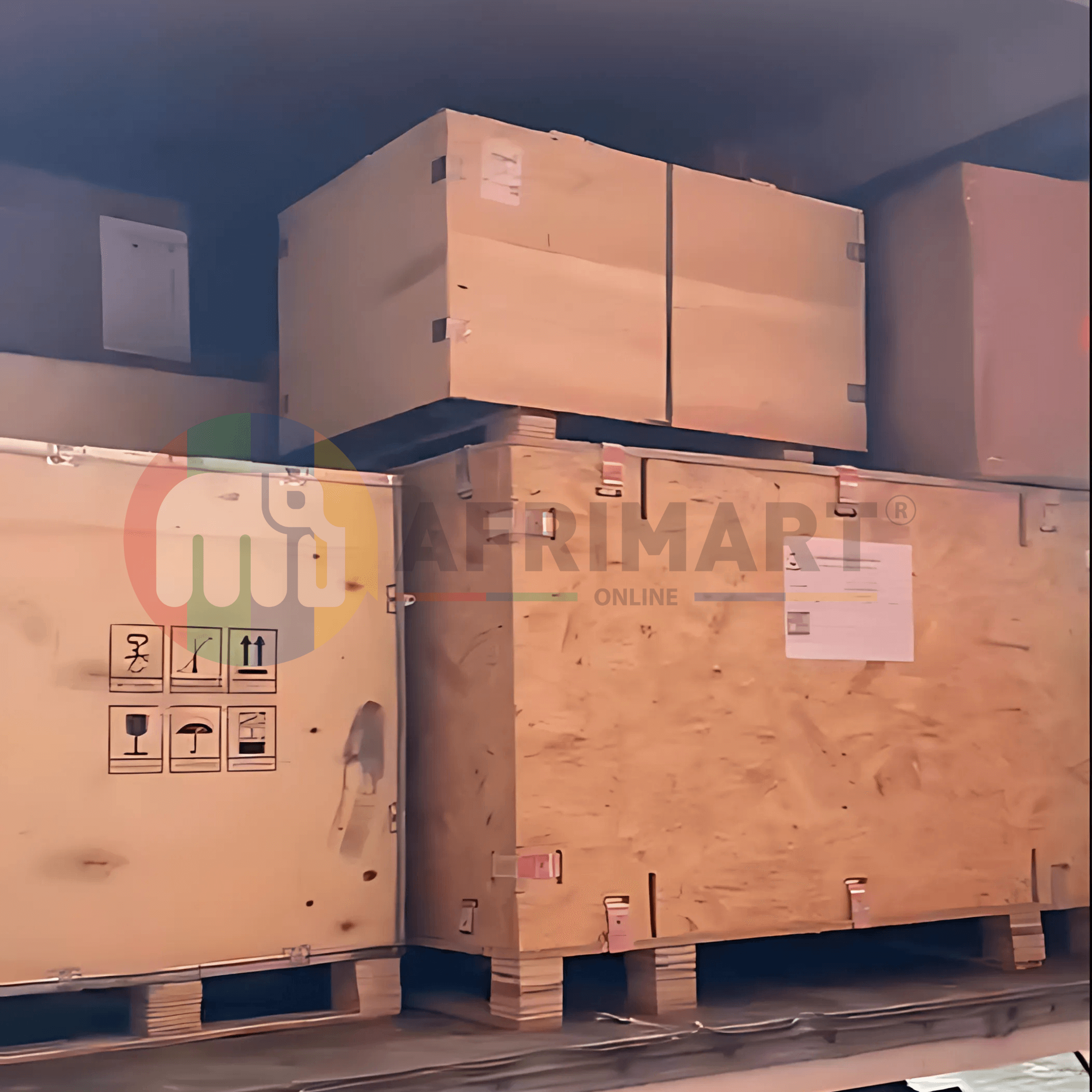
Latest Arrivals
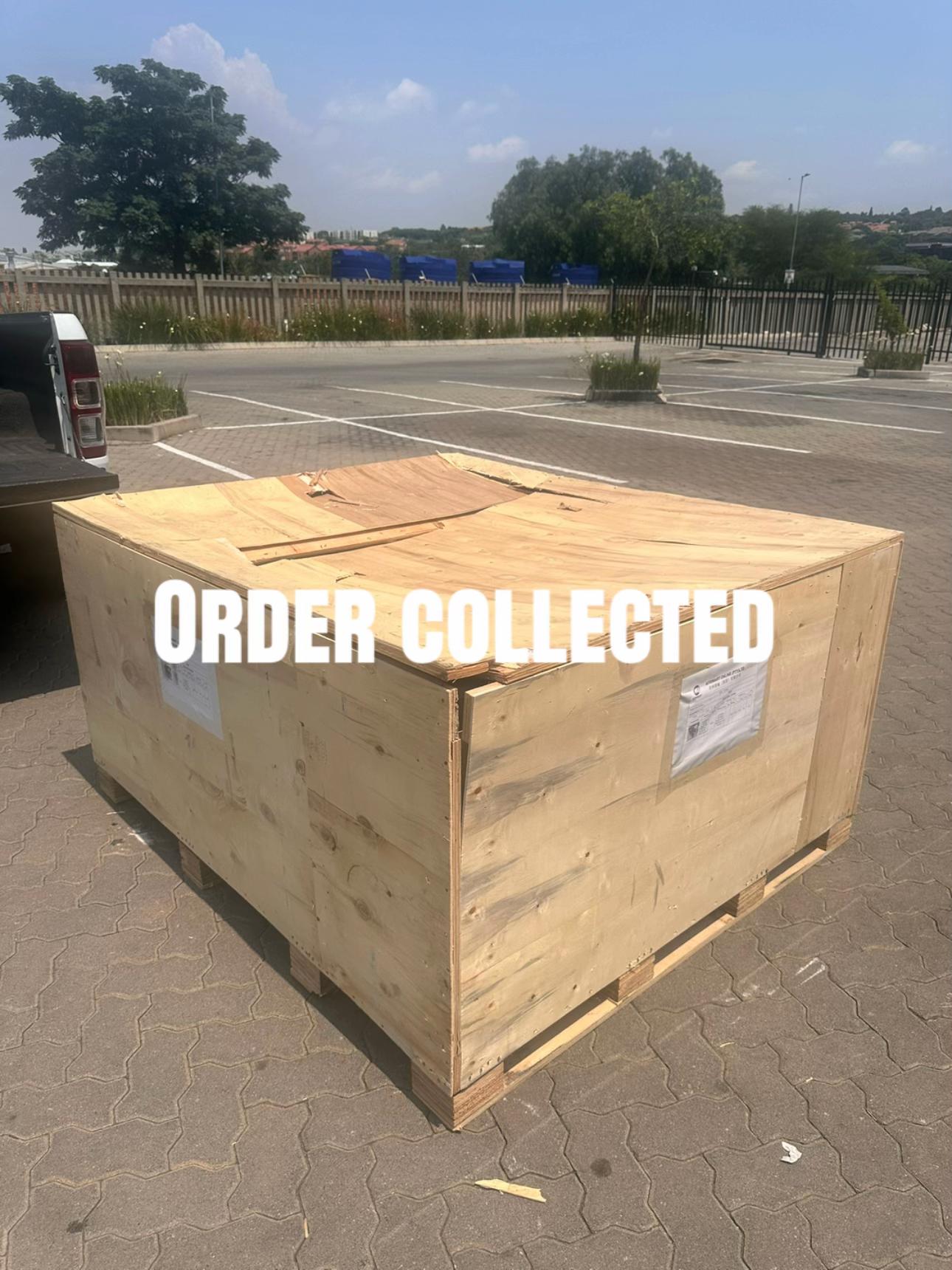
Latest Arrivals
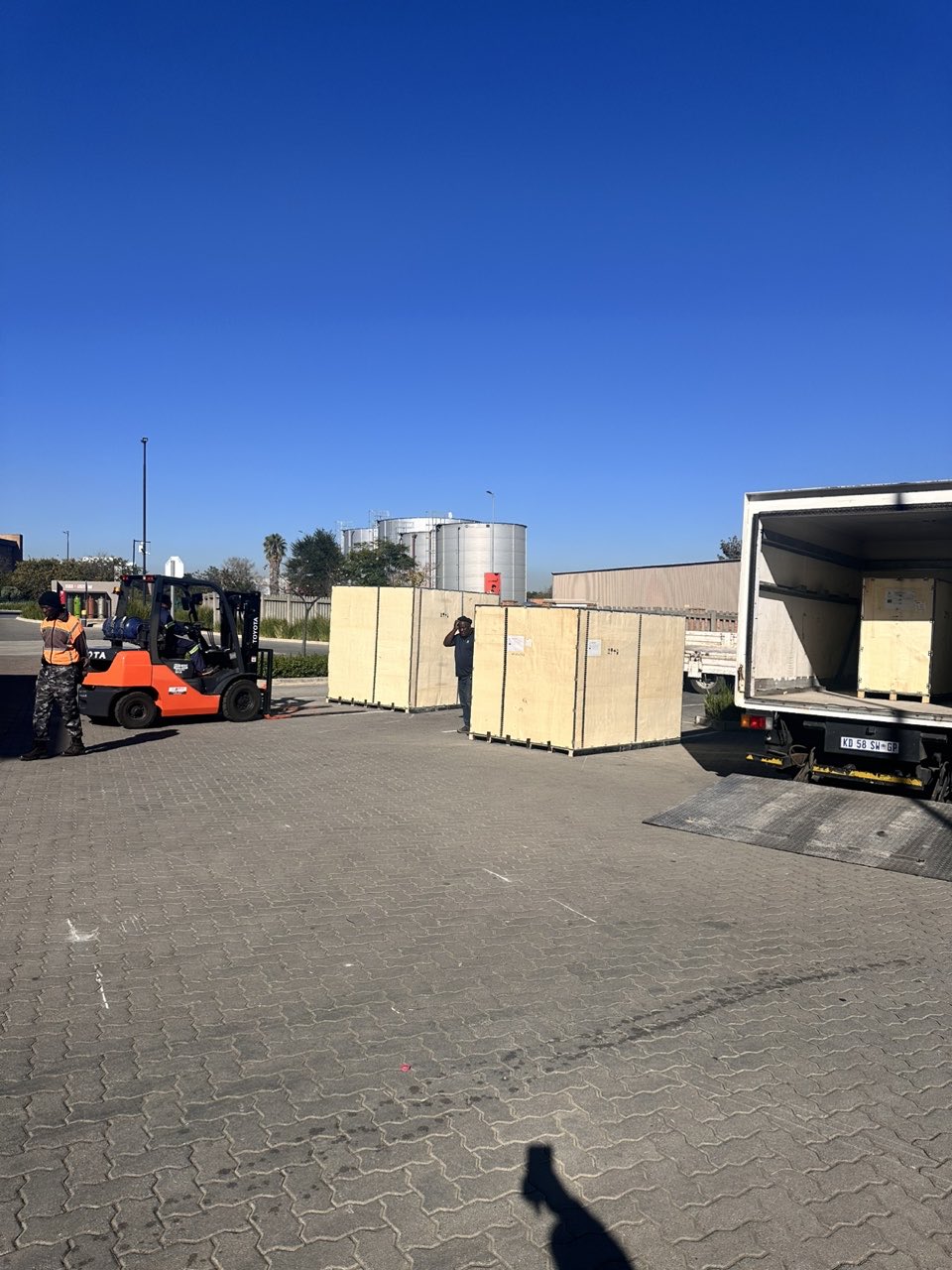
Loading
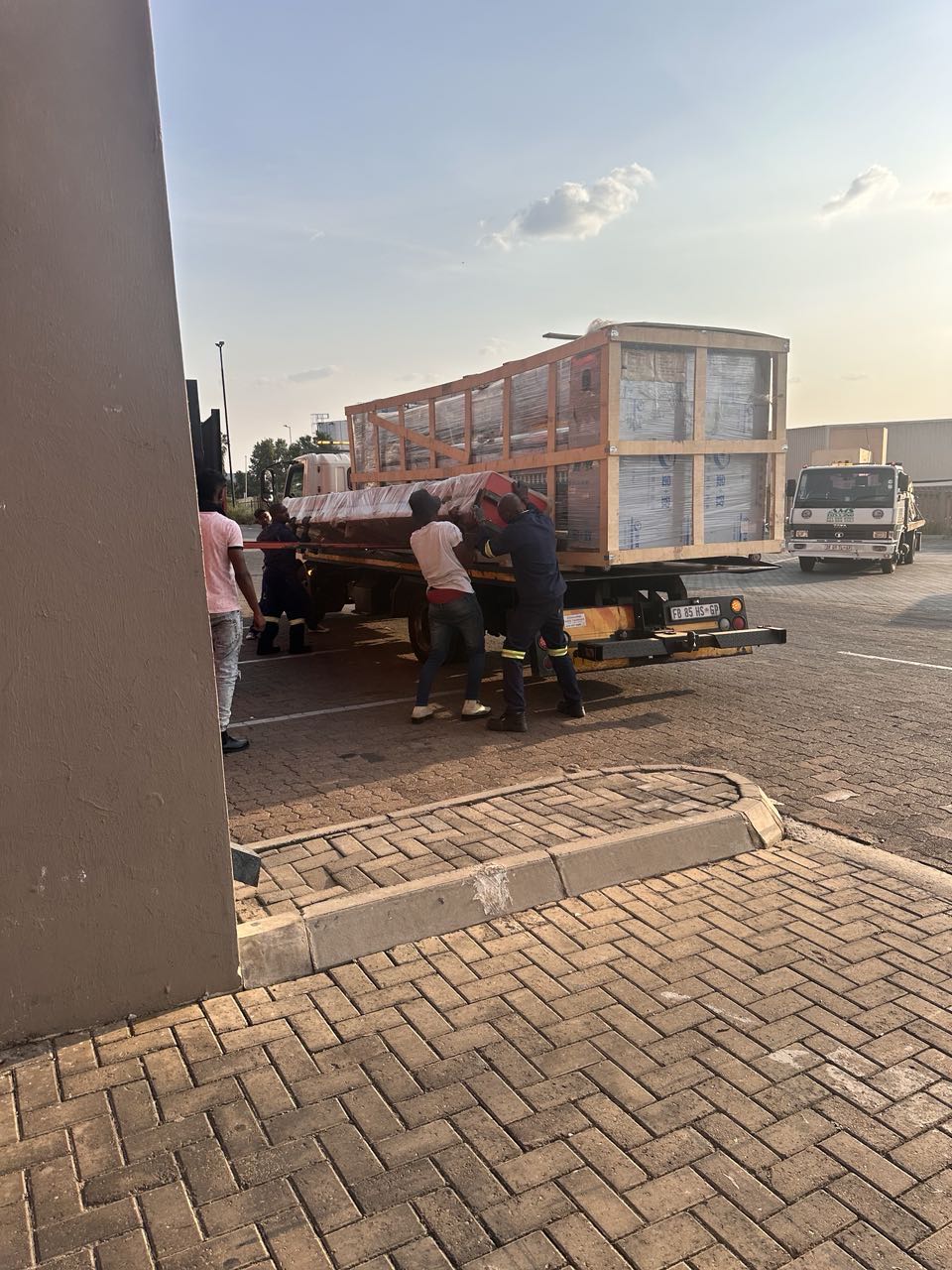
Toilet paper making machine
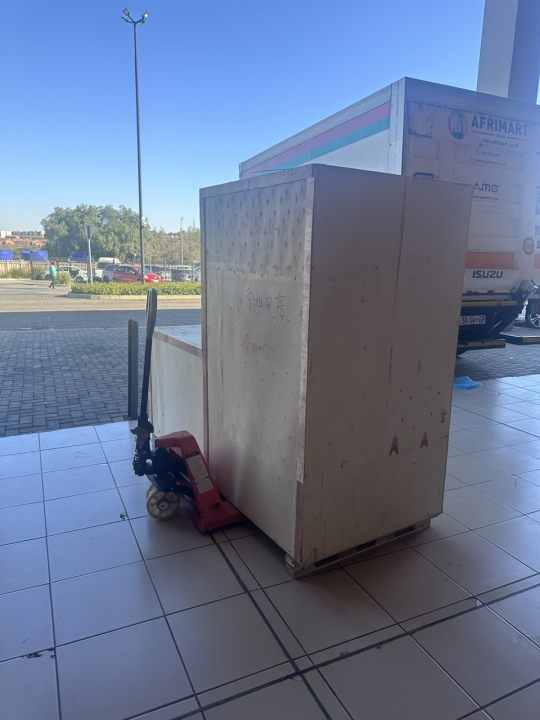
Toilet paper making machine
Toilet paper Rewinding Machine
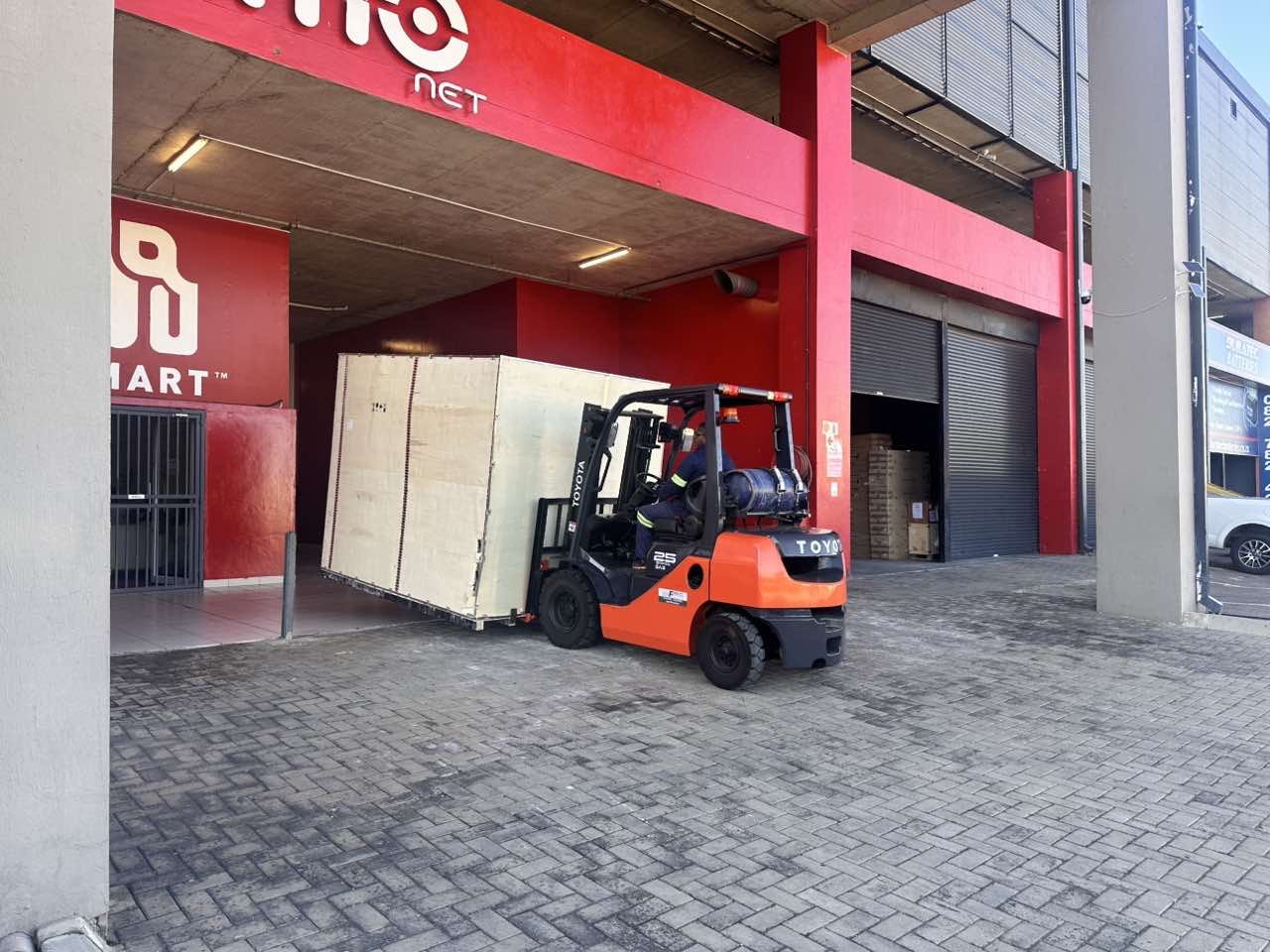
latest arrivals
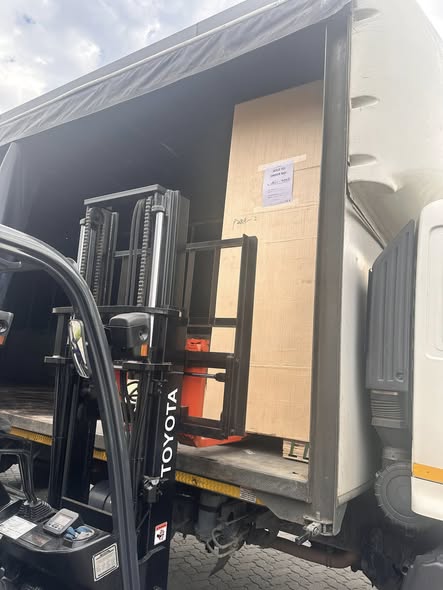
offloading
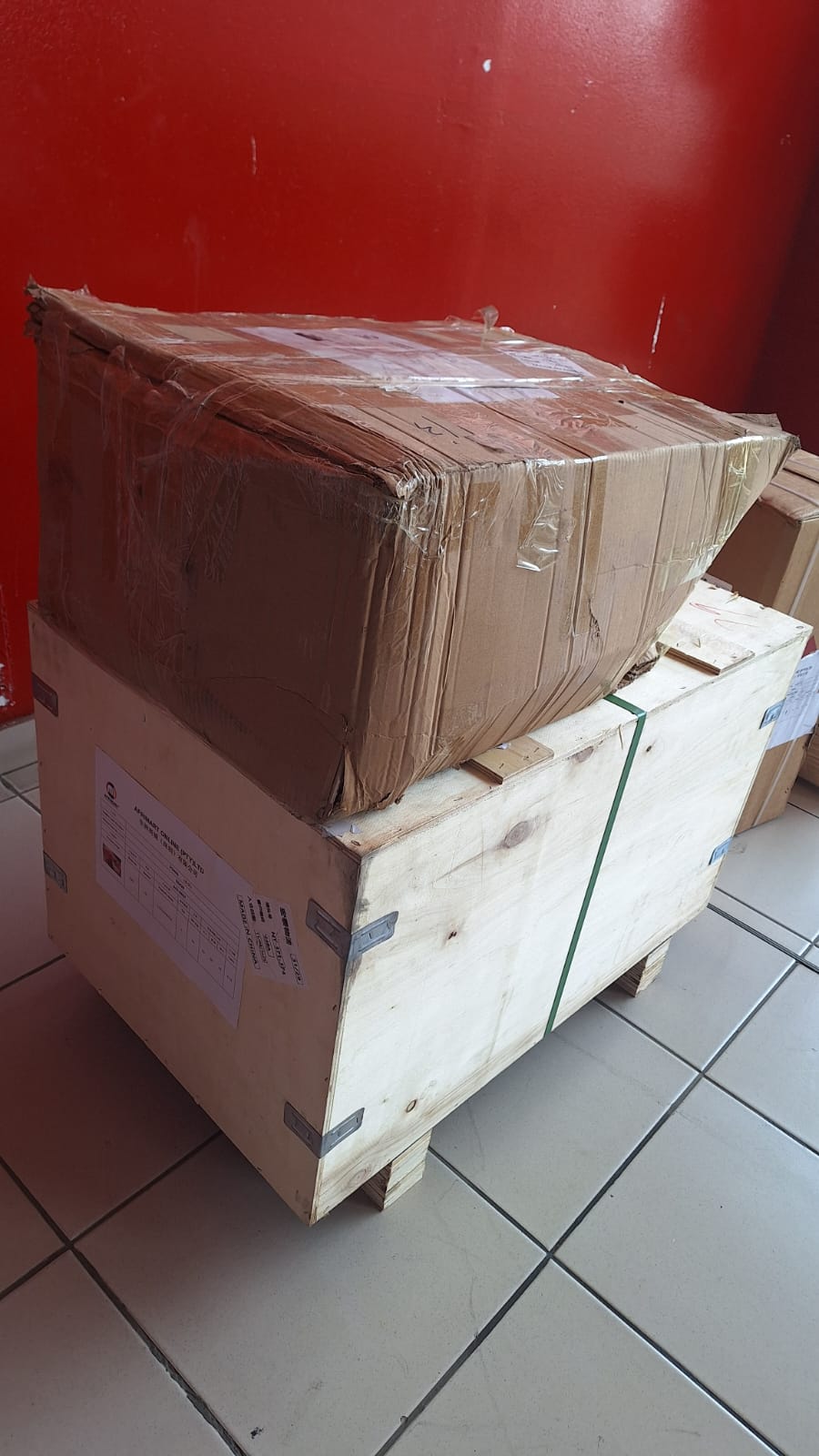
order success
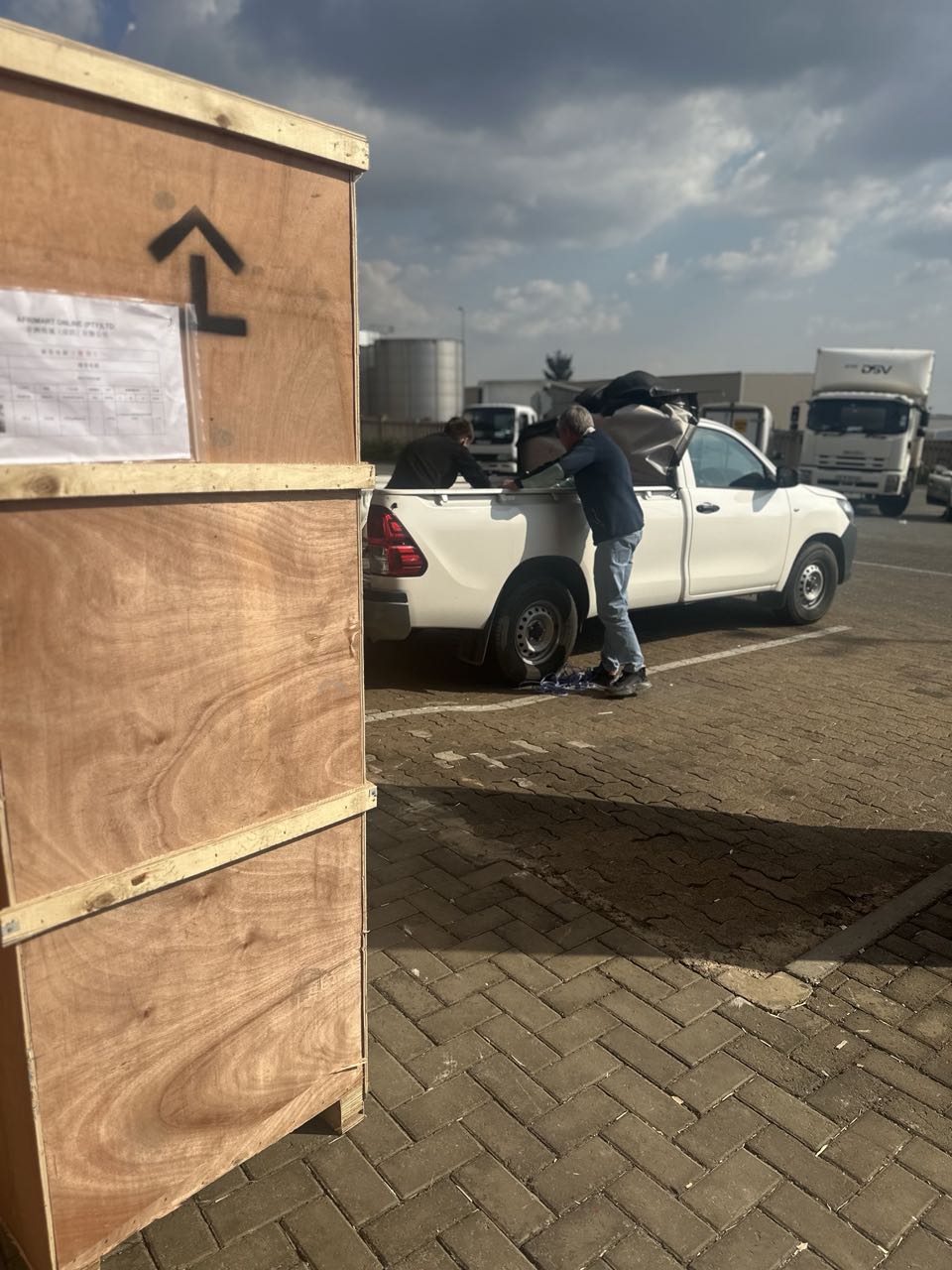
order collection
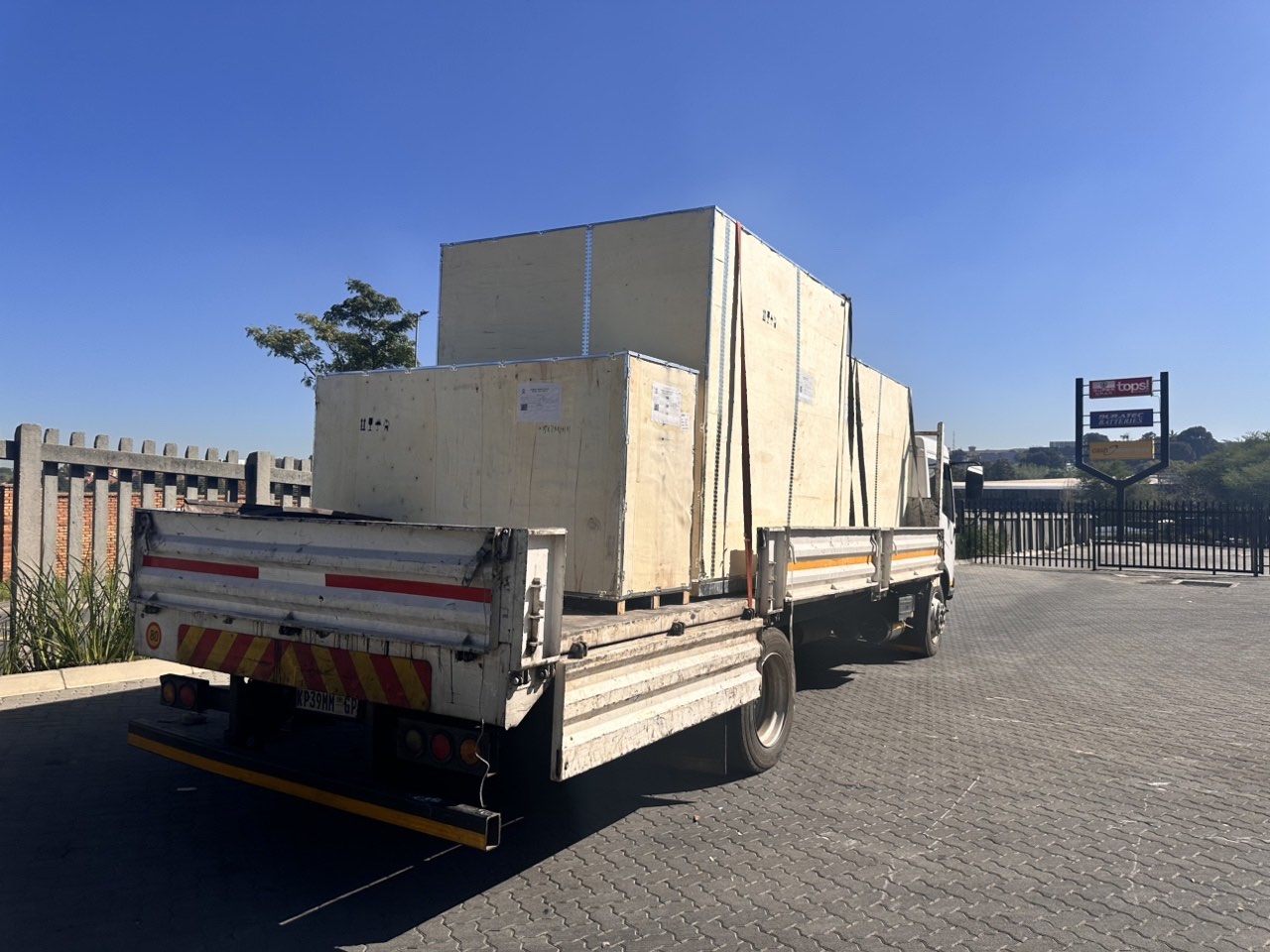
order offloading