B21, China Town Mall, Midrand

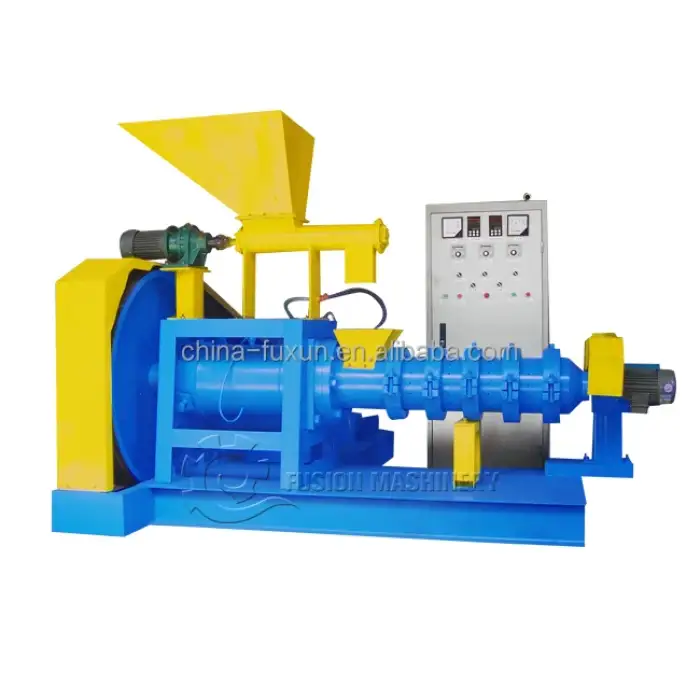
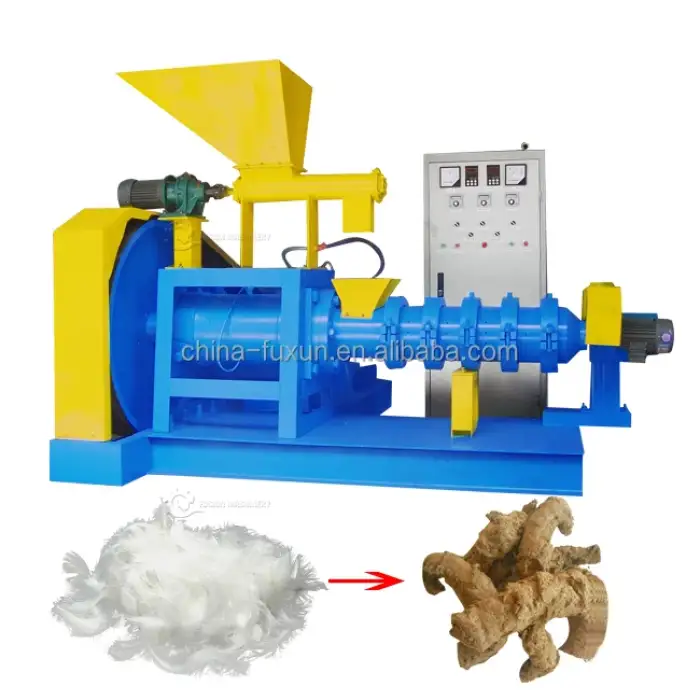
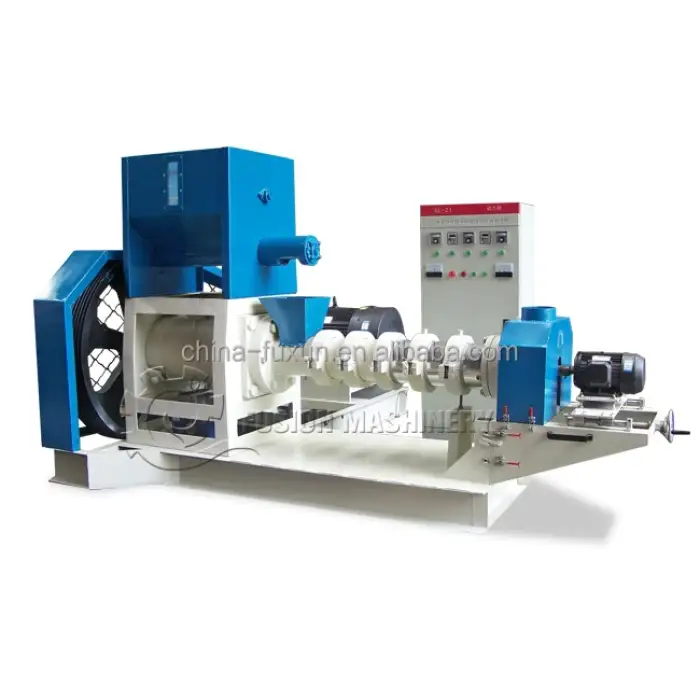
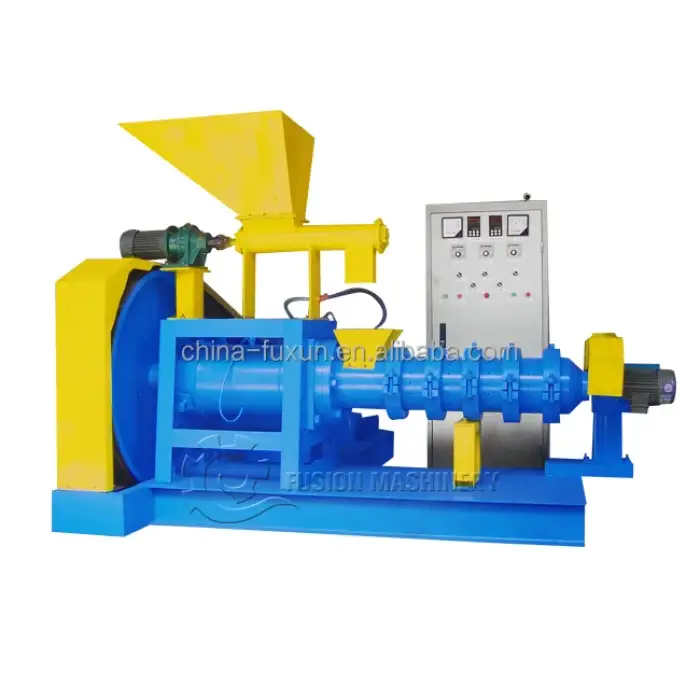
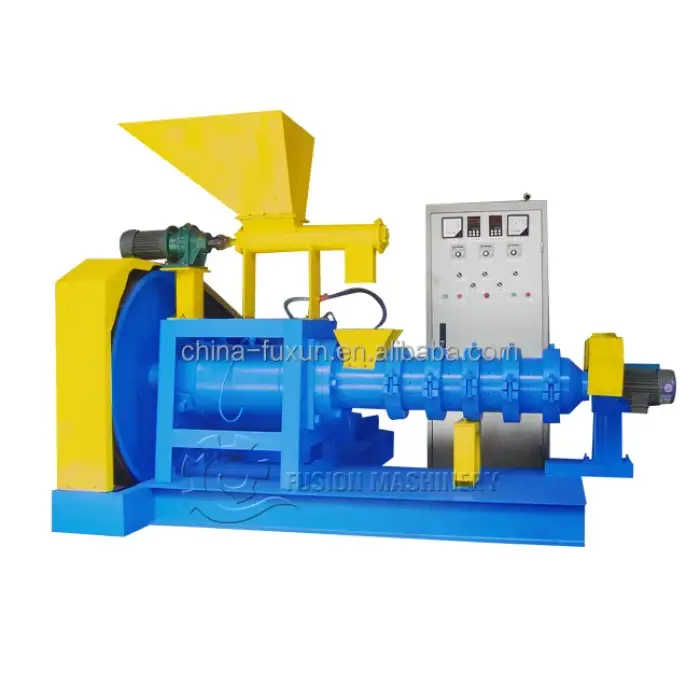
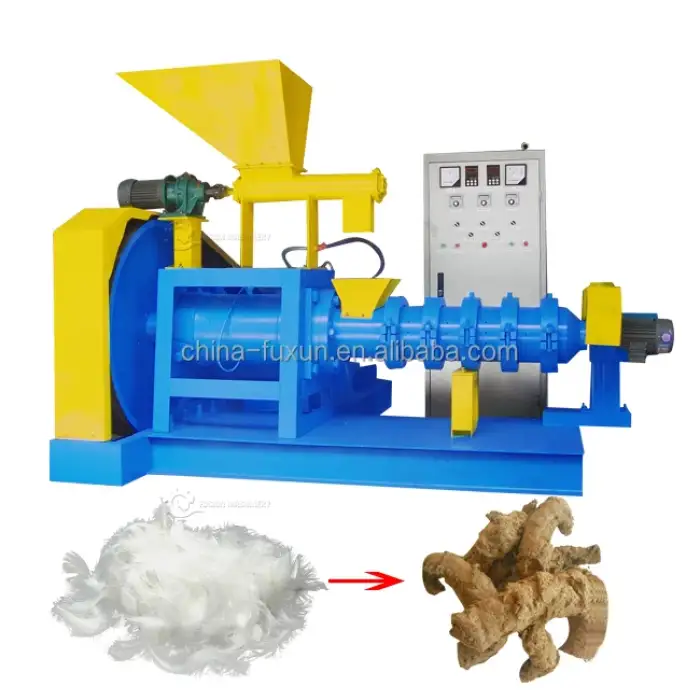
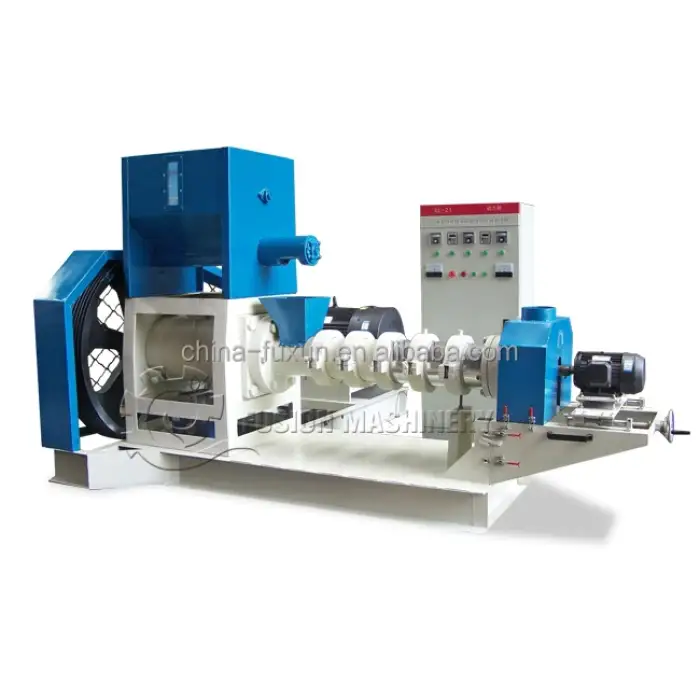
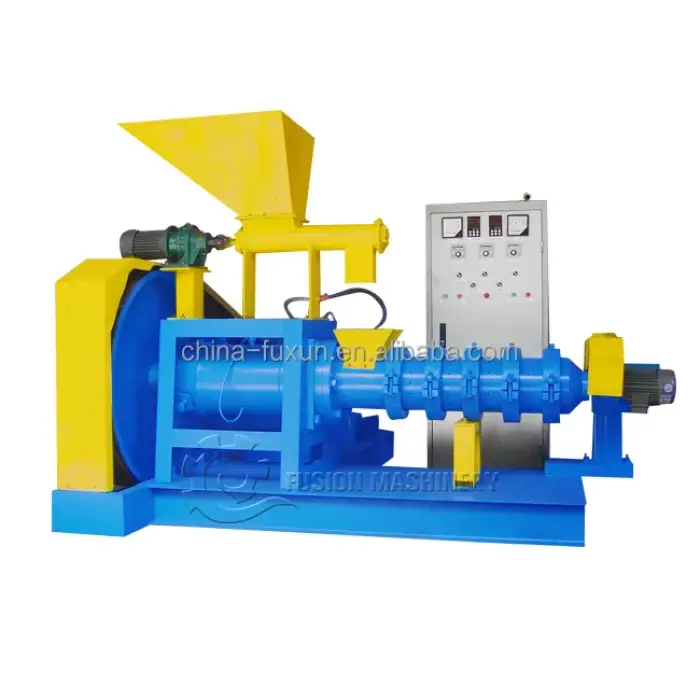
feather meal process equipment machine to make feather meal feather meal extruder machine
Asset finance available
Do you want funding for this equipment?
Afrimart can connect you with trusted funding partners who specialise in asset finance for businesses like yours. Compare options and apply in minutes — final approval is subject to provider review.
Check funding options
Secure & no obligation

- Section : Machinery
- Category : Industrial Machinery
- SKU : 62181206738

- Shipping Timeframes: All orders are processed within 2-5 business days (excluding weekends and holidays). After your order has been processed, the estimated delivery time is before 09 Aug, 2026, depending on customs, Please note that due to high demand, some items may experience longer shipping times, which will be communicated at order confirmation email.
- Order Processing Time: Please allow 2-5 business days for us to process your order before it is shipped . Orders placed after 16:00 on Fridays, or during weekends and public holidays, will begin processing on the next business day. Processing times may be extended during peak seasons or sales events.
- Manufacturing Time: Some products needs manufacturing time, the manufacturing process will take approximately 10-30 business days depending on the product. This timeframe may vary depending on the complexity of the product and current demand. but this will be communicated with you during order confirmation.
- Returns and Exchanges: We offer a 30-day return policy for most items. If you are not completely satisfied with your purchase, you may return it within 30 days of receipt for a refund or exchange. Items must be unused, in their original packaging, and accompanied by proof of purchase. Return shipping costs are the responsibility of the customer, unless the item was damaged or defective upon arrival.
1. What is feather meal and how is it produced?
Feather meal is a high-quality protein source created by processing wet feathers through dehydration, extrusion, and pulverization. The Feather Meal Process Equipment efficiently converts raw feathers into a digestible and nutrient-rich product.
2. What are the key nutritional components of feather meal?
Feather meal is rich in crude protein, with hydrolyzed feather meal containing 71%, enzymatic feather powder at 82.6%, and expanded feather powder at 93.55%. It also contains essential amino acids, minerals, and vitamins beneficial for animal feed.
3. How does the extrusion process improve digestibility?
The extrusion process enhances the digestibility of feathers by cleaving disulfide bonds and peptide hydrogen bonds in keratin, making the nutrients more bioavailable for animals.
4. What are the dimensions and weight of the FX-135B model?
The dimensions of the FX-135B model are 2900 x 2020 x 950 mm, and it weighs 2100 kg.
5. What is the capacity of the FX-200B model?
The FX-200B model has a capacity of 400-500 kg/h.
6. Is the feather meal produced safe for animal consumption?
Yes, the heat treatment during the extrusion process ensures that the feather meal is sterilized, improving its safety and quality for animal feed.
7. What types of animals can benefit from feather meal?
Feather meal is beneficial for various animals, particularly in poultry, fish farming, and livestock, as it provides a high-value protein supplement.
8. What are the power requirements for the equipment?
The FX-135B model requires a main power of 45 kW, while the FX-200B model requires 75 kW. Both models operate at a voltage of 380V/50Hz 3-phase.
9. What are the benefits of using this equipment for feather meal production?
The equipment offers high nutritional value, improved digestibility, sterilization of the product, and a sustainable solution for recycling waste feathers into a valuable agricultural by-product.
10. Can this equipment be used for large-scale production?
Yes, the Feather Meal Process Equipment is designed for large-scale production, with capacities of 200-300 kg/h for the FX-135B model and 400-500 kg/h for the FX-200B model.
11. What is the digestibility rate of the treated feather meal?
The treated feather meal has a digestibility rate of over 90%, significantly improving its feeding value.
12. What is the role of the dewatering machine in the process?
The dewatering machine reduces the moisture content of wet feathers, which is the first step in the production of feather meal.
13. What types of feathers are suitable for processing with this equipment?
The equipment is designed to process various types of wet feathers, typically sourced from poultry and other fowl.
14. Does the equipment require specialized training to operate?
While basic operational knowledge is beneficial, specific training may be provided by the manufacturer to ensure safe and efficient operation of the equipment.
15. What are the maintenance requirements for the feather meal extruder machine?
Regular maintenance includes checking the mechanical components, ensuring proper lubrication, and cleaning the system to prevent clogs and maintain efficiency.
Latest Order Arrivals
Discover our latest orders

12 Heads Embroidery Machine

Toilet Paper Machine Machine

Order Collection

Cross Border Clients

Order cros border countries Collected

Industrial Machine Cllection

Agriculture Processing Machines

Ready for collection

Water Pump Equipment

Packaging Machine and accessories

Fabrics Manufacturing Equipment

Mining Equipments

Food Processing Machine

Batch of Orders

Batch of Orders

Latest Orders Labelled

wheel alignment machines

new arrivals

Pre Orders Offloading

Latest Arrivals

Latest Arrivals

Latest Arrivals

Loading

Toilet paper making machine

Toilet paper making machine

Toilet paper Rewinding Machine

latest arrivals

offloading

order success

order collection

order offloading