B21, China Town Mall, Midrand

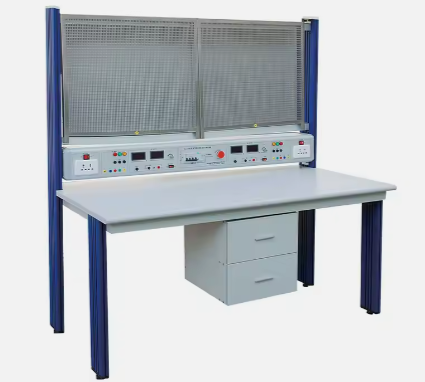
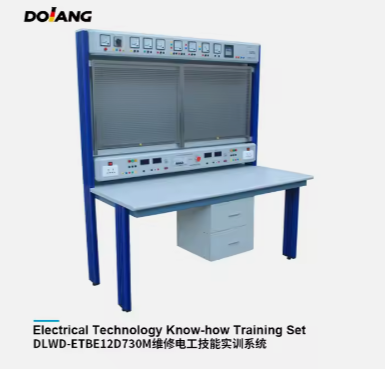
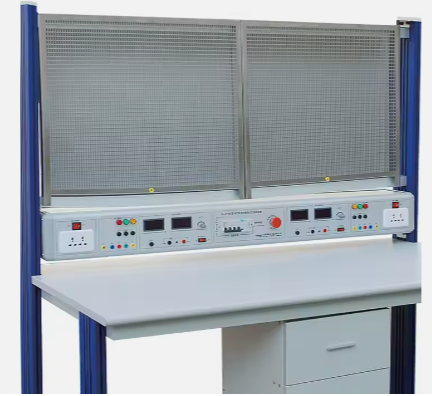
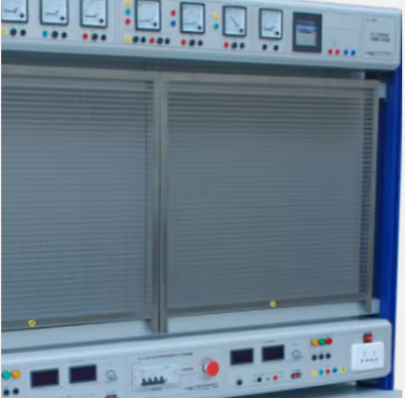
Electrical Installation Workbench Educational Lab Equipment
Asset finance available
Do you want funding for this equipment?
Afrimart can connect you with trusted funding partners who specialise in asset finance for businesses like yours. Compare options and apply in minutes — final approval is subject to provider review.
Check funding options
Secure & no obligation

- Section : Electrical & Tools
- Category : Electrical Equipment
- SKU : 3684600

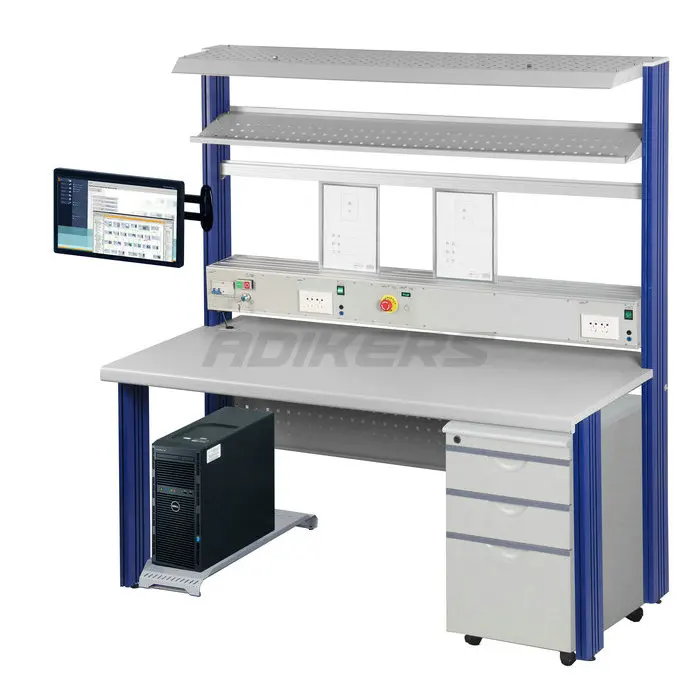
The device is a comprehensive platform for the professional ability of designing, welding, debugging and repairing electronic products, providing welding power modules, power modules for debugging and repairing equipment, configuration drawing boards, instrumentation and tool storage, integrated LED lighting, power and signal parts Equipped with AC and DC power modules, instruments and meters are optional, the DC power supply is a linear regulated power supply, with good output voltage regulation performance, low noise and high ripple rejection ratio.
| Installation and commissioning process | – Selection, layout and installation process of components – Wire layout and connection process – Installation and connection process of the whole machine – The whole machine debugging process – Testing and inspection process |
| Design, assembly and debugging of practical electronic products | – Design, assembly and debugging of microcontroller control circuit – Design, assembly and debugging of 8-way responder – Assembly and debugging of pointer multimeter – Assembly and commissioning of SMT radios |
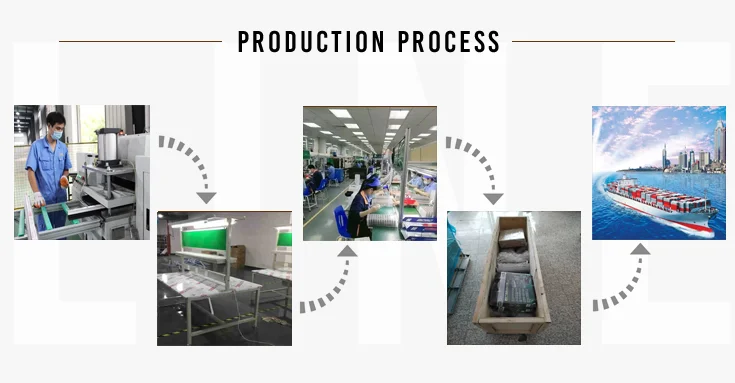
- Shipping Timeframes: All orders are processed within 2-5 business days (excluding weekends and holidays). After your order has been processed, the estimated delivery time is before 03 Aug, 2026, depending on customs, Please note that due to high demand, some items may experience longer shipping times, which will be communicated at order confirmation email.
- Order Processing Time: Please allow 2-5 business days for us to process your order before it is shipped . Orders placed after 16:00 on Fridays, or during weekends and public holidays, will begin processing on the next business day. Processing times may be extended during peak seasons or sales events.
- Manufacturing Time: Some products needs manufacturing time, the manufacturing process will take approximately 10-30 business days depending on the product. This timeframe may vary depending on the complexity of the product and current demand. but this will be communicated with you during order confirmation.
- Returns and Exchanges: We offer a 30-day return policy for most items. If you are not completely satisfied with your purchase, you may return it within 30 days of receipt for a refund or exchange. Items must be unused, in their original packaging, and accompanied by proof of purchase. Return shipping costs are the responsibility of the customer, unless the item was damaged or defective upon arrival.
1. What is the primary function of the Electrical Installation Workbench?
The primary function of the Electrical Installation Workbench is to provide a comprehensive platform for designing, welding, debugging, and repairing electronic products, making it ideal for educational and professional use.
2. What types of power modules are included with the workbench?
The workbench is equipped with both AC and DC power modules, including a linear regulated DC power supply known for its low noise and high ripple rejection ratio.
3. What tools and instruments are included in the lab equipment?
The lab equipment can include optional instruments and meters for testing and inspection, as well as storage for tools and components.
4. Is the workbench suitable for educational purposes?
Yes, the Electrical Installation Workbench is designed for educational purposes, enabling students to learn about electronic product design, assembly, and debugging.
5. Can I perform debugging and testing on microcontroller circuits?
Yes, the workbench allows for the design, assembly, and debugging of microcontroller control circuits, making it suitable for advanced electronic projects.
6. What kind of projects can be assembled using this workbench?
Projects that can be assembled include microcontroller control circuits, 8-way responders, pointer multimeters, AM radios, and SMT radios.
7. How is component installation and wiring handled?
The workbench includes guidance for the selection, layout, installation, and wiring of components, ensuring proper connections throughout the assembly process.
8. Does the workbench come with built-in lighting?
Yes, the workbench features integrated LED lighting to enhance visibility during design and assembly tasks.
9. What safety features are included in the workbench?
The workbench is designed with safety in mind, incorporating features such as proper grounding and insulation to ensure a safe working environment.
10. How does the debugging process work on this workbench?
The debugging process involves testing and inspecting assembled circuits, with guidance provided for systematic troubleshooting and verification of functionality.
11. Is the workbench portable?
The workbench is typically designed to be stationary for stability during complex assembly tasks; however, some models may have mobility features.
12. Can I customize the workbench with additional instruments?
Yes, the workbench is designed to accommodate optional instruments and meters, allowing for customization based on your specific project needs.
13. What is the recommended age group for using this workbench?
The workbench is suitable for a wide range of users, including students and professionals, making it appropriate for ages 14 and older, depending on the complexity of projects.
14. Where can I find assembly instructions for specific projects?
Assembly instructions for specific projects can typically be found in the user manual or provided as supplementary materials with the workbench.
15. What type of maintenance does the workbench require?
Regular maintenance includes cleaning, checking connections, and ensuring that power modules and instruments are functioning correctly to maintain optimal performance.
Latest Order Arrivals
Discover our latest orders
12 Heads Embroidery Machine
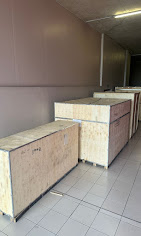
Toilet Paper Machine Machine
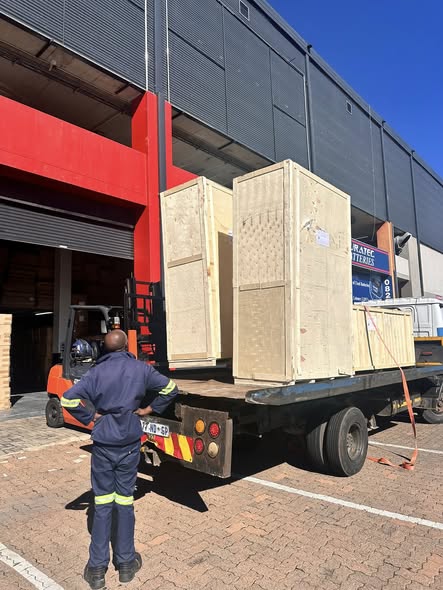
Order Collection
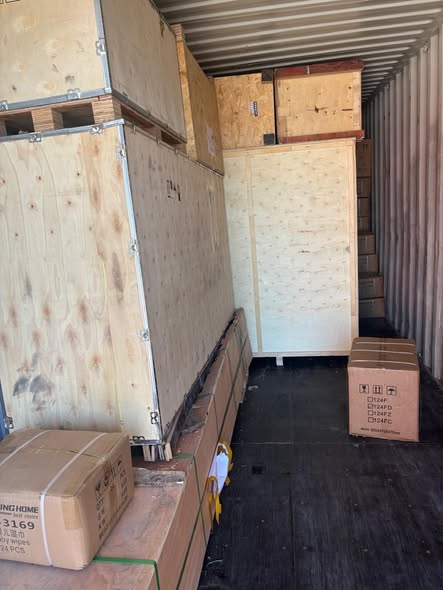
Cross Border Clients
Order cros border countries Collected
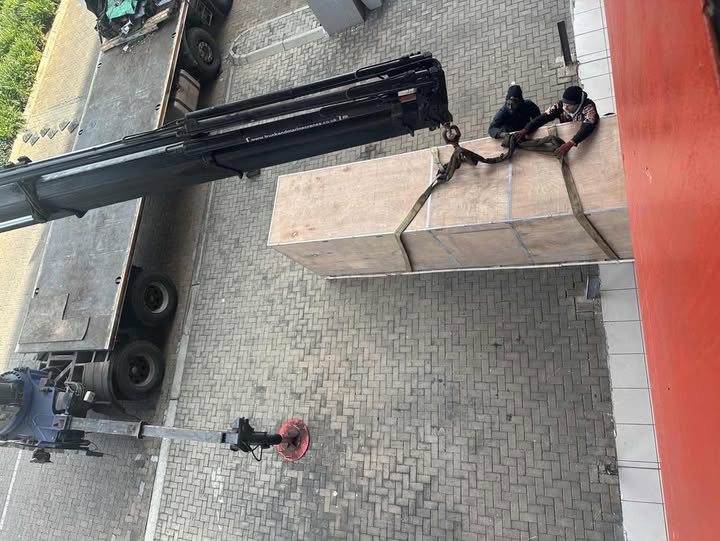
Industrial Machine Cllection
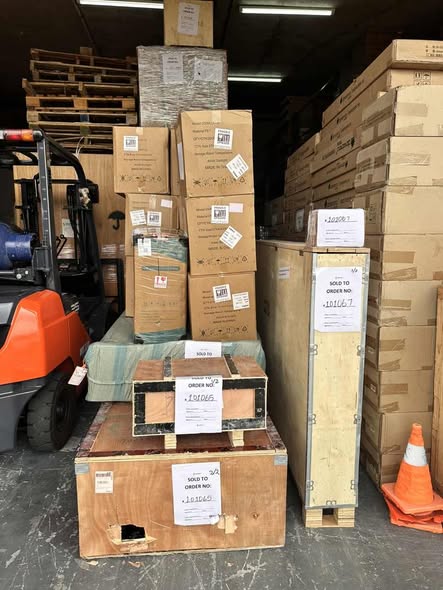
Agriculture Processing Machines
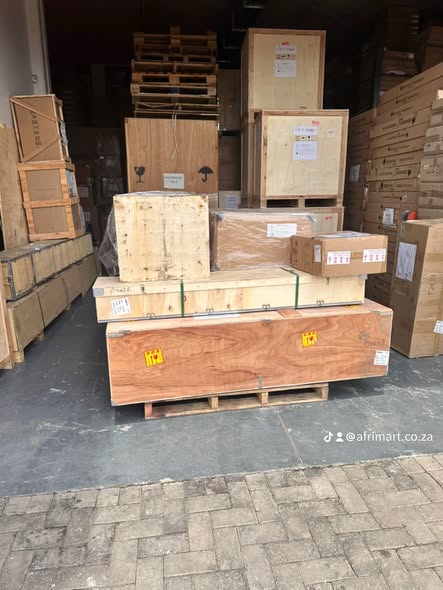
Ready for collection
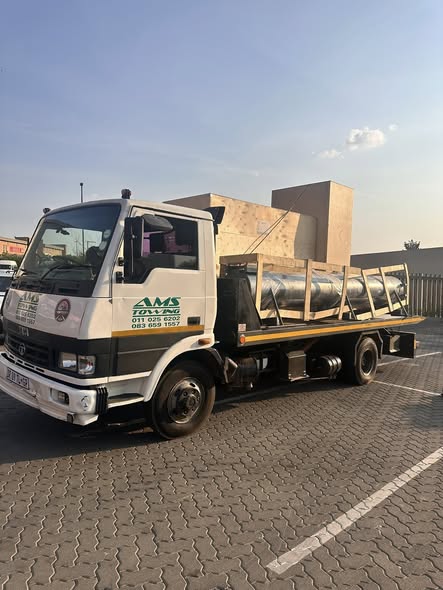
Water Pump Equipment
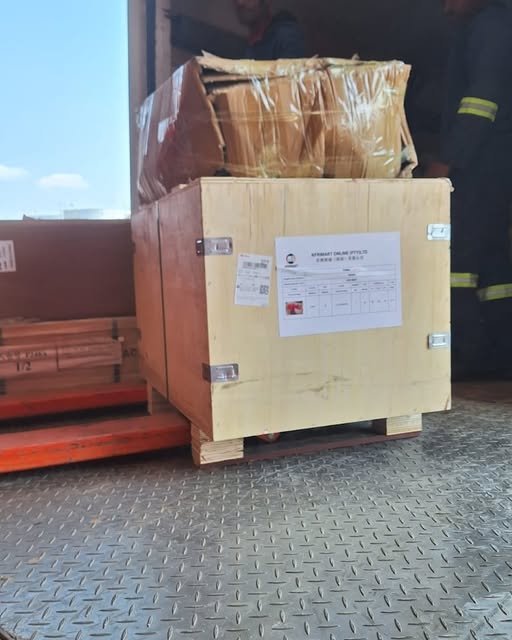
Packaging Machine and accessories
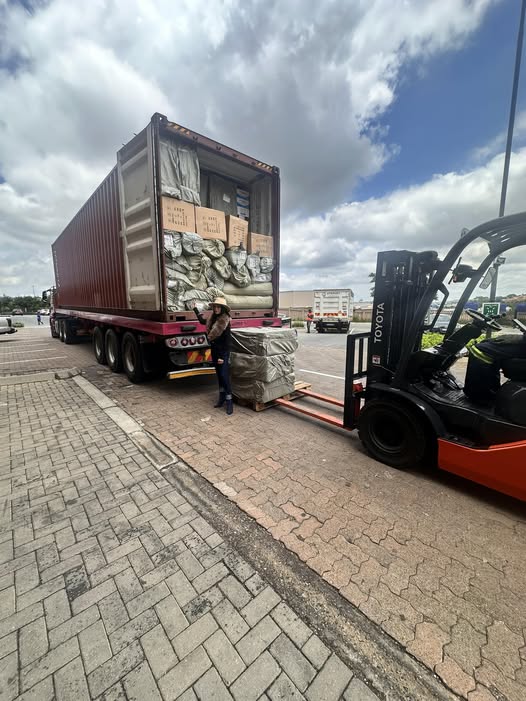
Fabrics Manufacturing Equipment
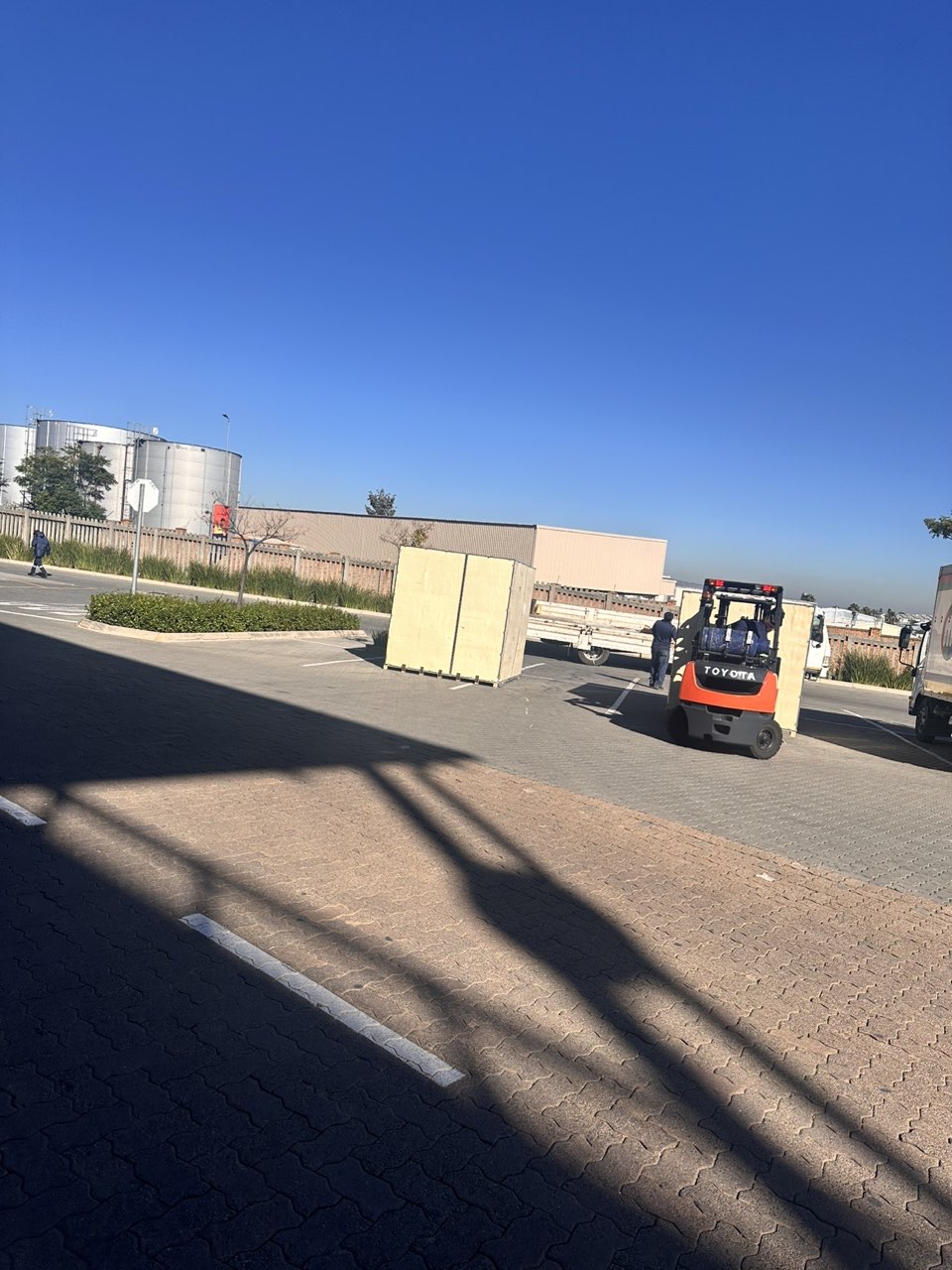
Mining Equipments
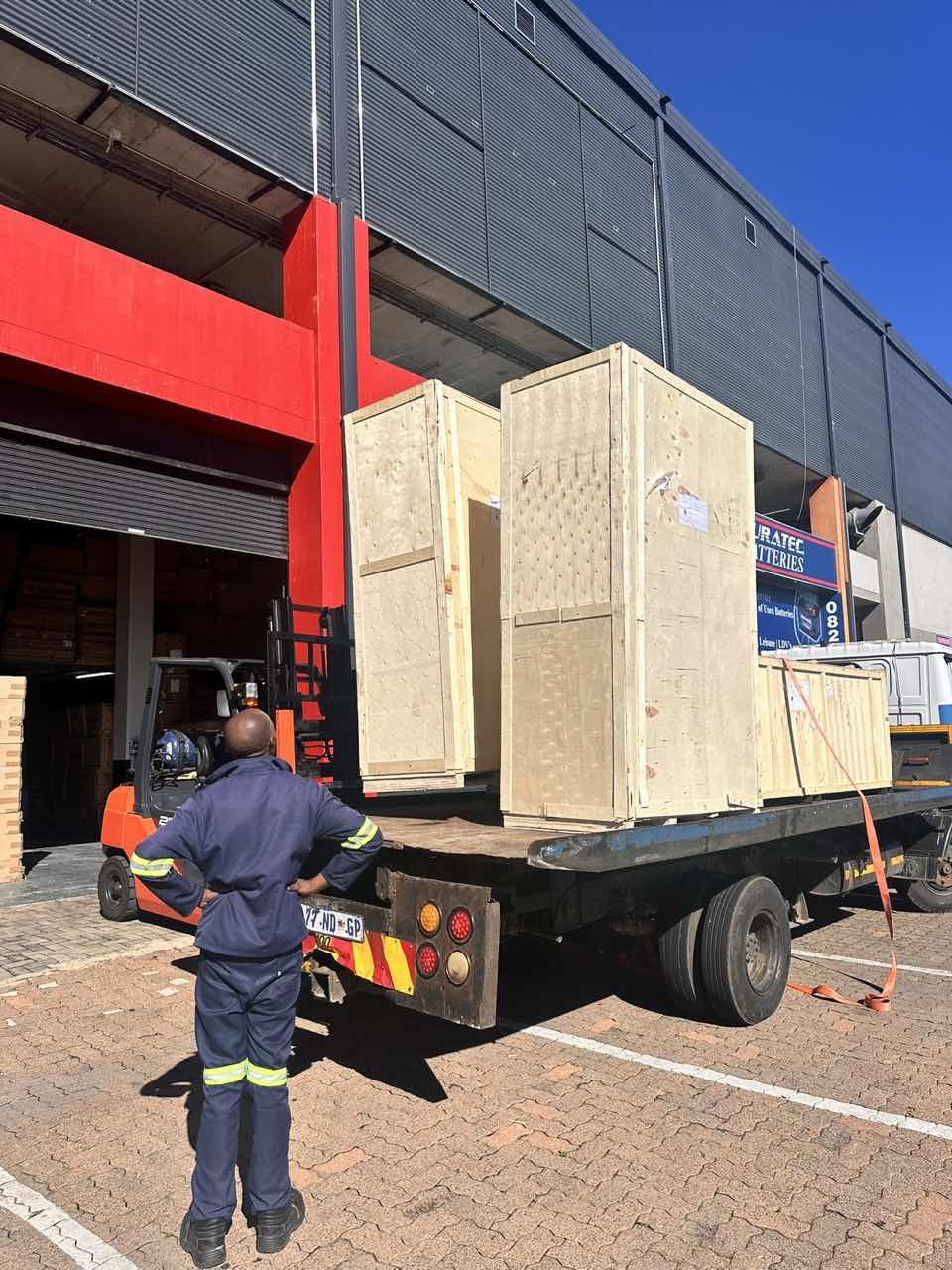
Food Processing Machine
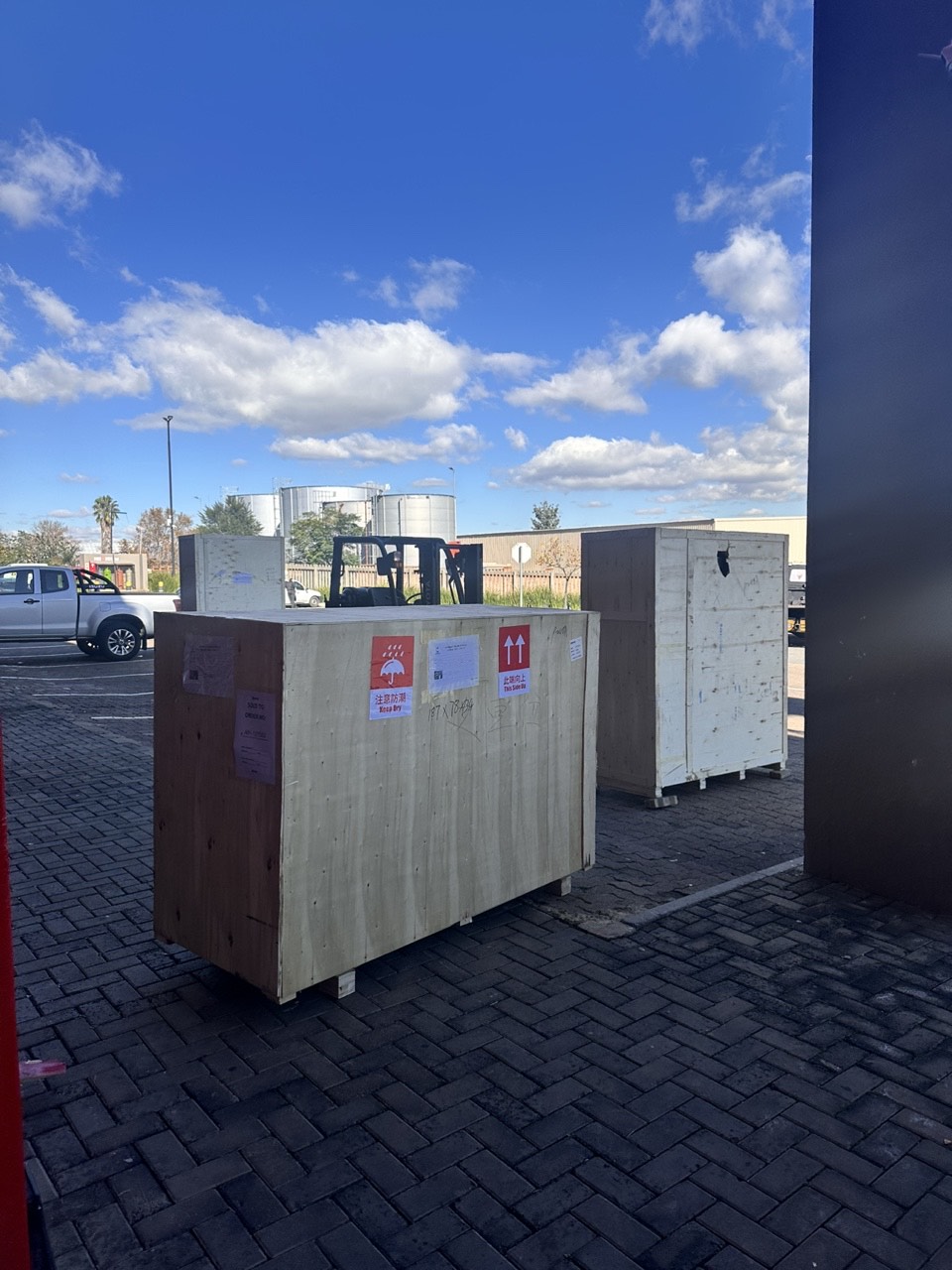
Batch of Orders
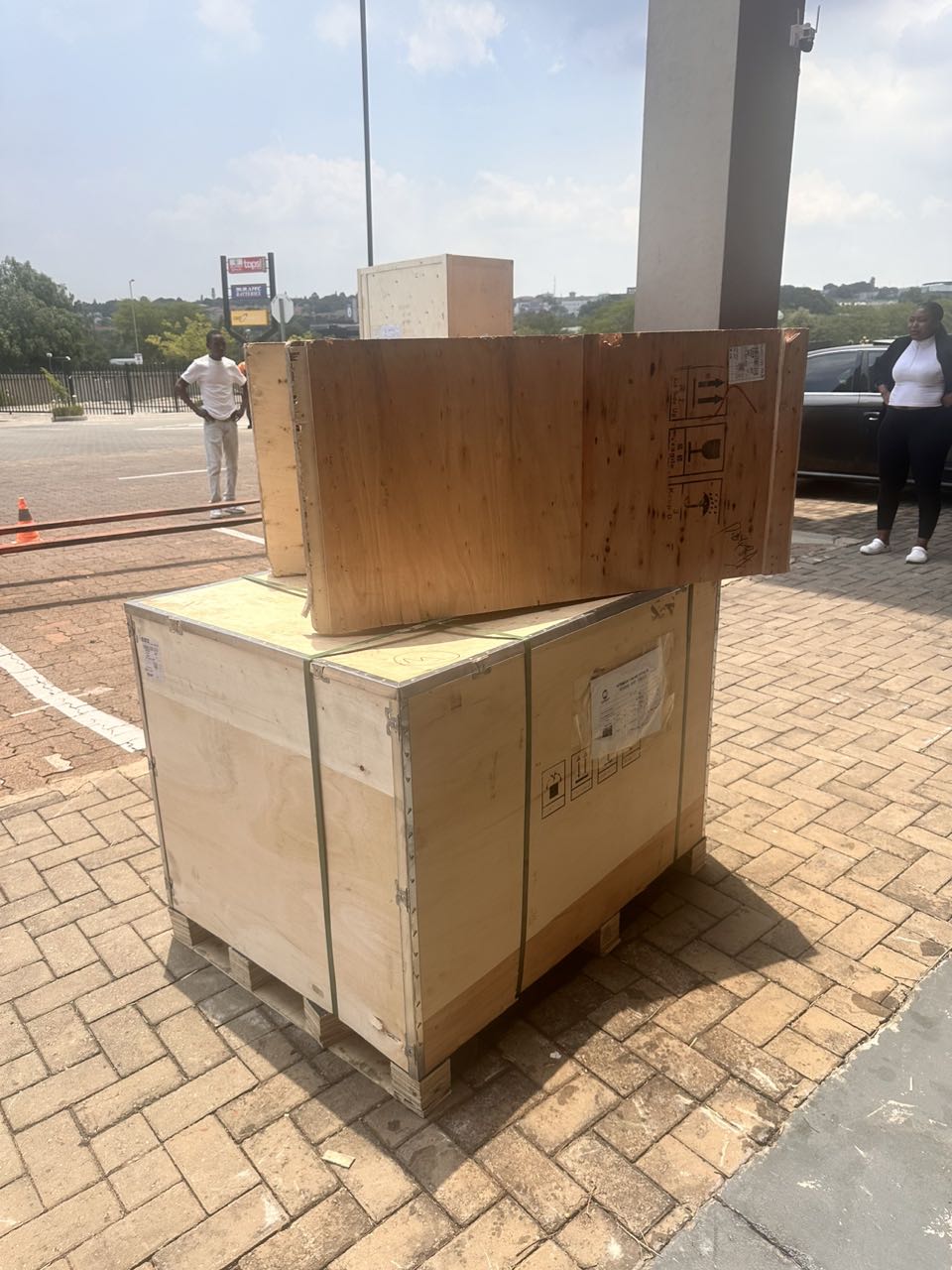
Batch of Orders
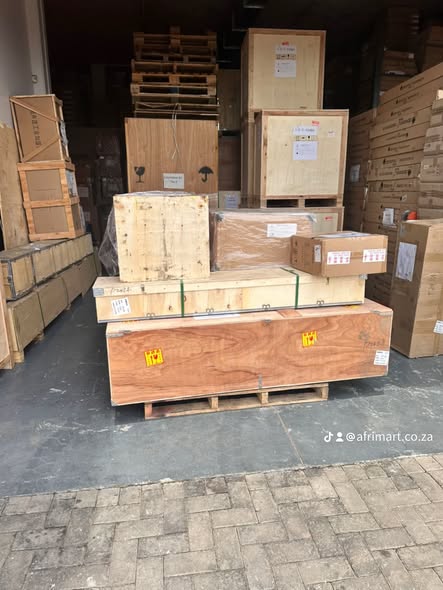
Latest Orders Labelled
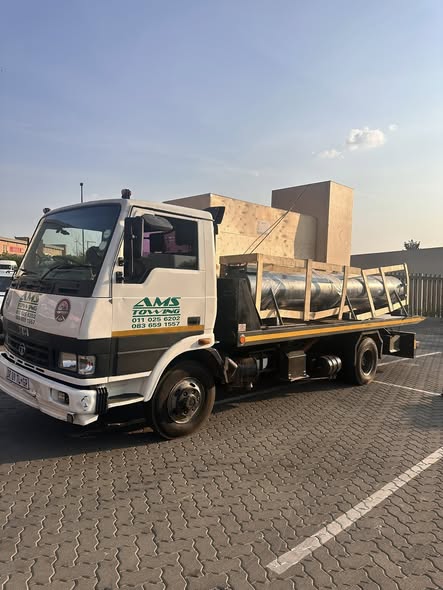
wheel alignment machines
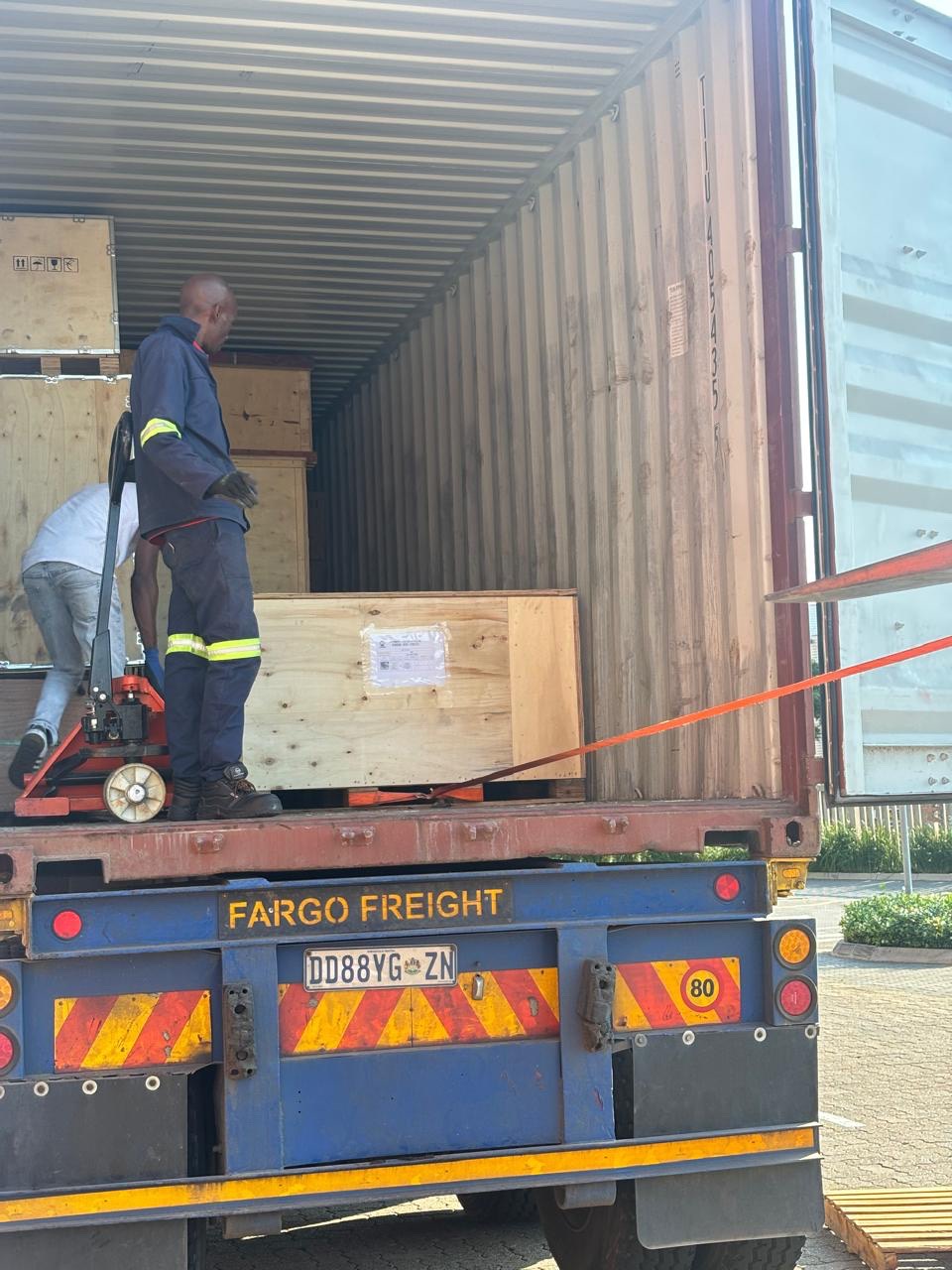
new arrivals
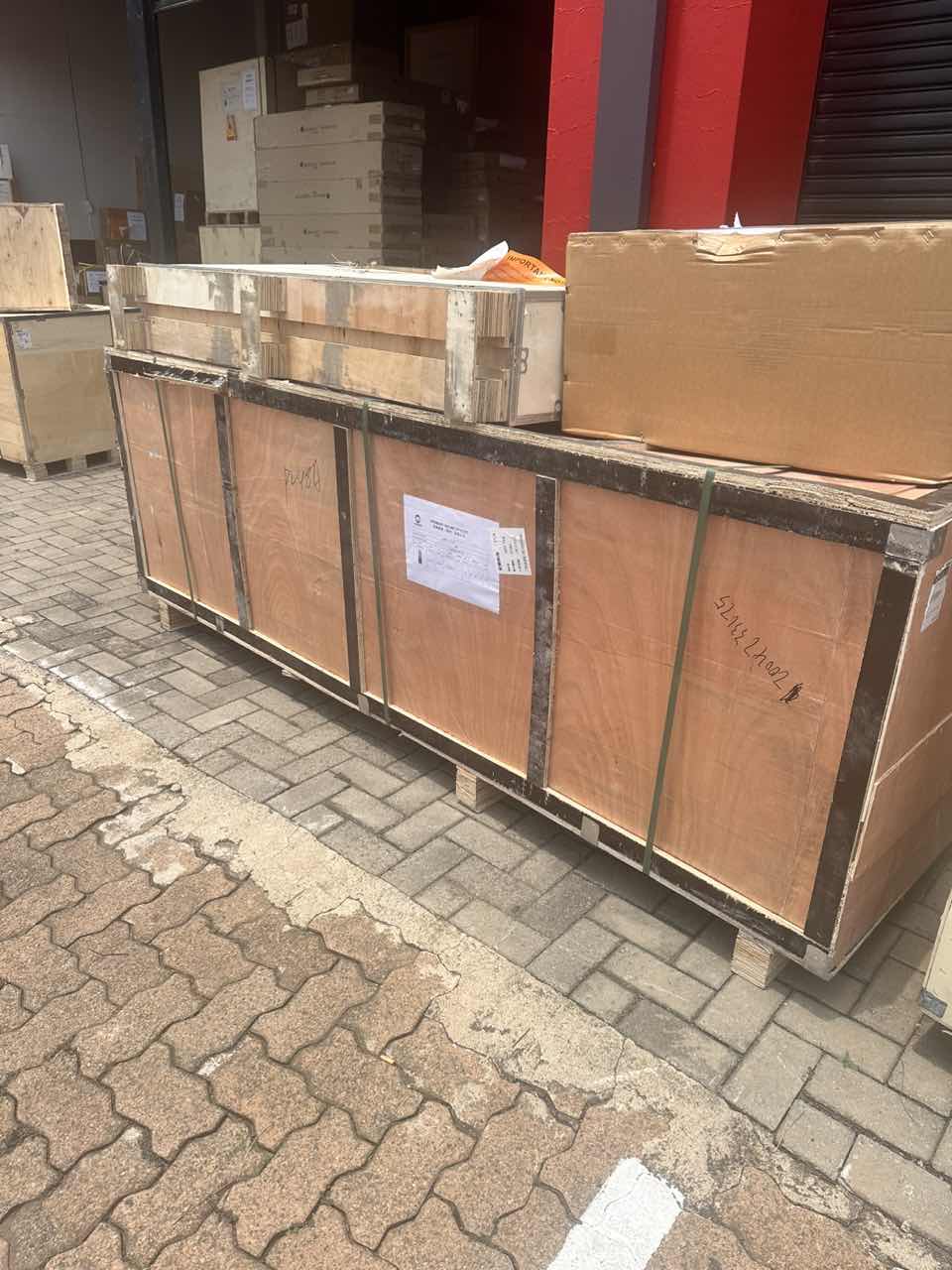
Pre Orders Offloading
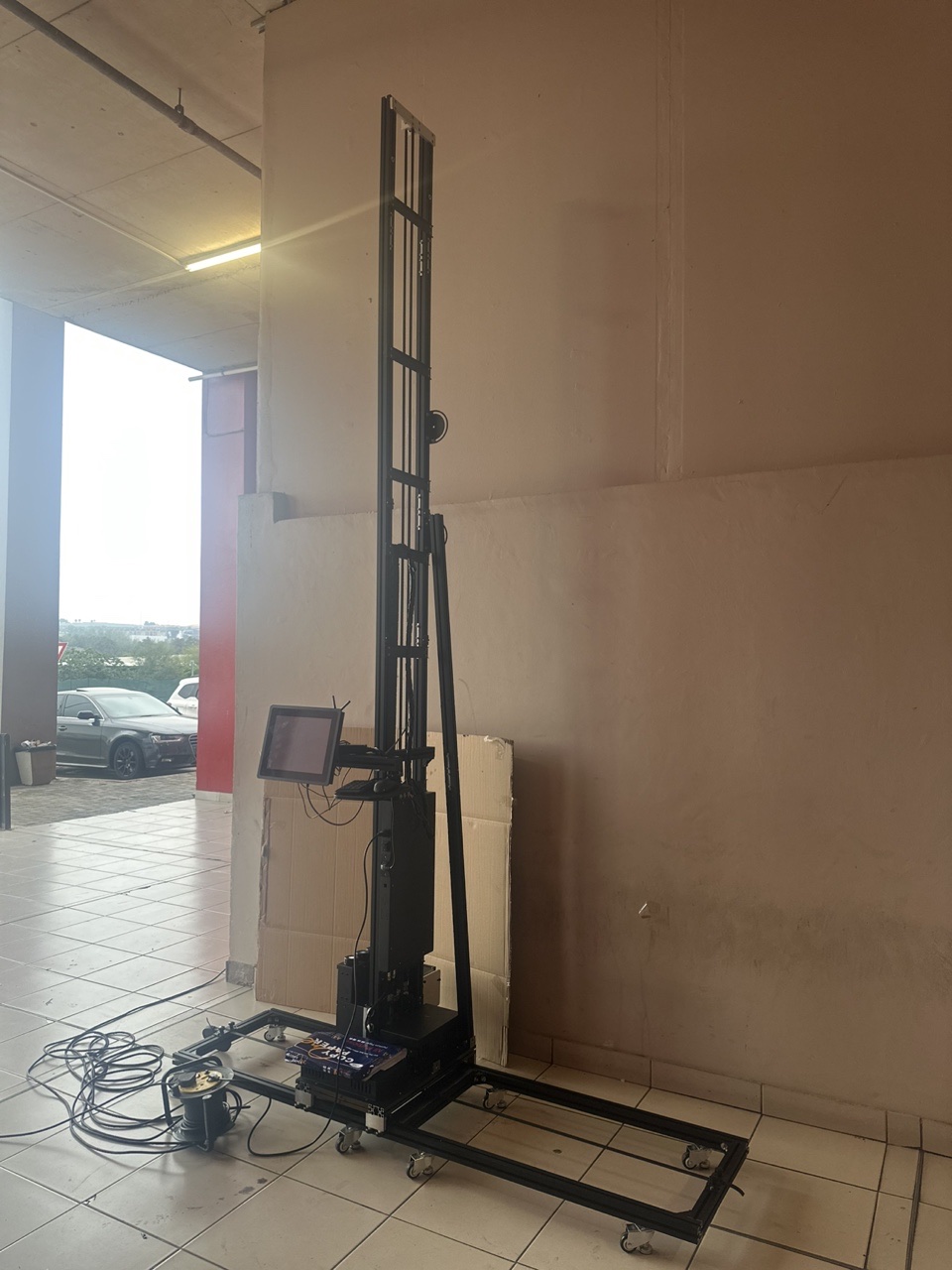
Latest Arrivals
Latest Arrivals
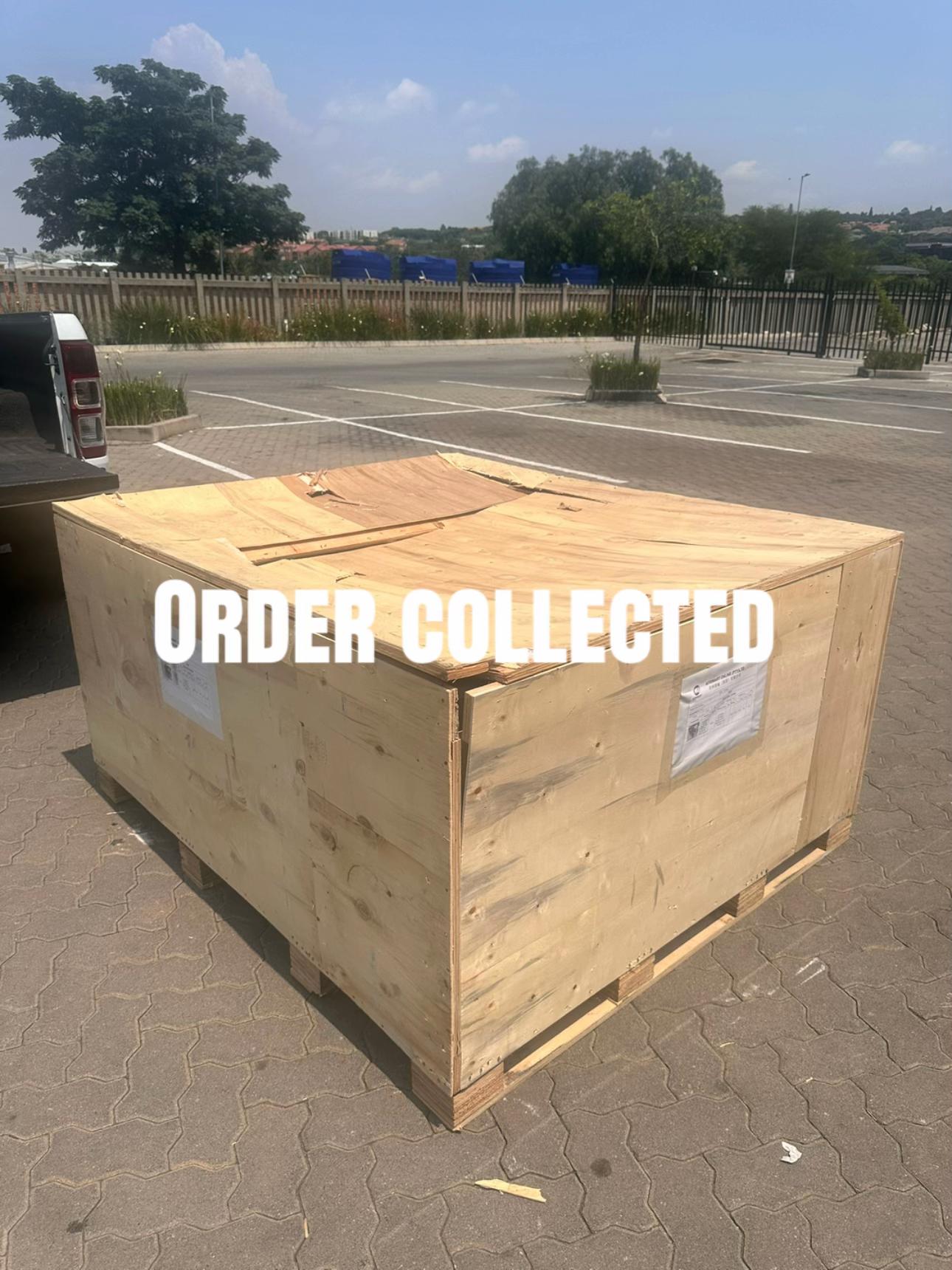
Latest Arrivals
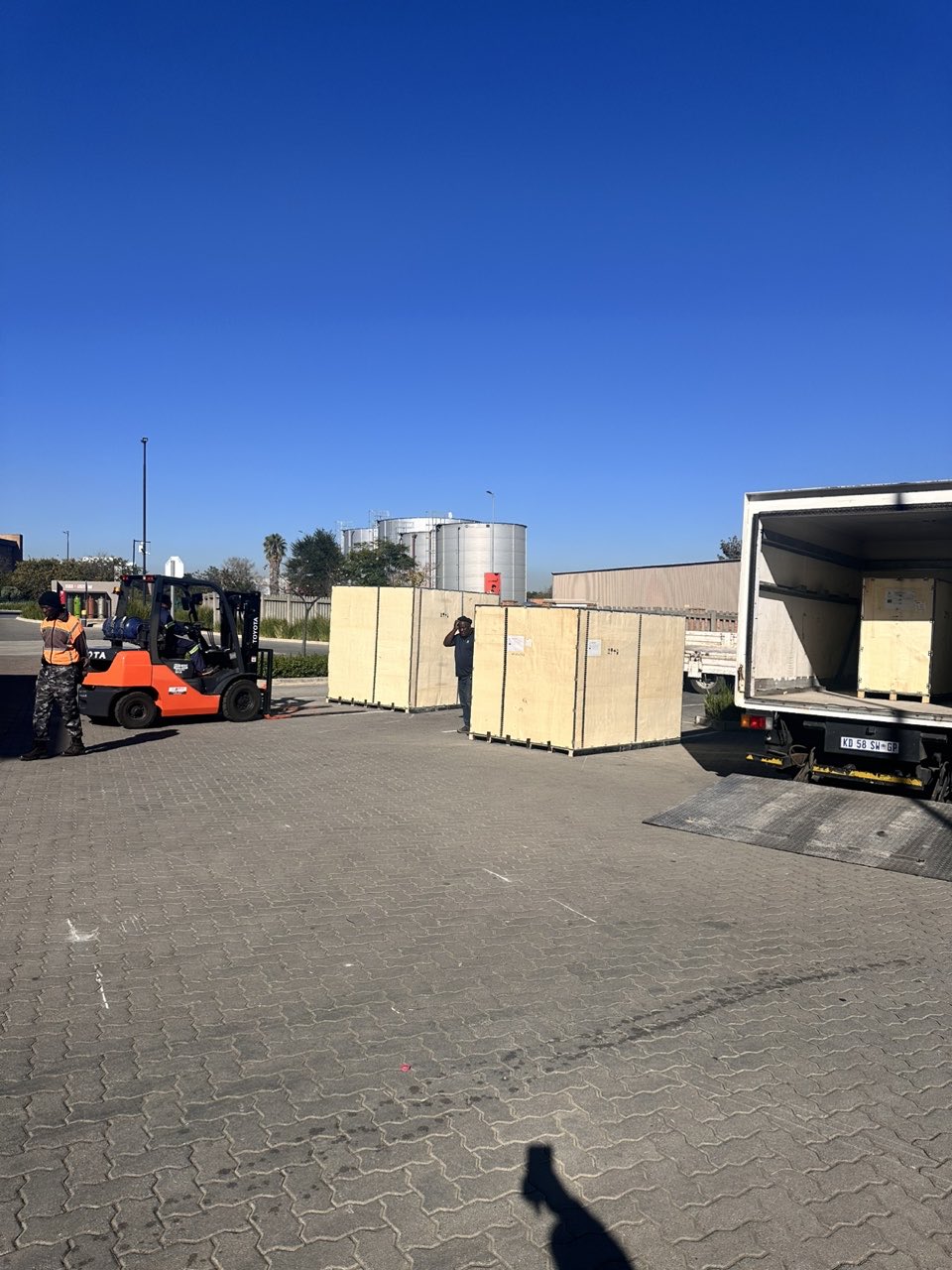
Loading
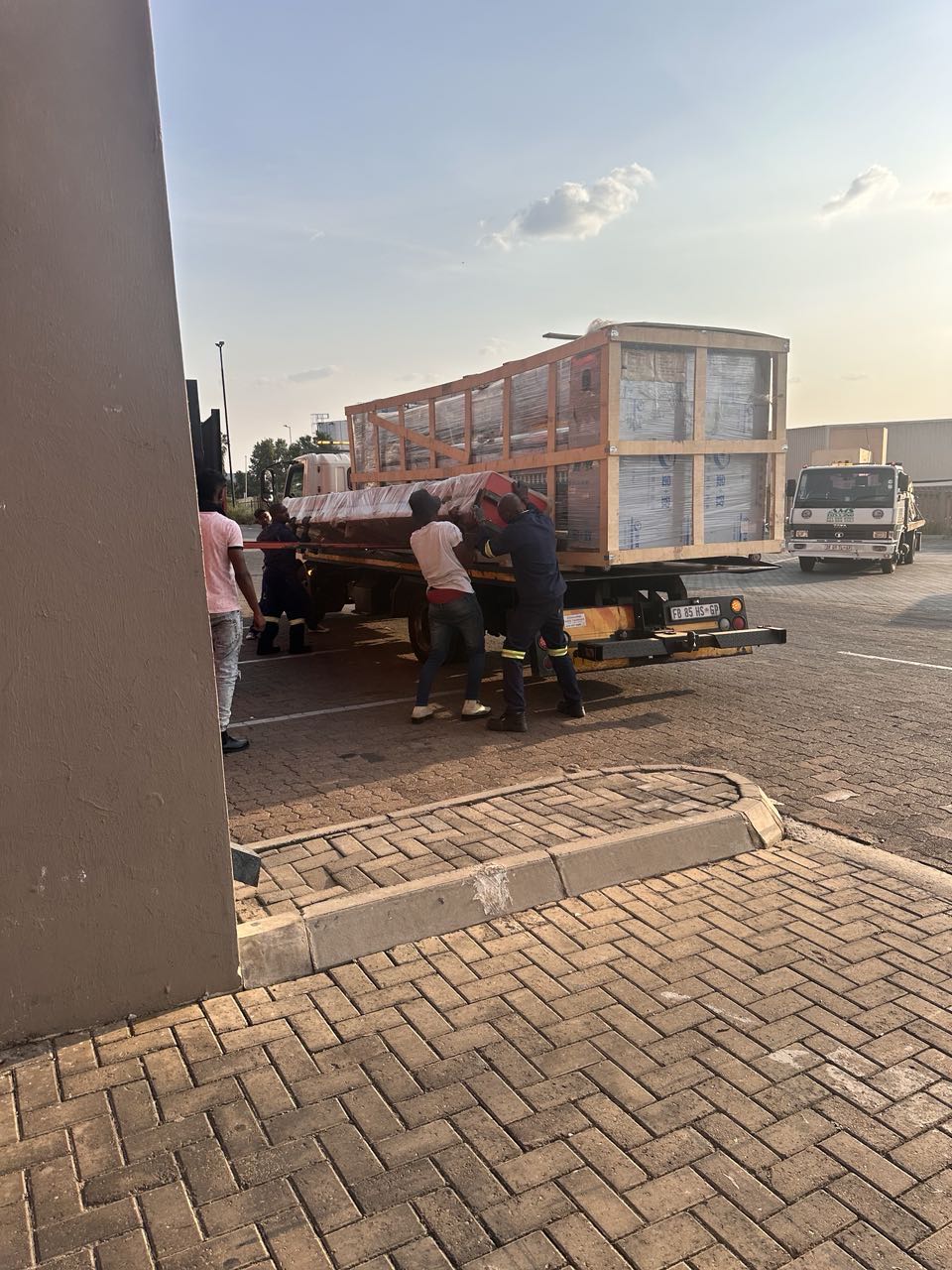
Toilet paper making machine
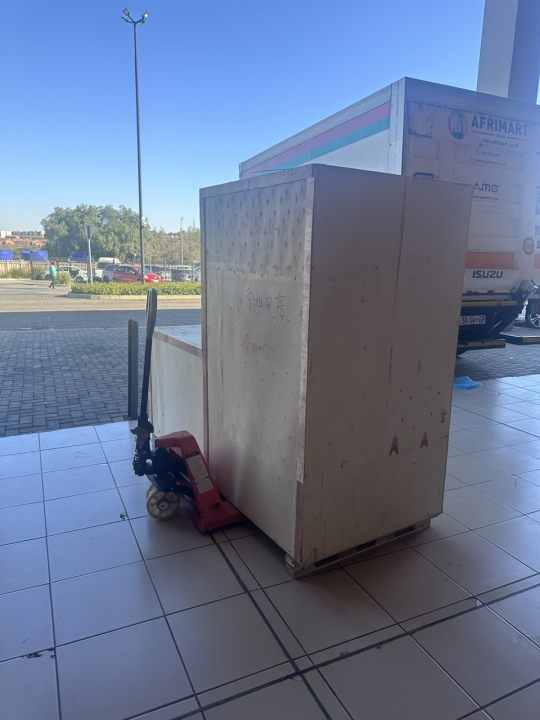
Toilet paper making machine
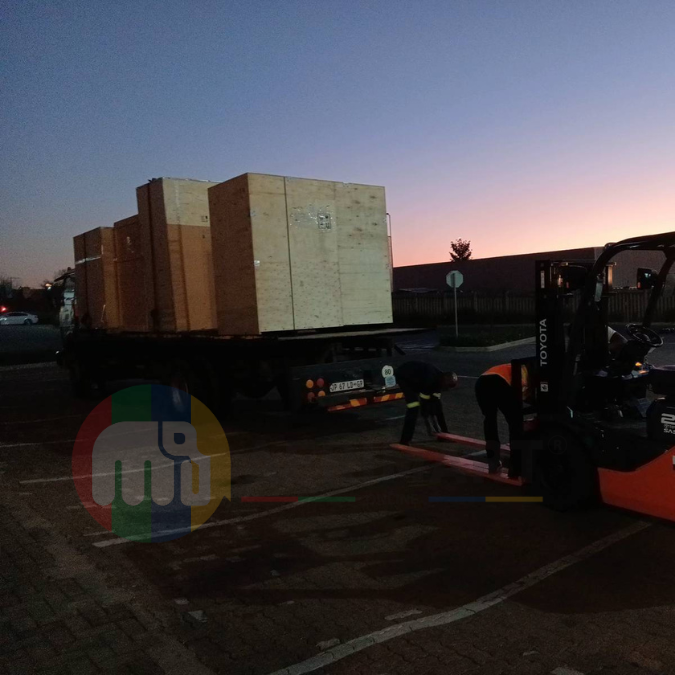
Toilet paper Rewinding Machine
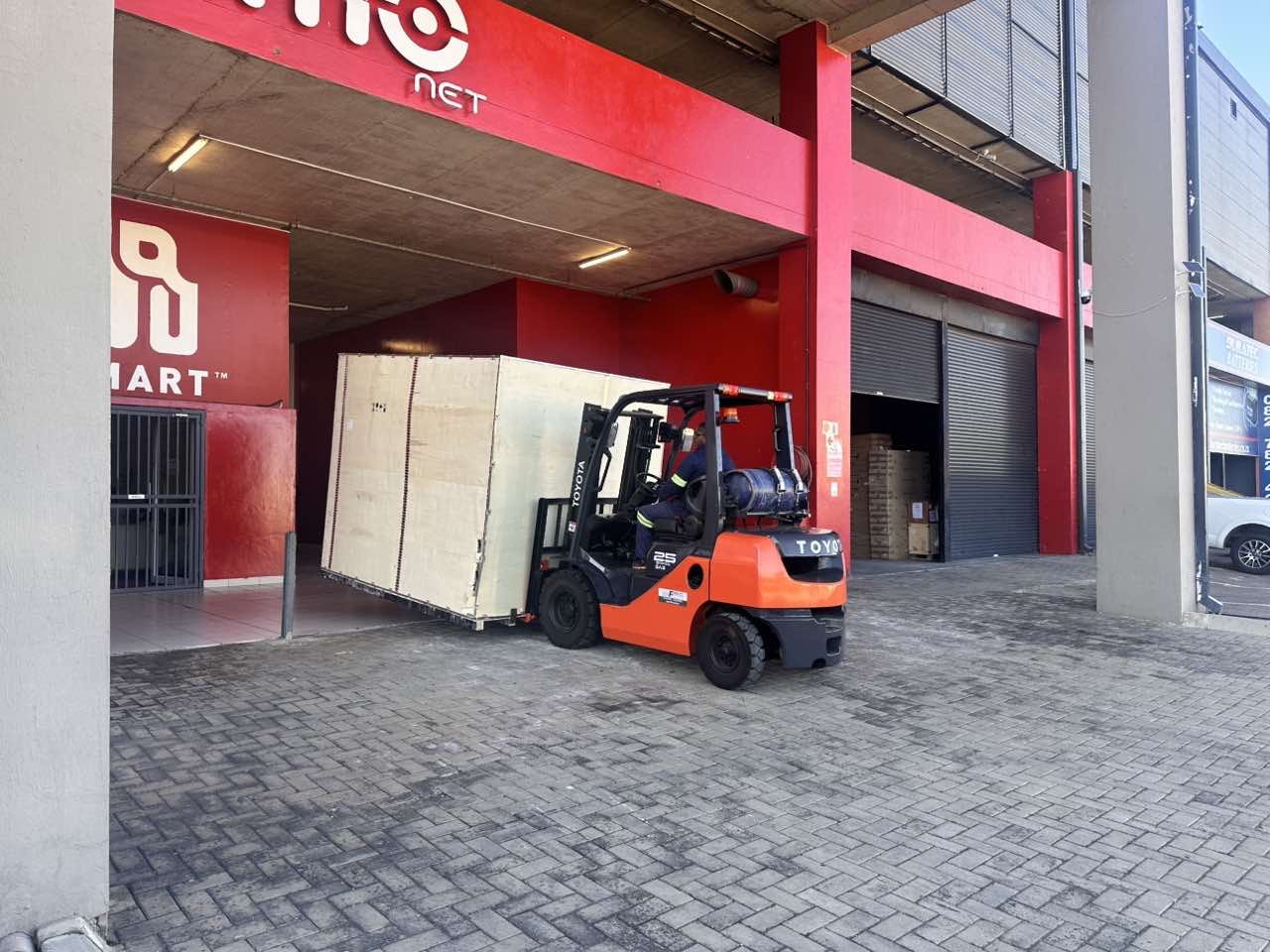
latest arrivals
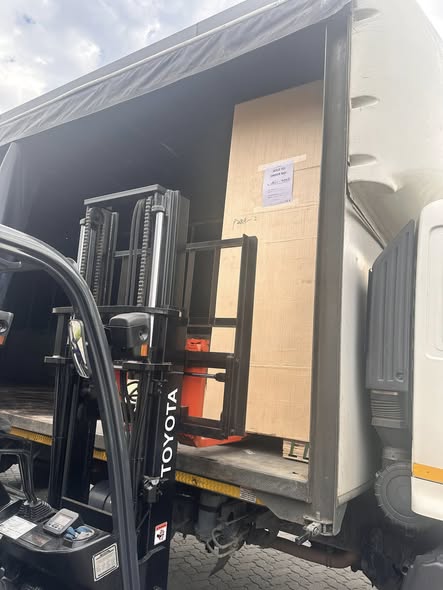
offloading
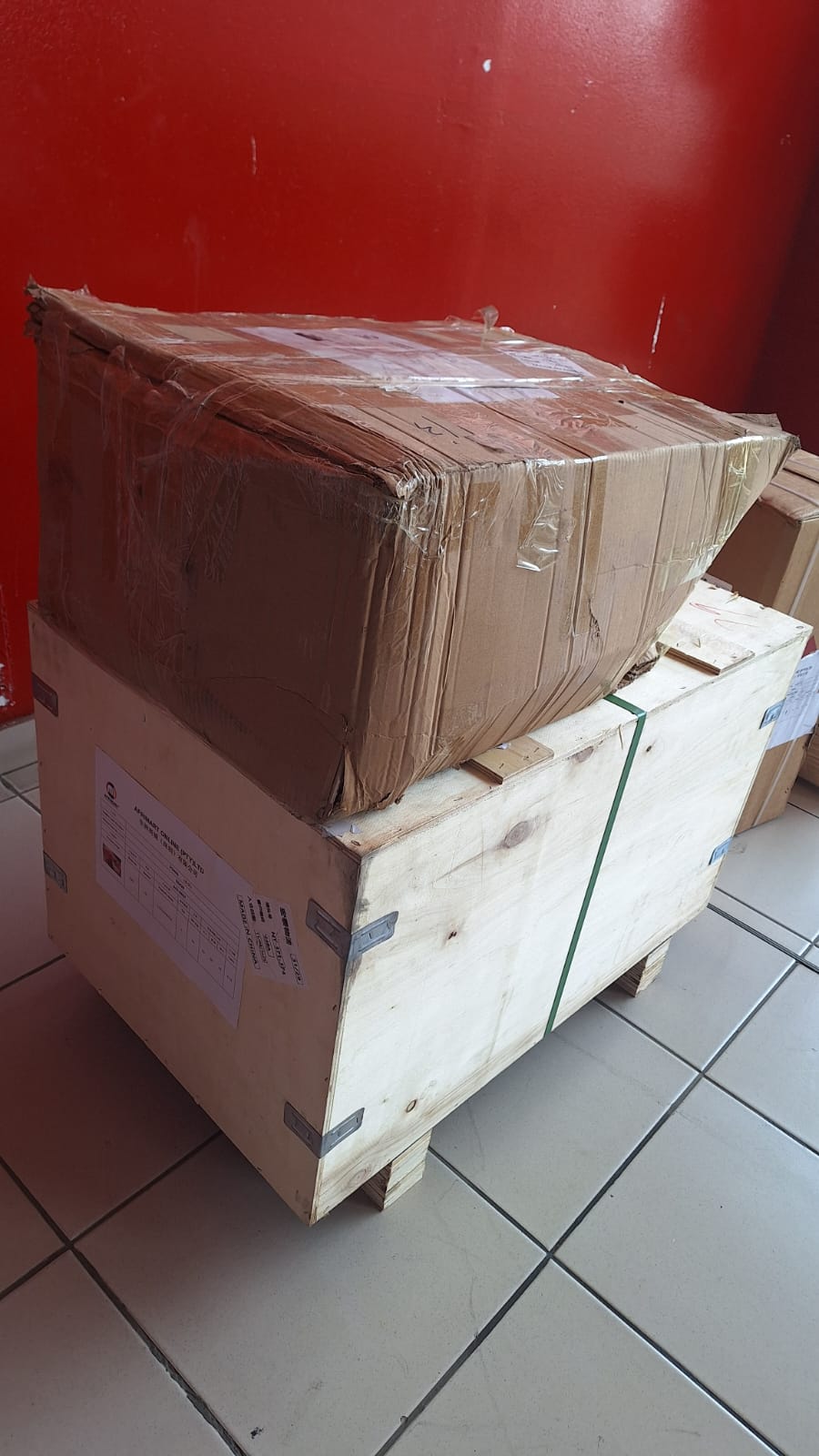
order success
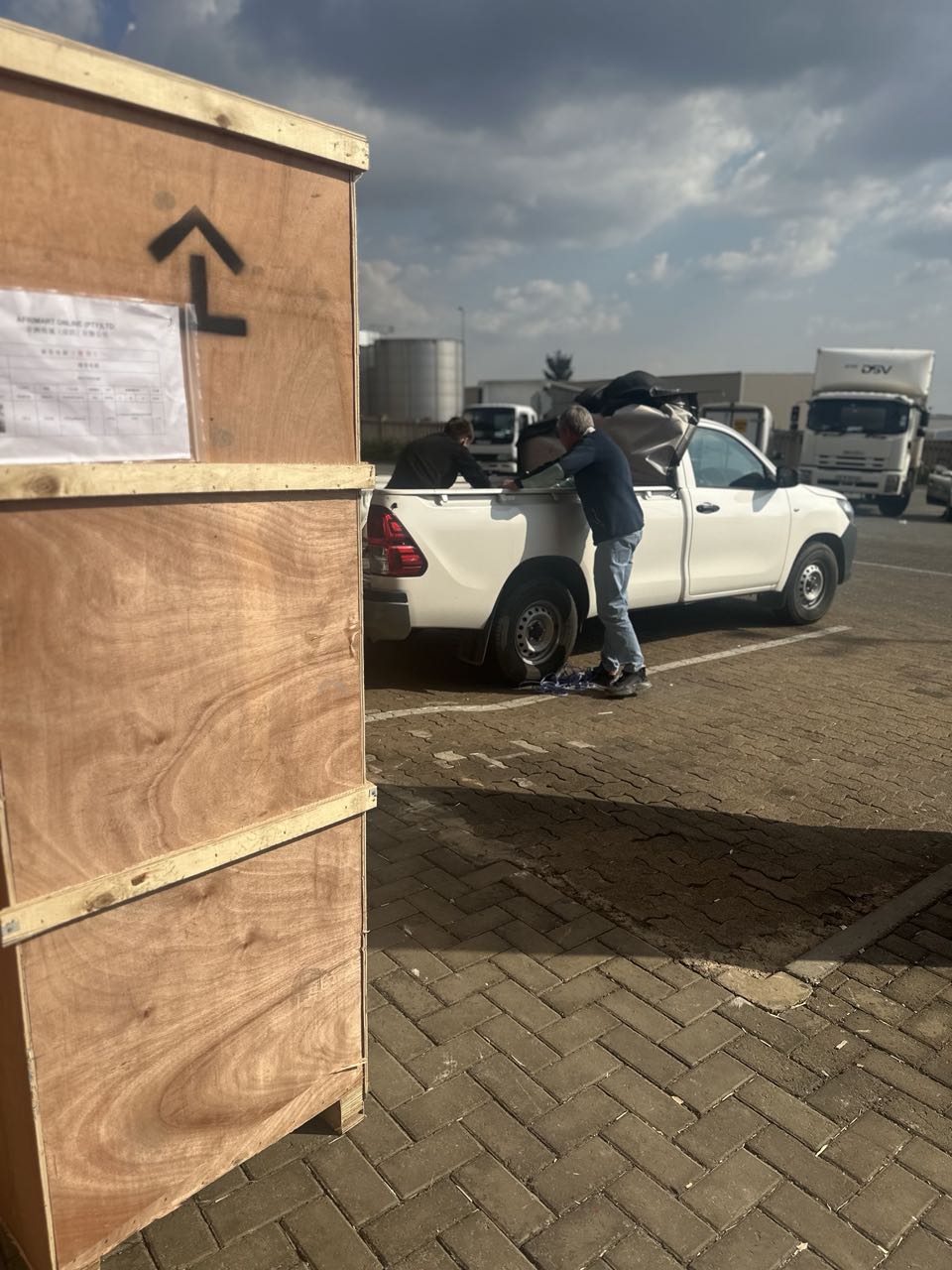
order collection
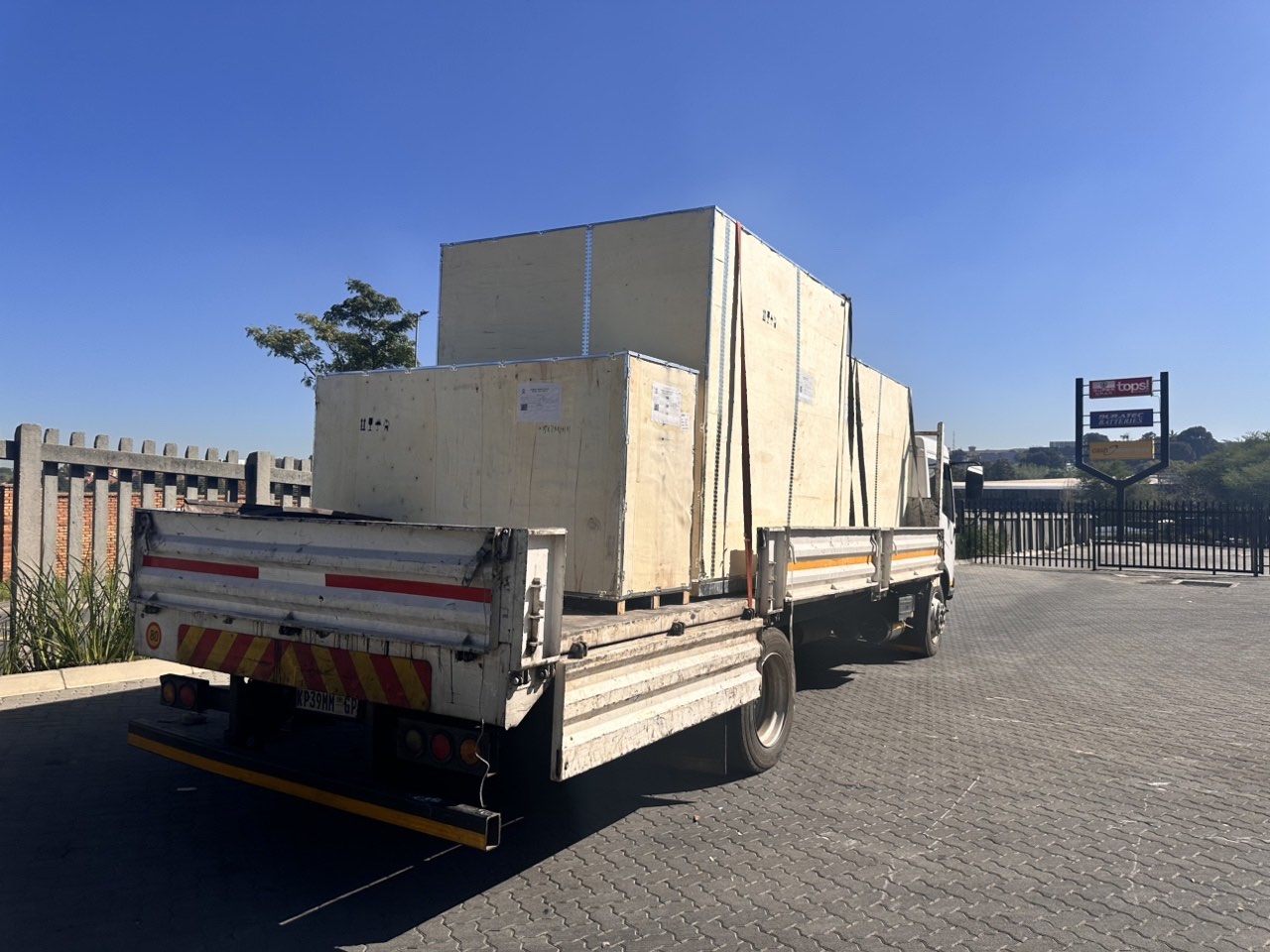
order offloading