B21, China Town Mall, Midrand

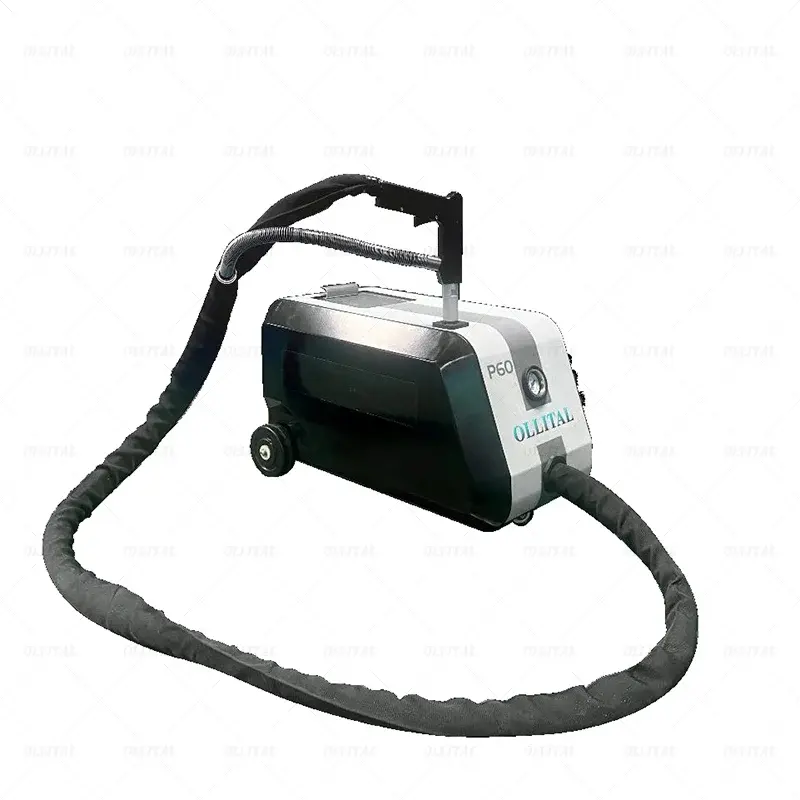
Dry Ice Blasters Co2 Dry Ice Blasting Dry Ice Cleaning Machines
Asset finance available
Do you want funding for this equipment?
Afrimart can connect you with trusted funding partners who specialise in asset finance for businesses like yours. Compare options and apply in minutes — final approval is subject to provider review.
Check funding options
Secure & no obligation
- Section : Machinery
- Category : Industrial Machinery
- SKU : 1601034764140


Different models of machines have better cleaning effects for different fields.
There are many models for you to choose from, there is always one that suits you!
- No residue: During the dry ice blasting process, solid dry ice sublimates into a gaseous state without producing any liquid waste. This means there is no waste to dispose of or clean up using chemical solvents, water or other cleaning agents.
- Zero pollution: Dry ice is a natural gas and does not produce chemical pollutants during the injection process. This helps avoid negative impacts on the environment, especially when used in sensitive work environments or in confined spaces.
- No chemical cleaners required: While traditional cleaning methods may require the use of chemical cleaners, dry ice blasting requires no additional chemicals. This reduces the need for harmful chemicals and helps reduce negative impact on the environment.
- Energy Efficiency: Dry ice blasting machines use relatively low energy. It uses compressed air or liquid nitrogen as a power source without relying on large amounts of electricity or other energy-intensive resources.
- Reusable raw materials: Dry ice is a solid form of carbon dioxide, a common gas in the atmosphere. By collecting and reusing dry ice, effective recycling of raw materials can be achieved.
- Low Noise Levels: Dry ice blasters typically produce lower noise levels and have less of an impact on noise pollution in the work environment than some traditional cleaning methods.


| Model | P7X | A625i | T6 |
| Power | <500W | 0.75KW | 0.36KW |
| Voltage | AC220 /50-60HZ(or customized) | ||
| Air consumption | (0.8-3.0m3/min) Adjustable | 106-283CFM(3-8m3/min)Adjustable | 28-141CFM(0.8-40m3min)Adjustable |
| Ice delivery speed | 0-1.65lbs/min(0-0.75Kg/min)Adjustable | 0-5.5lbs/min(0-2.5Kg/min)Adjustable | 0-1.2 lbs/min (0-0.55Kg/min)Adjustable |
| Hopper capacity | 23.5lbs (10.5KG) | 33lbs (15KG) | Max.22lbs(Max.10Kg) |
| Protection level | IP54 | IP54 | IP52 |
| Weight | 121LBS(55KG) | 143LBS(65KG) | 121LBS(55KG) |
| Dry ice state | 2.5-3mm(granular) | 2.5-3mm(granular) | 120*120*250mm/150*150*300mm |
| Drive method | Direct link | Direct link | Direct link |
| Dimension | (L)510x(W)460x(H)960mm | (L)440x(W)680x(H)780mm | (L)640x(W)400x(H)580mm |
| More models |
* All models can be customized according to drawings and needs. Contact an engineer today to learn about the most suitable and cost-effective solution!


Motorcycle seat mold cleaning

Heavy oil stained metal cleaning

Hydrogenated petroleum resin cleaning

Printing machine ink cleaning

Motor winding dust cleaning

Substation cleaning

Oil sludge and rust stain cleaning

Boiler dust cleaning

Lithium battery blue film cleaning
- Shipping Timeframes: All orders are processed within 2-5 business days (excluding weekends and holidays). After your order has been processed, the estimated delivery time is before 08 Aug, 2026, depending on customs, Please note that due to high demand, some items may experience longer shipping times, which will be communicated at order confirmation email.
- Order Processing Time: Please allow 2-5 business days for us to process your order before it is shipped . Orders placed after 16:00 on Fridays, or during weekends and public holidays, will begin processing on the next business day. Processing times may be extended during peak seasons or sales events.
- Manufacturing Time: Some products needs manufacturing time, the manufacturing process will take approximately 10-30 business days depending on the product. This timeframe may vary depending on the complexity of the product and current demand. but this will be communicated with you during order confirmation.
- Returns and Exchanges: We offer a 30-day return policy for most items. If you are not completely satisfied with your purchase, you may return it within 30 days of receipt for a refund or exchange. Items must be unused, in their original packaging, and accompanied by proof of purchase. Return shipping costs are the responsibility of the customer, unless the item was damaged or defective upon arrival.
1. What is a Dry Ice Blaster (CO2 dry ice blasting machine)?
A dry ice blaster uses solid CO2 pellets or granules accelerated with compressed air to remove contaminants from surfaces. The dry ice sublimates on impact, lifting soils, coatings, grease and residues without leaving liquid waste.
2. What are the main benefits of dry ice blasting compared with traditional cleaning methods?
Key benefits: no liquid residue (dry ice sublimates), no chemical cleaners required, minimal secondary waste, low environmental pollution, energy efficiency, lower noise compared with some abrasive methods, and suitability for sensitive equipment or confined spaces.
3. Which industries and applications are these machines used for?
Typical applications include mold and tooling cleaning (e.g., motorcycle seat molds), heavy oil and grease removal from metal, hydrogenated petroleum resin cleaning, printing press ink removal, motor winding dust cleaning, substation and boiler cleaning, oil sludge and rust stain removal, and lithium battery blue-film cleaning.
4. What models are available and how do I choose the right one?
There are multiple models (for example P7, XA625 and iT6) with different power, air consumption, ice delivery rates and hopper capacities. Choose based on the surface size, soil type, required removal speed and compressor capability. Contact an engineer with your application for a recommended model and cost-effective configuration.
5. What are the typical specifications (power, air consumption, ice feed, hopper) of your models?
Typical ranges from the available models: power from <500 W up to 0.75 kW; adjustable air consumption roughly 0.8–8 m3/min (variable by model); ice delivery speeds from ~0–0.75 kg/min up to ~0–2.5 kg/min; hopper capacities about 10–15 kg. Protection ratings are IP52–IP54 and weights are in the 55–65 kg range. Contact us for exact spec sheets for each model.
6. What form and size of dry ice do these machines use?
Machines typically use 2.5–3 mm granular dry ice. Some models also accept small block sizes (e.g., 120×120×250 mm or 150×150×300 mm) depending on hopper configuration. Use recommended dry ice type for consistent feed and performance.
7. Does dry ice blasting create hazardous waste or require disposal of liquids?
No liquid waste is produced by the CO2 itself because dry ice sublimates to gas. Removed contaminants (loosened paint, oil, residues) will still require normal disposal methods — e.g., vacuuming and proper disposal according to local regulations — but there is no secondary chemical wastewater from the blasting agent.
8. What safety precautions should operators follow?
Essential precautions: ensure adequate ventilation to avoid CO2 buildup (asphyxiation risk), wear cryogenic gloves and eye/face protection, hearing protection as needed, respiratory protection if dust or hazardous residues are present, train operators on safe handling of dry ice and pressurized lines, and avoid use in enclosed, unventilated spaces without monitoring.
9. What compressed air or gas supply do I need?
A reliable compressed air source sized to the machine's air consumption is required. Depending on model this may range roughly from 0.8 to 8 m3/min. Use a compressor that can deliver required flow at the recommended pressure, and include proper filtration, dryers and moisture separators to protect the machine.
10. Can dry ice blasting be used on delicate or sensitive equipment?
Yes — because it is non-abrasive in many settings, dry ice blasting is often safe for sensitive surfaces and electrical equipment. However, compatibility depends on surface hardness, coatings and assembly condition. Always power down and protect electronics, and perform a small test area before full-scale cleaning.
11. What routine maintenance do these machines require?
Routine tasks include checking and replacing wear parts (nozzles, seals, valves), cleaning the hopper and feed system, maintaining compressed-air filters and dryers, inspecting hoses and fittings, and scheduled service per the operator manual to ensure reliable performance.
12. How loud are dry ice blasters and do operators need hearing protection?
Dry ice blasters typically operate at lower noise levels than many abrasive methods, but noise varies with model, pressure and environment. Hearing protection is recommended during operation, especially in enclosed areas or for extended use.
13. Are the machines customizable?
Yes. All models can be customized to drawings and specific needs — e.g., different hoppers, feed systems, nozzle types or electrical configurations. Contact our engineering team to discuss custom solutions.
14. What are the operating costs and how quickly will I see ROI?
Main operating costs are dry ice consumables, compressed-air energy, and routine maintenance. ROI depends on cleaning frequency, downtime savings (faster cleaning, less disassembly), and reduced disposal/chemical costs. We can provide a tailored cost and ROI estimate based on your application.
15. Do you provide training, spare parts and after-sales support?
Yes. We provide operator training, manuals, spare parts and technical support. Warranty terms and support packages vary by model and region — contact sales for details and to arrange training or a service plan.
Latest Order Arrivals
Discover our latest orders
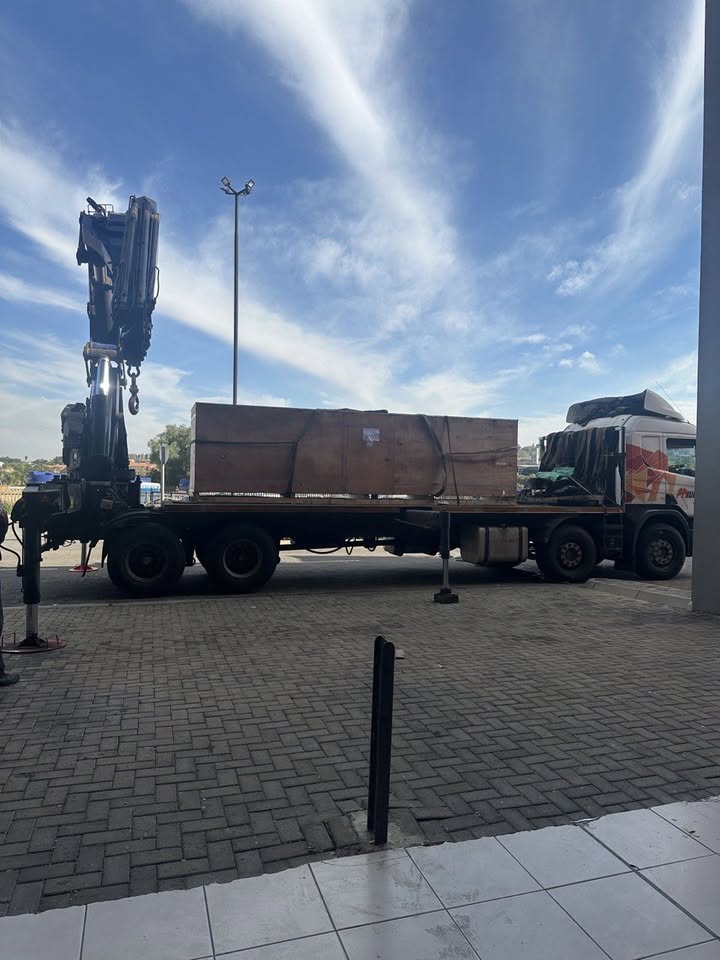
12 Heads Embroidery Machine
Toilet Paper Machine Machine
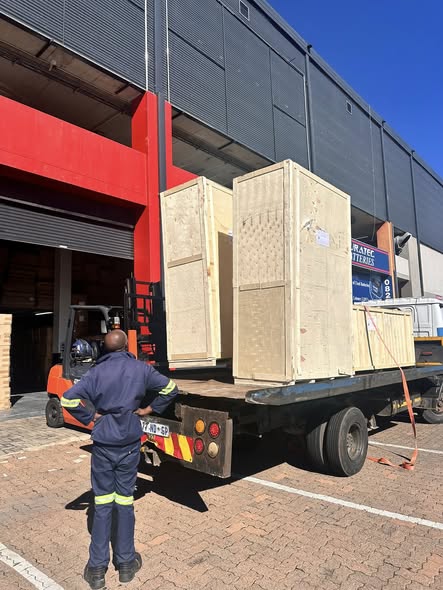
Order Collection
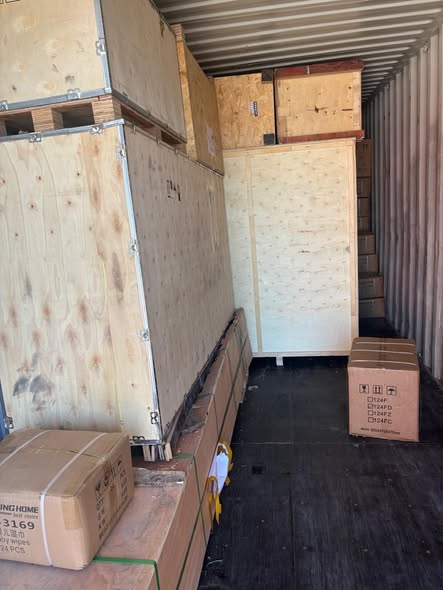
Cross Border Clients
Order cros border countries Collected
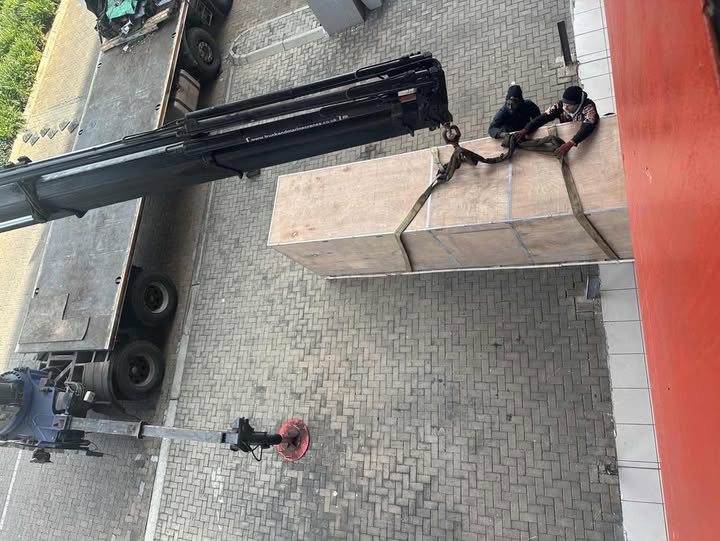
Industrial Machine Cllection
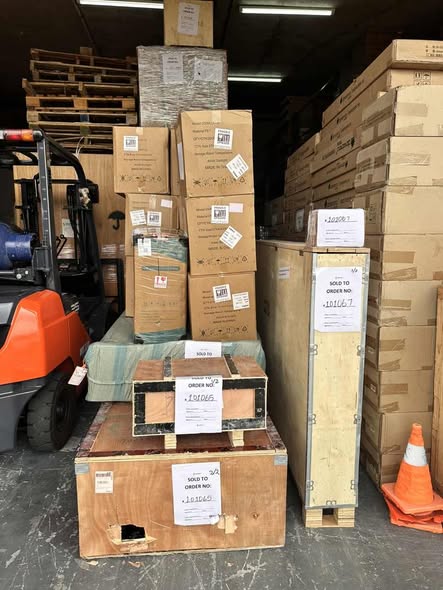
Agriculture Processing Machines
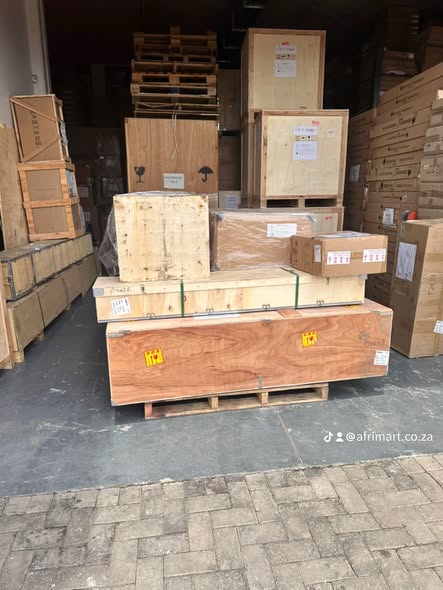
Ready for collection
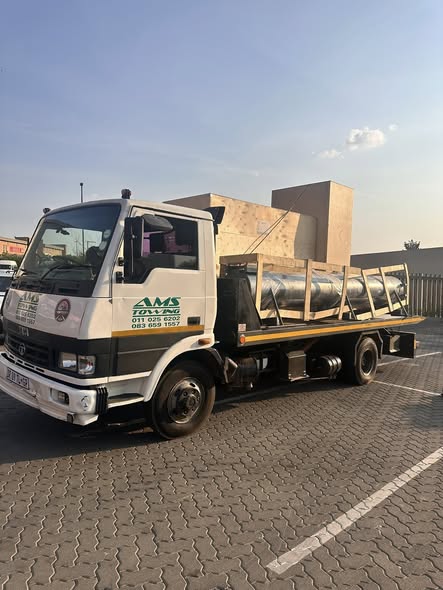
Water Pump Equipment
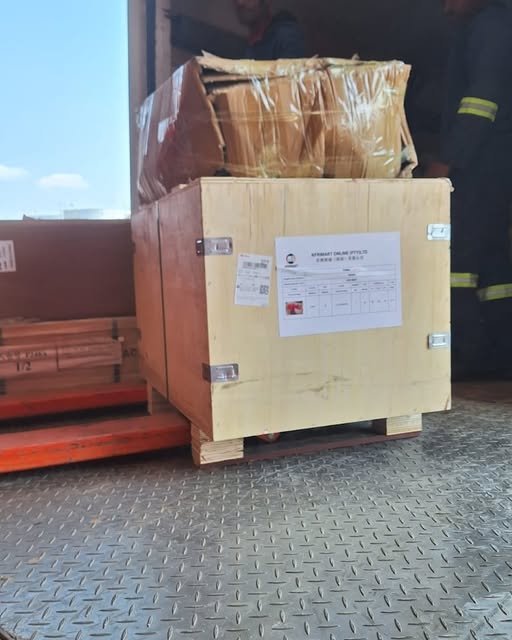
Packaging Machine and accessories
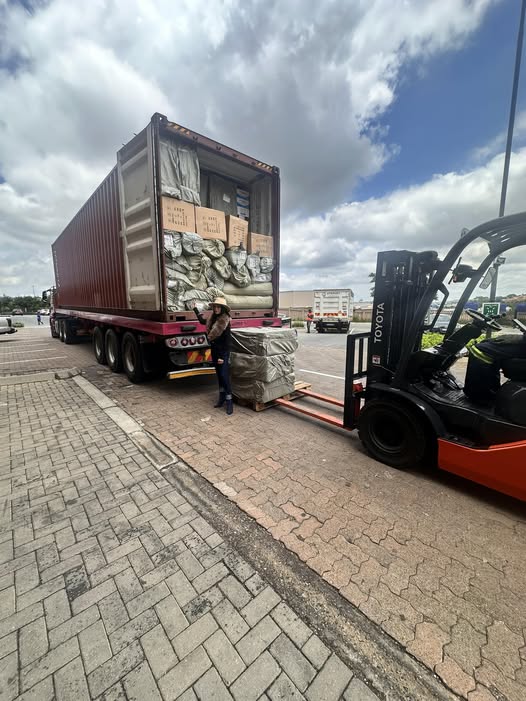
Fabrics Manufacturing Equipment
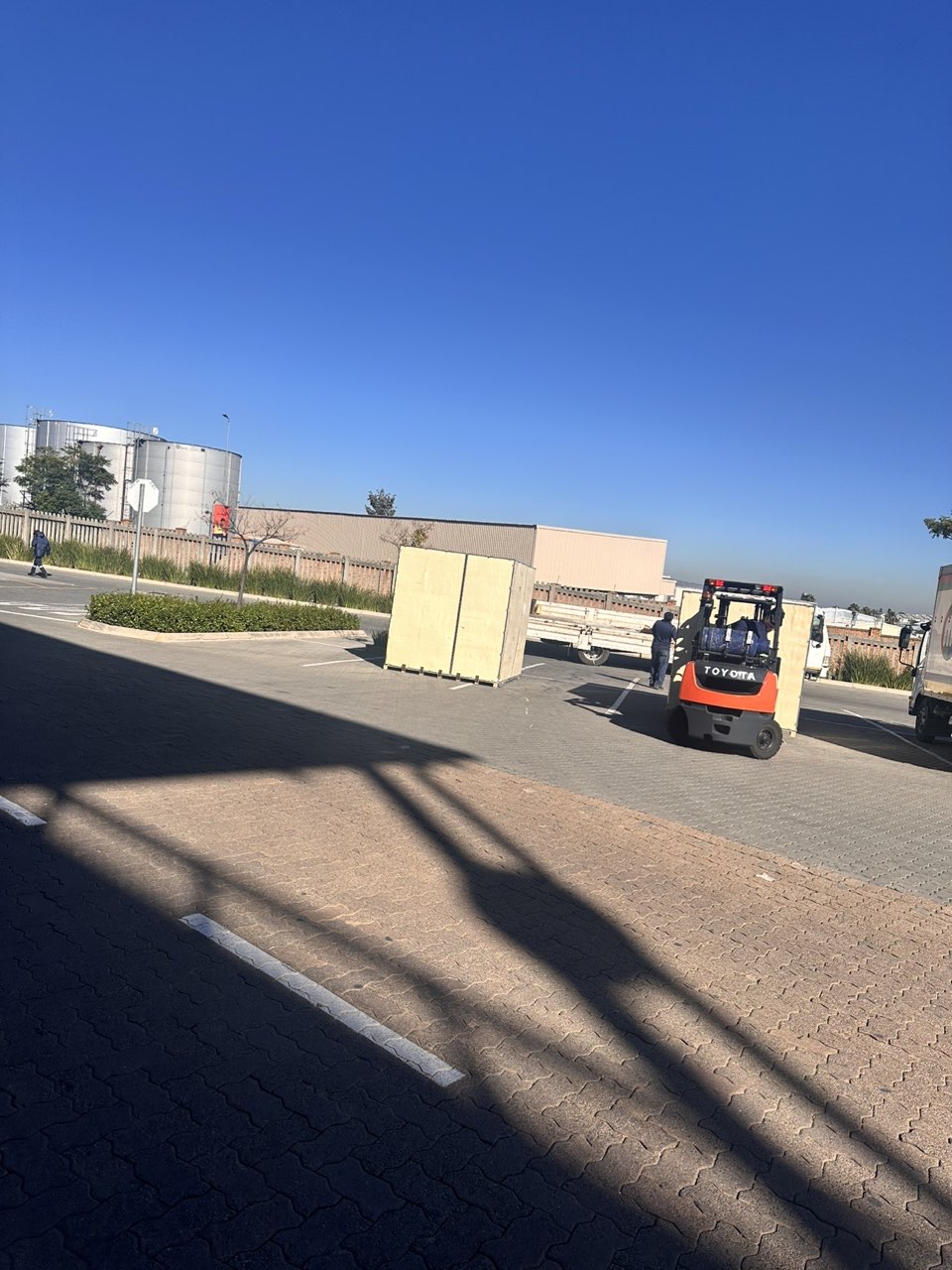
Mining Equipments
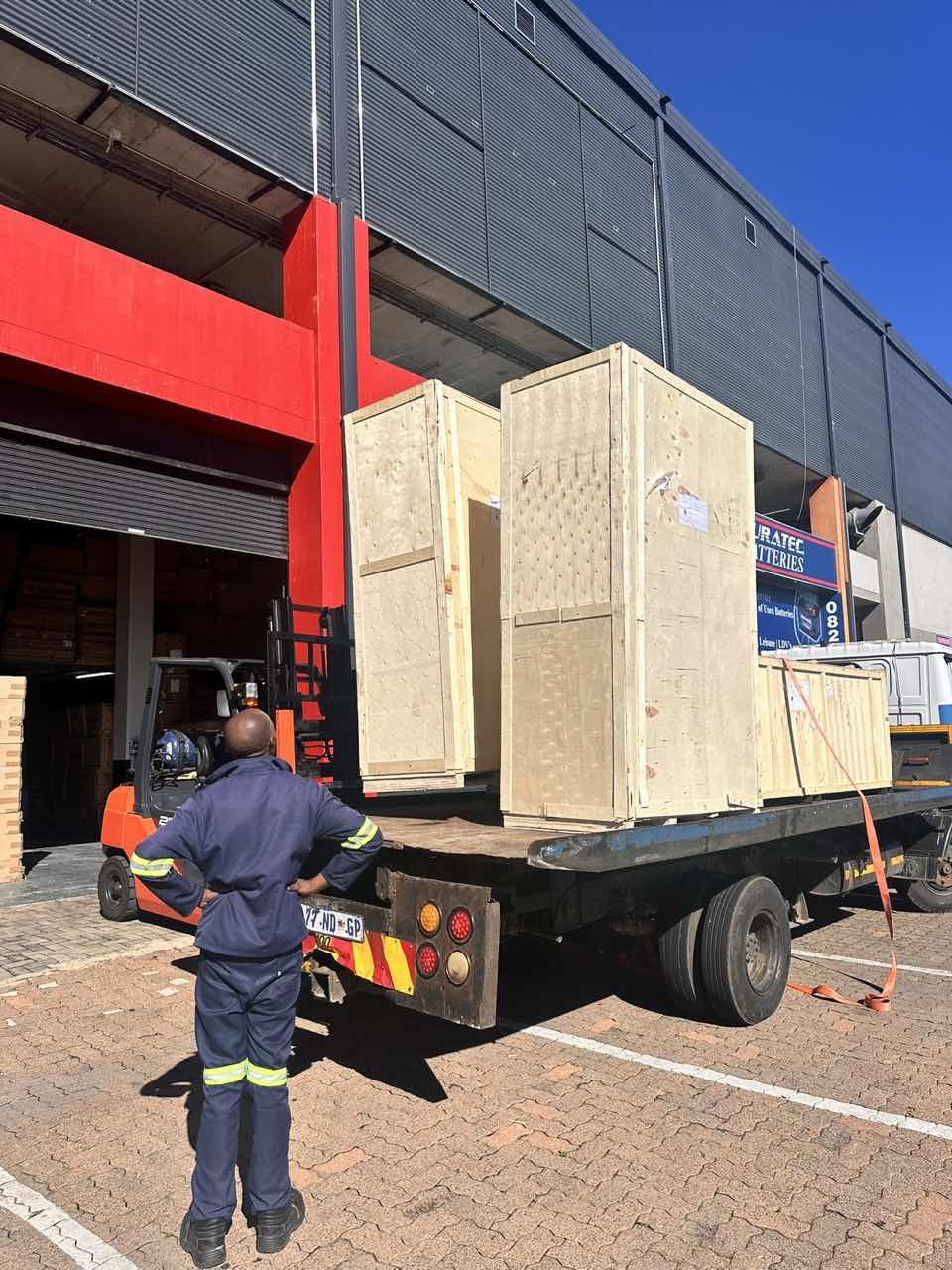
Food Processing Machine
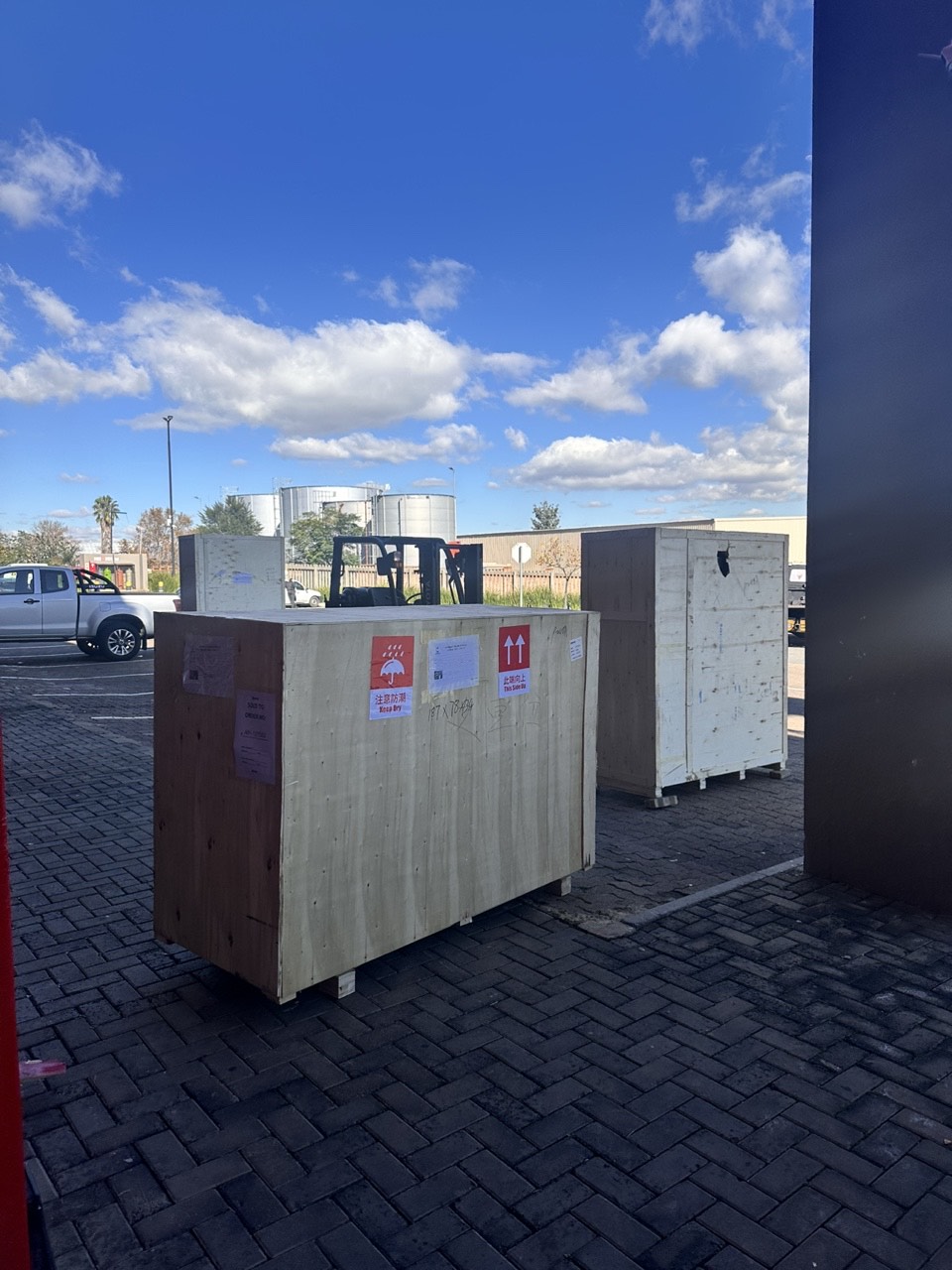
Batch of Orders
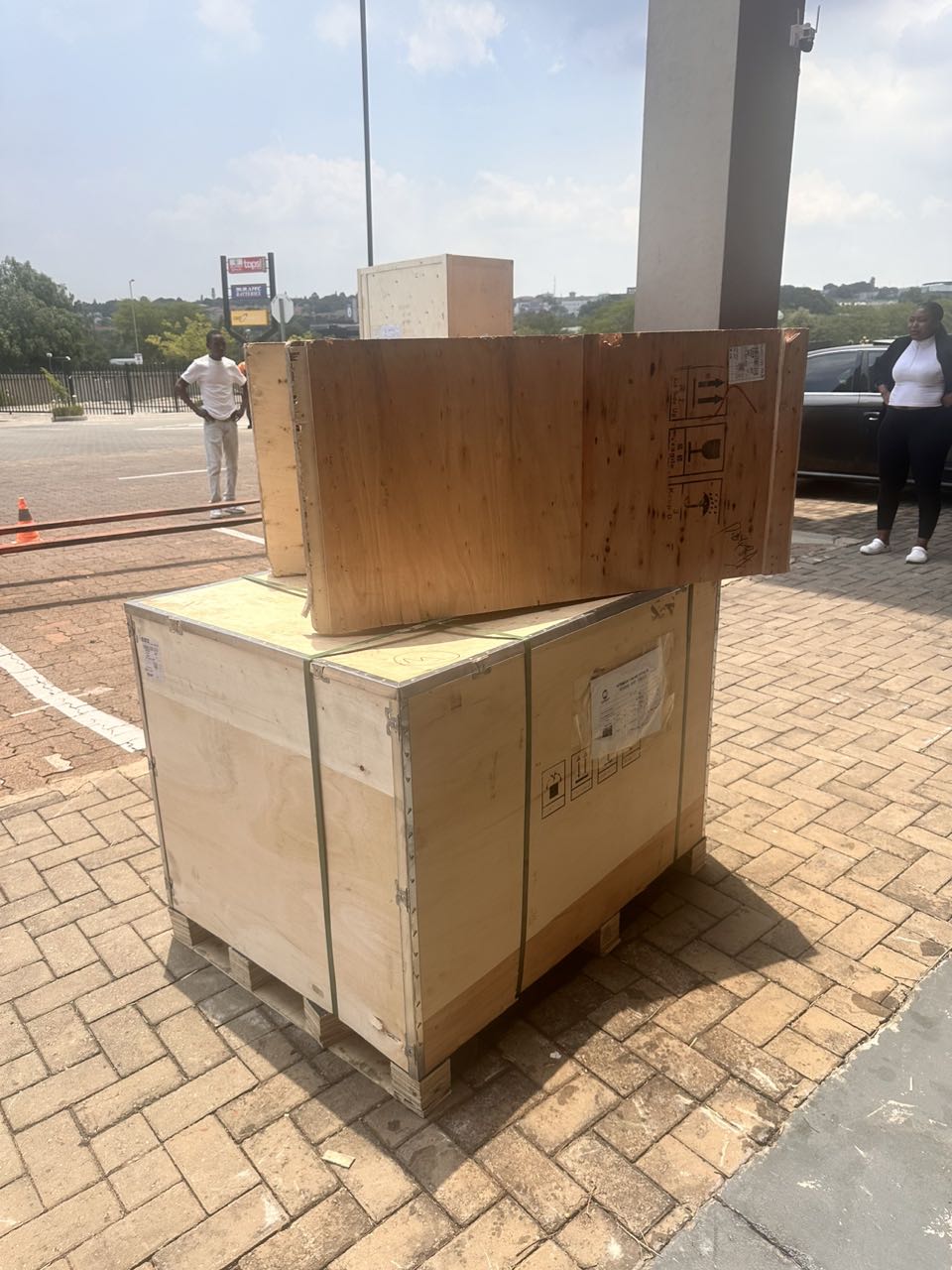
Batch of Orders
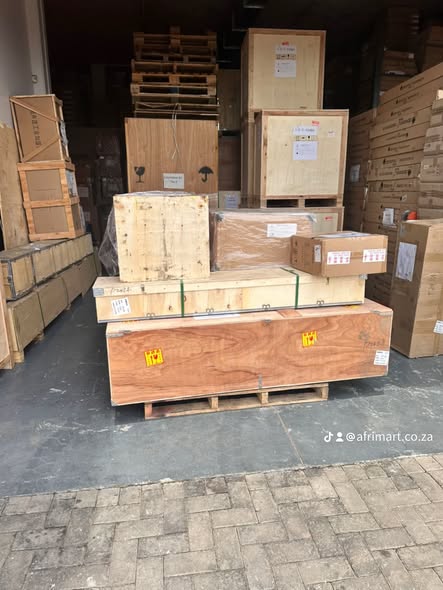
Latest Orders Labelled
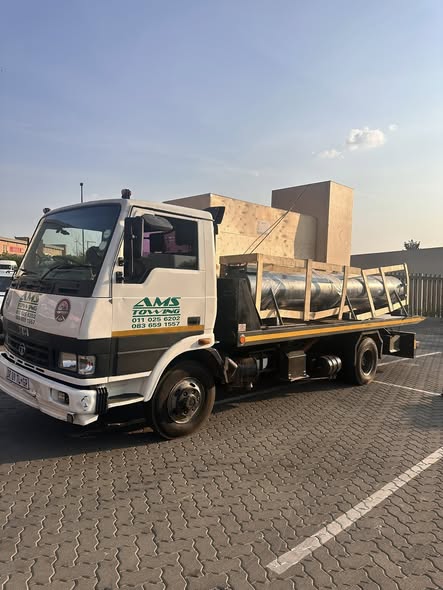
wheel alignment machines
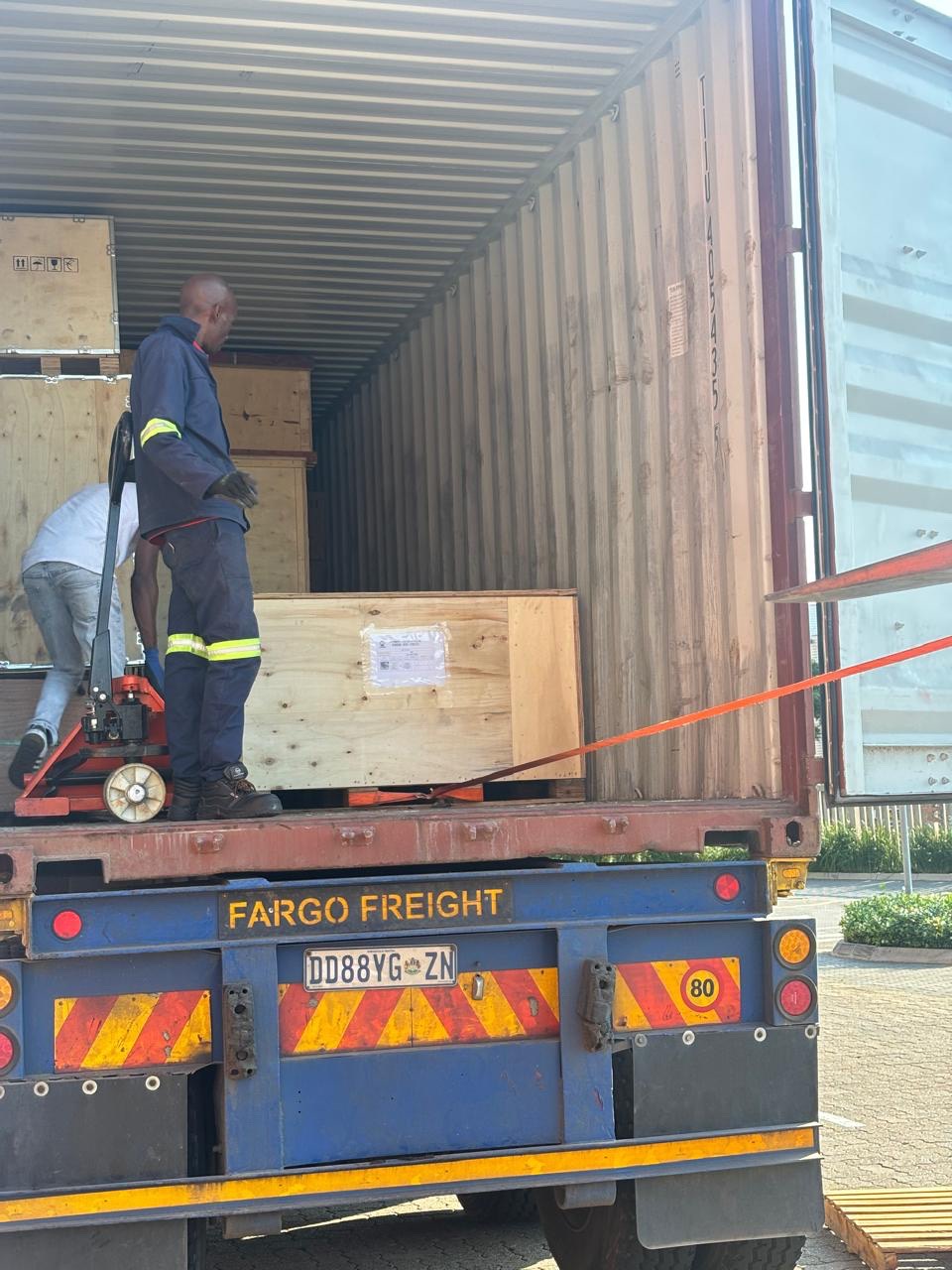
new arrivals
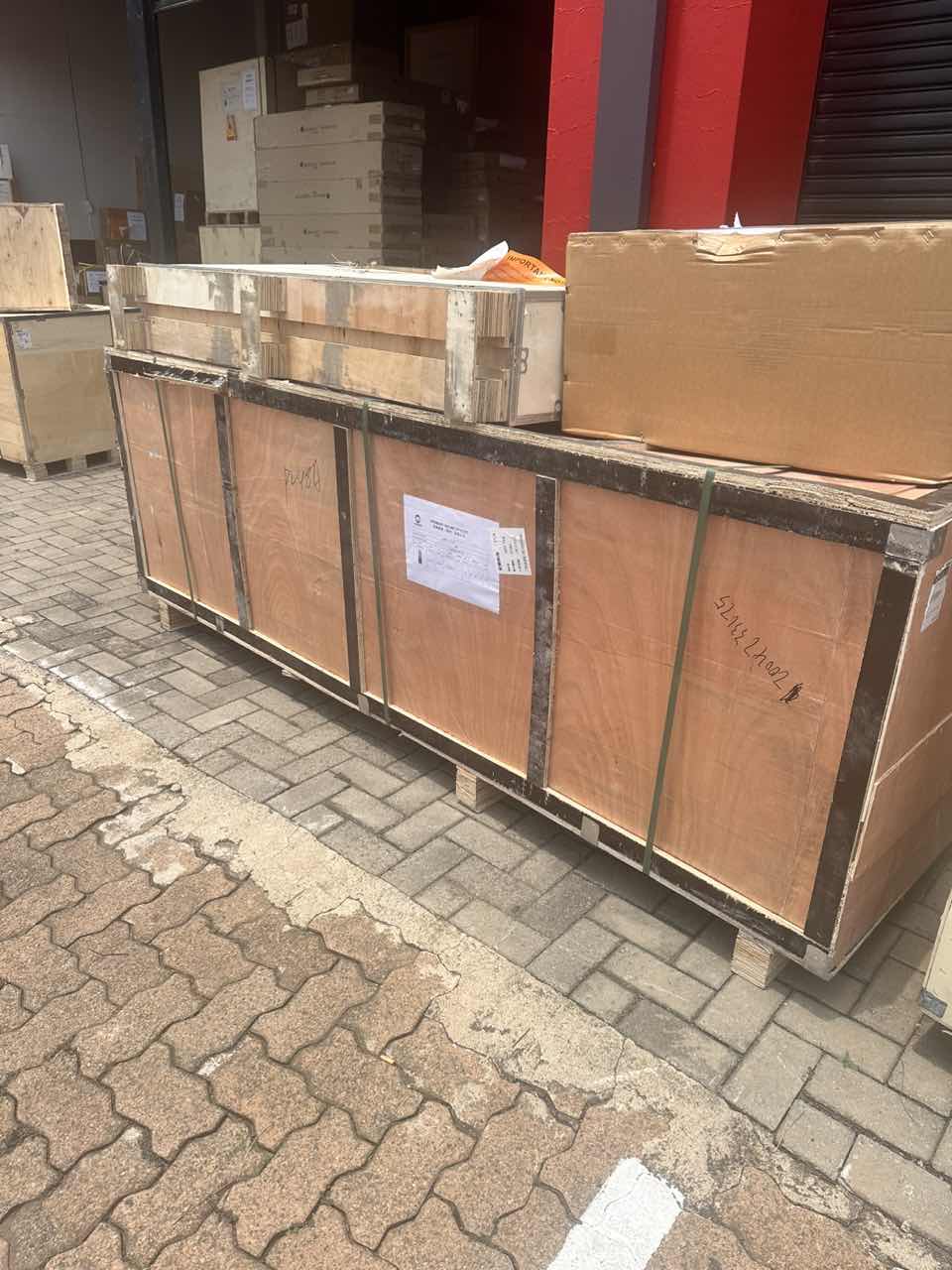
Pre Orders Offloading
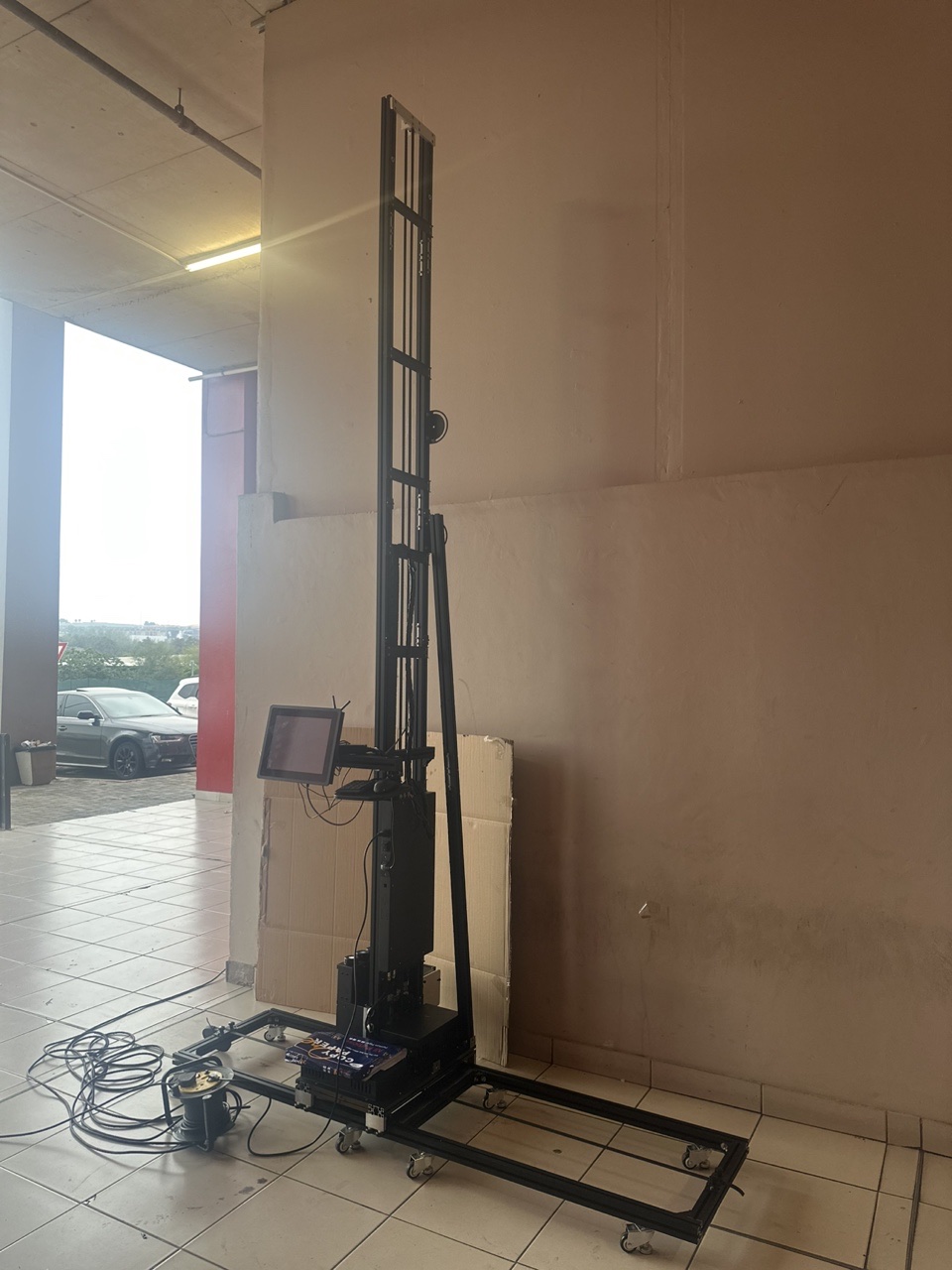
Latest Arrivals
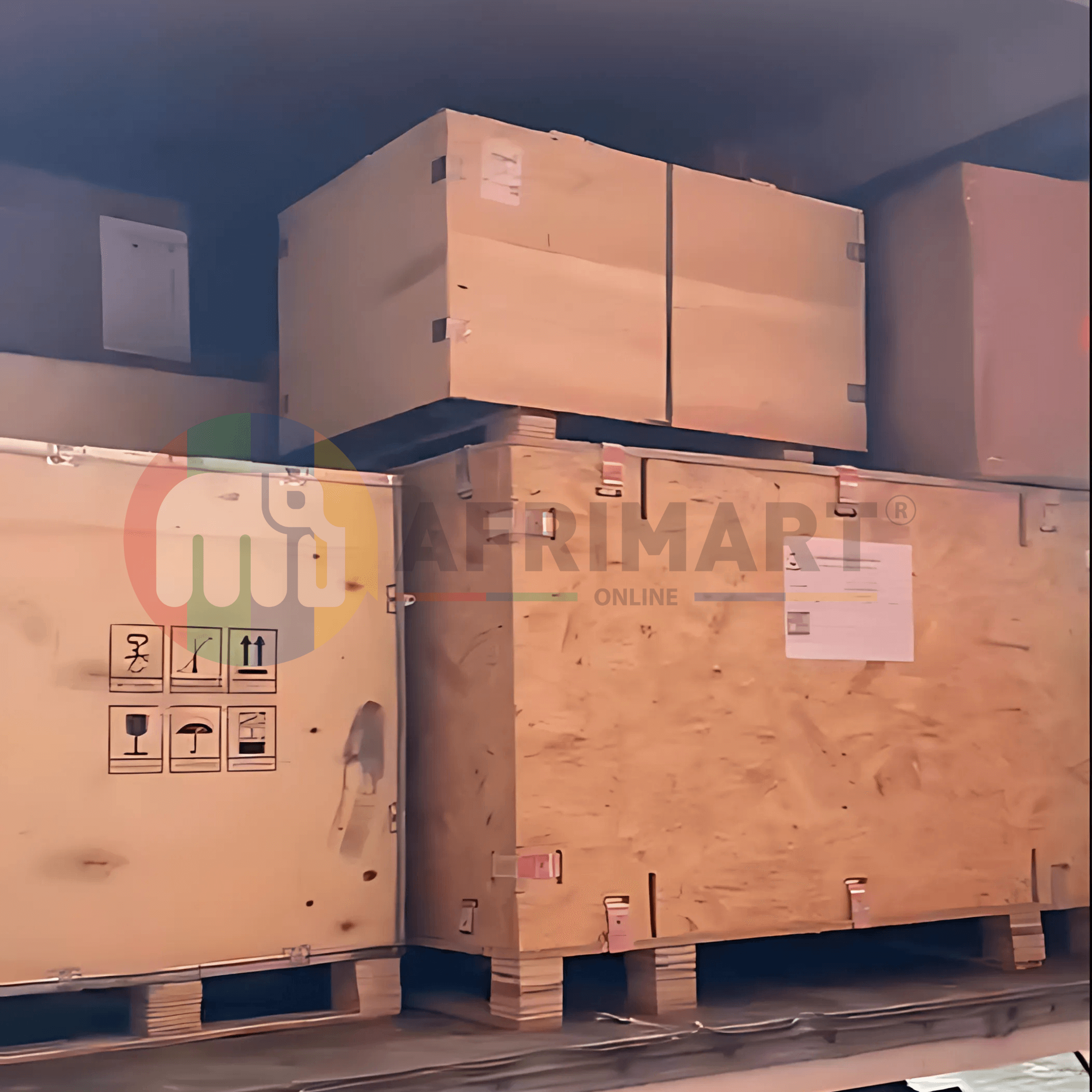
Latest Arrivals
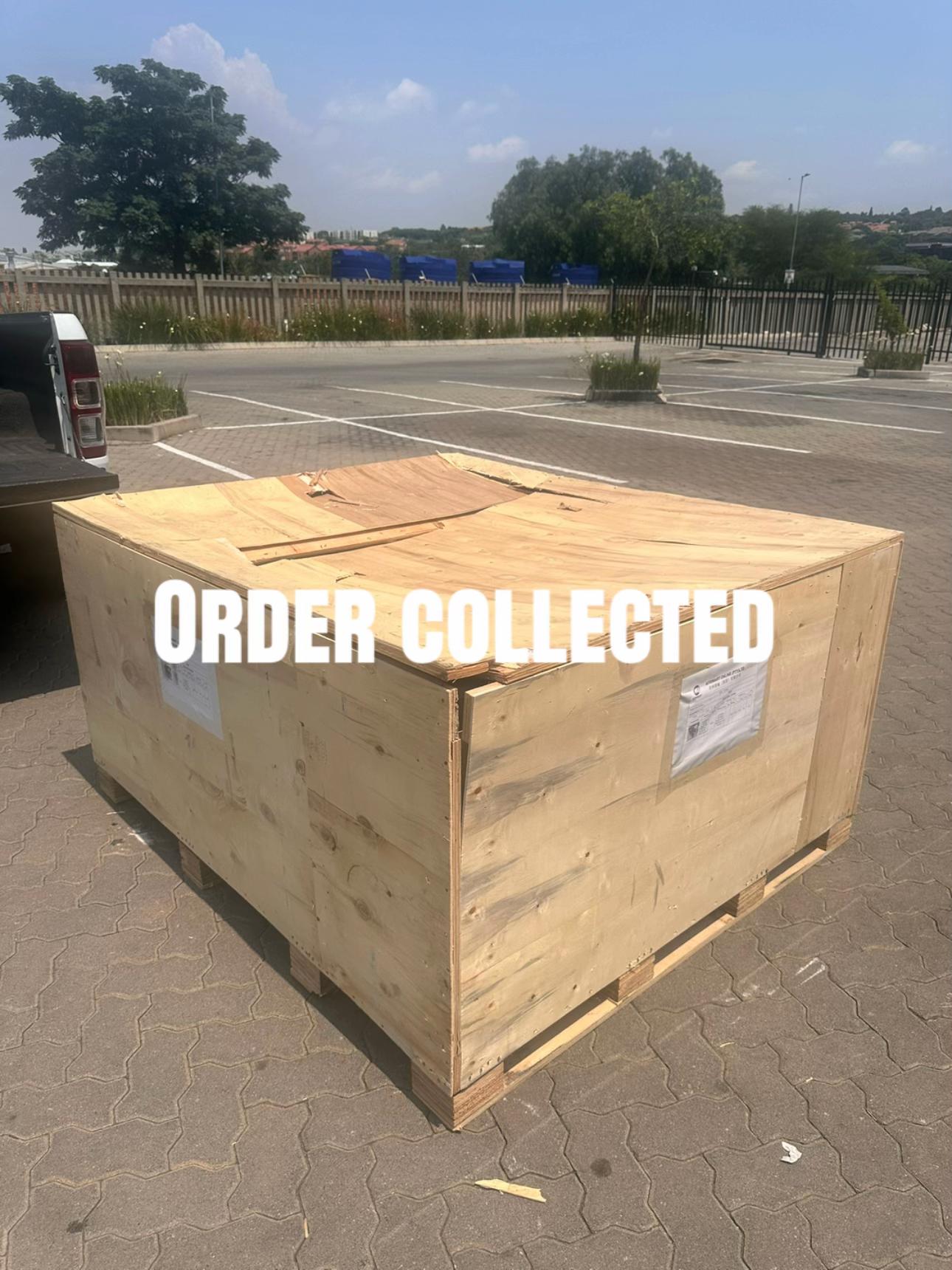
Latest Arrivals
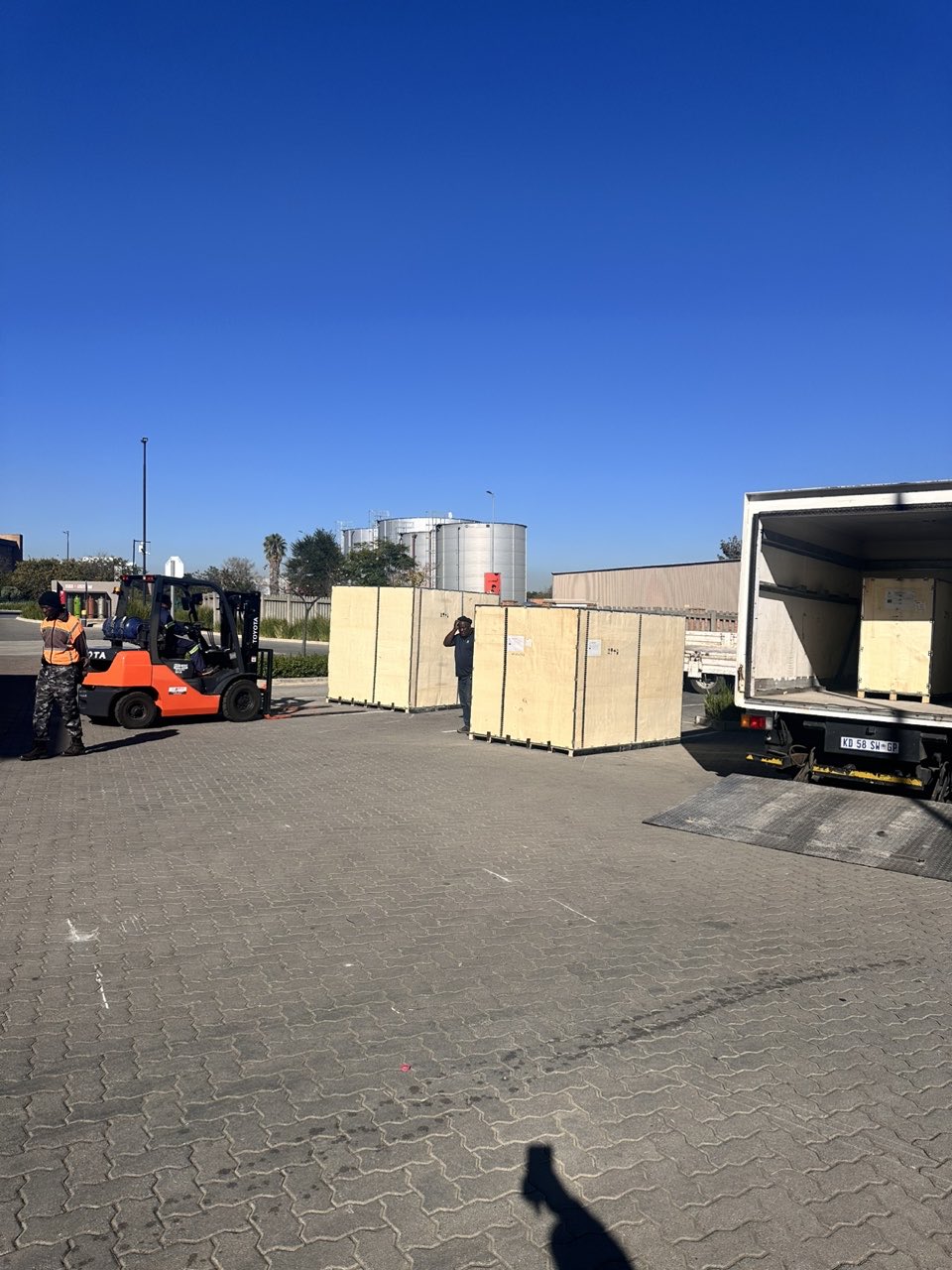
Loading
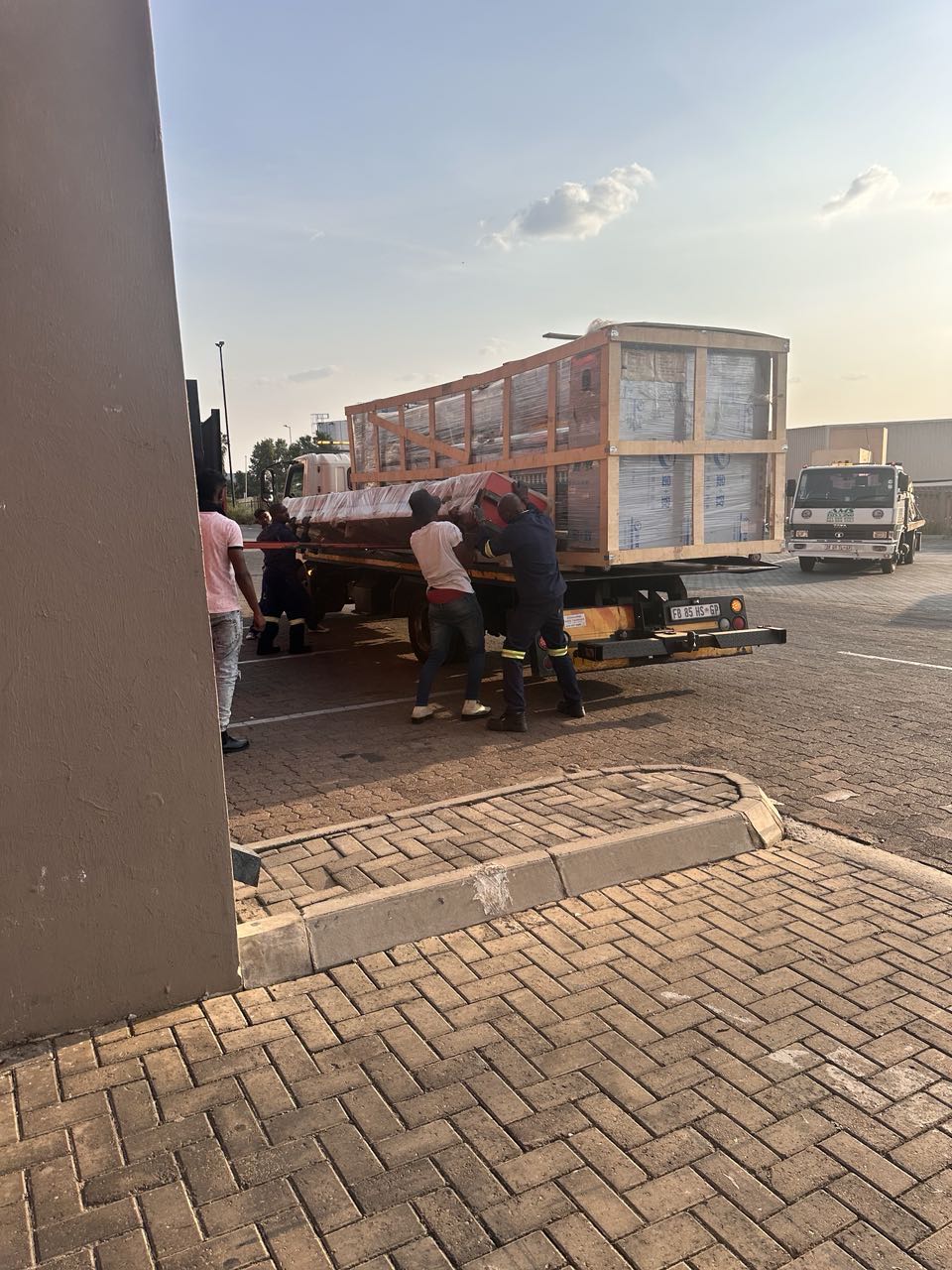
Toilet paper making machine
Toilet paper making machine
Toilet paper Rewinding Machine
latest arrivals
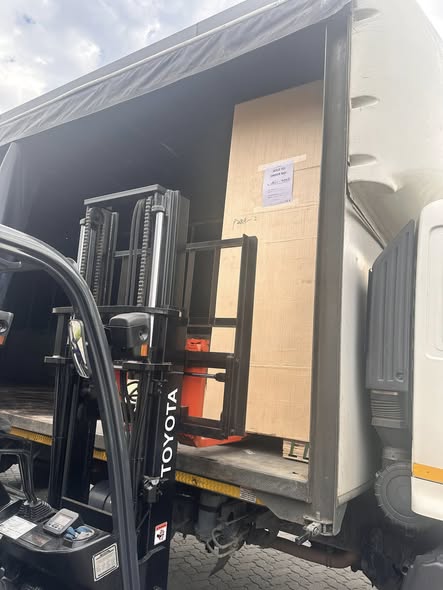
offloading
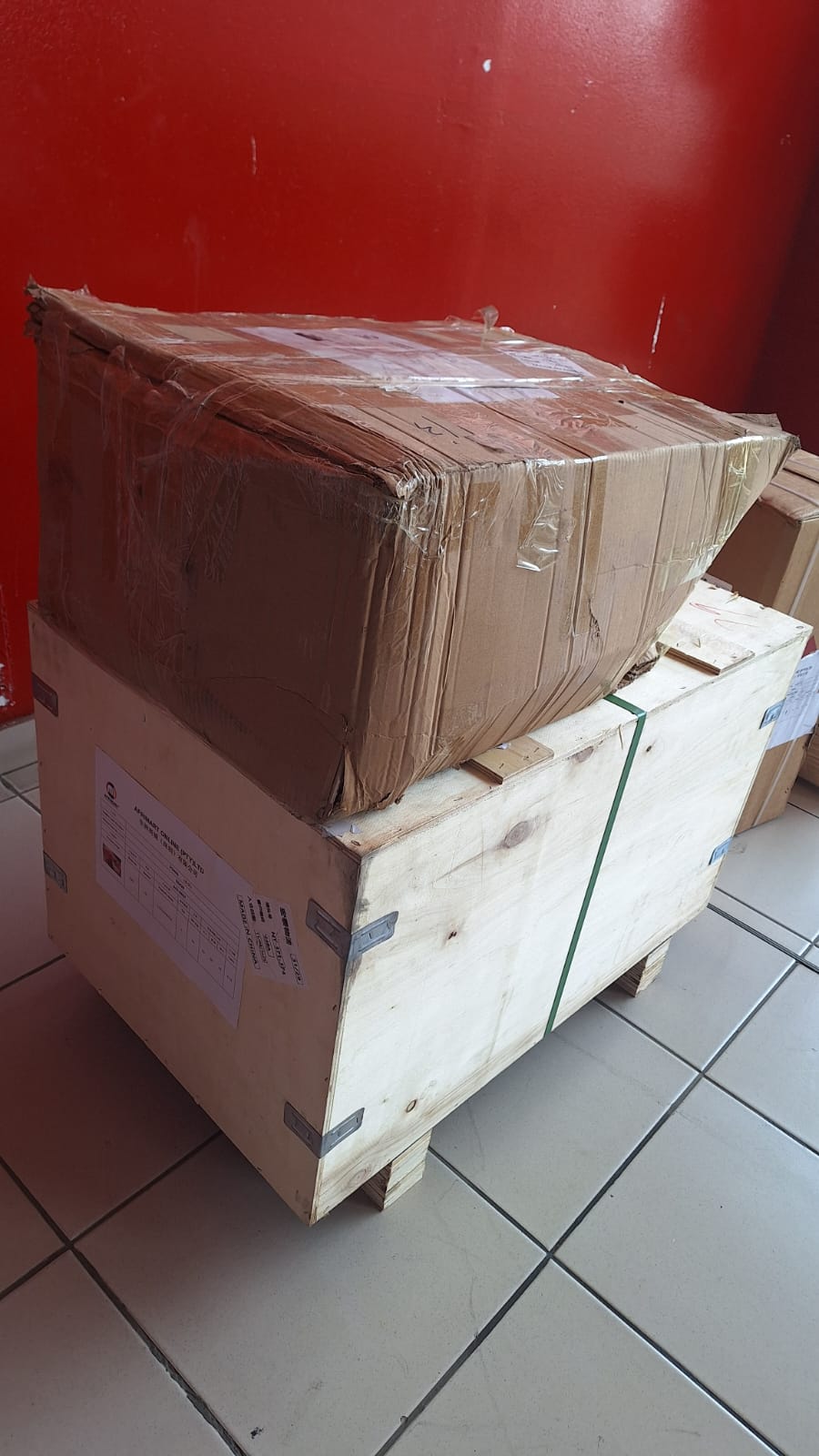
order success
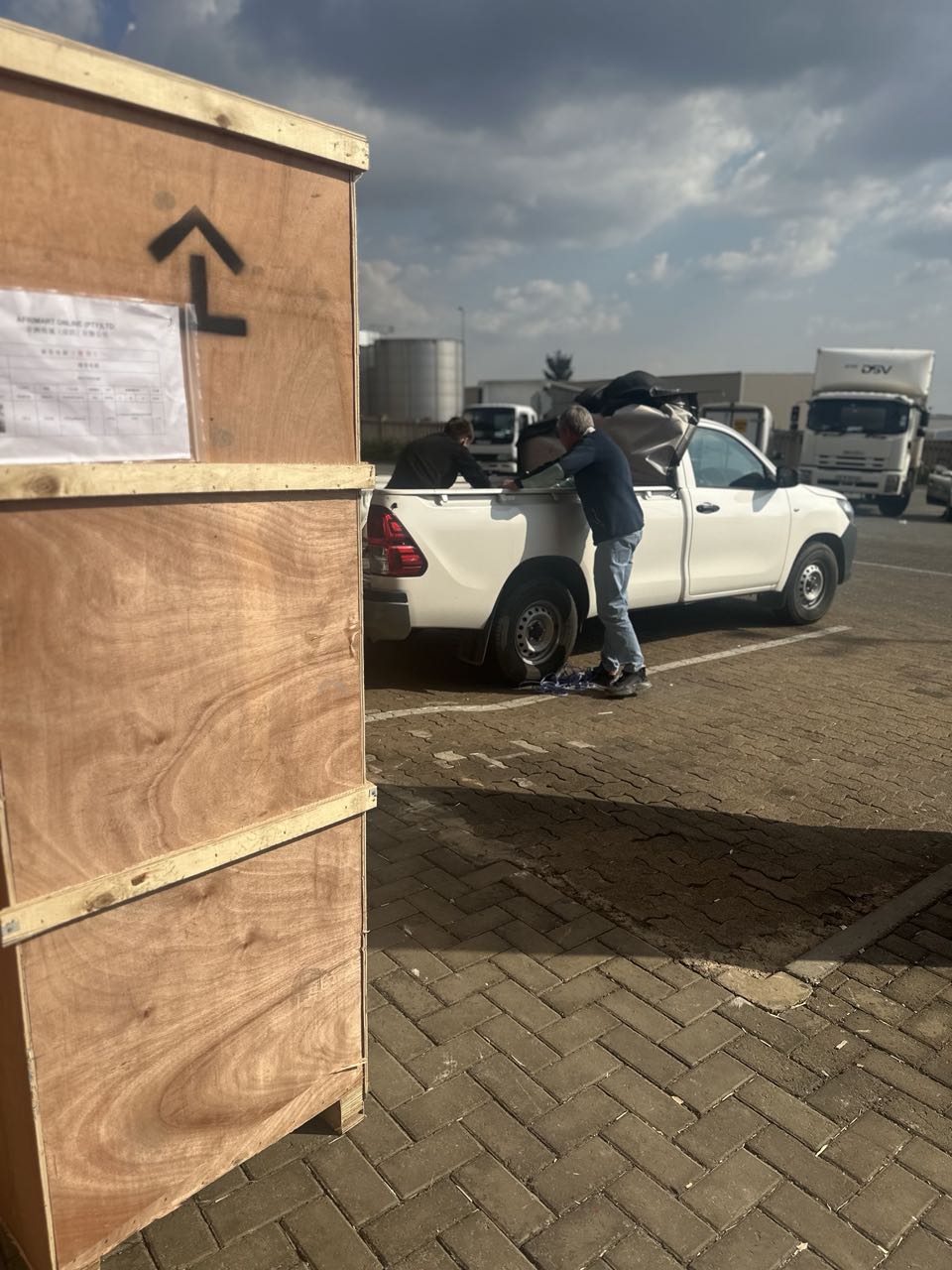
order collection
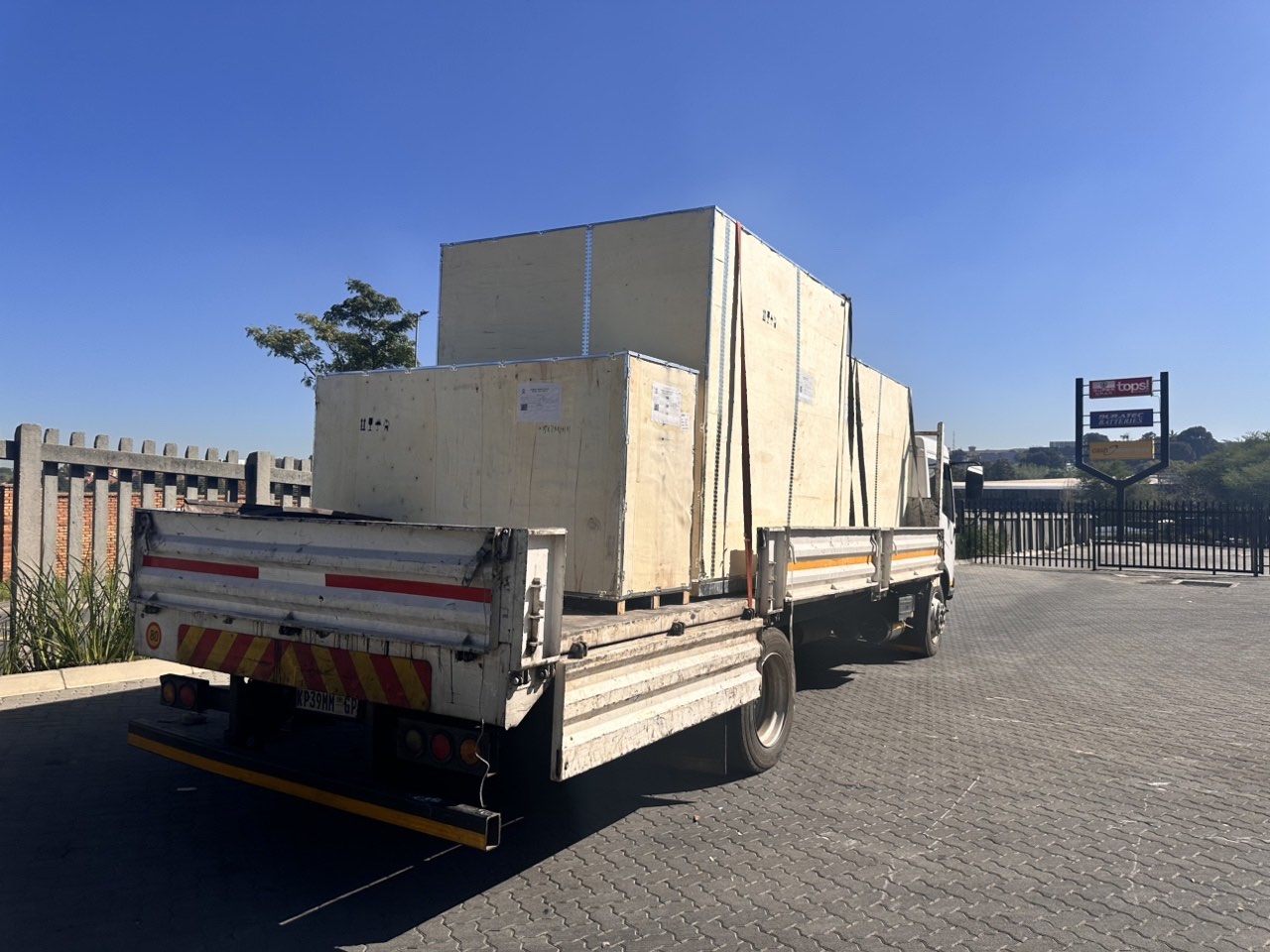
order offloading