B21, China Town Mall, Midrand

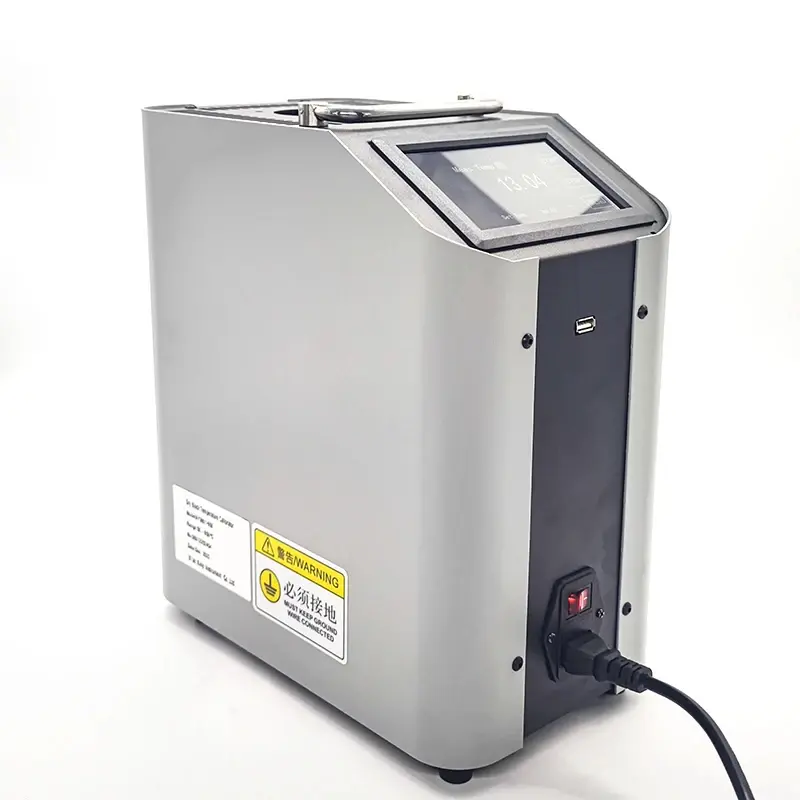
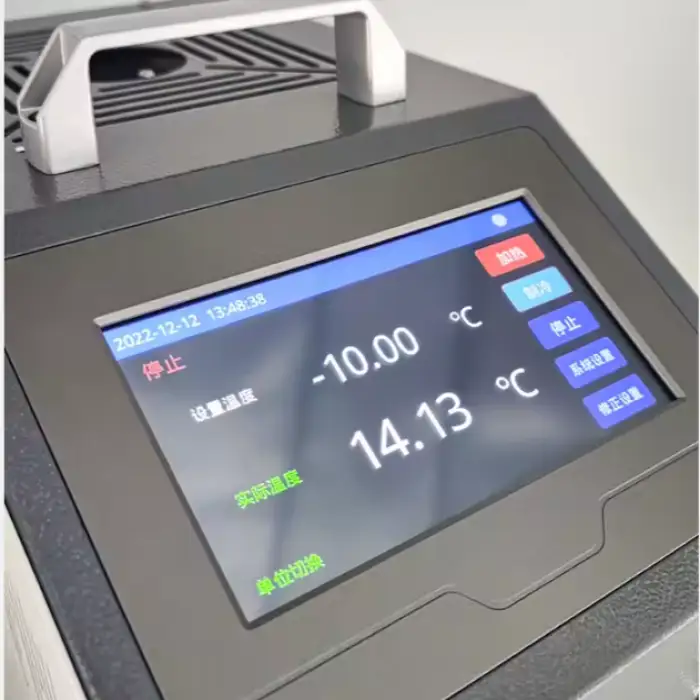
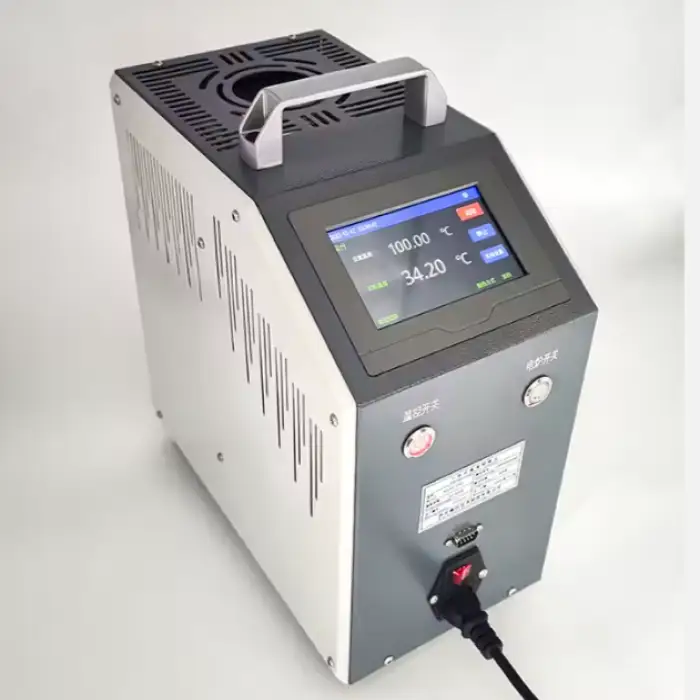
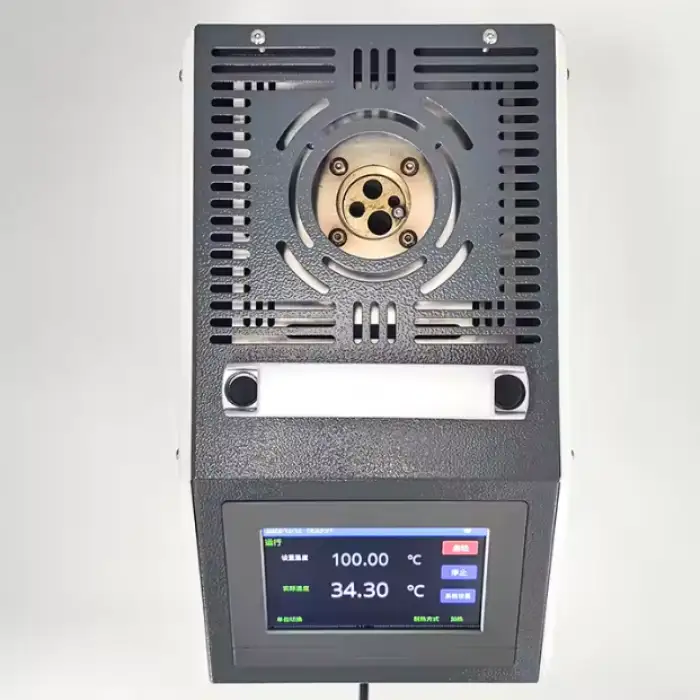
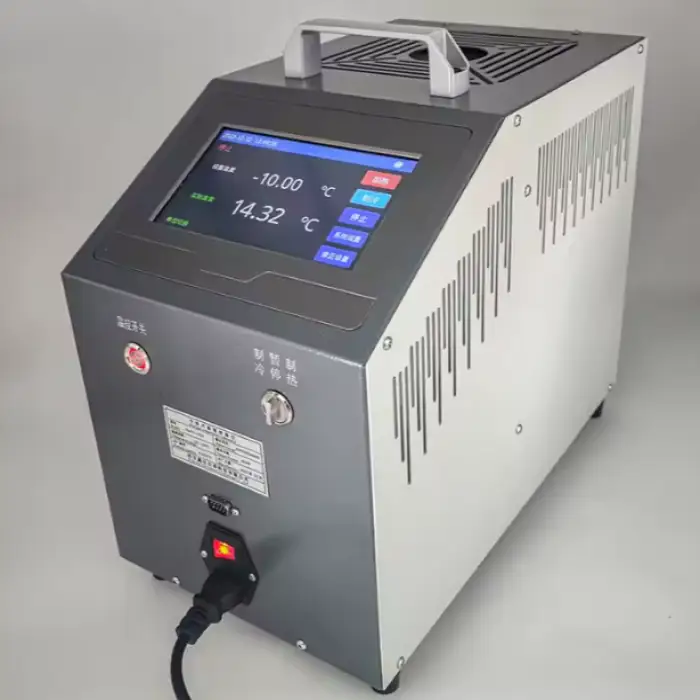
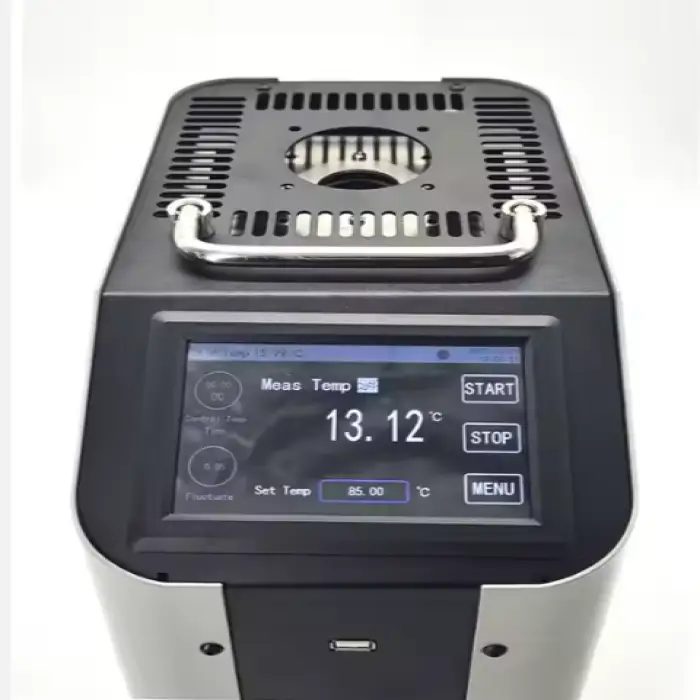
Dry Block Temperature Calibrator
Asset finance available
Do you want funding for this equipment?
Afrimart can connect you with trusted funding partners who specialise in asset finance for businesses like yours. Compare options and apply in minutes — final approval is subject to provider review.
Check funding options
Secure & no obligation

- Section : Consumer Electronics
- Category : Test Instruments
- SKU : 1600453380383

Easy Using Touch Screen Lab Temperature Testing Portable Dry Block Temperature Calibrator
The XinYI382 Dry Block Temperature Calibrator is a highly efficient and easy-to-use portable device designed for temperature calibration in laboratory settings. Whether you need to calibrate temperature sensors, thermometers, or other measurement instruments, this dry block temperature calibrator provides reliable and precise results. Its user-friendly touch screen and compact design make it an ideal tool for both field and laboratory use.
Key Features
- Wide Temperature Range: The XinYI382 offers a temperature range of 50°C to 650°C, allowing it to accommodate a variety of calibration needs, from low to high-temperature settings.
- Portable and Compact: Designed for ease of use and portability, this calibrator is perfect for labs, workshops, and even field applications. Its compact size ensures it fits easily into limited workspaces.
- Easy Operation: With an intuitive touch screen display, the calibrator is simple to operate, making it accessible to users of all experience levels. The touch screen allows for quick adjustments and clear readings.
- High Accuracy: The device ensures accurate temperature readings, making it ideal for precise calibration tasks.
- Durable Steel Construction: Made from steel material, the XinYI382 is built to last, providing durability for long-term use in various testing environments.
- Convenient Packaging: The calibrator is packaged securely in carton packaging, making it easy to transport and store.
| low temperature | mesophilic | high temperature | |||
| XY3801-150A | XY3801-150B | XY3801-150C | XY3801-650 | XY3801-1200 | |
| Temperature range① | -20℃~150℃ | -30℃~150℃ | -45℃~150℃ | 50℃~650℃ | 300℃~1200℃ |
| Heating rate | 30~100: 20min 30~150: 40min | 30~300: 7min 30~400: 12min 30~650: 25min | 30~1200:75min | ||
| Display accuracy | ≤±0.1℃ | Below 400℃: ≤±0.35℃ 400-650℃: ≤±0.5℃ | ≤±1.2℃ | ||
| Insertion depth | 160mm | 150mm | 135mm | ||
| Diameter of soaking block② | A type 36mm, B, C type 32mm | 32mm | 39mm | ||
| Temperature Field Stability | ≤±0.02℃ | ≤±0.05℃ | ≤±0.2℃ | ||
| Horizontal temperature field | ≤±0.05℃ | ≤±0.05℃ | ≤±0.25℃ | ||
| vertical temperature field | The deviation within 30mm from the bottom of the soaking block hole is not more than 1℃ | The deviation within 10mm from the bottom of the soaking block hole is not more than 1℃ | |||
| temperature unit | °C or °F | ||||
| Temperature control accuracy | 0.1% | ||||
| display resolution | 0.1℃ or 0.01℃ | ||||
| Maximum power | Low temperature type: 300W, medium temperature type: 1200W, high temperature type: 3000W | ||||
| Weight (net weight) | Low temperature type: 13kg, medium temperature type: 11kg, high temperature type: 11kg | ||||
| Weight (including packaging) | Low temperature type: 23kg, medium temperature type: 18kg, high temperature type: 18kg, the packaging includes aluminum box and transportation wooden box | ||||
| Dimensions | Low temperature type: 310*190*340mm, medium temperature type, high temperature type: 250*150*310mm | ||||
| Use environment | Ambient temperature 0~50℃, relative humidity ≤95% (non-condensing) | ||||
| Power supply | 220VAC±10%, 45~60Hz, optional 110VAC±10% | ||||
| Optional function | Verification data recording and exporting (optional for ET3801 only), supports up to 250 sensors and 2500 records | ||||
Applications
The XinYI382 Dry Block Temperature Calibrator is ideal for:
- Laboratories: For the calibration of thermometers, temperature sensors, and other temperature measurement devices.
- Field Use: Portable enough to be used in the field for testing and calibration of temperature instruments on-site.
- Manufacturing and Testing: Ensures precision and accuracy in temperature control and calibration processes in industrial settings.
- Quality Control: Used in quality control laboratories for verifying the accuracy of temperature sensors used in production lines.
Conclusion
The XinYI382 Dry Block Temperature Calibrator is an essential tool for anyone requiring reliable and precise temperature calibration. With its wide temperature range, easy-to-use touch screen interface, and durable construction, this calibrator is ideal for laboratories, fieldwork, and industrial applications. Its compact size and portable design allow for flexibility in a range of testing environments.
Product Info Gallery

- Shipping Timeframes: All orders are processed within 2-5 business days (excluding weekends and holidays). After your order has been processed, the estimated delivery time is before 28 Jun, 2026, depending on customs, Please note that due to high demand, some items may experience longer shipping times, which will be communicated at order confirmation email.
- Order Processing Time: Please allow 2-5 business days for us to process your order before it is shipped . Orders placed after 16:00 on Fridays, or during weekends and public holidays, will begin processing on the next business day. Processing times may be extended during peak seasons or sales events.
- Manufacturing Time: Some products needs manufacturing time, the manufacturing process will take approximately 10-30 business days depending on the product. This timeframe may vary depending on the complexity of the product and current demand. but this will be communicated with you during order confirmation.
- Returns and Exchanges: We offer a 30-day return policy for most items. If you are not completely satisfied with your purchase, you may return it within 30 days of receipt for a refund or exchange. Items must be unused, in their original packaging, and accompanied by proof of purchase. Return shipping costs are the responsibility of the customer, unless the item was damaged or defective upon arrival.
1. What temperature range does the Dry Block Temperature Calibrator cover?
The XinYI382 model covers 50 °C to 650 °C. Related variants are available for other ranges (for example: −20 to 150 °C, −30 to 150 °C, −45 to 150 °C and 300 to 1200 °C). Choose the model that matches your required calibration range.
2. What accuracy and stability can I expect?
Accuracy and stability depend on the model and temperature. Typical figures: display resolution 0.1 °C; display accuracy down to ≤±0.1 °C for low-temperature models. For mid/high ranges (example XinYI382): below 400 °C ≤±0.35 °C, 400–650 °C ≤±0.5 °C. Temperature field stability varies by model (examples: ≤±0.02 °C, ≤±0.05 °C, ≤±0.2 °C). Refer to the specific model datasheet for exact values.
3. What are the insertion depth and block hole diameters?
Insertion depths vary by model: typical values are 160 mm (low-temp type), 150 mm (medium), and 135 mm (high). Soaking block hole diameters depend on block type (A-type ≈ 36 mm; B/C-types ≈ 32 mm; some high-temp blocks ≈ 39 mm). Confirm the block type when ordering to match your probe size.
4. Which sensors and probes can I calibrate with this calibrator?
You can calibrate common temperature sensors such as thermocouples (TC), resistance temperature detectors (RTD), industrial thermometers and datalogging probes, provided the probe diameter fits the block hole. For best accuracy, use probes designed for dry-block calibration and match immersion depth recommendations.
5. How is the device operated?
The calibrator uses an intuitive touch-screen interface for setting temperature, switching units (°C/°F), and monitoring. Controls allow quick setpoint changes and show measured values with selectable resolution (0.1 °C or 0.01 °C depending on model).
6. What power supply does it require and how quickly does it heat?
Standard power is 220 VAC ±10%, 45–60 Hz (110 VAC ±10% available as an option). Maximum power depends on model: low-type ≈300 W, medium ≈1200 W, high ≈3000 W. Heating time varies with start and target temperatures and model—for example, 30 → 100 °C in ~20 min, 30 → 650 °C in ~25 min, and 30 → 1200 °C in ~75 min (model-dependent).
7. Is the calibrator portable for field use?
Yes. The unit is designed to be compact and portable for both lab and field use. Net weights are typically around 11–13 kg depending on model; packaged weight with transport cases can be higher (for example 18–23 kg). Dimensions vary by model—verify the specific model dimensions before planning transport.
8. What environmental conditions are required for operation?
Recommended ambient conditions: temperature 0–50 °C and relative humidity ≤95% (non‑condensing). Avoid operating in environments with high condensation, excessive dust, or corrosive atmospheres.
9. Does the unit offer data logging or exporting features?
Some configurations offer optional verification data recording and export capabilities (capacity examples: up to 250 sensors and 2500 records). Availability and exact features may depend on the model/option (reference: certain ET/XY series options). Confirm with your supplier which model includes data-logging.
10. What safety precautions should I follow?
Basic safety: beware of hot surfaces — use protective gloves and eye protection when handling hot blocks or probes; allow the unit to cool before changing block inserts; use on stable, heat-resistant surfaces; ensure proper ventilation; do not operate with liquid in the block holes; follow the user manual for electrical safety and grounding instructions.
11. How do I maintain and clean the dry block calibrator?
Keep the block and probe holes free of debris. Clean external surfaces with a soft, dry cloth when cold. Do not use solvents or immerse the instrument in liquid. Periodically inspect the block for wear and replace inserts if damaged. Schedule regular calibration checks to maintain traceability and accuracy.
12. What accessories are typically supplied or available?
Standard deliveries commonly include the dry block unit, a power cord, one or more block inserts (depending on model), and a user manual. Optional accessories may include additional block inserts of different hole sizes, carrying/transport cases, probe stands, and calibration certificates. Verify the exact package with your supplier.
13. Can I get a calibration certificate or traceable calibration for the device?
Yes — manufacturers or authorized service centers typically offer traceable calibration and calibration certificates (NIST/ISO traceability depending on provider). Request a factory or accredited lab calibration certificate at purchase or arrange on-site/periodic recalibration through the supplier.
14. How do I choose the right model for my application?
Select a model based on the maximum temperature you need, required accuracy and field stability, probe diameter and insertion depth, portability needs, and whether you require data-logging or other options. If you need higher temperatures (e.g., >650 °C), choose a high-temp variant; for low-temperature work choose a low-temp model. Contact the supplier with your application details for specific recommendations.
Latest Order Arrivals
Discover our latest orders
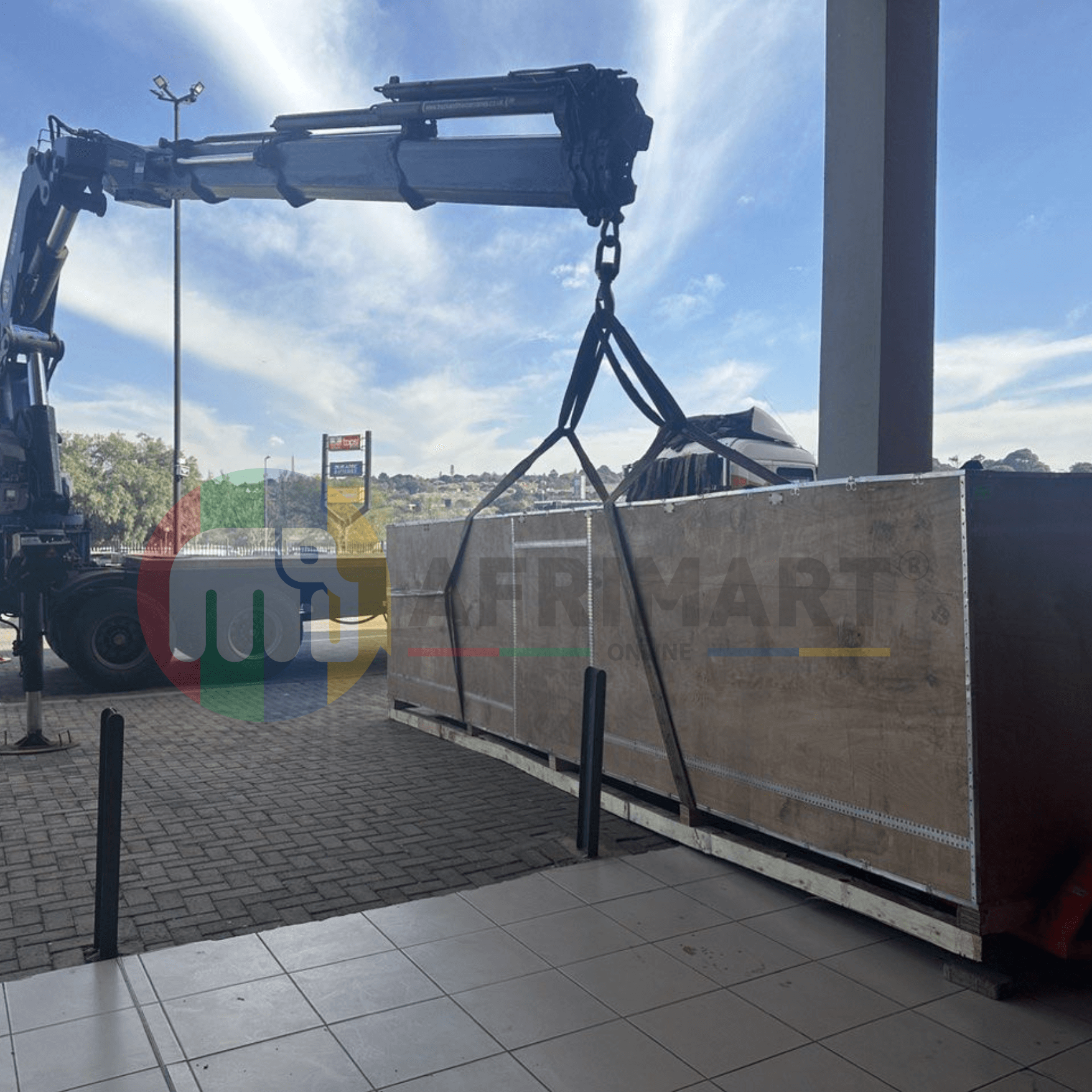
12 Heads Embroidery Machine
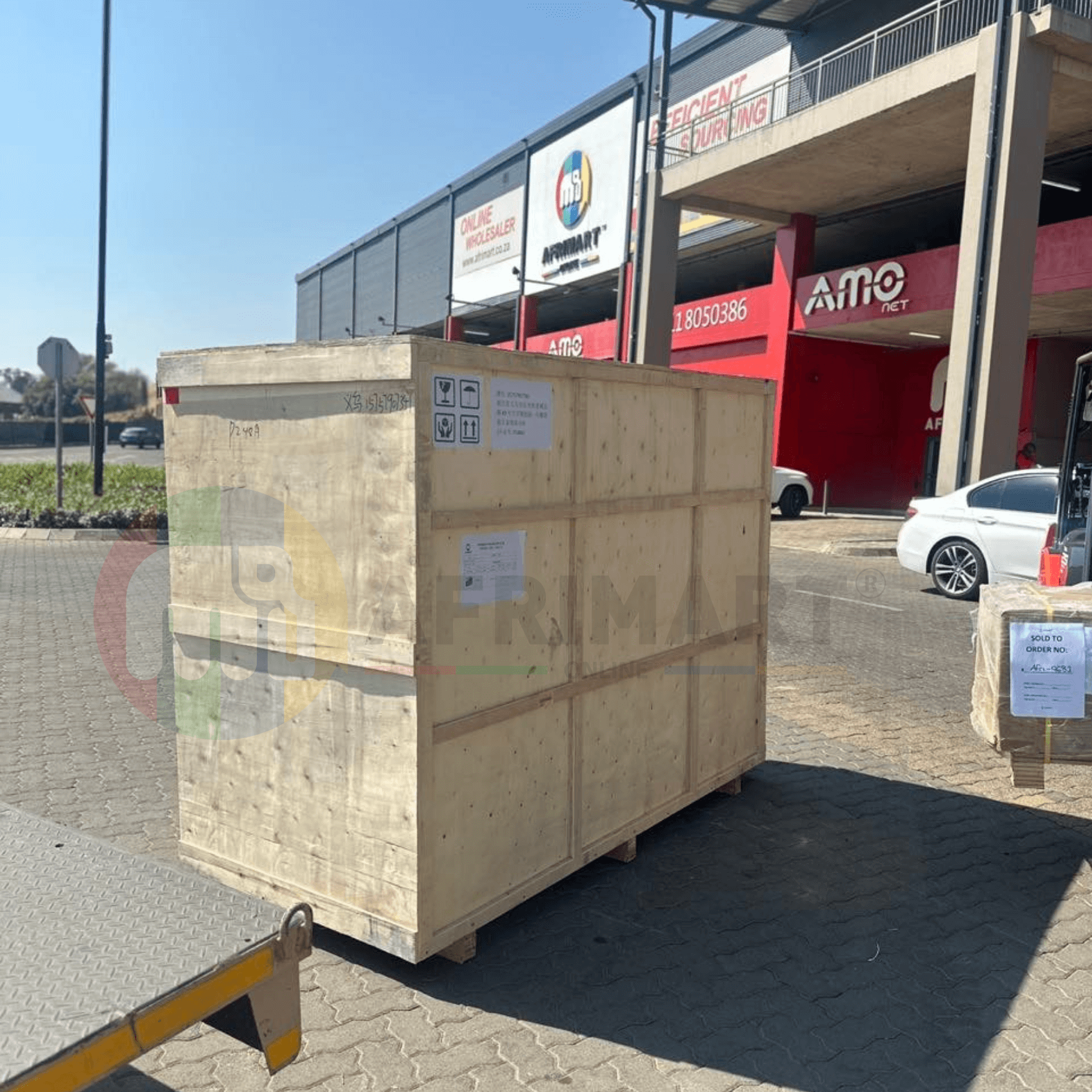
Dewatering Pump Machine
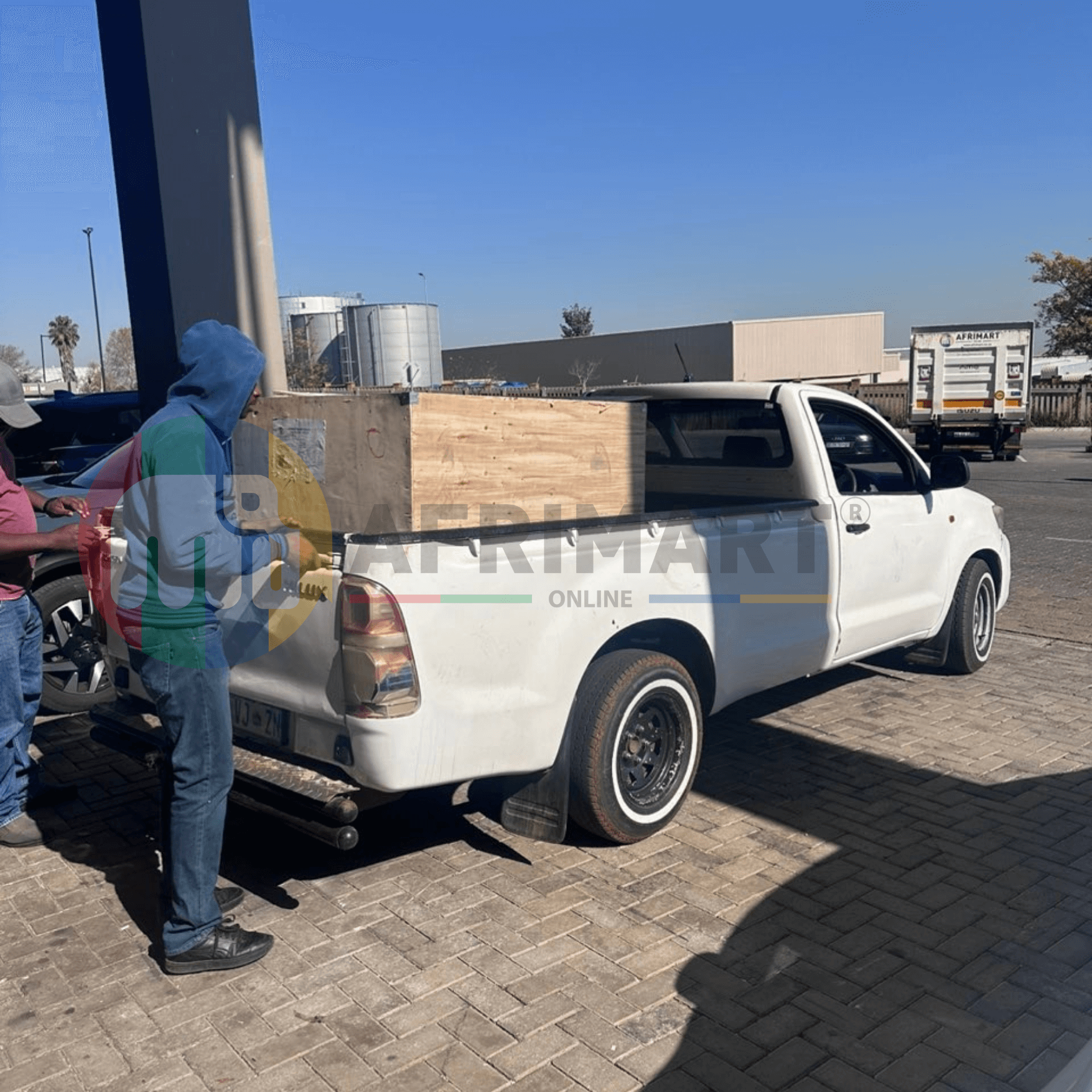
Order Collection
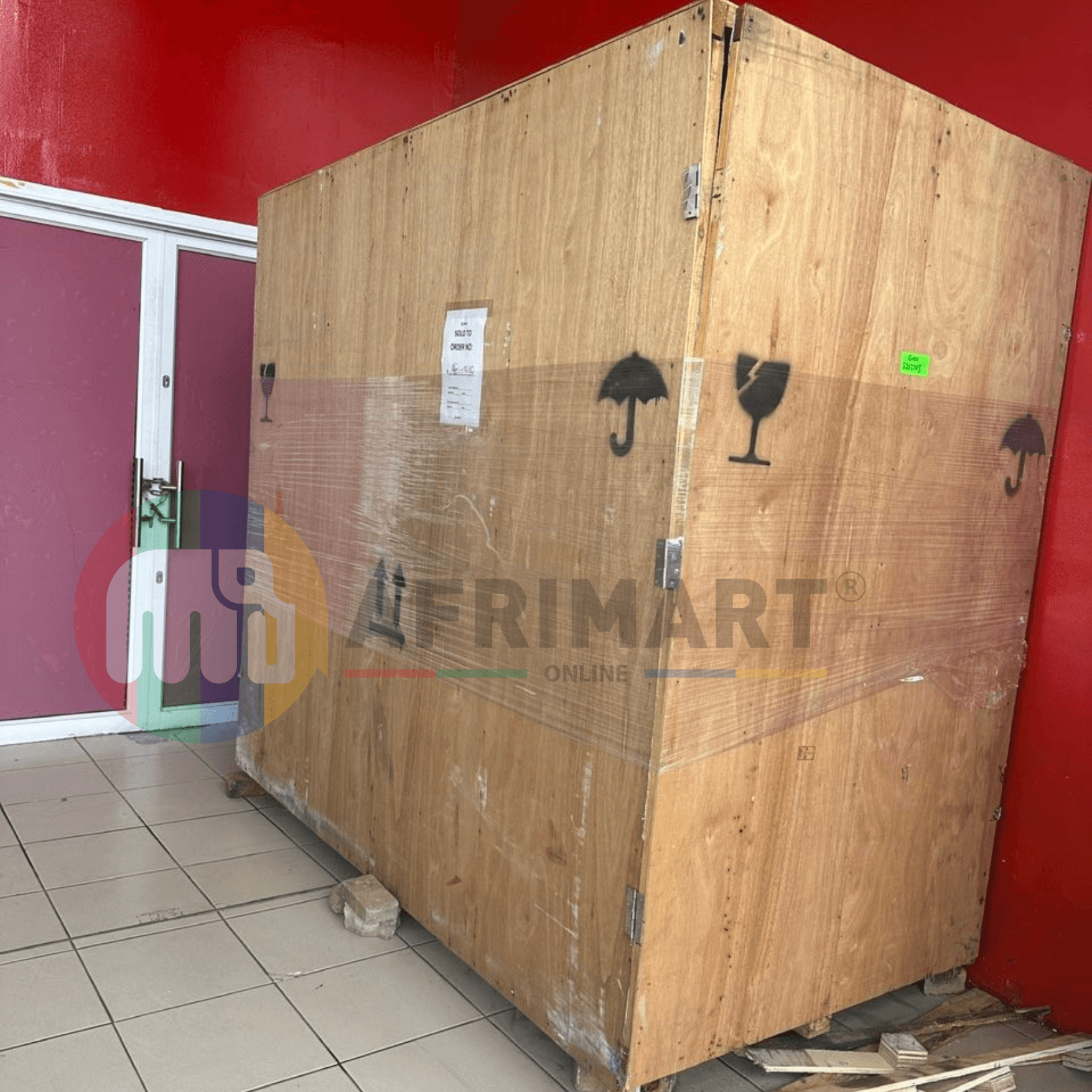
Portable Water Drilling Rig
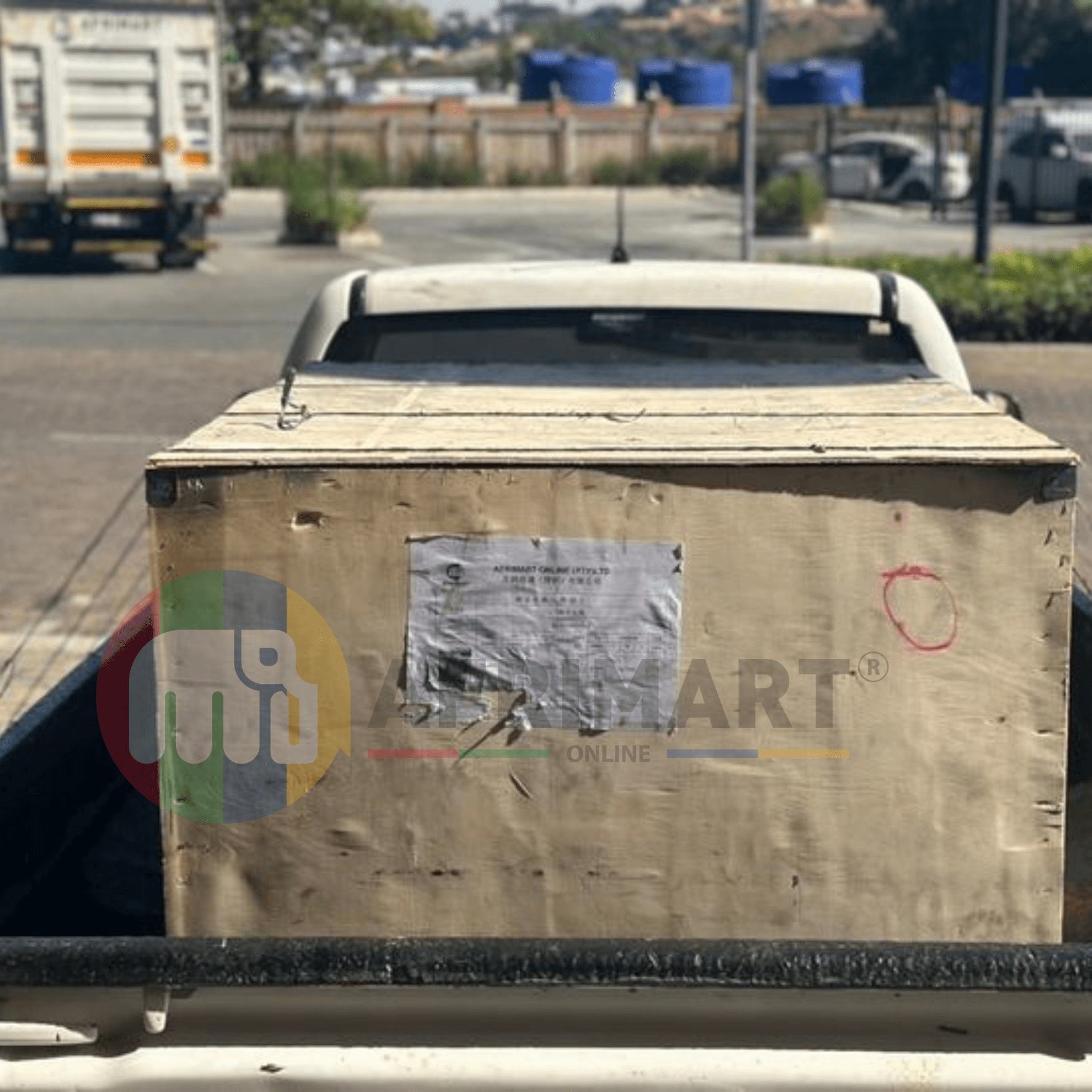
Order Usefully Collected
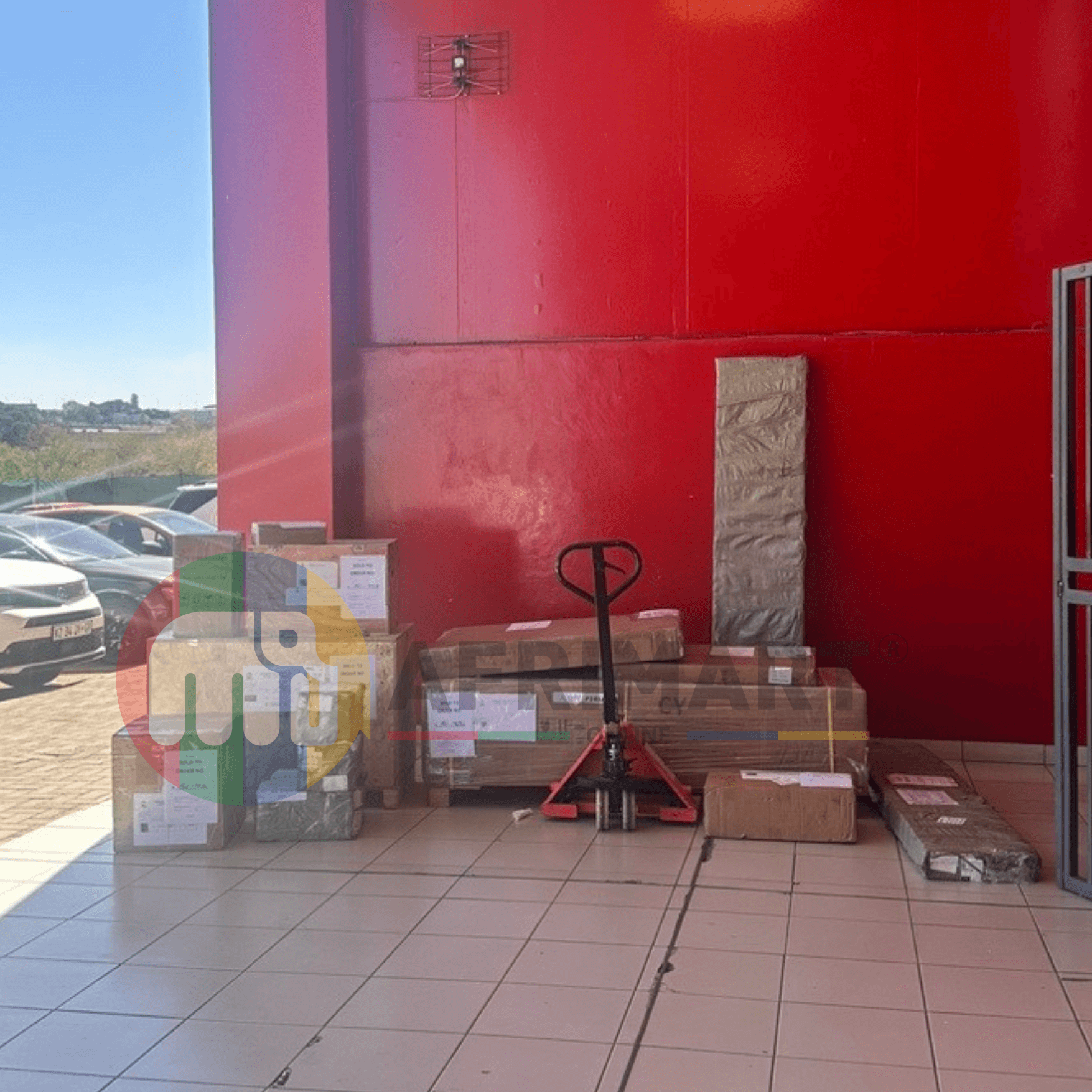
Batch of Orders
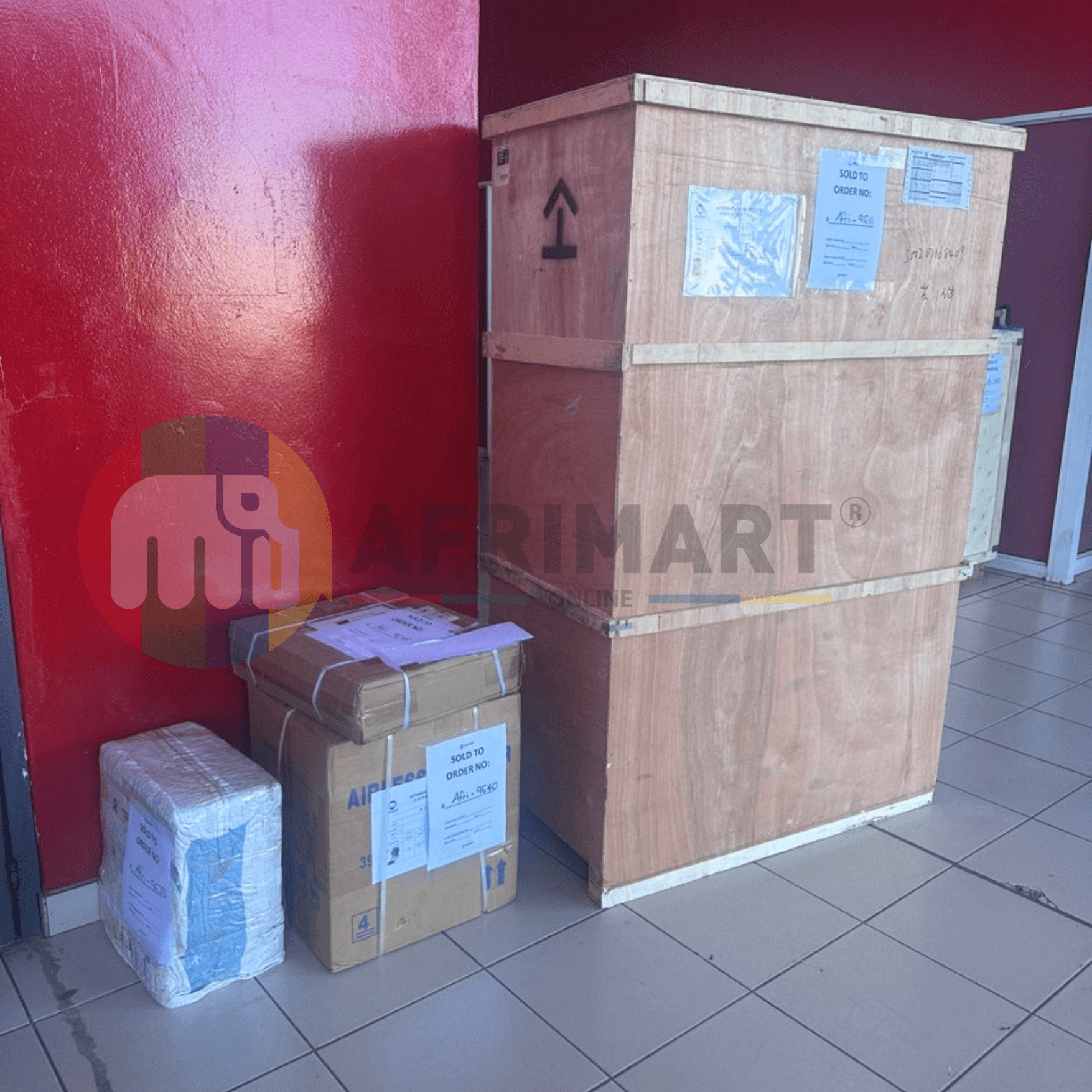
Agriculture Processing Machines
Meat Grinder Machine
Water Pump Equipment
Packaging Machine and accessories
Fabrics Manufacturing Equipment
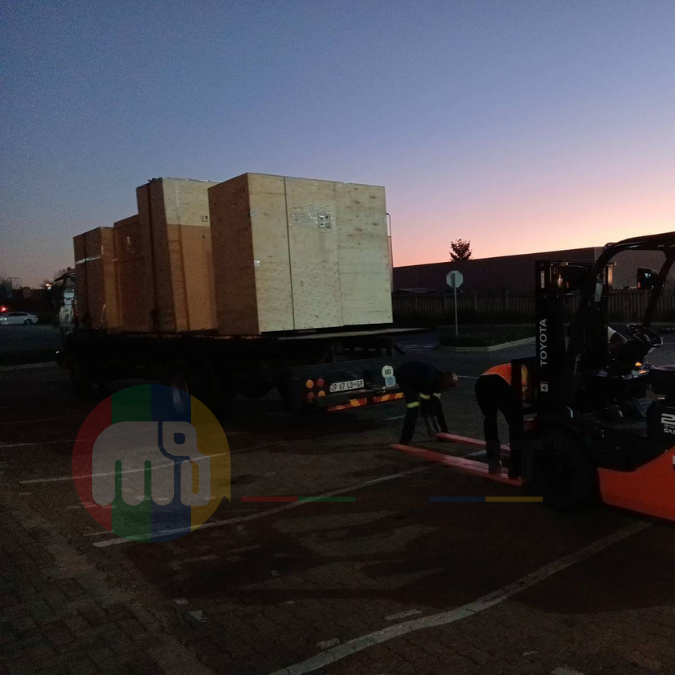
Mining Equipments
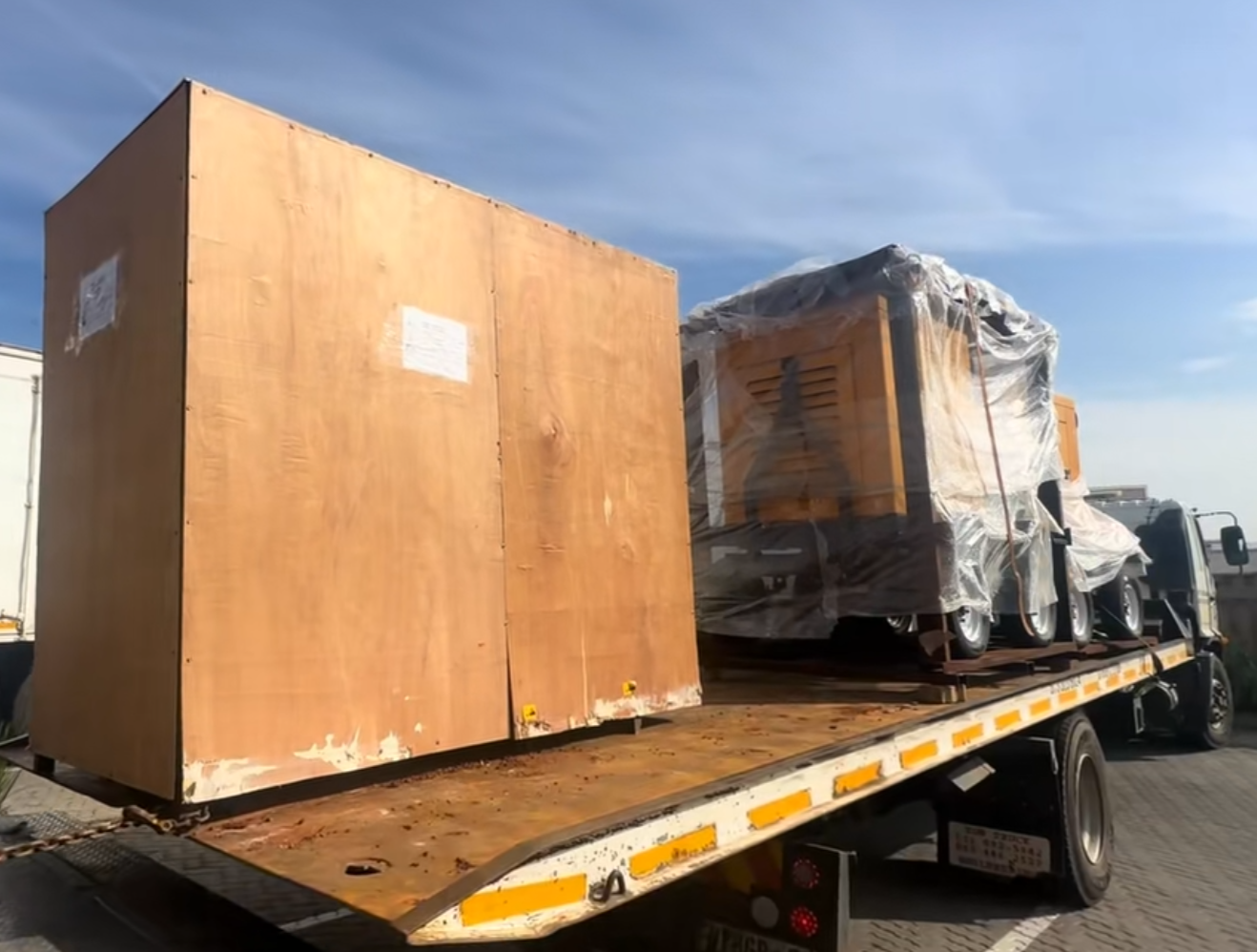
Food Processing Machine
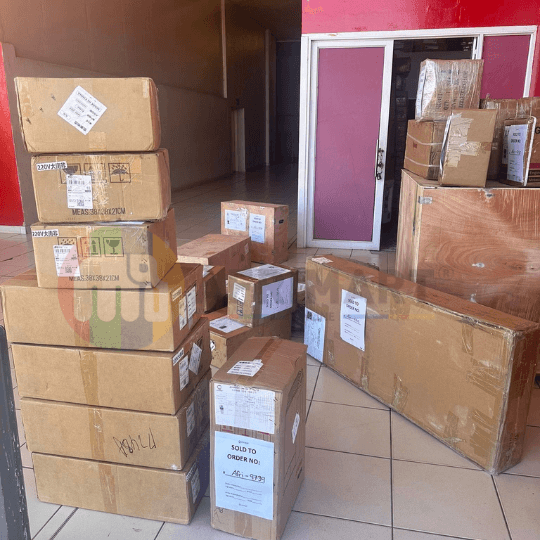
Batch of Orders
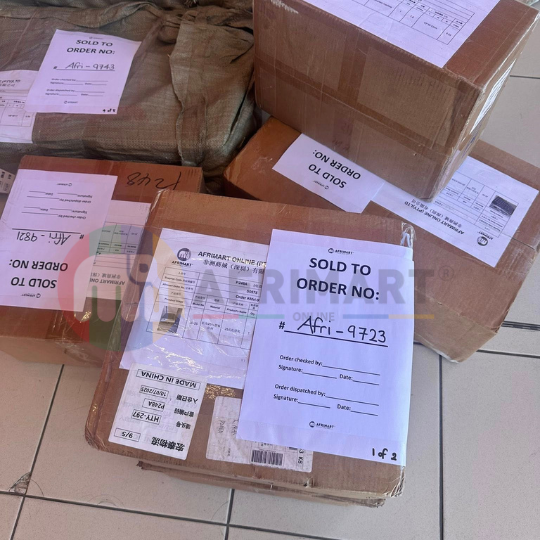
Batch of Orders
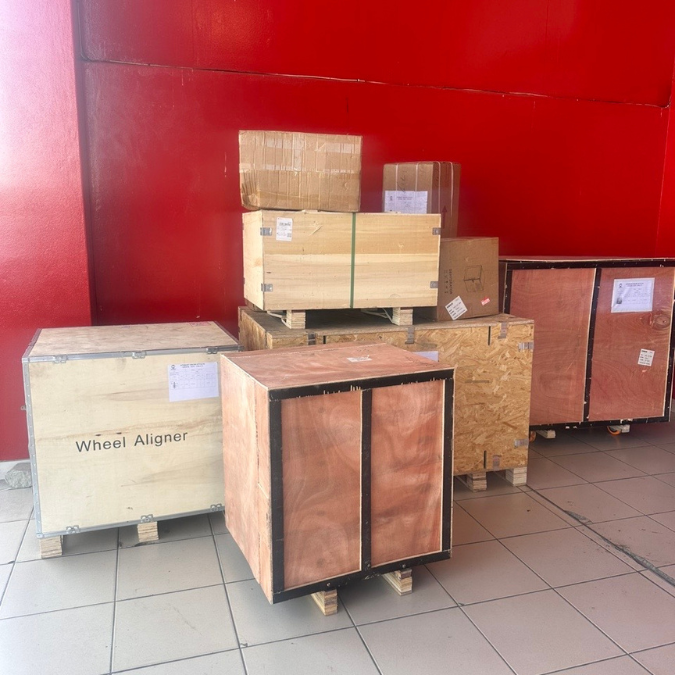
Latest Orders Labelled
wheel alignment machines
new arrivals
Pre Orders Offloading
Latest Arrivals
Latest Arrivals
Latest Arrivals
26 January 2026
Toilet paper making machine
Toilet paper making machine
Toilet paper Rewinding Machine
latest arrivals
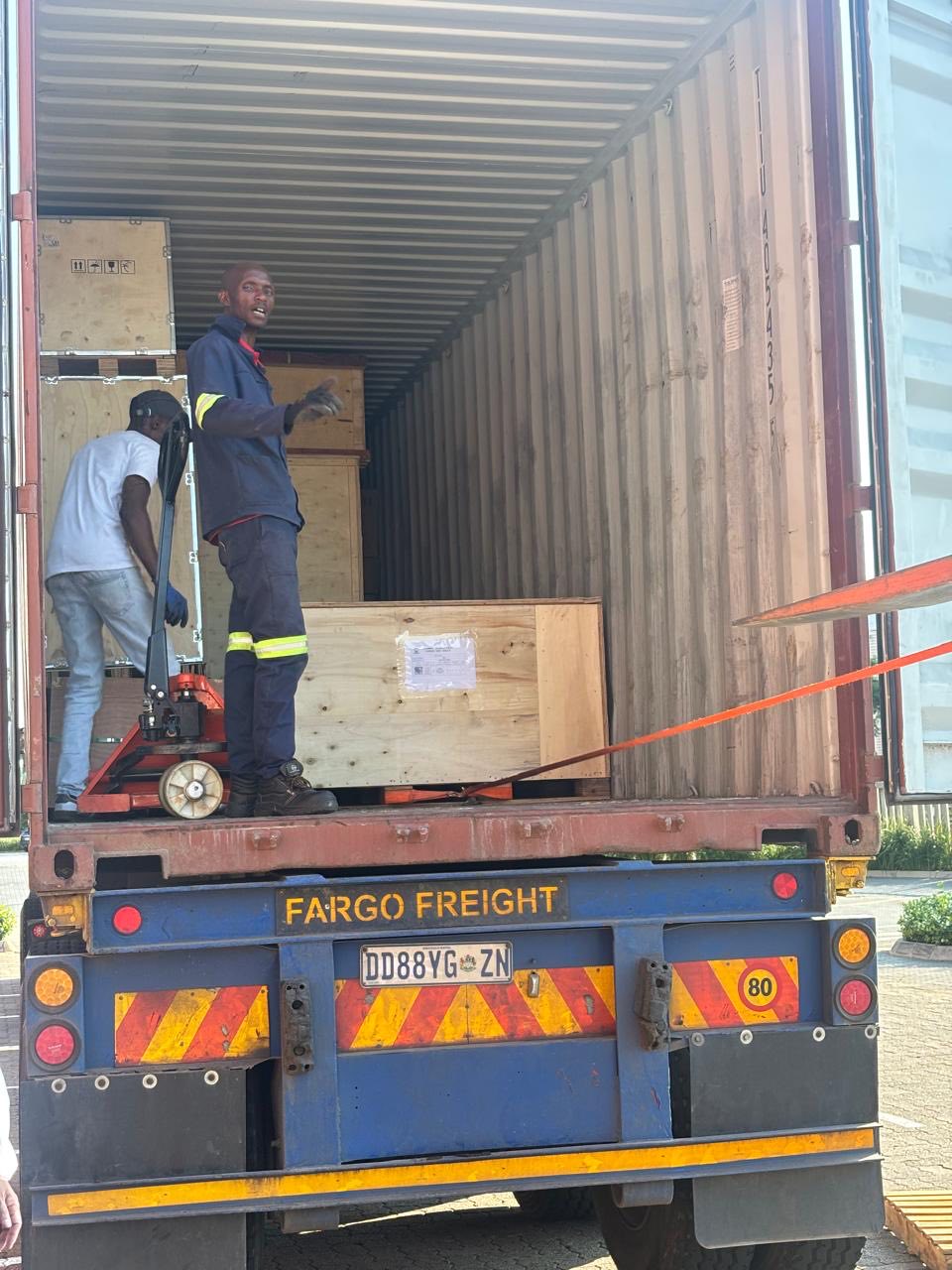
offloading
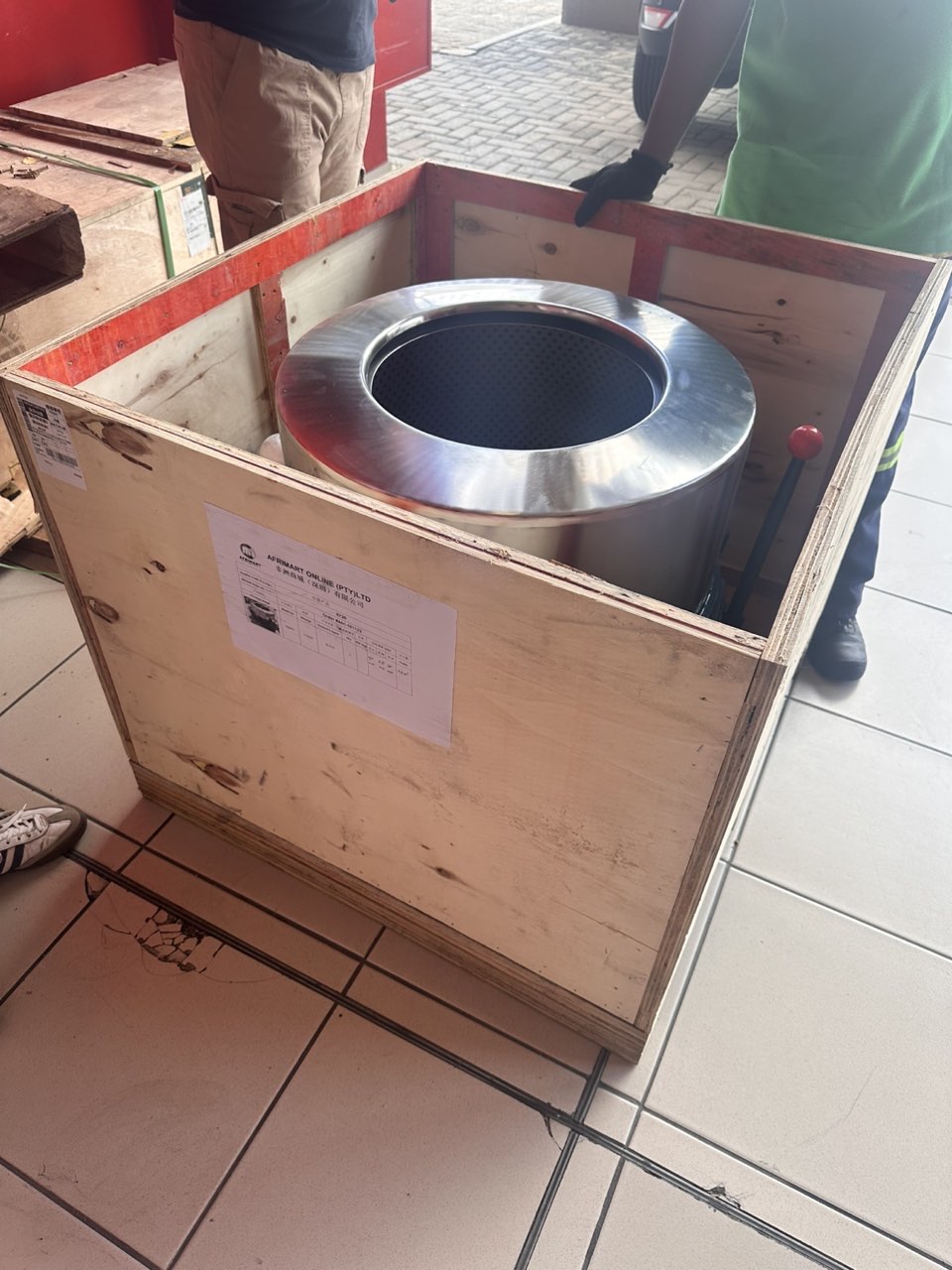
order success
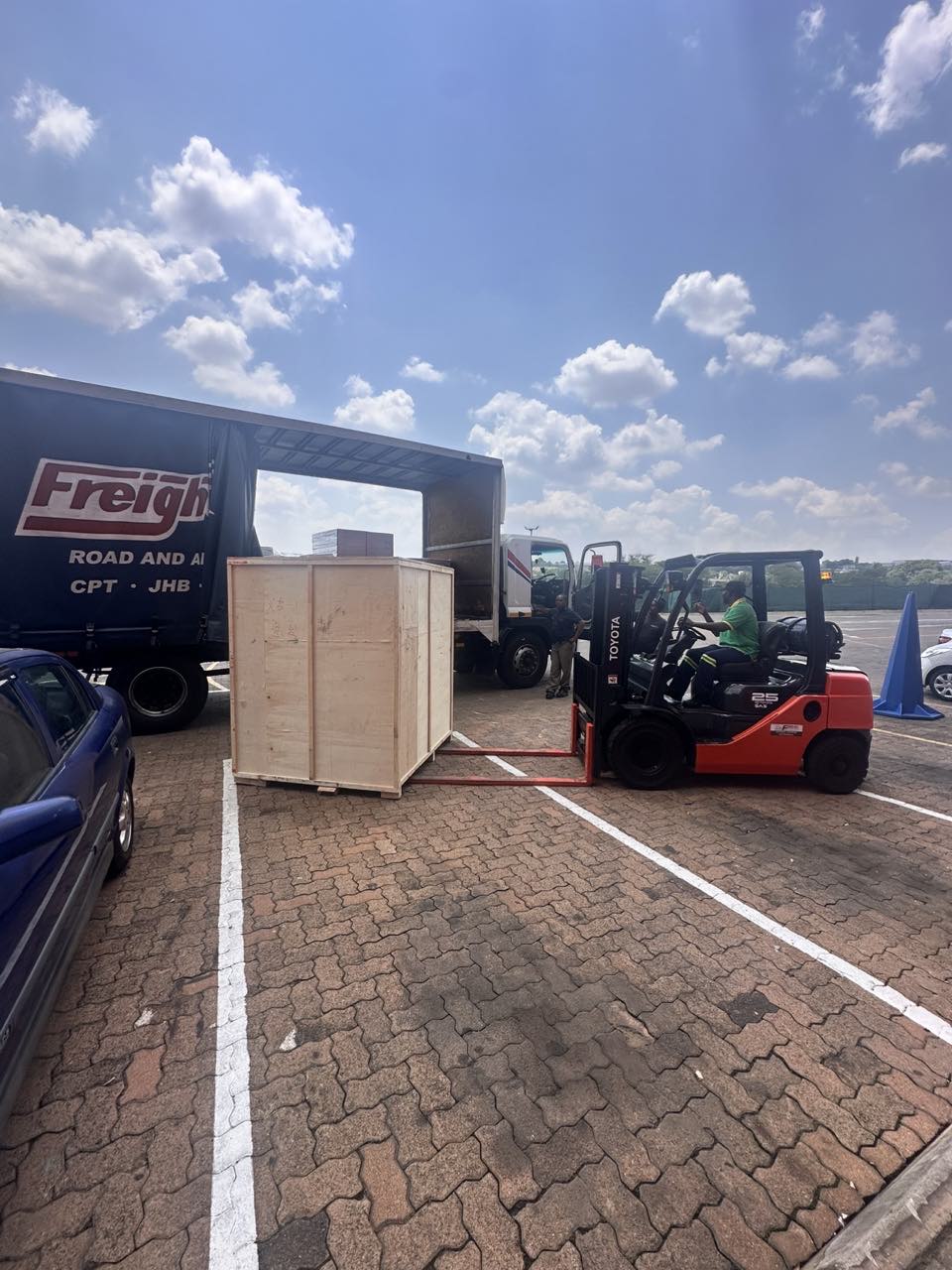
order collection
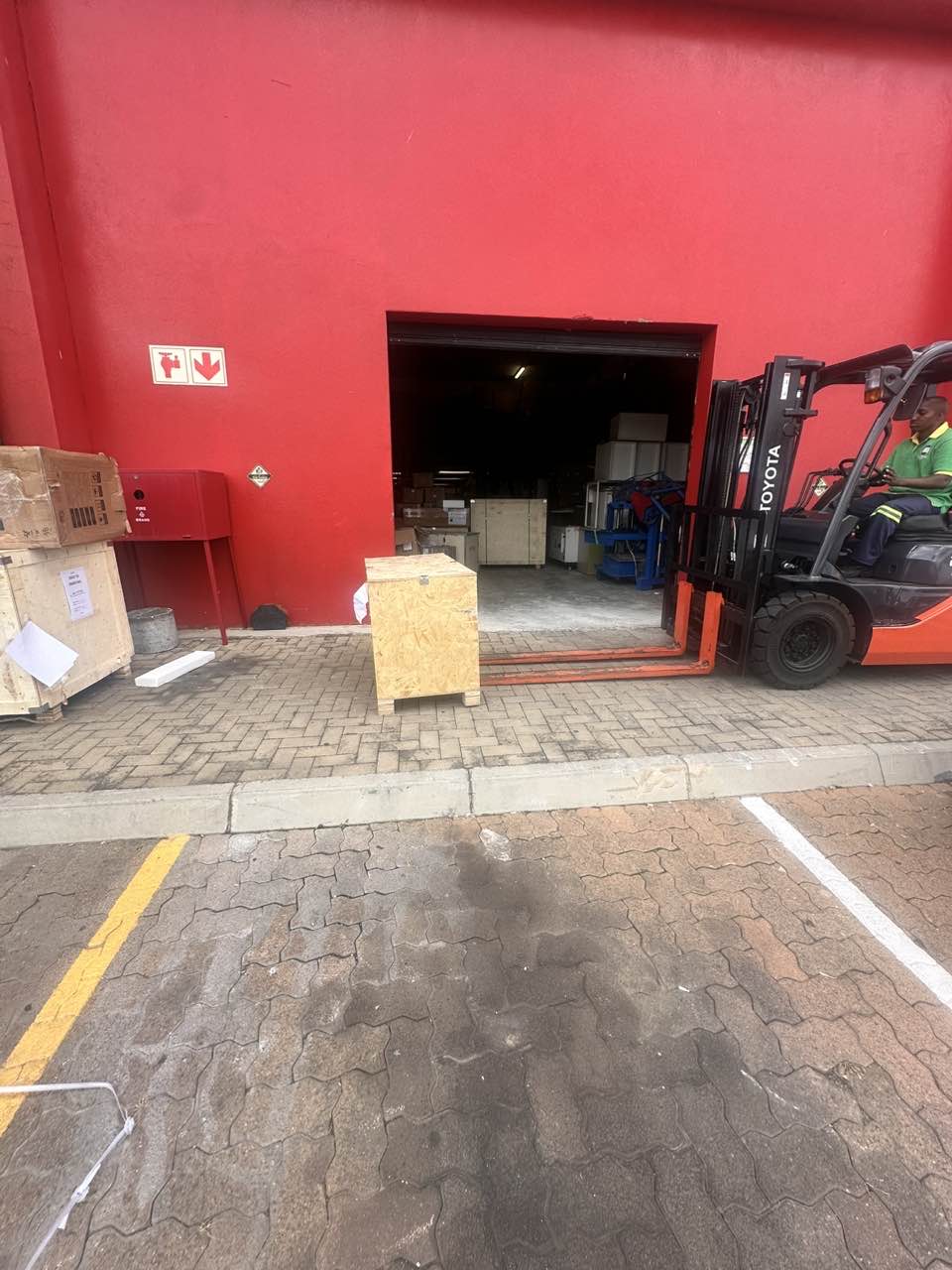
order offloading