B21, China Town Mall, Midrand


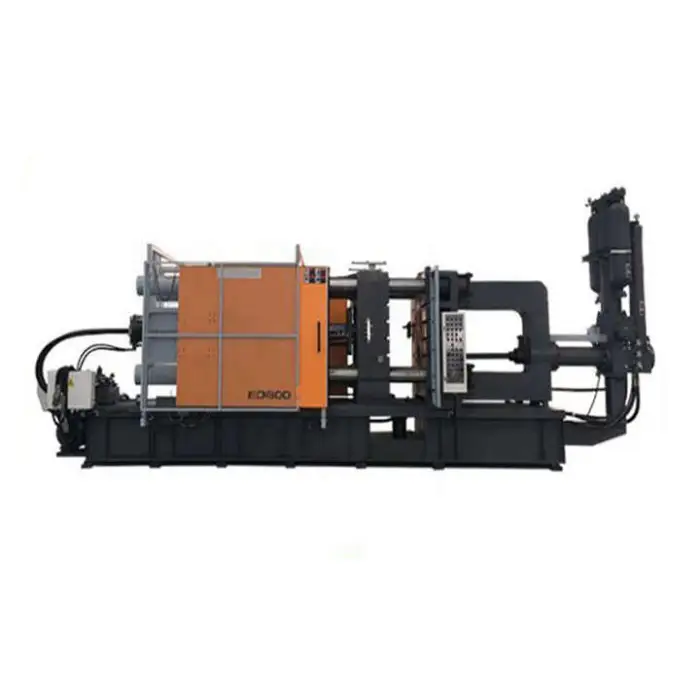
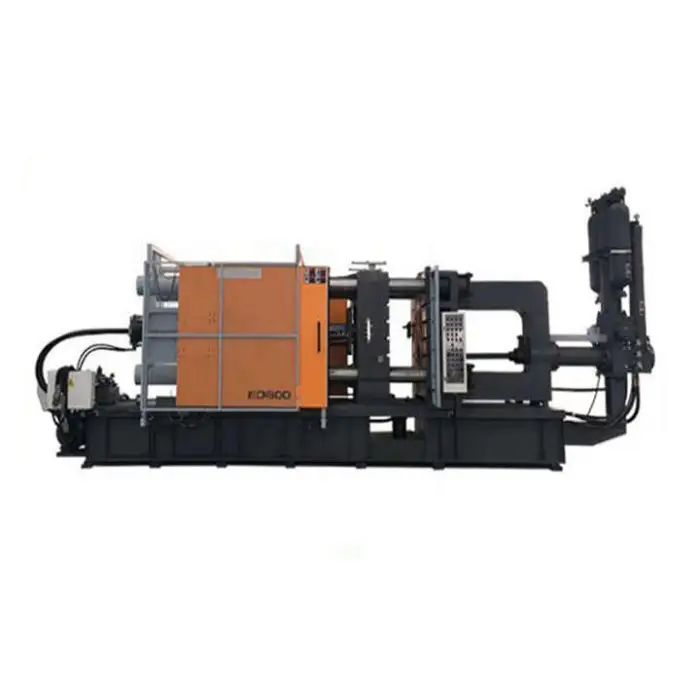
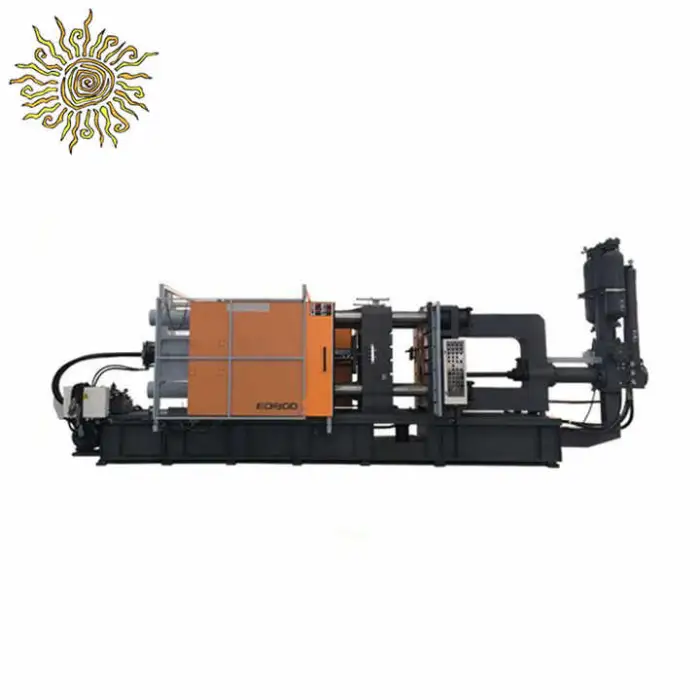
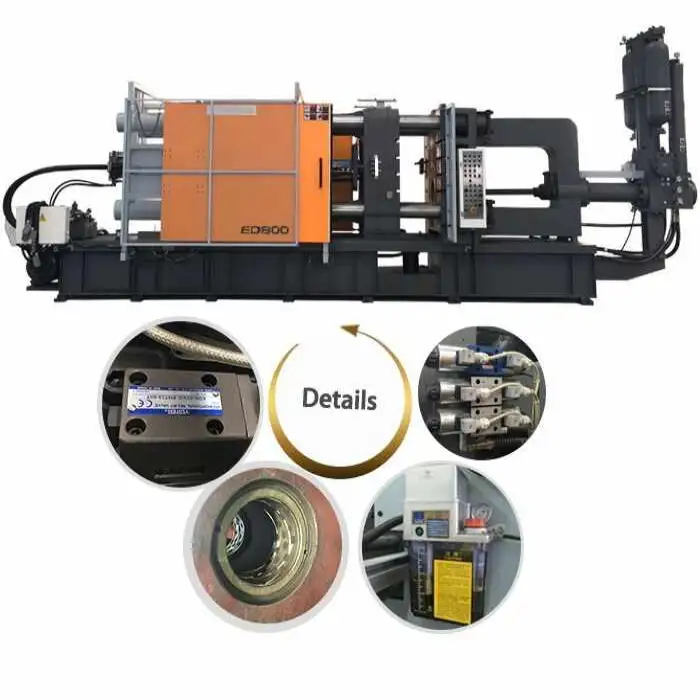
Die-cast Aluminum Ceramic Coating Cookware Cold Chamber Die Casting Machine
Asset finance available
Do you want funding for this equipment?
Afrimart can connect you with trusted funding partners who specialise in asset finance for businesses like yours. Compare options and apply in minutes — final approval is subject to provider review.
Check funding options
Secure & no obligation

- Section : Machinery
- Category : Metal & Metallurgy Machinery
- SKU : 60497459547

Die-cast Aluminum Ceramic Coating Cookware Cold Chamber Die Casting Machine
The Die-cast Aluminum Ceramic Coating Cookware Cold Chamber Die Casting Machine is designed for high-quality aluminum cookware production. This advanced machine ensures precision and efficiency in die casting. With its automatic features and powerful components, it simplifies the manufacturing process, making it a must-have for any cookware production facility.
Specifications
| Attribute | Details |
|---|---|
| Machine Type | Automatic Die Casting |
| Core Components | PLC, Motor |
| Required Power (kW) | 329 |
| Weight (kg) | 1800 |
| Max. Thickness of Die Block (mm) | 0 |
| Min. Thickness of Die Block (mm) | 0 |
| Ejection Force (kN) | 240 |
| Ejection Stroke (mm) | 135 |
| Dimensions (L*W*H) | 9000*2450*3300 |
| Weight of Machine (kg) | 18000 |
Key Features
- Video outgoing inspection included
- Machinery test report provided
- Automatic operation for ease of use
- High ejection force of 240 kN
- Efficient ejection stroke of 135 mm
Applications
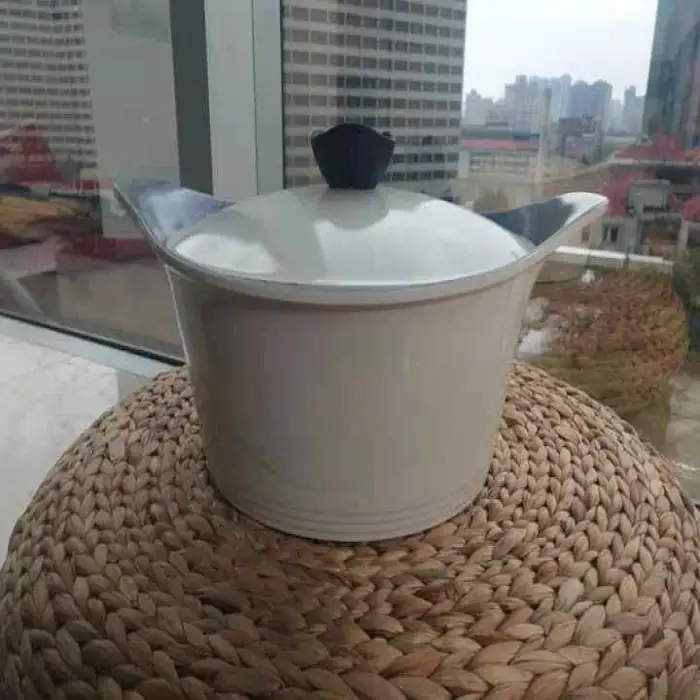
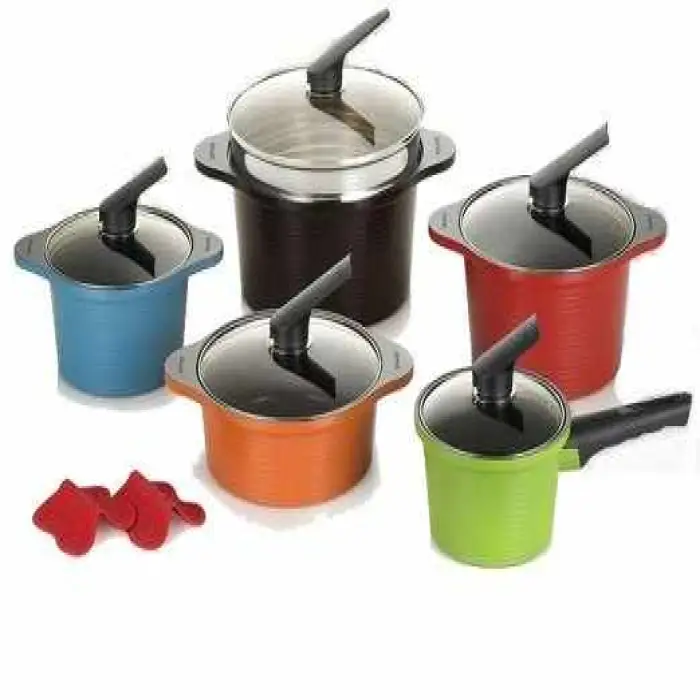
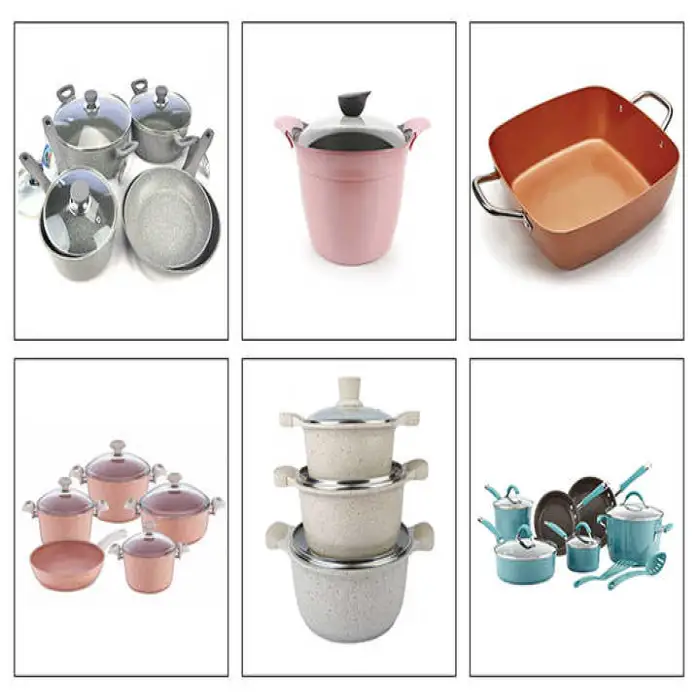
- Manufacturing aluminum cookware
- Producing die-cast components for kitchenware
- Creating customized aluminum products
- Mass production of kitchen utensils
- Fabricating components for various aluminum applications
With the Die-cast Aluminum Ceramic Coating Cookware Cold Chamber Die Casting Machine, you can enhance your production line and create high-quality cookware efficiently. This machine is built to meet the demands of modern manufacturing while ensuring top-notch performance.
Product Info Gallery
- Shipping Timeframes: All orders are processed within 2-5 business days (excluding weekends and holidays). After your order has been processed, the estimated delivery time is before 03 Aug, 2026, depending on customs, Please note that due to high demand, some items may experience longer shipping times, which will be communicated at order confirmation email.
- Order Processing Time: Please allow 2-5 business days for us to process your order before it is shipped . Orders placed after 16:00 on Fridays, or during weekends and public holidays, will begin processing on the next business day. Processing times may be extended during peak seasons or sales events.
- Manufacturing Time: Some products needs manufacturing time, the manufacturing process will take approximately 10-30 business days depending on the product. This timeframe may vary depending on the complexity of the product and current demand. but this will be communicated with you during order confirmation.
- Returns and Exchanges: We offer a 30-day return policy for most items. If you are not completely satisfied with your purchase, you may return it within 30 days of receipt for a refund or exchange. Items must be unused, in their original packaging, and accompanied by proof of purchase. Return shipping costs are the responsibility of the customer, unless the item was damaged or defective upon arrival.
1. What does "cold chamber" mean for this die casting machine?
Cold chamber means the molten aluminum is melted in a separate furnace and then ladled into the machine's injection chamber for each shot. This is the preferred method for aluminum alloys with higher melting points or when minimizing furnace wear is important.
2. Can this machine produce ceramic-coated cookware directly?
No. The machine die-casts aluminum cookware components. Ceramic coating is a secondary surface treatment applied after casting. The machine produces parts suitable for subsequent ceramic coating processes.
3. What types of cookware and components can be manufactured with this machine?
It is designed for high-quality aluminum cookware and similar kitchenware: pans, pots, lids, handles (if cast), and other die-cast aluminum components. Final suitability depends on part geometry, wall thickness and tooling design.
4. What are the machine's main technical specifications I should know?
Key specs provided: automatic die casting type; PLC control and motor as core components; required power 329 kW; ejection force 240 kN; ejection stroke 135 mm; overall dimensions 9000 × 2450 × 3300 mm. Confirm any omitted or unclear specs with the supplier.
5. The spec sheet lists two different weights (1800 kg and 18000 kg). Which is correct?
There is an inconsistency in the provided specs. Typically the full machine weight for equipment of this size is closer to 18,000 kg. The 1,800 kg figure may be a typo or refer to a component. Confirm the correct shipping and installed weights with the manufacturer before purchase.
6. What is the maximum casting size or shot weight this machine can handle?
The spec sheet does not list a maximum shot weight or shot sleeve capacity. Maximum casting size depends on the machine's injection system and tooling. Request the machine's shot capacity/shot sleeve diameter and recommended mold specifications from the supplier for precise limits.
7. What does the ejection force (240 kN) and ejection stroke (135 mm) mean for my parts?
Ejection force (240 kN) is the maximum push force available to eject parts from the die; ejection stroke (135 mm) is the maximum travel of the ejection system. These determine whether parts with undercuts, ribs or larger adhesion forces can be reliably demolded—verify against your part geometry.
8. What safety and automation features are included?
The machine is described as automatic with PLC control. Standard safety features on comparable machines typically include emergency stops, safety interlocks, guarded moving parts and hydraulic/pneumatic safeguards. Ask the manufacturer for the exact safety package and any CE/OSHA compliance documentation.
9. Is video outgoing inspection and test reporting included?
Yes. The product listing states video outgoing inspection is included and that a machinery test report is provided. These typically document visual inspections, functional tests and acceptance criteria—confirm the scope and whether witnessed FAT (factory acceptance test) is available.
10. What are the installation and power requirements?
The required power is specified as 329 kW. Overall machine dimensions are 9000 × 2450 × 3300 mm. You should verify site power capacity, electrical service type (voltage, phase), foundation or floor load capacity, crane or rigging requirements for installation, and any required utilities (compressed air, cooling water).
11. What maintenance and consumables should I expect?
Typical maintenance includes daily lubrication, hydraulic oil checks, filter replacements, periodic inspection of shot sleeve and plunger wear, die maintenance and PLC backups. Consumables include hydraulic oil, filters, seals and wear parts for the shot sleeve, plunger and ejector system. Request a recommended maintenance schedule from the manufacturer.
12. Are operator training and after-sales support provided?
The listing does not explicitly state training or support details. Many suppliers offer operator training, commissioning support and spare-parts packages either included or as add-ons. Confirm training scope, duration and any post-installation service contracts with the vendor.
13. How fast is the production cycle and what affects output rate?
Cycle time depends on part geometry, cooling requirements, die design, gate system and process settings. The machine provides automated cycles, but actual output (parts/hour) must be estimated from a sample part and mold. Ask the supplier for typical cycle-time ranges and references for similar cookware parts.
14. What information is missing from the spec sheet that I should request?
Request the machine's shot capacity (mass/volume per shot), plunger diameter, injection speed/pressure ranges, clamping force, hydraulic system details, PLC brand/model/features, exact machine weight (shipping/installed), recommended die block thickness ranges (the sheet shows zeros) and warranty/service terms.
Latest Order Arrivals
Discover our latest orders
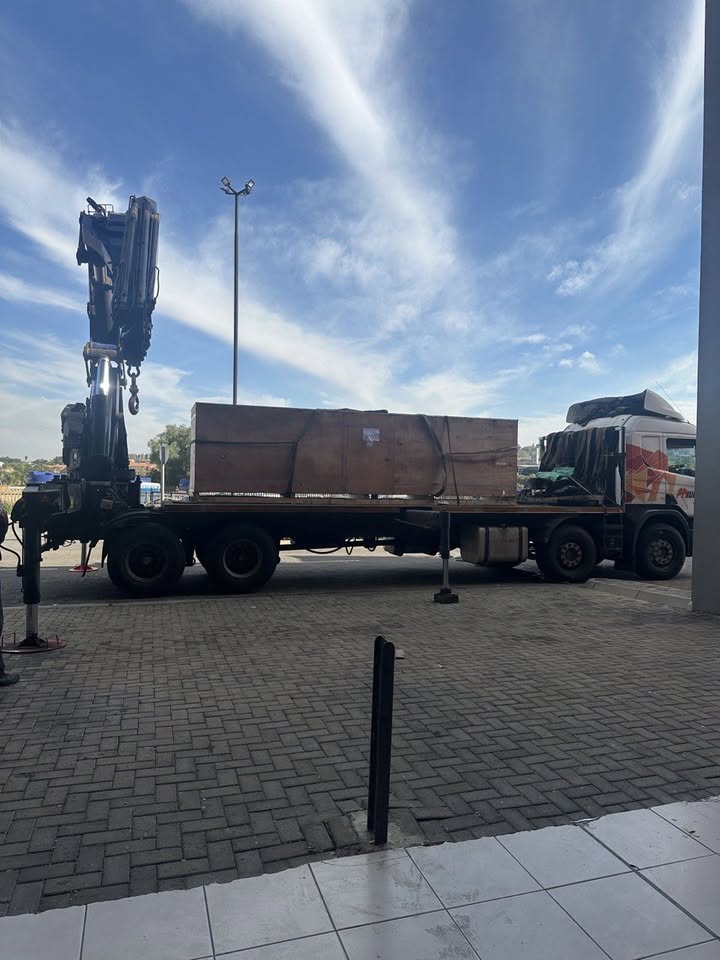
12 Heads Embroidery Machine
Toilet Paper Machine Machine
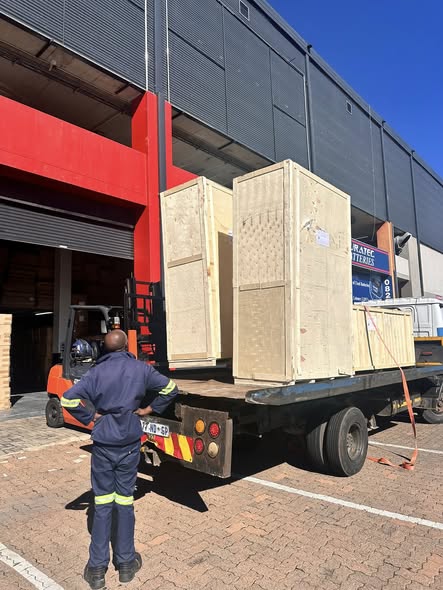
Order Collection
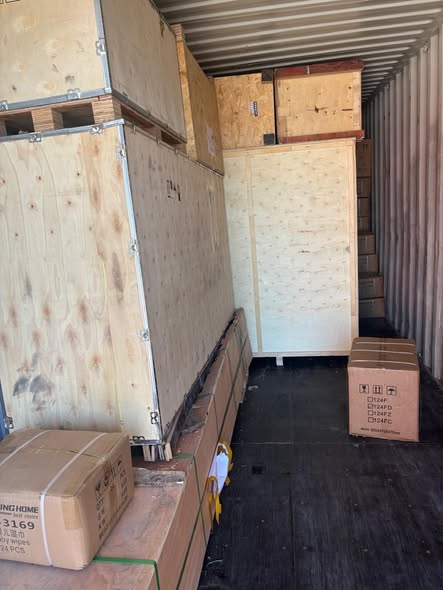
Cross Border Clients
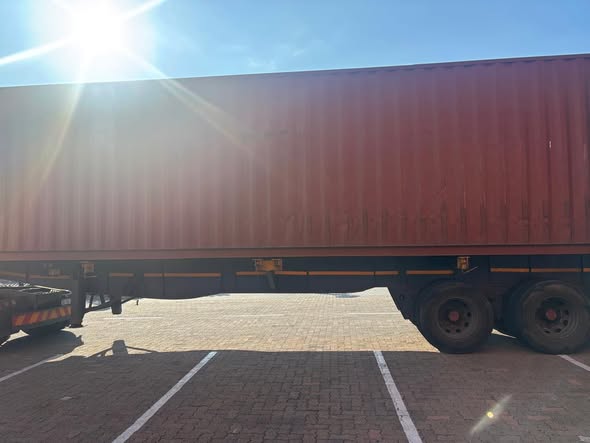
Order cros border countries Collected
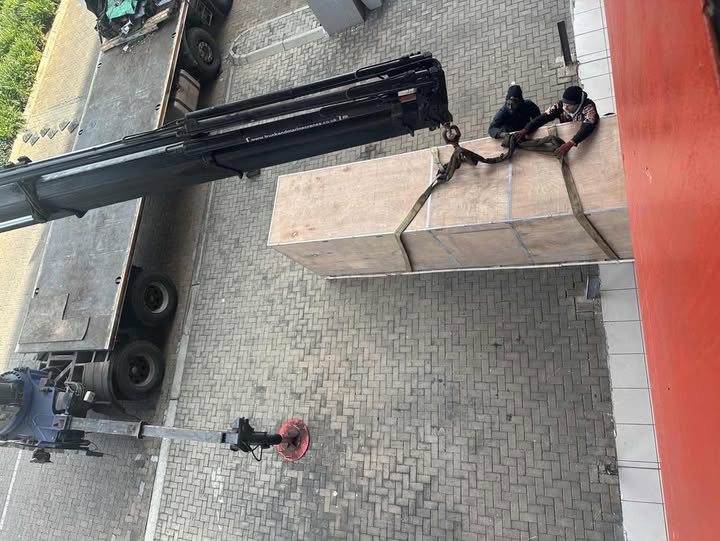
Industrial Machine Cllection
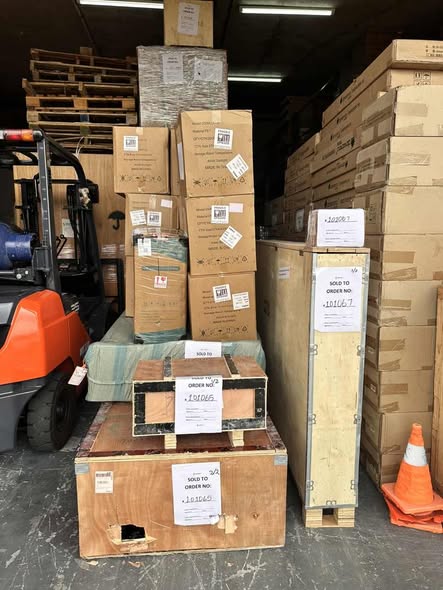
Agriculture Processing Machines
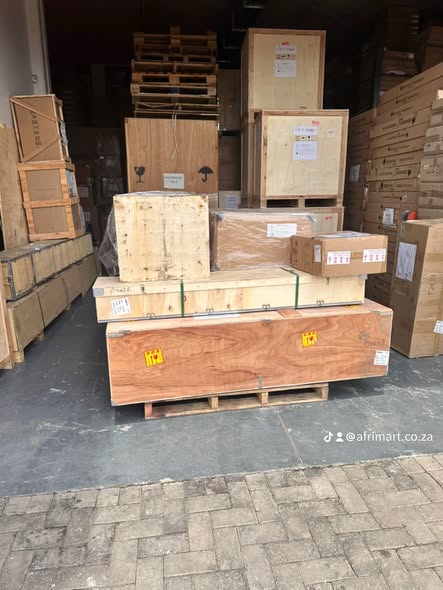
Ready for collection
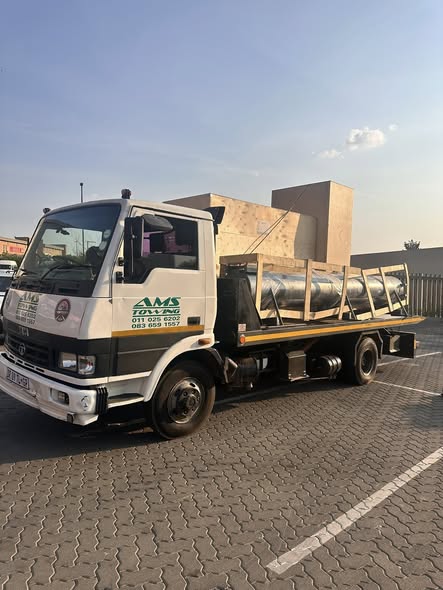
Water Pump Equipment
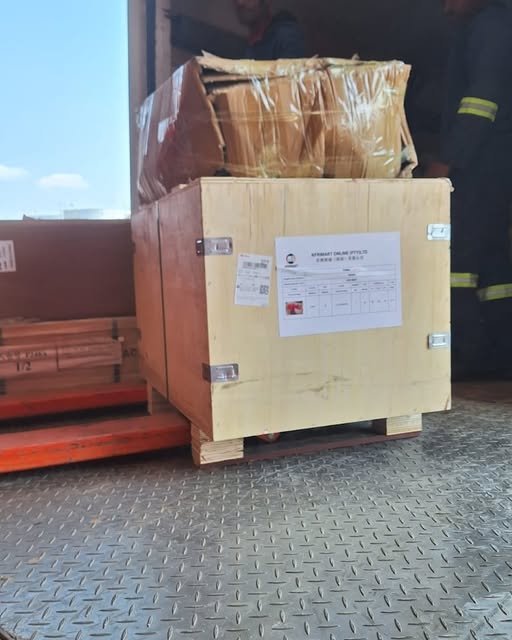
Packaging Machine and accessories
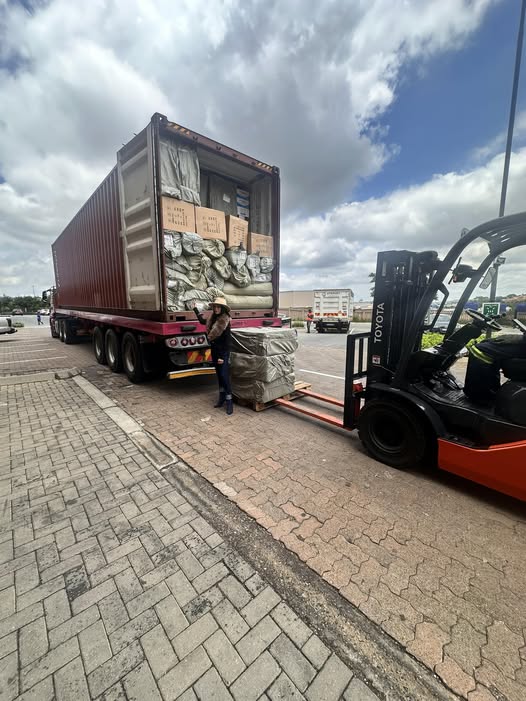
Fabrics Manufacturing Equipment
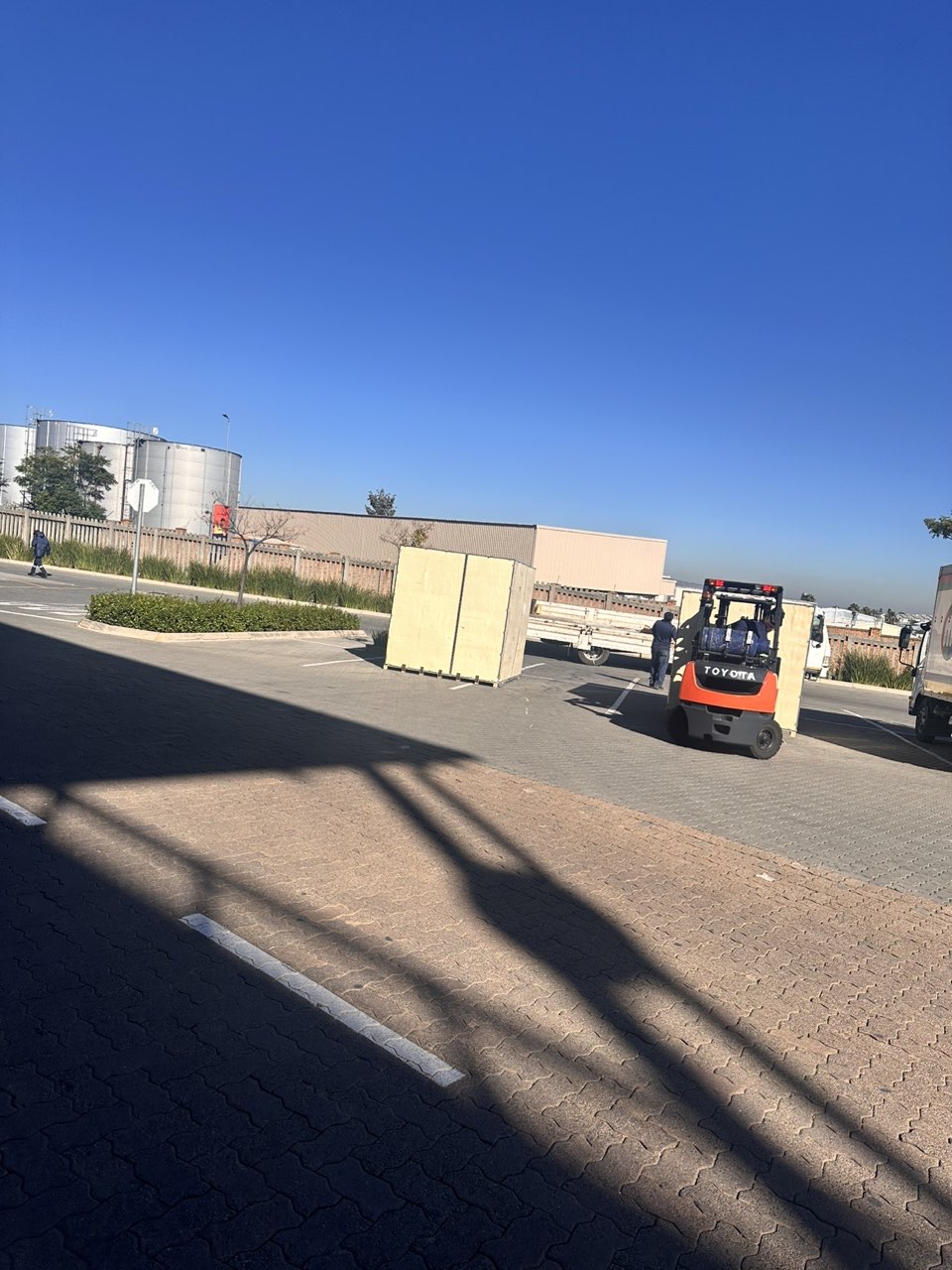
Mining Equipments
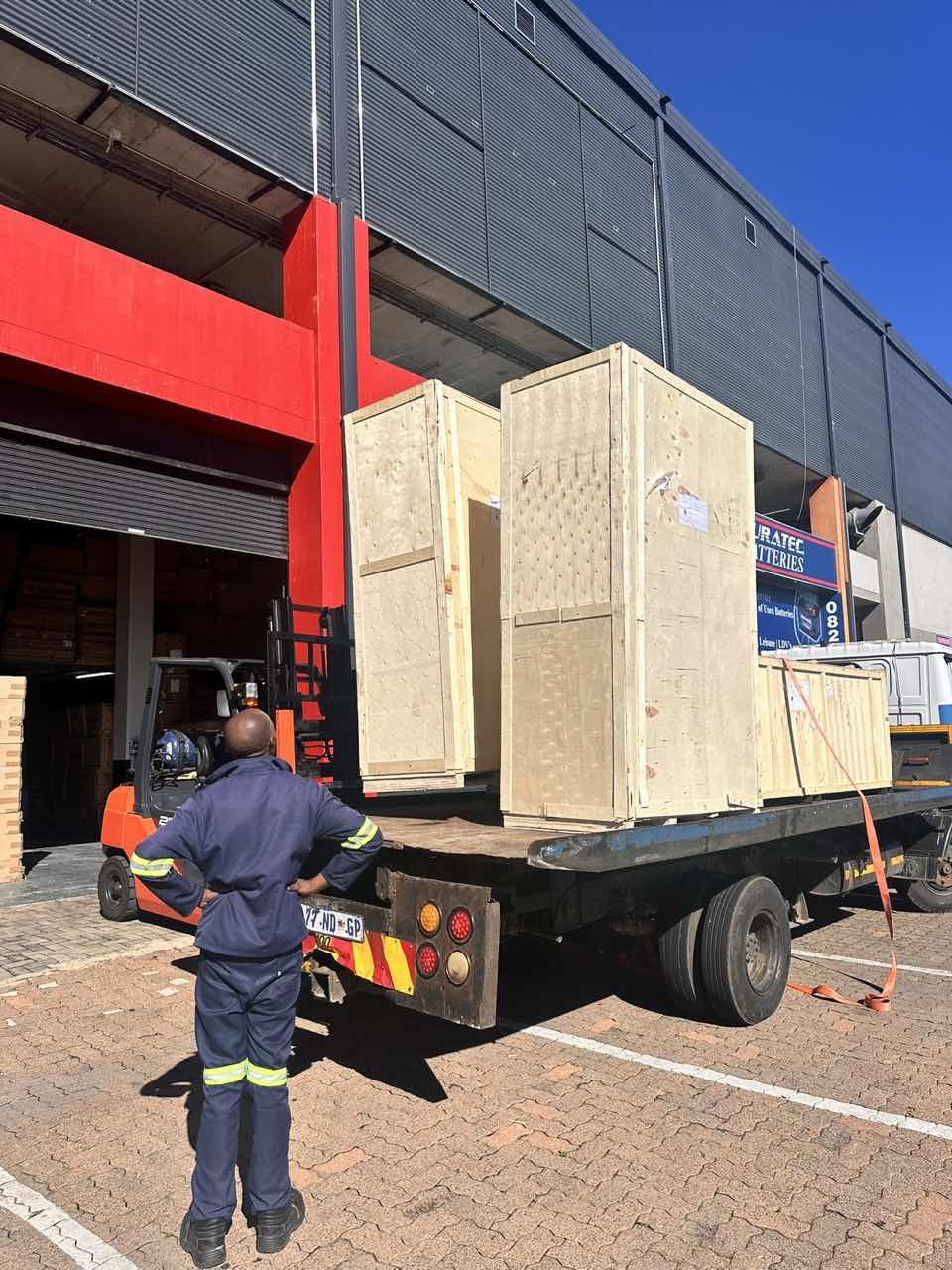
Food Processing Machine
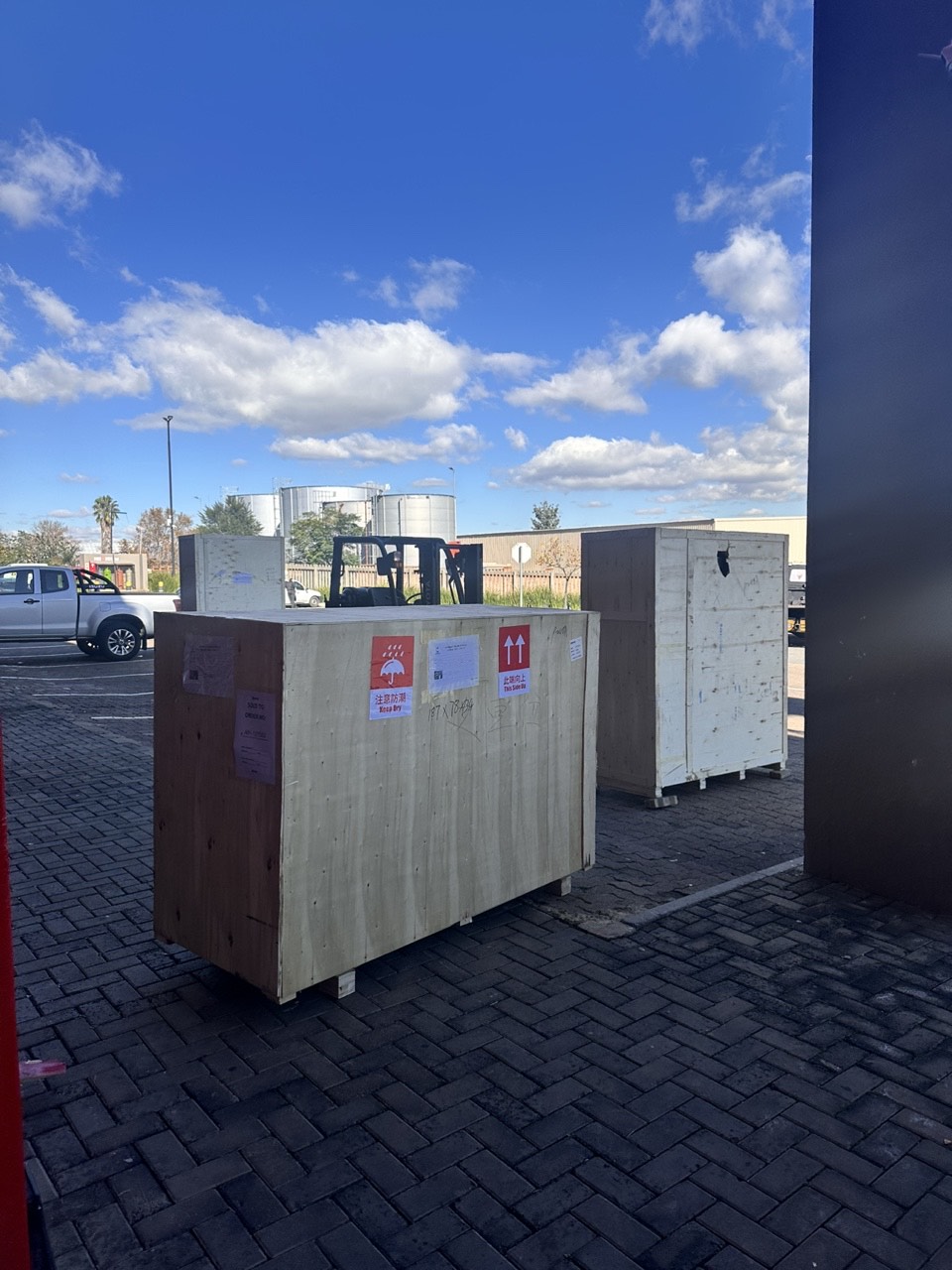
Batch of Orders
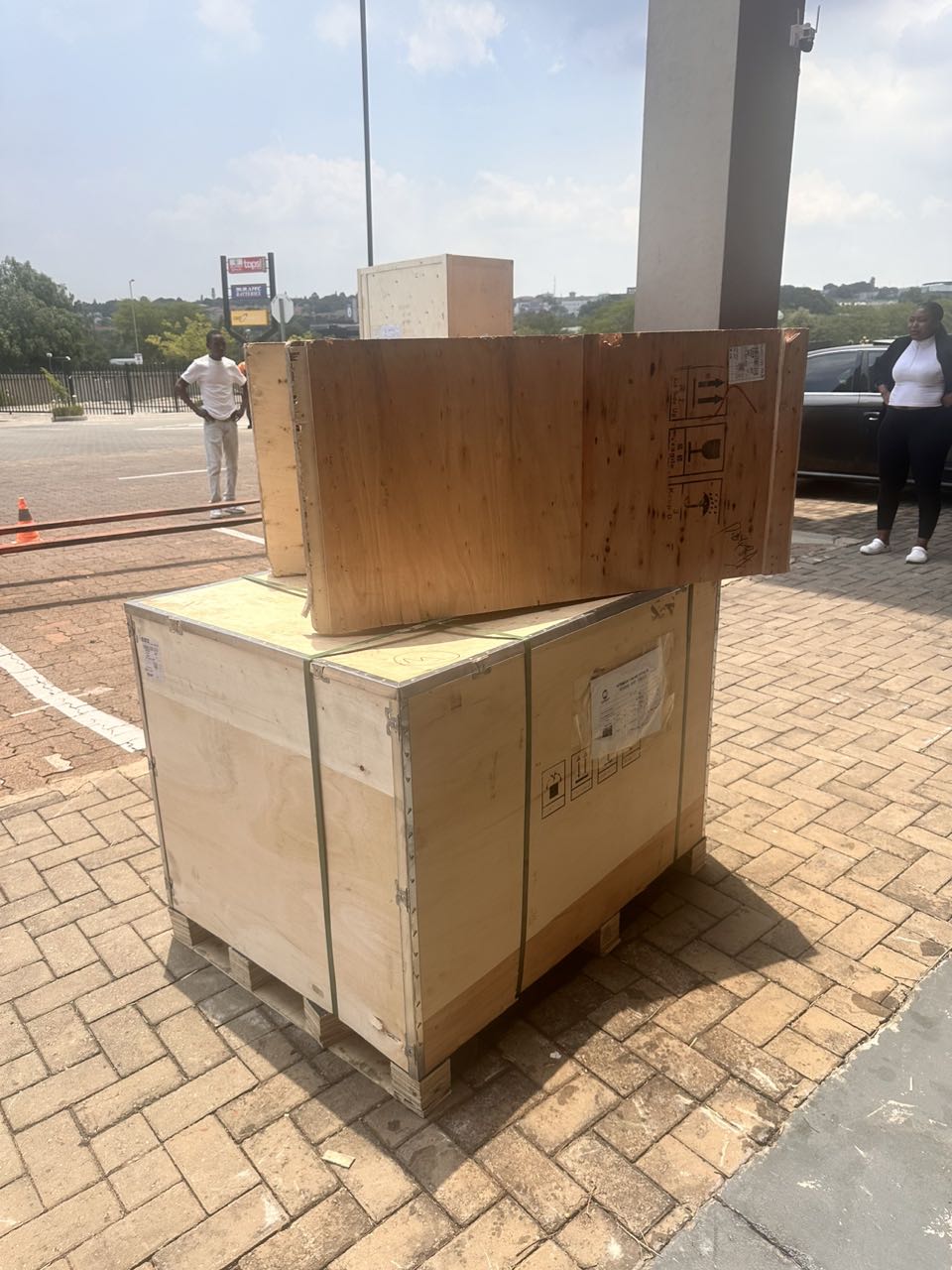
Batch of Orders
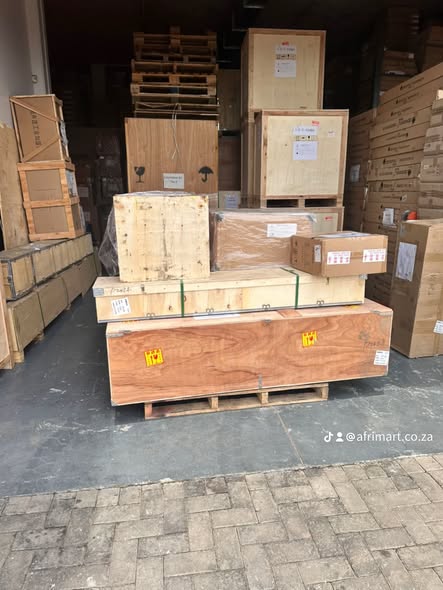
Latest Orders Labelled
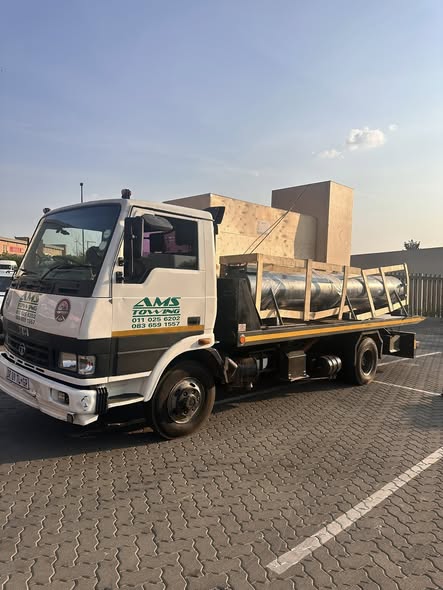
wheel alignment machines
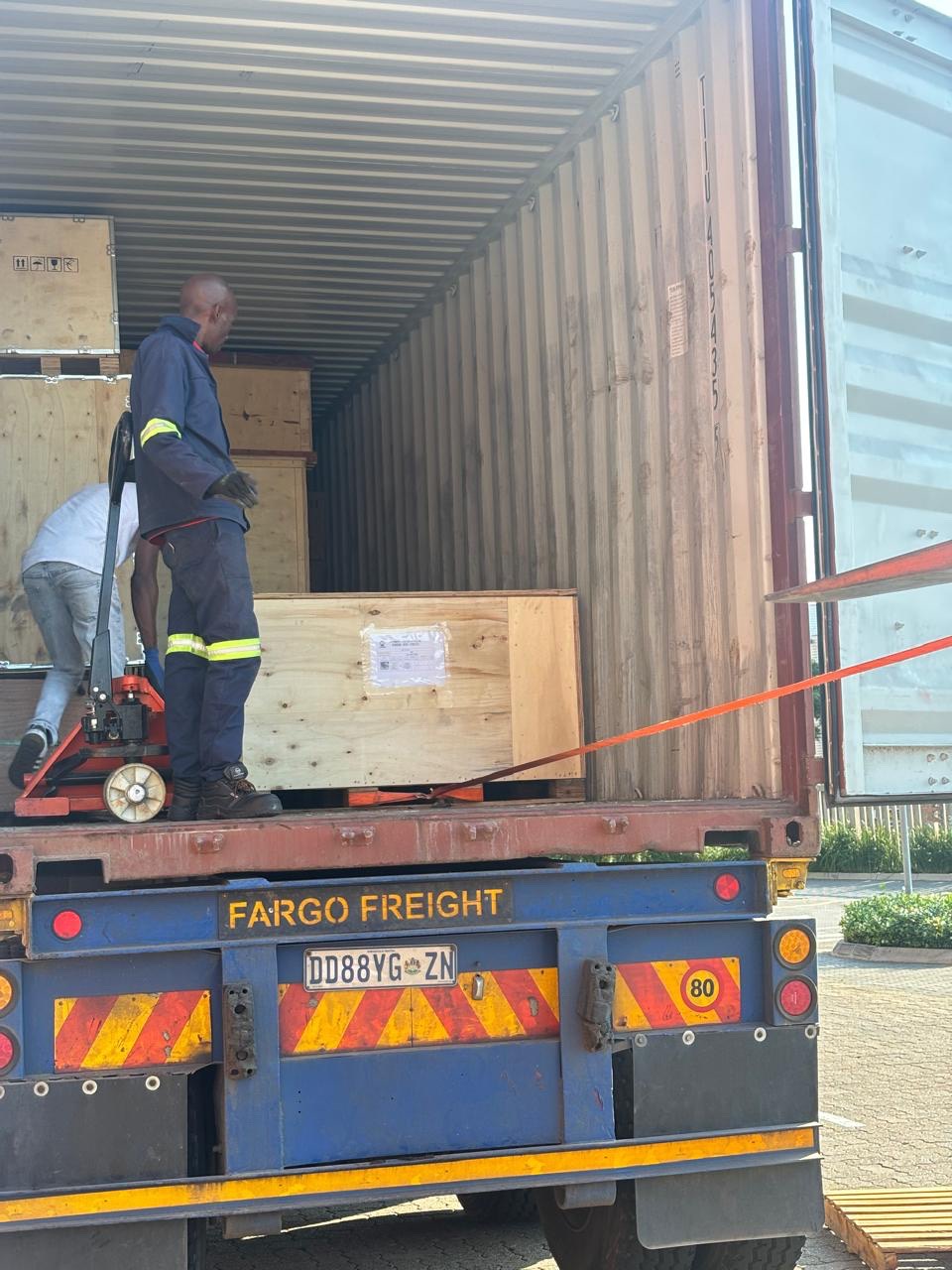
new arrivals
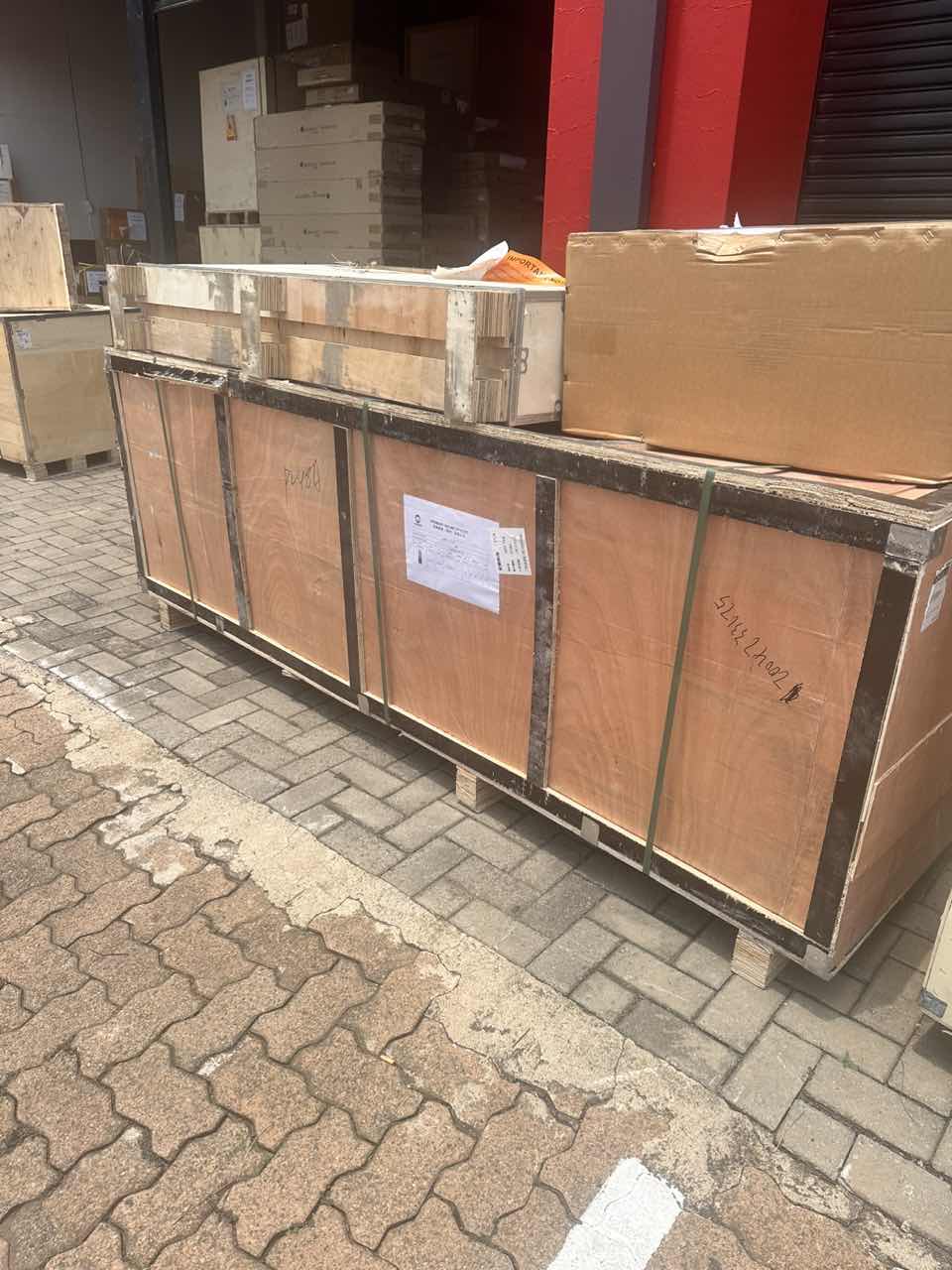
Pre Orders Offloading
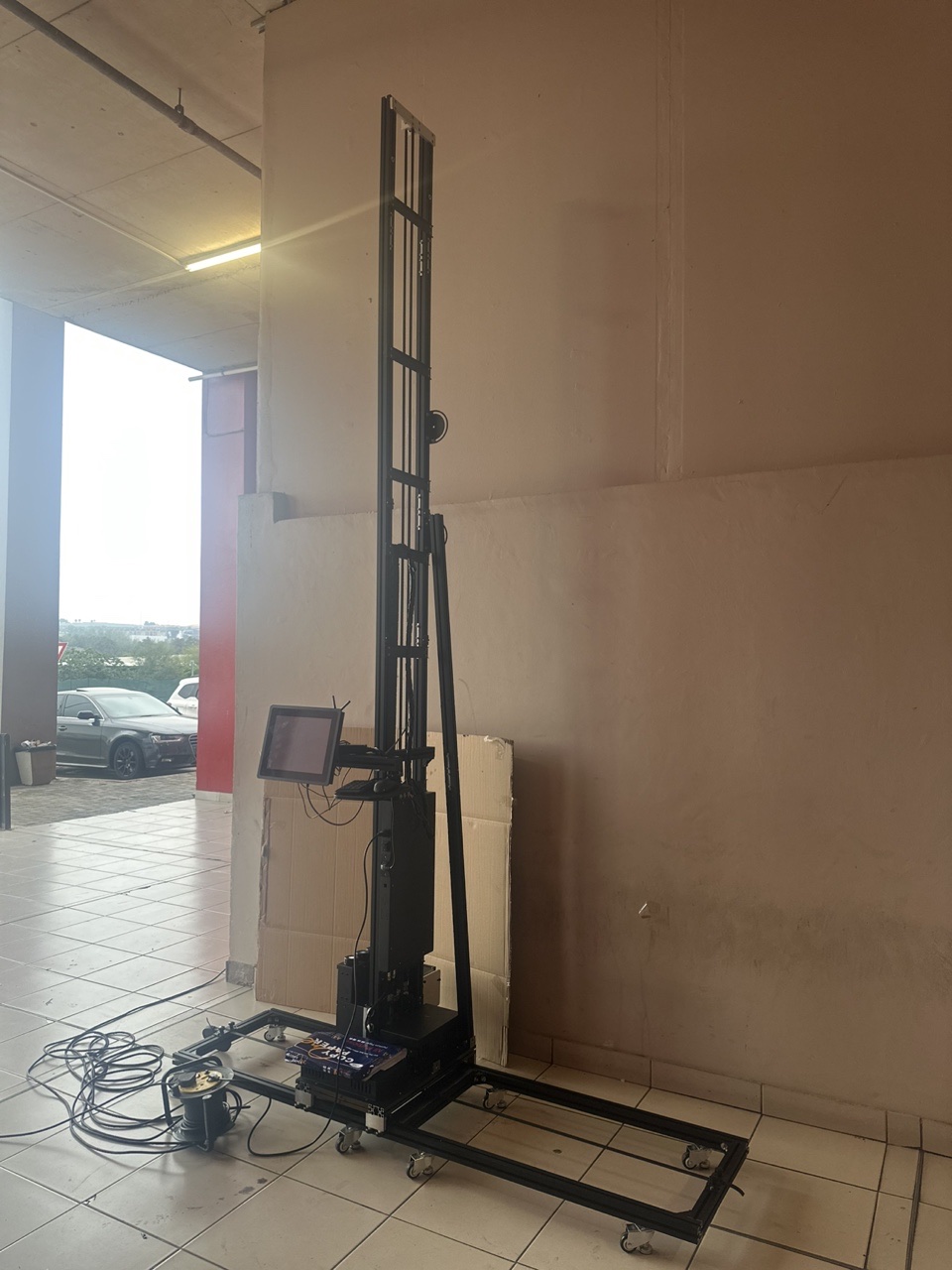
Latest Arrivals
Latest Arrivals
Latest Arrivals
Loading
Toilet paper making machine
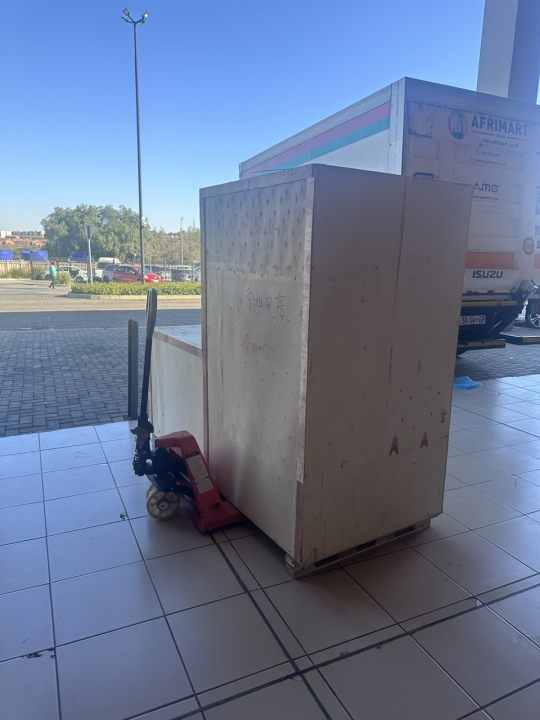
Toilet paper making machine
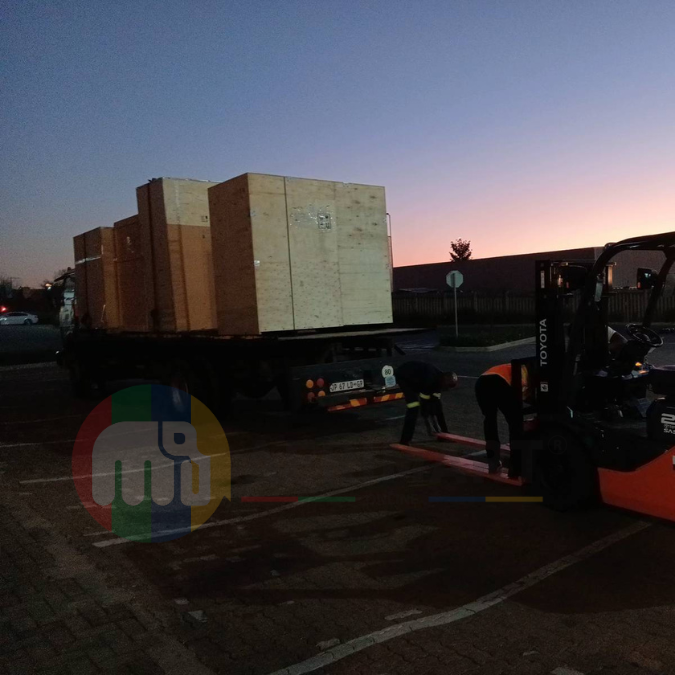
Toilet paper Rewinding Machine
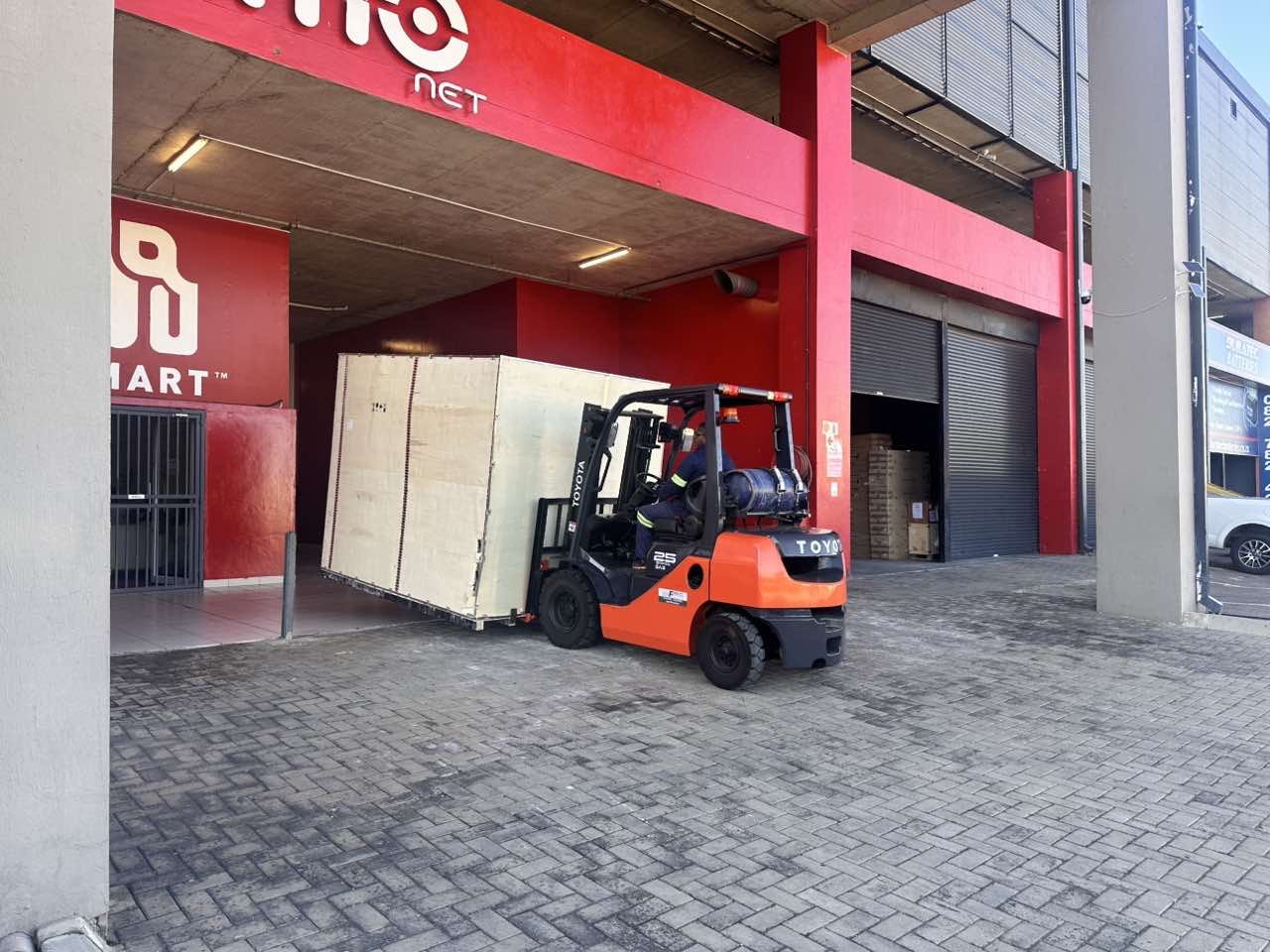
latest arrivals
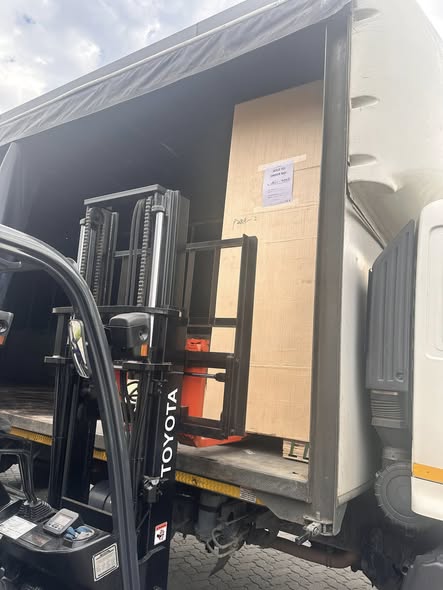
offloading
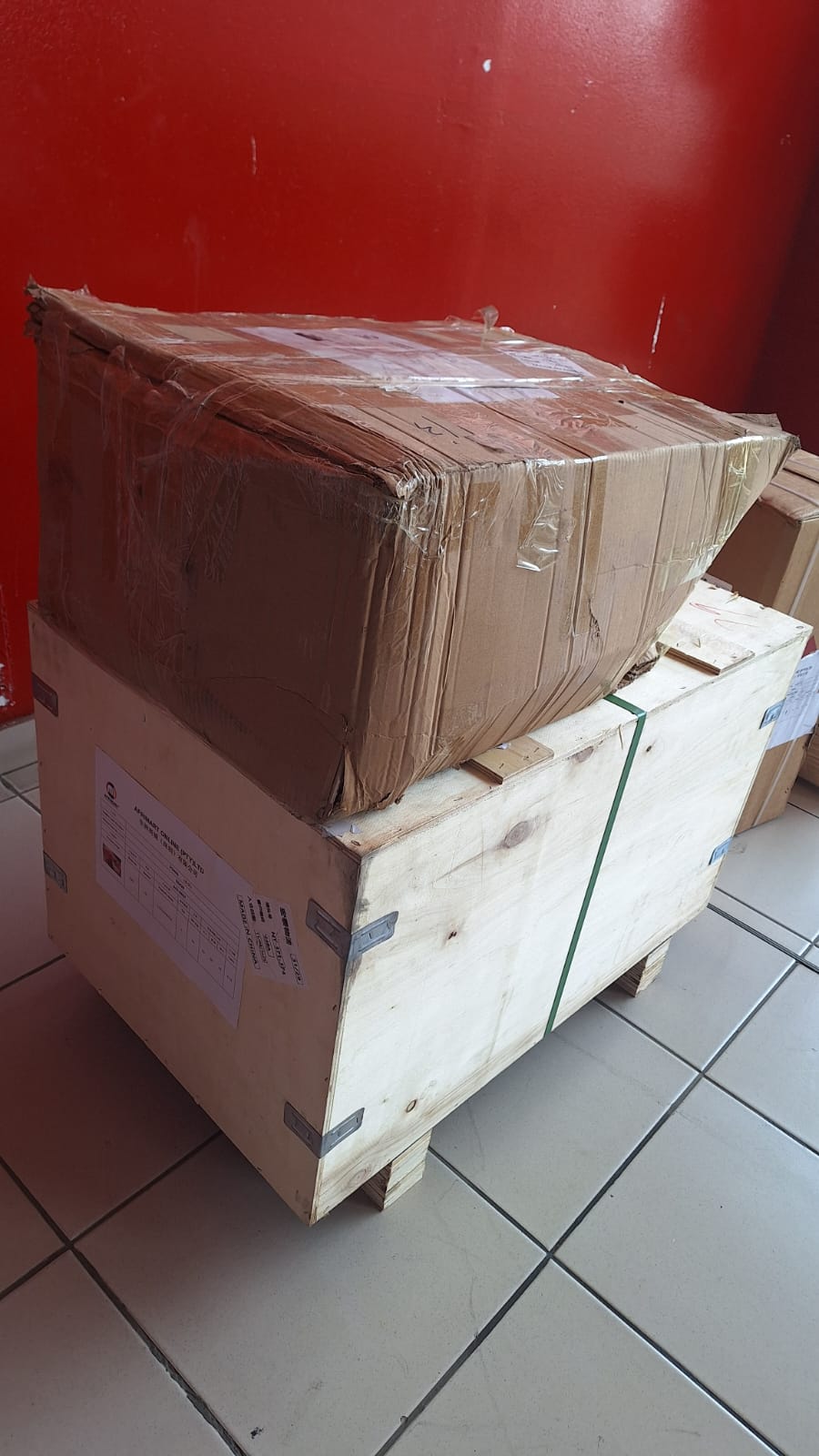
order success
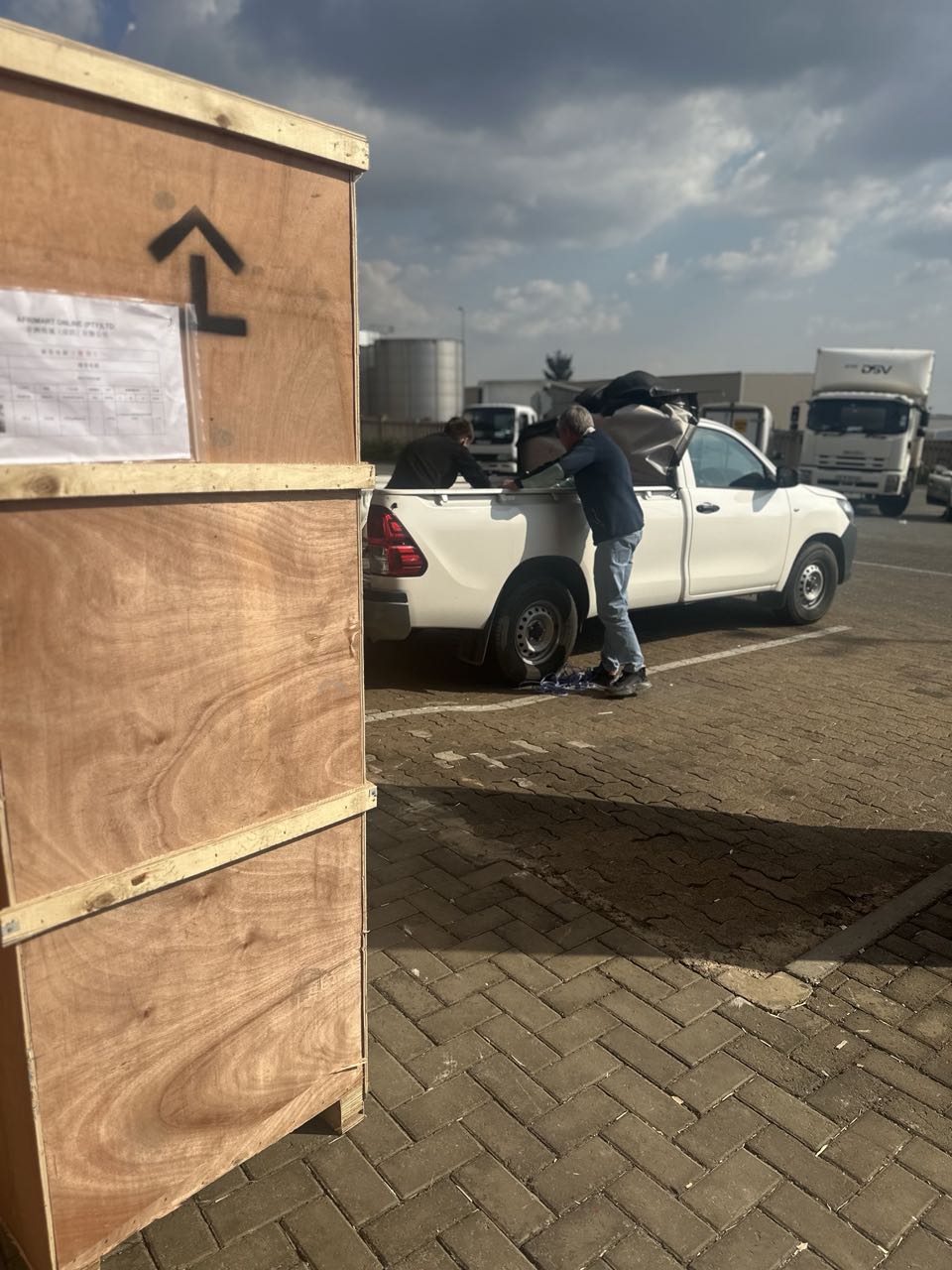
order collection
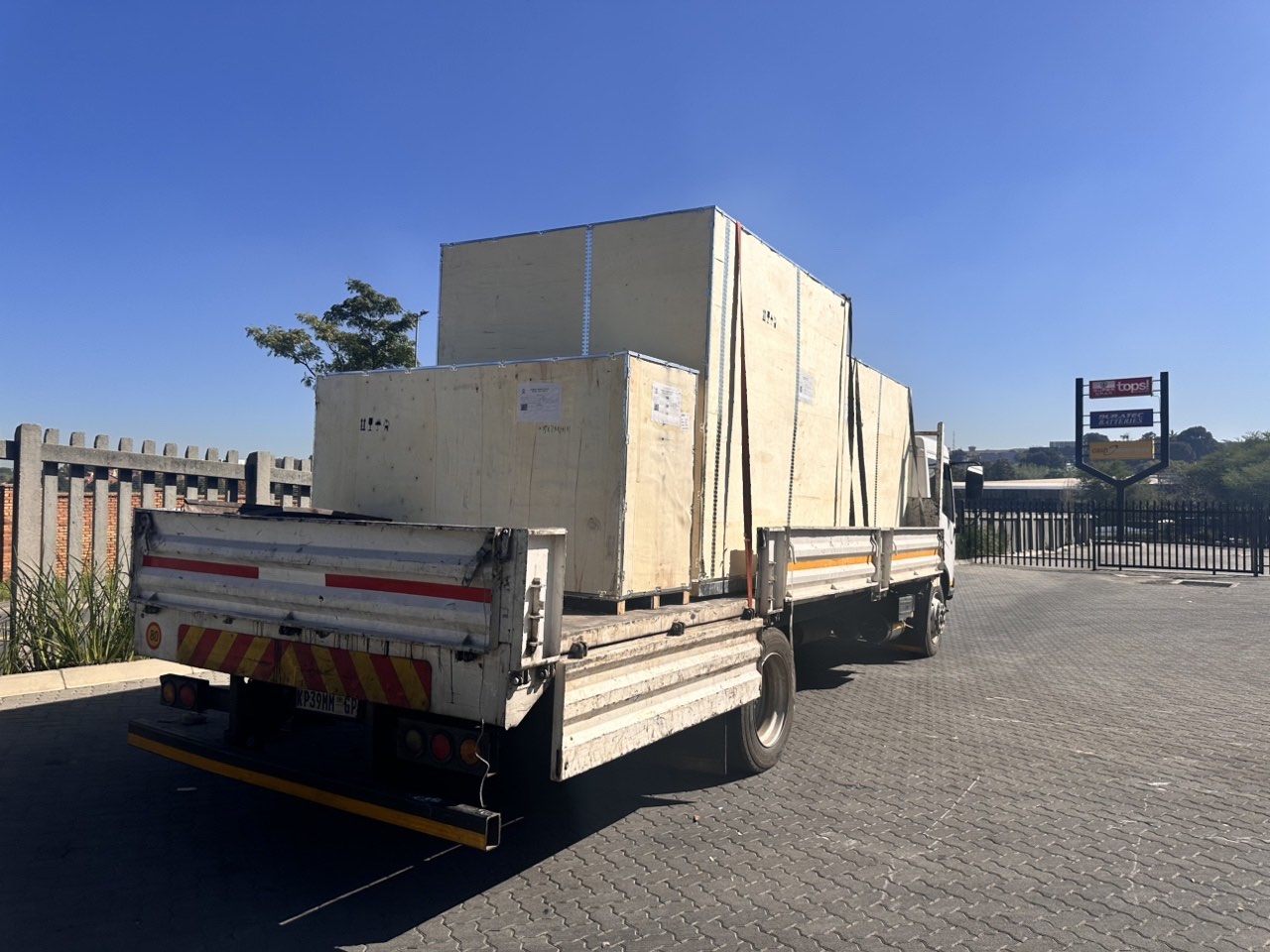
order offloading