B21, China Town Mall, Midrand

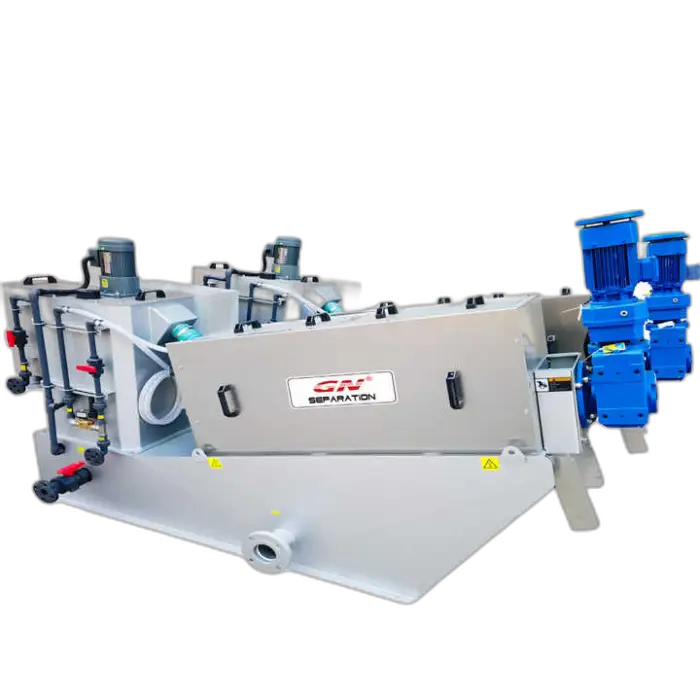
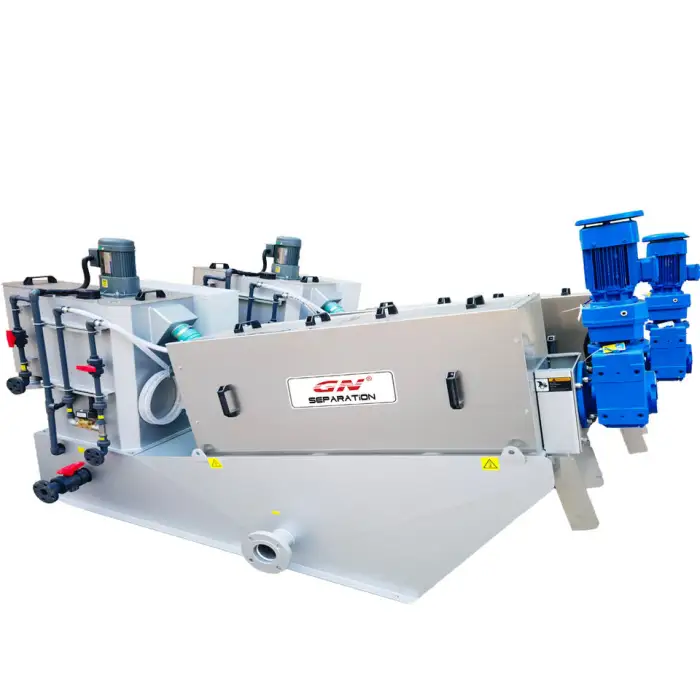
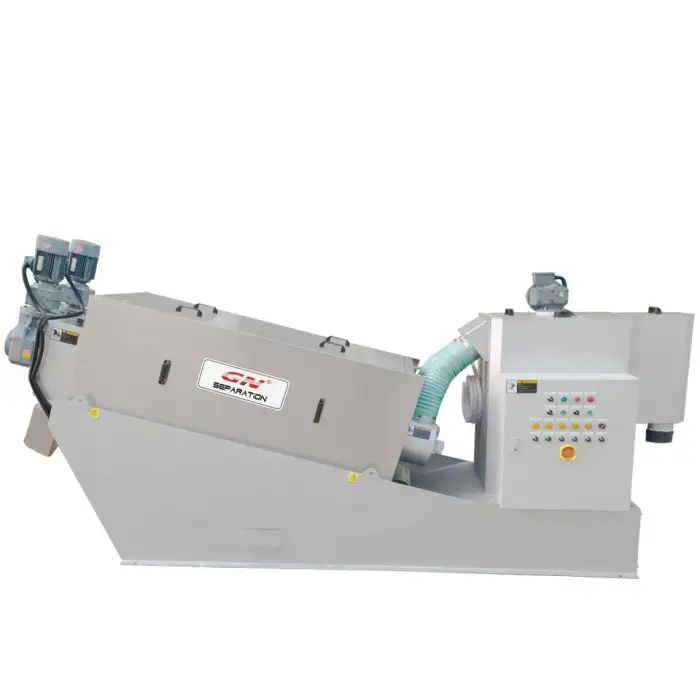
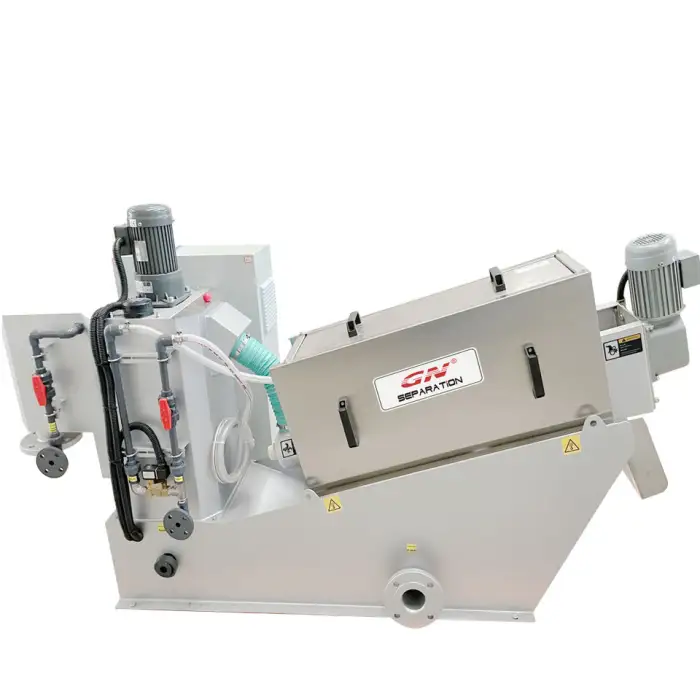
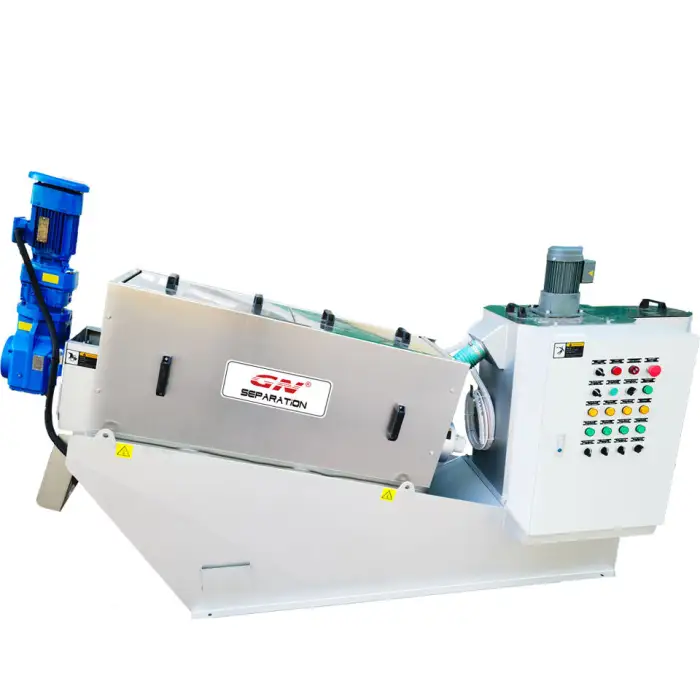
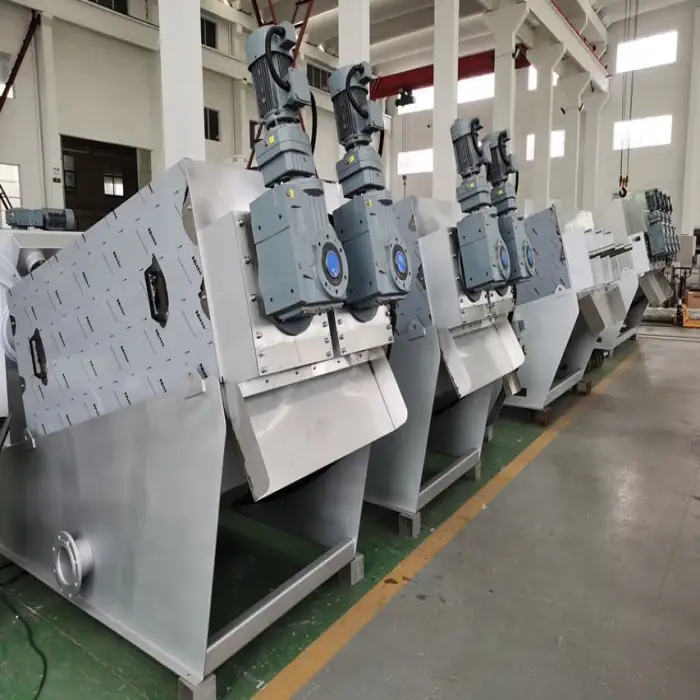
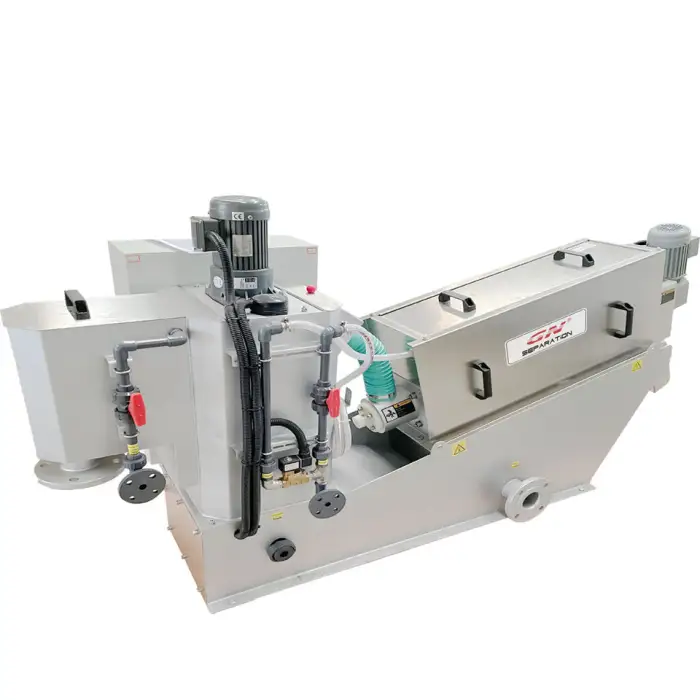
Dewatering Machine for Industrial Waste Water Treatment and Solids Removing Dewater Screw Press
Asset finance available
Do you want funding for this equipment?
Afrimart can connect you with trusted funding partners who specialise in asset finance for businesses like yours. Compare options and apply in minutes — final approval is subject to provider review.
Check funding options
Secure & no obligation

- Section : Machinery
- Category : Environmental Machinery
- SKU : 1600107400009

Dewatering Machine for Industrial Waste Water Treatment and Solids Removing Dewater Screw Press
The Dewatering Machine for Industrial Waste Water Treatment and Solids Removing Dewater Screw Press is a powerful solution for managing industrial wastewater. This machine effectively removes solids, making it easier to treat and dispose of waste. With its advanced design and reliable components, it provides efficient performance in various industrial applications.
Specifications
| Attribute | Details |
|---|---|
| Weight | 1000 kg |
| Brand Name | GN SEPARATION |
| Core Components | Gearbox, Gear, Motor |
| Single Package Size | 2.65 x 1.15 x 1.75 cm |
| Single Gross Weight | 764.000 KG |
| After Service | Video technical support |
Key Features
- Efficient solid removal from wastewater
- High productivity and reliability
- Robust construction with durable components
- Easy to operate with video technical support
- Compact design for space-saving installation
Applications
- Treatment of industrial wastewater
- Separation of solids from liquids in various industries
- Pre-treatment for further wastewater processing
- Environmental protection and compliance
- Reduction of waste volume for disposal
Product Info Gallery
- Shipping Timeframes: All orders are processed within 2-5 business days (excluding weekends and holidays). After your order has been processed, the estimated delivery time is before 09 Aug, 2026, depending on customs, Please note that due to high demand, some items may experience longer shipping times, which will be communicated at order confirmation email.
- Order Processing Time: Please allow 2-5 business days for us to process your order before it is shipped . Orders placed after 16:00 on Fridays, or during weekends and public holidays, will begin processing on the next business day. Processing times may be extended during peak seasons or sales events.
- Manufacturing Time: Some products needs manufacturing time, the manufacturing process will take approximately 10-30 business days depending on the product. This timeframe may vary depending on the complexity of the product and current demand. but this will be communicated with you during order confirmation.
- Returns and Exchanges: We offer a 30-day return policy for most items. If you are not completely satisfied with your purchase, you may return it within 30 days of receipt for a refund or exchange. Items must be unused, in their original packaging, and accompanied by proof of purchase. Return shipping costs are the responsibility of the customer, unless the item was damaged or defective upon arrival.
1. What is the Dewatering Machine for Industrial Waste Water Treatment and Solids Removing Dewater Screw Press?
It is a mechanical screw press designed to separate and remove solids from industrial wastewater and sludge. By compressing sludge between a screw conveyor and a screen, the machine reduces water content and produces a drier solid cake for easier handling, transport, and disposal.
2. What are the main components of the machine?
Core components listed are gearbox, gear and motor. In addition, the unit typically includes a screw (auger), perforated or wedge-wire screen, inlet hopper, discharge chute for the cake and a frame or housing.
3. What types of industrial applications is this dewatering screw press suitable for?
Common applications include industrial wastewater treatment, sludge dewatering, separation of solids from process liquids in food processing, petrochemical, paper and pulp, textile, and municipal pre-treatment operations where reducing waste volume is required.
4. What throughput or capacity can I expect from this machine?
Throughput depends on feed flow rate, solids concentration, particle size, and required cake dryness. The specification sheet does not list a fixed capacity; please provide your feed characteristics (m3/h, % solids) to the supplier so they can recommend the correct model and capacity.
5. What solids size or concentration can the screw press handle?
Performance depends on particle size distribution and solids concentration. Screw presses are generally effective for fine to coarse sludges and higher-solids slurries, but exact limits vary by screen type and machine model. Share sample data with the vendor for precise suitability guidance.
6. What are the installation requirements?
Typical requirements include a level, rigid concrete foundation or mounting frame, appropriate electrical supply for the motor, inlet and outlet piping, and adequate space for maintenance access. The compact design allows space-saving installations, but confirm exact footprint and connections with the supplier.
7. What are the physical dimensions and weight of the unit?
The product listing gives a weight of 1000 kg and a single gross weight of 764.000 KG; a single package size is shown as 2.65 x 1.15 x 1.75 cm which appears to be a typographical error. Please confirm exact net/gross weights and external dimensions with the manufacturer or sales representative before ordering.
8. What materials is the machine constructed from?
The description notes robust construction and durable components but does not specify materials. Contact the supplier to confirm wetted part materials (e.g., stainless steel grades, carbon steel with coatings) to ensure chemical compatibility with your wastewater stream.
9. What maintenance is required and what are common wear parts?
Routine maintenance includes inspecting and replacing wear parts such as screens, screw flights and bearings, checking gearbox oil and seals, motor maintenance, and cleaning to prevent plugging. Establish a preventive maintenance schedule and keep key spares on hand.
10. What kind of technical support and after-sales service is provided?
The listing specifies video technical support. For on-site service, spare parts, commissioning and extended warranties, confirm available options and service-level agreements with the supplier.
11. How easy is the machine to operate?
The unit is described as easy to operate and the supplier offers video technical support. Operators should receive training on start-up/shutdown procedures, safe handling of sludge, routine inspections and emergency procedures.
12. How are the dewatered solids discharged and handled?
Drier solids (cake) are discharged from the press discharge chute or conveyor. Handling methods depend on cake consistency—common options include conveyor transfer, direct loading into containers or further drying. Plan downstream handling and disposal according to your waste management strategy.
13. What power supply and motor specifications are required?
The product lists a motor as a core component but does not specify voltage, phase or power rating. Provide your site electrical parameters to the supplier and request the motor nameplate data for the selected model.
14. Are there noise or vibration considerations?
Screw presses with gearboxes and motors can generate noise and vibration. Proper mounting on a rigid foundation and optional vibration dampers will reduce transmission. Ask for measured noise levels if workplace noise exposure is a concern.
15. How do I choose the right model for my process?
Key selection factors are feed flow rate, solids concentration (% solids), particle size, desired cake dryness, available footprint and electrical supply. Provide representative wastewater/sludge samples and process requirements to the supplier so they can recommend the appropriate model and any pre-treatment needed.
Latest Order Arrivals
Discover our latest orders
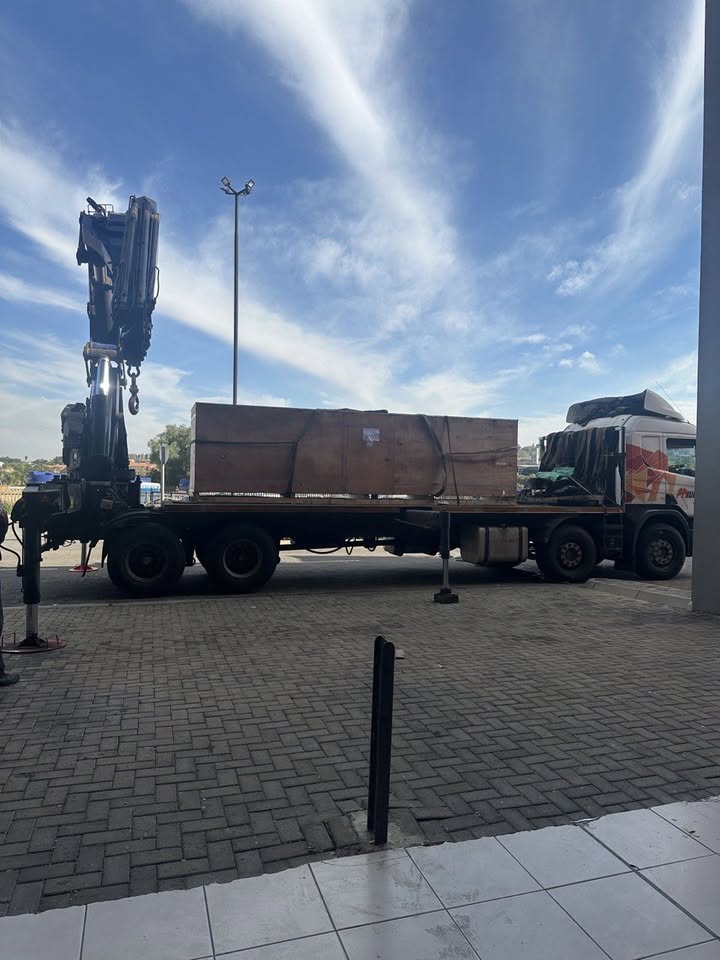
12 Heads Embroidery Machine
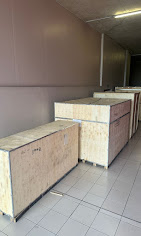
Toilet Paper Machine Machine
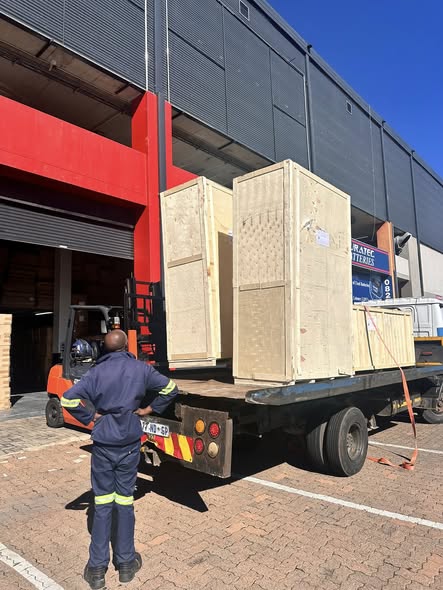
Order Collection
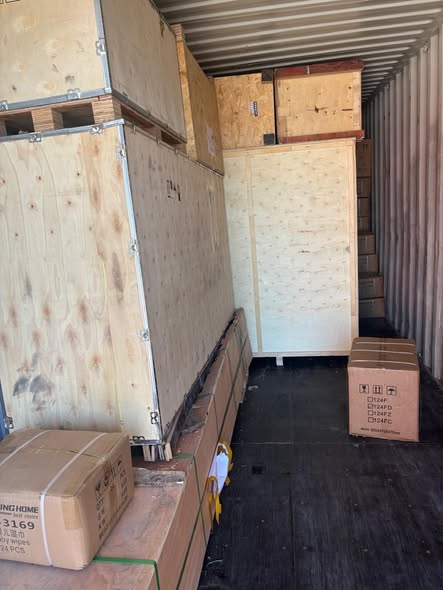
Cross Border Clients
Order cros border countries Collected
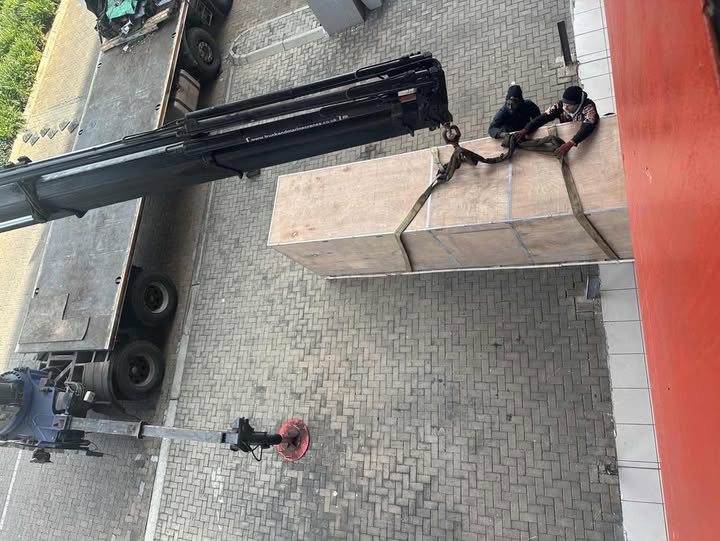
Industrial Machine Cllection
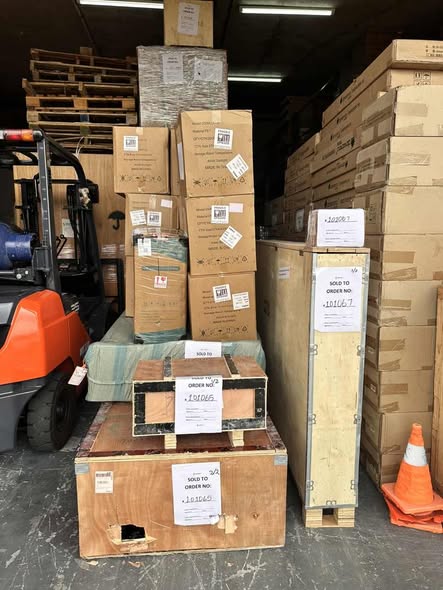
Agriculture Processing Machines
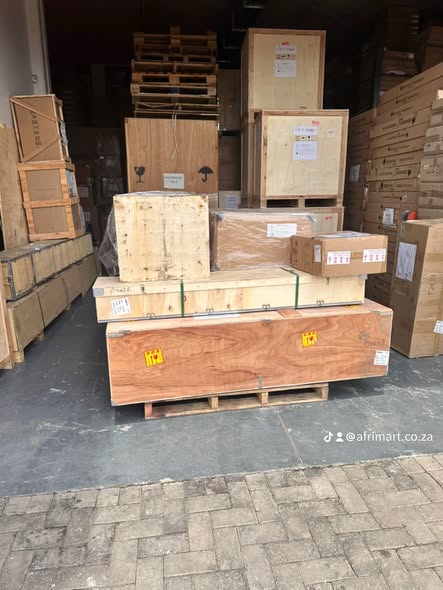
Ready for collection
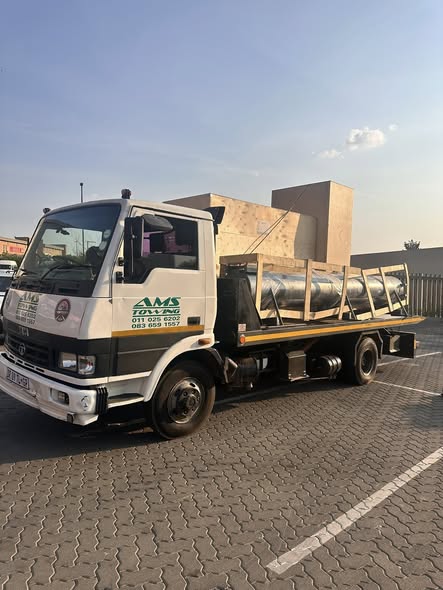
Water Pump Equipment
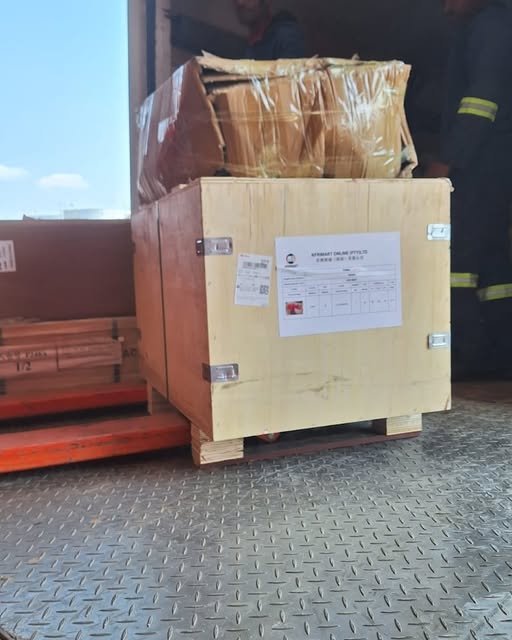
Packaging Machine and accessories
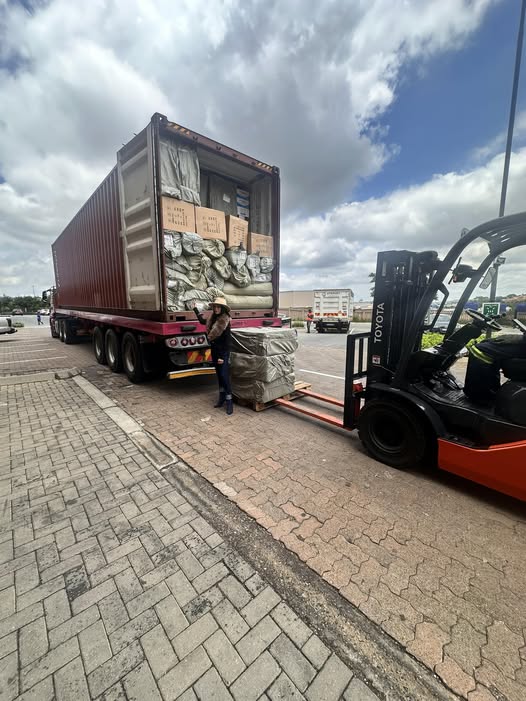
Fabrics Manufacturing Equipment
Mining Equipments
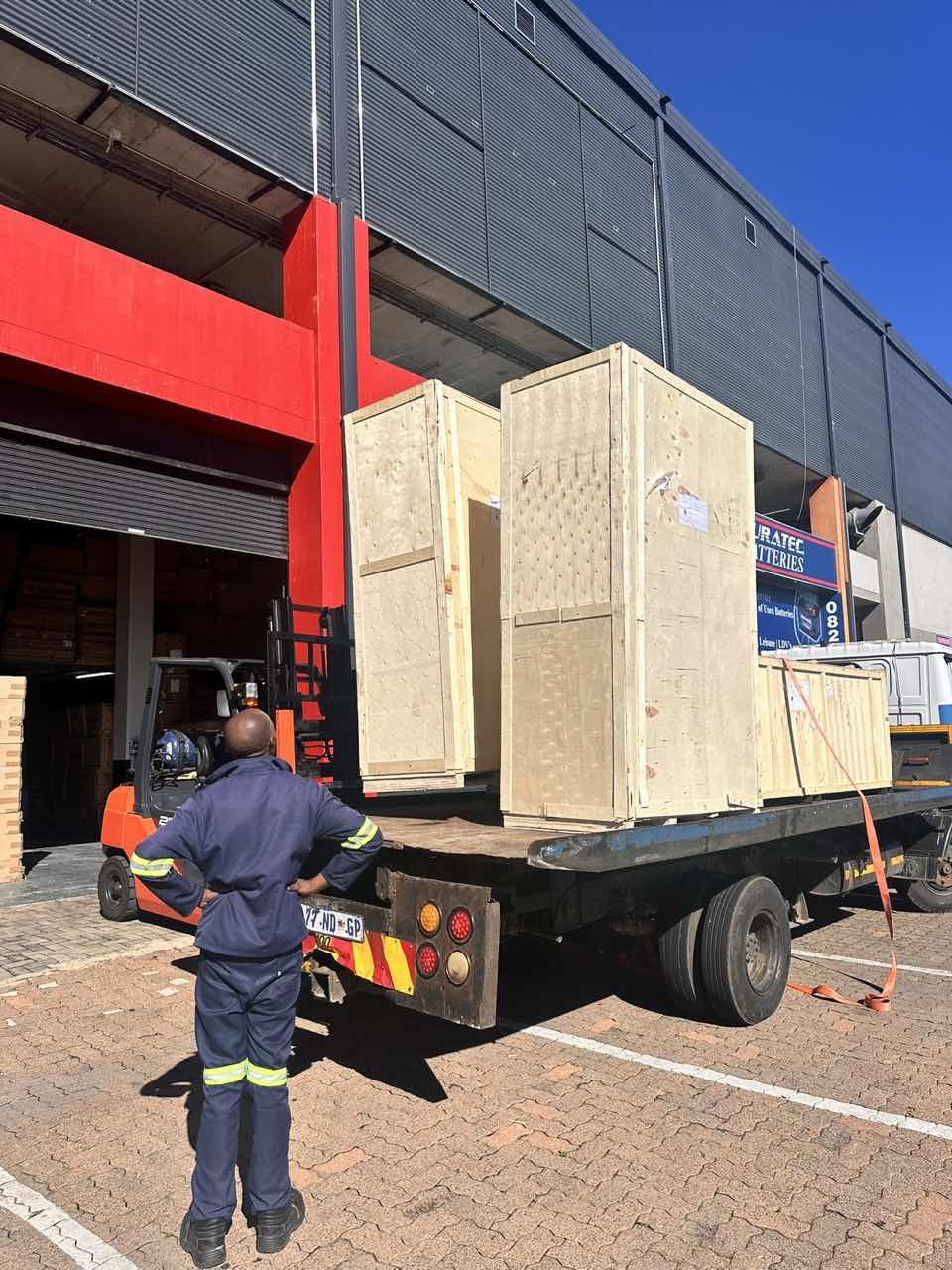
Food Processing Machine
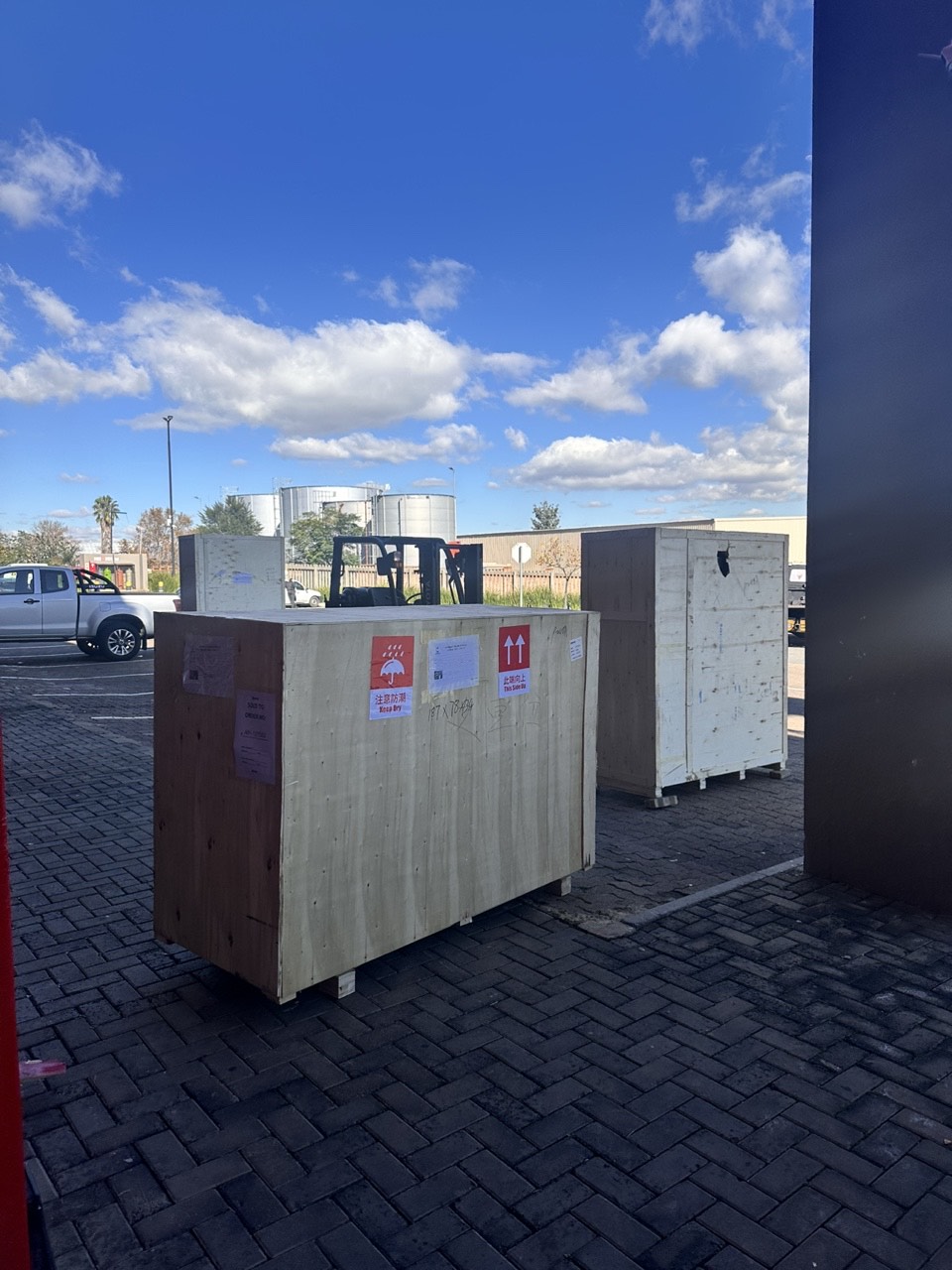
Batch of Orders
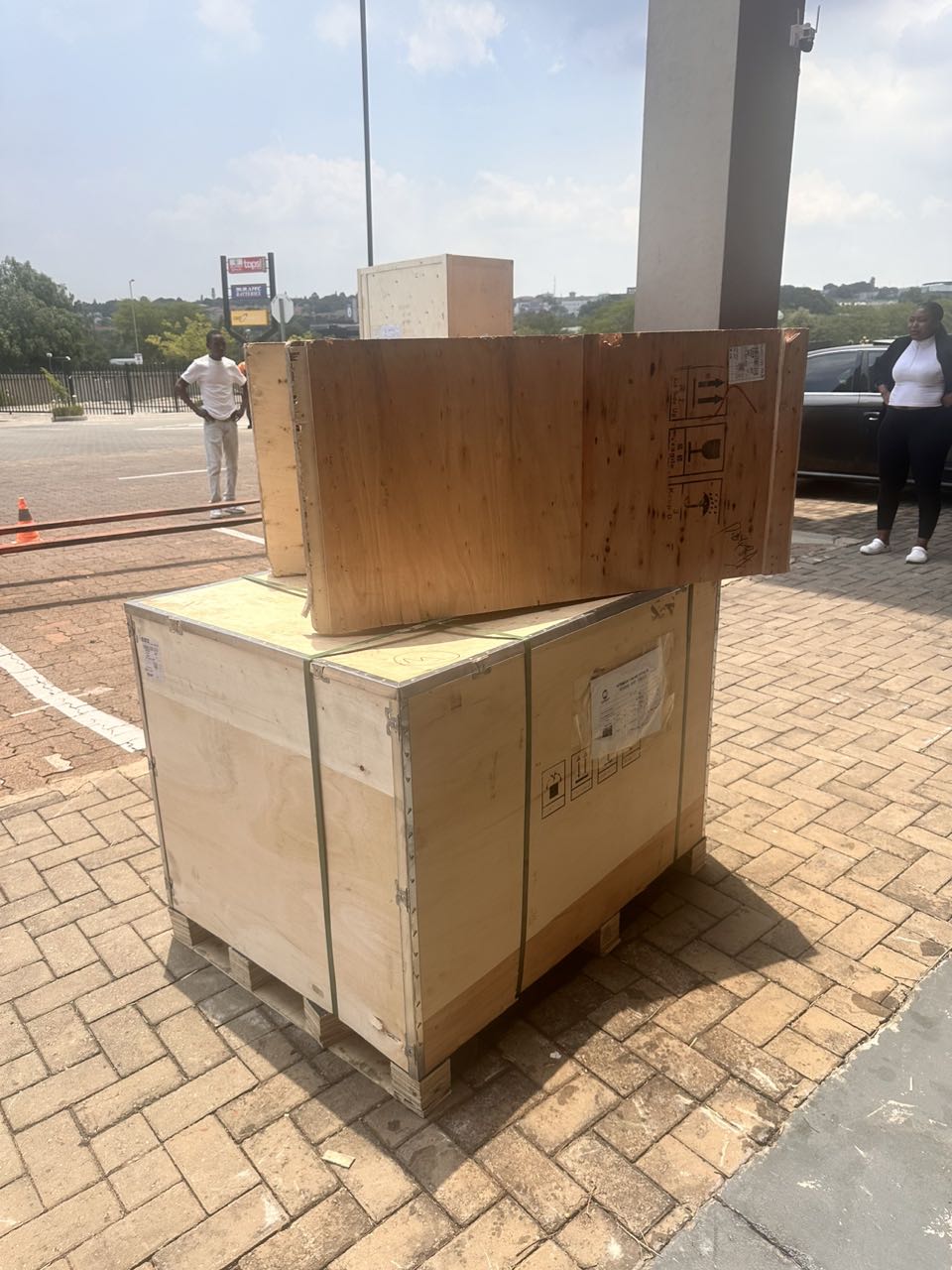
Batch of Orders
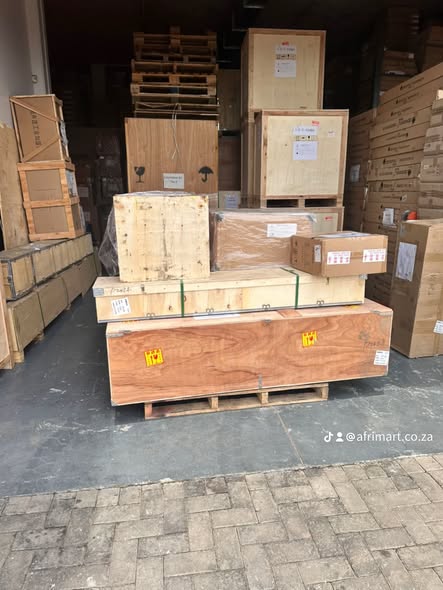
Latest Orders Labelled
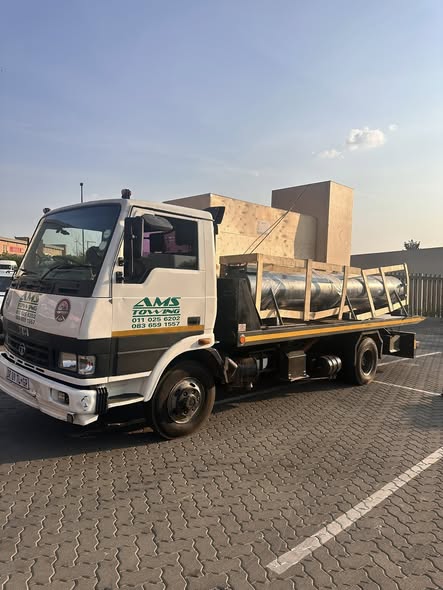
wheel alignment machines
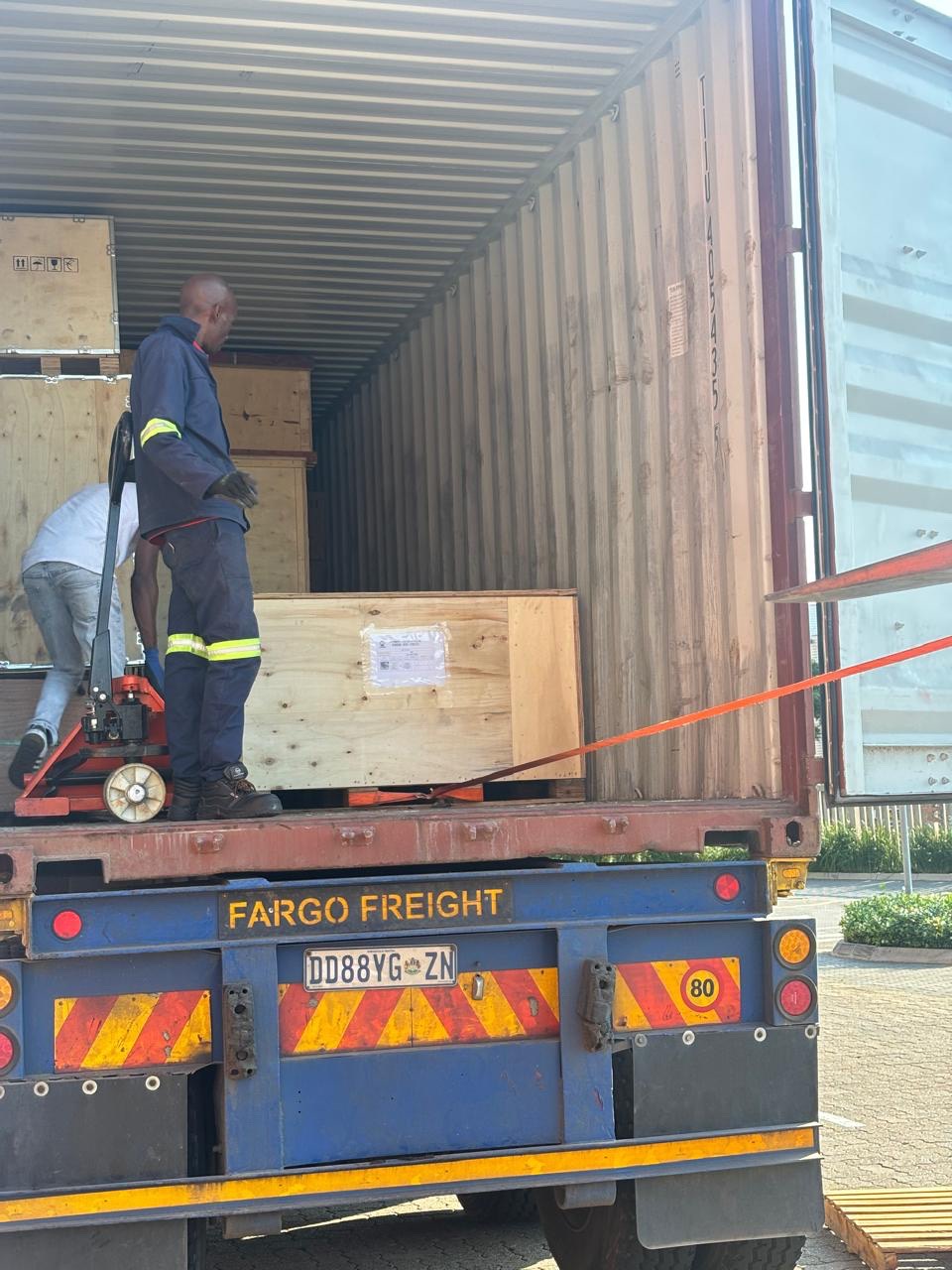
new arrivals
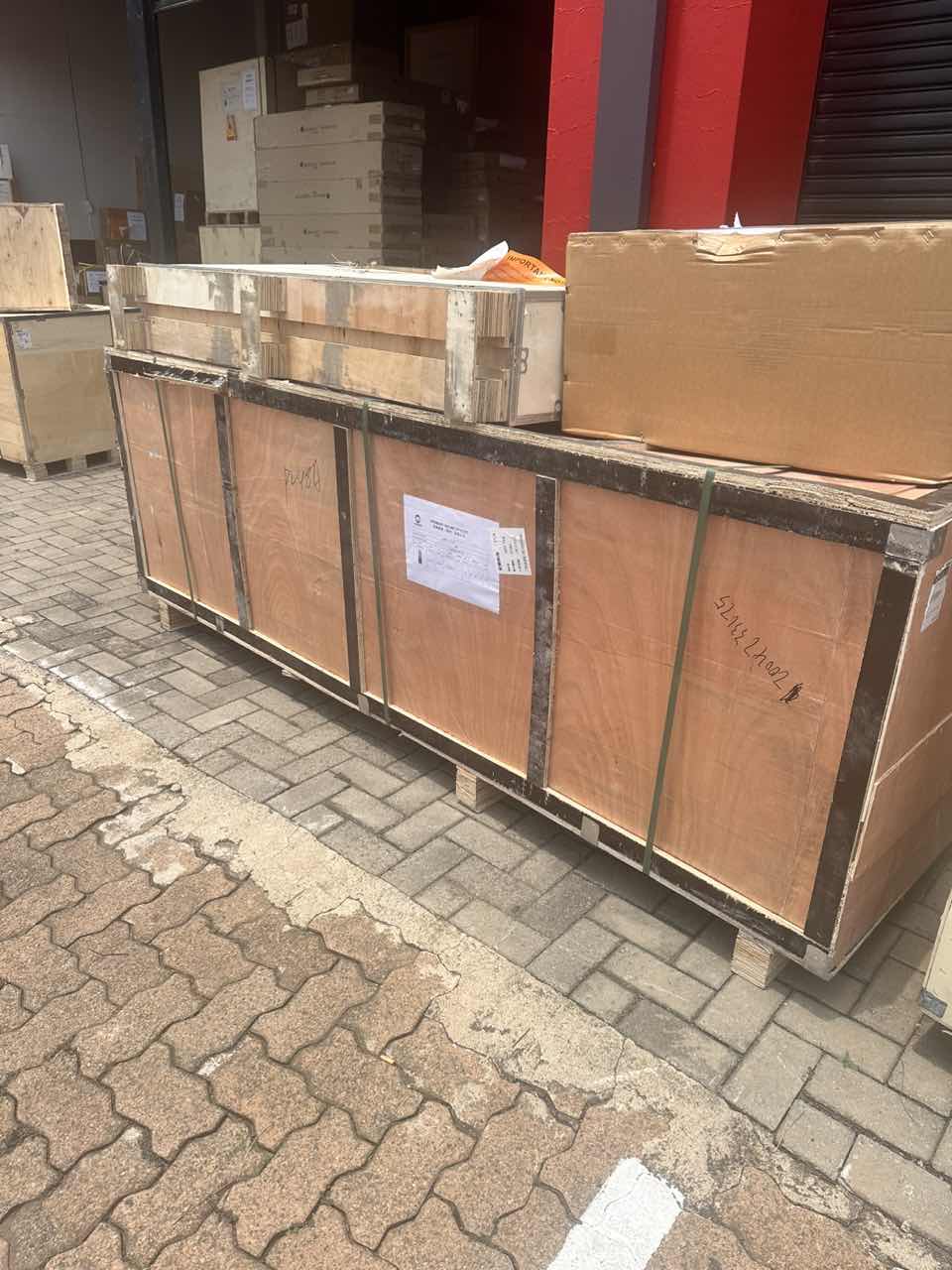
Pre Orders Offloading
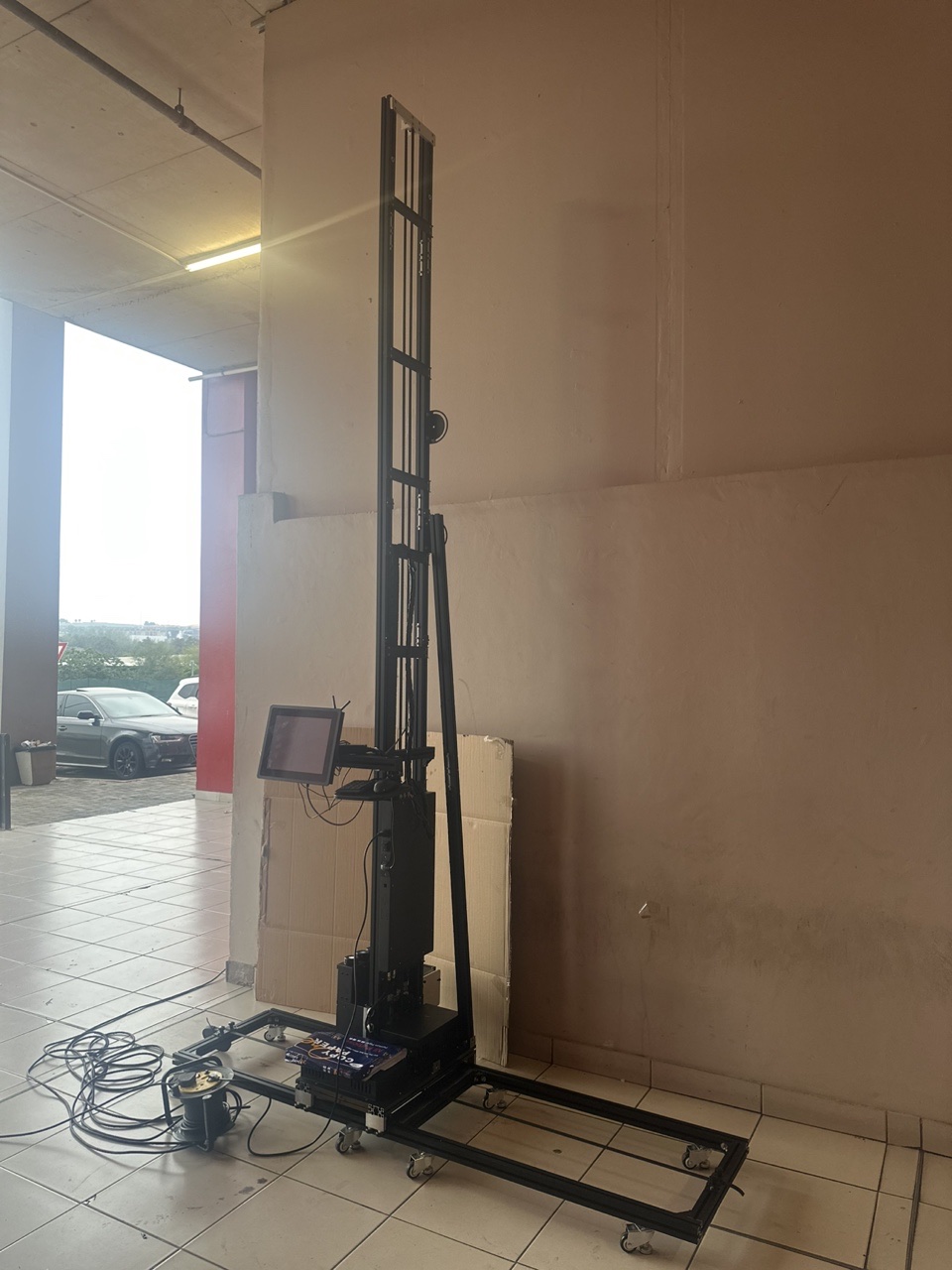
Latest Arrivals
Latest Arrivals
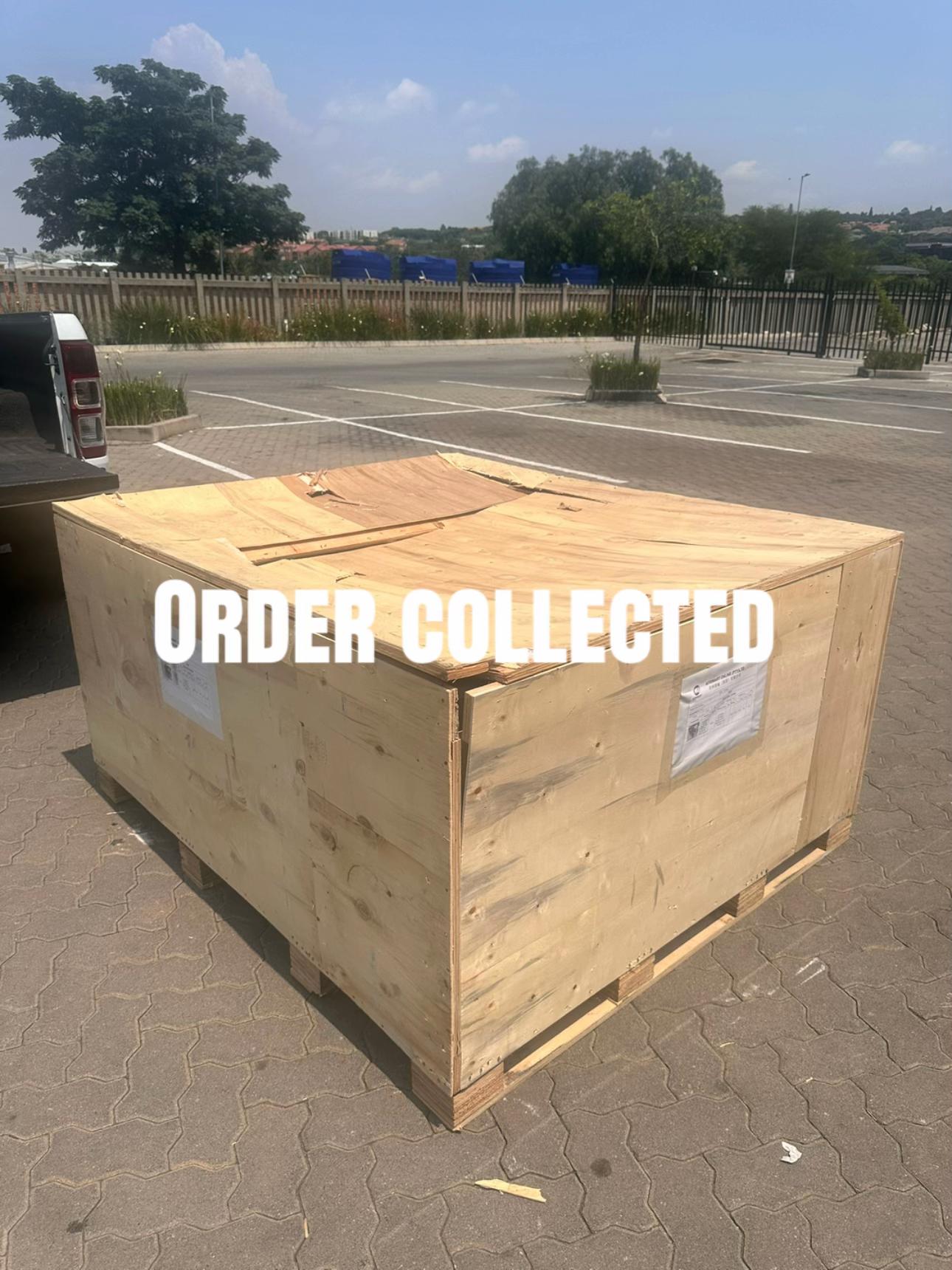
Latest Arrivals
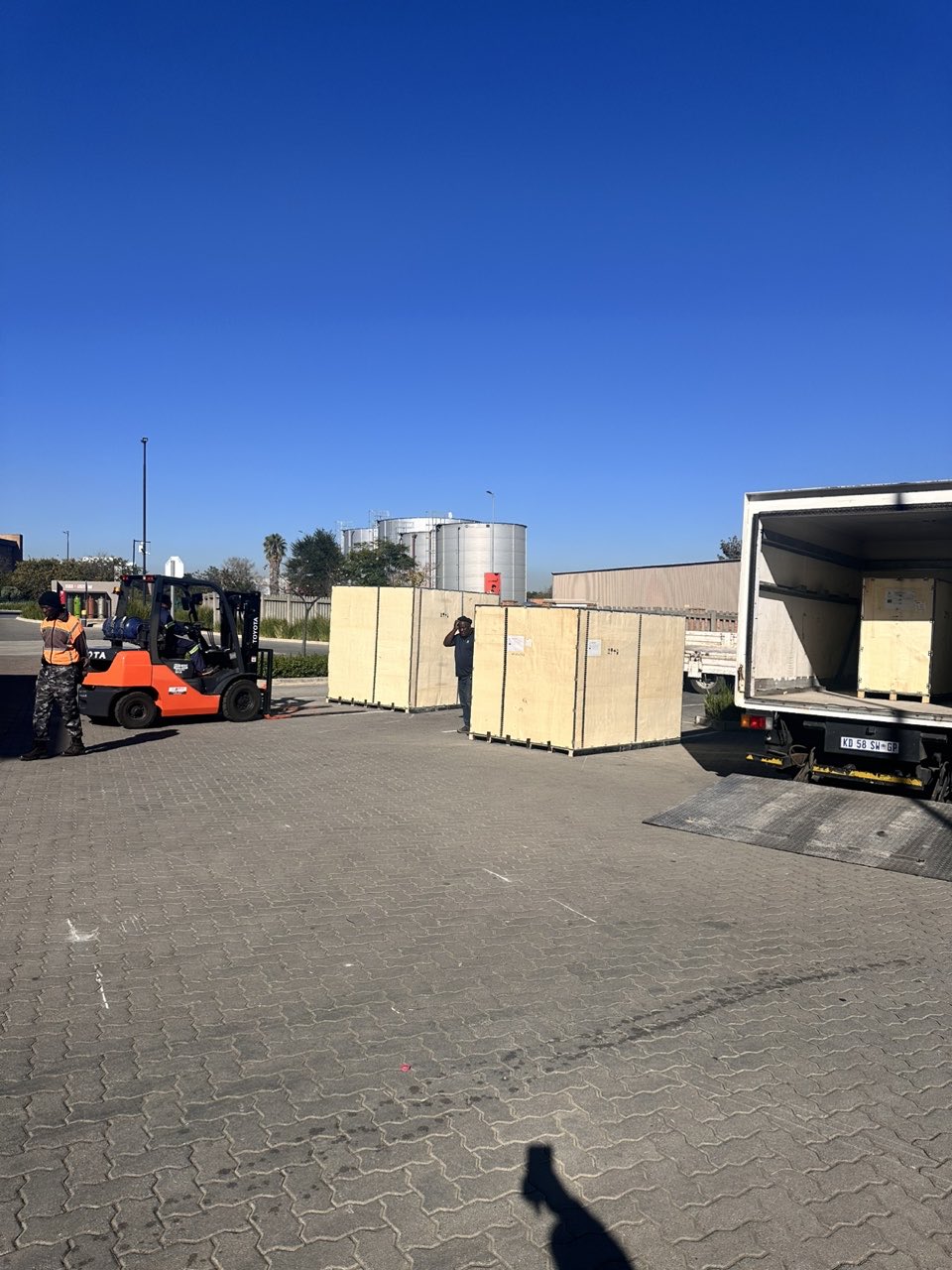
Loading
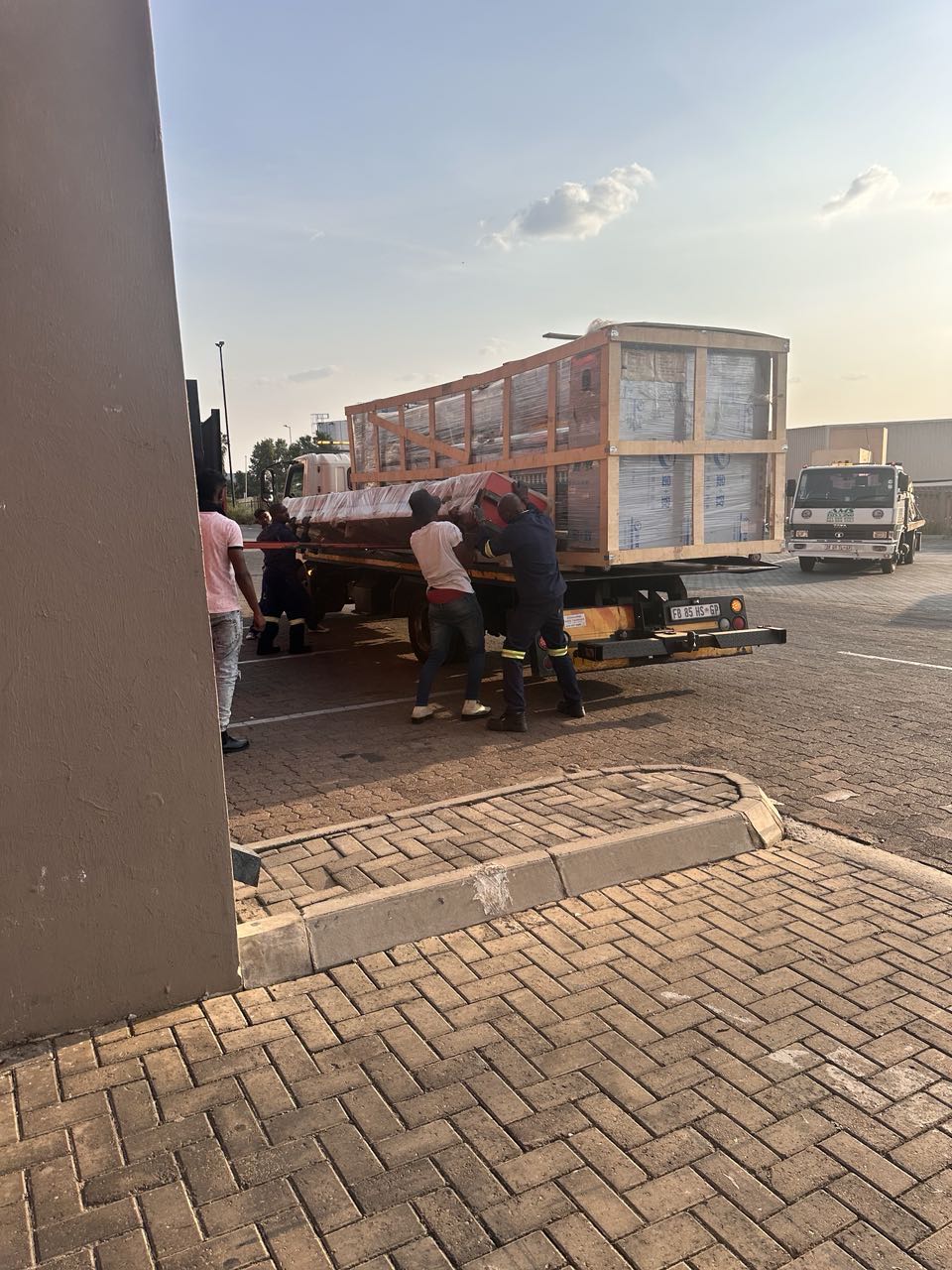
Toilet paper making machine
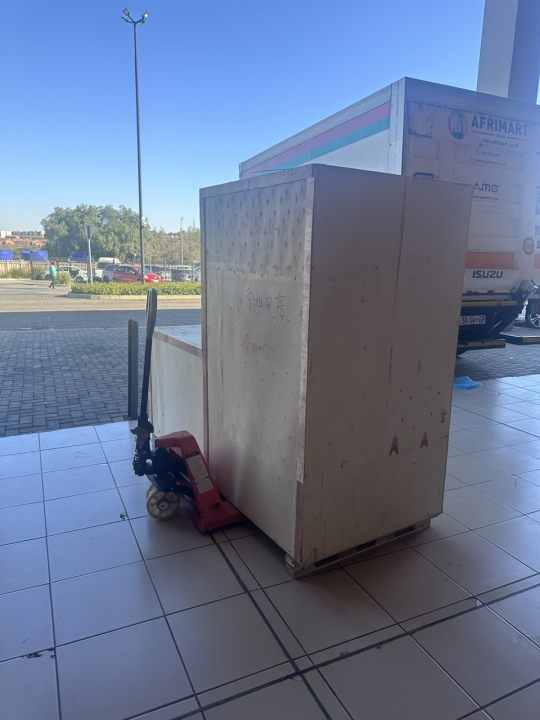
Toilet paper making machine
Toilet paper Rewinding Machine
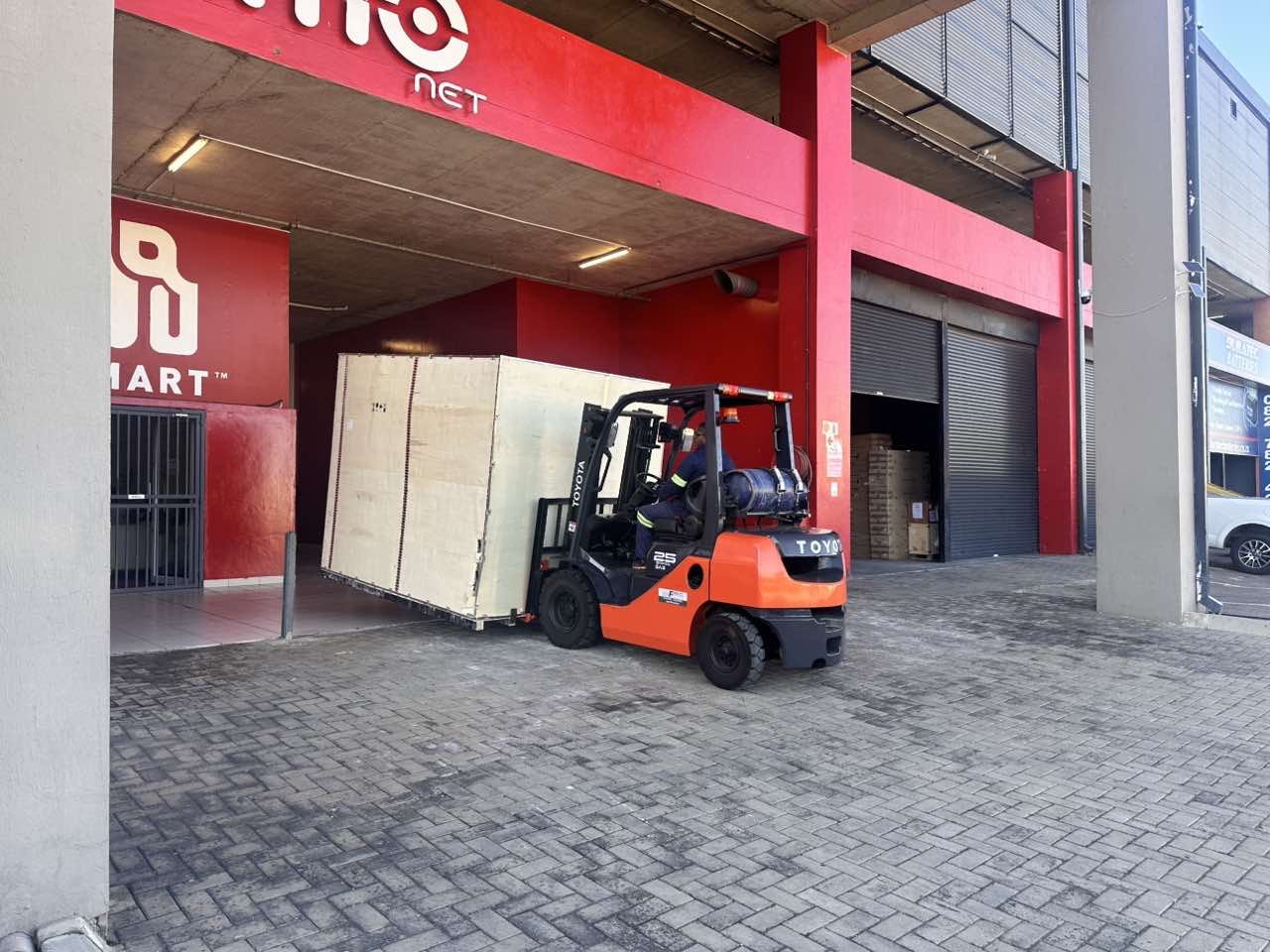
latest arrivals
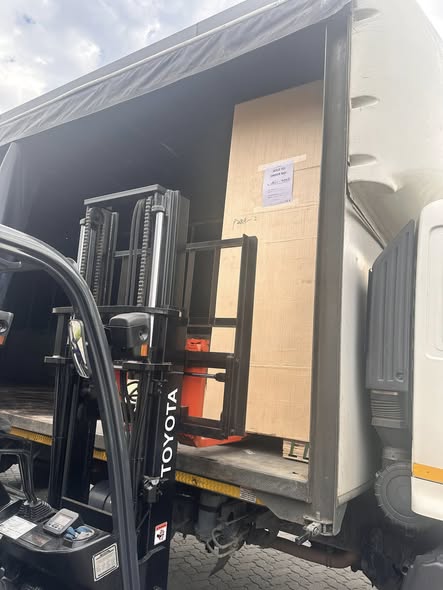
offloading
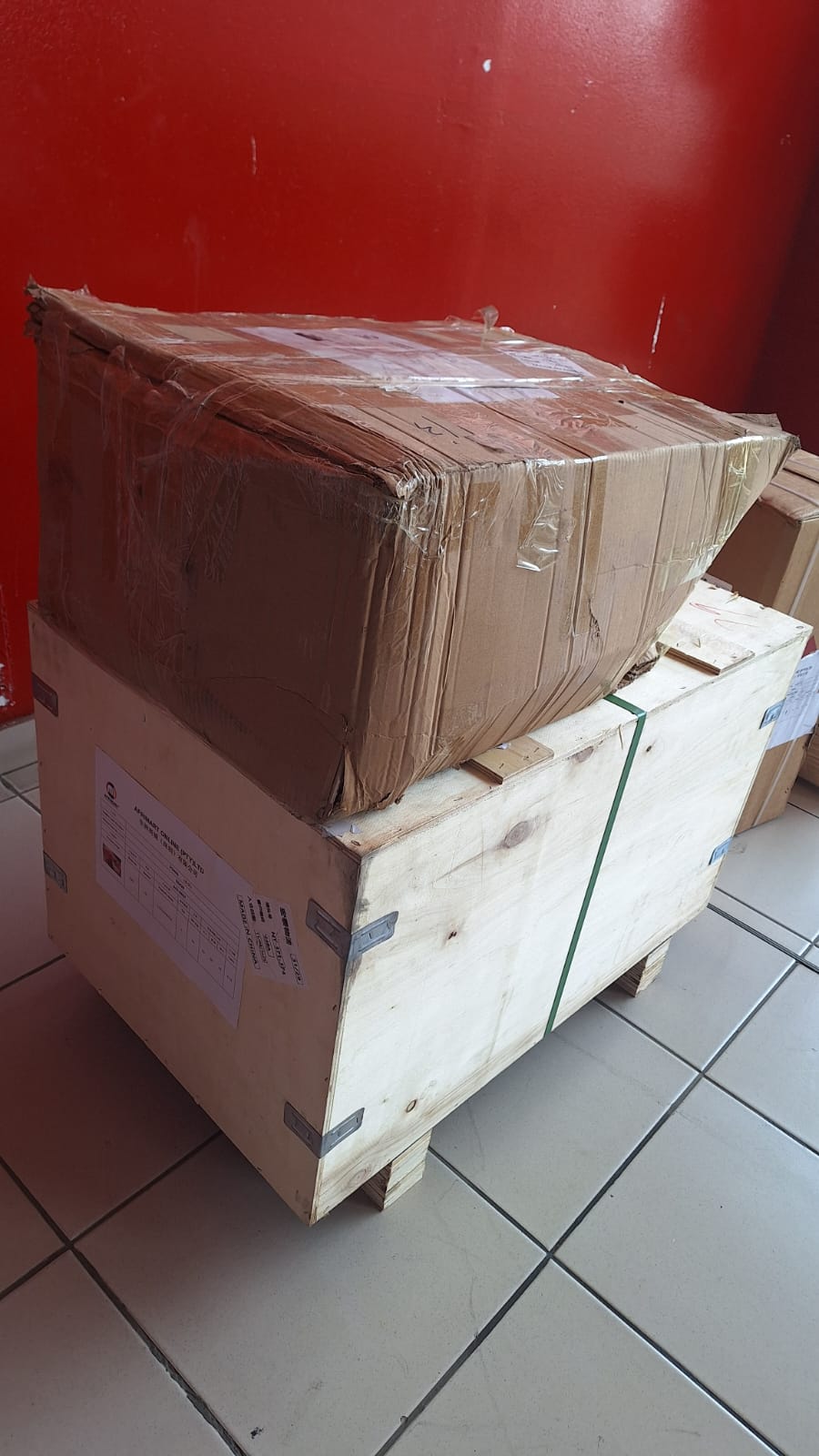
order success
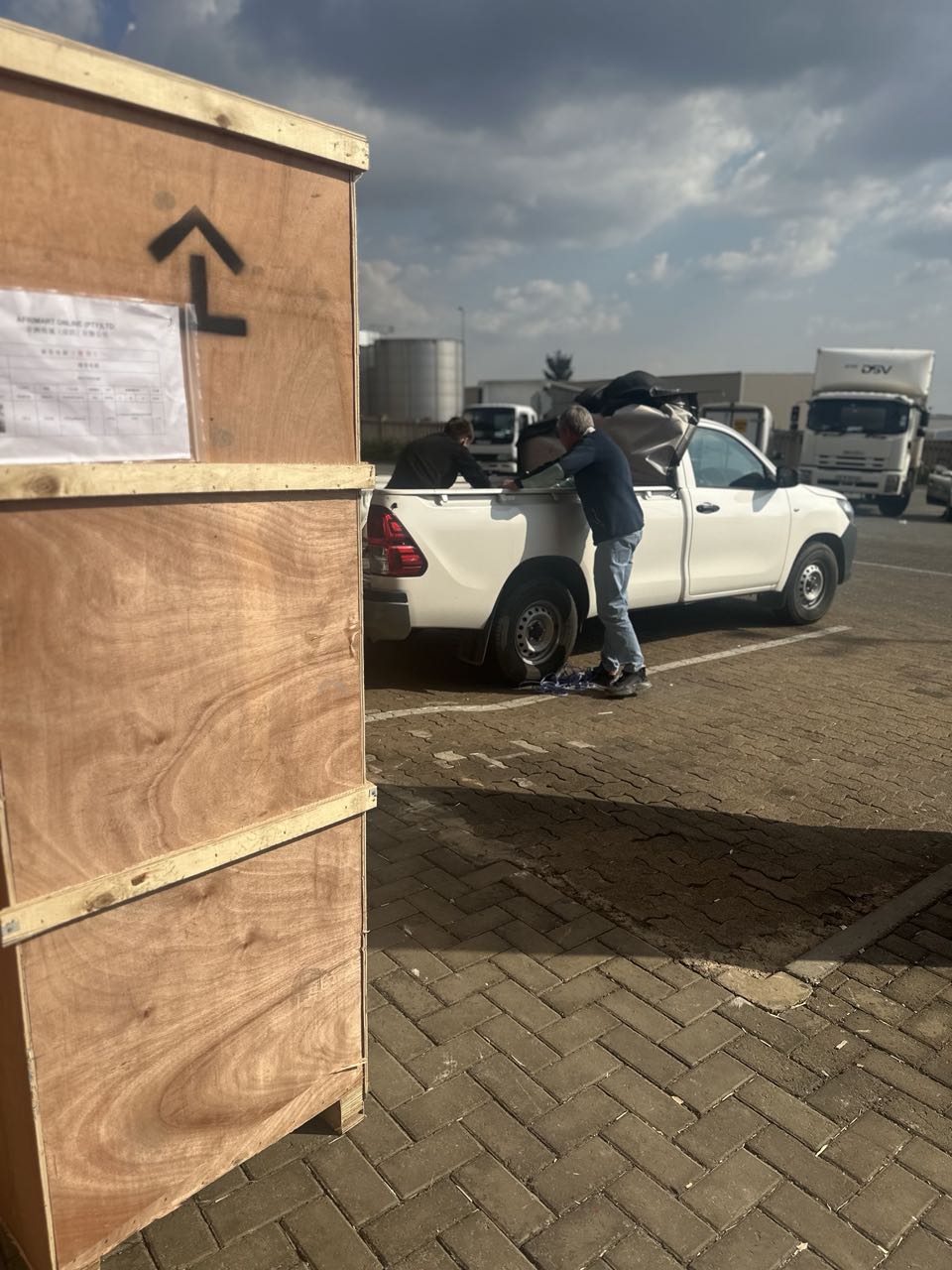
order collection
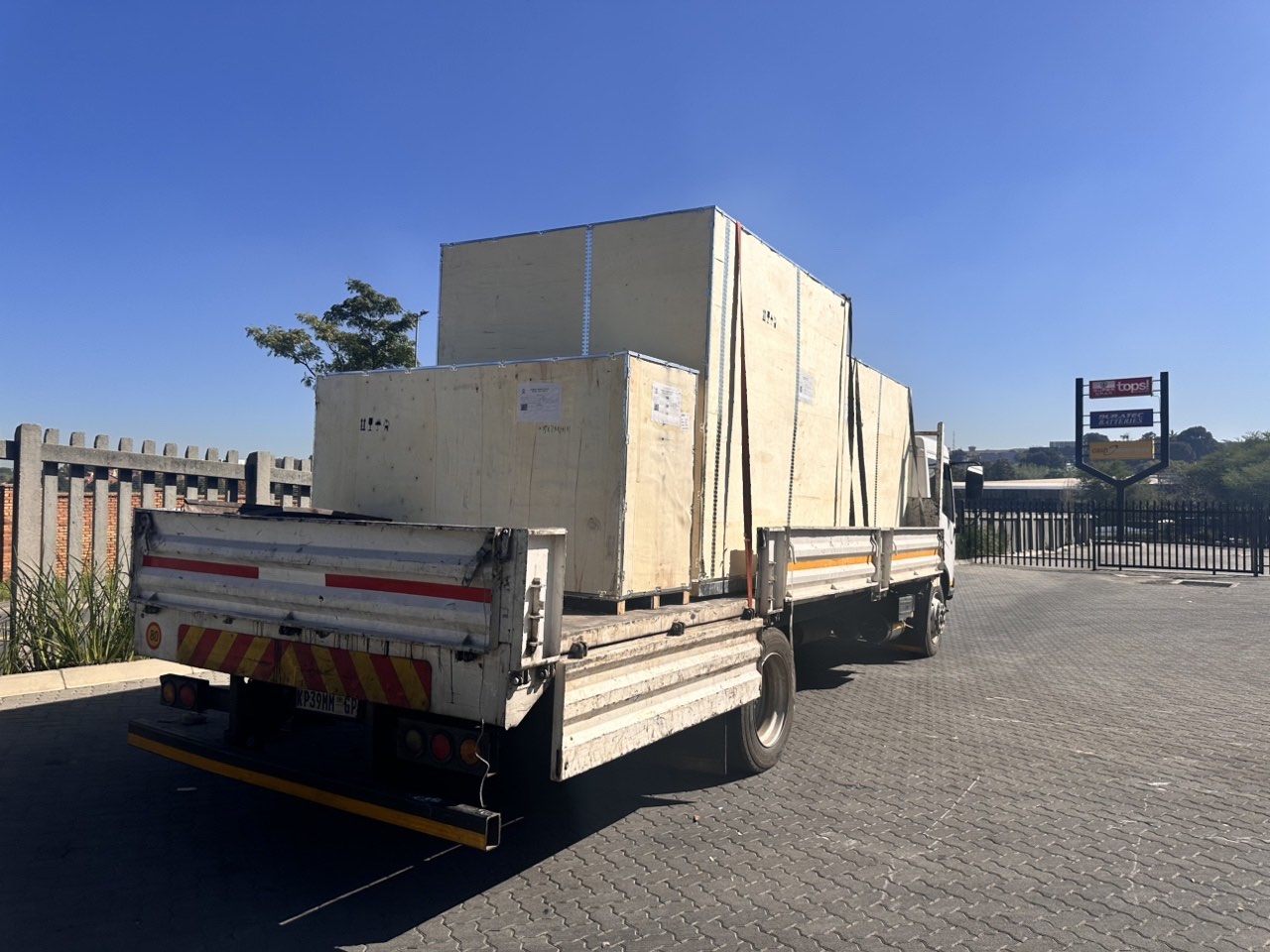
order offloading