B21, China Town Mall, Midrand


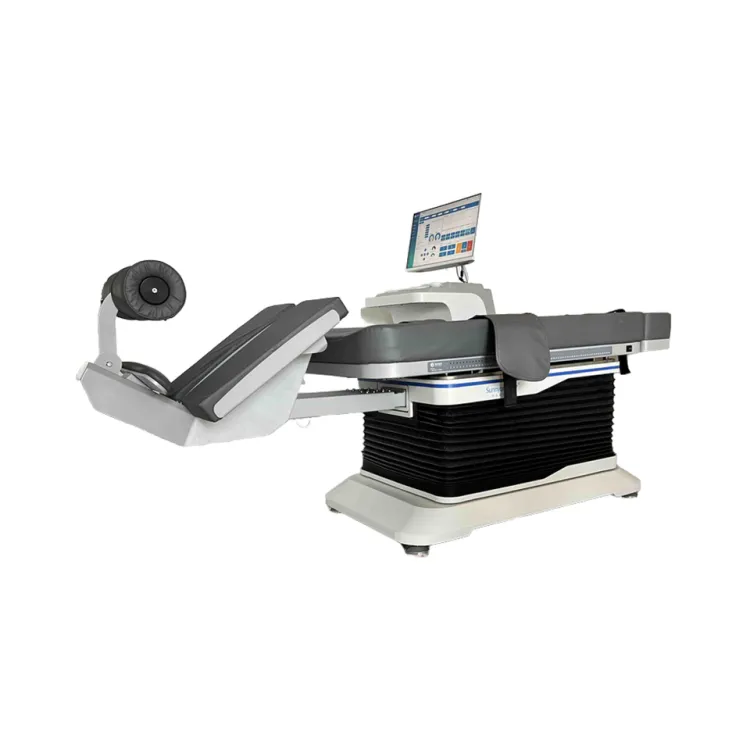
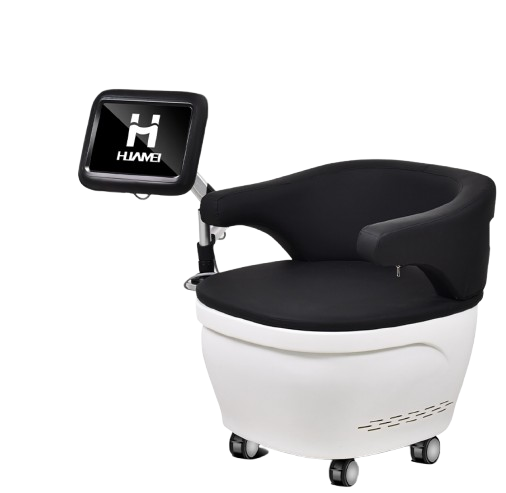
cryotherapy chamber with nitrogen machine cryotherapy electric physiotherapy whole body Reduce Pain anti-aging cryo sauna
Asset finance available
Do you want funding for this equipment?
Afrimart can connect you with trusted funding partners who specialise in asset finance for businesses like yours. Compare options and apply in minutes — final approval is subject to provider review.
Check funding options
Secure & no obligation

- Section : Medical Supplies
- Category : Physical Therapy Equipment
- SKU : 1600987921481

cryotherapy chamber with nitrogen machine cryotherapy electric physiotherapy whole body Reduce Pain anti-aging cryo sauna
Cryotherapy, which literally means “cold therapy,” is a technique where the body is exposed to extremely cold temperatures for several minutes.
Cryotherapy can be delivered to just one area, or you can opt for whole-body cryotherapy. Localized cryotherapy can be administered in a number of ways, including through ice packs, ice massage, coolant sprays, ice baths, and even through probes administered into tissue.
The theory for whole-body cryotherapy (WBC) is that by immersing the body in extremely cold air for several minutes, you could receive a number of health benefits. The individual will stand in an enclosed chamber or a small enclosure that surrounds their body but has an opening for their head at the top. The enclosure will drop to between negative 200–300°F. They’ll stay in the ultra-low temperature air for between two and four minutes.
You can get benefits from just one session of cryotherapy, but it’s most effective when used regularly. Some athletes use cryotherapy twice a day. Others will go daily for 10 days and then once a month afterwards.
Benefits of cryotherapy
1. Reduces migraine symptoms
Cryotherapy can help treat migraines by cooling and numbing nerves in the neck area. One study foundTrusted Source that applying a neck wrap containing two frozen ice packs to the carotid arteries in the neck significantly reduced migraine pain in those tested. It’s thought that this works by cooling the blood passing through intracranial vessels. The carotid arteries are close to the skin’s surface and accessible.
2. Numbs nerve irritation
Many athletes have been using cryotherapy to treat injuries for years, and one of the reasons why is that it can numb pain. The cold can actually numb an irritated nerve. Doctors will treat the affected area with a small probe inserted into the nearby tissue. This can help treat pinched nerves or neuromas, chronic pain, or even acute injuries.
3. Helps treat mood disorders
The ultra-cold temperatures in whole-body cryotherapy can cause physiological hormonal responses. This includes the release of adrenaline, noradrenaline, and endorphins. This can have a positive effect on those experiencing mood disorders like anxiety and depression. One study foundTrusted Source that whole-body cryotherapy was actually effective in short-term treatment for both.
4. Reduces arthritic pain
Localized cryotherapy treatment isn’t the only thing that’s effective at treating serious conditions; one study foundTrusted Source that whole-body cryotherapy significantly reduced pain in people with arthritis. They found that the treatment was well-tolerated. It also allowed for more aggressive physiotherapy and occupational therapy as a result. This ultimately made rehabilitation programs more effective.
5. May help treat low-risk tumors
Targeted, localized cryotherapy can be used as a cancer treatment. In this context, it’s called “cryosurgery.” It works by freezing cancer cells and surrounding them with ice crystals. It’s currently being used to treat some low-risk tumors for certain types of cancer, including prostate cancer.
6. May help prevent dementia and Alzheimer’s disease
While more research is needed to evaluate the effectiveness of this strategy, it’s theorized that whole-body cryotherapy could help prevent Alzheimer’s and other types of dementia. It’s thought thatTrusted Source this may be an effective treatment because the anti-oxidative and anti-inflammatory effects of cryotherapy could help combat the inflammatory and oxidative stress responses that occur with Alzheimer’s.
7. Treats atopic dermatitis and other skin conditions
Atopic dermatitis is a chronic inflammatory skin disease with signature symptoms of dry and itchy skin. Because cryotherapy can improve antioxidant levelsTrusted Source in the blood and can simultaneously reduce inflammation, it makes sense that both localized and whole-body cryotherapy can help treat atopic dermatitis. Another study (in mice) examined its effect for acne, targeting the sebaceous glands.

- Shipping Timeframes: All orders are processed within 2-5 business days (excluding weekends and holidays). After your order has been processed, the estimated delivery time is before 03 Aug, 2026, depending on customs, Please note that due to high demand, some items may experience longer shipping times, which will be communicated at order confirmation email.
- Order Processing Time: Please allow 2-5 business days for us to process your order before it is shipped . Orders placed after 16:00 on Fridays, or during weekends and public holidays, will begin processing on the next business day. Processing times may be extended during peak seasons or sales events.
- Manufacturing Time: Some products needs manufacturing time, the manufacturing process will take approximately 10-30 business days depending on the product. This timeframe may vary depending on the complexity of the product and current demand. but this will be communicated with you during order confirmation.
- Returns and Exchanges: We offer a 30-day return policy for most items. If you are not completely satisfied with your purchase, you may return it within 30 days of receipt for a refund or exchange. Items must be unused, in their original packaging, and accompanied by proof of purchase. Return shipping costs are the responsibility of the customer, unless the item was damaged or defective upon arrival.
1. What is cryotherapy and how does it work?
Cryotherapy, or 'cold therapy', involves exposing the body to extremely low temperatures for a short period, typically 2-4 minutes. This process can promote various health benefits by reducing inflammation, numbing pain, and triggering hormonal responses.
2. What temperature does the cryotherapy chamber reach?
The cryotherapy chamber can drop to temperatures between negative 200°F to negative 300°F, providing a rapid cooling effect for therapeutic benefits.
3. How long does a cryotherapy session last?
A typical cryotherapy session lasts between 2 to 4 minutes, during which the body is exposed to ultra-low temperatures.
4. What are the health benefits of cryotherapy?
Cryotherapy can help reduce migraine symptoms, numb nerve irritation, treat mood disorders, alleviate arthritic pain, and may even assist in preventing dementia and treating certain skin conditions.
5. Is cryotherapy safe?
Yes, cryotherapy is generally considered safe when administered by trained professionals. However, individuals with certain medical conditions, such as severe hypertension or cold allergies, should consult a doctor before use.
6. How often should I use the cryotherapy chamber for optimal results?
For best results, regular sessions are recommended. Many athletes undergo cryotherapy daily for 10 days and then once a month, while others may use it twice a day depending on their needs.
7. Can cryotherapy help with skin conditions?
Yes, cryotherapy can improve conditions like atopic dermatitis and acne by reducing inflammation and improving antioxidant levels in the blood.
8. What should I wear during a cryotherapy session?
It's advisable to wear minimal clothing during a cryotherapy session to maximize exposure to cold air. Most facilities provide gloves, socks, and a robe for comfort and safety.
9. How does cryotherapy help with pain relief?
Cryotherapy numbs nerve endings and reduces inflammation, which helps alleviate pain from injuries, arthritis, and other chronic pain conditions.
10. Can cryotherapy improve my mood?
Yes, cryotherapy can help treat mood disorders by triggering the release of endorphins and other hormones that may enhance mood and reduce anxiety and depression symptoms.
11. Is there any downtime after a cryotherapy session?
No significant downtime is required after a cryotherapy session. Most individuals can resume their daily activities immediately.
12. Can cryotherapy be used for weight loss?
While cryotherapy can aid in recovery and may enhance metabolic rate temporarily, it is not a direct weight loss solution. A balanced diet and exercise are essential for effective weight management.
13. What is the difference between localized cryotherapy and whole-body cryotherapy?
Localized cryotherapy targets specific areas of the body to treat injuries or pain, while whole-body cryotherapy involves exposing the entire body to cold temperatures for overall health benefits.
14. Can pregnant women use cryotherapy?
Pregnant women are generally advised to avoid cryotherapy due to potential risks. It's best to consult a healthcare provider for personalized advice.
15. What should I do if I feel uncomfortable during a session?
If you feel uncomfortable during a cryotherapy session, you should inform the technician immediately, who can adjust the session or terminate it as needed.
Latest Order Arrivals
Discover our latest orders

12 Heads Embroidery Machine

Toilet Paper Machine Machine

Order Collection

Cross Border Clients

Order cros border countries Collected

Industrial Machine Cllection
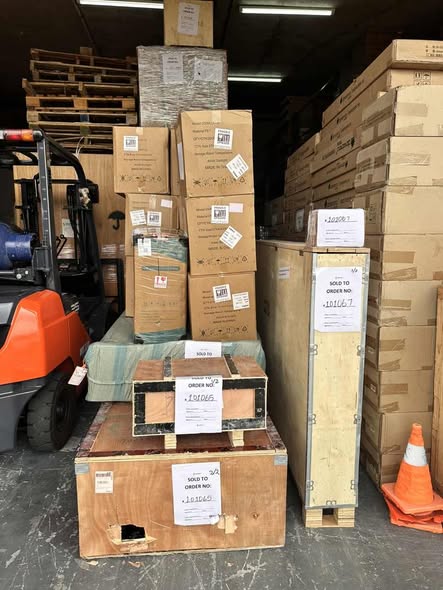
Agriculture Processing Machines

Ready for collection

Water Pump Equipment
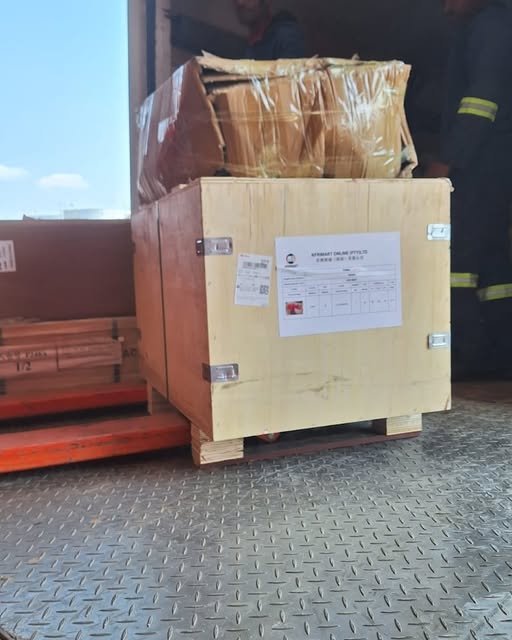
Packaging Machine and accessories

Fabrics Manufacturing Equipment

Mining Equipments
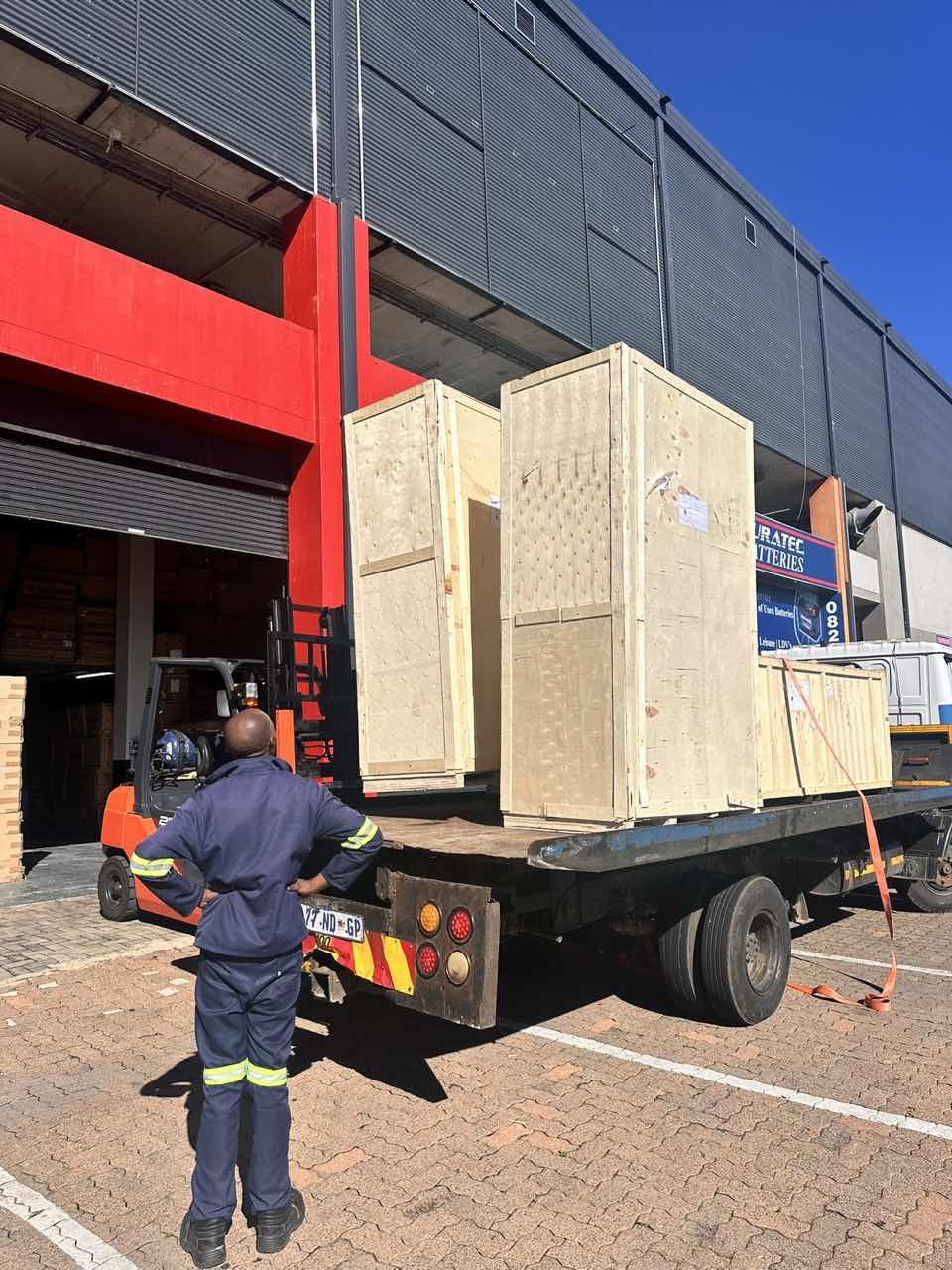
Food Processing Machine
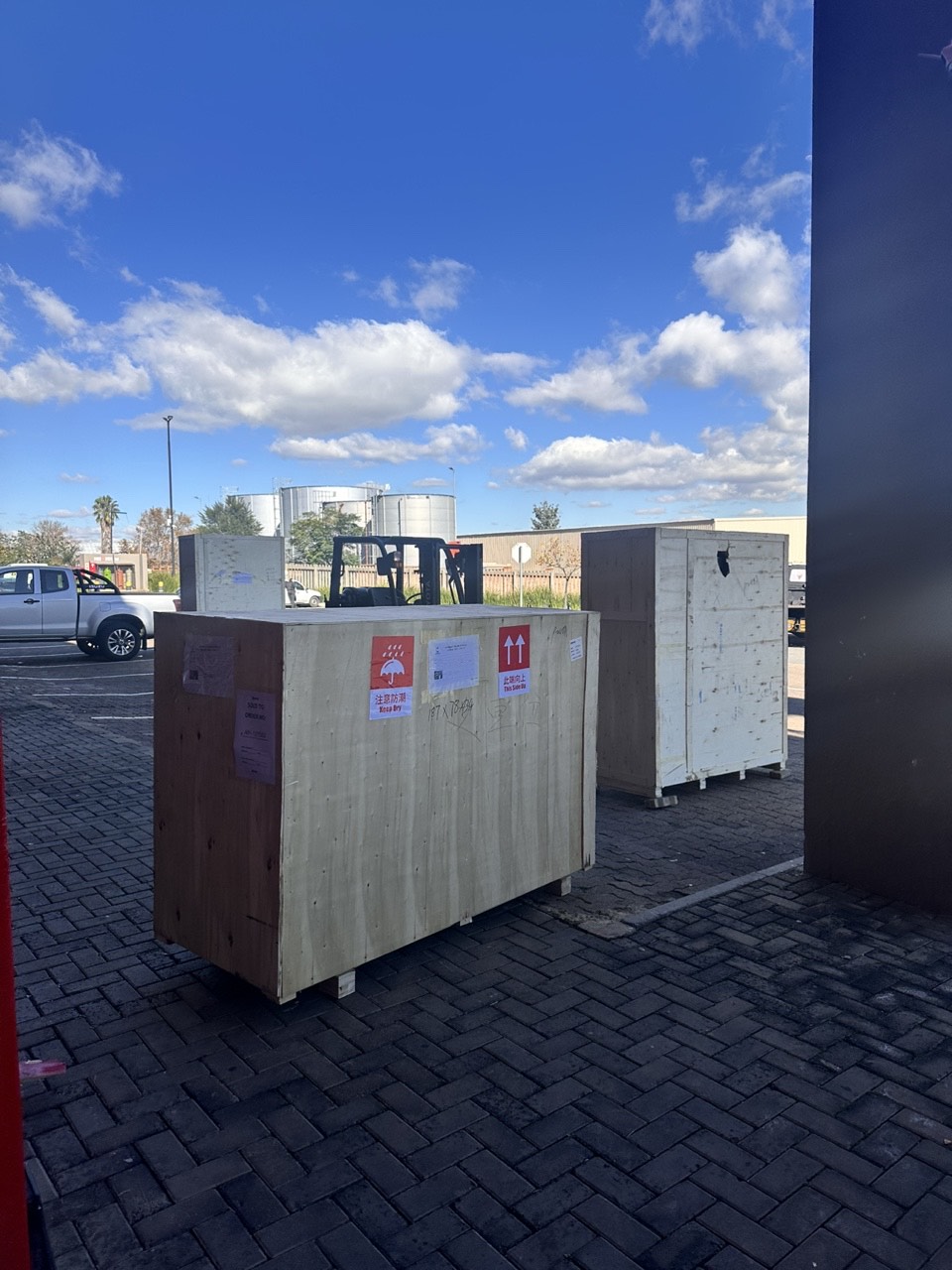
Batch of Orders

Batch of Orders

Latest Orders Labelled

wheel alignment machines

new arrivals

Pre Orders Offloading

Latest Arrivals
Latest Arrivals

Latest Arrivals

Loading

Toilet paper making machine

Toilet paper making machine

Toilet paper Rewinding Machine

latest arrivals
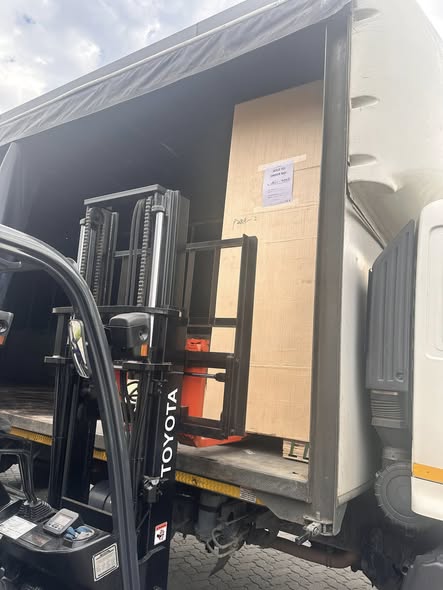
offloading

order success

order collection

order offloading