B21, China Town Mall, Midrand

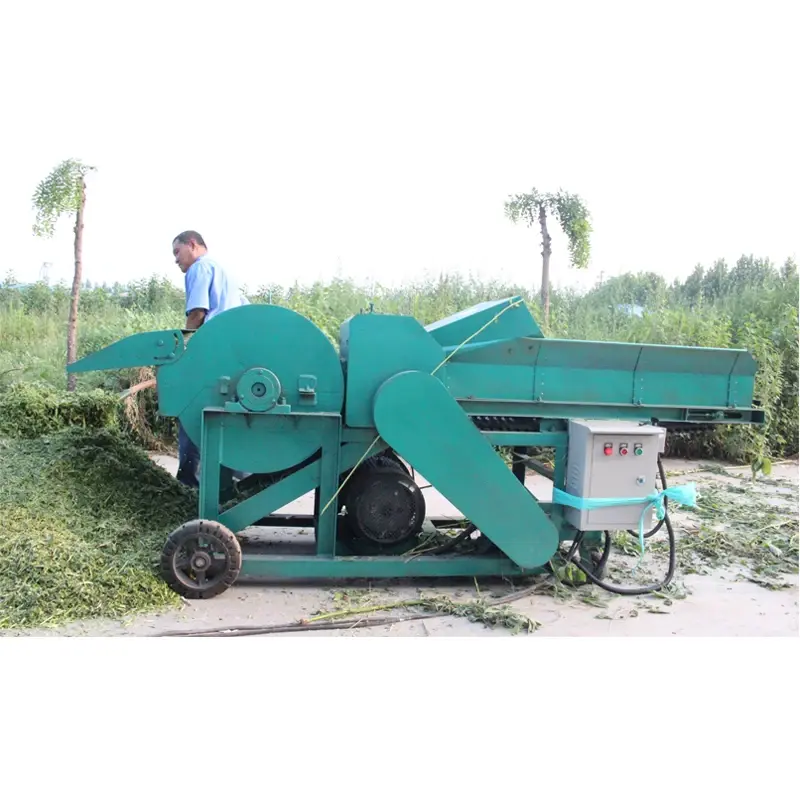
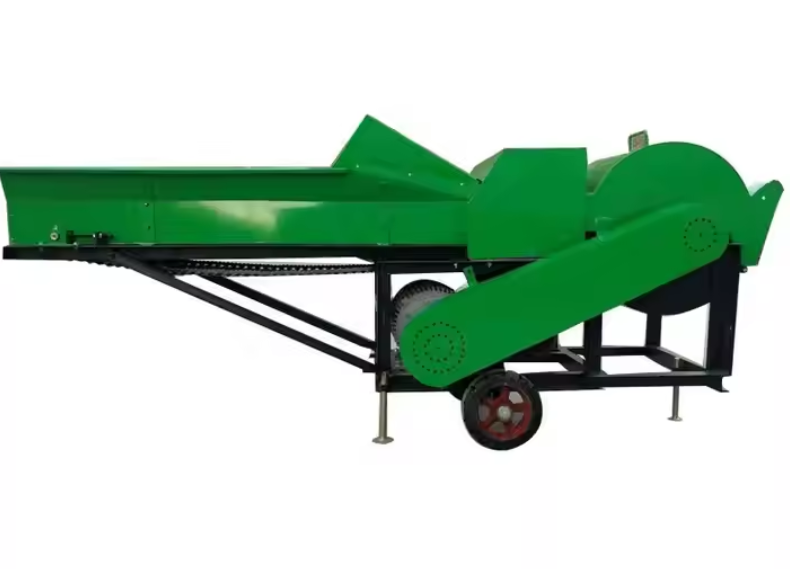
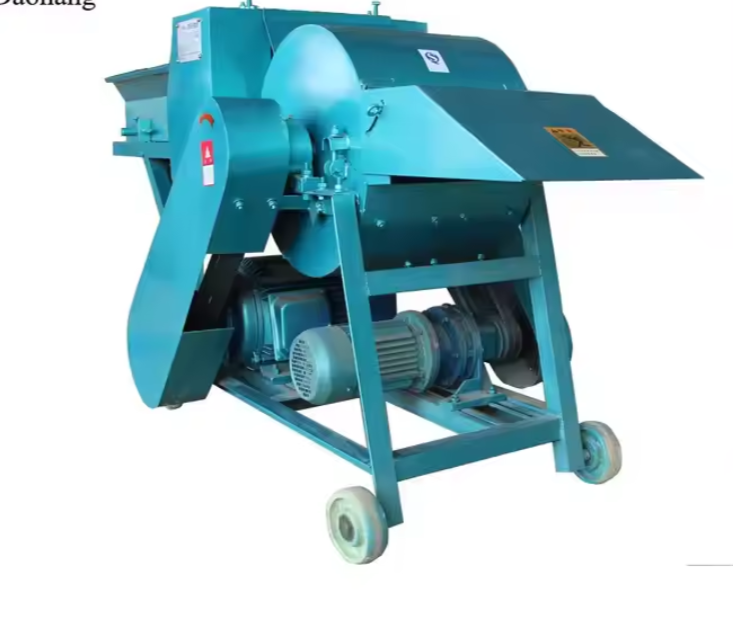
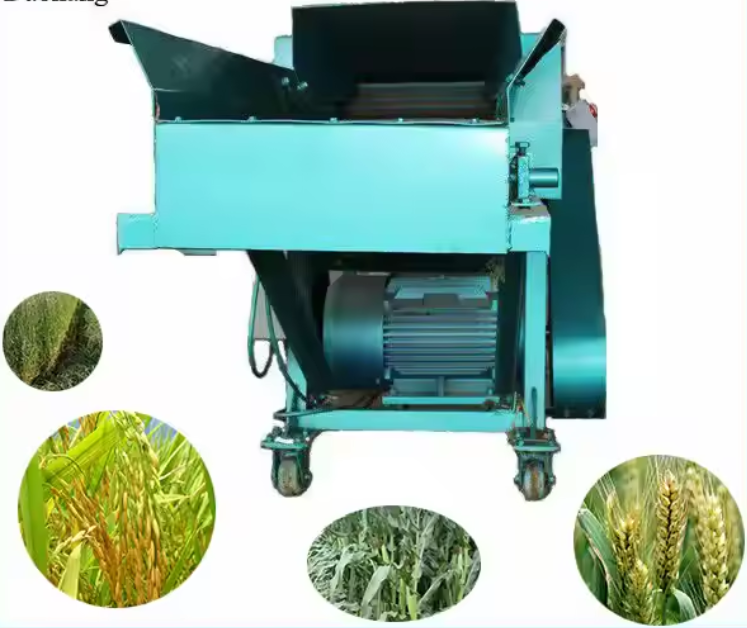
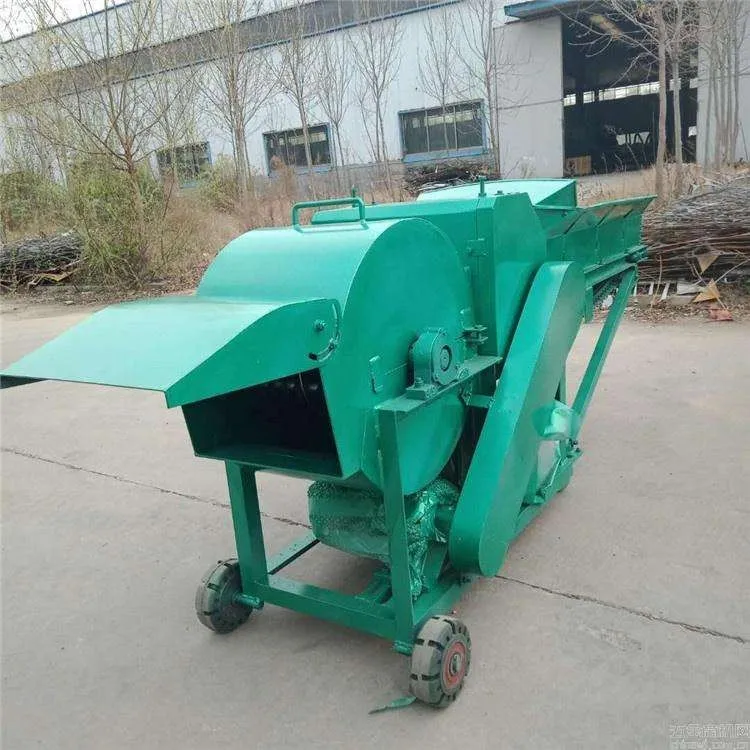
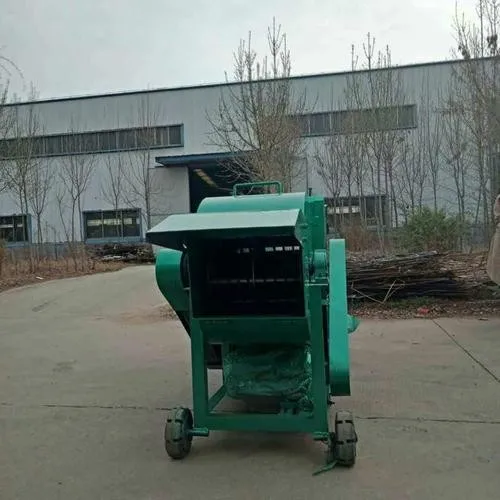
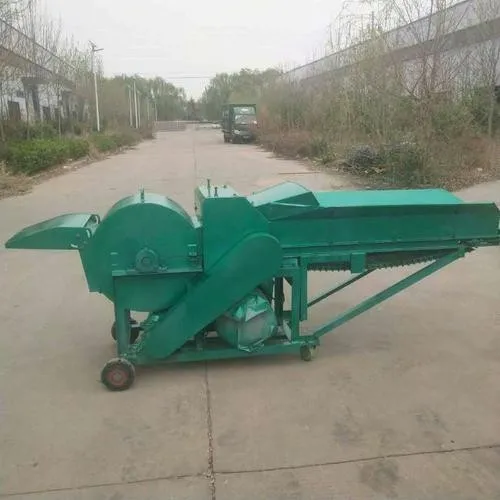
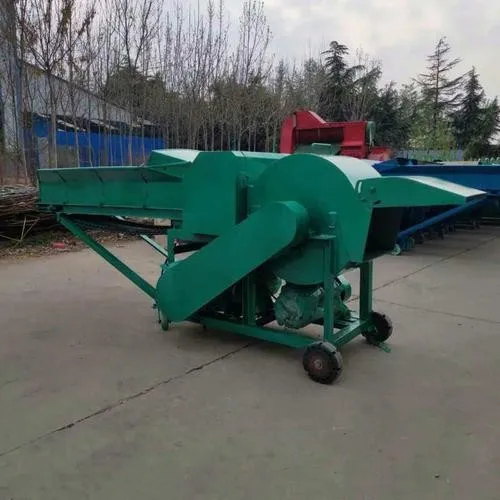
Corn straw silage chopper Grass Chopper Hay Cutting Machine
Asset finance available
Do you want funding for this equipment?
Afrimart can connect you with trusted funding partners who specialise in asset finance for businesses like yours. Compare options and apply in minutes — final approval is subject to provider review.
Check funding options
Secure & no obligation

- Section : Machinery
- Category : Agriculture Machinery
- SKU : 62147731477

Diesel Engine Corn Straw Chaff Cutter
The Diesel Engine Corn Straw Chaff Cutter is designed for efficient and multifunctional animal feed processing, making it an excellent choice for livestock farms.
Key Features:
High Capacity: Capable of processing 0.3 to 8 tons per hour, ensuring high productivity for your feeding operations.
Durable Construction: Made from durable carbon steel, this machine is built to withstand rigorous use while maintaining performance.
Easy Operation: User-friendly design allows for straightforward operation, reducing the need for extensive training.
Versatile Application: Ideal for poultry and livestock feeding, supporting various animal feed requirements.
Customizable Color: Available in colors based on client requirements, allowing for personalized branding.
This chaff cutter is a reliable and efficient solution for farmers looking to enhance their feed processing capabilities while minimizing costs.
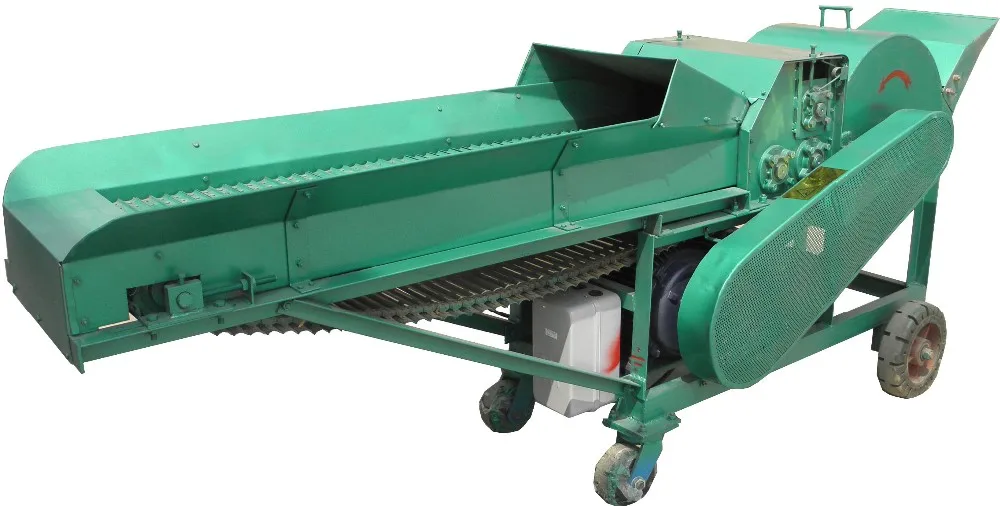
| Farm agricultural equipment Grass Chopper Hay Cutting Machine | |||
| Model | RS-3 | RS-6 | RS-10 |
| Power | 7.5 kw | 15 kw | 22 kw |
| Capacity | 3 ton/hr | 6 ton/hr | 10 ton/hr |
| Blade Number | 32 Pcs | 40 Pcs | 48 Pcs |
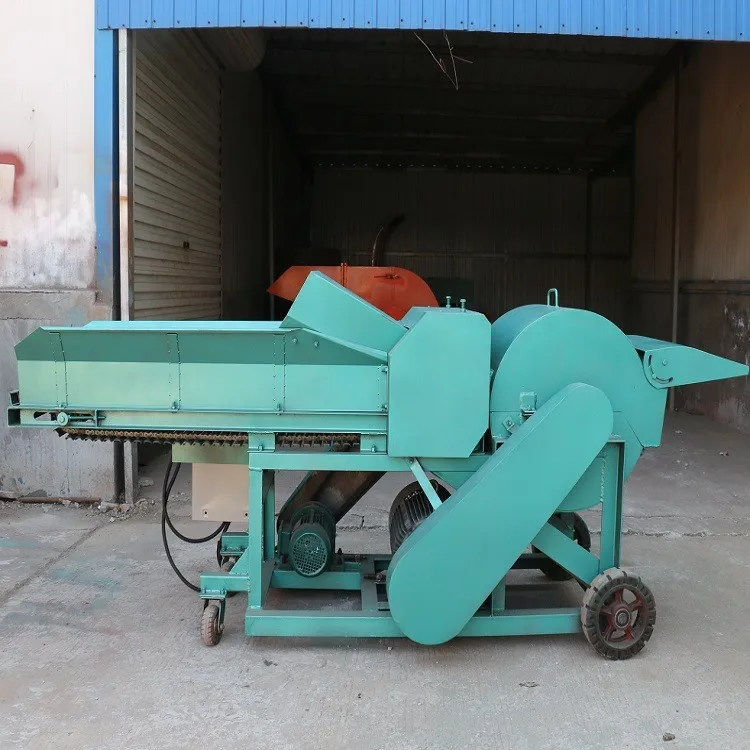
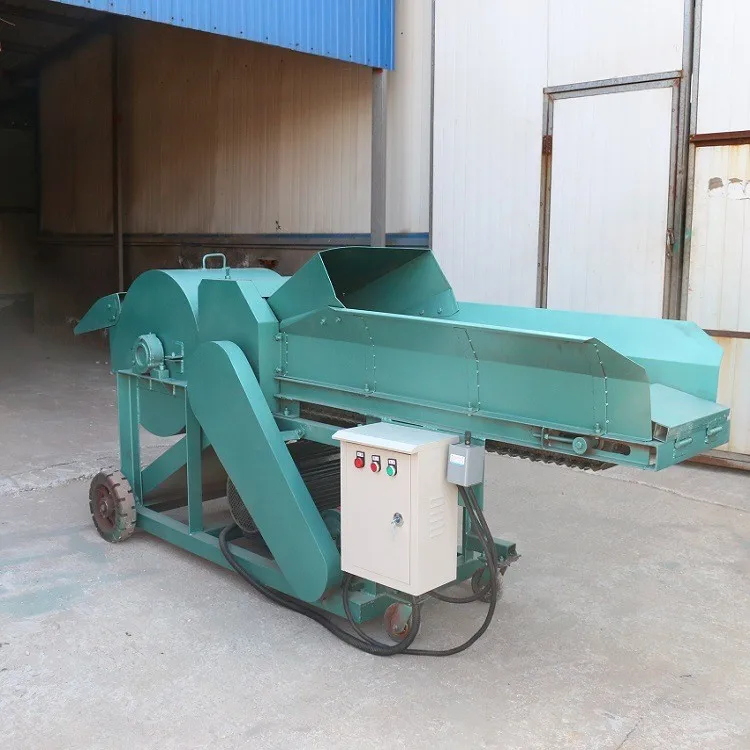
Main Features
1.Grass Chopper Hay Cutting Machine can knead all kinds of crop straws such as cotton and wood straws, fine branches, corn straws, bean straws and sorghum straws.
2.All can process into soft and broken pieces and filaments at one time.
3.This machine can be used for paper making, feed, organic fertilizer, environmental protection,energy processing, animal husbandry and other industries.
4.Material length can be adjusted according to gear shift.
Details Image

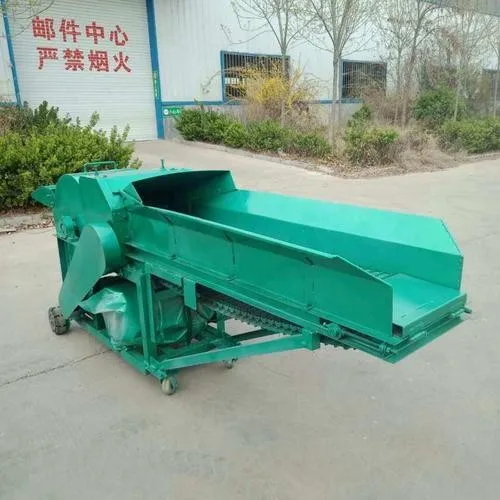
Machine Advantages:
1. The animal husbandry hoe grass silk machine is reasonable in design, easy to operate, sturdy and durable.
2. After the straw is cut and pulverized, the contact area between the microorganisms and the grass in the rumen of the ruminant is increased, which is beneficial to the degradation fermentation, thereby improving the utilization rate of straw digestion.
3. At the same time, the straw and forage are chopped and twisted into filaments, which improves the palatability and utilization of the feed. Both the motor and the diesel engine can be powered.
Machine Parts
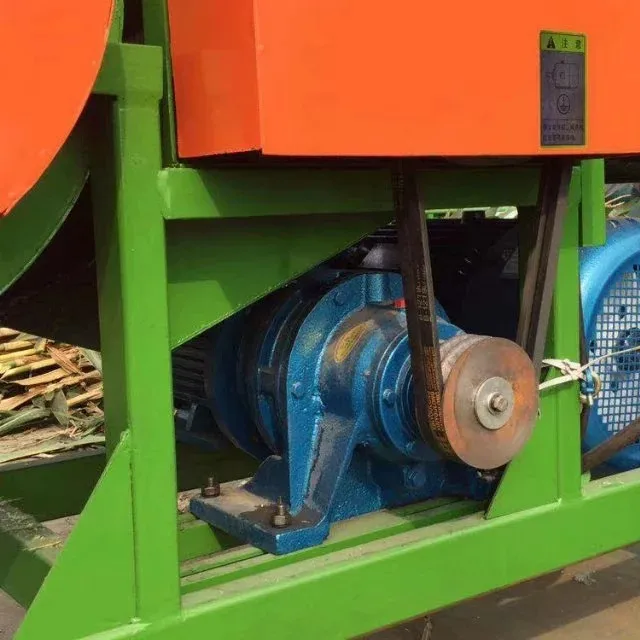
Machine Motor
Name: Electric
Brand:Siemen ,China Brand
Original: Germany
Domestic famous engines,
Accept Cuztomized Voltage
China voltage 3 Phase,380 V/50ZH
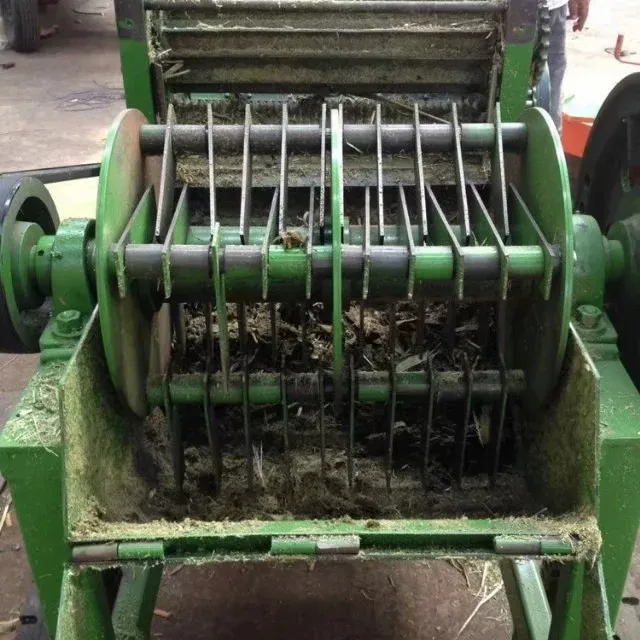
Crushing Chamber
Name: Hammer Blade
Function: Crushing
Make the feeding material like ,straw,green(dry)Corn stalk,grass ,bean straws and sorghum straws.into small size.
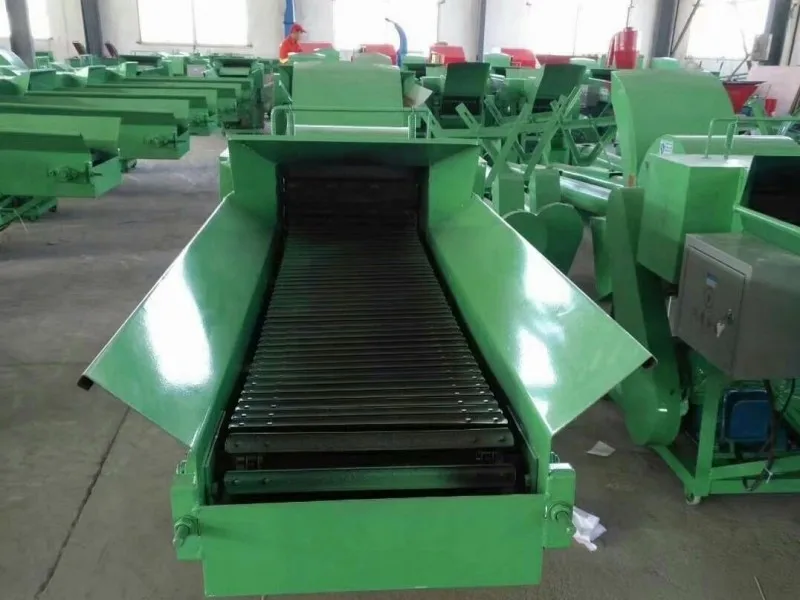
Machine Feeding
Name:Conveyor feeding
Brand: chain belt
Function: delivery material into machine
Machine adopt conveyor feeding ,put material on conveyor.
self feeding into crushing chamber.
Finished Product
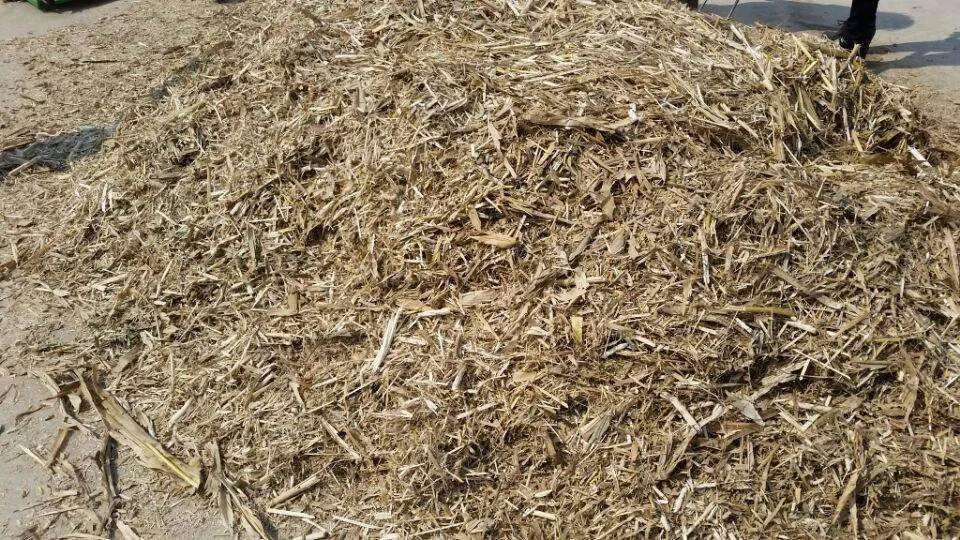
Feature: crushed grass ,stalke more soft than chaff cutter
Material: Dryer or wet ,fresh grass,cornstalk
Final size: adjusted according to gear shift
No induration, soft to improve the palatability of cattle and sheep forage, raising the forage Of the feed utilization.
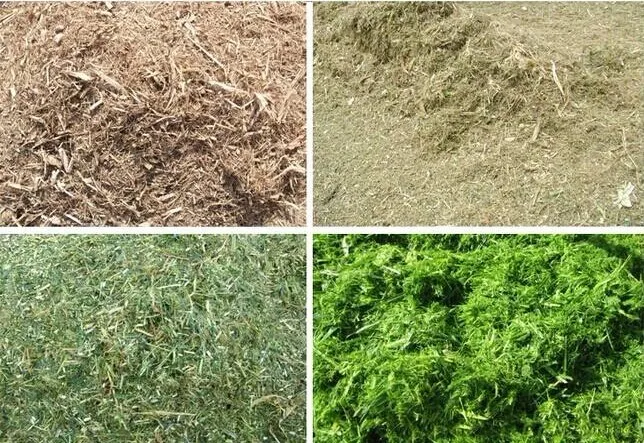
More soft like Silk
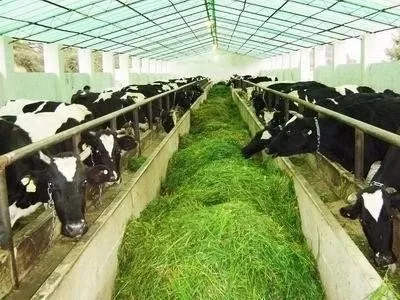
Working Site

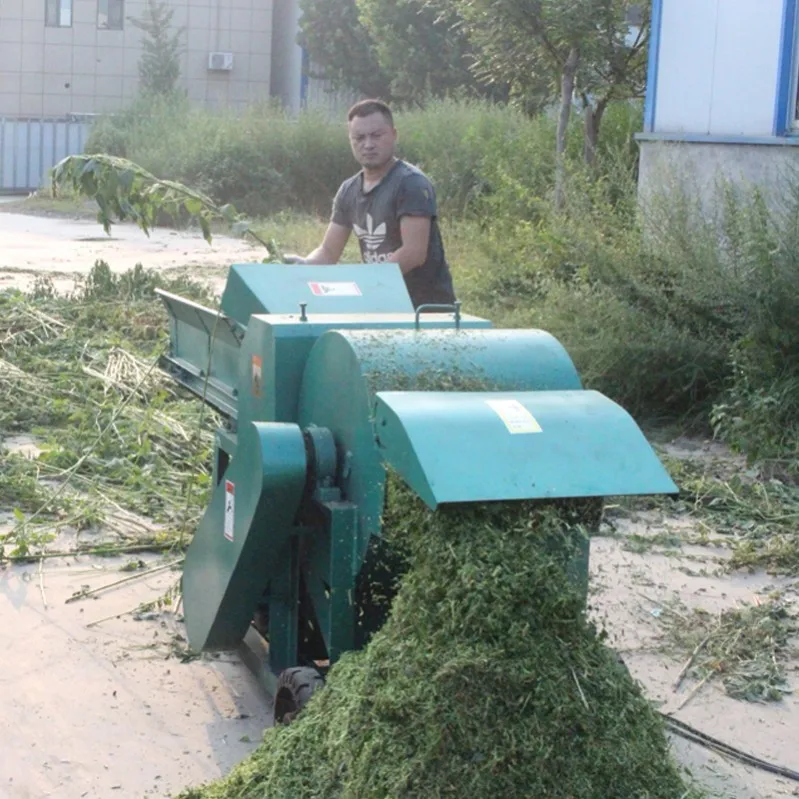
Operation
1Person operation, Electric Drive.
More soft,Easy to digest, better for animal feed
- Shipping Timeframes: All orders are processed within 2-5 business days (excluding weekends and holidays). After your order has been processed, the estimated delivery time is before 09 Aug, 2026, depending on customs, Please note that due to high demand, some items may experience longer shipping times, which will be communicated at order confirmation email.
- Order Processing Time: Please allow 2-5 business days for us to process your order before it is shipped . Orders placed after 16:00 on Fridays, or during weekends and public holidays, will begin processing on the next business day. Processing times may be extended during peak seasons or sales events.
- Manufacturing Time: Some products needs manufacturing time, the manufacturing process will take approximately 10-30 business days depending on the product. This timeframe may vary depending on the complexity of the product and current demand. but this will be communicated with you during order confirmation.
- Returns and Exchanges: We offer a 30-day return policy for most items. If you are not completely satisfied with your purchase, you may return it within 30 days of receipt for a refund or exchange. Items must be unused, in their original packaging, and accompanied by proof of purchase. Return shipping costs are the responsibility of the customer, unless the item was damaged or defective upon arrival.
1. What materials can the Corn straw silage chopper process?
It can chop and pulverize crop straws and forages including corn stalks, grass, bean straw, cotton stalks, sorghum straw, fine branches and other fibrous materials. It produces soft filaments suitable for feed, organic fertilizer, paper-making and other uses.
2. What is the machine's processing capacity?
Capacity depends on model and material moisture/density. General range is 0.3 to 8 tons per hour. Standard models are RS-3 (≈3 t/h), RS-6 (≈6 t/h) and RS-10 (≈10 t/h). Actual throughput varies with feed type and settings.
3. What power options are available?
The machine can be powered by a diesel engine or an electric motor. Model power ratings listed are RS-3: 7.5 kW, RS-6: 15 kW, RS-10: 22 kW. Domestic and international engine/motor brands (for example Siemens) are available; voltage and engine selection can be customized.
4. How many blades does the machine have and are they replaceable?
Blade counts vary by model: RS-3 has 32 blades, RS-6 has 40 blades, RS-10 has 48 blades. Blades (hammer blades) are replaceable and can be resharpened or replaced as part of routine maintenance.
5. Can I adjust the final particle length/size?
Yes. Final material length/size is adjustable—typically by changing gear settings and blade configuration—so you can obtain the desirable cut length for different animals or downstream processes.
6. Is the machine suitable for both dry and wet materials?
Yes. It can process both dry and fresh (wet) forage and straw. The machine is designed to produce soft, non-indurated output that improves palatability and digestibility.
7. How many operators are required and how easy is it to operate?
The machine is designed for one-person operation and features a user-friendly design that reduces the need for extensive training. It uses conveyor self-feeding to deliver material into the crushing chamber.
8. What safety features and precautions should I follow?
Follow standard machinery safety: keep guards and covers in place, use an emergency stop if fitted, disconnect power or stop the engine before servicing, keep hands and loose clothing away from feed inlets and rotating parts, and wear appropriate PPE (gloves, eye protection, hearing protection). Ensure a trained operator runs the machine.
9. What routine maintenance is required?
Regular checks include: inspect and tighten blades and fasteners, sharpen or replace blades when dull, lubricate bearings and moving parts per schedule, inspect conveyor belts and chain drives for wear and tension, clear material buildup, and check engine/motor oil and filters. Frequency depends on usage hours and material abrasiveness.
10. Can the machine be customized (color, voltage, engine brand)?
Yes. Color, voltage (for electric models) and engine/motor brand can be customized according to client requirements. Contact the supplier for available options and lead times.
11. What are the common applications for the finished product?
Chopped output is used as livestock and poultry feed (improving palatability and digestibility), raw material for organic fertilizer, fiber for paper making, and feedstock for bioenergy and environmental processing.
12. How do I choose the right model for my farm?
Choose based on your daily processing requirement, material type, and available power source. For small farms a lower-capacity model (RS-3) may suffice; medium to larger operations should consider RS-6 or RS-10. Discuss expected throughput and material moisture with the supplier for a precise recommendation.
13. Are spare parts and service available?
Spare parts such as blades, belts, bearings and engine parts are generally available from the manufacturer or distributor. Service and technical support availability varies by supplier—confirm warranty, spare part policy and after-sales support at purchase.
14. What installation and site requirements are needed?
Provide a flat, stable foundation with adequate space for feeding, operation and maintenance. Ensure access to the correct electric supply (if electric) or fuel and ventilation (if diesel). Also allow space for material infeed conveyors and finished product handling.
15. What if I need a performance estimate for a specific material?
Throughput and fuel/power consumption depend on material type, moisture, and desired cut size. Provide sample material details or request a test demonstration from the supplier so they can estimate actual capacity and power/fuel needs.
Latest Order Arrivals
Discover our latest orders

12 Heads Embroidery Machine

Toilet Paper Machine Machine

Order Collection

Cross Border Clients

Order cros border countries Collected

Industrial Machine Cllection

Agriculture Processing Machines

Ready for collection

Water Pump Equipment

Packaging Machine and accessories

Fabrics Manufacturing Equipment

Mining Equipments

Food Processing Machine

Batch of Orders

Batch of Orders

Latest Orders Labelled

wheel alignment machines

new arrivals

Pre Orders Offloading

Latest Arrivals

Latest Arrivals

Latest Arrivals

Loading

Toilet paper making machine

Toilet paper making machine

Toilet paper Rewinding Machine

latest arrivals

offloading

order success

order collection

order offloading