B21, China Town Mall, Midrand

Container Bbq Restaurant Bar Fast Food Pizza Trailer Mobile 20ft 40ft Commercial Container Kitchen
Asset finance available
Do you want funding for this equipment?
Afrimart can connect you with trusted funding partners who specialise in asset finance for businesses like yours. Compare options and apply in minutes — final approval is subject to provider review.
Check funding options
Secure & no obligation

- Section : Consumer Electronics
- Category : Food Trucks
- SKU : 1600560888030

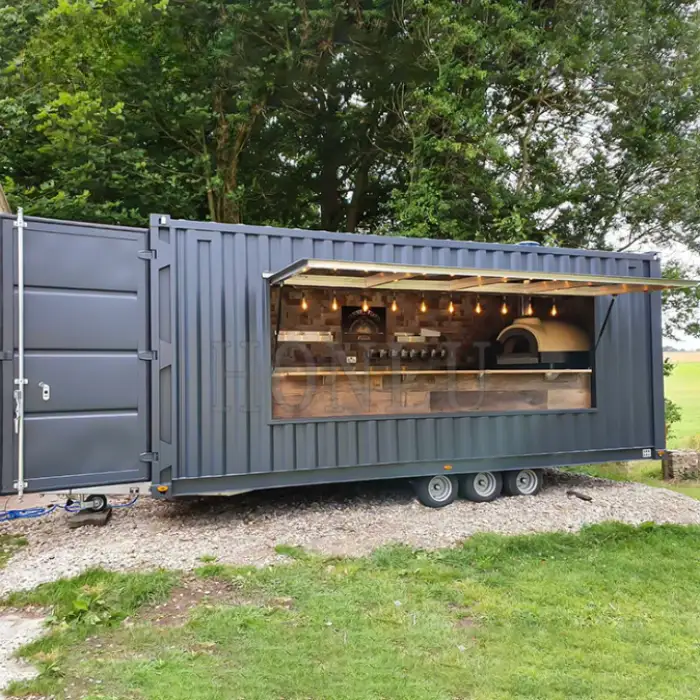
Container BBQ Restaurant Bar Fast Food Pizza Trailer Mobile 20ft 40ft Commercial Container Kitchen
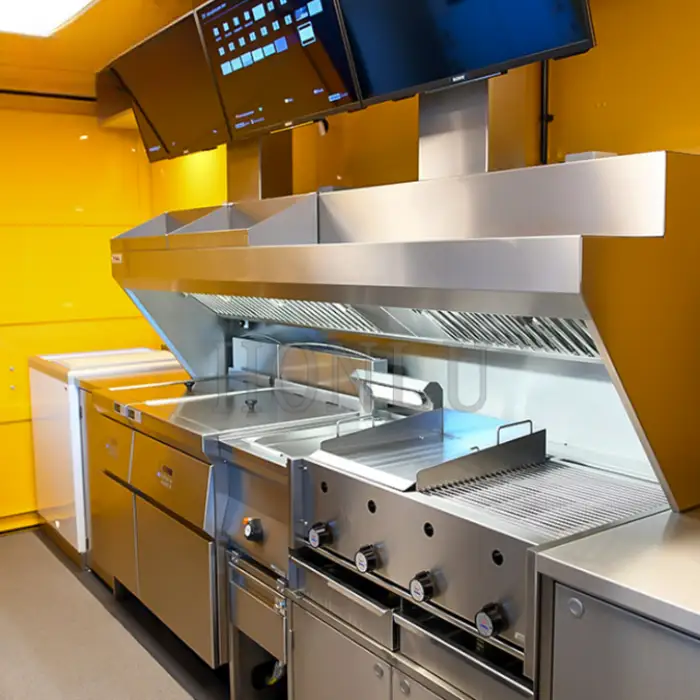
The Container BBQ Restaurant Bar Fast Food Pizza Trailer is the perfect solution for your mobile food business. This versatile container kitchen is designed for entrepreneurs who want to serve delicious food on the go. Made from high-quality materials, it offers both durability and style. Whether you are cooking up hotdogs, pizza, or ice cream, this trailer has everything you need to succeed.
Specifications
| Attribute | Details |
|---|---|
| Type | Towable food trailer |
| Material | Stainless Steel, Fiberglass, Galvanized Sheet, Aluminum |
| Wheel | 6 |
| Voltage | 110V/220V/380V |
| Machinery Capacity | Varies |
| Power | 1.5-30kw |
| Weight | 1200kg, 1600kg |
| Color | Customized Color |
| Function | Multifunctional |
| Advantage | Long Service Life |
Key Features
- High-quality stainless steel for easy cleaning.
- Customizable colors to fit your brand.
- Spacious interior for cooking and food prep.
- Multifunctional design to serve various foods.
- Durable construction for long-lasting use.
Applications
- Food trucks and mobile kitchens.
- Restaurants and fast food shops.
- Catering for events and parties.
- Serving snacks like chips and hotdogs.
- Advertising and promotional food services.
Product Info Gallery
- Shipping Timeframes: All orders are processed within 2-5 business days (excluding weekends and holidays). After your order has been processed, the estimated delivery time is before 12 Jul, 2026, depending on customs, Please note that due to high demand, some items may experience longer shipping times, which will be communicated at order confirmation email.
- Order Processing Time: Please allow 2-5 business days for us to process your order before it is shipped . Orders placed after 16:00 on Fridays, or during weekends and public holidays, will begin processing on the next business day. Processing times may be extended during peak seasons or sales events.
- Manufacturing Time: Some products needs manufacturing time, the manufacturing process will take approximately 10-30 business days depending on the product. This timeframe may vary depending on the complexity of the product and current demand. but this will be communicated with you during order confirmation.
- Returns and Exchanges: We offer a 30-day return policy for most items. If you are not completely satisfied with your purchase, you may return it within 30 days of receipt for a refund or exchange. Items must be unused, in their original packaging, and accompanied by proof of purchase. Return shipping costs are the responsibility of the customer, unless the item was damaged or defective upon arrival.
1. What sizes are available for this container kitchen?
Standard lengths are 20ft and 40ft. Layouts are configurable within those footprints and additional custom sizes or modular combinations may be available—contact the manufacturer for custom requests.
2. Is this unit towable and what are the towing requirements?
Yes — it is a towable food trailer with six wheels. Towing requirements depend on the model weight and local regulations; you will need an appropriate tow vehicle and any required licenses or permits for towing.
3. What materials is the trailer made from?
The unit is constructed from high-quality materials including stainless steel, fiberglass, galvanized sheet and aluminum — stainless steel is used extensively for easy cleaning in food-prep areas.
4. What electrical options and power capacity are available?
Electrical supply options include 110V, 220V and 380V. Power capacity ranges from approximately 1.5 kW up to 30 kW depending on equipment chosen. Final electrical requirements will depend on your selected appliances; a generator can be added for off-grid operation.
5. What cooking equipment and appliances can be installed?
The design is multifunctional and can accommodate pizza ovens, grills, fryers, refrigerators/freezers, prep counters, sinks, ice cream display units and more. Equipment is customizable based on your menu and workflow.
6. Does the trailer include ventilation and fire suppression systems?
Proper ventilation (exhaust hoods and ducts) and fire suppression are required for commercial cooking. These systems can be provided and integrated to meet local codes—confirm specific code requirements with local authorities and the supplier.
7. How are water and waste handled?
Options include onboard fresh and waste water tanks or direct hookups to mains water and sewer where available. Hot water heaters, sinks and grease trap solutions can be installed to meet health-code requirements.
8. What is the weight of the trailer?
Typical weights listed are around 1200 kg and 1600 kg, but final weight varies with size and installed equipment. Confirm the exact shipping and GVW (gross vehicle weight) with the manufacturer for your specific configuration.
9. Can I customize the exterior color and branding?
Yes — exterior color and branding are customizable so you can match your brand identity. Options include paint, vinyl wraps and signage.
10. How long does it take to build and deliver a custom unit?
Lead times vary with order size and customization level. For accurate production and delivery timelines, request a quote from the supplier—they will provide current lead-time estimates and shipping options.
11. What maintenance is required for the container kitchen?
Routine maintenance includes cleaning stainless-steel surfaces, servicing cooking equipment, cleaning/inspecting exhaust systems and grease traps, checking electrical systems and inspecting wheels/chassis and seals. Regular maintenance will extend service life.
12. Will this unit meet local health and safety regulations?
The unit can be built to comply with commercial kitchen standards, but local health and safety codes vary. You are responsible for obtaining permits and approvals; the manufacturer can supply plan drawings and spec sheets to help with inspections and permitting.
13. Is there warranty or after-sales support?
Warranty terms and after-sales support vary by supplier. Ask the manufacturer or dealer for specific warranty coverage, spare parts availability and service options before purchase.
14. How do I determine the cooking throughput or capacity?
Throughput depends on the equipment selection, kitchen layout and staff workflow. The supplier can help design a layout and recommend equipment to meet target output (meals per hour) based on your menu and expected customer volume.
Latest Order Arrivals
Discover our latest orders
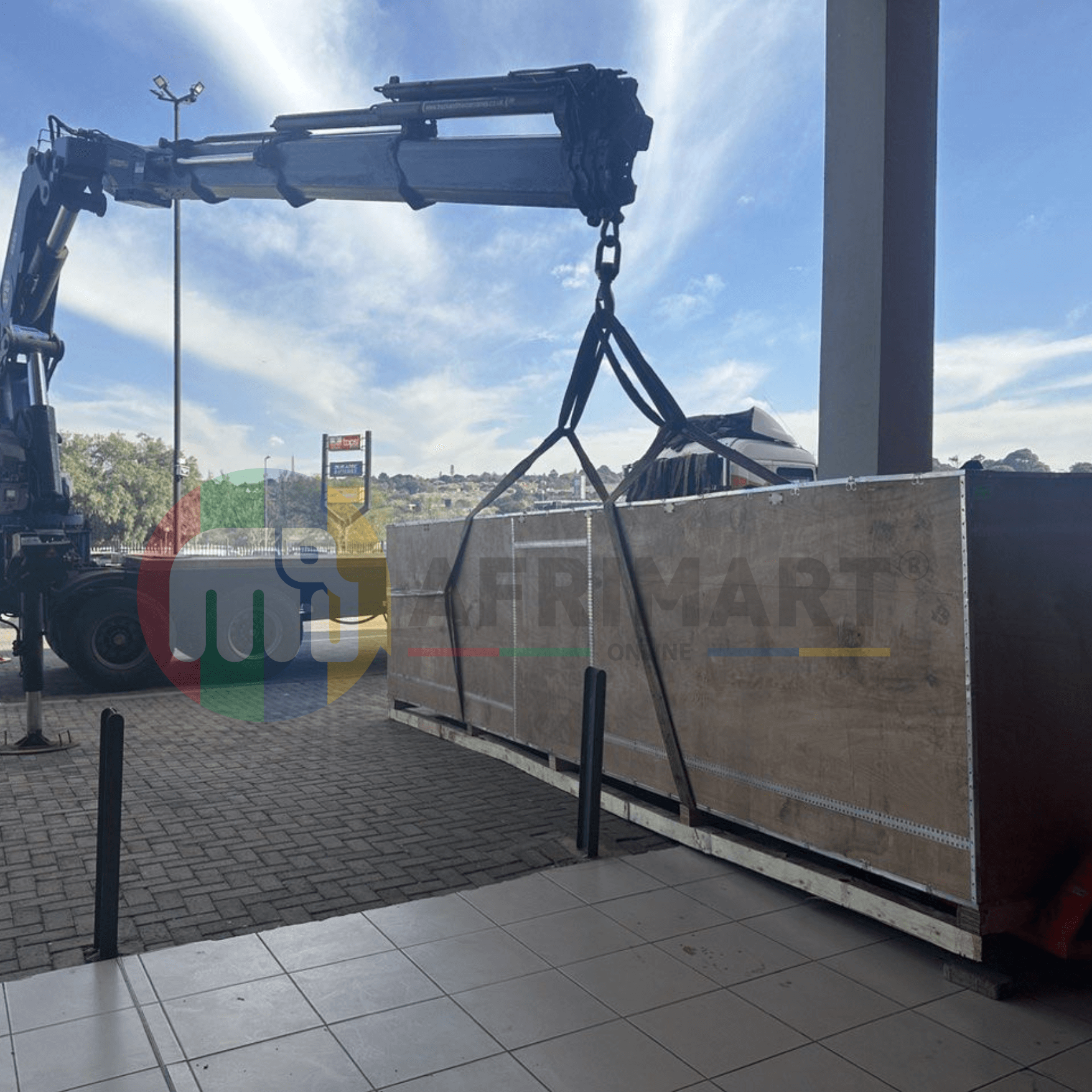
12 Heads Embroidery Machine
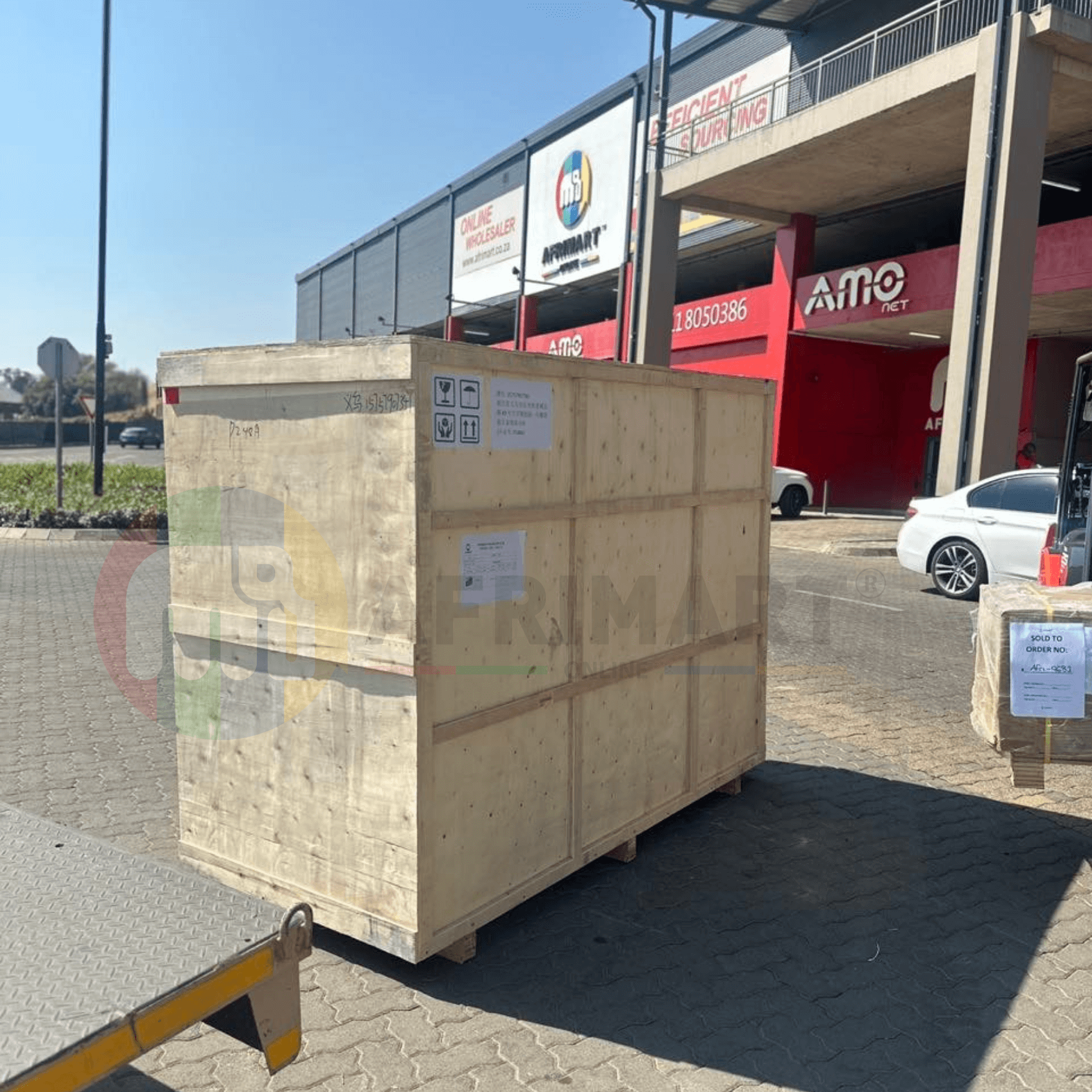
Dewatering Pump Machine
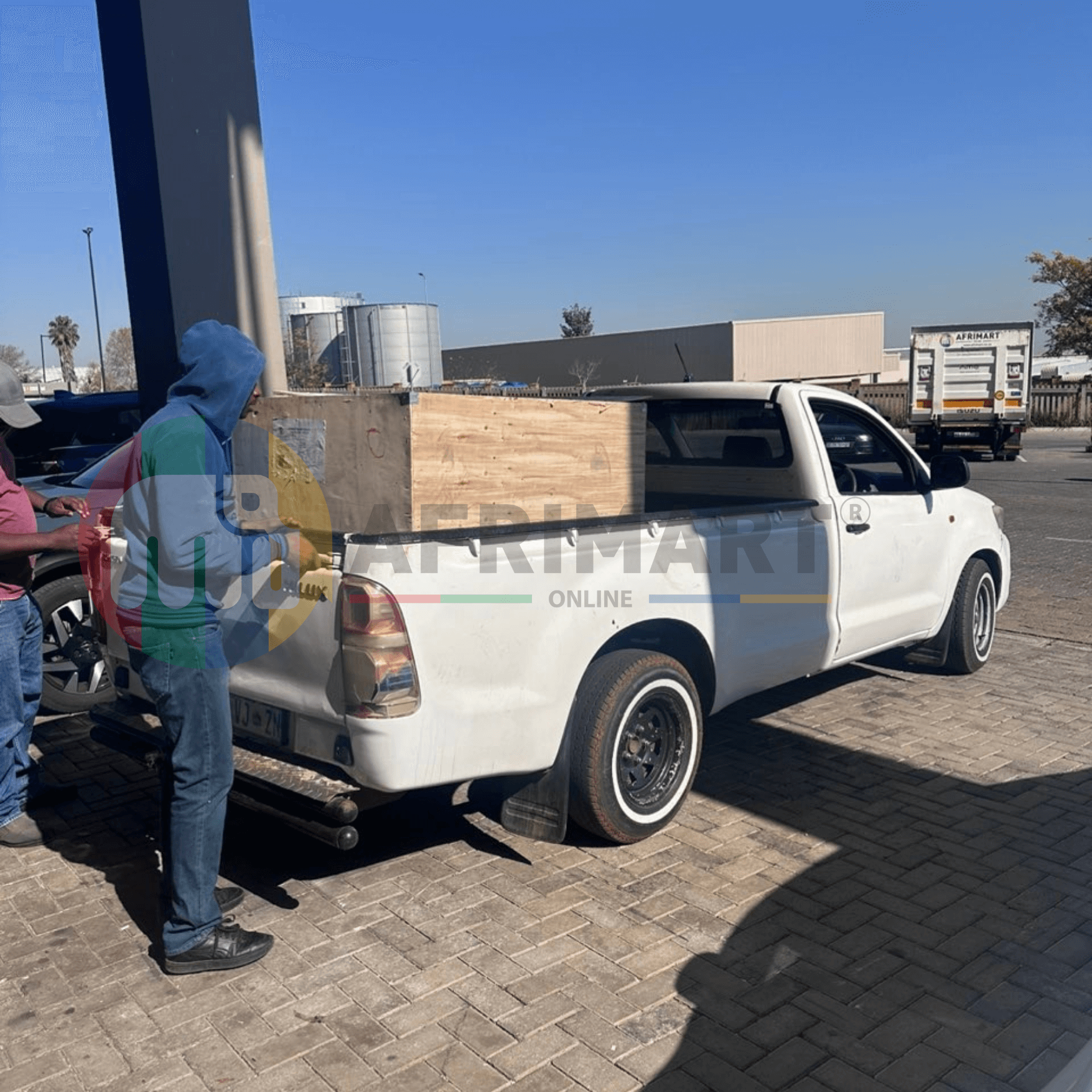
Order Collection
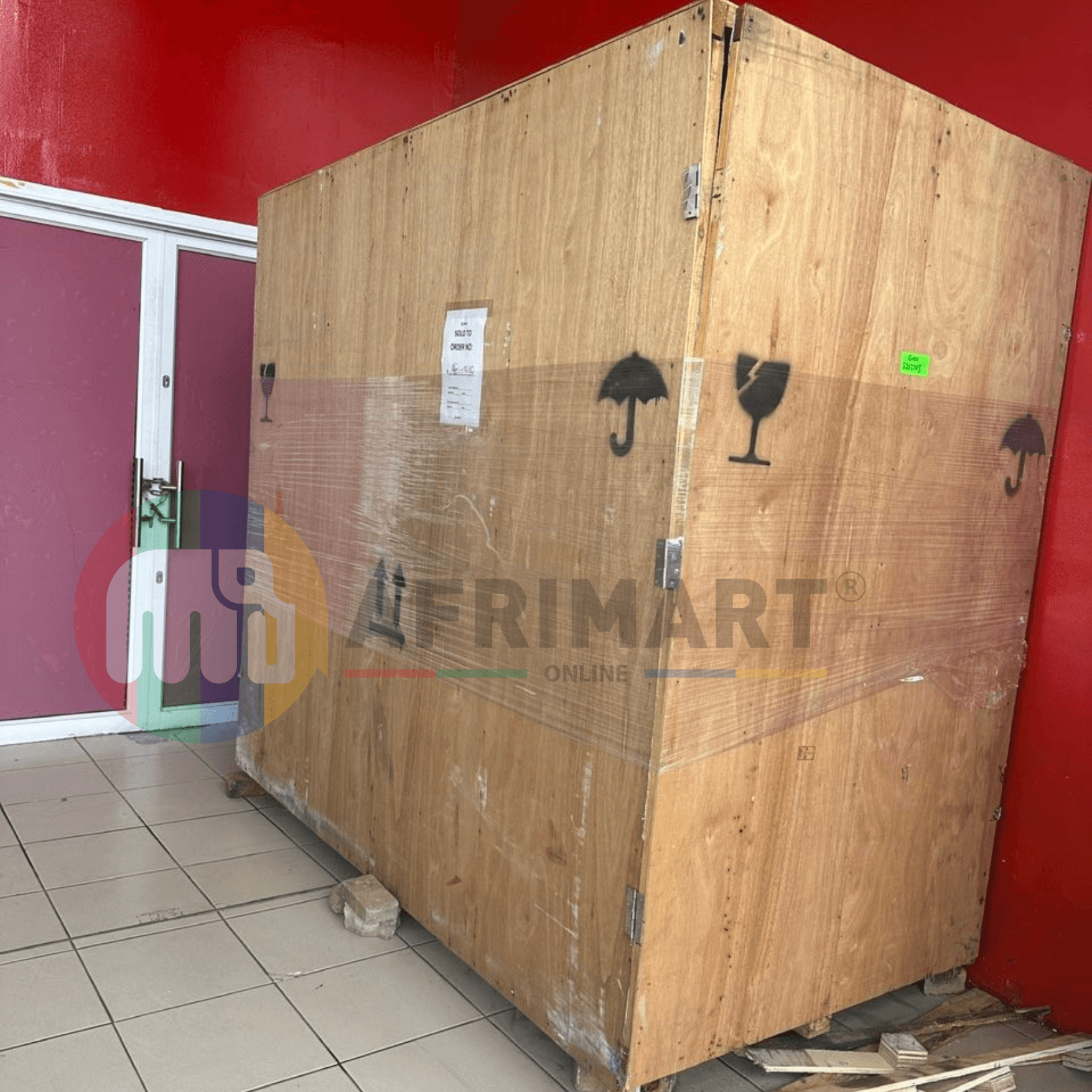
Portable Water Drilling Rig
Order Usefully Collected
Batch of Orders
Agriculture Processing Machines
Meat Grinder Machine
Water Pump Equipment
Packaging Machine and accessories
Fabrics Manufacturing Equipment
Mining Equipments
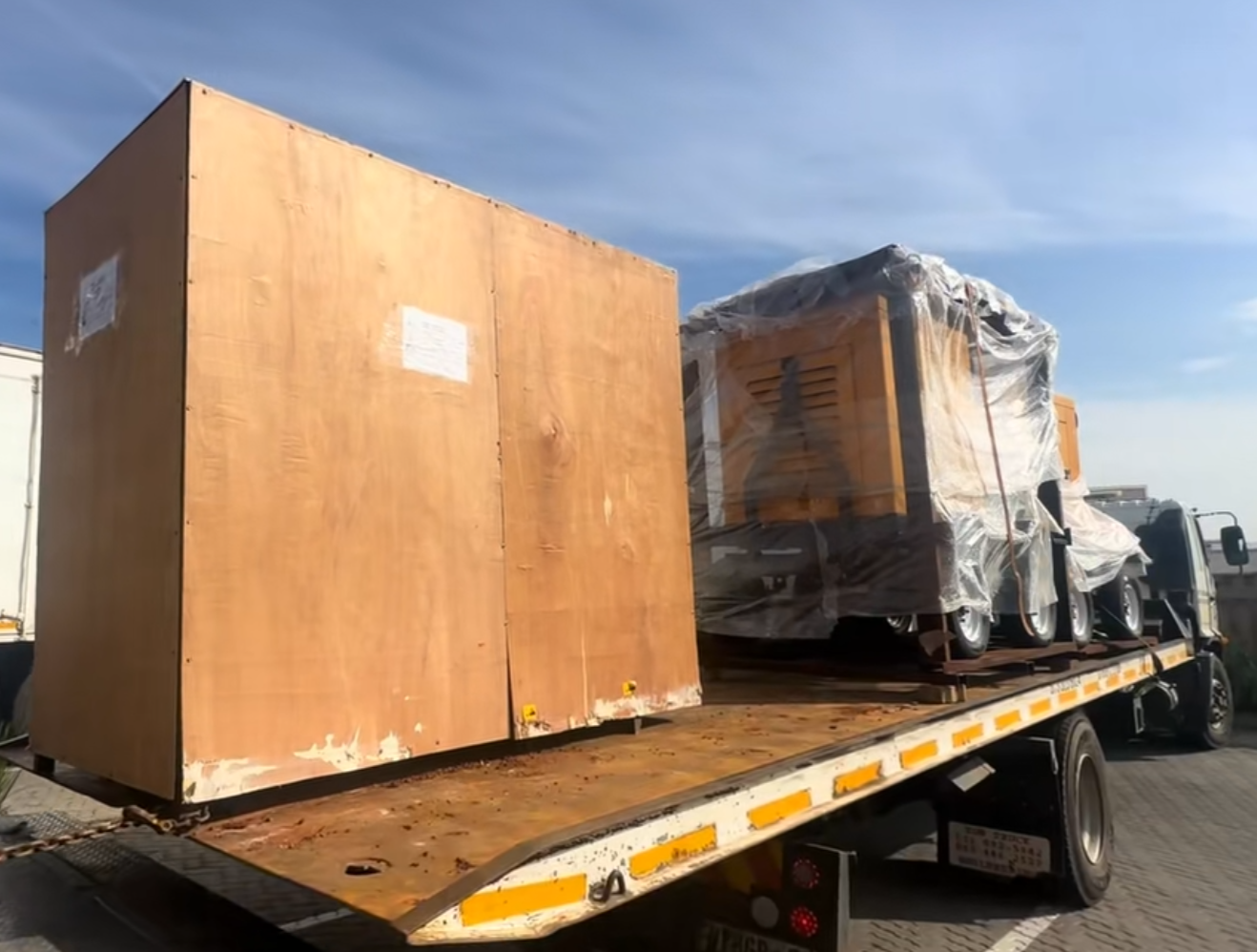
Food Processing Machine
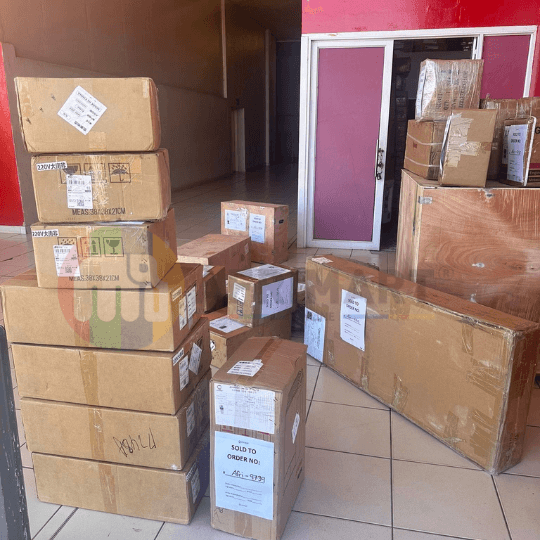
Batch of Orders
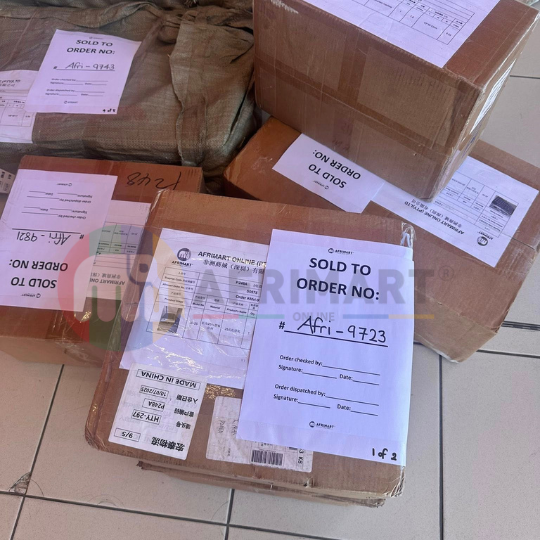
Batch of Orders
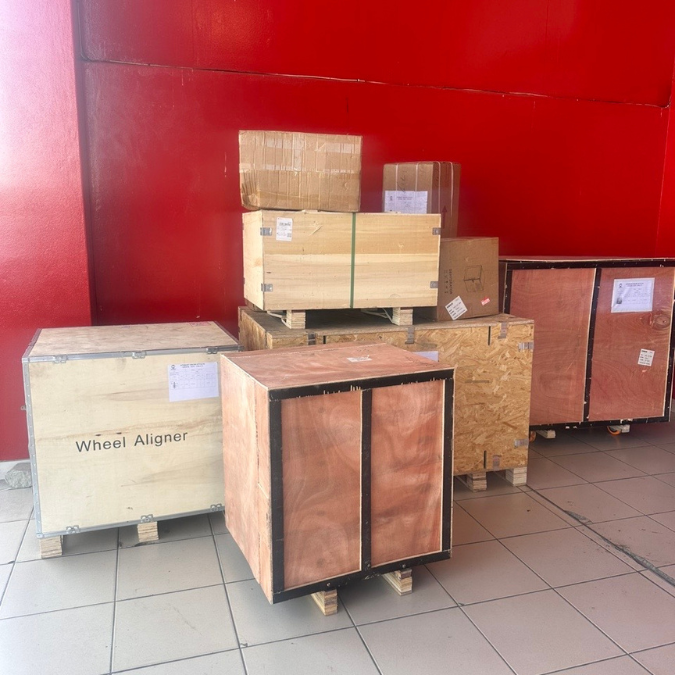
Latest Orders Labelled
wheel alignment machines
new arrivals
Pre Orders Offloading
Latest Arrivals
Latest Arrivals
Latest Arrivals
26 January 2026
Toilet paper making machine
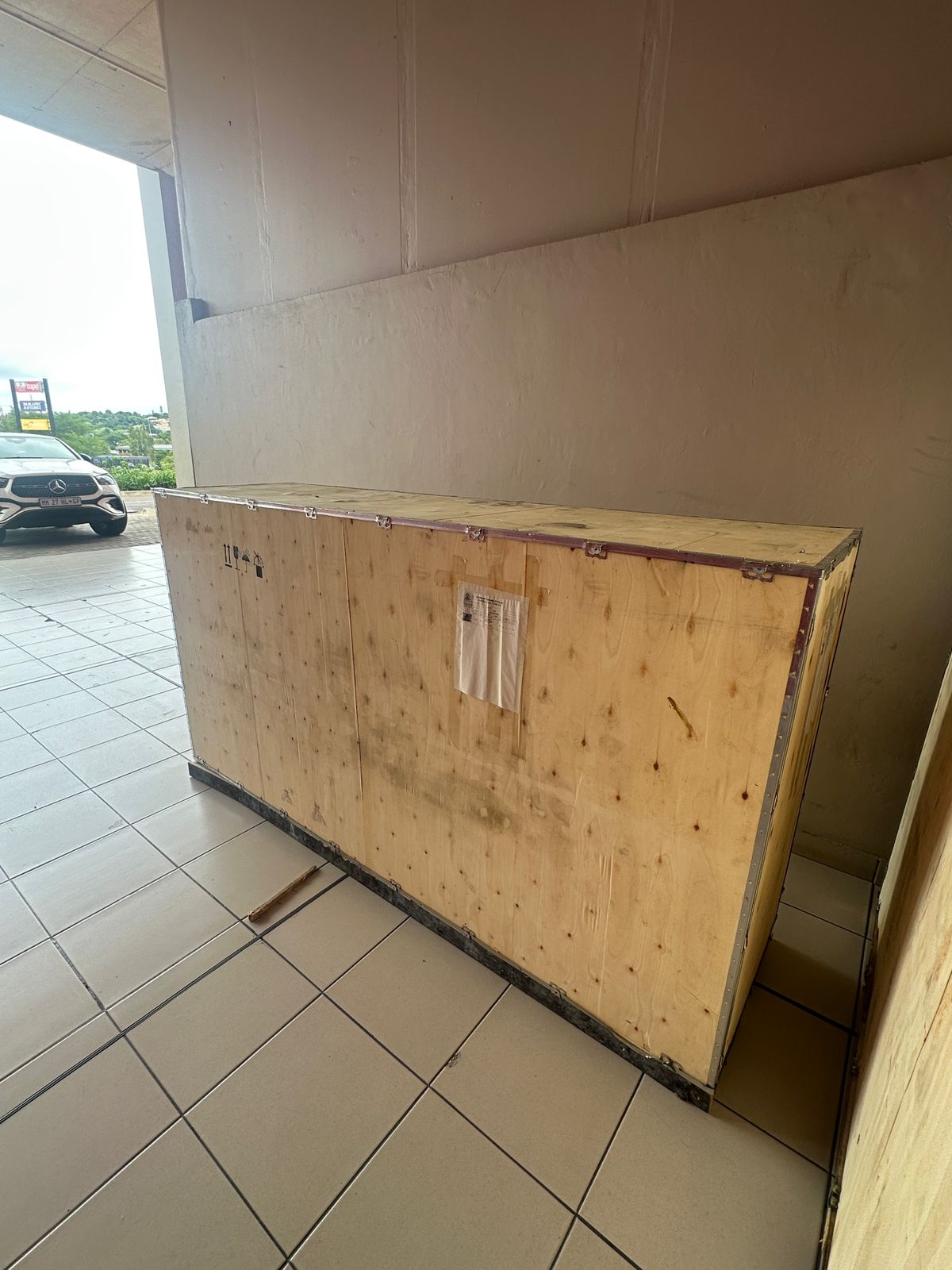
Toilet paper making machine
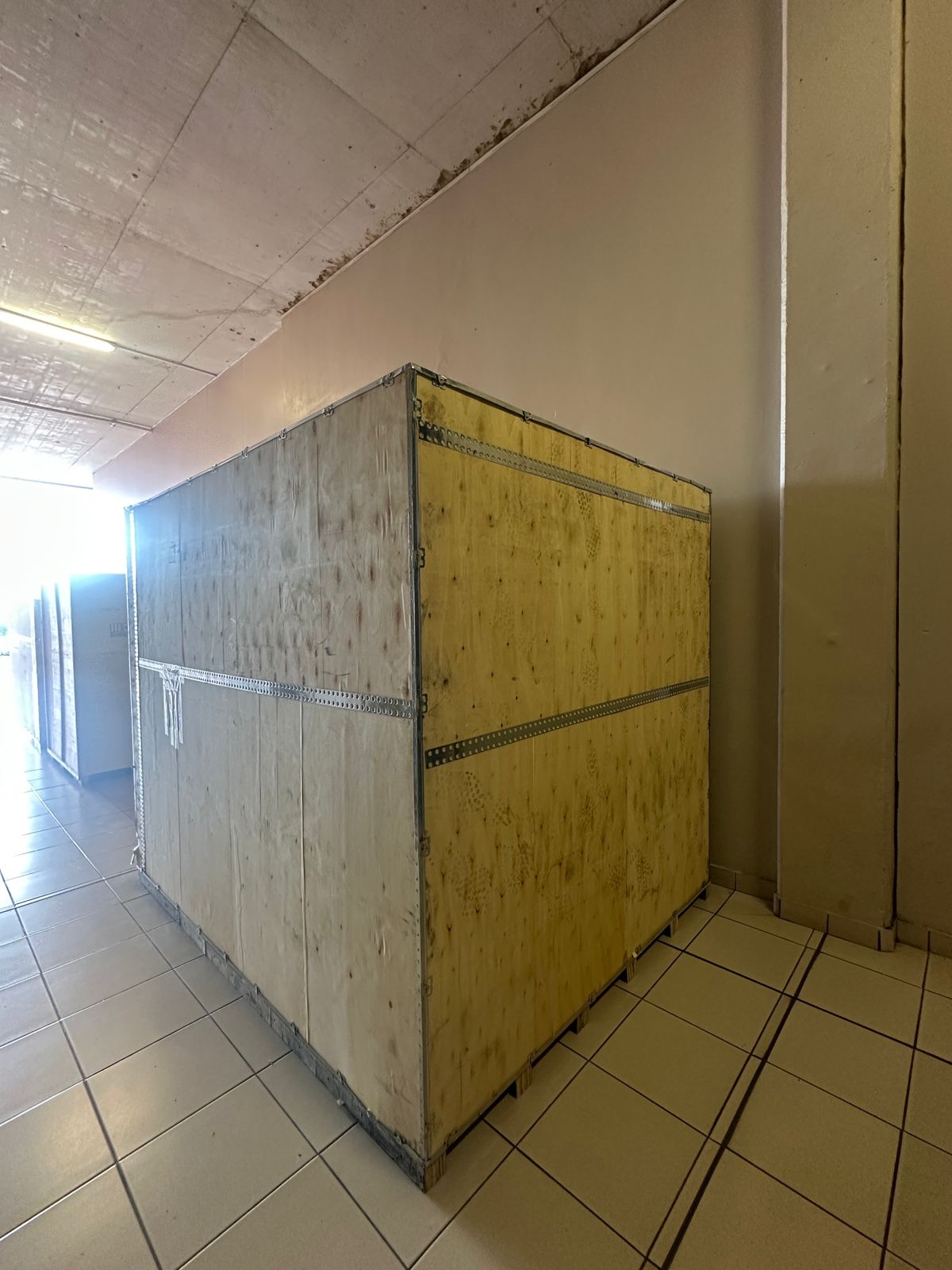
Toilet paper Rewinding Machine
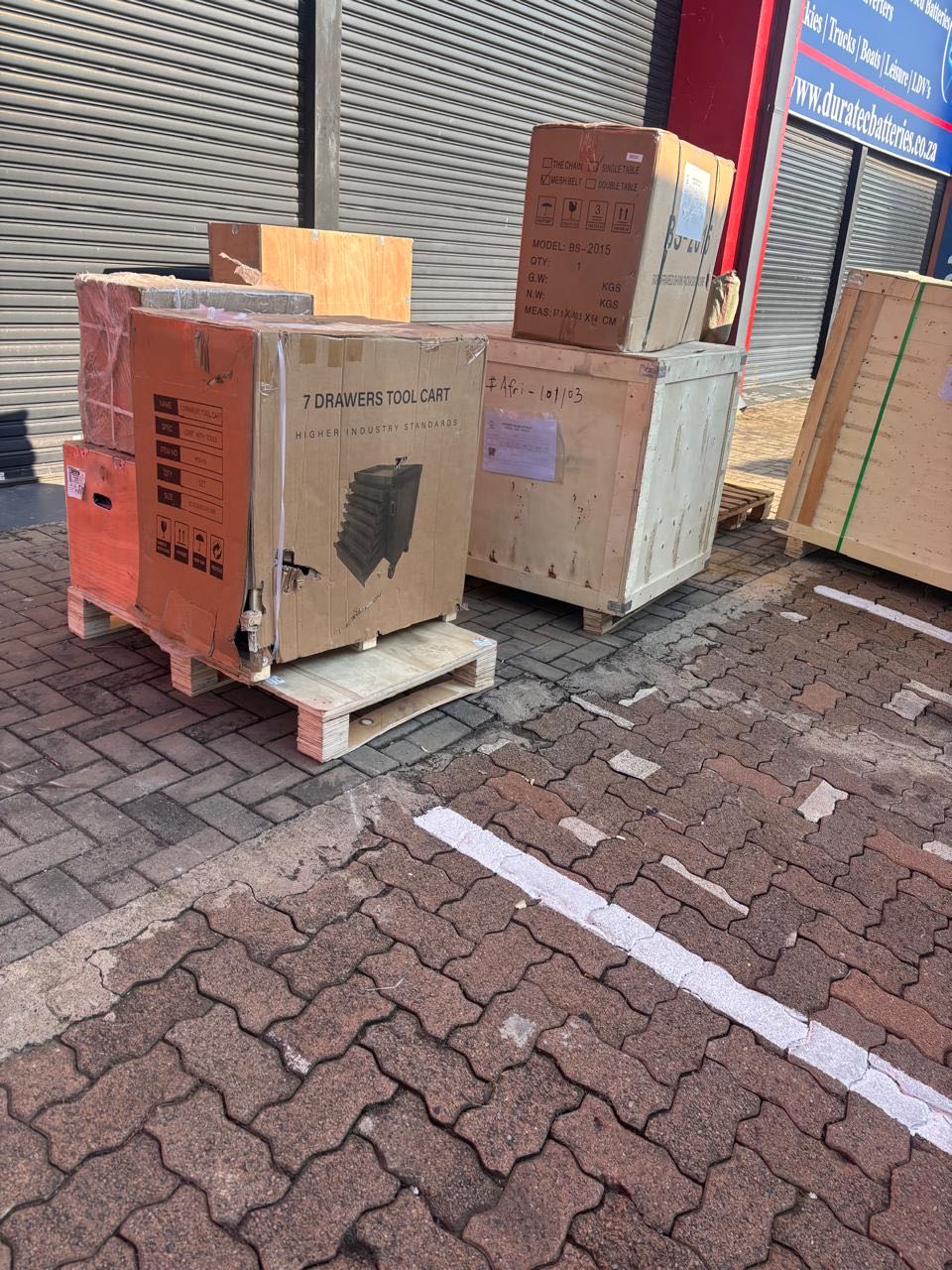
latest arrivals
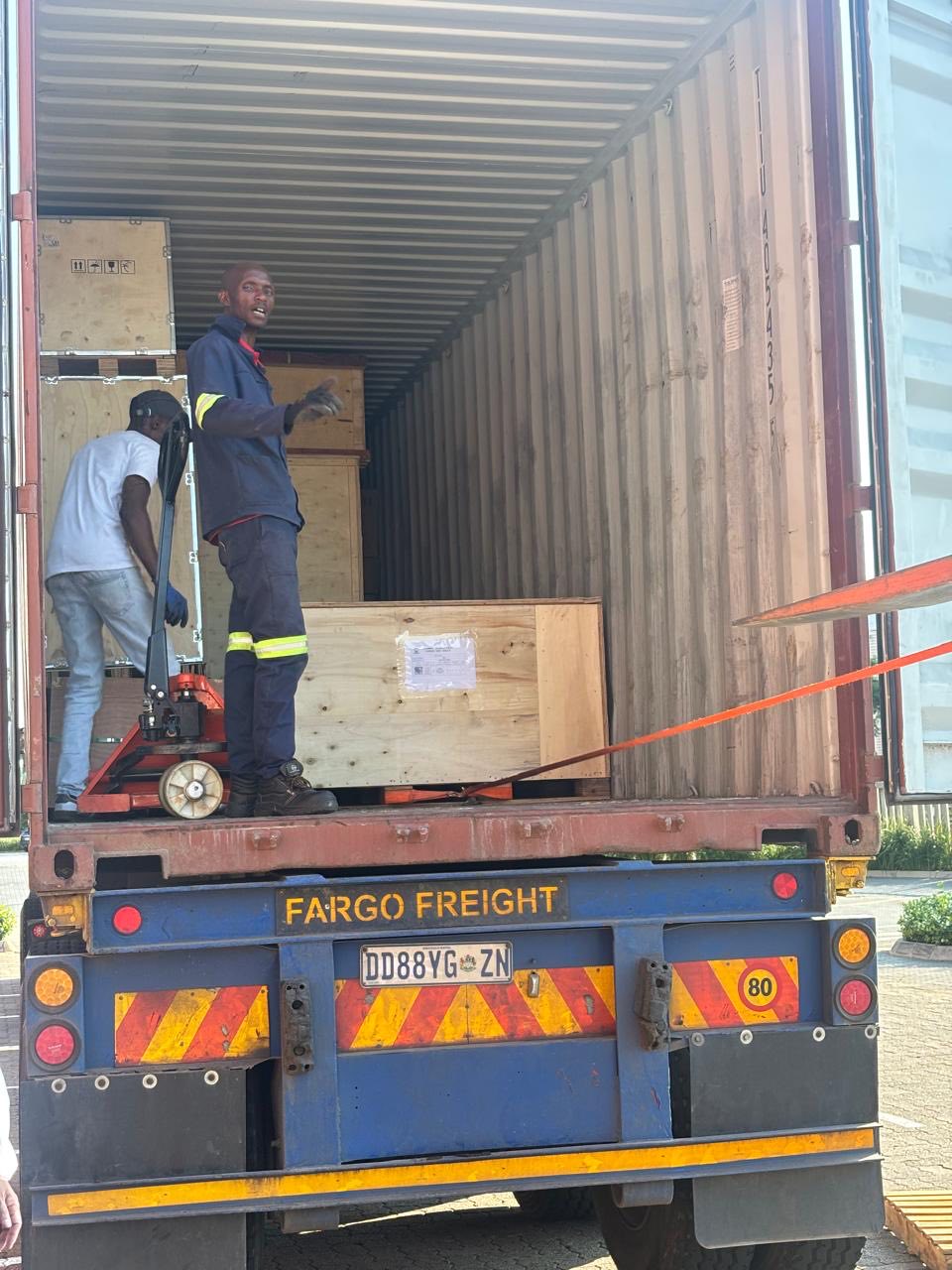
offloading
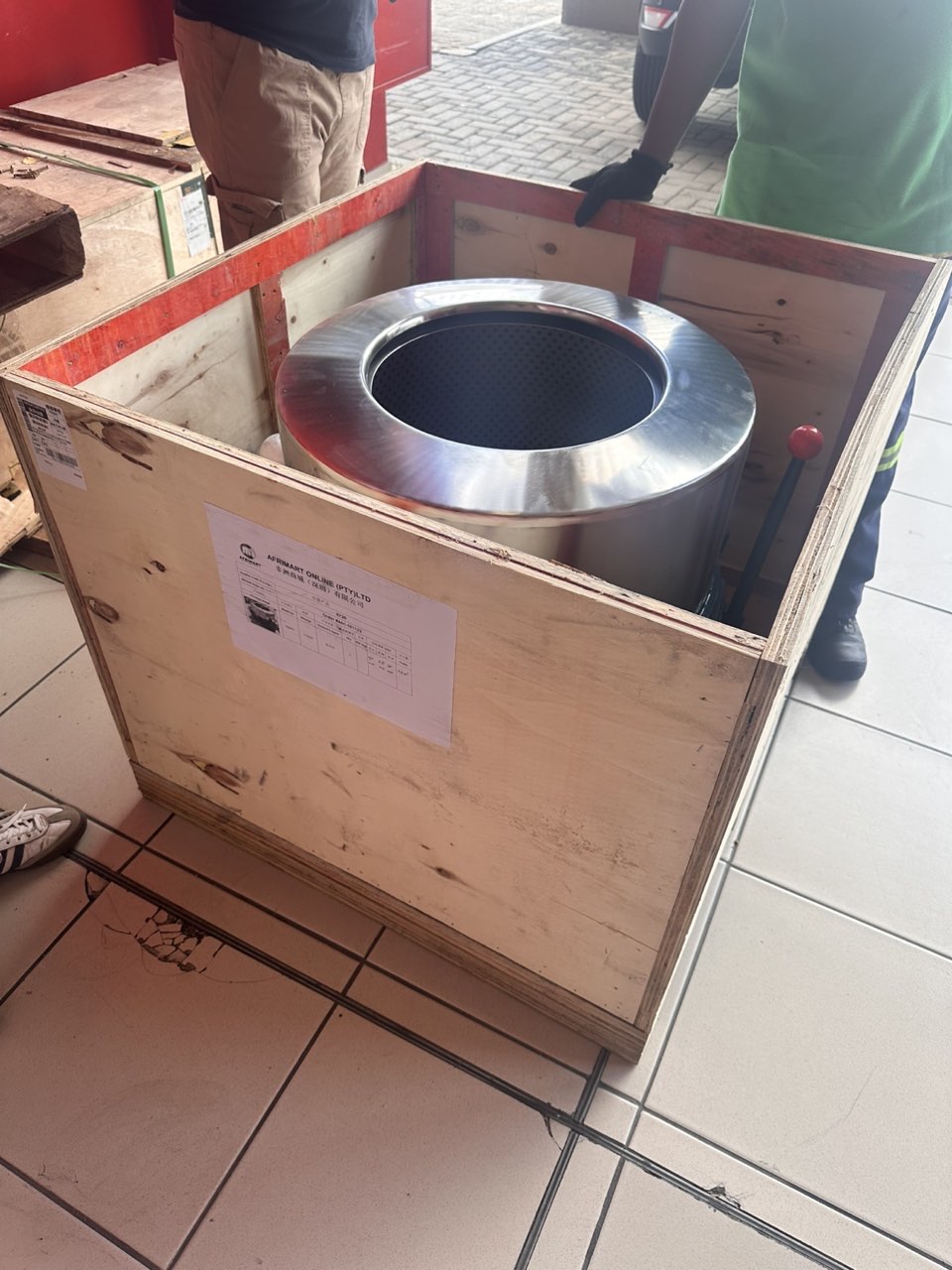
order success
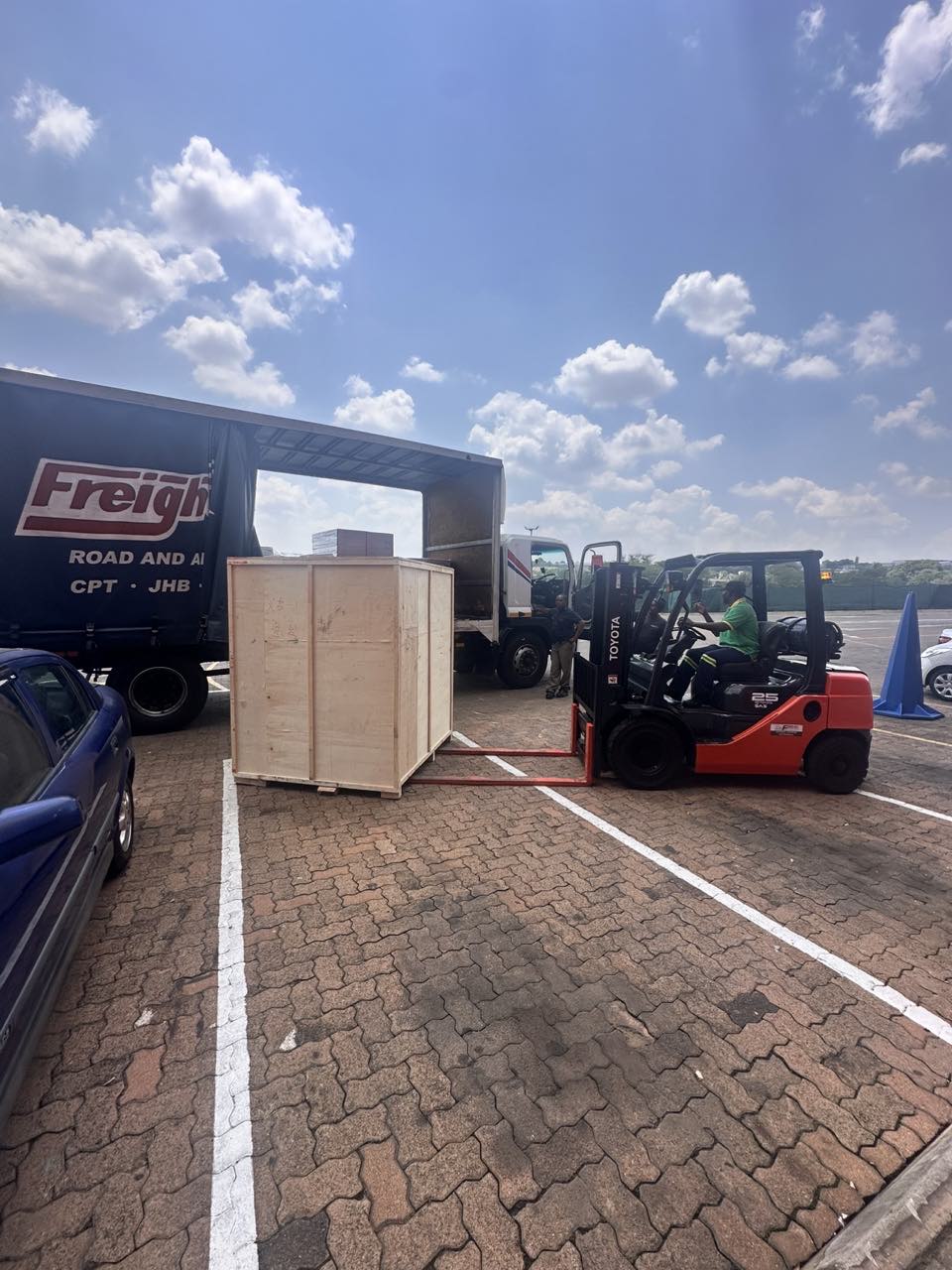
order collection
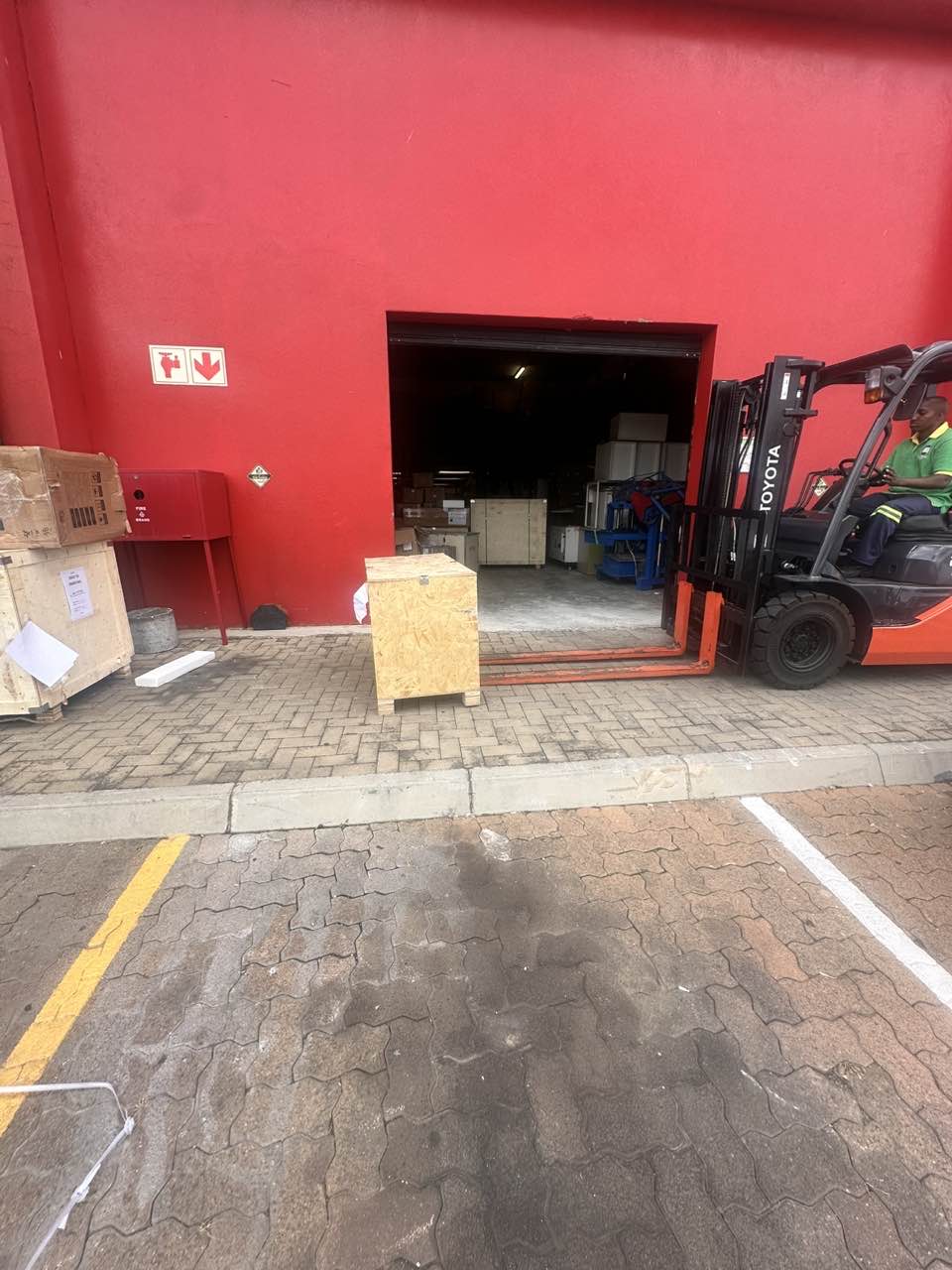
order offloading