B21, China Town Mall, Midrand

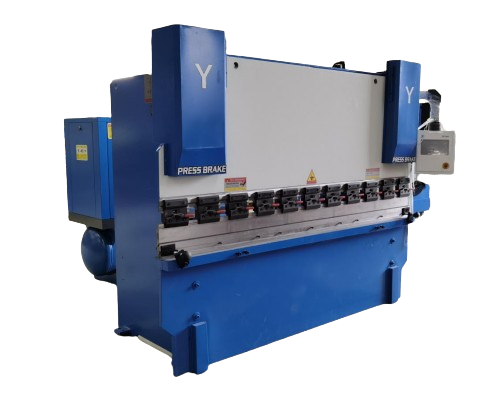
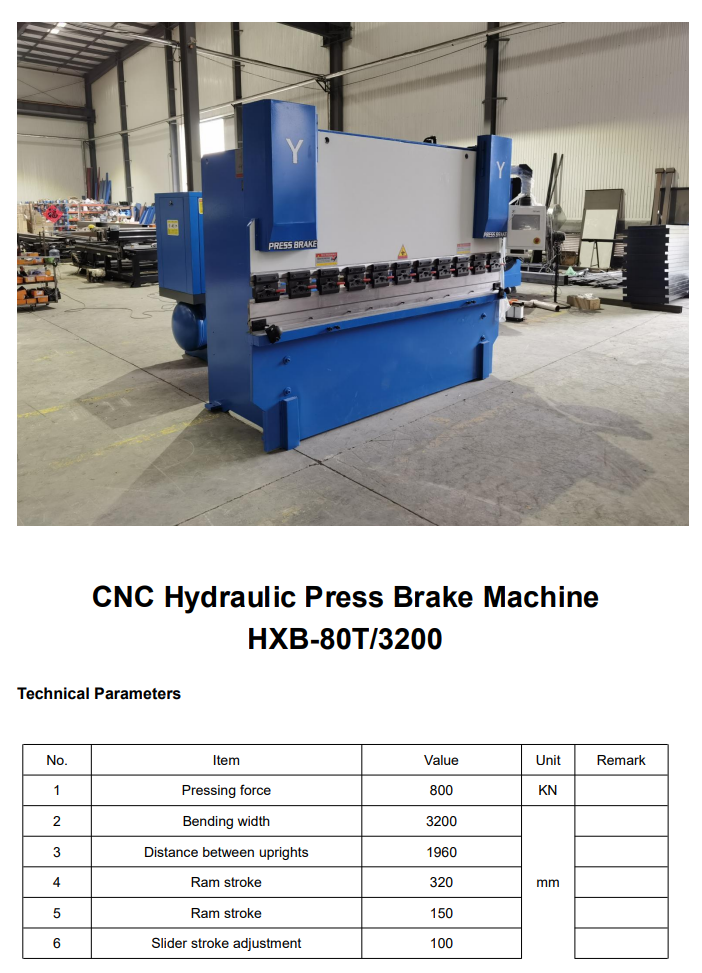
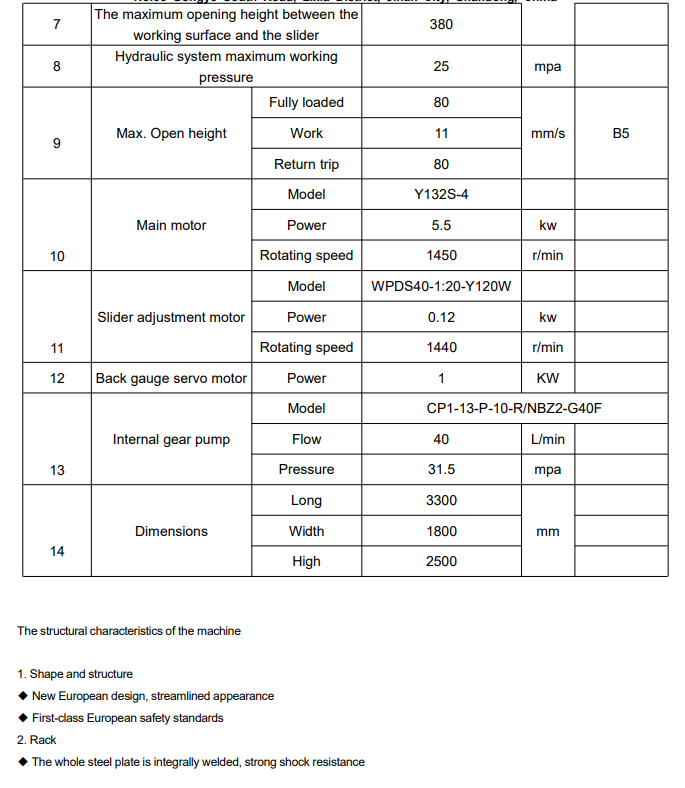
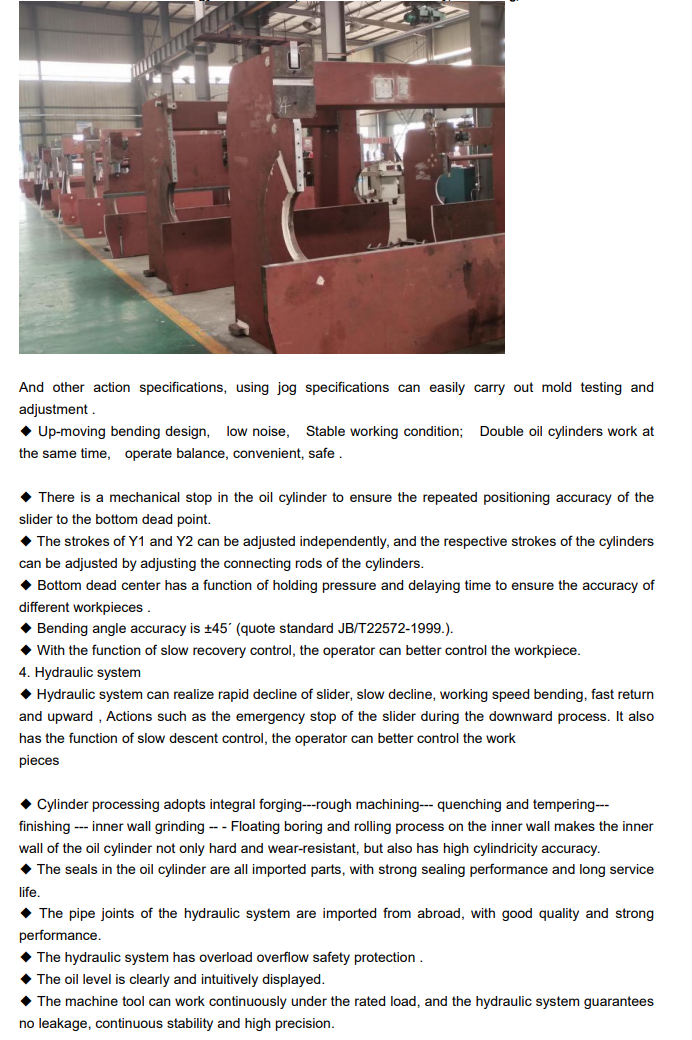
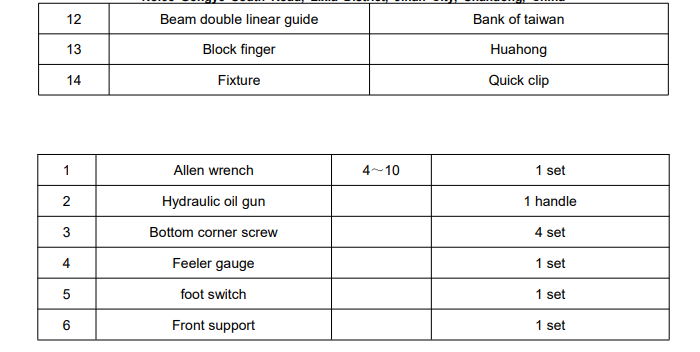
CNC Hydraulic Press Brake Machine HXB-80T/3200
Asset finance available
Do you want funding for this equipment?
Afrimart can connect you with trusted funding partners who specialise in asset finance for businesses like yours. Compare options and apply in minutes — final approval is subject to provider review.
Check funding options
Secure & no obligation
- Section : Machinery
- Category : CNC industrial Machinery
- SKU : 1600742848535

Product Description
- Shipping Timeframes: All orders are processed within 2-5 business days (excluding weekends and holidays). After your order has been processed, the estimated delivery time is before 09 Aug, 2026, depending on customs, Please note that due to high demand, some items may experience longer shipping times, which will be communicated at order confirmation email.
- Order Processing Time: Please allow 2-5 business days for us to process your order before it is shipped . Orders placed after 16:00 on Fridays, or during weekends and public holidays, will begin processing on the next business day. Processing times may be extended during peak seasons or sales events.
- Manufacturing Time: Some products needs manufacturing time, the manufacturing process will take approximately 10-30 business days depending on the product. This timeframe may vary depending on the complexity of the product and current demand. but this will be communicated with you during order confirmation.
- Returns and Exchanges: We offer a 30-day return policy for most items. If you are not completely satisfied with your purchase, you may return it within 30 days of receipt for a refund or exchange. Items must be unused, in their original packaging, and accompanied by proof of purchase. Return shipping costs are the responsibility of the customer, unless the item was damaged or defective upon arrival.
1. What does HXB-80T/3200 mean?
HXB indicates the model series; 80T denotes the nominal bending capacity of 80 tons; 3200 indicates the maximum working length of 3,200 mm (3.2 meters).
2. What types of materials can this press brake bend?
It can bend common sheet metals such as mild steel, stainless steel, and aluminium. Maximum material thickness depends on material type and profile — consult the tooling chart or factory for exact thickness limits.
3. What CNC control systems are available on this machine?
The machine is typically offered with industry-standard CNC controllers for automatic angle and position control. Exact models and features (e.g., touch screen, backgauge axes) vary by configuration — confirm with the supplier.
4. What tooling does the HXB-80T/3200 use and is it compatible with standard tooling?
It uses press brake punches and dies; many machines accept standard European or American tooling systems. Tooling type and clamping method depend on the machine bed and can be specified at order.
5. How accurate and repeatable are the bends?
Accuracy and repeatability depend on CNC control, backgauge precision, tooling, and setup. Typical repeatability for modern CNC hydraulic press brakes is within ±0.1–0.5 mm; consult the manufacturer’s technical sheet for certified accuracy.
6. What safety features are included?
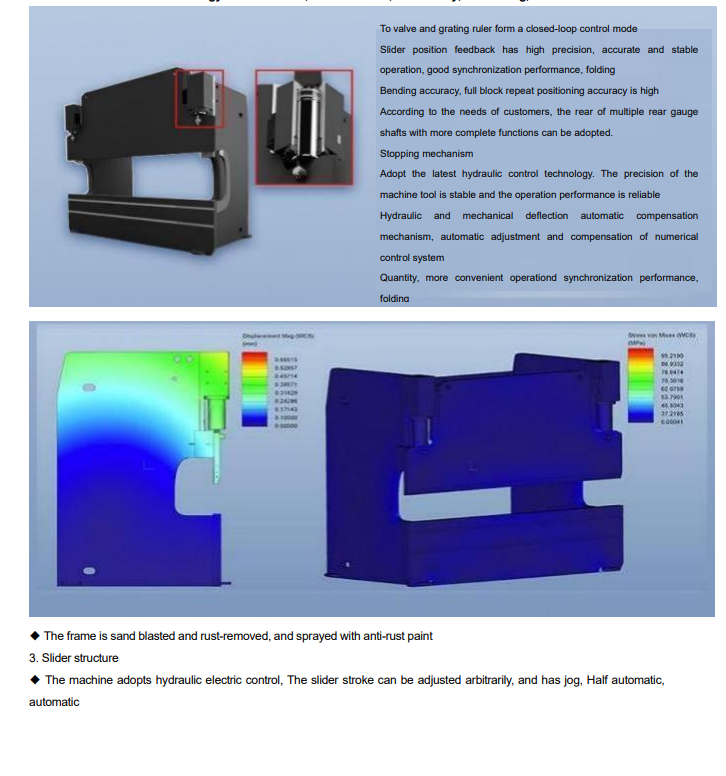
Common safety features include emergency stop buttons, light curtains or safety shields, pressure and overload protection, and safety interlocks. Specific safety package depends on local regulations and selected options.
7. What are the machine's main hydraulic specifications?
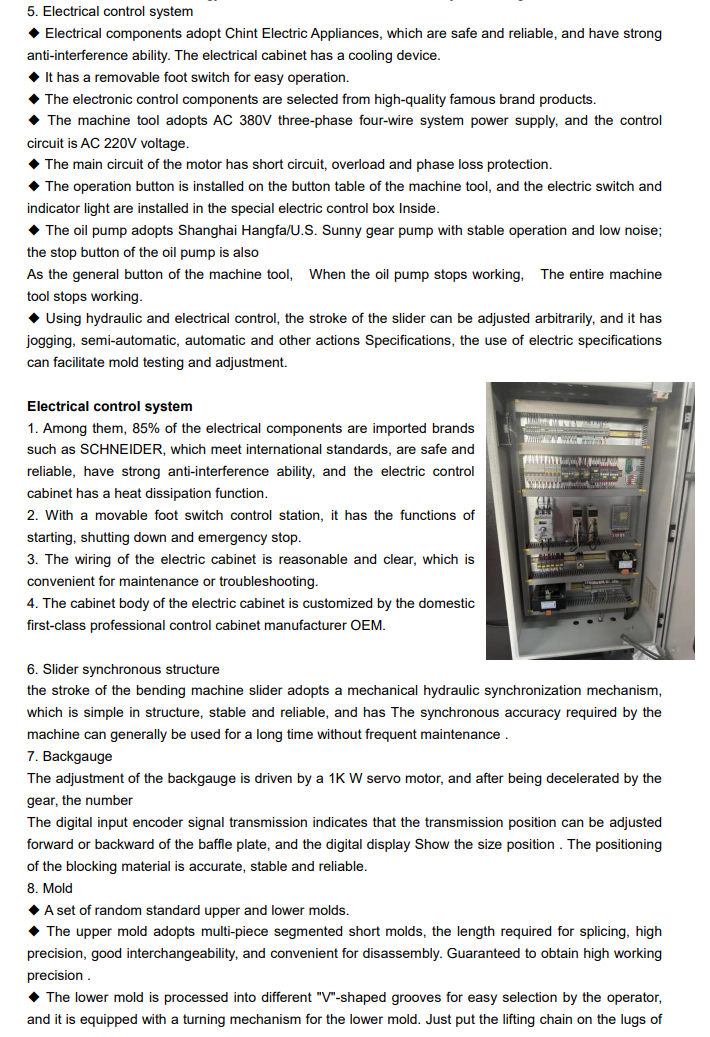
The machine uses a hydraulic system sized for an 80-ton capacity, with components such as a pump, valves, and tank. Exact pump power, working pressure, and oil capacity vary by build — check the technical datasheet.
8. Is installation and commissioning included?
Installation and commissioning are often offered as an optional service. Many suppliers provide onsite setup, leveling, electrical/hydraulic connections, and operator training — confirm terms with the seller.
9. Does the machine require special foundation or floor mounting?
Press brakes typically require a flat, level, and sufficiently strong floor. Some models may need anchoring or a concrete foundation depending on local practice and machine weight — supplier will provide requirements.
10. What maintenance is required to keep the press brake in good condition?
Routine maintenance includes hydraulic oil checks and changes, filter replacement, lubrication of slides and linkage, inspection of tooling and fasteners, and periodic calibration of the CNC and backgauge.
11. Can the backgauge be configured for multiple axes and automated programs?
Yes — CNC press brakes commonly offer multi-axis (typically 2–6 axes) motorized backgauges with programmable positions for automated bending sequences. Available axes and travel depend on the controller and options.
12. What power supply does the HXB-80T/3200 require?
Power requirements depend on motor sizes and options; most industrial models use three-phase mains (e.g., 380–480 V, 50/60 Hz). Exact electrical specifications will be provided on the datasheet or nameplate.
13. Are spare parts and after-sales service available?
Reputable suppliers provide spare parts, service, and technical support. Availability and lead times vary by vendor — request spare parts lists and service agreements when ordering.
14. Can the press brake be customized (length, capacity, tooling, options)?
Yes. Suppliers commonly offer custom configurations for working length, tooling systems, control packages, backgauge travel, safety options, and automation (e.g., material loaders). Discuss requirements with the manufacturer.
15. What warranty and certifications come with the machine?
Warranty terms and certifications (CE, ISO, etc.) differ by manufacturer and destination market. Ask the supplier for the exact warranty period, warranty coverage details, and copies of applicable certifications.
Latest Order Arrivals
Discover our latest orders
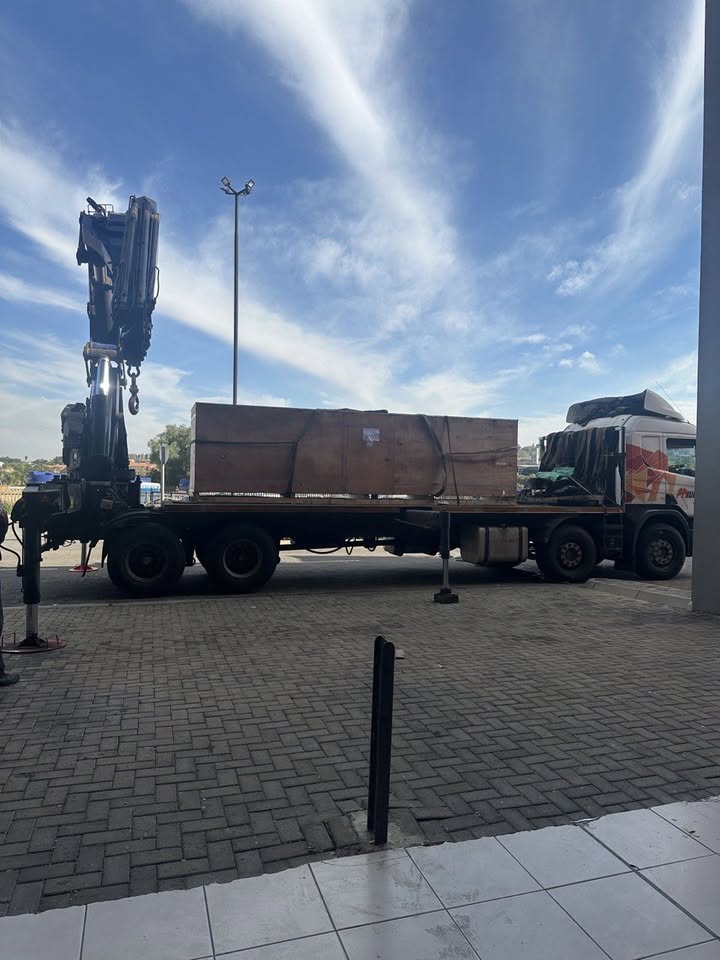
12 Heads Embroidery Machine
Toilet Paper Machine Machine
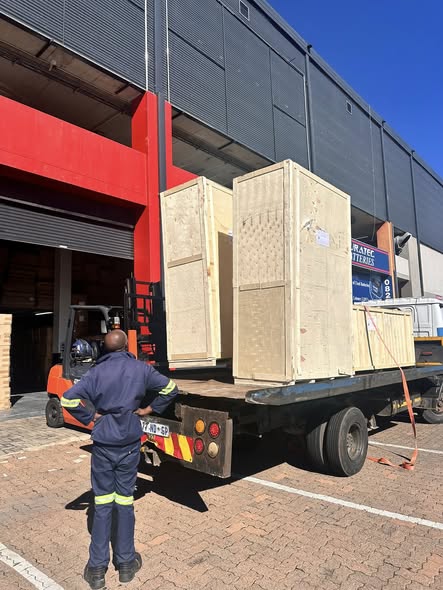
Order Collection
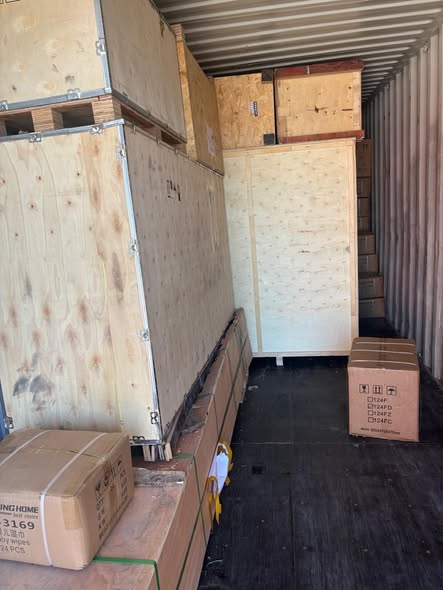
Cross Border Clients
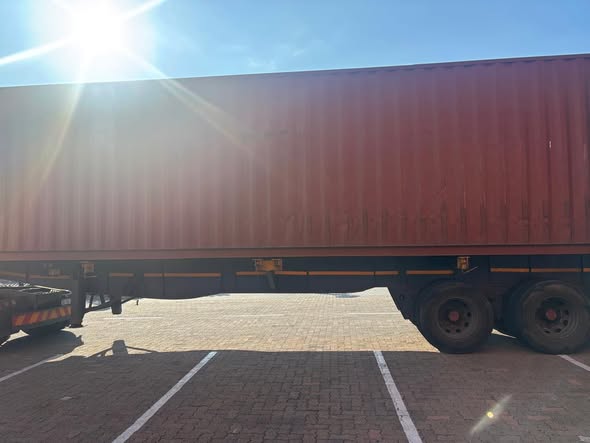
Order cros border countries Collected
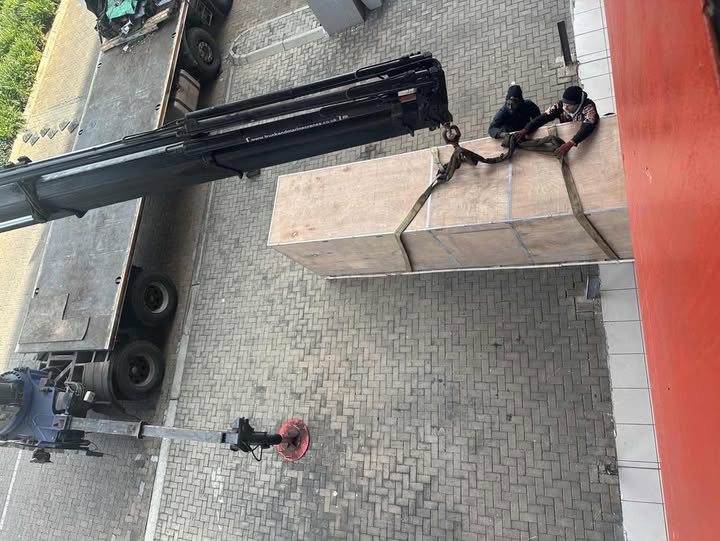
Industrial Machine Cllection
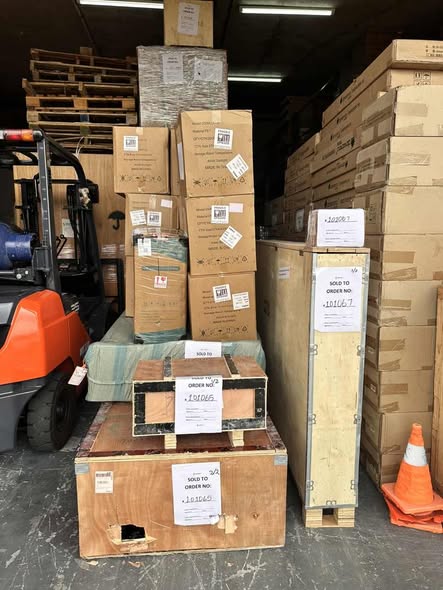
Agriculture Processing Machines
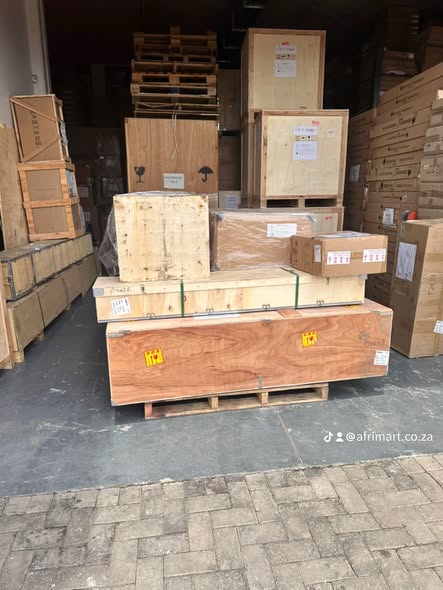
Ready for collection
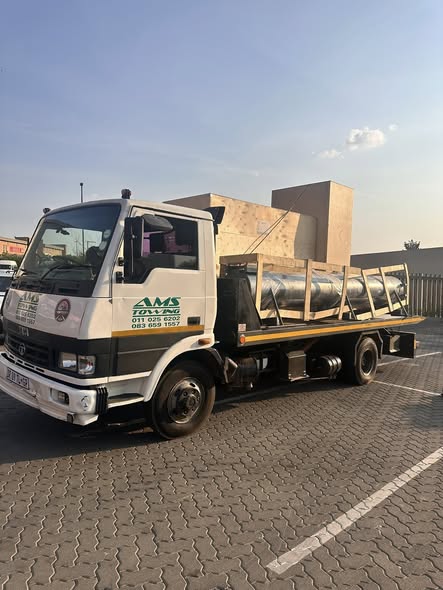
Water Pump Equipment
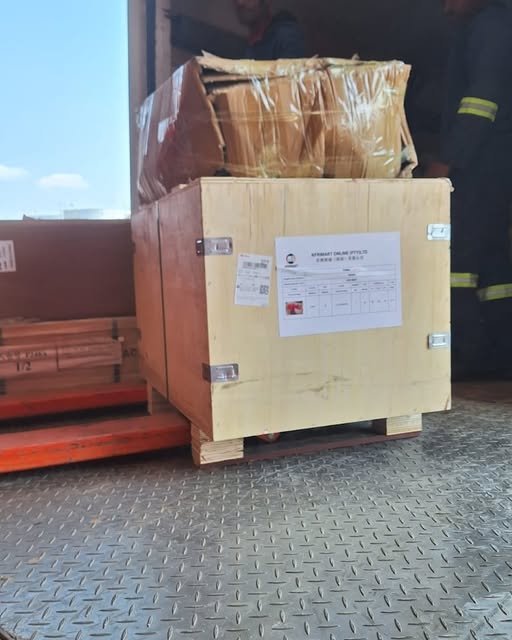
Packaging Machine and accessories
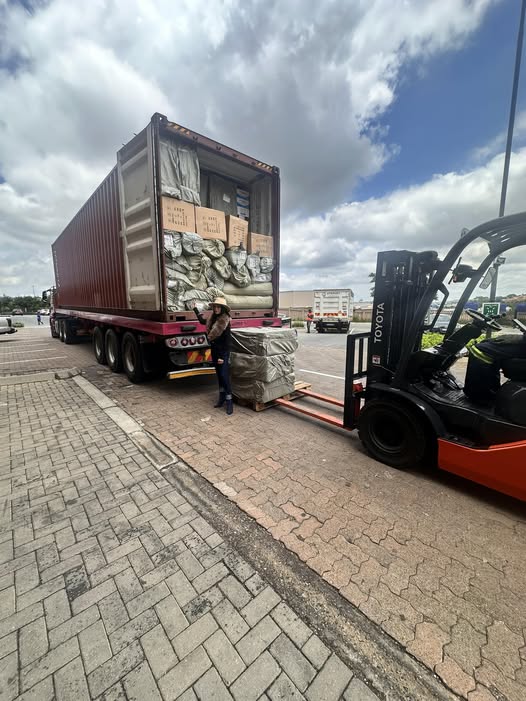
Fabrics Manufacturing Equipment
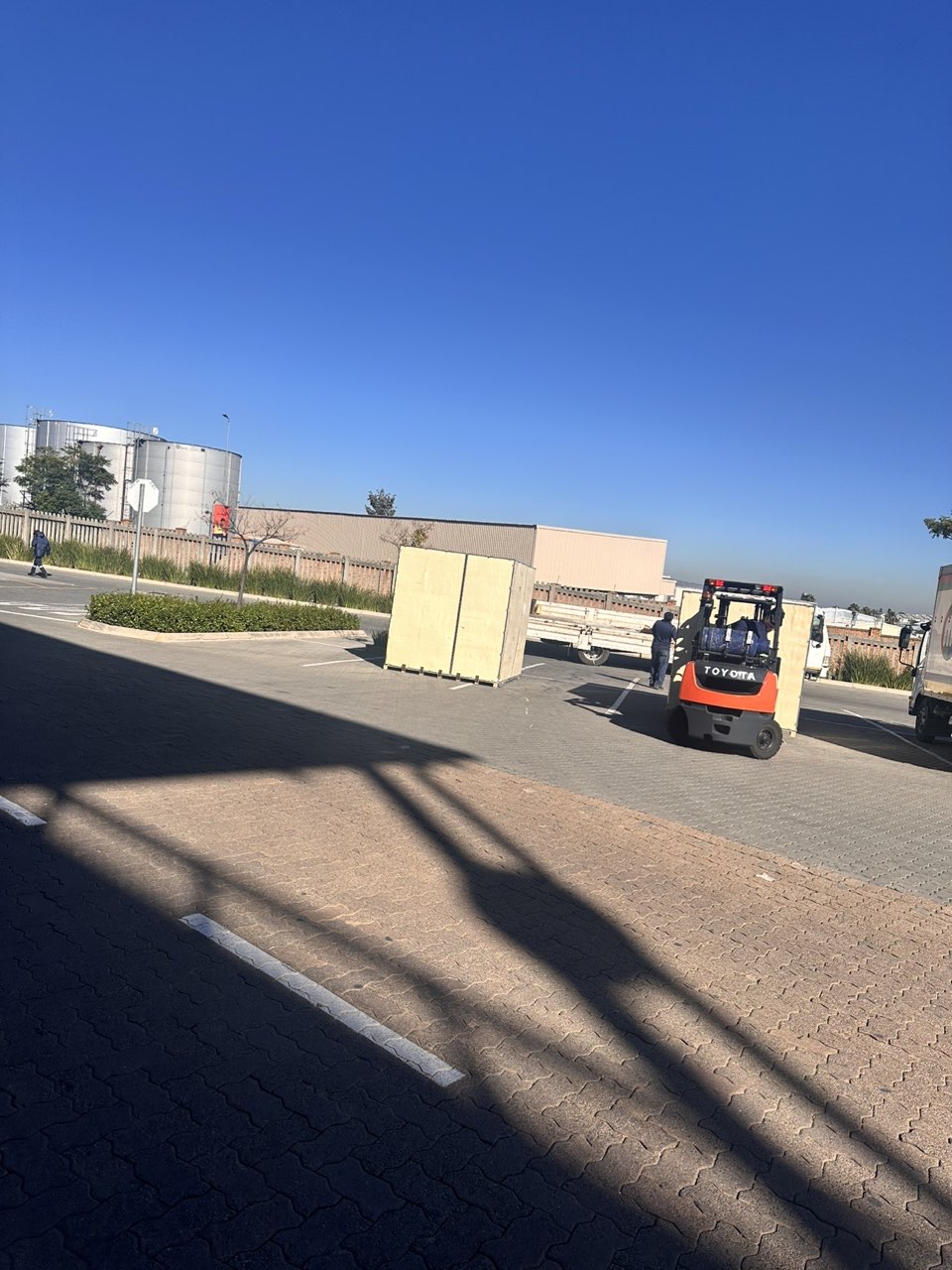
Mining Equipments
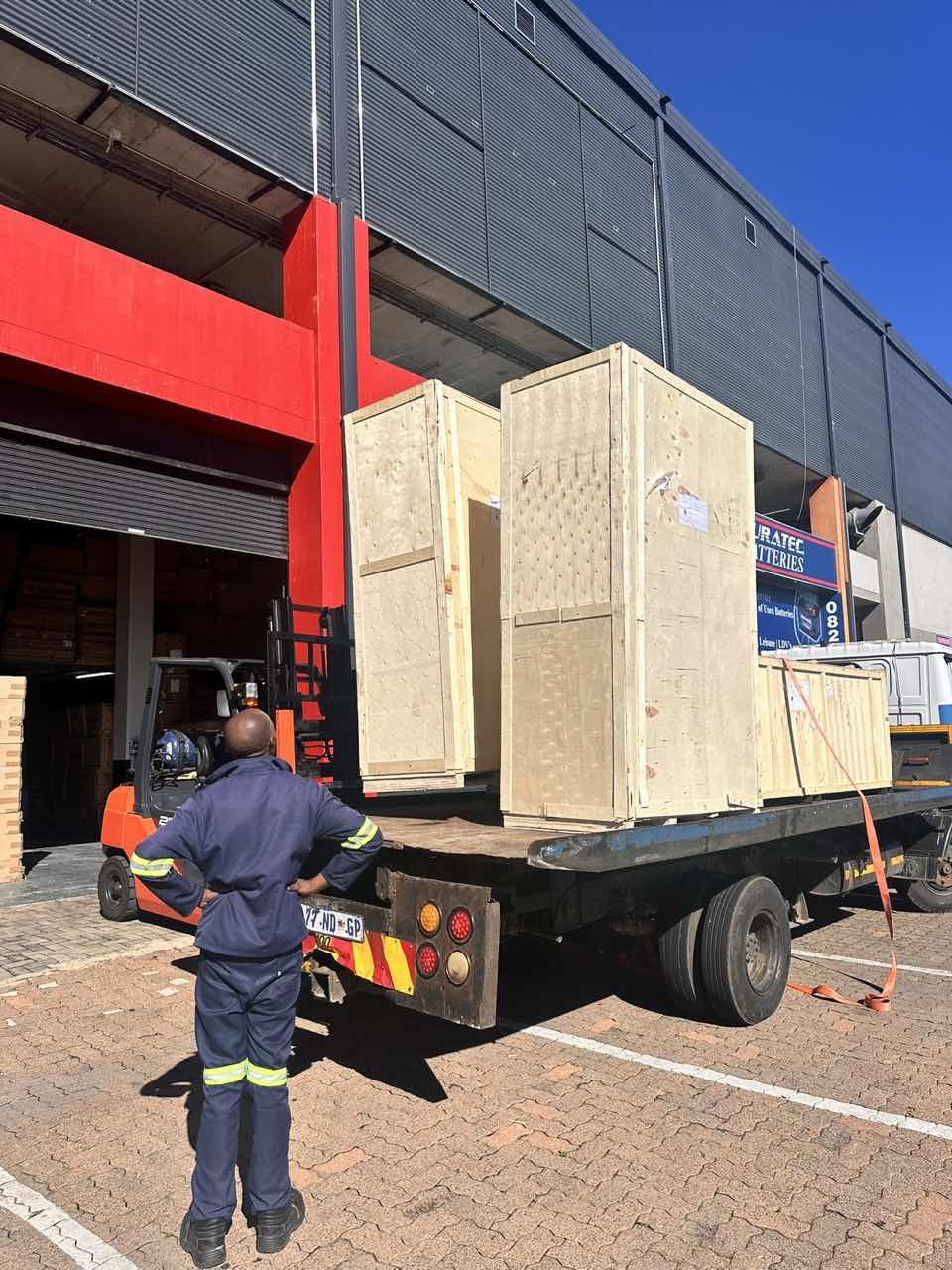
Food Processing Machine
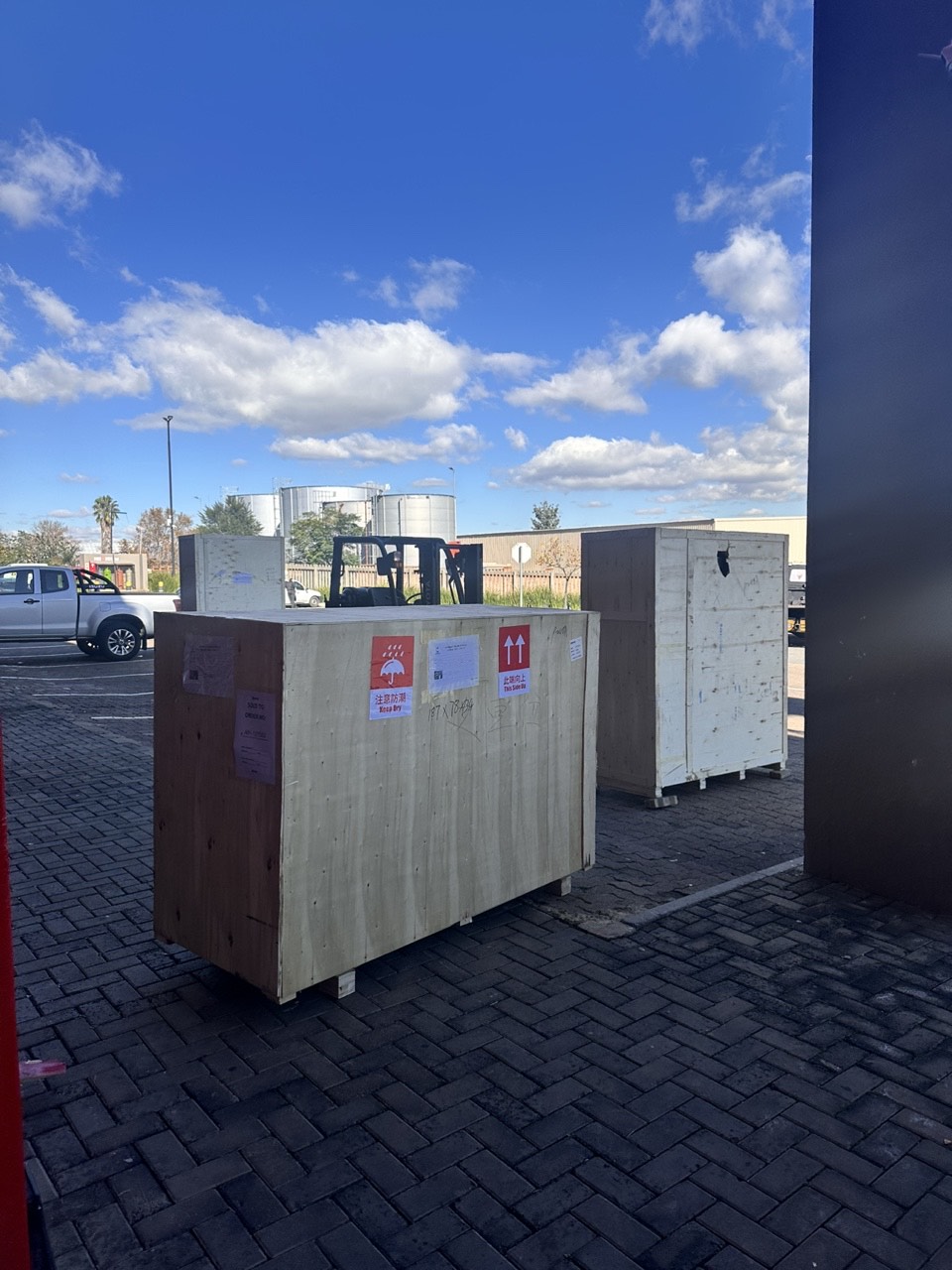
Batch of Orders
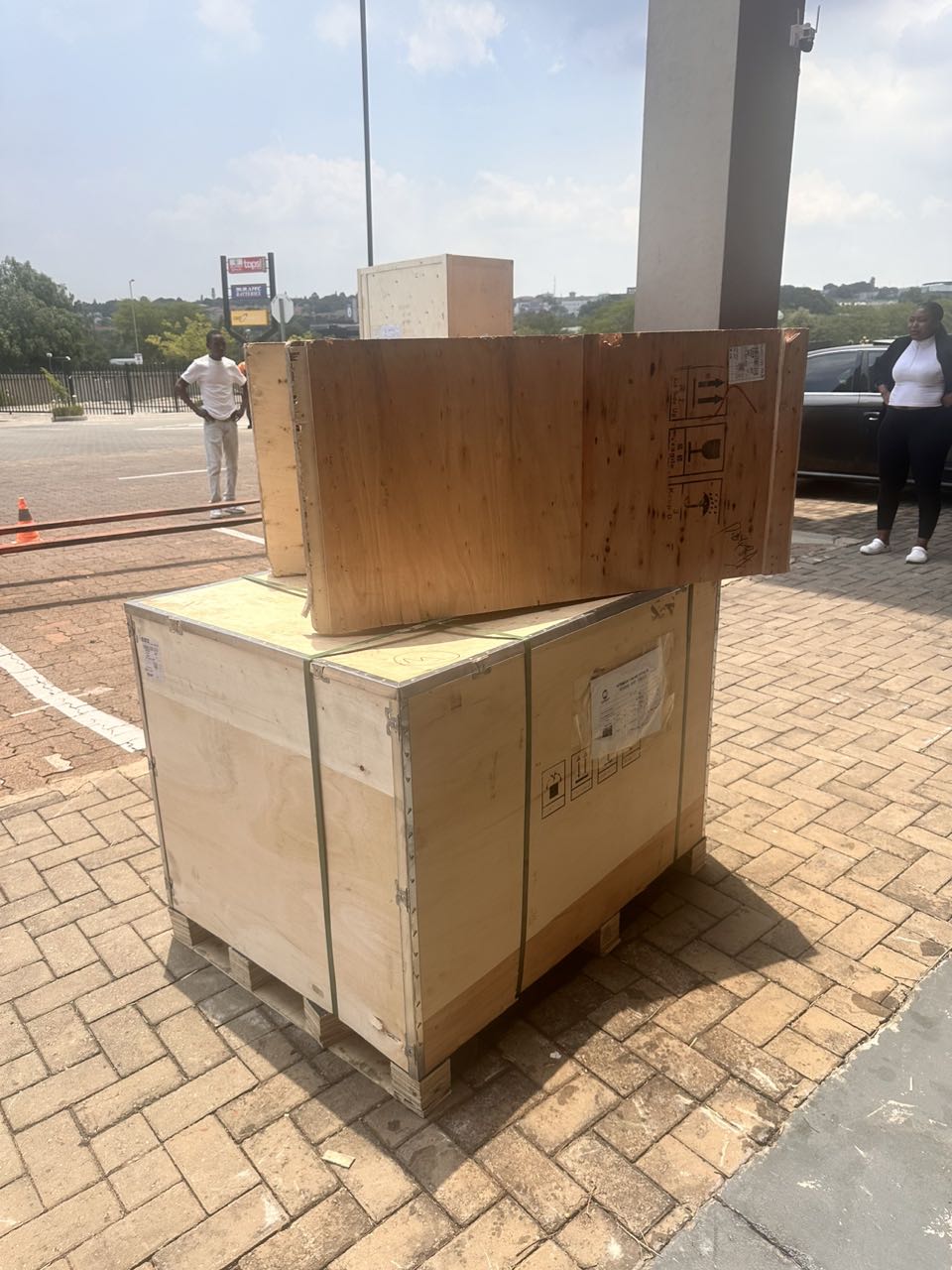
Batch of Orders
Latest Orders Labelled
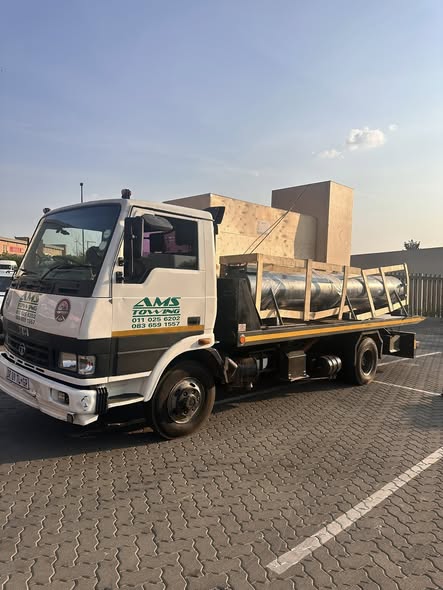
wheel alignment machines
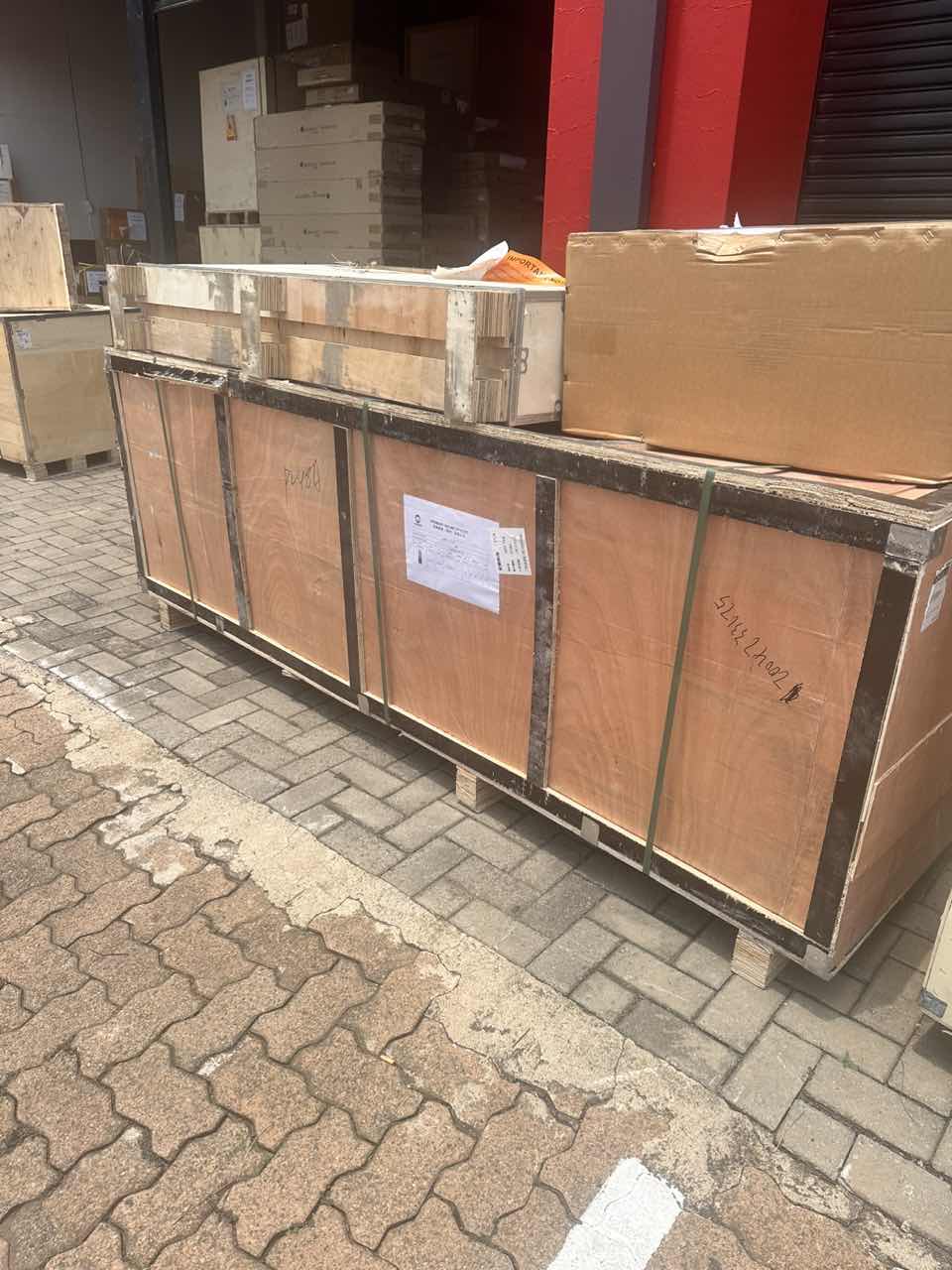
new arrivals
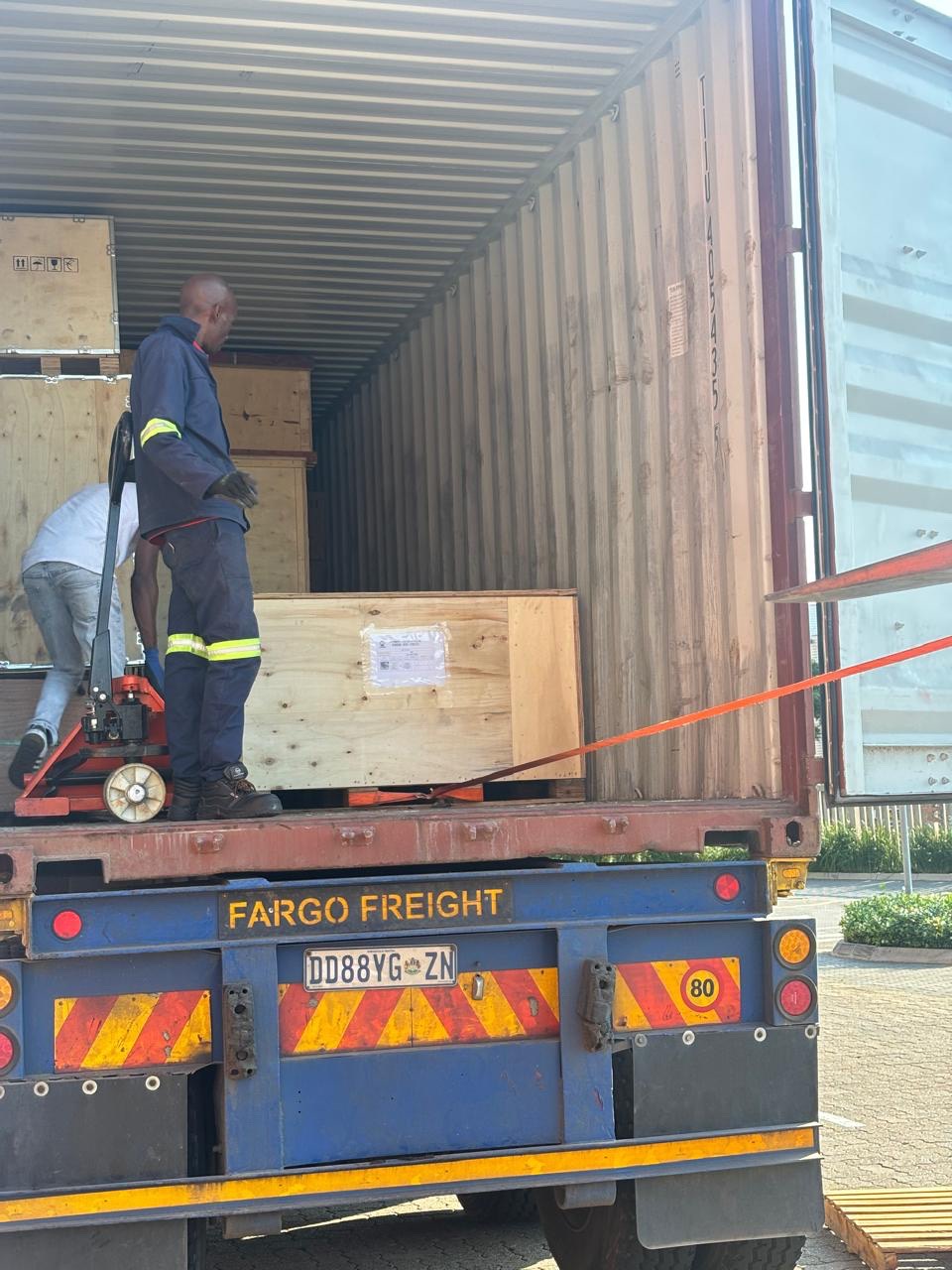
Pre Orders Offloading
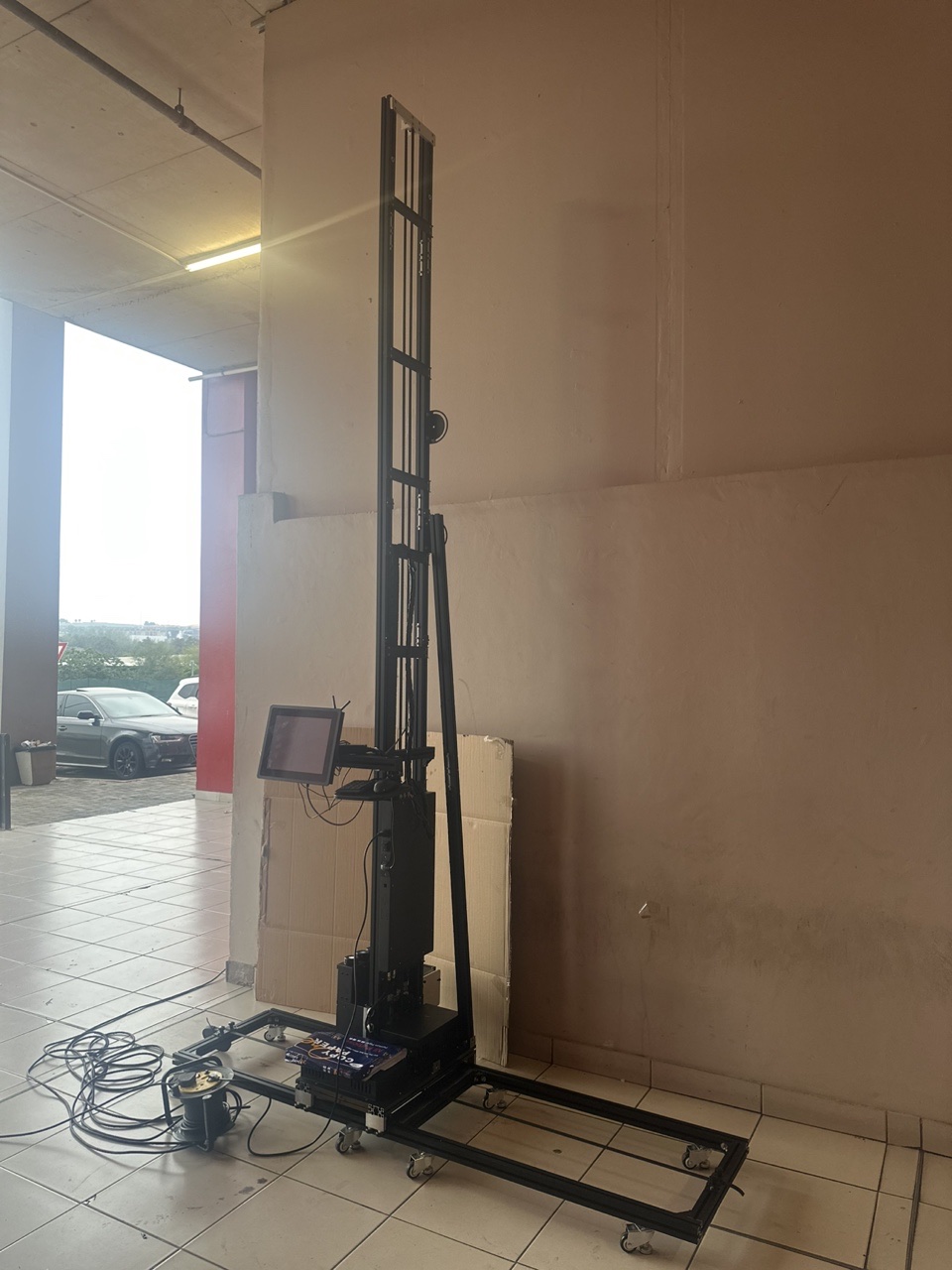
Latest Arrivals
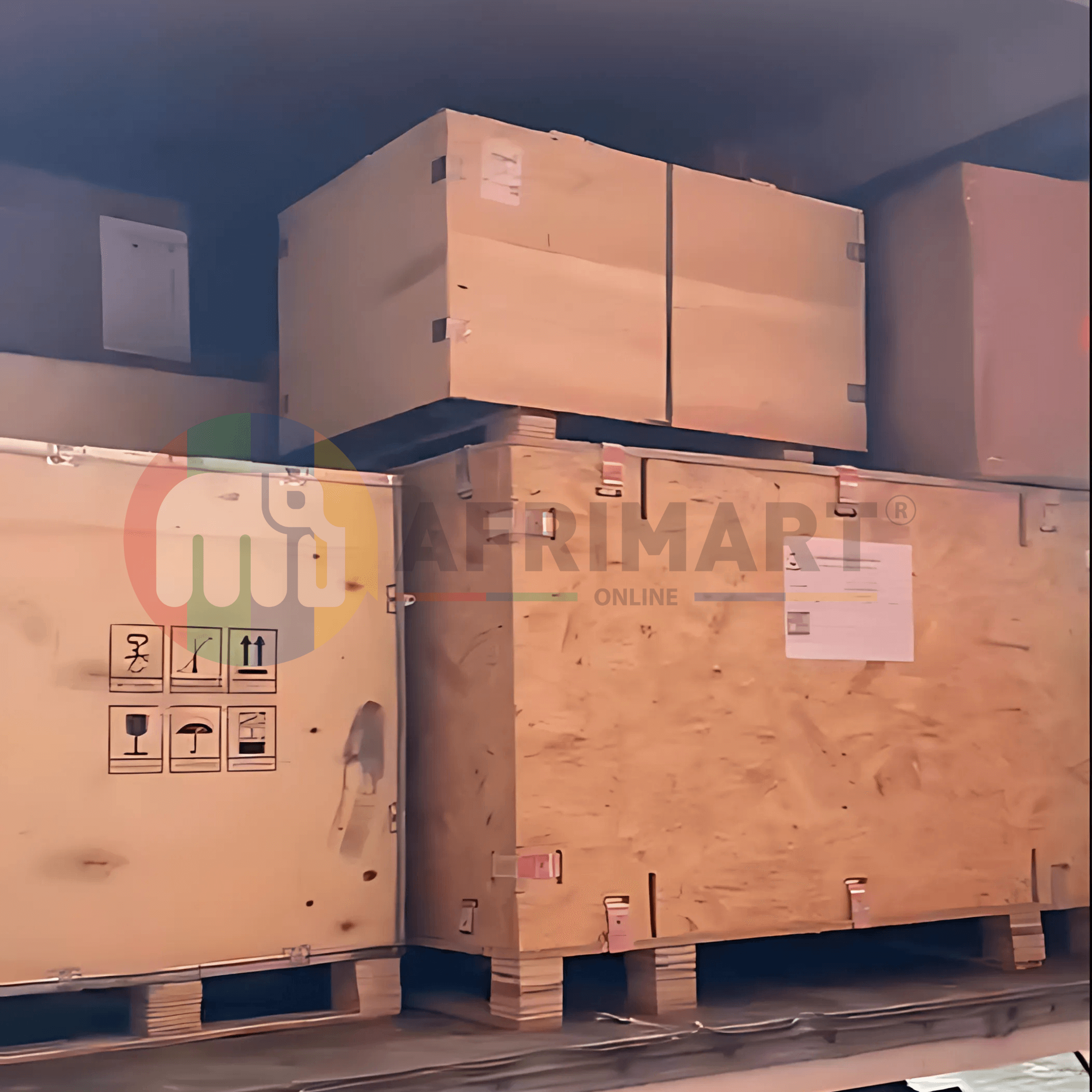
Latest Arrivals
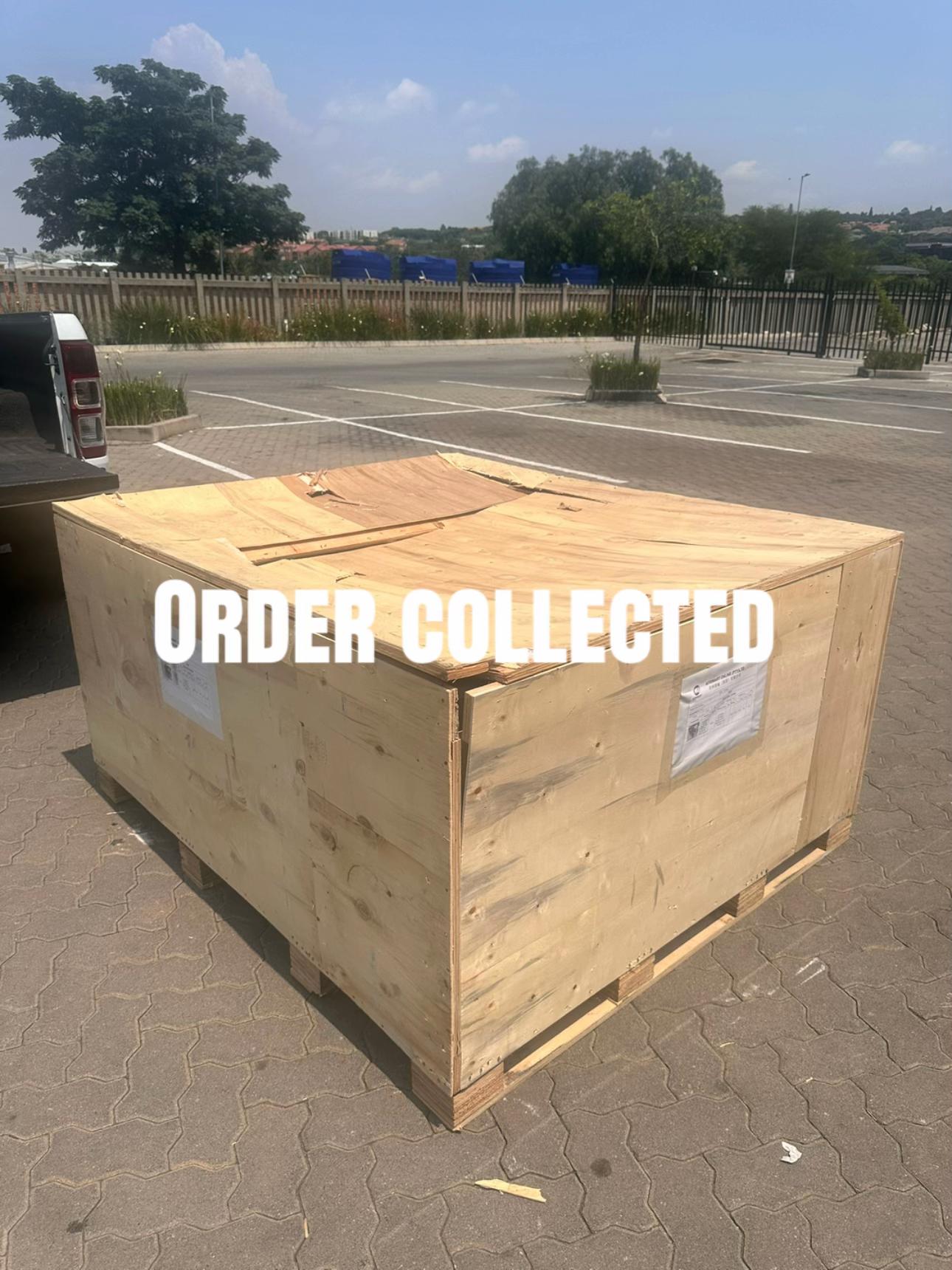
Latest Arrivals
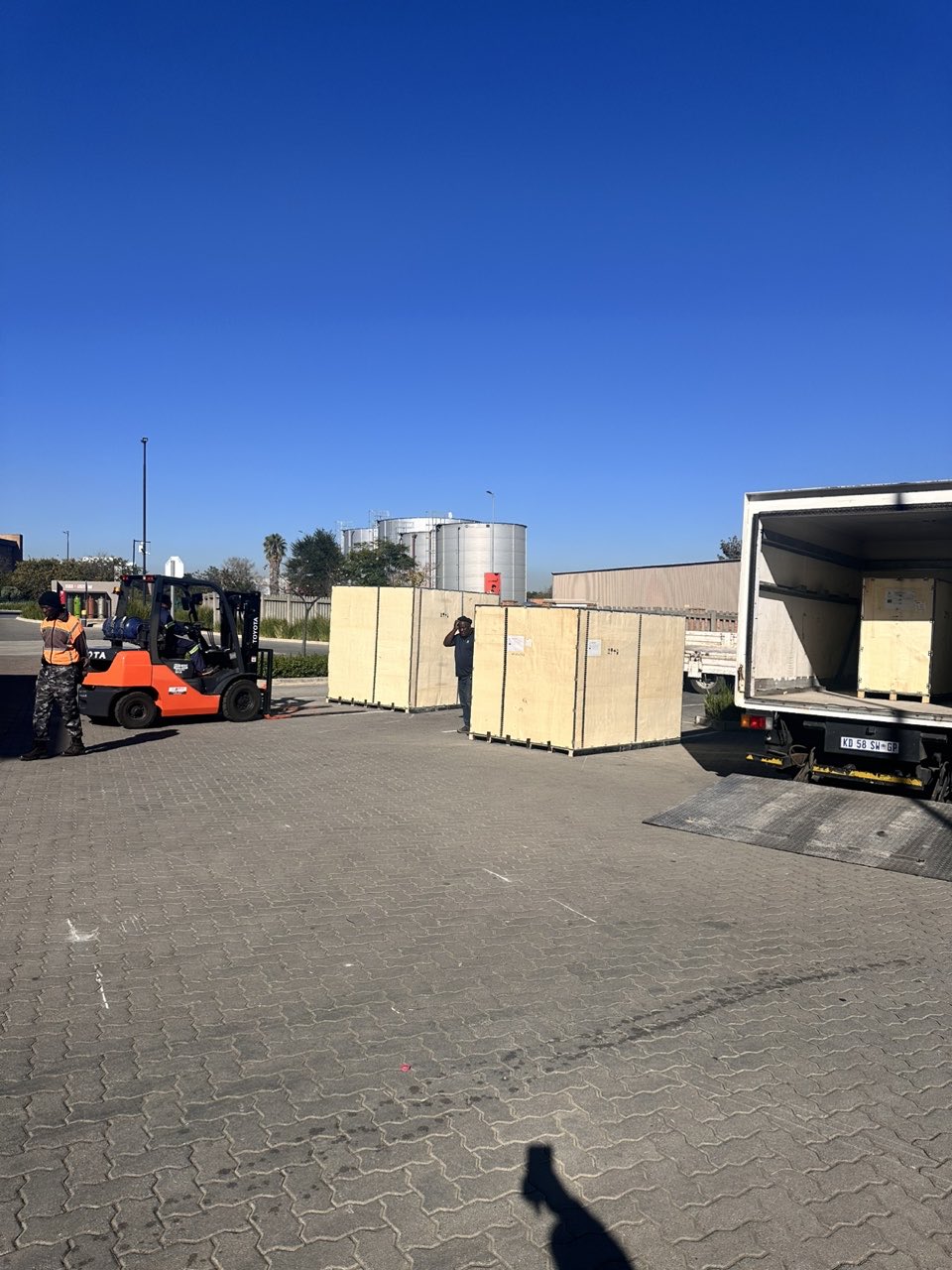
Loading
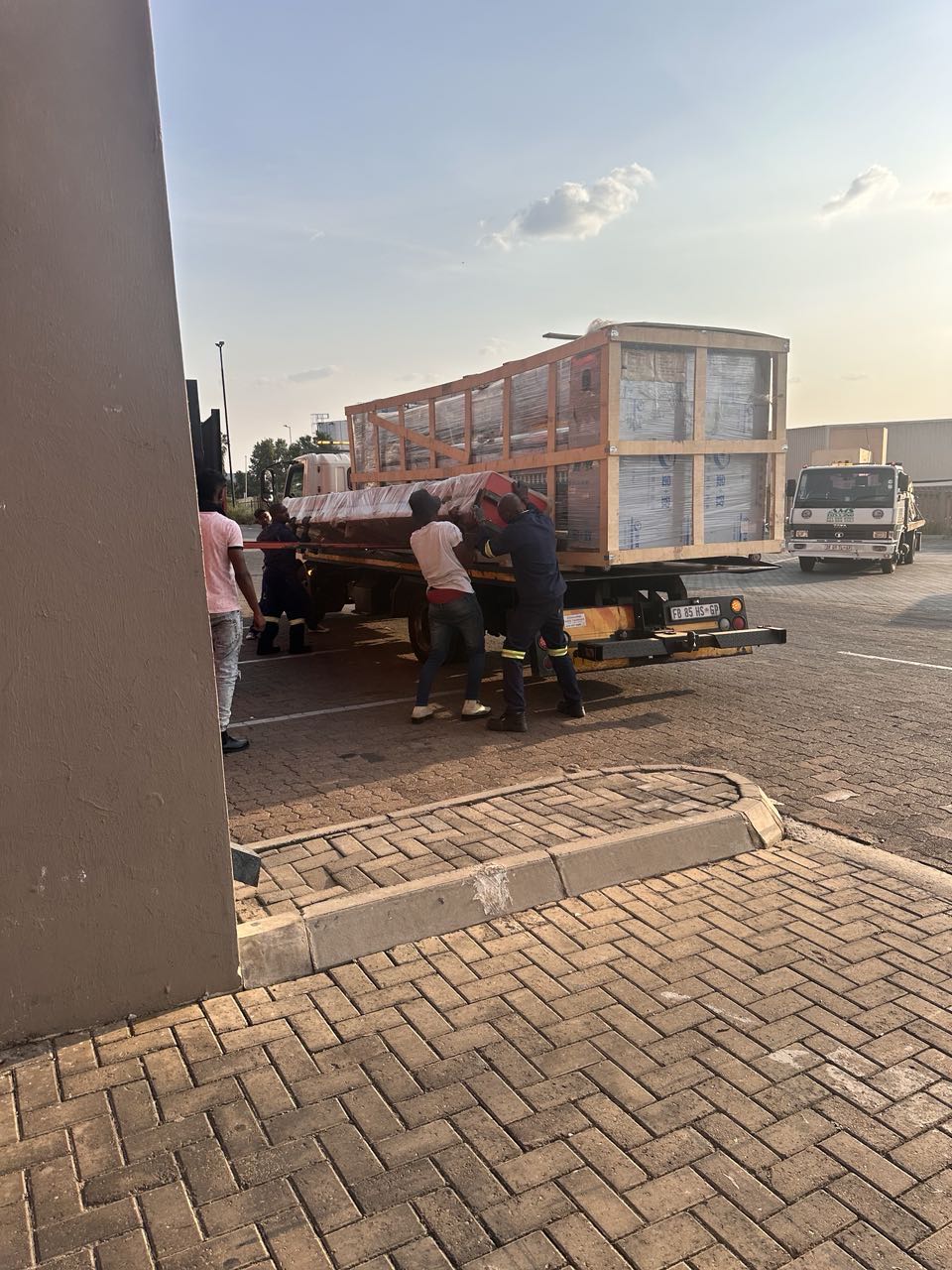
Toilet paper making machine
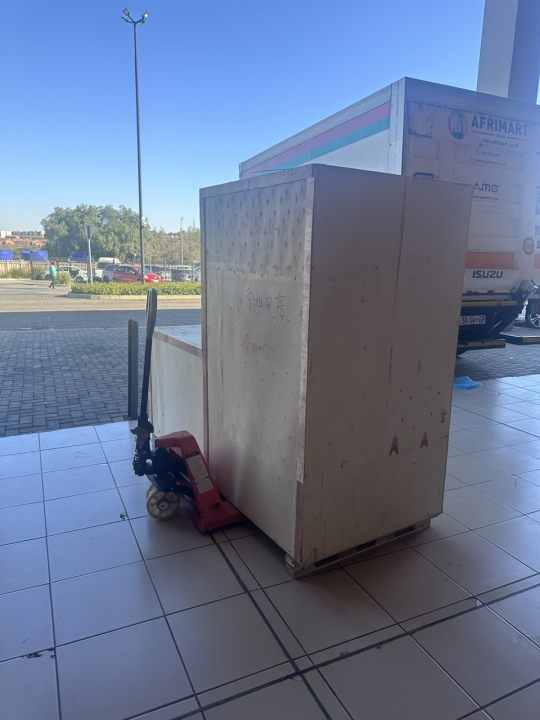
Toilet paper making machine
Toilet paper Rewinding Machine
latest arrivals
offloading
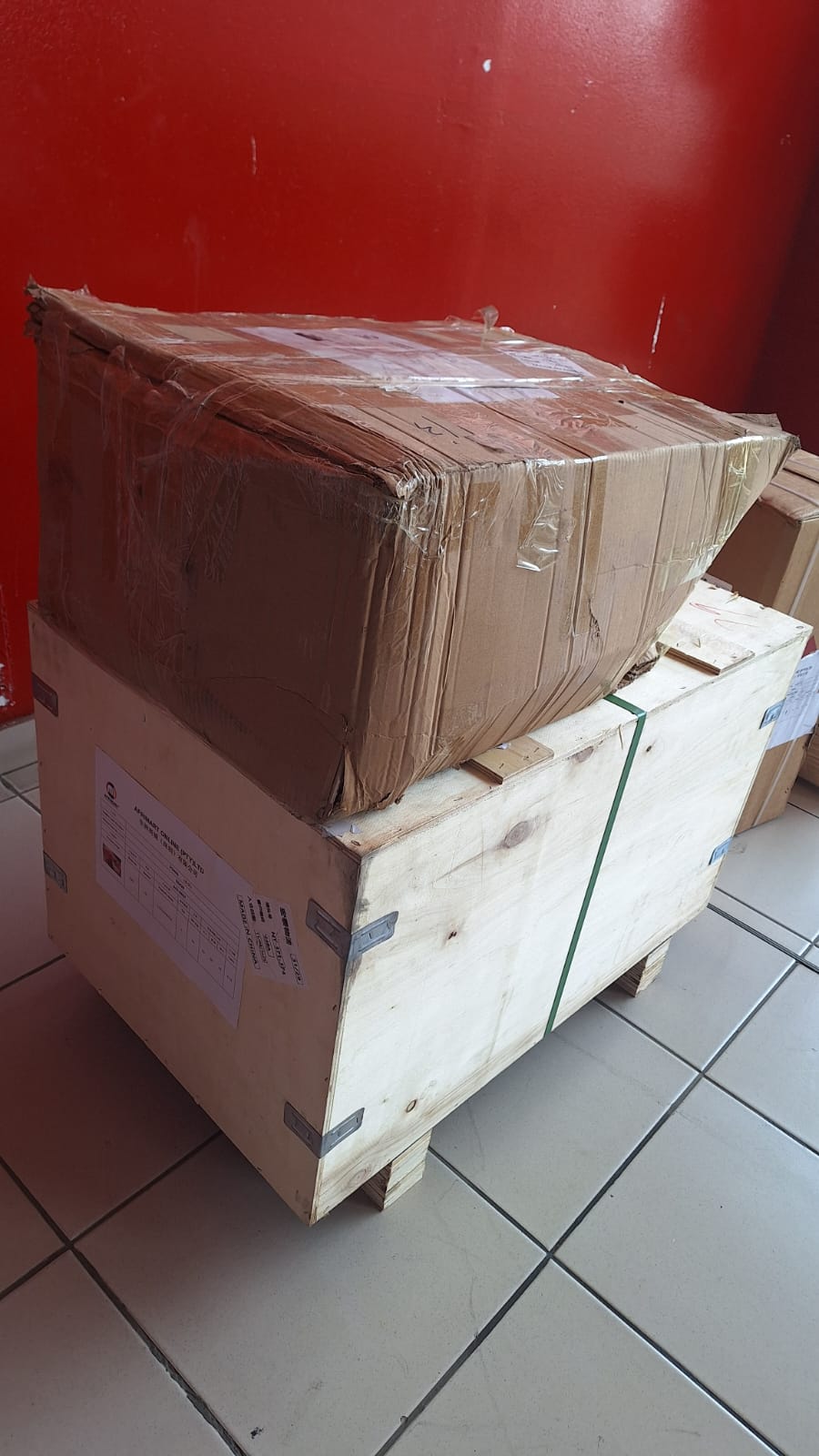
order success
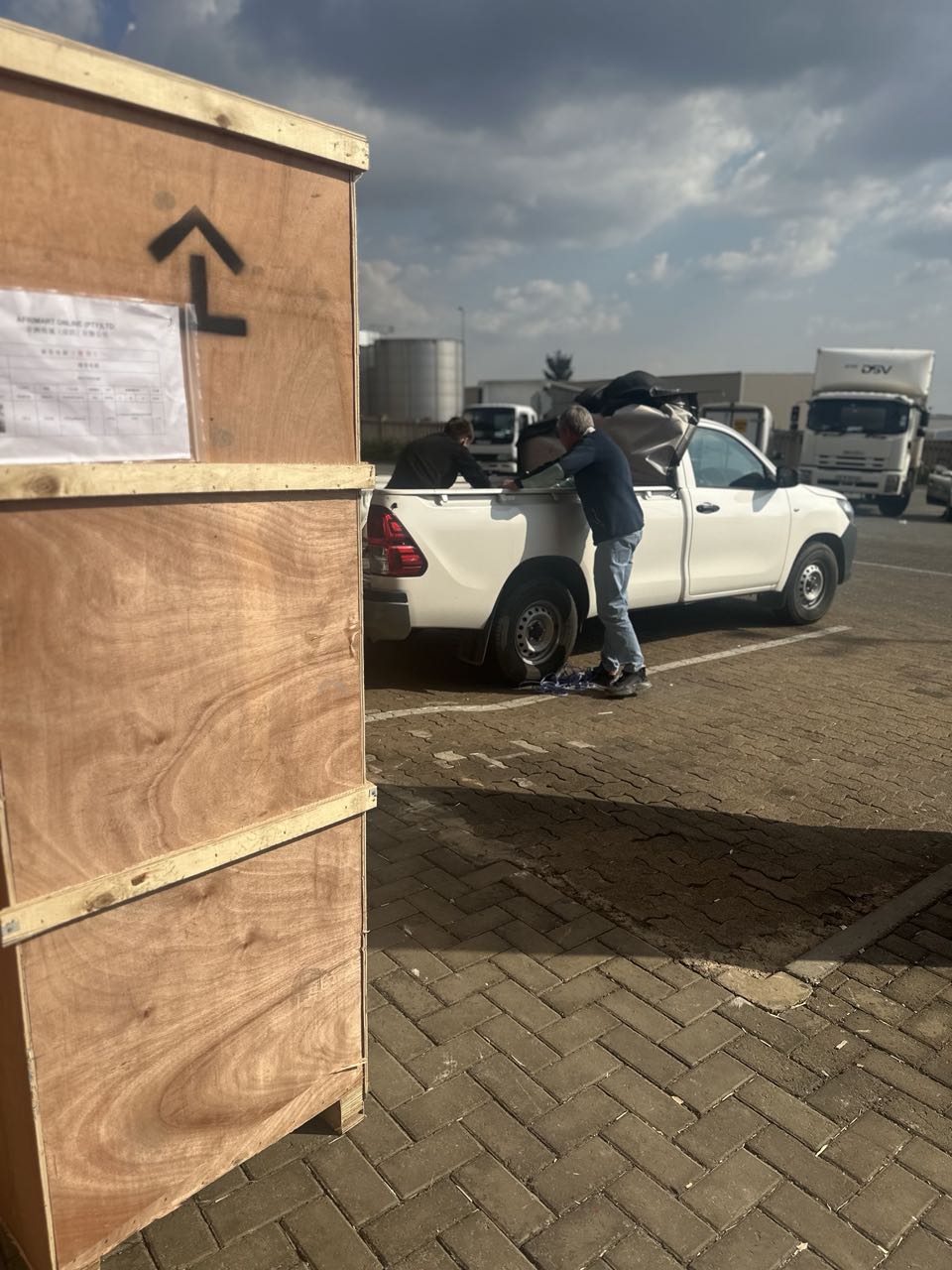
order collection
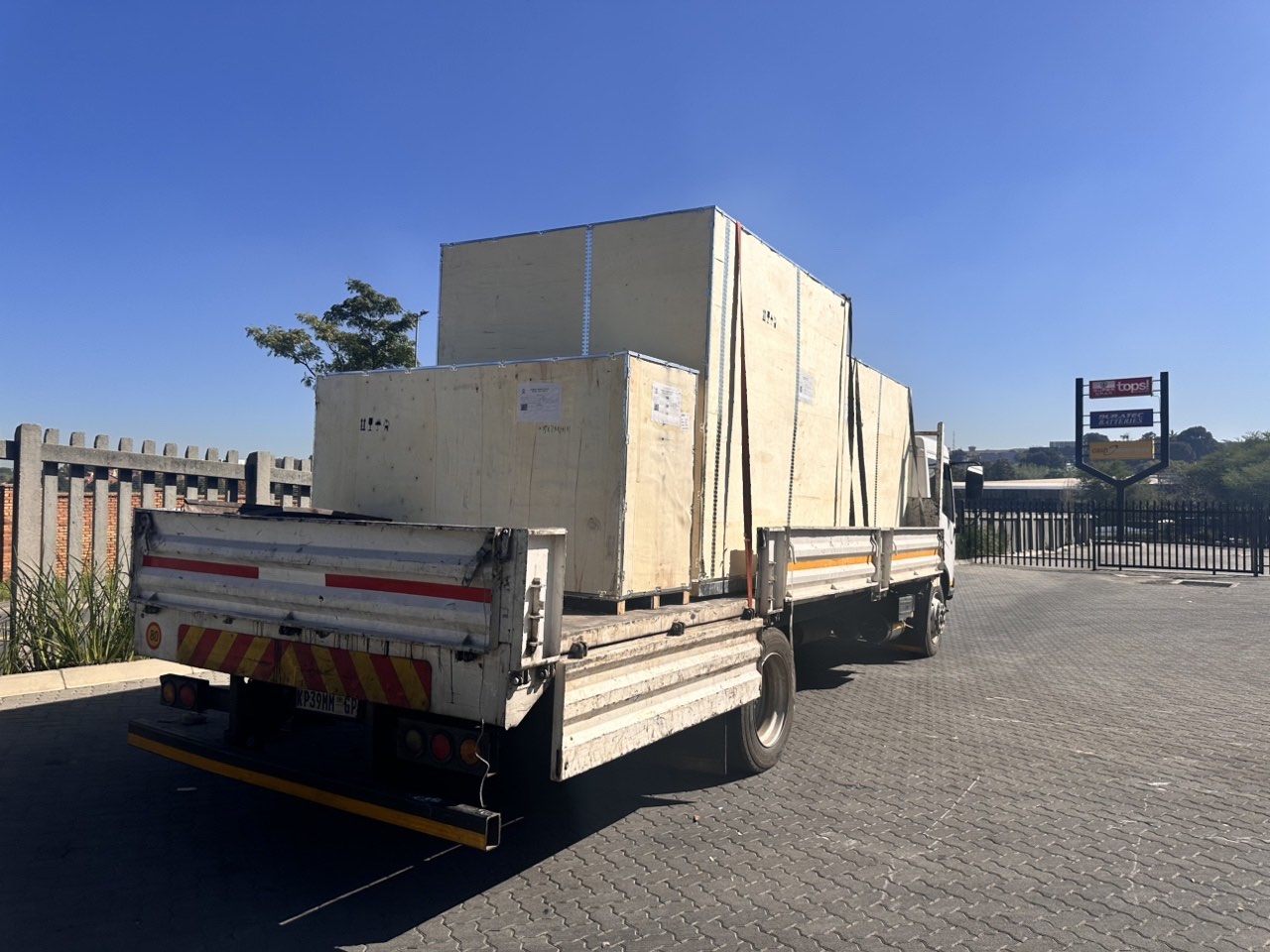
order offloading