B21, China Town Mall, Midrand

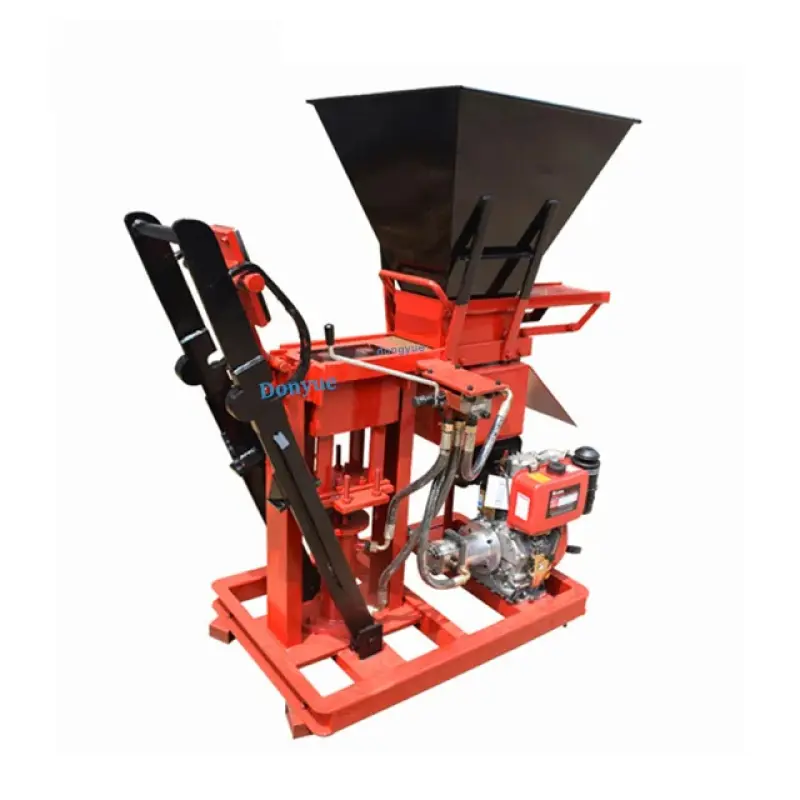
Clay Interlocking Brick Block Machine manual brick making machine
Asset finance available
Do you want funding for this equipment?
Afrimart can connect you with trusted funding partners who specialise in asset finance for businesses like yours. Compare options and apply in minutes — final approval is subject to provider review.
Check funding options
Secure & no obligation
- Section : Machinery
- Category : Construction Machinery
- SKU : 1600323864287

Product Description
Specification
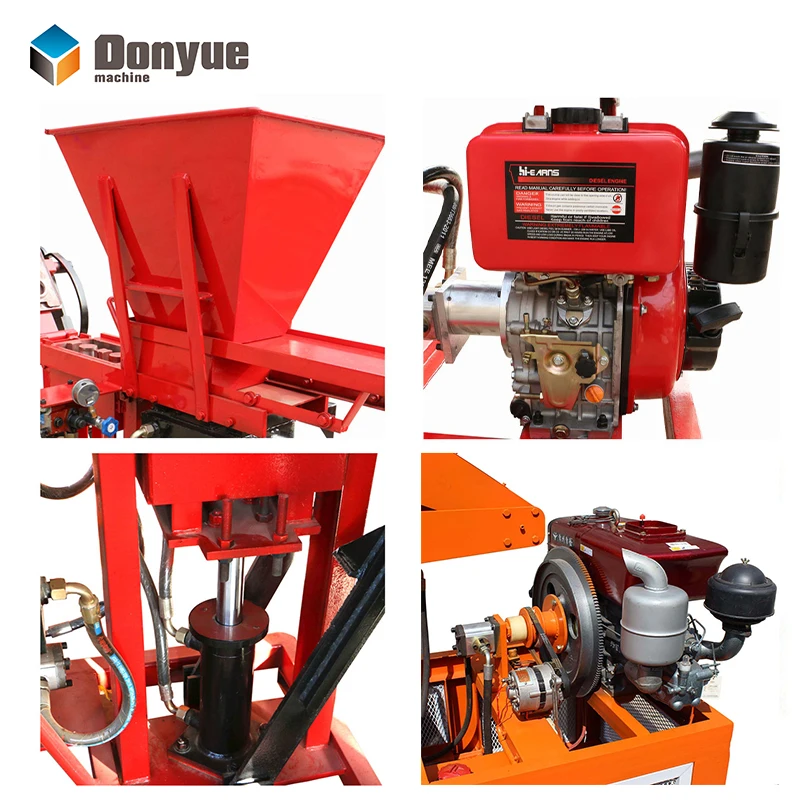
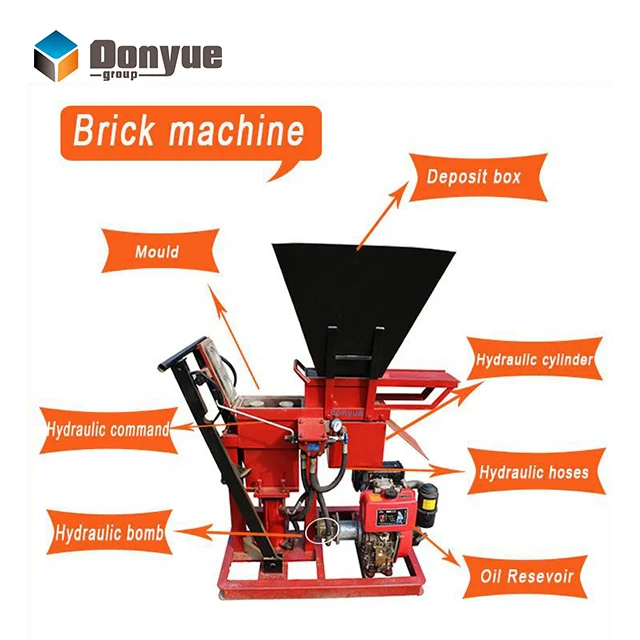
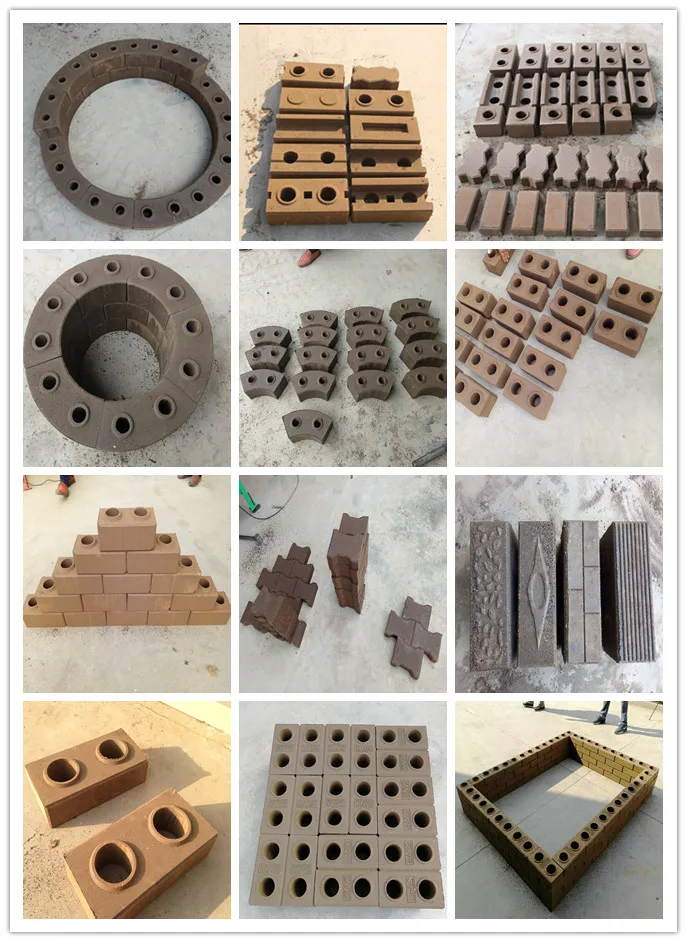
DY1-25 brick machine is a kind clay interlocking block machine mainly produce Eco Brava interlocking bricks. It is hydraulic pressure,It produce two bricks per time. There are diesel engine one and electric motor type. The capacity of it is about 2000-3000 pieces one day. DY2-15 can also be equipped with one production line which includes soil crusher, soil screen, conveyor belt and mixer.
- Shipping Timeframes: All orders are processed within 2-5 business days (excluding weekends and holidays). After your order has been processed, the estimated delivery time is before 08 Aug, 2026, depending on customs, Please note that due to high demand, some items may experience longer shipping times, which will be communicated at order confirmation email.
- Order Processing Time: Please allow 2-5 business days for us to process your order before it is shipped . Orders placed after 16:00 on Fridays, or during weekends and public holidays, will begin processing on the next business day. Processing times may be extended during peak seasons or sales events.
- Manufacturing Time: Some products needs manufacturing time, the manufacturing process will take approximately 10-30 business days depending on the product. This timeframe may vary depending on the complexity of the product and current demand. but this will be communicated with you during order confirmation.
- Returns and Exchanges: We offer a 30-day return policy for most items. If you are not completely satisfied with your purchase, you may return it within 30 days of receipt for a refund or exchange. Items must be unused, in their original packaging, and accompanied by proof of purchase. Return shipping costs are the responsibility of the customer, unless the item was damaged or defective upon arrival.
1. What is the Clay Interlocking Brick Block Machine (DY1-25) used for?
DY1-25 is a clay interlocking block machine designed to produce Eco Brava interlocking bricks. It uses hydraulic pressure to compact clay-based mixes and creates two interlocking bricks per production cycle.
2. What is the production capacity of the DY1-25?
The DY1-25 typically produces about 2,000–3,000 finished bricks per day (depending on work shifts, operator skill, raw material quality and curing time).
3. How many bricks does the machine make per cycle?
The machine produces two interlocking bricks per cycle.
4. Is the machine manual, hydraulic or automatic?
The DY1-25 is a hydraulically pressed brick machine. While compaction is hydraulic, feeding and certain operations can be manual — check with the supplier for semi-automatic or fully automatic options.
5. What power options are available?
The machine is available with either a diesel engine drive or an electric motor drive. Choice depends on site power availability and mobility requirements.
6. What raw materials are required to make the bricks?
Primary raw material is clay or suitable soil for interlocking blocks. Small amounts of water and, where specified, stabilizers or binders (e.g., cement or lime) may be added depending on the recipe and local practice.
7. Can the machine be supplied as a complete production line?
Yes. The DY2-15 model can be equipped as a full production line that includes a soil crusher, soil screen, conveyor belt and mixer for integrated raw-material preparation and continuous production.
8. What mold sizes and block shapes are available?
Mold sizes and interlocking block shapes are usually customizable. Standard Eco Brava interlocking shapes are supported; discuss required dimensions and patterns with the supplier so they can provide or manufacture the correct molds.
9. What curing method and time are recommended for the bricks?
Typical curing methods include water curing (spraying or wet stacking) and sheltered curing. Curing time commonly ranges from 7 to 14 days depending on local climate, recipe and strength requirements. Follow local standards or supplier guidance for optimal results.
10. What routine maintenance does the machine need?
Routine maintenance includes daily cleaning of the mold and machine surfaces, regular lubrication of moving parts, checking and topping hydraulic oil, tightening fasteners, and periodic inspection/replacement of wear parts. Follow the supplier's maintenance schedule.
11. What spare parts and consumables should I expect to need?
Common spare parts include molds, hydraulic seals, valves, bearings, belts (if conveyor equipped), and wear plates. Consumables include hydraulic oil and lubricants. Ask the supplier for a recommended spare parts list.
12. How much operator labor is required?
Labor requirements vary with automation level. For a semi-manual hydraulic press like DY1-25, a small crew is typically needed for feeding, demolding and curing handling—often a few operators per shift. Exact staffing depends on desired throughput and workflow.
13. What are typical installation, training and warranty arrangements?
Many suppliers provide on-site installation support, commissioning and operator training; standard warranty terms differ by manufacturer. Confirm installation, training and warranty details with your chosen supplier before purchase.
14. How can I get pricing, lead times and shipping information?
Pricing, lead times and shipping depend on model, customization, spare parts, and destination. Contact the machine supplier or dealer with your requirements (model, power option, molds, accessories, destination) to get a formal quote and delivery schedule.
Latest Order Arrivals
Discover our latest orders
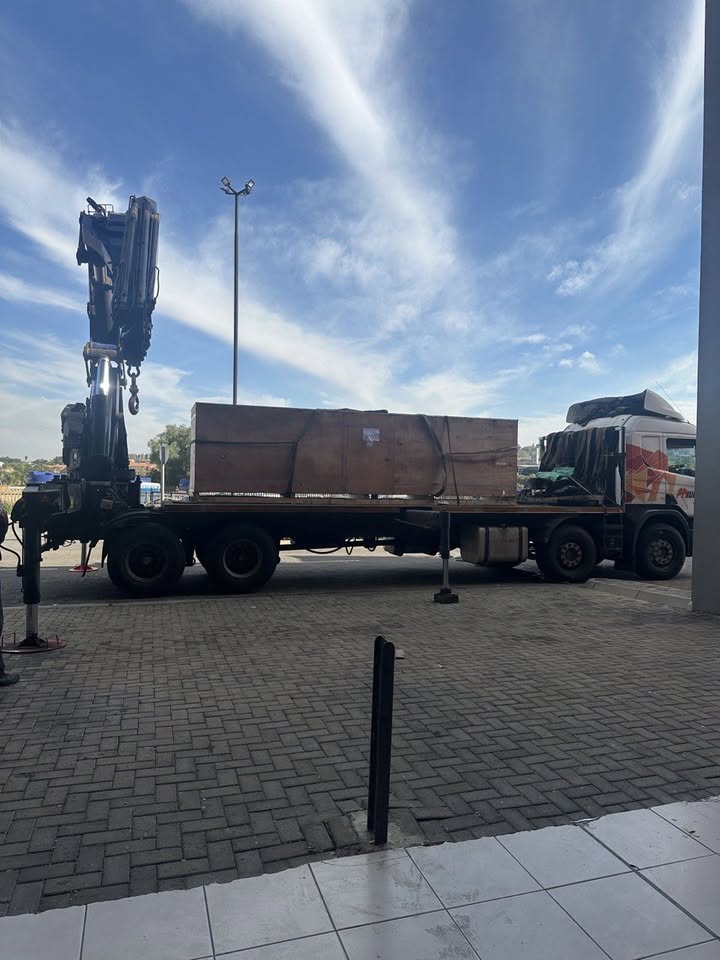
12 Heads Embroidery Machine
Toilet Paper Machine Machine
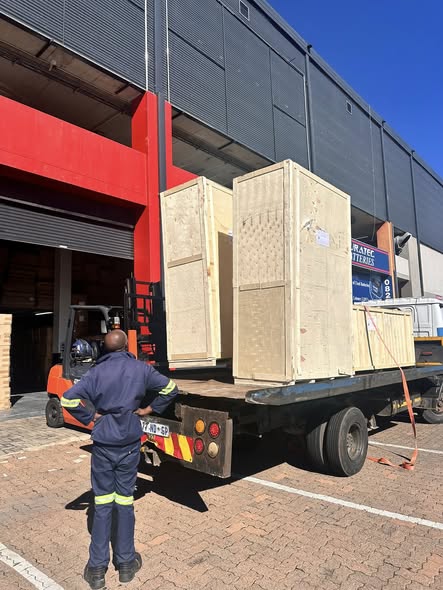
Order Collection
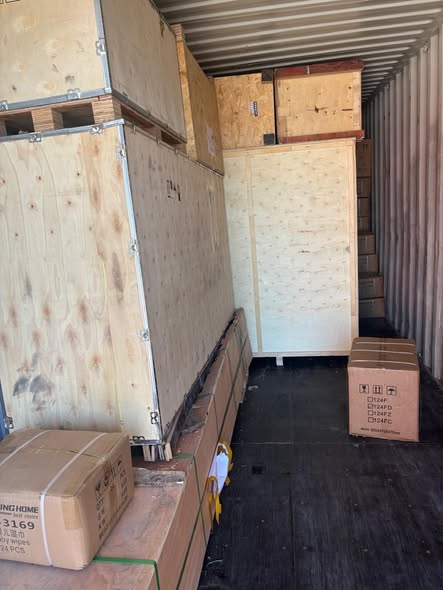
Cross Border Clients
Order cros border countries Collected
Industrial Machine Cllection
Agriculture Processing Machines
Ready for collection
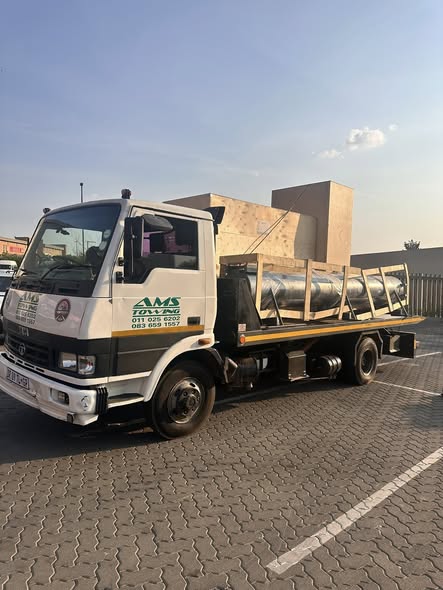
Water Pump Equipment
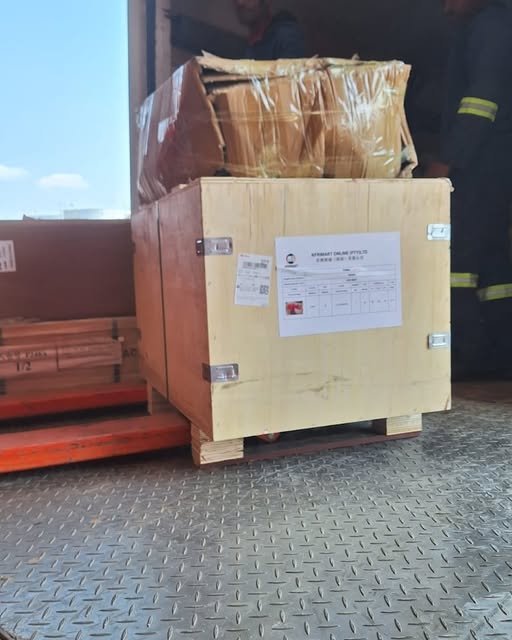
Packaging Machine and accessories
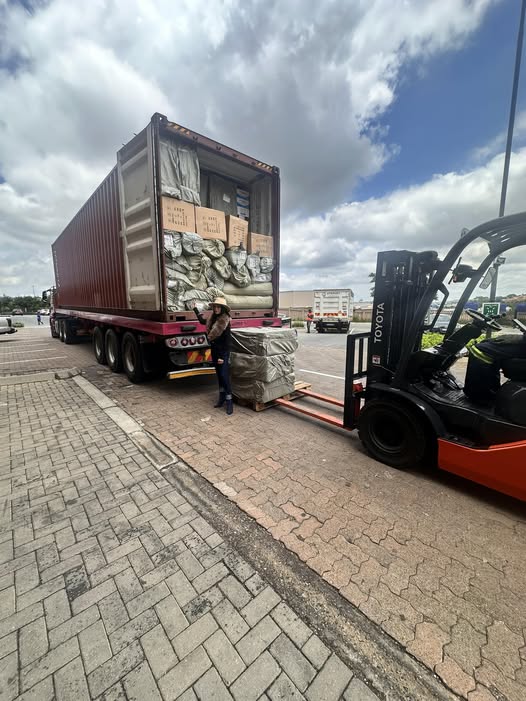
Fabrics Manufacturing Equipment
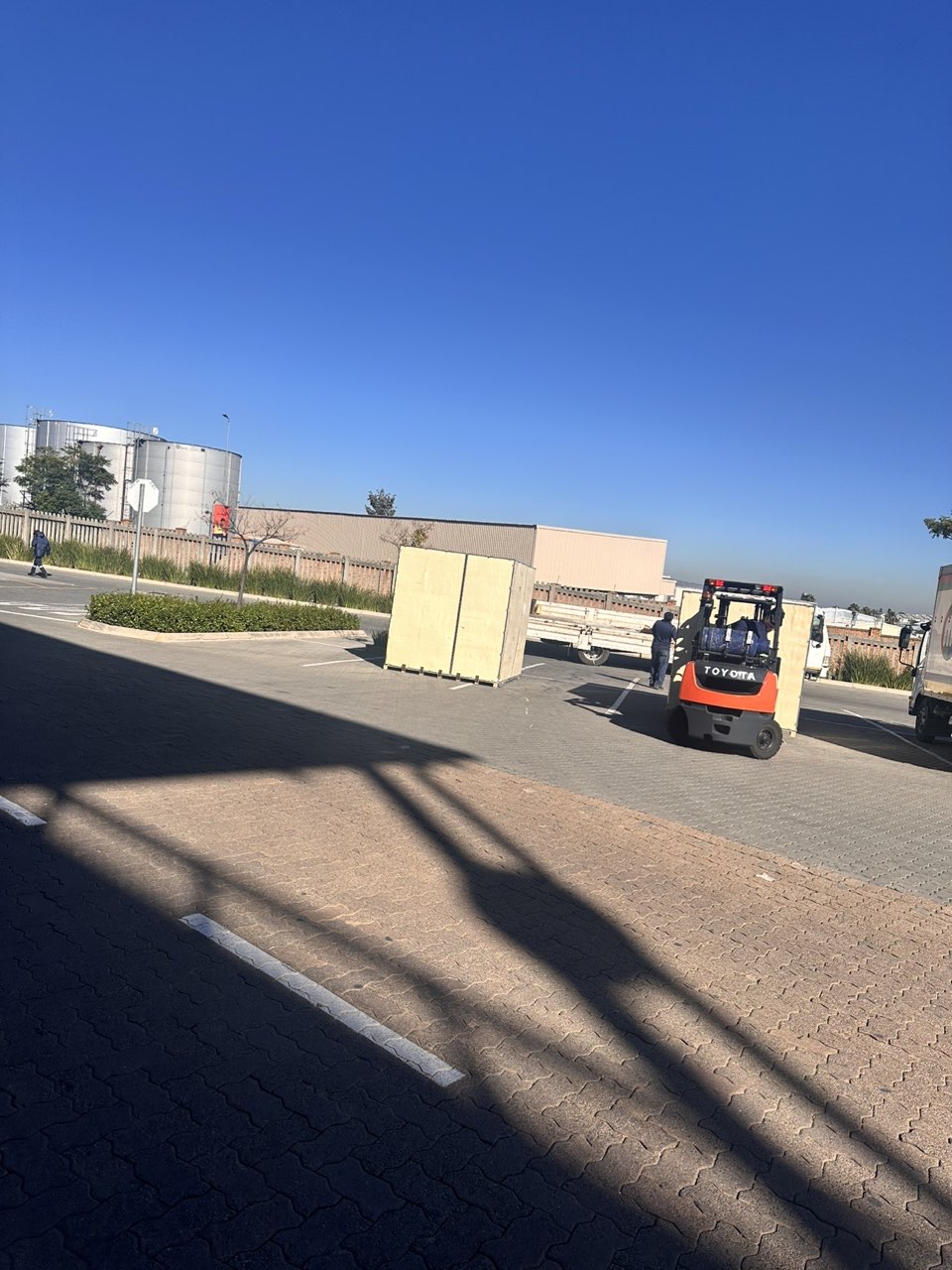
Mining Equipments
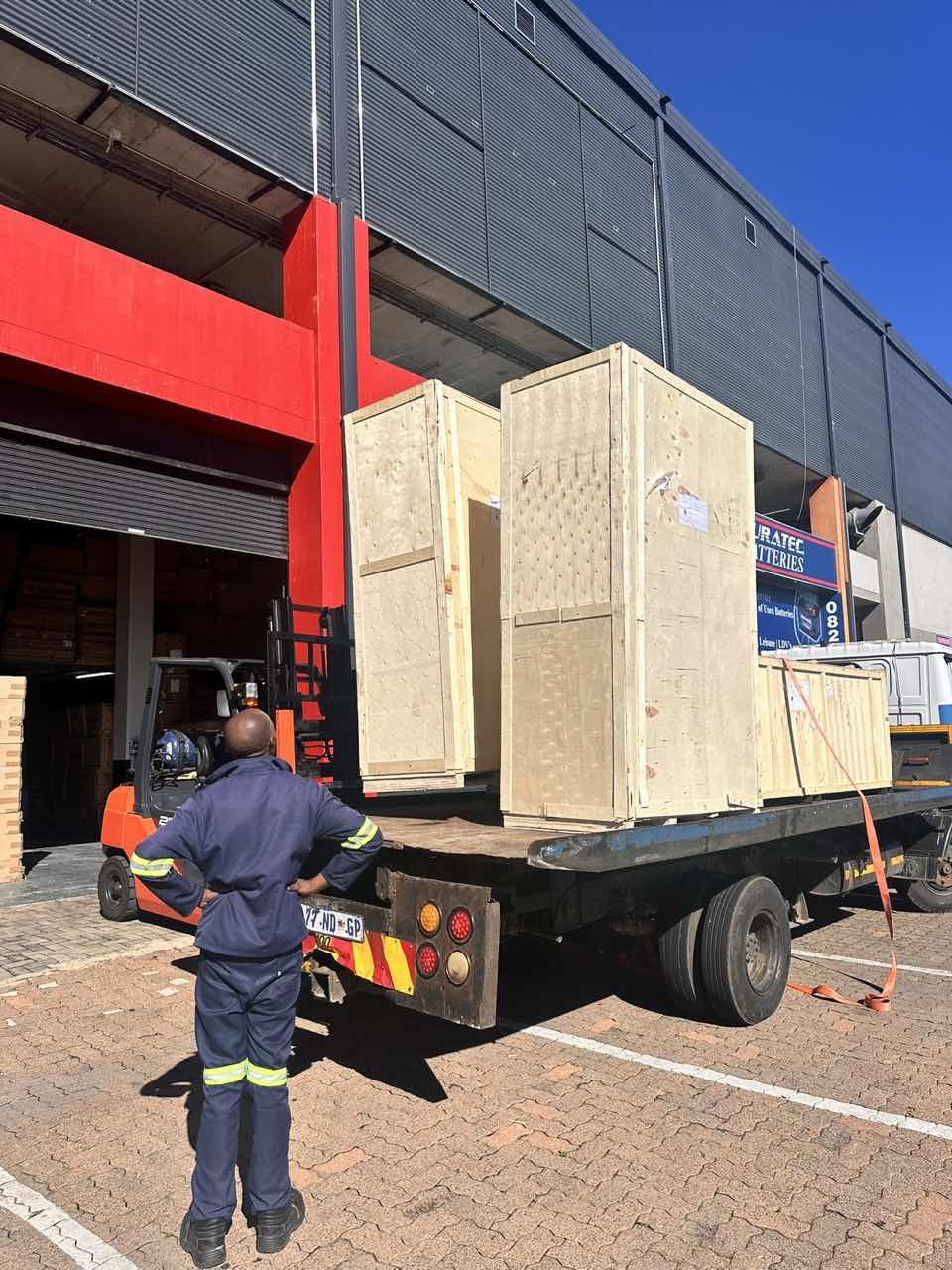
Food Processing Machine
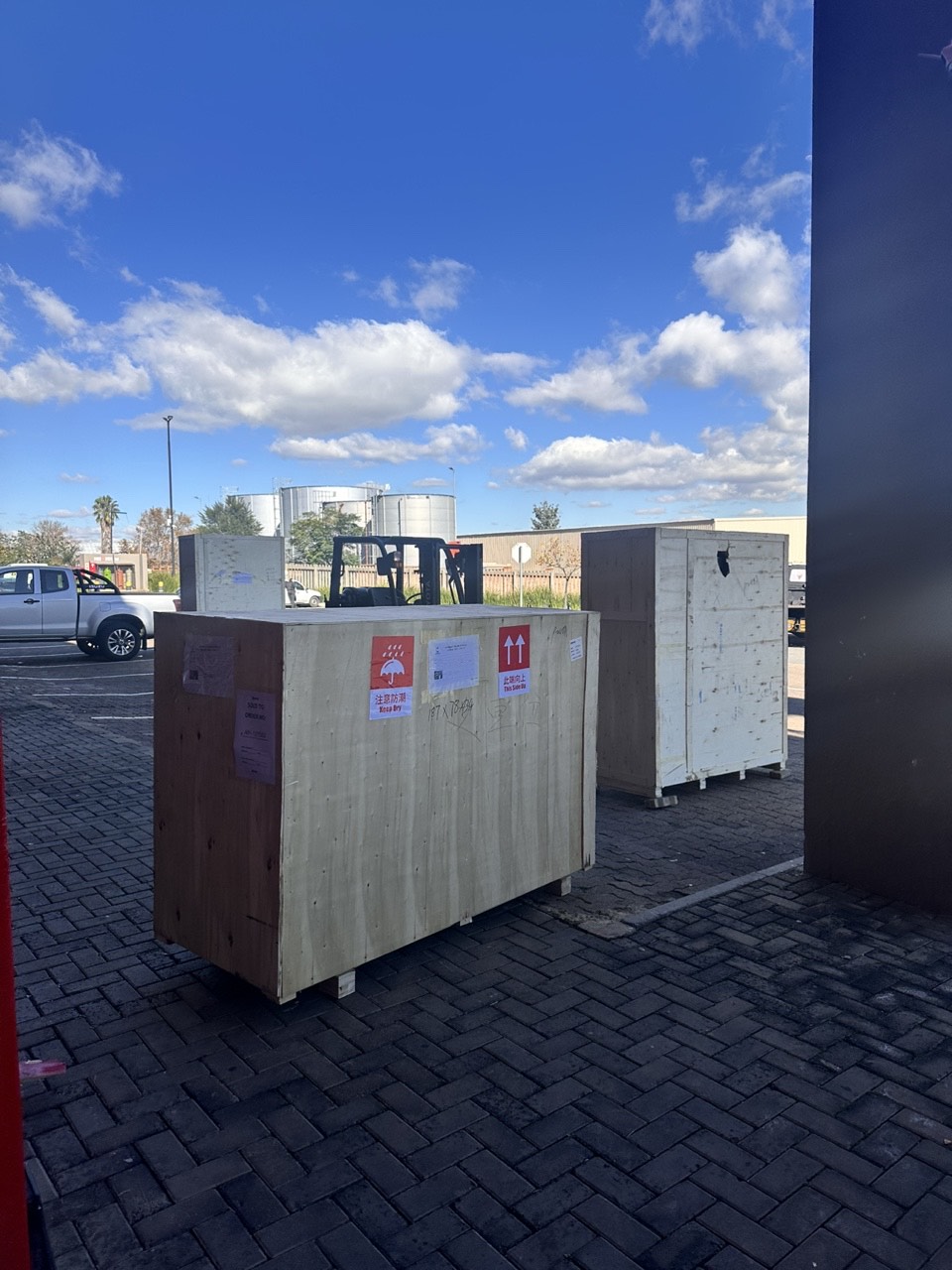
Batch of Orders
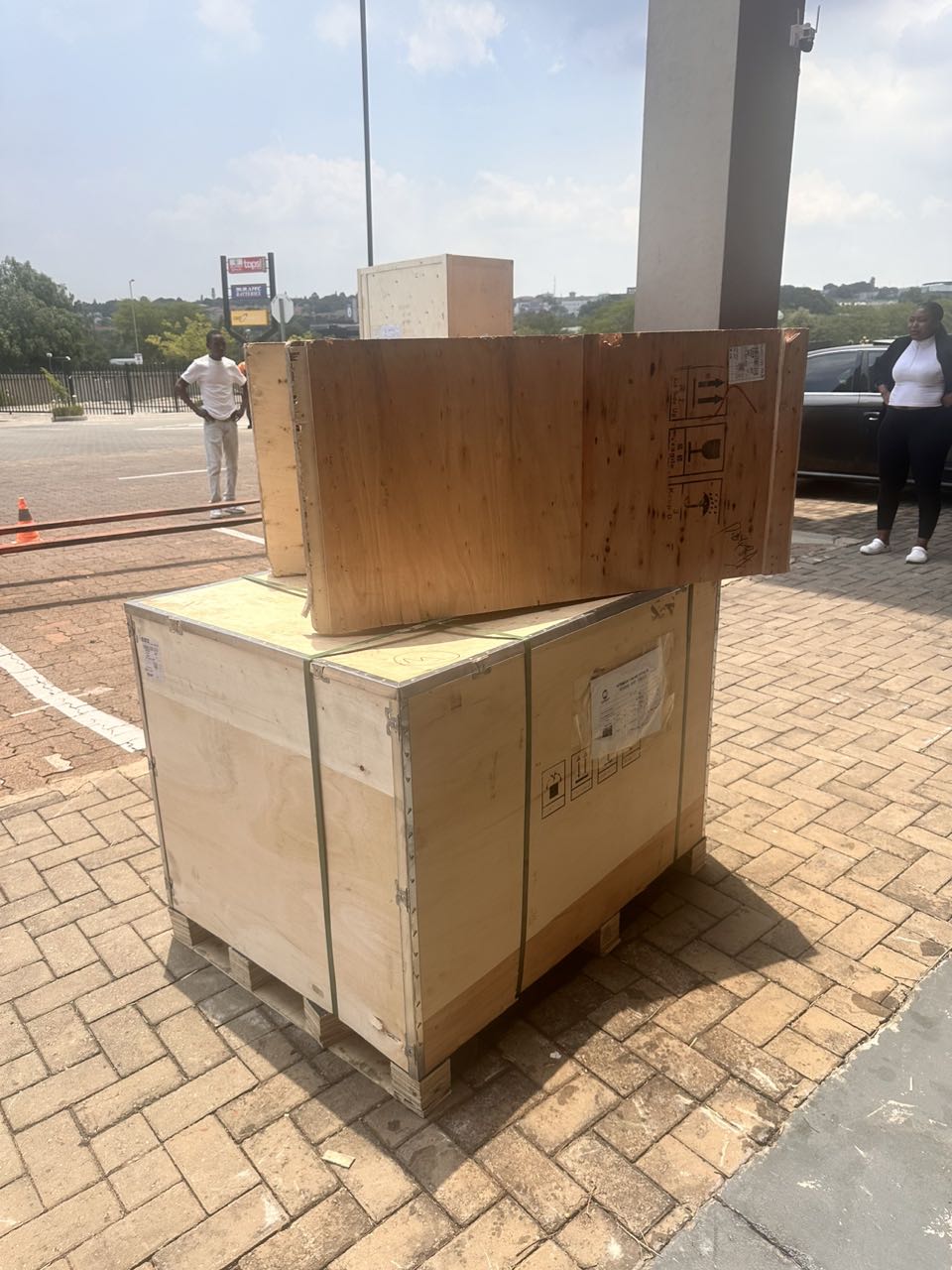
Batch of Orders
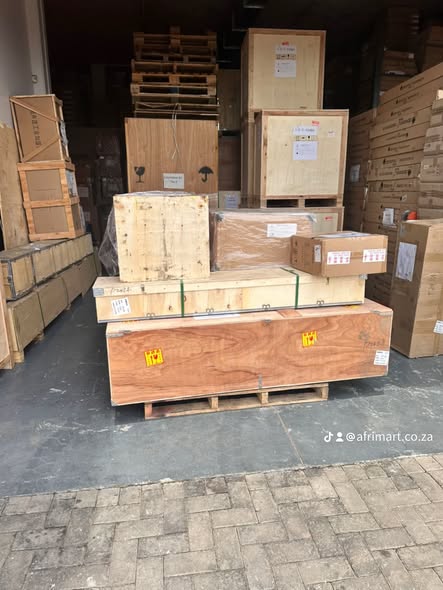
Latest Orders Labelled
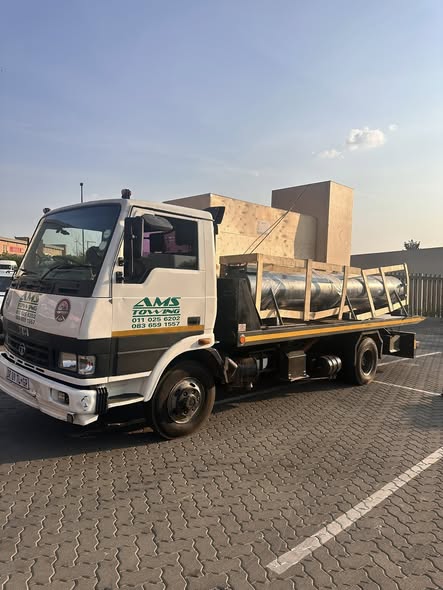
wheel alignment machines
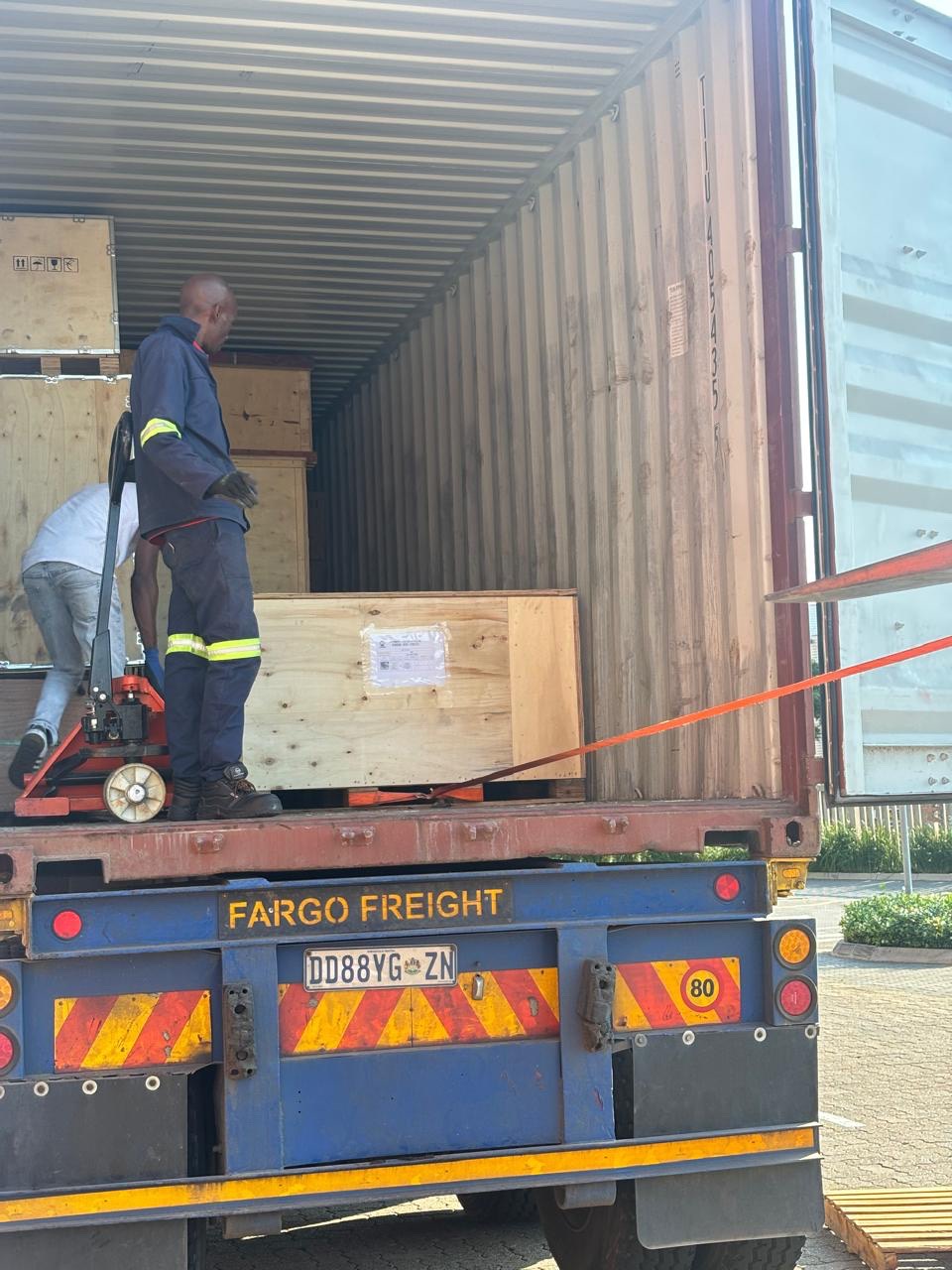
new arrivals
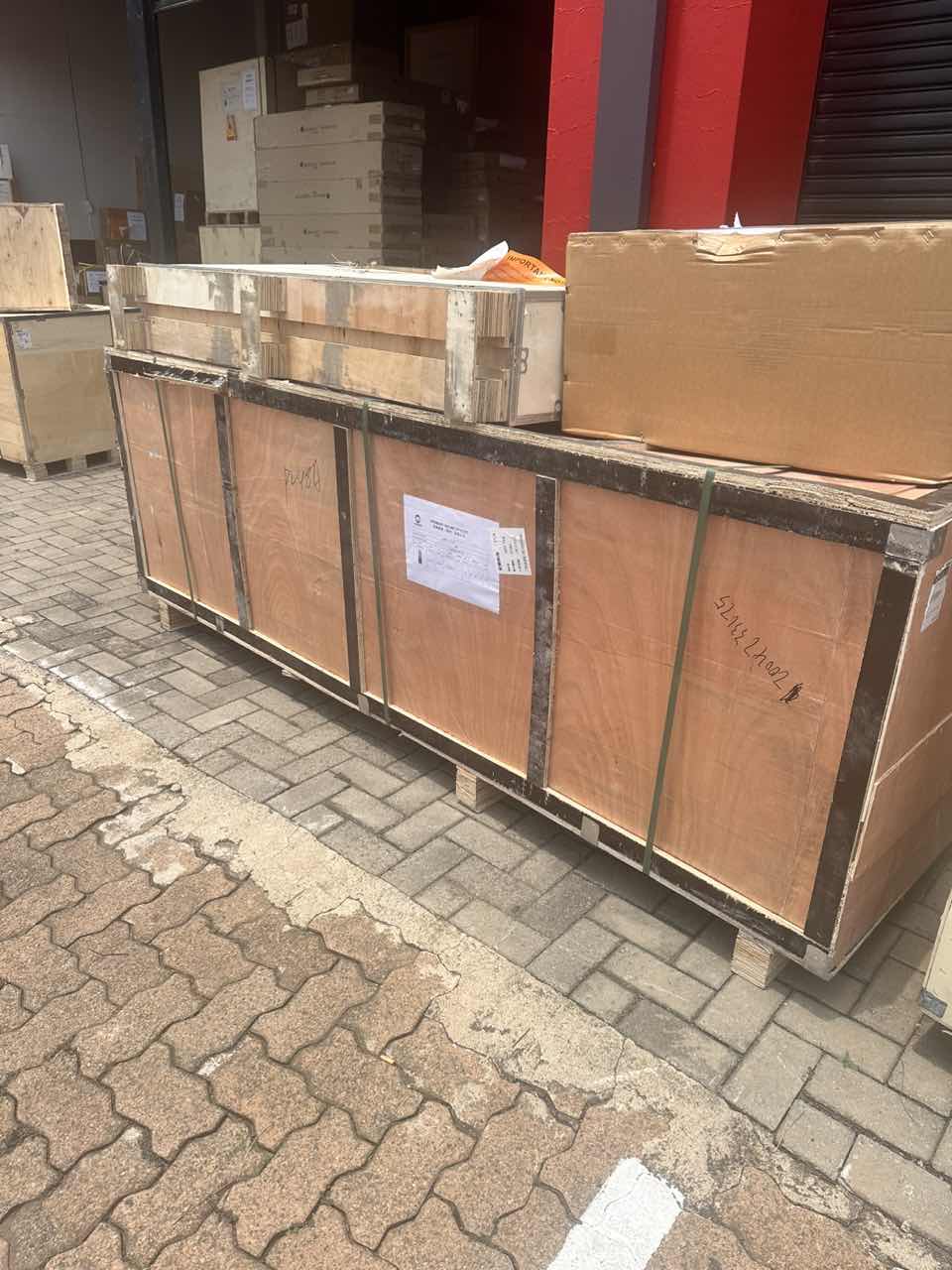
Pre Orders Offloading
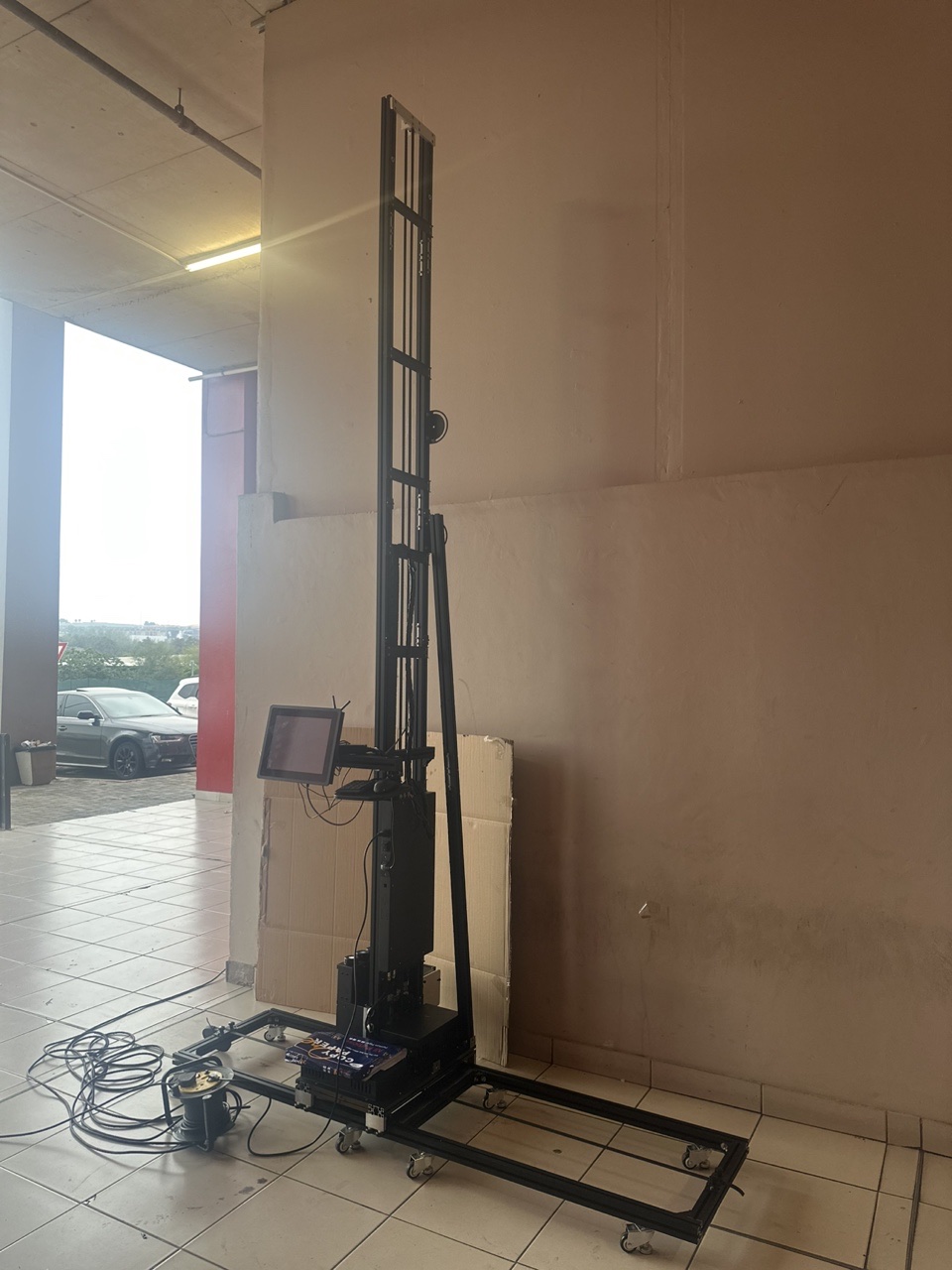
Latest Arrivals
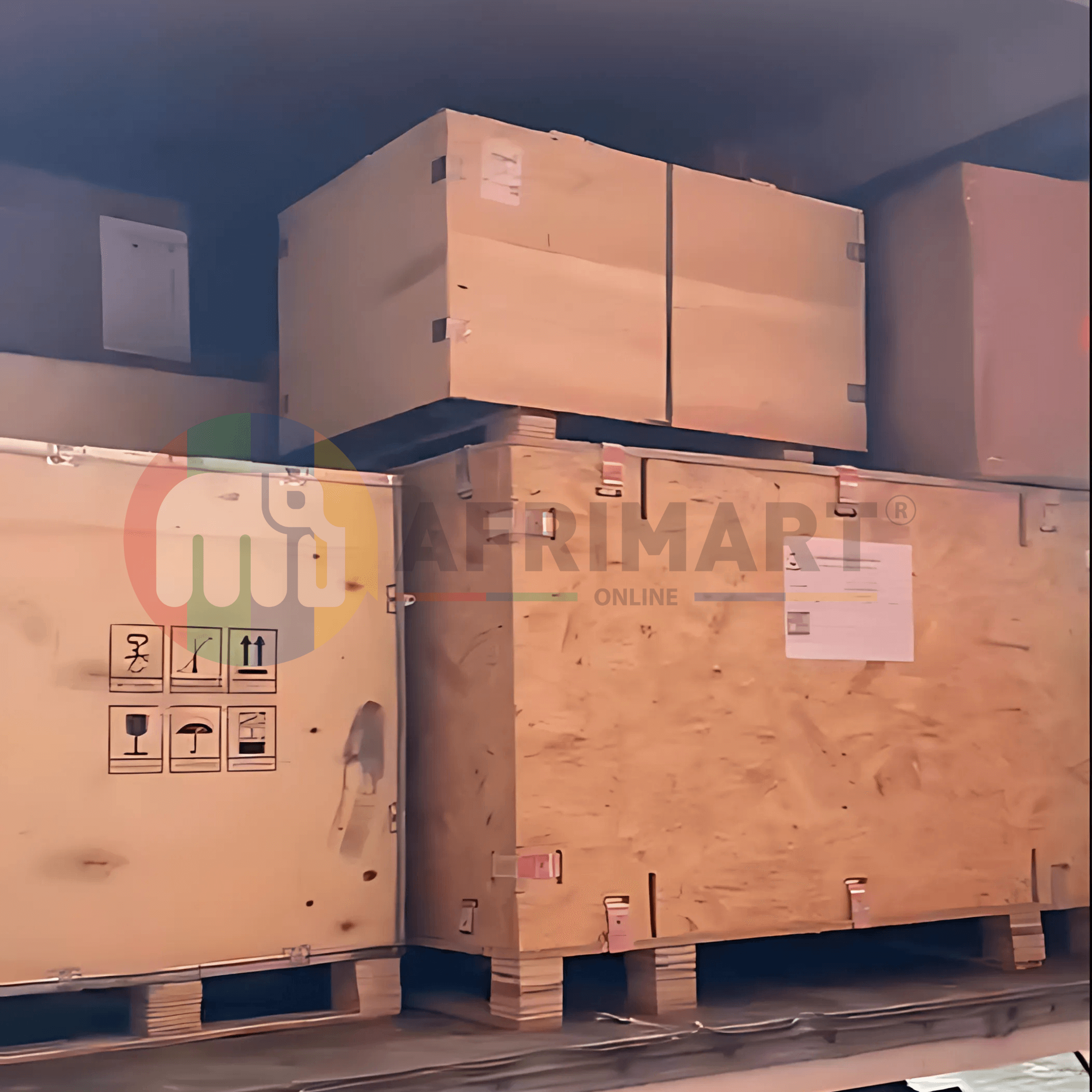
Latest Arrivals
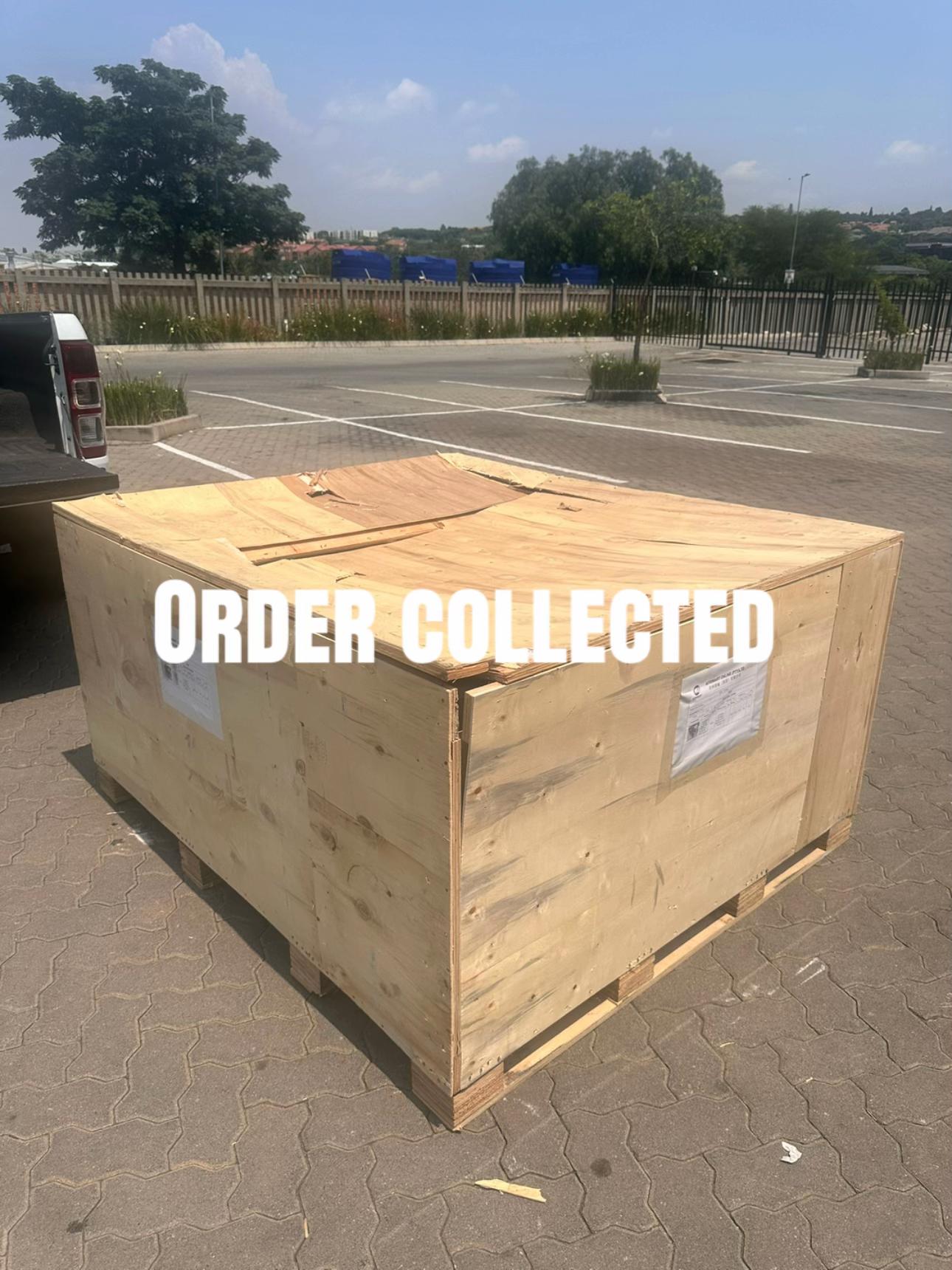
Latest Arrivals
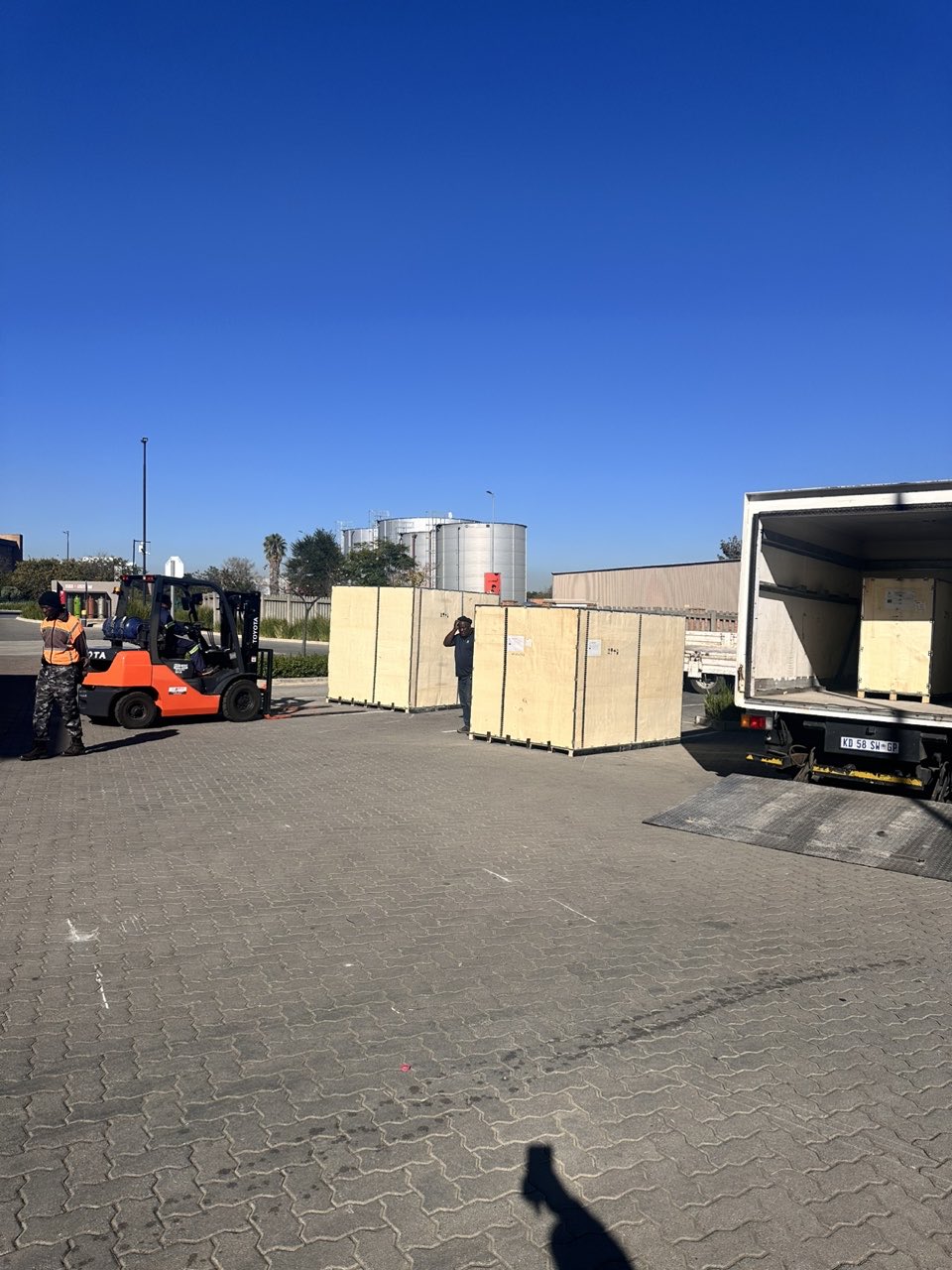
Loading
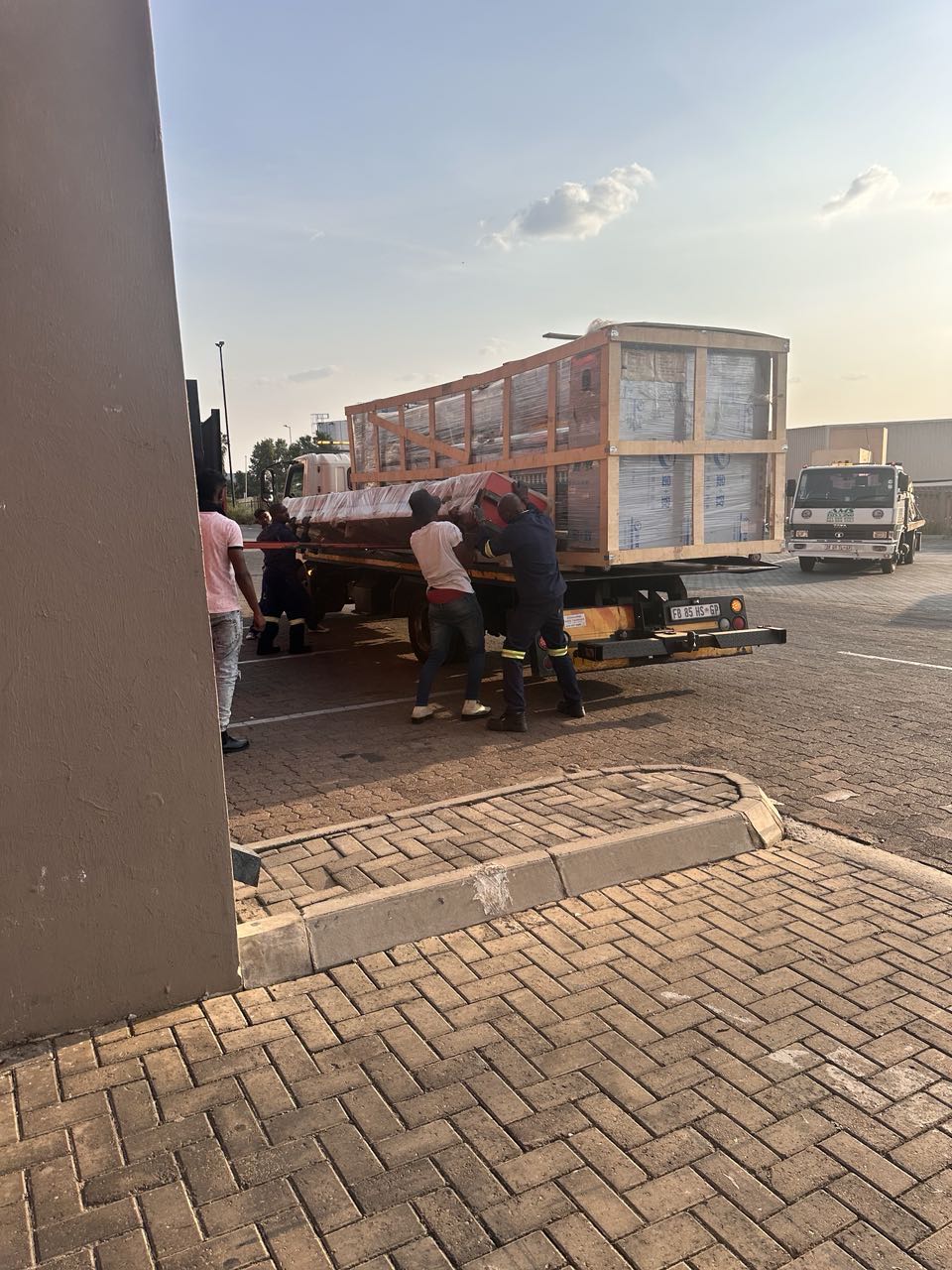
Toilet paper making machine
Toilet paper making machine
Toilet paper Rewinding Machine
latest arrivals
offloading
order success
order collection
order offloading