B21, China Town Mall, Midrand

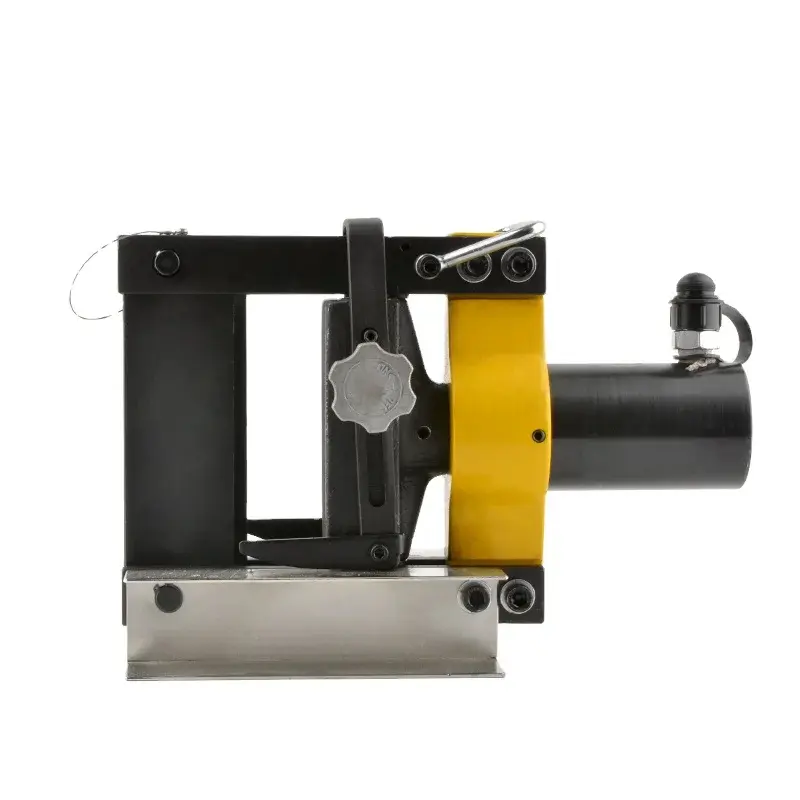
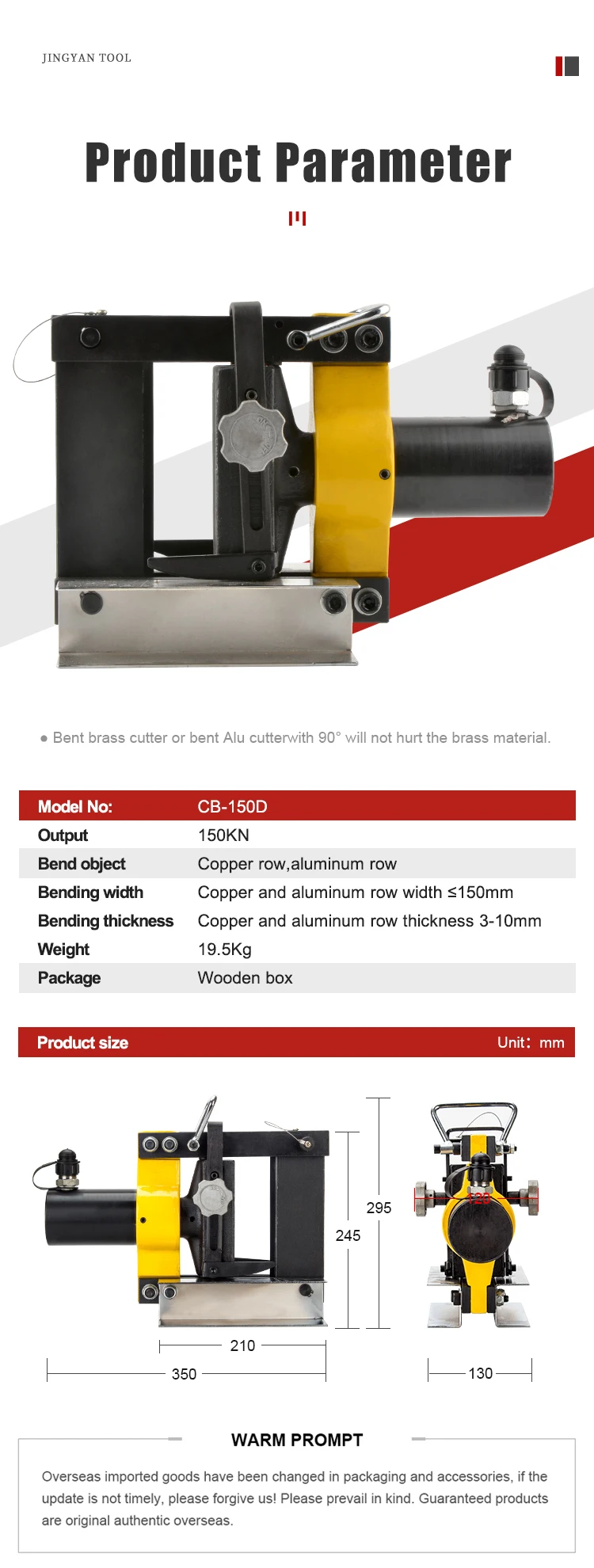
CB-150D Hydraulic Steel Bending Machine sldb

- Section : Machinery
- Category : Industrial Machinery
- SKU : 1601038887528

Product Description
- Shipping Timeframes: All orders are processed within 2-5 business days (excluding weekends and holidays). After your order has been processed, the estimated delivery time is before 25 Dec, 2025, depending on customs, Please note that due to high demand, some items may experience longer shipping times, which will be communicated at order confirmation email.
- Order Processing Time: Please allow 2-5 business days for us to process your order before it is shipped . Orders placed after 16:00 on Fridays, or during weekends and public holidays, will begin processing on the next business day. Processing times may be extended during peak seasons or sales events.
- Manufacturing Time: Some products needs manufacturing time, the manufacturing process will take approximately 10-30 business days depending on the product. This timeframe may vary depending on the complexity of the product and current demand. but this will be communicated with you during order confirmation.
- Returns and Exchanges: We offer a 30-day return policy for most items. If you are not completely satisfied with your purchase, you may return it within 30 days of receipt for a refund or exchange. Items must be unused, in their original packaging, and accompanied by proof of purchase. Return shipping costs are the responsibility of the customer, unless the item was damaged or defective upon arrival.
1. What is the CB-150D Hydraulic Steel Bending Machine sldb used for?
The CB-150D is a hydraulic steel bending machine designed to bend steel bars, rods and rebar for construction, prefabrication and metalwork applications. It performs precise, repeatable bends for forming hooks, stirrups, frames and other reinforcement shapes.
2. What materials can the CB-150D bend?
It is intended for mild steel, low- and medium-carbon steel rebar and round bars. Compatibility with stainless or high-alloy steels depends on the specific tooling and machine capacity; consult the manufacturer for guidance on nonstandard materials.
3. What is the maximum bar diameter or bending capacity?
Maximum capacity depends on tooling and the material grade. Exact limits for the CB-150D are shown on the product specification sheet—please refer to the datasheet or contact the supplier to confirm the maximum diameter and yield strength the machine can safely bend.
4. How is the machine powered?
The CB-150D uses a hydraulic drive system powered by an electric motor. Voltage and motor rating can vary by configuration; check the machine nameplate or order options for available voltage and power specifications.
5. What types of bending dies and tooling are available?
A range of bending heads and dies are available for different bar diameters and bend radii, including standard convex and concave dies for rebar forming. Many suppliers offer die sets in metric and imperial sizes as standard or optional accessories.
6. Can the machine perform repeatable angular bends and presets?
Yes—hydraulic bending machines like the CB-150D typically allow for presetting of bend angles and stops for consistent, repeatable production. Exact controls (manual, semi-automatic or CNC) depend on the chosen model variant and control options.
7. What are the safety features of the CB-150D?
Standard safety features commonly include emergency stop, safety guards or covers around moving parts, two-hand or foot control interlocks, overload protection in the hydraulic system, and clear safety decals. Confirm the fitted safety options when ordering.
8. What maintenance does the CB-150D require?
Routine maintenance includes checking and topping hydraulic oil, inspecting hoses and fittings for leaks, lubricating pivot points and bearings, checking die wear, and tightening bolts. Follow the manufacturer’s maintenance schedule and keep a record of service.
9. What hydraulic fluid and capacity does it use?
The recommended hydraulic oil type and fluid capacity are specified in the machine manual. Use the grade recommended for your ambient temperature range and replace or filter the fluid at intervals specified by the manufacturer.
10. What are the machine dimensions and weight?
Dimensions and shipping weight vary by configuration and accessories. Exact footprint, height and weight are provided on the product datasheet—request the technical sheet from your supplier for planning floor space and transport.
11. Are spare parts and tooling available?
Yes—spare hydraulic components, seals, pumps, dies and tooling kits are normally available from the manufacturer or authorized distributors. Keep a parts list or machine serial number when ordering replacements to ensure compatibility.
12. Does the CB-150D come with training or installation support?
Many vendors provide installation assistance, commissioning and operator training as part of the sale or as an optional service. Confirm training, start-up and on-site support options with your supplier before purchase.
13. What warranty and after-sales support are offered?
Warranty terms vary by manufacturer and distributor. Typical warranties cover defects in materials and workmanship for a limited period, with additional support available through service contracts. Ask your sales representative for the specific warranty and service terms.
14. What optional features or upgrades are available?
Optional features can include programmable angle controls, additional die sets, extended-length bending arms, material feeders, automated indexing, and enhanced safety packages. Check available options to tailor the machine to your production needs.
15. How can I get a quote, lead time and shipping information?
Contact an authorized dealer or the manufacturer with your required configuration, desired tooling, destination and any installation needs. They will provide a formal quotation including price, lead time, freight, customs (if applicable) and installation options.
Latest Order Arrivals
Discover our latest orders
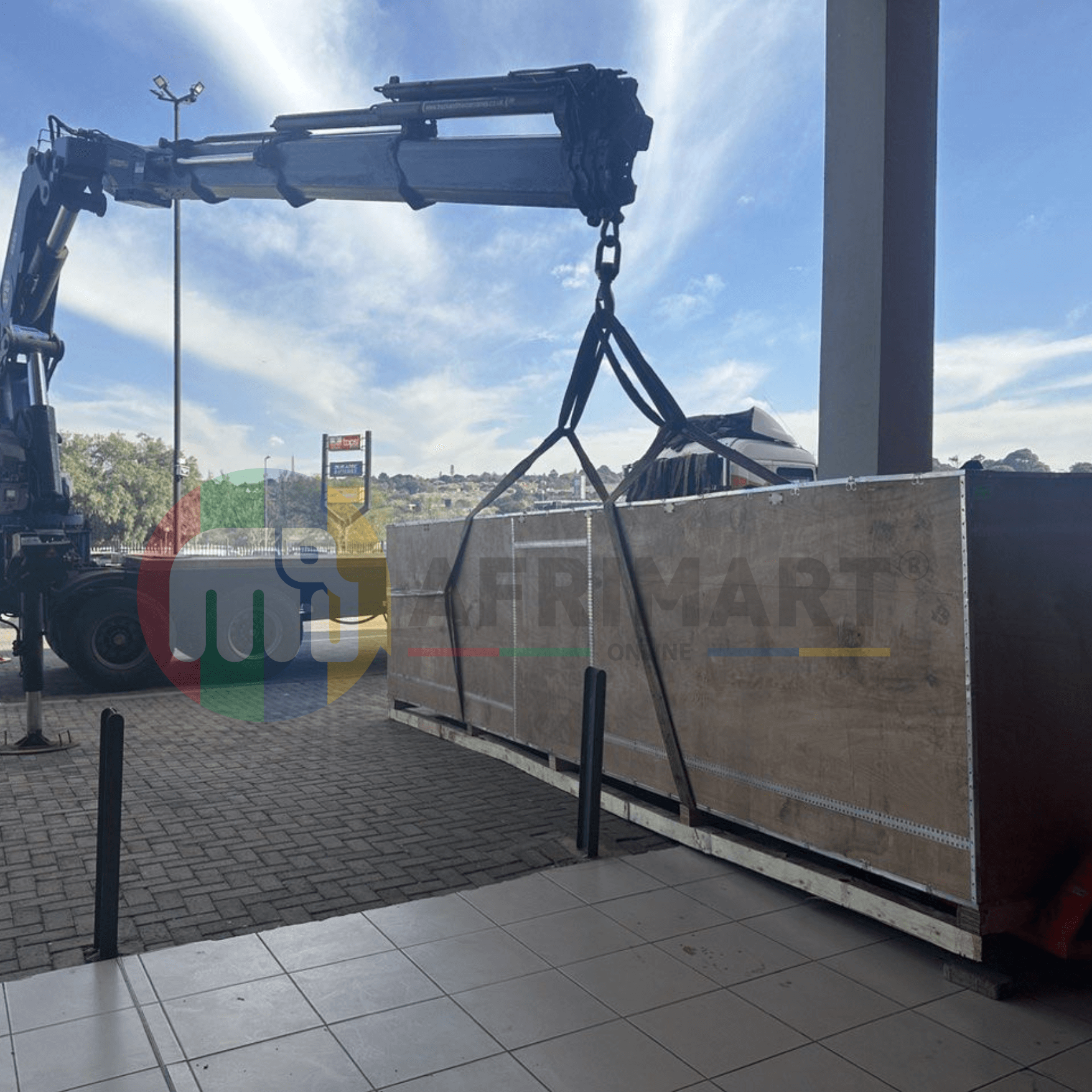
12 Heads Embroidery Machine
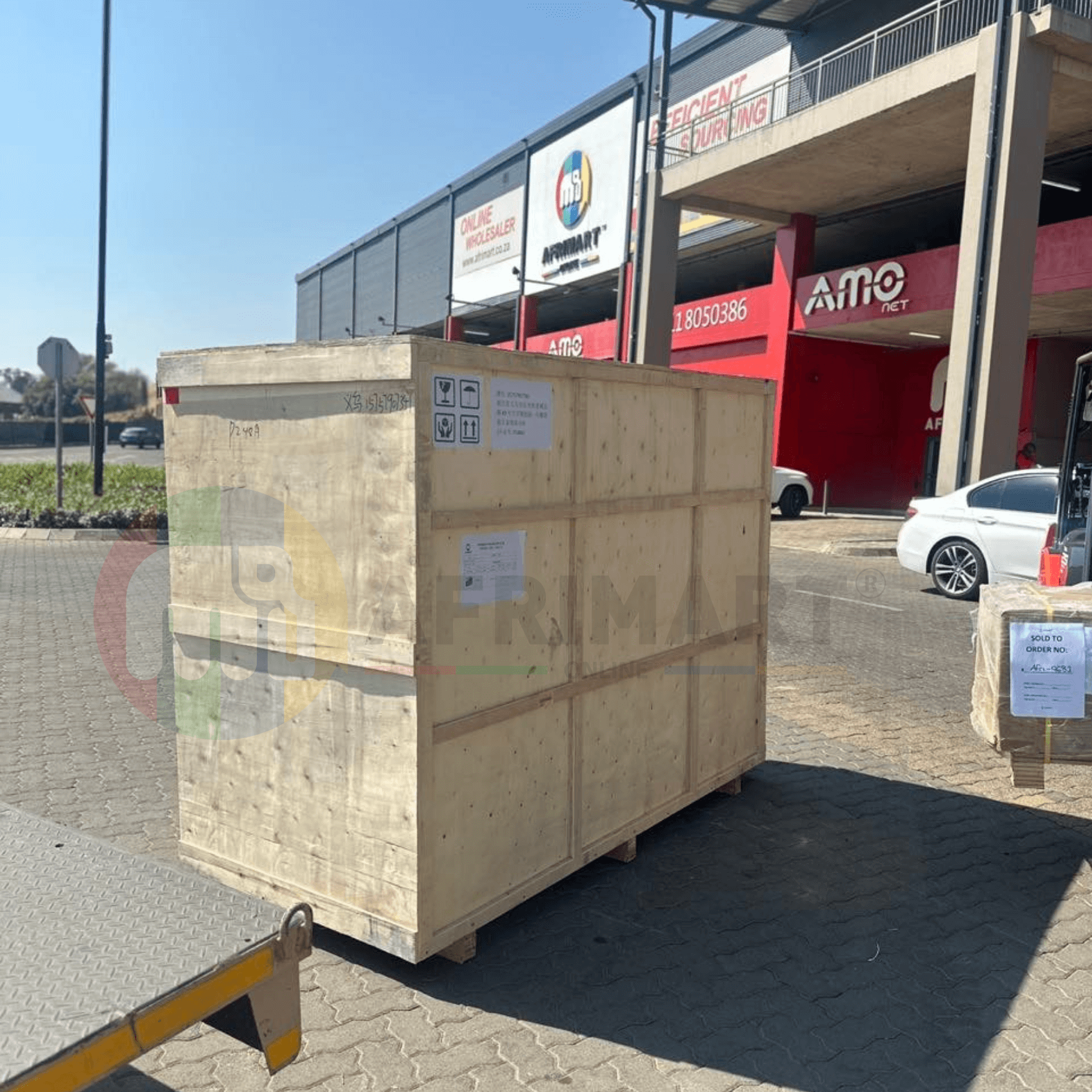
Dewatering Pump Machine
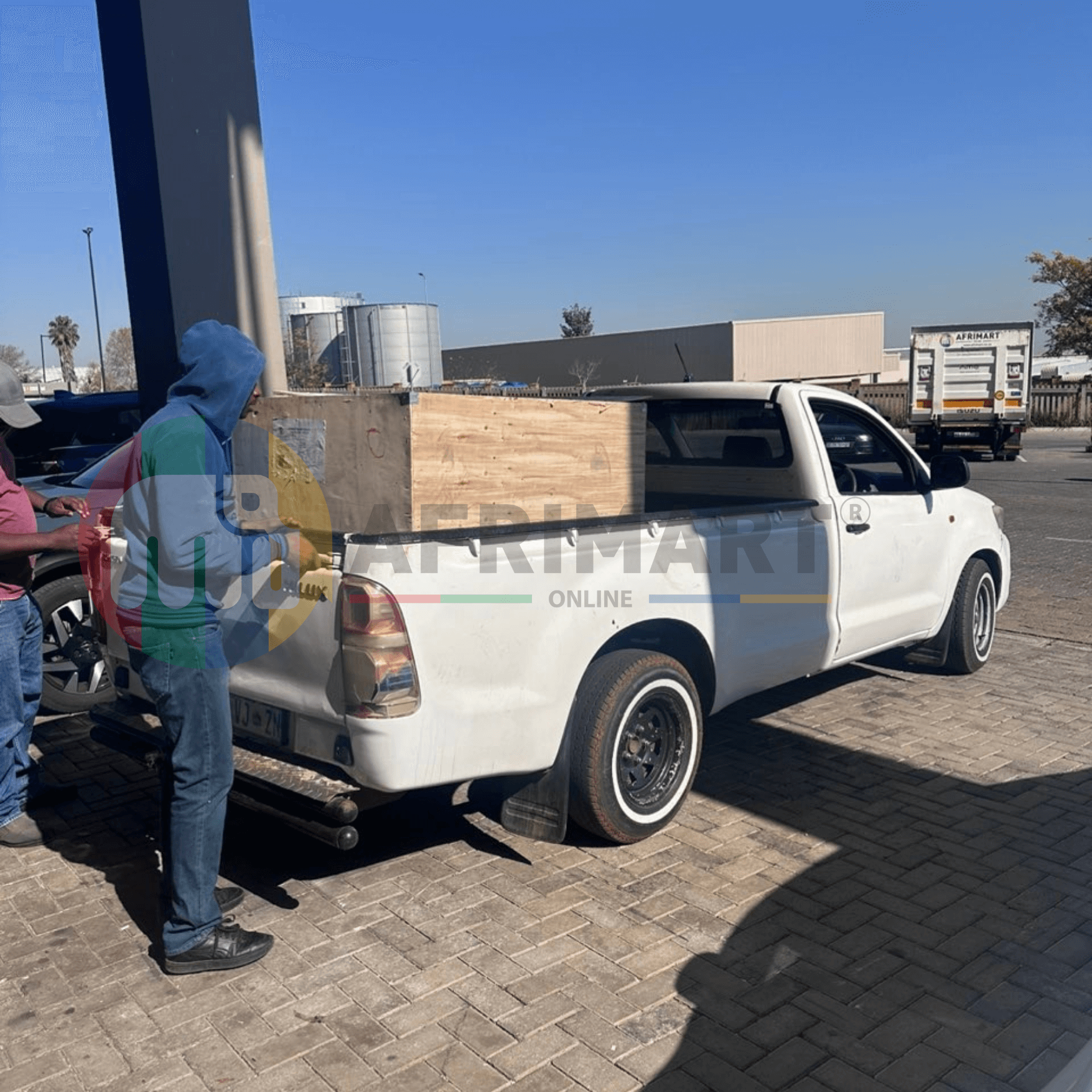
Order Collection
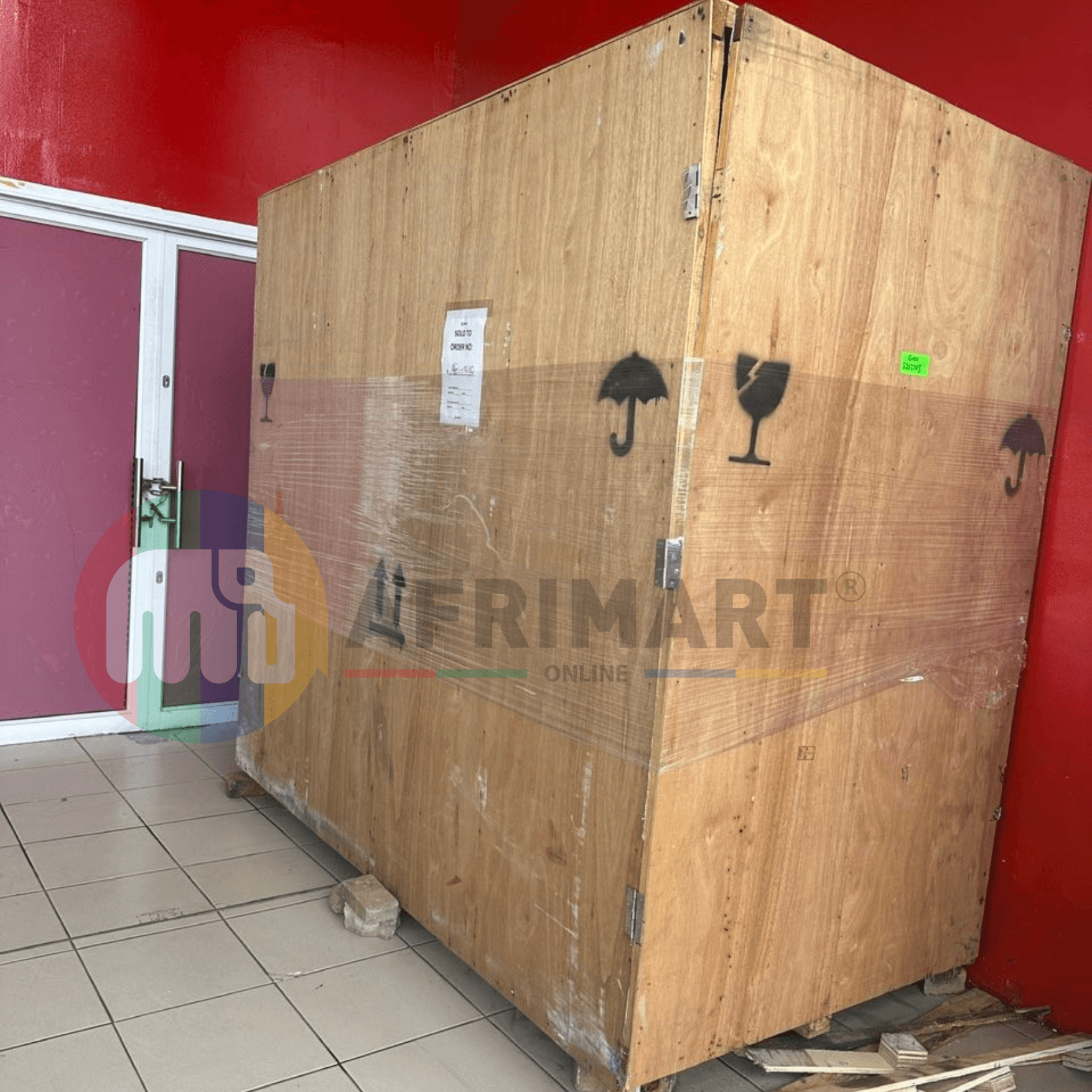
Portable Water Drilling Rig
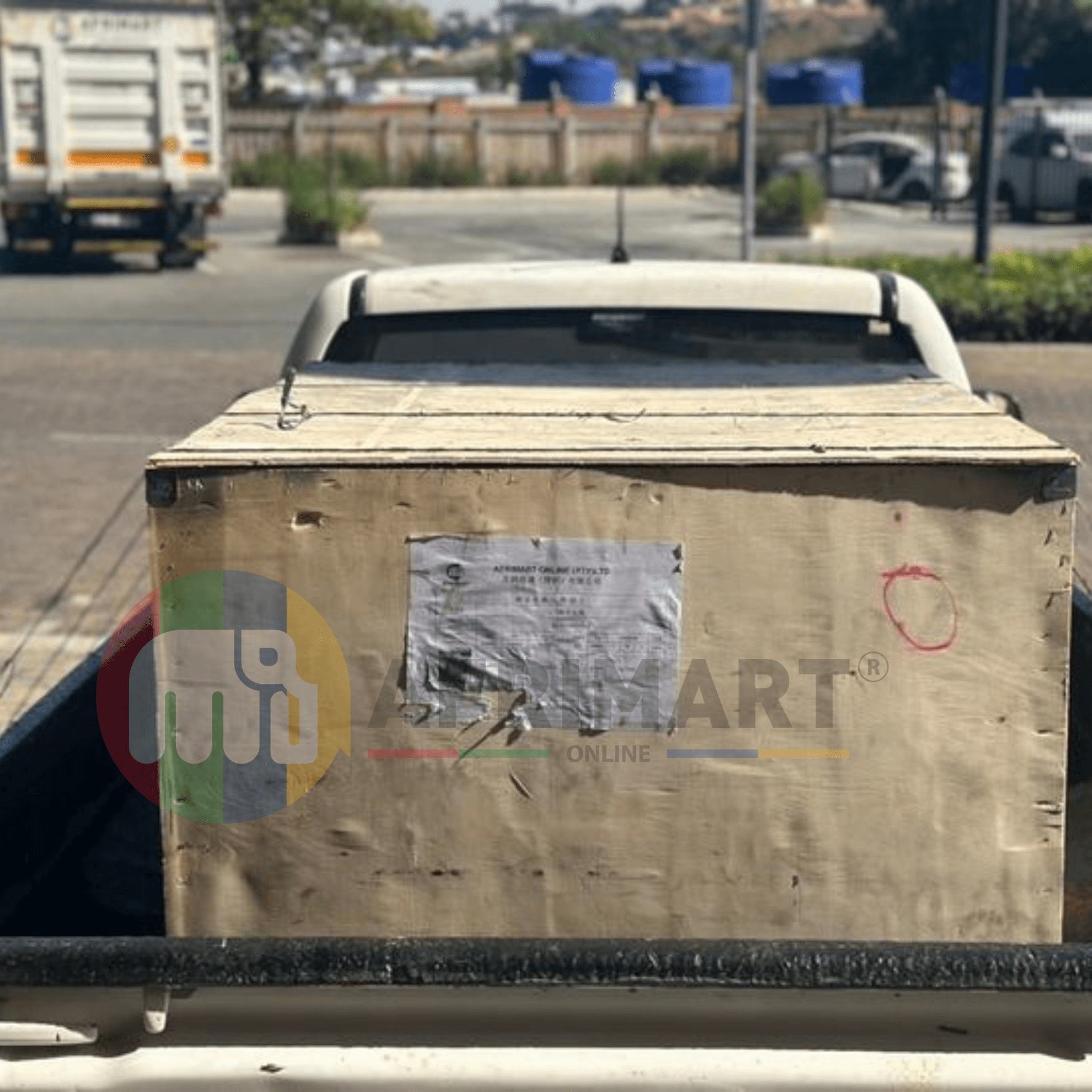
Order Usefully Collected
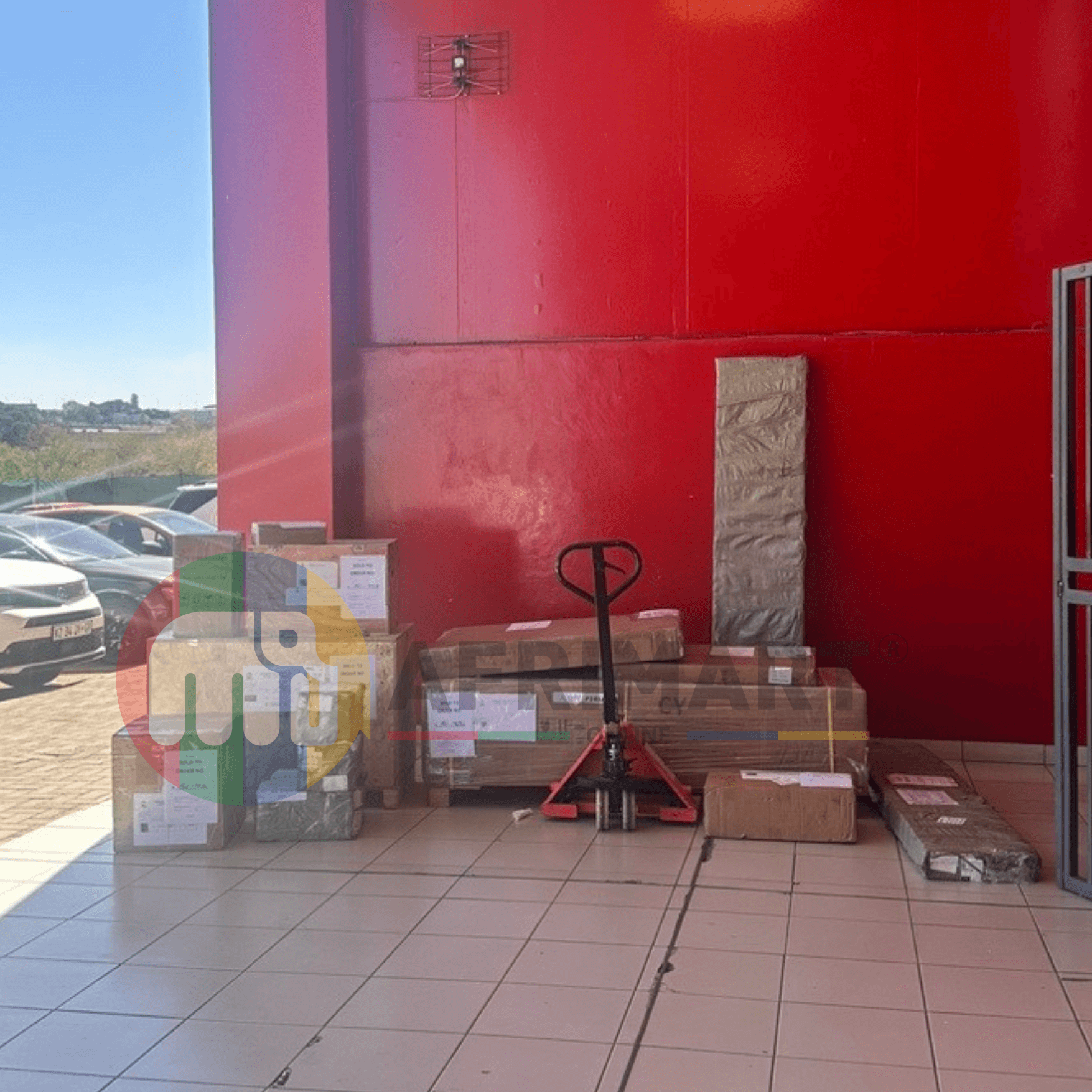
Batch of Orders
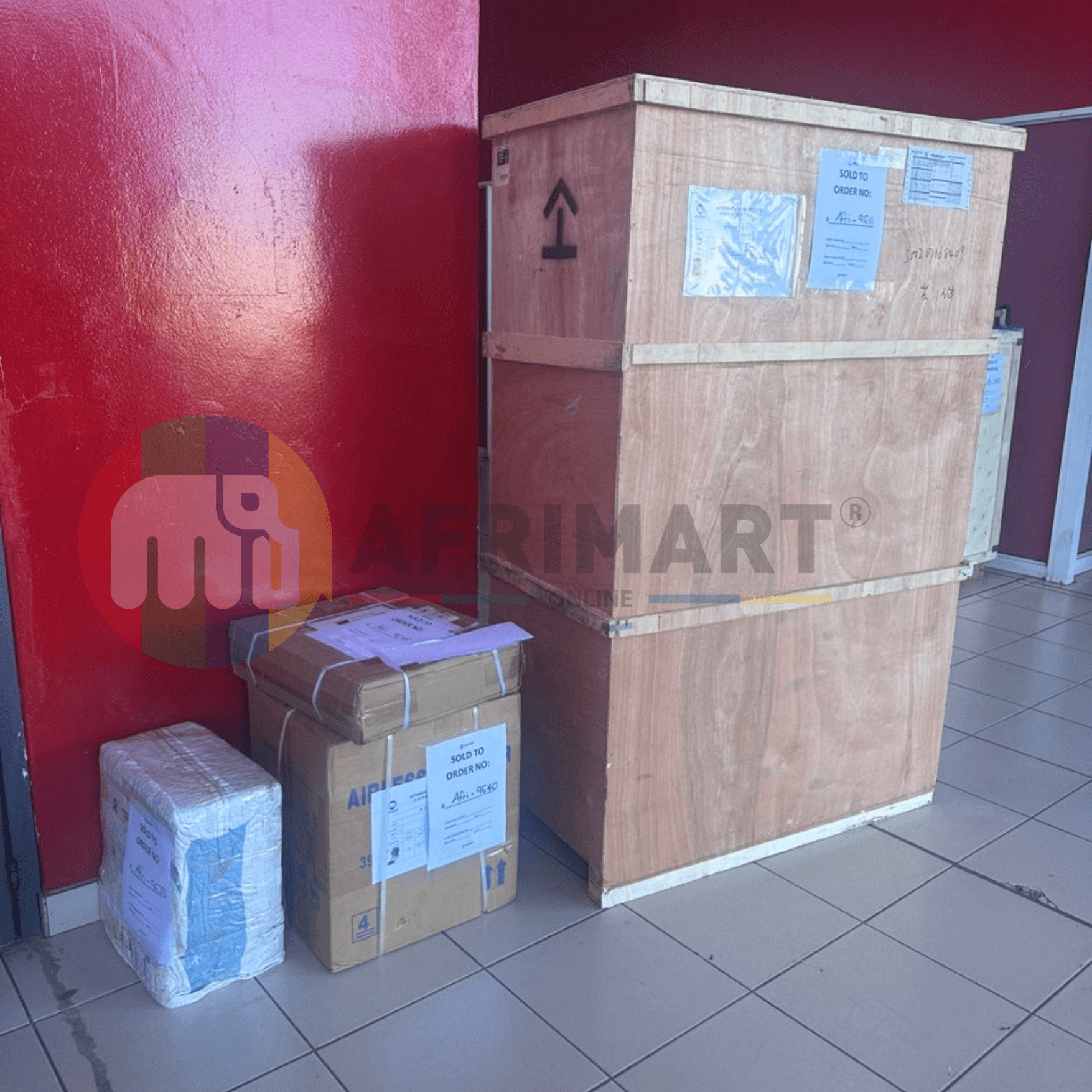
Agriculture Processing Machines
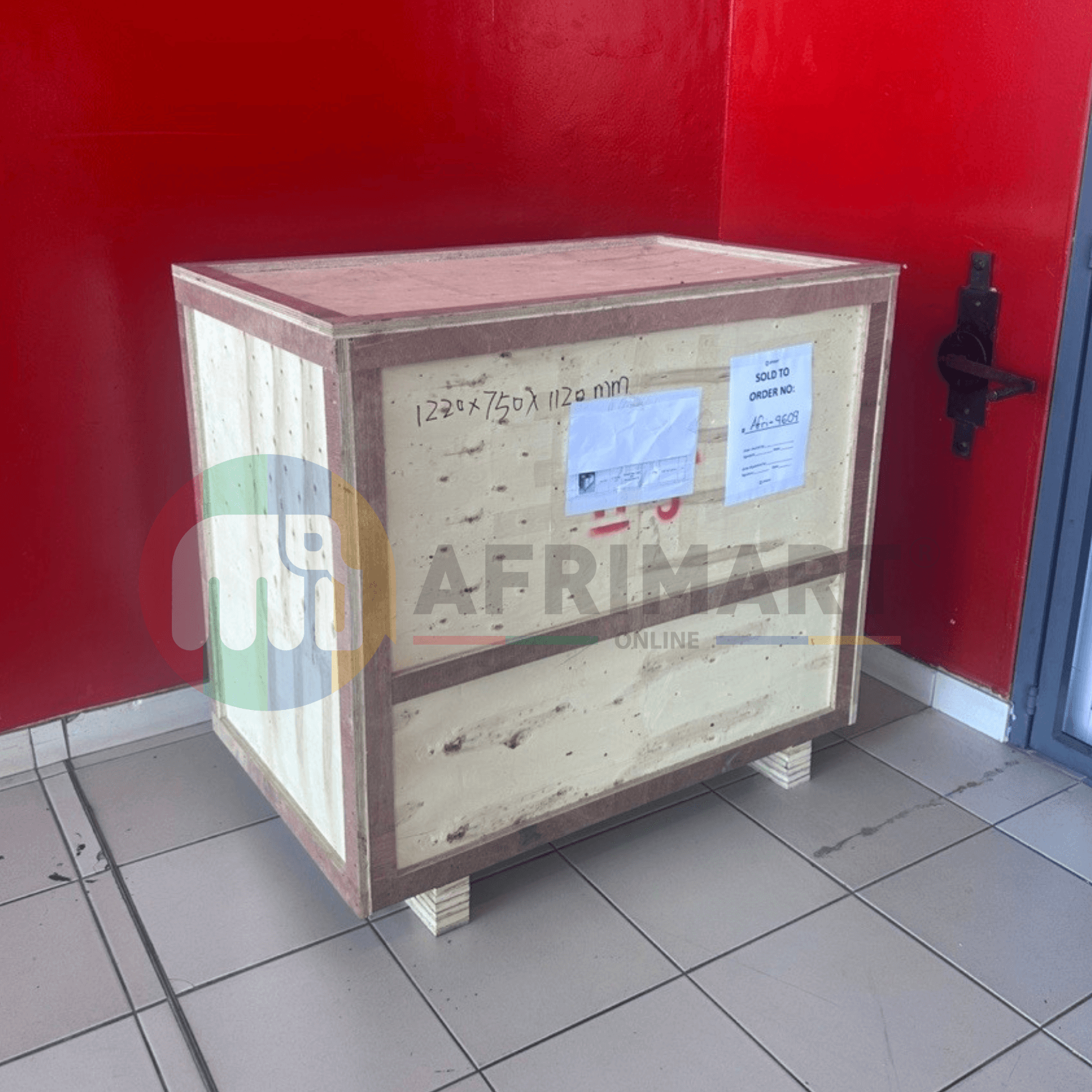
Meat Grinder Machine
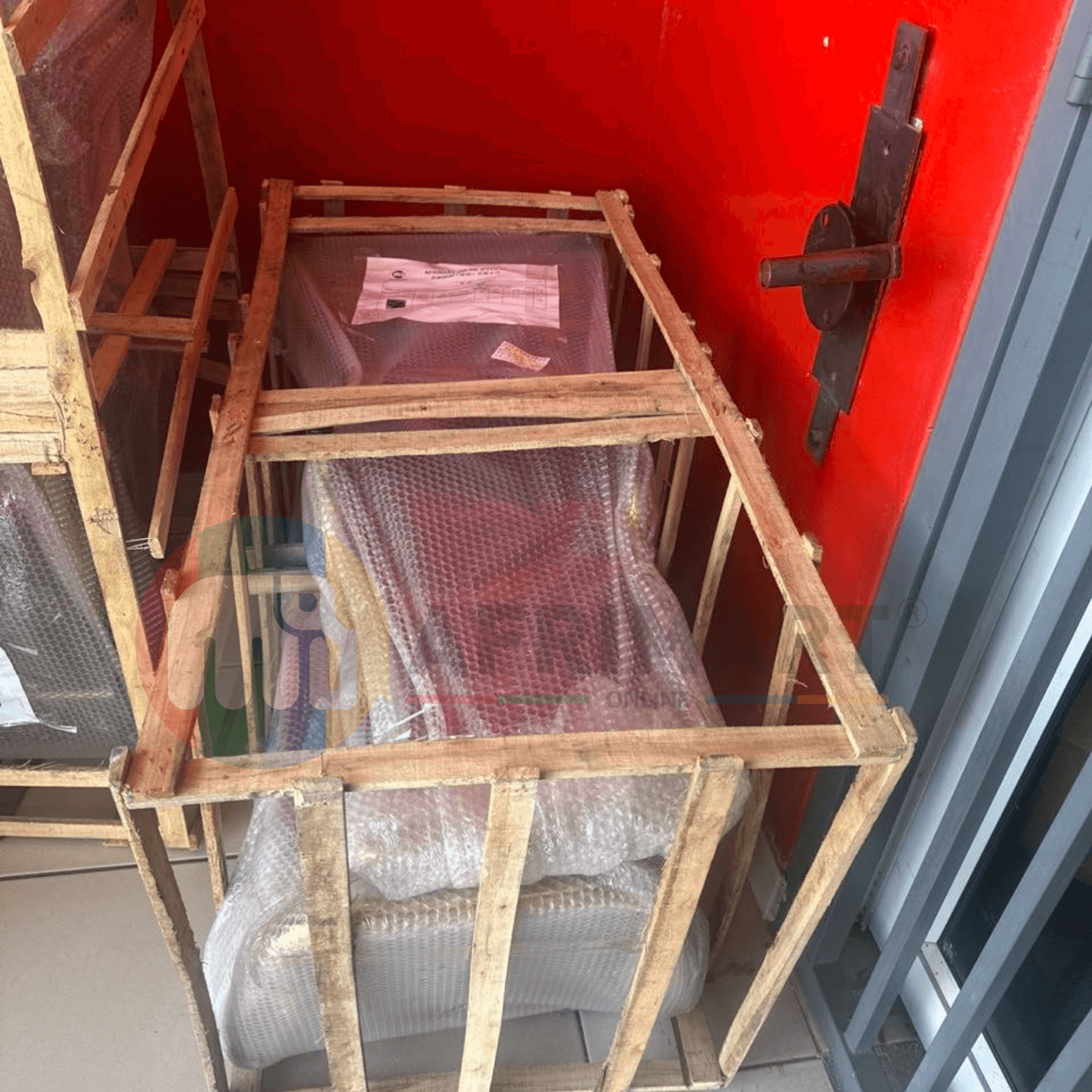
Water Pump Equipment
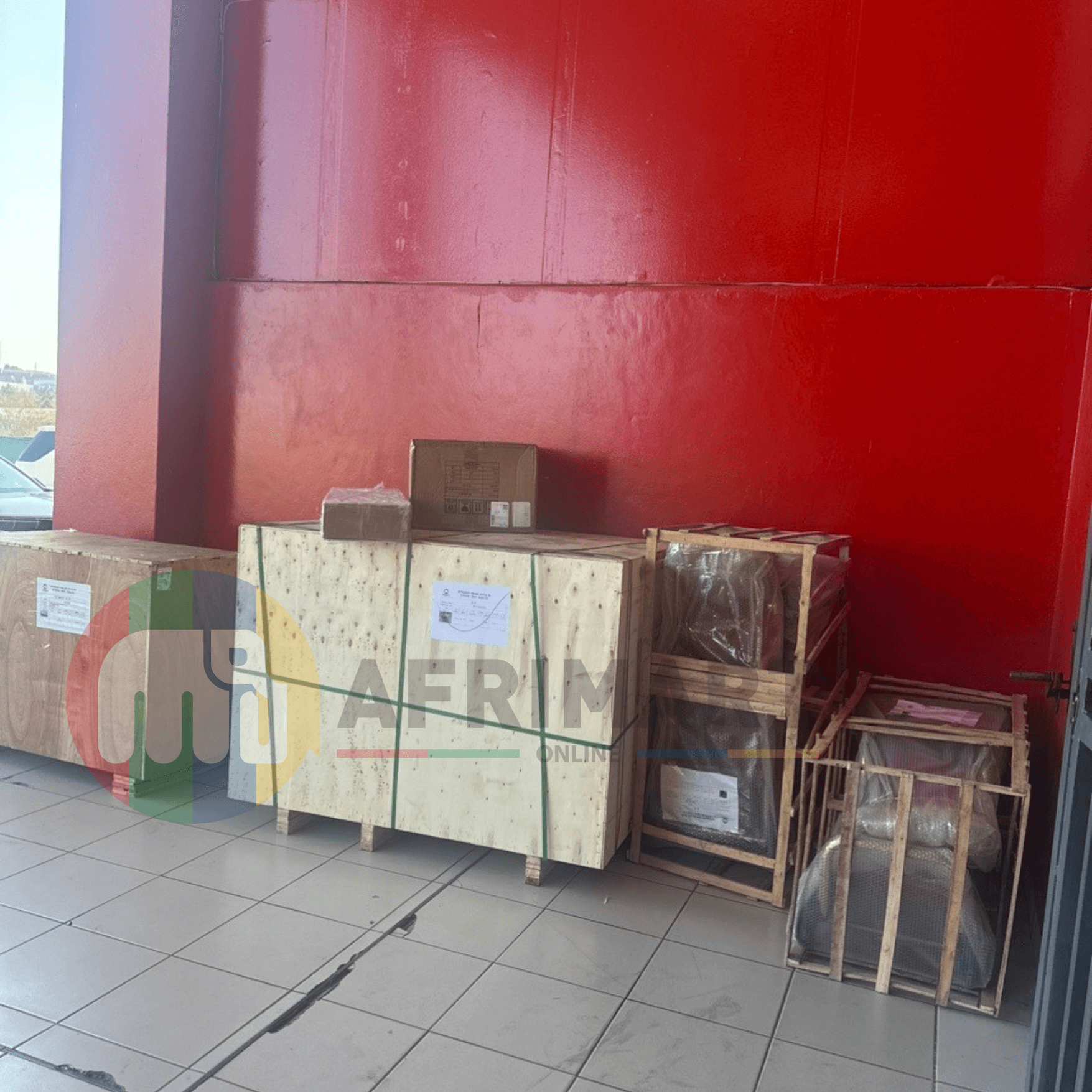
Packaging Machine and accessories
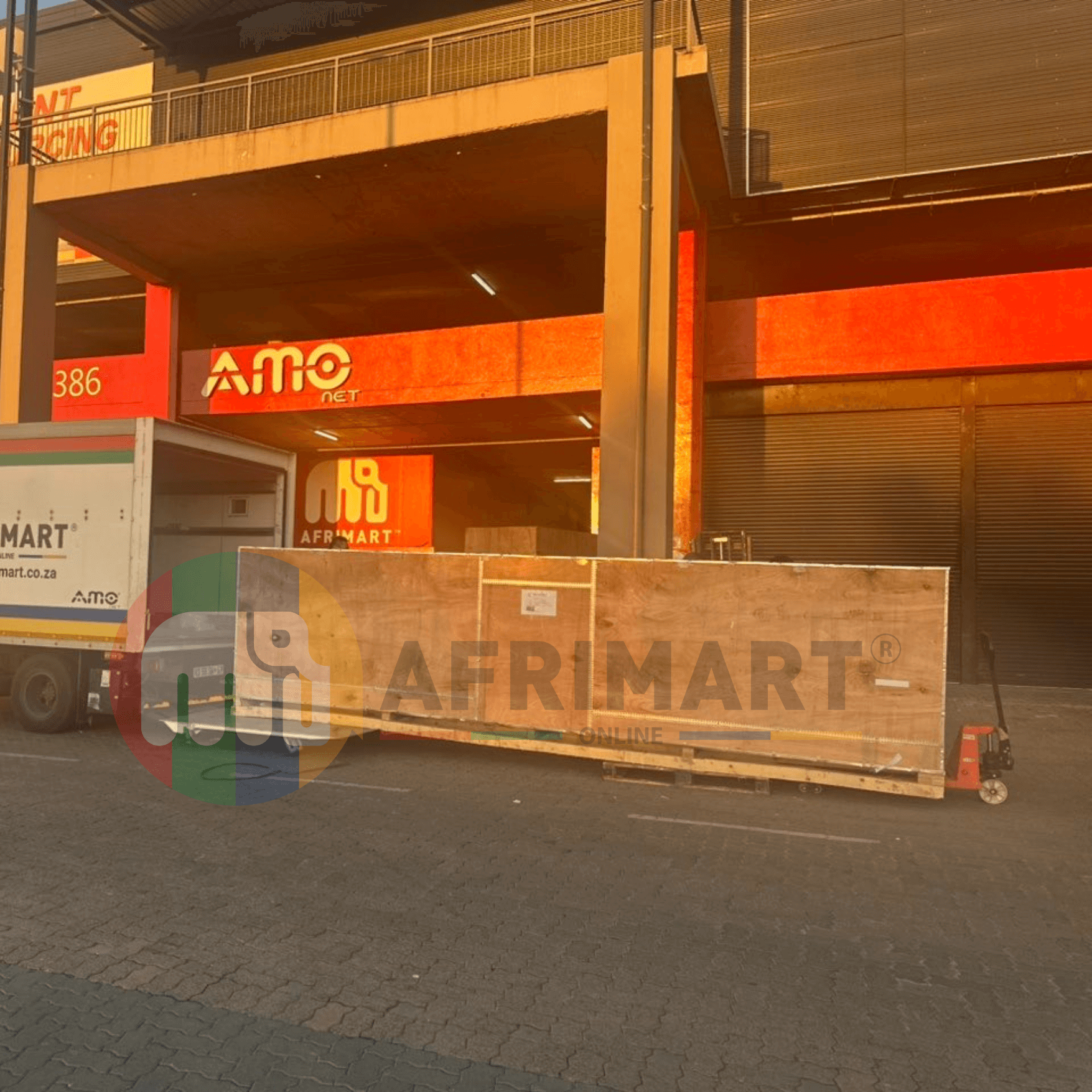
Fabrics Manufacturing Equipment
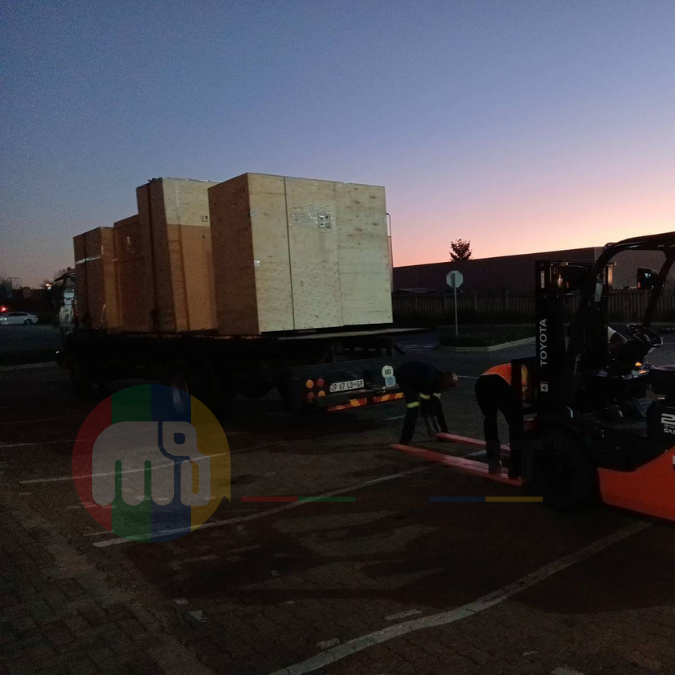
Mining Equipments
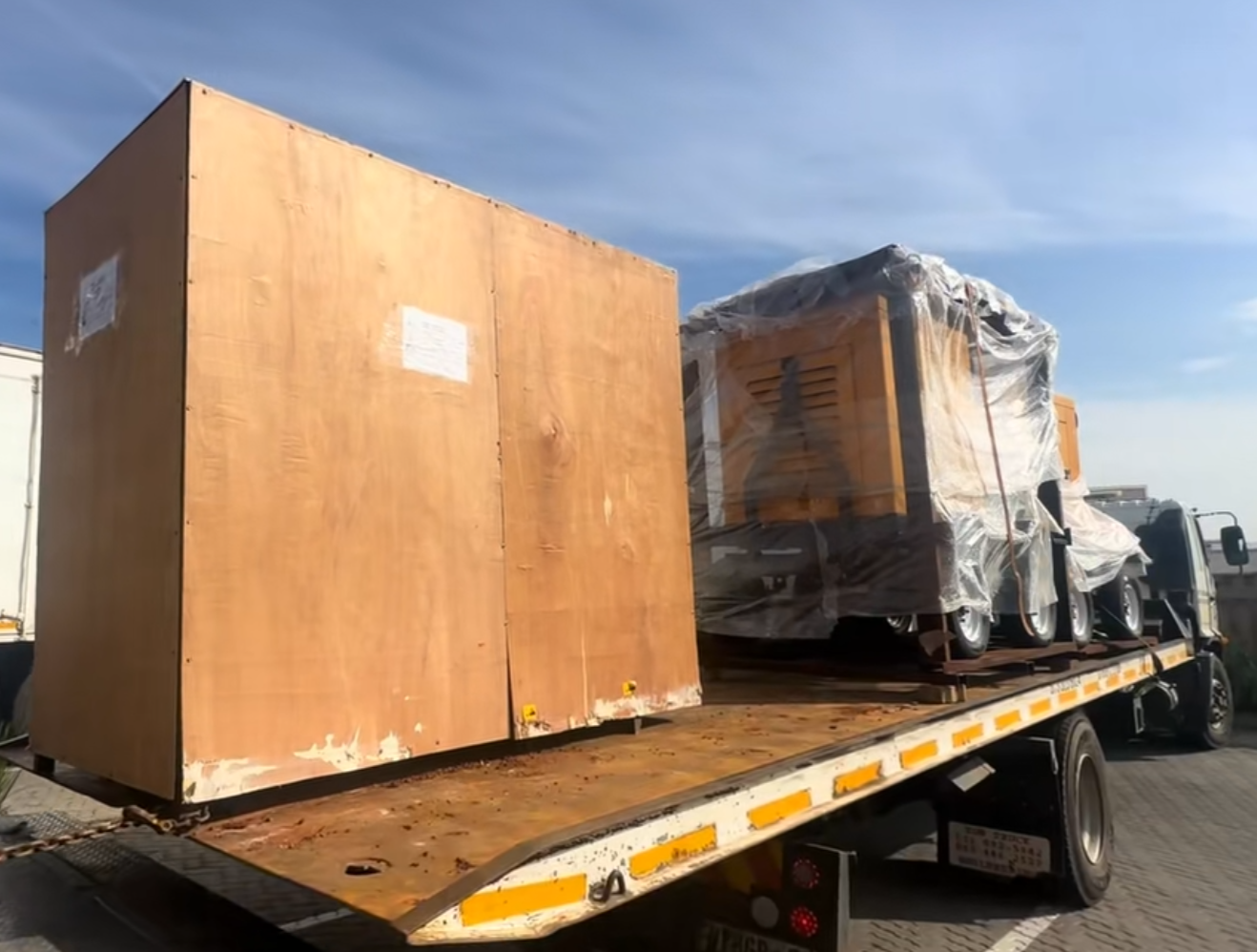
Food Processing Machine
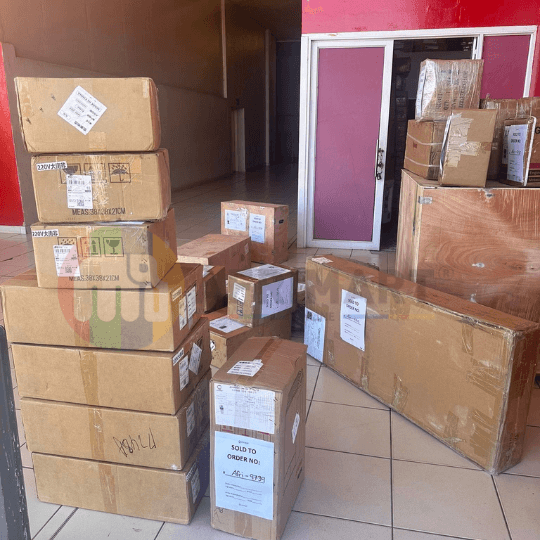
Batch of Orders
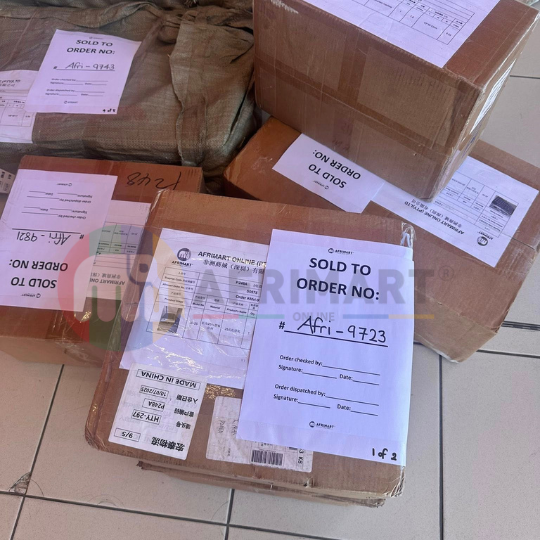
Batch of Orders
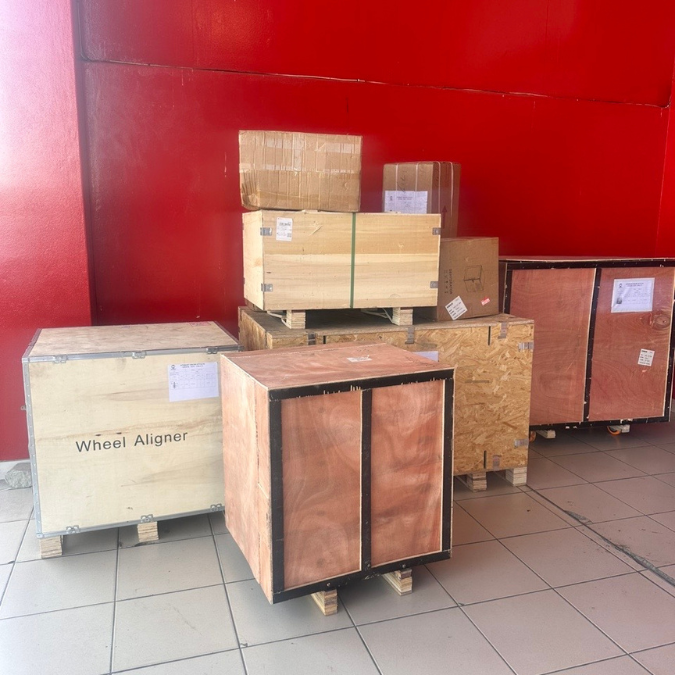
Latest Orders Labelled
wheel alignment machines
new arrivals
Pre Orders Offloading
Latest Arrivals
Latest Arrivals