B21, China Town Mall, Midrand


Automatic Rolling Plant Steel Rolling Machine Rolling Mills
Asset finance available
Do you want funding for this equipment?
Afrimart can connect you with trusted funding partners who specialise in asset finance for businesses like yours. Compare options and apply in minutes — final approval is subject to provider review.
Check funding options
Secure & no obligation

- Section : Machinery
- Category : Metal & Metallurgy Machinery
- SKU : 1600693792980

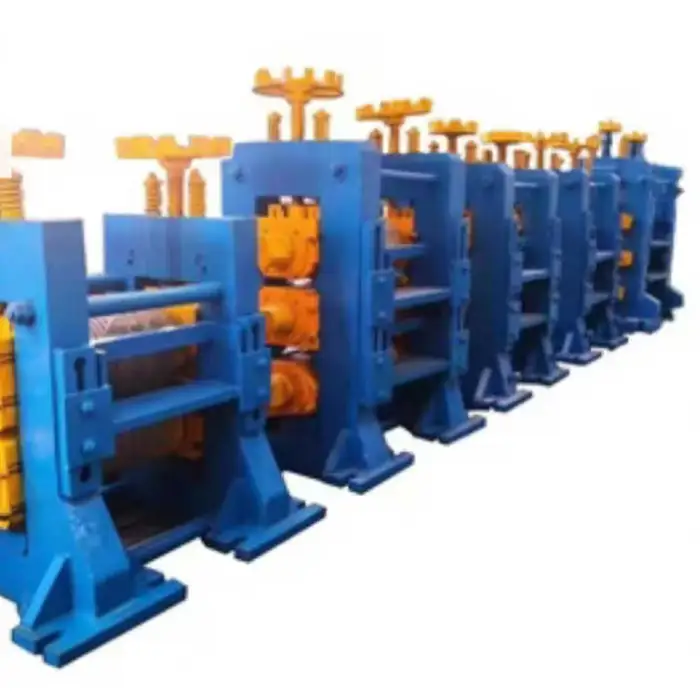
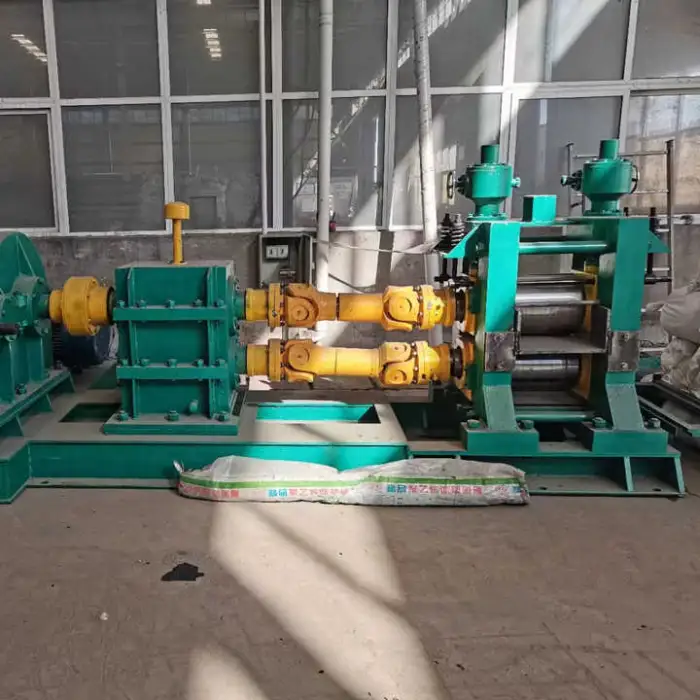
Automatic Rolling Plant Steel Rolling Machine Rolling Mills
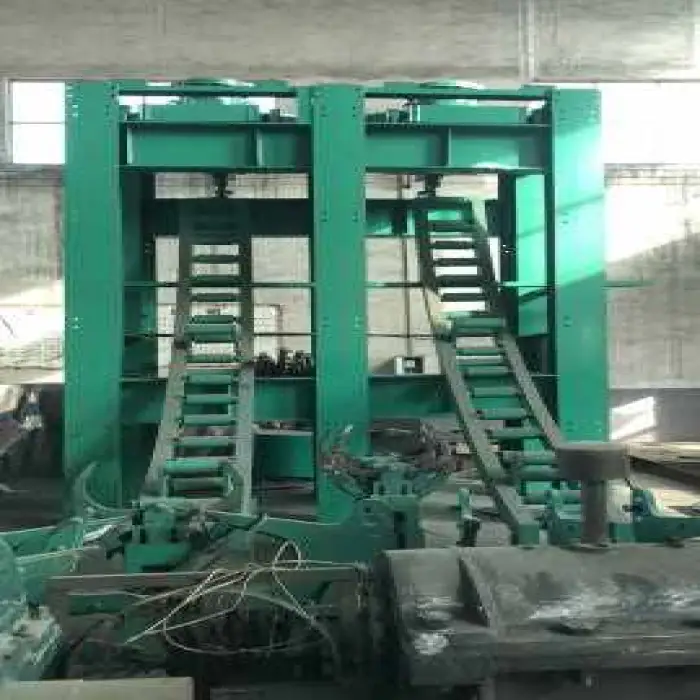
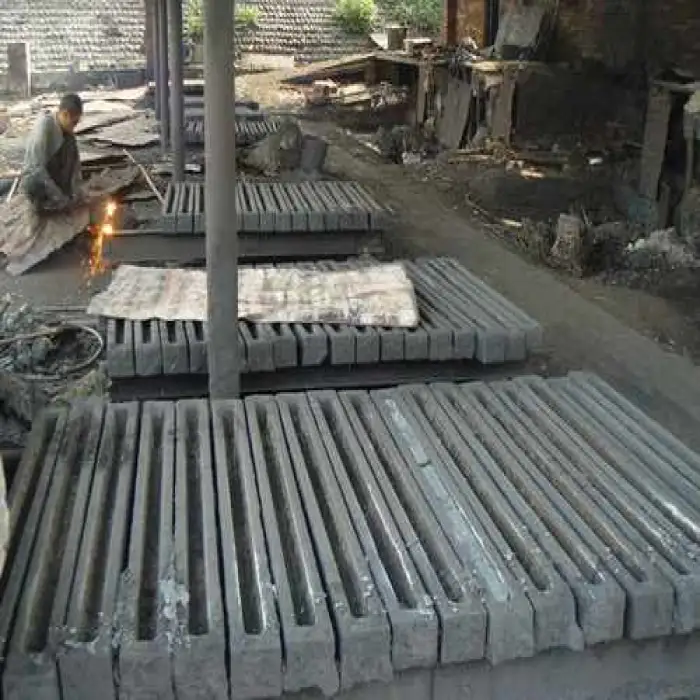
The Automatic Rolling Plant Steel Rolling Machine Rolling Mills is a powerful and efficient solution for your steel processing needs. This machine is designed to handle various materials like scrap steel and billets. With a capacity of 1-5 tons per hour, it produces high-quality finished products, including rebars and wire rods. Built with advanced technology, it ensures reliability and performance in your production line.
Specifications
| Attribute | Details |
|---|---|
| Voltage | 660V/380V |
| Power (W) | Depended |
| Weight (kg) | 40000 |
| Dimensions (L*W*H) | Depended on Rolling Mill |
| Capacity | 1-5t per hour |
| Raw Materials | Scrap steel, billets |
| Final Rebar Size | 8 mm to 32 mm |
| Finished Wire Rod Size | 5.5 mm to 10 mm |
| Rolling Type | Semi Continuous Rolling |
| Rebar Type | Straight |
| Selling Units | Single item |
| Single Package Size | 700X200X200 cm |
| Single Gross Weight | 40000.000 KG |
Key Features
- Video outgoing inspection provided
- Machinery test report included
- Competitive pricing
- Engineers available for overseas service
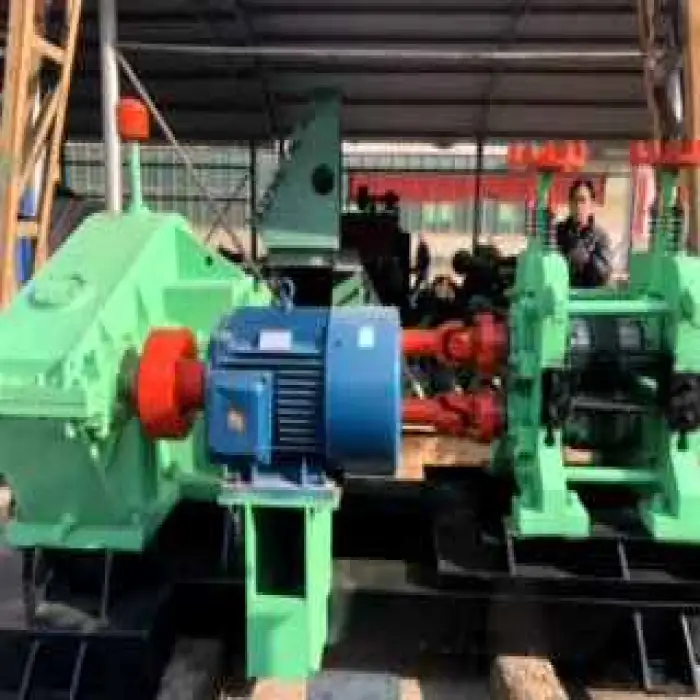
- Core components include motor, 2hi and 3hi rolling mills
- Versatile for various production lines like wire rod and bar
Applications
- Production of steel rebar for construction
- Manufacturing wire rods for industrial use
- Processing scrap steel into usable products
- Creating billets for further steel fabrication
- Used in various steel rolling applications
Product Info Gallery
- Shipping Timeframes: All orders are processed within 2-5 business days (excluding weekends and holidays). After your order has been processed, the estimated delivery time is before 03 Aug, 2026, depending on customs, Please note that due to high demand, some items may experience longer shipping times, which will be communicated at order confirmation email.
- Order Processing Time: Please allow 2-5 business days for us to process your order before it is shipped . Orders placed after 16:00 on Fridays, or during weekends and public holidays, will begin processing on the next business day. Processing times may be extended during peak seasons or sales events.
- Manufacturing Time: Some products needs manufacturing time, the manufacturing process will take approximately 10-30 business days depending on the product. This timeframe may vary depending on the complexity of the product and current demand. but this will be communicated with you during order confirmation.
- Returns and Exchanges: We offer a 30-day return policy for most items. If you are not completely satisfied with your purchase, you may return it within 30 days of receipt for a refund or exchange. Items must be unused, in their original packaging, and accompanied by proof of purchase. Return shipping costs are the responsibility of the customer, unless the item was damaged or defective upon arrival.
1. What is the production capacity of the Automatic Rolling Plant Steel Rolling Machine?
The machine has a production capacity of 1–5 tons per hour. Actual throughput depends on configuration, rolling schedule, material type and operator settings.
2. Which raw materials can this rolling mill process?
It is designed to process scrap steel and billets. Note: scrap usually must be pre-processed (melted and cast into billets) before rolling; consult the supplier for integrated solutions.
3. What finished product sizes can the machine produce?
Finished rebar sizes range from 8 mm to 32 mm. Finished wire rod sizes range from 5.5 mm to 10 mm.
4. What type of rolling does the machine use?
The equipment performs semi-continuous rolling, suitable for producing rebars and wire rods in a flexible production line.
5. What are the electrical requirements and power specifications?
Standard voltage options are 660V or 380V (three-phase). Actual power consumption depends on the chosen configuration and production rate; final power specifications will be provided with the technical offer.
6. What are the machine weight and dimensions?
Single gross weight is approximately 40,000 kg. Single package size is listed as 700 x 200 x 200 cm. Overall plant dimensions vary by rolling mill configuration and will be confirmed during layout design.
7. What are the core components included in the rolling mill?
Core components include the main motor and a combination of 2-hi and 3-hi rolling mills. Other components (e.g., pay-off, straightener, cooling bed, PLC control) can be included or customized per project requirements.
8. How automated is the plant and what level of operator involvement is required?
The plant is an automatic rolling solution with semi-continuous rolling. It provides high automation for rolling sequences, but skilled operators are still required for supervision, setup and maintenance. PLC/HMI control packages are typically available.
9. Do you provide installation, commissioning and after-sales support?
Yes. Engineers are available for overseas installation and commissioning. After-sales support, commissioning supervision and operator training can be provided; terms and duration depend on the contract.
10. Is there any factory testing or quality documentation provided?
Yes. A machinery test report is included and a video of outgoing inspection is provided for quality verification before shipment.
11. What routine maintenance and spare parts policy is recommended?
Regular preventive maintenance (lubrication, roll inspection, alignment checks) is recommended. Spare parts supply and maintenance contracts are available on request to minimize downtime.
12. What safety features are included and can the plant meet local safety standards?
The plant is built to meet standard industrial safety practices; safety guards, emergency stop circuits and protective interlocks are available. Specific safety features and certifications can be customized to meet local regulations.
13. Which industries and applications is this rolling mill suitable for?
Typical applications include production of construction rebar, manufacturing industrial wire rods, processing billets for further fabrication and converting scrap-derived materials into usable rolled products.
14. Can the machine process raw scrap directly into final products?
Not directly. The rolling mill can roll billets and suitably prepared charge material. Scrap must be melted and cast or otherwise converted into billets or blooms before rolling. The supplier can advise on upstream equipment if integrated scrap-to-rod solutions are required.
15. How can I get pricing, lead time, and a formal quote?
Contact the supplier with your desired production capacity, product range (rebar/wire rod sizes), site utilities (voltage/space) and any customization needs. The supplier will provide a competitive price, estimated lead time and a detailed technical-commercial quote. Video inspections and test reports are provided prior to shipment.
Latest Order Arrivals
Discover our latest orders
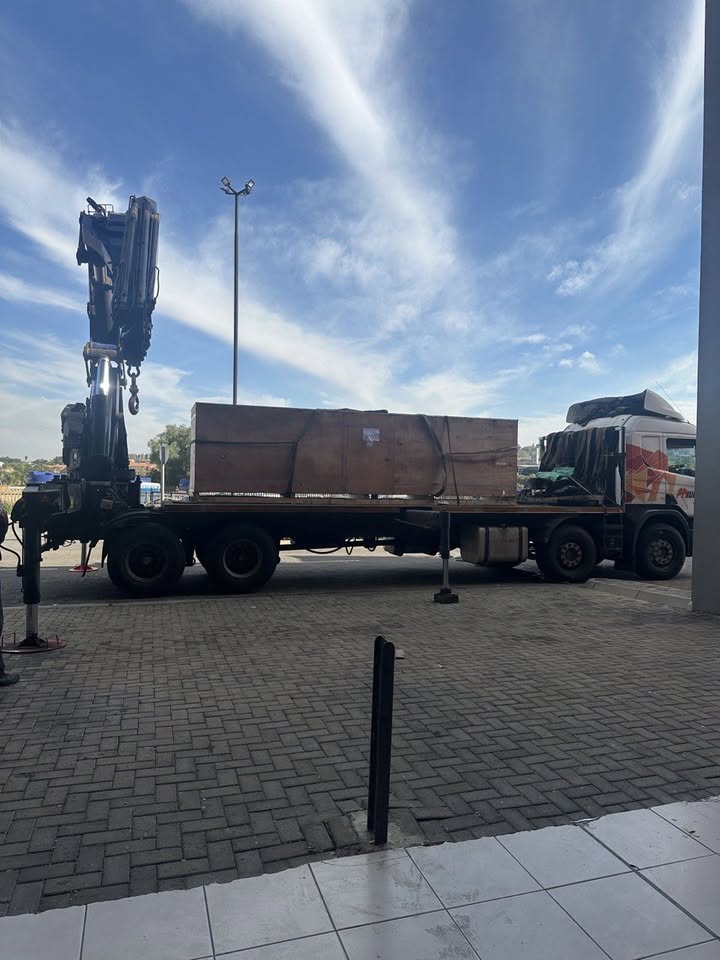
12 Heads Embroidery Machine
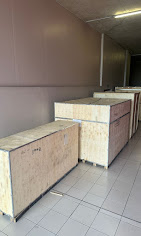
Toilet Paper Machine Machine
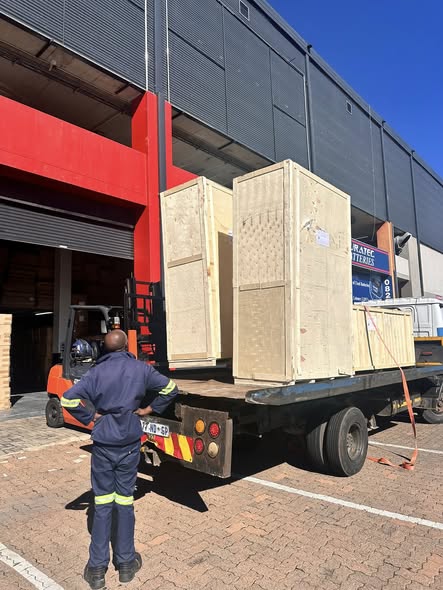
Order Collection
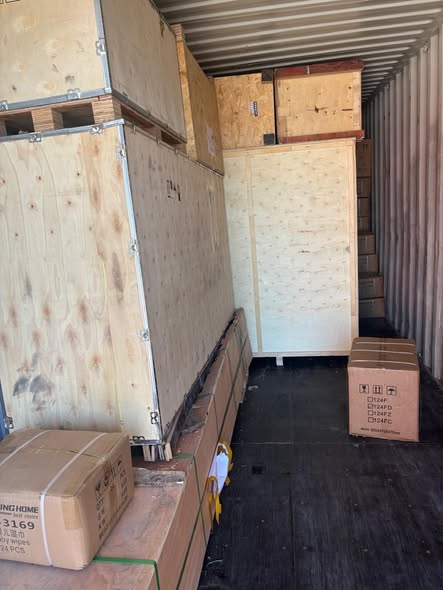
Cross Border Clients
Order cros border countries Collected
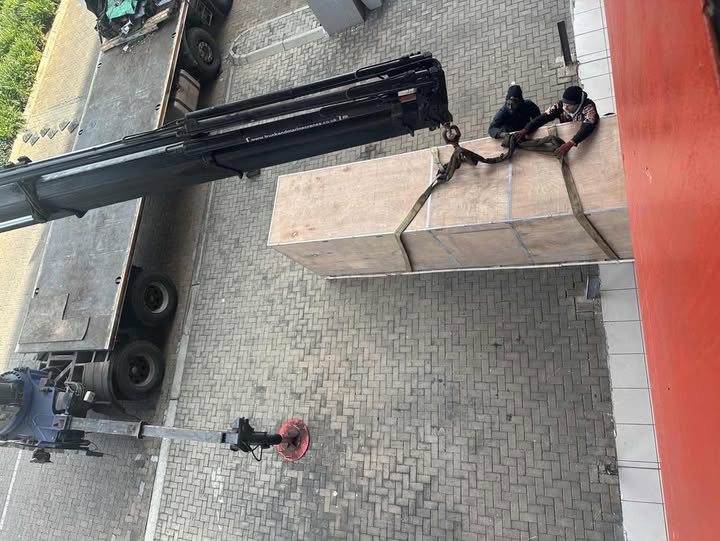
Industrial Machine Cllection
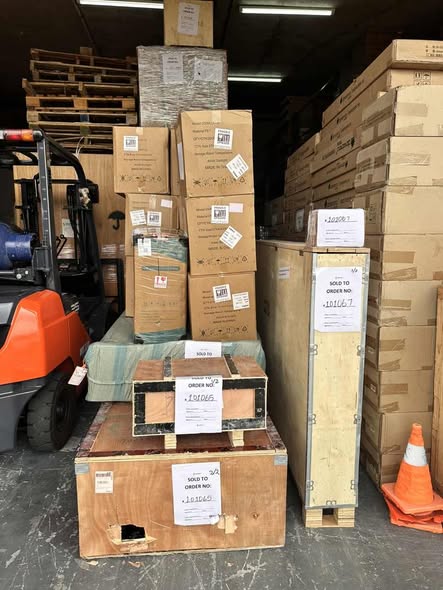
Agriculture Processing Machines
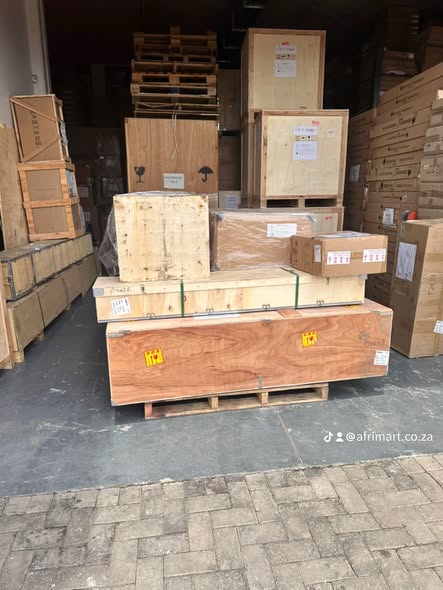
Ready for collection
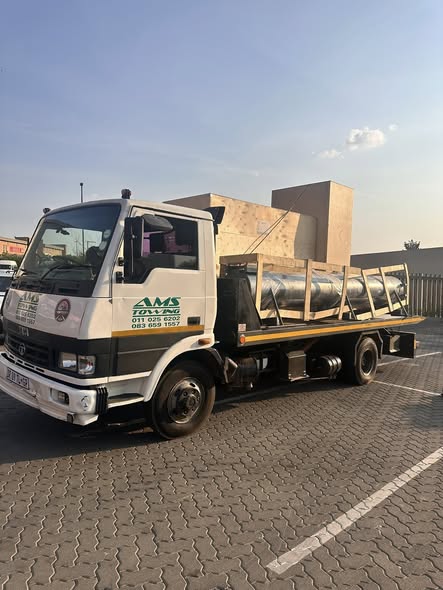
Water Pump Equipment
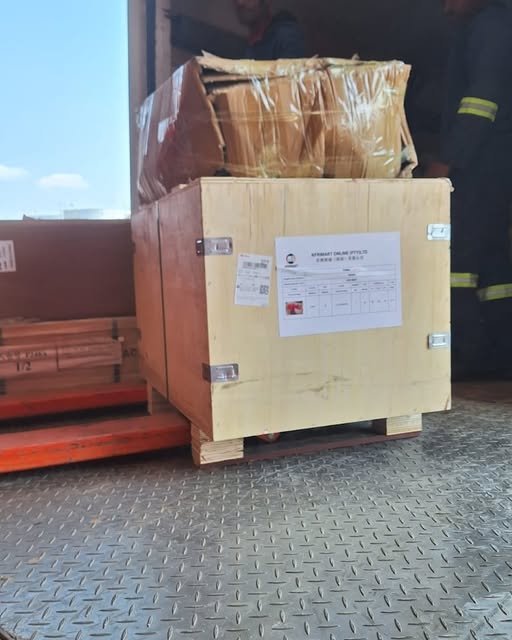
Packaging Machine and accessories
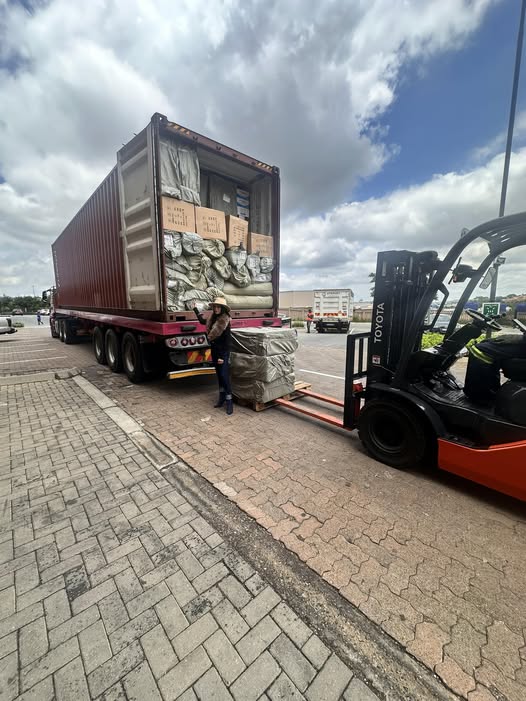
Fabrics Manufacturing Equipment
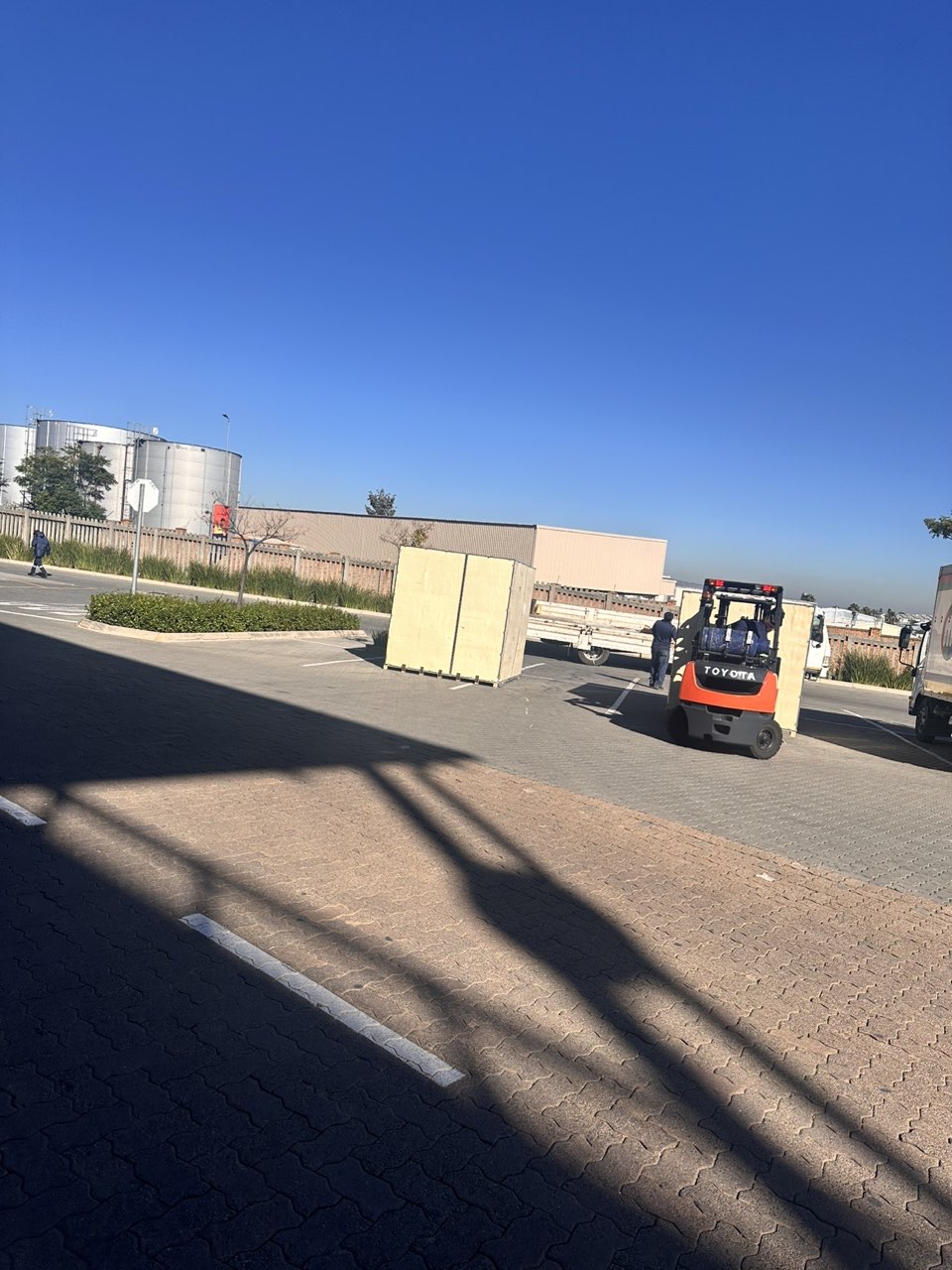
Mining Equipments
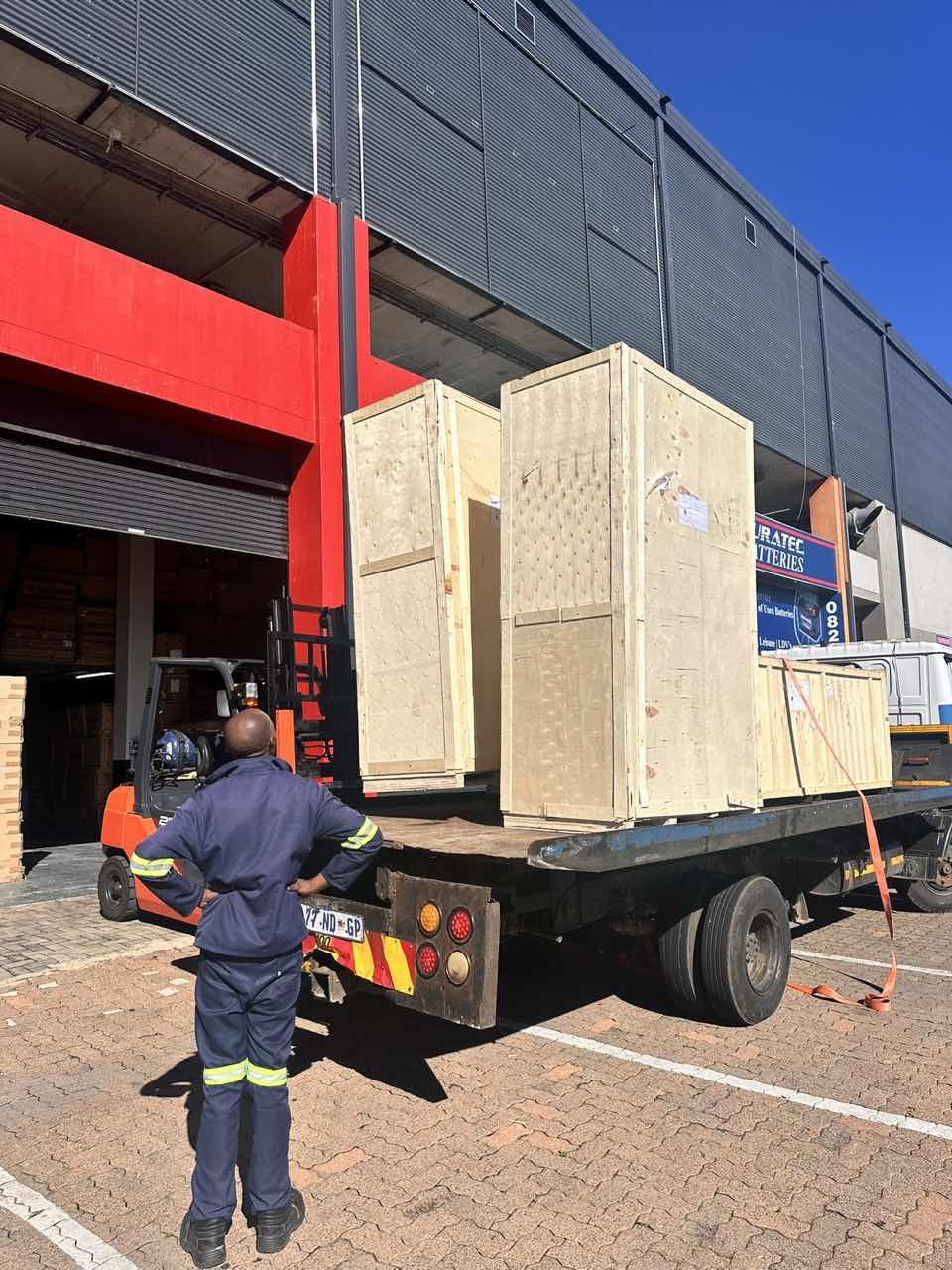
Food Processing Machine
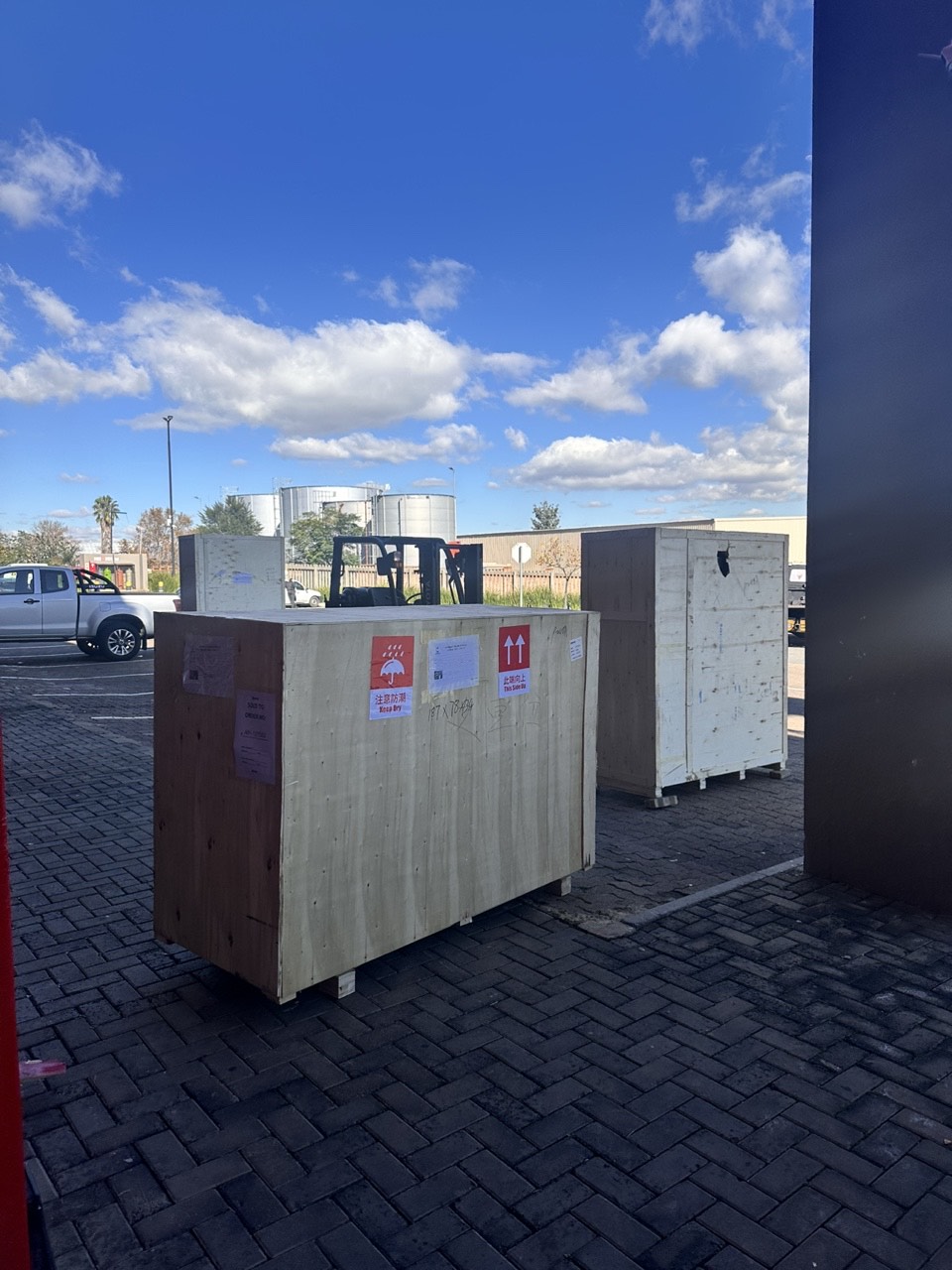
Batch of Orders
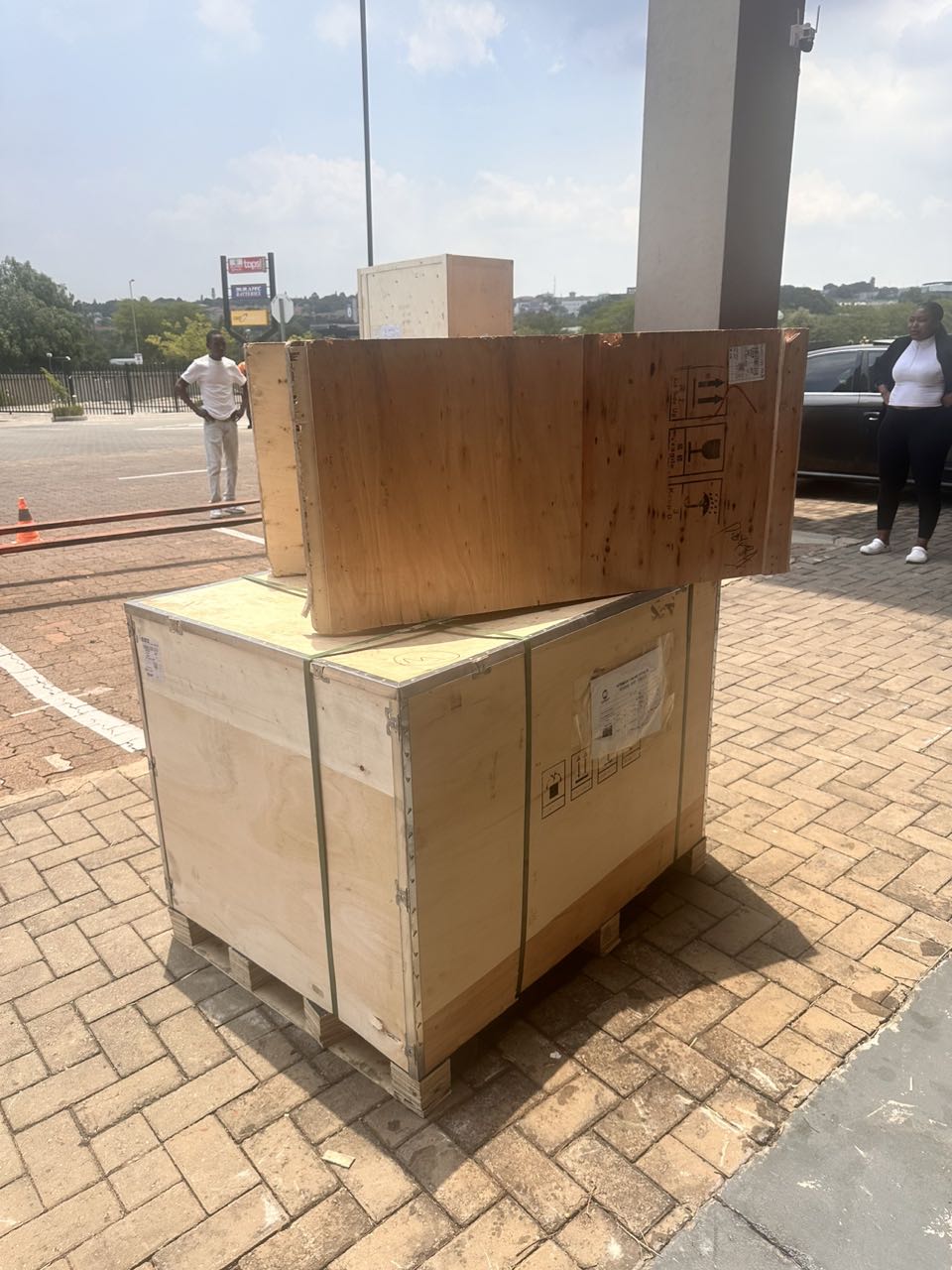
Batch of Orders
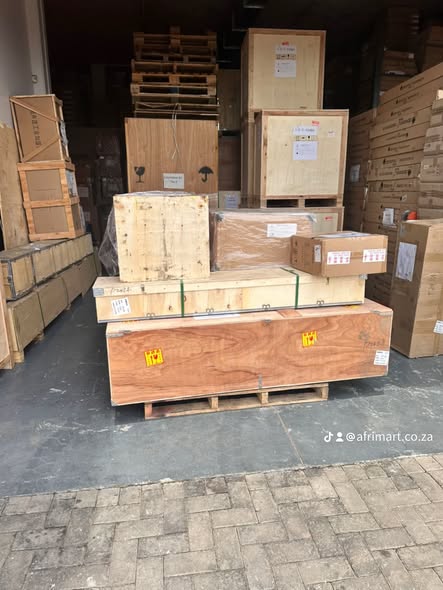
Latest Orders Labelled
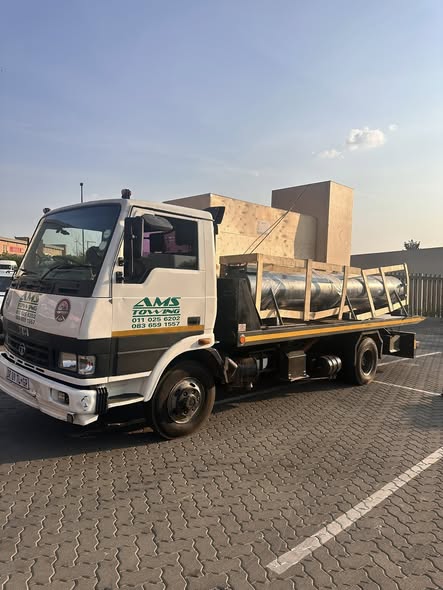
wheel alignment machines
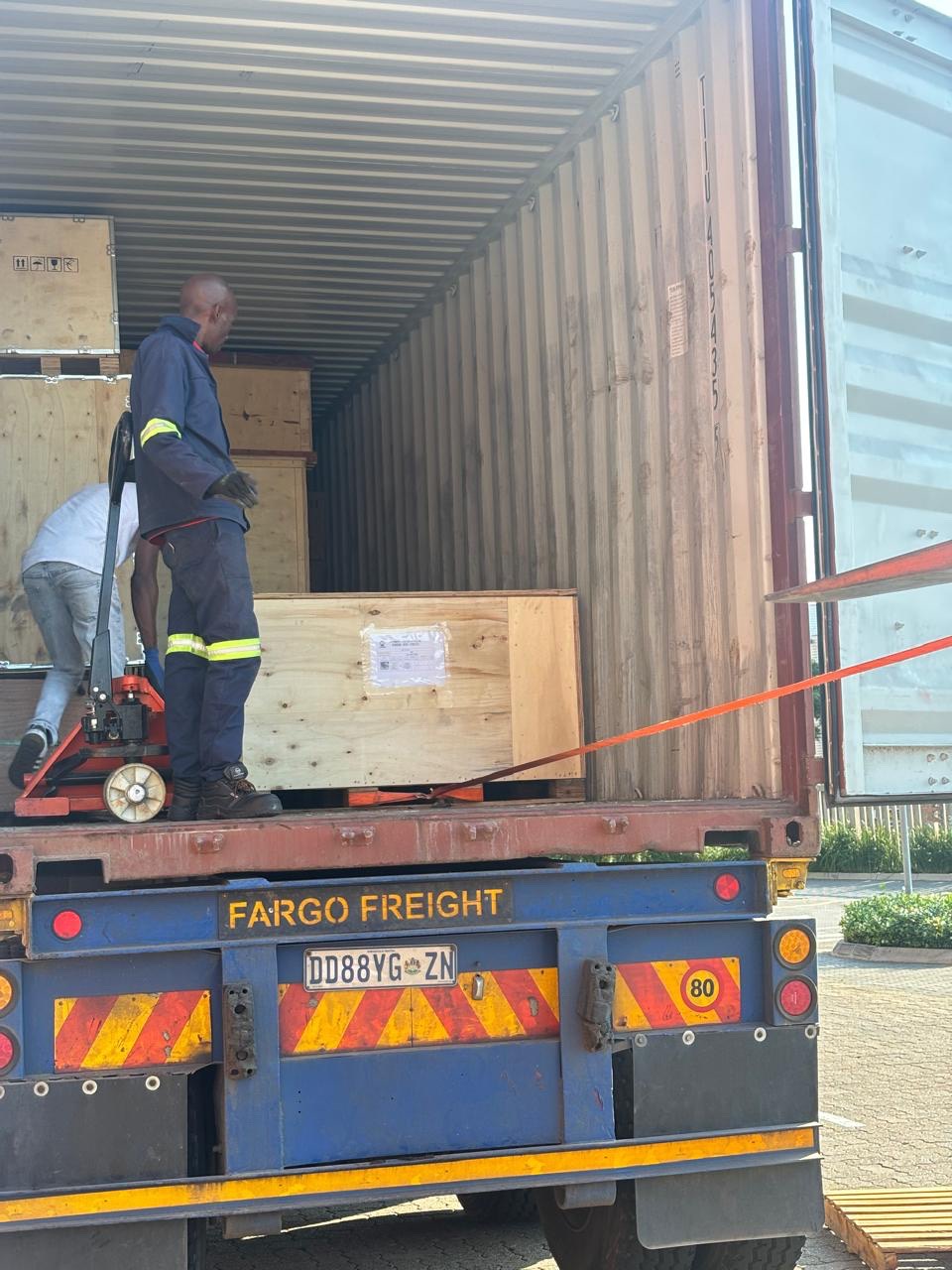
new arrivals
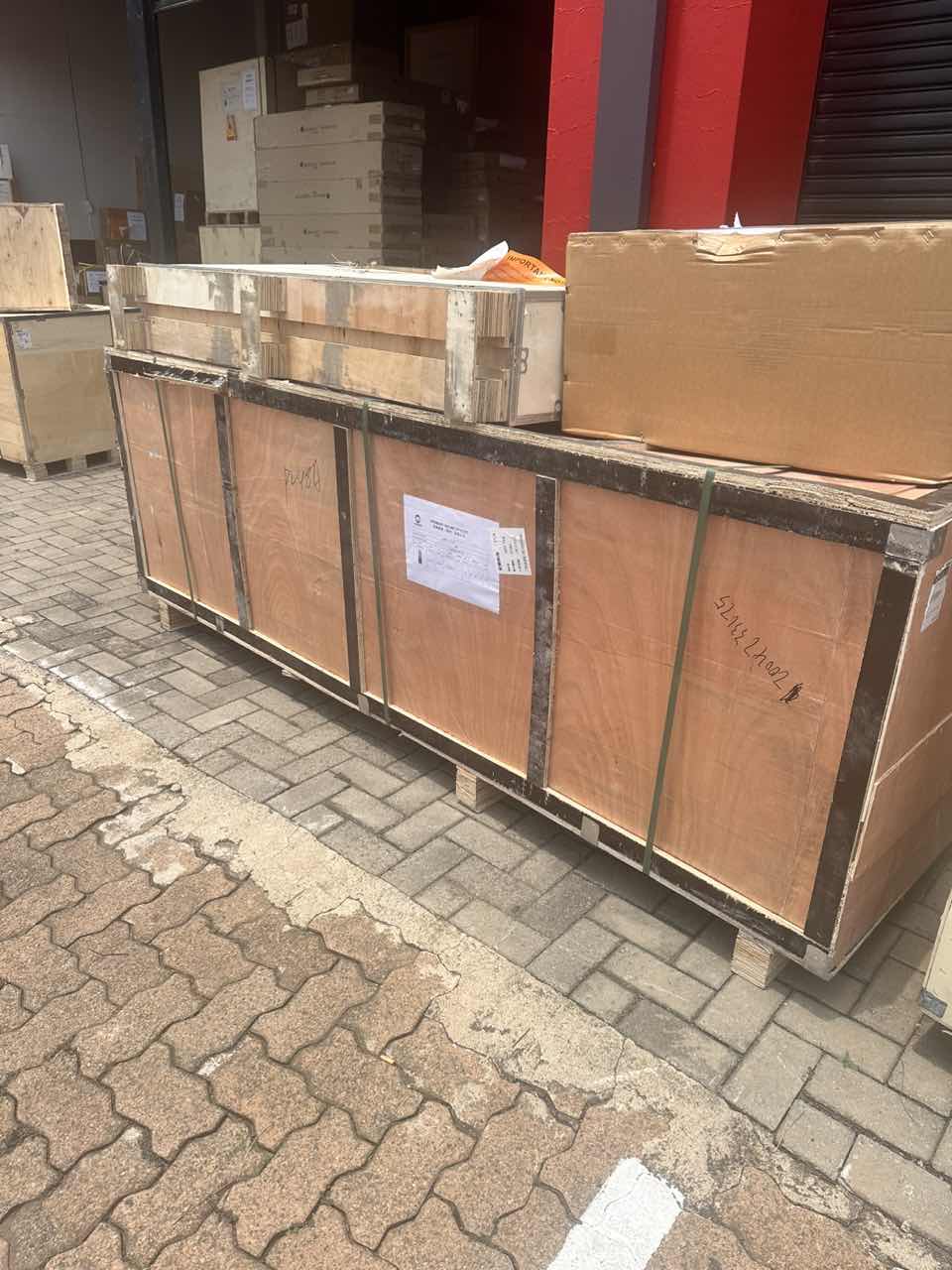
Pre Orders Offloading
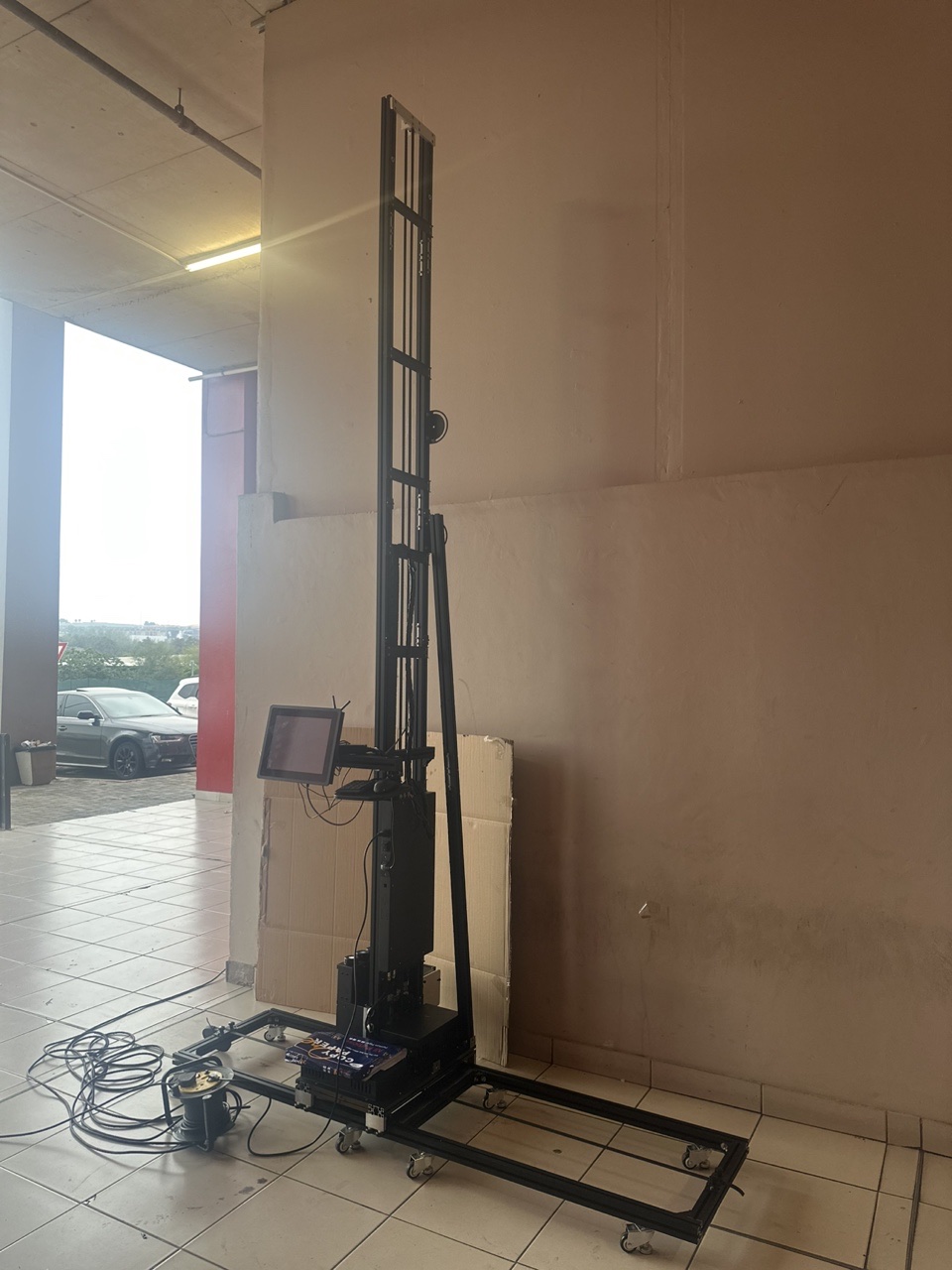
Latest Arrivals
Latest Arrivals
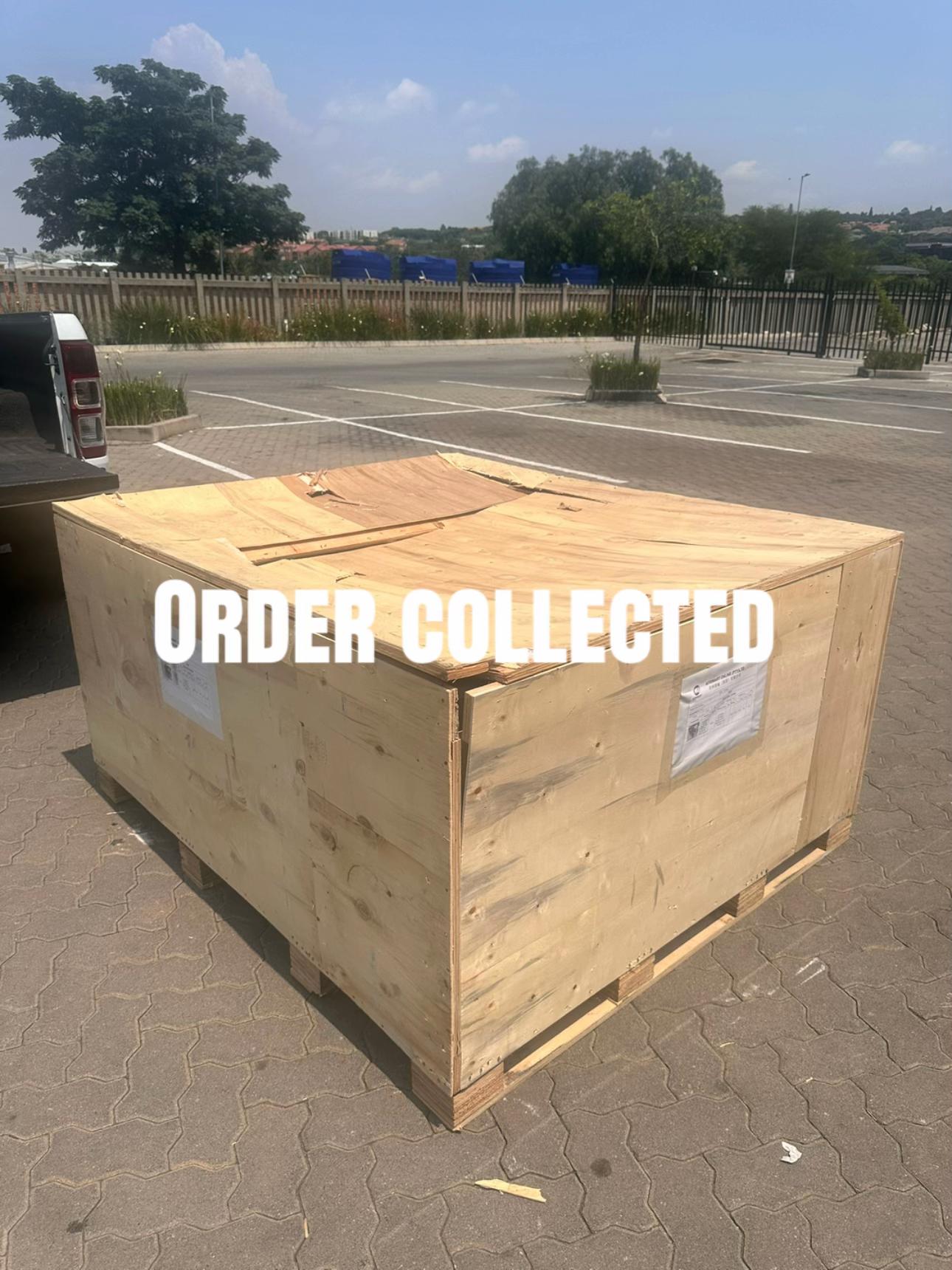
Latest Arrivals
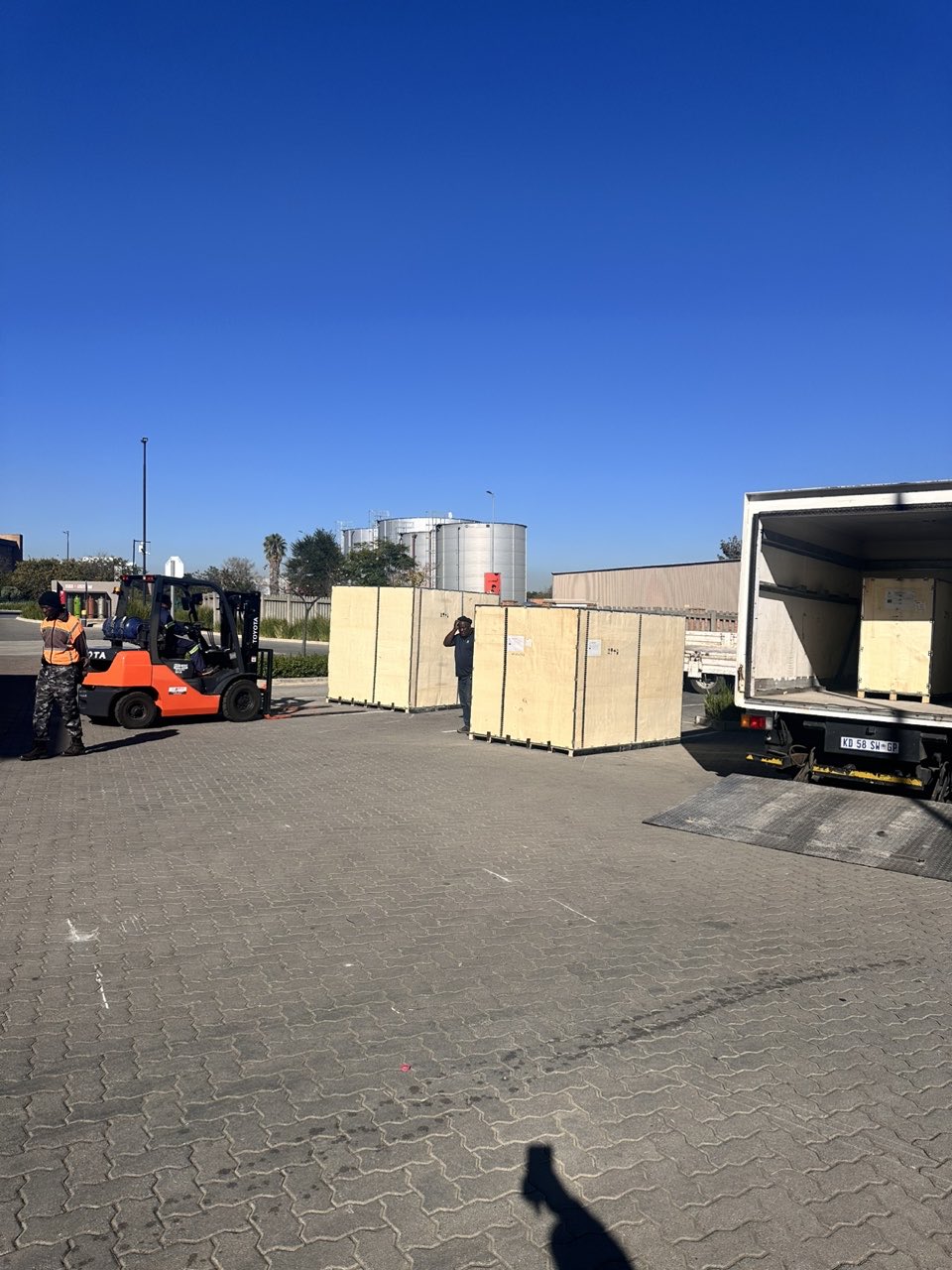
Loading
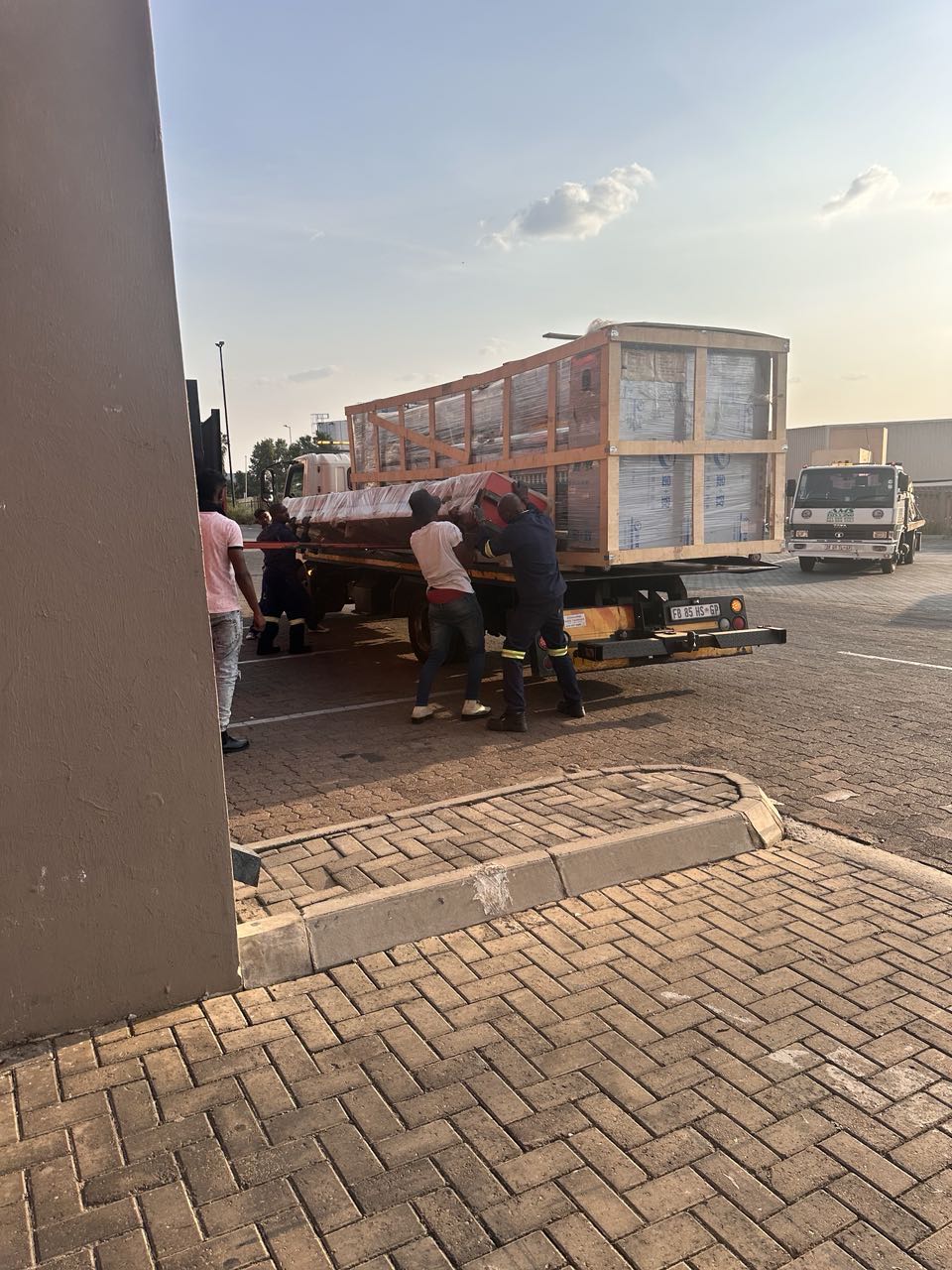
Toilet paper making machine
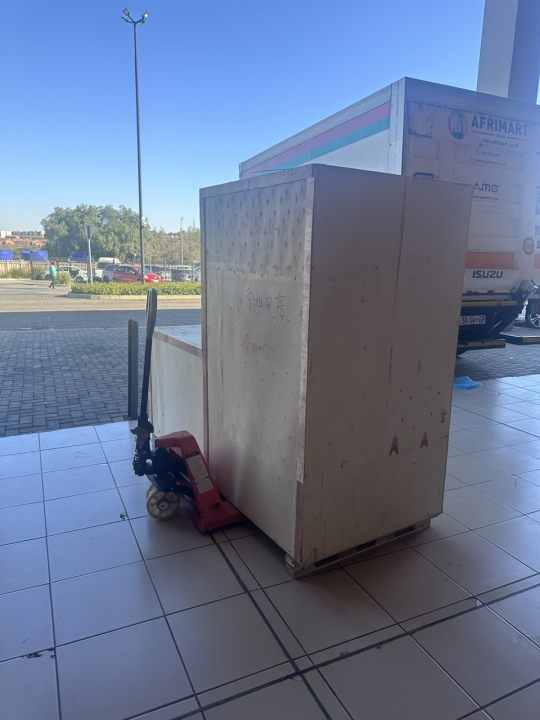
Toilet paper making machine
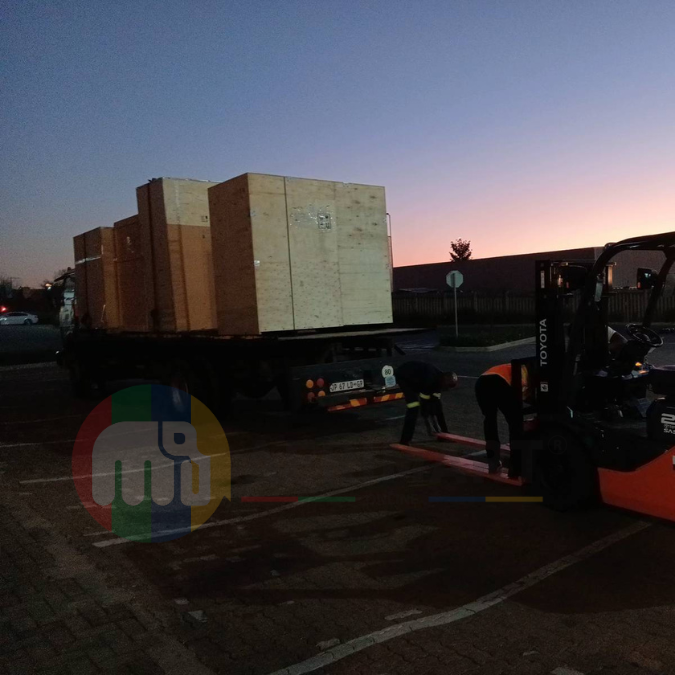
Toilet paper Rewinding Machine
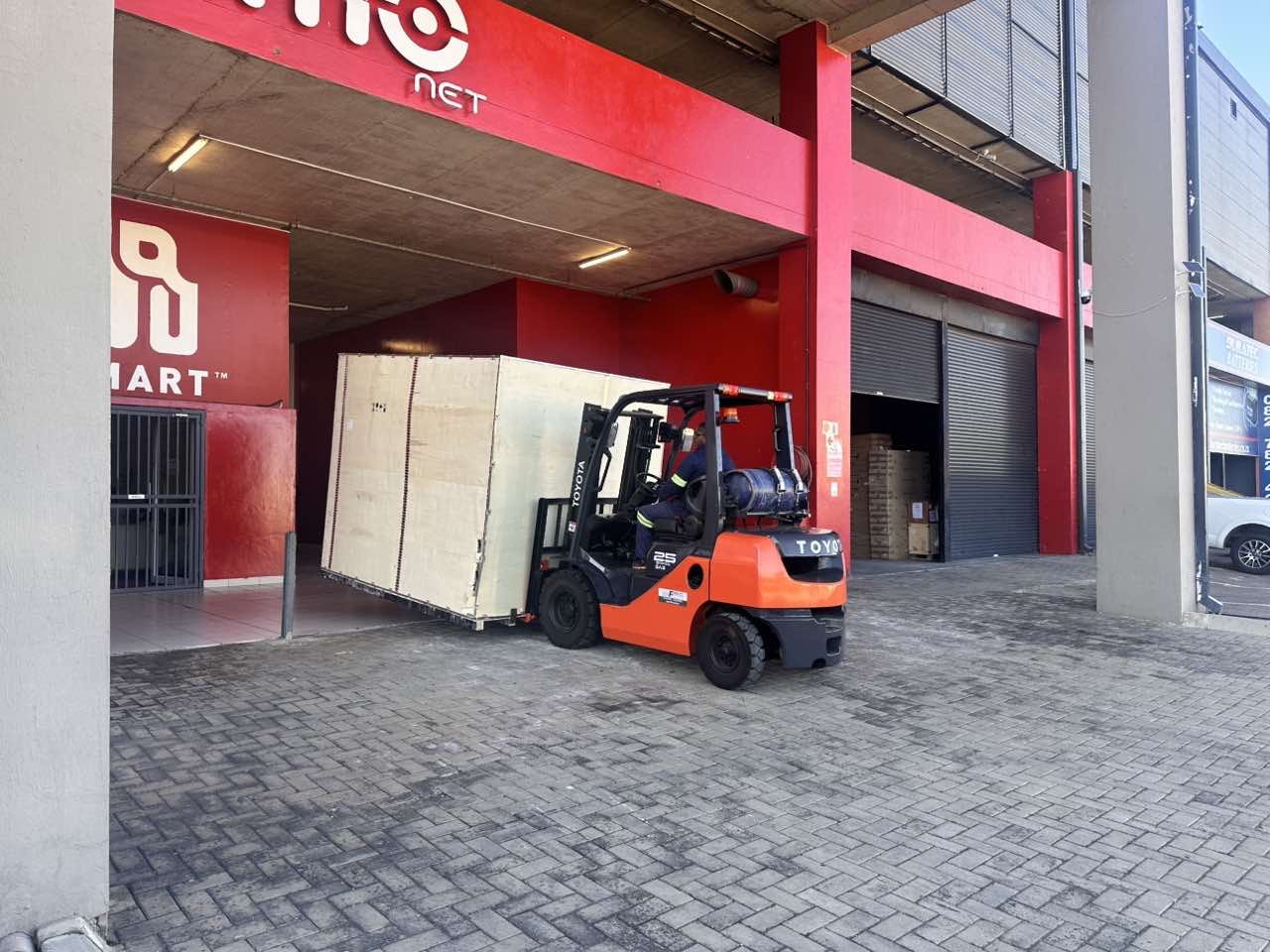
latest arrivals
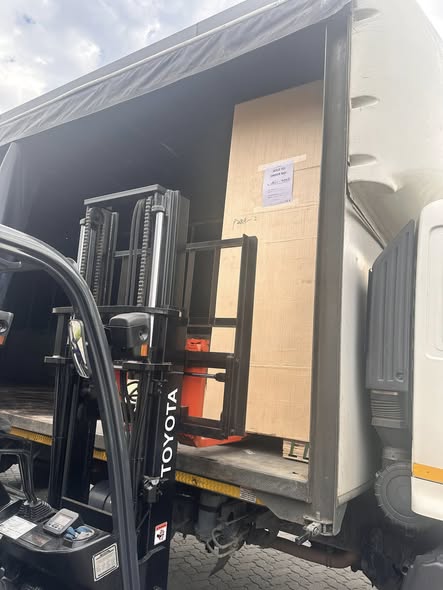
offloading
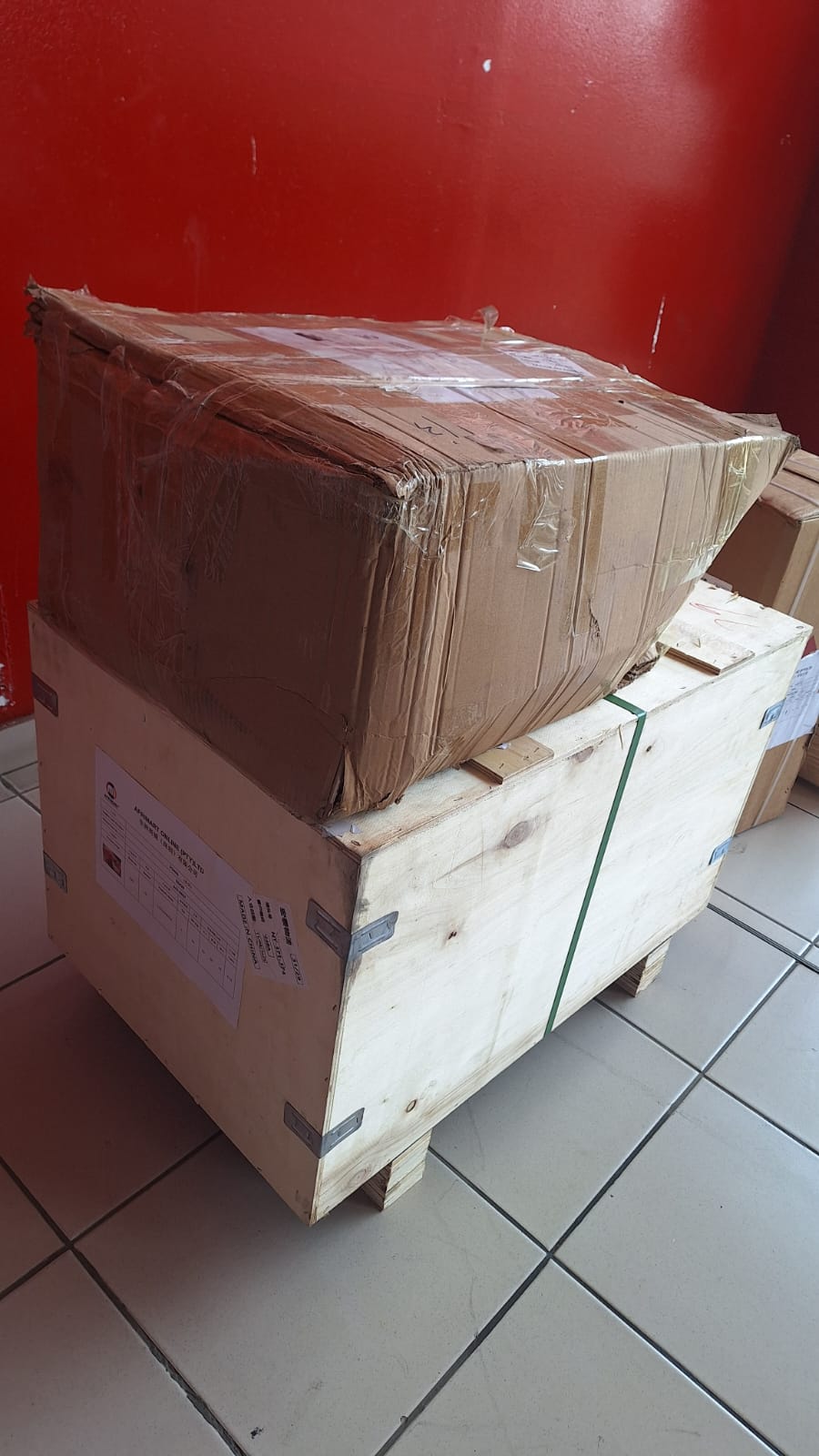
order success
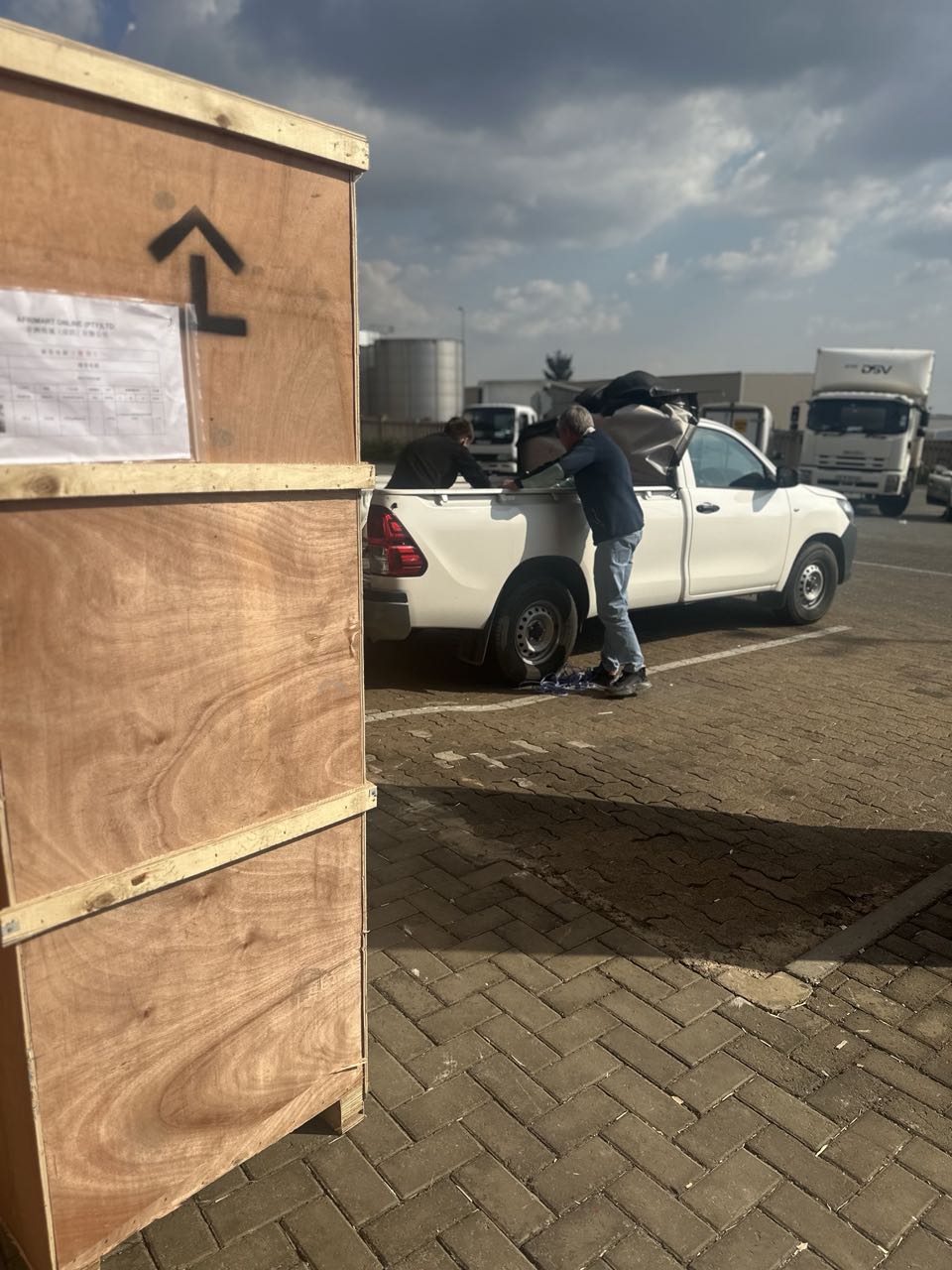
order collection
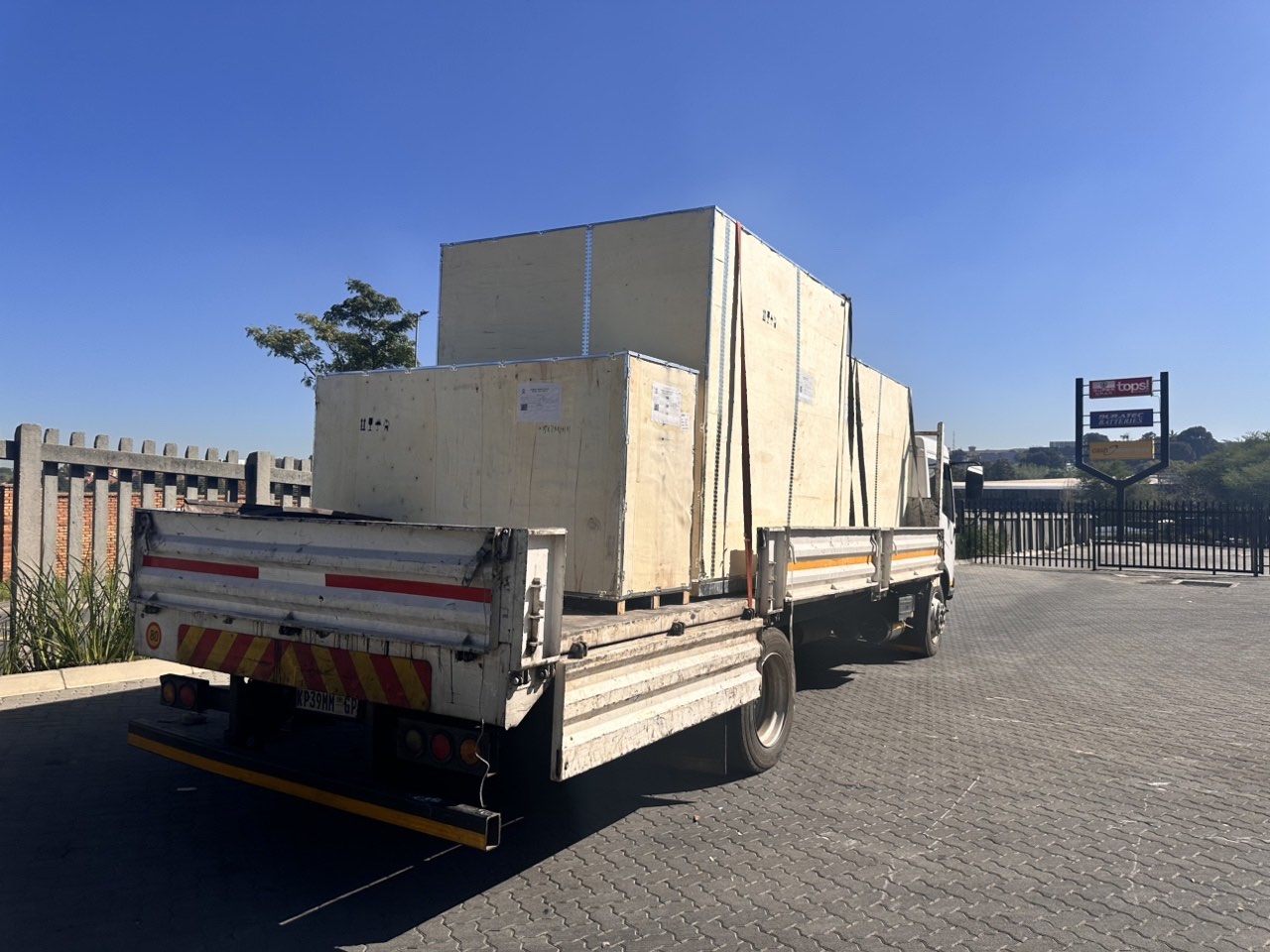
order offloading