B21, China Town Mall, Midrand

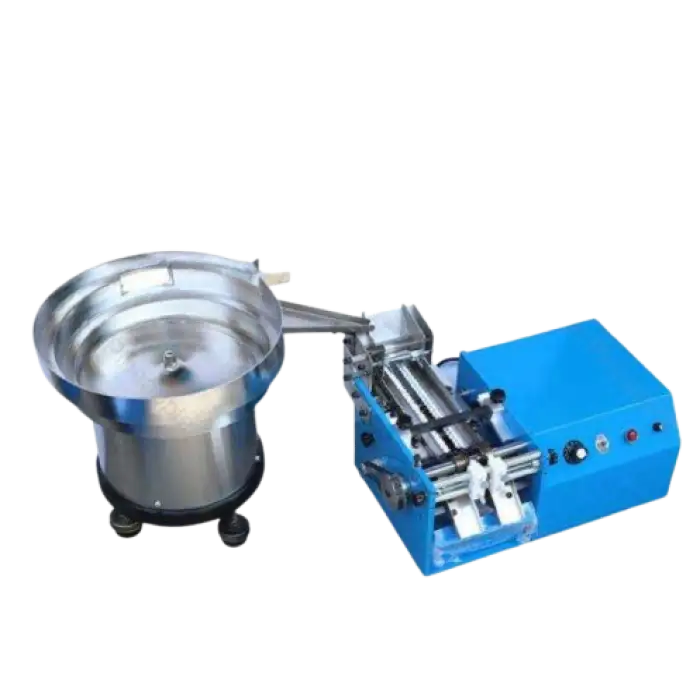
Automatic Resistance Element Cutting Machine Fuse Lead Cutting & Bending Bulk Belt Resistance Molding & Crimping Machine.
- Section : Machinery
- Category : Metal & Metallurgy Machinery
- SKU : 1601363769716

Automatic Resistance Element Cutting Machine Fuse Lead Cutting & Bending Bulk Belt Resistance Molding & Crimping Machine
The Automatic Resistance Element Cutting Machine is a reliable tool designed for cutting and bending fuse leads with precision. This machine simplifies the process of molding and crimping resistance elements, making it an essential addition to any manufacturing setup. With its durable design and user-friendly features, it enhances productivity and ensures quality in your projects.
Specifications
| Attribute | Details |
|---|---|
| Weight (KG) | 200 |
| Voltage | 220/380V |
| Warranty | 1 Year |
| Machinery Test Report | Provided |
| Video Outgoing Inspection | Provided |
| Single Package Size | 150X150X150 cm |
| Single Gross Weight | 900.000 kg |
Key Features
- Automatic cutting and bending for efficiency
- Durable construction for long-lasting use
- Easy to operate with minimal training
- Precision molding and crimping capabilities
- Suitable for bulk production needs
Applications
- Manufacturing fuse leads
- Producing resistance elements for electronics
- Assembly lines in electrical component production
- Custom wire and lead fabrication
Product Info Gallery
- Shipping Timeframes: All orders are processed within 2-5 business days (excluding weekends and holidays). After your order has been processed, the estimated delivery time is before 03 Aug, 2026, depending on customs, Please note that due to high demand, some items may experience longer shipping times, which will be communicated at order confirmation email.
- Order Processing Time: Please allow 2-5 business days for us to process your order before it is shipped . Orders placed after 16:00 on Fridays, or during weekends and public holidays, will begin processing on the next business day. Processing times may be extended during peak seasons or sales events.
- Manufacturing Time: Some products needs manufacturing time, the manufacturing process will take approximately 10-30 business days depending on the product. This timeframe may vary depending on the complexity of the product and current demand. but this will be communicated with you during order confirmation.
- Returns and Exchanges: We offer a 30-day return policy for most items. If you are not completely satisfied with your purchase, you may return it within 30 days of receipt for a refund or exchange. Items must be unused, in their original packaging, and accompanied by proof of purchase. Return shipping costs are the responsibility of the customer, unless the item was damaged or defective upon arrival.
1. What does the Automatic Resistance Element Cutting Machine do?
This machine automatically cuts and bends fuse leads and performs precision molding and crimping of resistance elements, streamlining bulk production of electrical components and custom lead fabrication.
2. What are the main specifications I should know?
Key specifications include a machine weight of 200 kg, package size of 150 x 150 x 150 cm, voltage options of 220/380V, a one-year warranty, and supporting documentation such as a machinery test report and a video of the outgoing inspection.
3. What electrical supply does the machine require?
The machine is supplied for 220/380V. Confirm with the vendor whether your unit is configured for single-phase 220V or three-phase 380V and ensure your facility power matches the selected configuration.
4. What types and sizes of leads or wires can it handle?
The machine is designed for common fuse leads and resistance element wires used in electronics production. Exact supported wire gauges and material types depend on tooling and configuration — contact the supplier with your wire specs to confirm compatibility or request custom tooling.
5. What is the production speed or throughput?
Throughput depends on part complexity, tooling, and selected settings. The machine is intended for bulk production, but precise output rates should be obtained from the vendor based on your specific part requirements and production conditions.
6. Why is the single gross packaged weight listed as 900 kg while the machine weight is 200 kg?
The machine's net weight is approximately 200 kg. The single gross weight (900 kg) reflects the packed weight for shipping, which can include protective crating, pallets, fixtures, accessories and other packaging materials required to transport the machine safely.
7. What warranty and documentation are provided?
The machine comes with a one-year warranty. The supplier provides a machinery test report and an outgoing inspection video to document performance prior to shipment.
8. Are safety features and certifications included?
The machine is built with standard industrial safety considerations, but specific safety features and certifications (CE, UL, etc.) are not listed in the base spec. Verify required safety standards and certification documentation with the supplier before purchasing.
9. How easy is the machine to operate? Is training provided?
The machine is described as easy to operate with minimal training. Many suppliers offer basic operator training, startup assistance, or manuals — request details from the vendor about on-site or remote training options.
10. What maintenance is required and what consumables should I expect?
Routine maintenance typically includes blade/die inspection and replacement, lubrication of moving parts, and periodic calibration. Common consumables include cutting blades, crimping dies and possibly belts. Ask the supplier for a recommended maintenance schedule and spare parts list.
11. Can the machine be integrated into an existing production line or automation system?
Yes — the machine is intended for bulk production and can often be integrated into assembly lines. Integration capability (conveyor interfaces, PLC communications, I/O signals) depends on the model and options; discuss line-integration requirements with the vendor.
12. Is customization available for different resistance element shapes or crimp styles?
Tooling such as molds, dies and fixtures can typically be customized to produce different element shapes and crimp styles. Contact the manufacturer with drawings or samples to discuss custom tooling and any additional costs or lead times.
13. How are spare parts and after-sales support handled?
Most suppliers provide spare parts, technical support and service agreements. Request a spare-parts list, lead times, pricing and available service options (on-site repair, remote support) before purchase.
14. What are the shipping, installation and site-preparation requirements?
Shipping details (weight, crate dimensions) are provided; installation may require a suitable floor area, power hookup (220/380V), and lifting equipment for unpacking. Ask the vendor for detailed site-preparation instructions and whether installation and commissioning services are offered.
15. How can I obtain the machinery test report and outgoing inspection video?
The supplier provides the machinery test report and a video of the outgoing inspection as part of the delivery documentation. Request these documents at order confirmation or prior to shipment to review machine performance results.
Latest Order Arrivals
Discover our latest orders
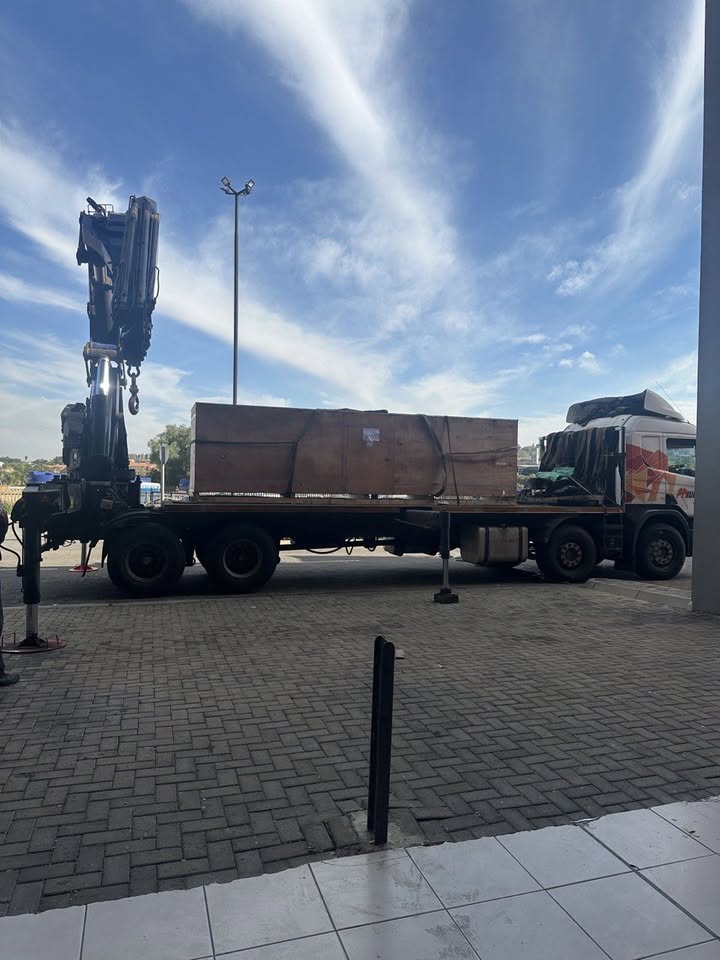
12 Heads Embroidery Machine
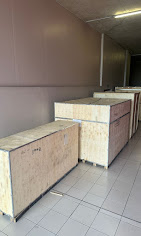
Toilet Paper Machine Machine
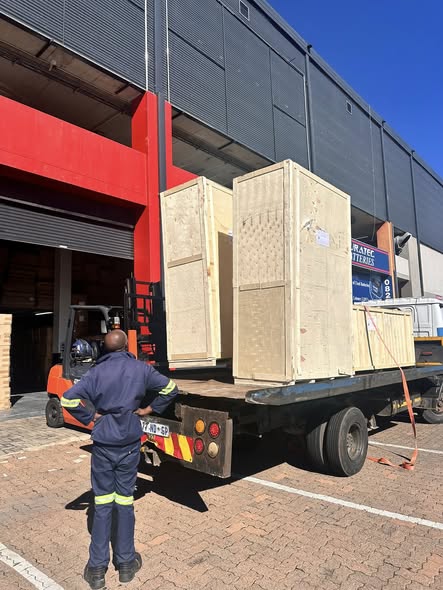
Order Collection
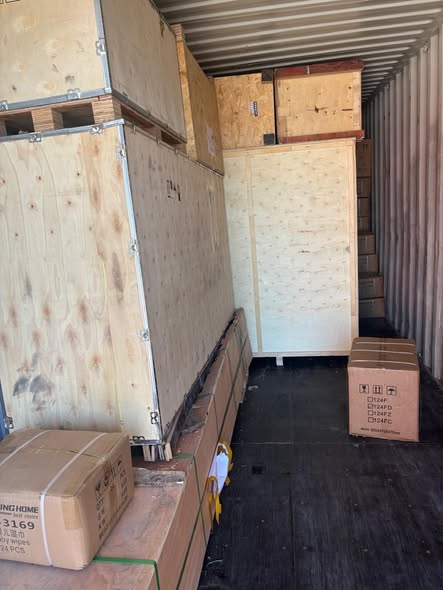
Cross Border Clients
Order cros border countries Collected
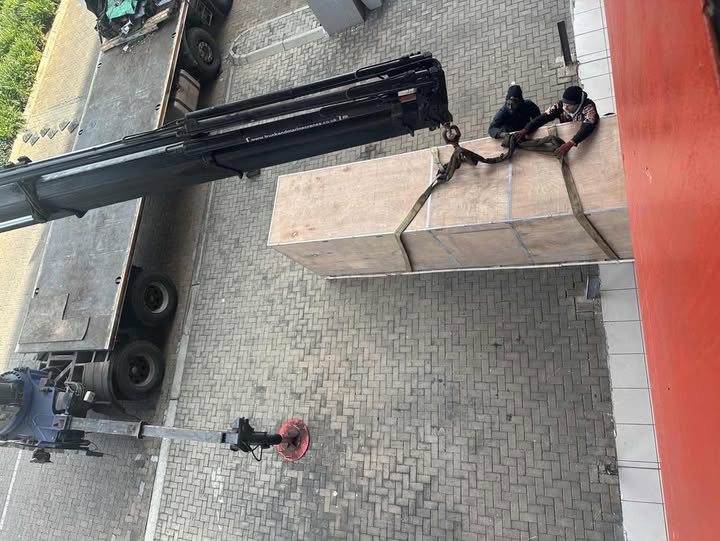
Industrial Machine Cllection
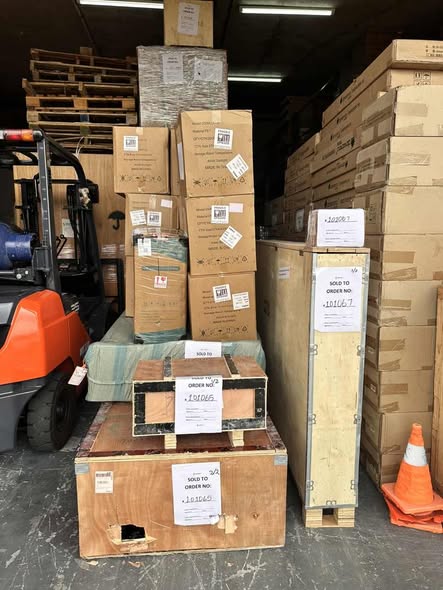
Agriculture Processing Machines
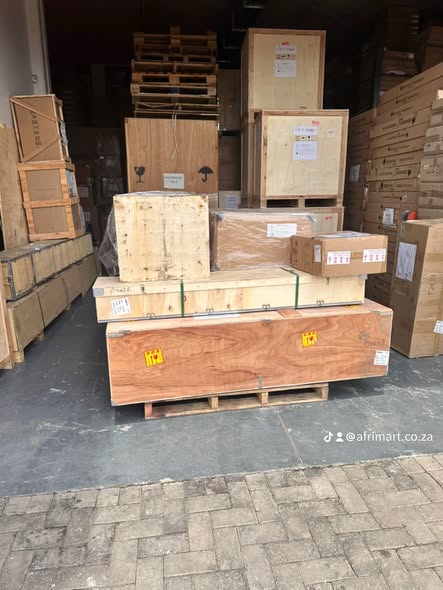
Ready for collection
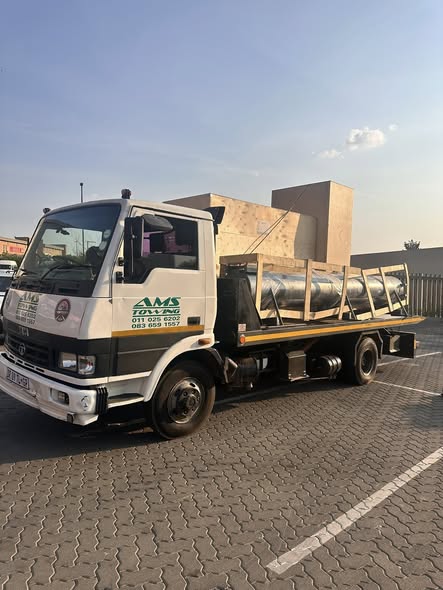
Water Pump Equipment
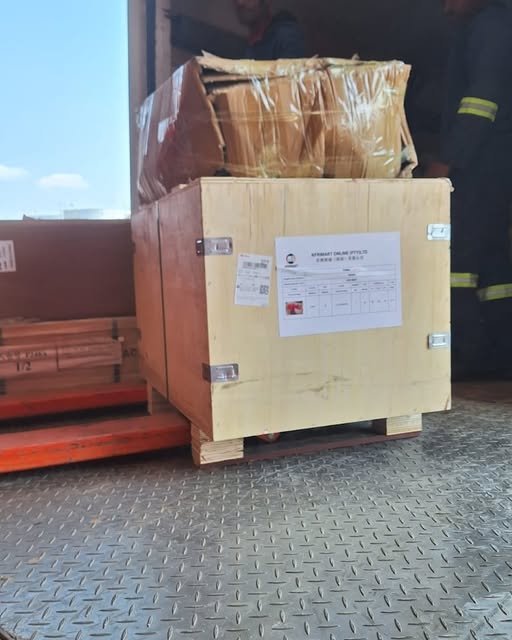
Packaging Machine and accessories
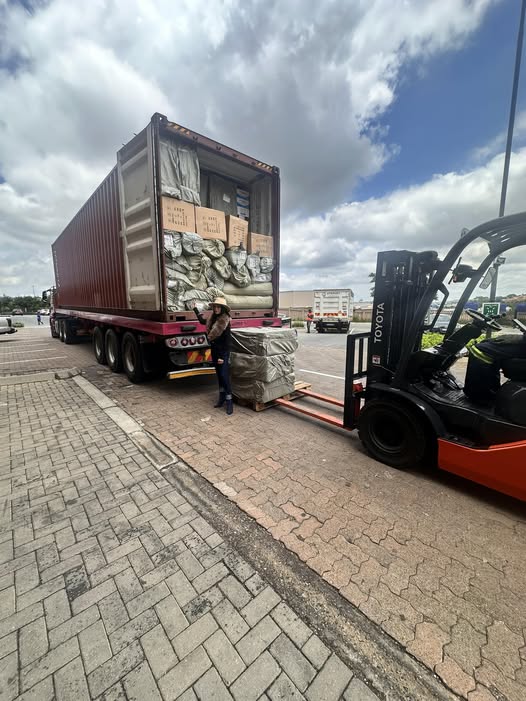
Fabrics Manufacturing Equipment
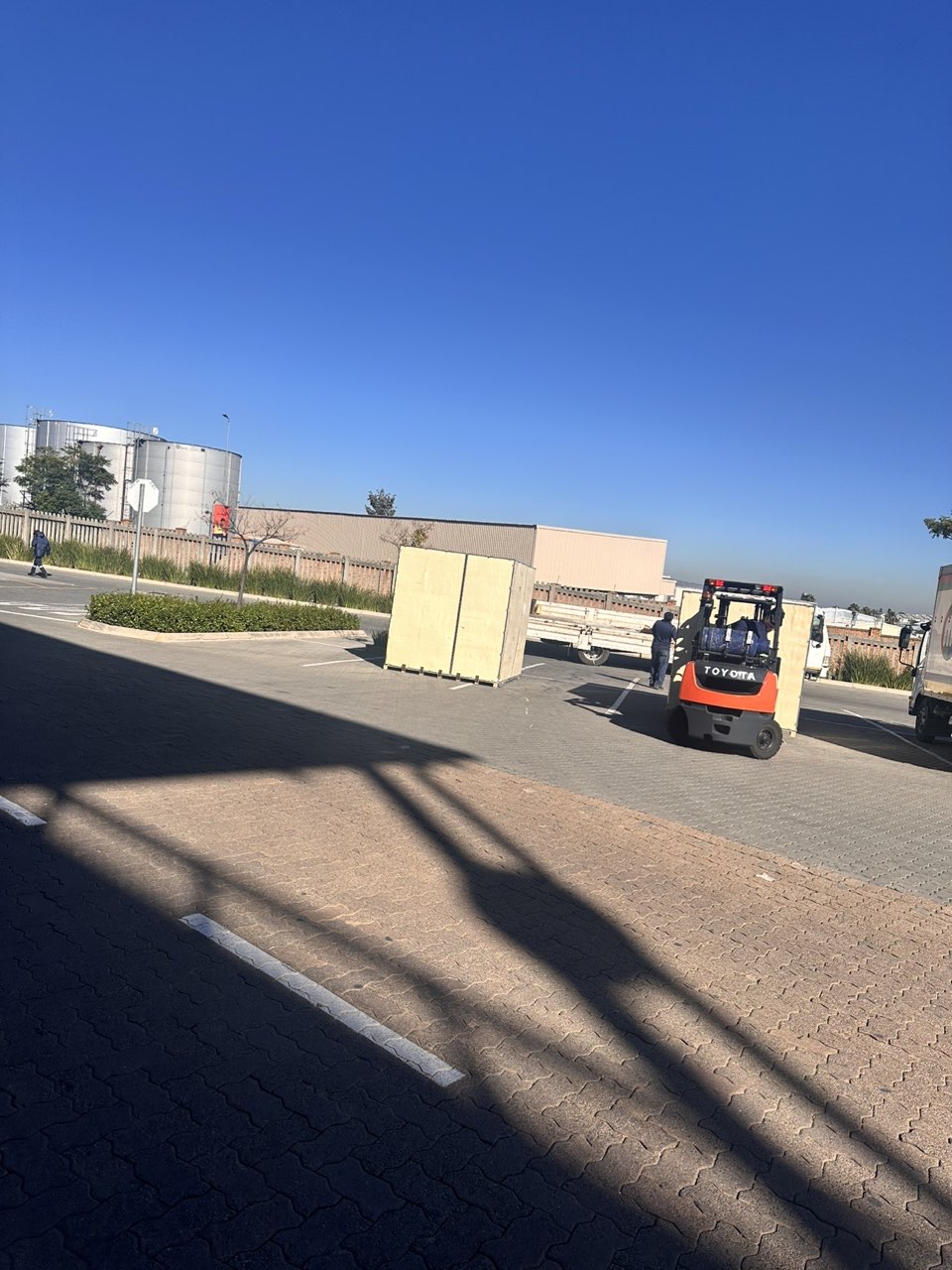
Mining Equipments
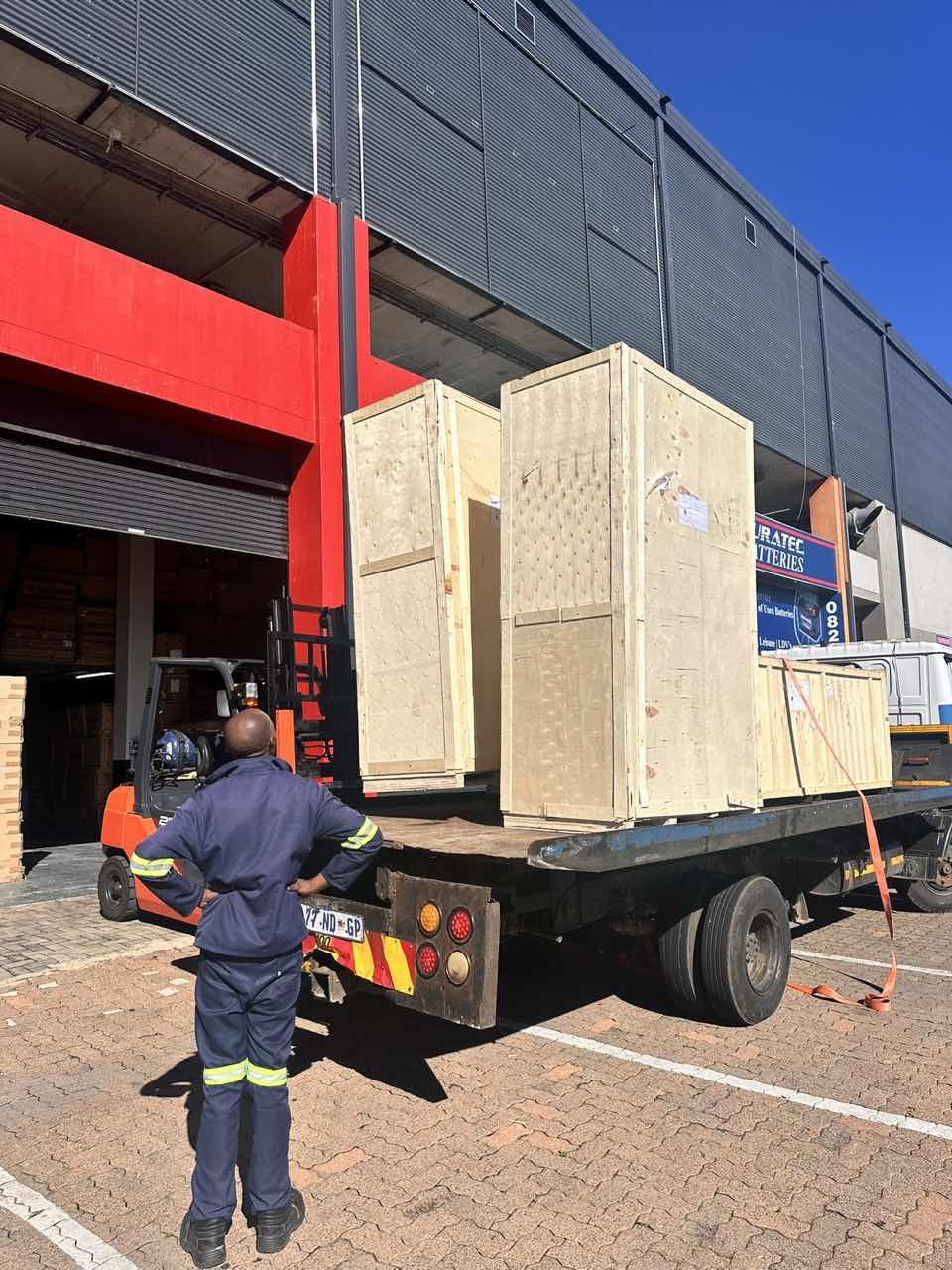
Food Processing Machine
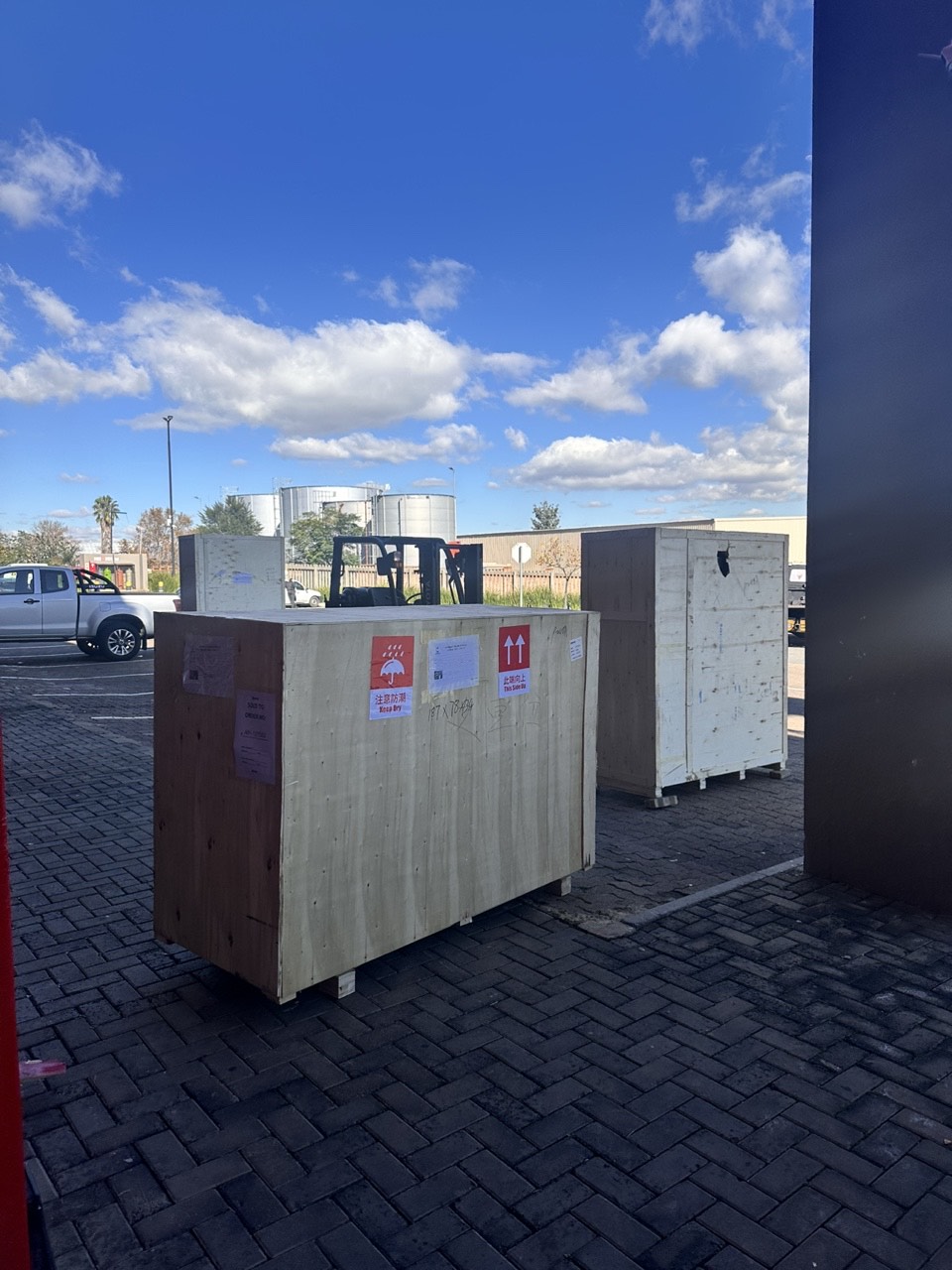
Batch of Orders
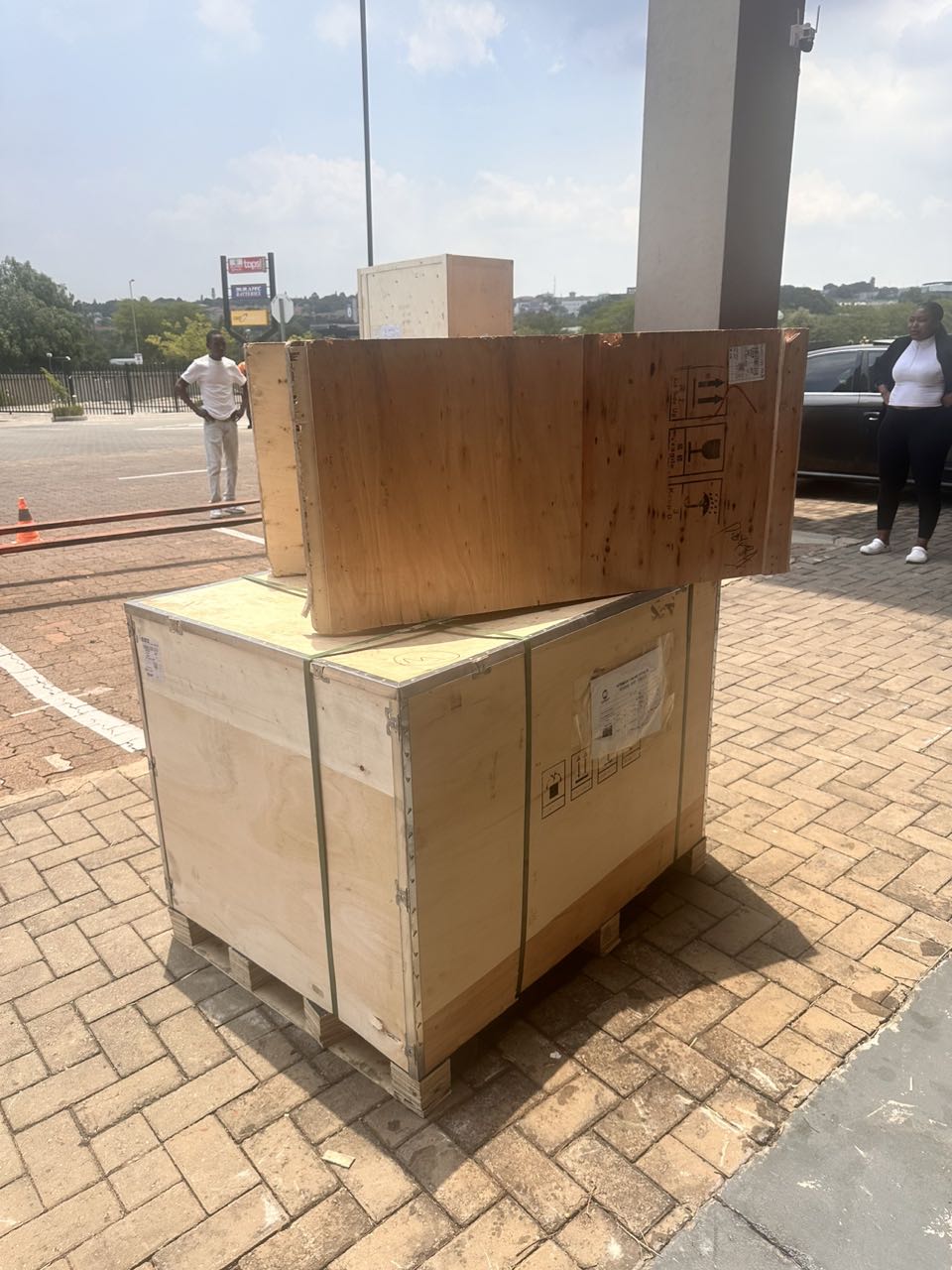
Batch of Orders
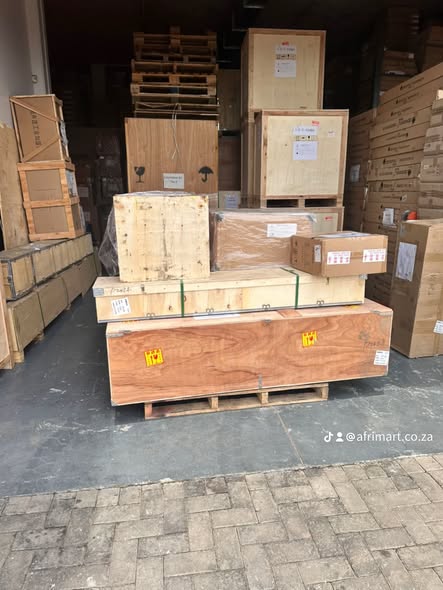
Latest Orders Labelled
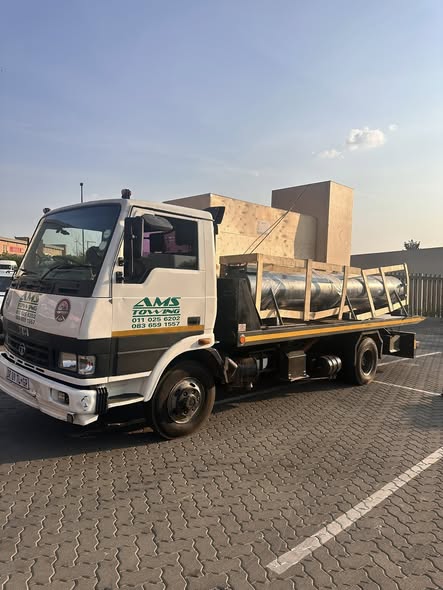
wheel alignment machines
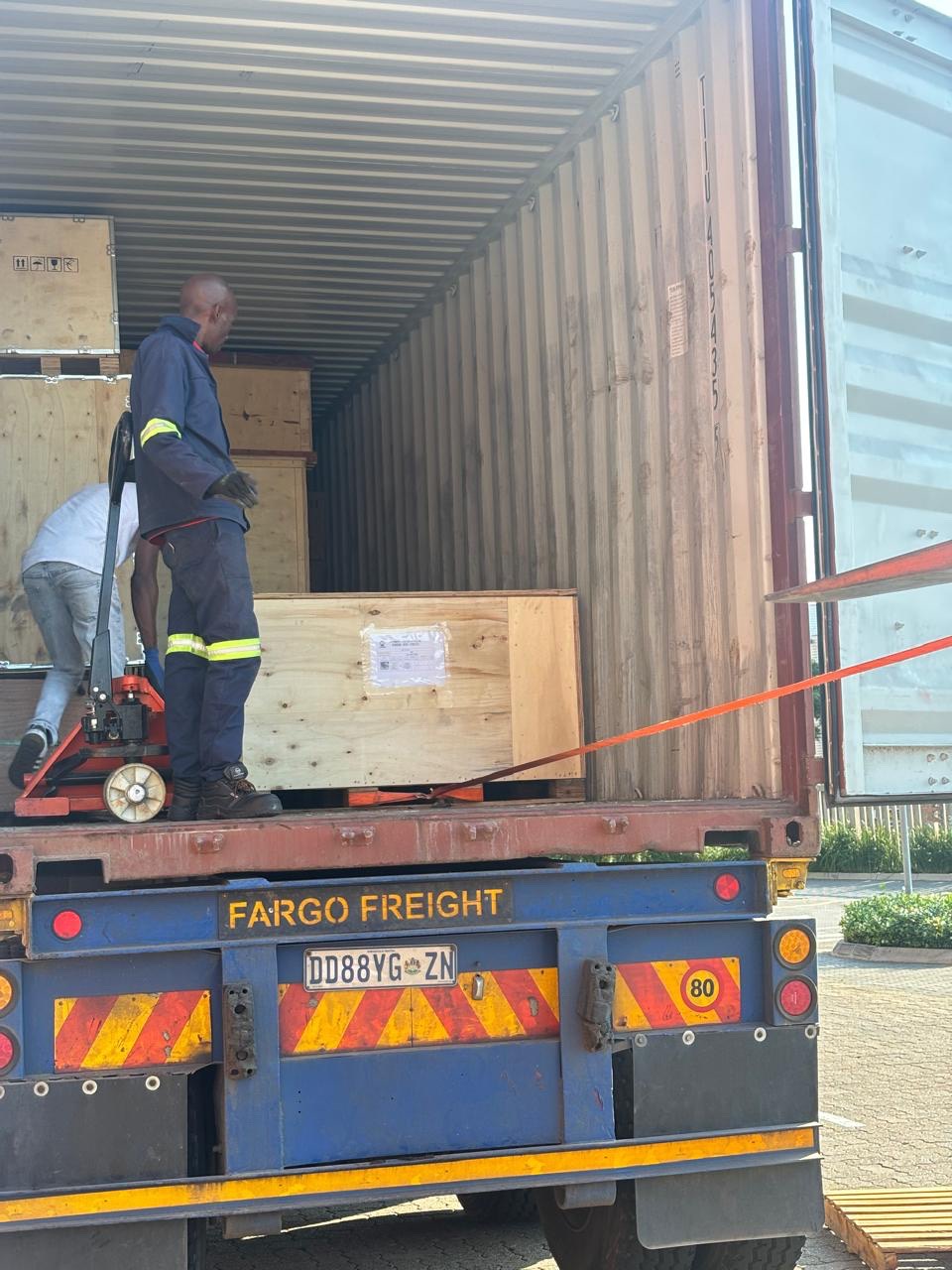
new arrivals
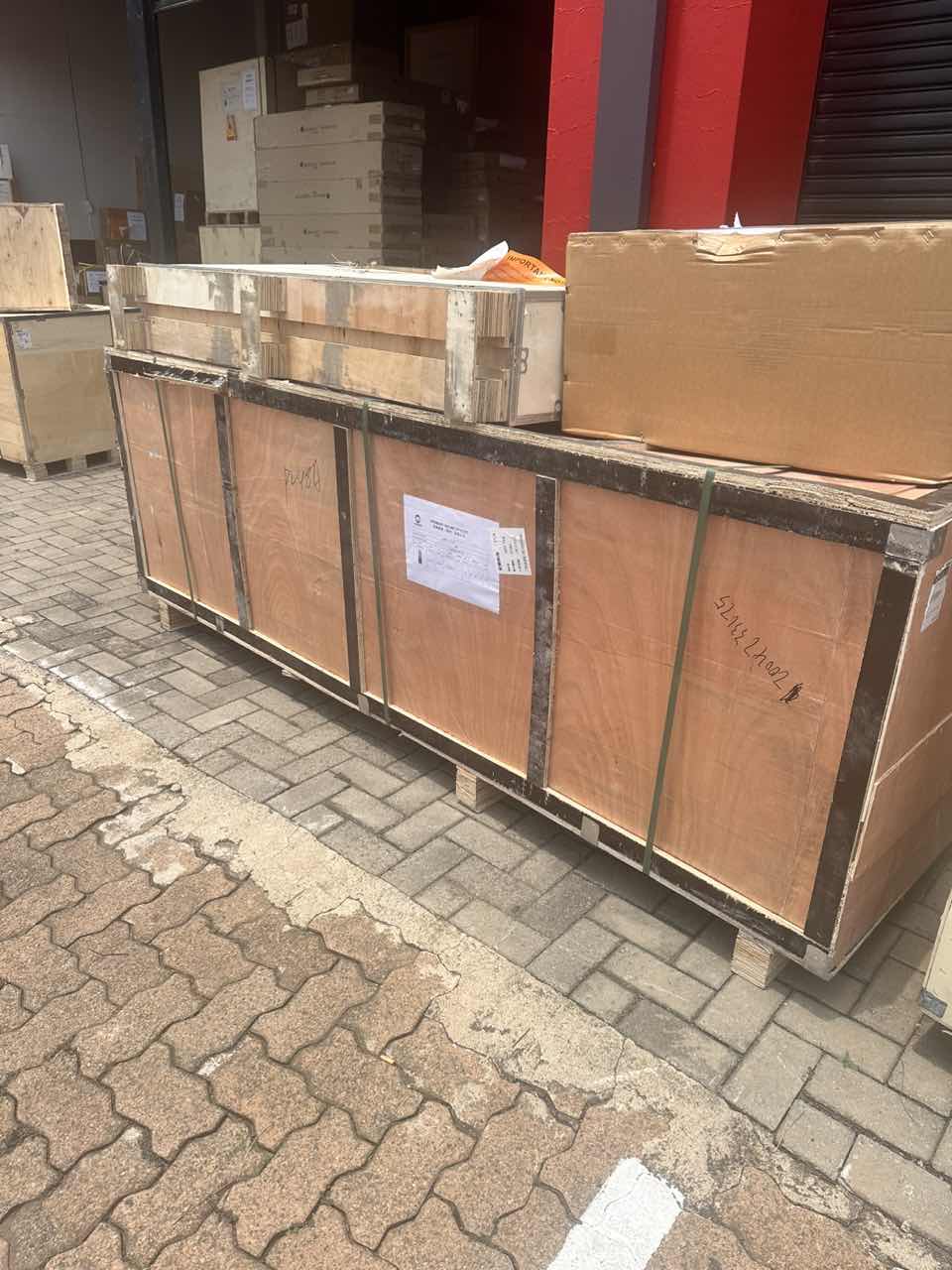
Pre Orders Offloading
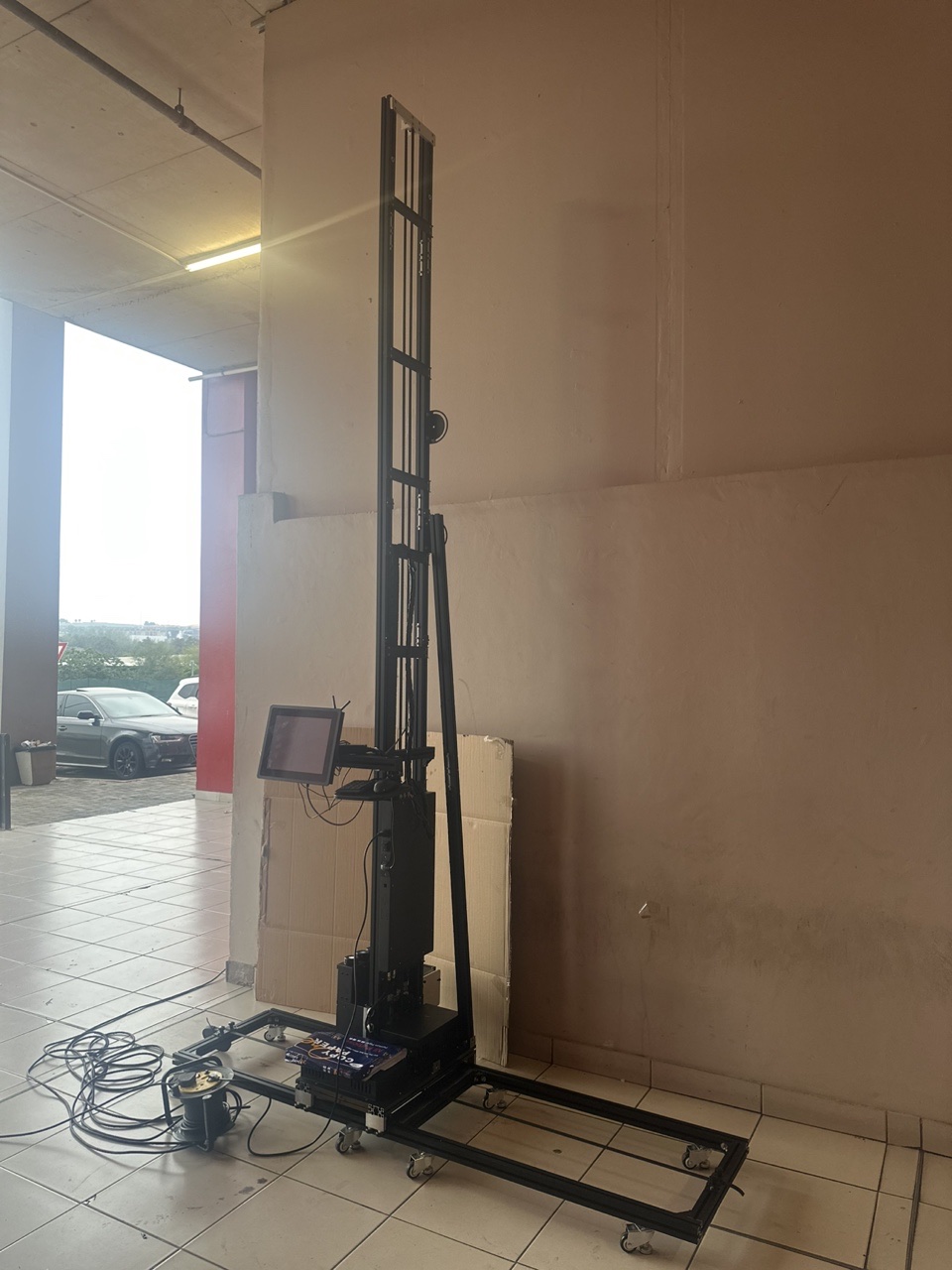
Latest Arrivals
Latest Arrivals
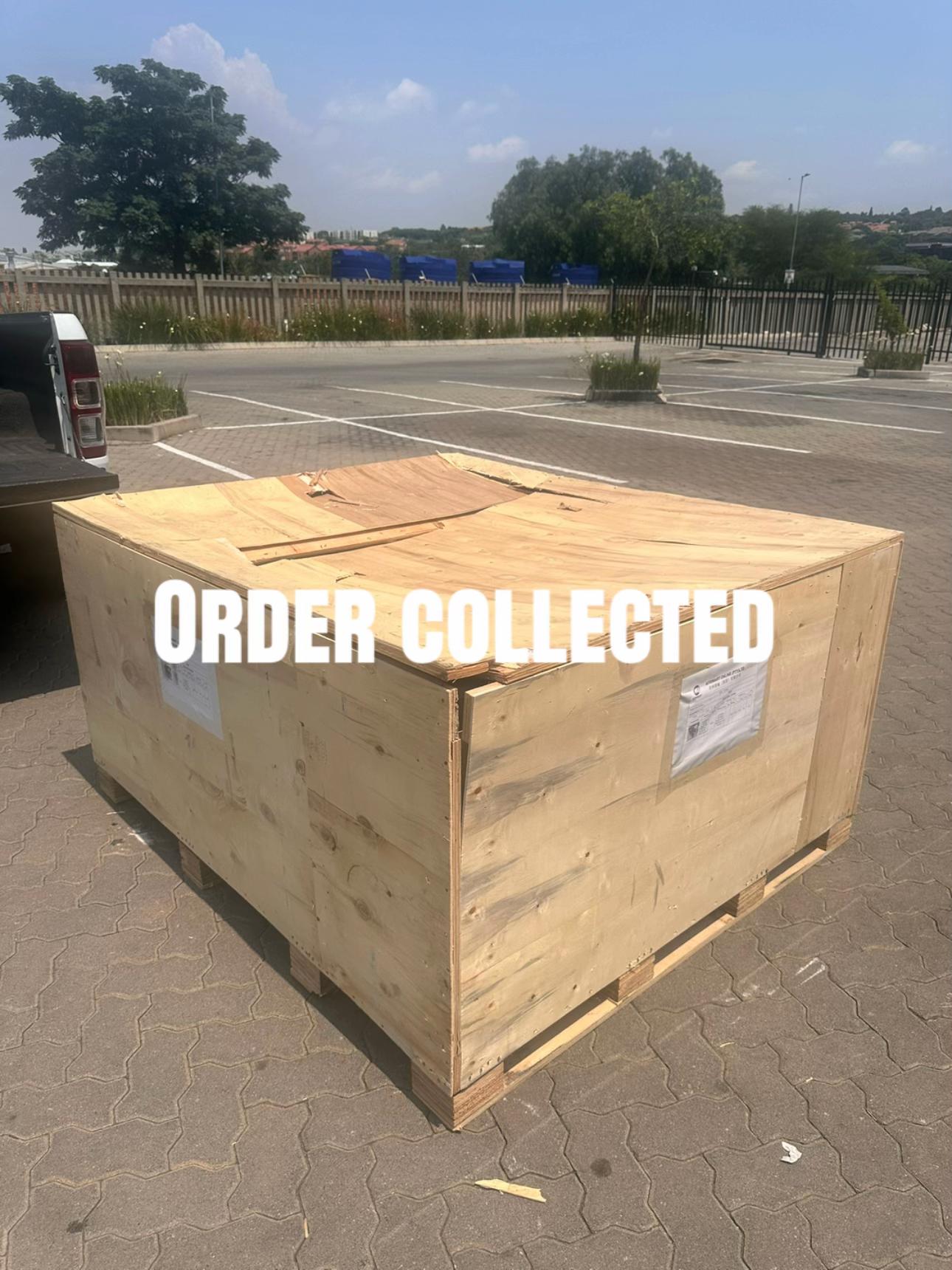
Latest Arrivals
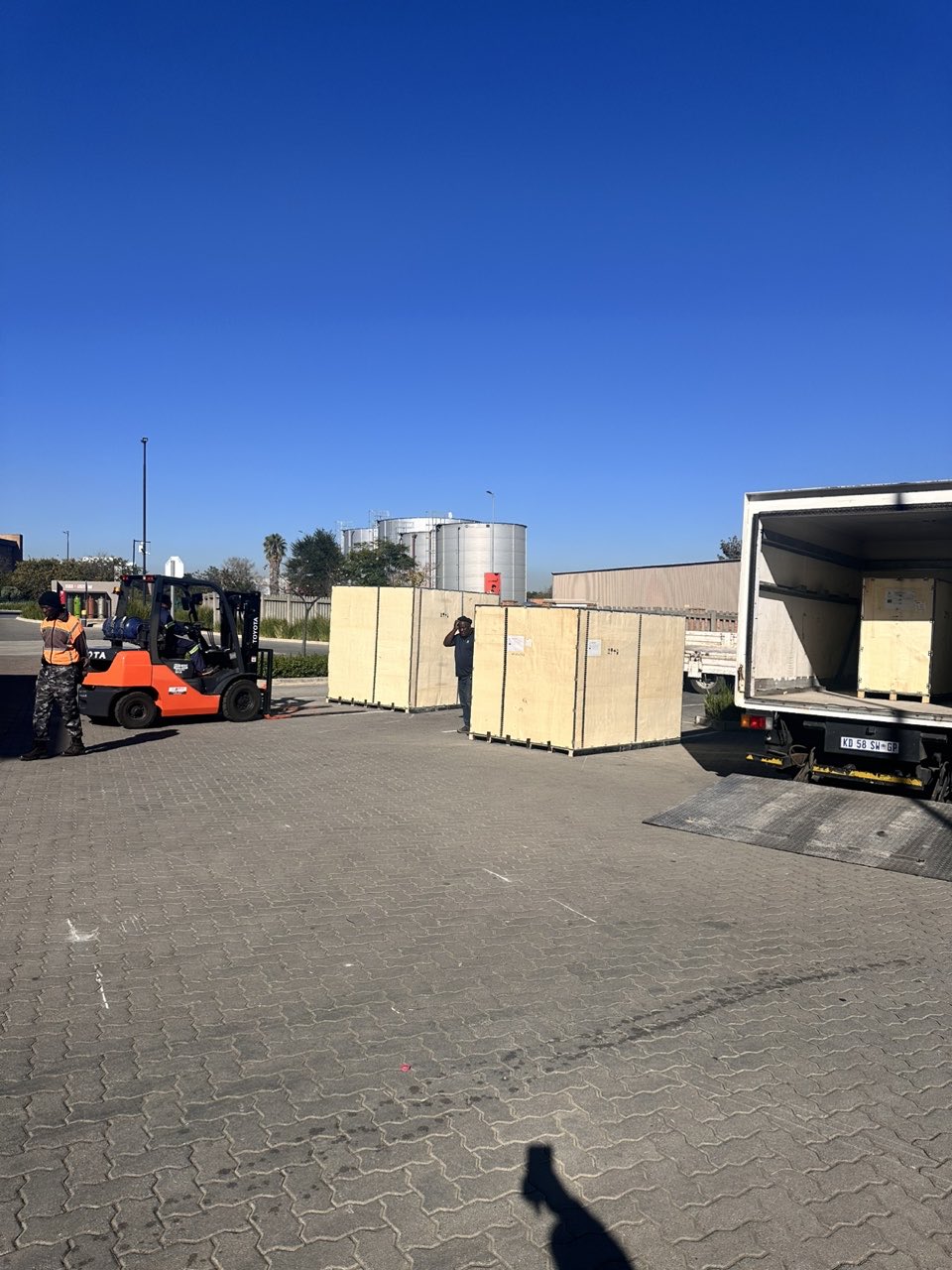
Loading
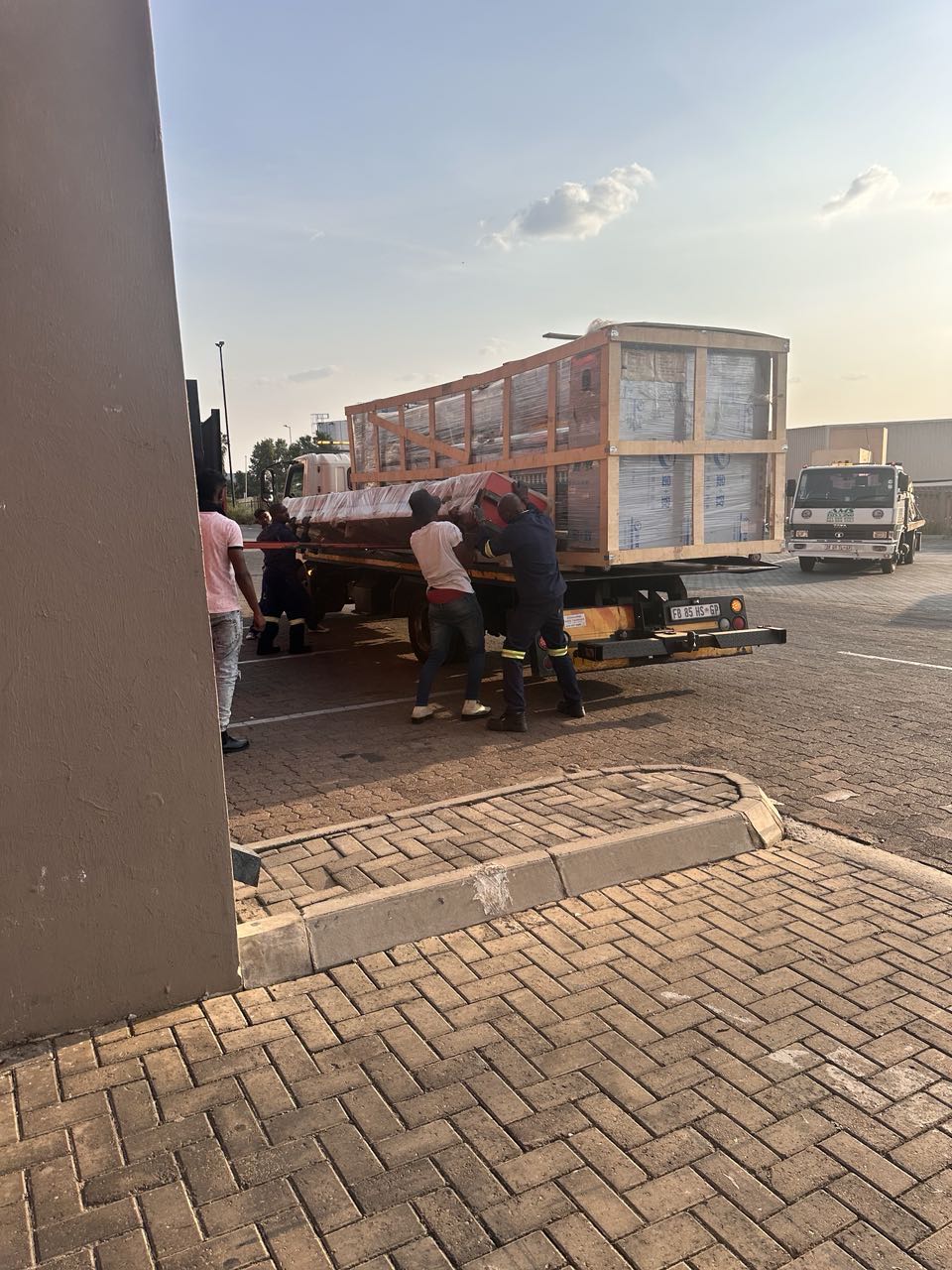
Toilet paper making machine
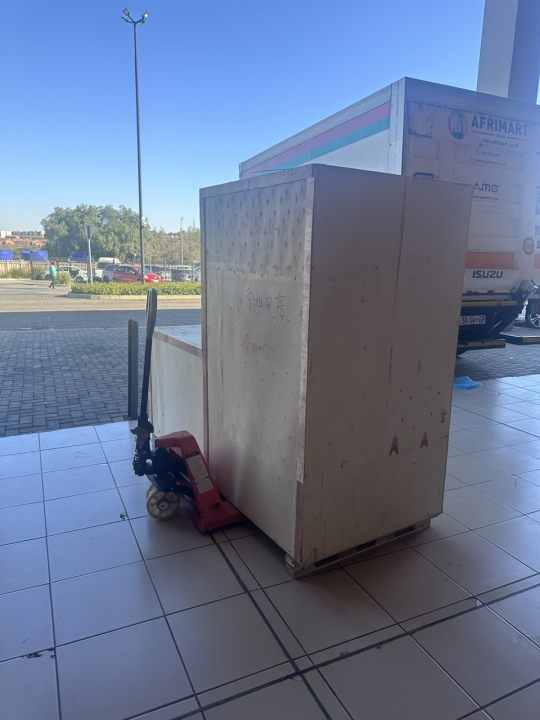
Toilet paper making machine
Toilet paper Rewinding Machine
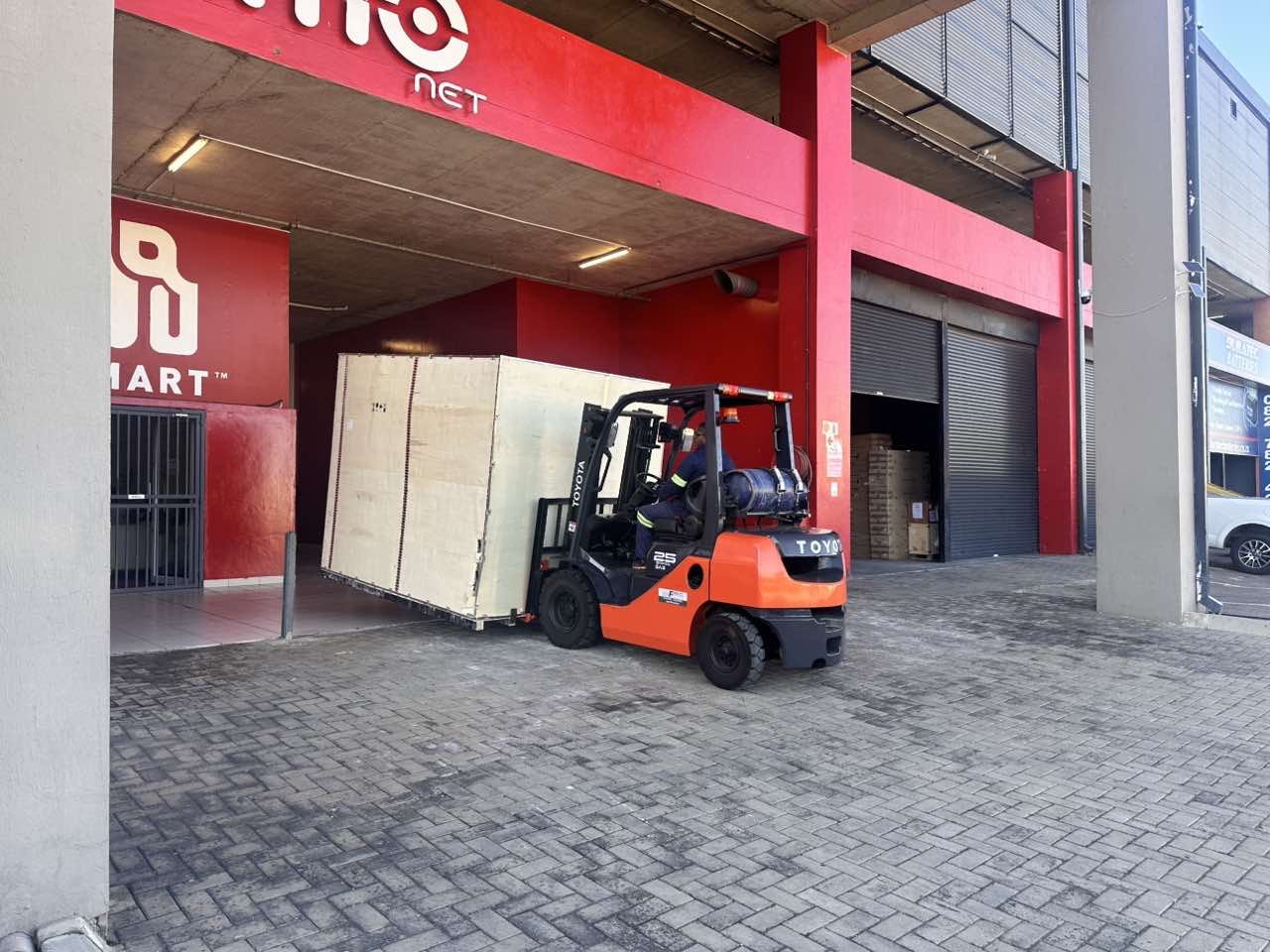
latest arrivals
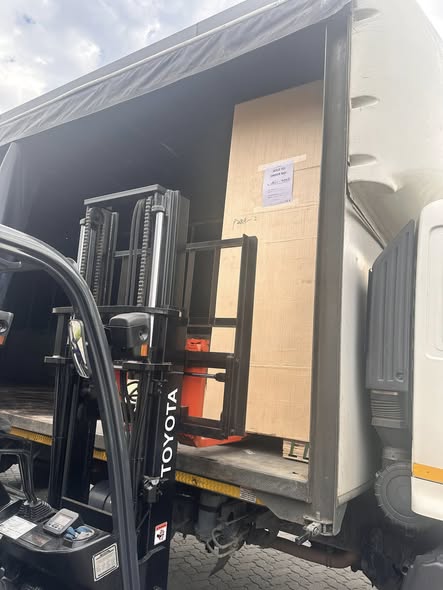
offloading
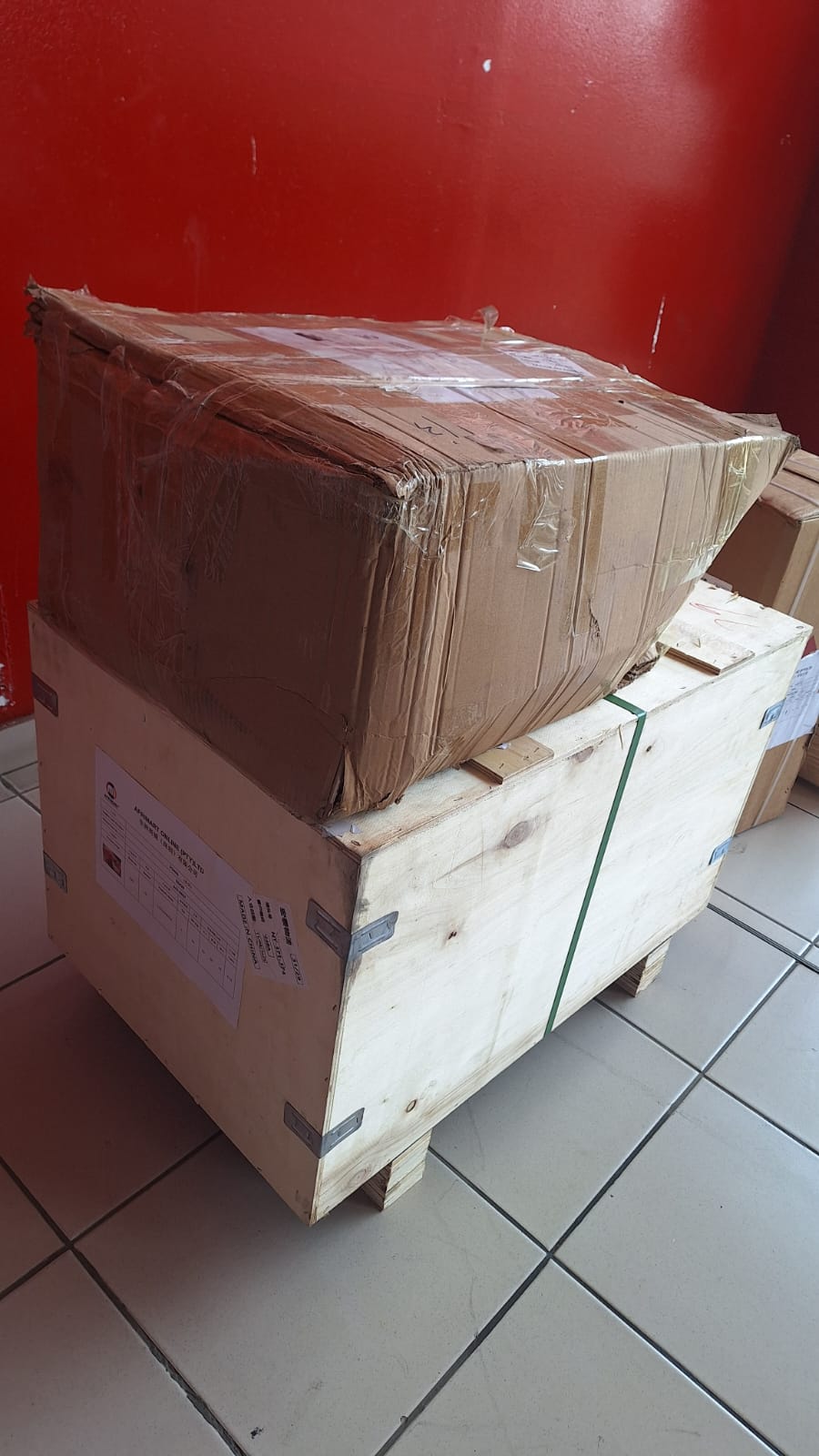
order success
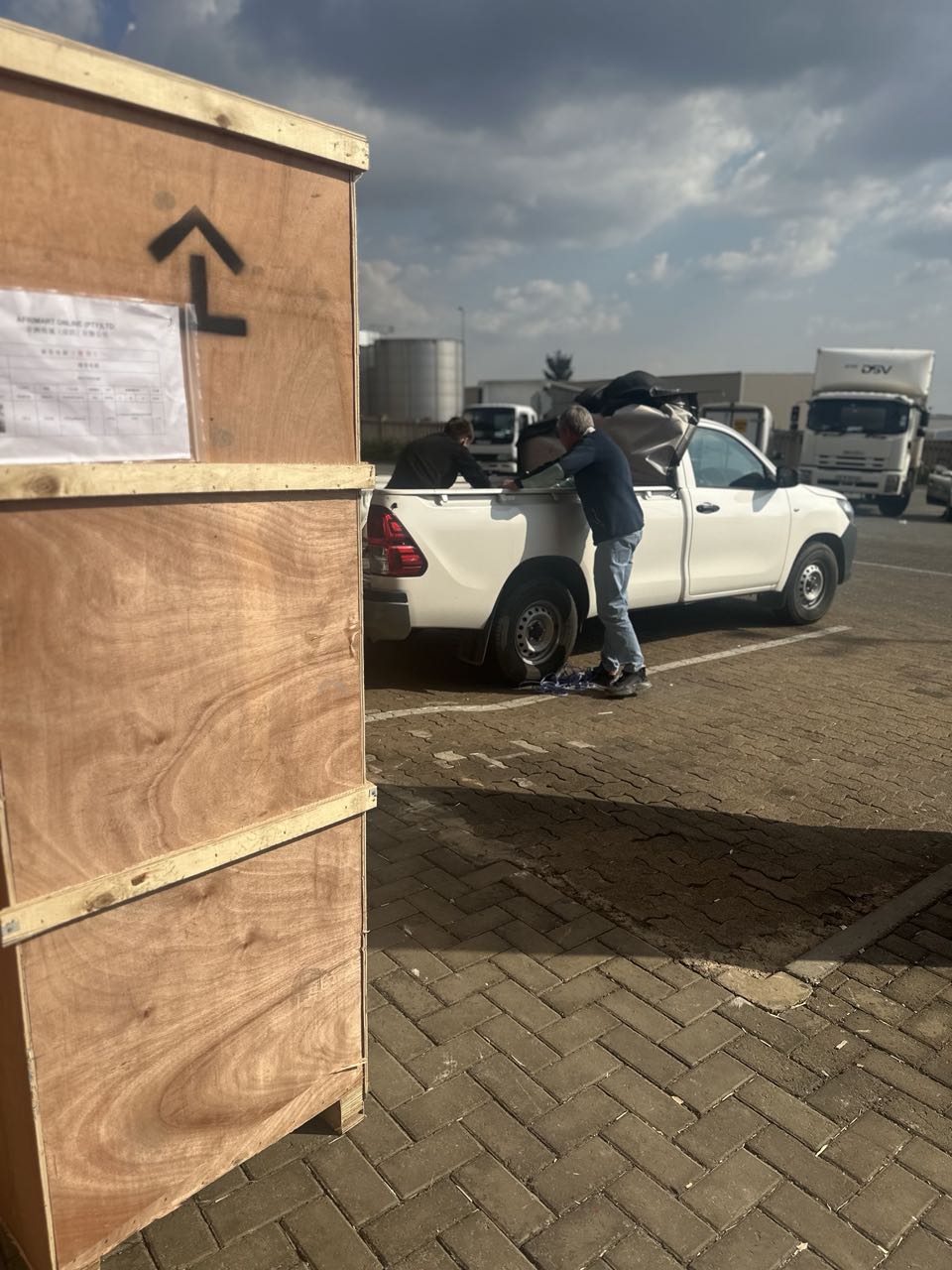
order collection
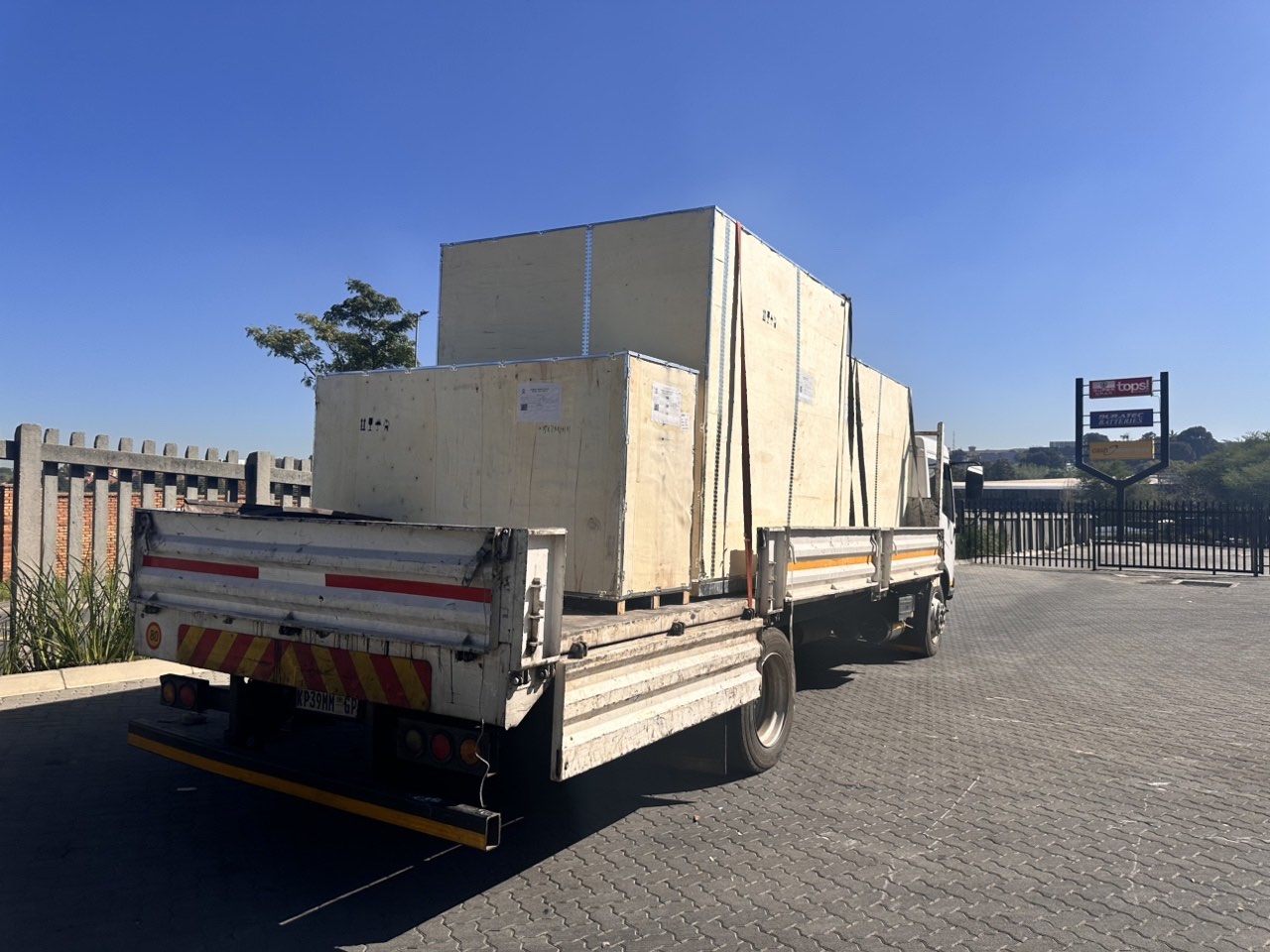
order offloading