B21, China Town Mall, Midrand

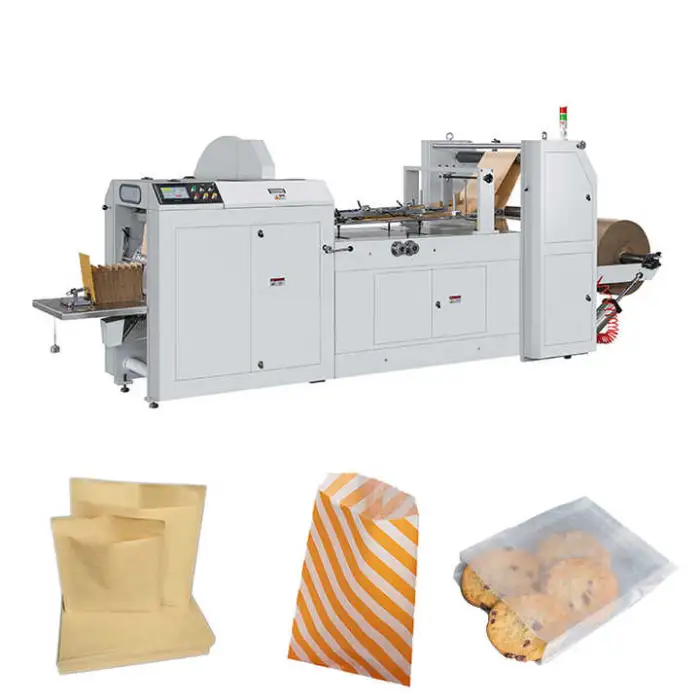
Automatic High Speed Kraft Paper Bag Making Machine
Asset finance available
Do you want funding for this equipment?
Afrimart can connect you with trusted funding partners who specialise in asset finance for businesses like yours. Compare options and apply in minutes — final approval is subject to provider review.
Check funding options
Secure & no obligation

- Section : Machinery
- Category : Packaging Machines
- SKU : 1601218737609

Automatic High Speed Kraft Paper Bag Making Machine
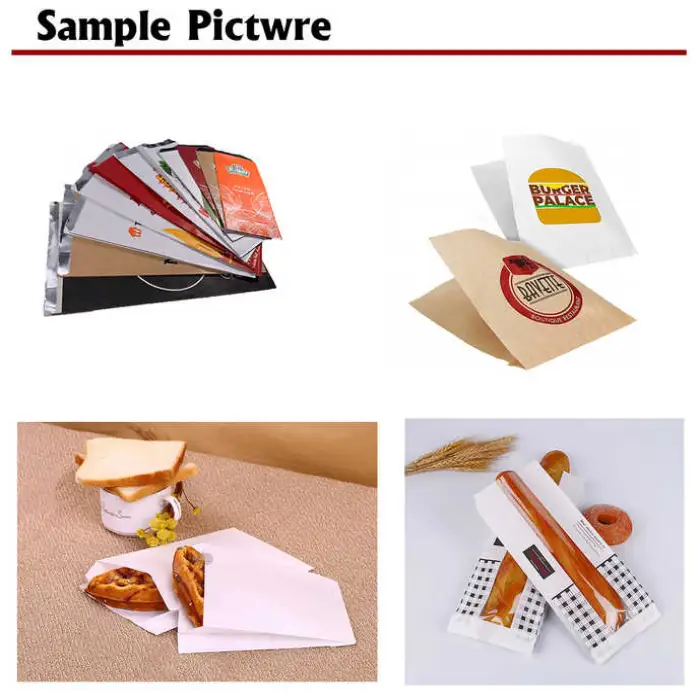
The Automatic High Speed Kraft Paper Bag Making Machine is a powerful tool for making shopping bags quickly and efficiently. With a maximum speed of 500 bags per minute, this machine helps businesses meet high demand with ease. It is made to handle different sizes and types of paper bags, making it a versatile addition to your production line.
Specifications
| Attribute | Details |
|---|---|
| Bag Type | Shopping Bag |
| Max Speed | 500 pcs/min |
| Material | Paper |
| Cutting Length | 220-620 mm |
| Bag Length | 210-610 mm |
| Bag Width | 70-280 mm |
| Gusset Thickness | 0-120 mm |
| Standard Flap | 12-20 mm |
| Paper Thickness | 30-80 gsm |
| Paper Roll Width | 220-700 mm |
| Max Roll Diameter | 1100 mm |
| Reel Inner Diameter | 76 mm |
| Dimensions (L*W*H) | 4670*1550*1500 mm |
| Core Components | Motor, Pressure vessel, Pump, PLC, Gear, Bearing, Engine, Gearbox |
Key Features
- High-speed production at 500 bags per minute.
- Adjustable dimensions for various bag sizes.
- Durable construction with quality components.
- Easy to operate with a user-friendly interface.
- Cost-effective solution for bulk bag production.
Applications
- Retail shopping bags.
- Grocery and food packaging.
- Promotional bags for businesses.
- Craft and DIY projects.
- Packaging for various consumer goods.
Product Info Gallery
- Shipping Timeframes: All orders are processed within 2-5 business days (excluding weekends and holidays). After your order has been processed, the estimated delivery time is before 06 Aug, 2026, depending on customs, Please note that due to high demand, some items may experience longer shipping times, which will be communicated at order confirmation email.
- Order Processing Time: Please allow 2-5 business days for us to process your order before it is shipped . Orders placed after 16:00 on Fridays, or during weekends and public holidays, will begin processing on the next business day. Processing times may be extended during peak seasons or sales events.
- Manufacturing Time: Some products needs manufacturing time, the manufacturing process will take approximately 10-30 business days depending on the product. This timeframe may vary depending on the complexity of the product and current demand. but this will be communicated with you during order confirmation.
- Returns and Exchanges: We offer a 30-day return policy for most items. If you are not completely satisfied with your purchase, you may return it within 30 days of receipt for a refund or exchange. Items must be unused, in their original packaging, and accompanied by proof of purchase. Return shipping costs are the responsibility of the customer, unless the item was damaged or defective upon arrival.
1. What types and sizes of bags can the Automatic High Speed Kraft Paper Bag Making Machine produce?
The machine produces shopping-style kraft paper bags and can be adjusted to make a wide range of sizes. Supported ranges: cutting length 220–620 mm, finished bag length 210–610 mm, bag width 70–280 mm, gusset thickness 0–120 mm and standard flap 12–20 mm.
2. What is the production speed and actual throughput I can expect?
Maximum mechanical speed is 500 bags per minute (theoretical). Actual throughput depends on bag dimensions, paper quality, design (printed or laminated), and processing settings. At the maximum speed of 500 bags/min the theoretical output is 30,000 bags/hour; real-world rates are typically lower when using larger bags or additional processing.
3. What paper types and thicknesses does the machine support?
The machine is designed for kraft and other paper types with a basis weight (thickness) between 30–80 gsm. It handles printed paper as well; for specialty laminates or much thicker paper, please consult the supplier for compatibility and testing.
4. What are the requirements for paper rolls (width, diameter, core)?
Acceptable paper roll width is 220–700 mm, maximum roll diameter 1100 mm, and reel inner/core diameter 76 mm. Ensure your rolls match these dimensions for uninterrupted operation.
5. What are the machine dimensions and recommended floor space?
Machine dimensions (L×W×H) are 4670 × 1550 × 1500 mm. You should allocate additional working space around the machine for material handling, operator access and maintenance — typically at least 1–1.5 m clearance on accessible sides.
6. What are the main components and technologies used in the machine?
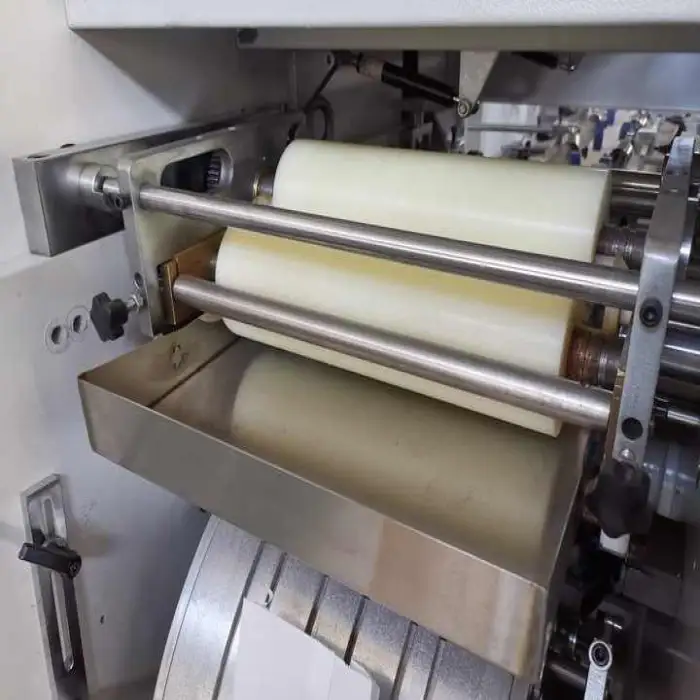
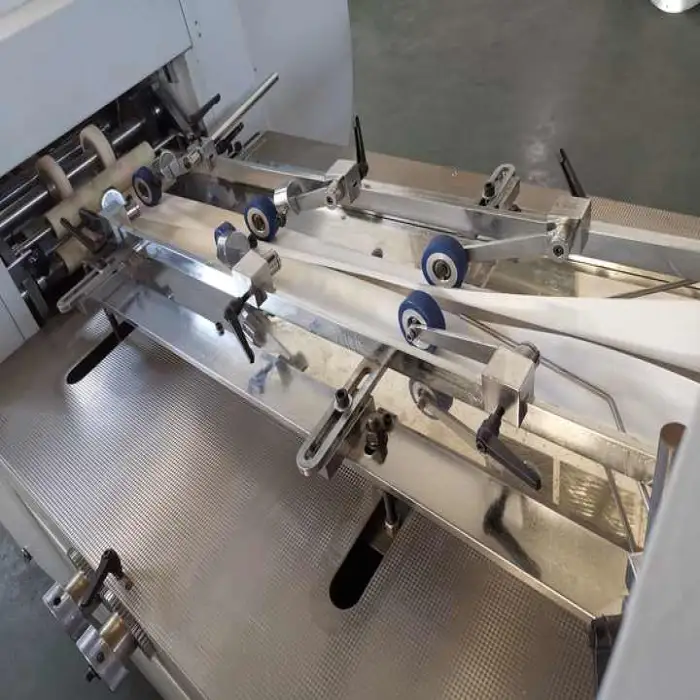
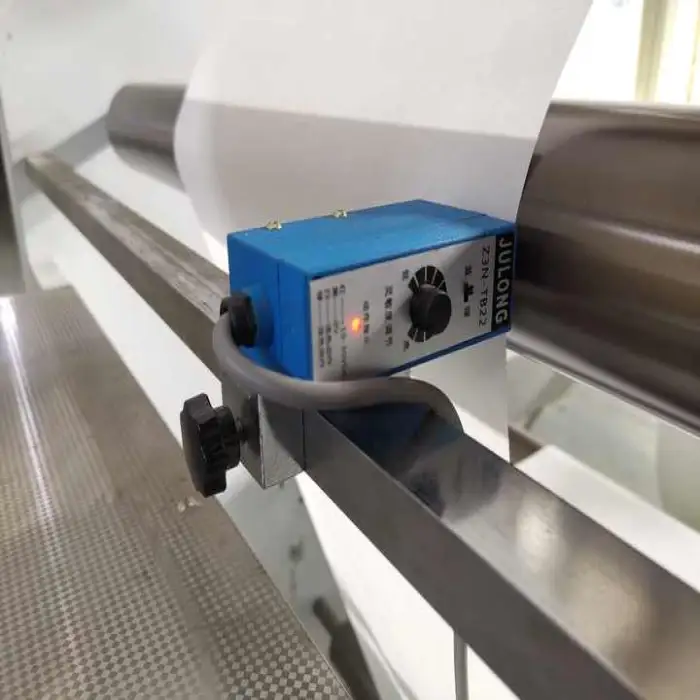
Core components include motor, pressure vessel, pump, PLC control system, gears, bearings, engine components and gearbox. The machine features an automated PLC-driven operation and precision mechanical subsystems for high-speed production.
7. How easy is it to operate and change over to different bag sizes?
The machine is designed with a user-friendly interface (PLC) and adjustable guides to simplify changeovers. Size adjustments are straightforward, but exact changeover time will depend on operator experience and the number of adjustments required. Training is recommended for efficient changeovers.
8. What routine maintenance does the machine require?
Routine maintenance includes regular cleaning of paper dust and debris, periodic lubrication of bearings and moving parts, inspection and replacement of cutting blades, checking belt tension and gearbox oil, and verifying pumps and electrical connections. Follow the supplier's maintenance schedule for intervals.
9. What consumables and spare parts should I plan to stock?
Common consumables and spare parts include cutting blades, glue or adhesive (if used), bearings, belts, fuses, electrical components, and wear parts for the feed and cutting systems. Keep critical spares on hand to minimize downtime; the supplier can advise a recommended spare-parts list.
10. What safety features does the machine have and what PPE is required?
Typical safety features include emergency stop buttons, mechanical guards and interlocks around moving parts, and safety signage. Operators should wear appropriate PPE such as safety glasses, hearing protection (if required), and avoid loose clothing. Follow the machine's safety manual and local regulations.
11. What are the electrical and utility requirements for installation?
Electrical and utility requirements vary by configuration. Many industrial bag machines require a three-phase power supply and may need compressed air for pneumatic components. Exact voltage, current, and pneumatic specs should be confirmed with the supplier or on the machine nameplate prior to installation.
12. Does the machine support printed or laminated paper stocks?
Yes — printed kraft paper is commonly used. Laminated or specialty coatings can be processed in many cases, but performance depends on coating thickness and adhesion properties. We recommend trial runs or consultation with the supplier for nonstandard stocks to ensure correct feed, cutting and sealing behavior.
13. What warranty, training and after-sales support are available?
Warranty terms, on-site training and after-sales support packages vary by manufacturer and vendor. Most suppliers offer a limited warranty, commissioning and operator training, as well as spare parts and technical support—confirm the specific terms with your seller before purchase.
14. How can I estimate production for different bag sizes?
Estimate production by measuring the actual running speed for your chosen bag size and multiplying by operation time. Example: actual speed (bags/min) × 60 = bags/hour. Note that larger bag lengths and additional processing steps will reduce bags/min compared with the 500 bags/min maximum.
15. What should I consider for shipping, installation and site preparation?
Consider machine footprint and access for delivery (doors, forklifts), a level concrete floor able to support the machine, sufficient electrical power and utility hookups, lighting and ventilation, and a safe layout for material loading/unloading. Coordinate with the supplier for on-site installation and commissioning requirements.
Latest Order Arrivals
Discover our latest orders
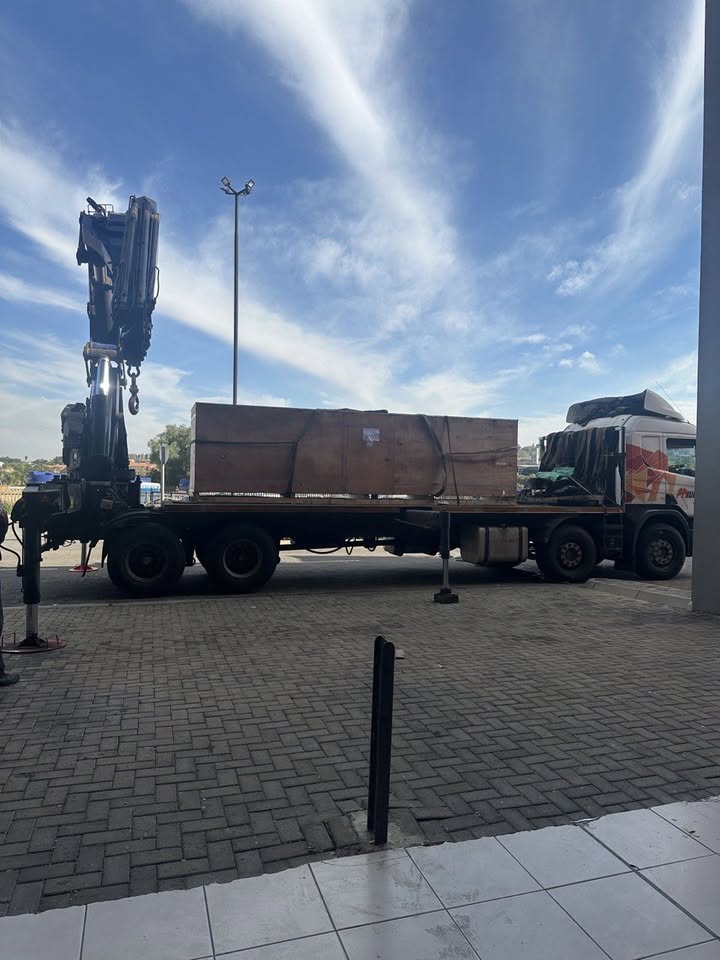
12 Heads Embroidery Machine
Toilet Paper Machine Machine
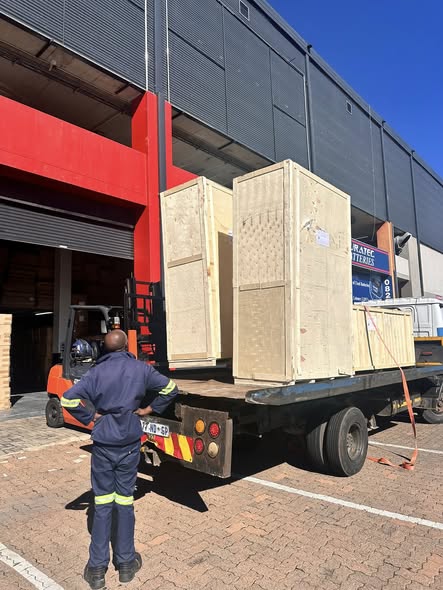
Order Collection
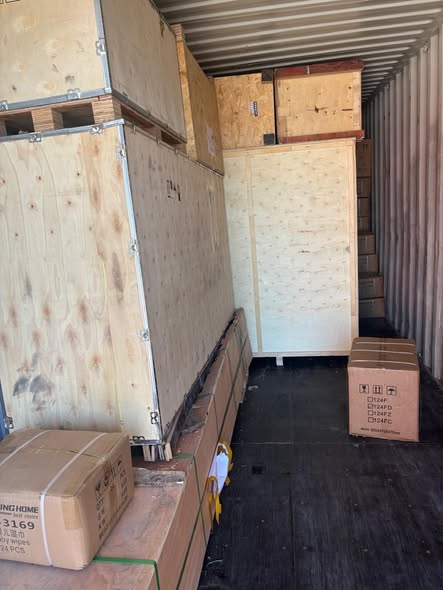
Cross Border Clients
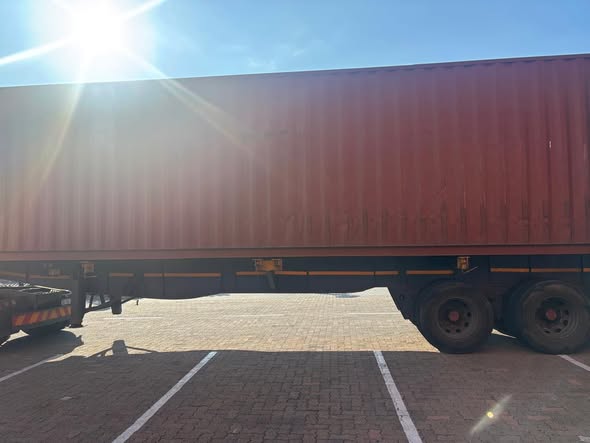
Order cros border countries Collected
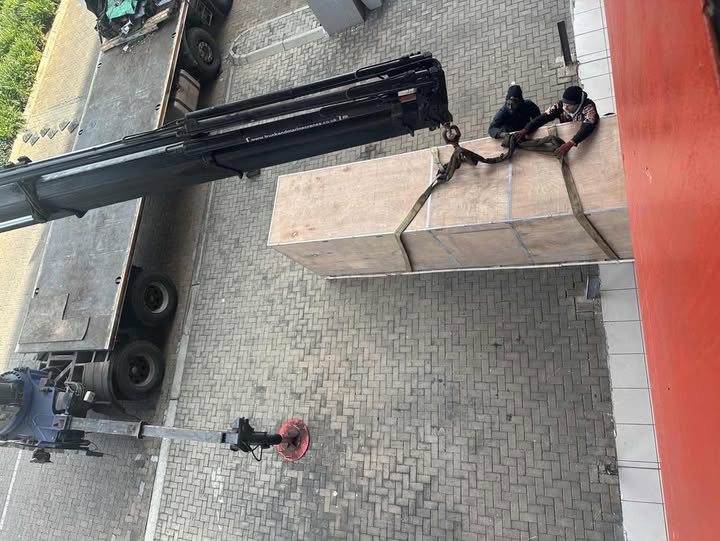
Industrial Machine Cllection
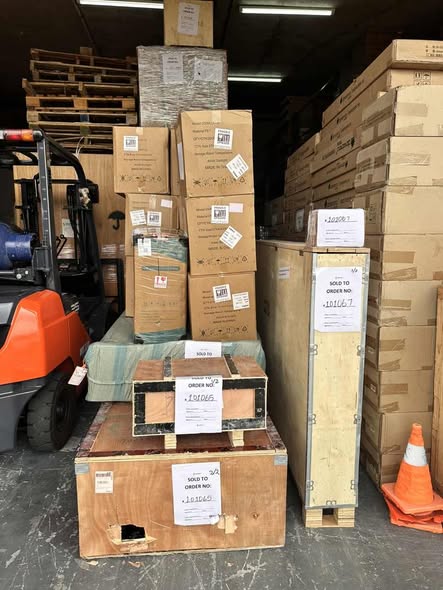
Agriculture Processing Machines
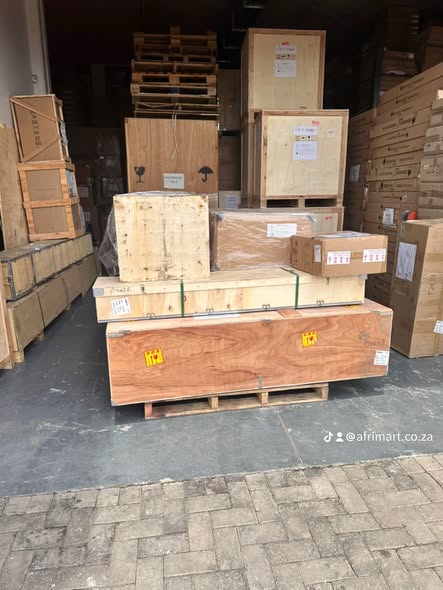
Ready for collection
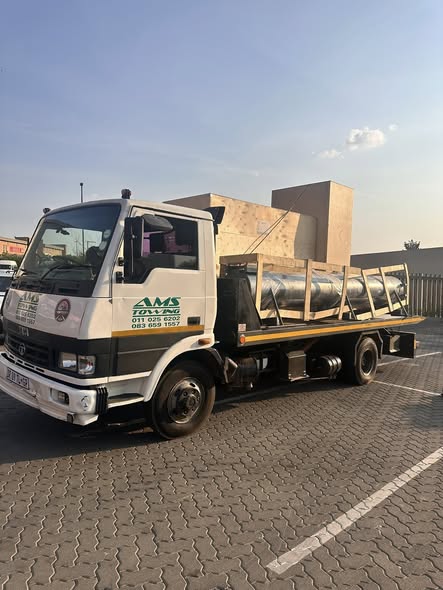
Water Pump Equipment
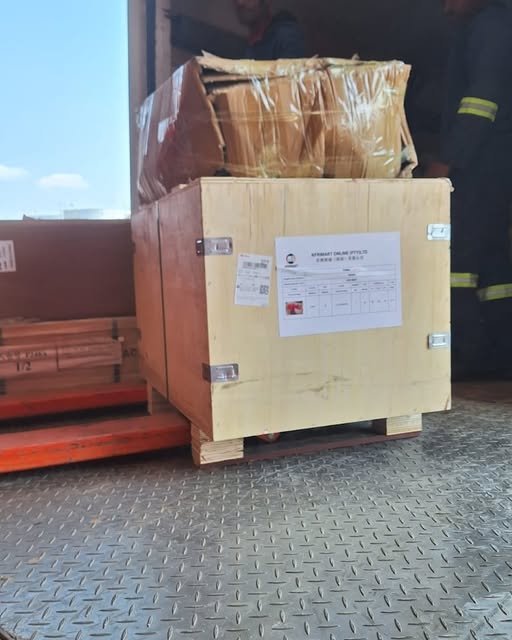
Packaging Machine and accessories
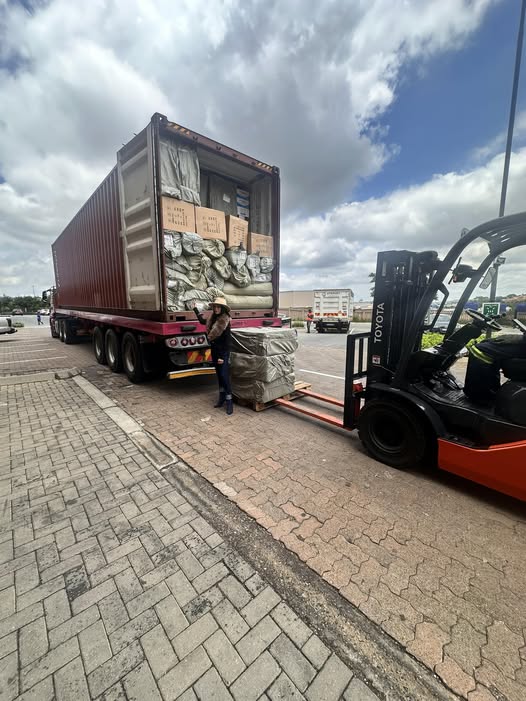
Fabrics Manufacturing Equipment
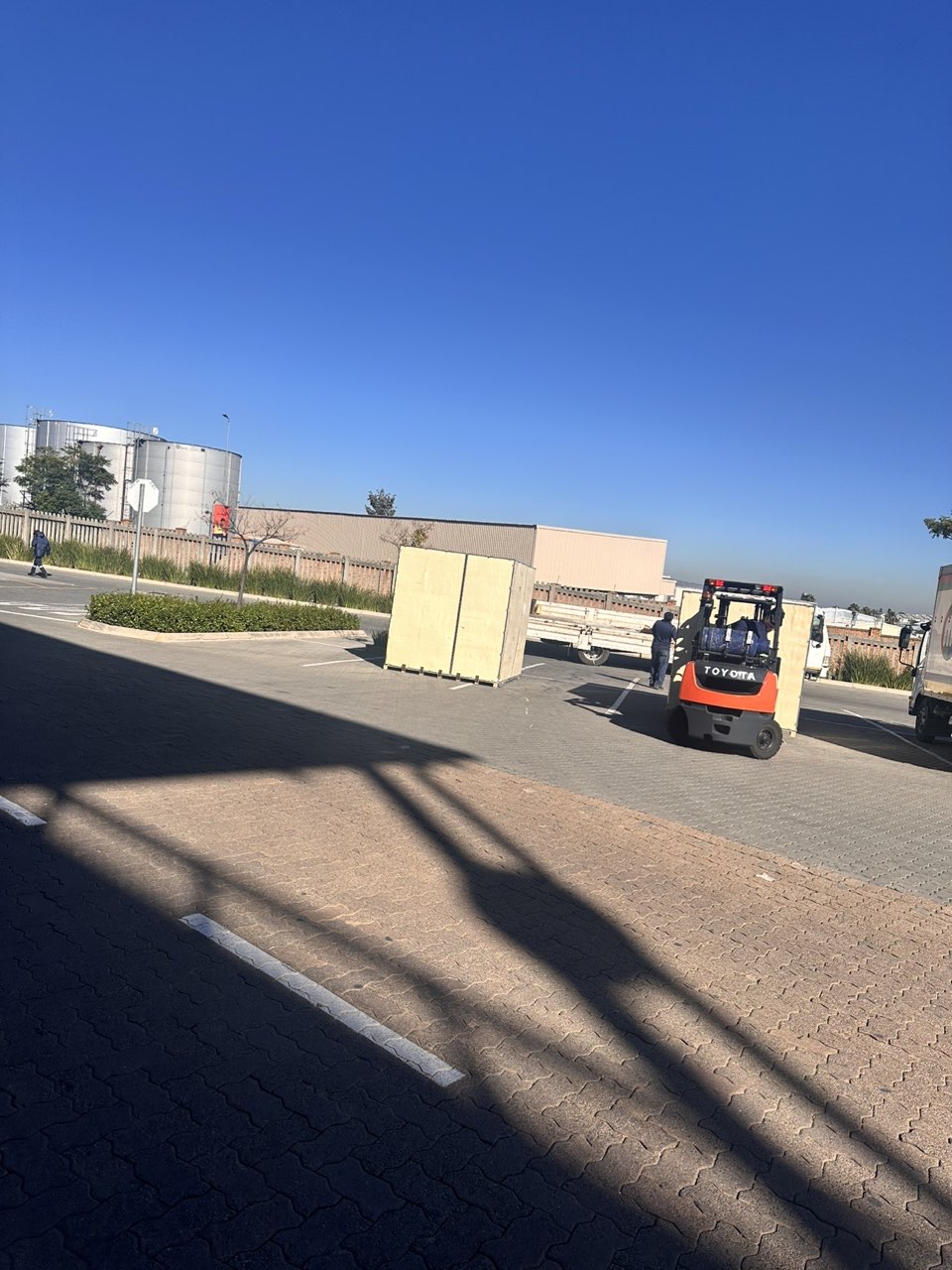
Mining Equipments
Food Processing Machine
Batch of Orders
Batch of Orders
Latest Orders Labelled
wheel alignment machines
new arrivals
Pre Orders Offloading
Latest Arrivals
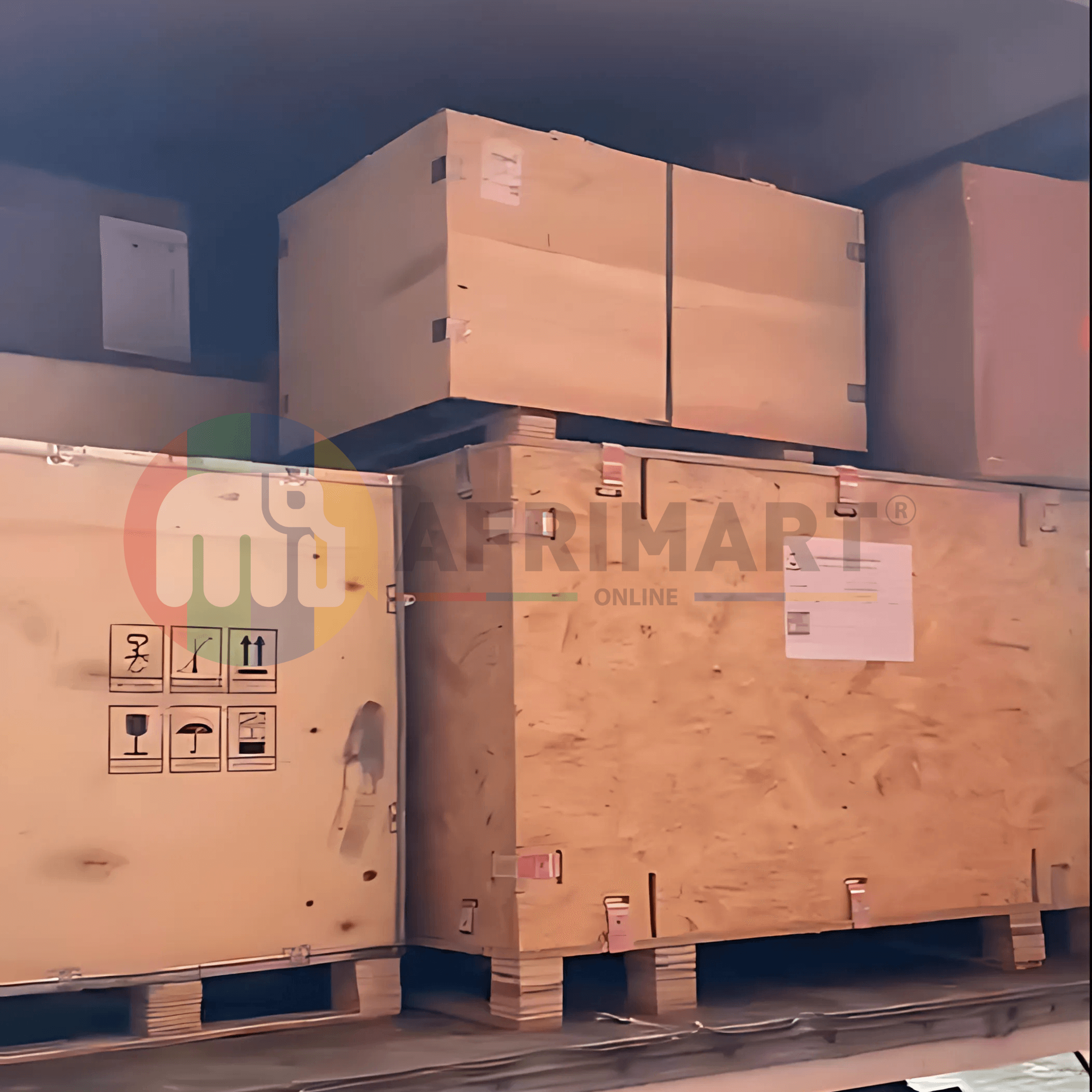
Latest Arrivals
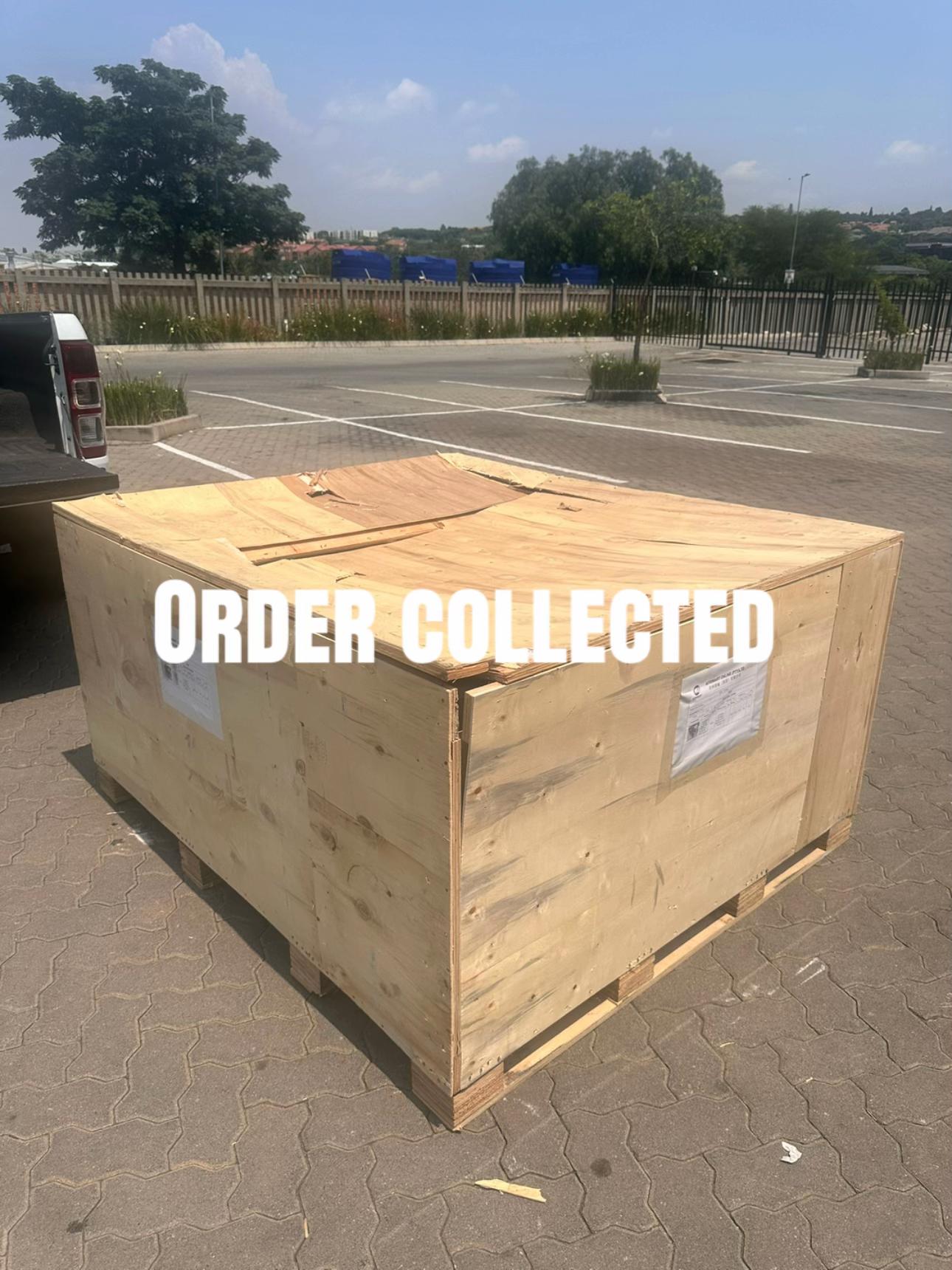
Latest Arrivals
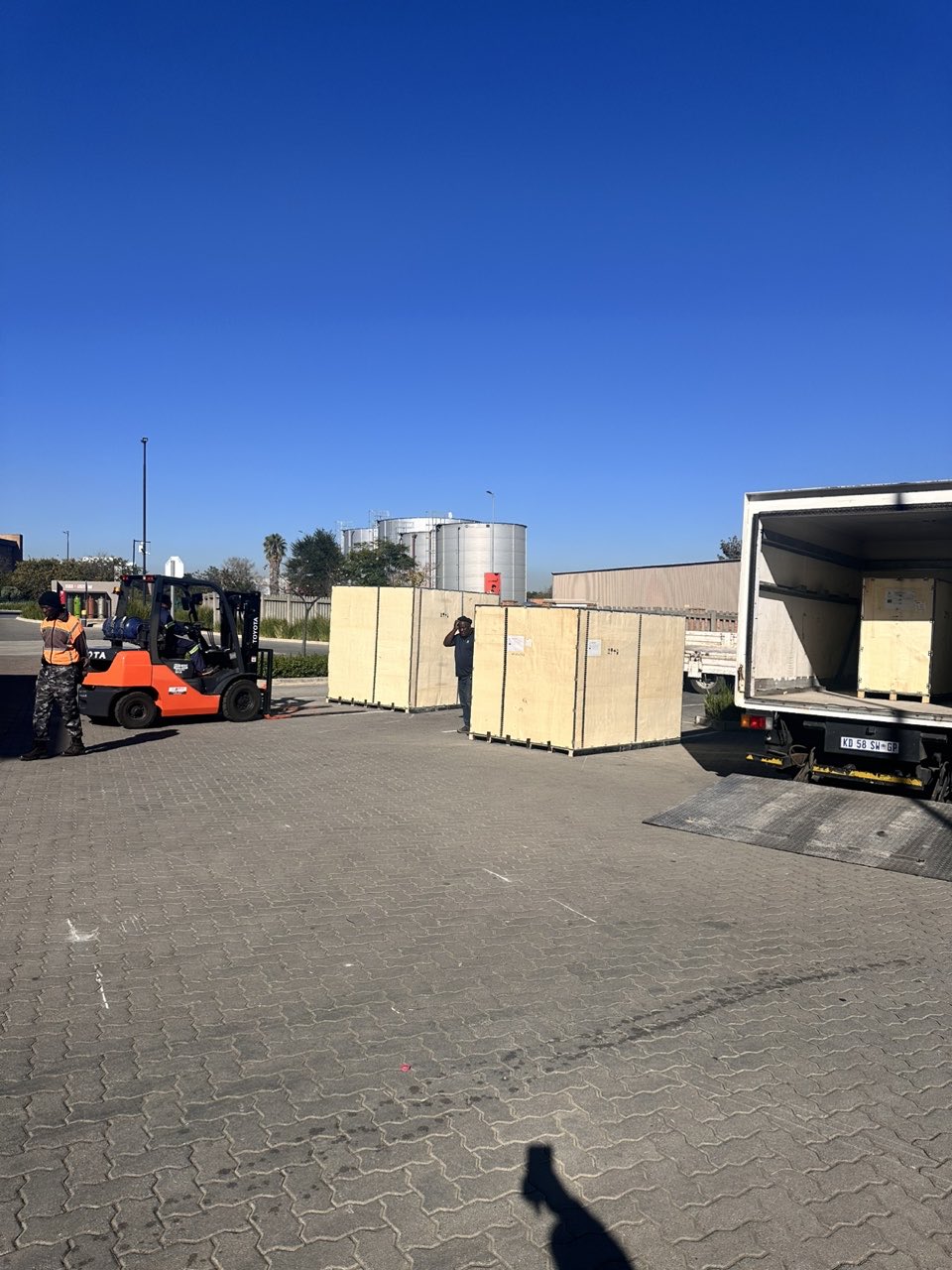
Loading
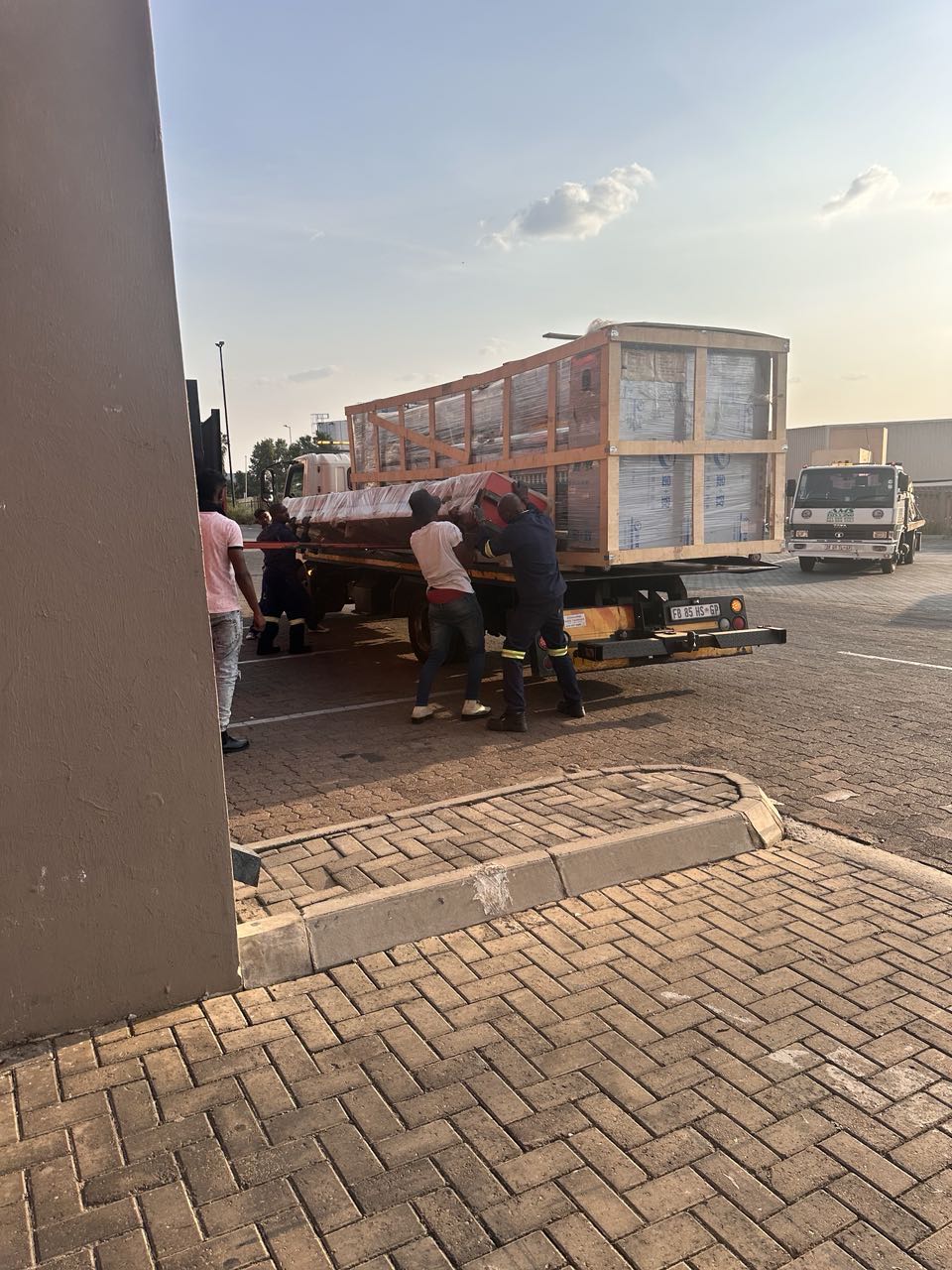
Toilet paper making machine
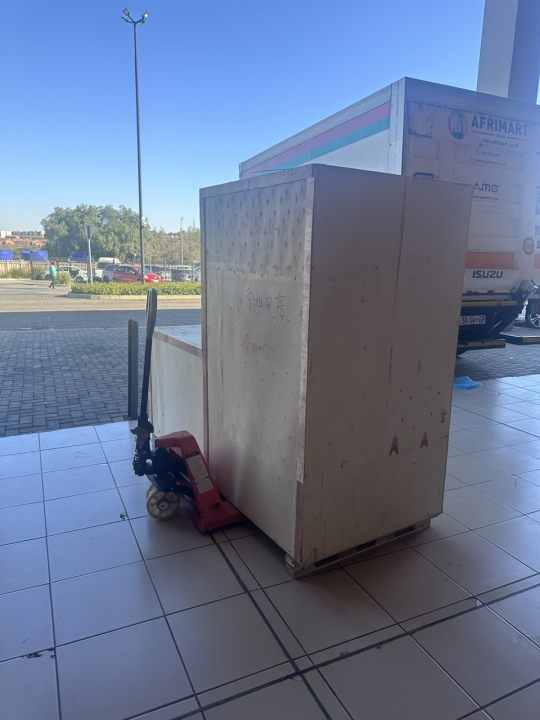
Toilet paper making machine
Toilet paper Rewinding Machine
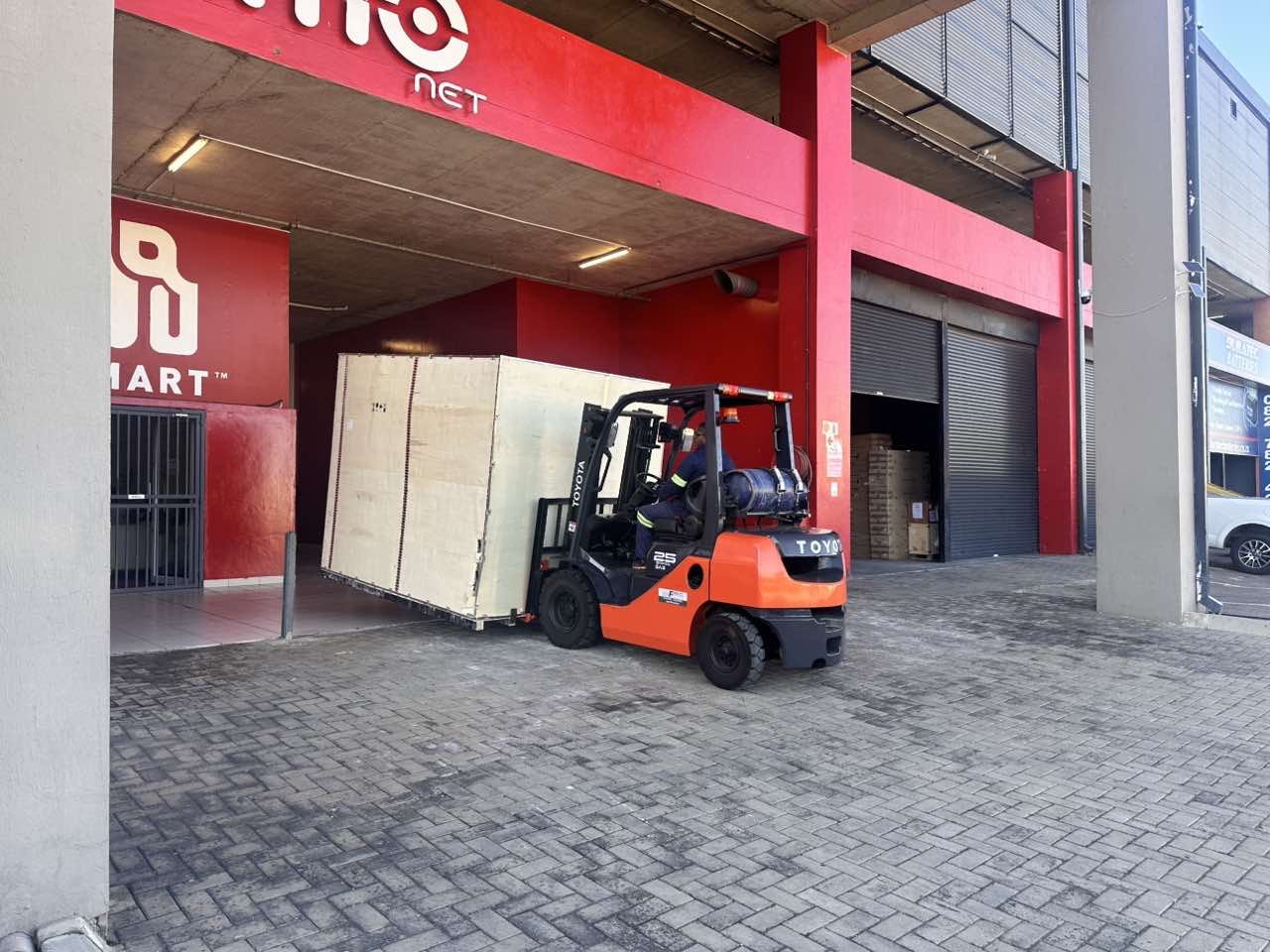
latest arrivals
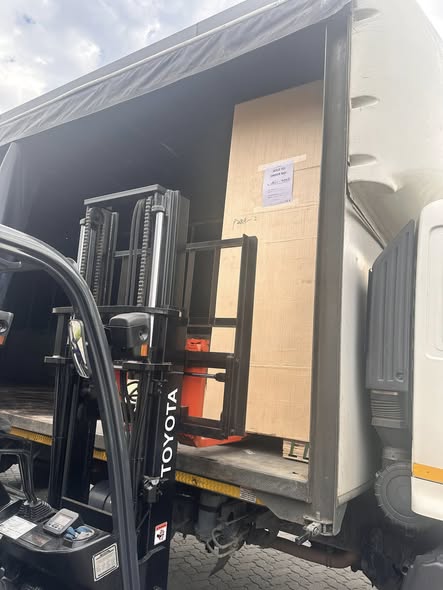
offloading
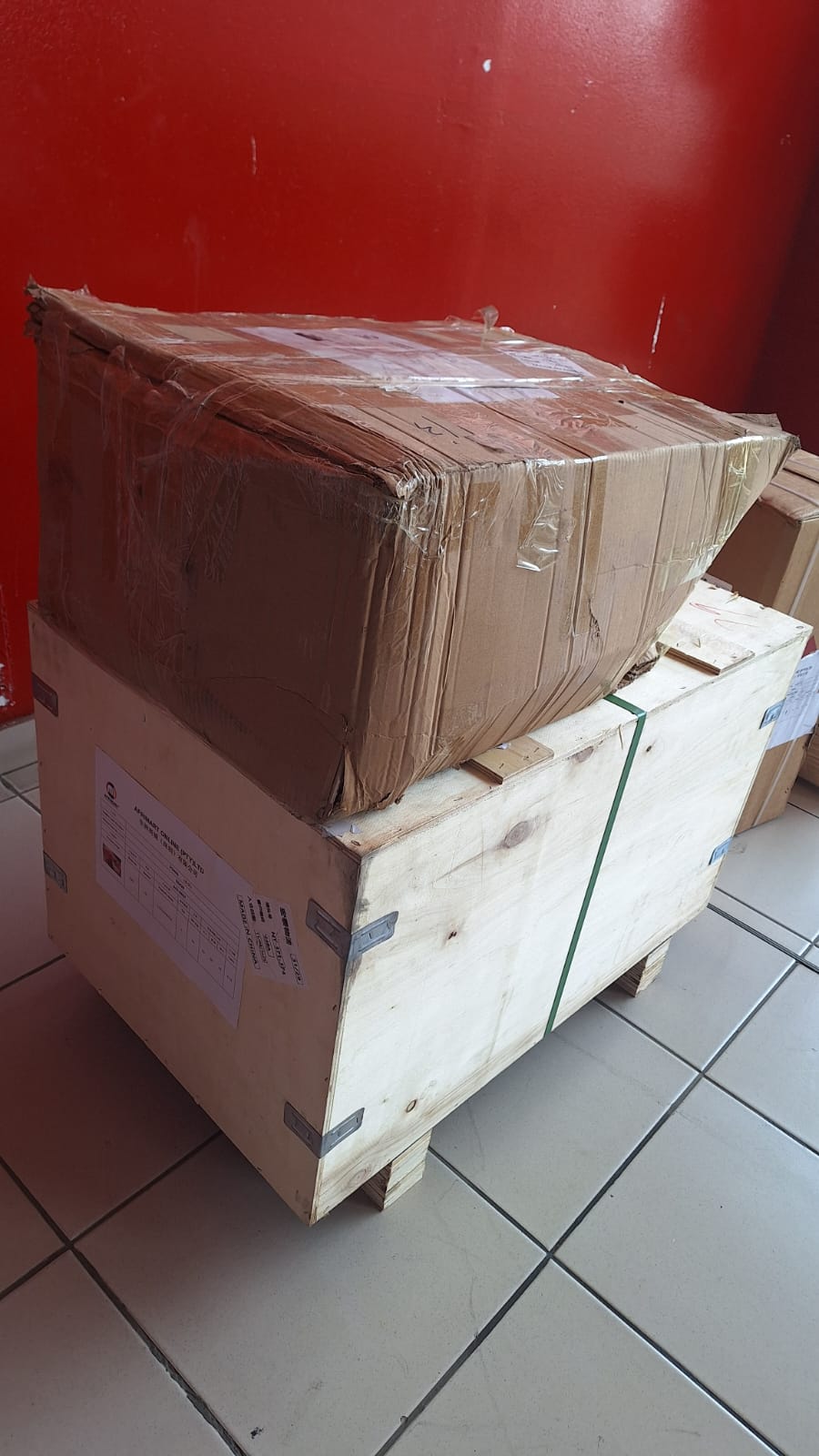
order success
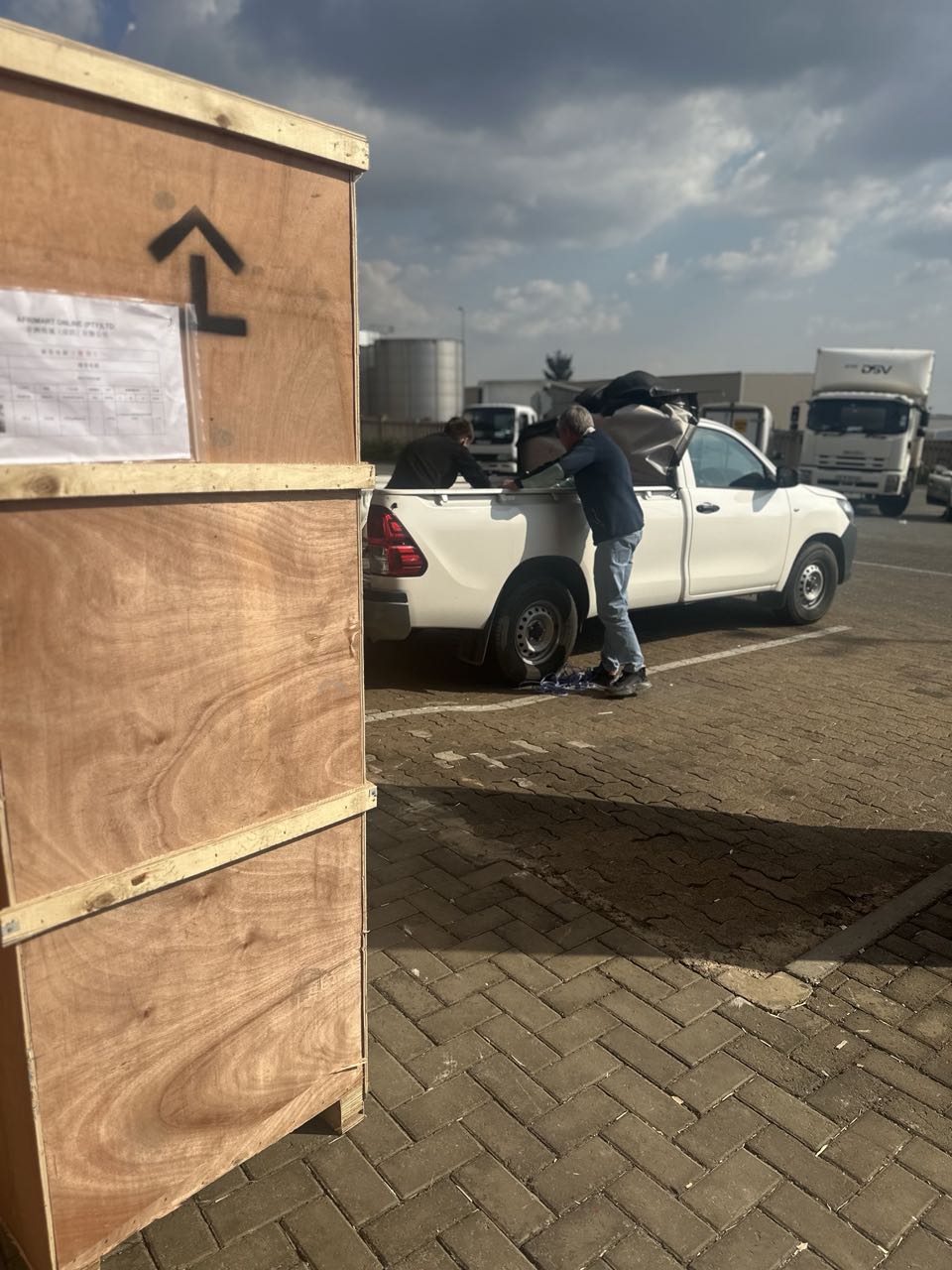
order collection
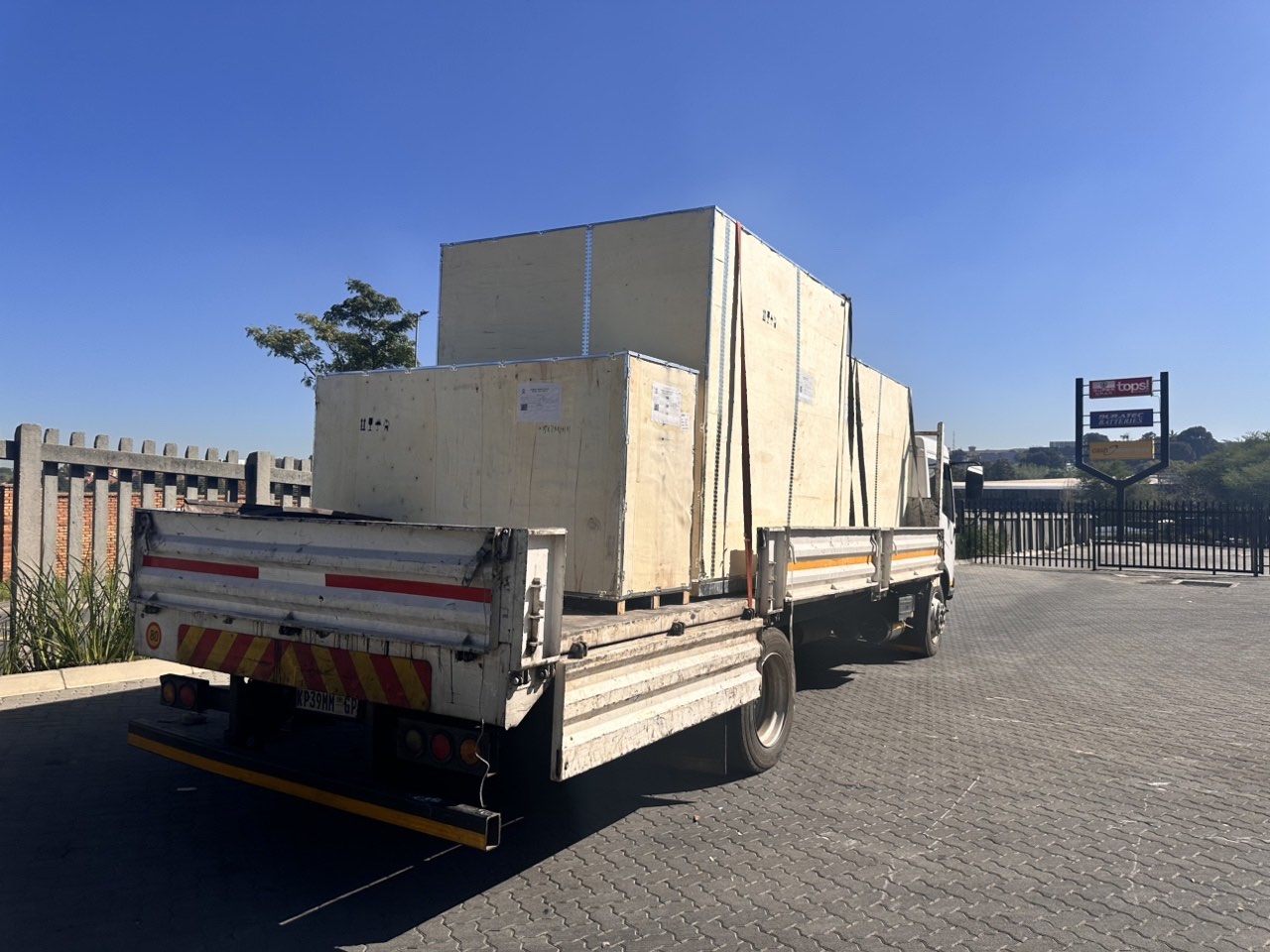
order offloading