B21, China Town Mall, Midrand

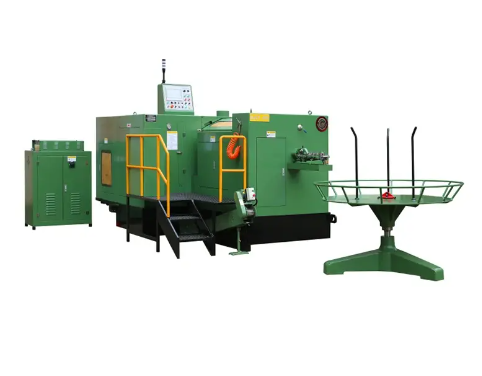
Automatic Cold Heading Nut Bolt Manufacturing Machine with Tapping
Asset finance available
Do you want funding for this equipment?
Afrimart can connect you with trusted funding partners who specialise in asset finance for businesses like yours. Compare options and apply in minutes — final approval is subject to provider review.
Check funding options
Secure & no obligation

- Section : Machinery
- Category : Metal & Metallurgy Machinery
- SKU : 1600523553038

PRODUCT DESCRIPTION

Product Description
Automatic Nut bolt making machine cold heading Manufacturing machine and tapping machine
| Product Name | Automatic Nut bolt making machine cold heading Manufacturing machine and tapping machine |
| Condition | New |
| Marketing Type: | Ordinary Product |
| Core Components | Motor |
| Key Selling Points | Long Service Life |
Product Number

Production Process

Specifications
Bolt cold heading machine Fomer Specifications
| model | unit | FS-63S | FS-83S | FS-83L | FS103S | FS-103L | FS-133S | FS-133L |
| Foring tation | NO | 3 | 3 | 3 | 3 | 3 | 3 | 3 |
| forging force | kgf | 35,000 | 60,000 | 60,000 | 80,000 | 80,000 | 115,000 | 115,000 |
| Max.cutoff dia. | mm | φ8 | φ10 | φ10 | φ13 | φ13 | φ15 | φ15 |
| Max.cut-off length | mm | 95 | 120 | 135 | 155 | 192 | 190 | 250 |
| Clutch Torque 5.5 bar | Nm | 7312 | 17568 | 17568 | 20340 | 20340 | 40925 | 40925 |
| Speed range | pcs/min | 60-270 | 65-210 | 55-160 | 60-180 | 50-120 | 60-140 | 60-90 |
| P.K.O.stroke | mm | 12 | 15 | 16 | 24 | 30 | 26 | 25 |
| K.O.stroke | mm | 70 | 90 | 115 | 80 | 162 | 180 | 230 |
| Main slider stroke | mm | 110 | 146 | 192 | 190 | 280 | 200 | 350 |
| Main motor | KW | 11 | 18 | 22 | 22 | 30 | 30 | 37 |
| Cut-off die.dia | mm | φ30*45L | φ35*50L | φ35*50L | φ45*59L | φ45*59L | φ63*69L | φ55*70L |
| Punch die.dia | mm | φ40*90L | φ45*115L | φ45*140L | φ53*115L | φ53*112L | φ60*130L | φ60*179L |
| Main die.dia | mm | φ50*85L | φ60*125L | φ60*150L | φ75*135L | φ75*200L | φ86*135L | φ86*265L |
| Die pitch | mm | 60 | 78 | 78 | 90 | 90 | 98 | 110 |
| Approx.weight | Kg | 7,800 | 13,000 | 16,000 | 17,000 | 195,000 | 21,000 | 31,000 |
| Normal bolt size | mm | 3-6 | 5-8 | 5-8 | 6-10 | 6-10 | 8-12.7 | 8-12.7 |
| Shank length of blank | mm | 8-65 | 15-90 | 30-107 | 15-125 | 25-152 | 20-172 | 70-210 |
| Model | Unit | FS-54S | FS-62S | FS-64S | FS-64L | FS-84S | FS-104S | FS-104L | FS-134L |
| Foring tation | NO | 4 | 2 | 4 | 4 | 4 | 4 | 4 | 4 |
| Forging force | kgf | 30,000 | 30,000 | 35,000 | 40,000 | 60,000 | 80,000 | 80,000 | 120,000 |
| Max. cutoff Dia. | mm | φ7 | φ7 | φ8 | φ8 | φ10 | φ13 | φ13 | φ15 |
| Max. cut-off length | mm | 75 | 75 | 95 | 100 | 120 | 155 | 185 | 210 |
| Clutch Torque 55ber | nm | 7312 | / | 7312 | 10105 | 17568 | 20340 | 20340 | 40925 |
| Speed range | pcs/min | 80-300 | 80-300 | 60-270 | 60-240 | 60-200 | 55-160 | 50-135 | 50-120 |
| P.K,O,Stroke | mm | 15 | 15 | 12 | 12 | 19 | 24 | 30 | 34 |
| K.O.Stroke | mm | 55 | 55 | 70 | 90 | 90 | 130 | 160 | 180 |
| Main slider stroke | mm | 110 | 110 | 110 | 146 | 146 | 210 | 260 | 290 |
| Main motor | KW | 11 | 7.5 | 15 | 15 | 22 | 30 | 30 | 37 |
| Cut-off die.dia | mm | φ25*40L | φ25*40L | φ30*45L | φ30*50L | φ35*50L | φ45*59L | φ45*59L | φ63*69L |
| Punch die.dia | mm | φ35*82L | φ35*82L | φ40*90L | φ40*90L | φ45*115L | φ53*115L | φ60*130L | φ60*130L |
| Main die.dia | mm | φ45*85L | φ45*85L | φ50*85L | φ50*110L | φ60*125L | φ75*135L | φ75*135L | φ86*190L |
| Die pitch | mm | 53 | 53 | 60 | 60 | 78 | 90 | 90 | 110 |
| Approx.weight | kg | 4,700 | 3,500 | 8,500 | 8,500 | 14,500 | 24,000 | 27,000 | 30,000 |
| Normal bolt size | mm | 3-5 | 3-6 | 3-6 | 3-6 | 5-8 | 6-10 | 6-10 | 8-12.7 |
| Shark length of blank | mm | 10-50 | 10-50 | 8-65 | 10-80 | 12-85 | 15-125 | 20-152 | 30-170 |
| model | Unit | FS-134LL | FS-164S | FS-164LL | FS-204L | FS-204LL | FS-254S | FS-254L |
| Foring tation | NO | 4 | 4 | 4 | 4 | 4 | 4 | 4 |
| Forging force | kgf | 120,000 | 210,000 | 210,000 | 350,000 | 350,000 | 430,000 | 430,000 |
| Max.cutoff dia. | mm | φ15 | φ20 | φ20 | φ32 | φ32 | φ40 | φ40 |
| Max.cut-off length | mm | 285 | 210 | 350 | 290 | 360 | 253 | 320 |
| Clutch torque 5.5 ber | Nm | 40925 | 36425 | 36425 | 56345 | 56345 | 40925 | 40925 |
| Speed range | pcs/min | 45-70 | 50-100 | 40-60 | 50-80 | 40-60 | 40-60 | 35-50 |
| P.K.O.stroke | mm | 40 | 35 | 46 | 60 | 46 | 40 | 46 |
| K.O.stroke | mm | 280 | 180 | 320 | 270 | 325 | 175 | 280 |
| Main slider stroke | mm | 380 | 290 | 490 | 386 | 496 | 330 | 446 |
| Main motor | KW | 37 | 55 | 46 | 60 | 46 | 40 | 46 |
| Cut-off die.dia | mm | φ63*59L | φ60*88L | φ64*100L | φ94*128L | φ75*120L | φ99*130L | φ99*150L |
| Punch die.dia | mm | φ60*229L | φ75*185L | φ75*185L | φ90*235L | φ90*215L | φ120*270L | φ120*270L |
| Main die.dia | mm | φ86*305L | φ100*190L | φ100*345L | φ125*280L | φ125*345L | φ140*250L | φ148*300L |
| Die pitch | mm | 110 | 120 | 120 | 140 | 140 | 160 | 160 |
| Approx. weight | kg | 38,000 | 45,000 | 63,000 | 70,000 | 70,000 | 105,000 | 131,000 |
| Normal bolt size | mm | 8-12.7 | 10-16 | 10-16 | 12-20 | 12-20 | 14-25.4 | 16-25.4 |
| Shank length of blank | mm | 75-262 | 20-172 | 100-305 | 25-255 | 100-305 | 35-175 35-165 | 60-254 |
| model | unit | FS-65S | FS-85S | FS-105S | FS-135S |
| Foring tation | NO | 5 | 5 | 5 | 5 |
| forging force | kgf | 35,000 | 80,000 | 80,000 | 130,000 |
| Max.cutoff dia. | mm | φ8 | φ10 | φ13 | φ18 |
| Max.cut-off length | mm | 95 | 105 | 155 | 210 |
| Clutch torque 5.5ber | Nm | 7312 | 17568 | 20340 | 40925 |
| Speed range | pcs/min | 50-240 | 50-145 | 50-160 | 50-110 |
| P.K.O.Stroke | mm | 32 | 26 | 24 | 34 |
| K.O.Stroke | mm | 70 | 85 | 130 | 180 |
| Main slider stroke | mm | 110 | 146 | 210 | 290 |
| Main motor | KW | 15 | 22 | 30 | 45 |
| Cut-off. die.dia | mm | φ30*45L | φ35*62L | φ45*59L | φ63*69L |
| Punch die.dia | mm | φ40*90L | φ45*115L | φ53*115L | φ60*130L |
| Main die.dia | mm | φ50*85L (110L) | φ60*125L | φ75*135L | φ86*190L |
| Die pitch | mm | 60 | 78 | 90 | 110 |
| Approx. weight | Kg | 9200 | 16,000 | 24,000 | 32,000 |
| Normal bolt size | mm | 3-6 | 5-8 | 6-10 | 8-12.7 |
| Shank length of blank | mm | 8-65 | 15-80 | 15-125 | 30-170 |
| model | unit | FS-165S | FS-205L | FS-225L | FS-106S | FS-136L | FS-206L |
| Foring tation | NO | 5 | 5 | 5 | 6 | 6 | 6 |
| forging force | kgf | 220,000 | 350,000 | 440,000 | 90,000 | 140,000 | 390,000 |
| Max,.cutoff.dia | mm | φ23 | φ32 | φ40 | φ15 | φ18 | φ32 |
| Max.cut-off length | mm | 210 | 290 | 370 | 155 | 210 | 290 |
| Clutch Torque 5.5ber | Nm | 36425 | 56345 | 40925 | 20340 | 40925 | 56345 |
| Speed range | pcs/min | 40-90 | 40-60 | 35-50 | 55-130 | 55-90 | 40-65 |
| P.K.O.Stroke | mm | 35 | 60 | 45 | 24 | 34 | 60 |
| K.O.Stroke | mm | 180 | 270 | 315 | 130 | 180 | 270 |
| Main slider stroke | mm | 290 | 386 | 510 | 210 | 290 | 386 |
| Main motor | KW | 55 | 90 | 110 | 37 | 45 | 8E-90 |
| Cut-off die.dia | mm | φ60*88L | φ94*128L | φ99*150L | φ45*59 | φ63*69L | φ94*128L |
| Punch die.dia | mm | φ75*185L | φ75*185L | φ120*270L | φ53*115 | φ60*130L | φ90*235L |
| Main die.dia | mm | φ100*190L | φ125*280L | φ148*355L | φ75*160L | φ86*190L | φ125*280L |
| Die pitch | mm | 120 | 140 | 160 | 90 | 110 | 140 |
| Approx. weight | kg | 47,000 | 75,000 | 140,000 | 25,000 | 35,000 | 85,000 |
| Normal bolt size | mm | 10-16 | 12-20 | 14-25.4 | 6-10 | 8-12.7 | 12-20 |
| Shank length of blank | mm | 25-172 | 25-255 | 60-305 | 15-125 | 20-172 | 25-255 |
- Shipping Timeframes: All orders are processed within 2-5 business days (excluding weekends and holidays). After your order has been processed, the estimated delivery time is before 09 Aug, 2026, depending on customs, Please note that due to high demand, some items may experience longer shipping times, which will be communicated at order confirmation email.
- Order Processing Time: Please allow 2-5 business days for us to process your order before it is shipped . Orders placed after 16:00 on Fridays, or during weekends and public holidays, will begin processing on the next business day. Processing times may be extended during peak seasons or sales events.
- Manufacturing Time: Some products needs manufacturing time, the manufacturing process will take approximately 10-30 business days depending on the product. This timeframe may vary depending on the complexity of the product and current demand. but this will be communicated with you during order confirmation.
- Returns and Exchanges: We offer a 30-day return policy for most items. If you are not completely satisfied with your purchase, you may return it within 30 days of receipt for a refund or exchange. Items must be unused, in their original packaging, and accompanied by proof of purchase. Return shipping costs are the responsibility of the customer, unless the item was damaged or defective upon arrival.
1. What is this machine and what operations does it perform?
This is an Automatic Cold Heading Nut & Bolt Manufacturing Machine with integrated tapping. It performs cold heading (forging) to form bolt/nut heads and shanks, cutoff/shearing of blanks, and in-line tapping to produce threaded parts.
2. What production rates can I expect?
Production speed is model- and part-dependent. Typical ranges in the model lineup are approximately 40–300 pieces per minute; smaller parts and simpler heads reach higher speeds, while large/heavy-duty parts run at lower speeds.
3. What bolt and nut sizes does the machine support?
Supported sizes depend on the specific model. Across the model range the normal bolt diameters run roughly from M3 up to about M40, with blank shank lengths from ~8 mm up to ~305 mm depending on model and tooling.
4. What are the main technical differences between models?
Models differ by forging force (from tens of kN to several hundred kN), main slider stroke, cutoff diameter and length, clutch torque, die sizes, main motor power and overall weight. Choose a model based on required part size, forming force and production speed.
5. What materials can be cold headed and tapped on this machine?
Cold heading works best with ductile metals. Typical materials include low-carbon steel, certain grades of stainless steel, brass, copper and other malleable alloys. Material suitability depends on grade, temper and part geometry.
6. Is the tapping unit integrated or an external add-on?
The product description indicates integrated tapping capability. Tapping parameters (thread size, depth, speed) will depend on the selected model and tooling. For special tapping requirements the supplier can advise or supply custom tapping heads.
7. What is the required power supply and motor power range?
Main motor power varies by model. Small models start at about 1–2 kW; mid-size machines commonly use tens of kW; heavy-duty models require several hundred kW. Exact power and electrical requirements will be specified per model and must be confirmed with the supplier.
8. What tooling and dies are needed, and are they included?
Cut-off dies, punch dies and main forming dies are required and are sized per part. Some standard dies may be supplied, but custom dies for specific part geometries are typically quoted separately. Confirm which tooling is included in your order.
9. What maintenance is required to ensure long service life?
Regular maintenance includes machine lubrication, periodic inspection and replacement of dies and punches, checking clutch and hydraulic systems, motor and electrical inspections, and keeping the work area clean. Follow the manufacturer's maintenance schedule.
10. What foundation or installation requirements are there?
Foundation and installation depend on machine weight and dynamic forces. Models range from a few thousand kilograms to many tens of thousands; larger machines usually require reinforced concrete foundations, anchoring, and professional installation by the supplier or certified installer.
11. Can the machine be customized for special parts or production lines?
Yes. Machines can be adapted with custom tooling, feeders, automation interfaces, part handling and safety features to fit specific part geometries or production line requirements. Discuss customization needs with the supplier for feasibility and lead time.
12. What quality and dimensional tolerances can be achieved?
Tolerance capability depends on part design, material, tooling precision and process control. Typical cold-headed parts can achieve close dimensional tolerances (often in the hundredths of a millimeter) when using precision dies and proper controls. Final tolerances should be validated with sample runs.
13. What safety features are provided?
Standard safety features usually include mechanical guards, emergency stop(s), interlocks and operator controls. Additional guarding, light curtains or enclosures can be supplied or retrofitted to meet specific local safety standards (e.g., CE, ISO) if required.
14. How are spare parts and after-sales service handled?
Spare parts (dies, punches, wear items, electrical and hydraulic components) and after-sales service are typically provided by the manufacturer or authorized dealers. Availability and lead times vary by region—confirm stock, warranty and service agreements with your supplier.
15. What is the typical lead time and ordering process?
Lead time depends on model, customization level and tooling requirements. Standard models may ship faster, while custom tooling and heavy-duty models take longer. Contact the supplier with part drawings and required annual volumes for a detailed quote, MOQ and lead-time estimate.
Latest Order Arrivals
Discover our latest orders
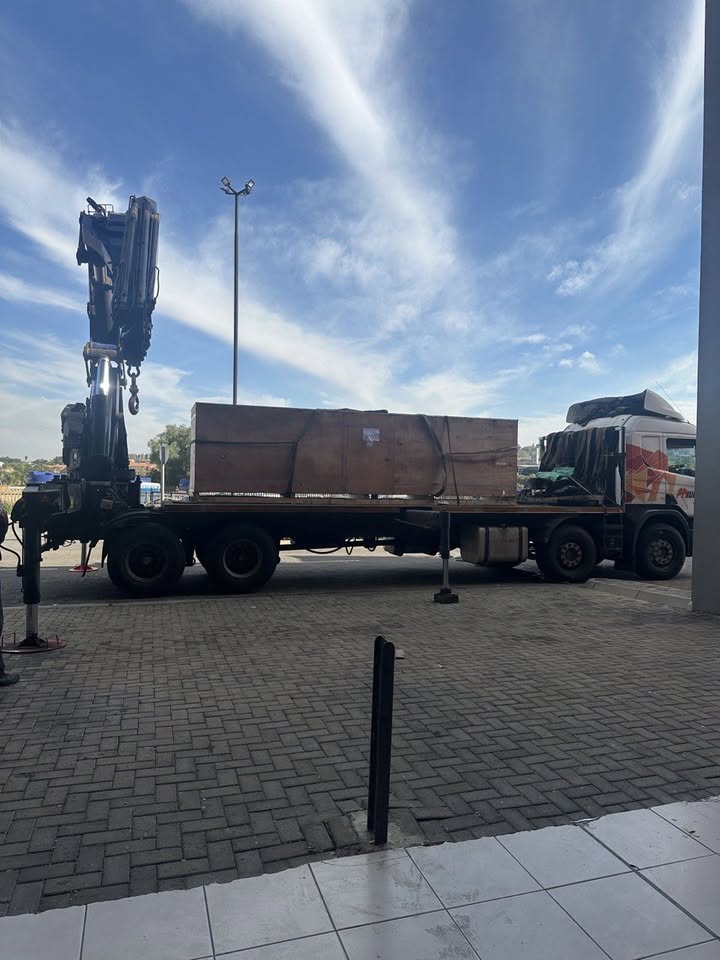
12 Heads Embroidery Machine
Toilet Paper Machine Machine
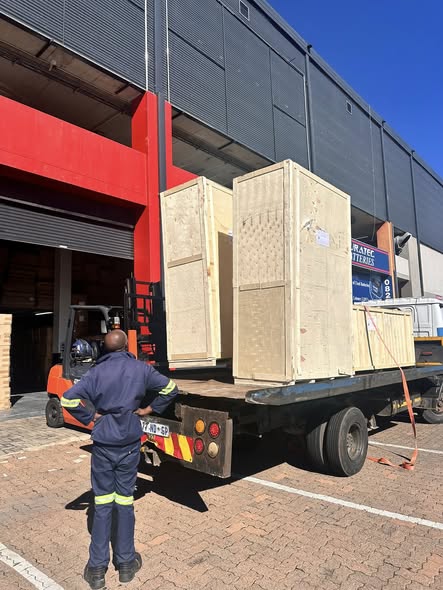
Order Collection
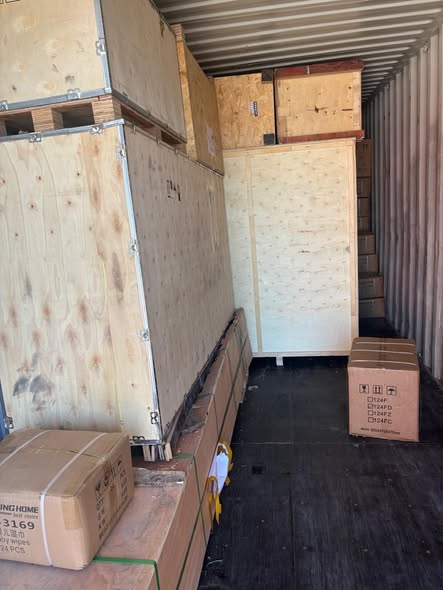
Cross Border Clients
Order cros border countries Collected
Industrial Machine Cllection
Agriculture Processing Machines
Ready for collection
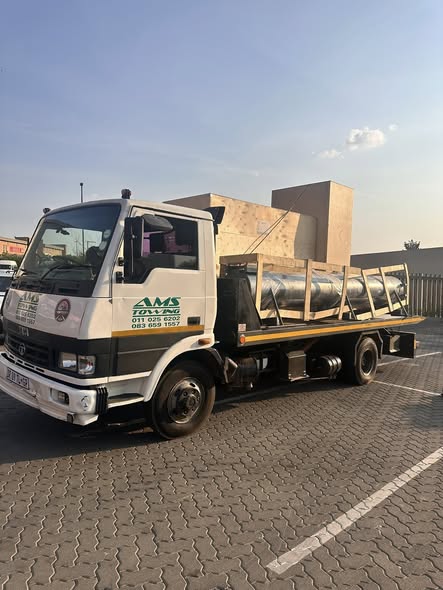
Water Pump Equipment
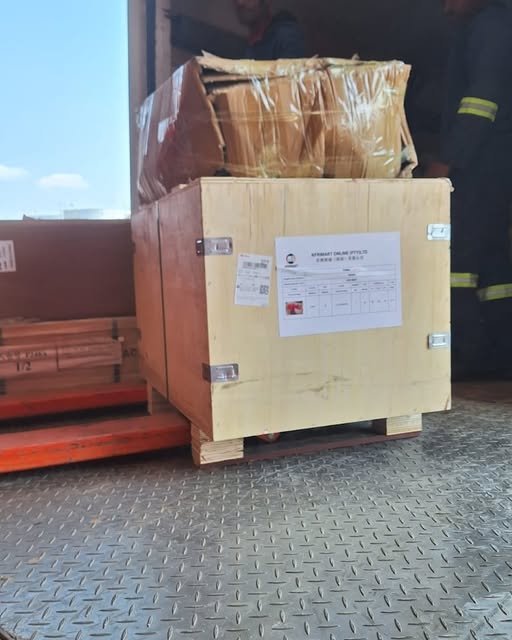
Packaging Machine and accessories
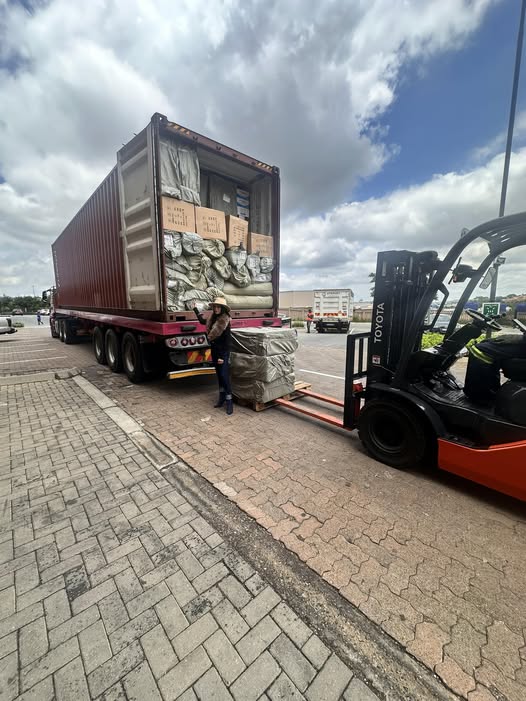
Fabrics Manufacturing Equipment
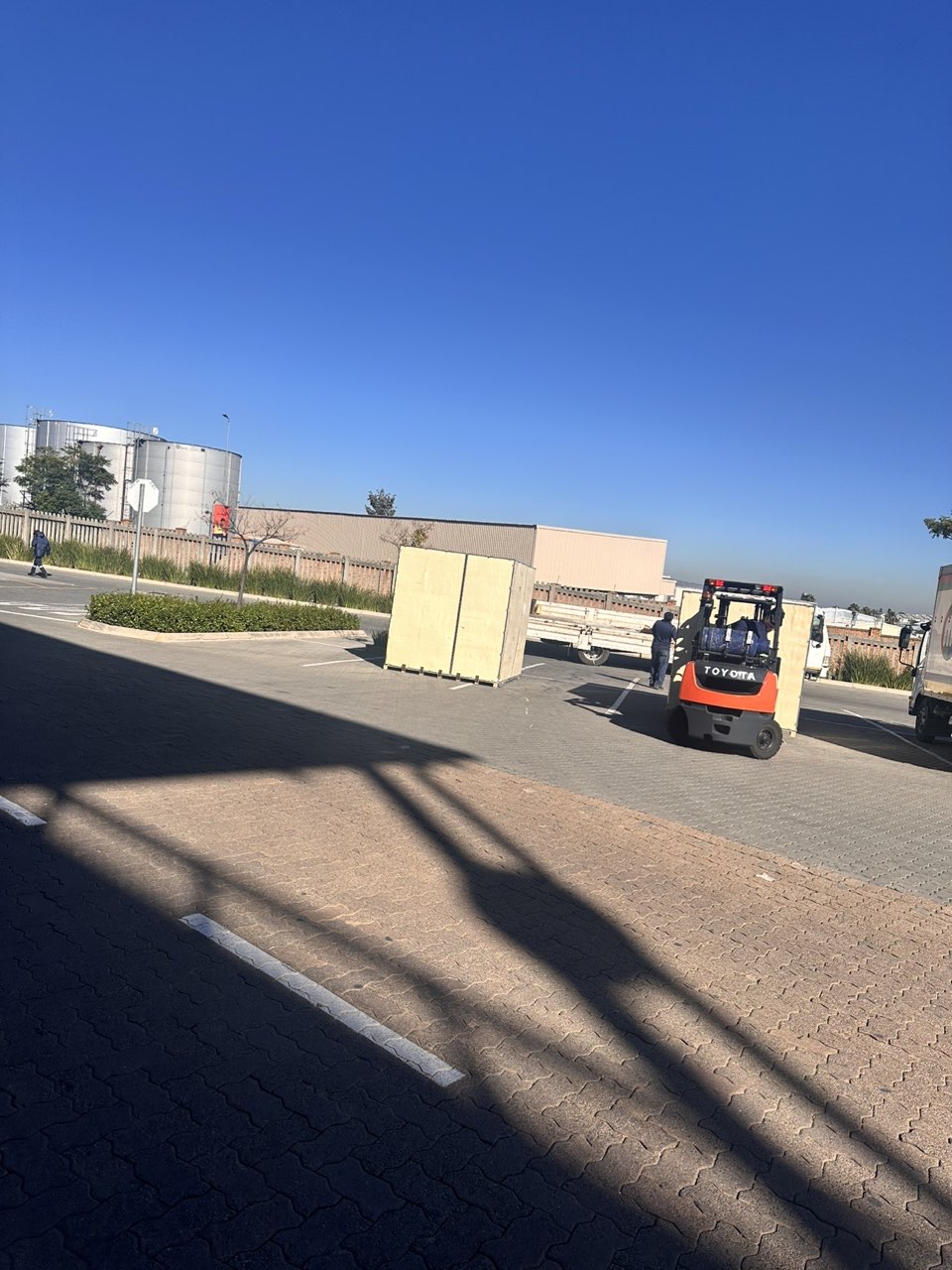
Mining Equipments
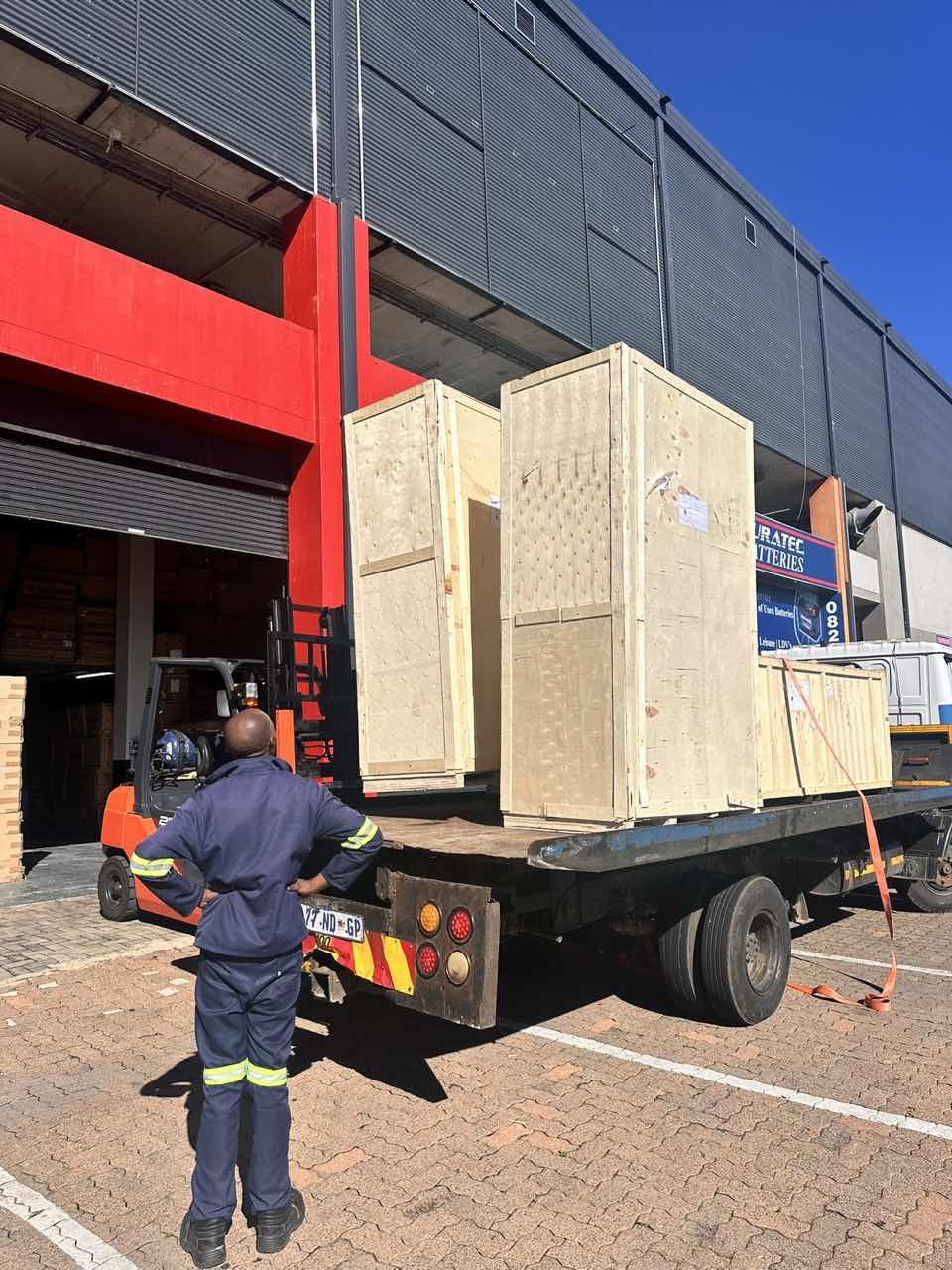
Food Processing Machine
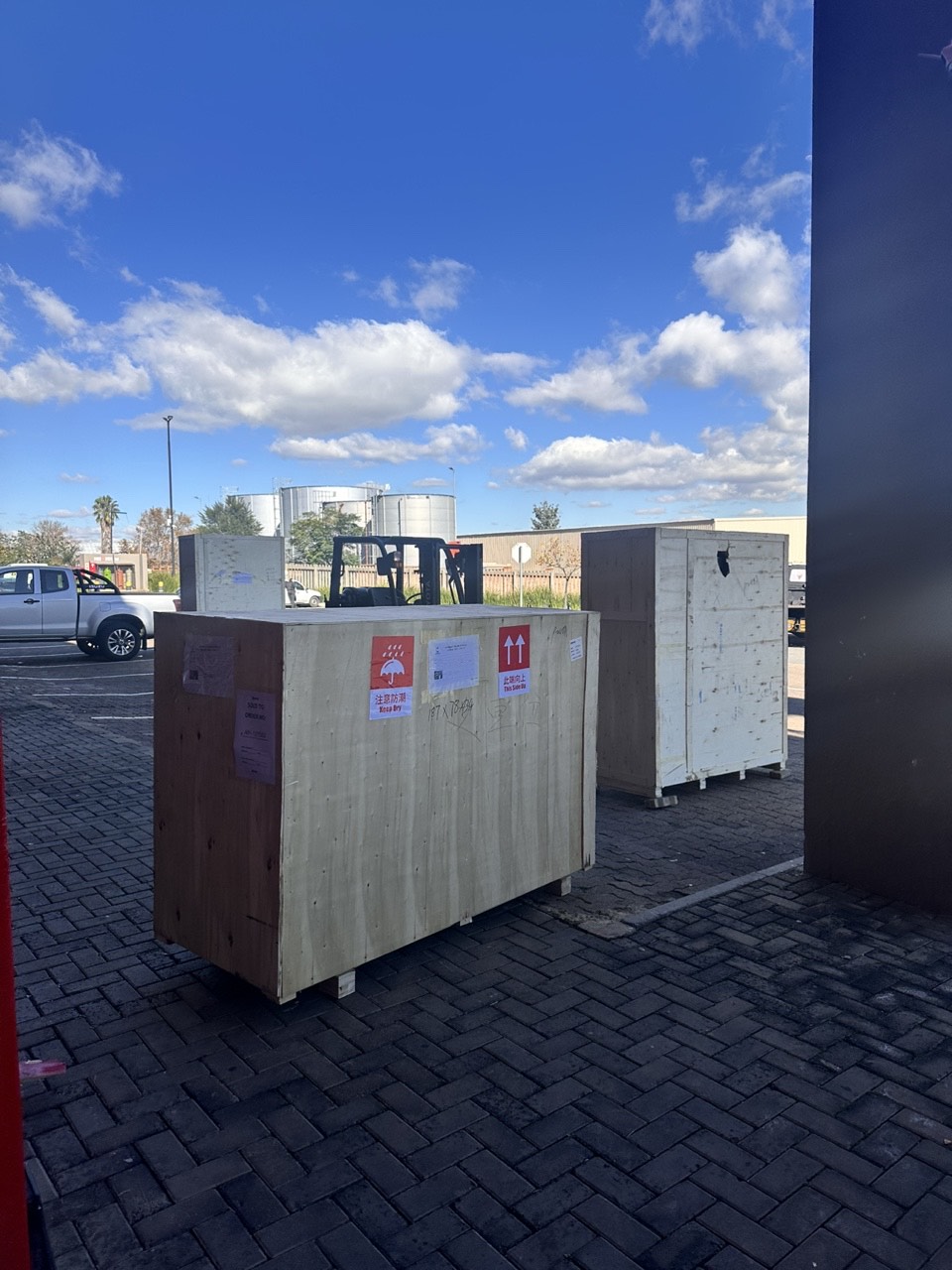
Batch of Orders
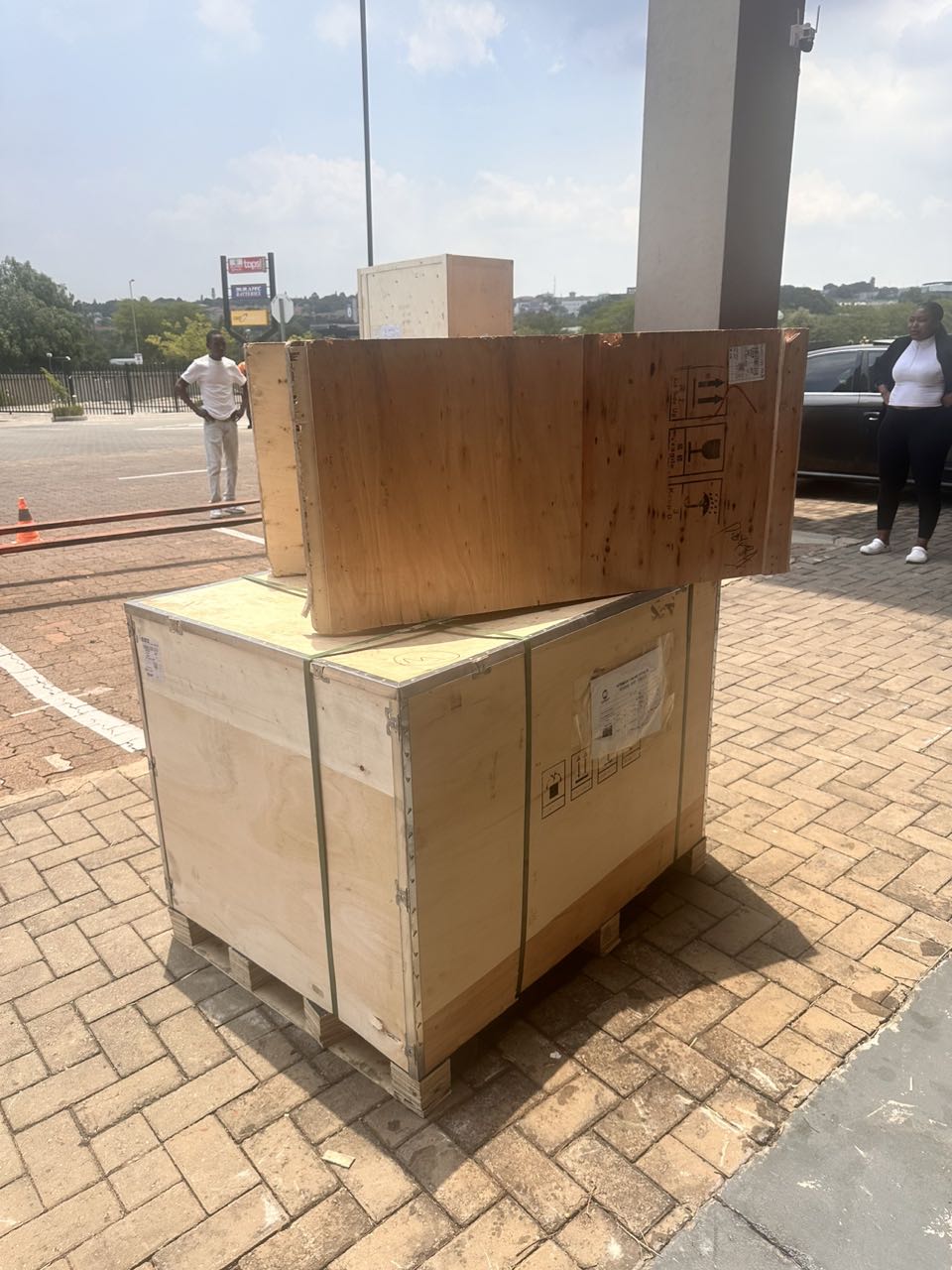
Batch of Orders
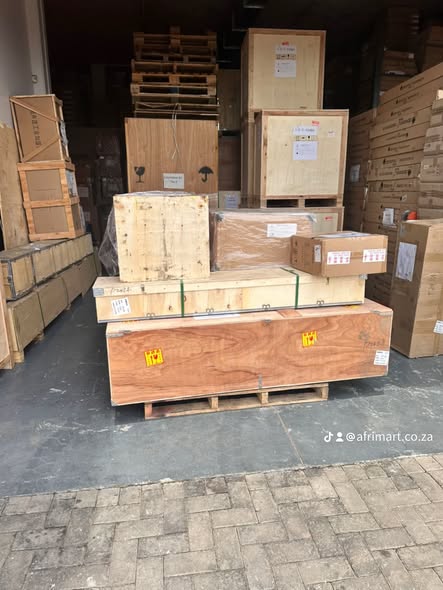
Latest Orders Labelled
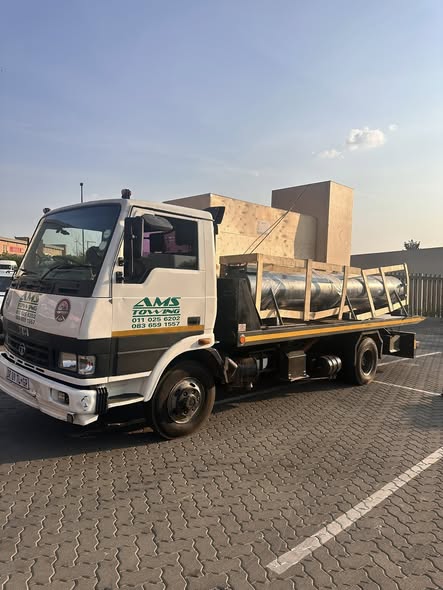
wheel alignment machines
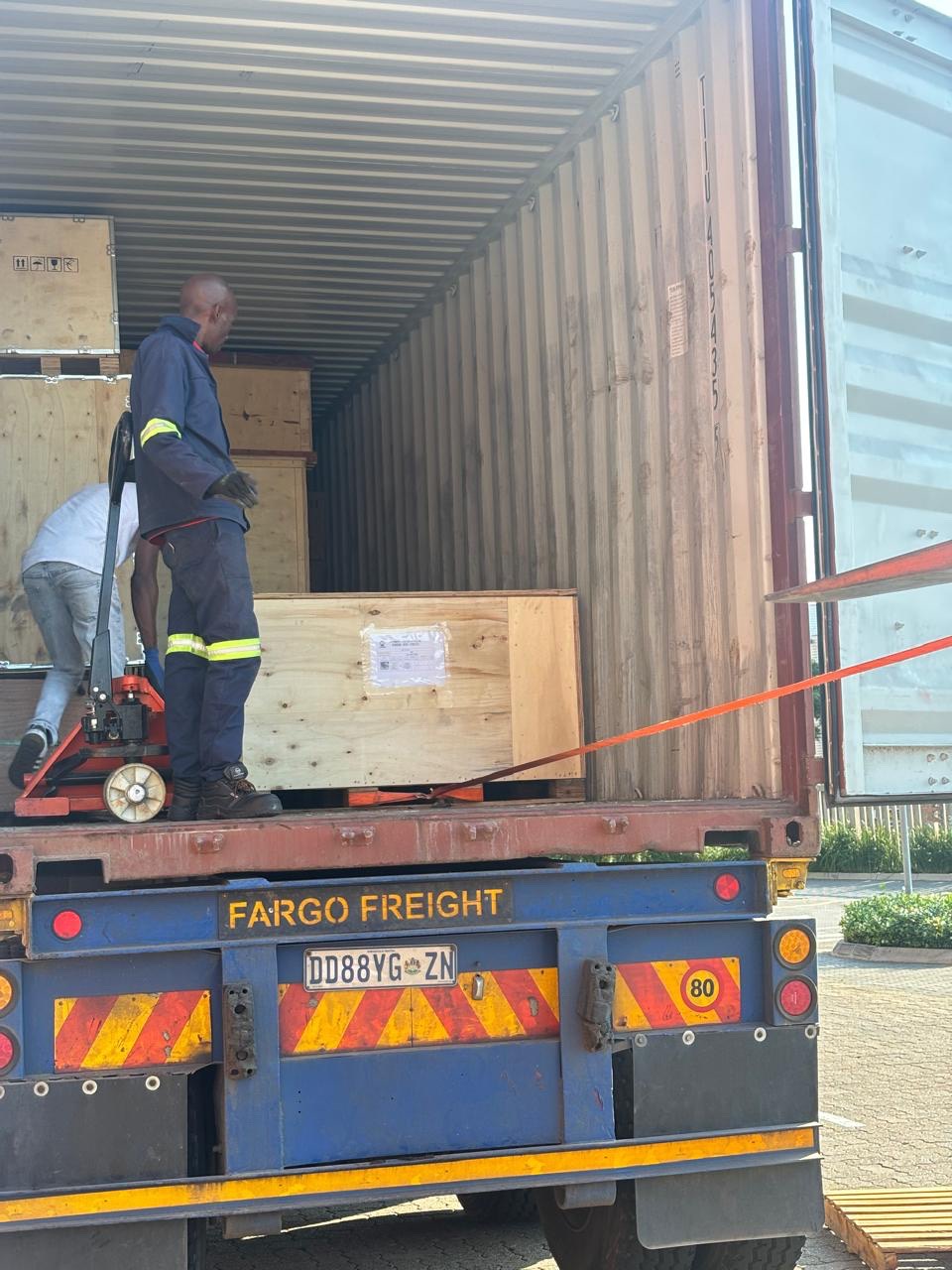
new arrivals
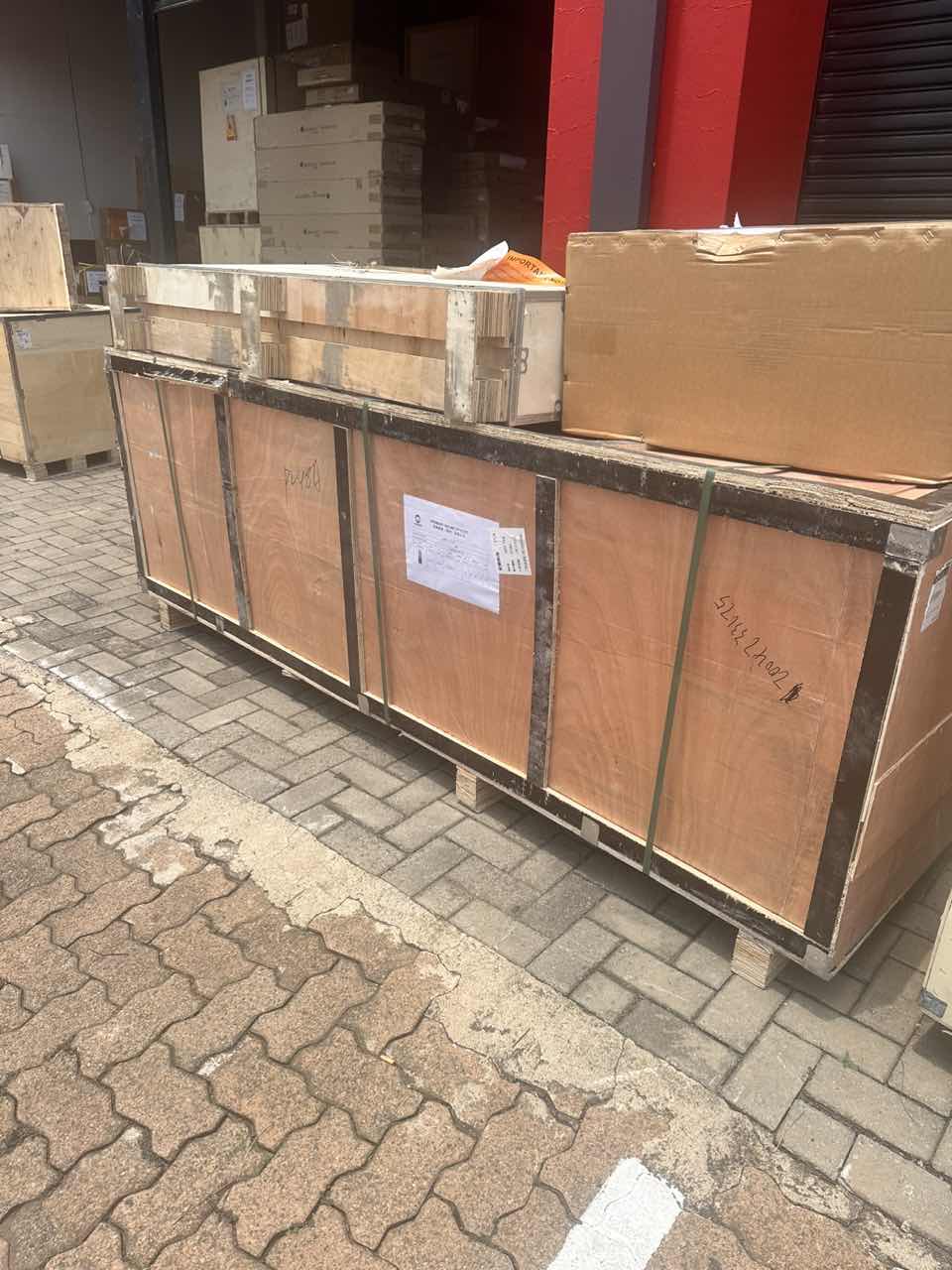
Pre Orders Offloading
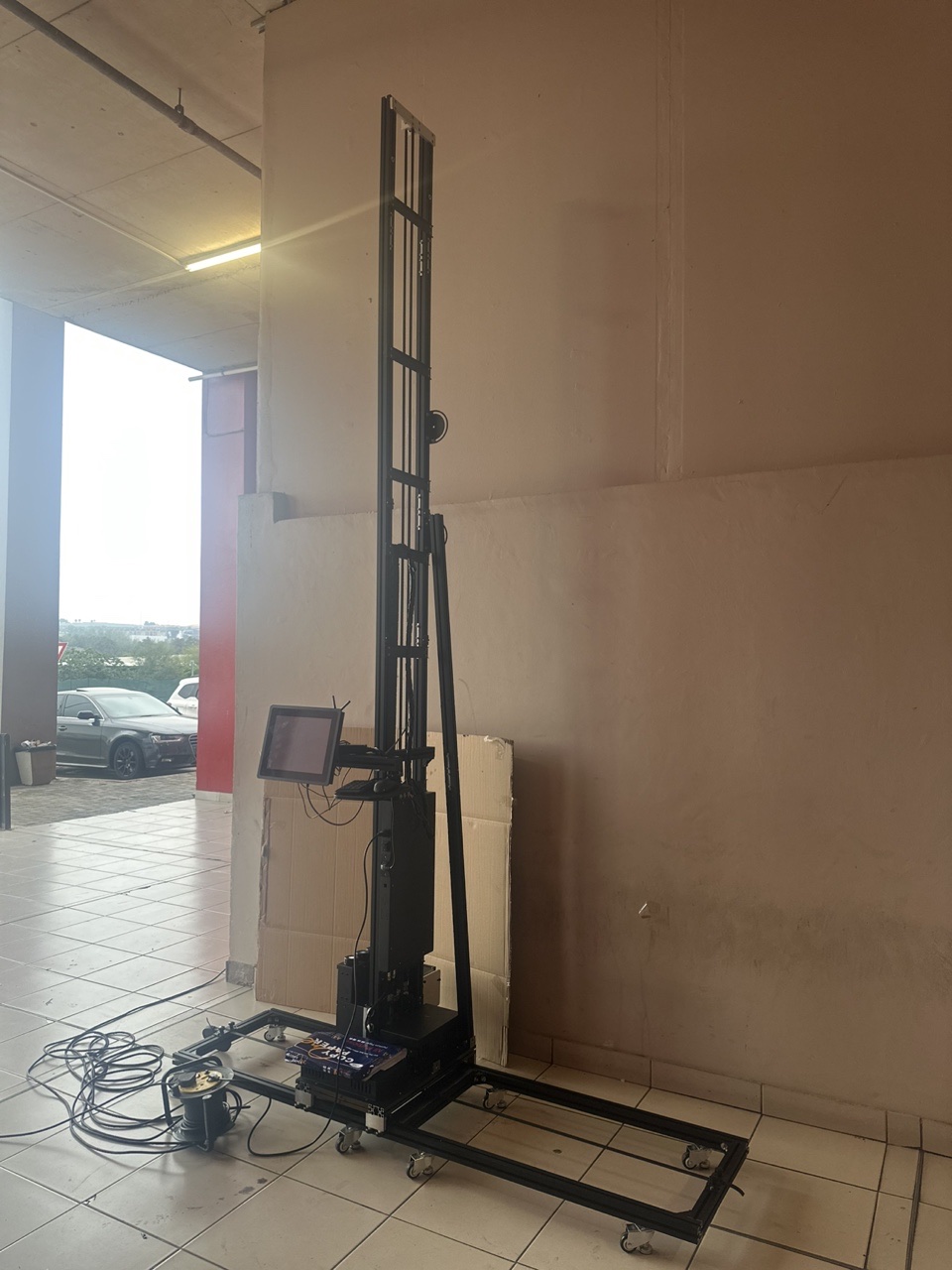
Latest Arrivals
Latest Arrivals
Latest Arrivals
Loading
Toilet paper making machine
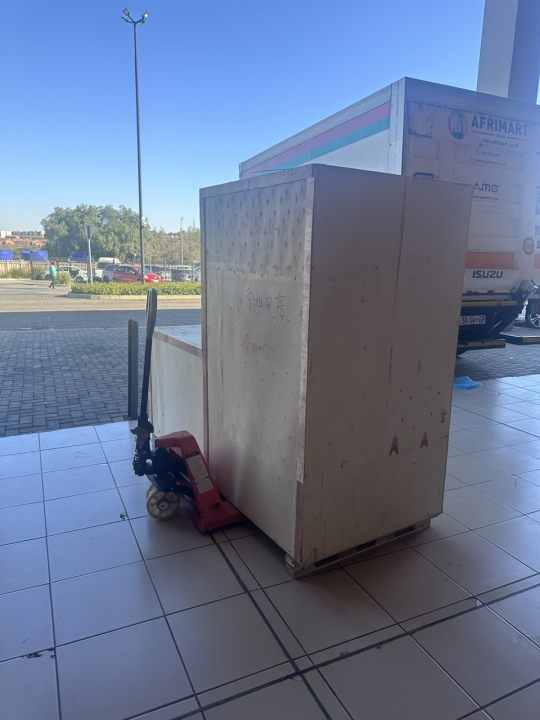
Toilet paper making machine
Toilet paper Rewinding Machine
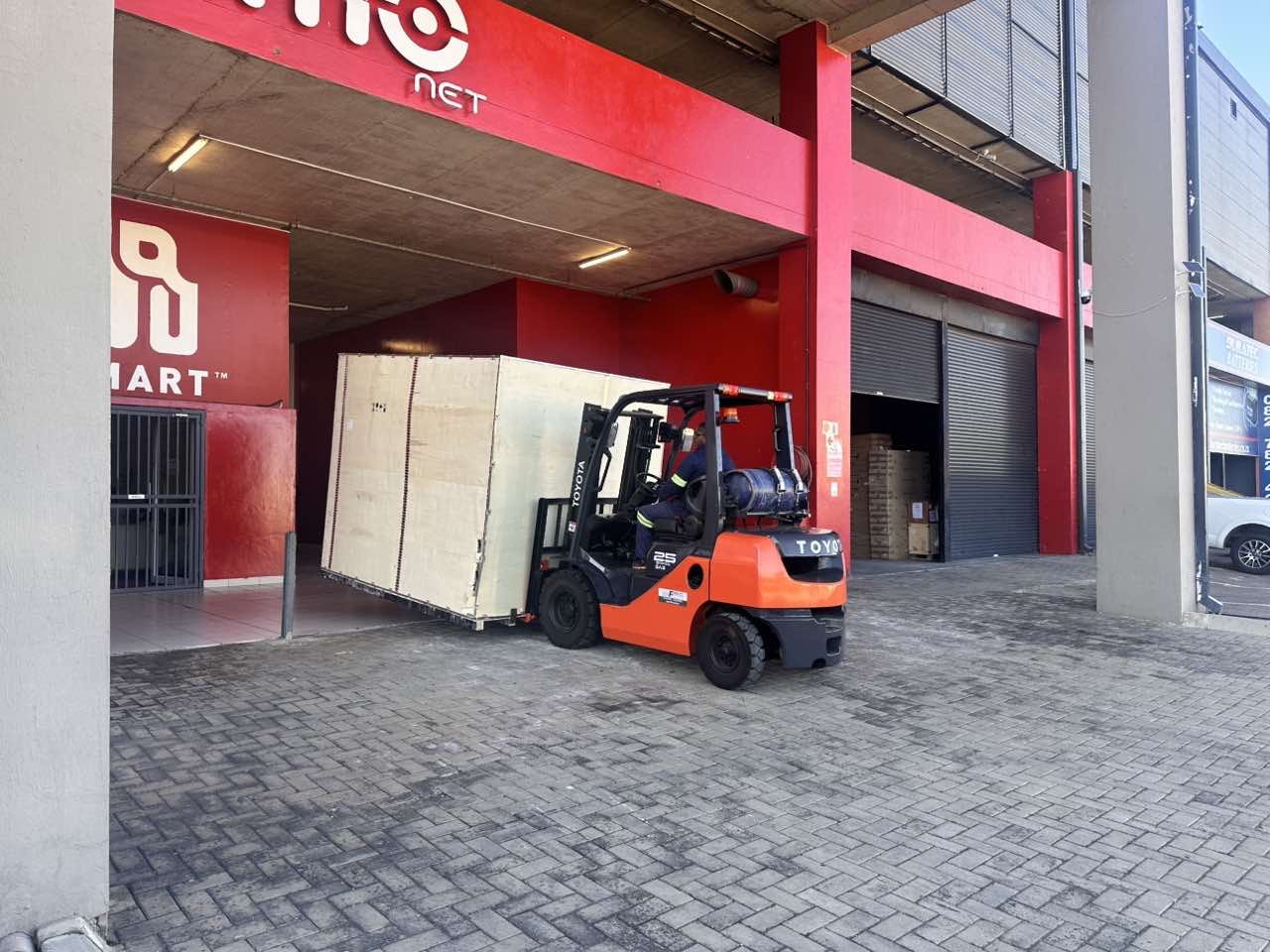
latest arrivals
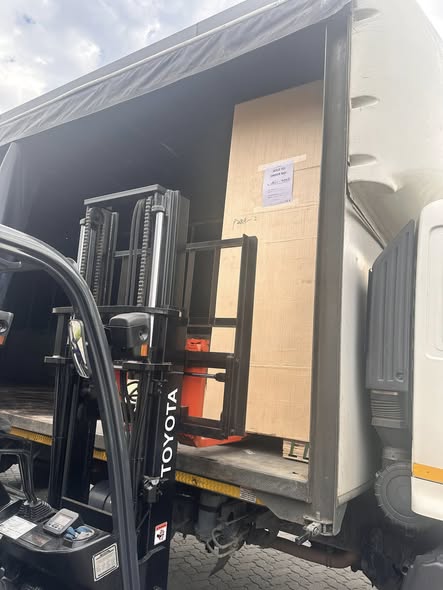
offloading
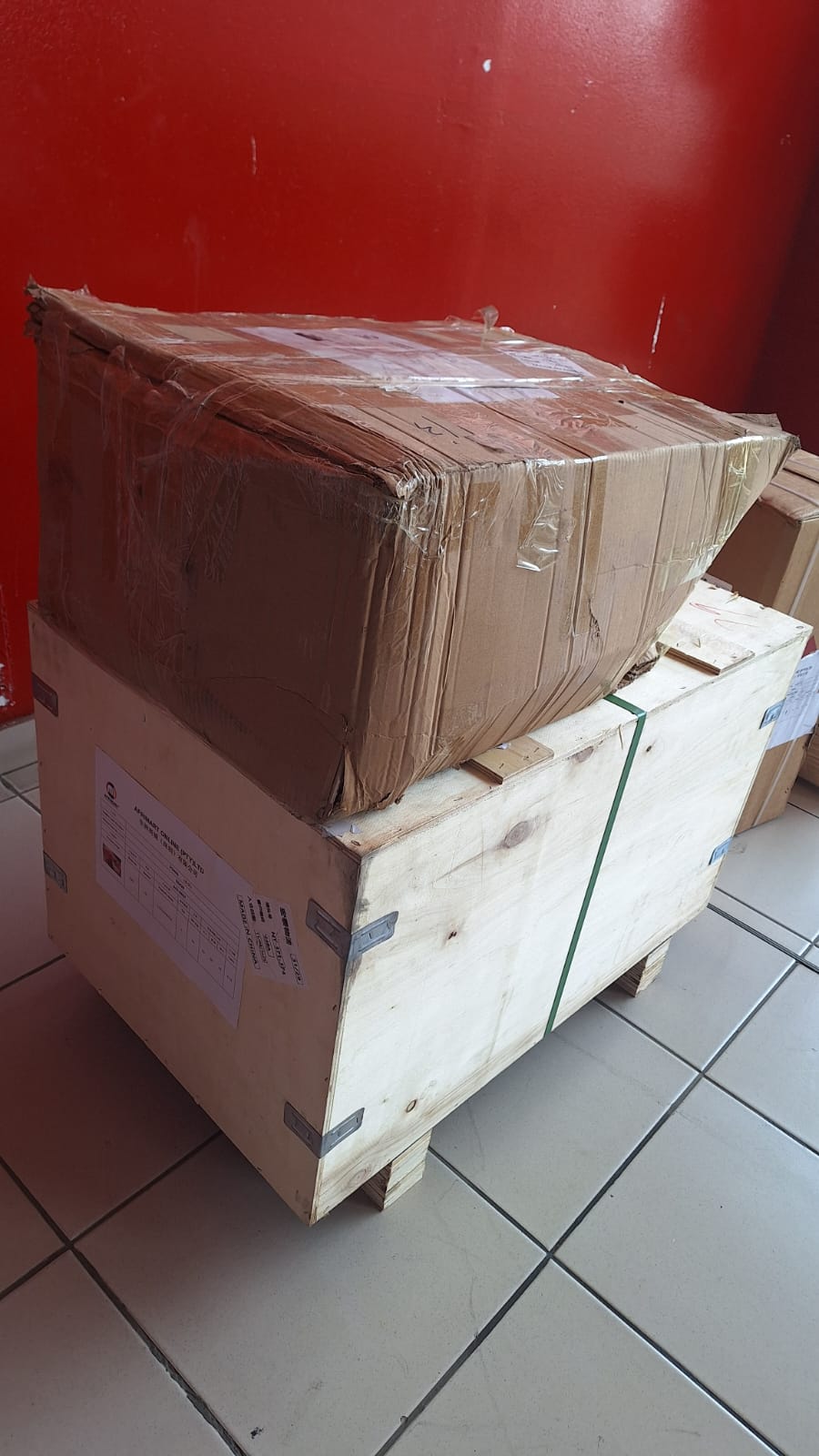
order success
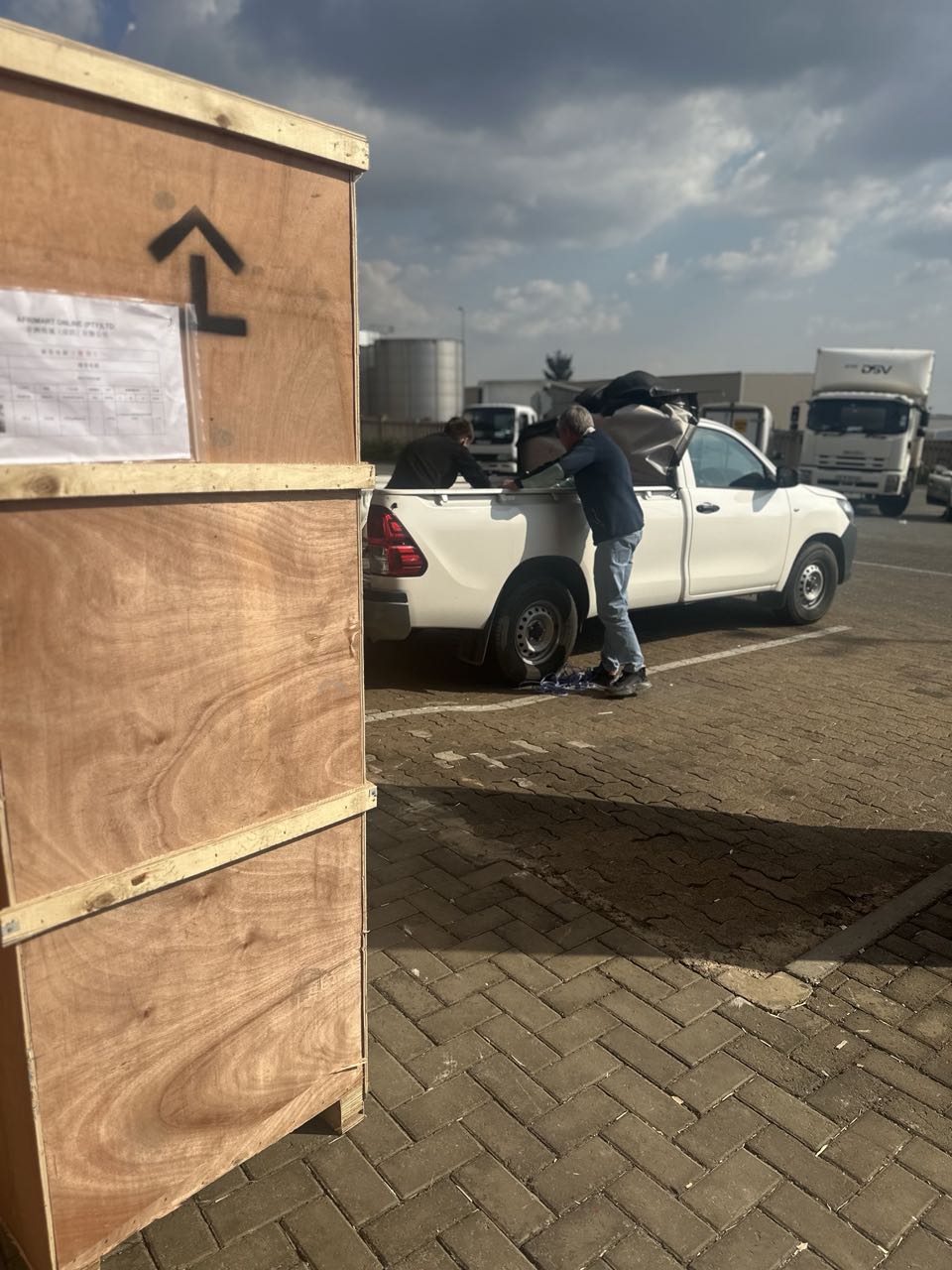
order collection
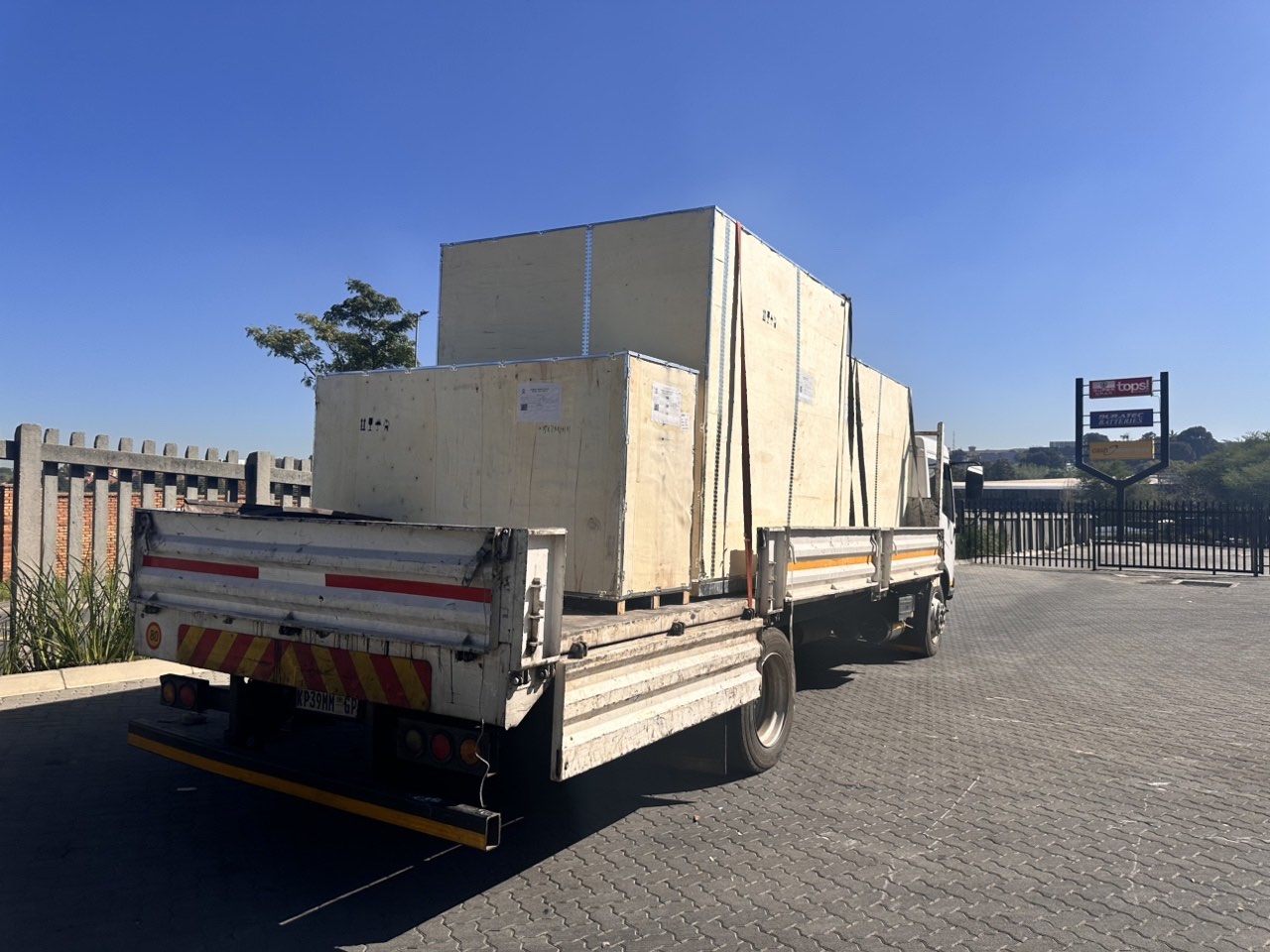
order offloading