B21, China Town Mall, Midrand

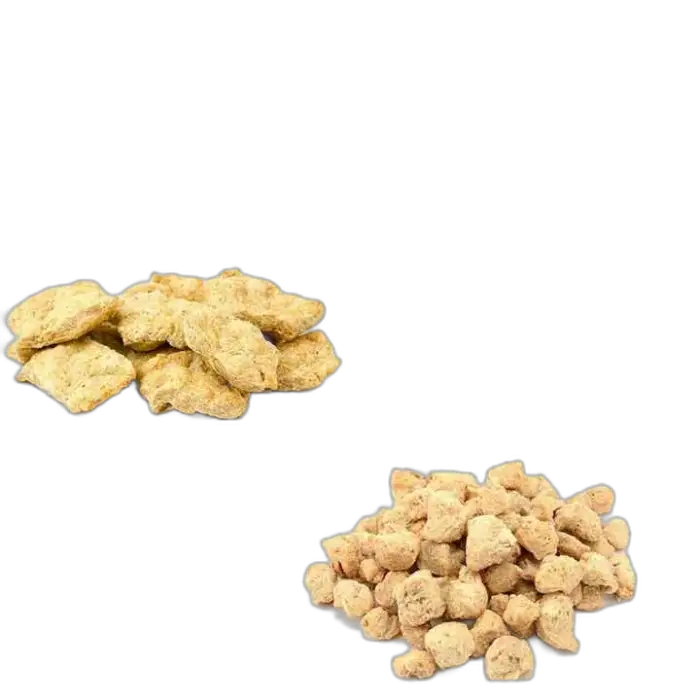
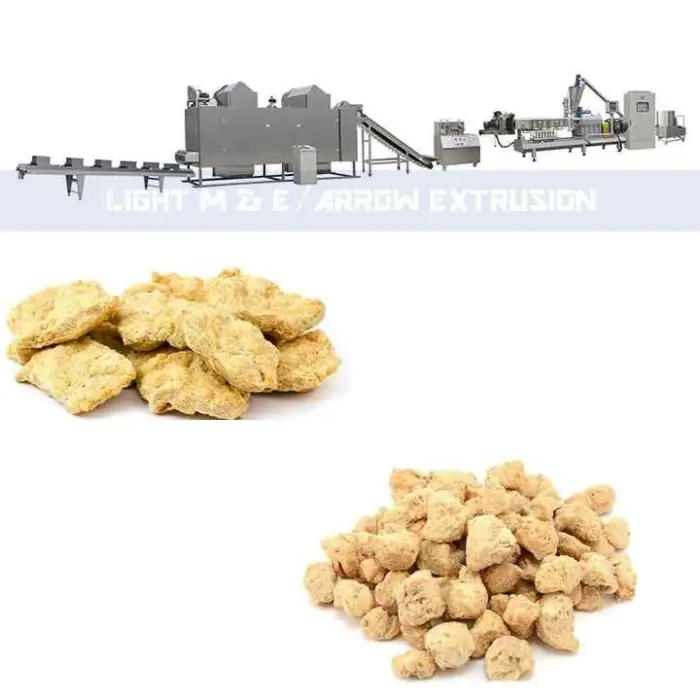
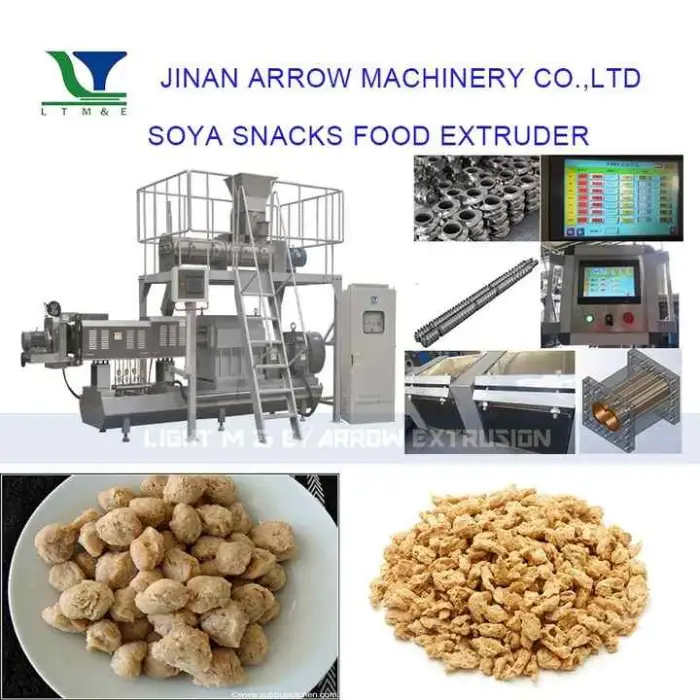
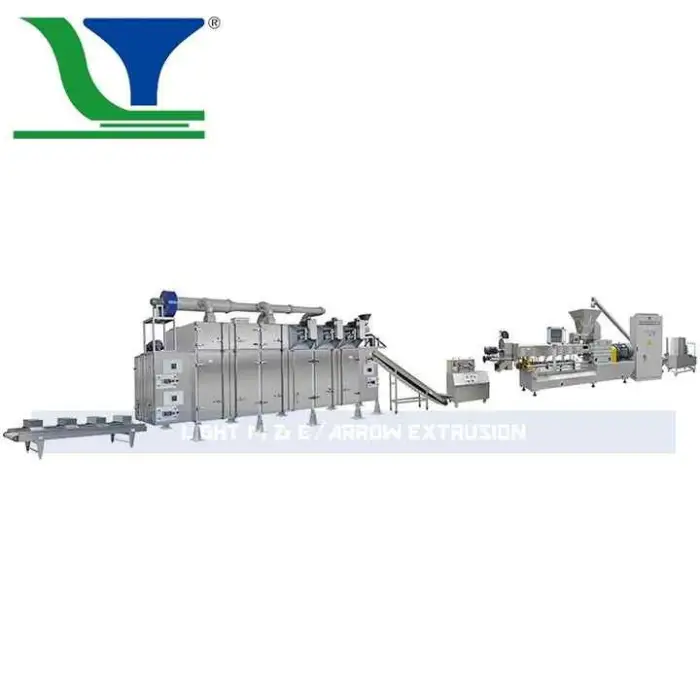
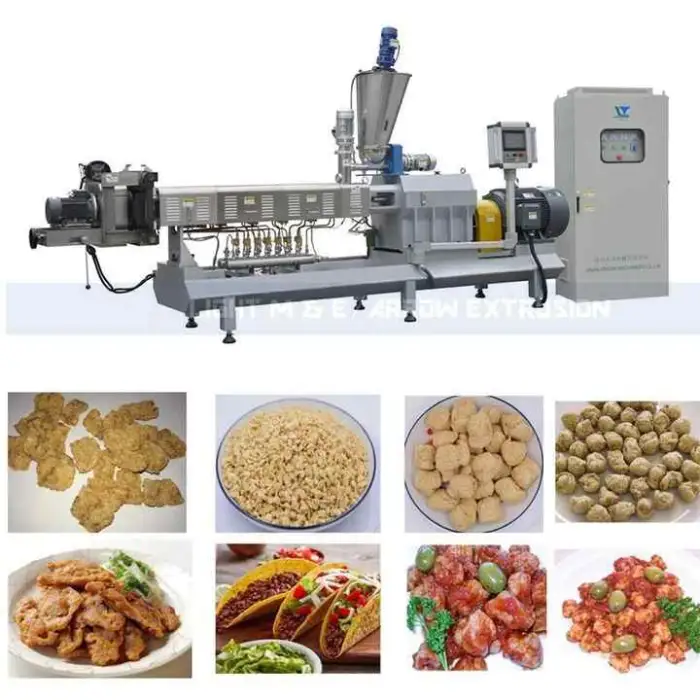
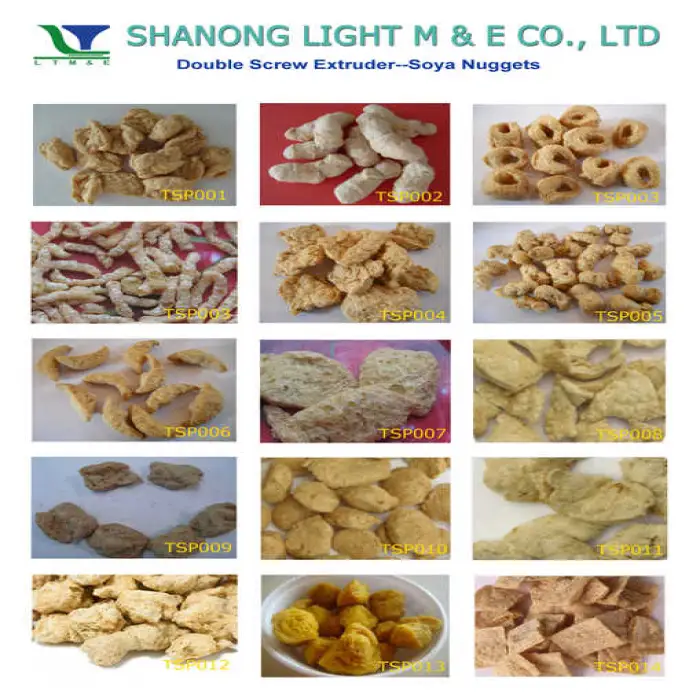
Americhi Full Automatic Tvp Tvp Sausage Maker Machines Extuder Mold Sir Vegetarian Soya Nugget
Asset finance available
Do you want funding for this equipment?
Afrimart can connect you with trusted funding partners who specialise in asset finance for businesses like yours. Compare options and apply in minutes — final approval is subject to provider review.
Check funding options
Secure & no obligation

- Section : Machinery
- Category : Other Food Processing Machinery
- SKU : 1600108477350

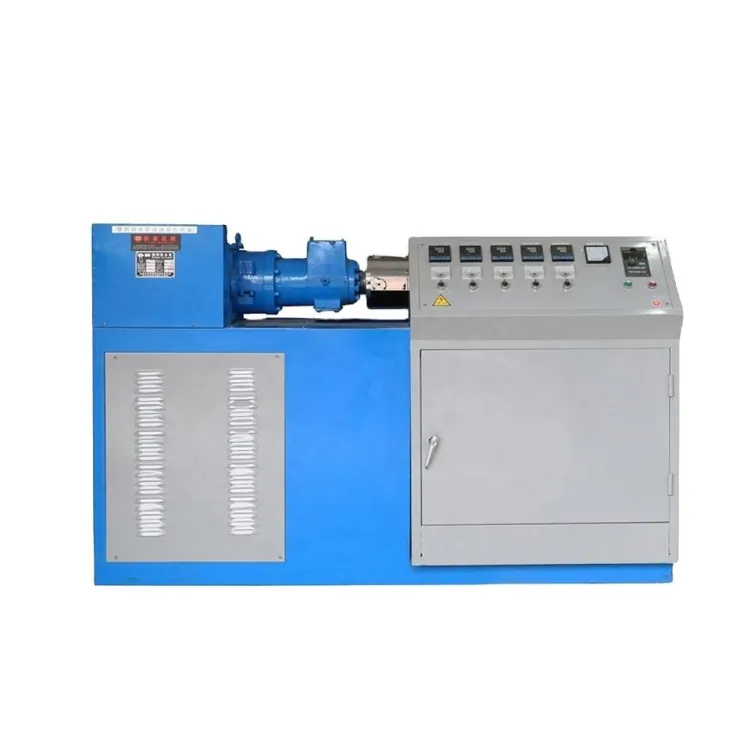
Americhi Full Automatic TVP Sausage Maker Machine Extruder Mold for Vegetarian Soya Nuggets
The Americhi Full Automatic TVP Sausage Maker Machine is perfect for creating delicious vegetarian soya nuggets. This powerful machine is designed to make the process easy and efficient. With its multifunctional capabilities, it allows you to produce high-quality soya meat with minimal effort. Whether you're a small business or a large manufacturer, this machine is a great addition to your kitchen.
Specifications
| Attribute | Details |
|---|---|
| Condition | New |
| Power (W) | 75kw/128kw/183kw |
| Weight | 1700 KG |
| Voltage | 220V/380V/415V/440V |
| Dimensions (L*W*H) | 14500*1300*2400 mm |
| Function | Extrusion |
| Capacity | 150-300kg/h, 300-500kg/h, 800-1000kg/h |
| After Service | Field maintenance and repair service |
| Material | 304 Stainless Steel |
| Advantage | Easy Operation, High Performance |
| Color | Silver |
| MOQ | 1 Set |
| Model Number | FT63, FT75, FT95 |
| Applications | Soya Meat |
| Selling Units | Single item |
| Single Package Size | 20X20X20 cm |
| Single Gross Weight | 1.000 KG |
Key Features
- Multifunctional design for various applications.
- High power options for efficient production.
- Constructed from durable 304 stainless steel.
- Easy to operate, suitable for all skill levels.
- High performance with a large capacity.
Applications
- Producing vegetarian soya nuggets.
- Creating plant-based meat alternatives.
- Used in restaurants and food manufacturing.
- Ideal for health-conscious consumers.
Product Info Gallery
- Shipping Timeframes: All orders are processed within 2-5 business days (excluding weekends and holidays). After your order has been processed, the estimated delivery time is before 14 Jul, 2026, depending on customs, Please note that due to high demand, some items may experience longer shipping times, which will be communicated at order confirmation email.
- Order Processing Time: Please allow 2-5 business days for us to process your order before it is shipped . Orders placed after 16:00 on Fridays, or during weekends and public holidays, will begin processing on the next business day. Processing times may be extended during peak seasons or sales events.
- Manufacturing Time: Some products needs manufacturing time, the manufacturing process will take approximately 10-30 business days depending on the product. This timeframe may vary depending on the complexity of the product and current demand. but this will be communicated with you during order confirmation.
- Returns and Exchanges: We offer a 30-day return policy for most items. If you are not completely satisfied with your purchase, you may return it within 30 days of receipt for a refund or exchange. Items must be unused, in their original packaging, and accompanied by proof of purchase. Return shipping costs are the responsibility of the customer, unless the item was damaged or defective upon arrival.
1. What is the Americhi Full Automatic TVP Sausage Maker Machine used for?
This is a full-automatic industrial extruder designed to produce textured vegetable protein (TVP) products such as vegetarian soya nuggets, meat-like strips and sausage-shaped plant-based products. It performs extrusion, shaping (via molds), and yields high-capacity, consistent soya meat products for restaurants or manufacturers.
2. Which models and production capacities are available?
Three model series are listed: FT63, FT75 and FT95. Capacity ranges offered are roughly 150–300 kg/h, 300–500 kg/h and 800–1000 kg/h. Choose the model based on your target hourly throughput.
3. What are the power and electrical requirements?
Power options are specified as approximately 75 kW, 128 kW and 183 kW depending on model. Voltage options available include 220V, 380V, 415V and 440V. Final electrical configuration should be confirmed at order to match your local supply.
4. What materials is the machine made from and is it food safe?
The machine is constructed from 304 stainless steel, a common food-grade material that is corrosion-resistant and sanitary when maintained properly.
5. What are the machine dimensions, weight and space requirements?
Overall dimensions are listed as 14,500 × 1,300 × 2,400 mm and the gross machine weight is approximately 1,700 kg. You should allow extra space for access, feeding, discharge, maintenance and ventilation—plan layout accordingly and confirm foundation/floor load capacity.
6. What product shapes and textures can the extruder produce?
By changing extrusion molds and die plates you can produce various shapes such as nuggets, sausages, strips and granular TVP. The machine's multifunctional design supports different textures by adjusting formulation and processing parameters (temperature, moisture, screw speed).
7. How do I change molds or customize product shapes?
Molds/dies are removable and replaceable—switching dies allows different cross-sections and shapes. For custom molds, contact the supplier to discuss design, sizes and lead time for custom tooling.
8. What cleaning and sanitation practices are recommended?
Clean product-contact surfaces daily or per production schedule using food-safe detergents and warm water. Disassemble molds and screw parts as recommended by the manufacturer for deep cleaning and sanitization. Follow local food-safety regulations for cleaning frequency and validation.
9. What after-sales service and maintenance support is provided?
The product listing mentions field maintenance and repair service. Typically this includes on-site installation, commissioning, troubleshooting and spare part support—confirm the exact scope, response time and any service fees with the seller before purchase.
10. What spare parts and consumables should I expect to need?
Common spare parts include die plates, seals, screws, gearbox components and belts. Consumables may include lubricants and gaskets. Ask the supplier for a recommended spare-parts kit based on your production schedule.
11. What are typical energy consumption and operating cost considerations?
Energy draw depends on model and utilization. The rated power options (75, 128, 183 kW) indicate maximum electrical demand; running one hour at rated power consumes that many kWh. Actual consumption depends on load and duty cycle. Include energy, raw material and labor costs when calculating operating expenses.
12. Is installation, commissioning and operator training provided?
Many suppliers provide optional installation, commissioning and operator training (on-site or remote). The listing notes field maintenance and repair service—confirm with the vendor whether installation and operator training are included or available at additional cost.
13. How is the machine packaged and shipped? What is lead time?
Large industrial machines are usually disassembled, crated and shipped by sea/road. The listing's small package size and weight appear to be placeholder data; actual machine shipping will be much larger. Ask the supplier for shipping dimensions, gross weight, export packing details and estimated lead time for production and delivery.
14. What is the minimum order quantity (MOQ) and how do I get a quote?
MOQ is listed as 1 set. For a detailed quote, provide the preferred model (FT63/FT75/FT95), required capacity, voltage, desired molds, destination port or delivery address and any requested services (installation, training, spare parts). The supplier will then provide price, shipping and payment terms.
15. Are certifications and food-safety documents available?
Certification availability (CE, ISO, sanitary certifications) varies by manufacturer and market. Request copies of relevant certificates, material test reports and compliance documents from the seller to ensure the machine meets your local regulatory and HACCP requirements.
Latest Order Arrivals
Discover our latest orders
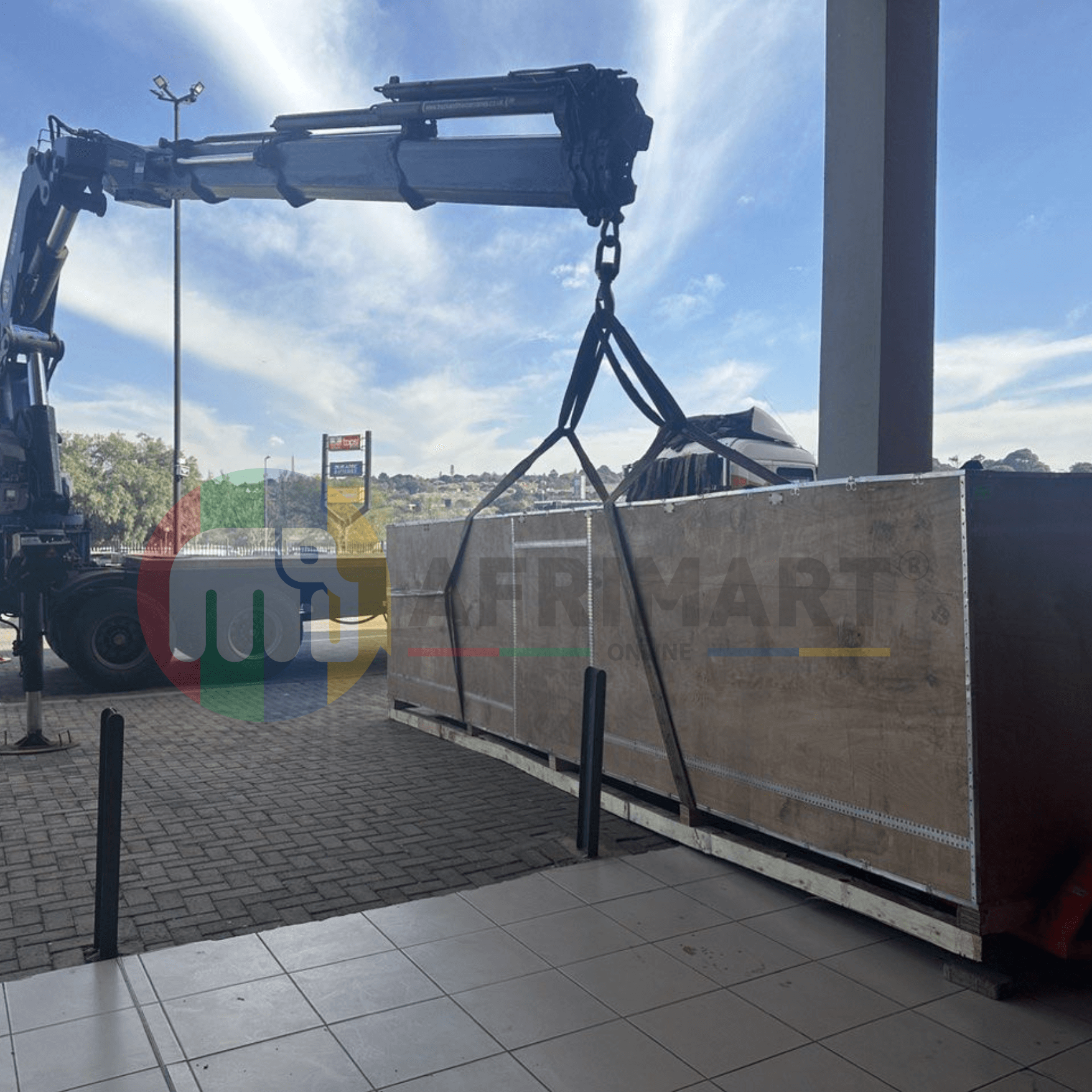
12 Heads Embroidery Machine
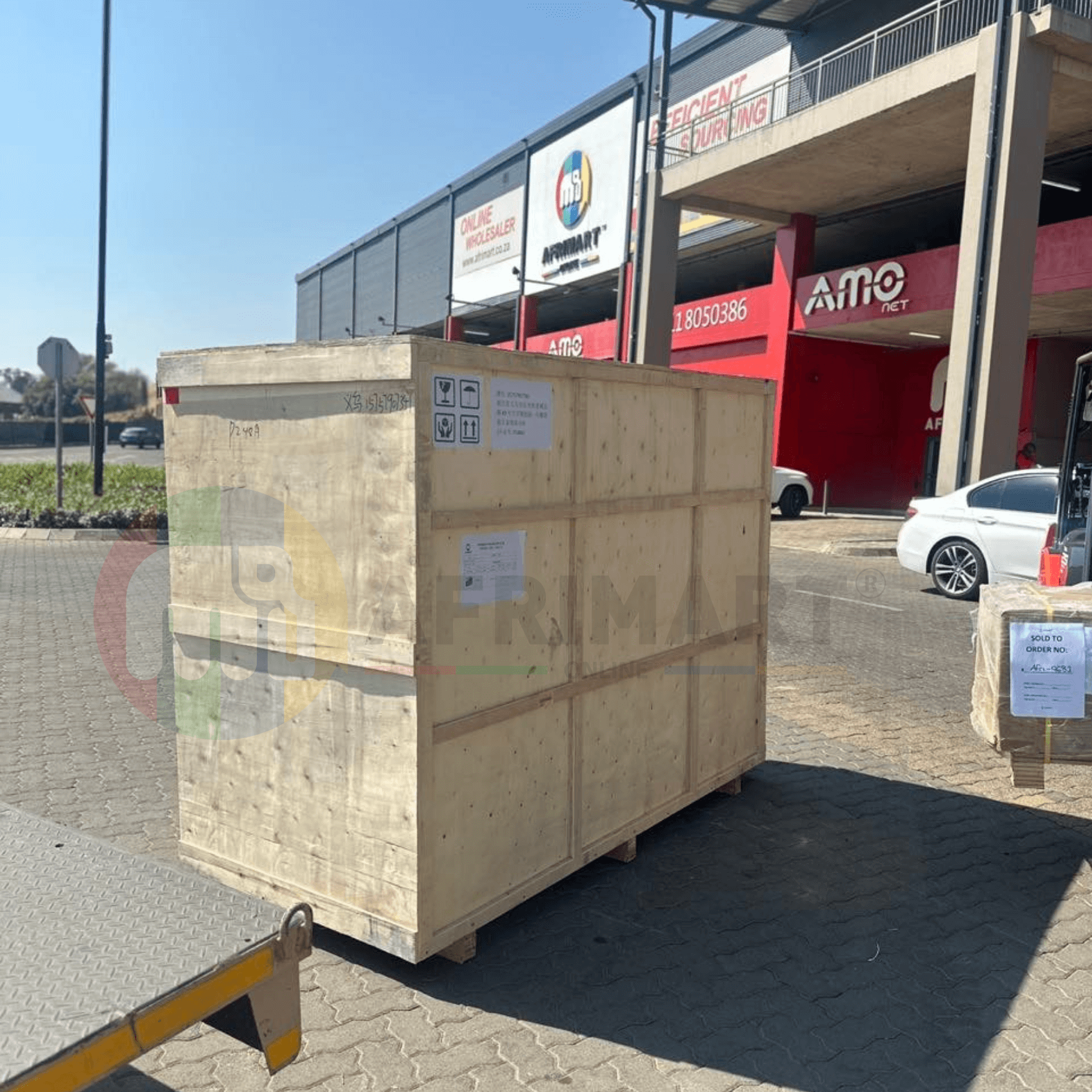
Dewatering Pump Machine
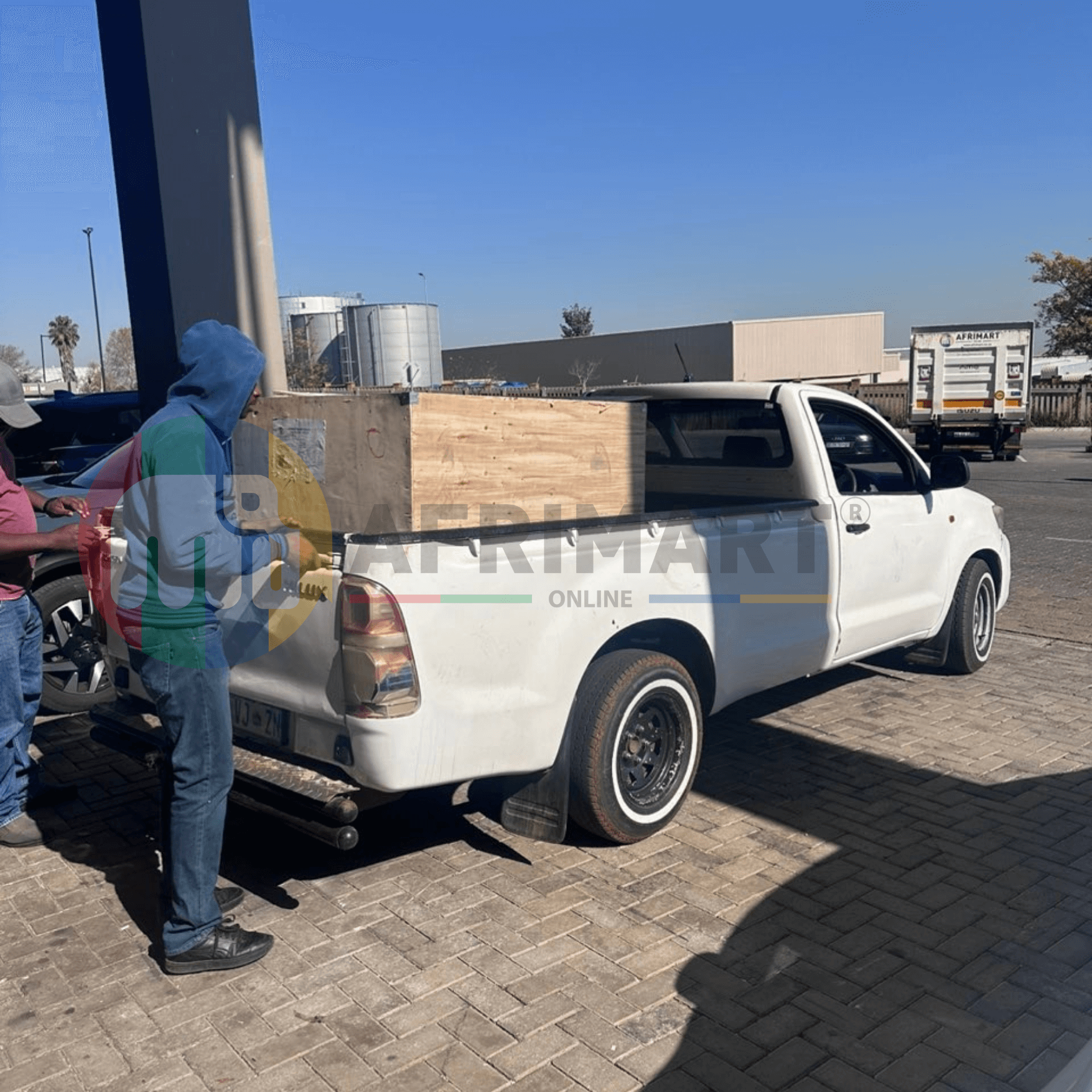
Order Collection
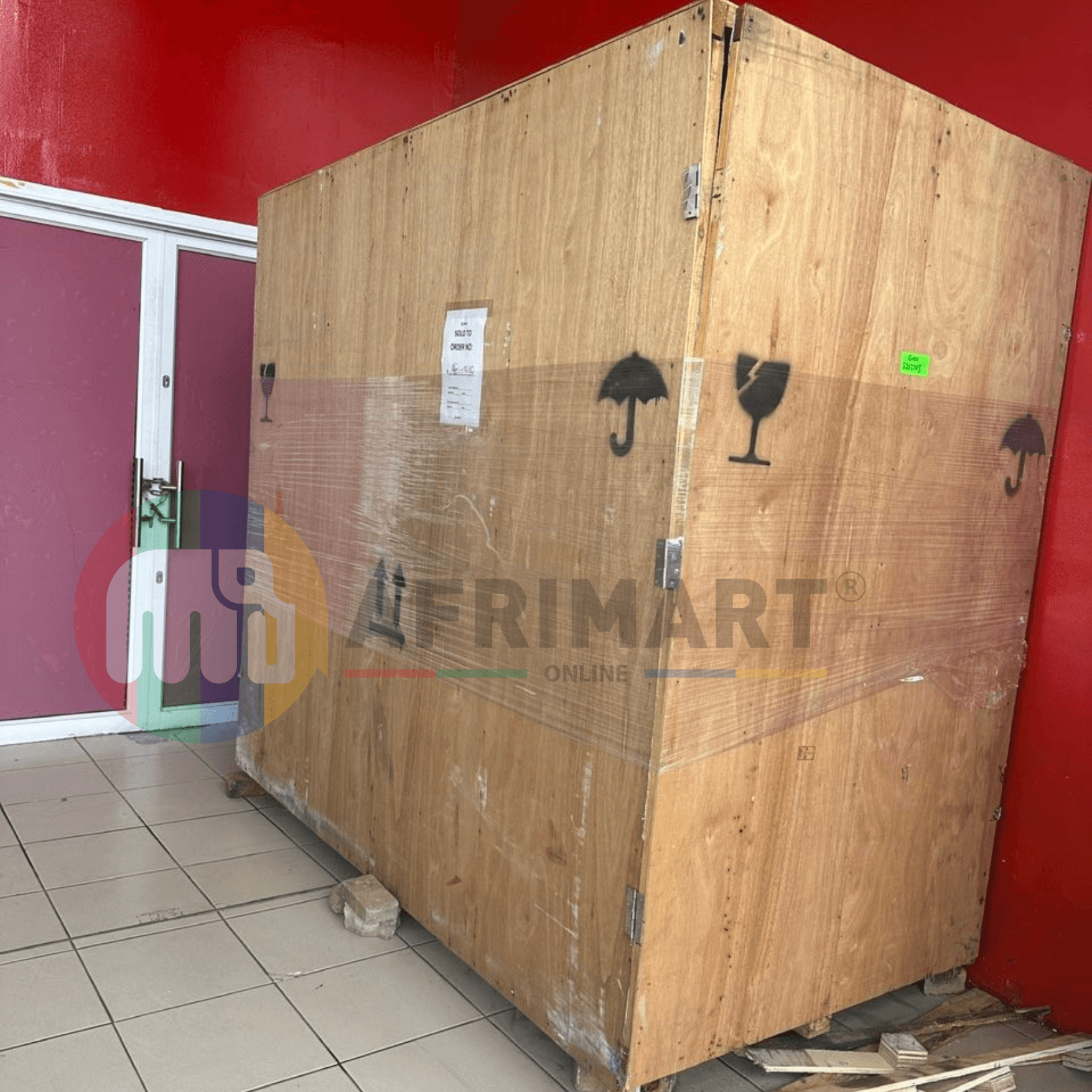
Portable Water Drilling Rig
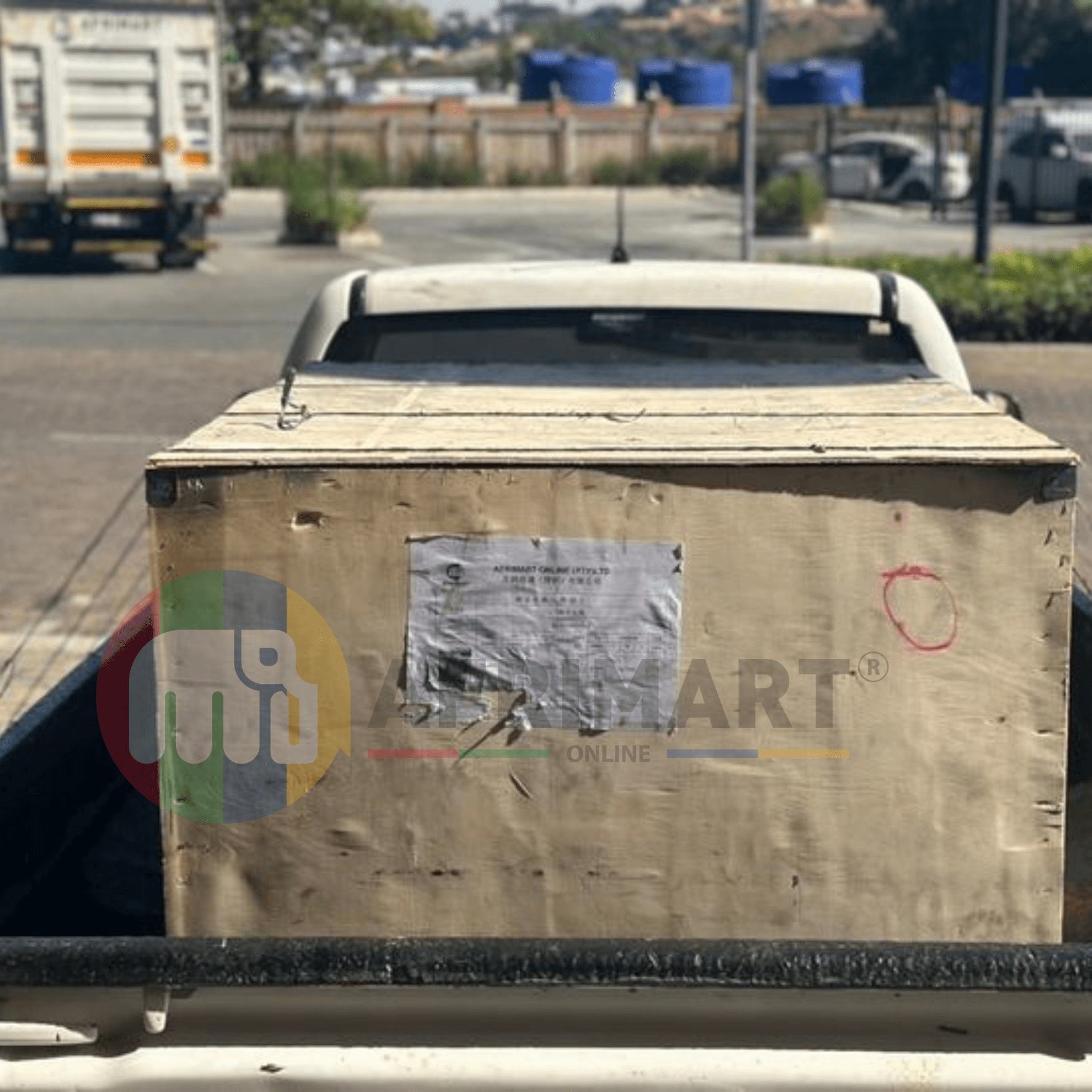
Order Usefully Collected
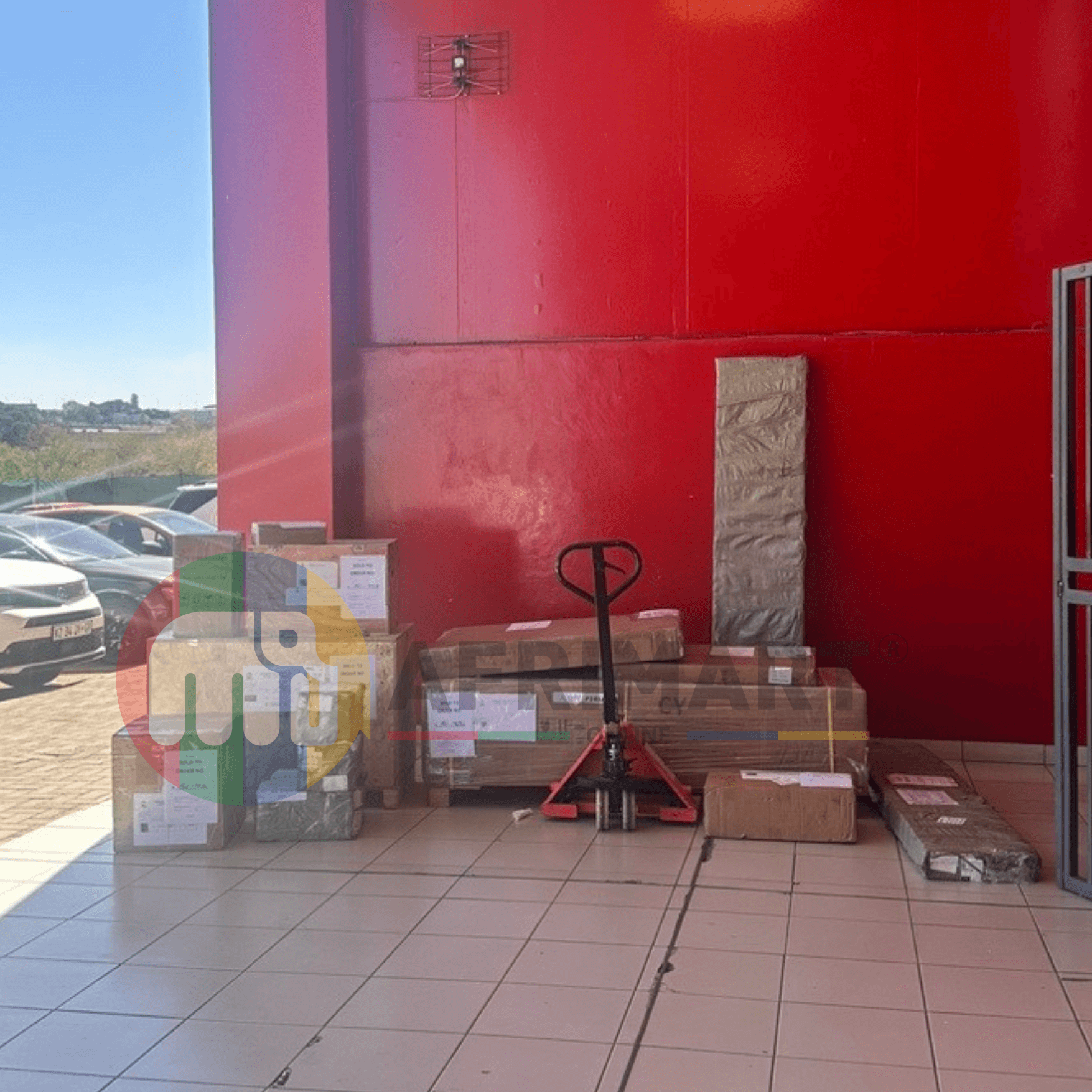
Batch of Orders
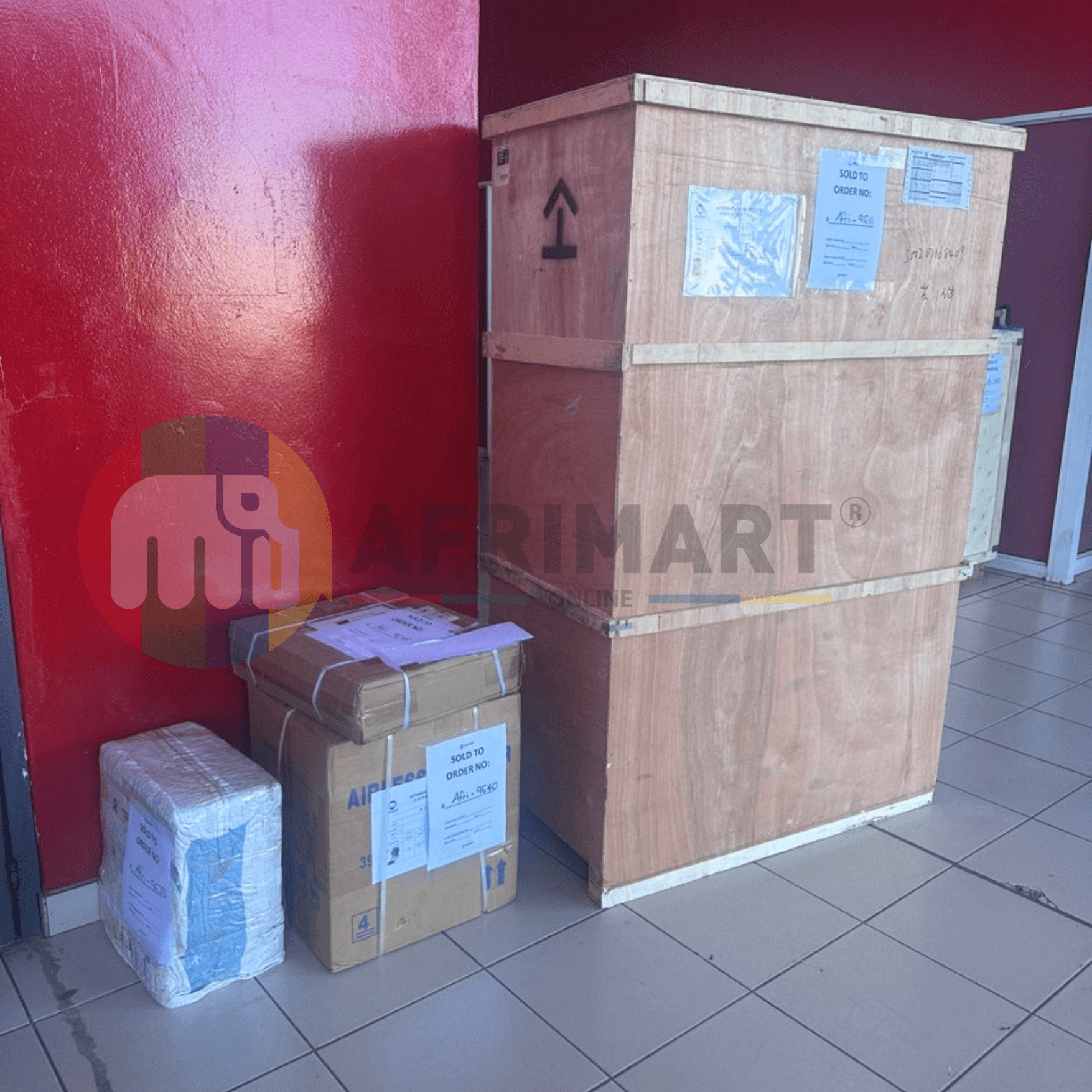
Agriculture Processing Machines
Meat Grinder Machine
Water Pump Equipment
Packaging Machine and accessories
Fabrics Manufacturing Equipment
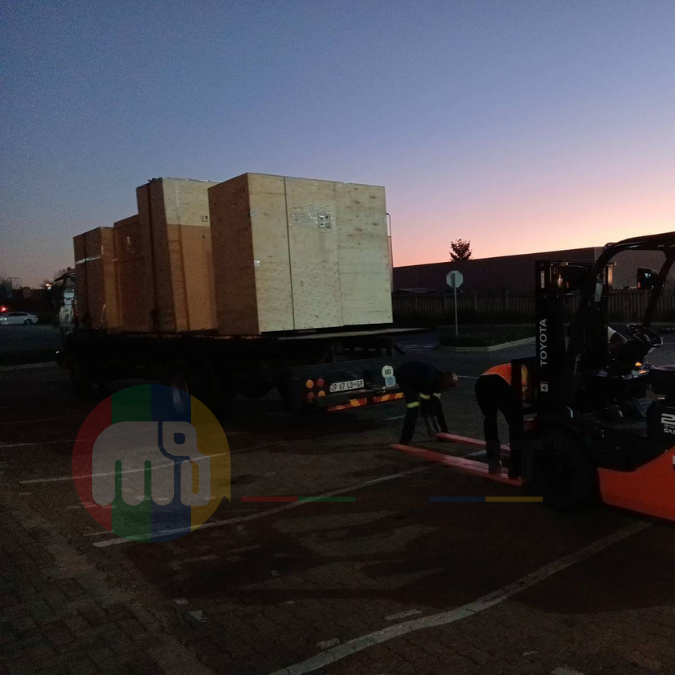
Mining Equipments
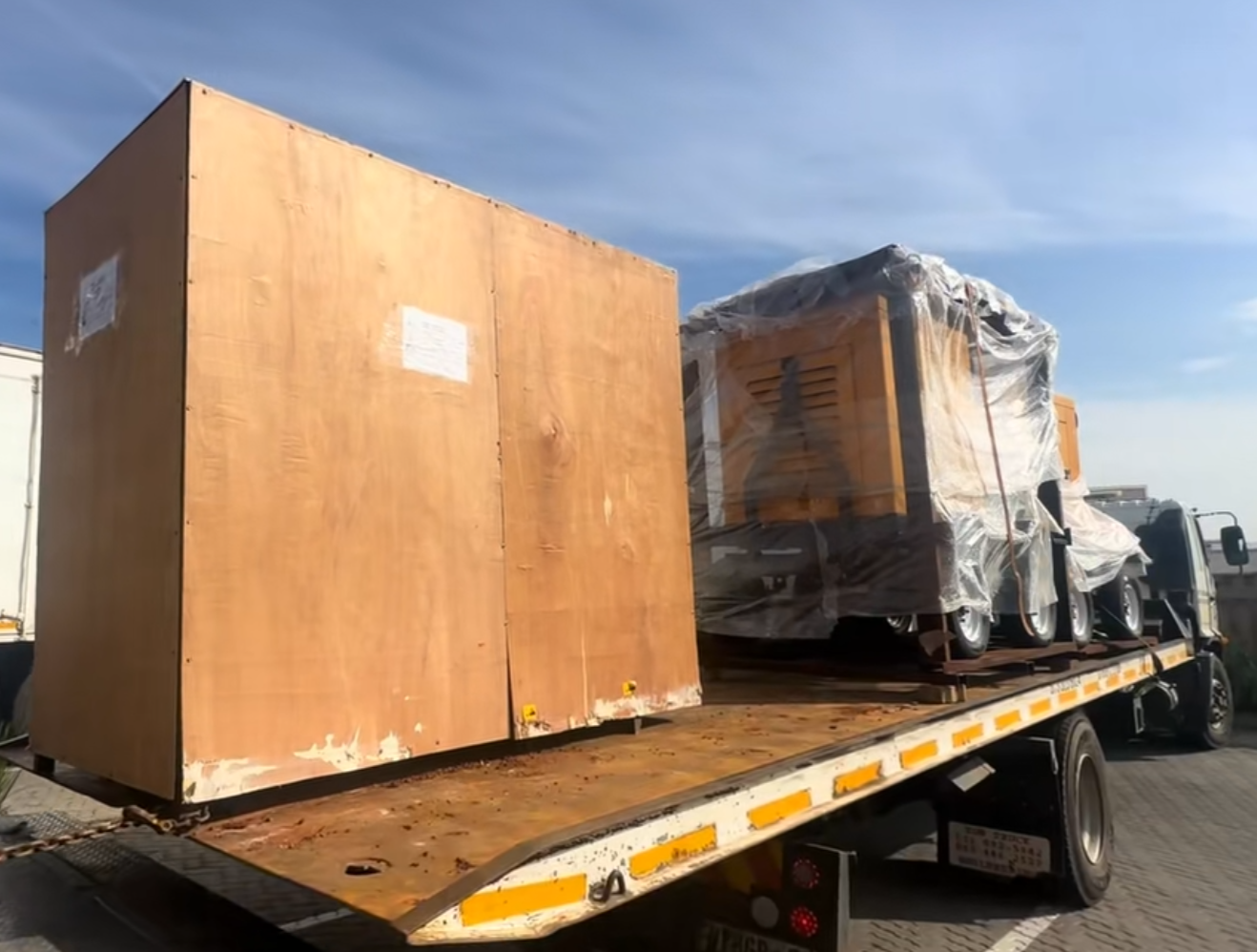
Food Processing Machine
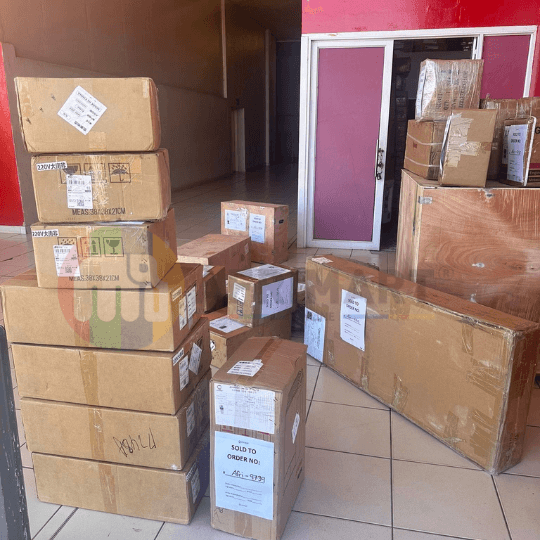
Batch of Orders
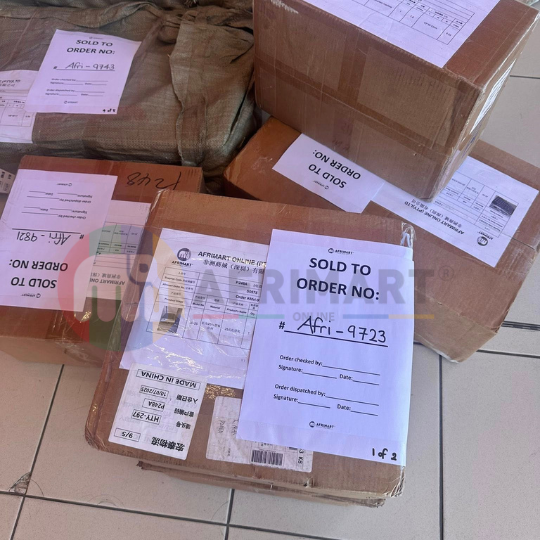
Batch of Orders
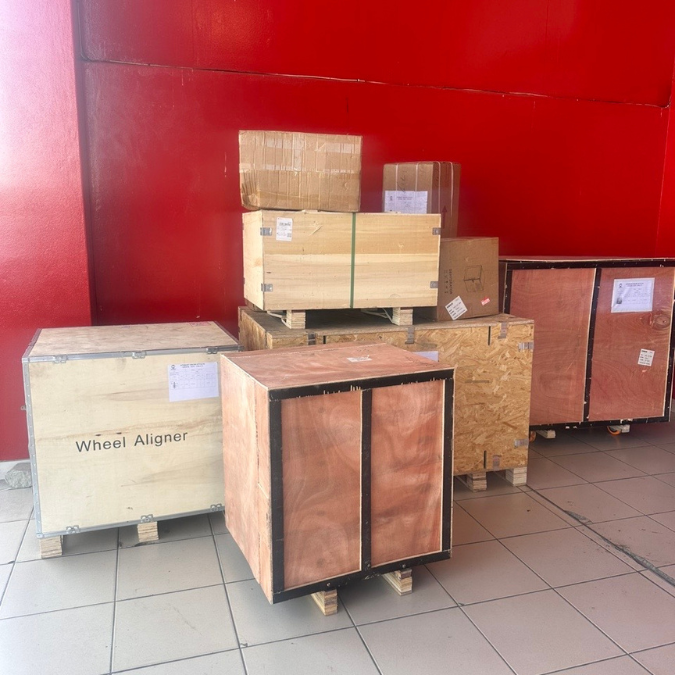
Latest Orders Labelled
wheel alignment machines
new arrivals
Pre Orders Offloading
Latest Arrivals
Latest Arrivals
Latest Arrivals
26 January 2026
Toilet paper making machine
Toilet paper making machine
Toilet paper Rewinding Machine
latest arrivals
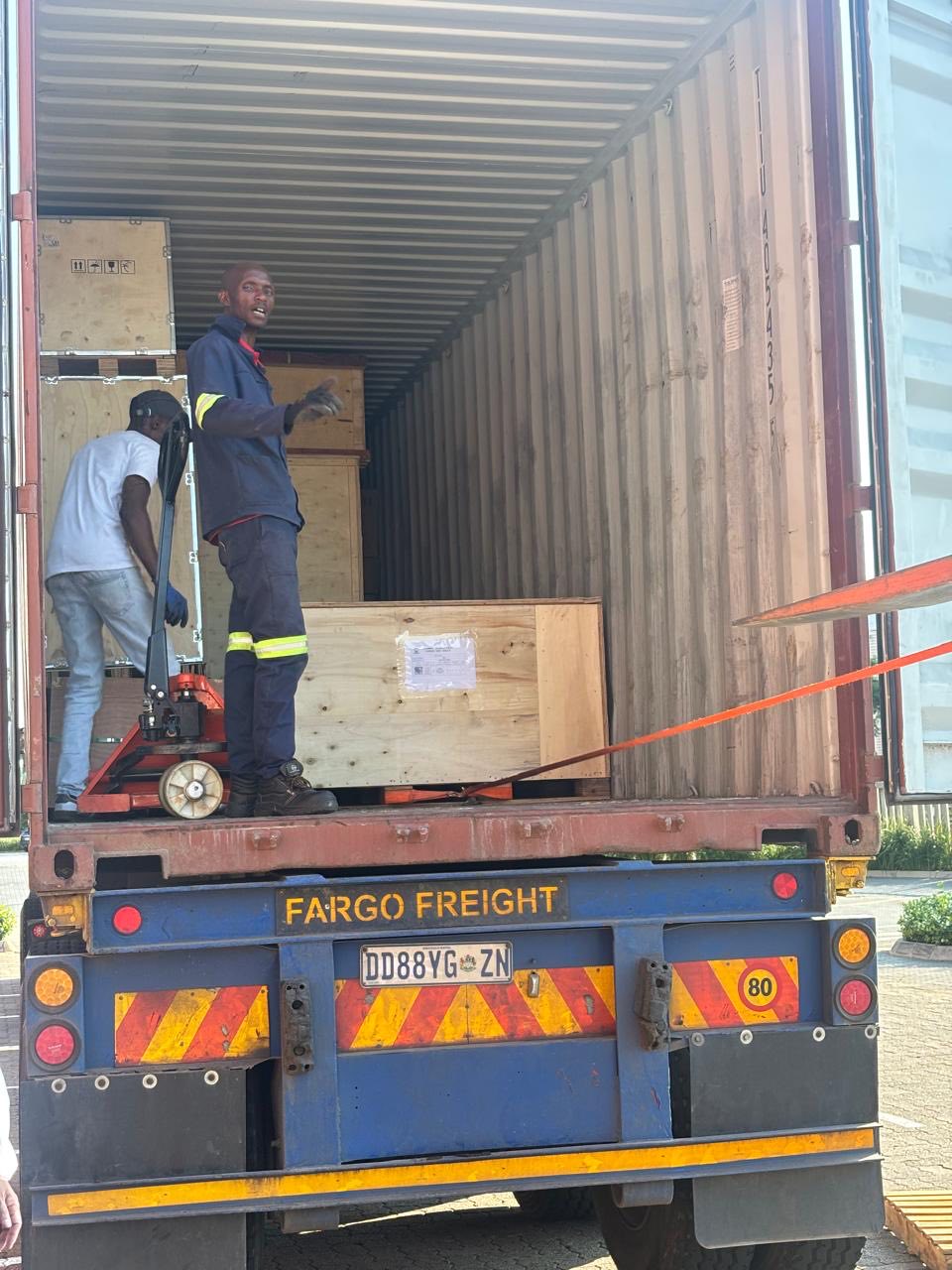
offloading
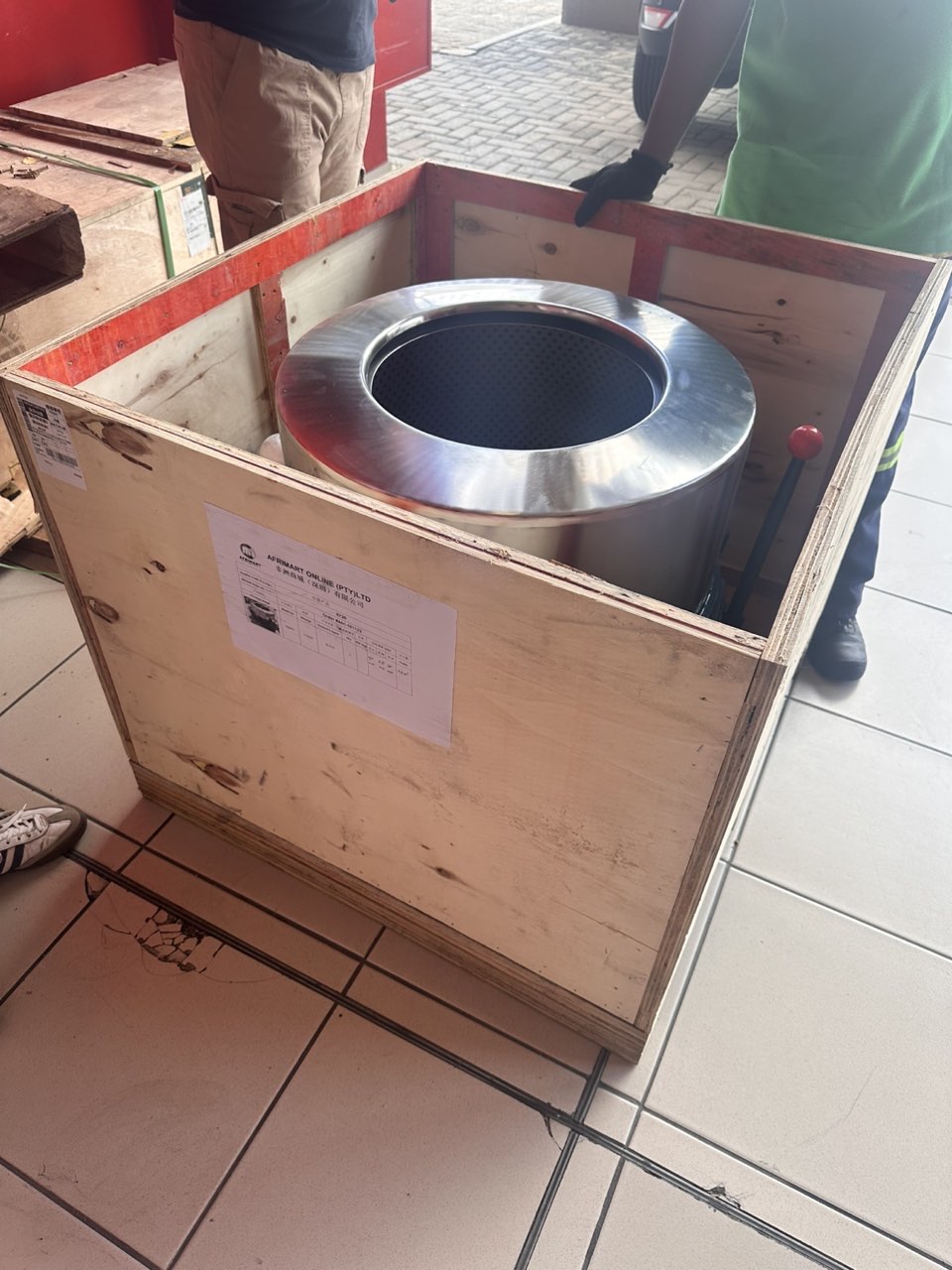
order success
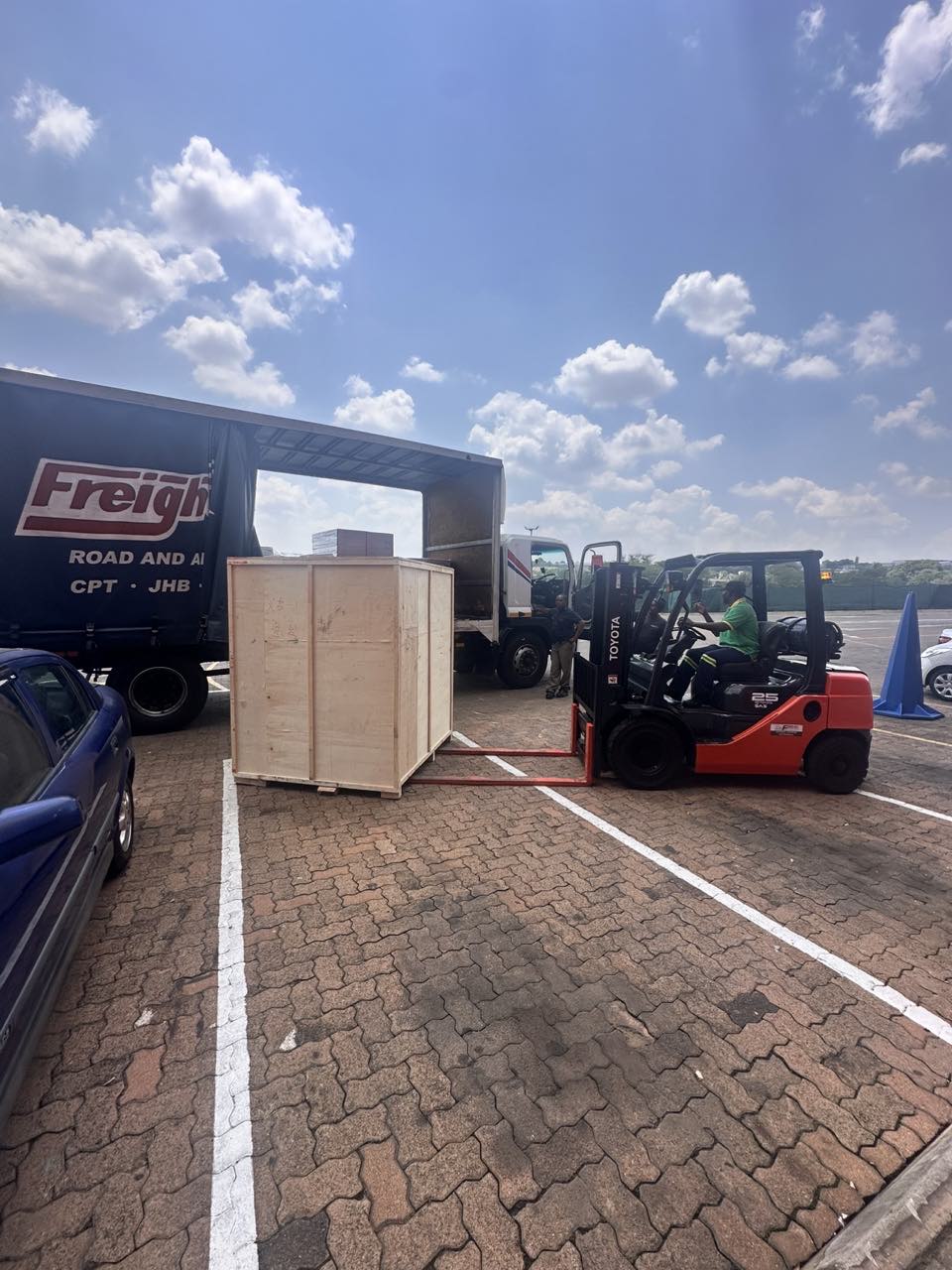
order collection
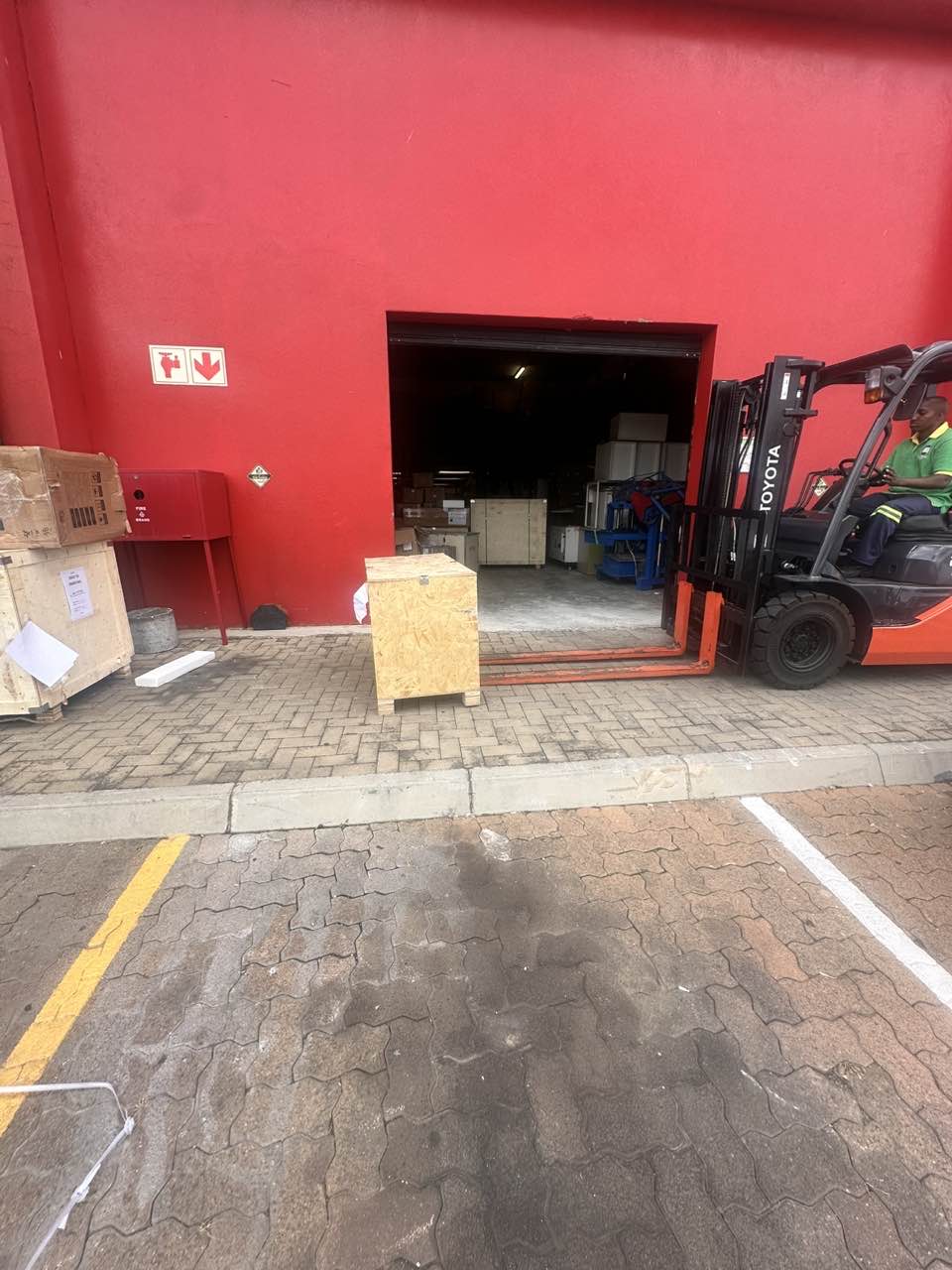
order offloading