B21, China Town Mall, Midrand

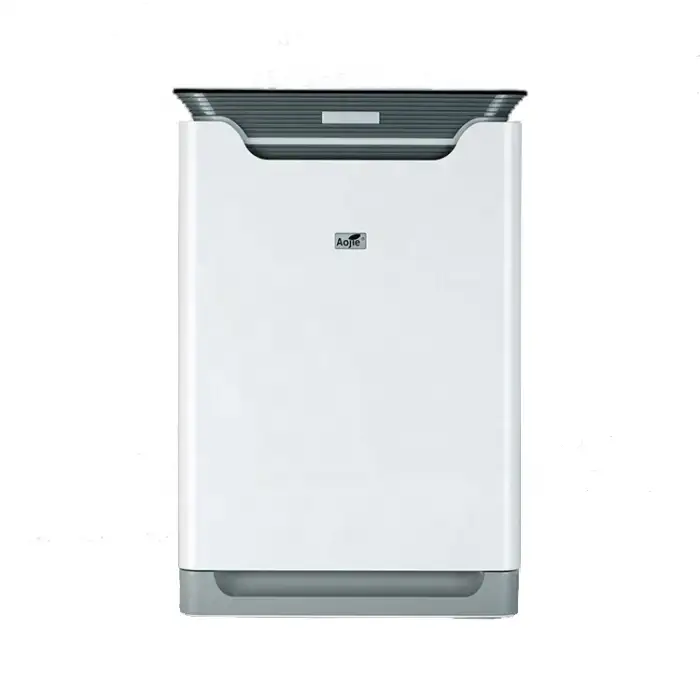
Air Purifier UV Lamp Sterilizer HEPA H13 Clean & Fresh Indoor Air Remote-controlled Air Cleaner Mobile
- Section : Appliances
- Category : Air Conditioning
- SKU : 1601202402102

Air Purifier UV Lamp Sterilizer HEPA H13 Clean & Fresh Indoor Air Remote-controlled Air Cleaner Mobile
The Air Purifier UV Lamp Sterilizer HEPA H13 is designed to make your indoor air clean and fresh. It uses advanced technology to remove dust, allergens, and germs. With a remote control, you can easily adjust settings from anywhere in the room. This mobile air cleaner is perfect for any space in your home.
Specifications
| Attribute | Details |
|---|---|
| Model | HEPA H13 |
| Type | Air Purifier |
| Control | Remote-controlled |
| Technology | UV Lamp Sterilization |
| Portability | Mobile |
| Filter Type | HEPA H13 Filter |
Key Features
- High-efficiency HEPA H13 filter captures 99.97% of particles.
- Built-in UV lamp for additional sterilization.
- Remote control for easy operation.
- Portable design for use in any room.
- Quiet operation for a peaceful environment.
Applications
- Home use in living rooms and bedrooms.
- Office environments for cleaner air.
- Medical facilities and clinics.
- Schools and classrooms for healthy air.
- Any indoor space needing improved air quality.
Product Info Gallery
- Shipping Timeframes: All orders are processed within 2-5 business days (excluding weekends and holidays). After your order has been processed, the estimated delivery time is before 12 Jul, 2026, depending on customs, Please note that due to high demand, some items may experience longer shipping times, which will be communicated at order confirmation email.
- Order Processing Time: Please allow 2-5 business days for us to process your order before it is shipped . Orders placed after 16:00 on Fridays, or during weekends and public holidays, will begin processing on the next business day. Processing times may be extended during peak seasons or sales events.
- Manufacturing Time: Some products needs manufacturing time, the manufacturing process will take approximately 10-30 business days depending on the product. This timeframe may vary depending on the complexity of the product and current demand. but this will be communicated with you during order confirmation.
- Returns and Exchanges: We offer a 30-day return policy for most items. If you are not completely satisfied with your purchase, you may return it within 30 days of receipt for a refund or exchange. Items must be unused, in their original packaging, and accompanied by proof of purchase. Return shipping costs are the responsibility of the customer, unless the item was damaged or defective upon arrival.
1. What is a HEPA H13 filter and how effective is it?
HEPA H13 is a high-efficiency particulate filter designed to capture very small particles. This product's HEPA H13 filter captures up to 99.97% of particles down to about 0.3 microns, including dust, pollen, pet dander and many fine particulates.
2. How does the built-in UV lamp help purify the air?
The UV lamp provides an additional sterilization stage by exposing airborne microorganisms to ultraviolet light, which can inactivate some bacteria and viruses. UV sterilization complements filtration but effectiveness depends on lamp intensity and exposure time.
3. Is the UV lamp safe to use indoors?
When used according to the manufacturer's instructions the UV lamp is intended to be safe. Avoid direct eye or skin exposure to UV light. Follow the user manual for safety precautions and do not tamper with safety covers or enclosures.
4. Will this air purifier remove viruses and bacteria completely?
The purifier combines HEPA filtration and UV sterilization to reduce airborne particles and help inactivate many microorganisms, but no single device can guarantee complete removal of all viruses or bacteria. Use it as part of broader hygiene and ventilation practices.
5. What room size is this air cleaner suitable for?
The unit is described as a mobile air cleaner suitable for typical living rooms, bedrooms, offices, and similar indoor spaces. For exact coverage (square footage or CADR), check the product specifications provided by the manufacturer or retailer.
6. How often should I replace the HEPA H13 filter?
Filter life depends on usage and air quality but is commonly every 6–12 months for many home environments. Inspect the filter regularly and follow the replacement interval and instructions in the user manual for best performance.
7. How do I maintain and clean the air purifier?
Unplug the unit before maintenance. Regularly vacuum or wash (if applicable) the pre-filter according to the manual, replace the HEPA H13 filter when recommended, and wipe the exterior with a dry or lightly damp cloth. Do not wet the HEPA filter unless the manual explicitly allows it.
8. Is this air purifier noisy?
The product is designed for quiet operation to maintain a peaceful environment. Actual noise levels vary by fan speed—use lower speed settings for quieter operation and check the technical specs for decibel (dB) ratings if available.
9. Does the purifier produce ozone?
The description does not indicate intentional ozone generation. If you have concerns, check the product specifications or certifications for an explicit ozone-free claim. Do not use devices that intentionally generate ozone in occupied indoor spaces unless they are specifically certified and used as directed.
10. How do I operate the unit with the remote control?
Insert the required batteries into the remote, point it at the unit, and press the desired buttons to change power, fan speed or other modes. If the remote requires pairing or special setup, follow the pairing or setup steps in the user manual.
11. Is the air purifier portable and easy to move between rooms?
Yes. The product is described as mobile and designed for use in different rooms. Mobility features may include a lightweight housing or handle—refer to the product listing or manual for exact details on weight and carrying instructions.
12. Can this unit help people with allergies or asthma?
A HEPA H13 filter can reduce common airborne allergy triggers such as pollen, dust mites and pet dander, which may help people with allergies. However, individuals with asthma or severe allergies should consult a healthcare professional for personalized advice and not rely solely on an air purifier.
13. What certifications or standards should I look for?
Look for safety and performance certifications relevant to your region—examples include CE, RoHS, ETL/UL and independent filtration or CADR ratings. Check the product listing or user manual to confirm which certifications this specific model carries.
14. How much power does the air purifier use?
Power consumption varies by model and fan speed. Check the product label, specification sheet or user manual for the unit's wattage and energy-saving features. Using lower fan speeds will reduce power use.
15. What should I do if the unit won't turn on or seems to malfunction?
First confirm the unit is plugged in and the outlet is working. Check that filters and panels are installed correctly and that any safety interlocks are engaged. If issues persist, consult the troubleshooting section of the manual and contact customer support or the retailer for warranty service.
Latest Order Arrivals
Discover our latest orders
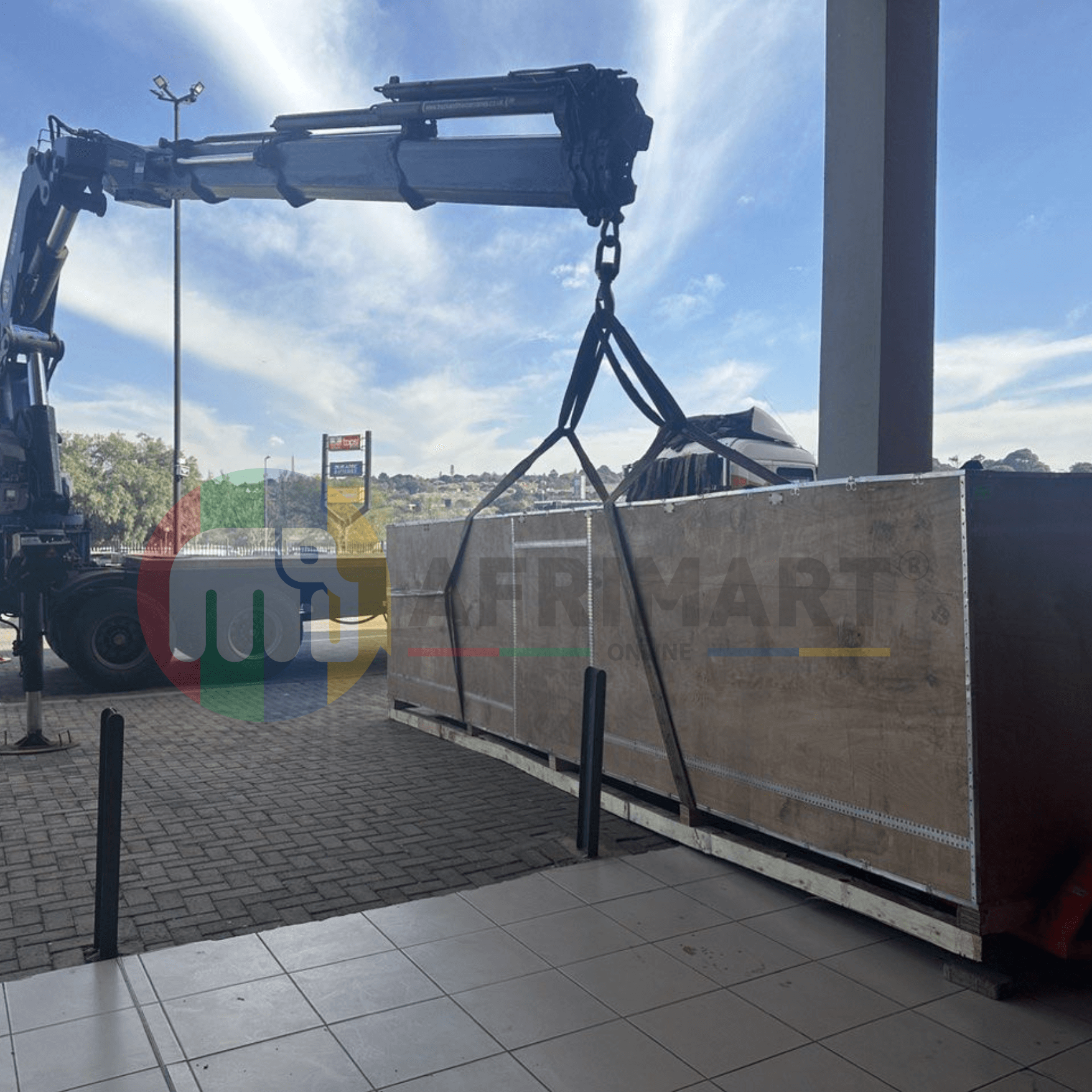
12 Heads Embroidery Machine
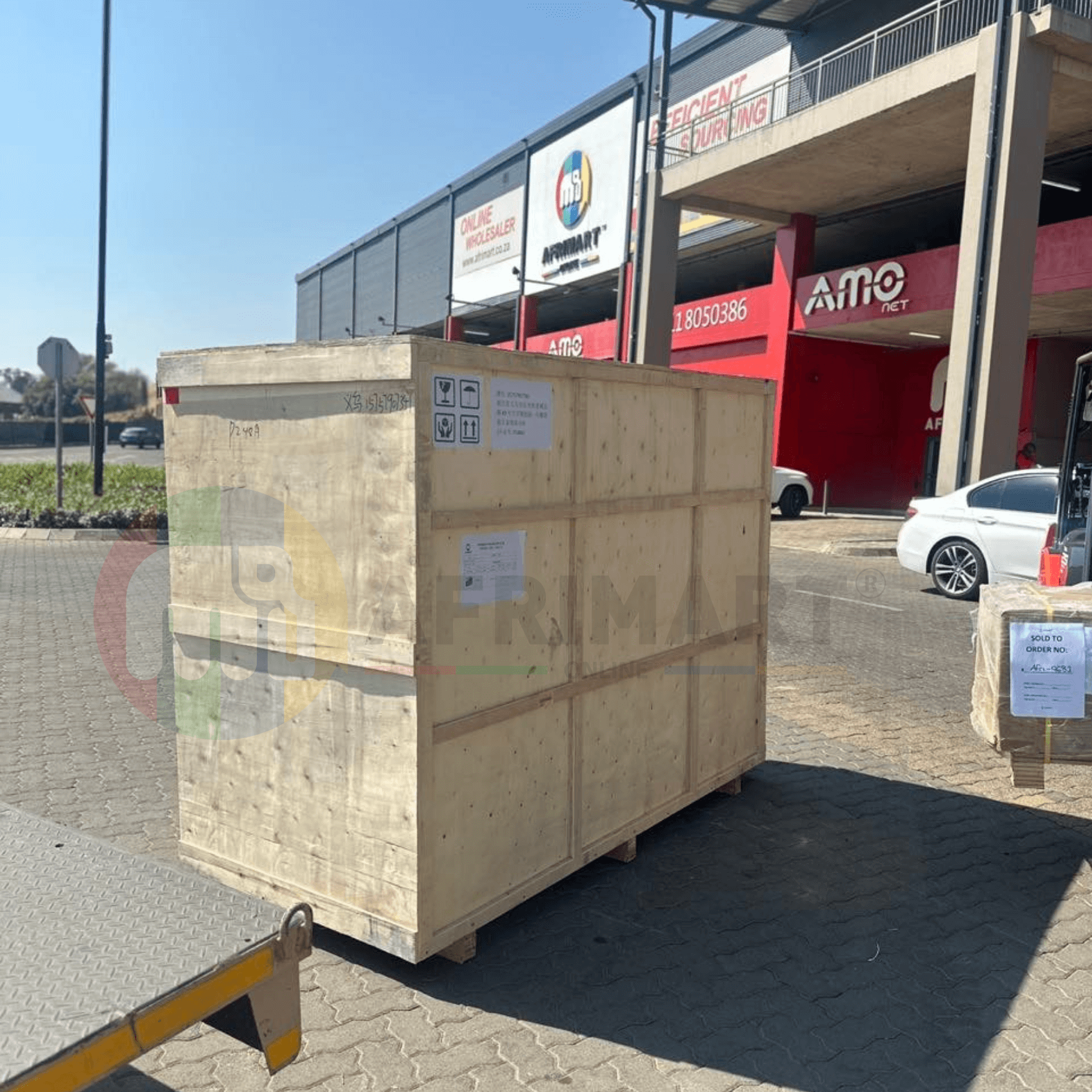
Dewatering Pump Machine
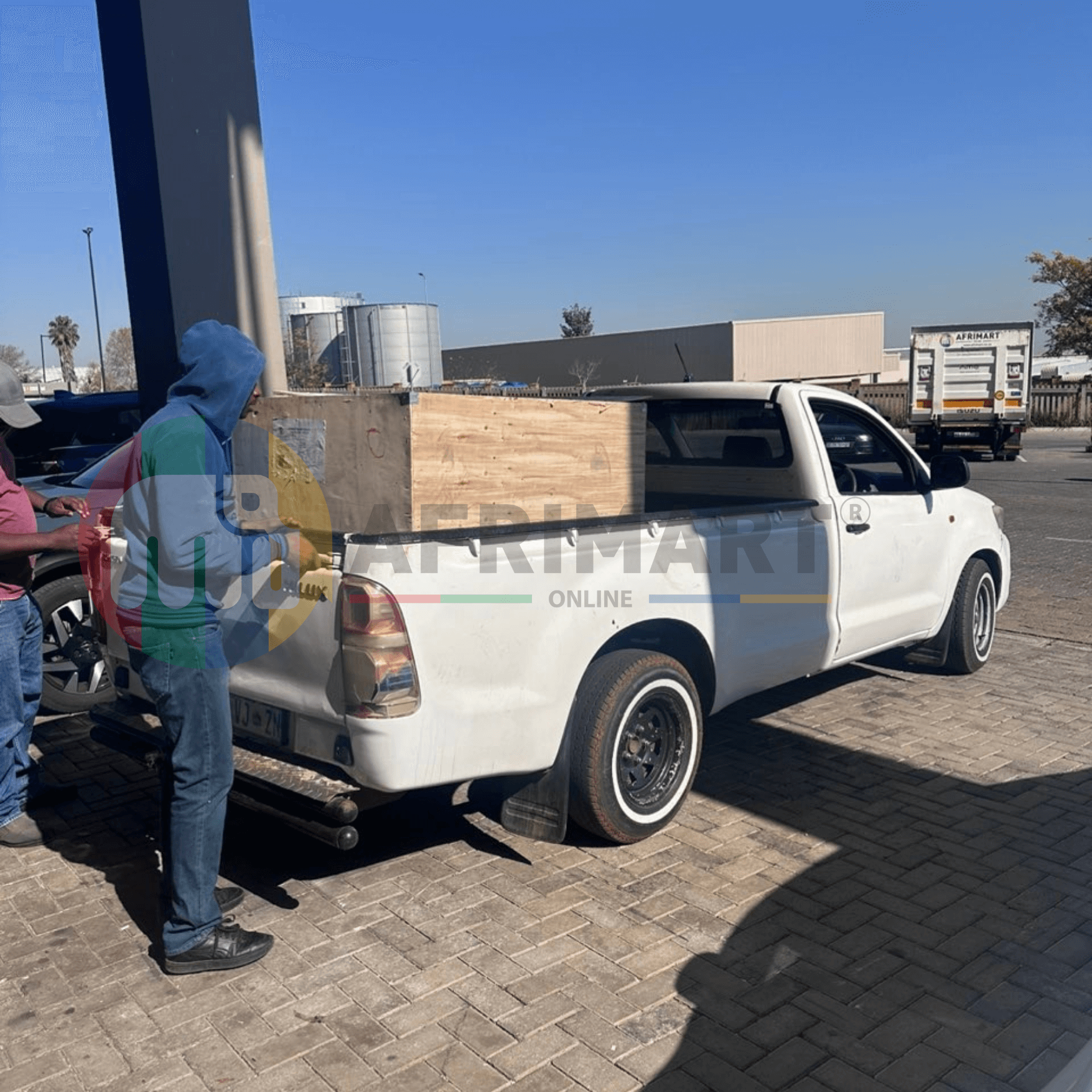
Order Collection
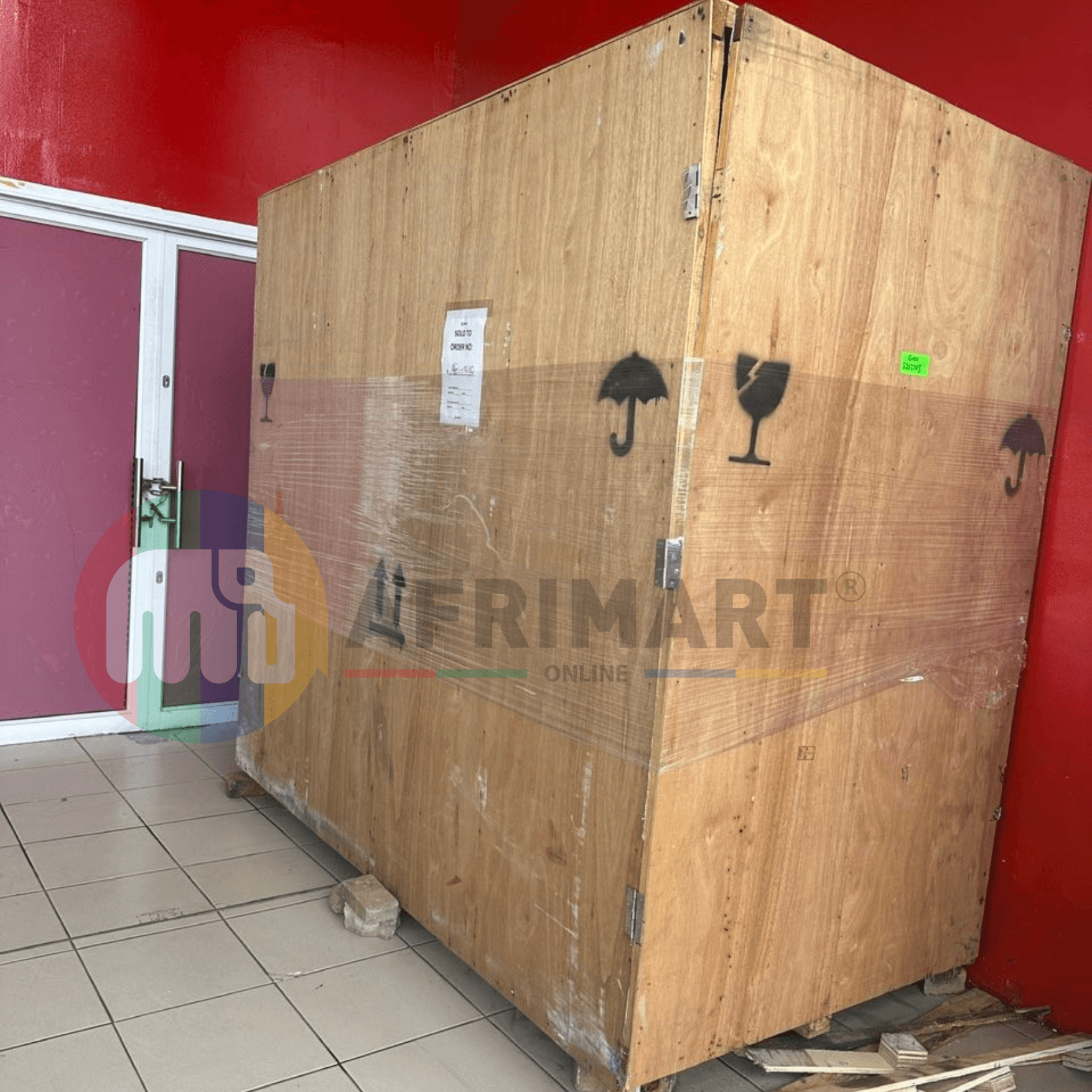
Portable Water Drilling Rig
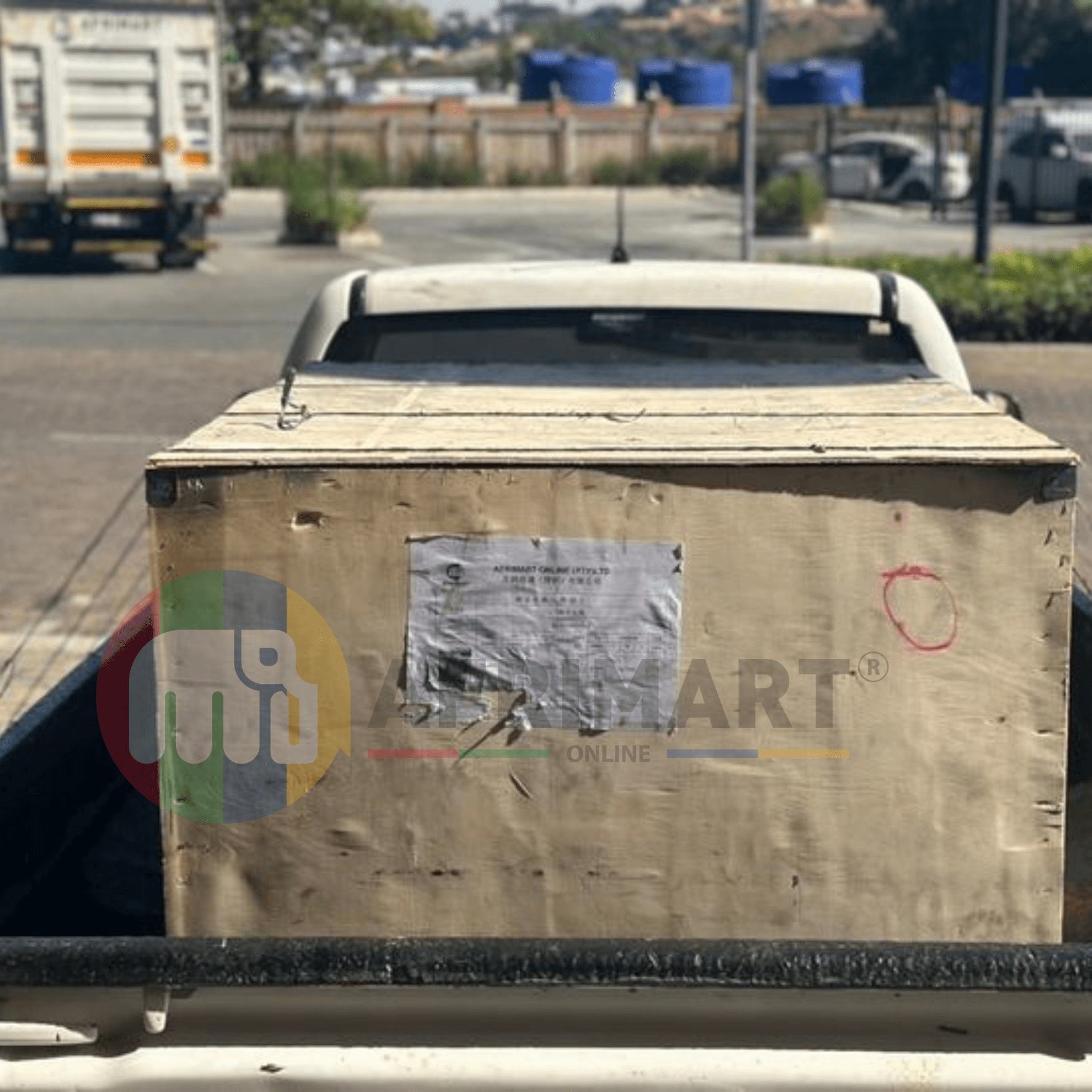
Order Usefully Collected
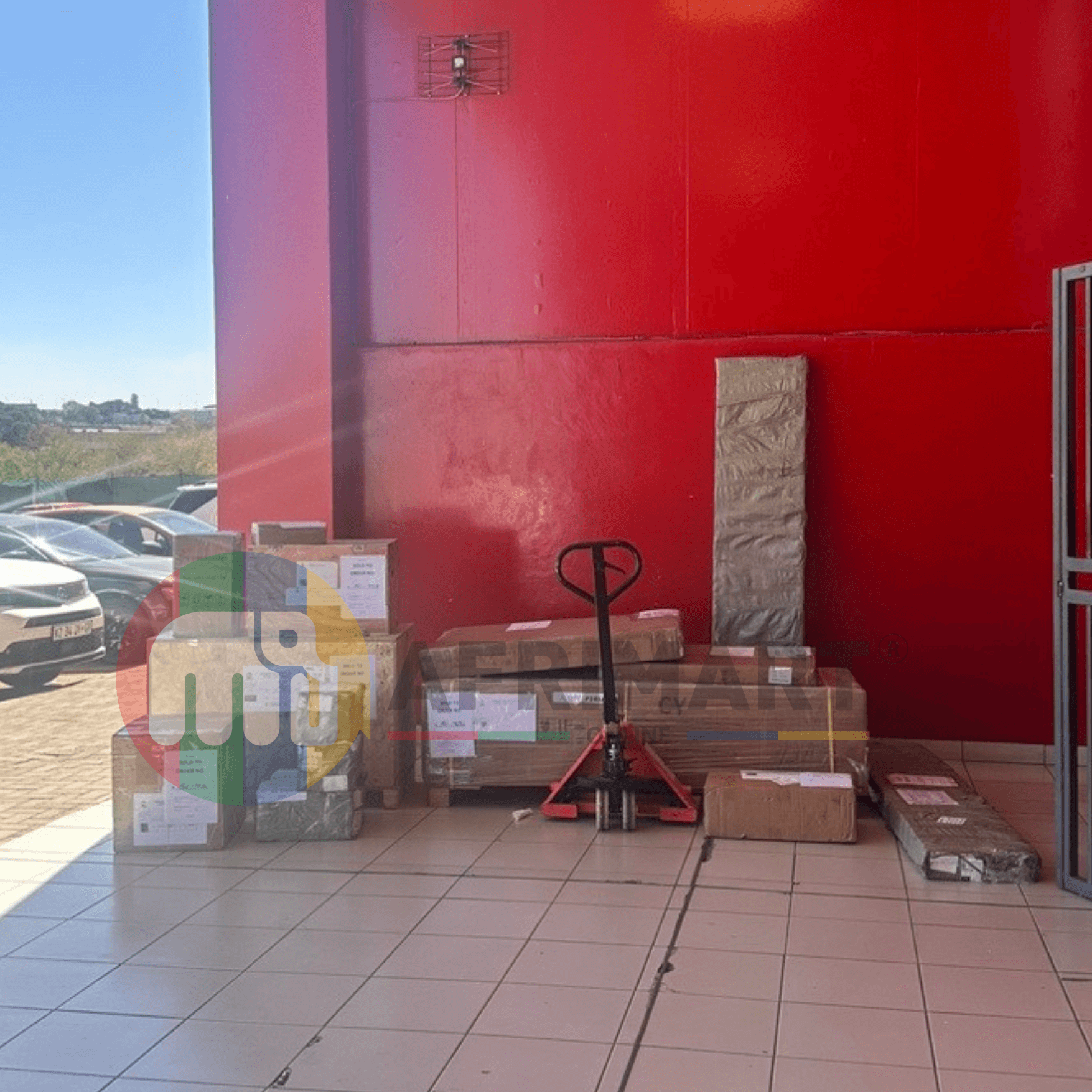
Batch of Orders
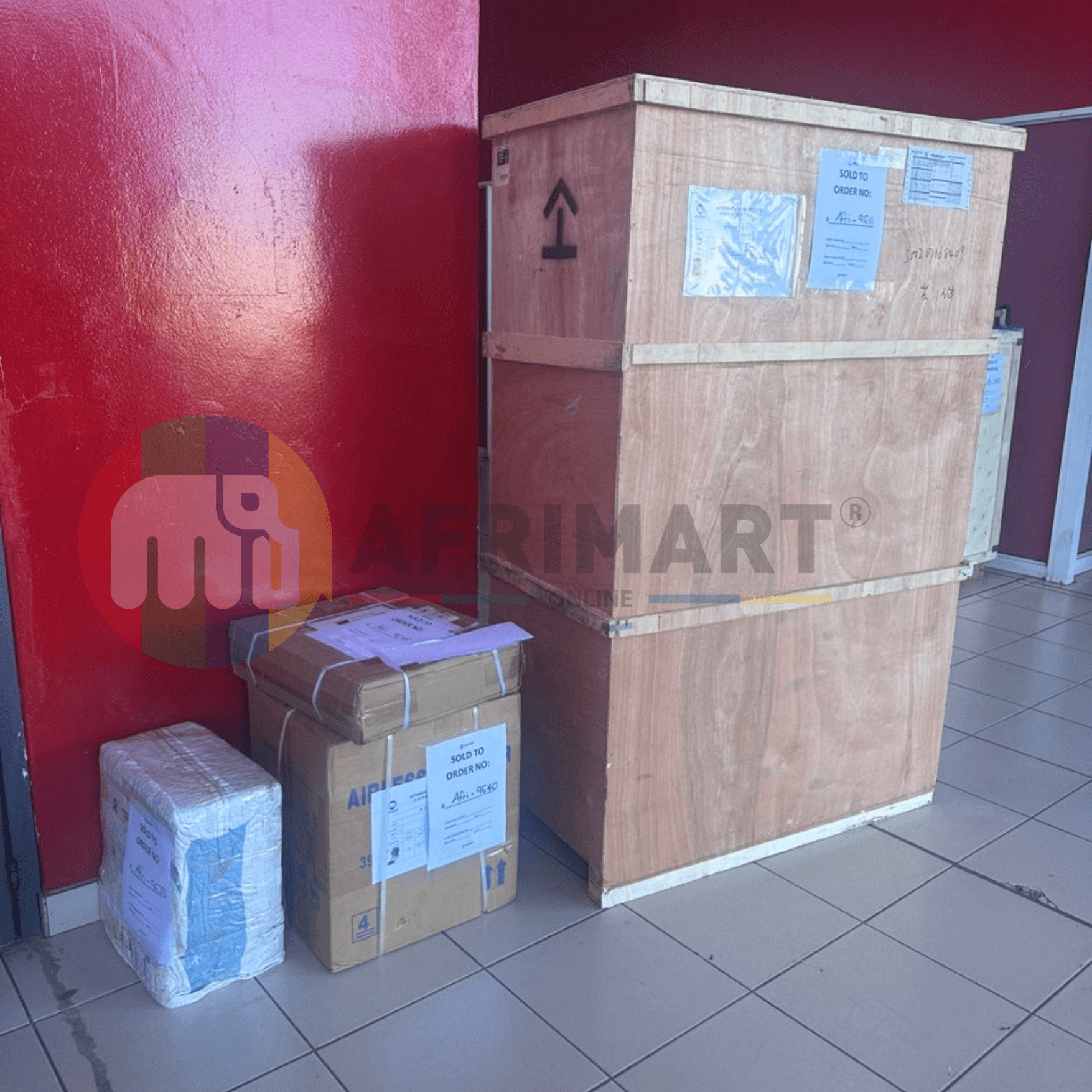
Agriculture Processing Machines
Meat Grinder Machine
Water Pump Equipment
Packaging Machine and accessories
Fabrics Manufacturing Equipment
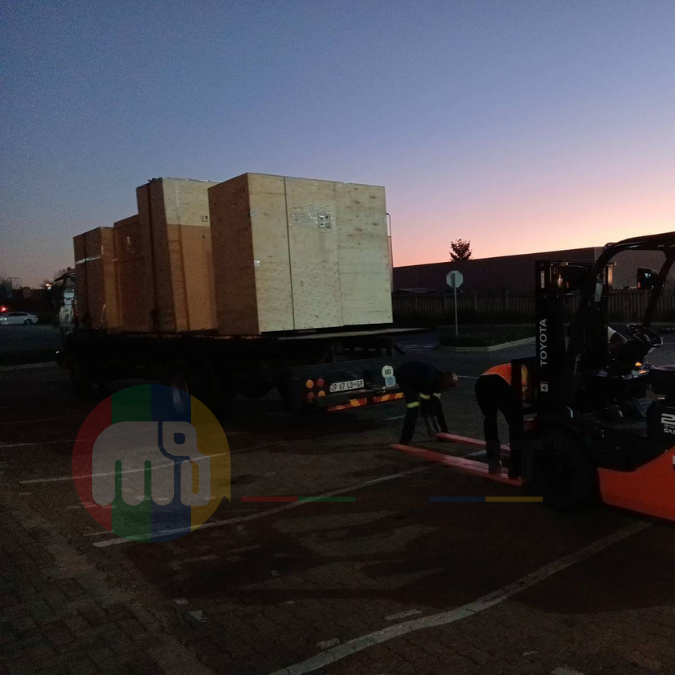
Mining Equipments
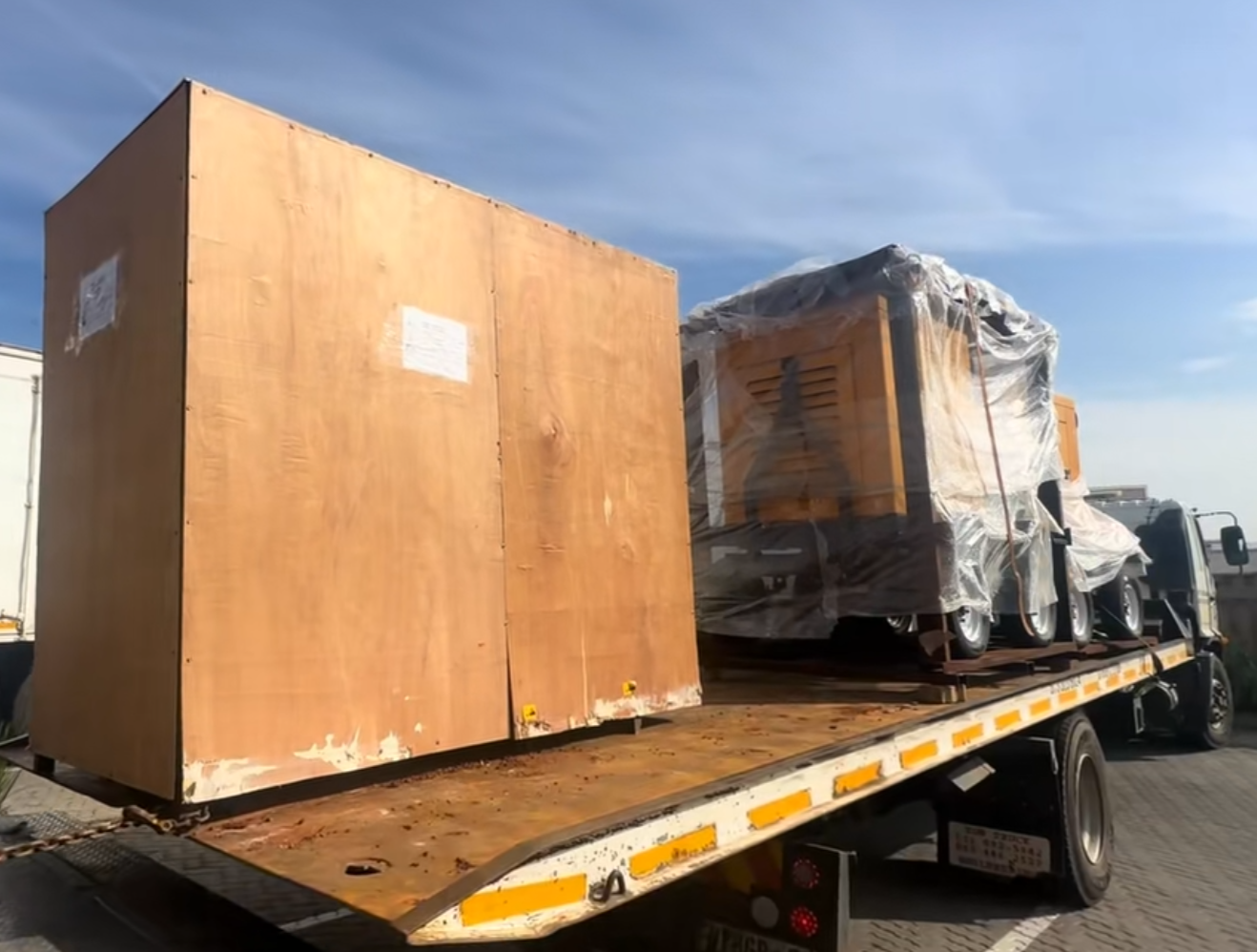
Food Processing Machine
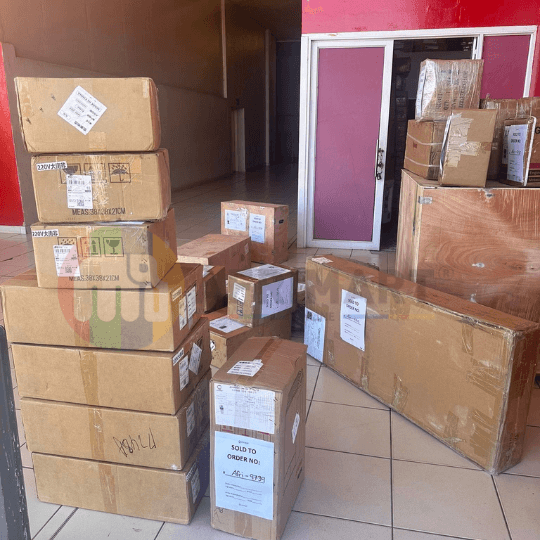
Batch of Orders
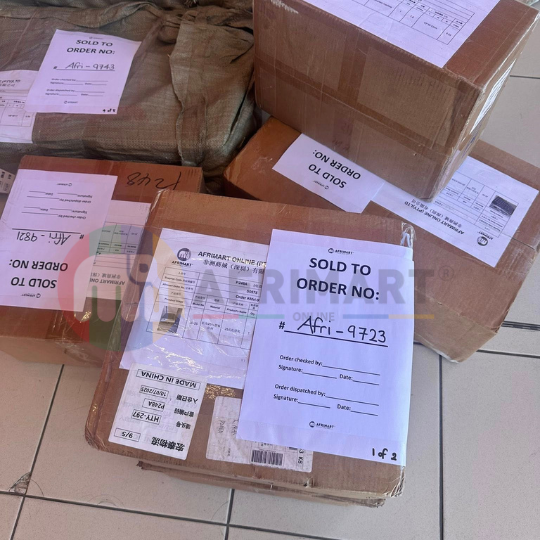
Batch of Orders
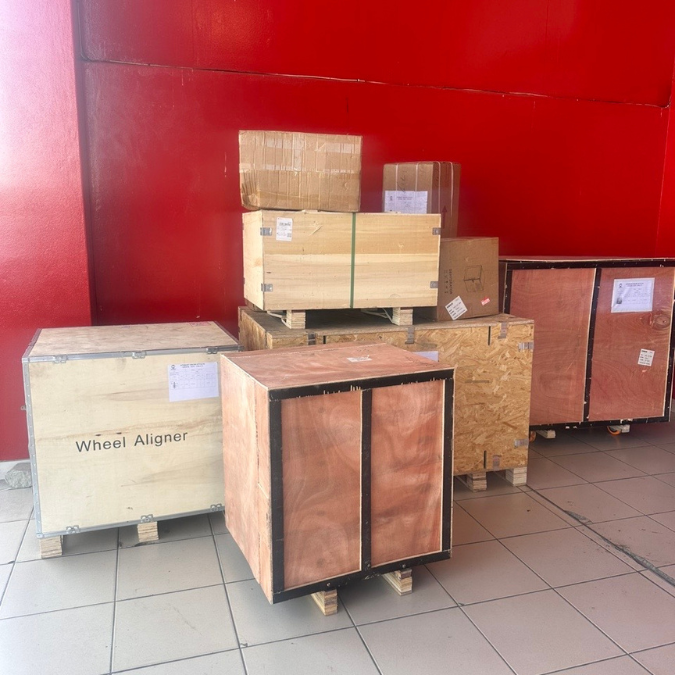
Latest Orders Labelled
wheel alignment machines
new arrivals
Pre Orders Offloading
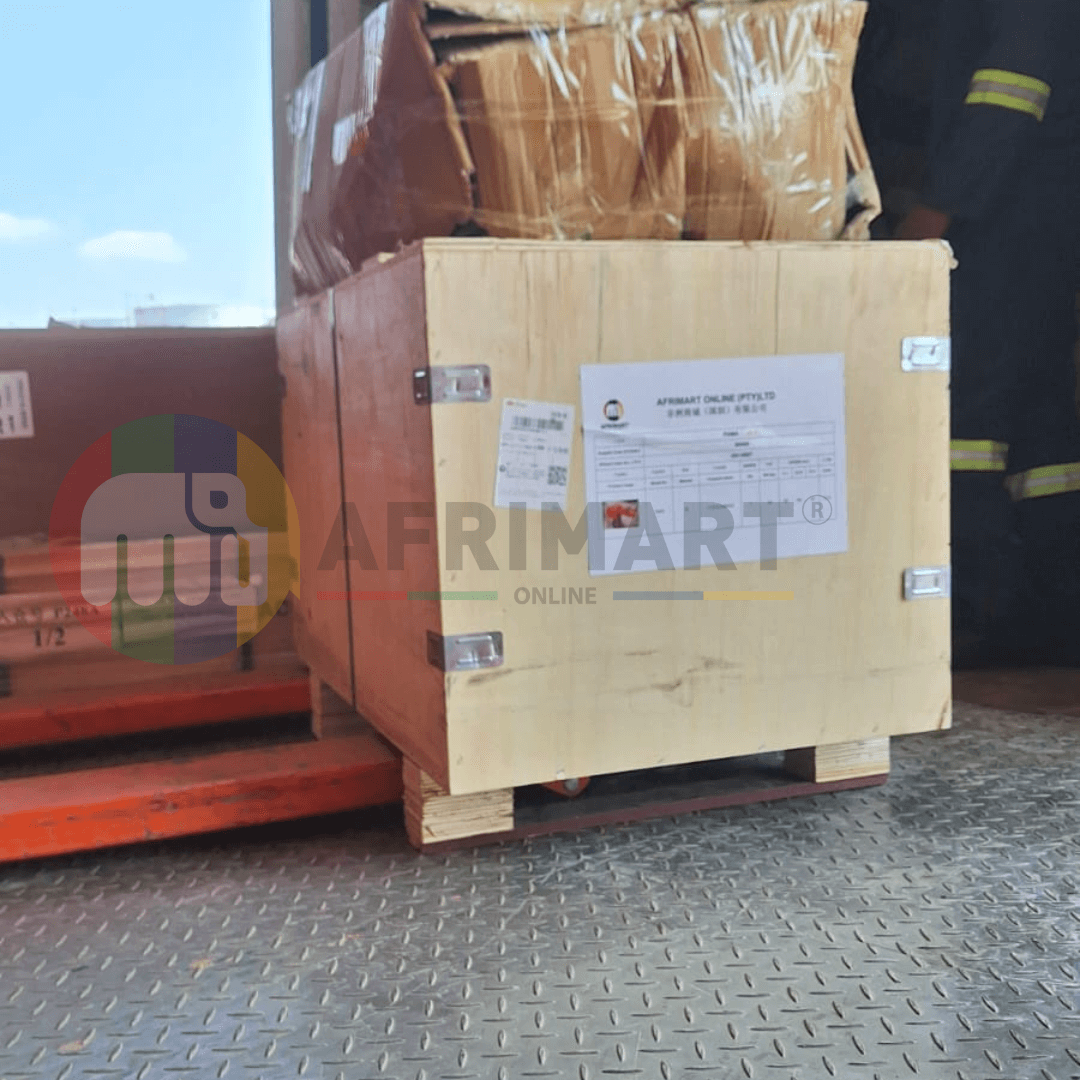
Latest Arrivals
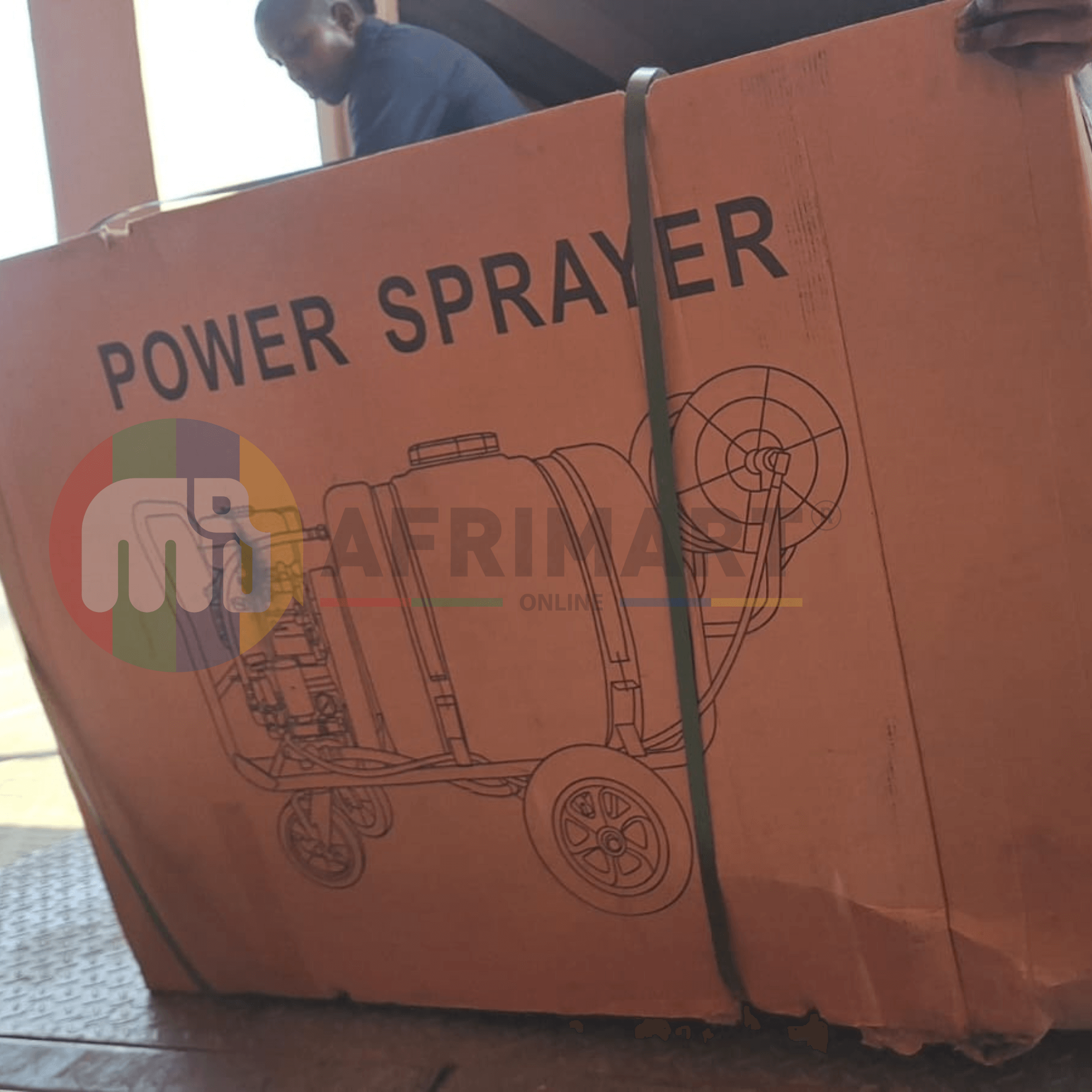
Latest Arrivals
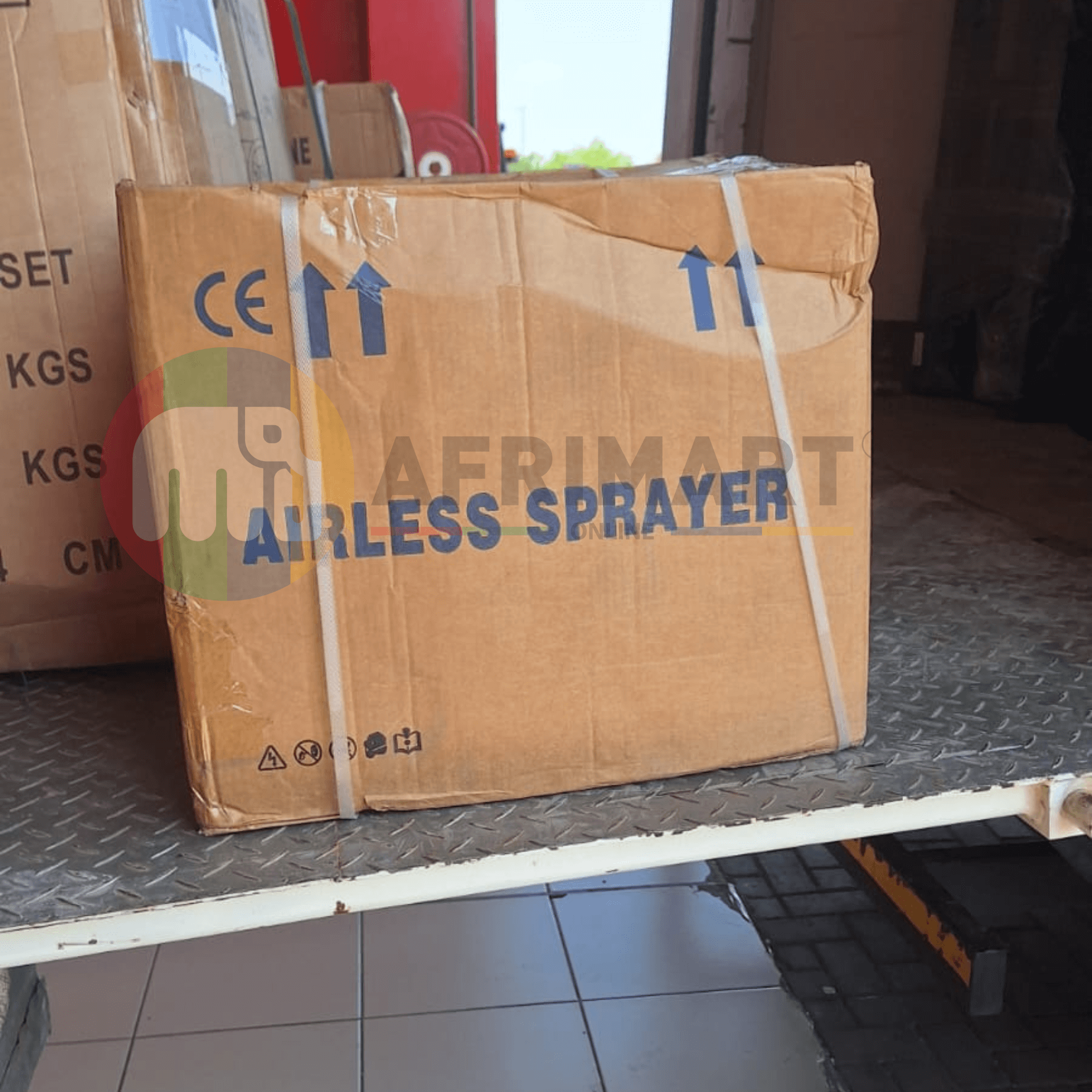
Latest Arrivals
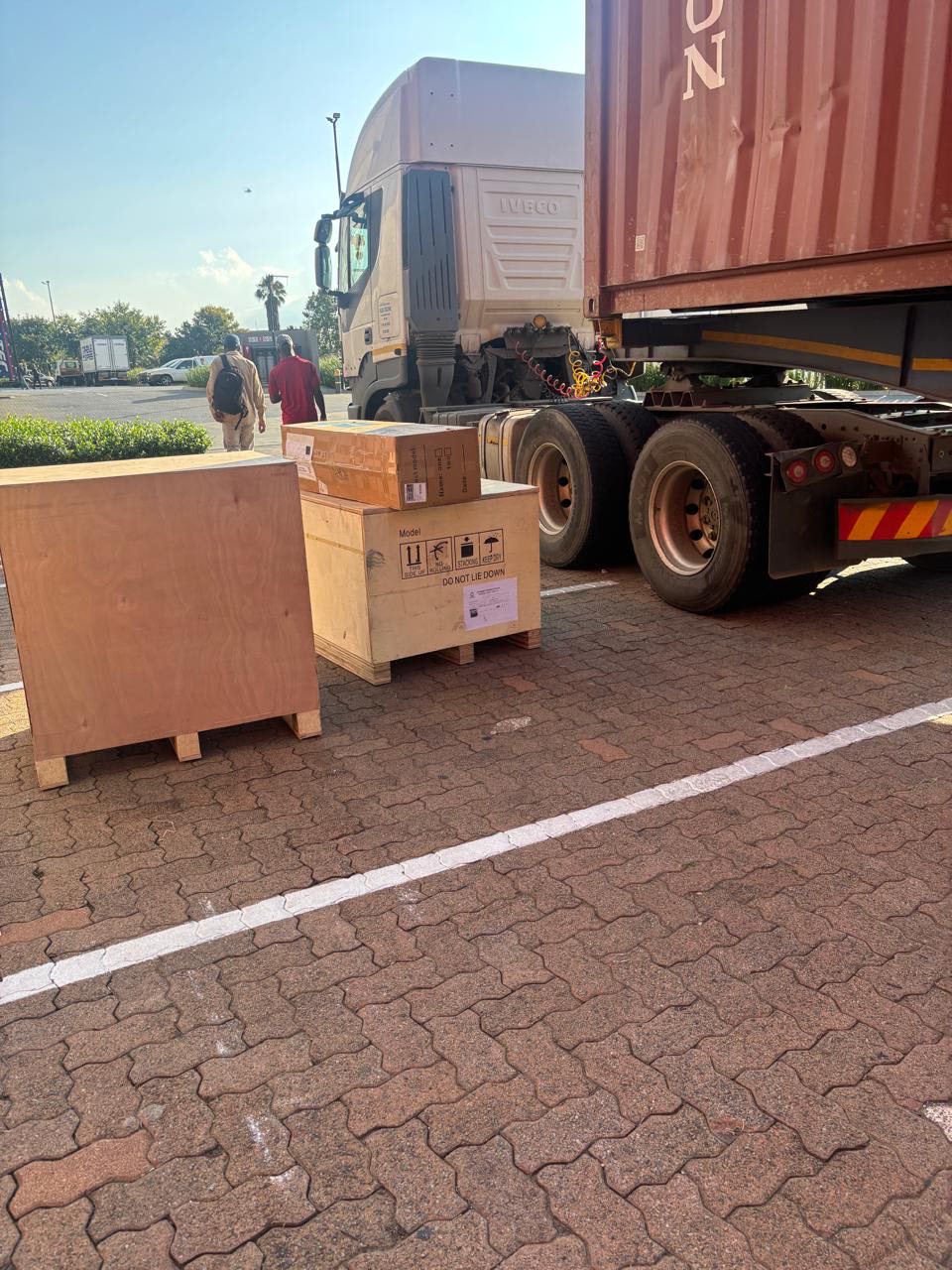
26 January 2026
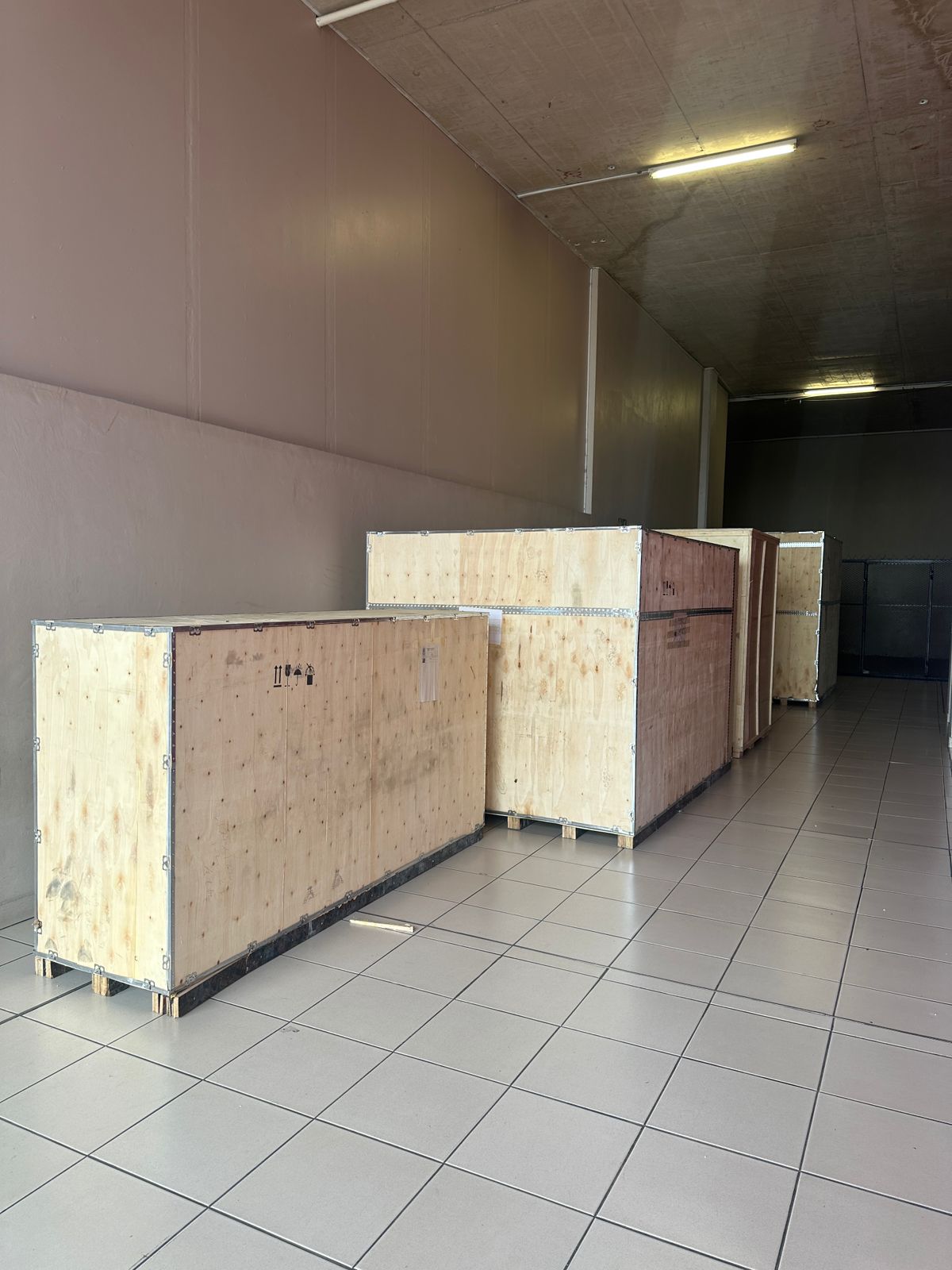
Toilet paper making machine
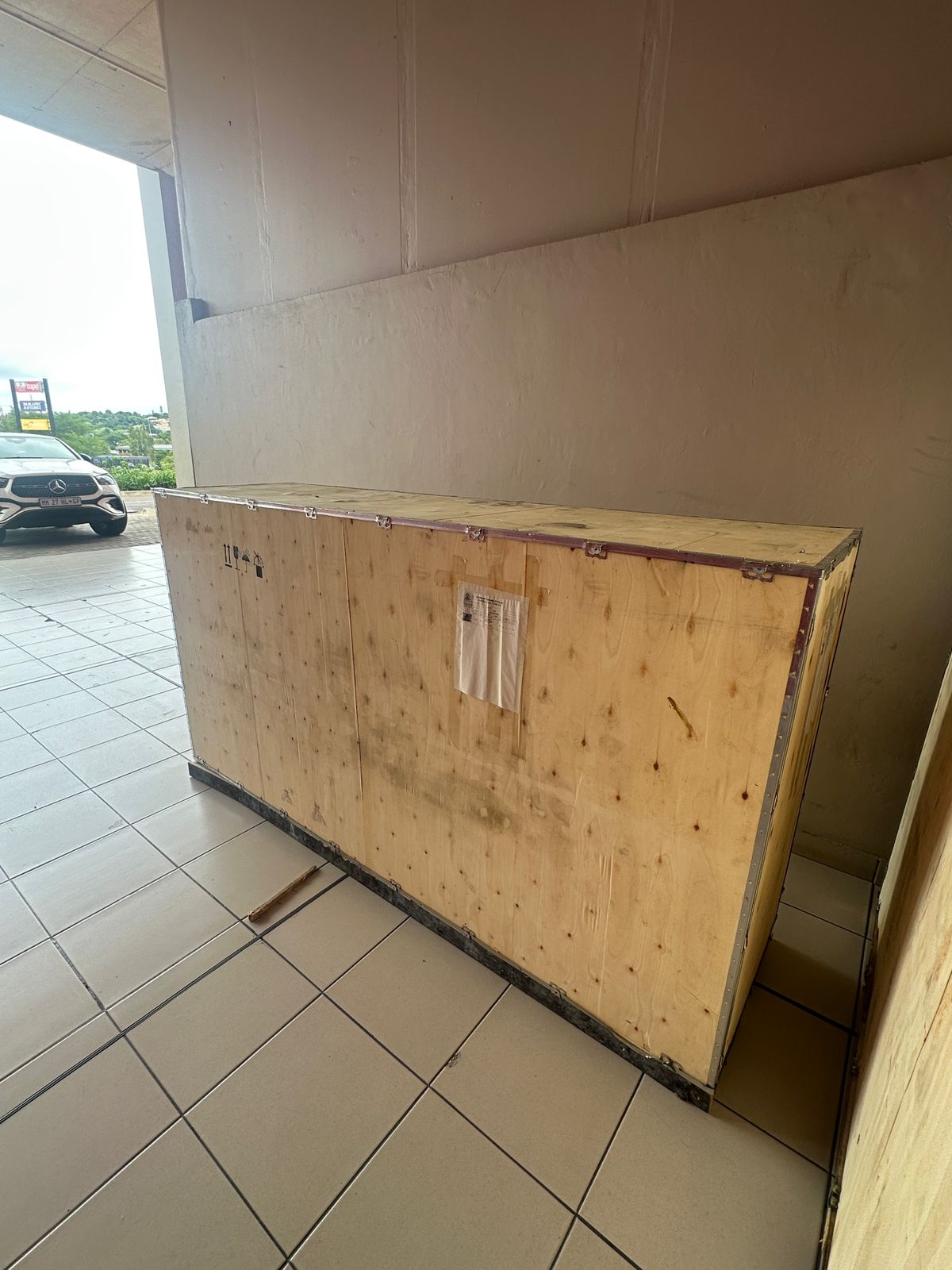
Toilet paper making machine
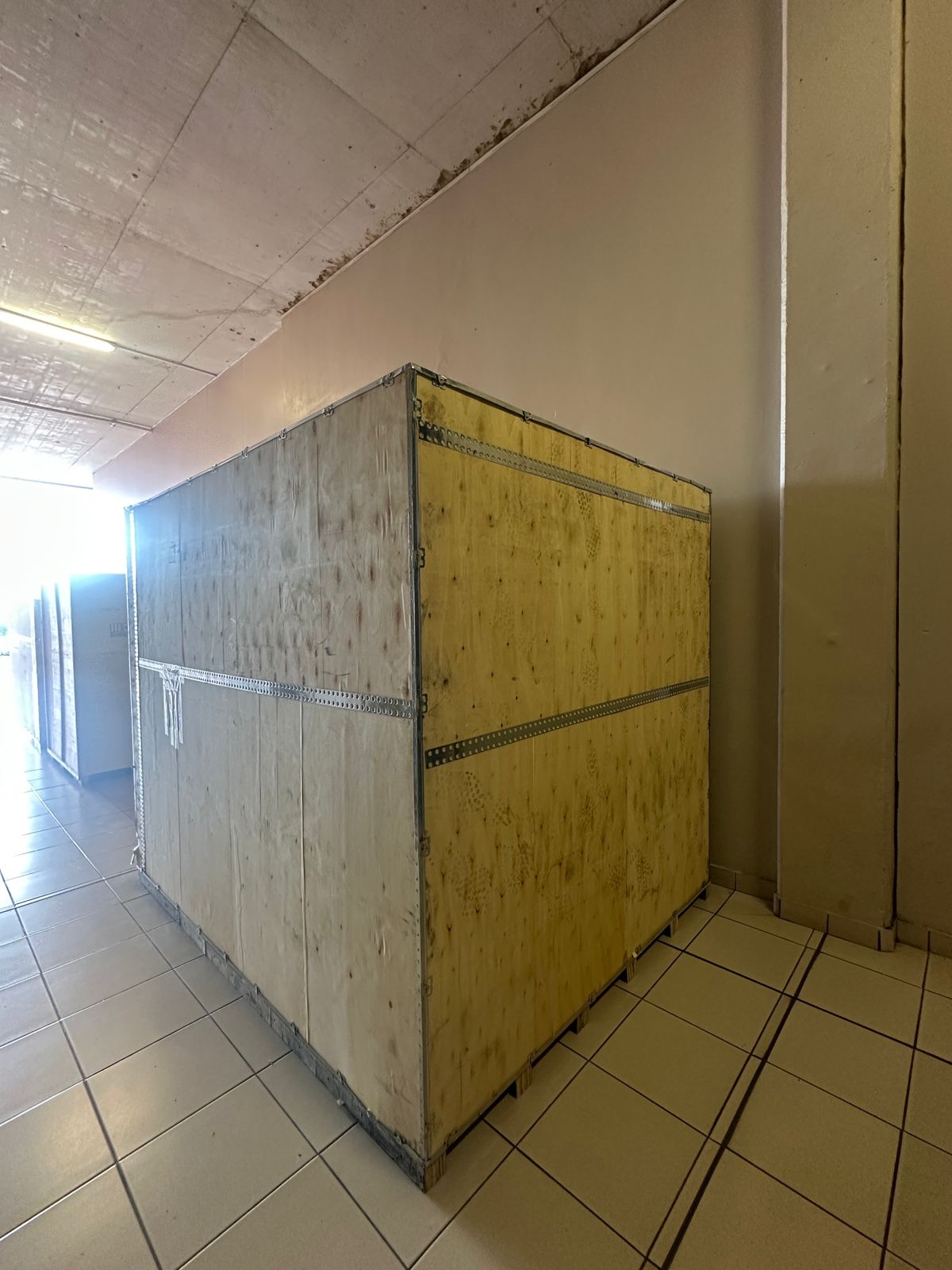
Toilet paper Rewinding Machine
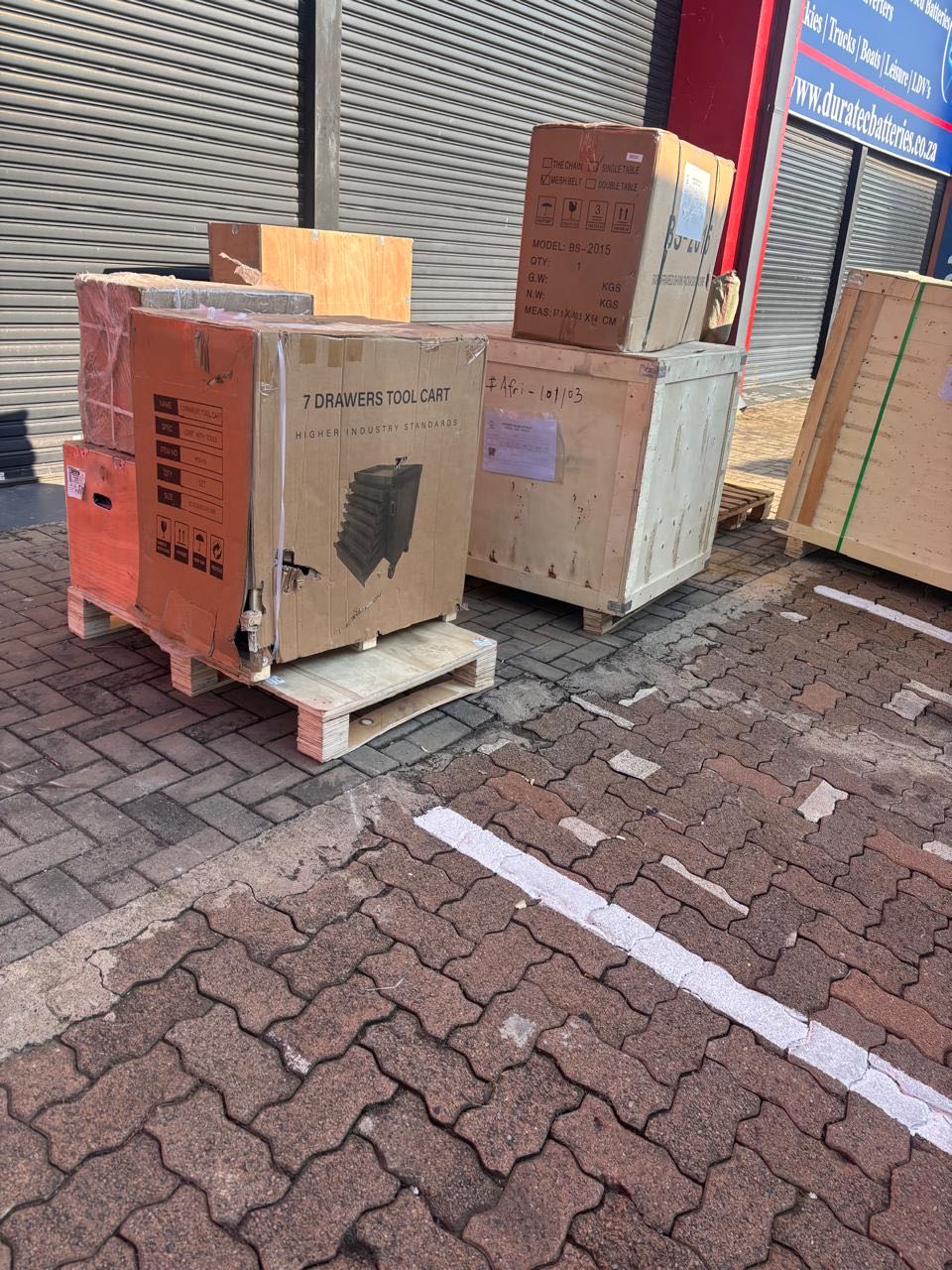
latest arrivals
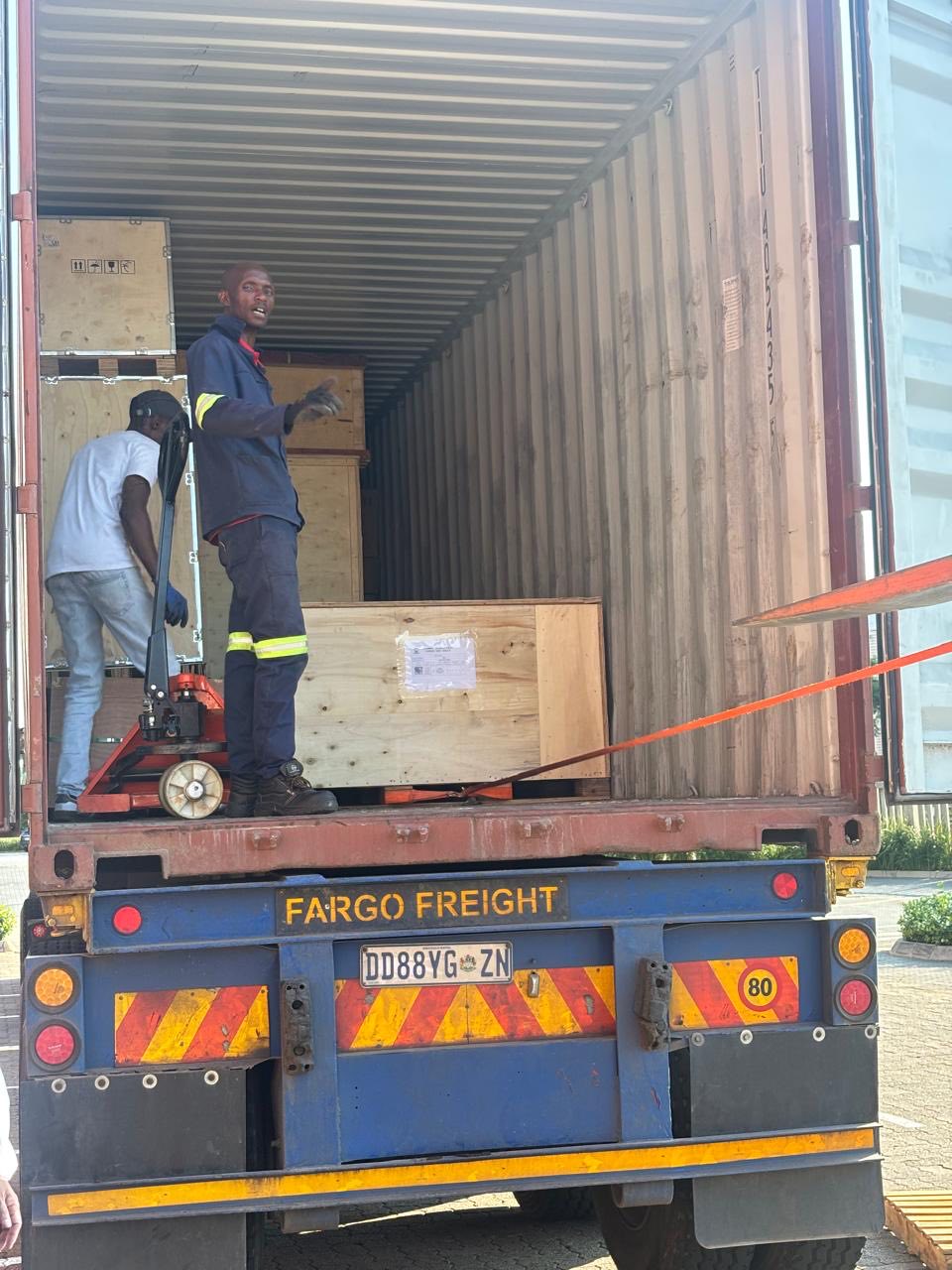
offloading
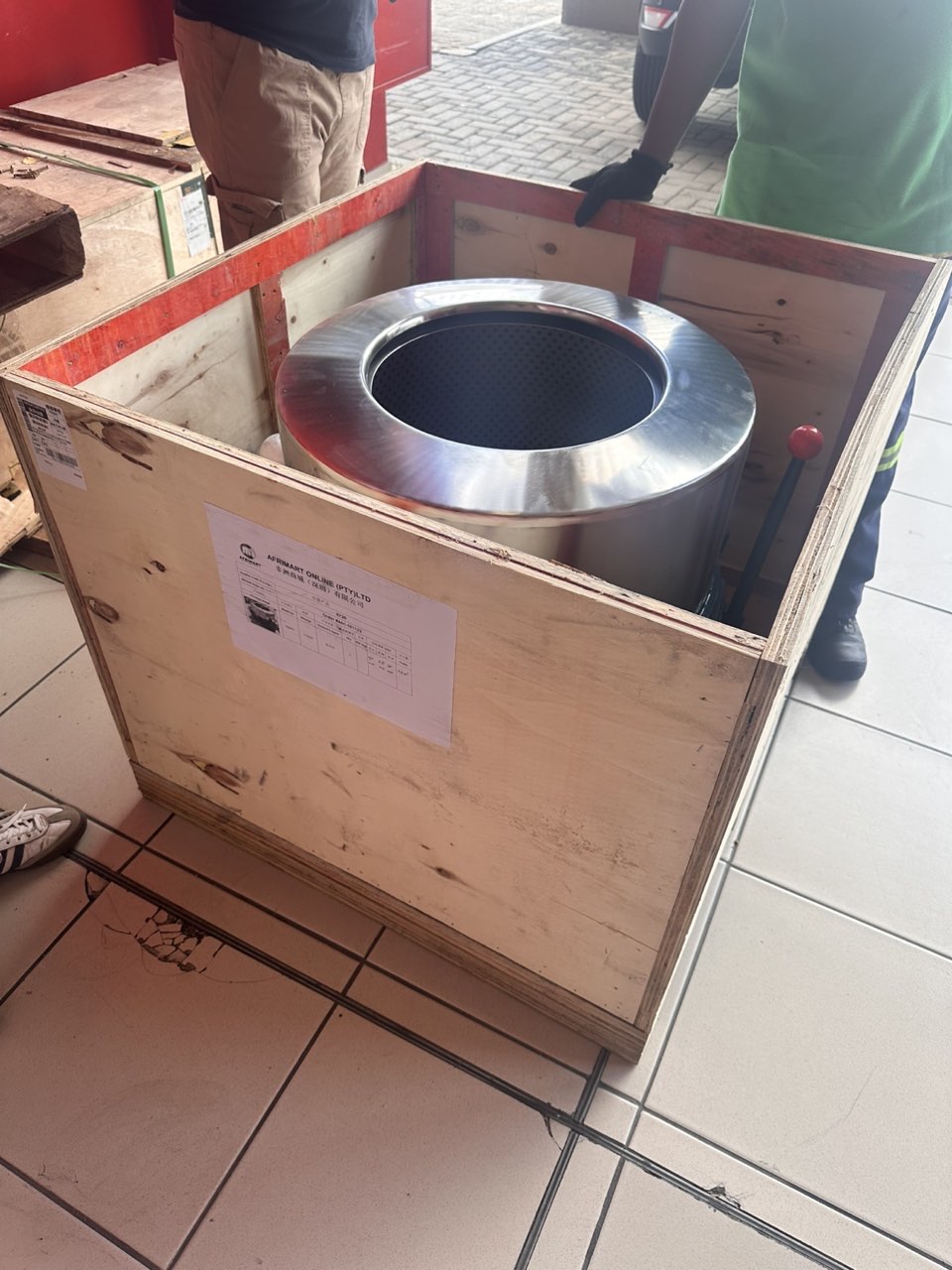
order success
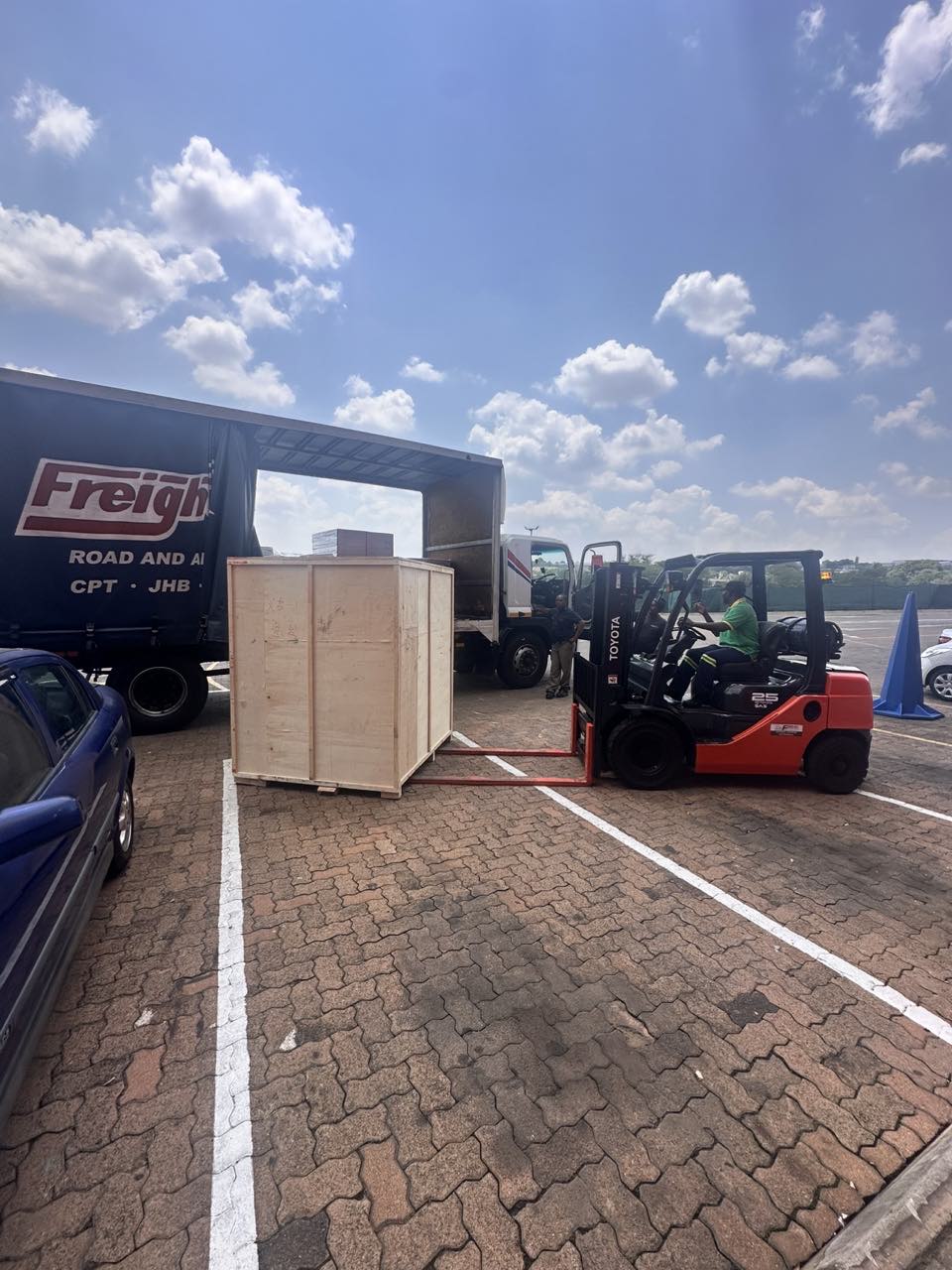
order collection
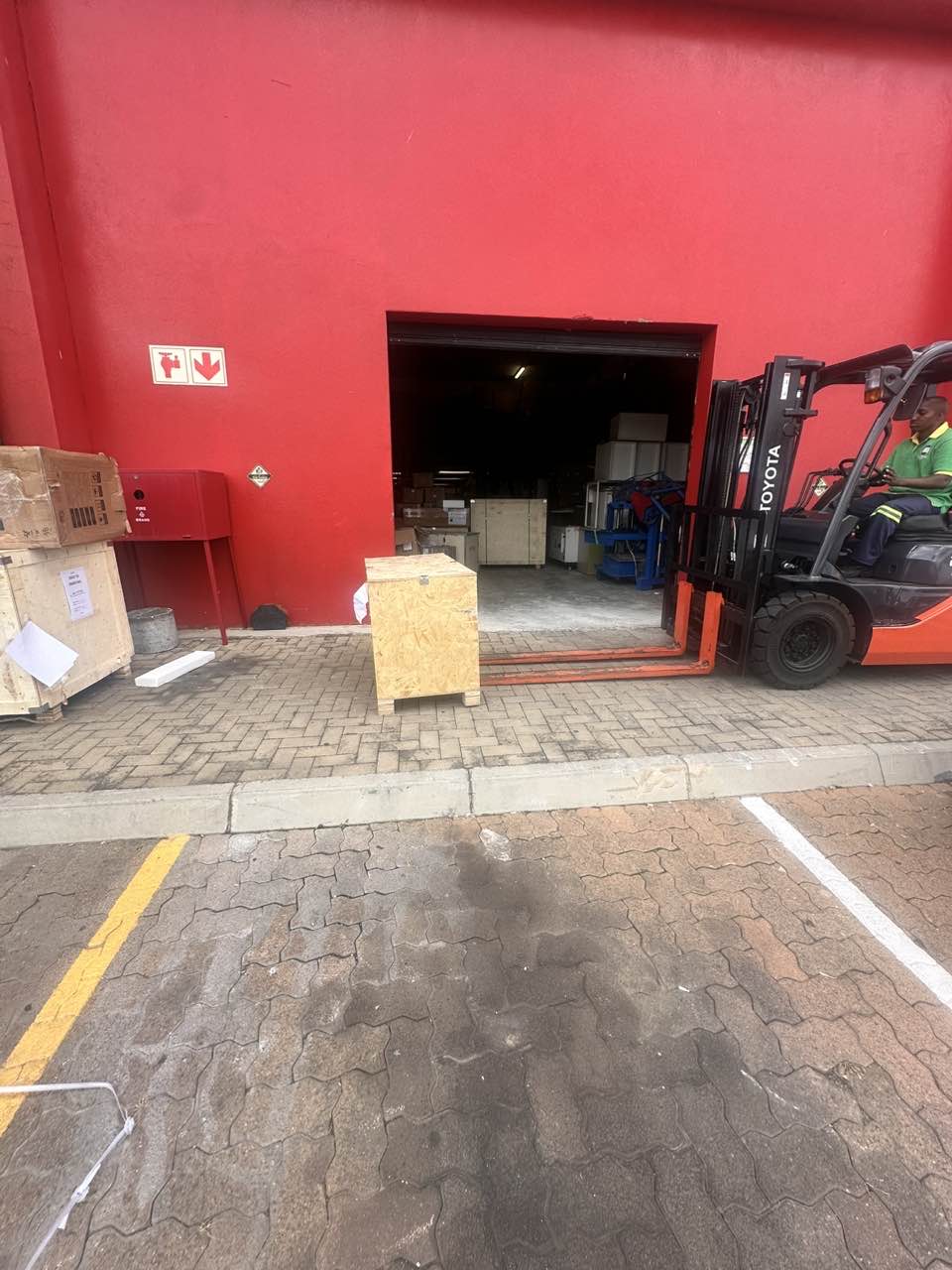
order offloading