B21, China Town Mall, Midrand

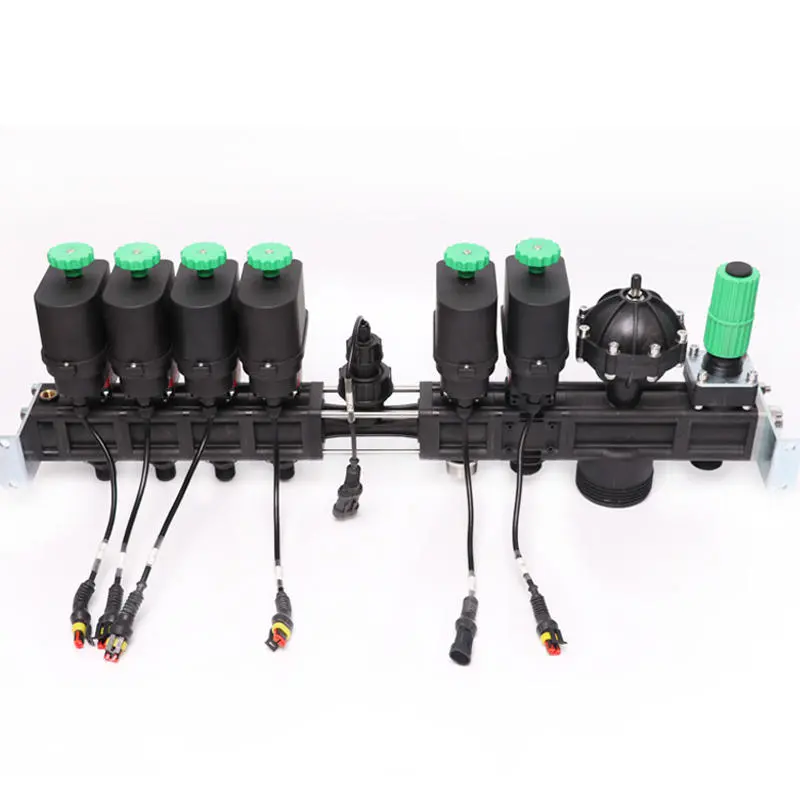
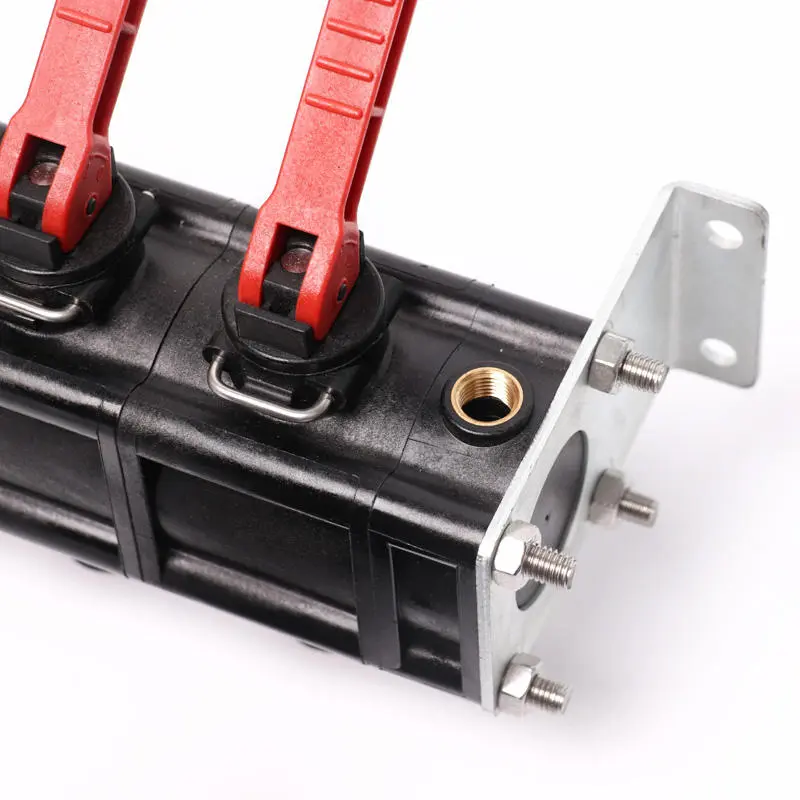
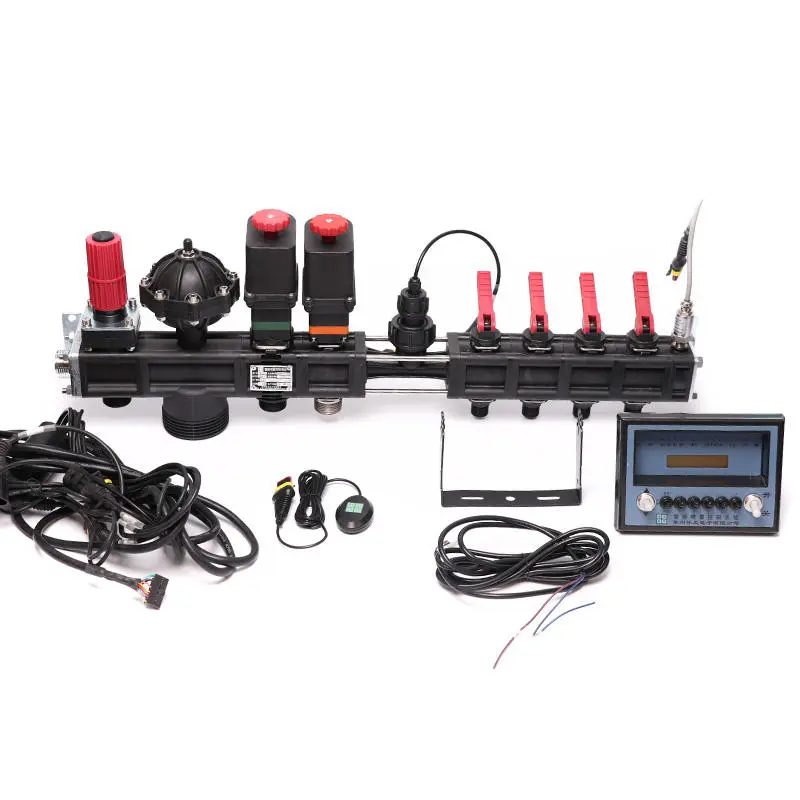
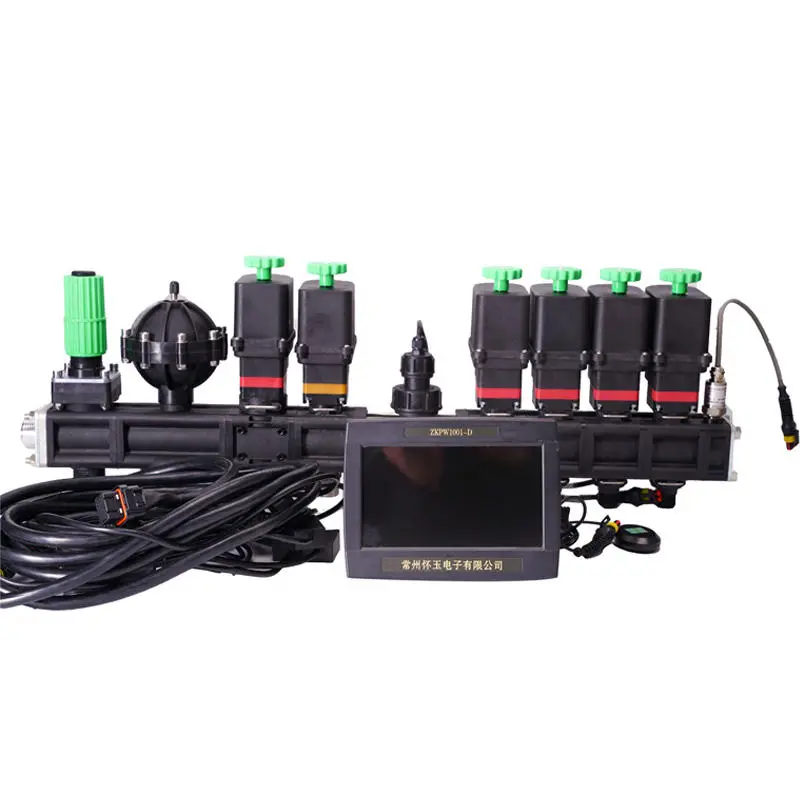
Agricultural Equipment Agricultural Slurry Sprayers

- Section : Machinery
- Category : Sprayers
- SKU : 1600251439609

Component description:
1. Integrated valve system (including pressure sensors, several manual water dividers, flow sensors, proportional valves, pressure reduction valves and master valves, regulator packs, filters, water fittings and bolts).
2. Main line
3. The GPS receiver
4. The power cord
5. Display
6. Display stand
7. Operating instruction
specification

Integrated valve system
Product Features
Good anticorrosion: the valve body shell, the use of nylon anti-aging plastic, spool components using stainless steel and other
anticorrosive materials.
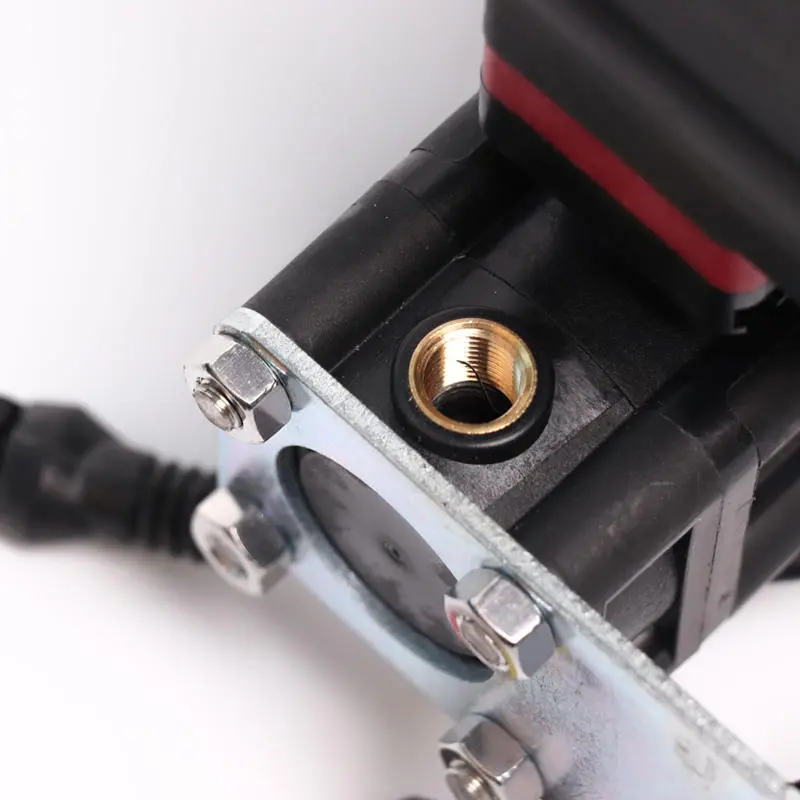
Strong fragrance response: working pressure, joint specifications and most of the spray rod sprayer match, convenient for all
kinds of spray rod sprayer.
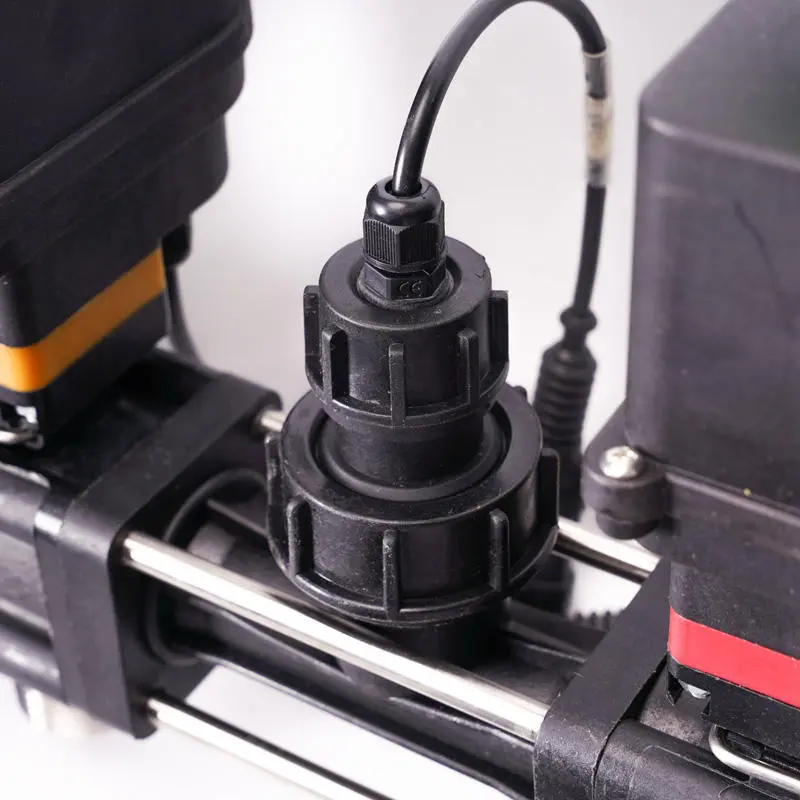
Strong urgency: the cable connection joint adopts waterproof treatment, to prevent short circuit, circuit break.
Purpose and scope of application
PW-KZ1 series intelligent spray control system is mainly combined with spray rod sprayer, which is used for precision and quantitative spraying of chemical herbicide, insecticide or micro-fertilizer. Widely used in cotton, corn, soybean, wheat, rice, potato and other crops and Chinese herbal medicine, grass and other plants plant protection operations and other agronomic spraying operations. For other operations which are contrary to the intended use of the machine, please strictly abide by the use, maintenance and repair conditions stipulated by our company, as well as the basic requirements for the intended use.

FEATURES AT A GLANCE


Important tipsLike other farm tools, the use conditions of the rod sprayer should be observed in any case.The main restrictions are as follows.A. Climate conditions: avoid working in the field in rain or just after rain, so as not to affect the working effect.B. Do not allow spraying under high wind and high temperature conditions!C. High speed operation is prohibited.
| NO. | Component description |
| 1 | Integrated valve system (including pressure sensors, several manual water dividers, flow sensors, proportional valves, pressure reduction valves and master valves, regulator packs, filters, water fittings and bolts) |
| 2 | Main line |
| 3 | The GPS receiver |
| 4 | The power cord |
| 5 | Display |
| 6 | Display stand |
| 7 | Operating instruction |
- Shipping Timeframes: All orders are processed within 2-5 business days (excluding weekends and holidays). After your order has been processed, the estimated delivery time is before 12 Jul, 2026, depending on customs, Please note that due to high demand, some items may experience longer shipping times, which will be communicated at order confirmation email.
- Order Processing Time: Please allow 2-5 business days for us to process your order before it is shipped . Orders placed after 16:00 on Fridays, or during weekends and public holidays, will begin processing on the next business day. Processing times may be extended during peak seasons or sales events.
- Manufacturing Time: Some products needs manufacturing time, the manufacturing process will take approximately 10-30 business days depending on the product. This timeframe may vary depending on the complexity of the product and current demand. but this will be communicated with you during order confirmation.
- Returns and Exchanges: We offer a 30-day return policy for most items. If you are not completely satisfied with your purchase, you may return it within 30 days of receipt for a refund or exchange. Items must be unused, in their original packaging, and accompanied by proof of purchase. Return shipping costs are the responsibility of the customer, unless the item was damaged or defective upon arrival.
1. What is the High Quality Agricultural Equipment Agricultural Slurry Sprayers (PW-KZ1) used for?
The PW-KZ1 intelligent spray control system is designed for precision and quantitative spraying of herbicides, insecticides and micro-fertilizers with boom/rod sprayers. It is widely used on crops such as cotton, corn, soybean, wheat, rice, potato and a variety of medicinal and forage plants.
2. What are the main components of this slurry sprayer system?
Key components include: an integrated valve system (pressure sensors, flow sensors, proportional valves, pressure reduction and master valves, regulator packs, filters, fittings and bolts), the main line, GPS receiver, power cord, display, display stand and operating instructions.
3. What materials are used in the integrated valve system and why?
The valve body shell uses nylon anti-aging plastic and spool components are made from stainless steel and other anti-corrosive materials to provide strong corrosion resistance and durability in agricultural chemical environments.
4. How does the system achieve precise spraying control?
Precision is achieved through proportional valves, flow and pressure sensors and GPS guidance. The control electronics modulate flow per section/boom to maintain target application rates and use GPS positioning to manage section switching and reduce overlap.
5. Is the system compatible with my existing spray boom/rod sprayer?
The system is designed to match common working pressures and joint specifications of most spray booms and rod sprayers. Confirm physical fittings, voltage requirements and control signal compatibility with your equipment or consult the supplier to verify fitment.
6. What are the recommended operating conditions and restrictions?
Avoid spraying in rain or immediately after rain, do not operate under high wind or very high temperatures, and do not operate at high ground speeds. Follow local label recommendations for chemicals and respect weather limits to ensure effective application.
7. What safety and PPE should I use when operating the sprayer?
Wear appropriate personal protective equipment per the pesticide/fertilizer label and local regulations: chemical-resistant gloves, eye protection, long sleeves, long pants, and respirator when required. Ensure valves and electrical connections are correctly insulated to avoid short circuits.
8. How do I install the GPS receiver and display?
Mount the GPS receiver with a clear view of the sky (roof or high bracket) and secure the display on the supplied stand within easy view of the operator. Connect the GPS and display to the main harness and power supply per the provided wiring diagram in the operating instructions.
9. How do I troubleshoot no pressure or uneven spray output?
Check that the master valve is open, filters are clean, and regulator packs are set correctly. Inspect for clogs in nozzles or lines, verify pump operation, and ensure pressure sensors and flow sensors are connected and functioning. If using section control, confirm the proportional valves and wiring are intact.
10. What should I do if the GPS does not get a fix or the display shows errors?
Ensure the GPS antenna has unobstructed sky view and is correctly connected. Reboot the display and power cycle the system. Check cables and waterproof connections. If problems persist, consult the manual for error codes and contact technical support with the error details.
11. How often should I perform maintenance and cleaning?
Clean filters and strainers after each major use or daily when working with dirty liquids. Flush tanks, lines and valves after each chemical change or at the end of the day. Inspect seals, hoses and electrical connections regularly and replace worn parts as needed.
12. How should the sprayer be stored during the off-season?
Drain and thoroughly clean the system, remove and dry filters, protect electrical connectors with waterproof caps, and store in a dry, sheltered place away from freezing temperatures. If freezing is possible, fully drain and use appropriate antifreeze or remove sensitive components per the manual.
13. Are spare parts and consumables available (nozzles, filters, valves)?
Yes — common spare parts and consumables such as filters, nozzles, seals and valve components are typically available. Contact your supplier or the manufacturer with model and part numbers to order replacements.
14. What training or documentation is provided?
The product includes operating instructions that cover installation, wiring, operation, calibration and maintenance. Suppliers often provide additional technical support and can offer training or commissioning services upon request.
15. What warranty and technical support options are available?
Warranty terms and technical support vary by supplier and region. Contact the seller or manufacturer for specific warranty coverage, service plans and authorized service centers. Keep purchase documentation and serial numbers handy when requesting support.
Latest Order Arrivals
Discover our latest orders
12 Heads Embroidery Machine
Dewatering Pump Machine
Order Collection
Portable Water Drilling Rig
Order Usefully Collected
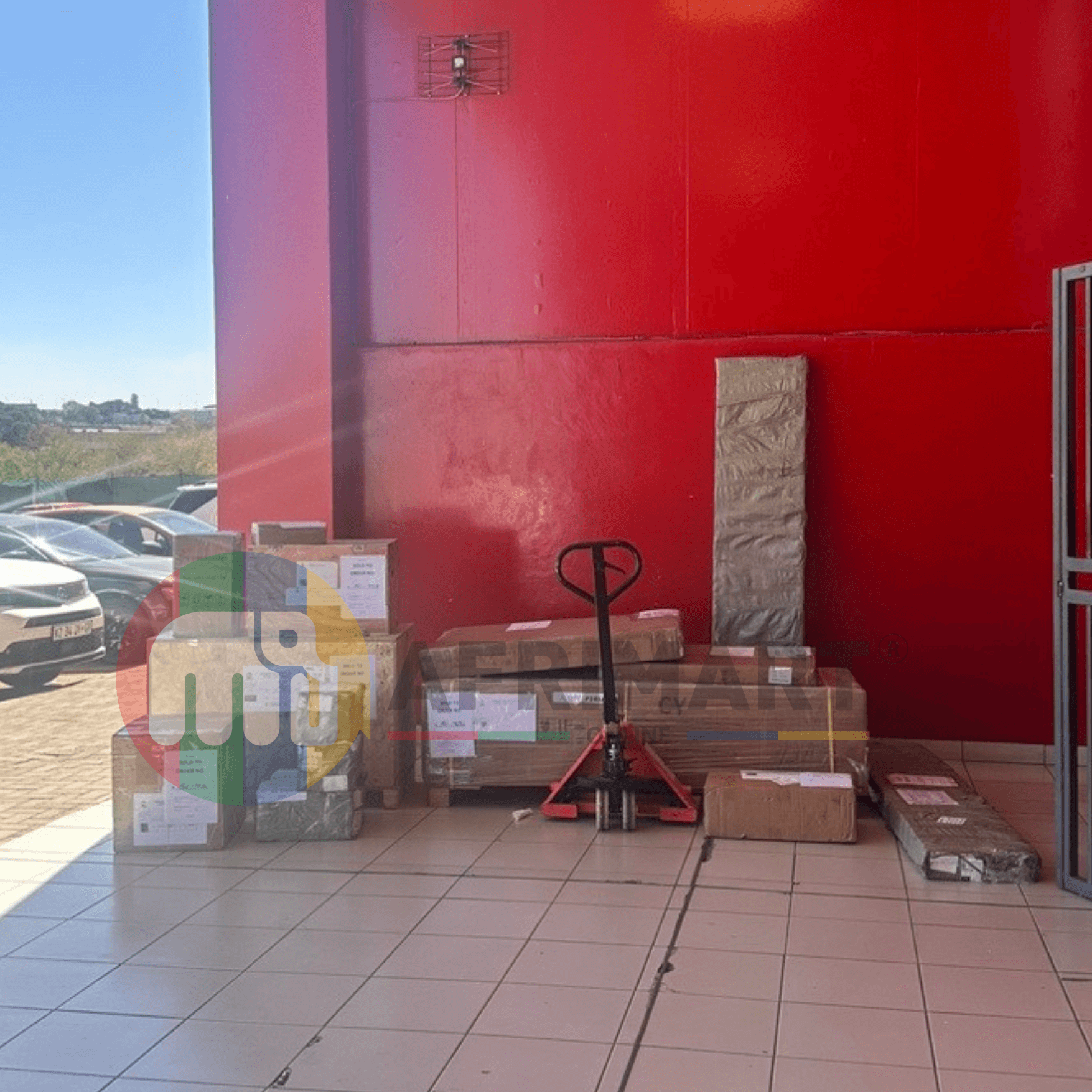
Batch of Orders
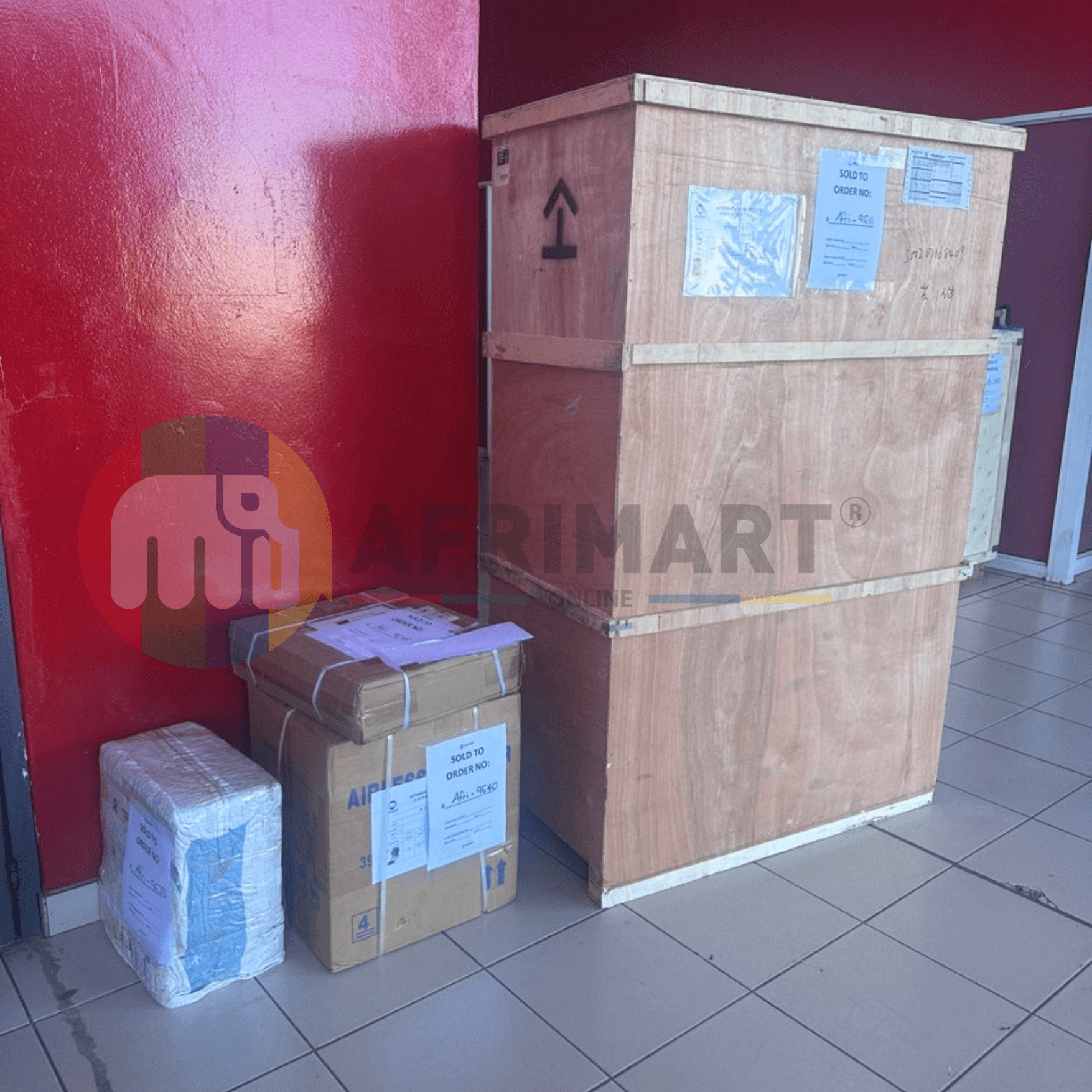
Agriculture Processing Machines
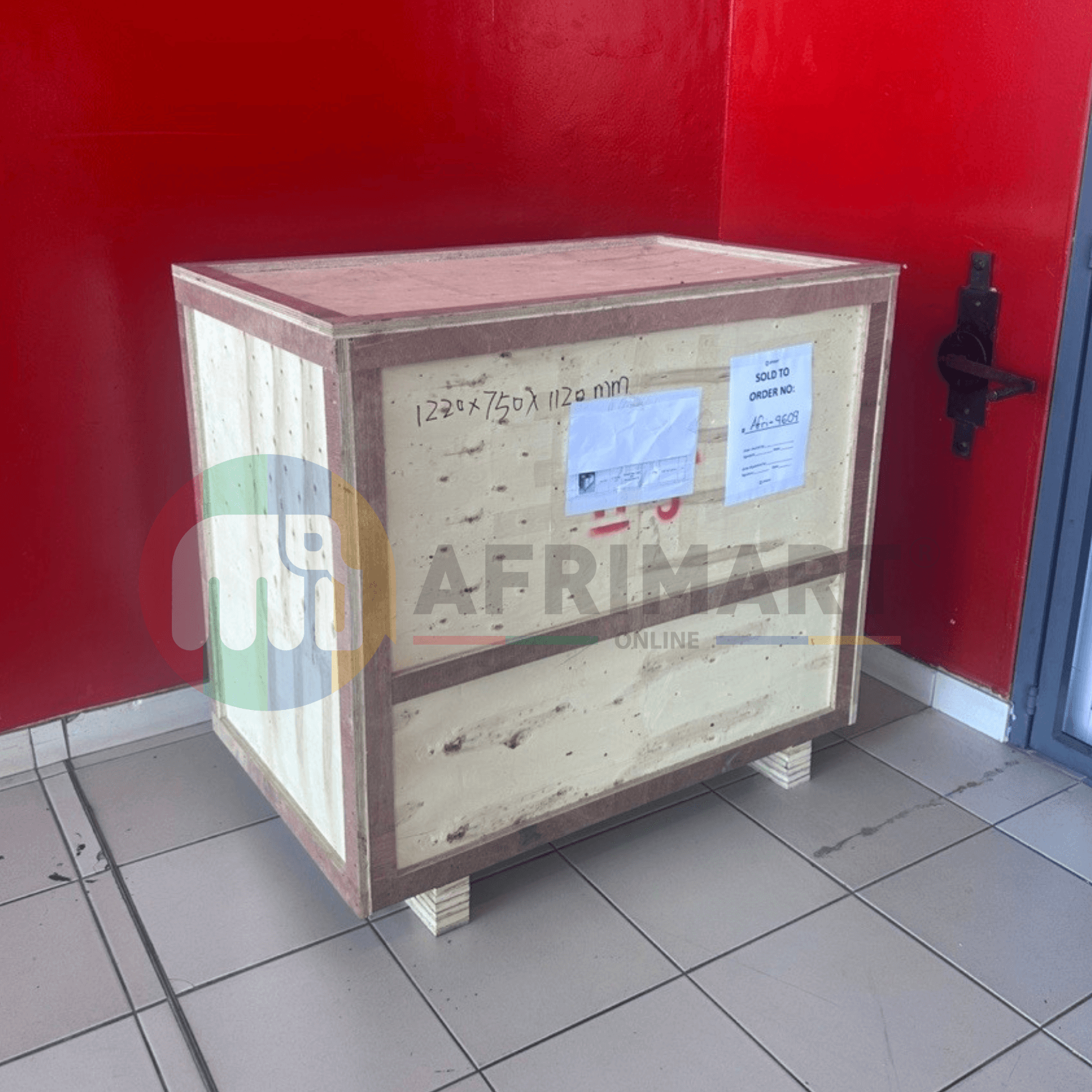
Meat Grinder Machine
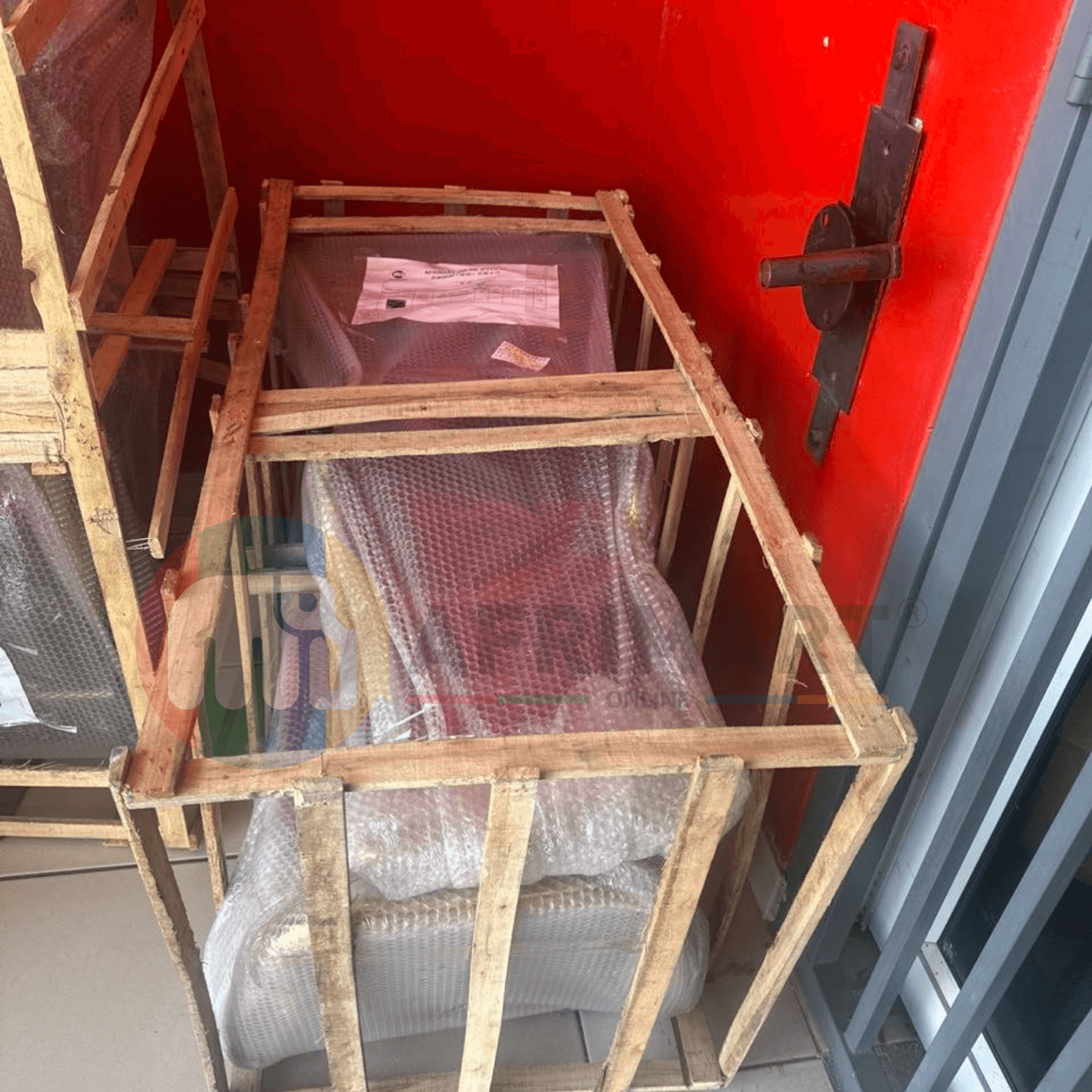
Water Pump Equipment
Packaging Machine and accessories
Fabrics Manufacturing Equipment
Mining Equipments
Food Processing Machine
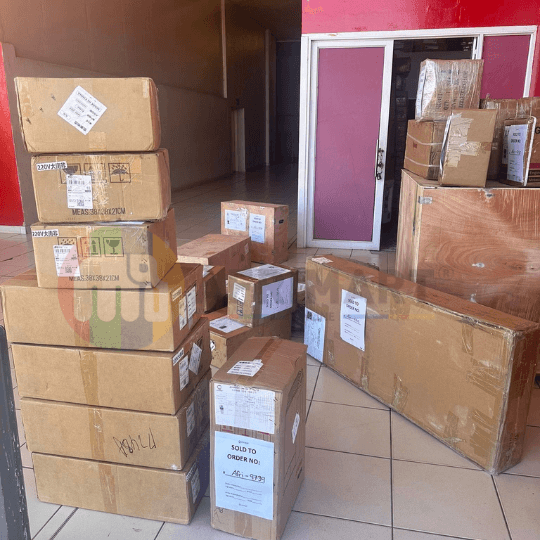
Batch of Orders
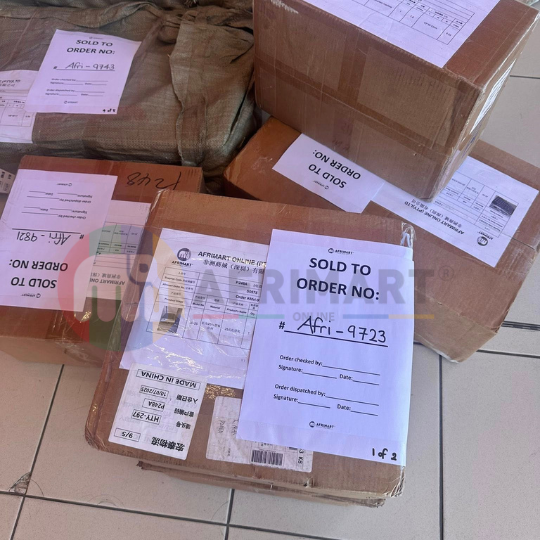
Batch of Orders
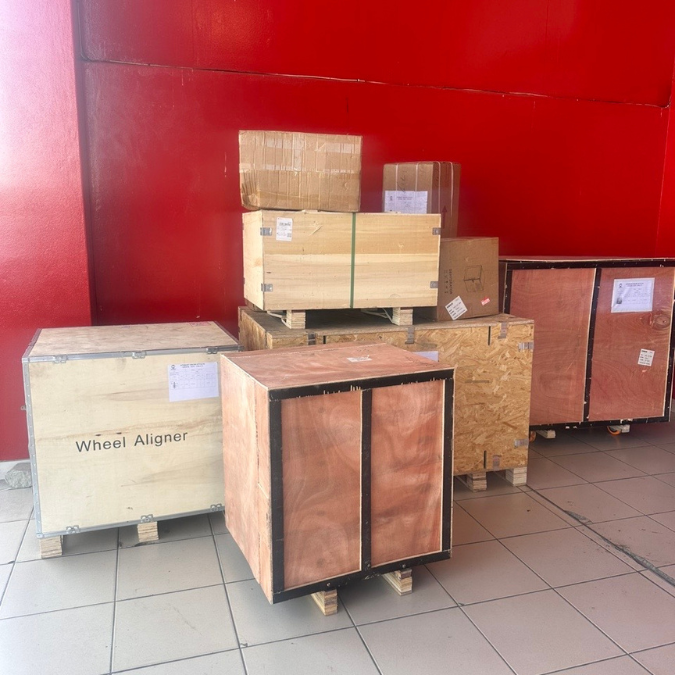
Latest Orders Labelled
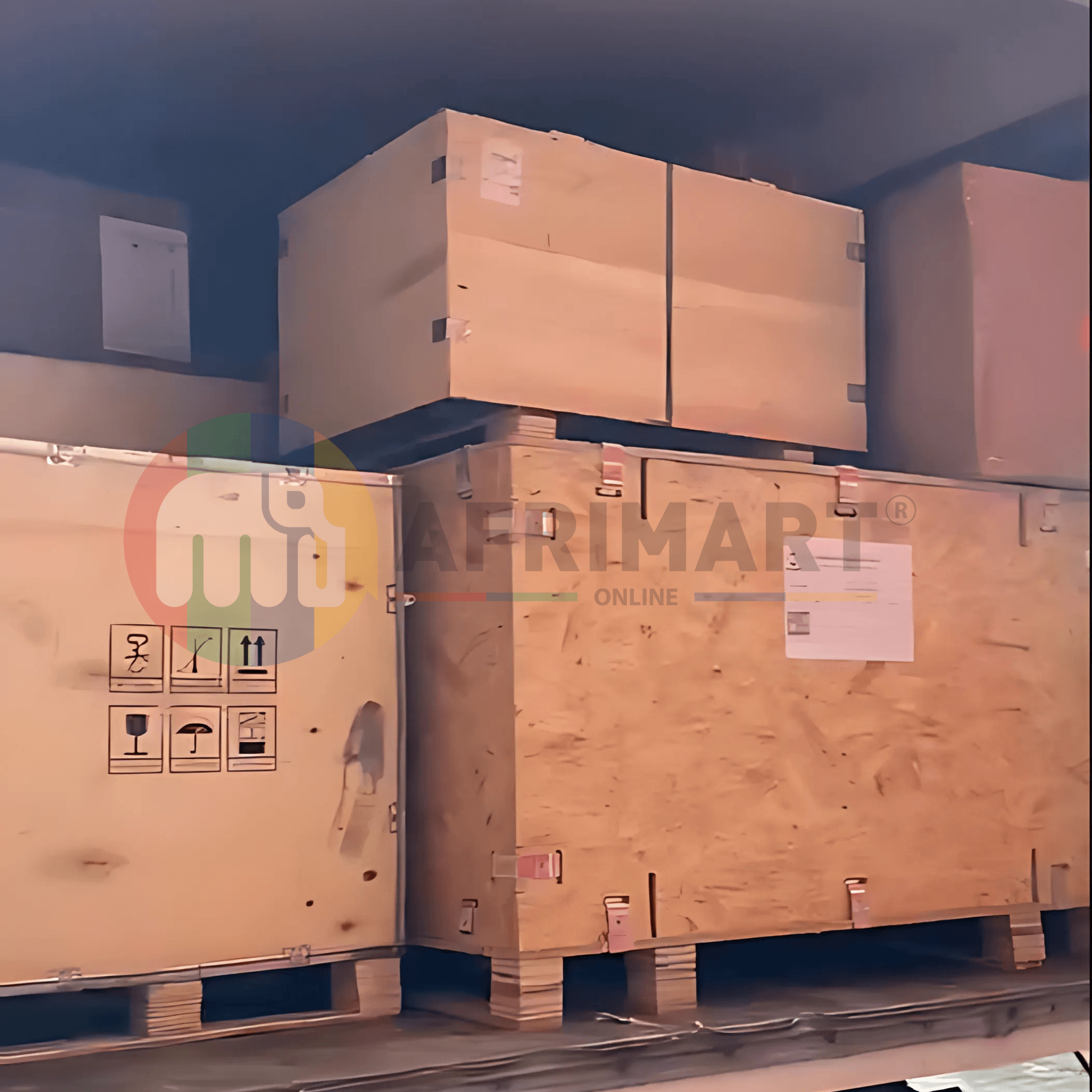
wheel alignment machines
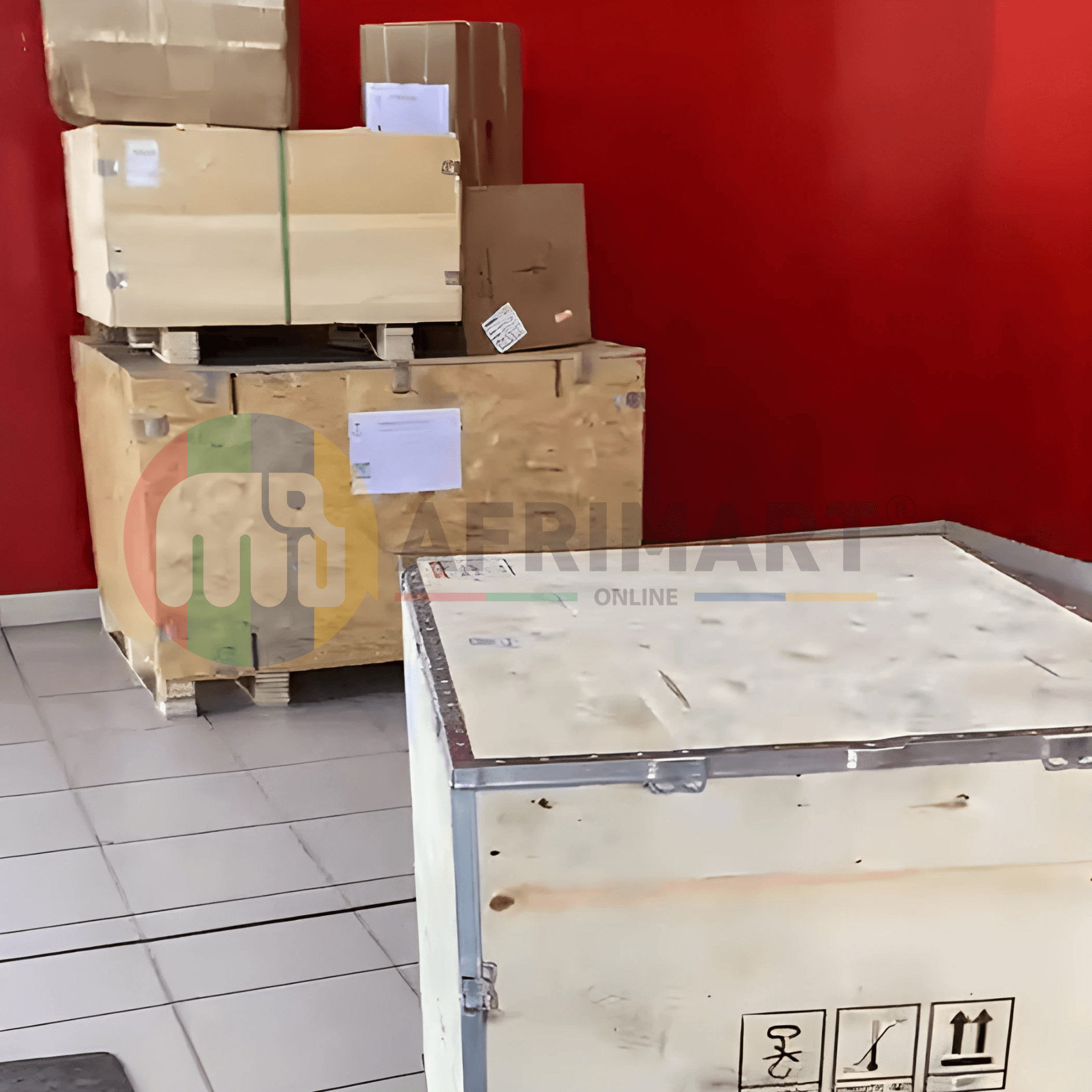
new arrivals
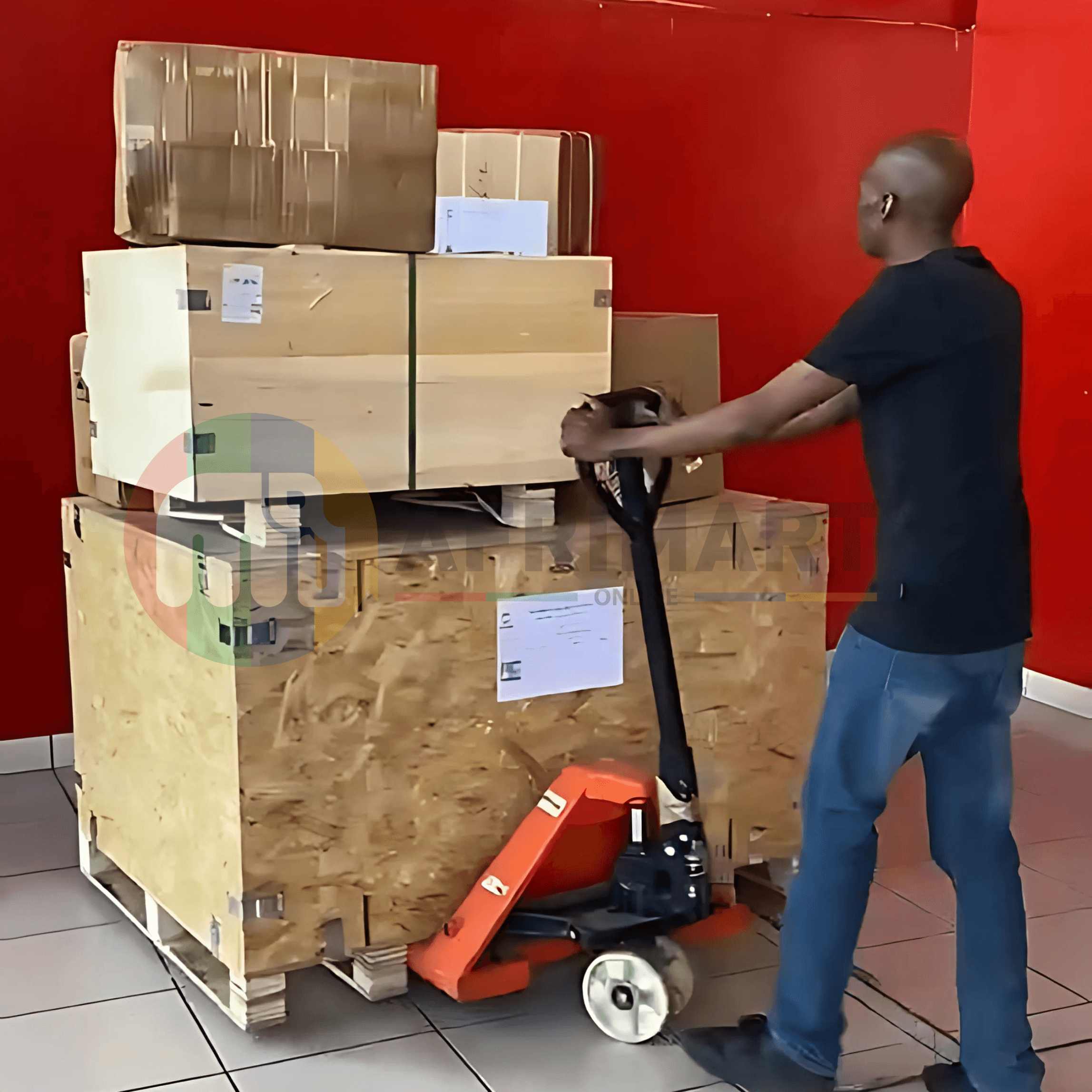
Pre Orders Offloading
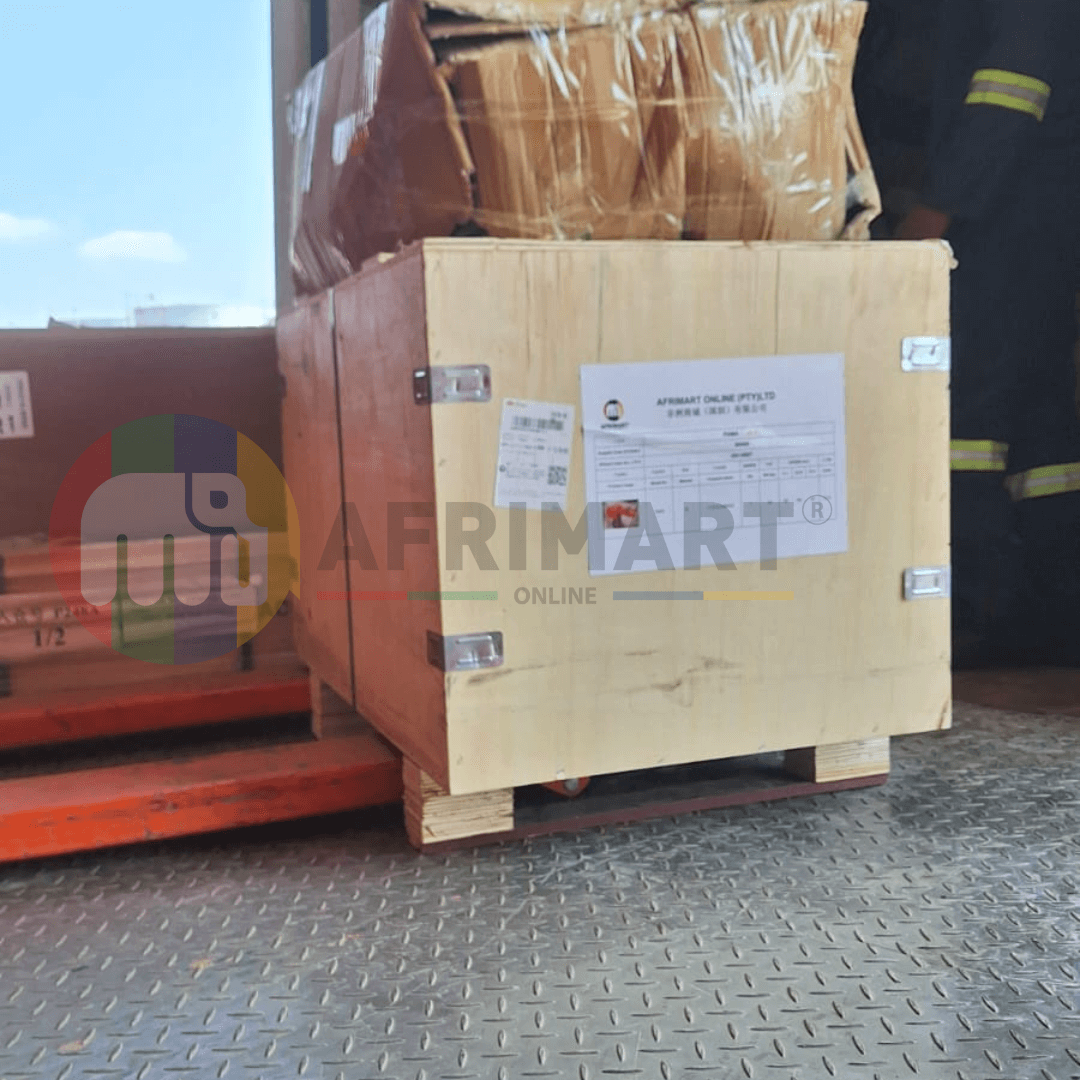
Latest Arrivals
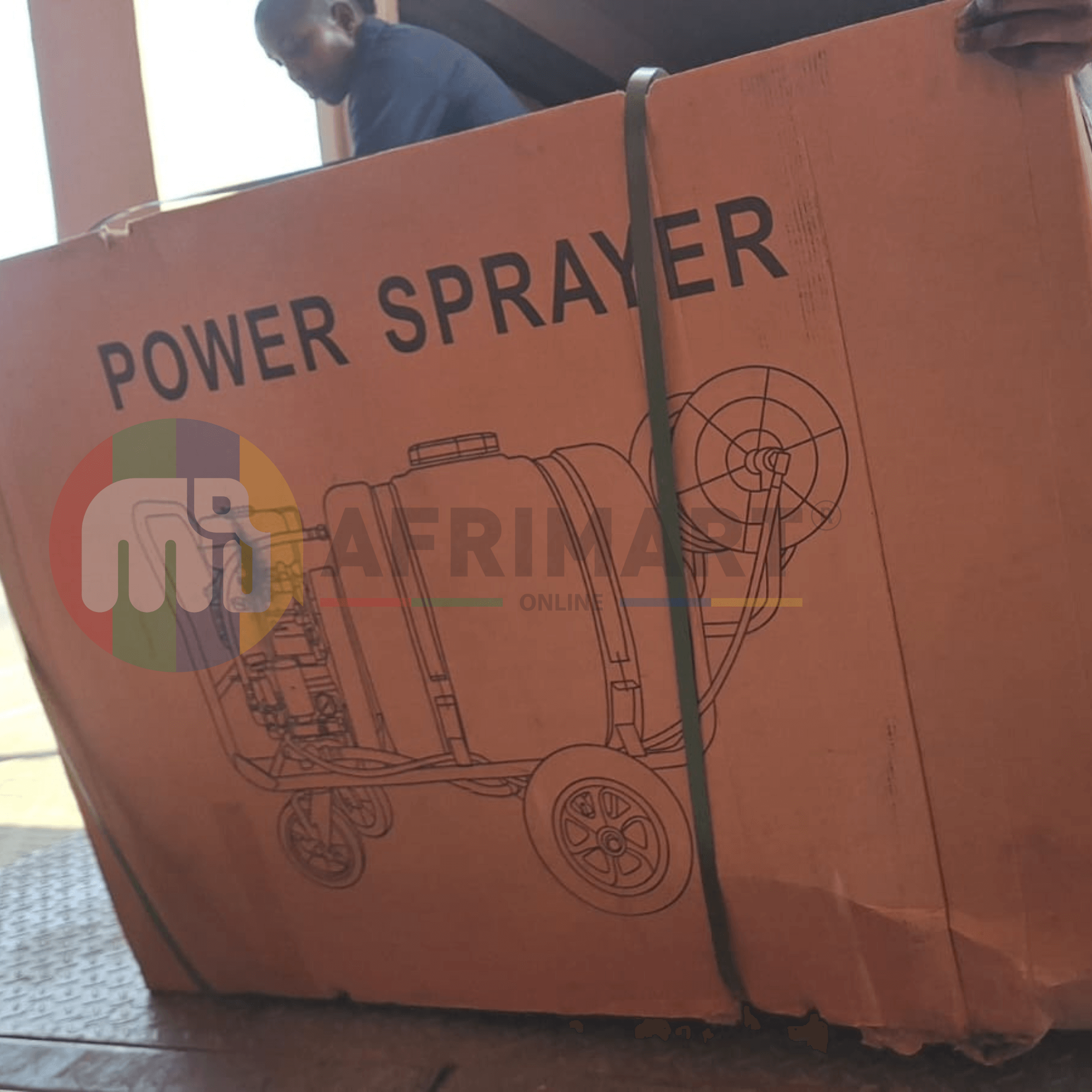
Latest Arrivals
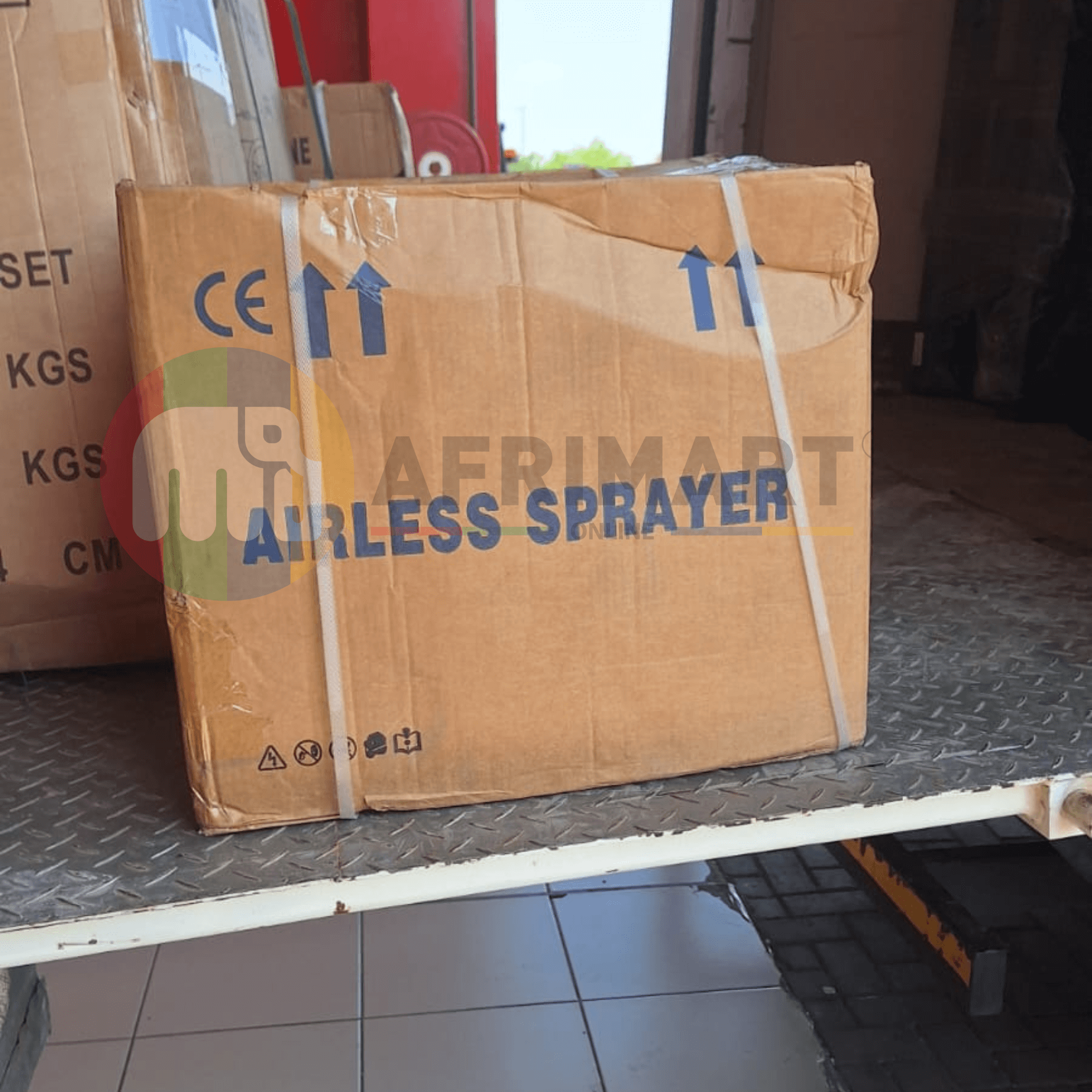
Latest Arrivals
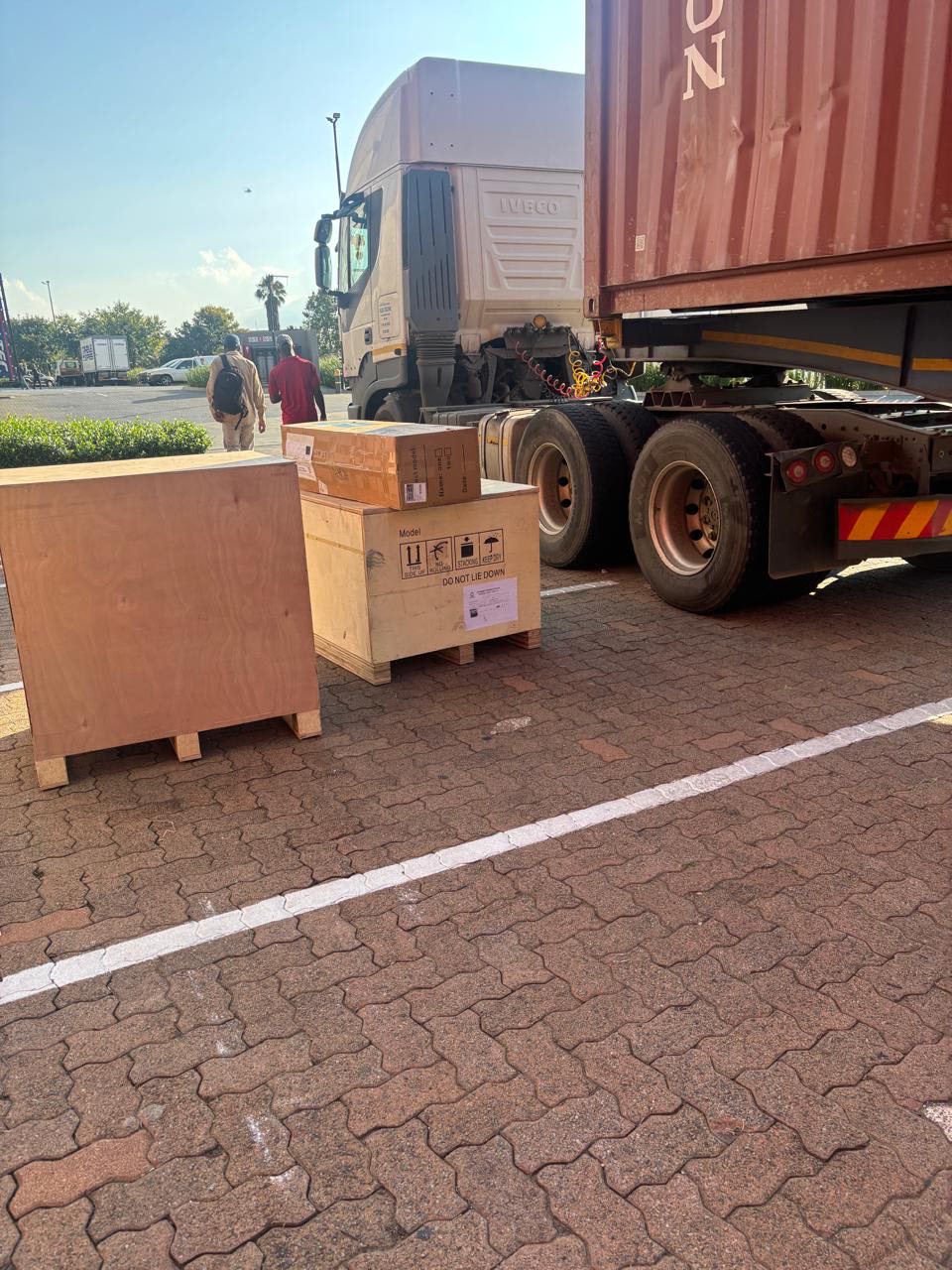
26 January 2026
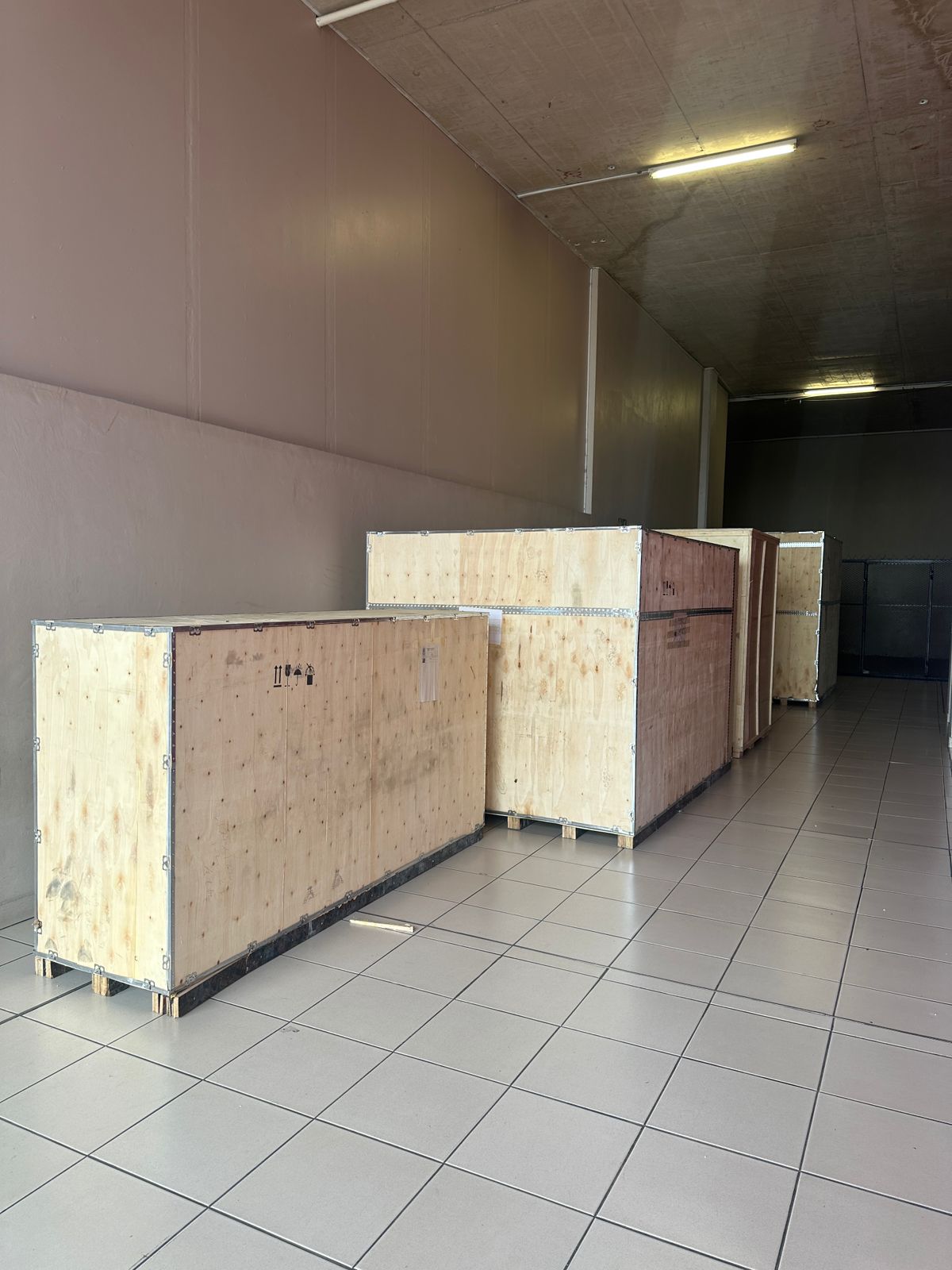
Toilet paper making machine
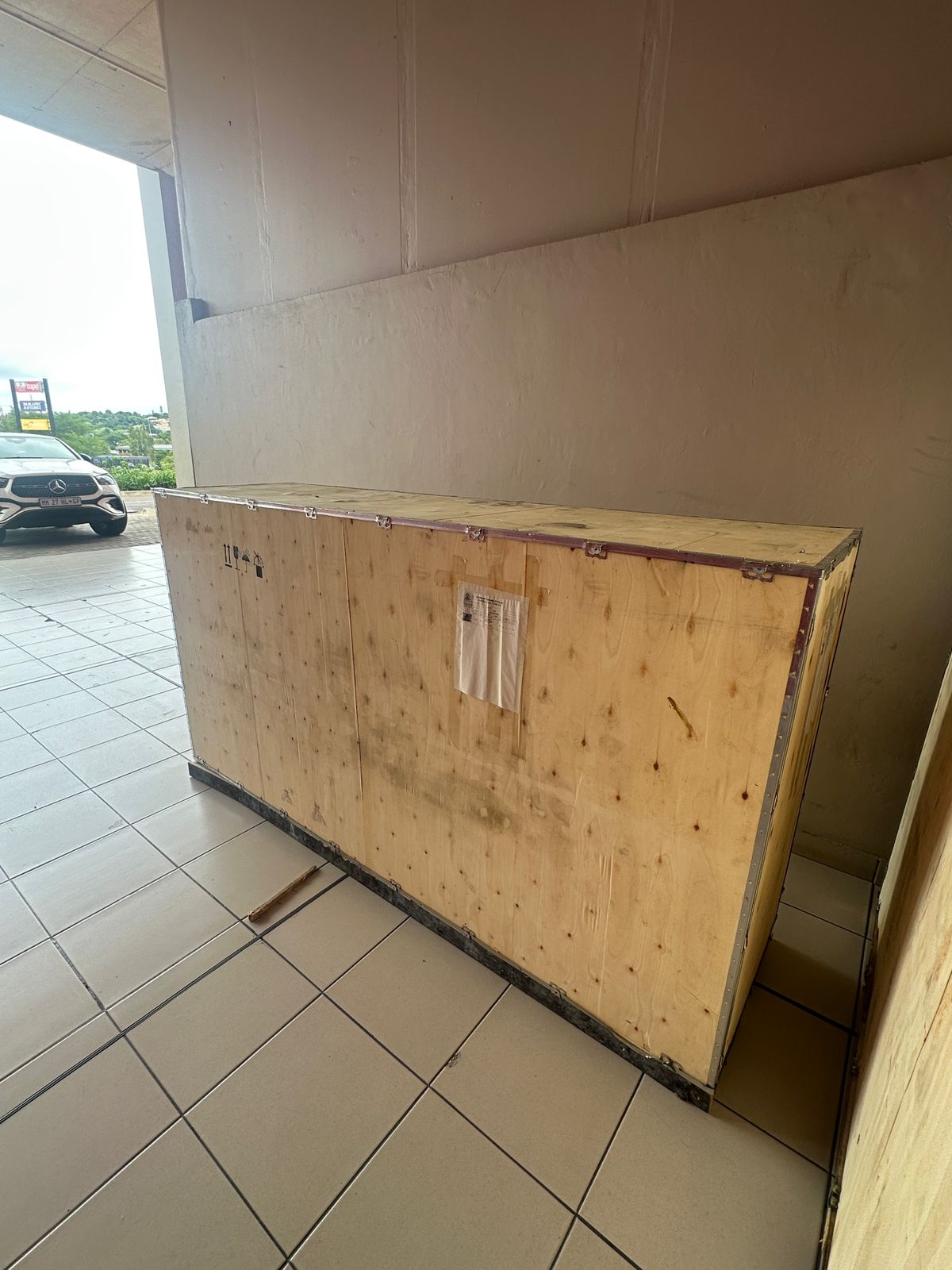
Toilet paper making machine
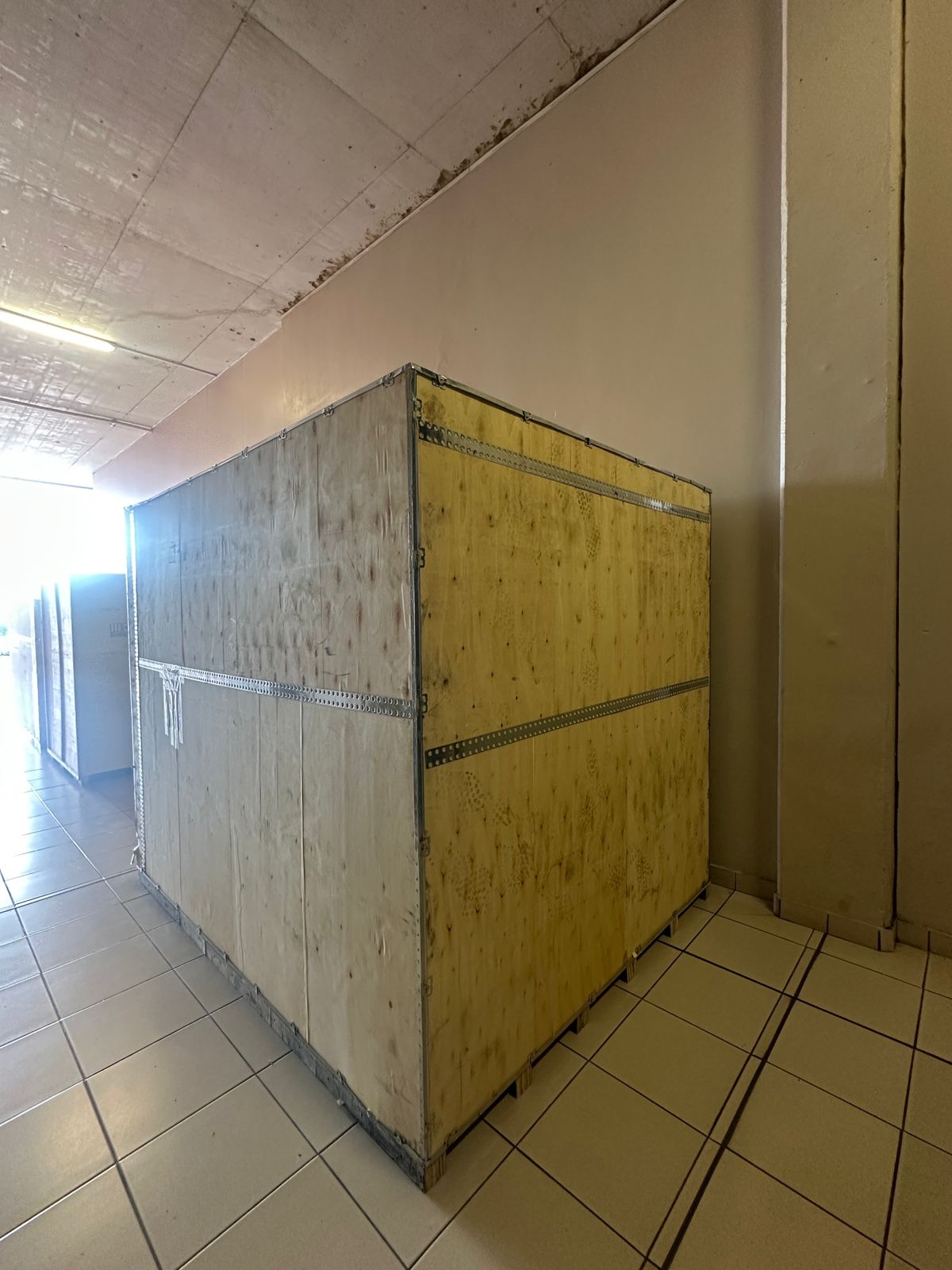
Toilet paper Rewinding Machine
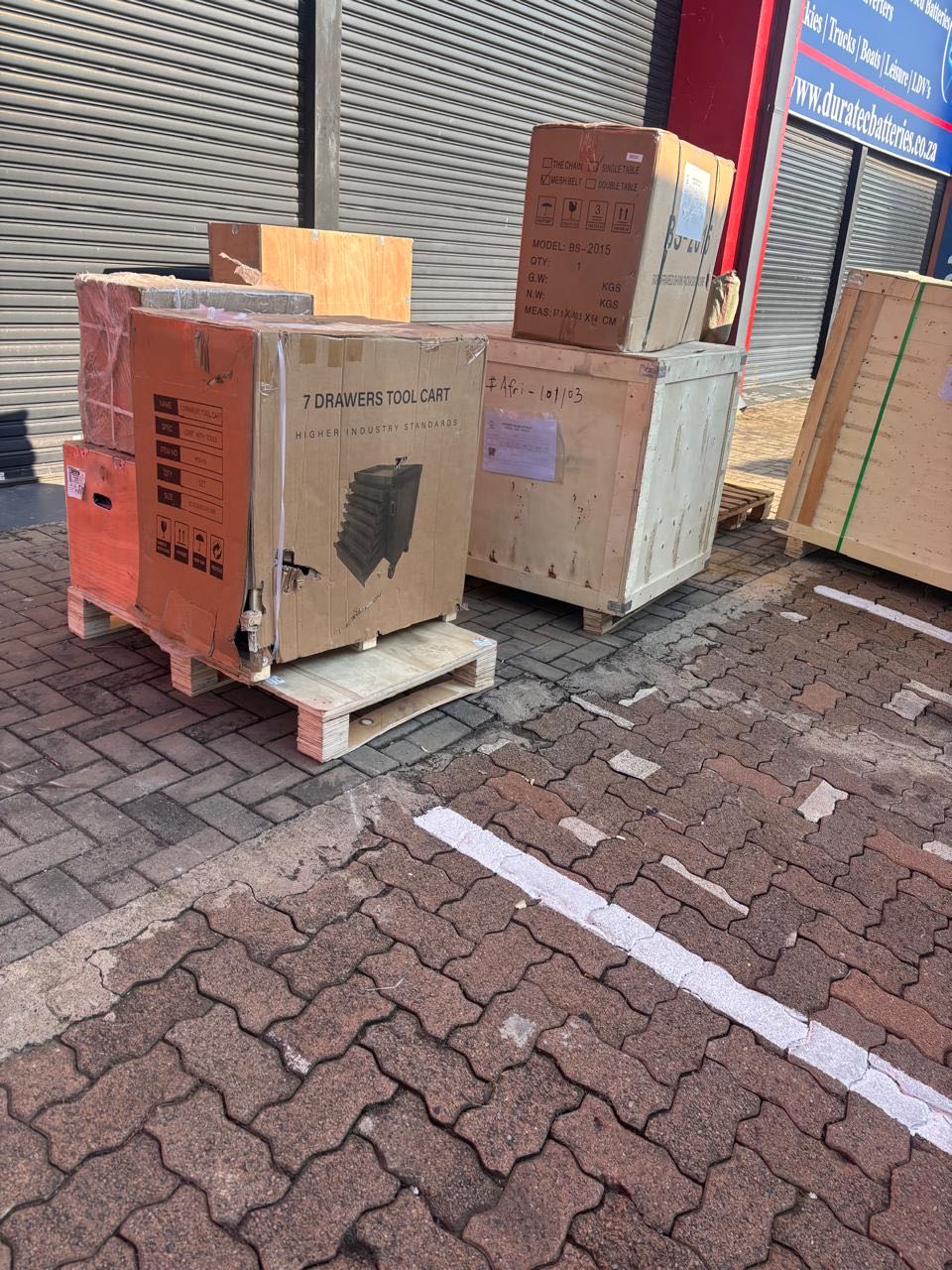
latest arrivals
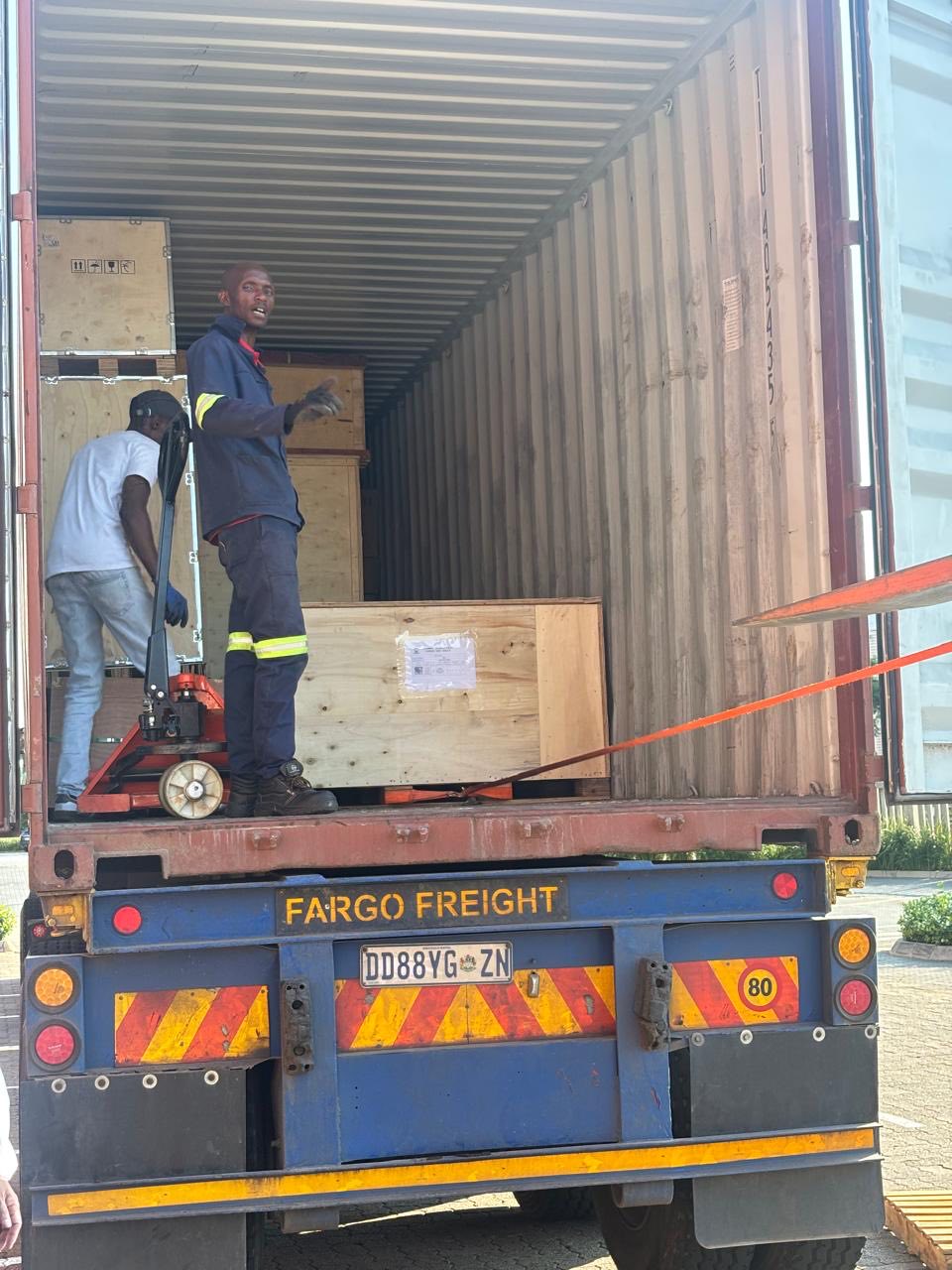
offloading
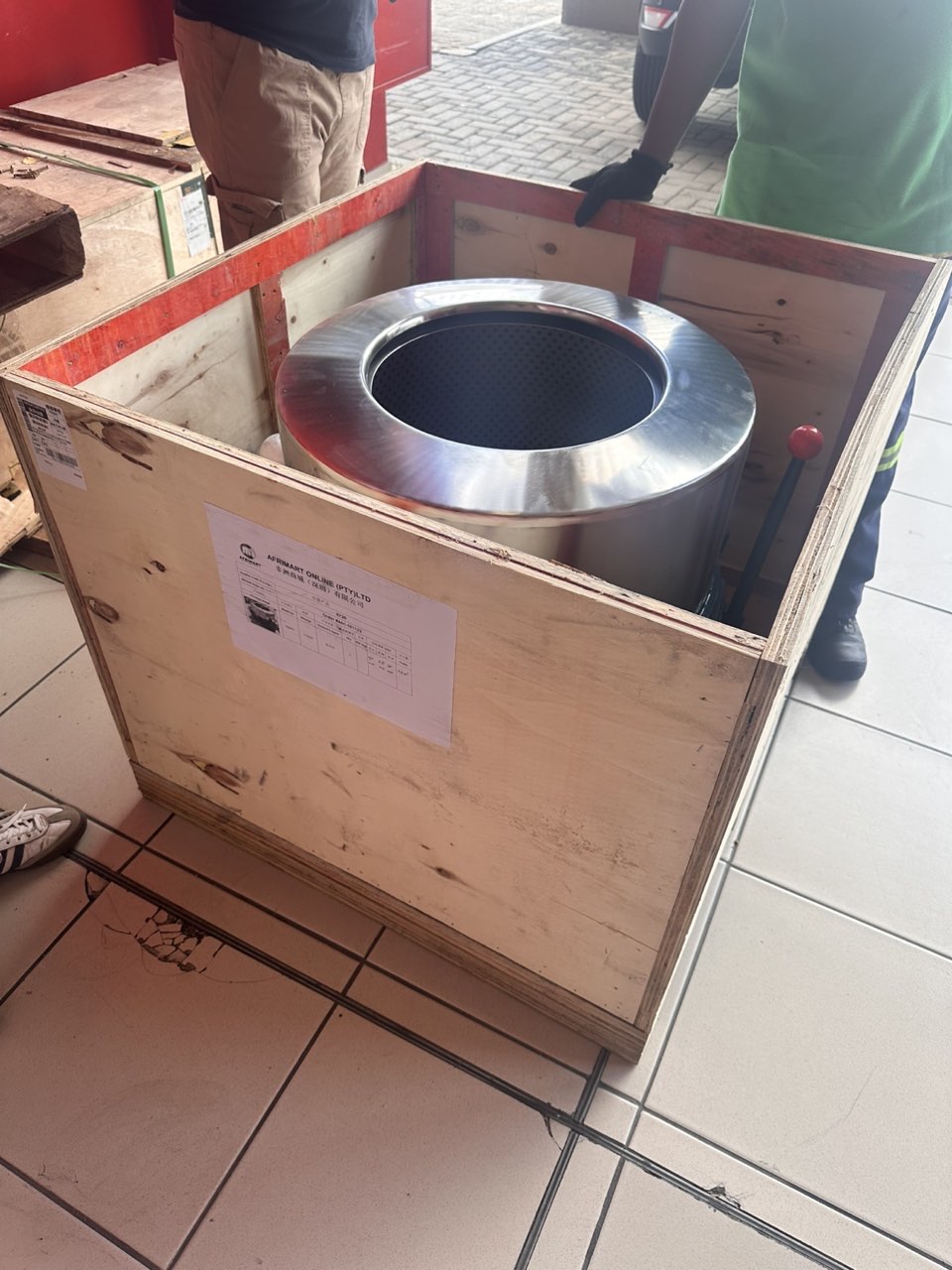
order success
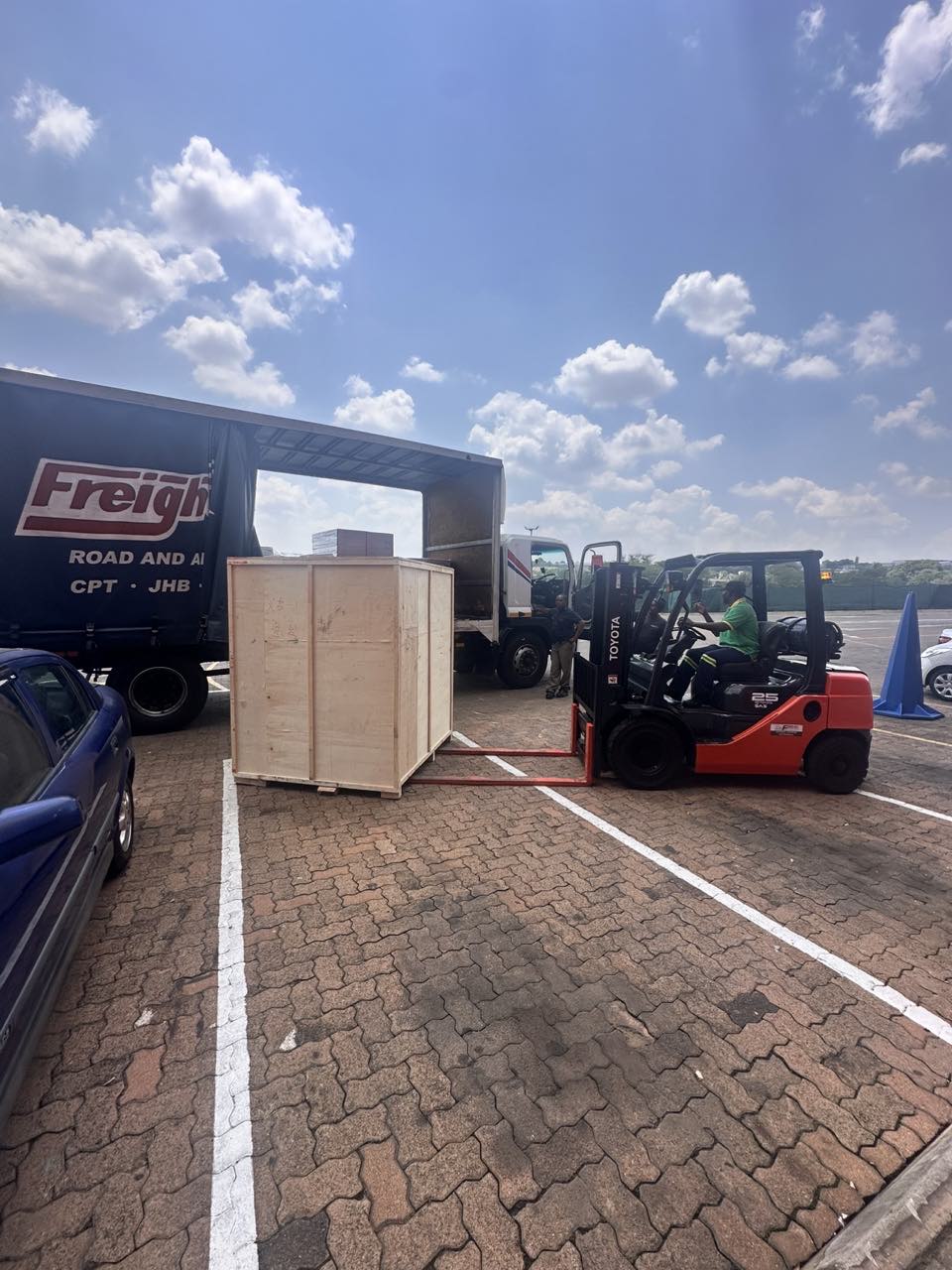
order collection
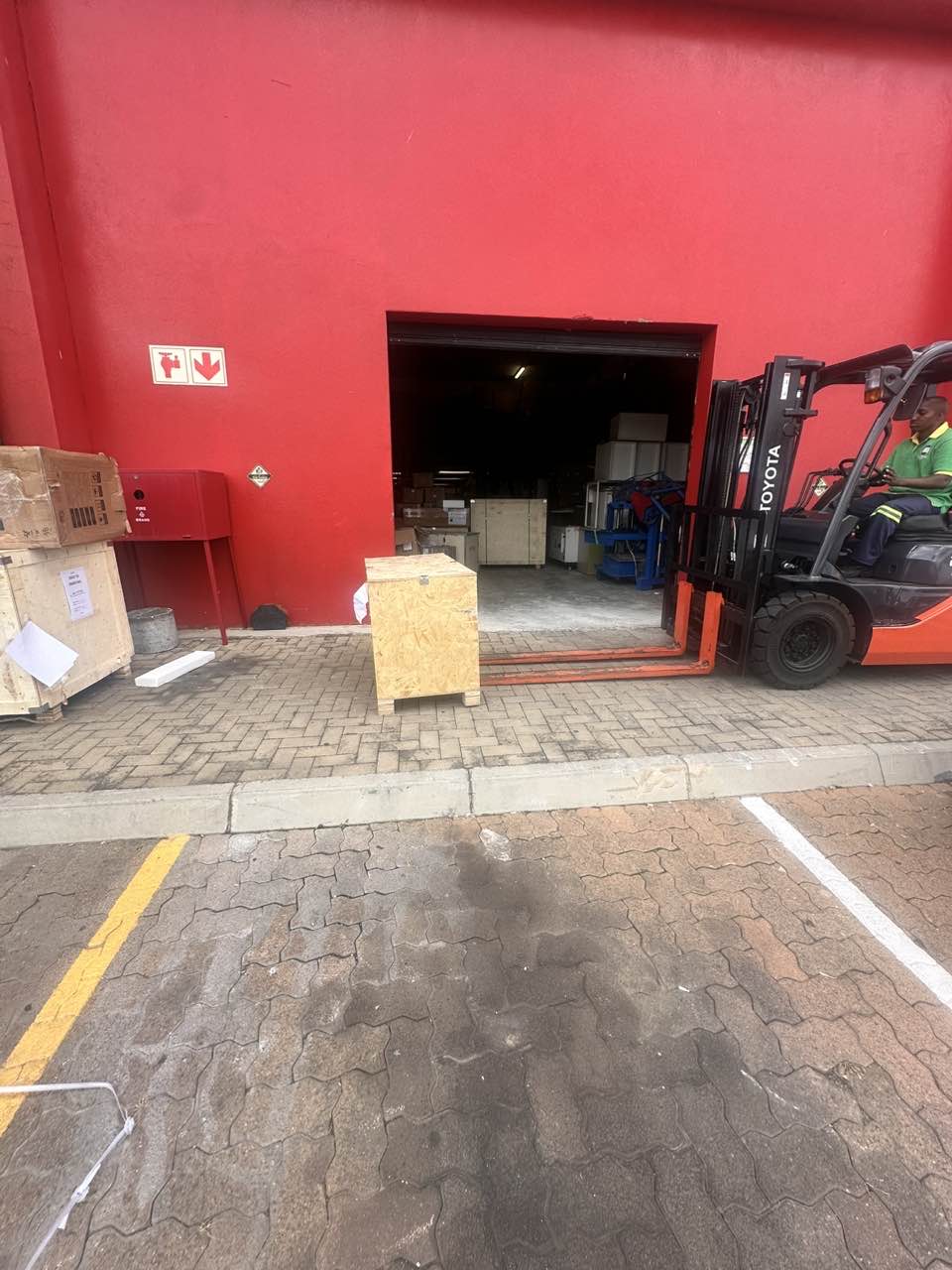
order offloading