B21, China Town Mall, Midrand

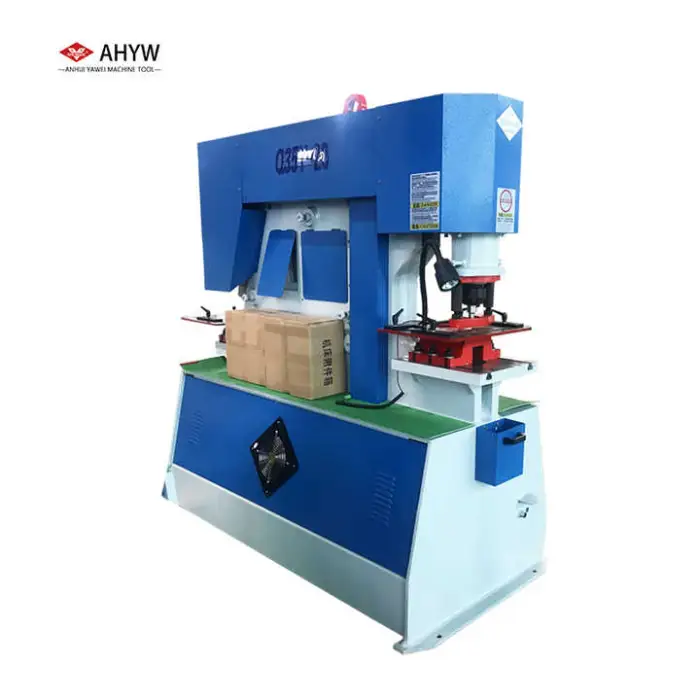
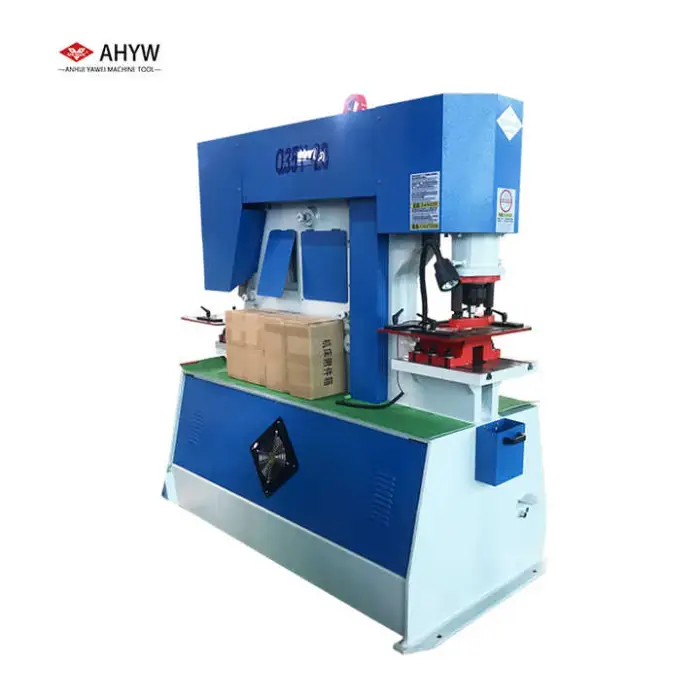
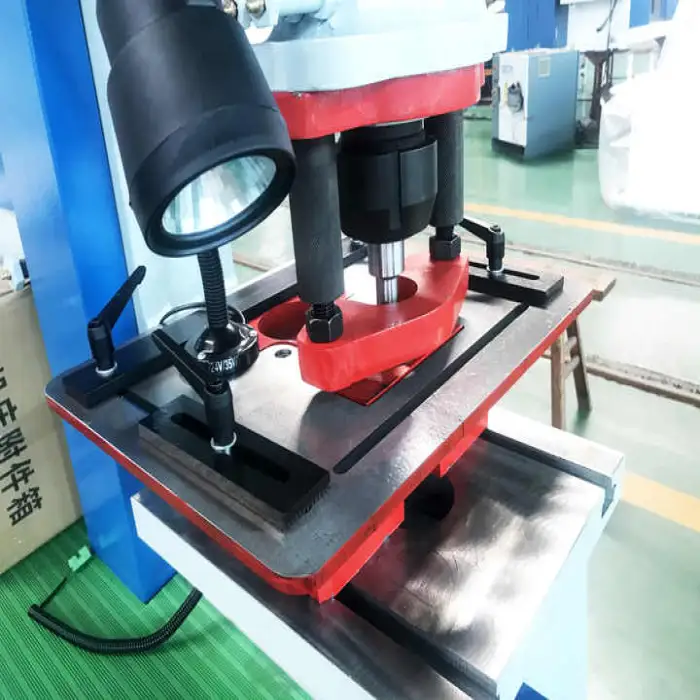
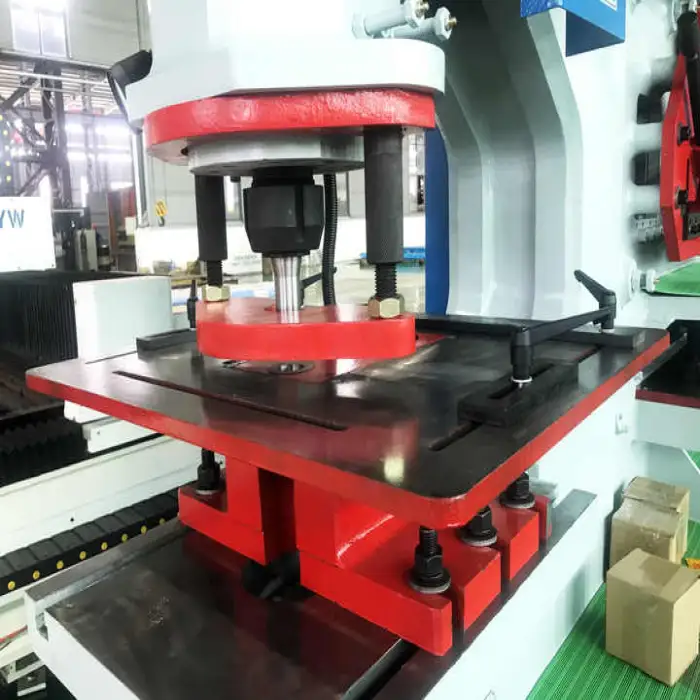
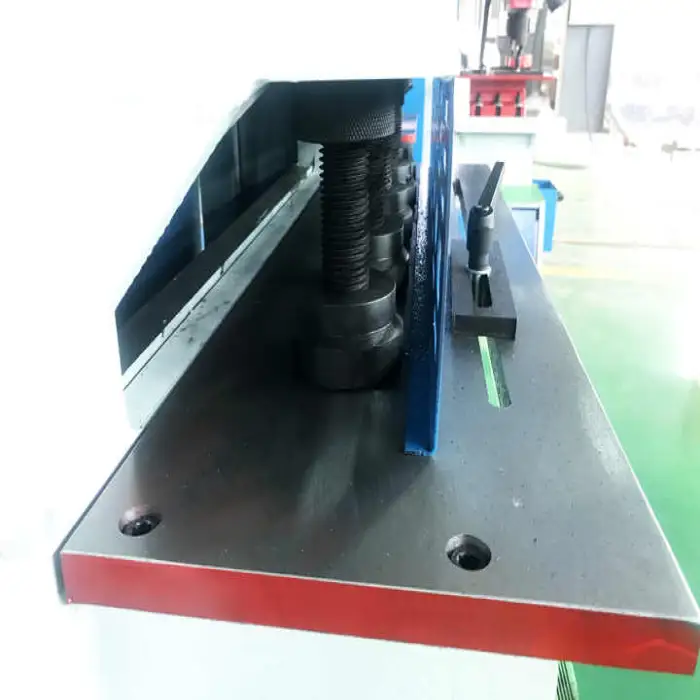
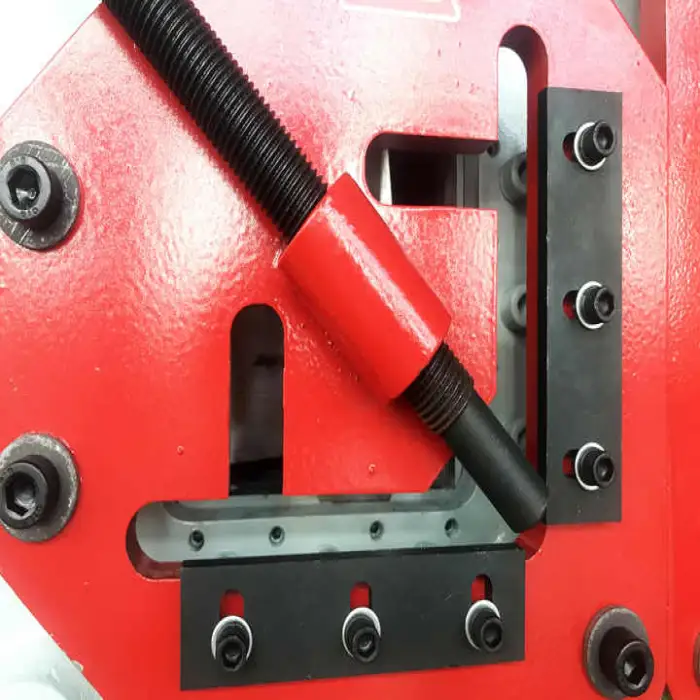
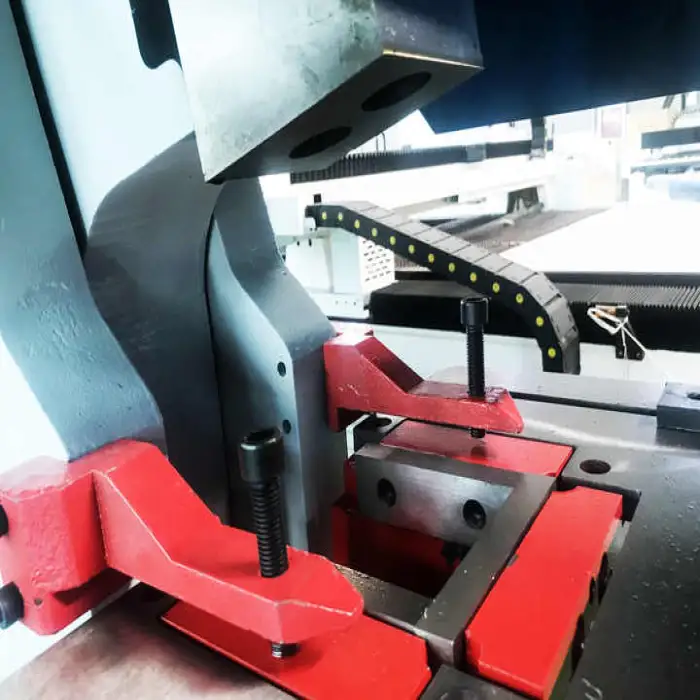
90T Dual Cylinder Hydraulic Ironworker
Asset finance available
Do you want funding for this equipment?
Afrimart can connect you with trusted funding partners who specialise in asset finance for businesses like yours. Compare options and apply in minutes — final approval is subject to provider review.
Check funding options
Secure & no obligation

- Section : Machinery
- Category : Machine Tool Equipment
- SKU : 1600300680053

90T Dual Cylinder Hydraulic Ironworker
The 90T Dual Cylinder Hydraulic Ironworker is a powerful machine designed for various metal working tasks. This versatile tool is perfect for punching, shearing, and bending metal sheets efficiently. With its robust features and customizable options, it is ideal for both small workshops and large production facilities.
Specifications
| Attribute | Details |
|---|---|
| Power Source | Hydraulic |
| Nominal Force (kN) | 650 |
| Voltage | 220V/380V/Customized |
| Weight (t) | 3.8 |
| Dimensions (L*W*H) | 2680*1040*2300 |
| Motor Power (kW) | 11 |
| Machine Type | Hydraulic Ironworker |
| Core Components | Motor |
| Warranty | 2 Years |
Key Features
- Multifunctional capabilities for various tasks
- High nominal force of 650 kN for tough jobs
- Customizable voltage options for different needs
- Compact design for easy placement in workshops
- Two-year warranty for peace of mind
Applications
- Metal sheet stamping
- Steel metal punching
- Shearing metal sheets
- Bending metal components
- General metal fabrication tasks
Product Info Gallery
- Shipping Timeframes: All orders are processed within 2-5 business days (excluding weekends and holidays). After your order has been processed, the estimated delivery time is before 15 Aug, 2026, depending on customs, Please note that due to high demand, some items may experience longer shipping times, which will be communicated at order confirmation email.
- Order Processing Time: Please allow 2-5 business days for us to process your order before it is shipped . Orders placed after 16:00 on Fridays, or during weekends and public holidays, will begin processing on the next business day. Processing times may be extended during peak seasons or sales events.
- Manufacturing Time: Some products needs manufacturing time, the manufacturing process will take approximately 10-30 business days depending on the product. This timeframe may vary depending on the complexity of the product and current demand. but this will be communicated with you during order confirmation.
- Returns and Exchanges: We offer a 30-day return policy for most items. If you are not completely satisfied with your purchase, you may return it within 30 days of receipt for a refund or exchange. Items must be unused, in their original packaging, and accompanied by proof of purchase. Return shipping costs are the responsibility of the customer, unless the item was damaged or defective upon arrival.
1. What is the 90T Dual Cylinder Hydraulic Ironworker used for?
It is a multifunctional metalworking machine designed for punching, shearing, and bending metal sheets and other general fabrication tasks in small workshops and large production facilities.
2. What does "90T" and "Dual Cylinder" mean?
"90T" refers to the machine's nominal capacity (approximately 90 tons / 650 kN). "Dual Cylinder" means the ironworker uses two hydraulic cylinders for its main operations, which improves stability, force distribution and performance on heavier jobs.
3. What are the main specifications I should know?
Key specs: hydraulic power source, nominal force 650 kN, motor power 11 kW, weight 3.8 t, dimensions 2680 × 1040 × 2300 (L×W×H), available voltages 220V/380V or customized, two-year warranty.
4. What electrical supply is required?
The machine is available for 220V, 380V or customized voltages. It typically requires a three-phase industrial supply—confirm required phase and local wiring details with the supplier or an electrician before installation.
5. Are tooling and dies included with the machine?
Standard tool sets vary by supplier. Some packages include a basic punch and die set; others sell tooling as optional extras. Confirm with your vendor which tooling is included and which items must be purchased separately.
6. What materials and thicknesses can this machine handle?
Performance depends on the material type, tooling, and operation (punch, shear, bend). The nominal force of 650 kN supports heavy jobs, but exact capacity for a given material/thickness should be confirmed with the supplier or by providing sample material and required operations.
7. What safety features and precautions are recommended?
Use appropriate PPE (gloves, eye protection, hearing protection). Ensure guards are in place, use the emergency stop, follow lockout/tagout procedures for maintenance, and only allow trained operators to run the machine. Refer to the machine manual for specific safety requirements.
8. What maintenance is required and how often?
Perform daily visual checks (hydraulic hoses, fluid level, fasteners), keep tooling sharp and clean, and monitor hydraulic system for leaks or contamination. Follow the manufacturer's manual for recommended fluid change intervals, filter replacement and periodic professional servicing.
9. What warranty does the machine come with?
The machine comes with a two-year warranty. Warranty scope (components covered, exclusions, and start date) is set by the supplier—review the warranty terms provided at purchase for full details.
10. How do I install and set up the ironworker?
Installation typically requires a level, stable floor (often bolted to the shop floor), appropriate electrical connections, and sometimes a concrete pad depending on local practice. Have a qualified electrician and/or technician perform installation and initial setup according to the supplier's instructions.
11. What accessories or optional features are available?
Common options include additional punch/die sets, angle shearing and notching attachments, backgauges, foot pedal or two-hand controls, customized voltage or control packages, and additional safety guards—availability depends on supplier.
12. How can I troubleshoot common problems (e.g., machine won't start, low force, hydraulic leaks)?
Basic checks: verify power supply and emergency stop status, inspect fuses and wiring, check hydraulic fluid level and for visible leaks, ensure valves and controls are in correct positions. For low force, check fluid contamination, air in system, or worn seals. Contact the supplier or a qualified technician for repair if basic checks don't resolve the issue.
13. Are spare parts readily available?
Spare part availability depends on the manufacturer or distributor. Common consumables (seals, filters, standard punches/dies) are typically stocked. Ask your supplier about recommended spare parts and lead times before purchase.
14. What are typical cycle times or production rates?
Cycle time depends on the operation, tooling, material thickness and operator. The machine is designed for efficient production, but exact throughput figures should be determined through application testing or by consulting the supplier with your part specifications.
15. How is the machine shipped and what are handling requirements?
Due to its 3.8 t weight and size, the machine is shipped on a pallet or skid and usually requires forklift or crane handling. Confirm packaging, freight terms, and on-site lifting/receiving requirements with the vendor before delivery.
Latest Order Arrivals
Discover our latest orders
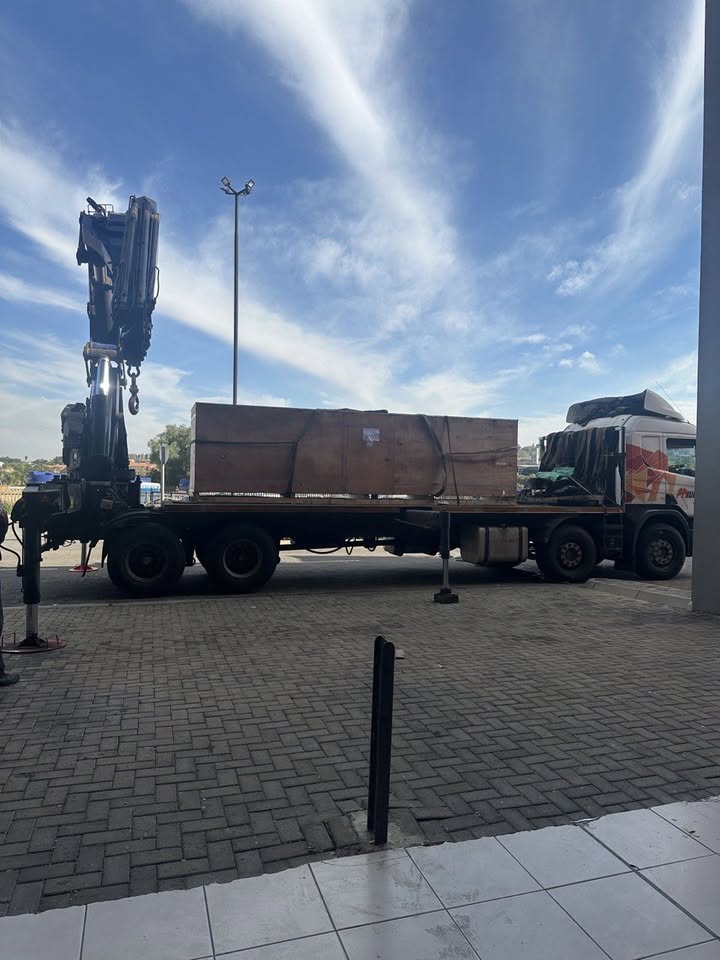
12 Heads Embroidery Machine
Toilet Paper Machine Machine
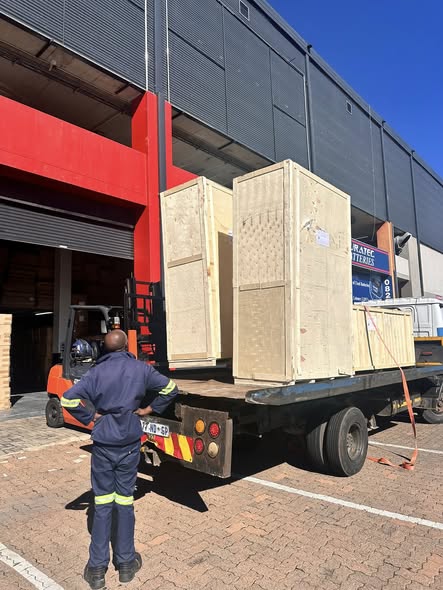
Order Collection
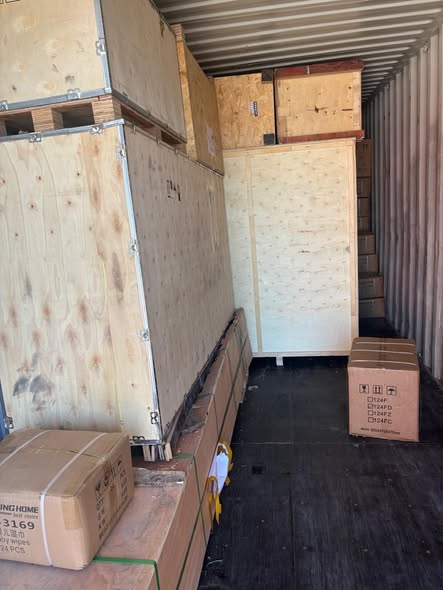
Cross Border Clients
Order cros border countries Collected
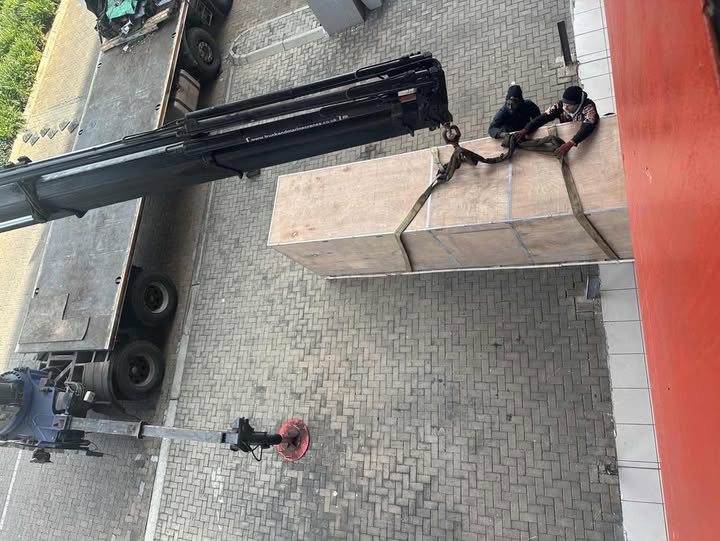
Industrial Machine Cllection
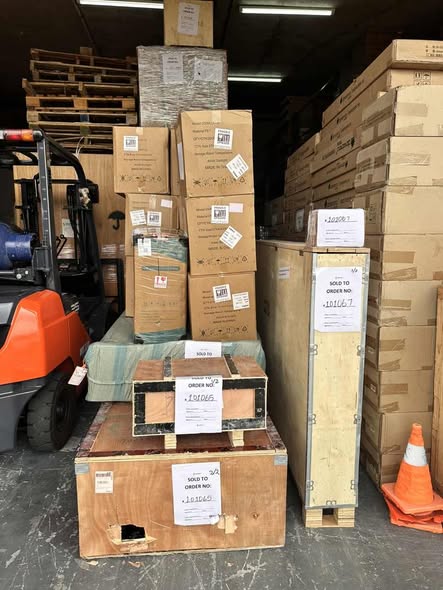
Agriculture Processing Machines
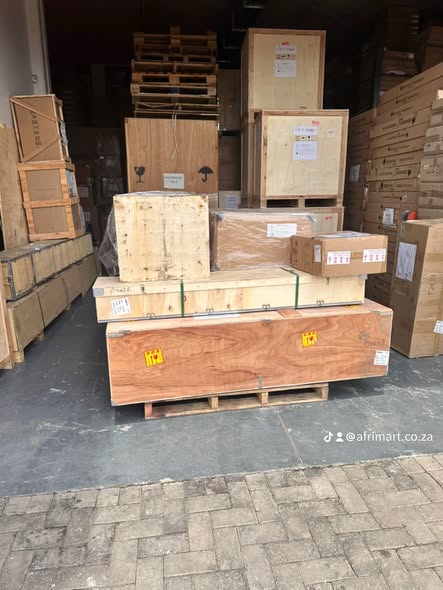
Ready for collection
Water Pump Equipment
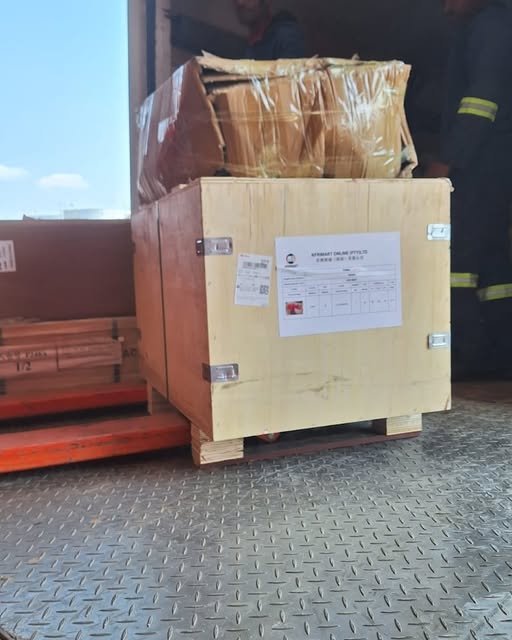
Packaging Machine and accessories
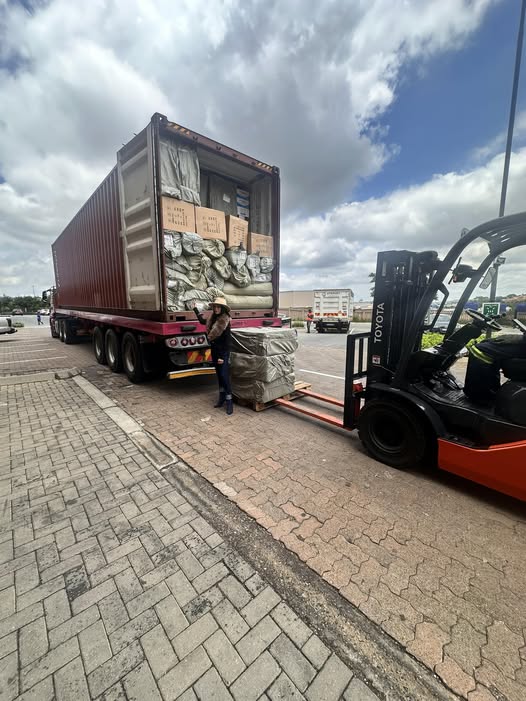
Fabrics Manufacturing Equipment
Mining Equipments
Food Processing Machine
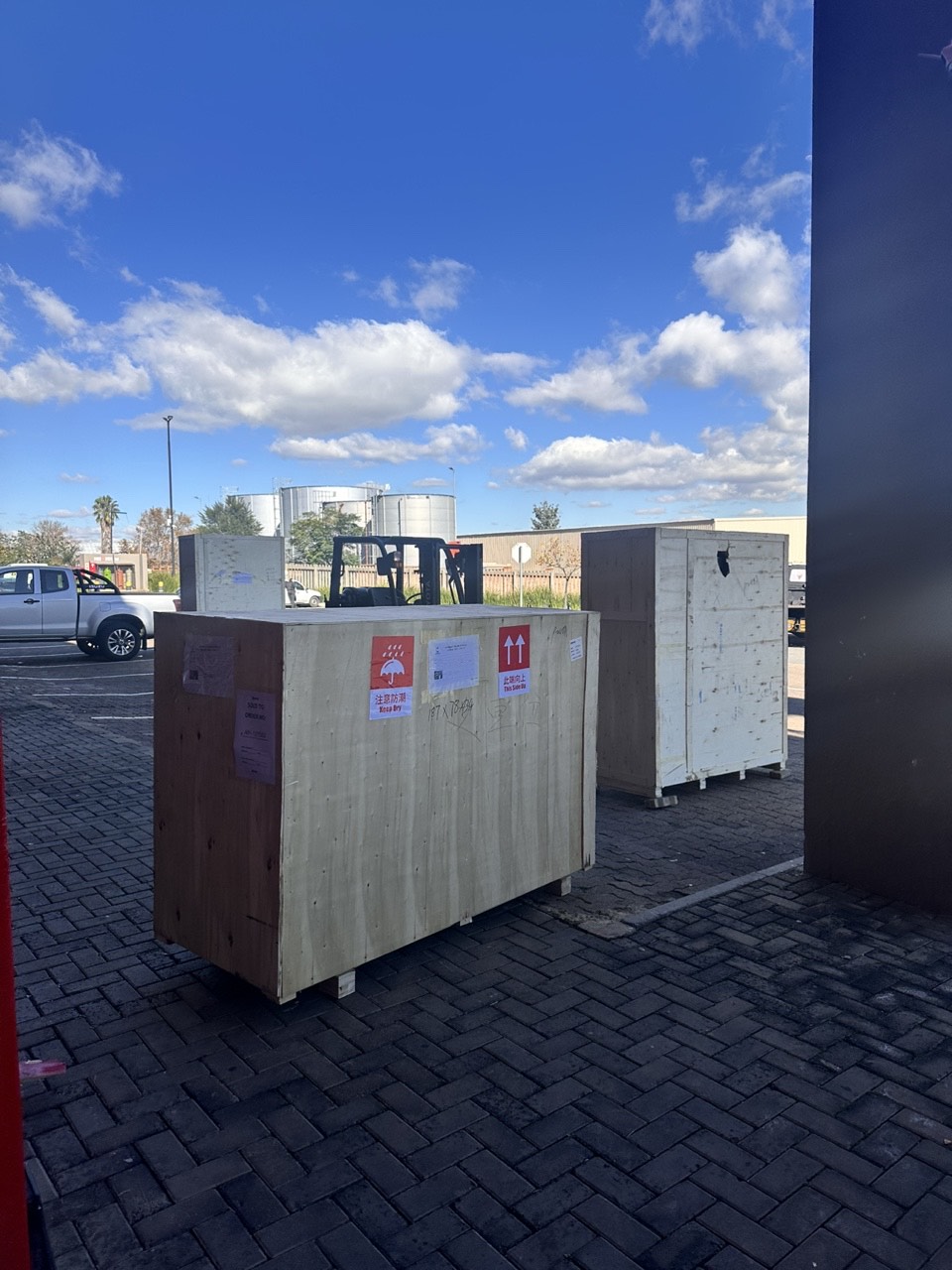
Batch of Orders
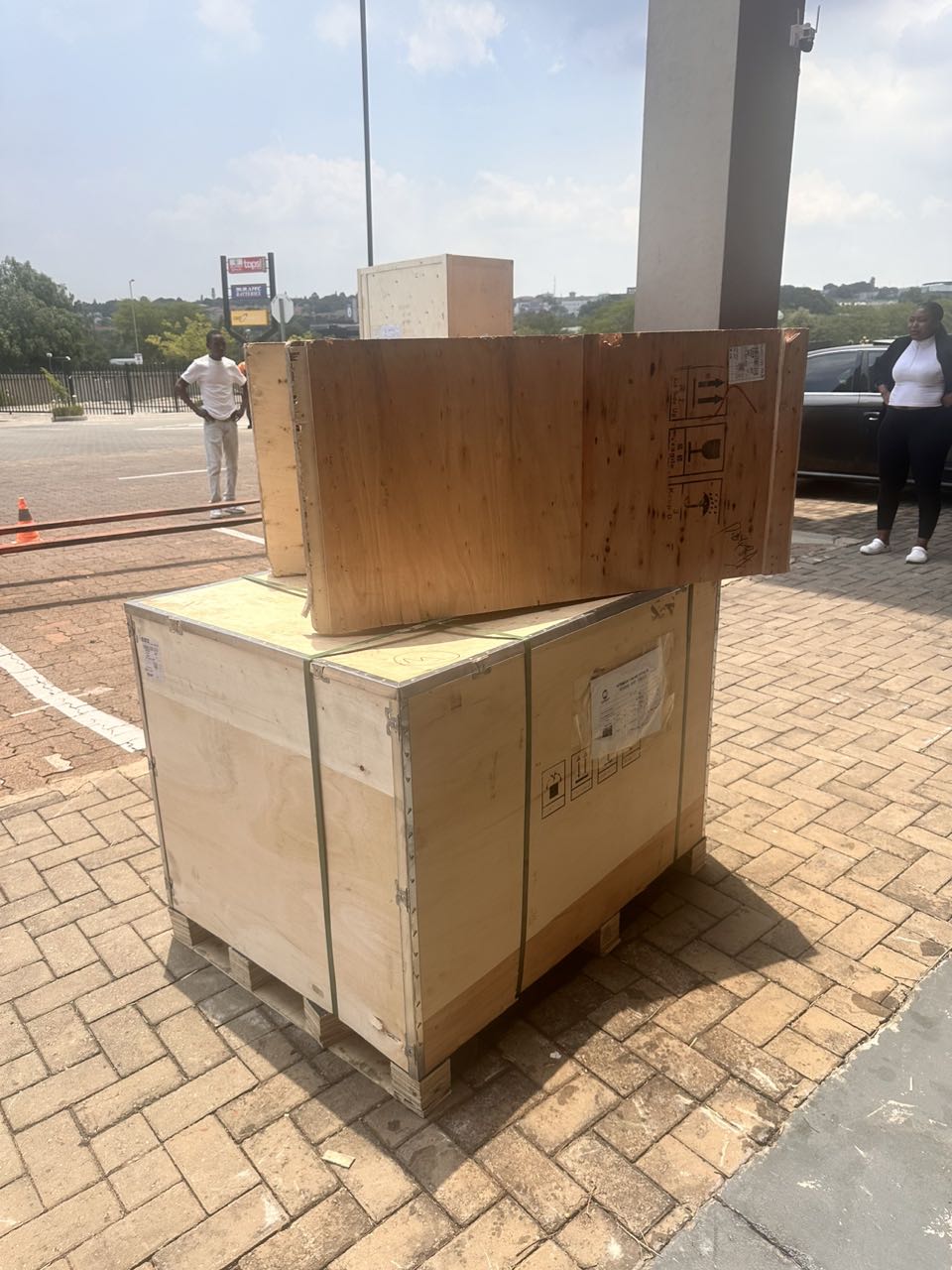
Batch of Orders
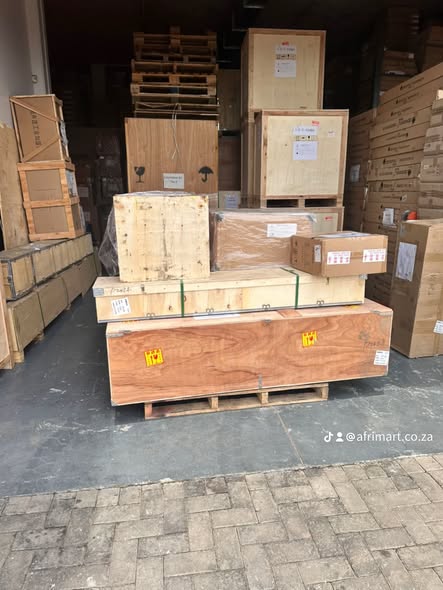
Latest Orders Labelled
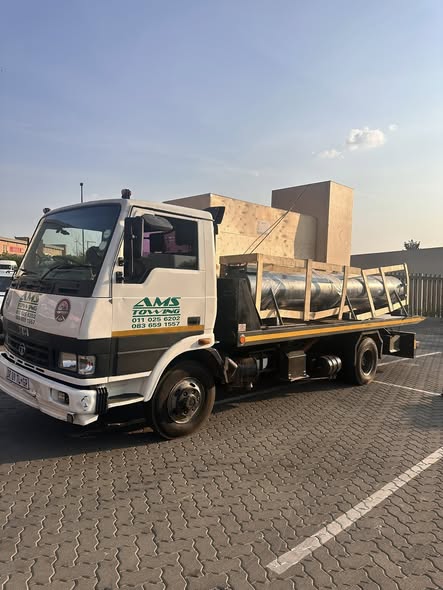
wheel alignment machines
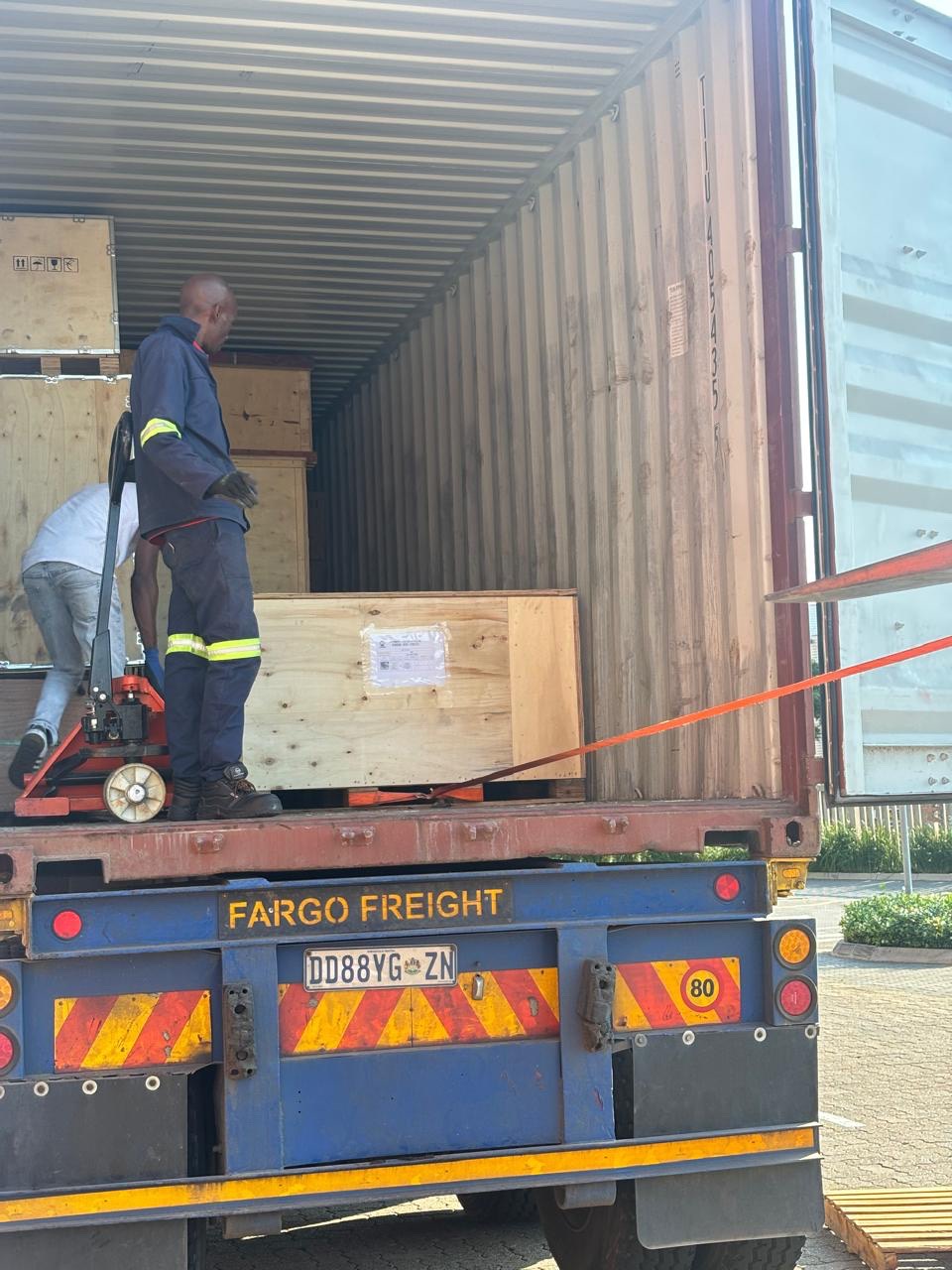
new arrivals
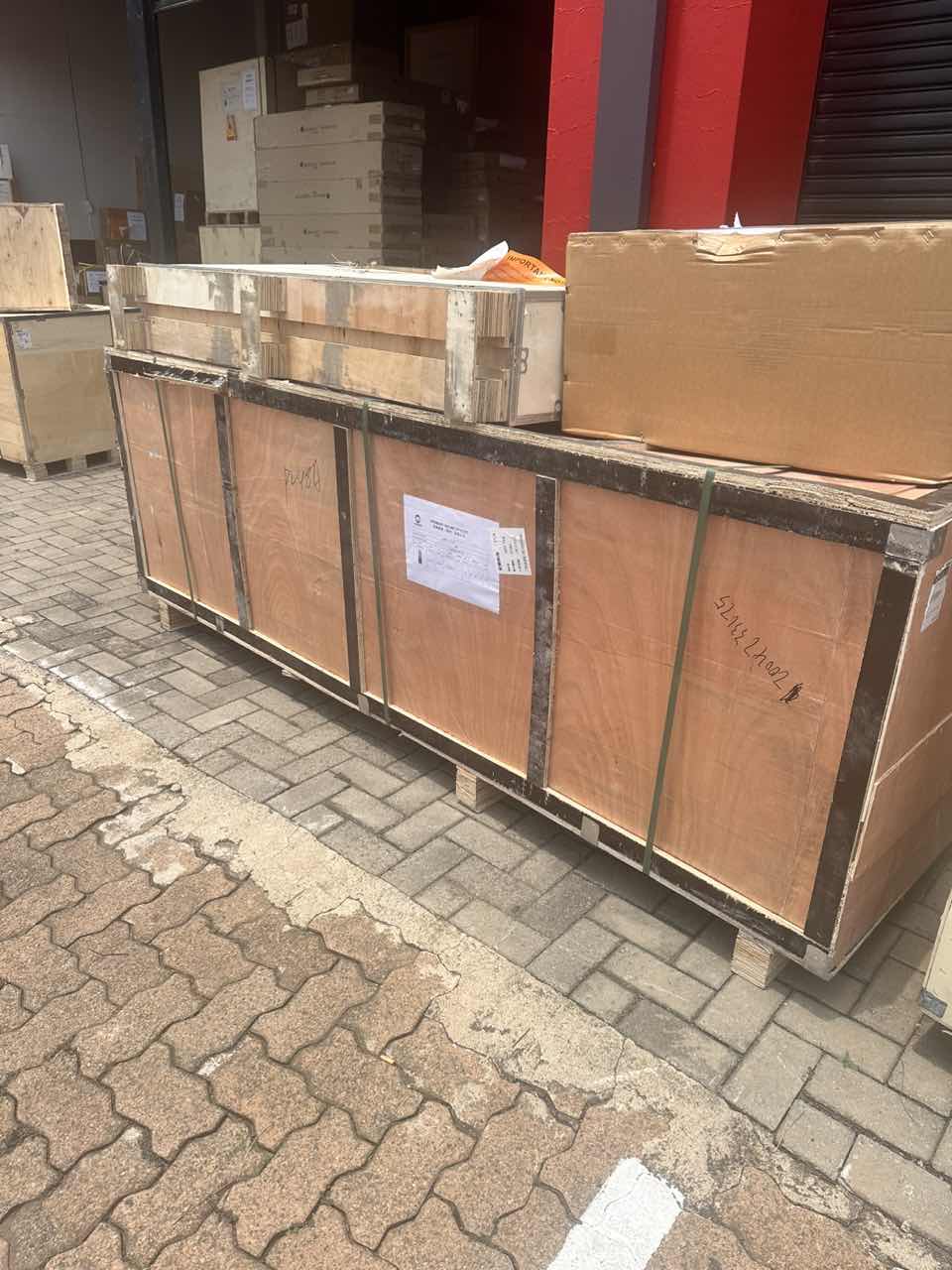
Pre Orders Offloading
Latest Arrivals
Latest Arrivals
Latest Arrivals
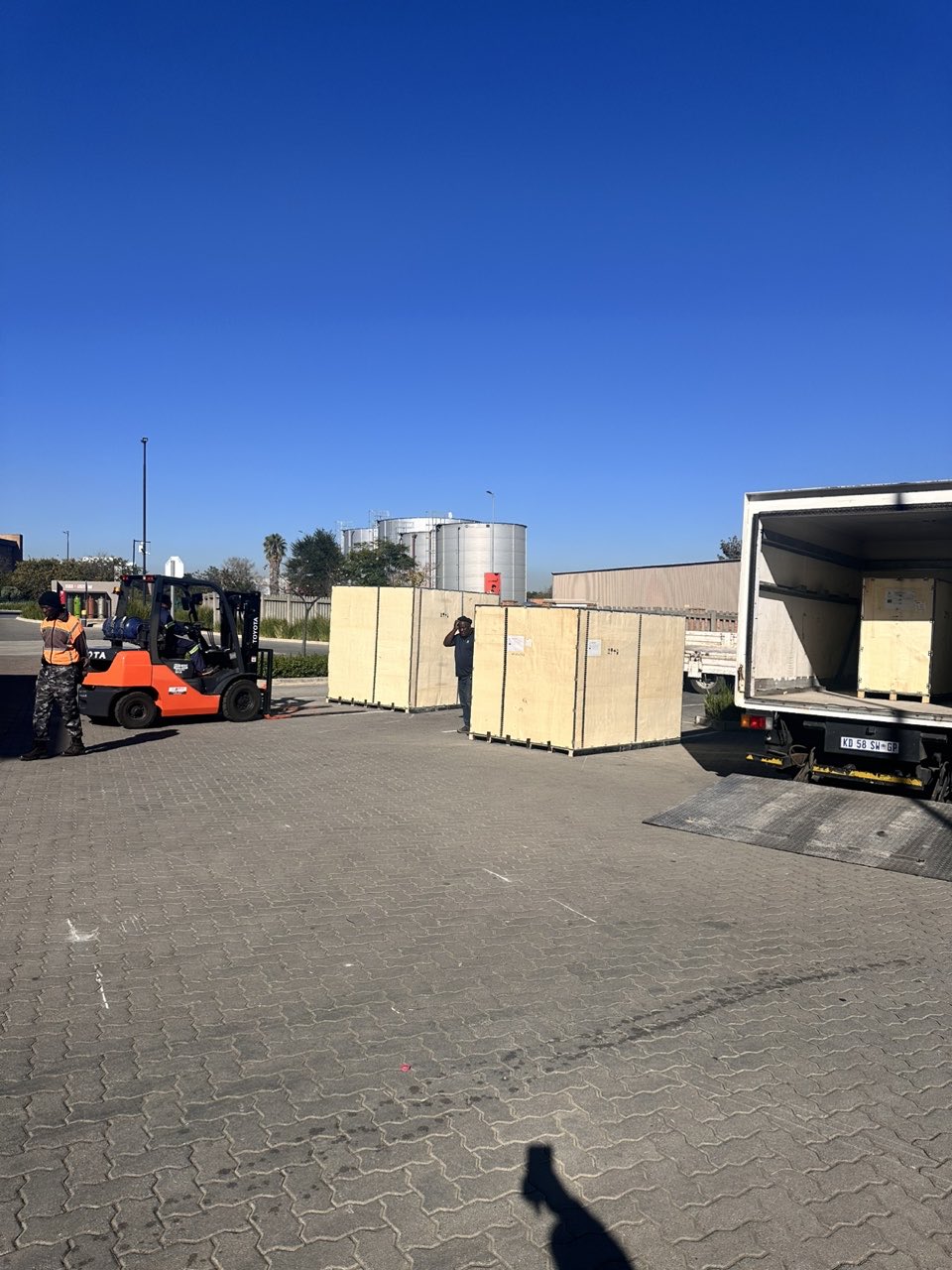
Loading
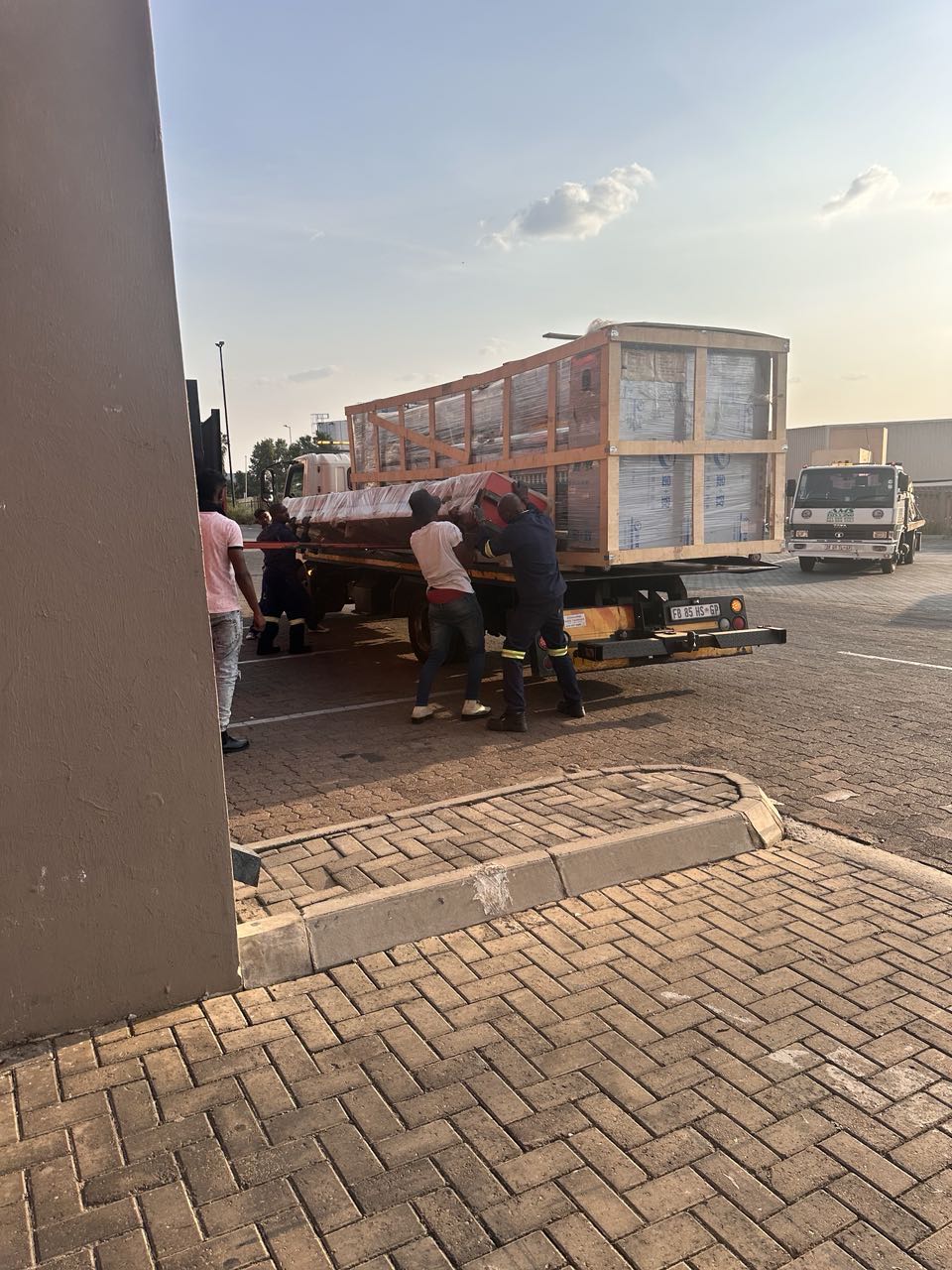
Toilet paper making machine
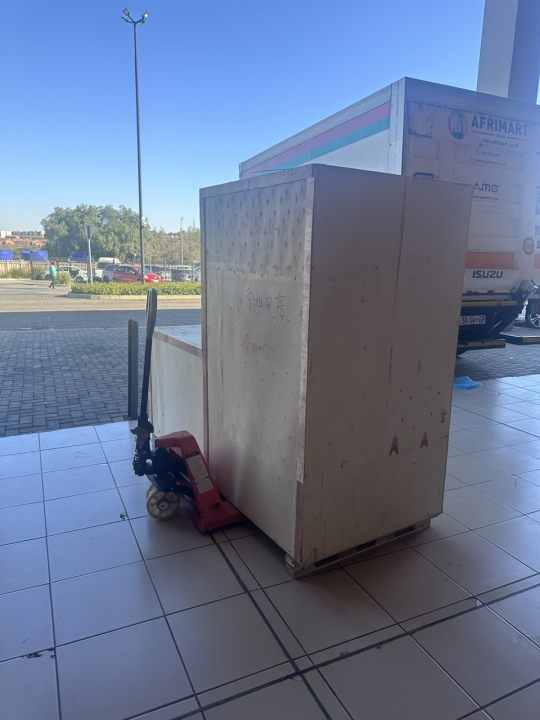
Toilet paper making machine
Toilet paper Rewinding Machine
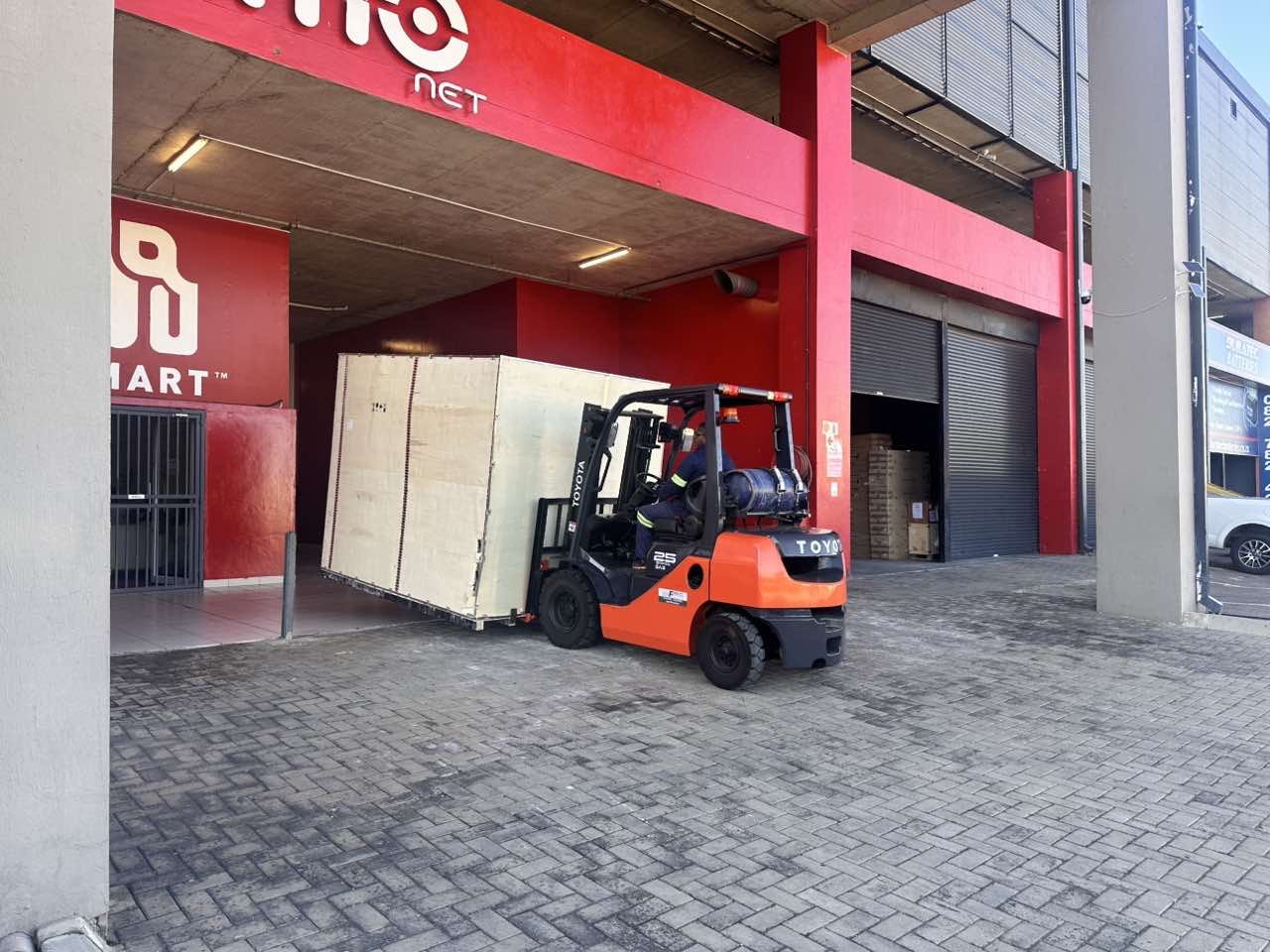
latest arrivals
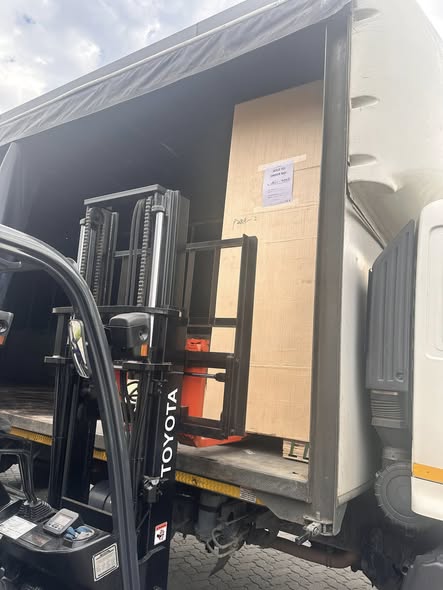
offloading
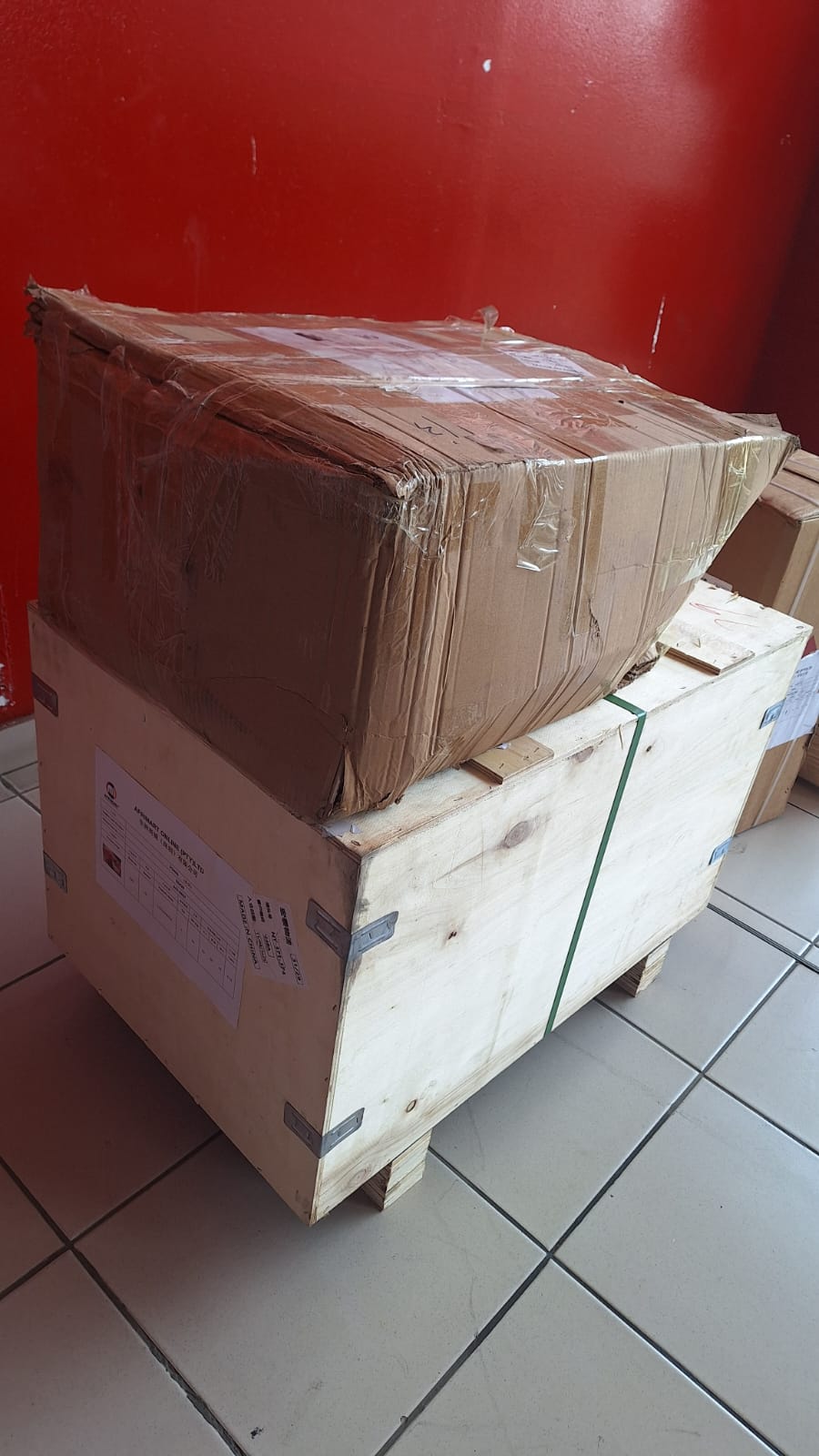
order success
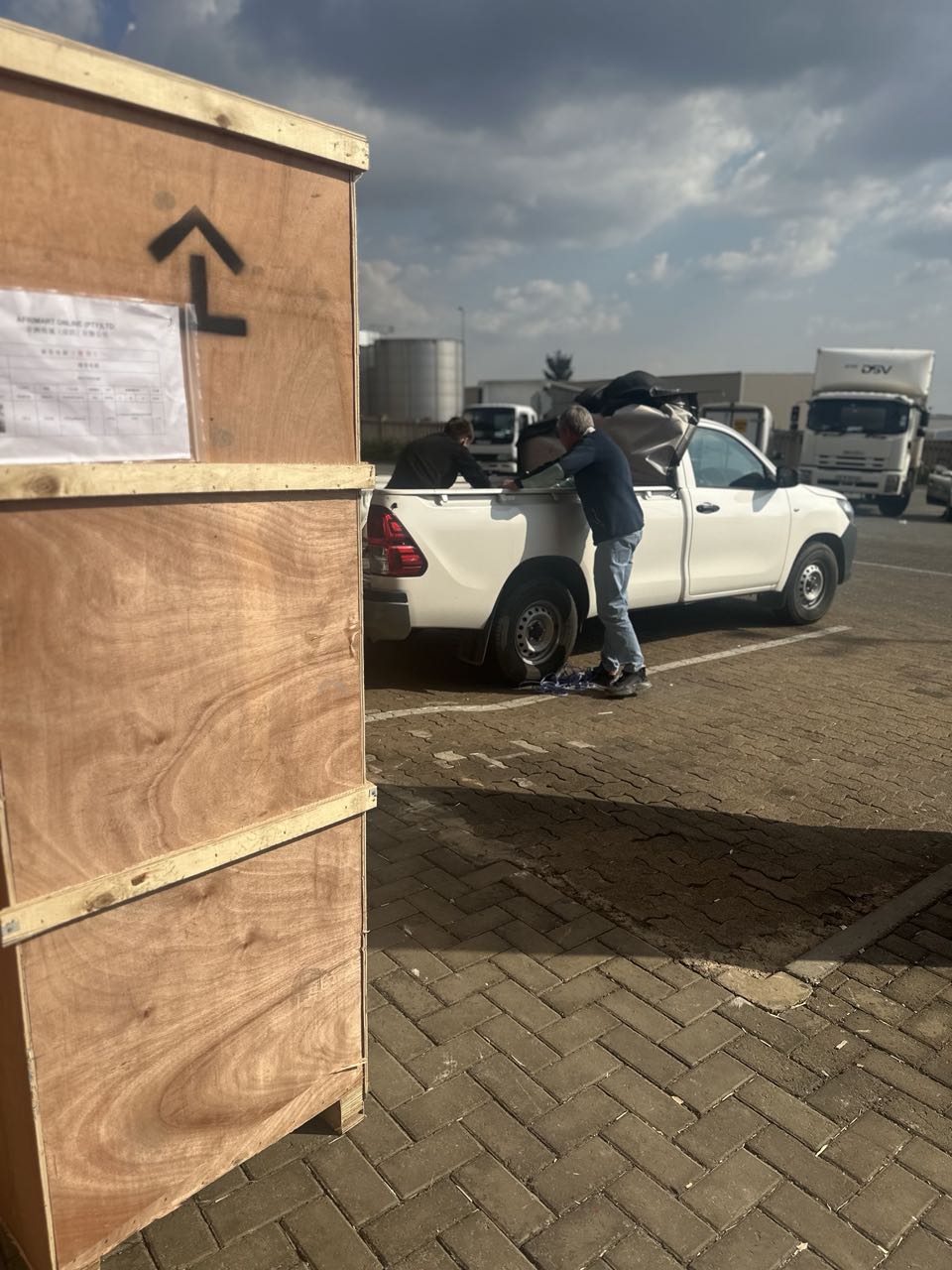
order collection
order offloading