B21, China Town Mall, Midrand

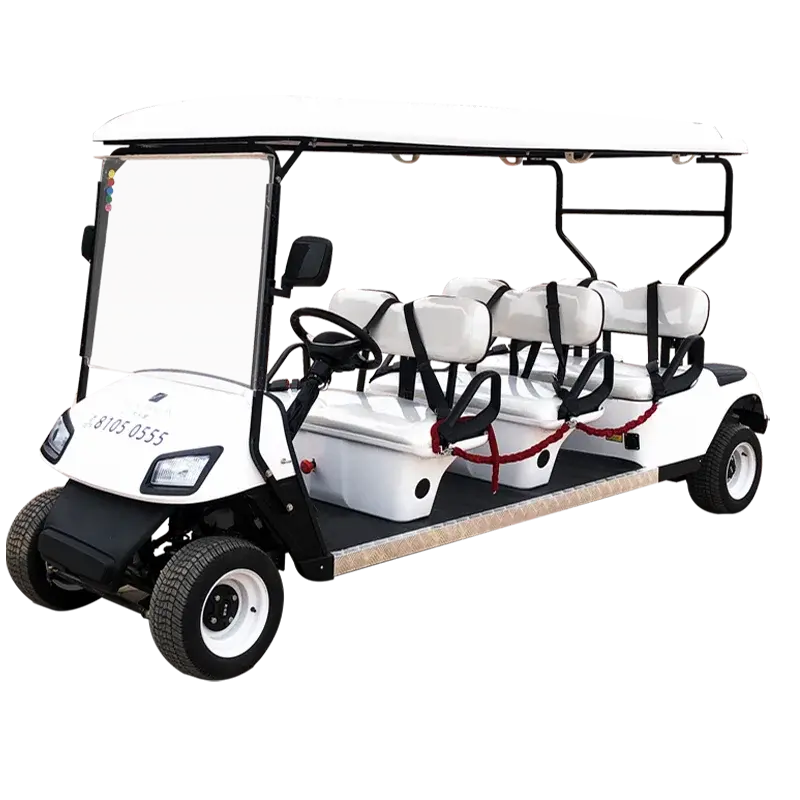
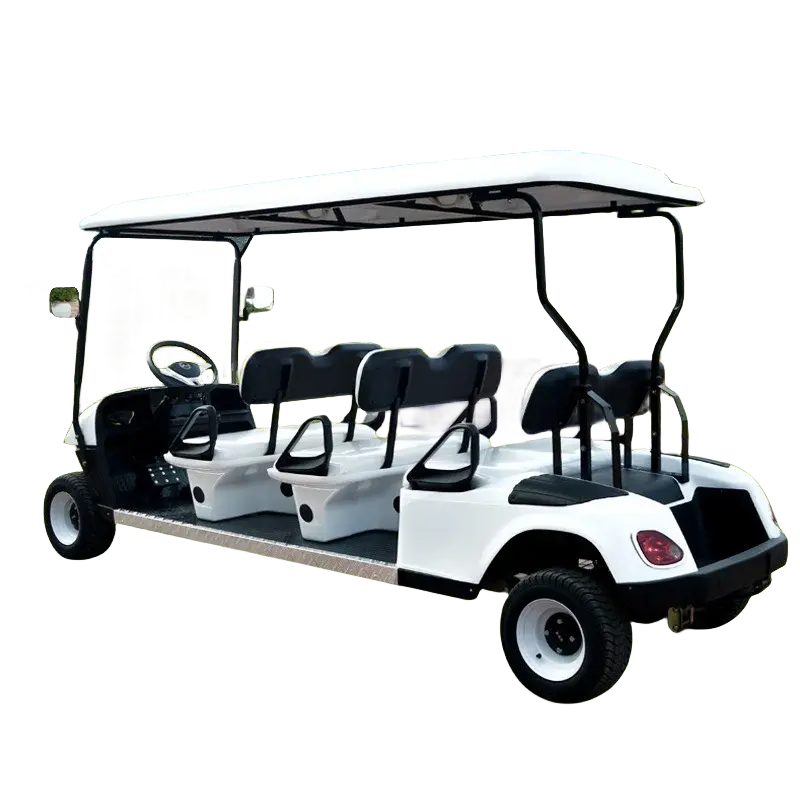
8 Person Lithium Ion Pedal Golf Cart
Asset finance available
Do you want funding for this equipment?
Afrimart can connect you with trusted funding partners who specialise in asset finance for businesses like yours. Compare options and apply in minutes — final approval is subject to provider review.
Check funding options
Secure & no obligation

- Section : Sports & Entertainment
- Category : Golf Carts
- SKU : 1600947108107

- Shipping Timeframes: All orders are processed within 2-5 business days (excluding weekends and holidays). After your order has been processed, the estimated delivery time is before 05 Aug, 2026, depending on customs, Please note that due to high demand, some items may experience longer shipping times, which will be communicated at order confirmation email.
- Order Processing Time: Please allow 2-5 business days for us to process your order before it is shipped . Orders placed after 16:00 on Fridays, or during weekends and public holidays, will begin processing on the next business day. Processing times may be extended during peak seasons or sales events.
- Manufacturing Time: Some products needs manufacturing time, the manufacturing process will take approximately 10-30 business days depending on the product. This timeframe may vary depending on the complexity of the product and current demand. but this will be communicated with you during order confirmation.
- Returns and Exchanges: We offer a 30-day return policy for most items. If you are not completely satisfied with your purchase, you may return it within 30 days of receipt for a refund or exchange. Items must be unused, in their original packaging, and accompanied by proof of purchase. Return shipping costs are the responsibility of the customer, unless the item was damaged or defective upon arrival.
1. What is the seating capacity of the 8 Person Lithium Ion Pedal Golf Cart?
The product line includes configurations up to 8 passengers. The 8-person configuration uses the longest chassis and seating layout designed to carry eight occupants (bench-style seating front and rear).
2. What type of battery does the 8-person model use?
The 8-person model is offered with a lithium‑ion battery pack (60 V system). Some factory/older configurations may also be available with maintenance‑free colloidal (lead‑acid type) packs — confirm with your supplier when ordering.
3. What is the typical driving range per charge?
Typical range is approximately 80–100 km per full charge under standard conditions. Actual range depends on passenger load, terrain, driving style, and accessory power use.
4. How long does it take to fully charge the battery?
Charging time is typically 8–9 hours from a depleted state using the supplied charger and a standard AC supply.
5. What is the top speed of the golf cart?
The maximum speed is approximately 30 km/h (regulated by the electronic controller and local regulations).
6. What motor and controller does the cart use?
The cart is equipped with rear‑drive motors in the 3.0–3.5 kW range (larger models use 3.5 kW) and uses an Inbor 3526 electronic controller for motor and power management.
7. What are the overall dimensions and wheelbase for the 8-person model?
Dimensions vary by configuration. The largest (6–8 passenger range) is approximately 3900 mm (L) × 1200 mm (W) × 1850 mm (H) with a wheelbase up to about 3100 mm. Confirm exact dimensions for the specific 8‑seat configuration you order.
8. What is the minimum ground clearance and turning radius?
Minimum ground clearance is about 150 mm. Turning radius depends on model size — compact models can turn around ~2.2 m, while the larger 6–8 passenger models have a turning radius up to ~4.5 m.
9. What braking system does the cart use?
The cart uses a four‑wheel drum braking system. Regular inspection and maintenance of brake components are recommended for safe operation.
10. What type of chassis and body construction is used?
The body uses injection‑molded automotive‑grade materials. The chassis features a front semi‑floating axle suspension and a rear high‑strength leaf spring (floating) with simple hydraulic dampers for ride support.
11. What maximum gradient can the cart climb?
The cart can handle grades up to approximately 20% under normal load conditions. Performance will be reduced on steeper slopes or with heavy loads.
12. How much does the vehicle weigh and what should I expect for payload?
Curb weights vary by model (examples in the spec sheet list ~590–700 kg). Payload capacity depends on the model and seating configuration; contact your supplier for exact gross vehicle weight and recommended payload limits for the 8‑seat version.
13. What maintenance is required for the lithium‑ion battery and the vehicle?
Lithium‑ion batteries require minimal day‑to‑day maintenance compared with lead‑acid types: keep terminals and connectors clean, avoid prolonged deep discharge, charge after use, and store at moderate temperatures. Regular vehicle maintenance should include brake checks, tire pressure, suspension inspection, and electrical connector checks. Follow the manufacturer’s maintenance schedule.
14. Are safety features like seat belts, lights or turn signals included?
Standard equipment varies by market and trim. The cart typically includes basic lighting; seat belts and additional safety options (turn signals, mirrors, horn, parking brake enhancements) may be available as factory or dealer options. Confirm the standard and optional safety equipment when ordering.
15. Can this cart be customized or ordered with accessories?
Yes — common customizations include different seating layouts, roofs/canopies, cargo beds, lighting packages, mirrors, seat belts, and paint/branding. Speak with your dealer or manufacturer rep to discuss available options and lead times.
Latest Order Arrivals
Discover our latest orders
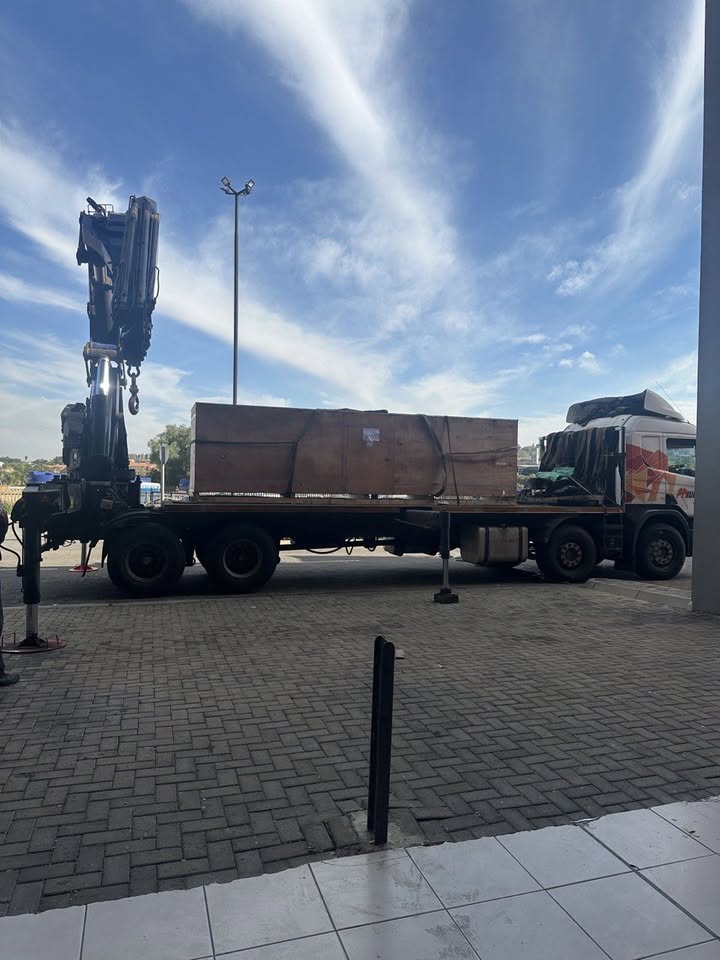
12 Heads Embroidery Machine
Toilet Paper Machine Machine
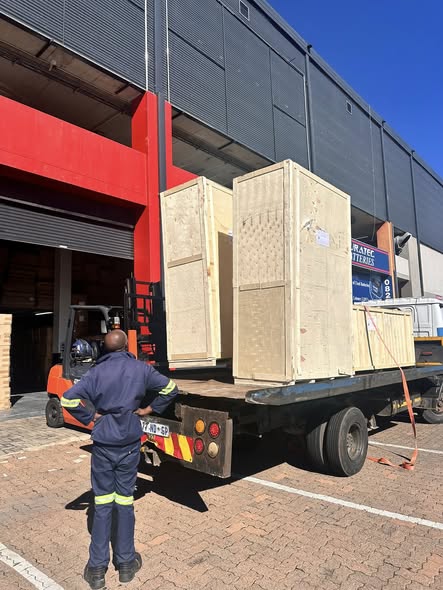
Order Collection
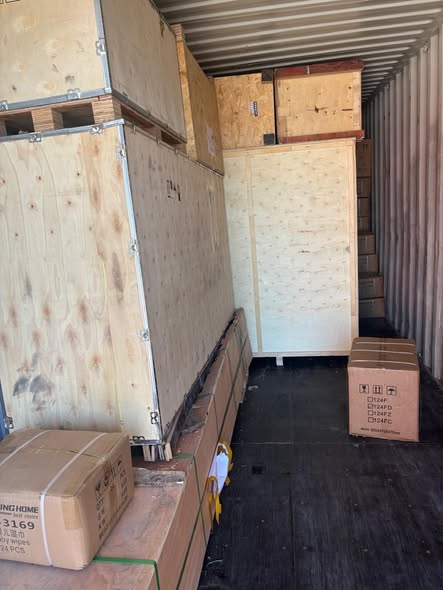
Cross Border Clients
Order cros border countries Collected
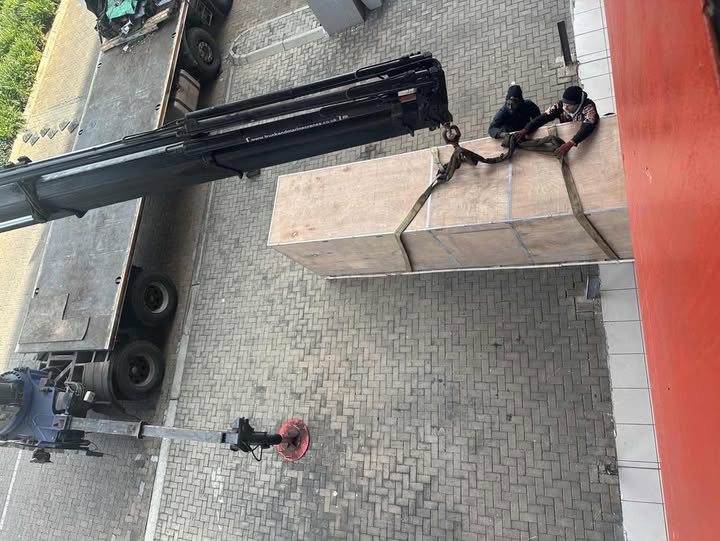
Industrial Machine Cllection
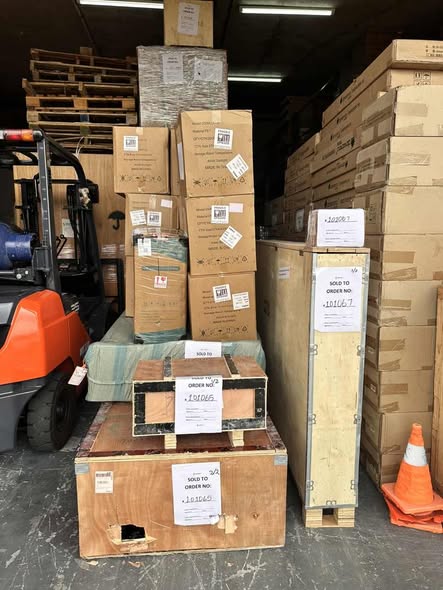
Agriculture Processing Machines
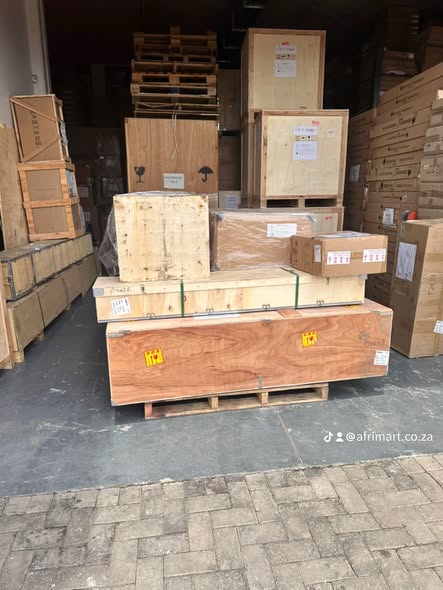
Ready for collection
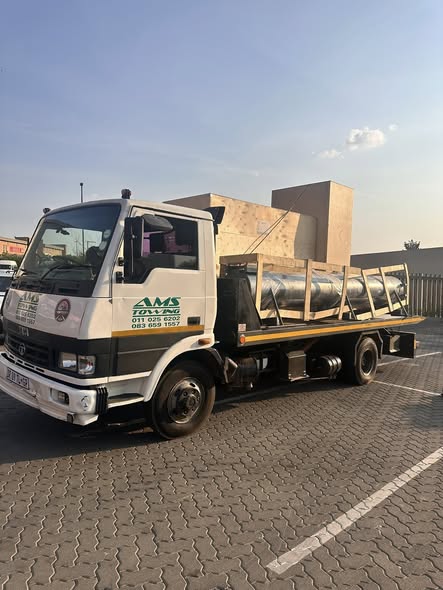
Water Pump Equipment
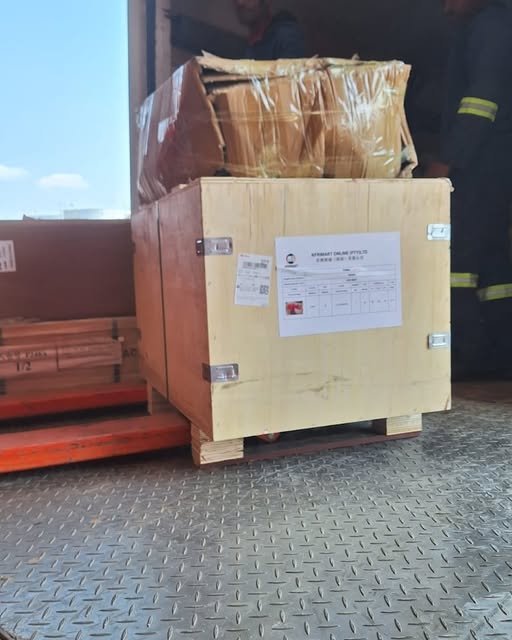
Packaging Machine and accessories
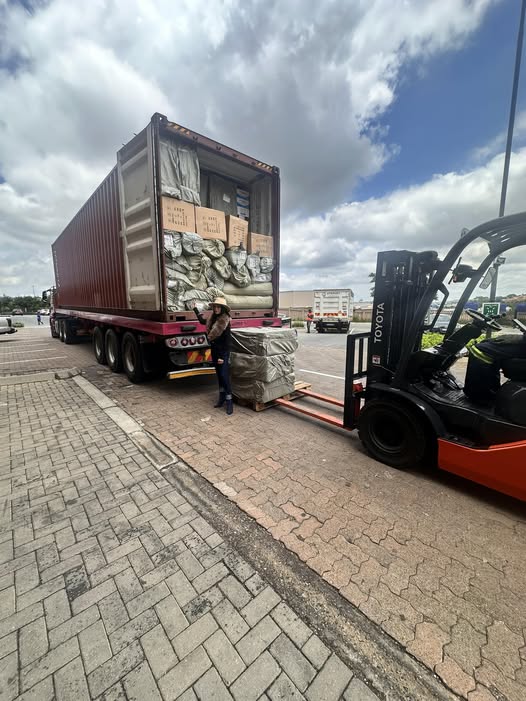
Fabrics Manufacturing Equipment
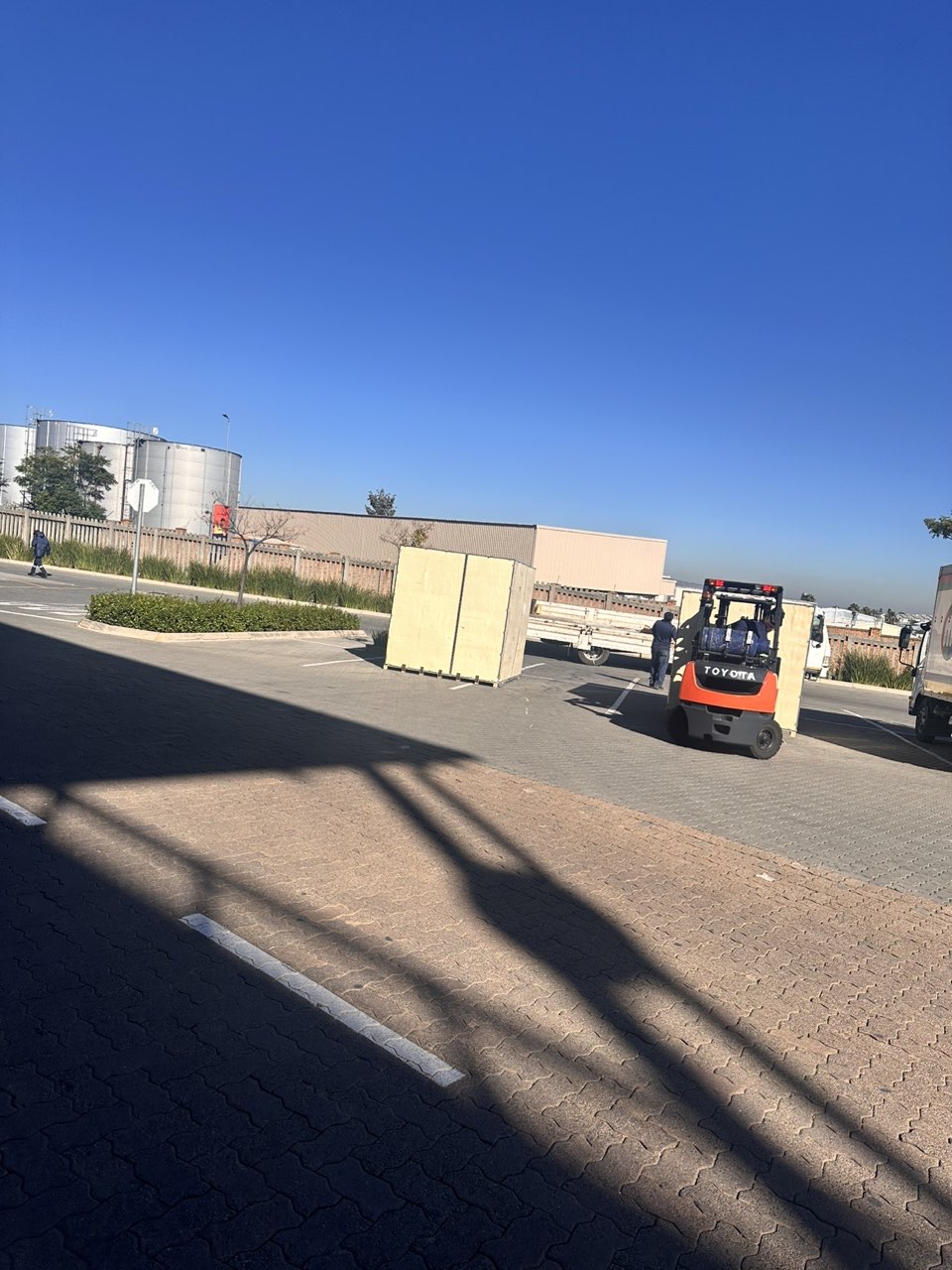
Mining Equipments
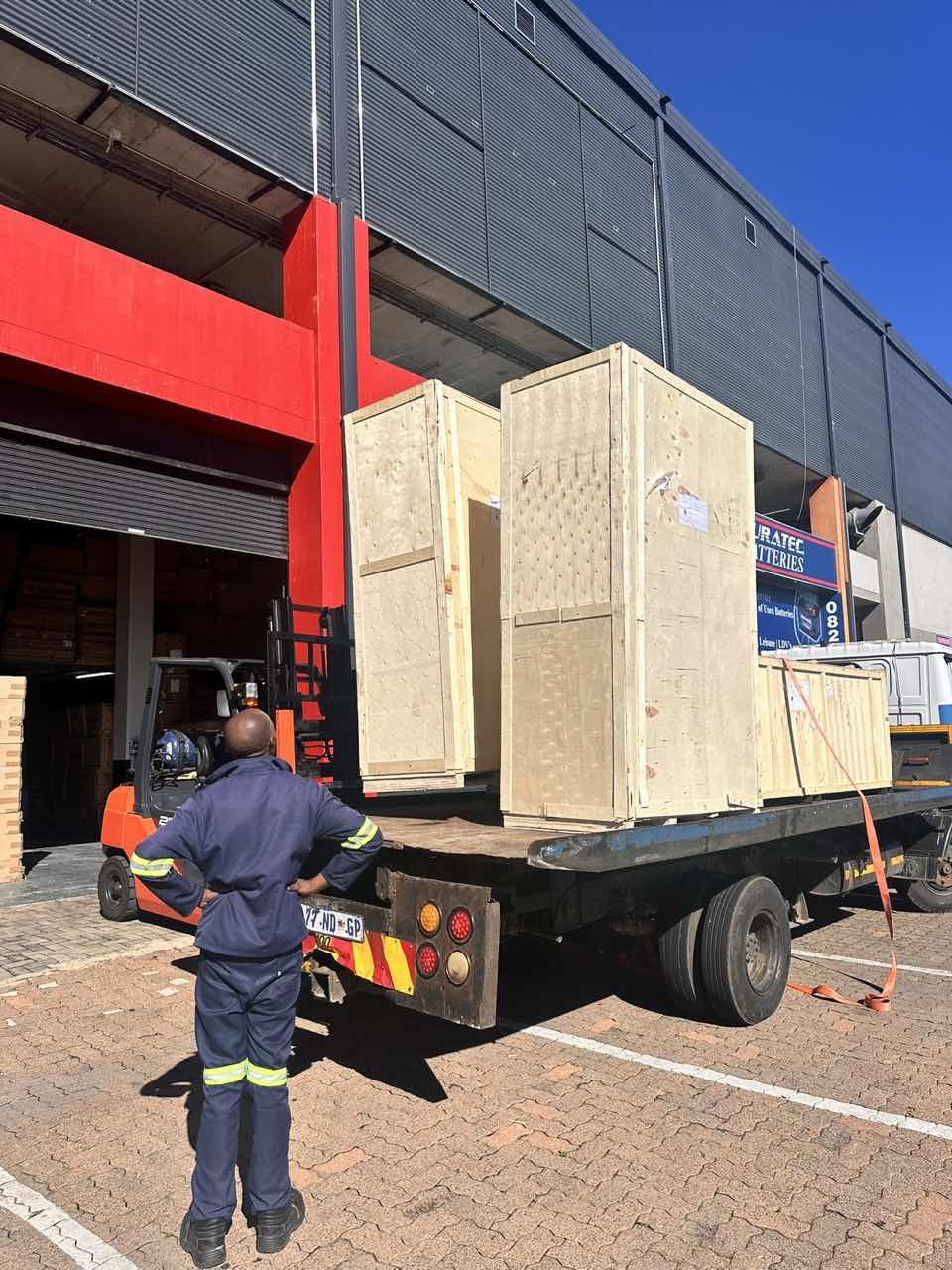
Food Processing Machine
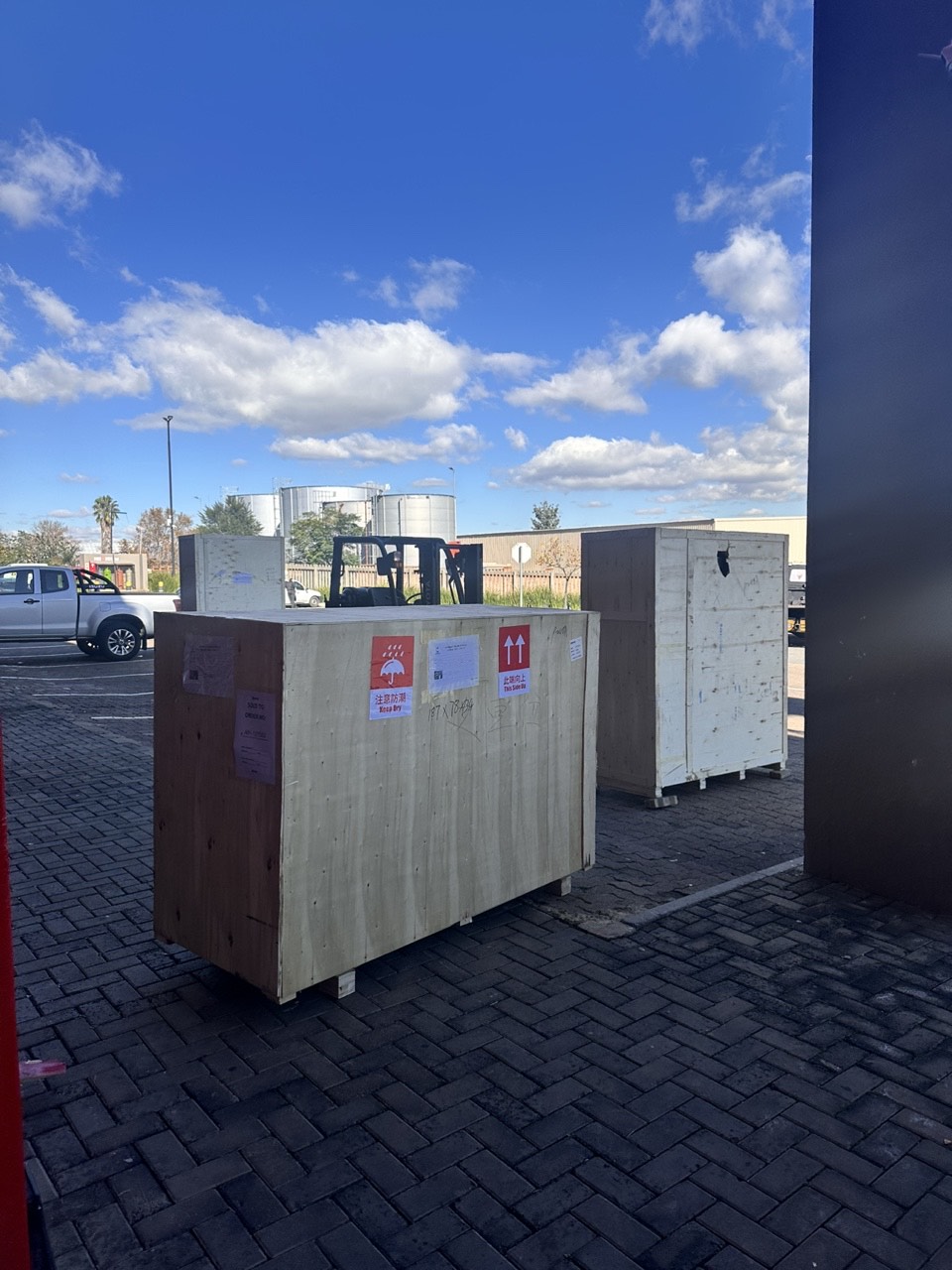
Batch of Orders
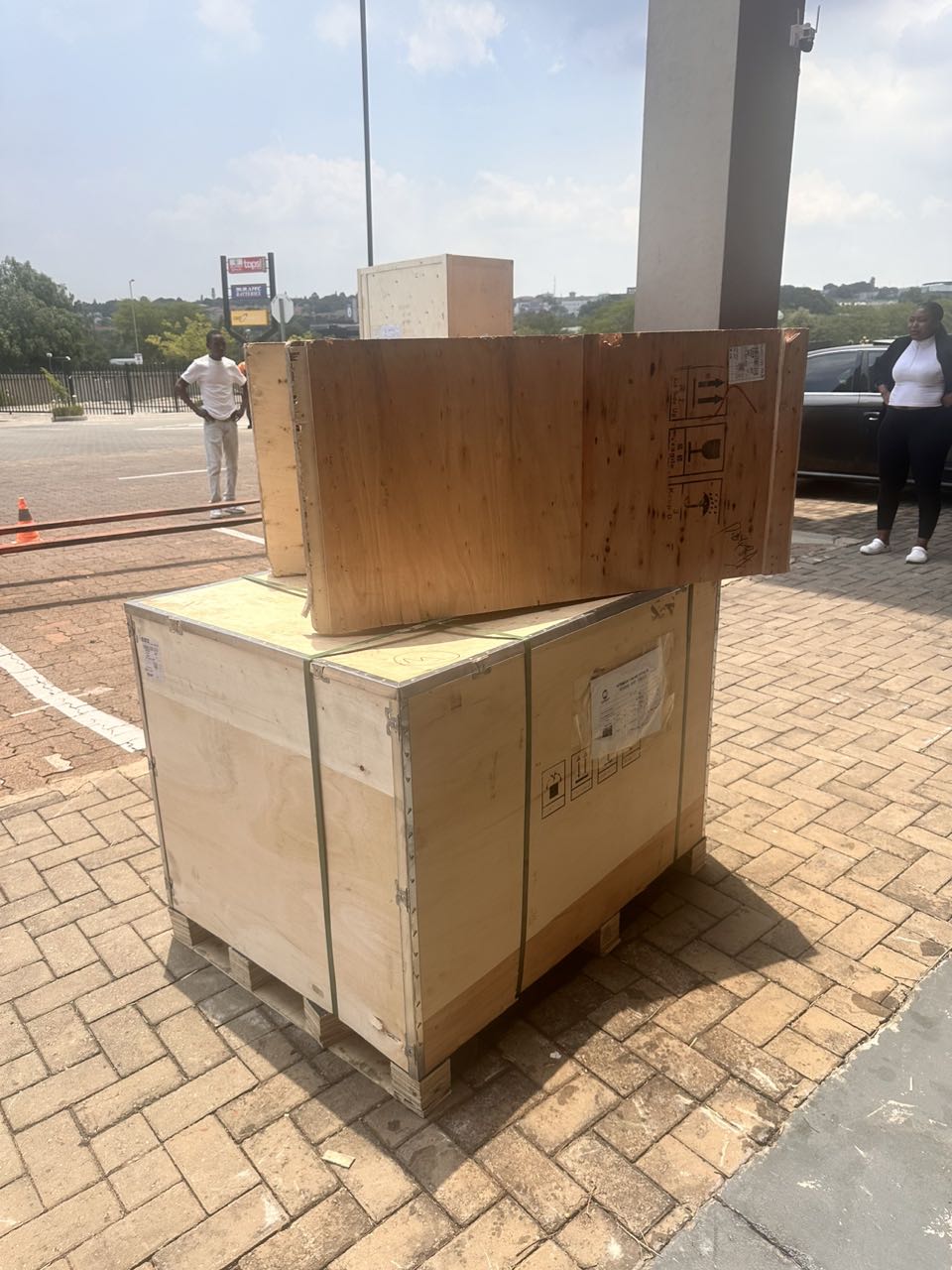
Batch of Orders
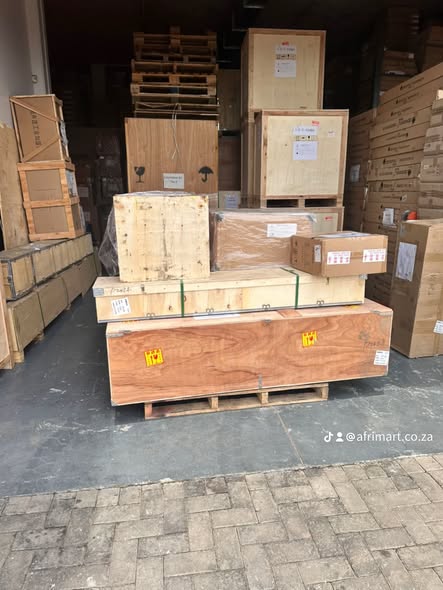
Latest Orders Labelled
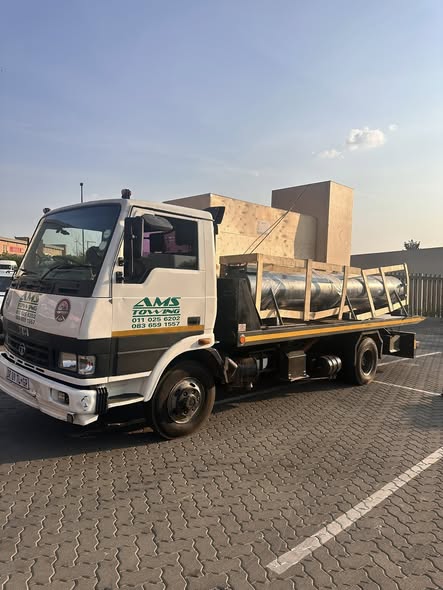
wheel alignment machines
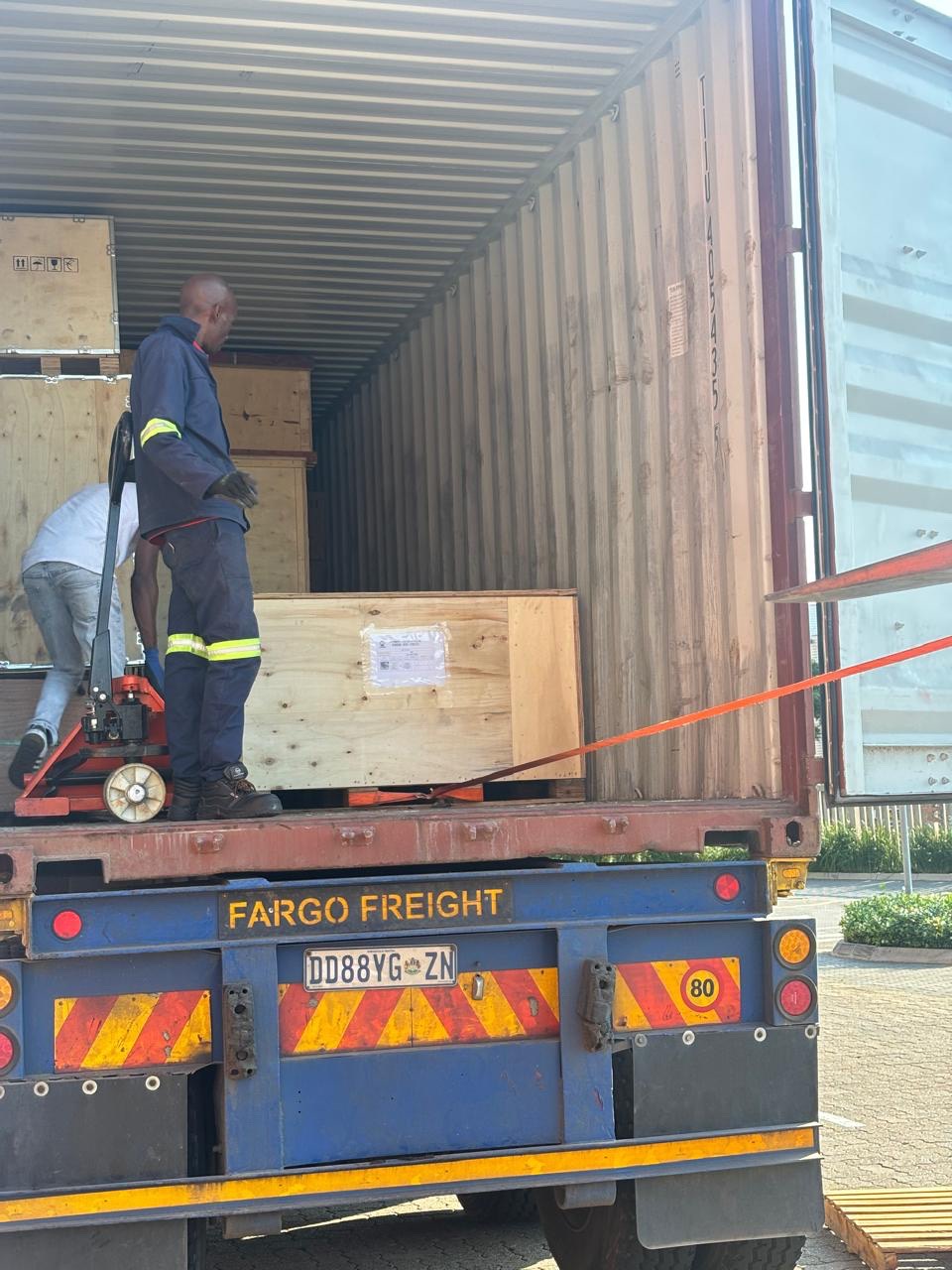
new arrivals
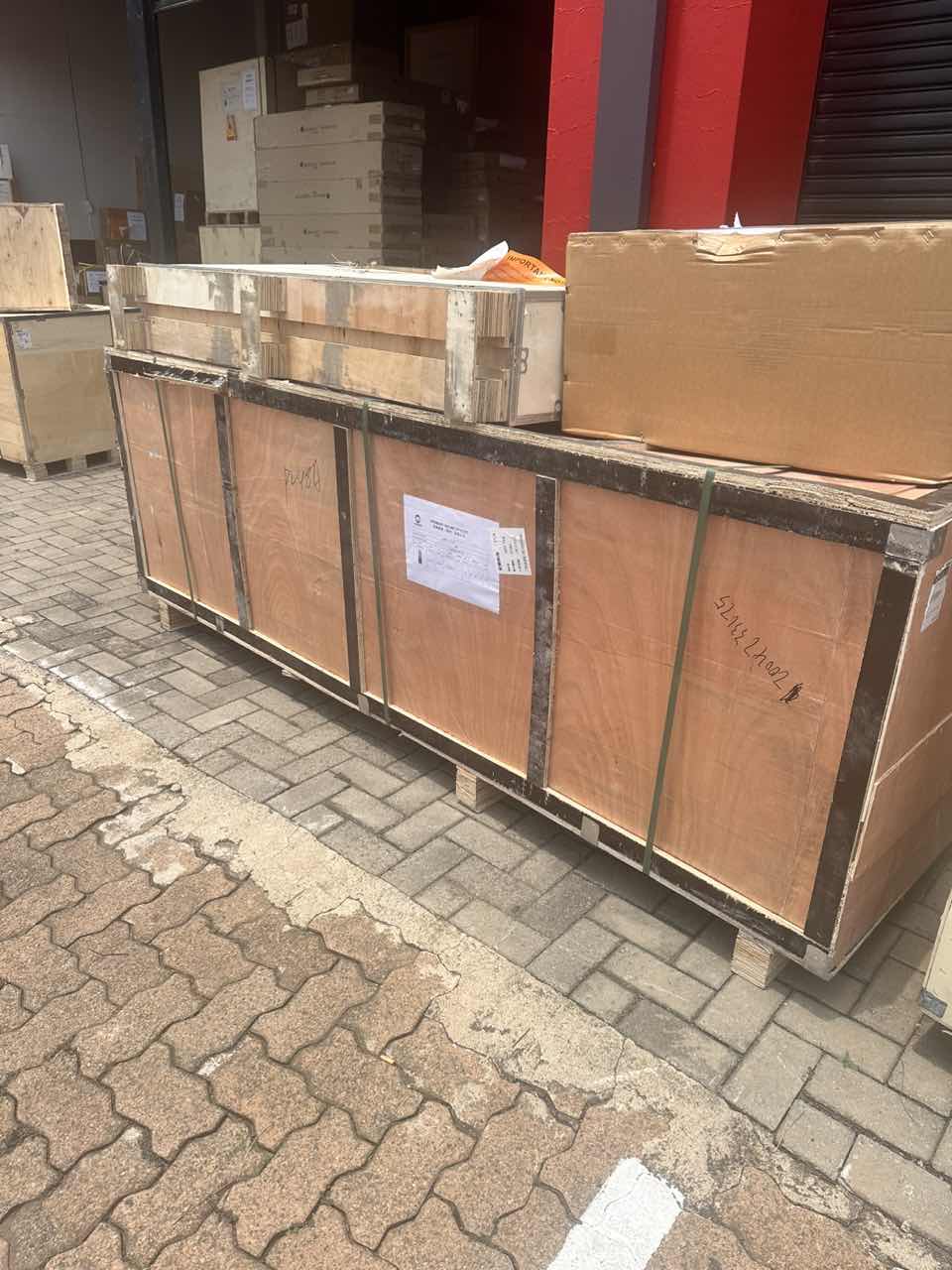
Pre Orders Offloading
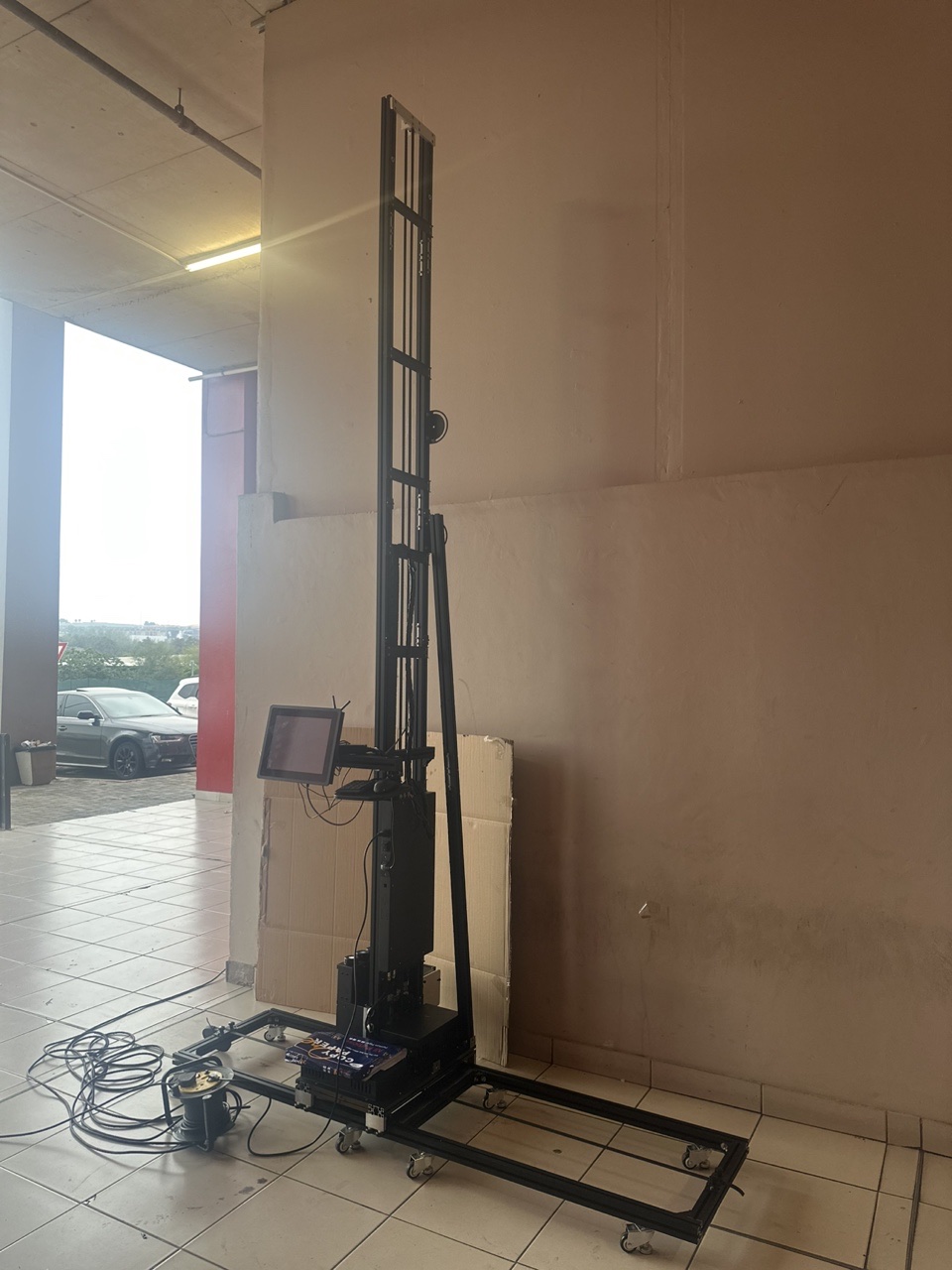
Latest Arrivals
Latest Arrivals
Latest Arrivals
Loading
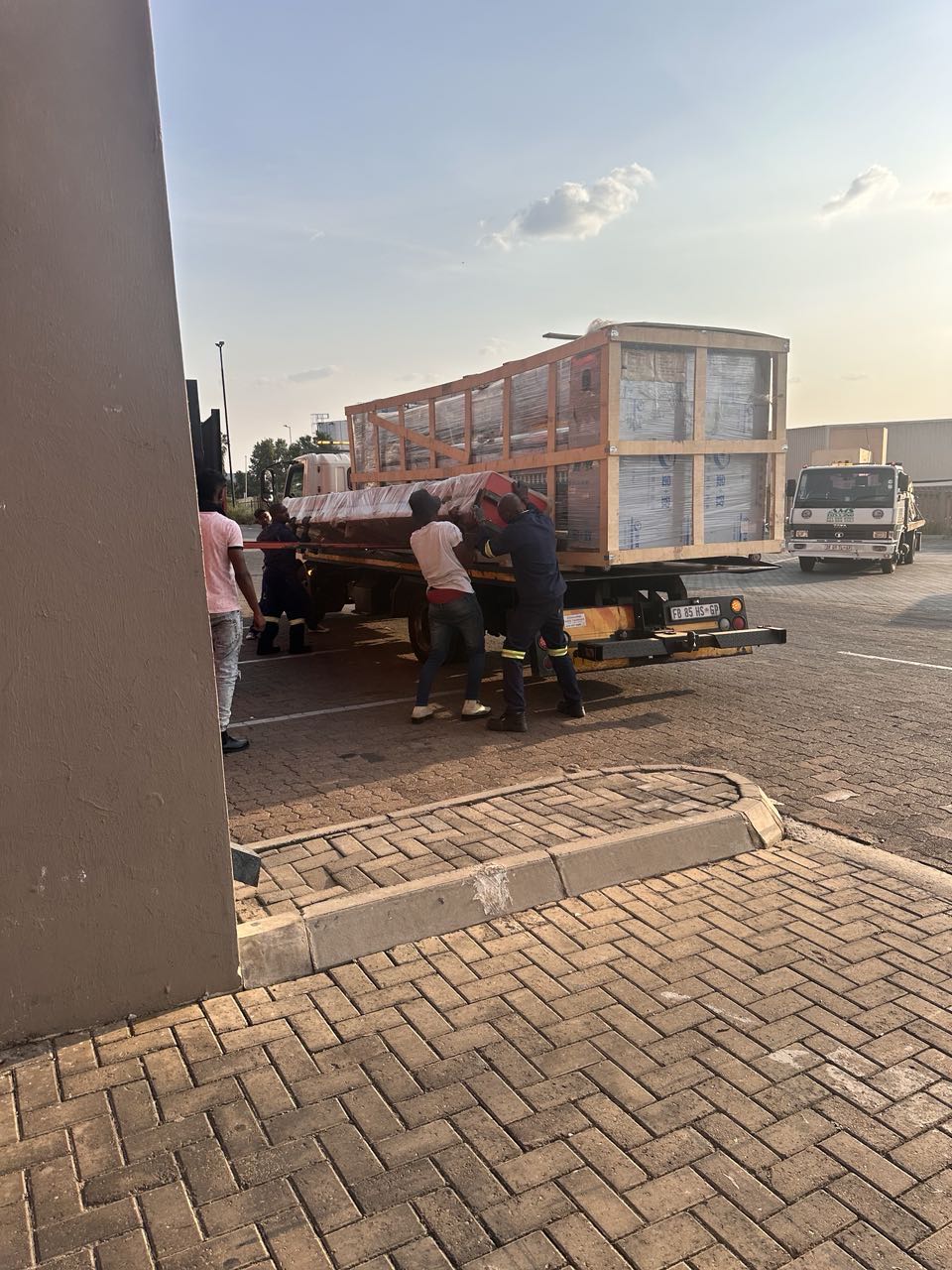
Toilet paper making machine
Toilet paper making machine
Toilet paper Rewinding Machine
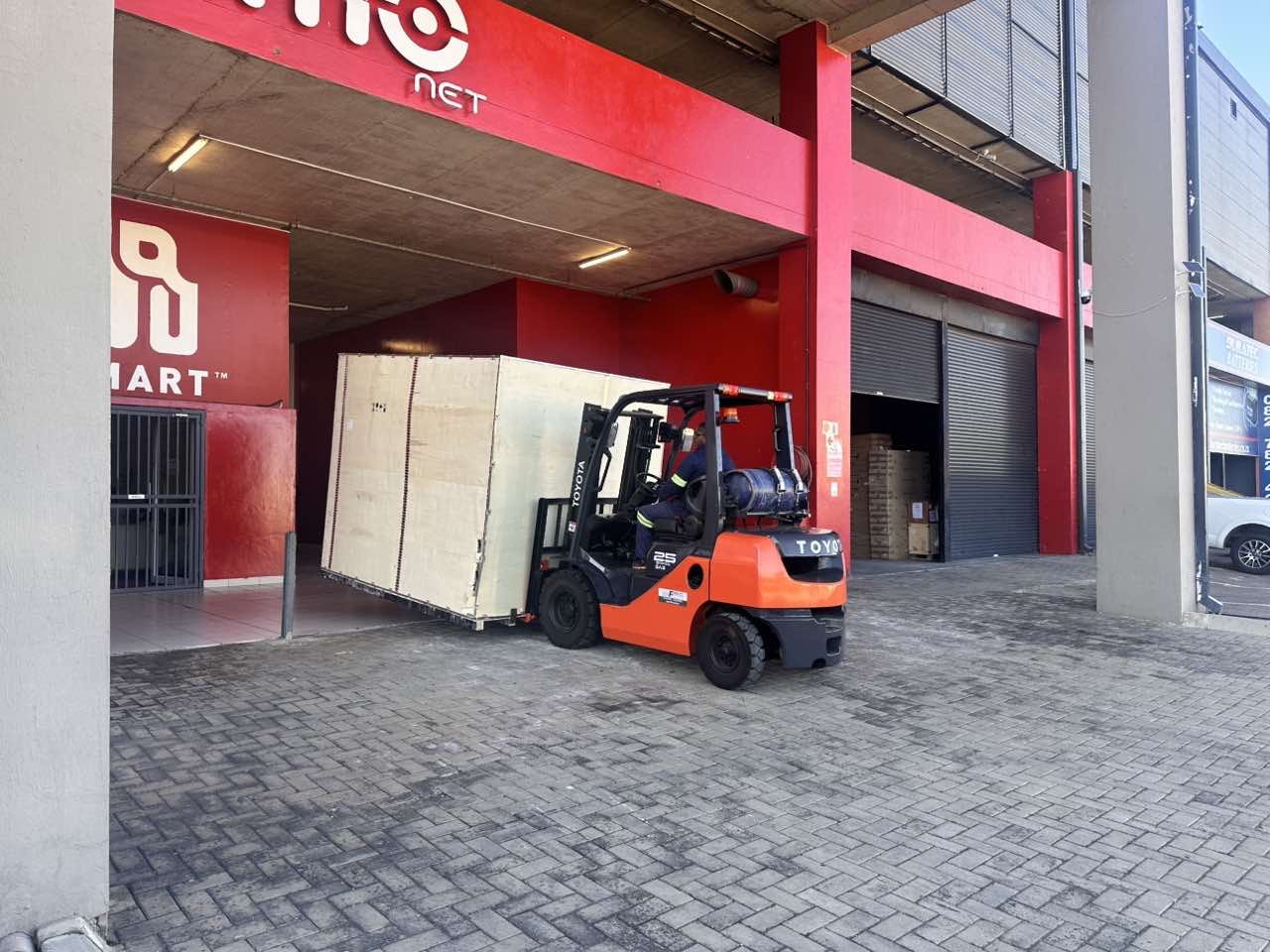
latest arrivals
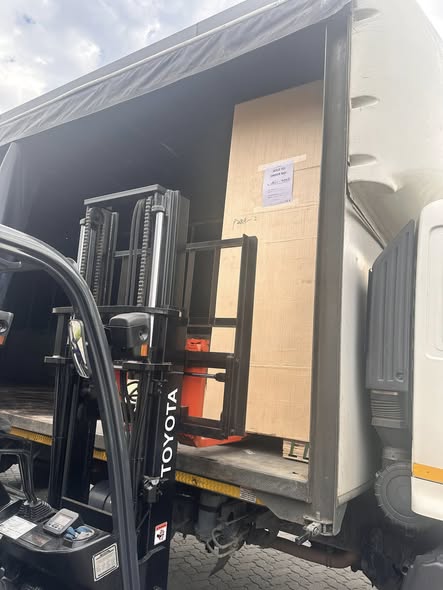
offloading
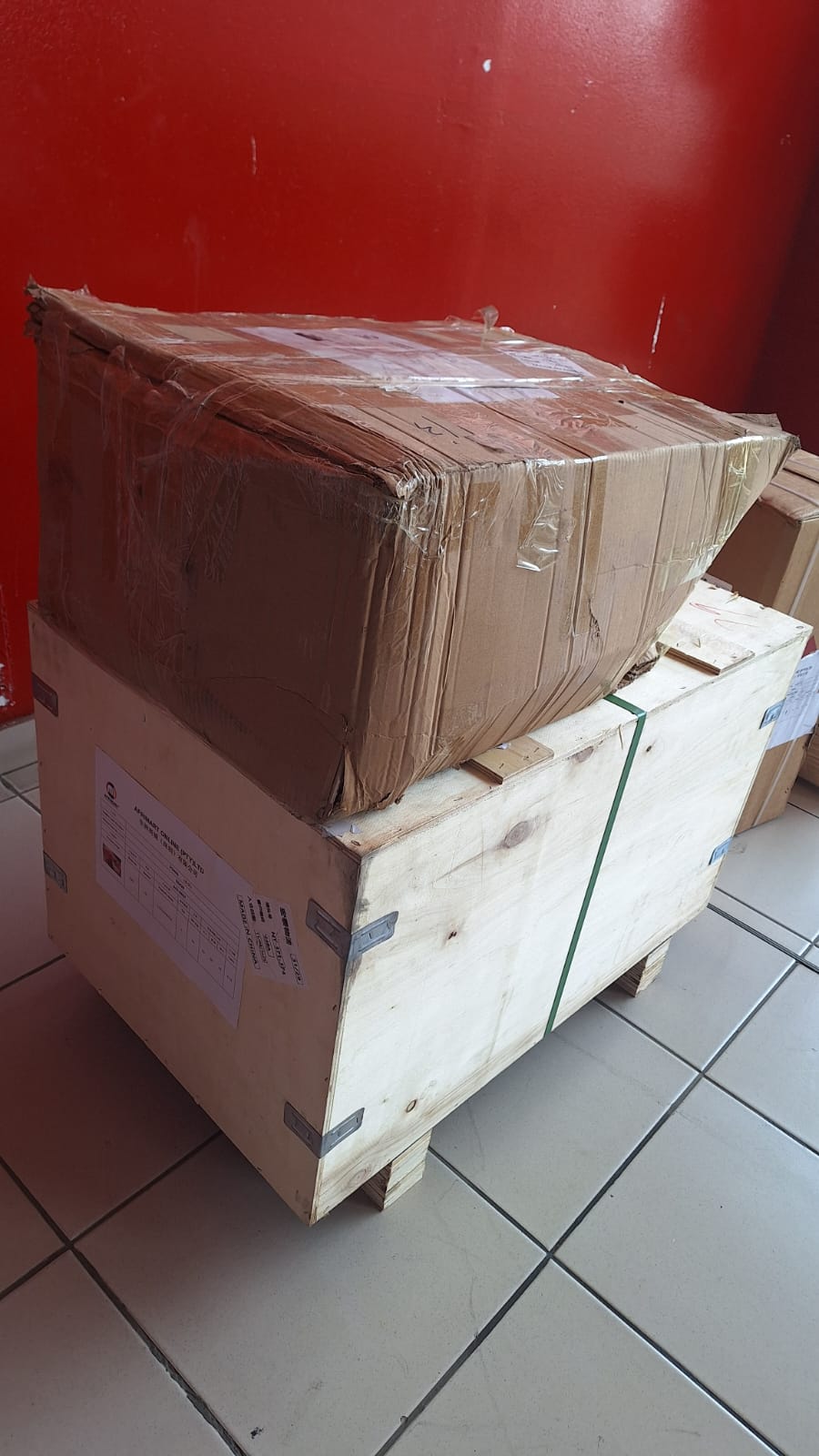
order success
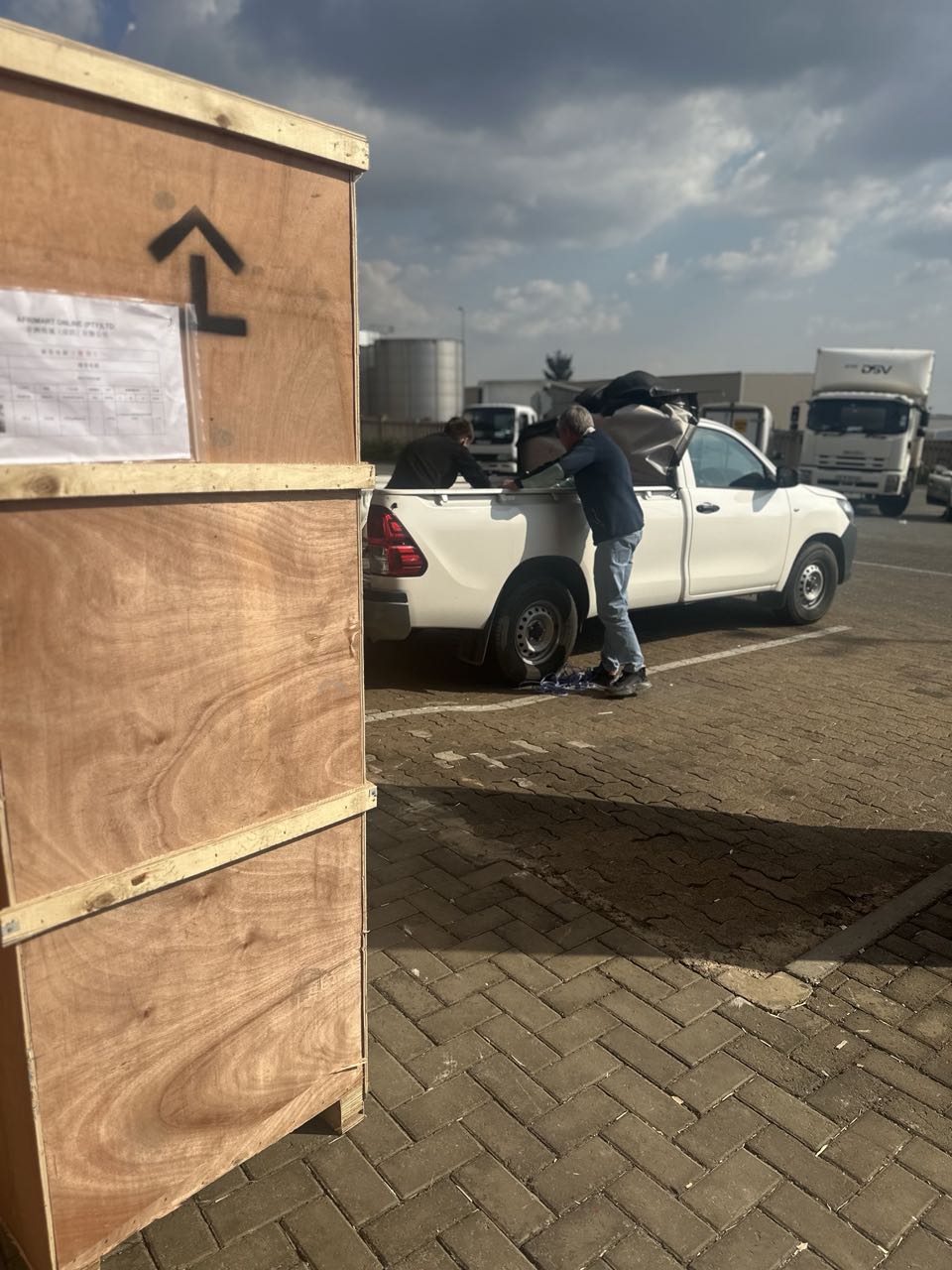
order collection
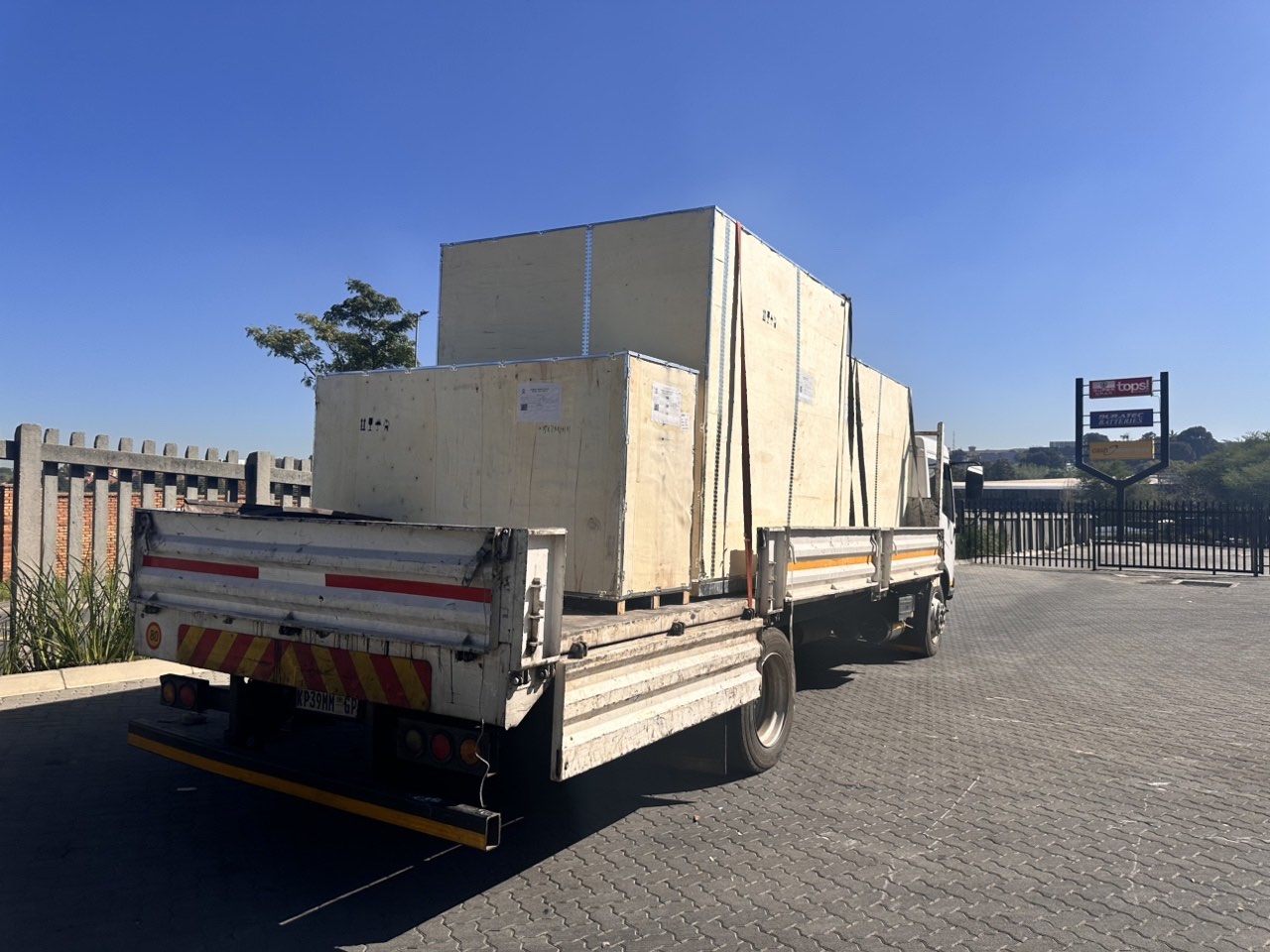
order offloading