B21, China Town Mall, Midrand


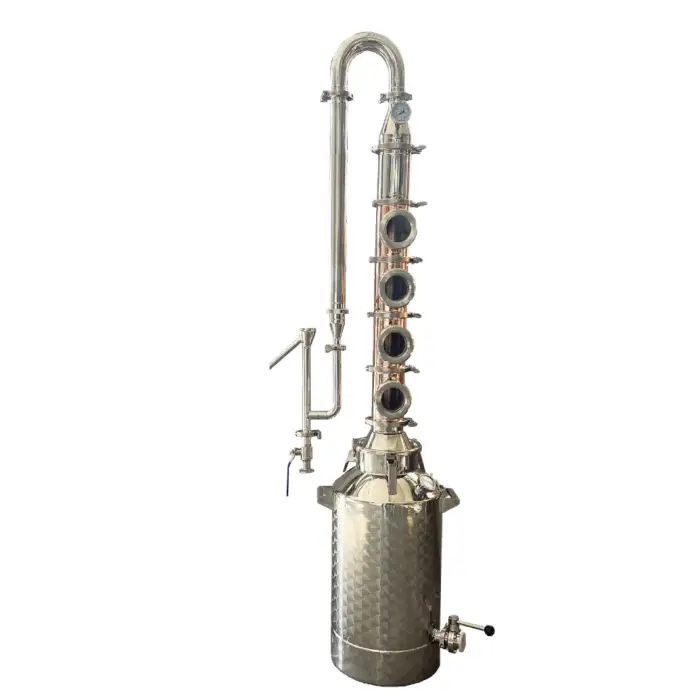
50L Craft Spirit Distillery Beverage Distilled Distiller Machine
Asset finance available
Do you want funding for this equipment?
Afrimart can connect you with trusted funding partners who specialise in asset finance for businesses like yours. Compare options and apply in minutes — final approval is subject to provider review.
Check funding options
Secure & no obligation

- Section : Machinery
- Category : Food & Beverage Machinery
- SKU : 1601563844035

50L Craft Spirit Distillery Beverage Distilled Distiller Machine
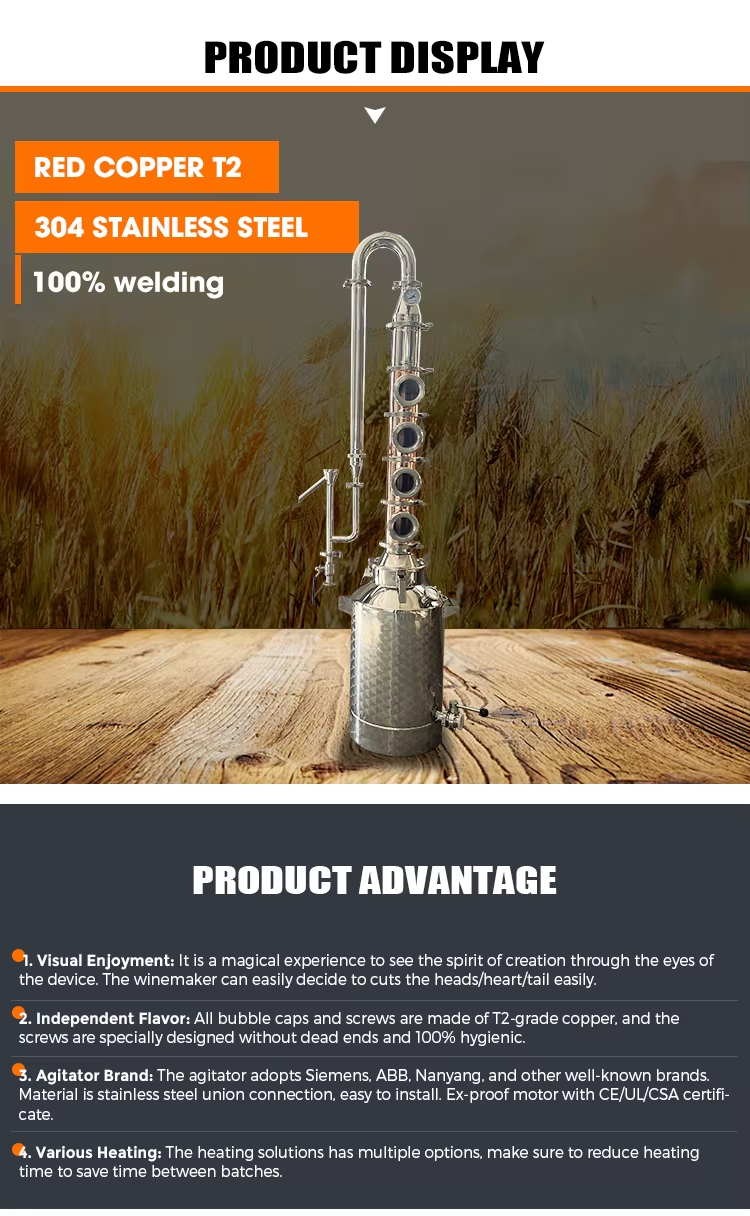
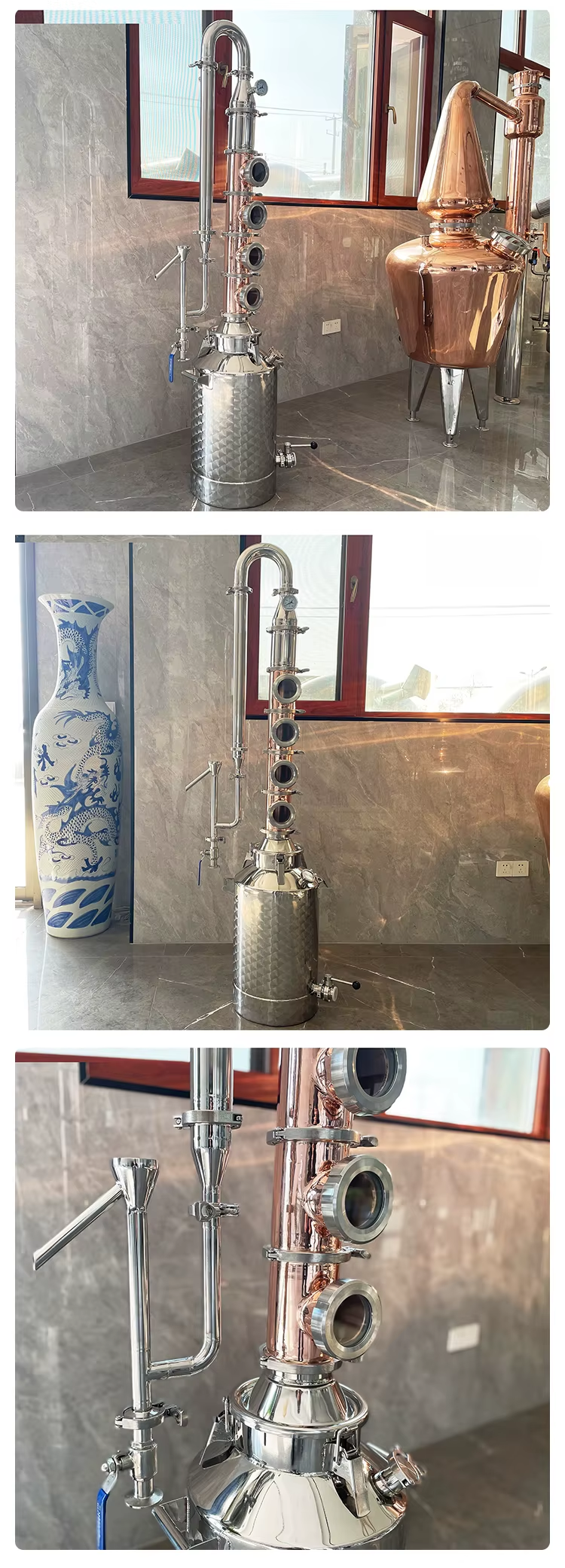
The 50L Craft Spirit Distillery Beverage Distilled Distiller Machine is perfect for anyone looking to create high-quality spirits at home or in a small-scale setting. This efficient distillation equipment is designed with advanced features to ensure you get the best results. With its durable construction and customizable capacity, this distiller machine is a great choice for both beginners and experienced distillers.
Specifications
| Attribute | Details |
|---|---|
| Model Number | 50L |
| Voltage | 220V |
| Power (W) | 750 |
| Weight | 2000 KG |
| Capacity | 50L (customizable) |
| Heating Method | Electricity Steam |
| Material | Red Copper |
| Control System | PID |
| Insulation | 100mm Polyurethane |
| Welding | 100% TIG Welding |
Key Features
- Durable stainless steel and copper construction
- Customizable capacity of 50 liters
- Efficient electric steam heating
- Easy-to-use PID control system
- High-quality polishing for smooth surfaces
- Excellent insulation for energy efficiency
Applications
- Home brewing and distilling
- Small-scale spirit production
- Creating craft beverages
- Educational purposes in distillation
- Experimenting with different flavors and recipes
Product Info Gallery




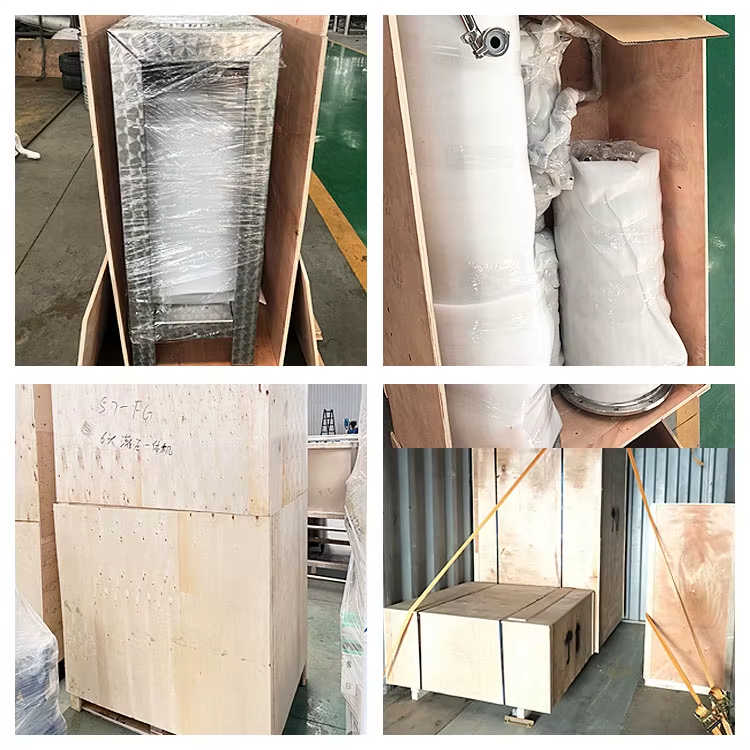
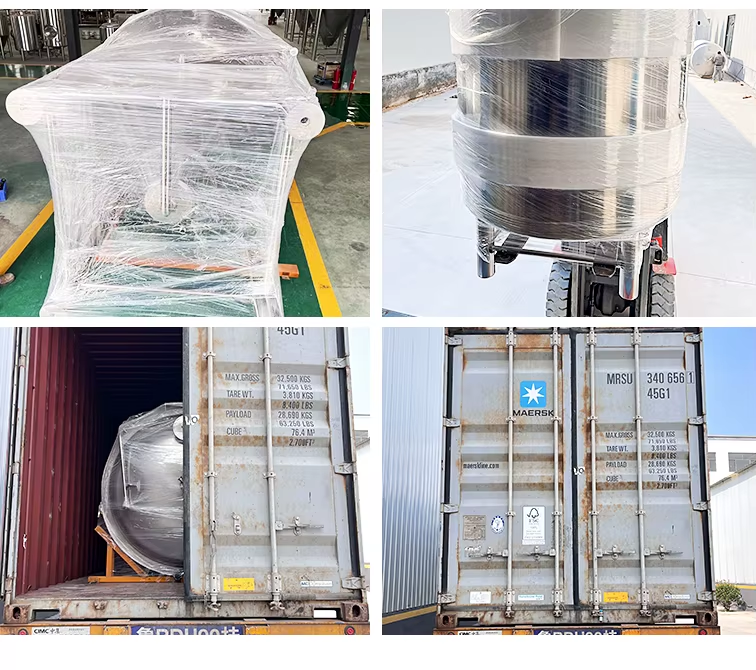
- Shipping Timeframes: All orders are processed within 2-5 business days (excluding weekends and holidays). After your order has been processed, the estimated delivery time is before 03 Aug, 2026, depending on customs, Please note that due to high demand, some items may experience longer shipping times, which will be communicated at order confirmation email.
- Order Processing Time: Please allow 2-5 business days for us to process your order before it is shipped . Orders placed after 16:00 on Fridays, or during weekends and public holidays, will begin processing on the next business day. Processing times may be extended during peak seasons or sales events.
- Manufacturing Time: Some products needs manufacturing time, the manufacturing process will take approximately 10-30 business days depending on the product. This timeframe may vary depending on the complexity of the product and current demand. but this will be communicated with you during order confirmation.
- Returns and Exchanges: We offer a 30-day return policy for most items. If you are not completely satisfied with your purchase, you may return it within 30 days of receipt for a refund or exchange. Items must be unused, in their original packaging, and accompanied by proof of purchase. Return shipping costs are the responsibility of the customer, unless the item was damaged or defective upon arrival.
1. What is the capacity of this distillery unit?
The nominal capacity is 50 liters (50 L) for the boiler/boil pot. For safe operation you should not fill the boiler to the top — most operators fill to about 65–80% of the nominal volume to allow headspace.
2. What materials is the equipment made from?
The main vessels and column are typically made from food-grade stainless steel (commonly SUS304 or SUS316). Many models include copper column sections or copper packing for flavor interaction. Seals and gaskets are food-safe silicone or PTFE.
3. What heating methods are available for this 50 L unit?
Models can be supplied configured for electric heating (built-in heating element), steam jacket heating (steam-in), or direct/gas-fired heating. Check the specific product listing to confirm the heating option.
4. Does this unit include a reflux column or is it a pot still?
Configurations vary. The product can be supplied as a pot still or with a column/reflux pack to support higher purification. The exact configuration (height of column, number of plates, packed sections) will be listed in the model/spec sheet.
5. What cooling/water requirements does the condenser have?
Most condensers are water-cooled and require a continuous supply of cold water or a recirculating chiller. Flow rate and inlet temperature requirements depend on condenser size — consult the spec sheet for the recommended flow and inlet pressure.
6. What are the electrical and power requirements?
Electrical requirements depend on the chosen heating option and control panel. Electric models commonly require single- or three-phase power (for example 220–240 V single-phase or 380–415 V three-phase). Always verify the specific model’s voltage and current rating before purchase.
7. Is it legal for me to use this equipment to produce alcoholic beverages?
Ownership and operation of distillation equipment is regulated and may require permits or licenses in many countries and states. Laws vary widely — contact your local regulatory authority and ensure you have the proper licenses and follow all local tax and safety regulations before operating the equipment.
8. What safety features are included?
Typical safety features include pressure relief/vent valves, temperature sensors and gauges, over-temperature protection (on electric heaters), grounding lugs, and secure pressure-rated fittings. Proper installation by qualified personnel and adherence to local safety codes is essential.
9. How long does a typical distillation run take with a 50 L unit?
Run time depends on the feed concentration, heating method, desired product, and operator settings. A single distillation run commonly takes several hours. Exact times will vary — consult the supplier for typical cycle times for your chosen configuration.
10. What accessories and spare parts are normally included or available?
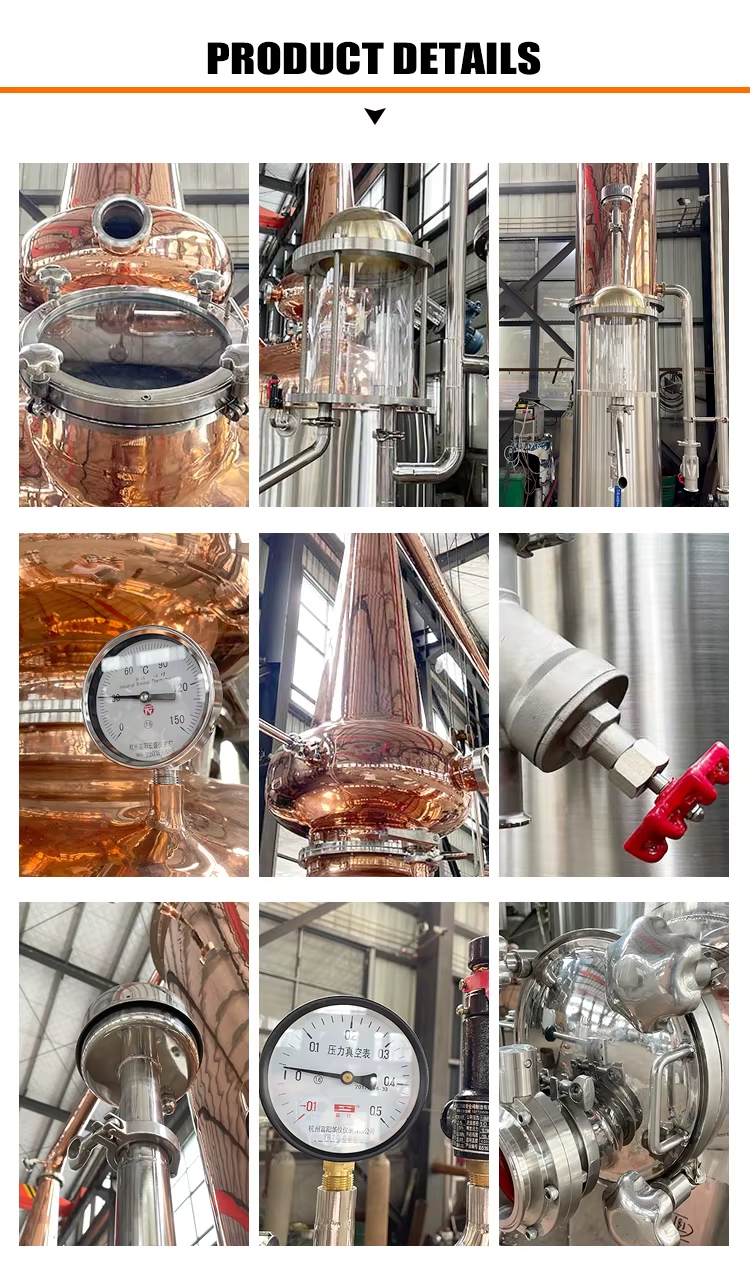
Common inclusions or available accessories: column sections, condenser(s), thermometers/temperature probes, sight glasses, pumps, clamps and gaskets, collection arms, and sample valves. Spare parts such as gaskets, sight glasses, and heating elements are usually available from the manufacturer or reseller.
11. How do I clean and maintain the distillery equipment?
General maintenance includes rinsing with warm water after use, periodic cleaning with food-safe cleaners or caustic/acid sanitizers as recommended by the manufacturer, descaling if hard water is used, inspecting and replacing gaskets, and checking fittings for leaks. Follow the manufacturer’s maintenance schedule and safety guidance.
12. Do you provide installation, commissioning, or operator training?
Many suppliers offer optional on-site installation, commissioning, and operator training, or remote support/documentation. Confirm availability, scope, and fees with the seller before purchase.
13. Are there certifications or warranties for this equipment?
Certifications (for example CE, ISO) and warranty terms vary by manufacturer and model. Warranty periods commonly range from 6 to 24 months. Ask the supplier for specific certification documents and the written warranty terms for the exact unit you are buying.
14. Can this 50 L unit be customized or scaled to a larger system?
Yes — many manufacturers offer custom configurations (different column heights, more plates, integrated chillers, automation) and larger or smaller capacities. Discuss your production goals with the supplier to get a tailored solution.
15. What should I know about shipping, installation footprint, and space requirements?
Footprint and weight depend on configuration (floor-mounted vs. benchtop, column height, number of accessories). The unit may be shipped disassembled to reduce shipping size. Provide the supplier with site details (door sizes, ceiling height, utilities) so they can advise on packing, delivery, and installation requirements.
Latest Order Arrivals
Discover our latest orders
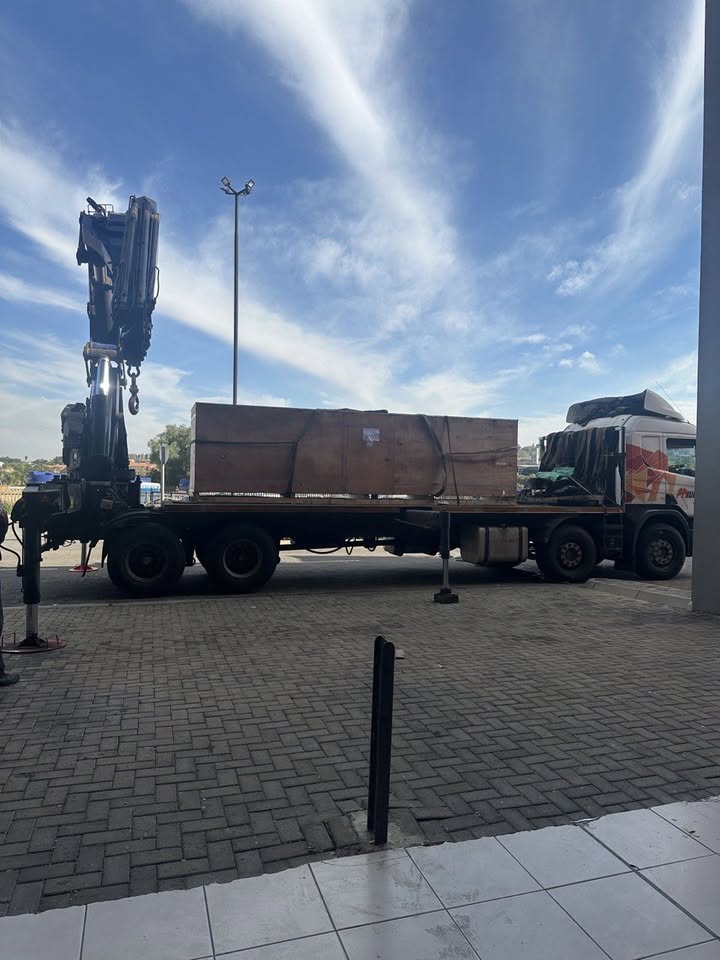
12 Heads Embroidery Machine
Toilet Paper Machine Machine
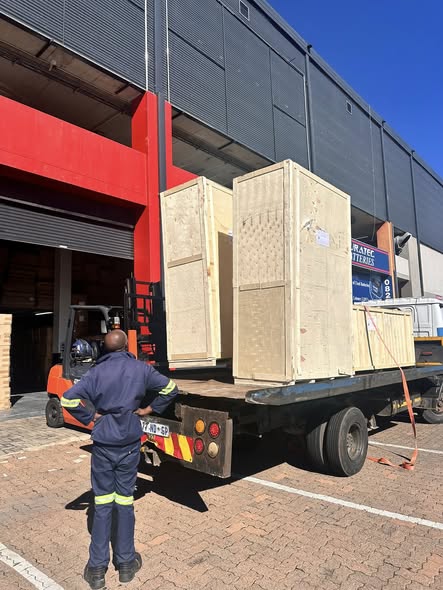
Order Collection
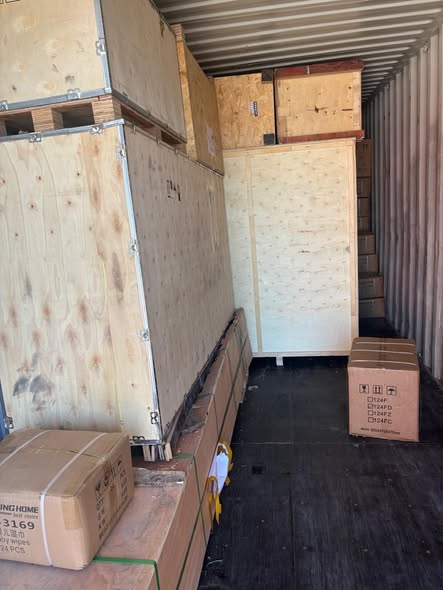
Cross Border Clients
Order cros border countries Collected
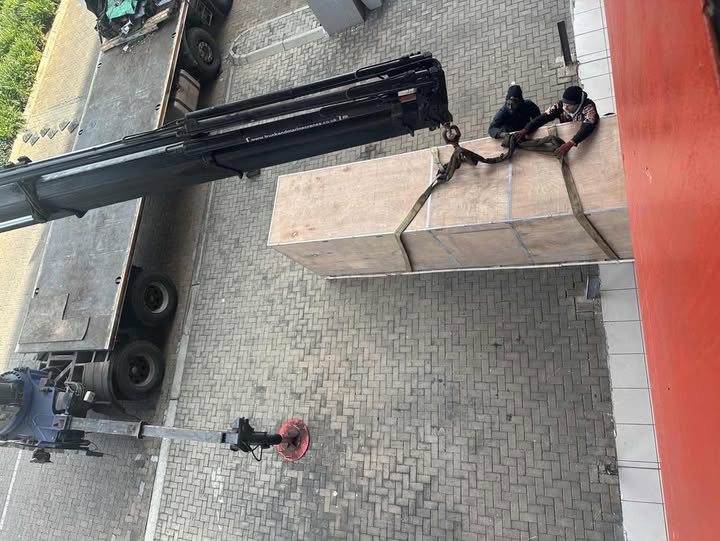
Industrial Machine Cllection
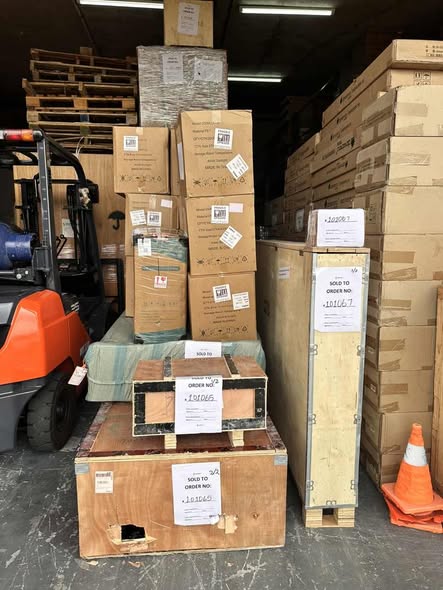
Agriculture Processing Machines
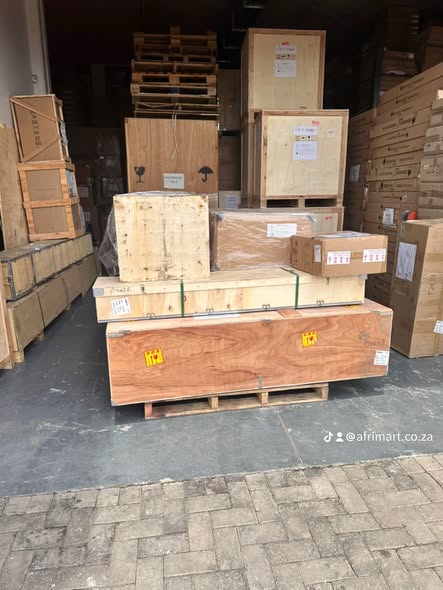
Ready for collection
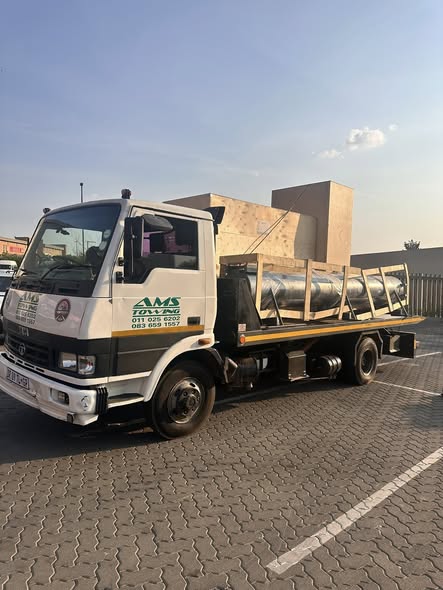
Water Pump Equipment
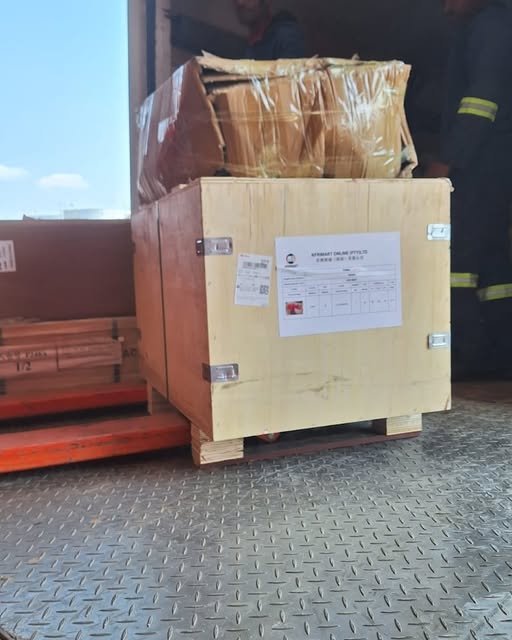
Packaging Machine and accessories
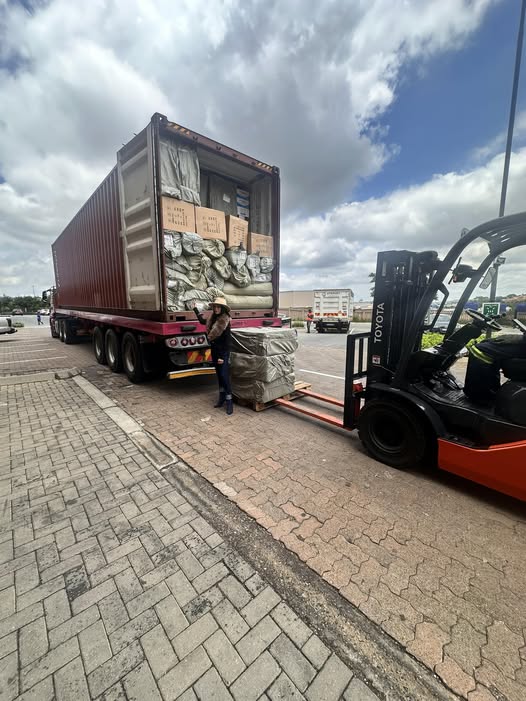
Fabrics Manufacturing Equipment
Mining Equipments
Food Processing Machine
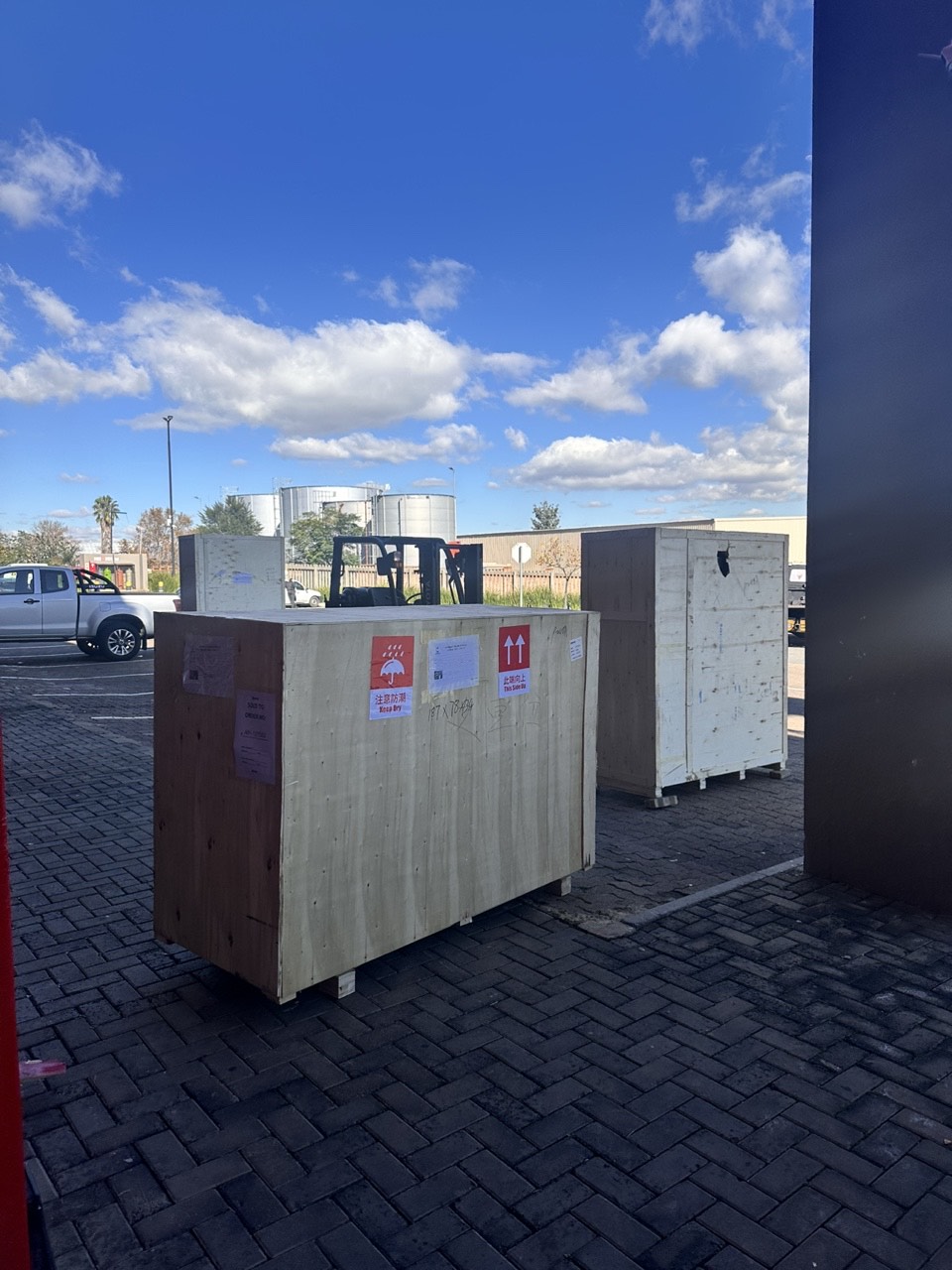
Batch of Orders
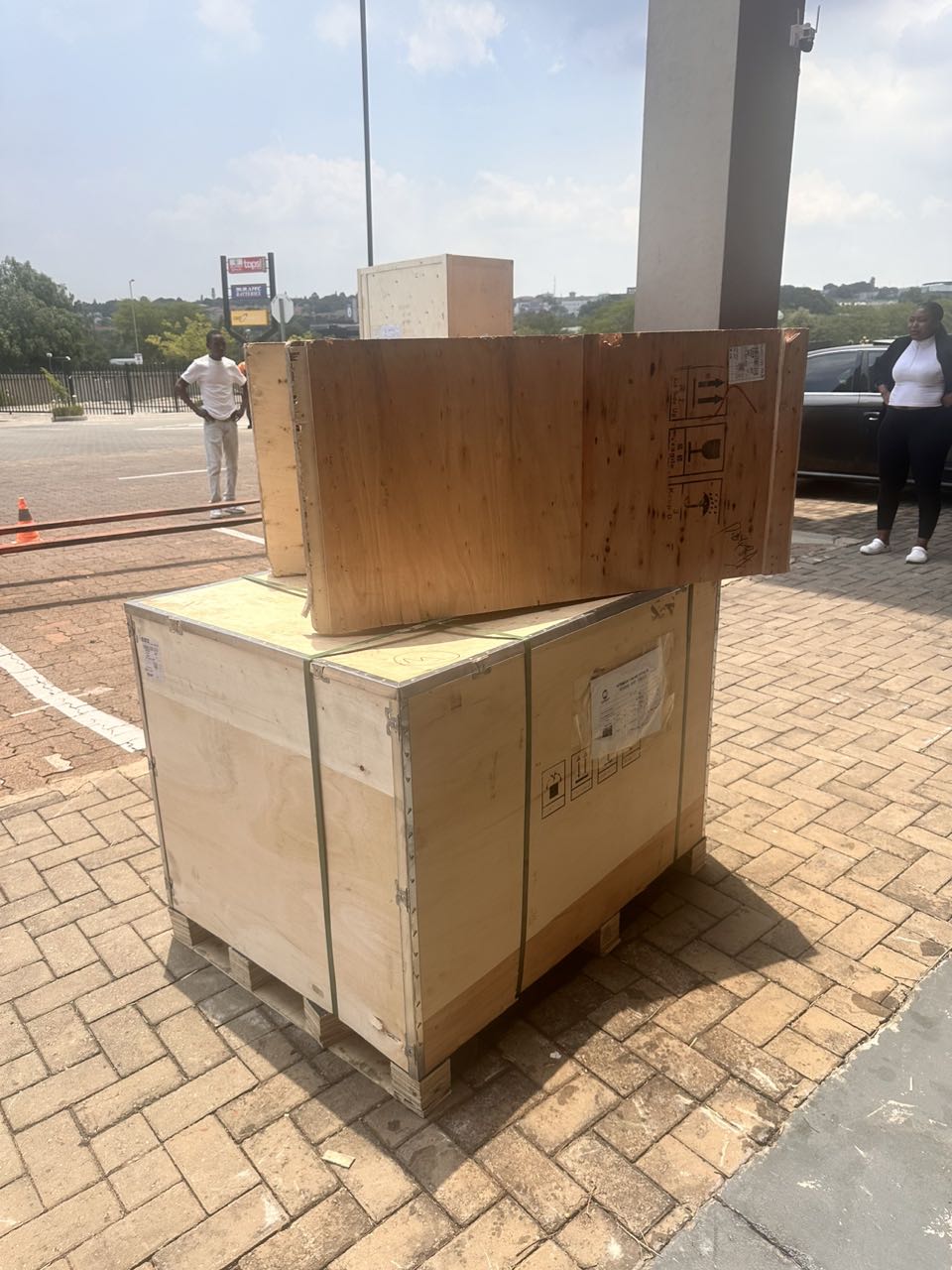
Batch of Orders
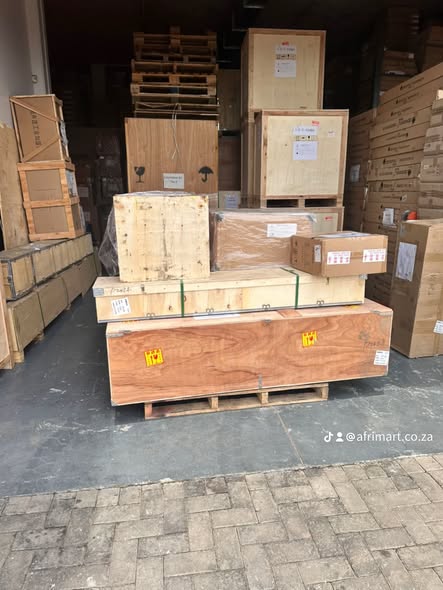
Latest Orders Labelled
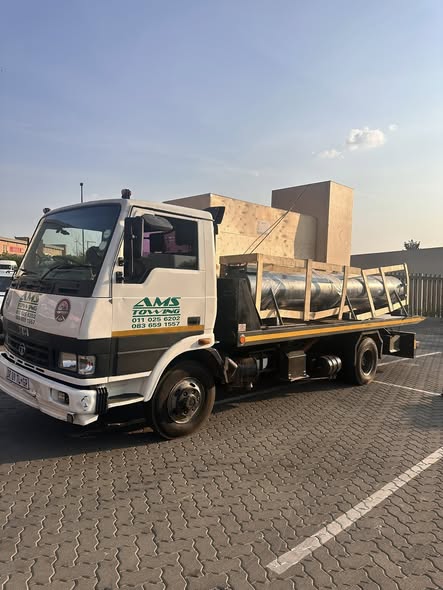
wheel alignment machines
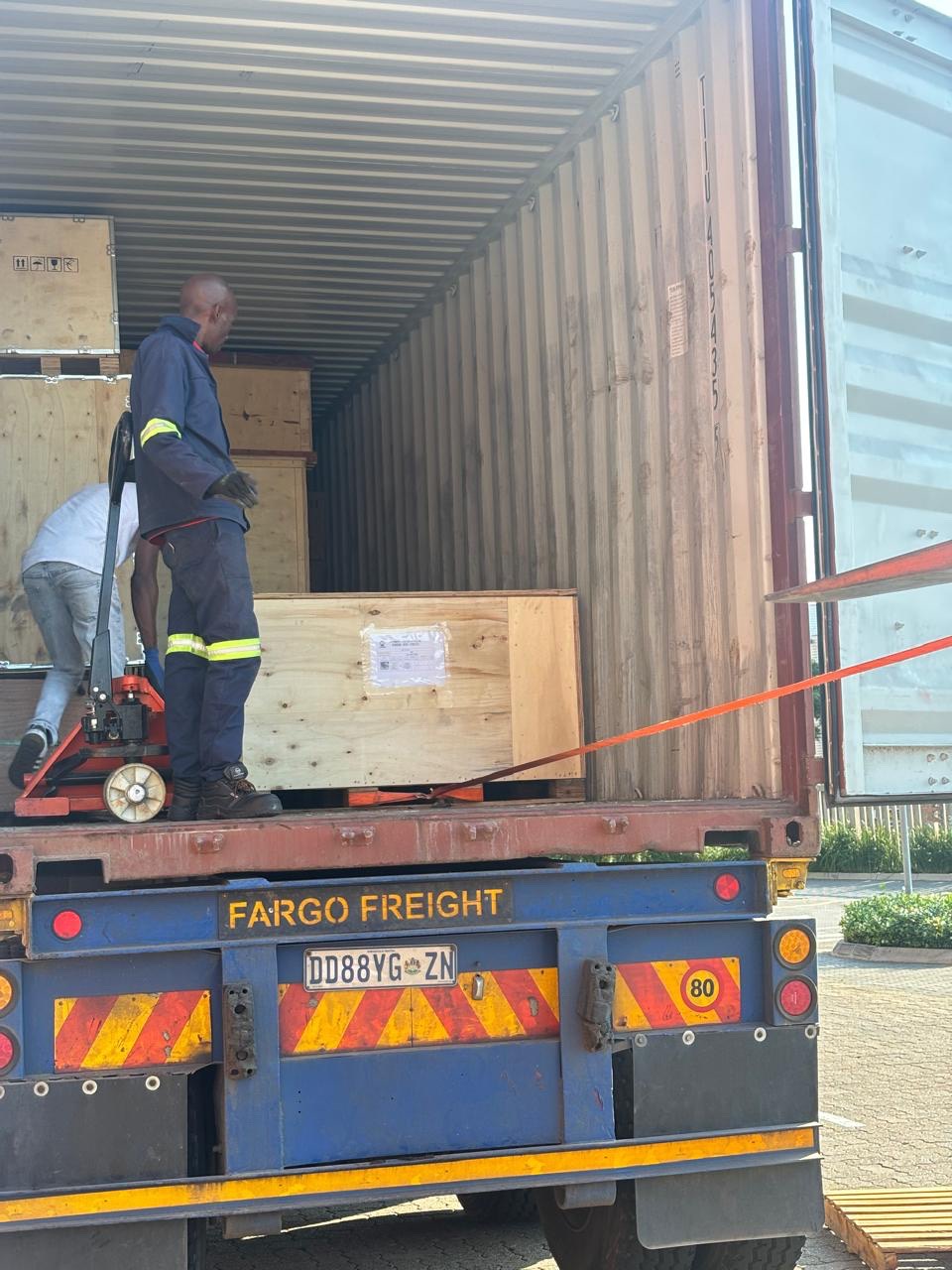
new arrivals
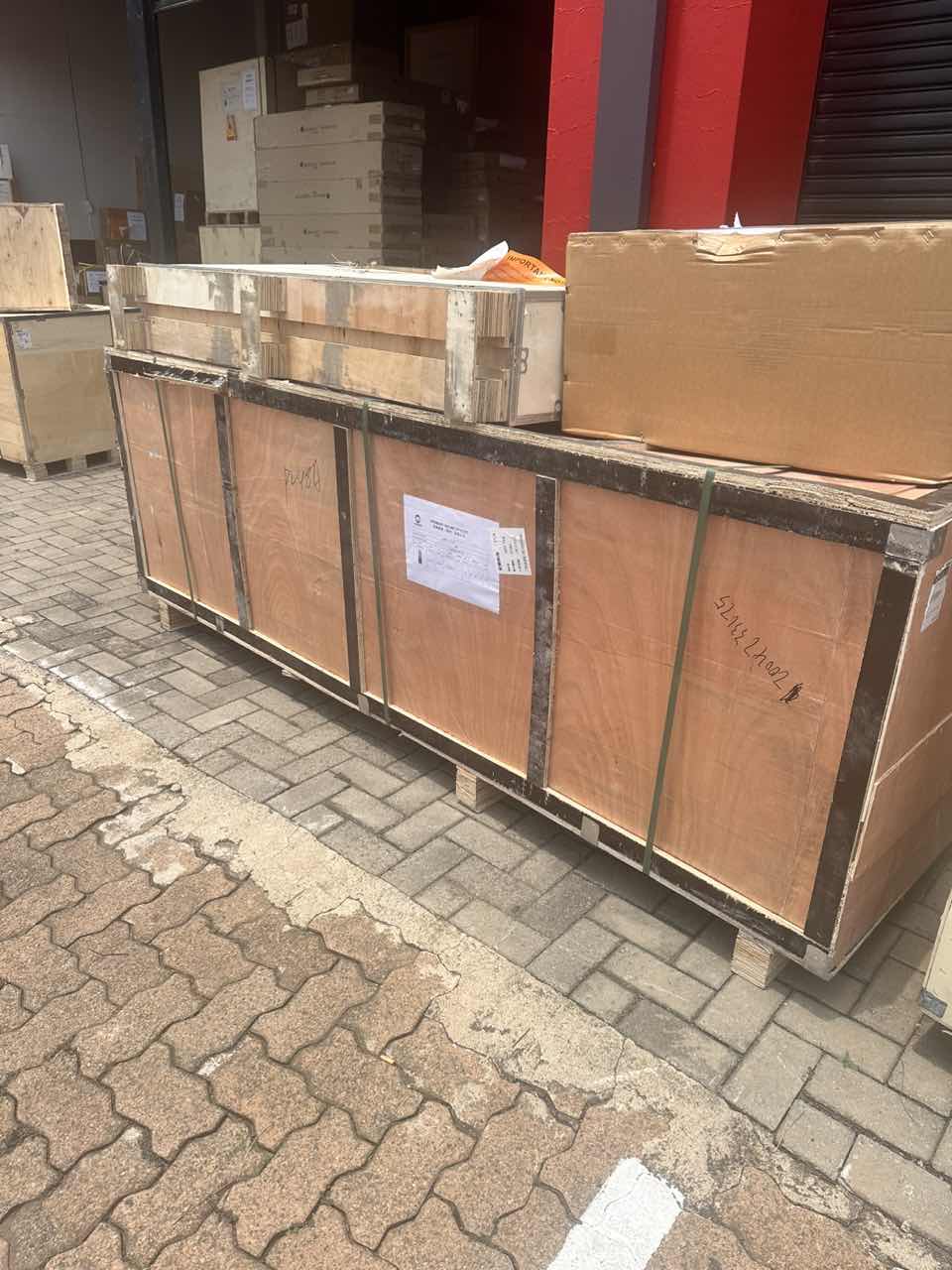
Pre Orders Offloading
Latest Arrivals
Latest Arrivals
Latest Arrivals
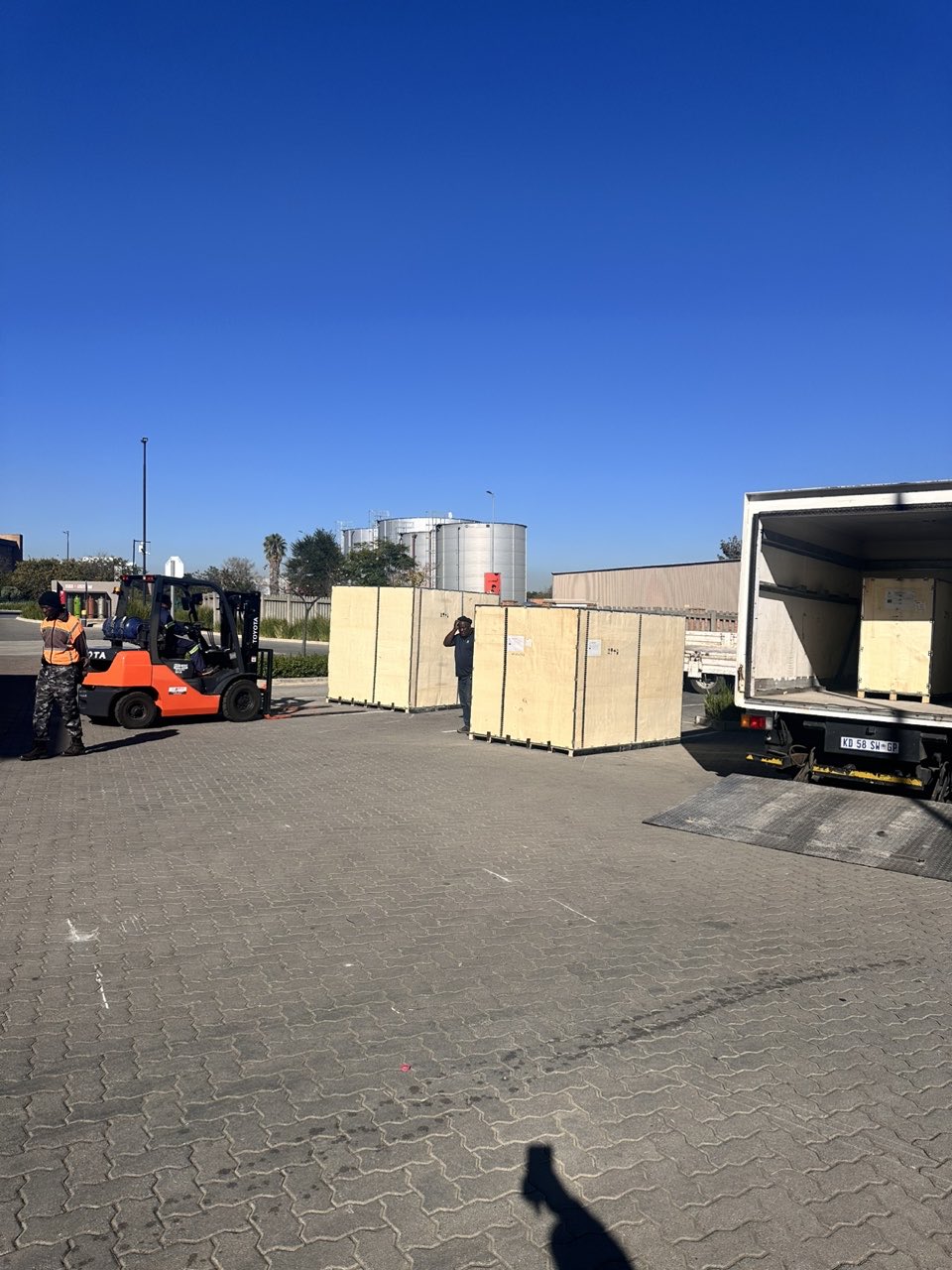
Loading
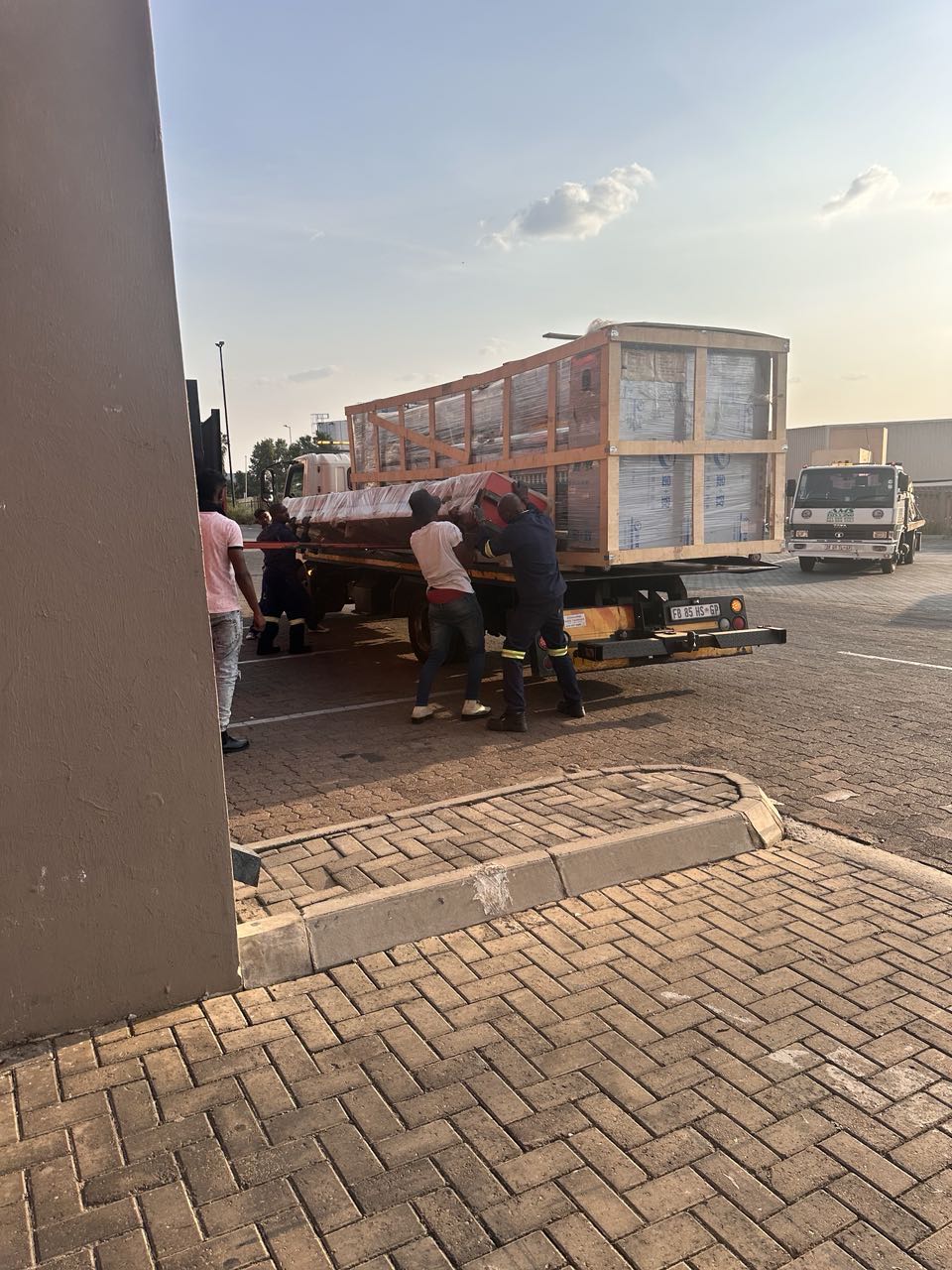
Toilet paper making machine
Toilet paper making machine
Toilet paper Rewinding Machine
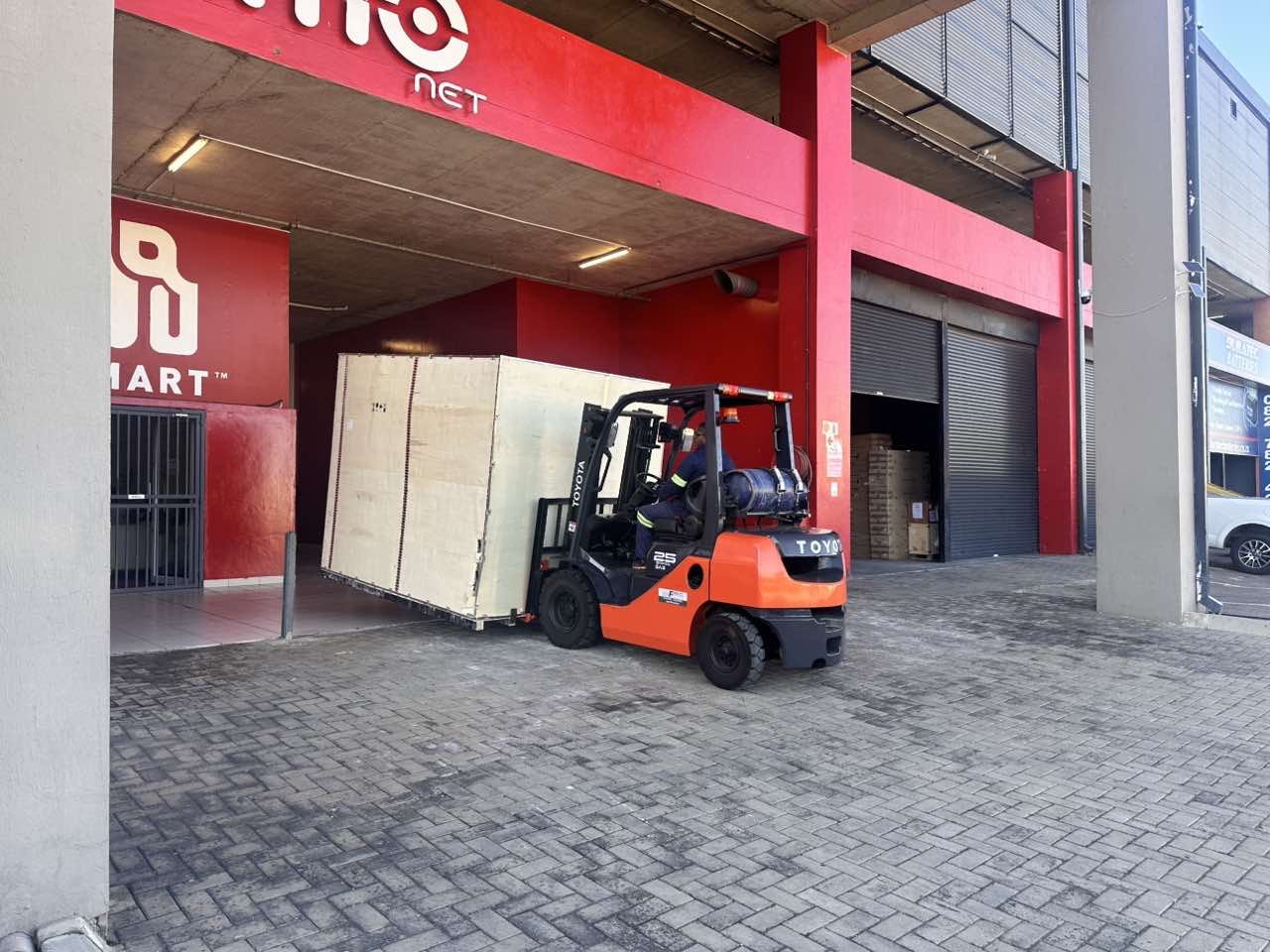
latest arrivals
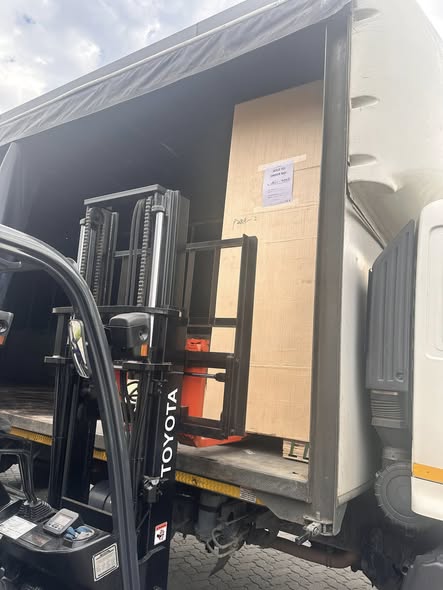
offloading
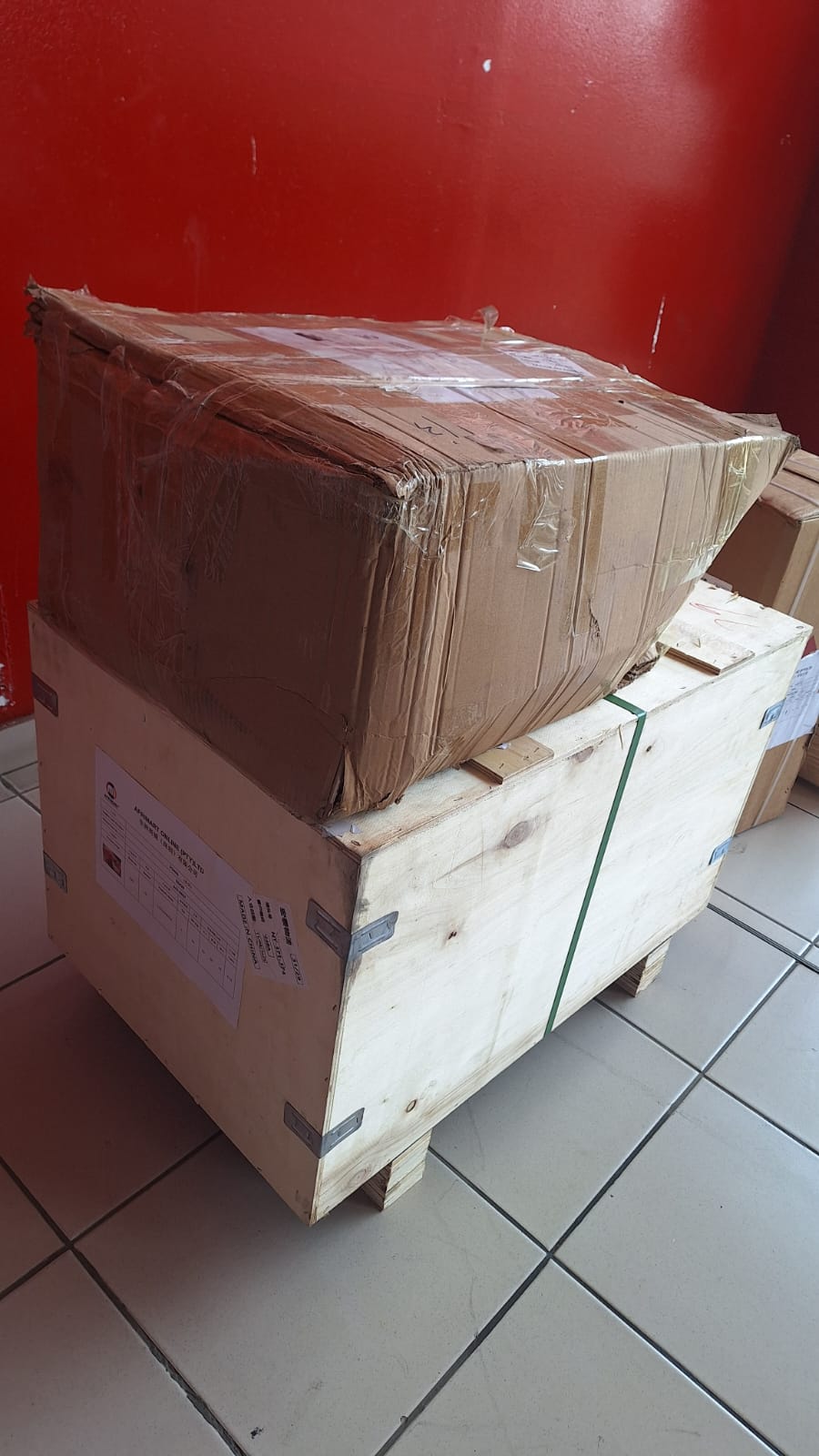
order success
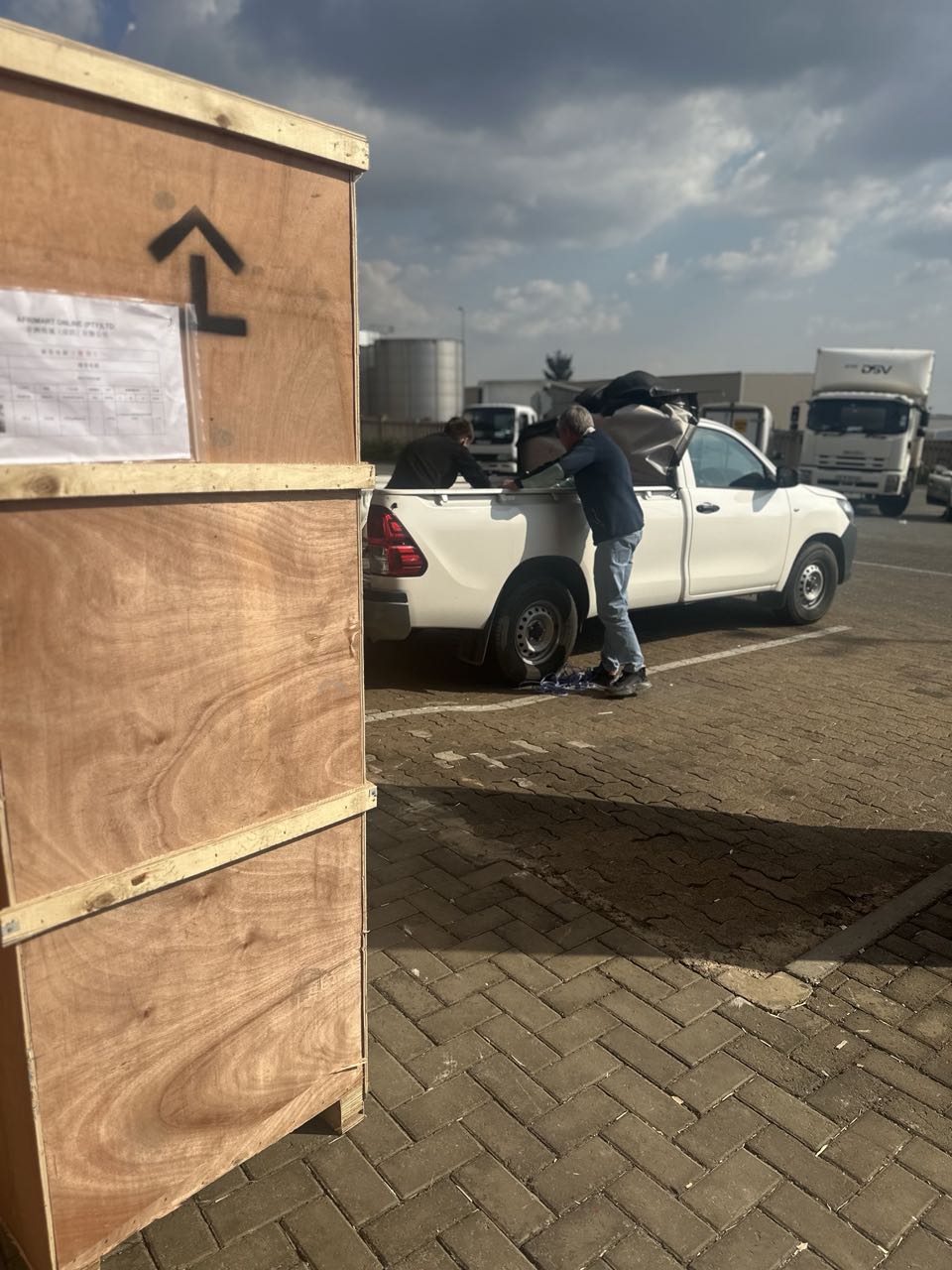
order collection
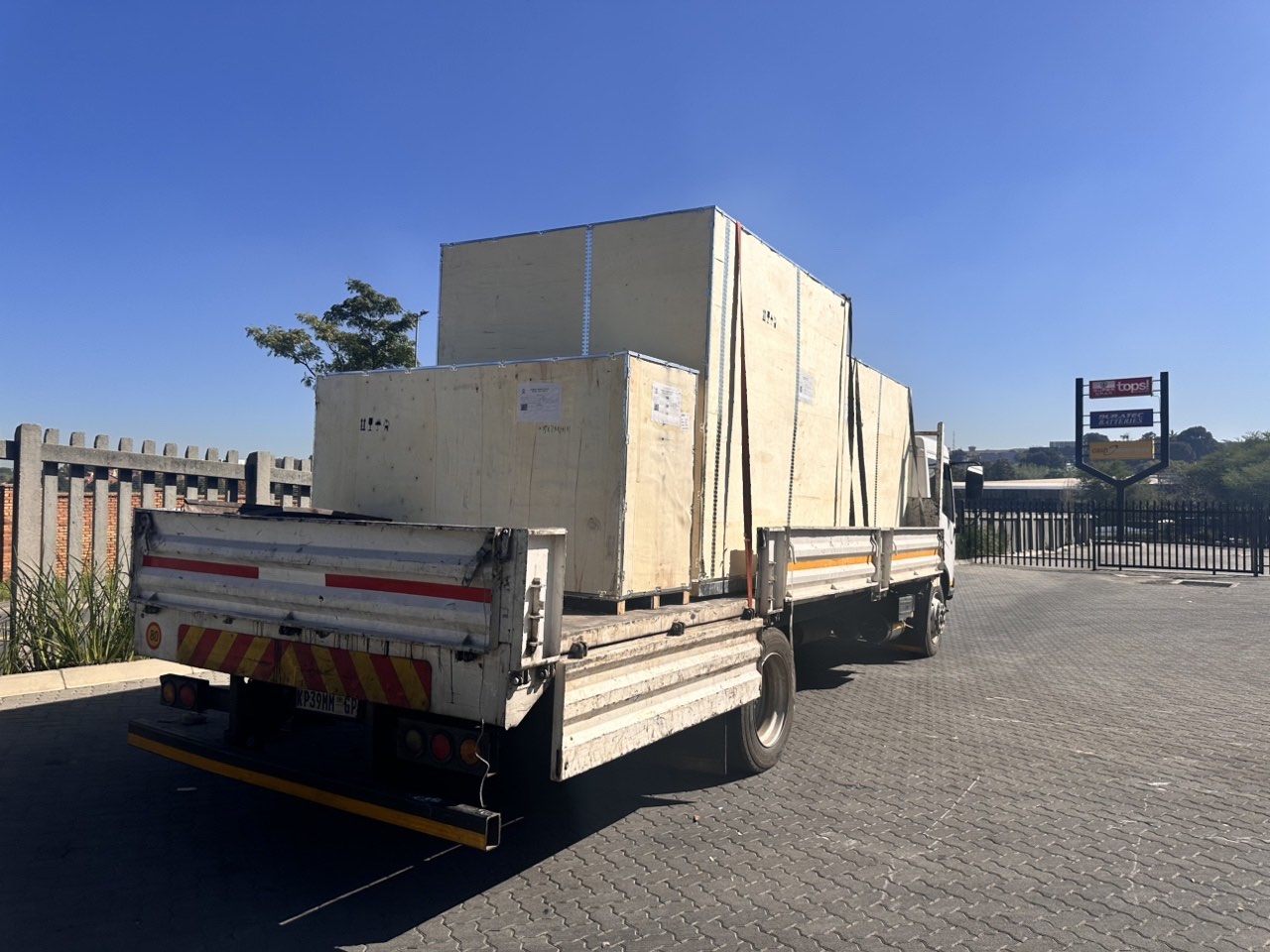
order offloading