B21, China Town Mall, Midrand

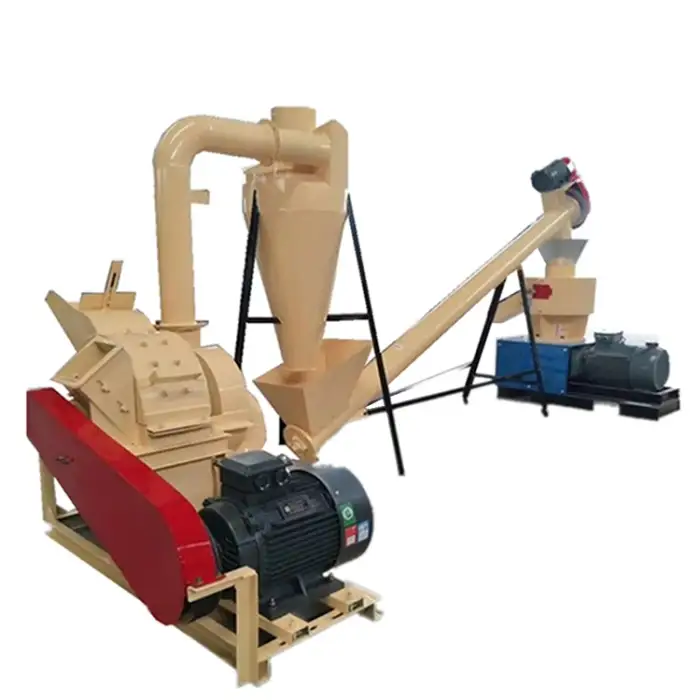
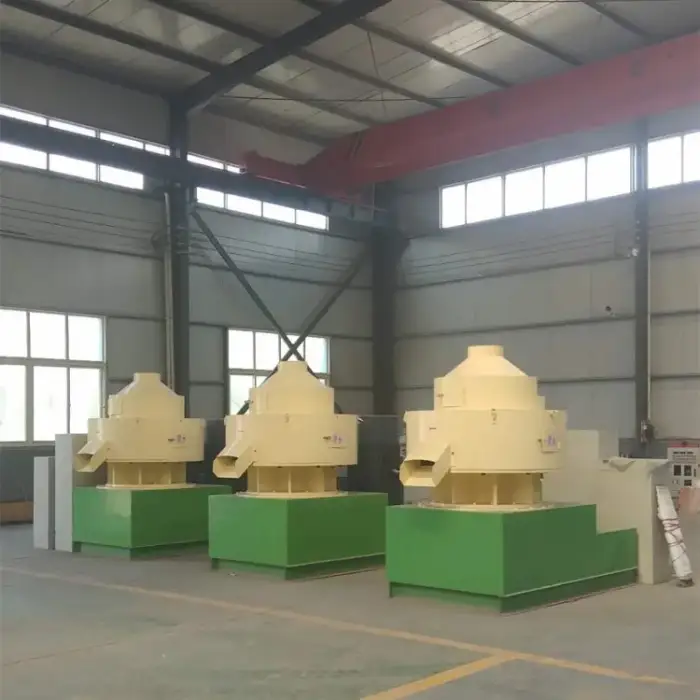
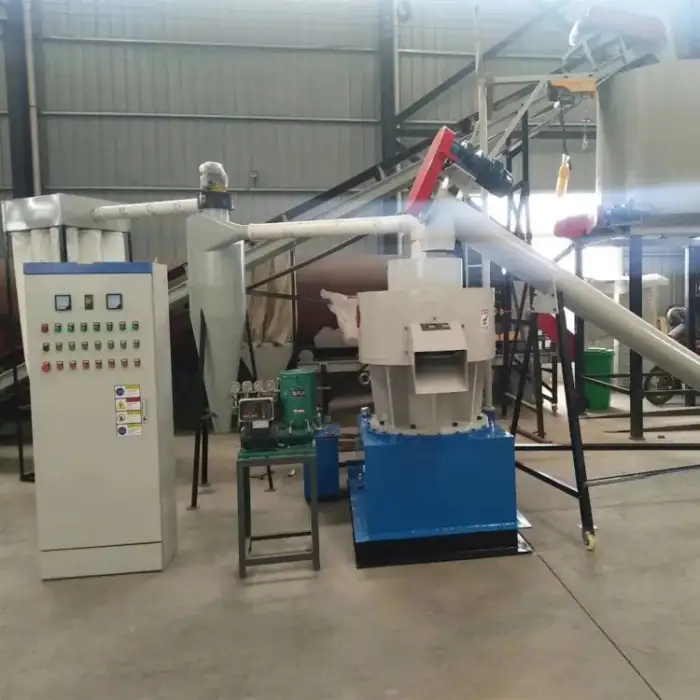
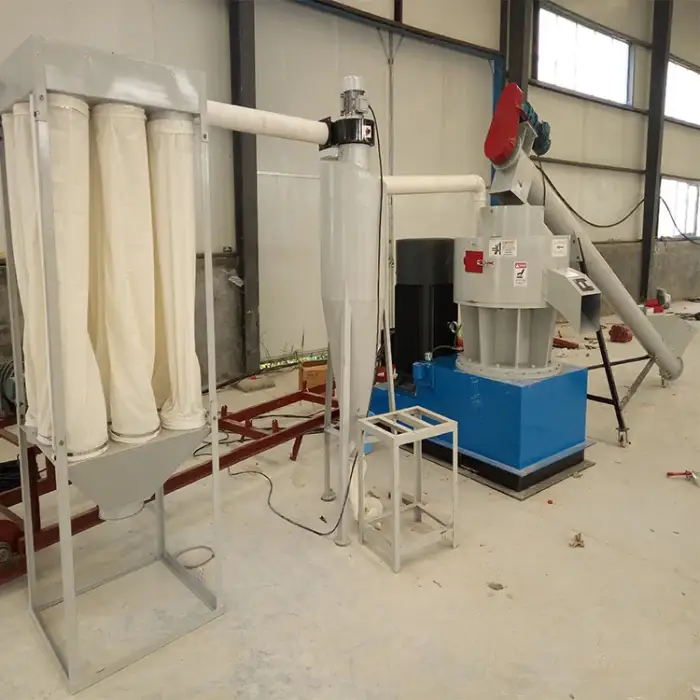
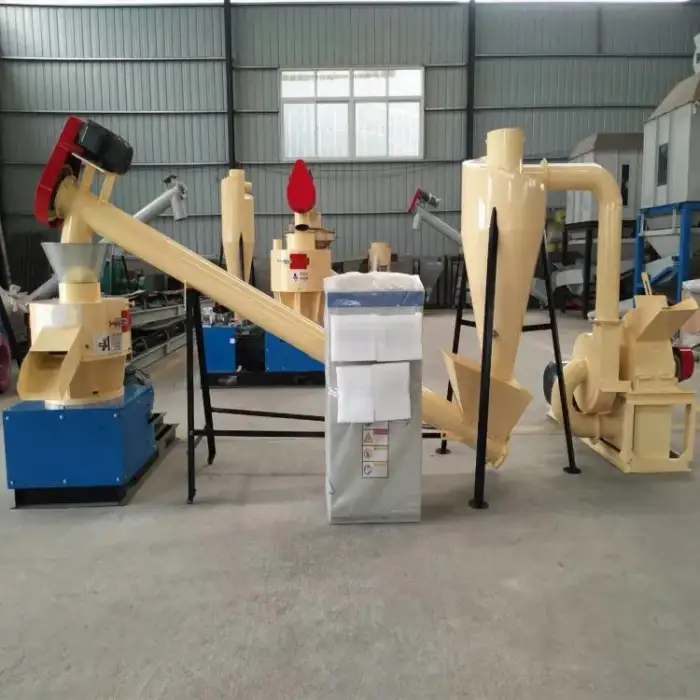
5000-6000 kcal Complete Wood Pellet Production Line
Asset finance available
Do you want funding for this equipment?
Afrimart can connect you with trusted funding partners who specialise in asset finance for businesses like yours. Compare options and apply in minutes — final approval is subject to provider review.
Check funding options
Secure & no obligation

- Section : Machinery
- Category : Woodworking Machinery
- SKU : 1600606893163

Product Overview
Wood Pellet Production Line
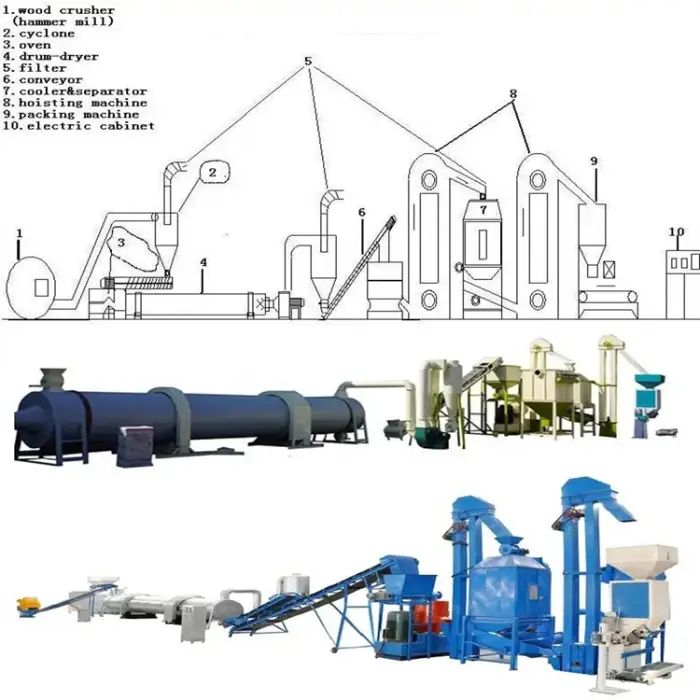
The wood pellet production line is a fully automatic production equipment that crushes, dries, magnetically separates, granulates, sieves, cools and bags the wood. It includes, wood crusher, rotary conveyor, tumble dryer, dust collector, magnetic separator, vibrating screen, wood pellet mill, belt conveyor, cooler and baler. It is an efficient, stable and cost-effective product.


PRODUCT SPECIFICATIONS
| type | power | production capacity kg/h | Particle diameter mm | weight KG |
| TFMK 250 | 15KW | 150 | 1.5-4.5 | 600 |
| TFMK 300 | 22KW | 200 | 1.5-4.5 | 800 |
| TFMK 350 | 30KW | 300 | 3-9 | 900 |
| TFMK 400 | 37KW | 500-600 | 3-9 | 1200 |
| TFMK 450 | 45KW | 600-800 | 3-9 | 1300 |
| TFMK 500 | 55KW | 800-1000 | 3-12 | 1500 |
| TFMK 550 | 75KW | 1000-1200 | 6-12 | 2100 |
| TFMK 650 | 90KW | 1200-1400 | 6-16 | 2400 |
- Shipping Timeframes: All orders are processed within 2-5 business days (excluding weekends and holidays). After your order has been processed, the estimated delivery time is before 28 Jun, 2026, depending on customs, Please note that due to high demand, some items may experience longer shipping times, which will be communicated at order confirmation email.
- Order Processing Time: Please allow 2-5 business days for us to process your order before it is shipped . Orders placed after 16:00 on Fridays, or during weekends and public holidays, will begin processing on the next business day. Processing times may be extended during peak seasons or sales events.
- Manufacturing Time: Some products needs manufacturing time, the manufacturing process will take approximately 10-30 business days depending on the product. This timeframe may vary depending on the complexity of the product and current demand. but this will be communicated with you during order confirmation.
- Returns and Exchanges: We offer a 30-day return policy for most items. If you are not completely satisfied with your purchase, you may return it within 30 days of receipt for a refund or exchange. Items must be unused, in their original packaging, and accompanied by proof of purchase. Return shipping costs are the responsibility of the customer, unless the item was damaged or defective upon arrival.
1. What is included in the 5000-6000 kcal Complete Wood Pellet Production Line?
The production line includes a wood crusher, rotary conveyor, tumble dryer, dust collector, magnetic separator, vibrating screen, wood pellet mill, belt conveyor, cooler, and baler.
2. What is the production capacity of the wood pellet production line?
The production capacity varies by model, ranging from 150 kg/h to 1200 kg/h depending on the specific equipment configuration.
3. What is the power requirement for the wood pellet production line?
The power requirements range from 15KW for the smallest model (TFMK 250) to 90KW for the largest model (TFMK 650).
4. What is the particle diameter of the pellets produced?
The particle diameter of the wood pellets produced can vary between 3 mm to 12 mm depending on the specific model.
5. How does the wood pellet production line operate?
The line operates automatically, processing wood through crushing, drying, separating, granulating, sieving, cooling, and bagging.
6. Is the wood pellet production line cost-effective?
Yes, the wood pellet production line is designed to be efficient, stable, and cost-effective for producing wood pellets.
7. What are the weight specifications for the different models?
The weight of the models ranges from 600 KG for the TFMK 250 to 2400 KG for the TFMK 650.
8. Can this production line handle different types of wood?
Yes, the production line can handle various types of wood, making it versatile for different biomass materials.
9. What maintenance is required for the wood pellet production line?
Regular maintenance includes checking and replacing wear parts, cleaning dust collectors, and ensuring proper lubrication of moving parts.
10. What is the warranty period for the wood pellet production line?
The warranty period typically lasts for one year, covering manufacturing defects and issues arising from normal use.
11. Is installation support provided?
Yes, installation support is typically provided, including guidance on setup and operational training.
12. What safety features are included in the production line?
The production line includes safety features such as emergency stop buttons, overload protection, and safety guards on machinery.
13. What is the cooling mechanism of the production line?
The cooling mechanism typically involves a cooler that reduces the temperature of the pellets after they are formed to prevent degradation.
14. How is the dust collected during production?
A dust collector is integrated into the production line to efficiently capture and manage dust produced during the pelletization process.
15. Can the production line be customized for specific needs?
Yes, customization options are available to meet specific production requirements and accommodate different types of raw materials.
Latest Order Arrivals
Discover our latest orders
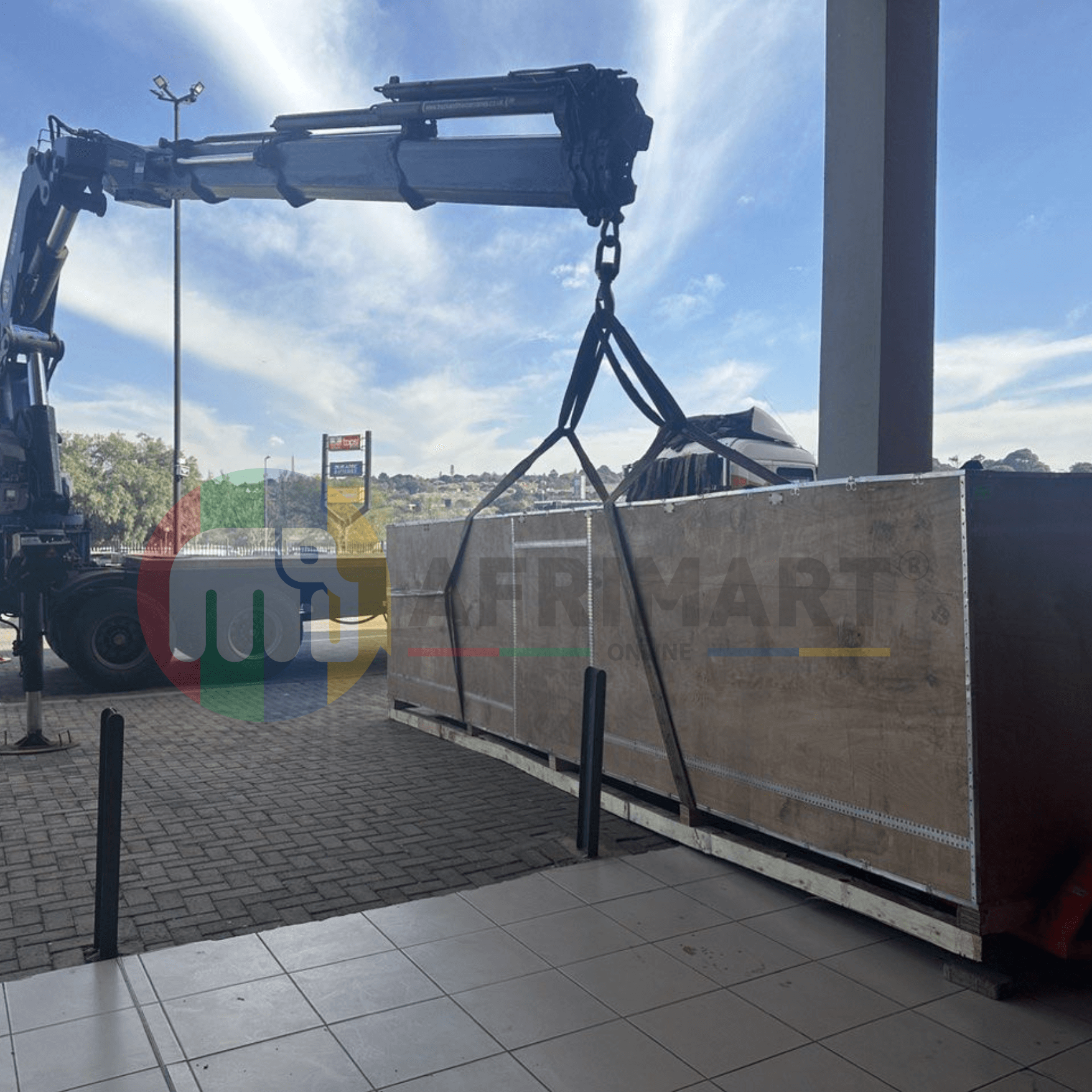
12 Heads Embroidery Machine
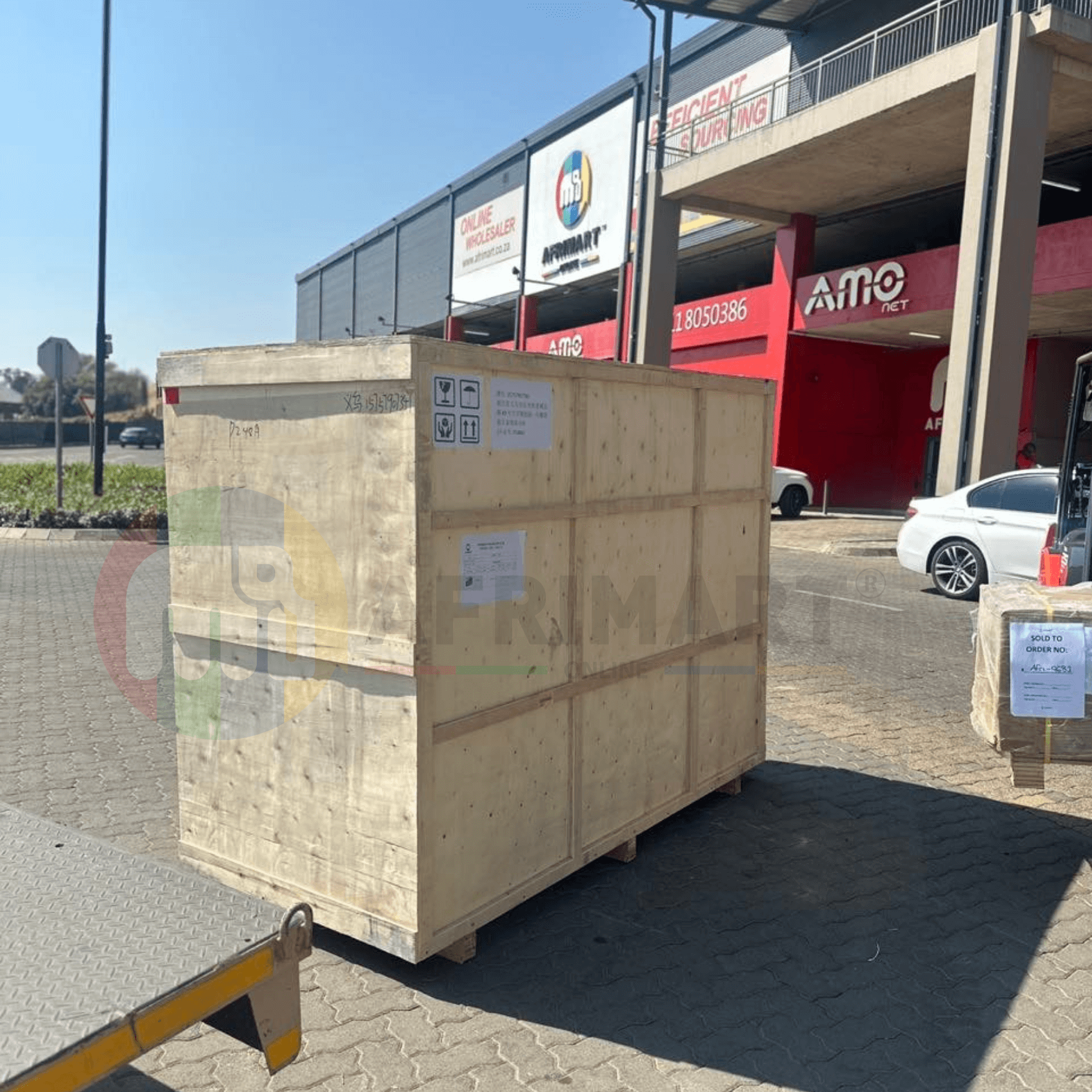
Dewatering Pump Machine
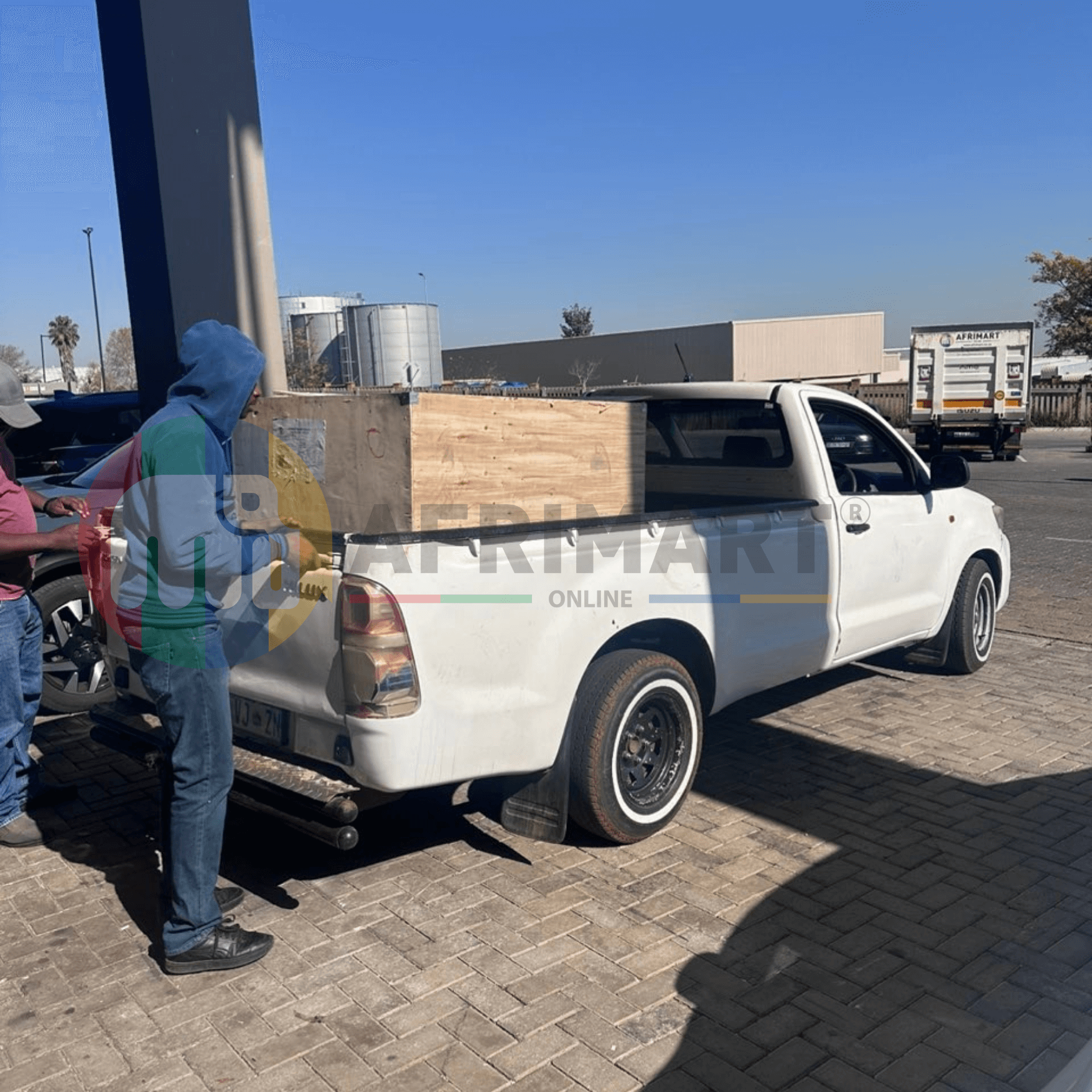
Order Collection
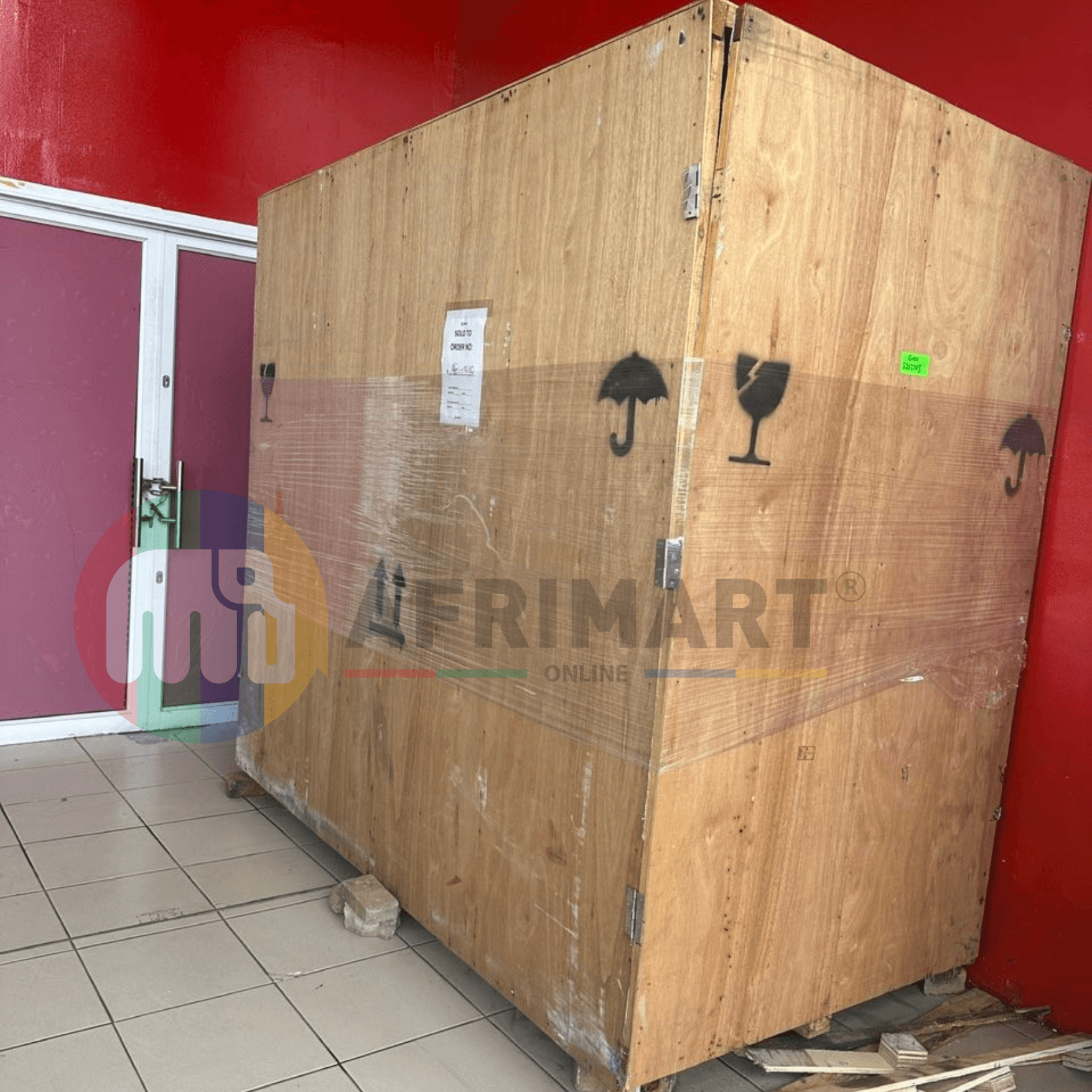
Portable Water Drilling Rig
Order Usefully Collected
Batch of Orders
Agriculture Processing Machines
Meat Grinder Machine
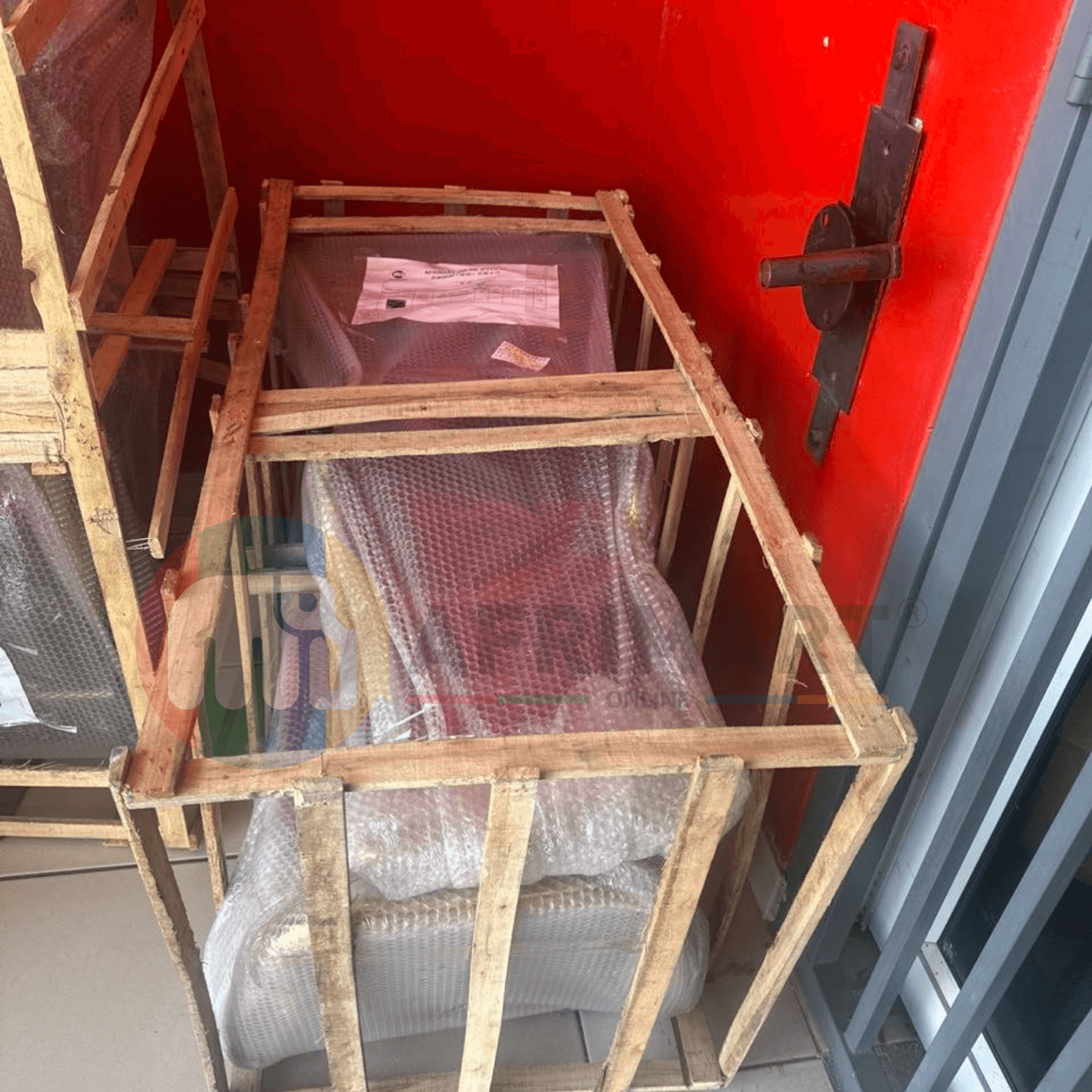
Water Pump Equipment
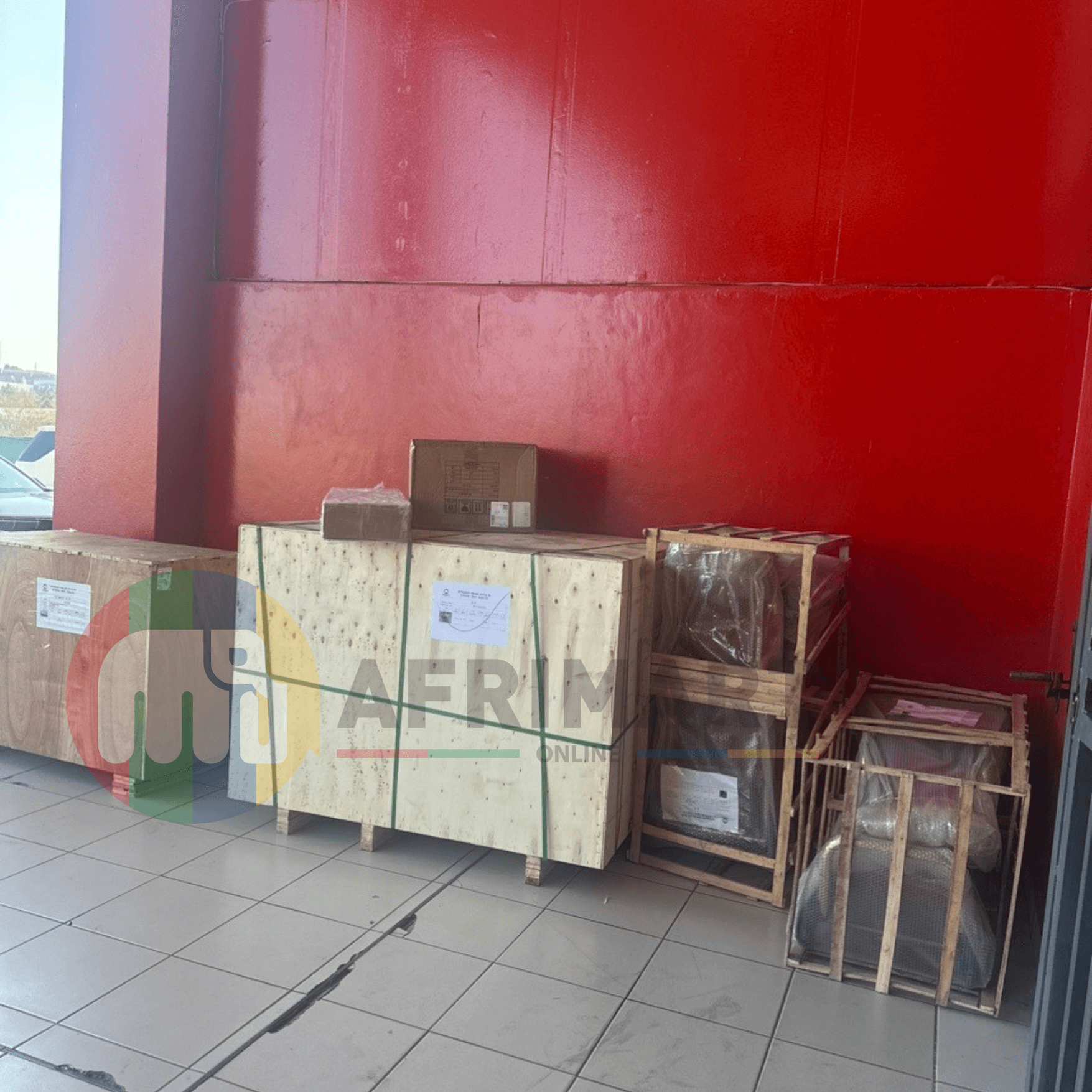
Packaging Machine and accessories
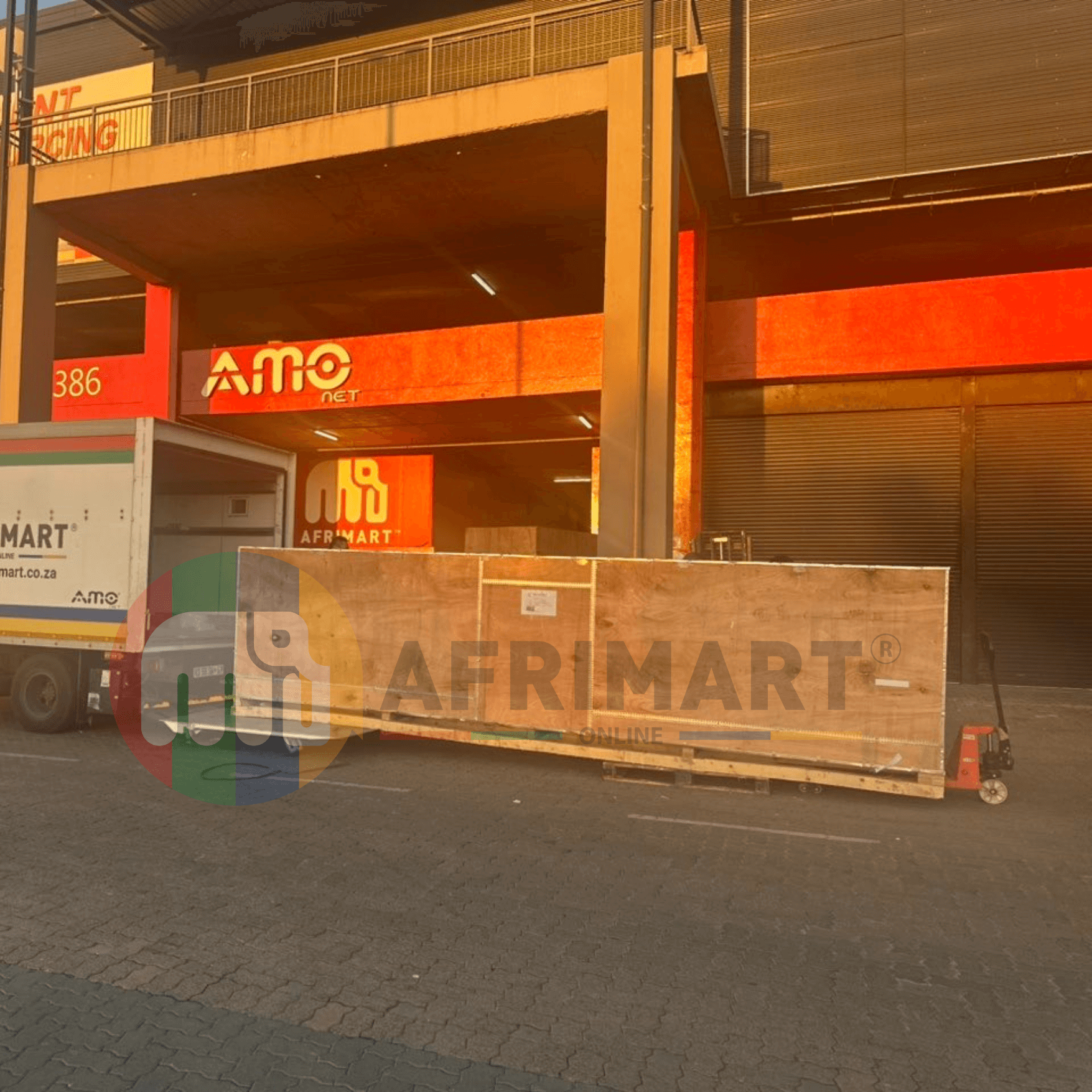
Fabrics Manufacturing Equipment
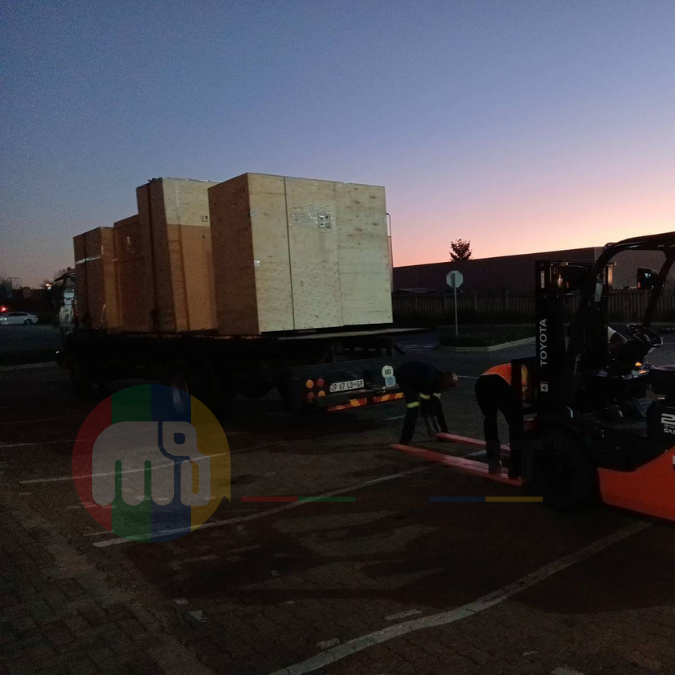
Mining Equipments
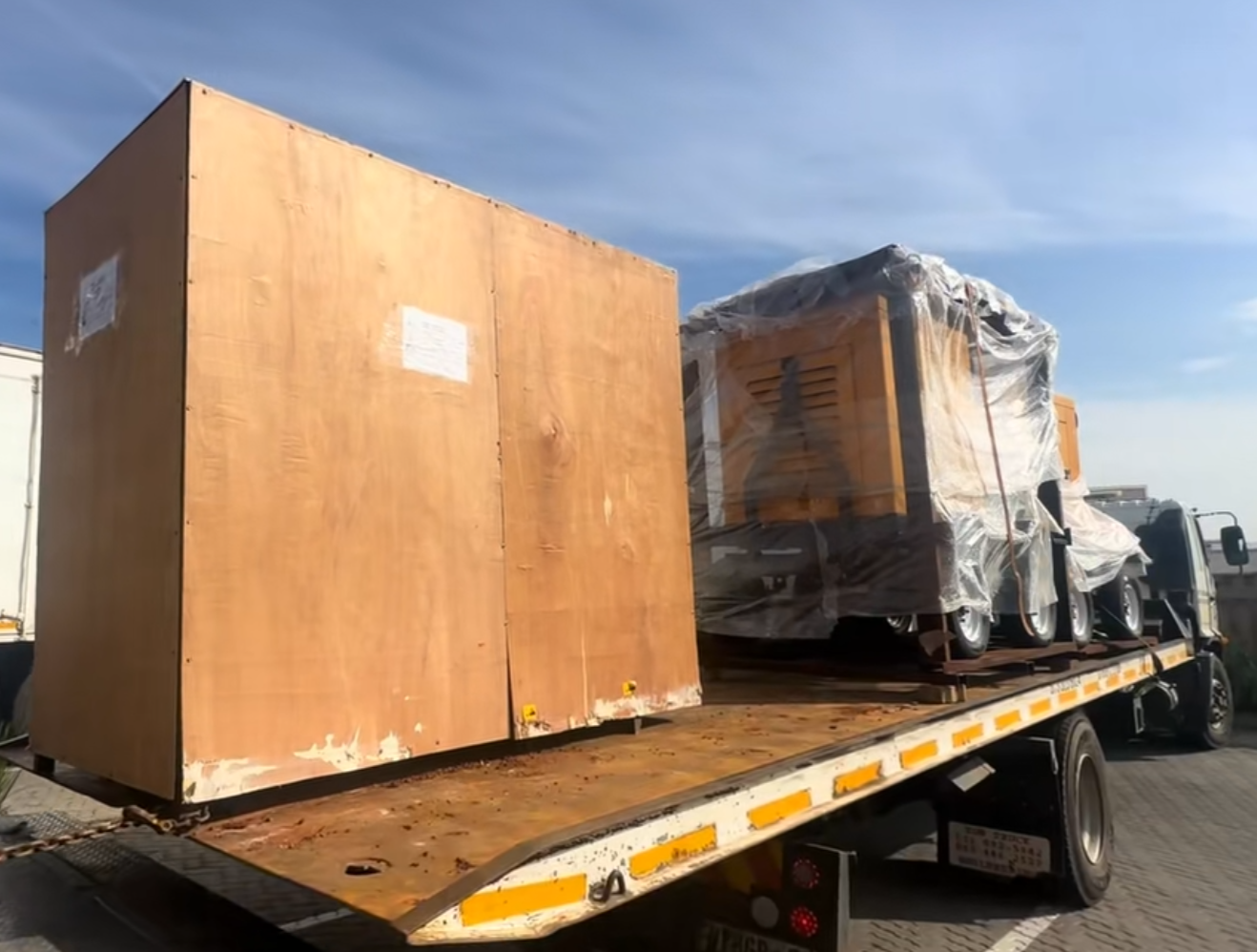
Food Processing Machine
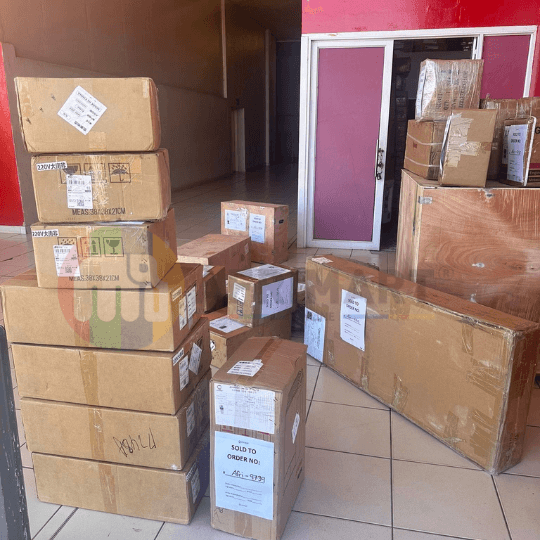
Batch of Orders
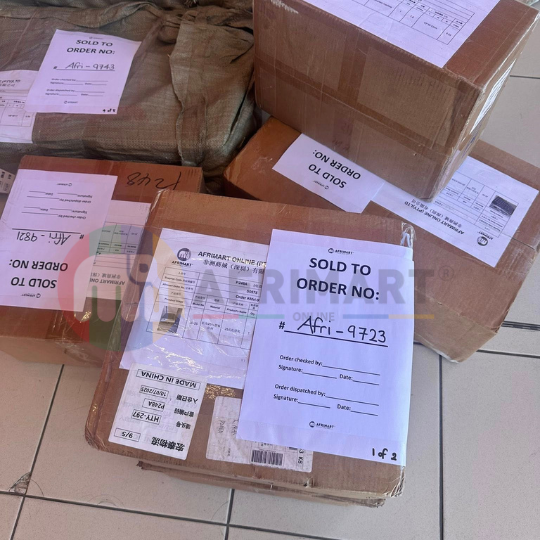
Batch of Orders
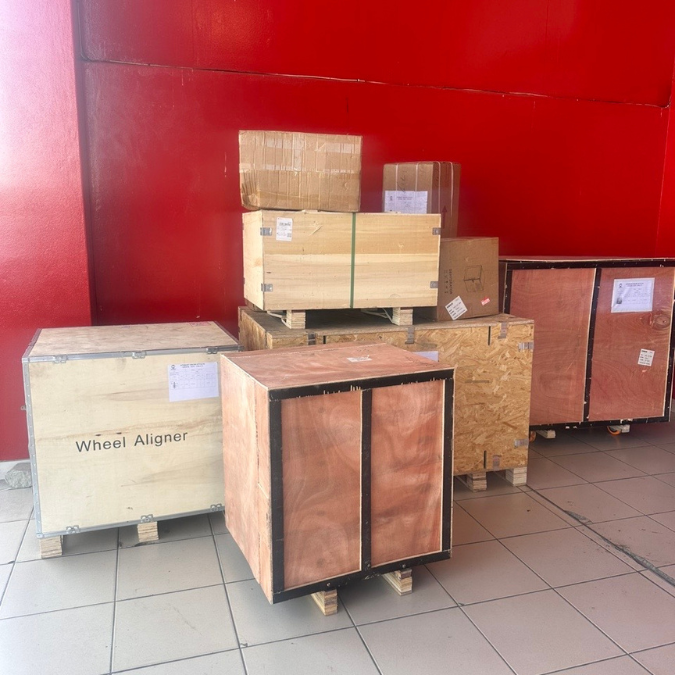
Latest Orders Labelled
wheel alignment machines
new arrivals
Pre Orders Offloading
Latest Arrivals
Latest Arrivals
Latest Arrivals
26 January 2026
Toilet paper making machine
Toilet paper making machine
Toilet paper Rewinding Machine
latest arrivals
offloading
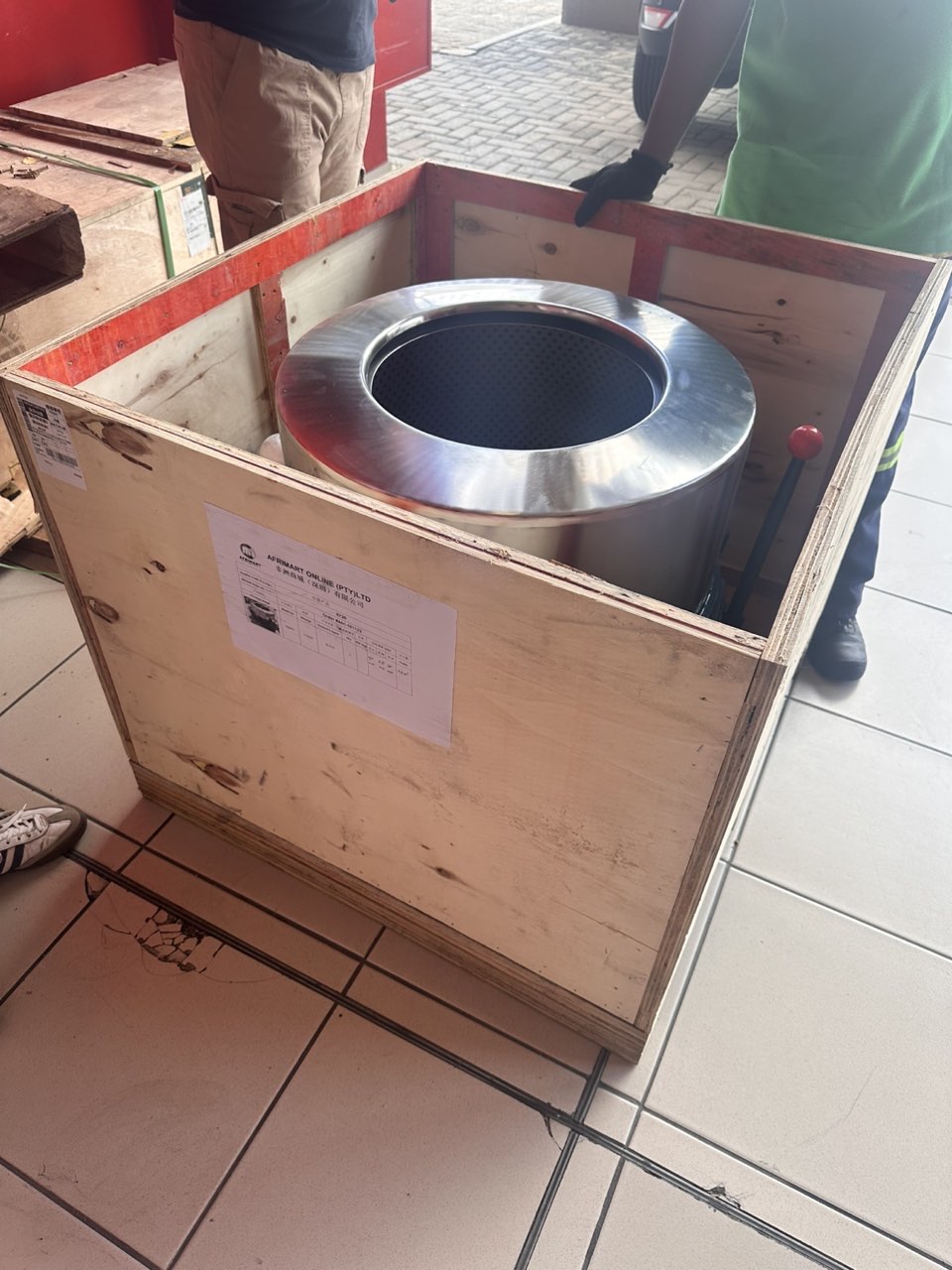
order success
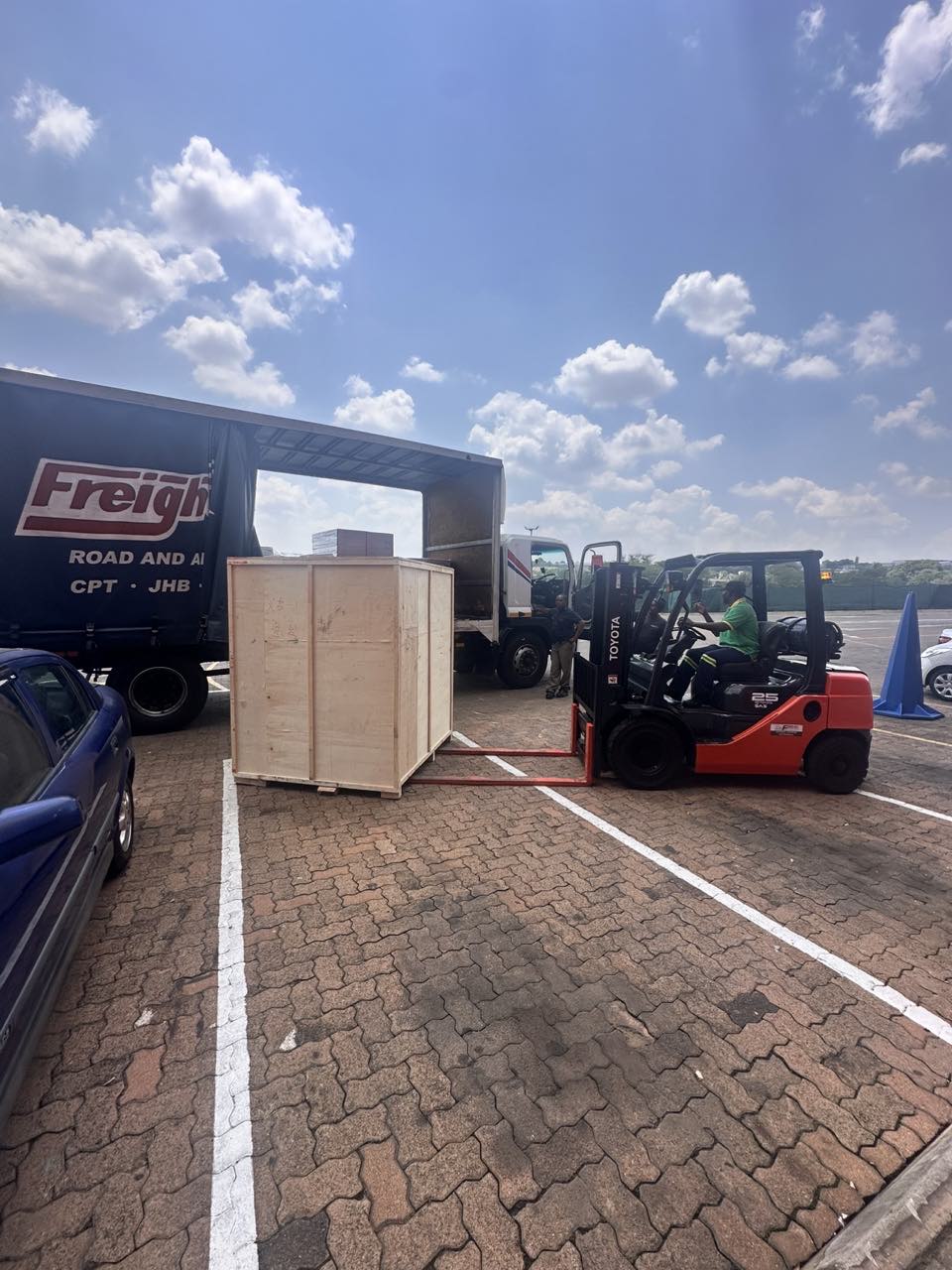
order collection
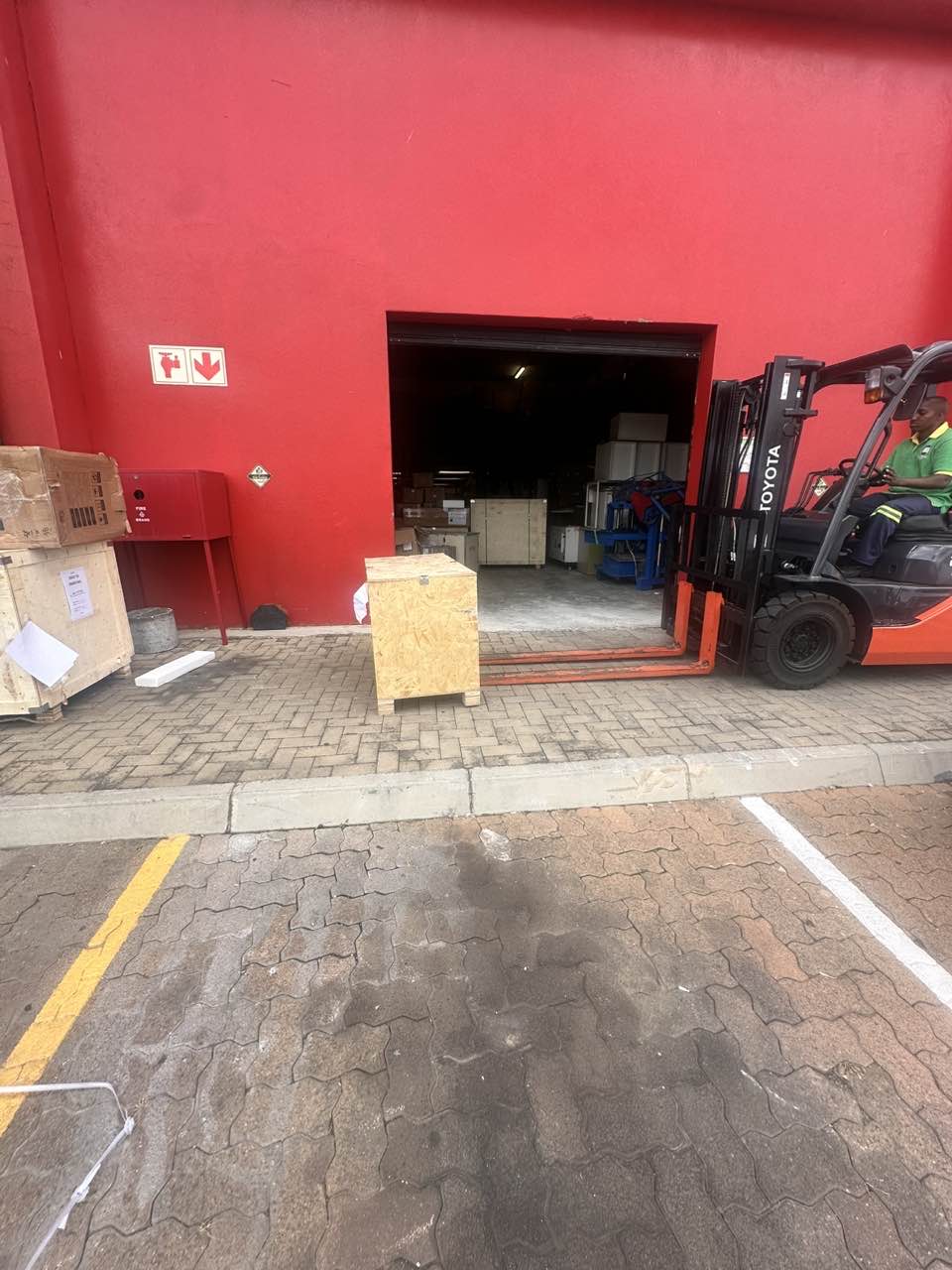
order offloading