B21, China Town Mall, Midrand

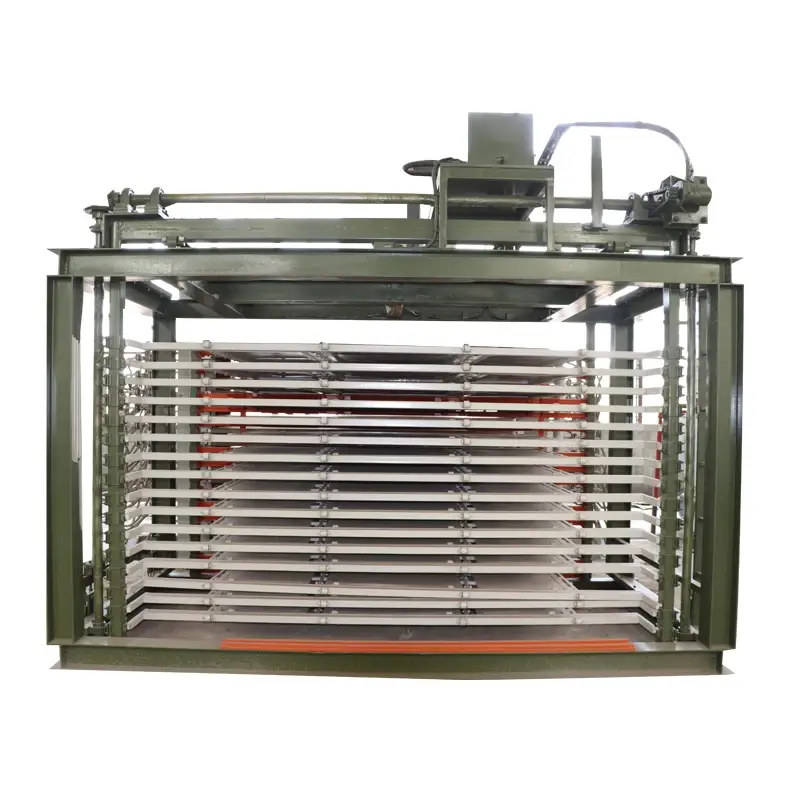
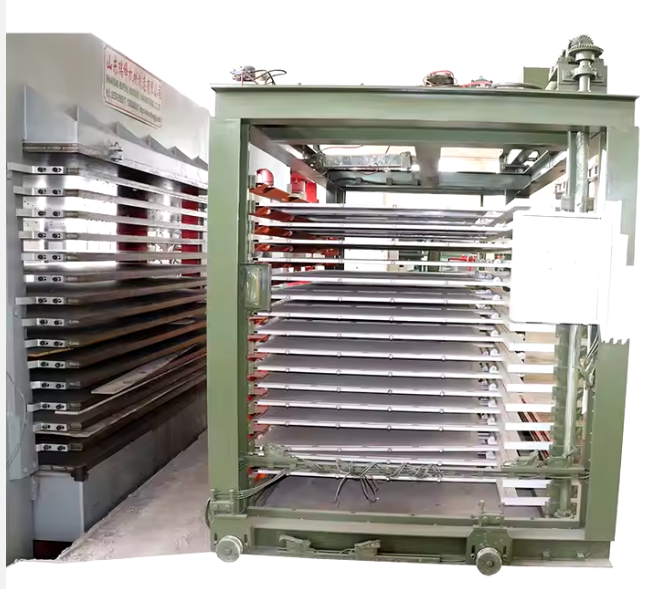
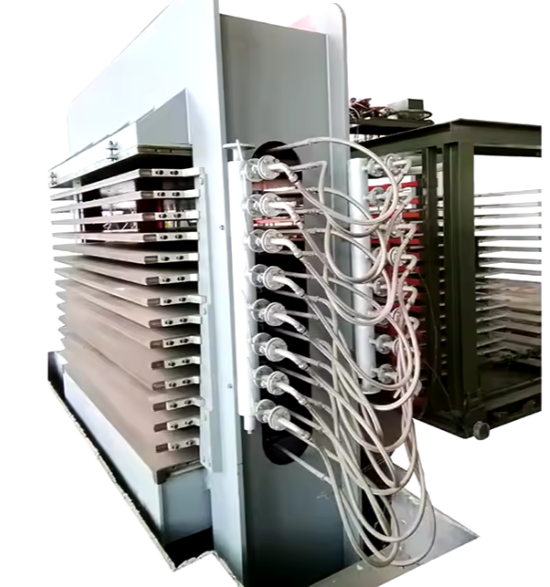
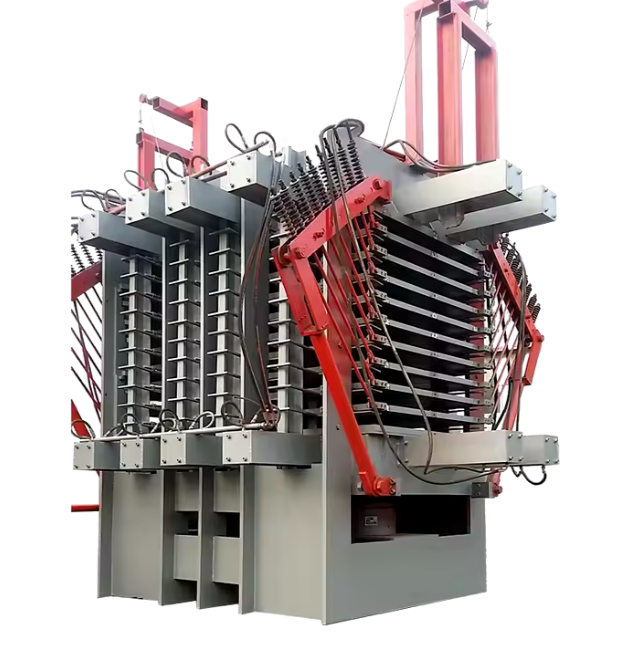
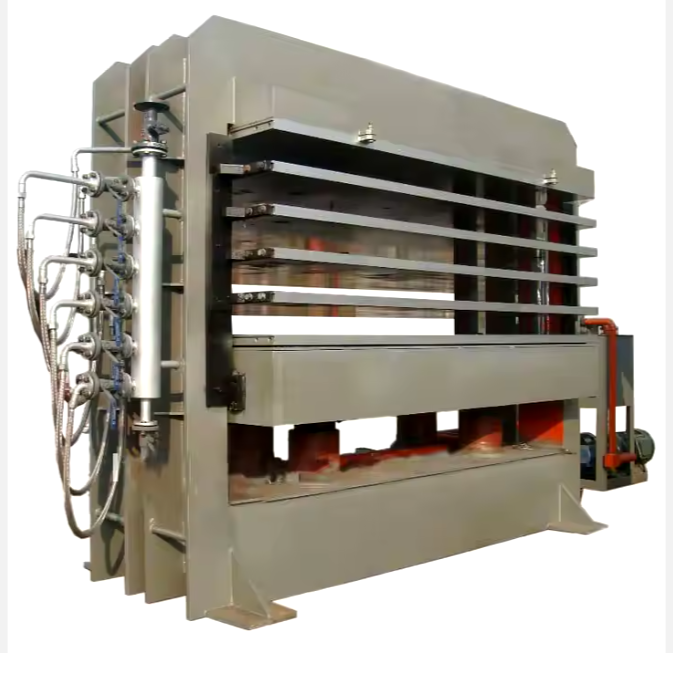
500 Ton Hot Press Machine
Asset finance available
Do you want funding for this equipment?
Afrimart can connect you with trusted funding partners who specialise in asset finance for businesses like yours. Compare options and apply in minutes — final approval is subject to provider review.
Check funding options
Secure & no obligation

- Section : Machinery
- Category : Woodworking Machinery
- SKU : 60822509576

Hot Press Machine
The Hot Press Machine is a robust and reliable solution designed for various industrial applications. With its advanced features, it ensures efficient production and long-lasting performance.
Key Features
High Compression Ability: This machine boasts a compression capacity ranging from 400 tons to 600 tons, making it suitable for heavy-duty tasks.
Efficient Heating: Choose between steam or oil heating methods to achieve optimal temperatures for your pressing needs.
Quick Operation Time: With an operating time of just 15 seconds, it enhances productivity and reduces downtime.
Large Working Area: The dimension of the hot press board measures 1370 mm x 2700 mm, allowing for versatile applications.
Durable Construction: Weighing 31,000 kg, this machine is built to withstand rigorous use while ensuring stability during operation.
User-Friendly Control: Equipped with a PLC automatic pumping station, it simplifies the control process for operators.
Multiple Working Layers: The machine features 4 to 26 working layers, providing flexibility for different production requirements.
Powerful Performance: It operates with a total power of 11 kW + 7.5 kW, ensuring efficient performance across various tasks.
The Hot Press Machine is an essential asset for industries that require reliable pressing solutions, ensuring long service life and efficient operation.
Product Info Gallery
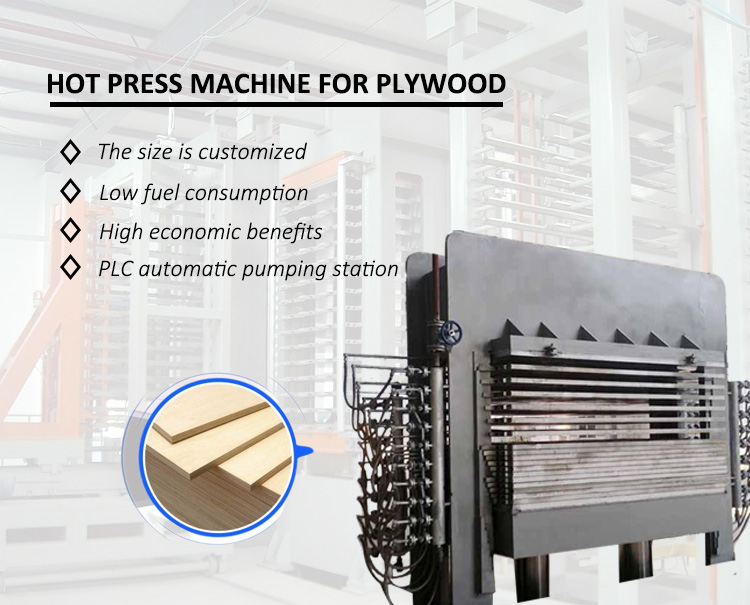
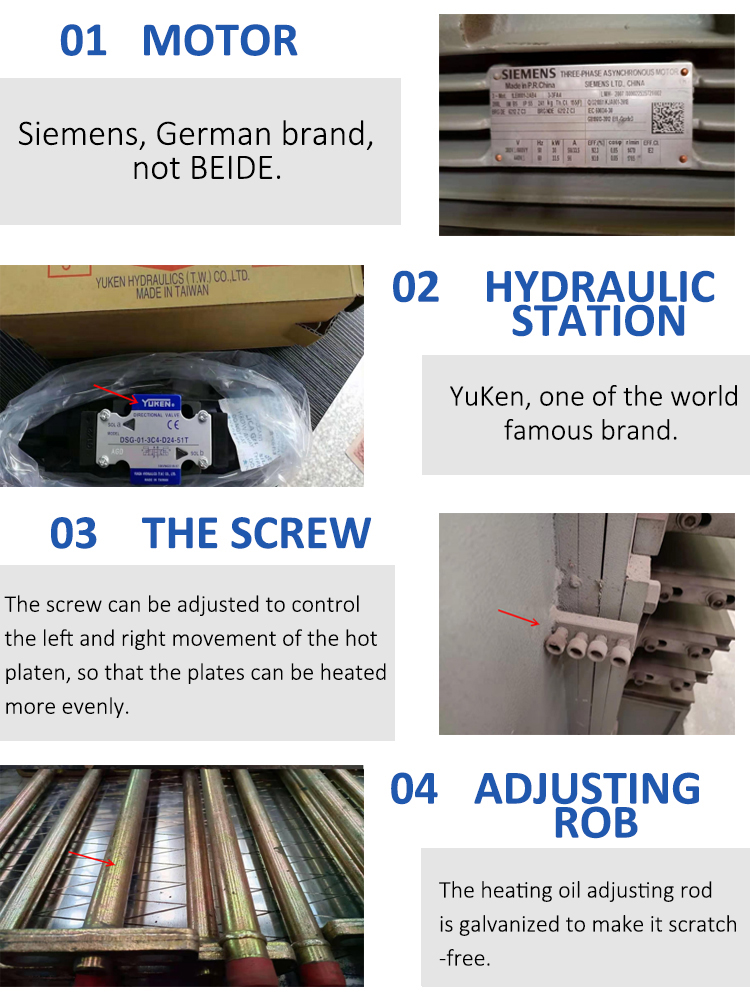
And it is also used for the lamination of film faced plywood, furniture board and HPL board. The heating platen size and material can be customized according to board size and customers' request.
| 400 Ton 20 Layers China Plywood Machinery Supplier Hot Press Machine | |
| Compression ability | 400T-600T |
| size of products | 3×6’ 4×8’ |
| working layer | 4-26 |
| Hot press board size | 2700×1370×42/52MM |
| Main cylinder | 2-320mm;2-360mm;4-280mm |
| Heating way | Steam or oil |
| total power | 15+7.5kw |
- Shipping Timeframes: All orders are processed within 2-5 business days (excluding weekends and holidays). After your order has been processed, the estimated delivery time is before 09 Aug, 2026, depending on customs, Please note that due to high demand, some items may experience longer shipping times, which will be communicated at order confirmation email.
- Order Processing Time: Please allow 2-5 business days for us to process your order before it is shipped . Orders placed after 16:00 on Fridays, or during weekends and public holidays, will begin processing on the next business day. Processing times may be extended during peak seasons or sales events.
- Manufacturing Time: Some products needs manufacturing time, the manufacturing process will take approximately 10-30 business days depending on the product. This timeframe may vary depending on the complexity of the product and current demand. but this will be communicated with you during order confirmation.
- Returns and Exchanges: We offer a 30-day return policy for most items. If you are not completely satisfied with your purchase, you may return it within 30 days of receipt for a refund or exchange. Items must be unused, in their original packaging, and accompanied by proof of purchase. Return shipping costs are the responsibility of the customer, unless the item was damaged or defective upon arrival.
1. What is the compression capacity of the 500 Ton Hot Press Machine?
The machine is rated around 500 tons nominally and supports a compression range of 400–600 tons, making it suitable for heavy-duty pressing tasks.
2. What are the standard hot press board (platen) dimensions and can they be changed?
Standard platen dimensions are 1370 mm × 2700 mm (platen thickness typically 42 or 52 mm). Platen size and material can be customized to match different board sizes or customer requirements.
3. Which heating methods does the machine support?
You can choose either steam heating or oil heating depending on your production needs and existing plant utilities.
4. What is the machine's operation (press) time per cycle?
The machine offers a quick operation time of approximately 15 seconds for the pressing action. Total cycle time will vary with heating, loading/unloading, and product specifications.
5. How many working layers does the hot press support?
The machine can be configured with between 4 and 26 working layers to accommodate different production formats and capacities.
6. What materials and products is this hot press suitable for?
Common applications include lamination of film-faced plywood, furniture boards, HPL boards, and other plywood lamination tasks. It is designed for a wide range of industrial pressing and lamination jobs.
7. What are the main hydraulic/cylinder configurations available?
Typical main cylinder configurations include 2 × 320 mm, 2 × 360 mm, and 4 × 280 mm setups. Exact configuration can be selected based on required pressure distribution and machine layout.
8. What is the machine's total electrical power requirement?
Power depends on configuration; common setups are 11 kW + 7.5 kW or 15 kW + 7.5 kW. Final electrical specifications (voltage, phase, frequency) will be provided for the chosen configuration.
9. How heavy is the machine and what should I consider for site preparation?
The machine weighs approximately 31,000 kg. Site preparation should account for the machine footprint, reinforced flooring, overhead clearance for loading/unloading, and access for cranes or forklifts—request layout drawings for precise requirements.
10. What control system does the machine use?
The machine is equipped with a PLC automatic pumping station for user-friendly, programmable control of pressure, timing and basic process parameters. Additional control options can be discussed with the supplier.
11. Are safety features included?
The press is built with robust construction for stability and typically includes standard safety features such as emergency stop and protective guarding. Specific safety interlocks and protective options should be confirmed with the manufacturer.
12. Is installation, commissioning, and operator training provided?
Many suppliers offer installation, commissioning and operator training as part of the purchase or as an add-on service. Confirm scope, duration and cost with your sales contact.
13. What maintenance is required and are spare parts available?
Regular maintenance includes checking hydraulic oil and filters, inspecting seals and cylinders, servicing the heating system (steam/oil), and routine electrical checks. Suppliers normally provide spare parts and maintenance support—ask about recommended service intervals and spare-parts kits.
14. Can the machine be customized for different board sizes or special applications?
Yes. Platen size, platen material, number of layers and certain hydraulic/electrical configurations can be customized to meet specific board sizes or special production requirements.
15. What is the typical lead time and delivery packaging for this hot press?
Lead time depends on configuration and order backlog; typical manufacturing lead times range from a few weeks to a few months. Machines are usually shipped properly packed/secured for export. For exact lead time and packaging details, provide your required configuration to the supplier.
Latest Order Arrivals
Discover our latest orders
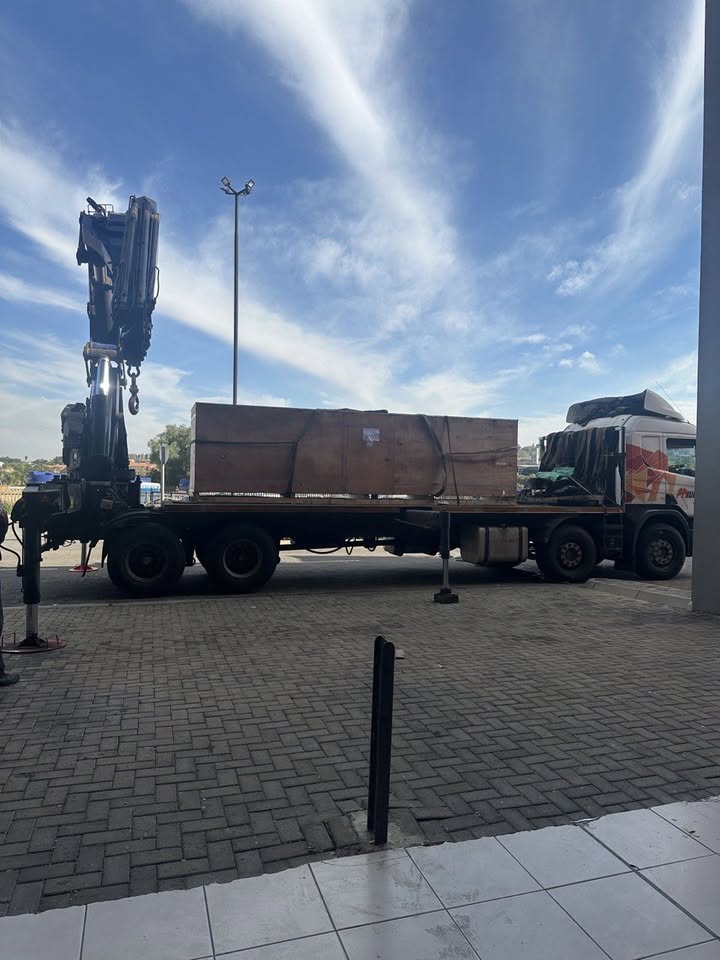
12 Heads Embroidery Machine
Toilet Paper Machine Machine
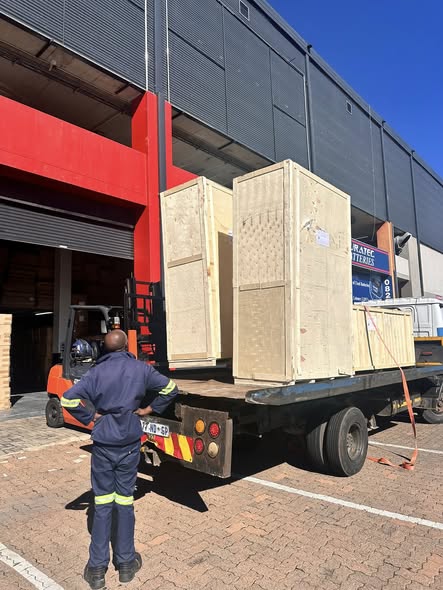
Order Collection
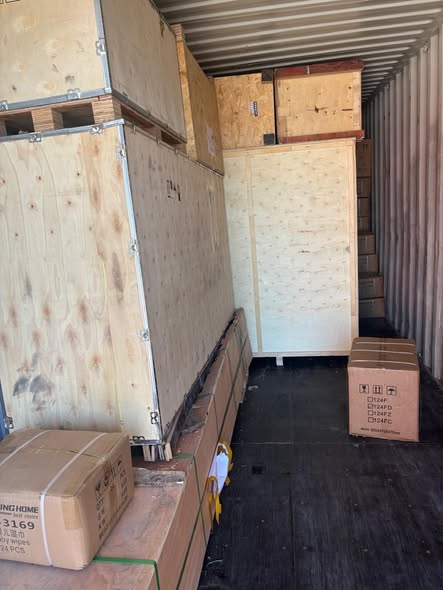
Cross Border Clients
Order cros border countries Collected
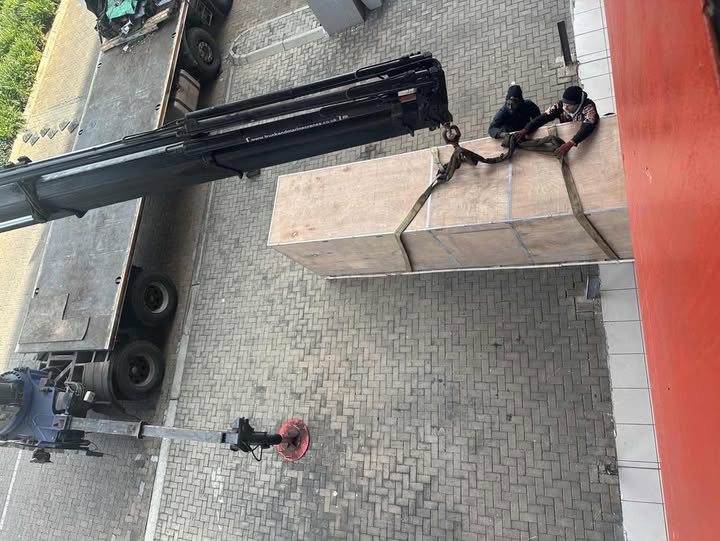
Industrial Machine Cllection
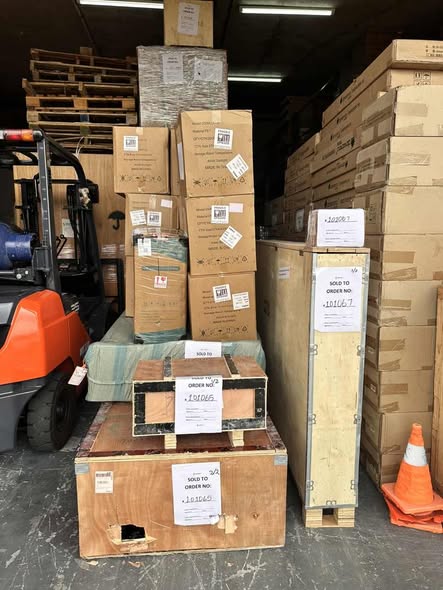
Agriculture Processing Machines
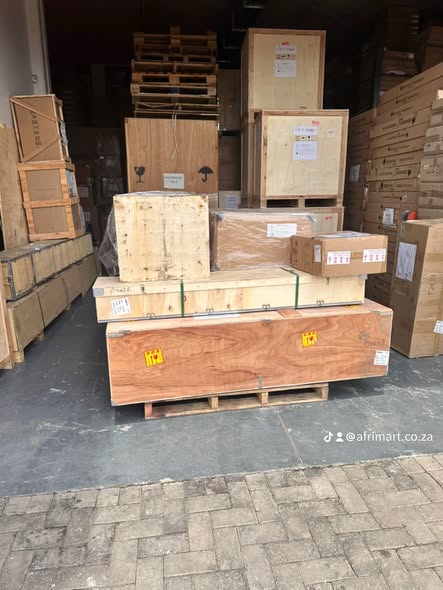
Ready for collection
Water Pump Equipment
Packaging Machine and accessories
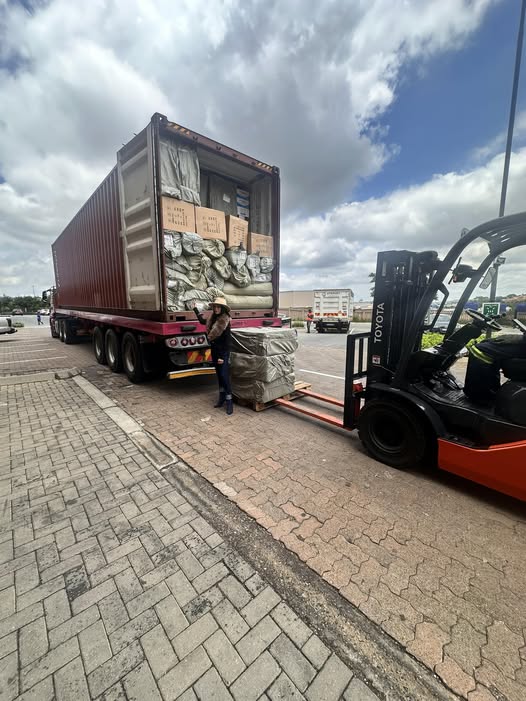
Fabrics Manufacturing Equipment
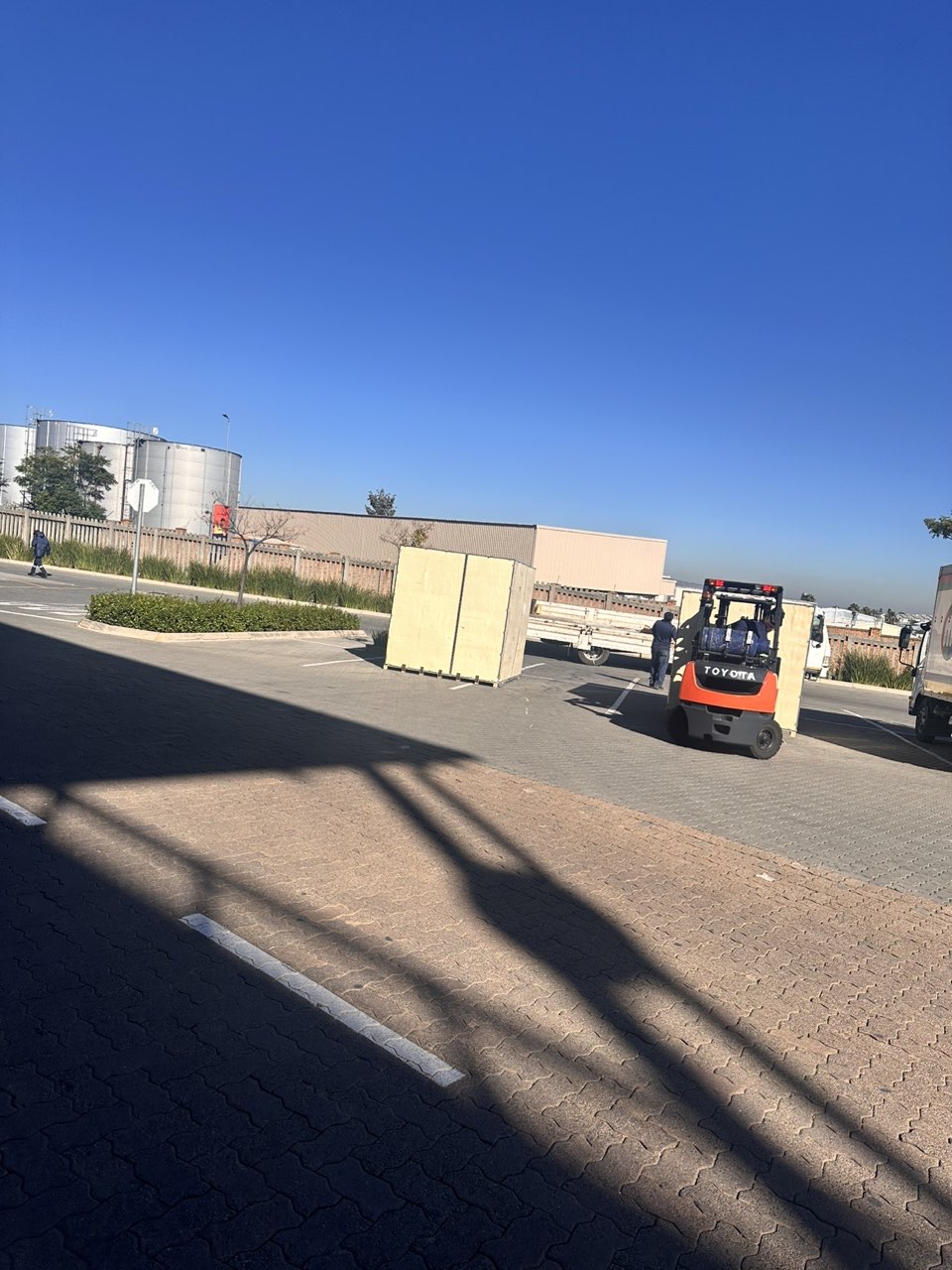
Mining Equipments
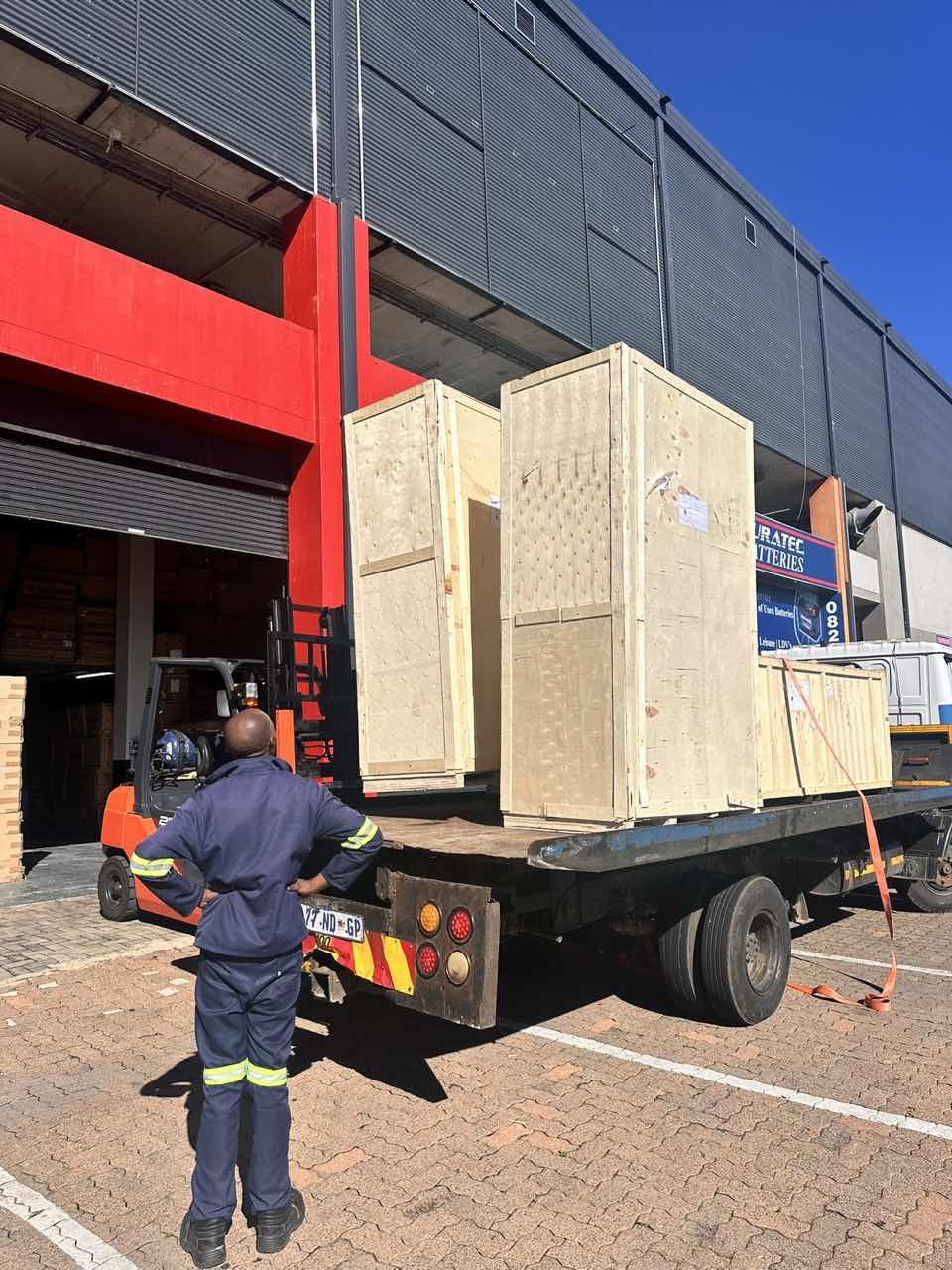
Food Processing Machine
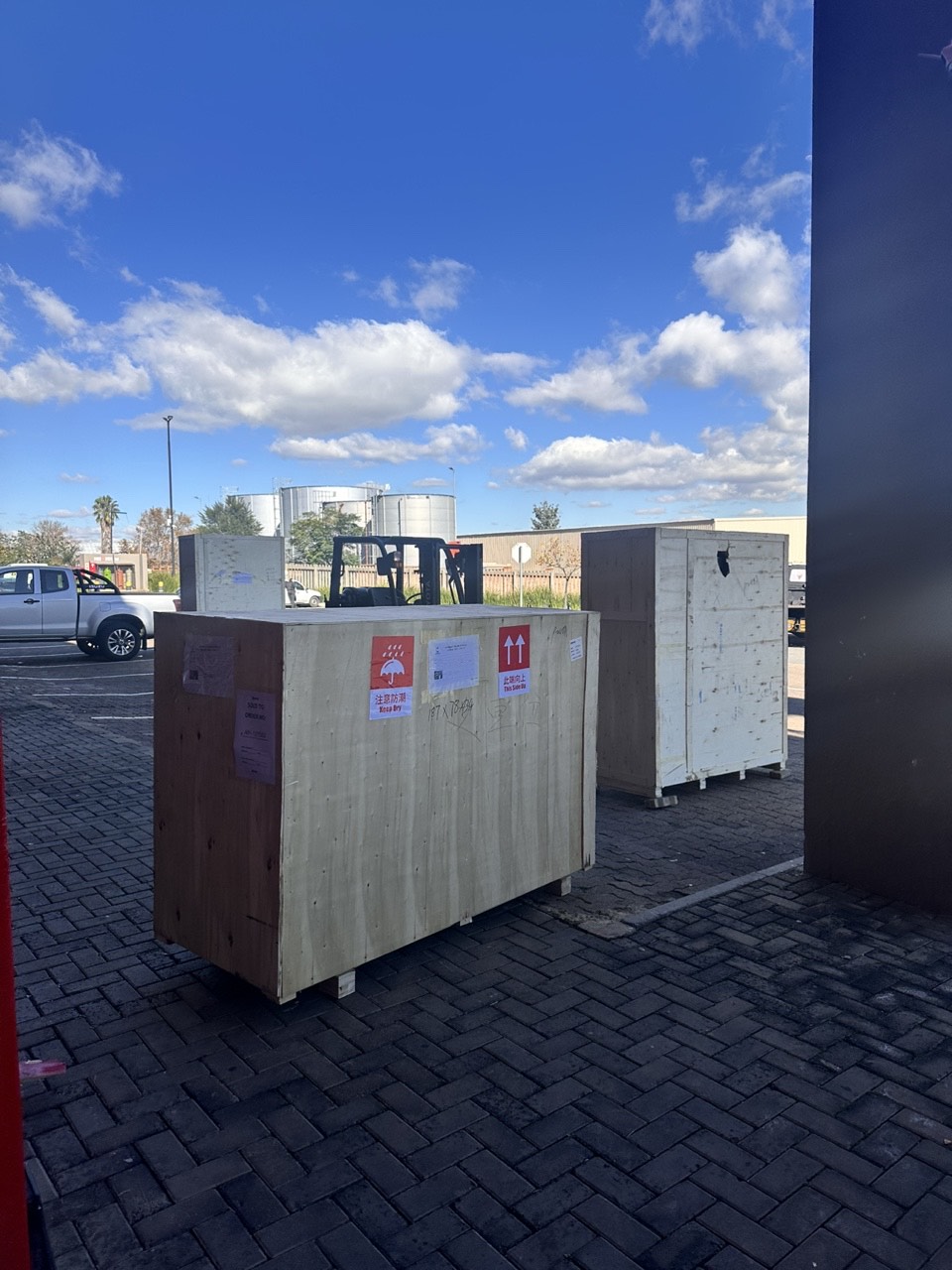
Batch of Orders
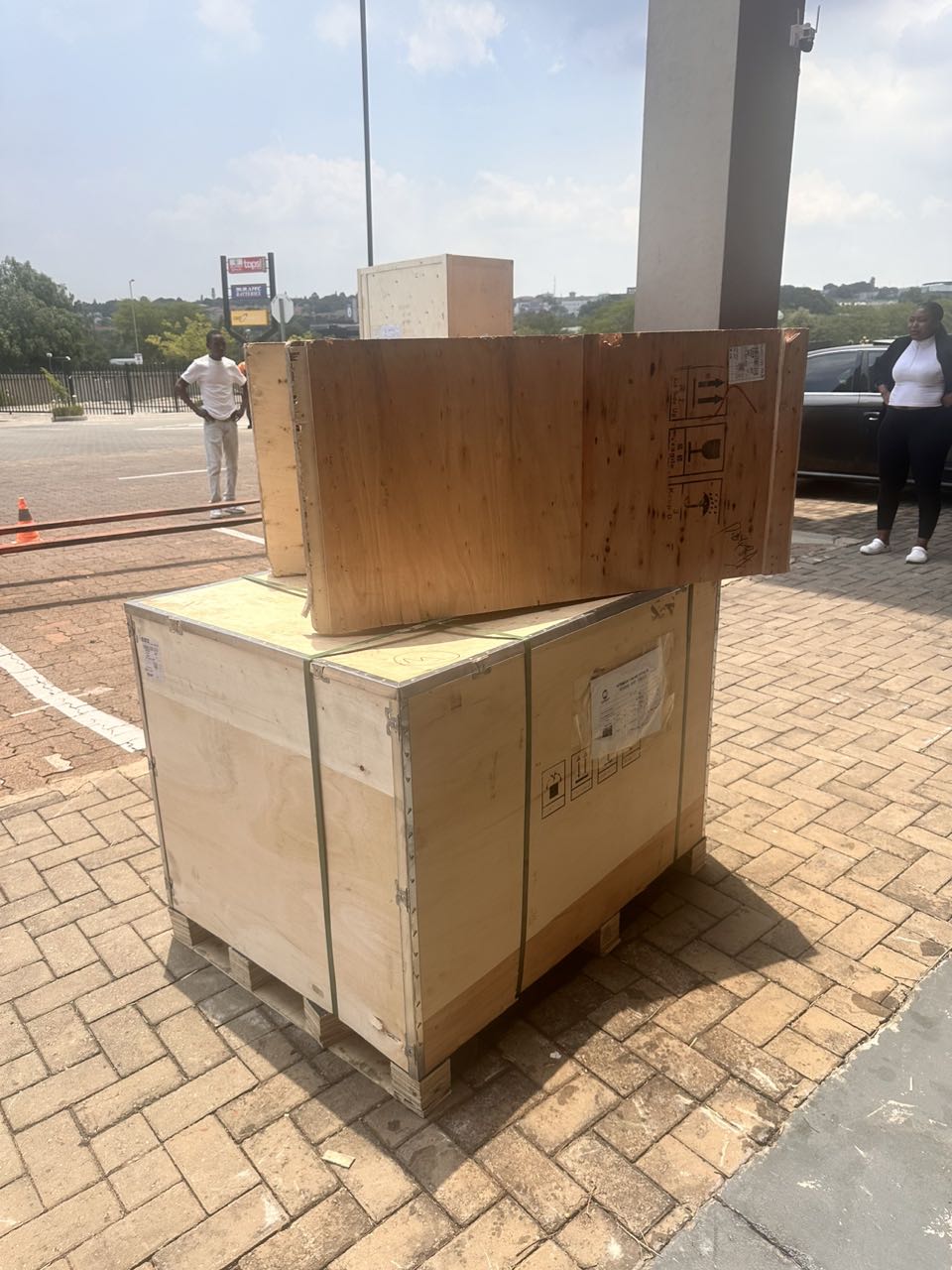
Batch of Orders
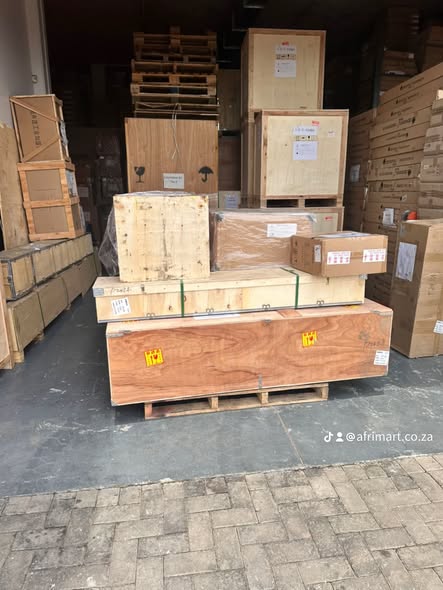
Latest Orders Labelled
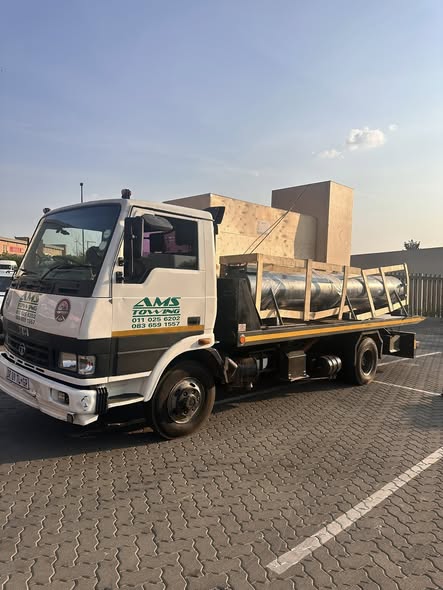
wheel alignment machines
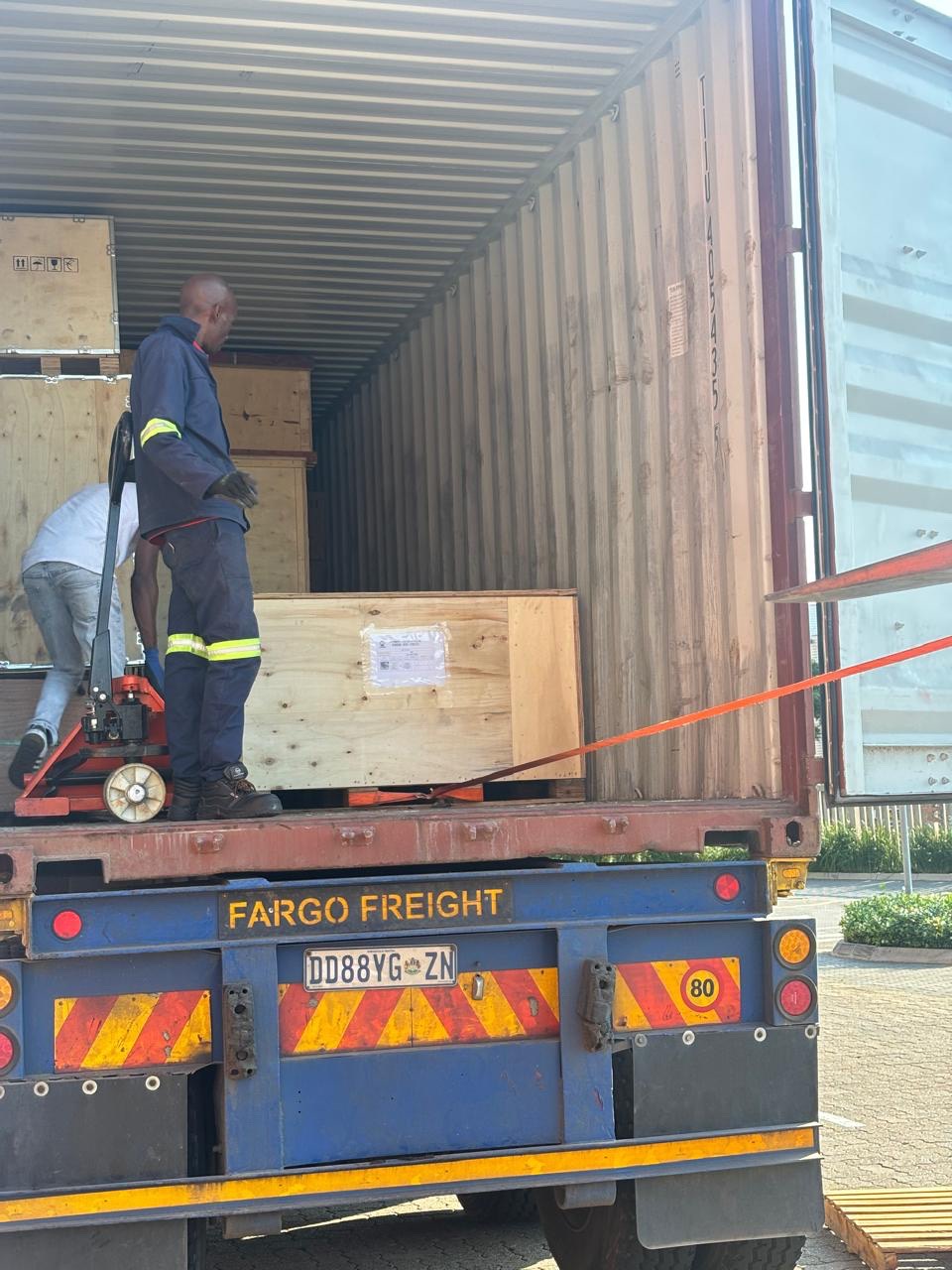
new arrivals
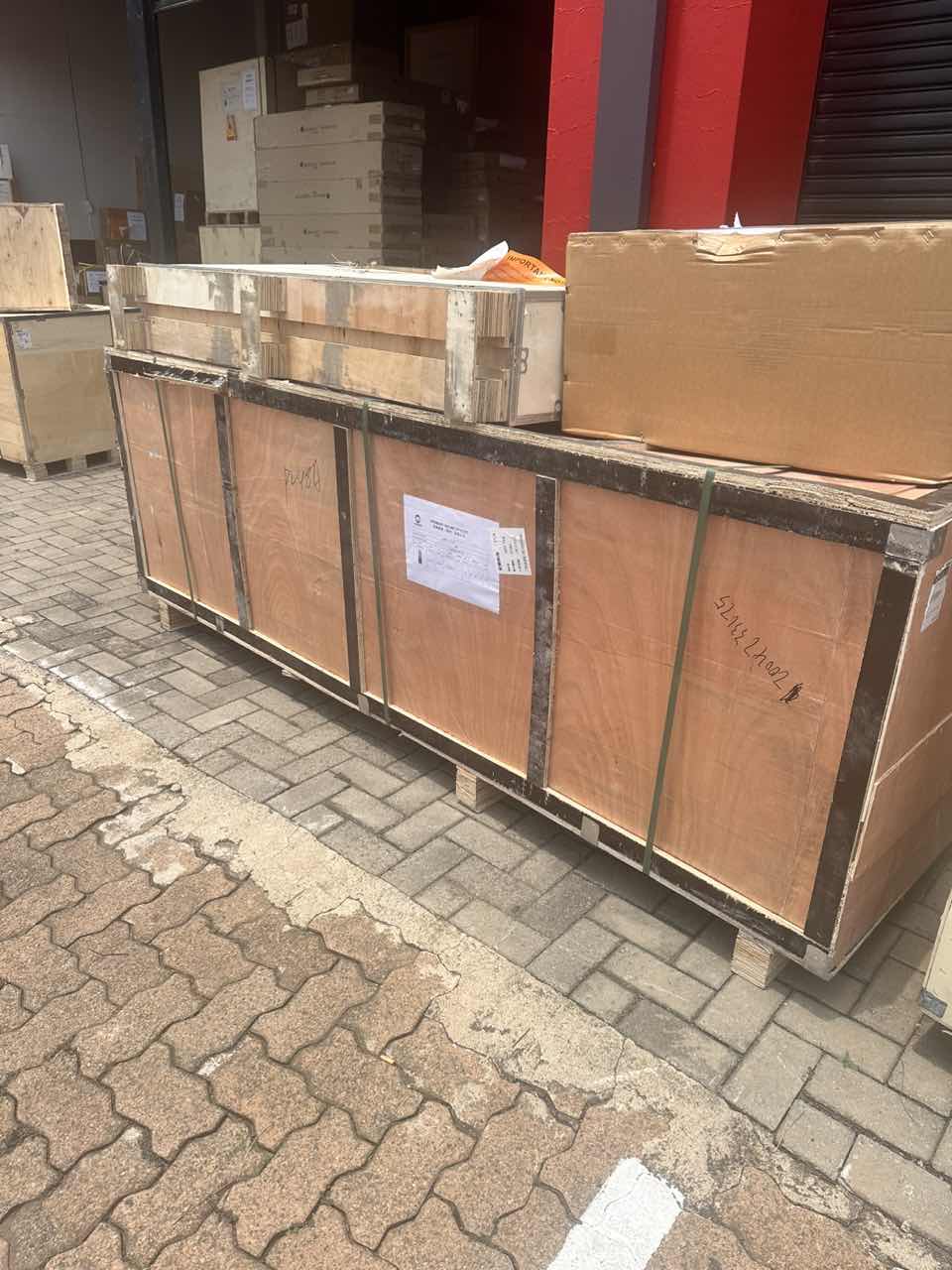
Pre Orders Offloading
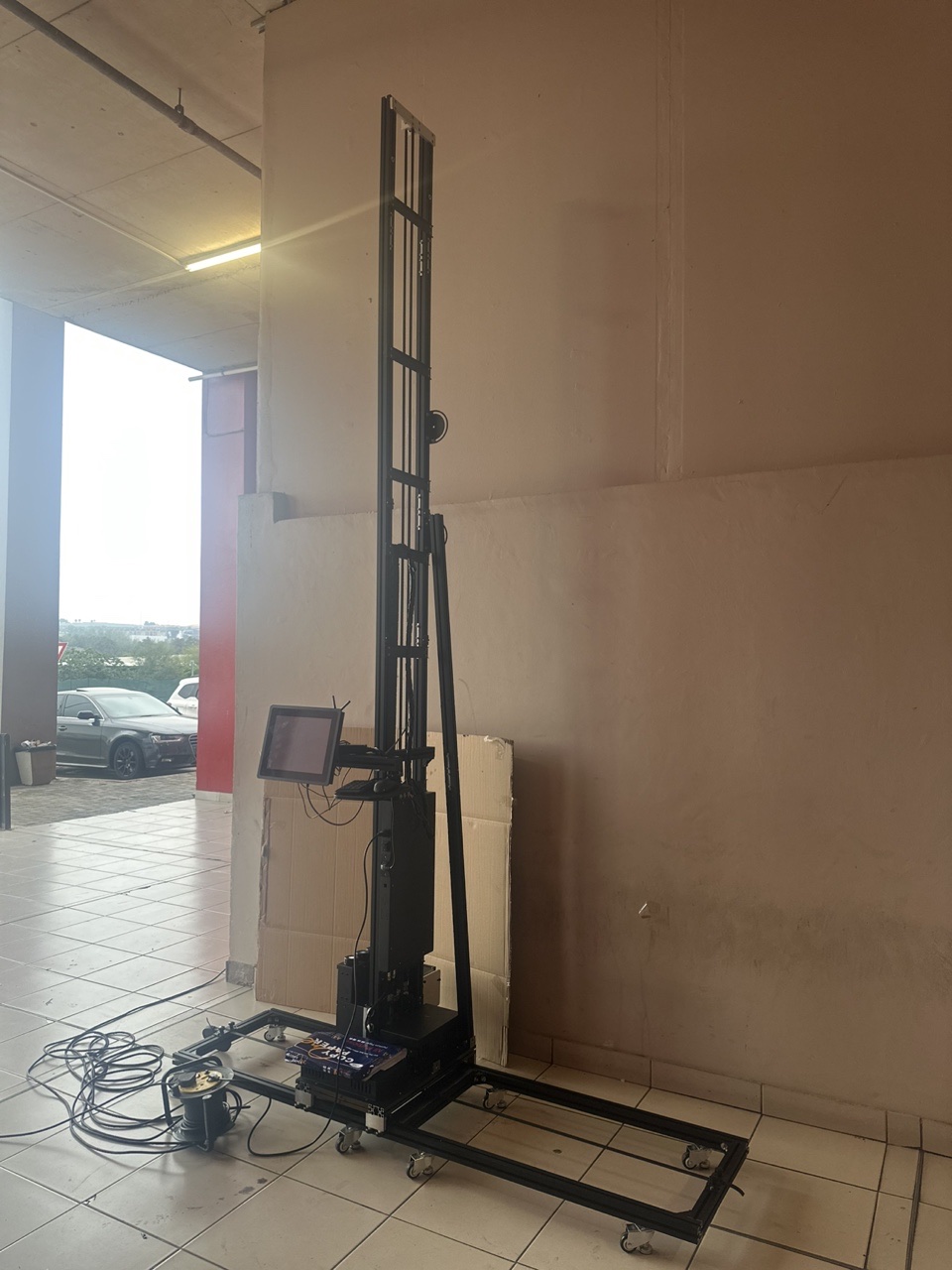
Latest Arrivals
Latest Arrivals
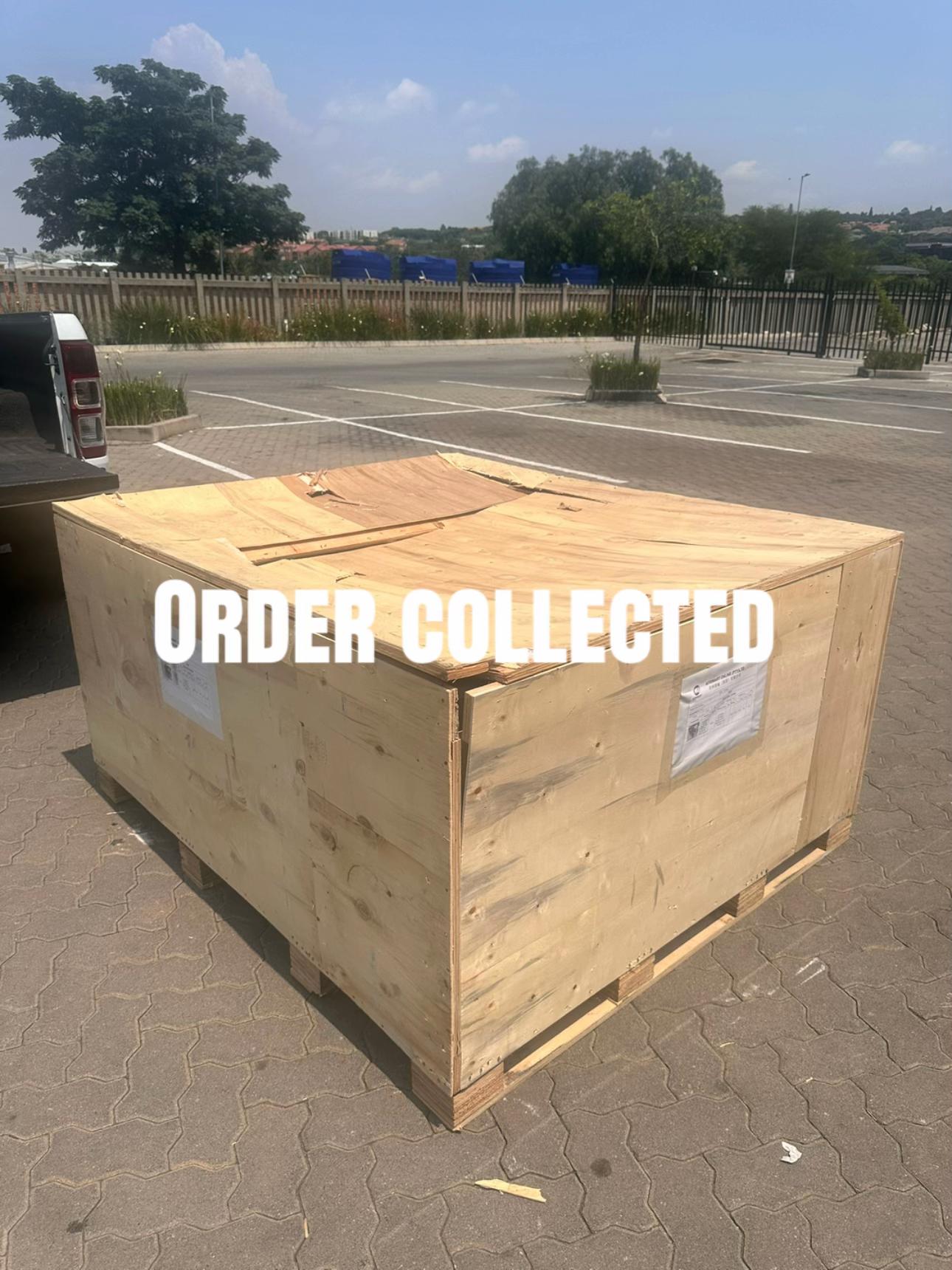
Latest Arrivals
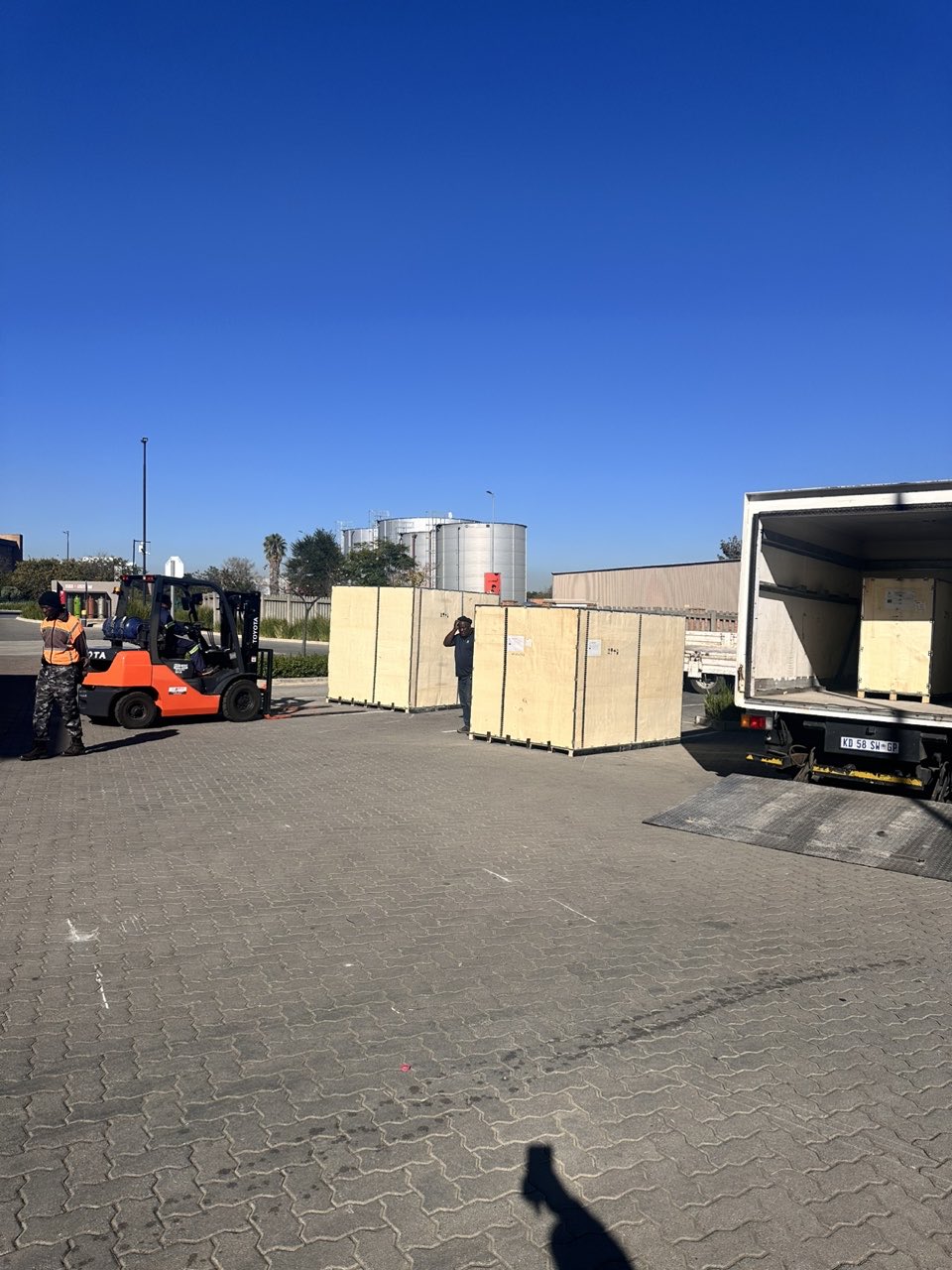
Loading
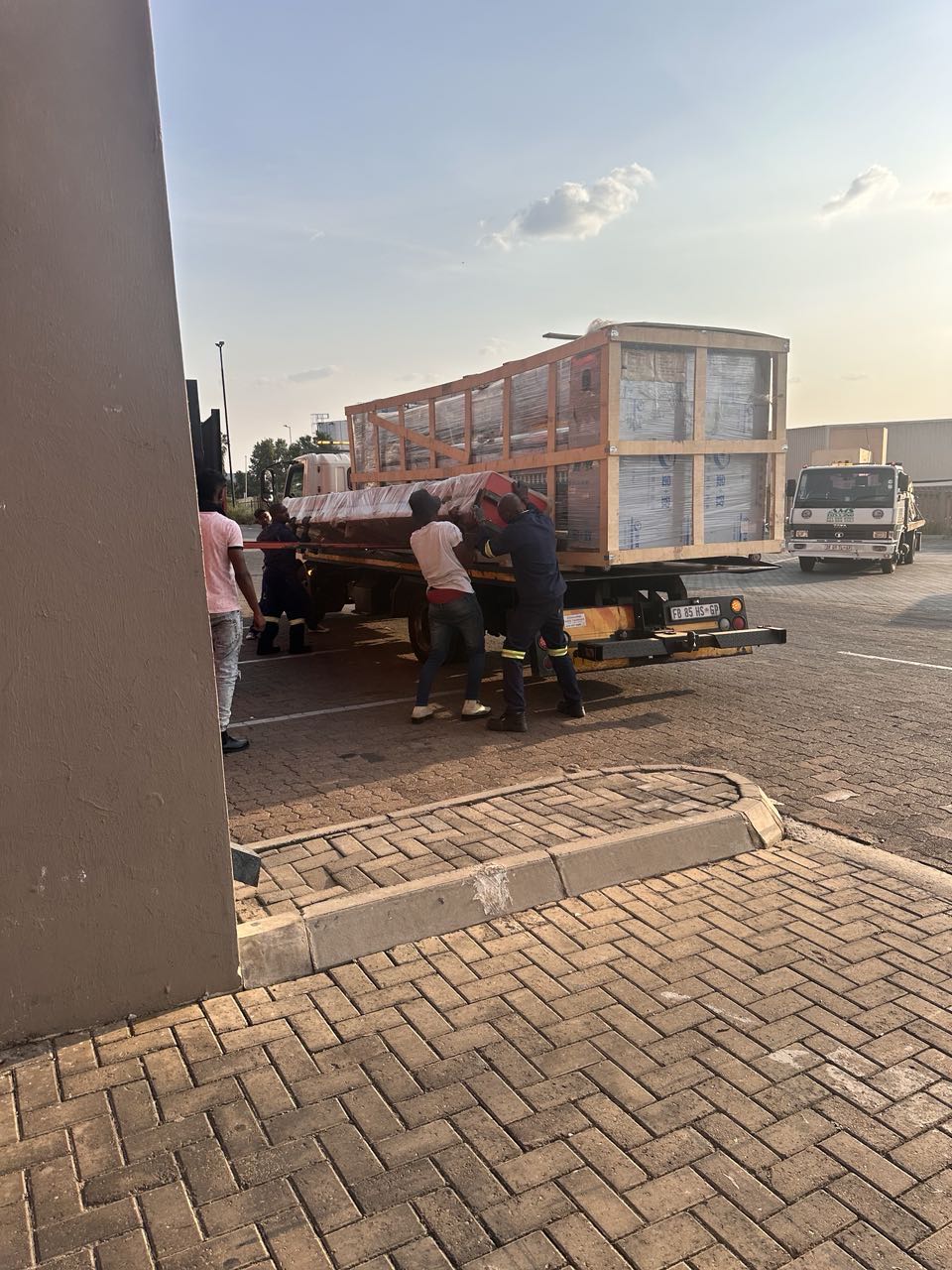
Toilet paper making machine
Toilet paper making machine
Toilet paper Rewinding Machine
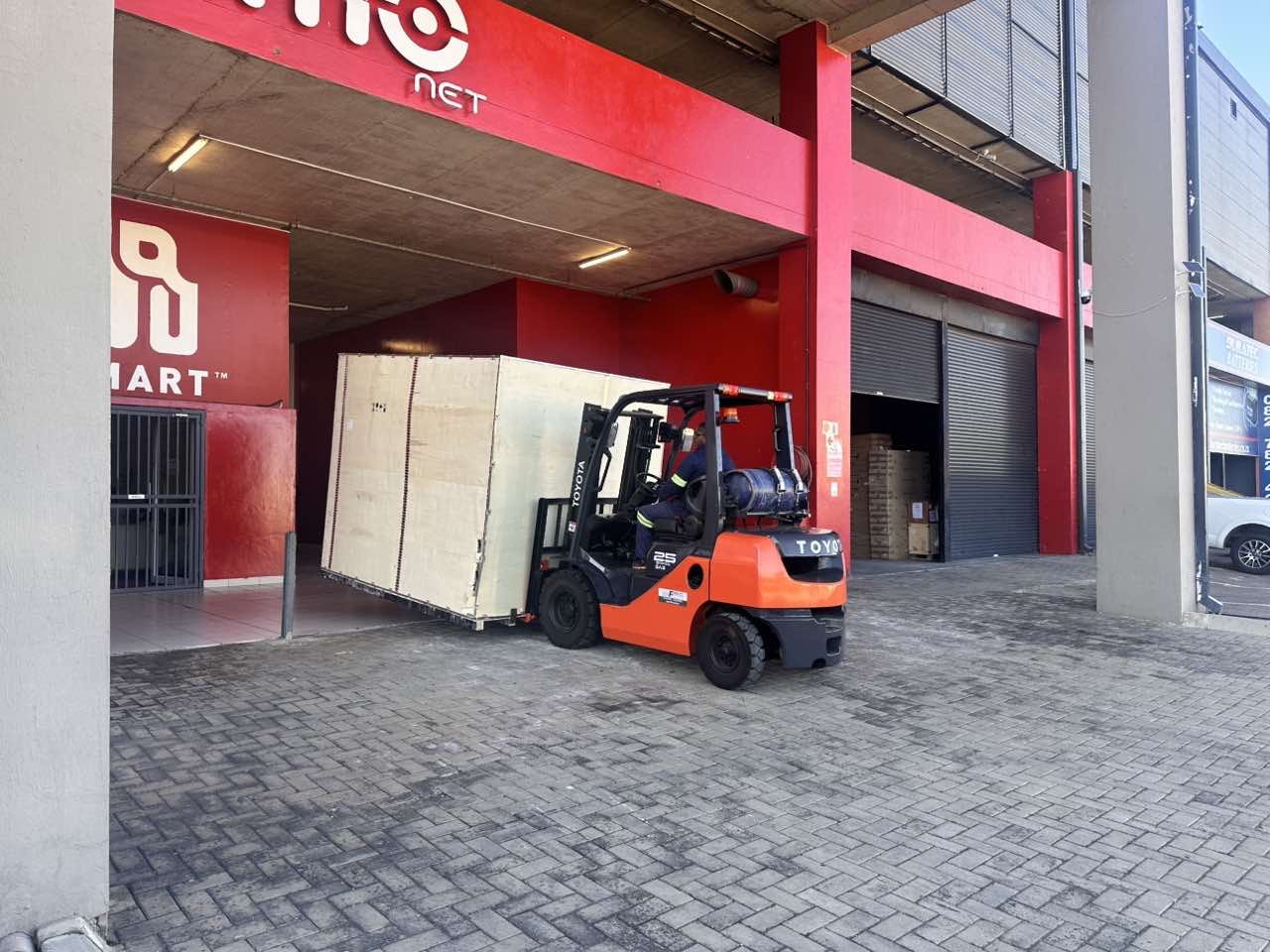
latest arrivals
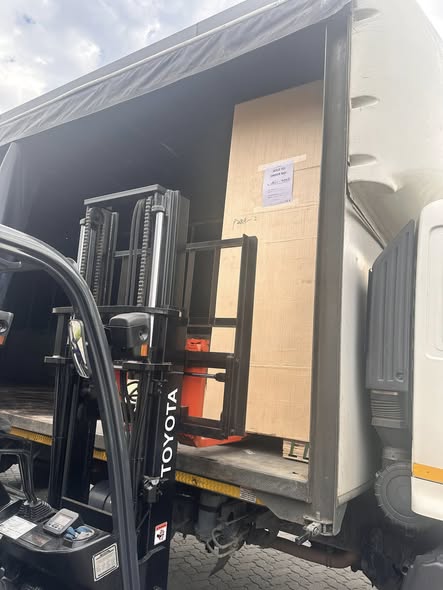
offloading
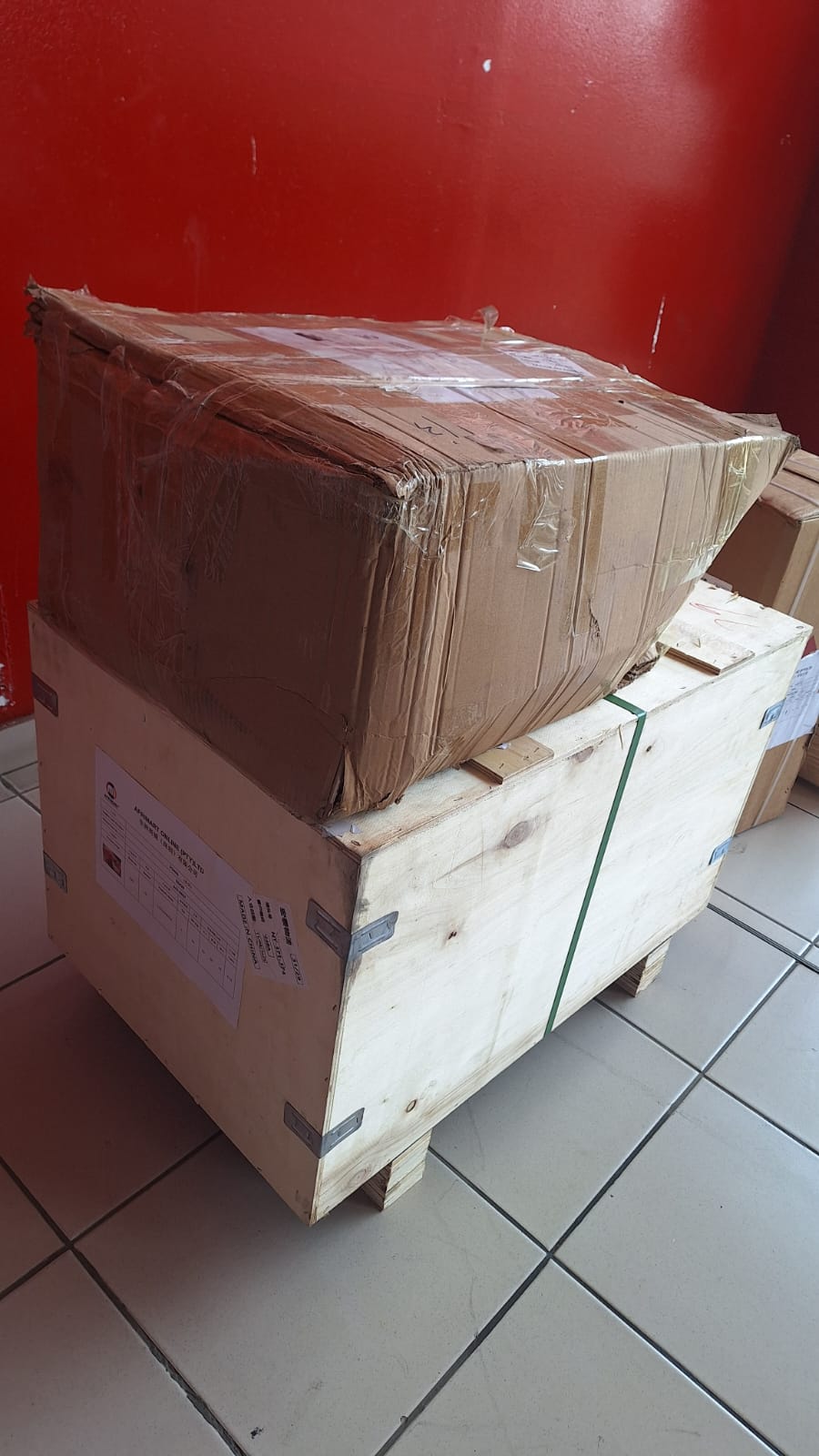
order success
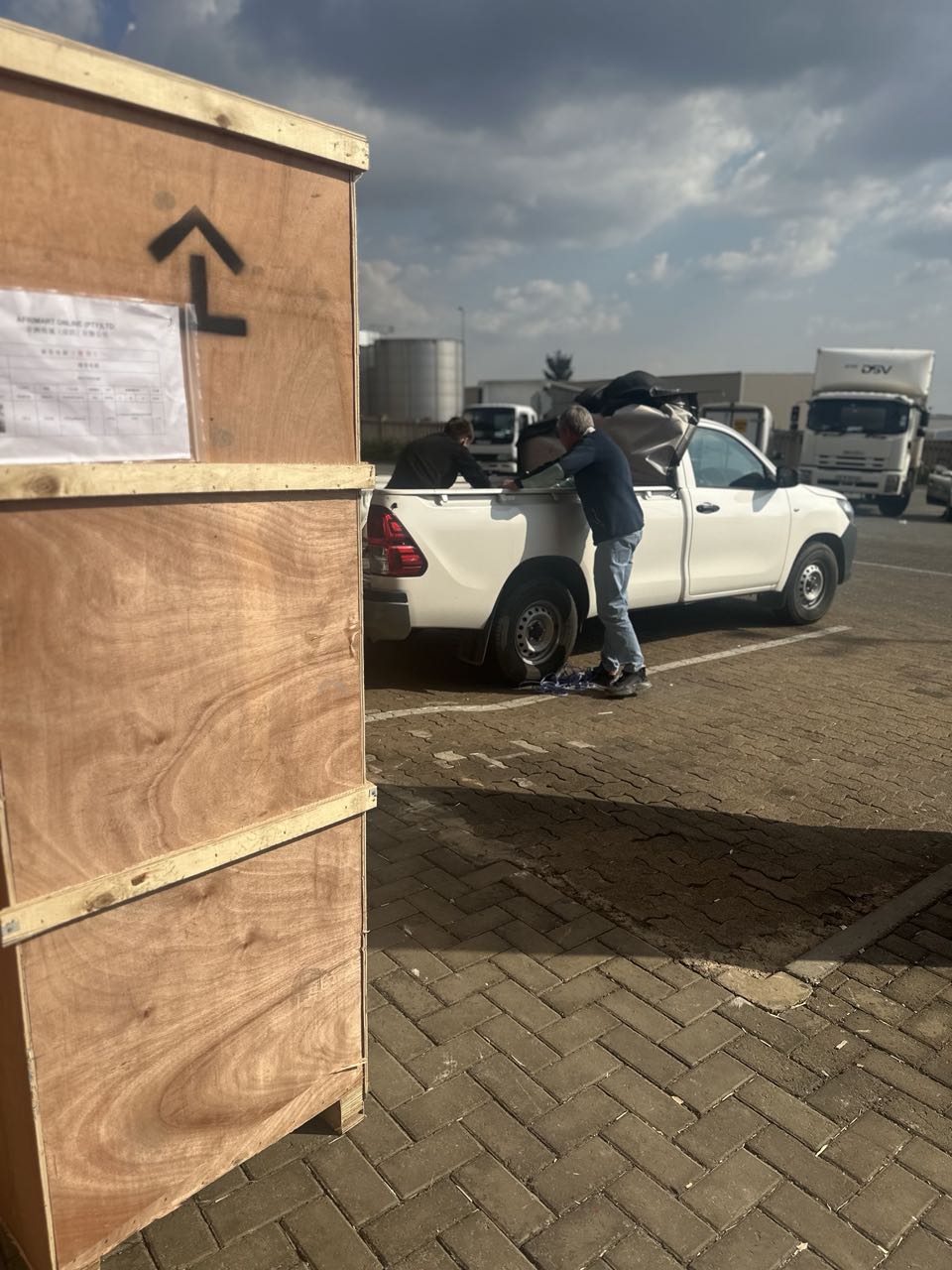
order collection
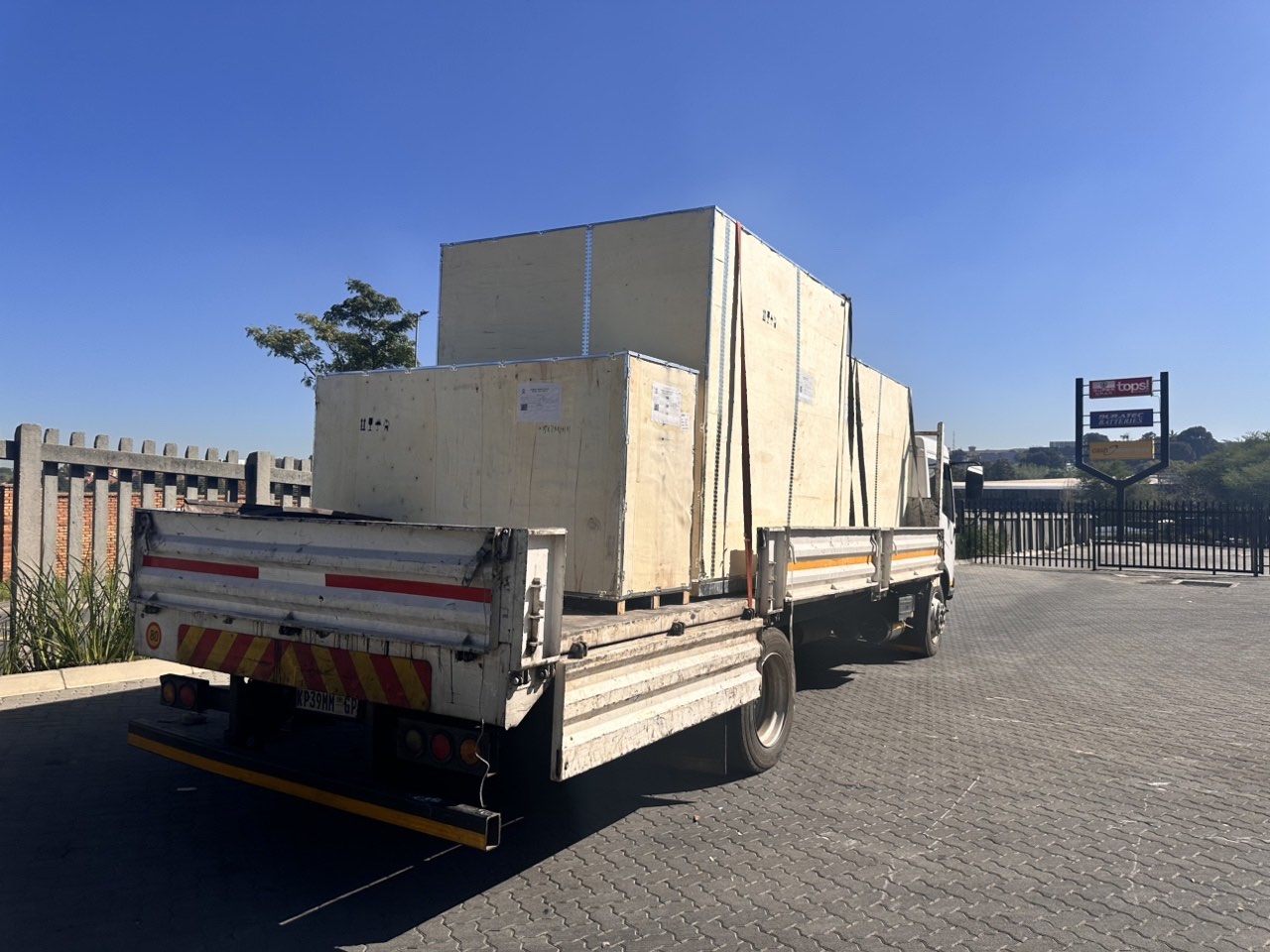
order offloading