B21, China Town Mall, Midrand

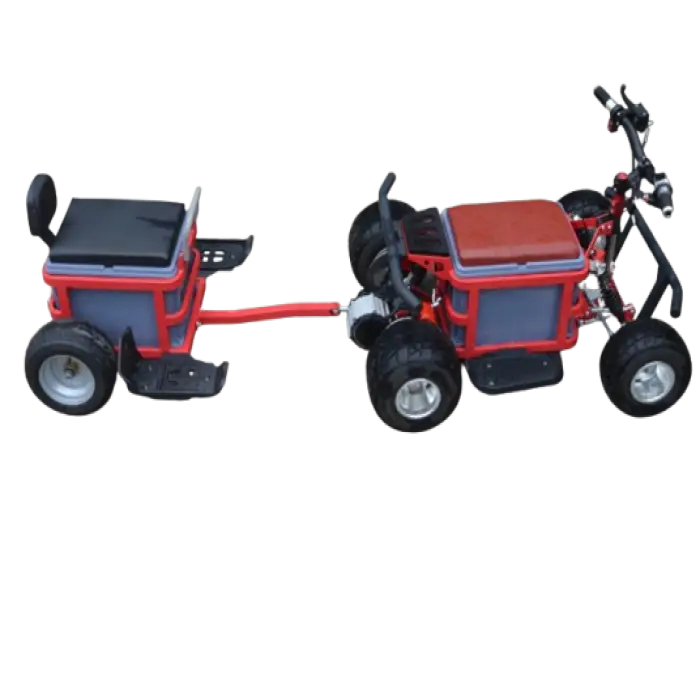
48v 20A Mini Pedal Go-Kart Kids Buggy with Hydraulic Disc Drift

- Section : Sports & Entertainment
- Category : Cars and Transportation
- SKU : 1601255444195

48v 20A Mini Pedal Go-Kart Kids Buggy with Hydraulic Disc Drift
The 48v 20A Mini Pedal Go-Kart Kids Buggy with Hydraulic Disc Drift is the perfect ride for adventurous kids! This electric go-kart offers exciting fun while ensuring safety and control. With its real wheel drive and hydraulic disc brakes, young drivers can enjoy a smooth and thrilling ride. Designed for kids, this go-kart is compact yet powerful, making it an ideal choice for outdoor play. Get ready for hours of excitement with this amazing go-kart!
Specifications
| Attribute | Details |
|---|---|
| Engine Capacity | Electric |
| Type | Electric Go Karts |
| Drive Mode | Real Wheel Driven |
| Wheel Size | 135-6 |
| Oil Tank Capacity | Without |
| Selling Units | Single item |
Key Features
- Powerful 48v 20A electric engine
- Hydraulic disc brakes for safety
- Real wheel drive for better control
- Sturdy design for young drivers
- Fun and exciting ride experience
Applications
- Outdoor play and racing
- Birthday parties and events
- Family fun days
- Kids' adventure camps
- Neighborhood playdates
Let your child experience the thrill of driving with the 48v 20A Mini Pedal Go-Kart Kids Buggy with Hydraulic Disc Drift. It’s a fun and safe way for kids to enjoy outdoor activities!
Product Info Gallery
- Shipping Timeframes: All orders are processed within 2-5 business days (excluding weekends and holidays). After your order has been processed, the estimated delivery time is before 05 Aug, 2026, depending on customs, Please note that due to high demand, some items may experience longer shipping times, which will be communicated at order confirmation email.
- Order Processing Time: Please allow 2-5 business days for us to process your order before it is shipped . Orders placed after 16:00 on Fridays, or during weekends and public holidays, will begin processing on the next business day. Processing times may be extended during peak seasons or sales events.
- Manufacturing Time: Some products needs manufacturing time, the manufacturing process will take approximately 10-30 business days depending on the product. This timeframe may vary depending on the complexity of the product and current demand. but this will be communicated with you during order confirmation.
- Returns and Exchanges: We offer a 30-day return policy for most items. If you are not completely satisfied with your purchase, you may return it within 30 days of receipt for a refund or exchange. Items must be unused, in their original packaging, and accompanied by proof of purchase. Return shipping costs are the responsibility of the customer, unless the item was damaged or defective upon arrival.
1. What does '48v 20A' mean?
'48v' refers to the electrical system voltage (48 volts). '20A' typically refers to a 20 ampere current rating for the motor controller or motor, indicating the power delivery capability. Together they describe the go-kart's electrical powertrain.
2. What age range and rider size is this go-kart suitable for?
This mini go-kart is designed for children and young teens. Recommended ages and maximum rider weight can vary by model; check the manufacturer's specifications, but these vehicles are commonly suitable for children roughly 6 years and up with a typical weight limit in the range appropriate for kids/teens.
3. How fast does the go-kart go?
Top speed depends on the motor, controller settings, battery charge and rider weight. Many 48V kids go-karts reach speeds appropriate for safe children's play. For exact top speed and any speed-governing features, refer to the product spec sheet or ask the seller.
4. How long does the battery last on a single charge?
Runtime varies by battery capacity, rider weight, terrain and driving style. Typical use for similar kids' electric go-karts is from around 30 minutes to 90 minutes per charge. See the included manual or product listing for the specific battery amp-hour rating and expected range.
5. How long does it take to charge the battery?
Charging time depends on battery capacity and the charger used. Many 48V kids go-karts charge in approximately 4–8 hours from a depleted state using the supplied charger. Always use the manufacturer-provided charger and follow charging instructions.
6. Does it come assembled or is assembly required?
Some assembly is commonly required (installing the steering wheel, seat, battery, or wheels). A basic toolset and following the included assembly guide are usually sufficient. Confirm with the seller whether the unit ships fully assembled or partially assembled.
7. What safety features does it have?
Key safety features include hydraulic disc brakes for reliable stopping, a low center-of-gravity sturdy frame, and real-wheel drive for stable handling. Adult supervision, use of helmets and protective gear, and riding in safe, traffic-free areas are strongly recommended.
8. Can kids drift with this go-kart?
The product name mentions 'drift' capability — hydraulic disc brakes and rear-wheel power can enable controlled drifting on smooth, open surfaces. However, drifting carries risk; it should only be attempted under supervision on safe surfaces with proper safety gear and if the manufacturer explicitly supports drift use.
9. What terrains is this go-kart suitable for?
This mini go-kart is best suited for smooth outdoor surfaces such as driveways, paved paths, playground areas and compact packed dirt. Avoid deep sand, mud, steep slopes or rough off-road conditions unless the manufacturer states off-road suitability.
10. How do the hydraulic disc brakes compare to other brakes?
Hydraulic disc brakes generally offer stronger, more consistent braking performance and better modulation than mechanical or drum brakes, especially under repeated use. They also typically require occasional maintenance (bleeding/fluid checks) to remain optimal.
11. What maintenance is required?
Regular tasks include checking tire condition and pressure, inspecting brake pads and brake fluid (for hydraulic systems), tightening bolts and fasteners, keeping the battery charged and terminals clean, and storing the kart in a dry place. Follow the manufacturer's maintenance schedule in the manual.
12. Are replacement parts and service available?
Replacement parts (tires, brake pads, chargers, batteries, wiring, etc.) and service are typically available through the manufacturer or authorized dealers. Keep your model number and purchase details handy when ordering parts or seeking service.
13. Is a license or registration required to operate this go-kart?
Licensing and registration rules vary by location. Small electric go-karts used on private property typically do not require a driver's license, but you should check local laws before operating on public roads or in public spaces.
14. What should I check before buying?
Verify the recommended age and weight limit, battery voltage and amp-hour (Ah) rating, charging time, top speed, warranty and parts availability, assembly requirements, safety features (like seat belts or roll bars if needed), and seller support. Also confirm any certifications or safety standards compliance.
Latest Order Arrivals
Discover our latest orders
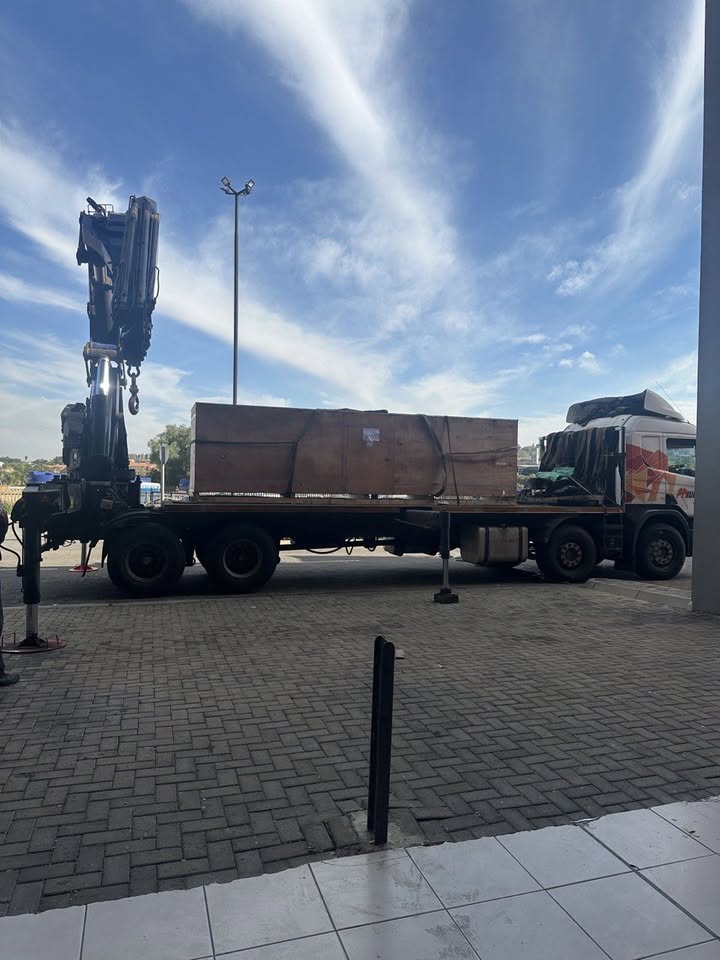
12 Heads Embroidery Machine
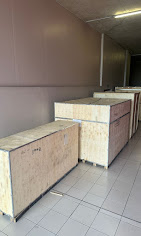
Toilet Paper Machine Machine
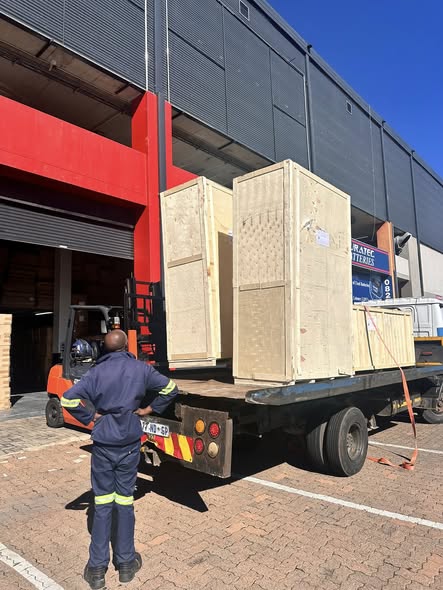
Order Collection
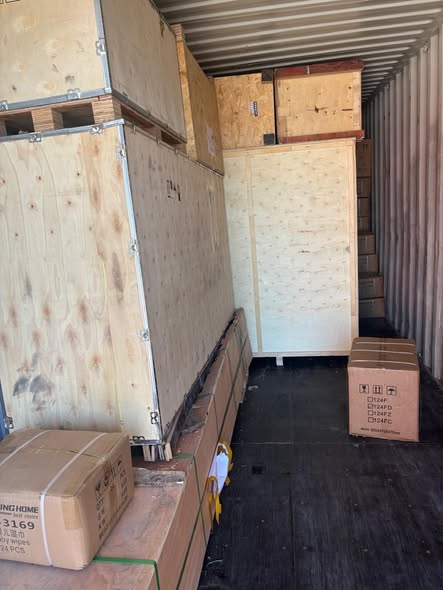
Cross Border Clients
Order cros border countries Collected
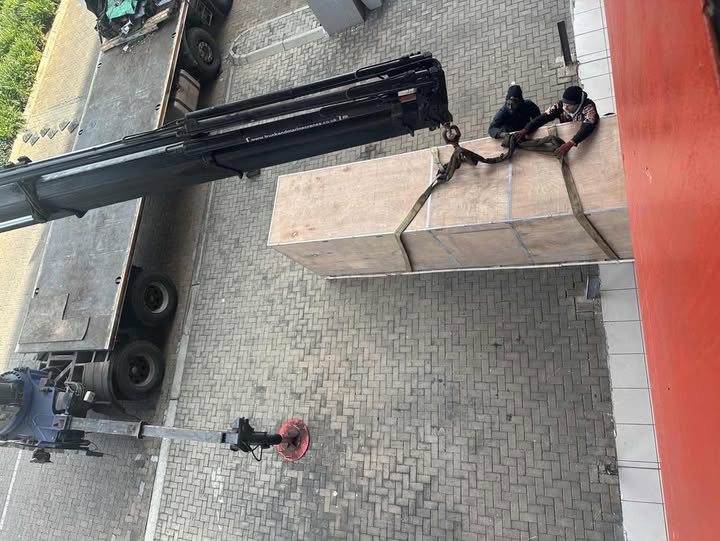
Industrial Machine Cllection
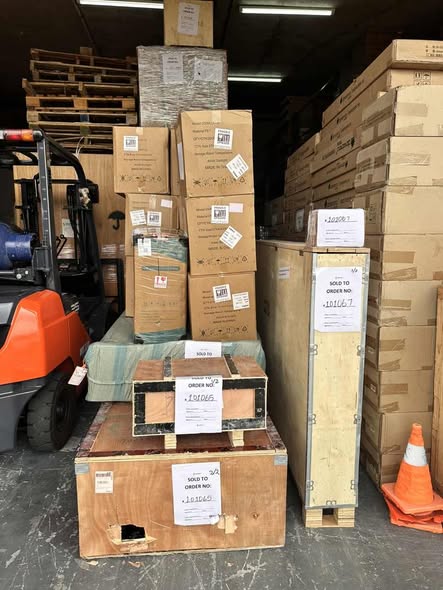
Agriculture Processing Machines
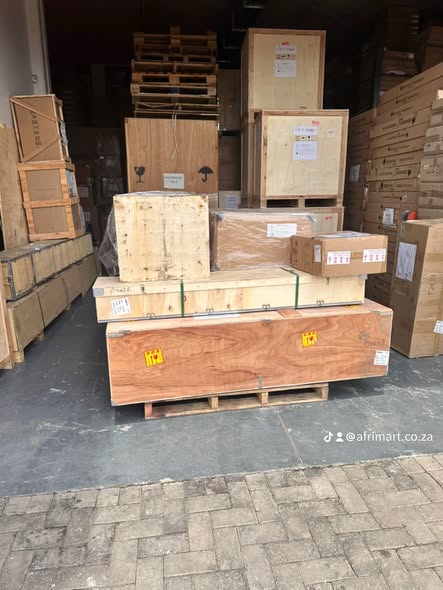
Ready for collection
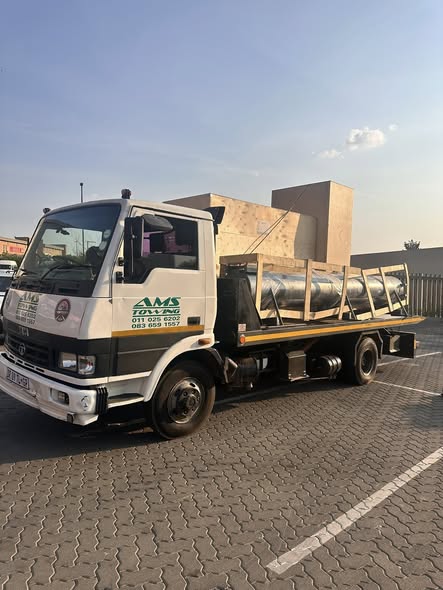
Water Pump Equipment
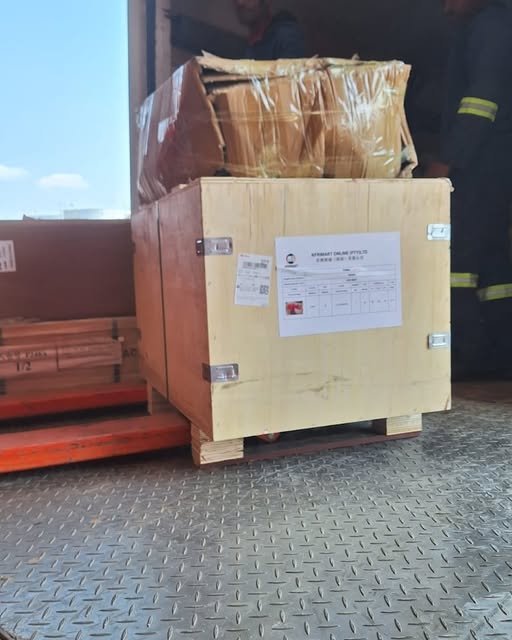
Packaging Machine and accessories
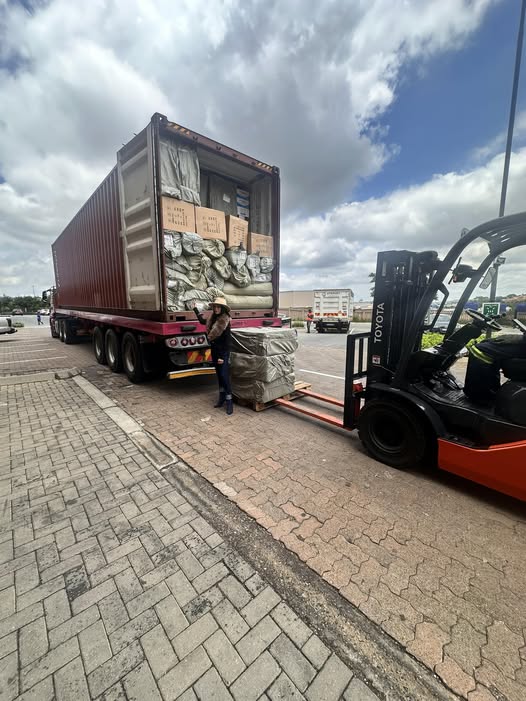
Fabrics Manufacturing Equipment
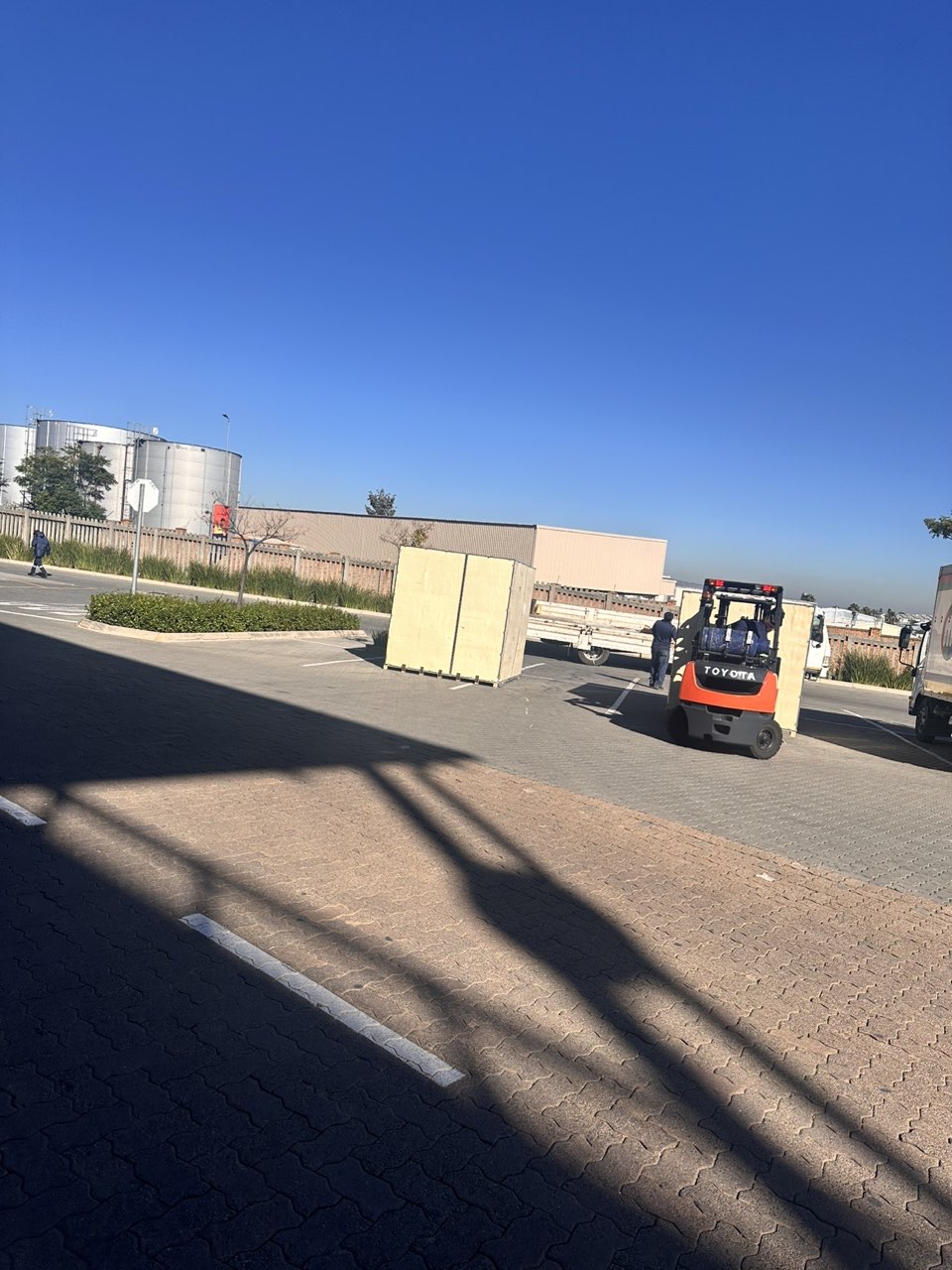
Mining Equipments
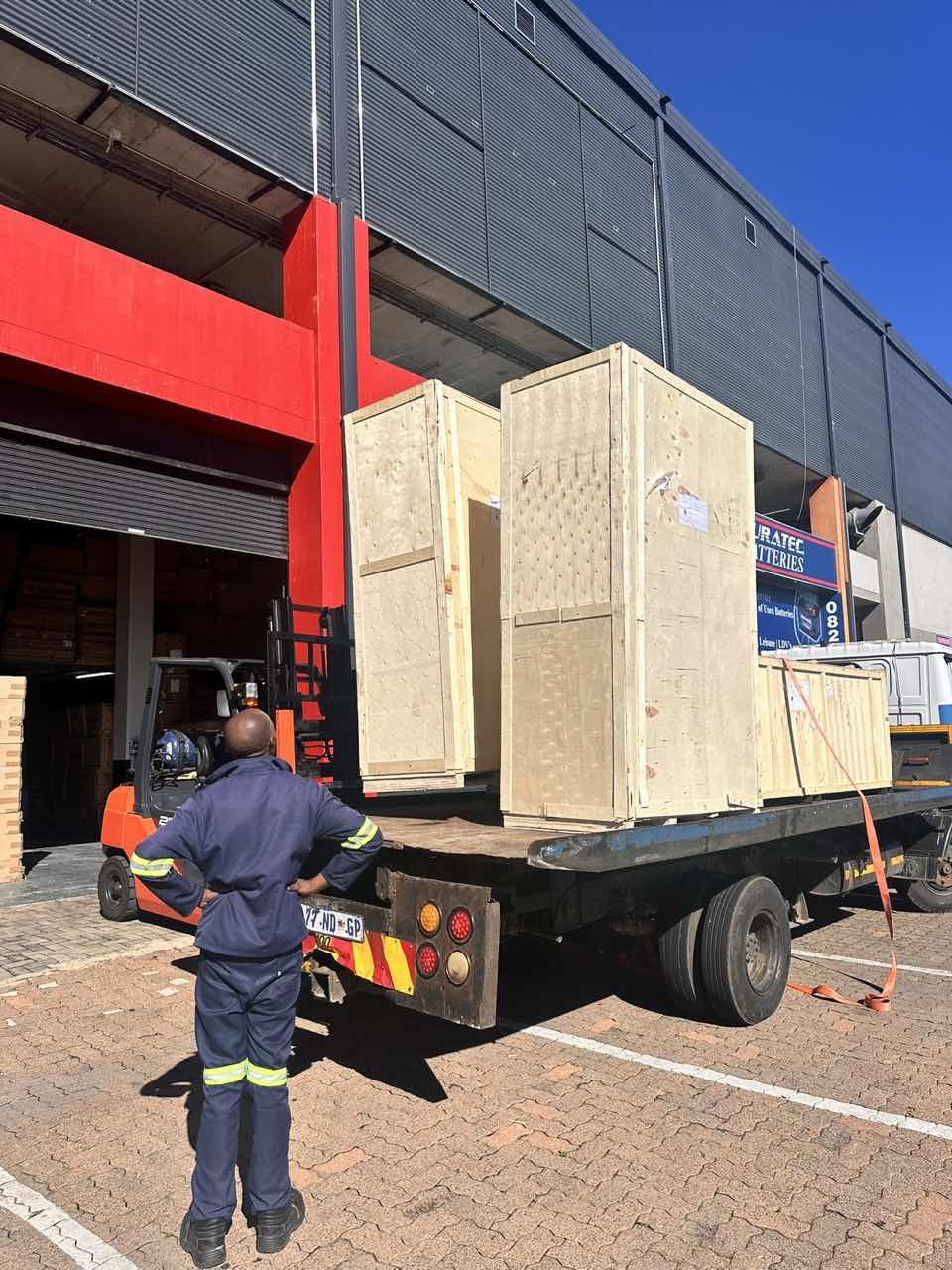
Food Processing Machine
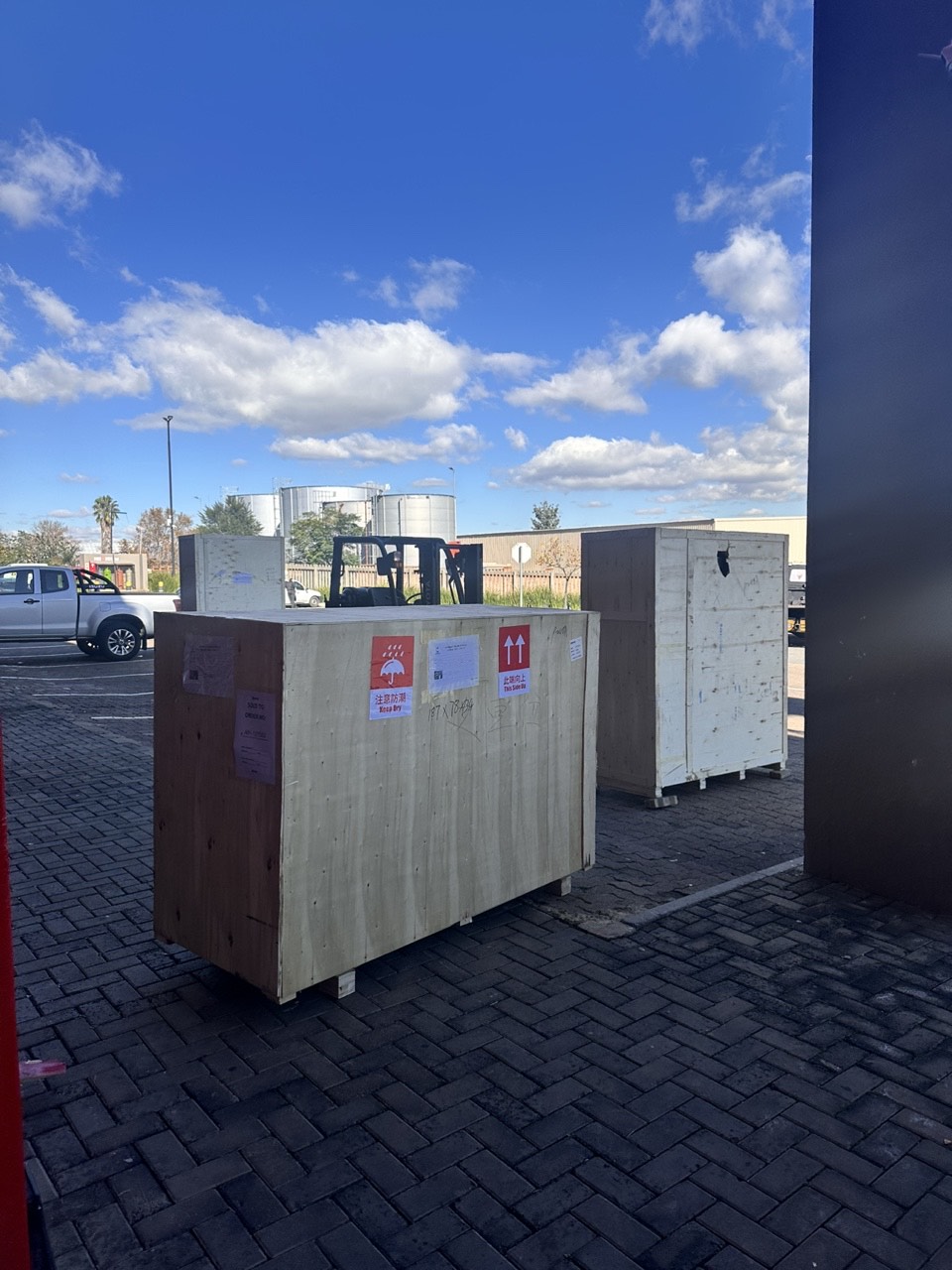
Batch of Orders
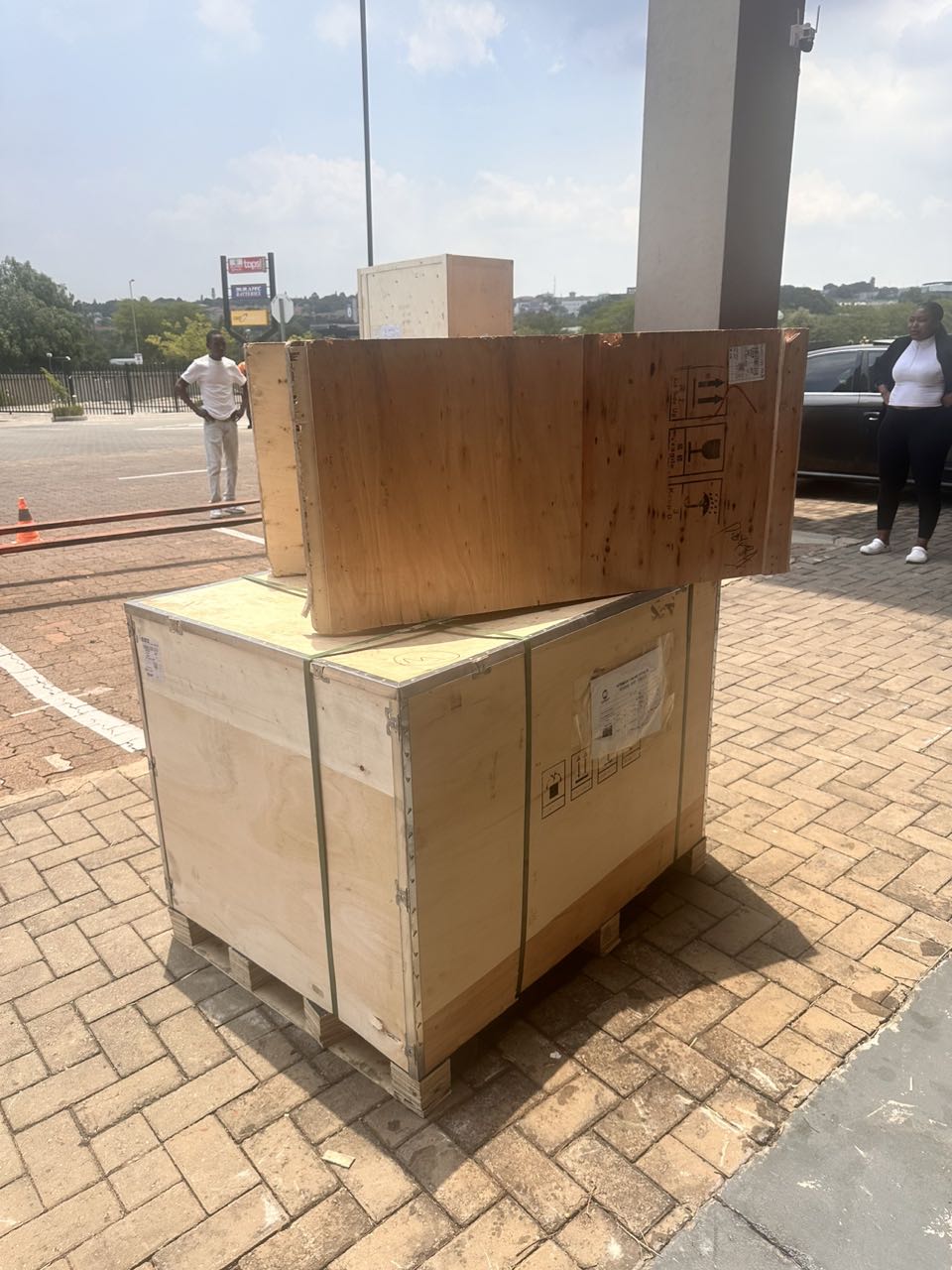
Batch of Orders
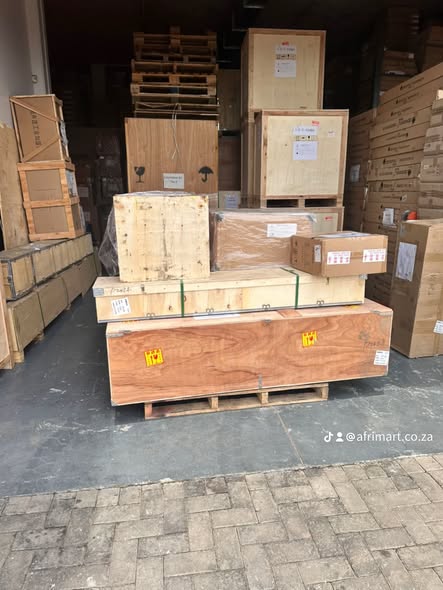
Latest Orders Labelled
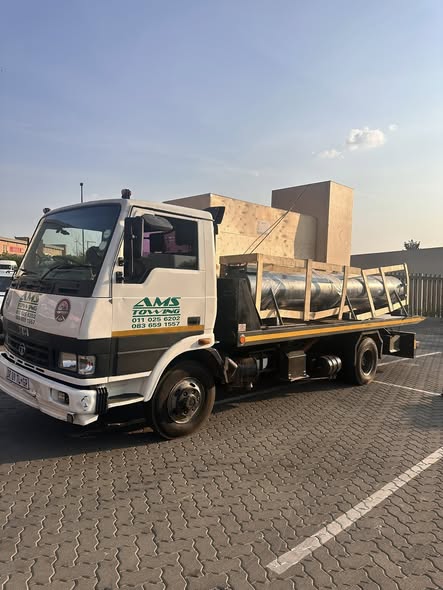
wheel alignment machines
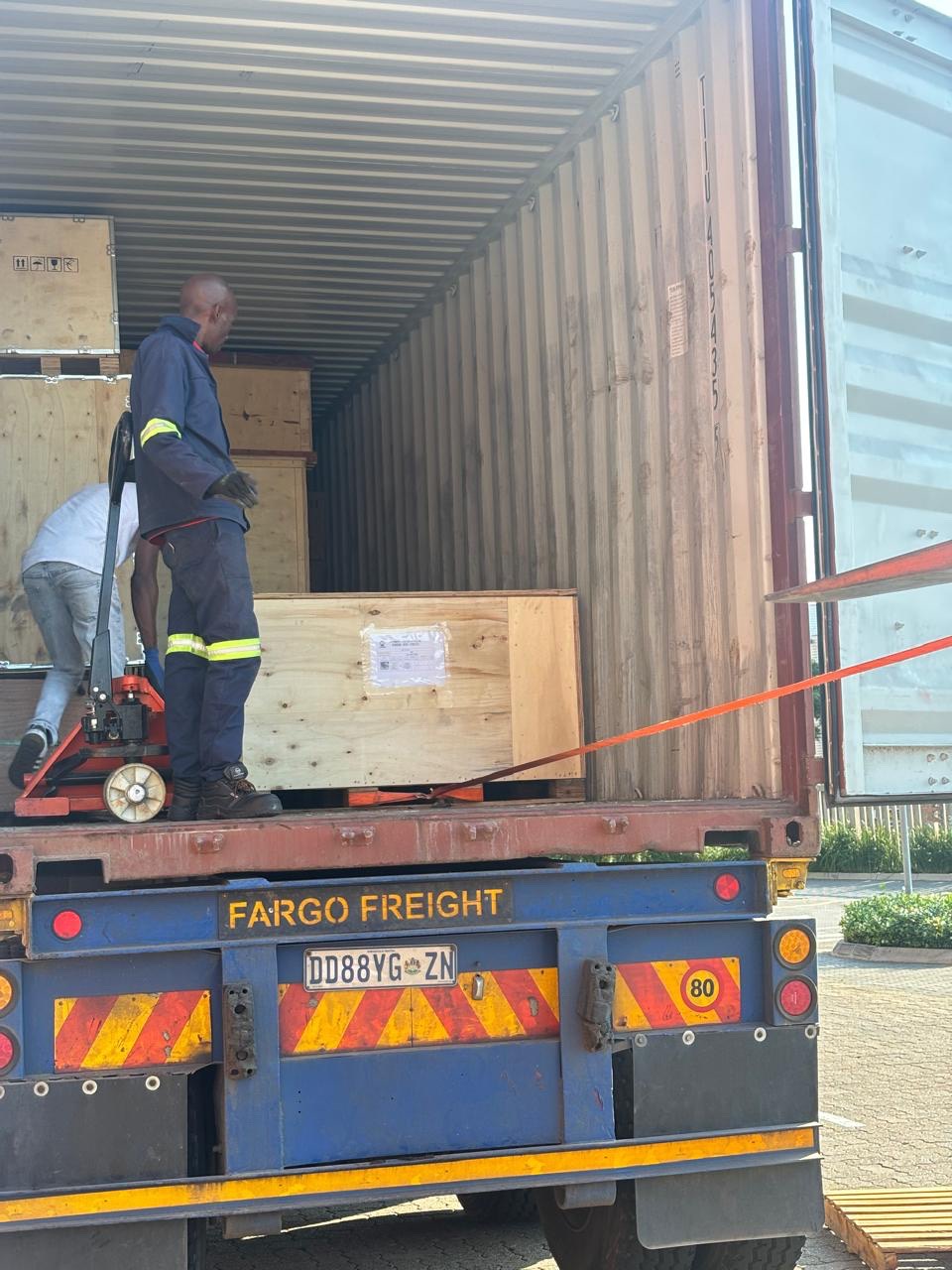
new arrivals
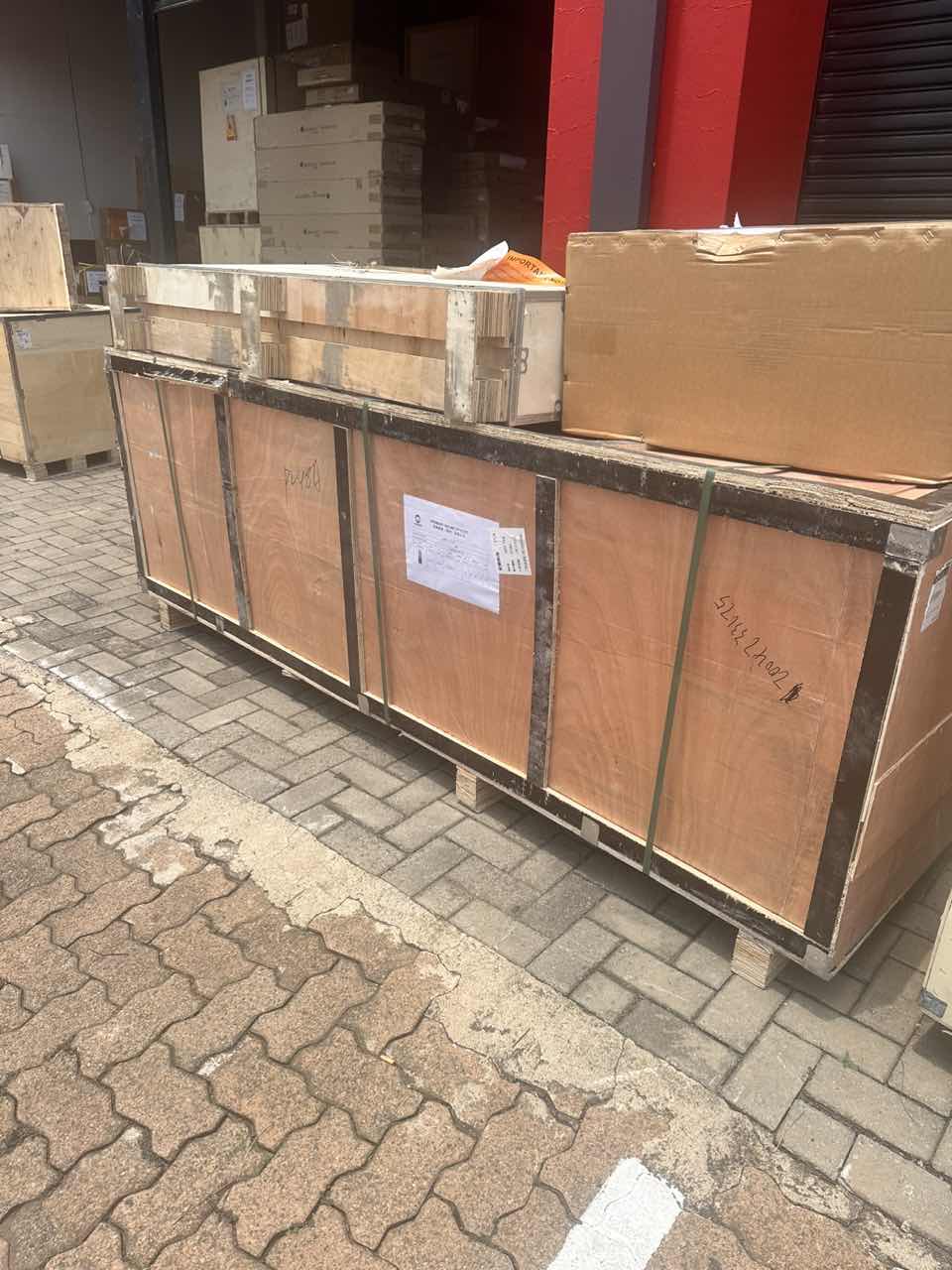
Pre Orders Offloading
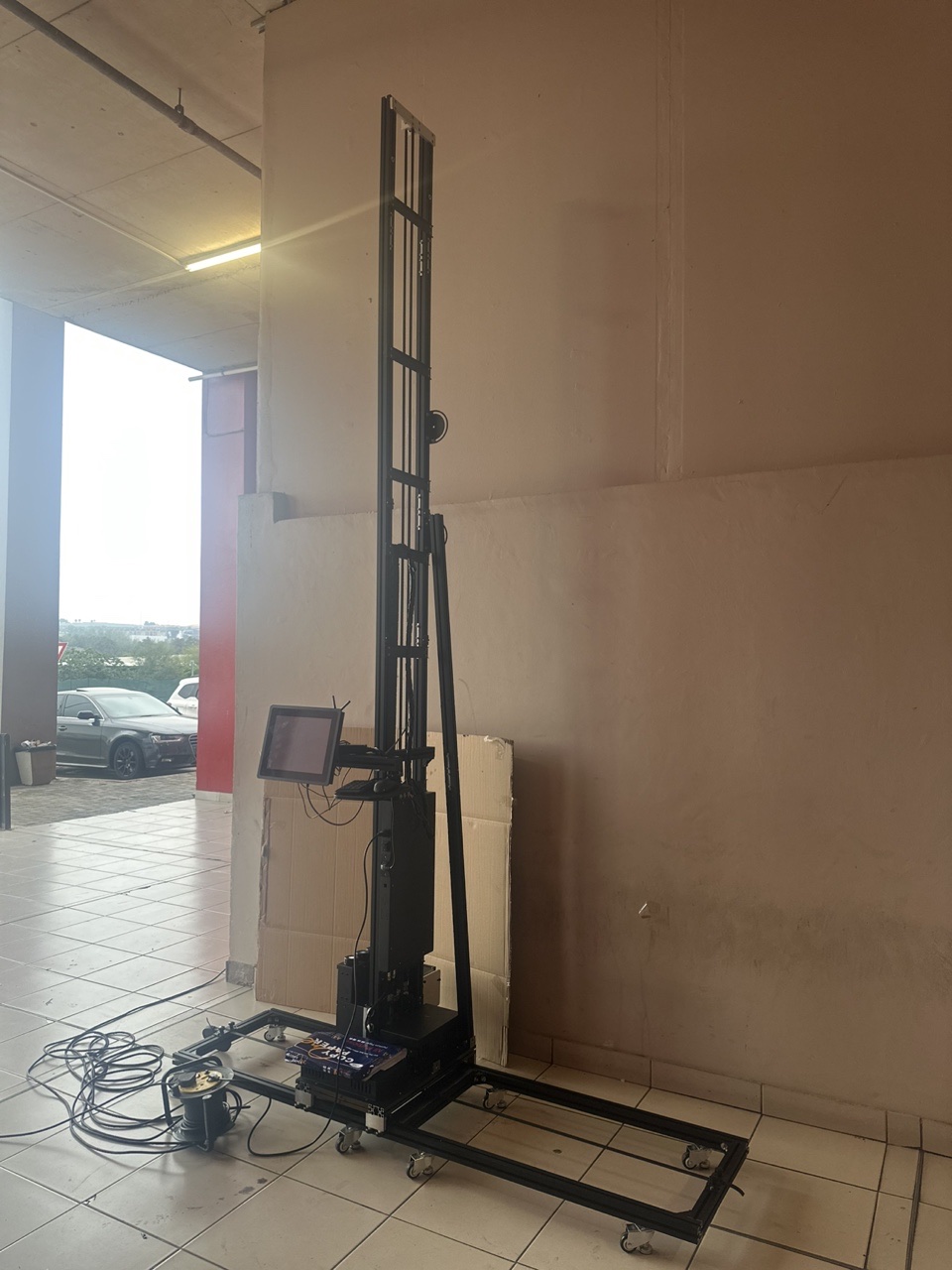
Latest Arrivals
Latest Arrivals
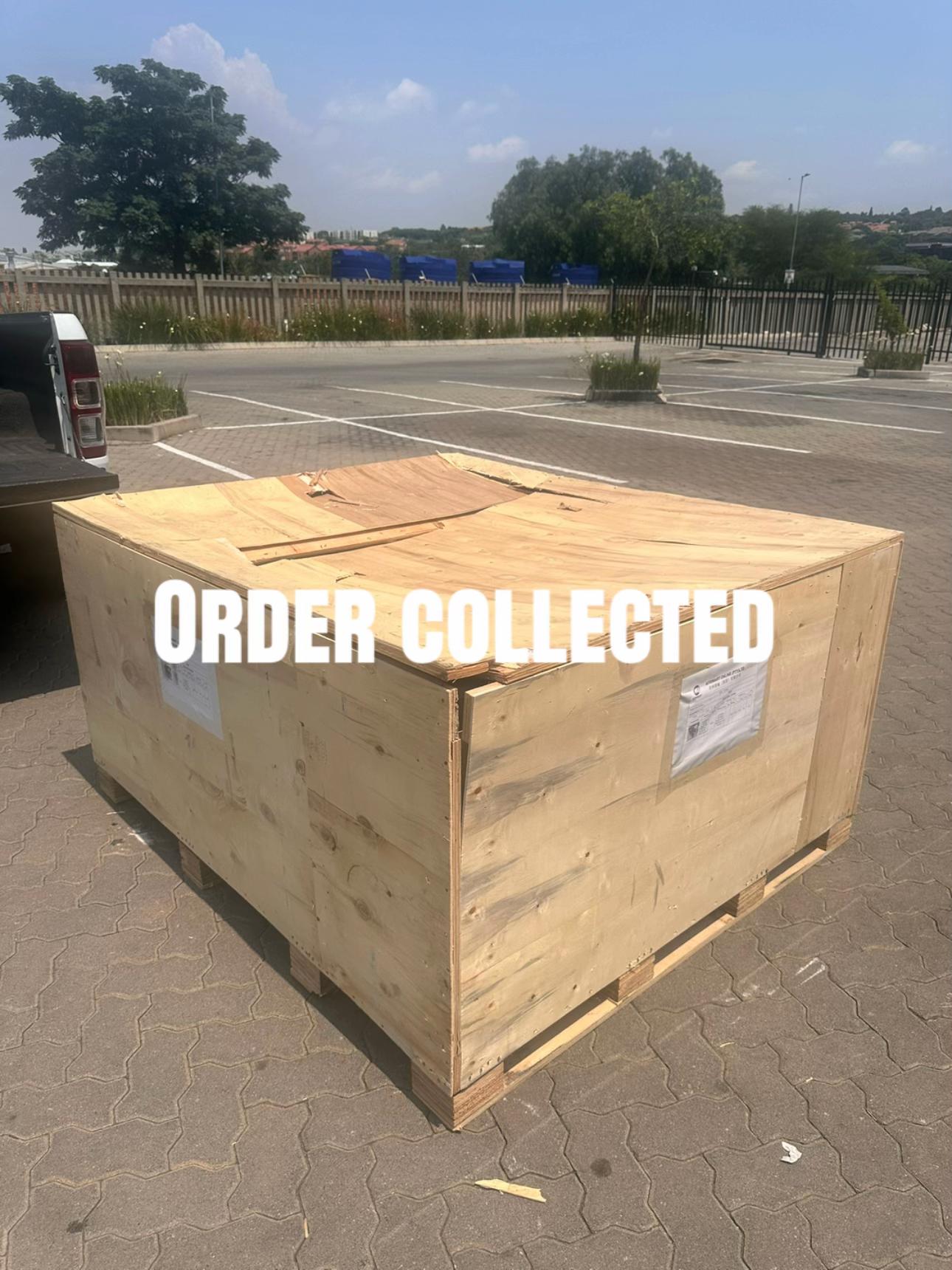
Latest Arrivals
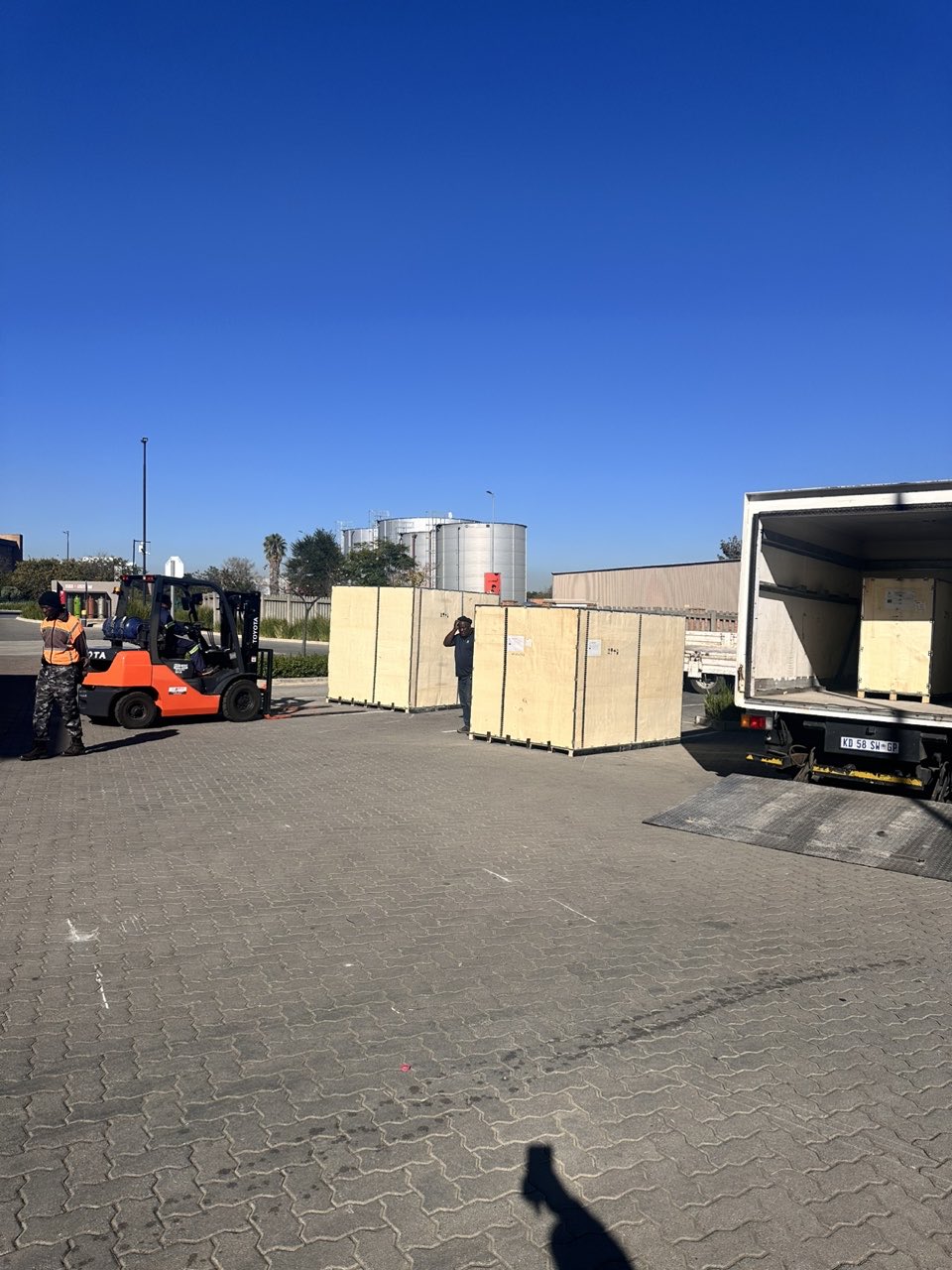
Loading
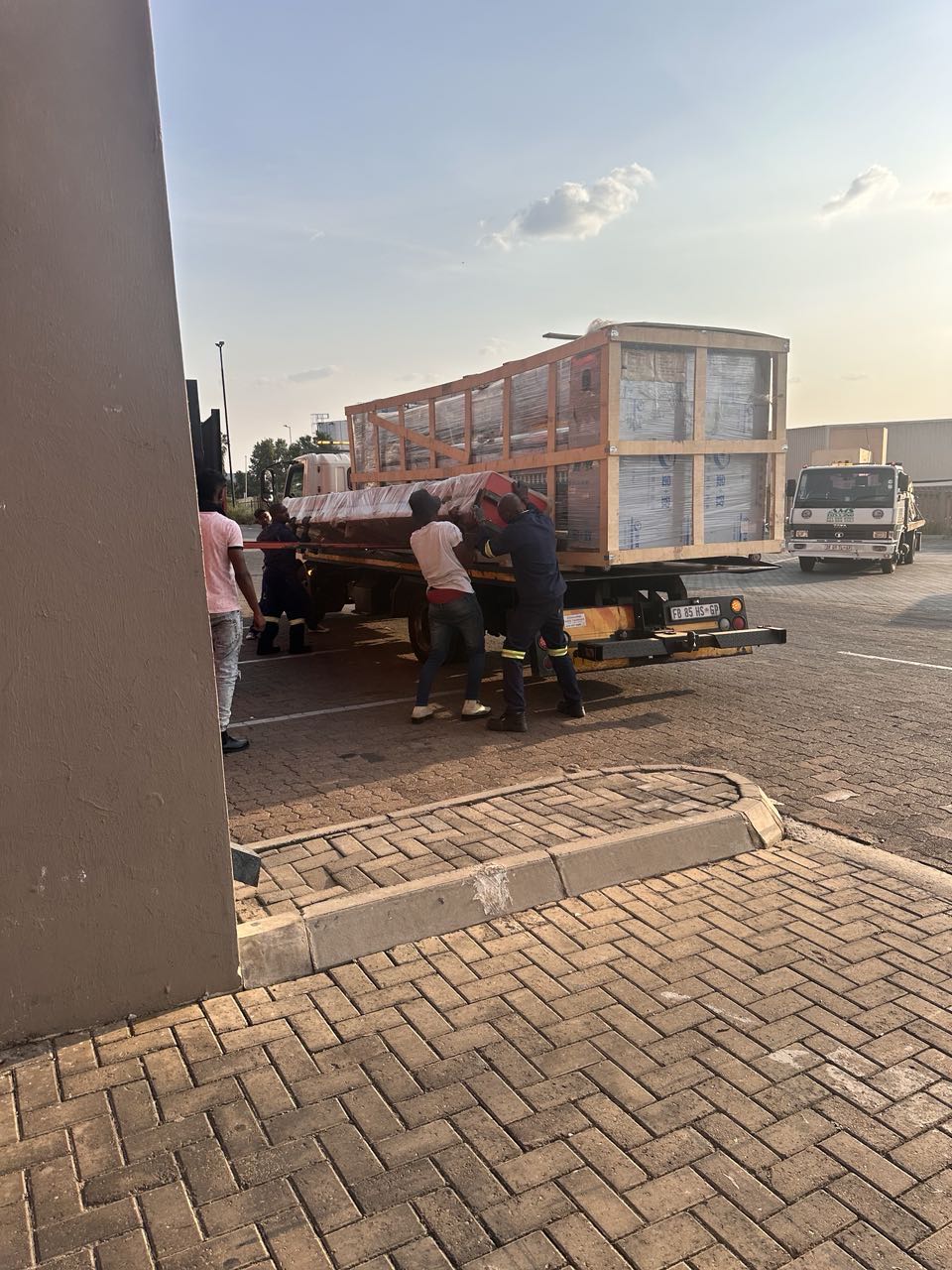
Toilet paper making machine
Toilet paper making machine
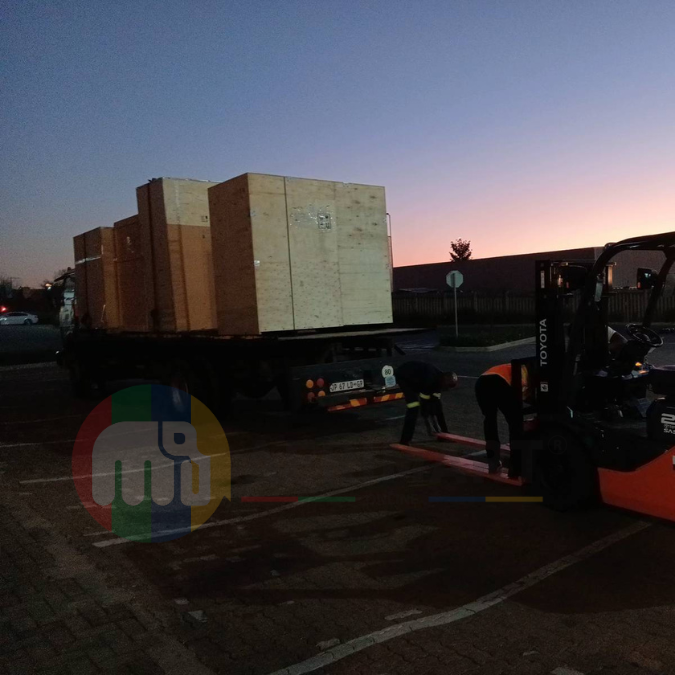
Toilet paper Rewinding Machine
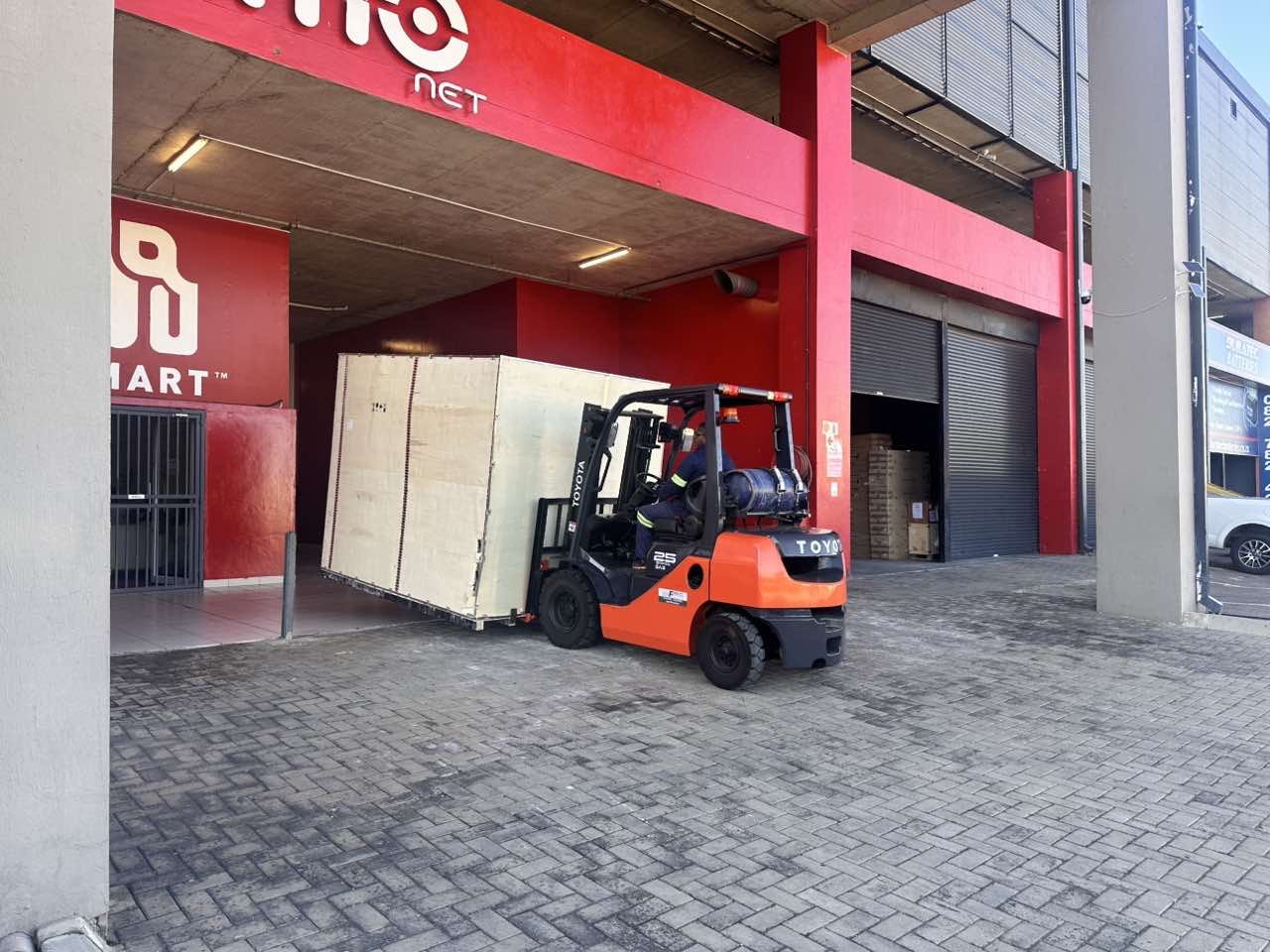
latest arrivals
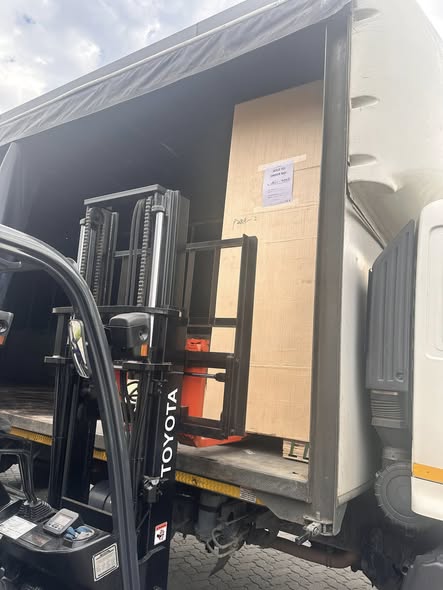
offloading
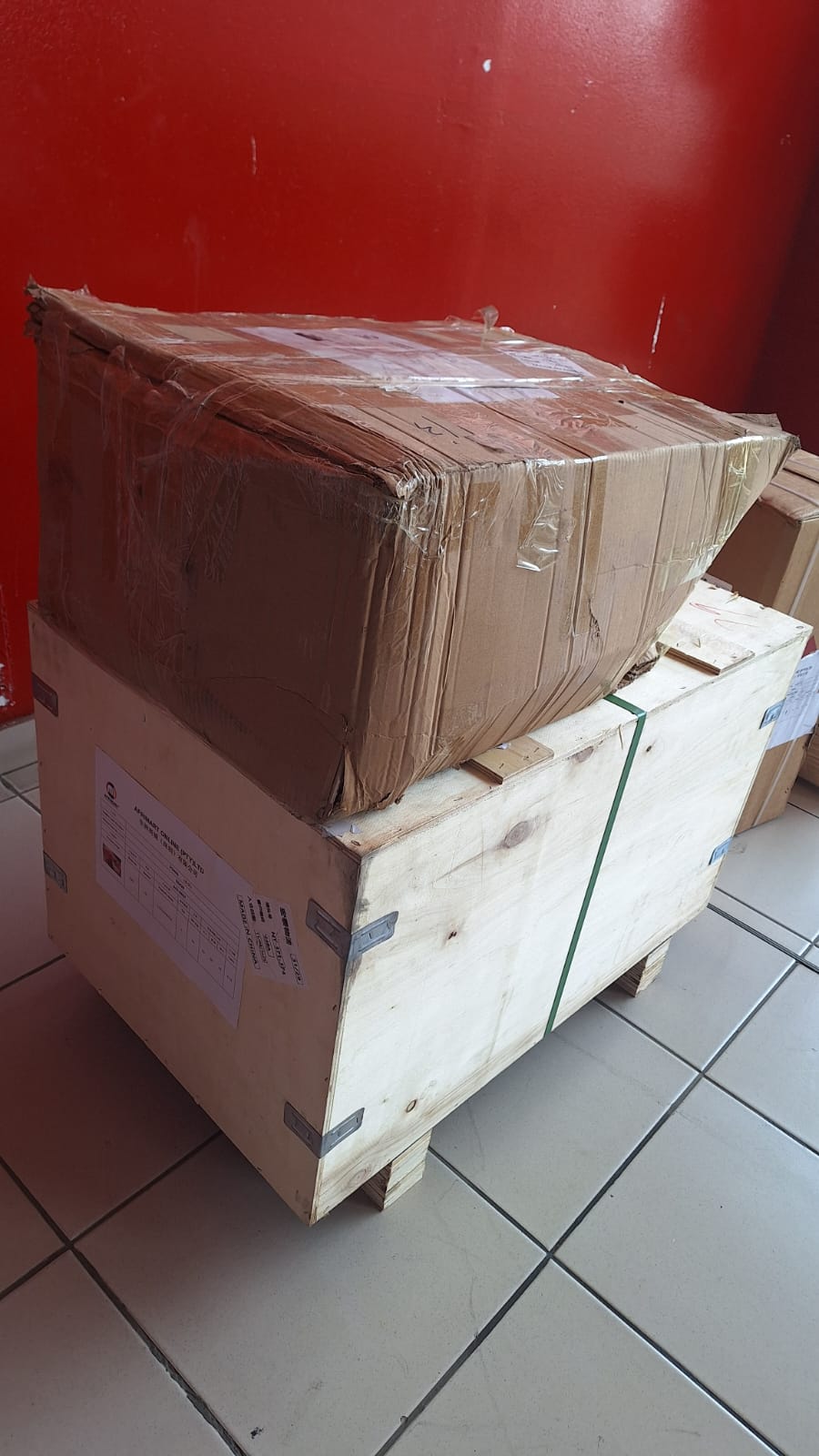
order success
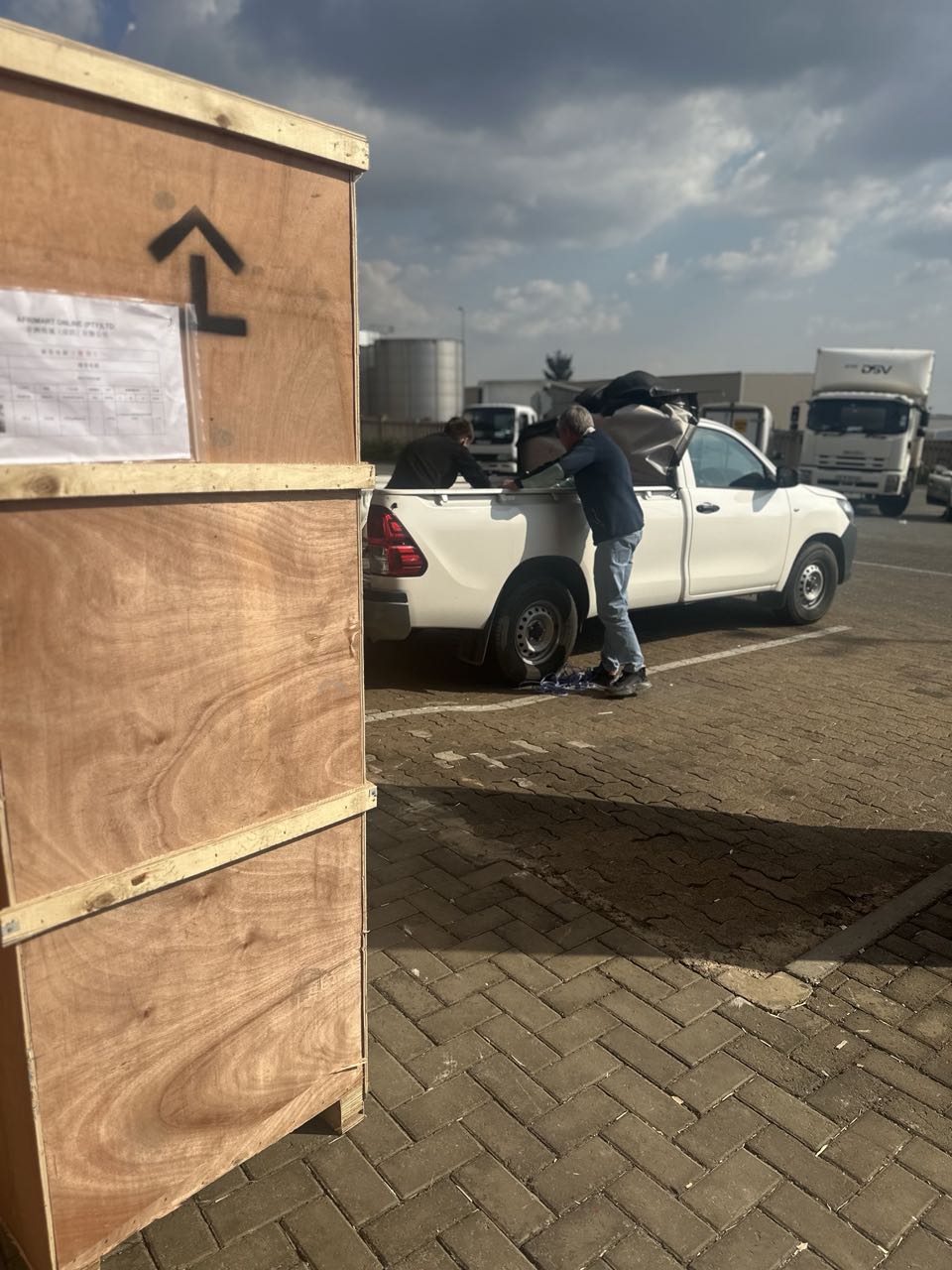
order collection
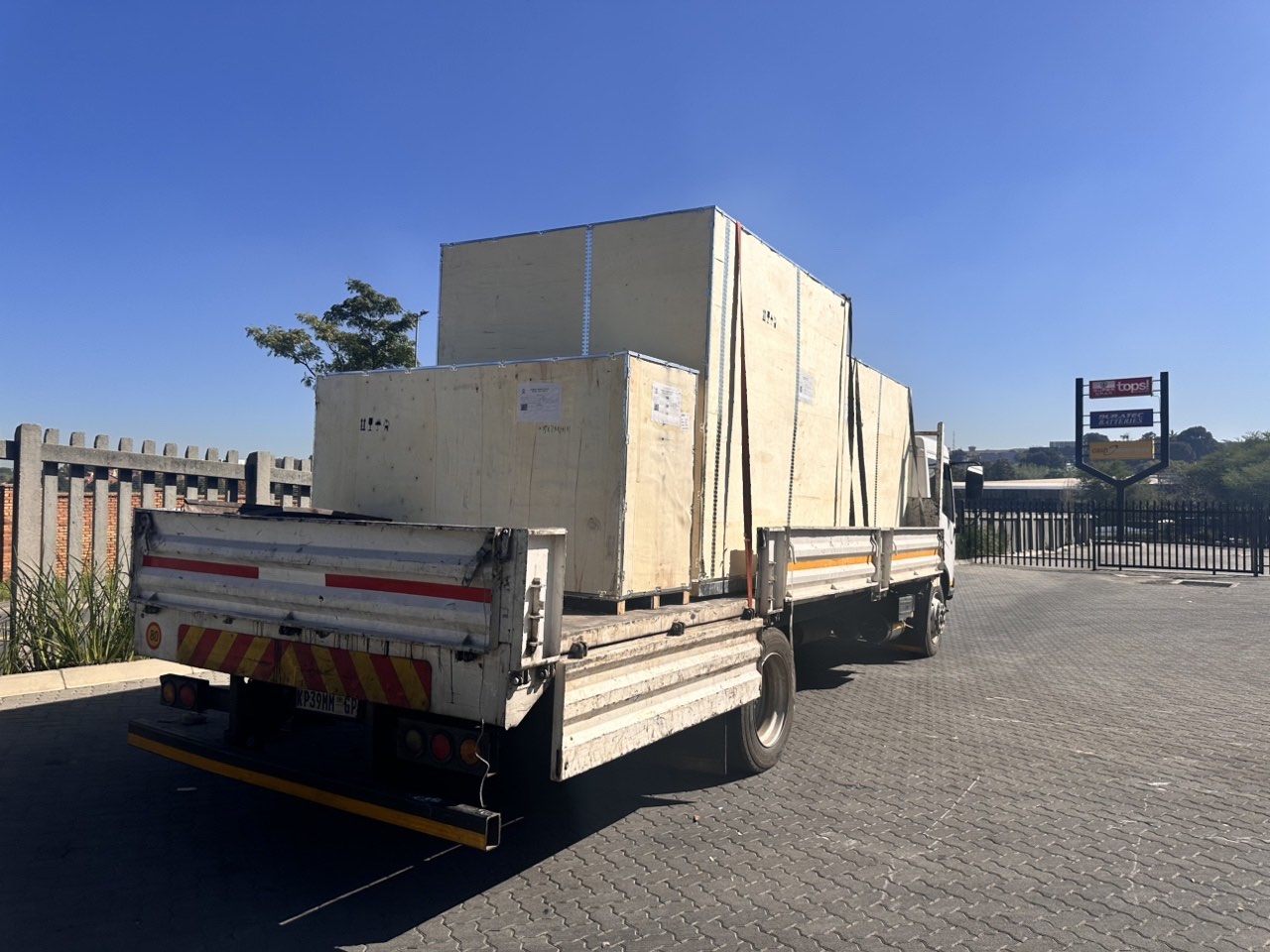
order offloading