B21, China Town Mall, Midrand


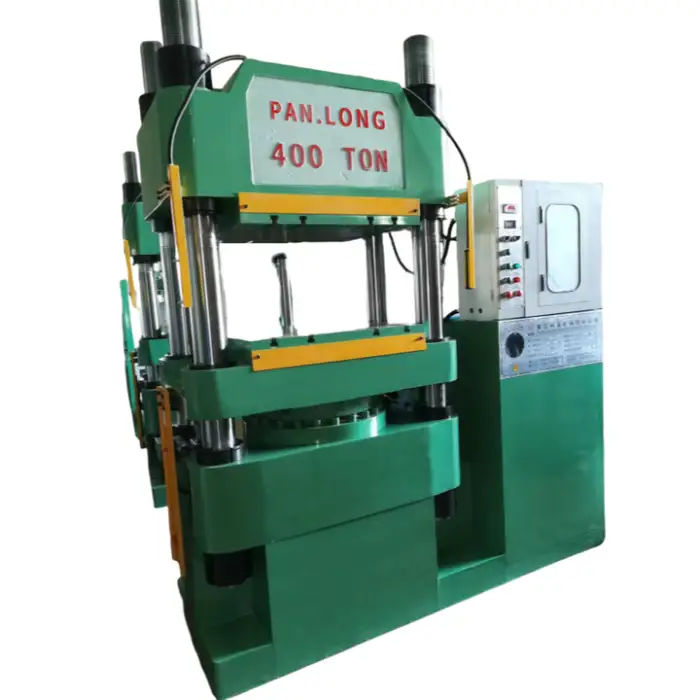
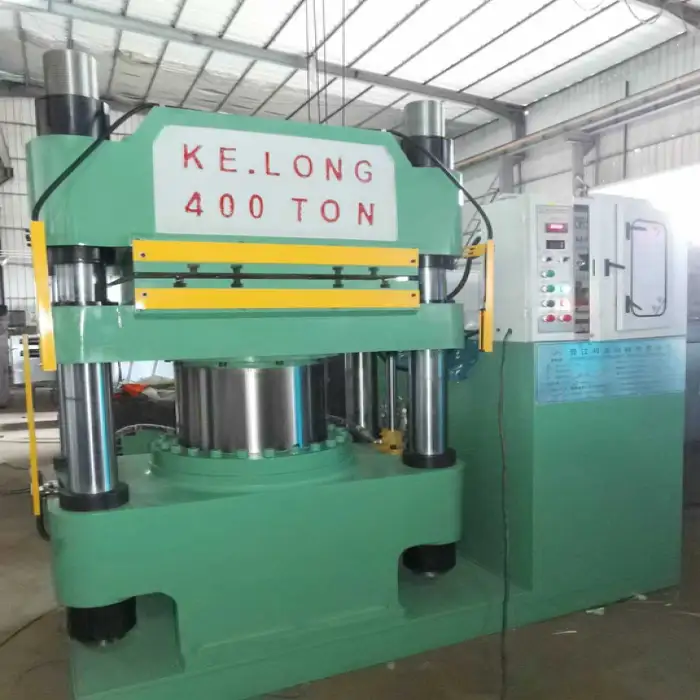
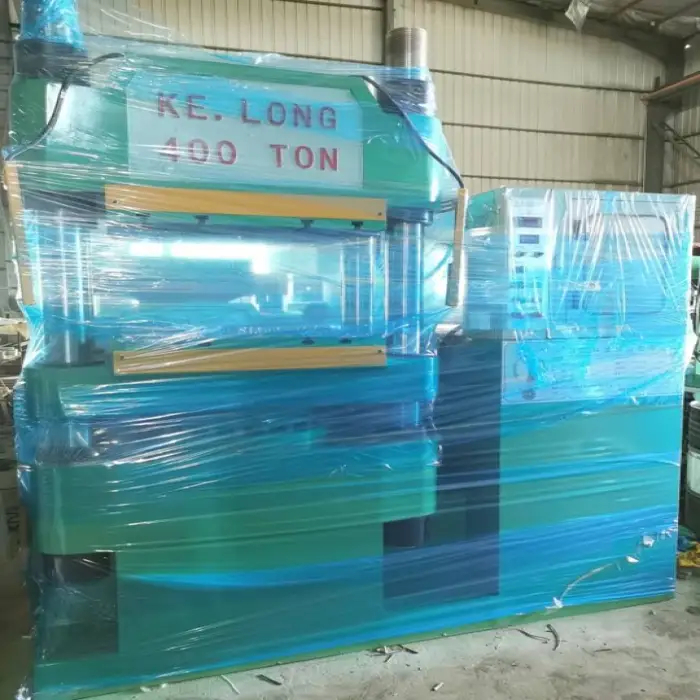
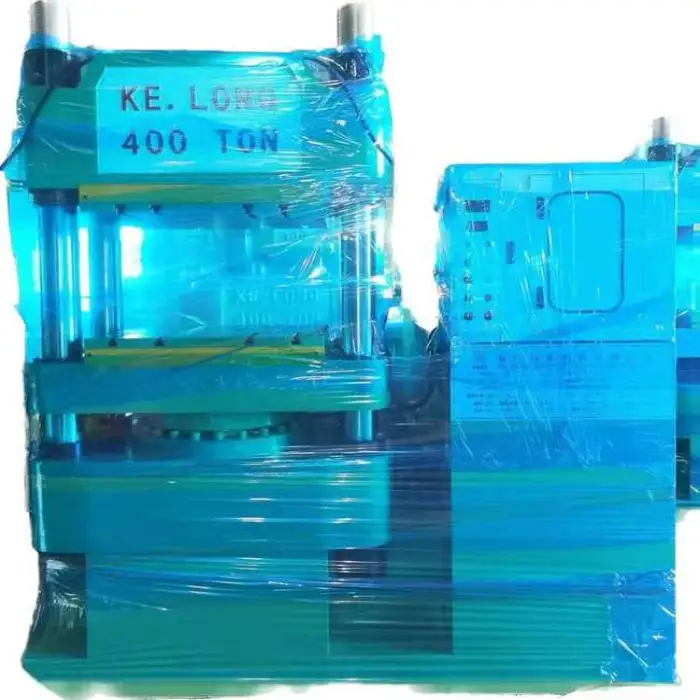
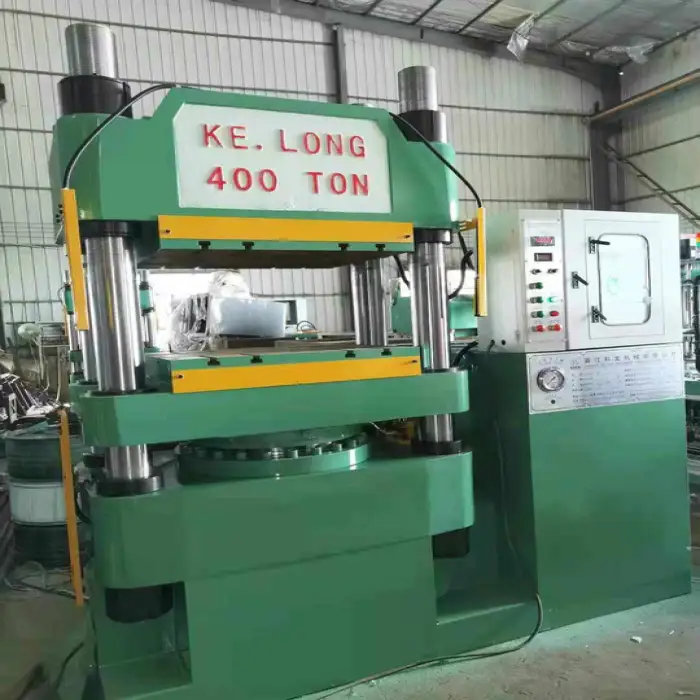
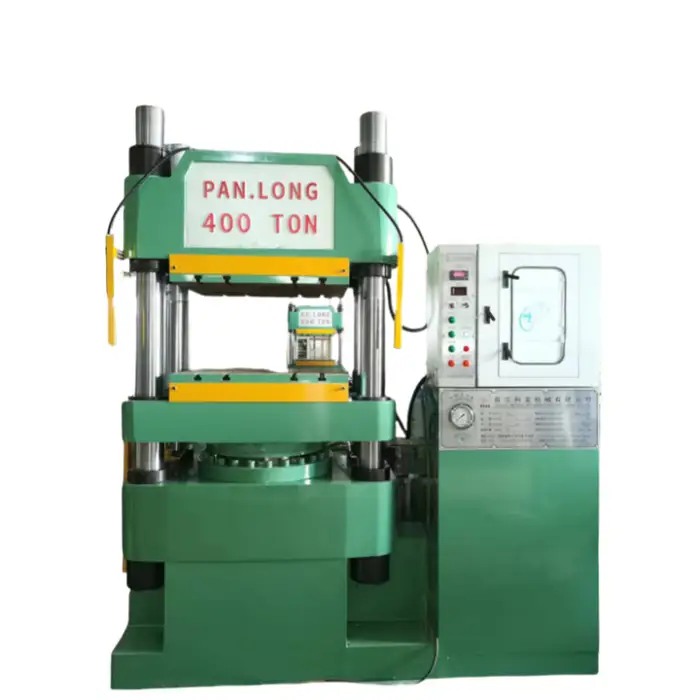
400-Ton PLC Controlled Melamine Tableware Moulding Machine
Asset finance available
Do you want funding for this equipment?
Afrimart can connect you with trusted funding partners who specialise in asset finance for businesses like yours. Compare options and apply in minutes — final approval is subject to provider review.
Check funding options
Secure & no obligation

- Section : Machinery
- Category : Manufacturing Machinery
- SKU : 1601334613758

400-Ton PLC Controlled Melamine Tableware Moulding Machine
The 400-Ton PLC Controlled Melamine Tableware Moulding Machine is a powerful and efficient tool for manufacturing high-quality melamine tableware. This machine is designed for easy operation and precision, making it ideal for manufacturing plants. With its modern technology, this machine ensures that your production process is smooth and reliable.
Specifications
| Attribute | Details |
|---|---|
| Voltage | 220V |
| Power (W) | 1000W |
| Weight | 7250 KG |
| Condition | New |
| Marketing Type | Ordinary Product |
| Selling Units | Single item |
| Single Package Size | 205X140X235 cm |
| Single Gross Weight | 6000 KG |
Key Features
- Video outgoing inspection for quality assurance.
- Comprehensive machinery test report provided.
- Includes essential core components for durability.
- Advanced hydraulic components for efficient operation.
- Robust castings for long-lasting performance.
- Easy-to-use computer control system.
Applications
- Manufacturing melamine tableware products.
- Producing durable kitchenware for restaurants.
- Creating customized tableware for events.
- Supplying educational institutions with quality tableware.
- Supporting the food service industry with reliable products.
Product Info Gallery
- Shipping Timeframes: All orders are processed within 2-5 business days (excluding weekends and holidays). After your order has been processed, the estimated delivery time is before 03 Aug, 2026, depending on customs, Please note that due to high demand, some items may experience longer shipping times, which will be communicated at order confirmation email.
- Order Processing Time: Please allow 2-5 business days for us to process your order before it is shipped . Orders placed after 16:00 on Fridays, or during weekends and public holidays, will begin processing on the next business day. Processing times may be extended during peak seasons or sales events.
- Manufacturing Time: Some products needs manufacturing time, the manufacturing process will take approximately 10-30 business days depending on the product. This timeframe may vary depending on the complexity of the product and current demand. but this will be communicated with you during order confirmation.
- Returns and Exchanges: We offer a 30-day return policy for most items. If you are not completely satisfied with your purchase, you may return it within 30 days of receipt for a refund or exchange. Items must be unused, in their original packaging, and accompanied by proof of purchase. Return shipping costs are the responsibility of the customer, unless the item was damaged or defective upon arrival.
1. What does "400-Ton" mean in the machine name?
"400-Ton" refers to the machine's maximum clamping (closing) force of 400 tons, which determines the size and complexity of melamine molds and parts it can process.
2. What does PLC controlled mean and what are the operator benefits?
PLC controlled means the machine uses a programmable logic controller for automatic control of cycle sequences, timing, heating and hydraulic operations. Benefits include repeatable production, recipe storage, easier troubleshooting, and integration with factory automation.
3. What are the electrical and power specifications?
The listed electrical specs are 220 V and rated power 1000 W. Actual energy consumption will depend on cycle times, heating elements and hydraulic system usage; confirm with the supplier for detailed power and energy-consumption figures.
4. What are the machine weight and shipping package details?
The machine net weight is listed as 7250 kg. The single package size is 205 x 140 x 235 cm and a single gross weight is listed as 6000 kg (please confirm packaging and shipping weights with the supplier prior to shipment).
5. What products can I make with this machine?
This machine is designed for manufacturing melamine tableware such as plates, bowls, trays, cups and other durable kitchenware used in restaurants, schools, events and food service industries.
6. What is the expected production capacity or cycle time?
Production capacity depends on the part size, mold design and processing recipe. Typical melamine molding cycle times commonly range from about 20 to 120 seconds. Provide your part drawings and target output to get an estimated hourly production rate.
7. What molds are compatible and what platen/mold size does the machine accept?
The machine accepts melamine molds sized within the limits set by its platen area and 400-ton clamping force. Exact platen dimensions and mold compatibility should be confirmed with the supplier—share your mold drawings so they can verify fit and required locking/clamping capacity.
8. What quality assurance and inspection are provided?
The product description states video outgoing inspection for quality assurance and a comprehensive machinery test report is provided before shipment. Request the test report and inspection video for your unit.
9. Which core components and hydraulic features are included?
The machine includes essential core components and advanced hydraulic components for efficient operation, plus robust castings and an easy-to-use computer control system. For a detailed parts list (manufacturer of pump, valves, PLC model, heaters, sensors), request component specifications from the vendor.
10. What safety features does the machine have?
Typical safety features on molding machines include emergency stop(s), safety interlocks on guards/doors and overload protection. The exact safety package can vary—confirm standard and optional safety features with the supplier and ensure compliance with local regulations.
11. Is installation, commissioning and operator training provided?
Many suppliers offer installation and commissioning services and operator/maintenance training (onsite or remote). Confirm availability, scope and any additional costs for commissioning and training with the seller.
12. What maintenance is required and what are common consumables?
Regular maintenance typically includes hydraulic oil and filter changes, checking and tightening hydraulic fittings, inspecting seals and hoses, cleaning heating plates and molds, and PLC/system backups. Common consumables are hydraulic oil, seals, heaters and temperature sensors. Ask the vendor for a recommended maintenance schedule.
13. Are spare parts available and what is lead time for parts?
Spare parts availability varies by manufacturer. Common spares include seals, valves, heaters, sensors and PLC modules. Ask the supplier for a spare-parts list and typical lead times for critical components.
14. What warranty and after-sales support are offered?
Warranty terms and after-sales support (parts, service response time, remote support) differ by seller. The listing includes a machinery test report and outgoing inspection; request the written warranty, service-level details and contact information for technical support.
15. Can the machine be customized for specific products or automation integration?
Yes—many manufacturers offer options such as custom platen sizes, automation interfaces (robotic take-out, conveyors), special heating profiles and tooling support. Discuss your specific product requirements and integration needs with the supplier to obtain available customization options and quotations.
Latest Order Arrivals
Discover our latest orders
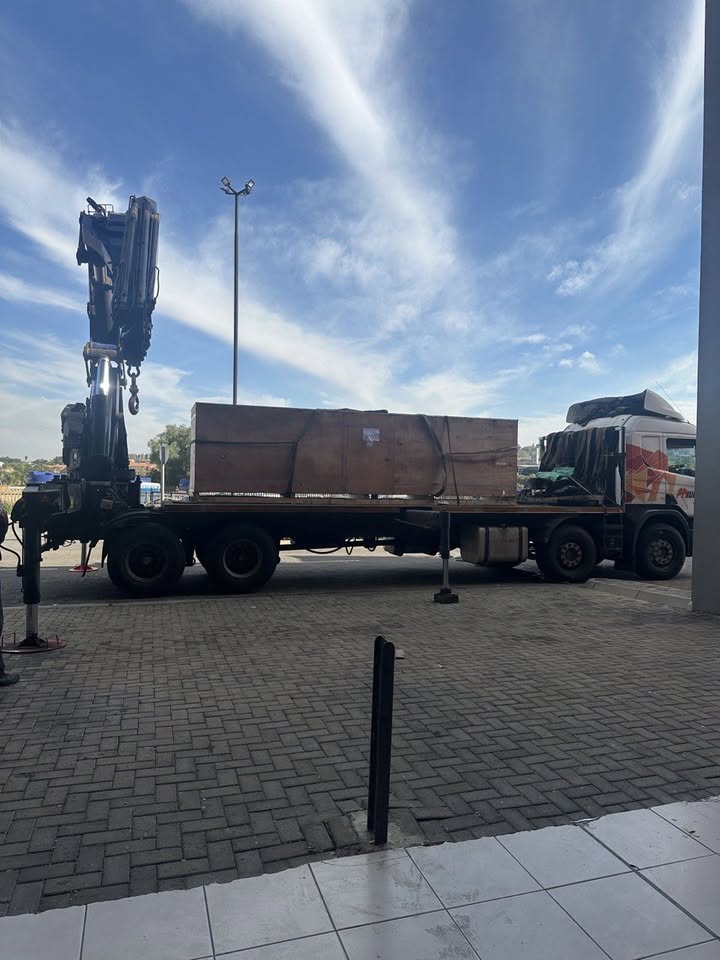
12 Heads Embroidery Machine
Toilet Paper Machine Machine
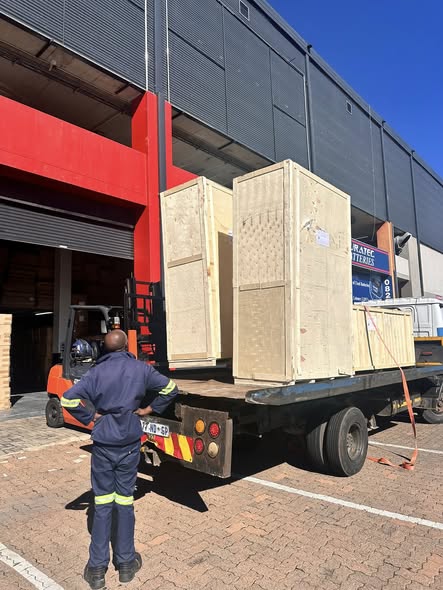
Order Collection
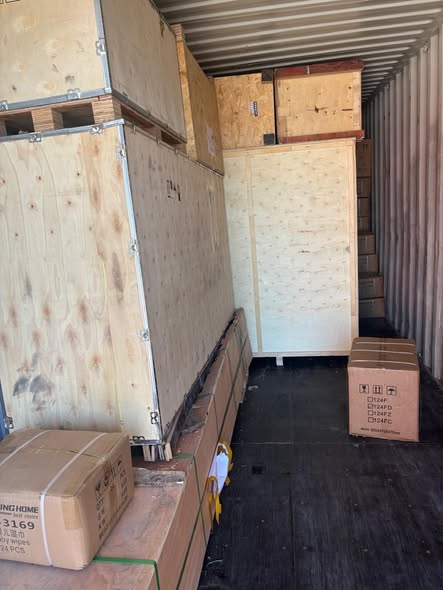
Cross Border Clients
Order cros border countries Collected
Industrial Machine Cllection
Agriculture Processing Machines
Ready for collection
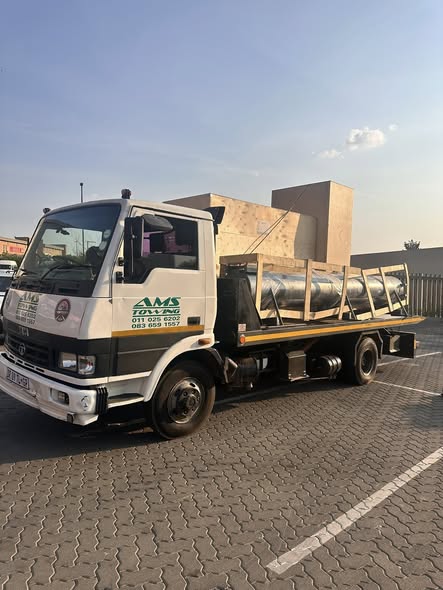
Water Pump Equipment
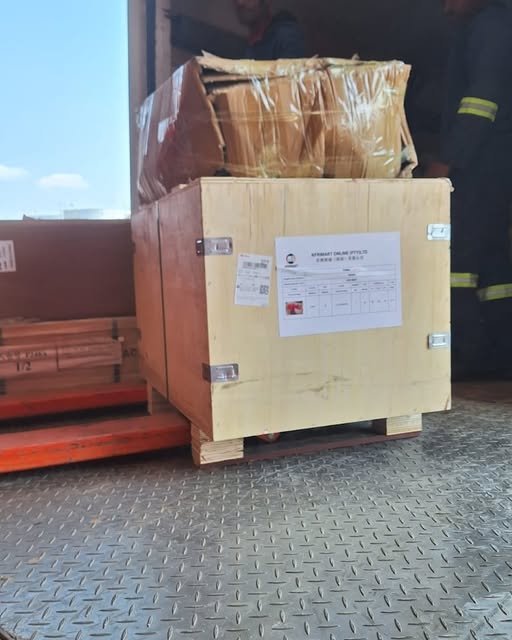
Packaging Machine and accessories
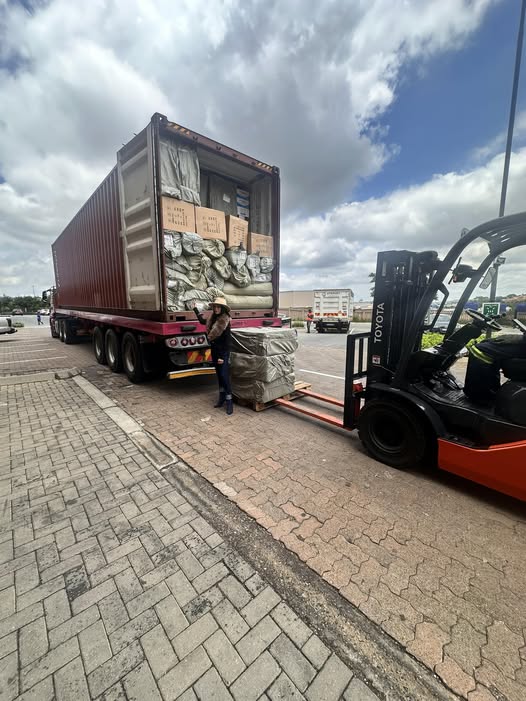
Fabrics Manufacturing Equipment
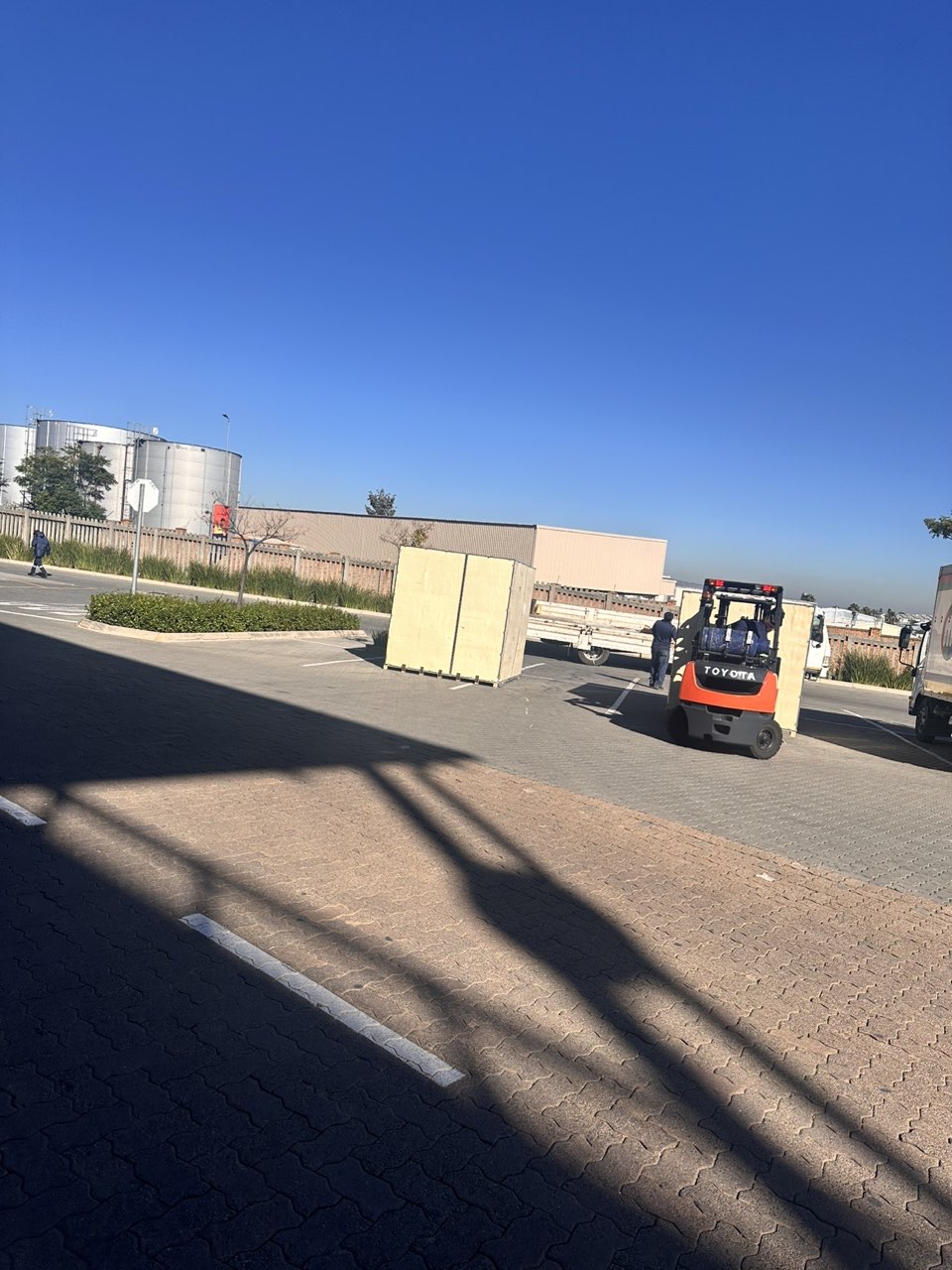
Mining Equipments
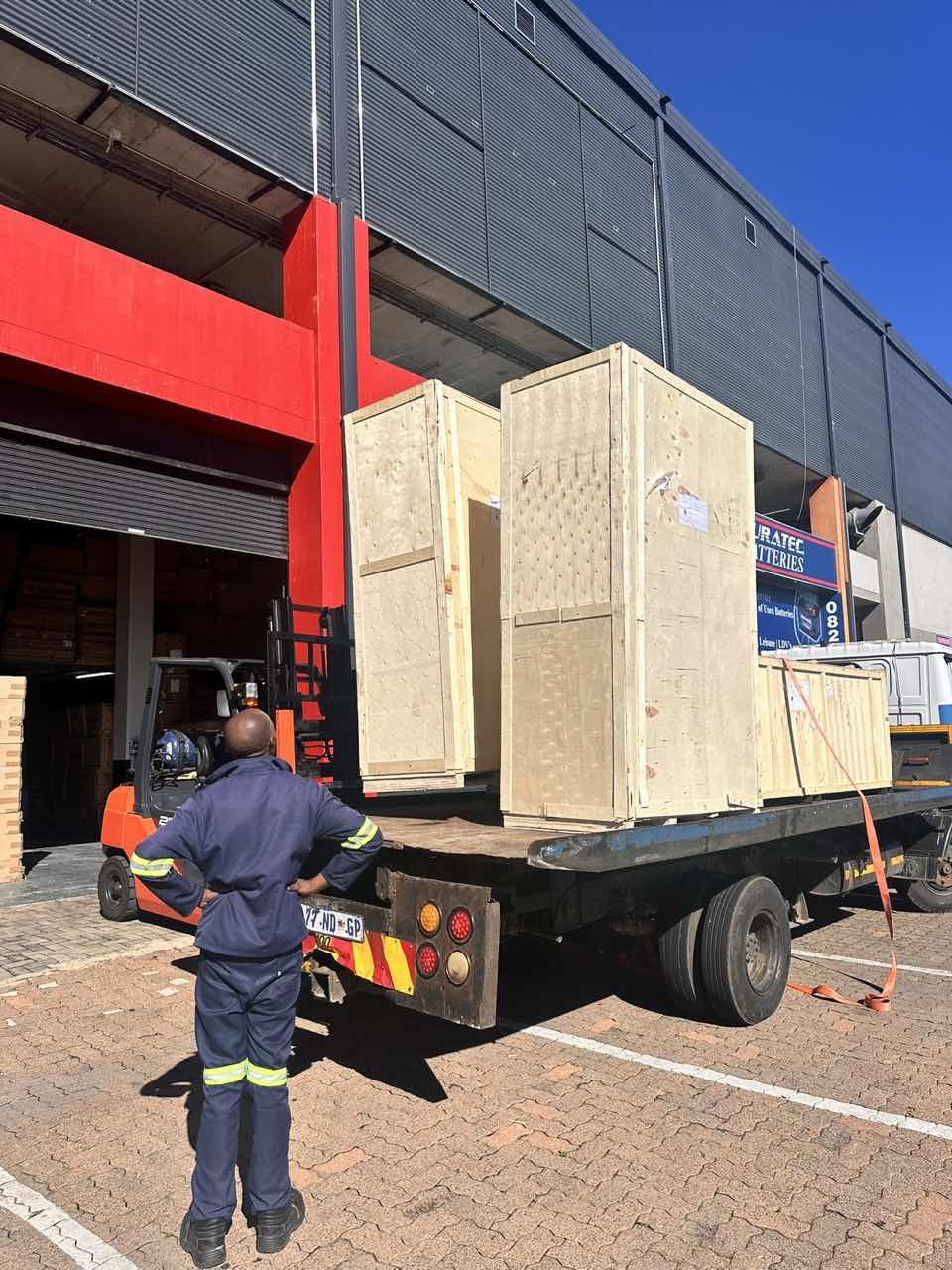
Food Processing Machine
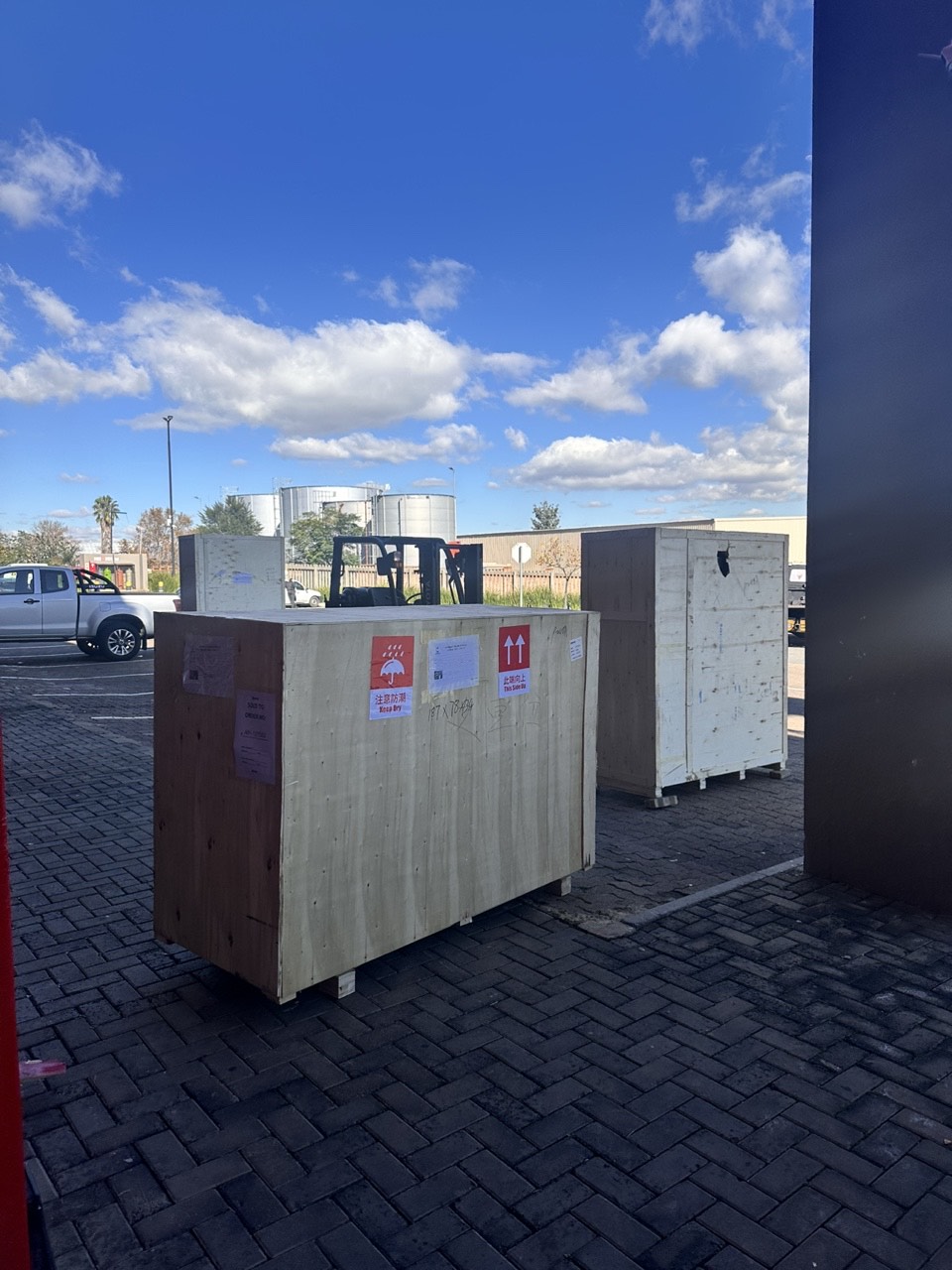
Batch of Orders
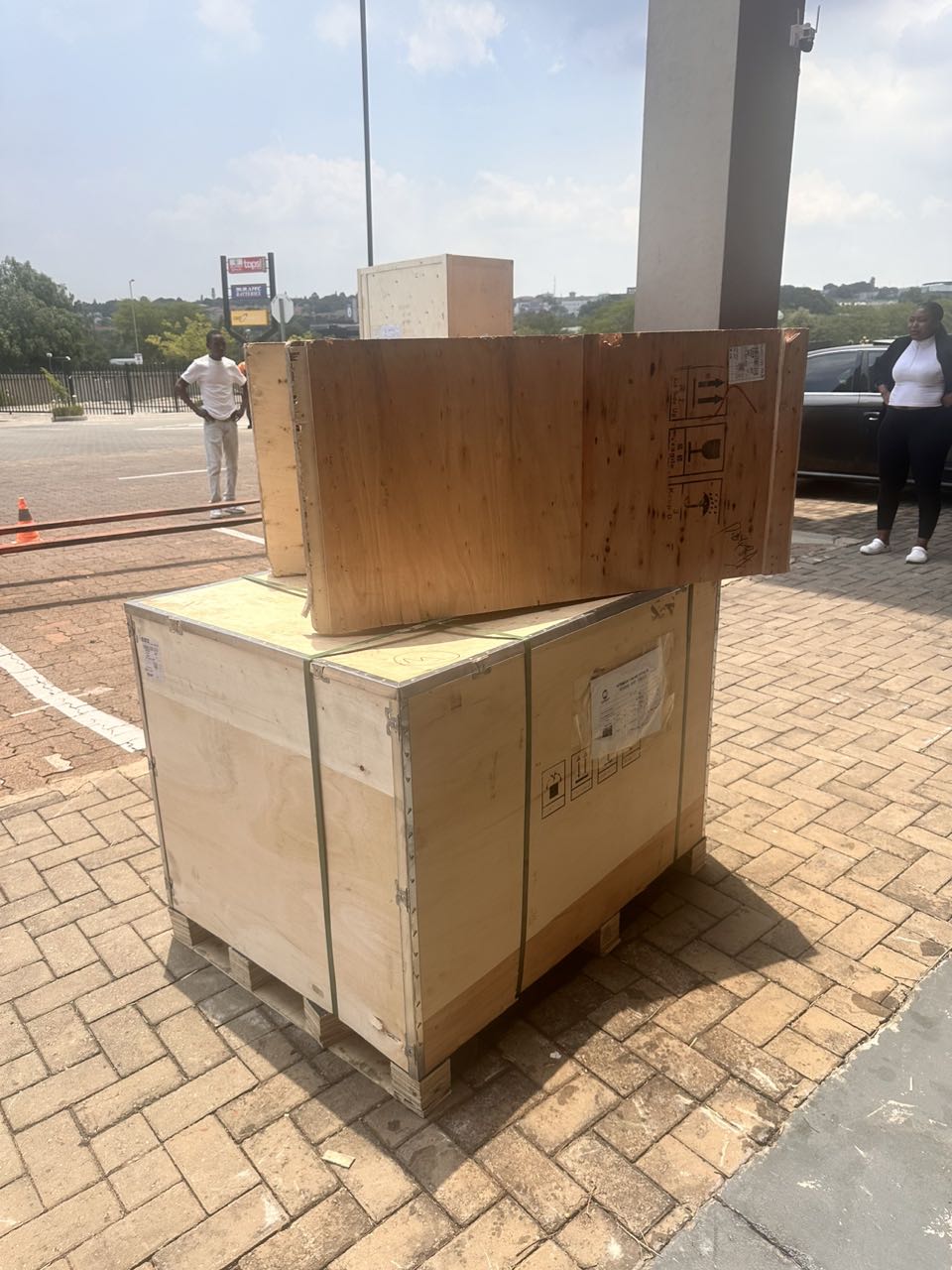
Batch of Orders
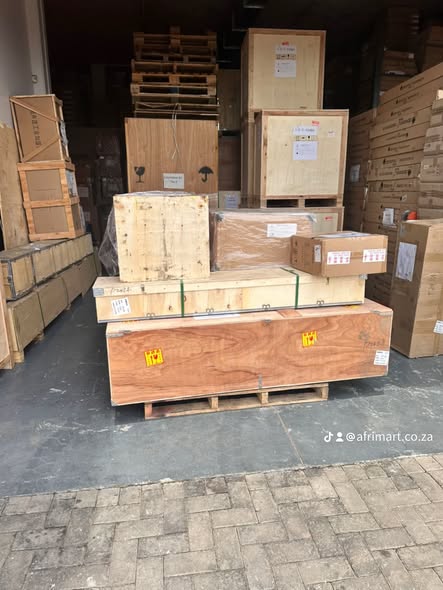
Latest Orders Labelled
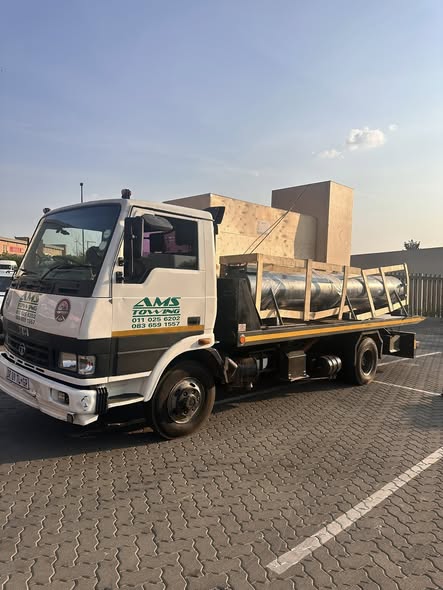
wheel alignment machines
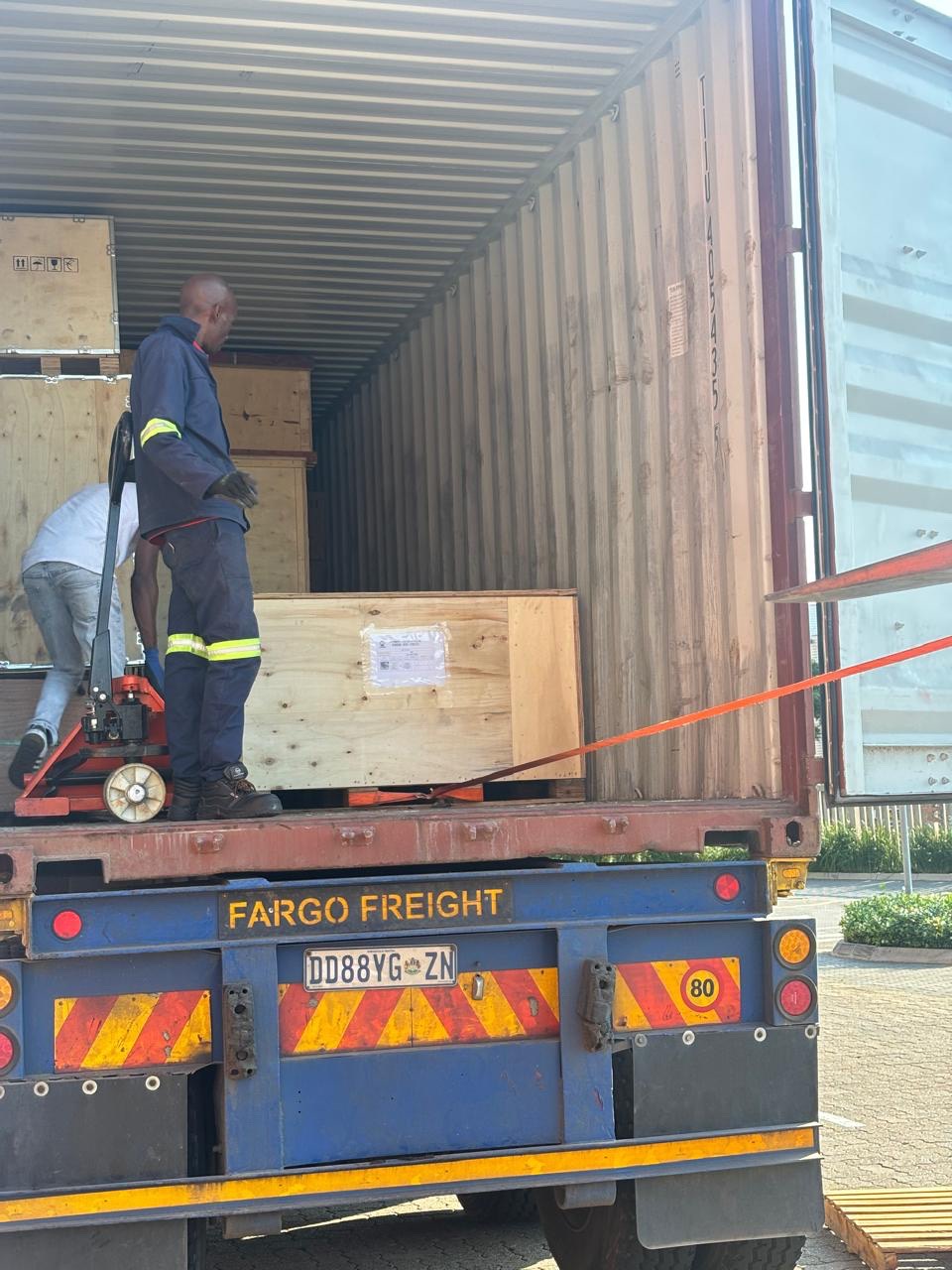
new arrivals
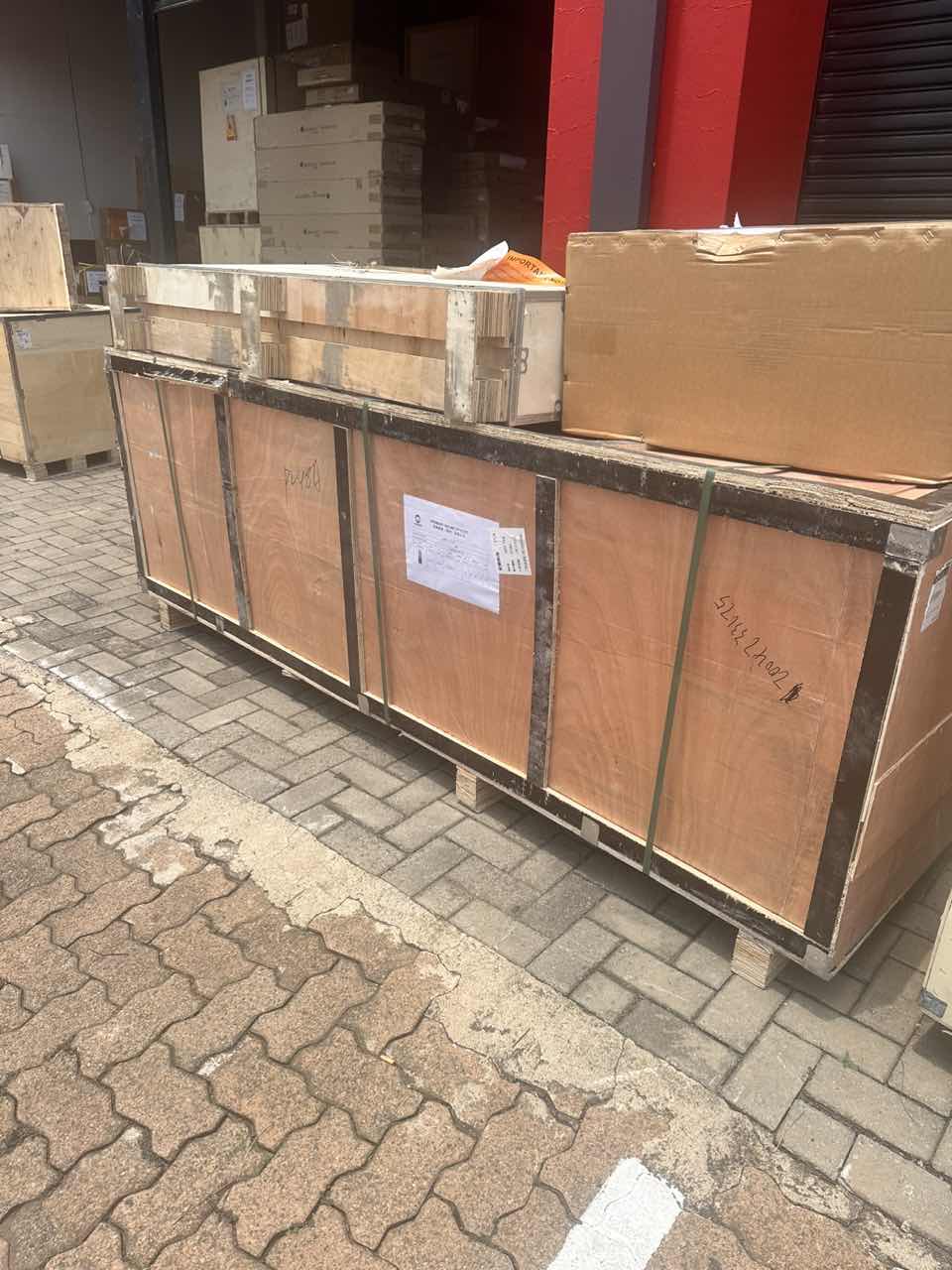
Pre Orders Offloading
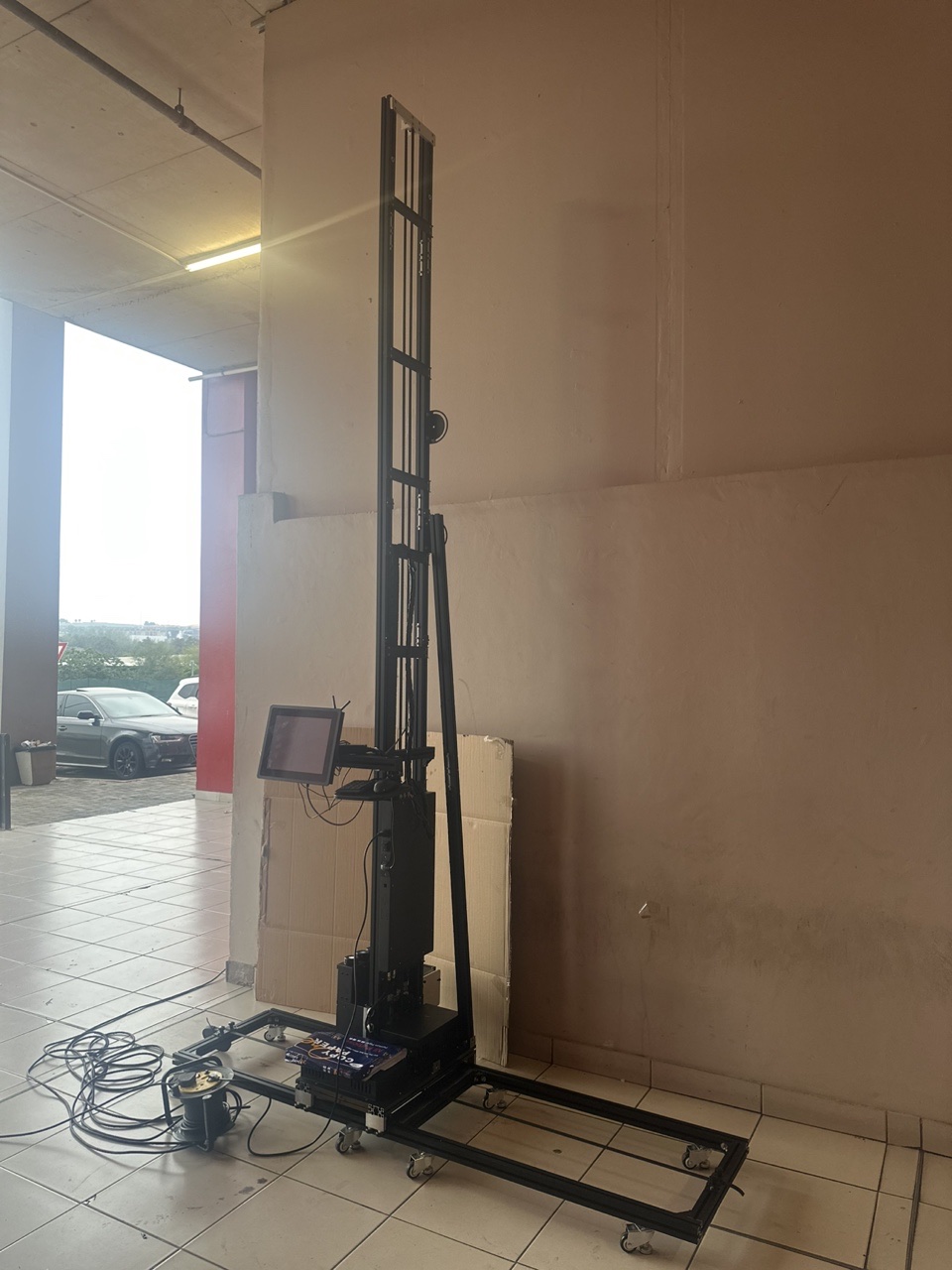
Latest Arrivals
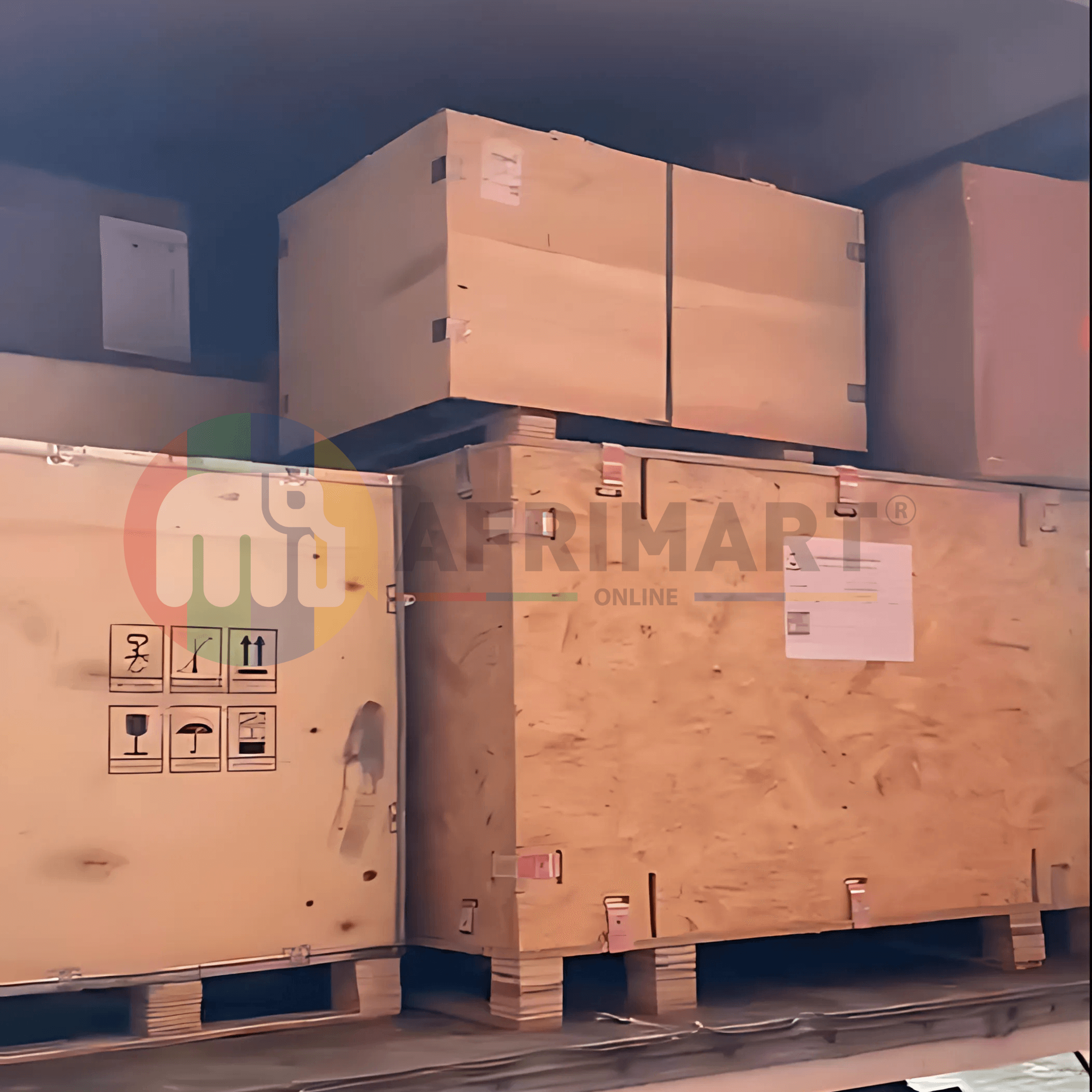
Latest Arrivals
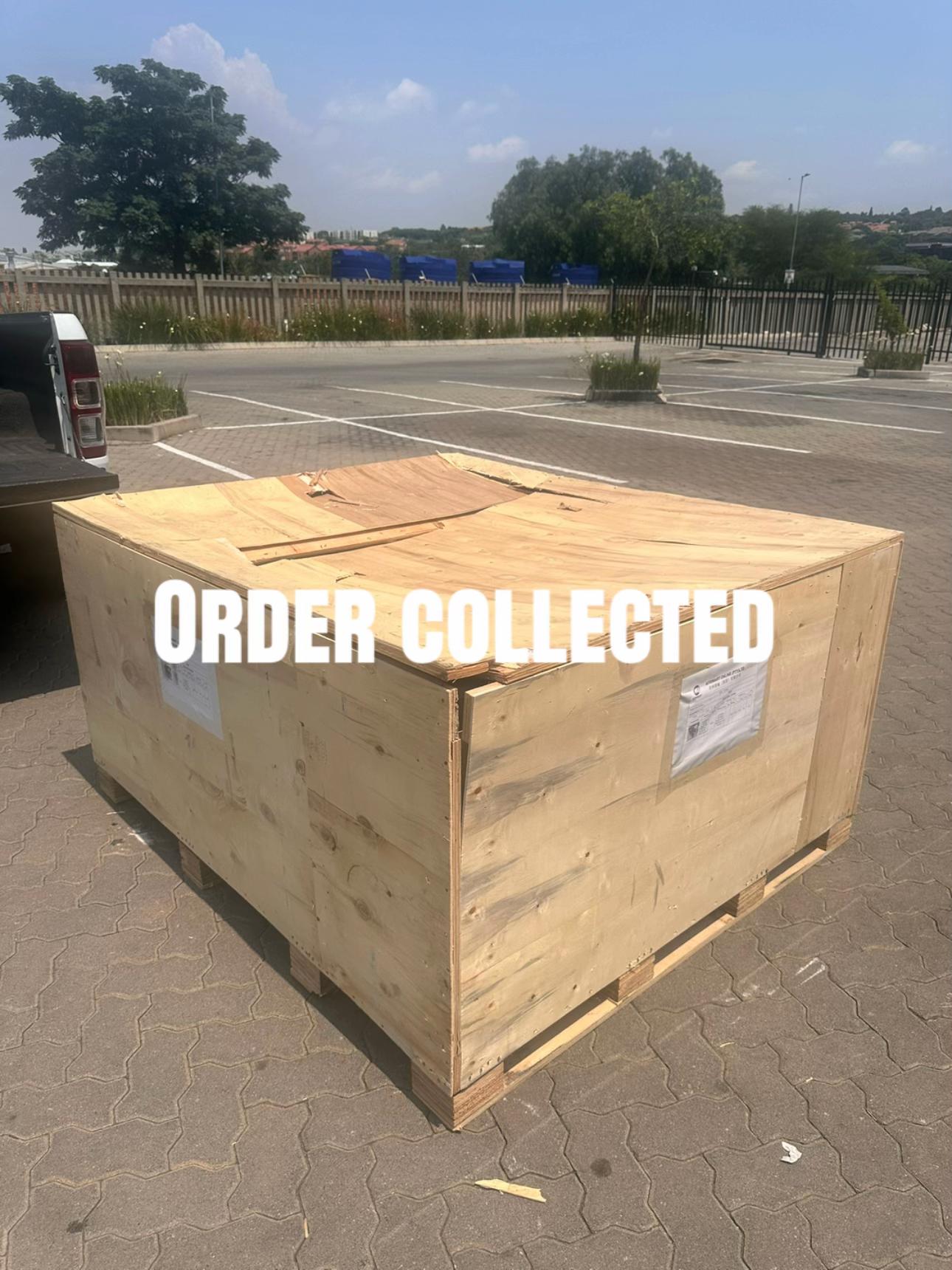
Latest Arrivals
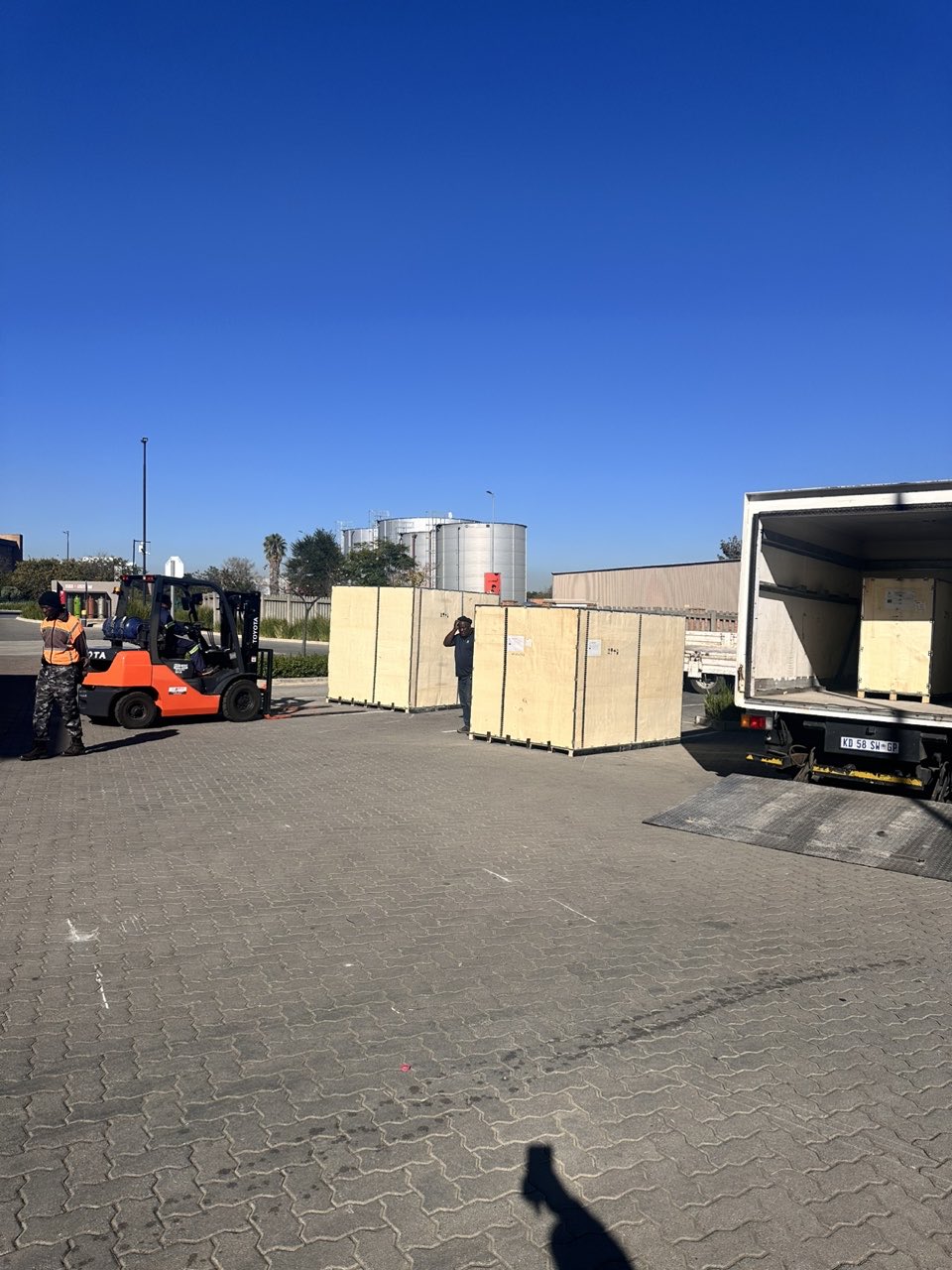
Loading
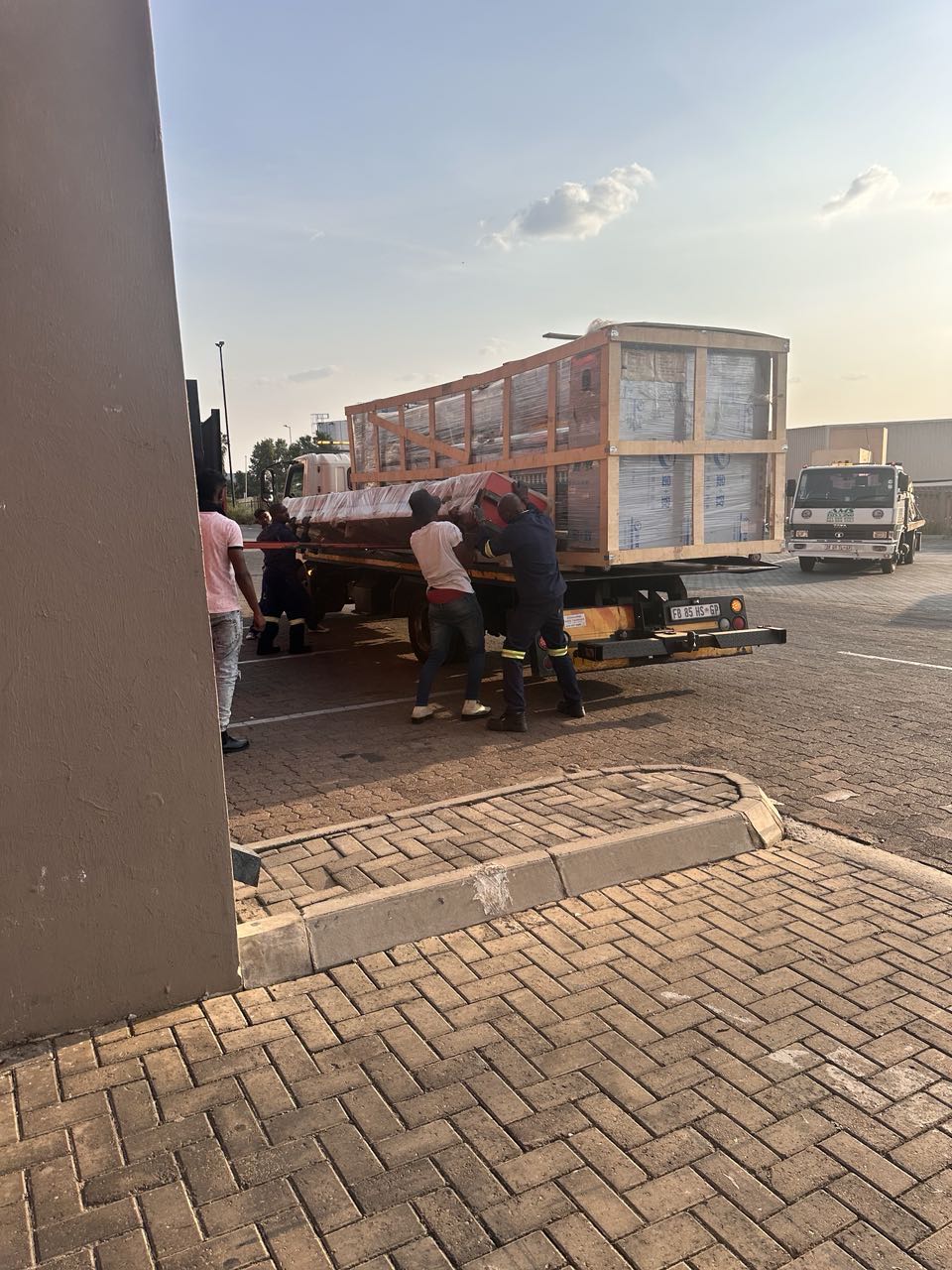
Toilet paper making machine
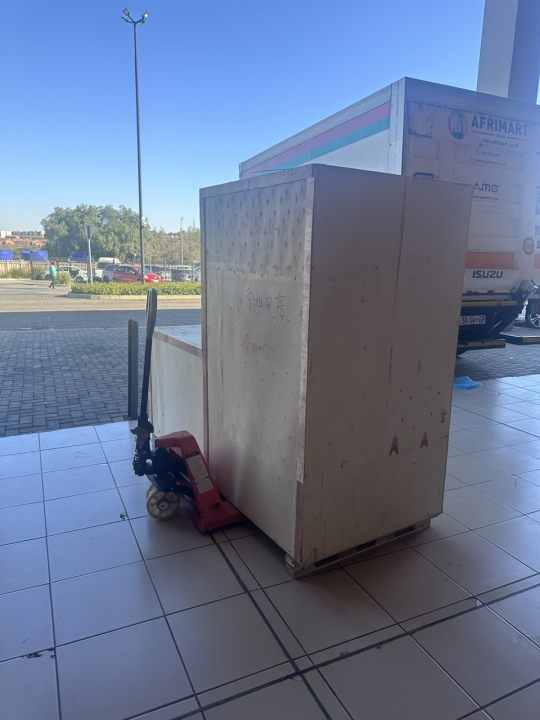
Toilet paper making machine
Toilet paper Rewinding Machine
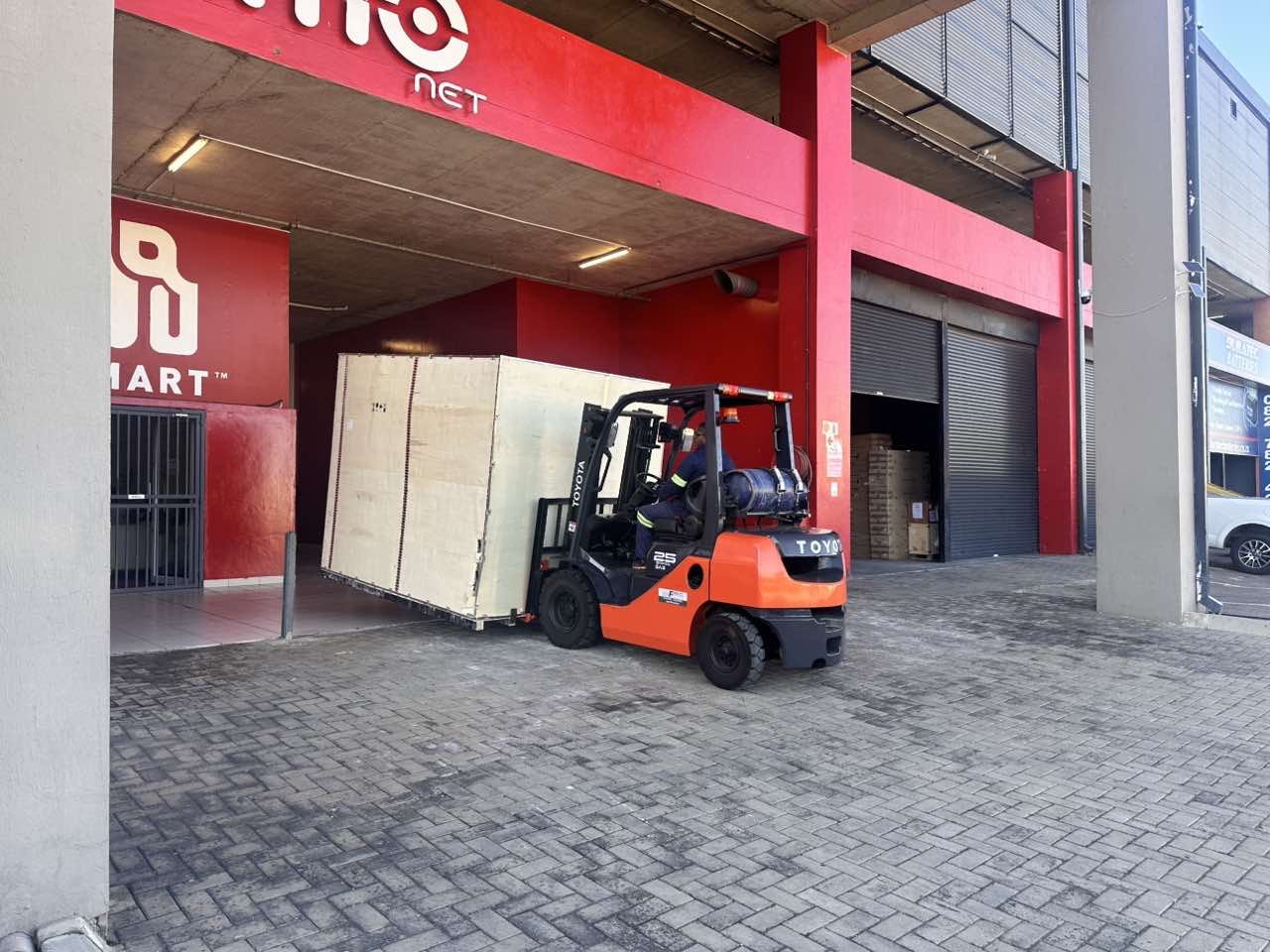
latest arrivals
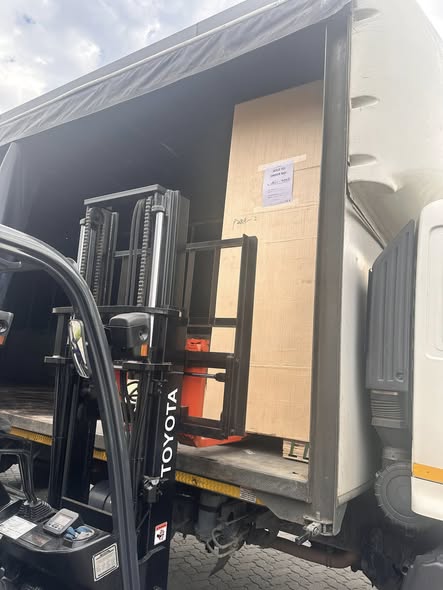
offloading
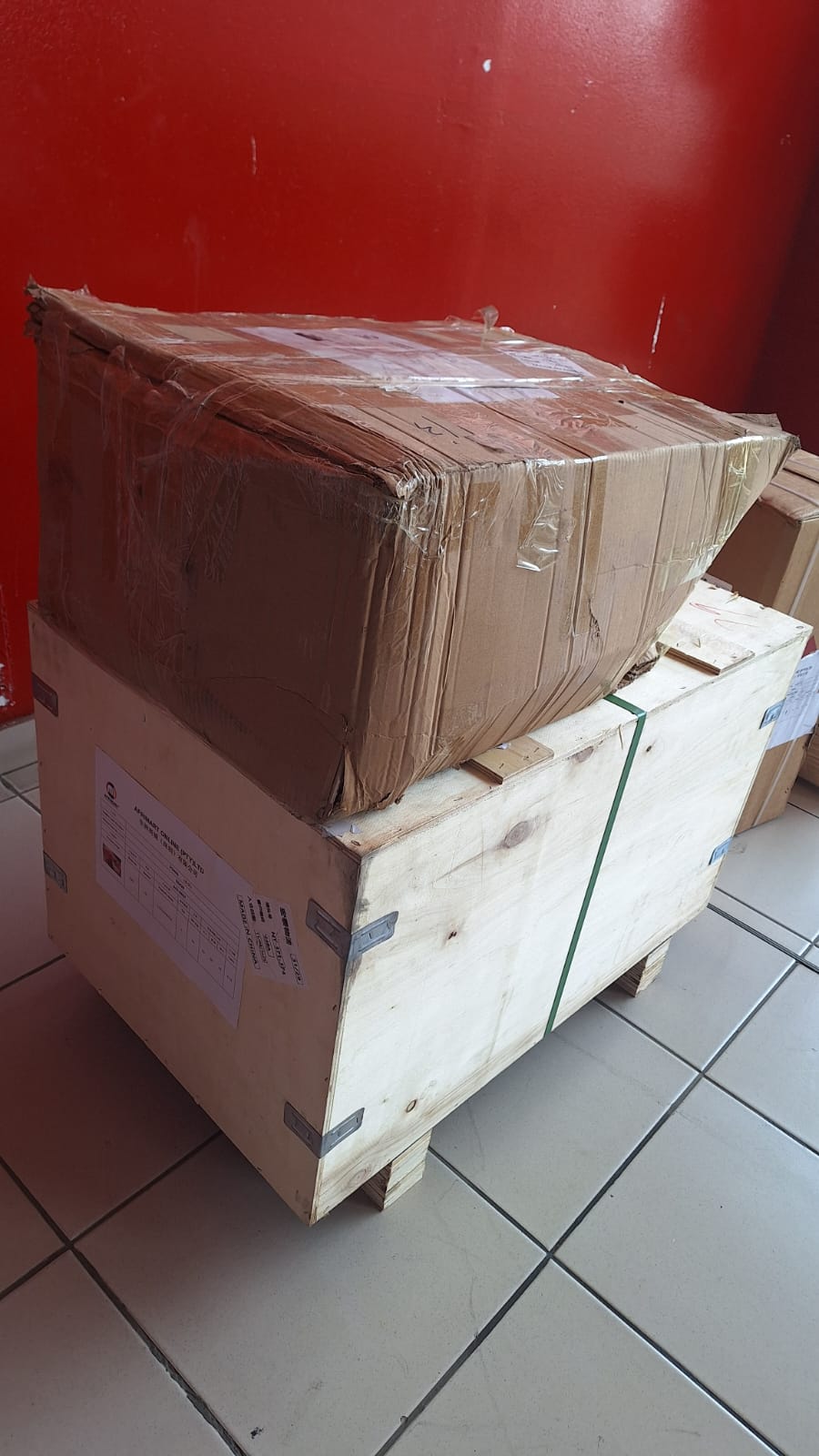
order success
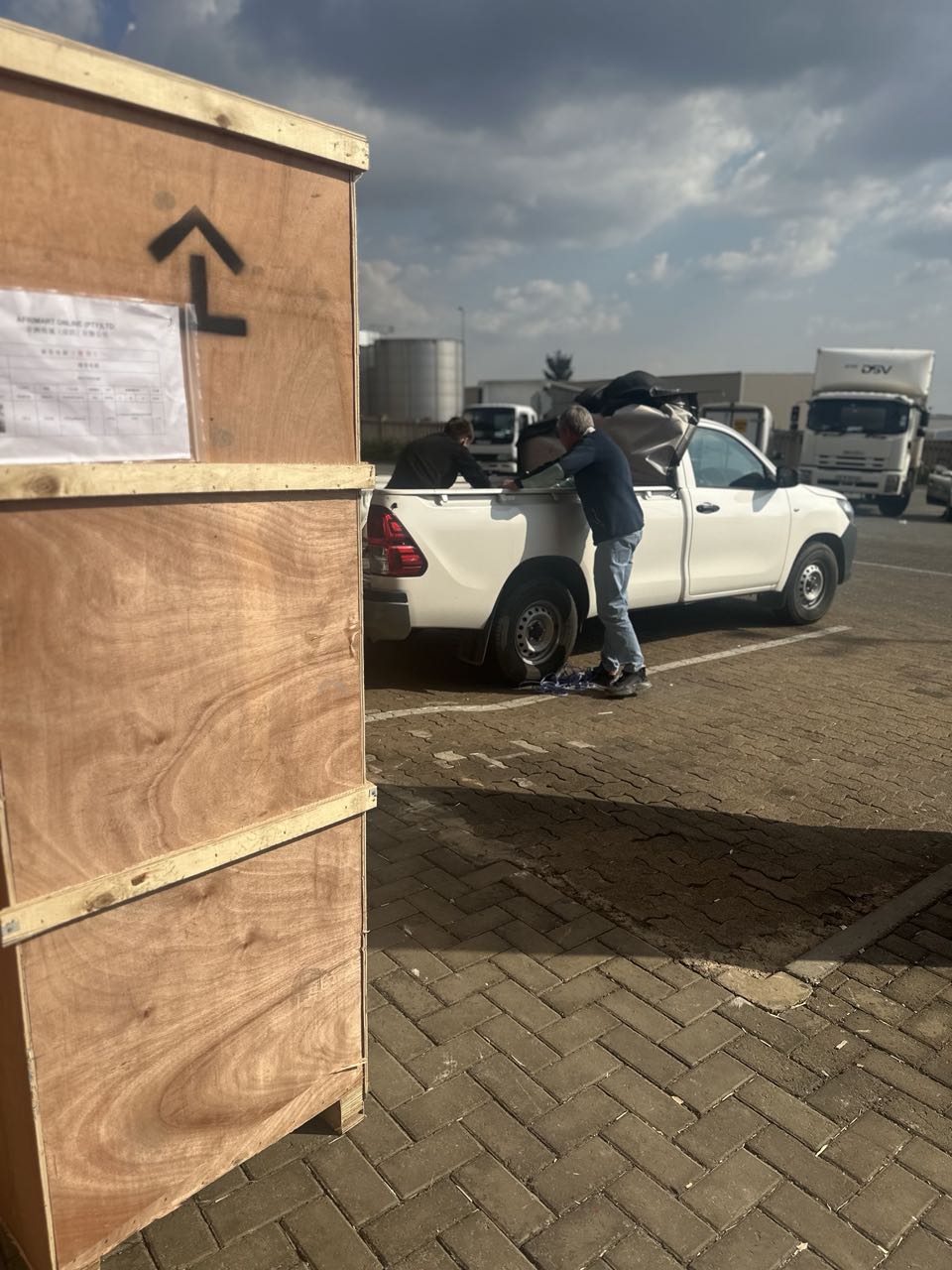
order collection
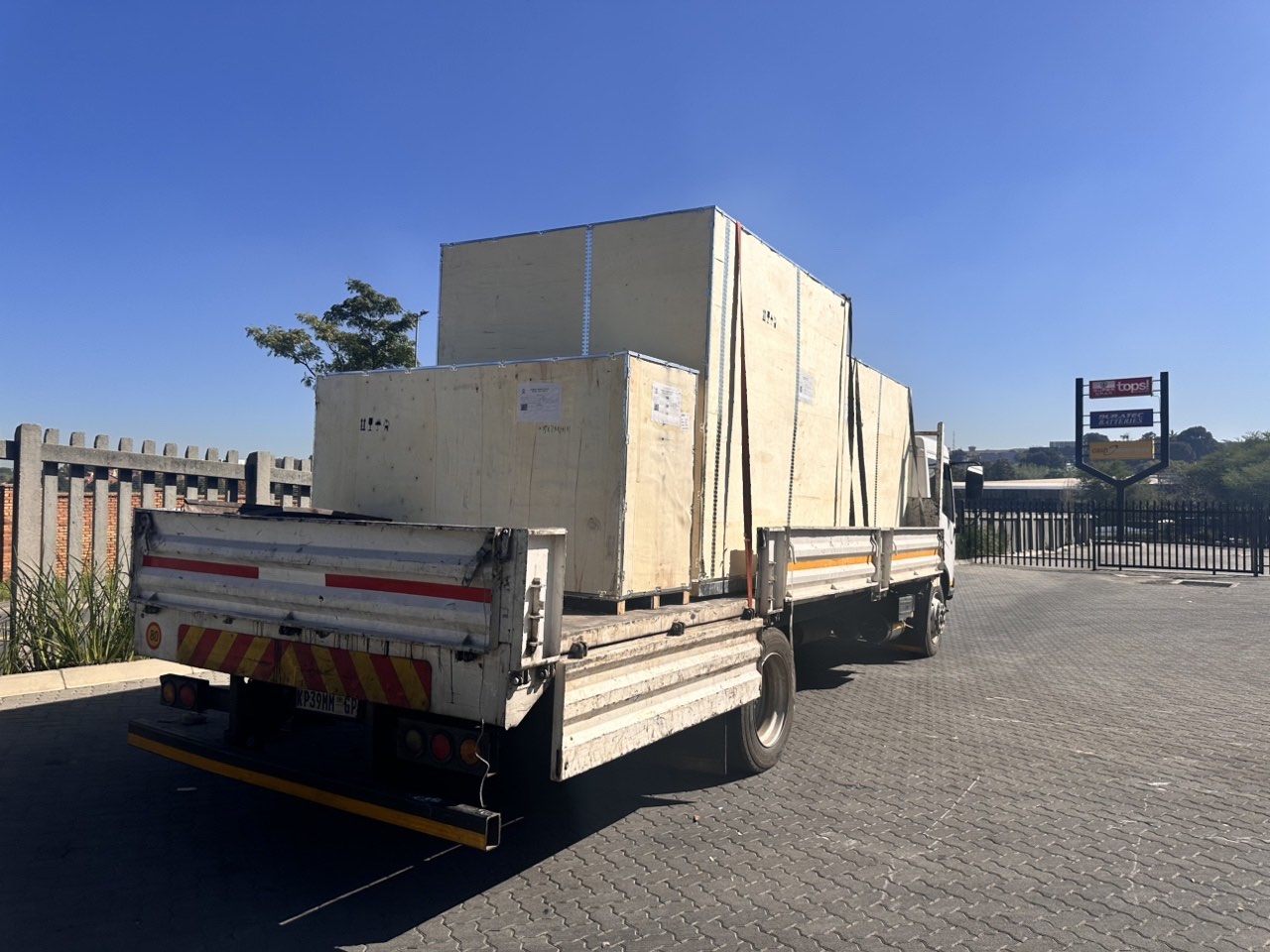
order offloading