B21, China Town Mall, Midrand

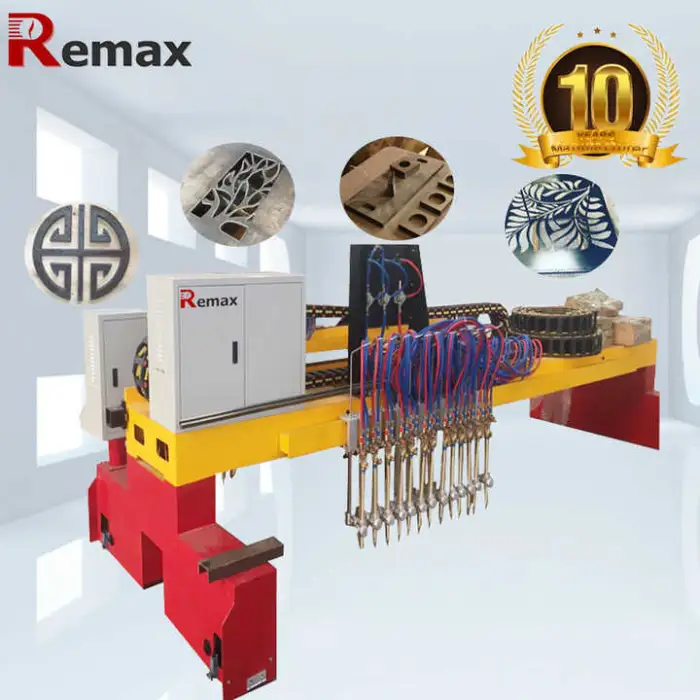
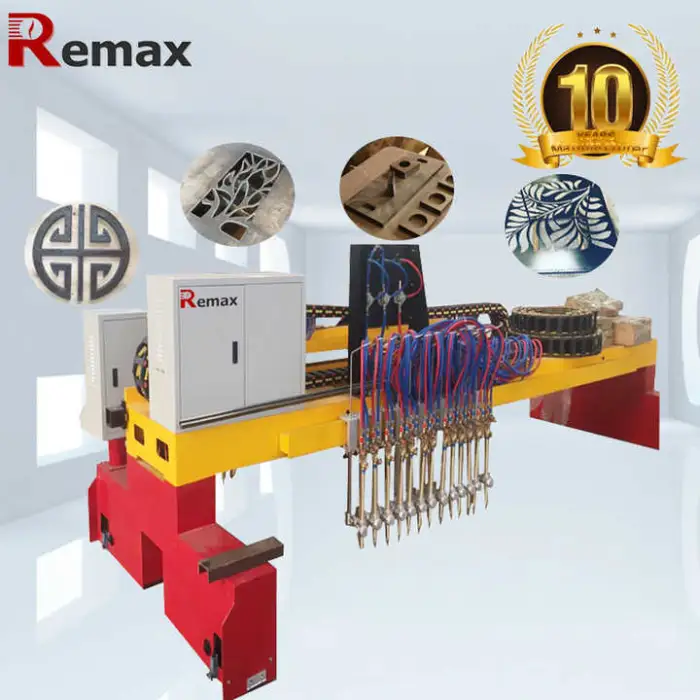
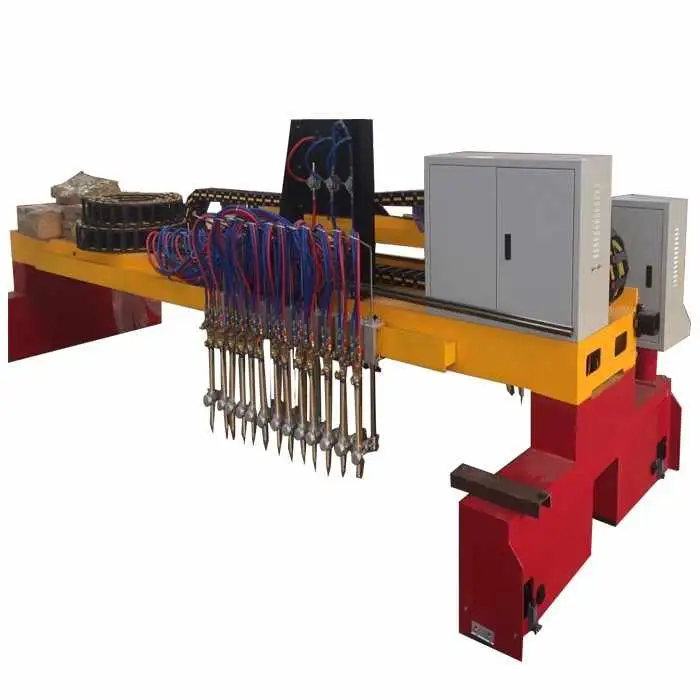
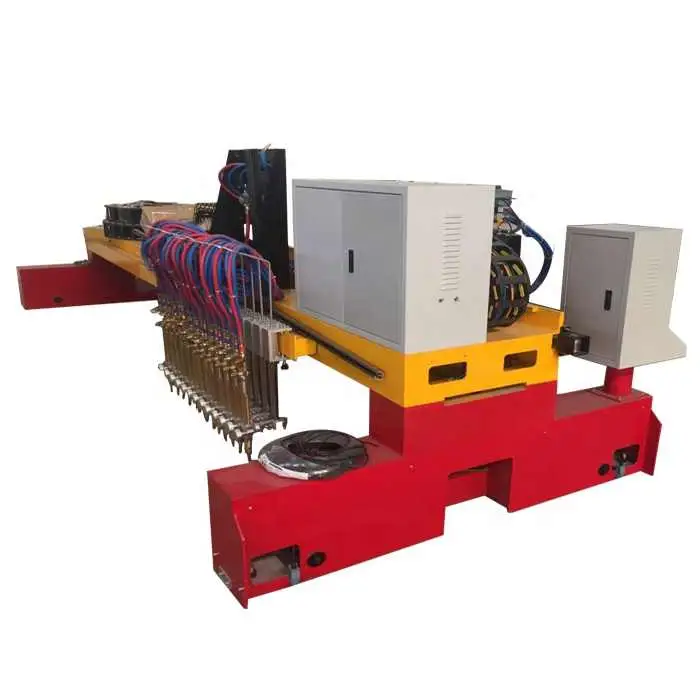
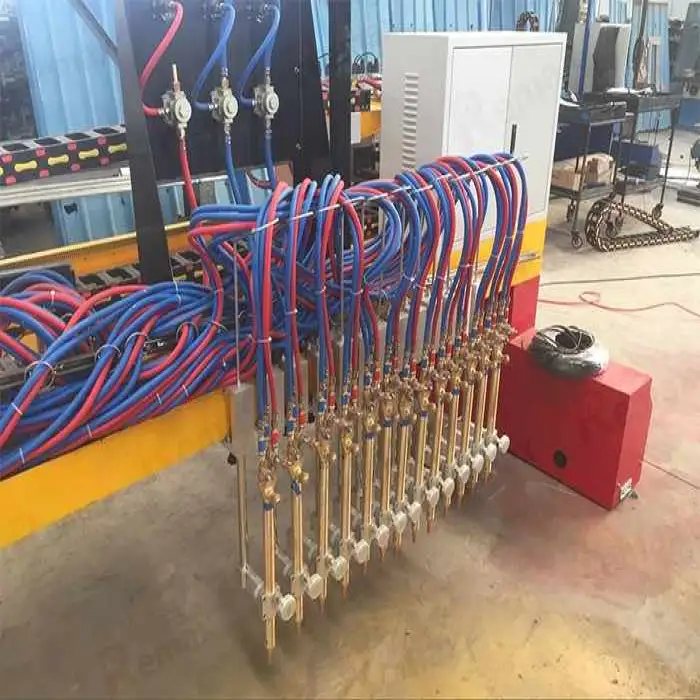
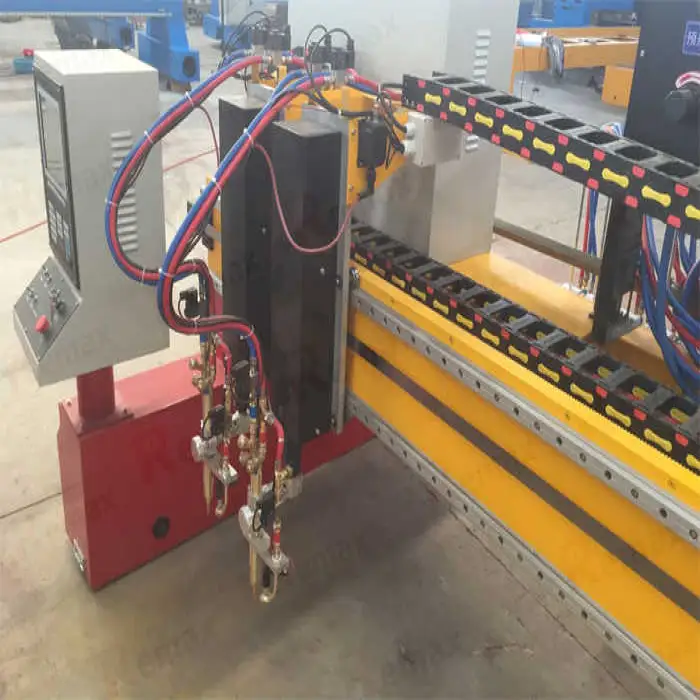
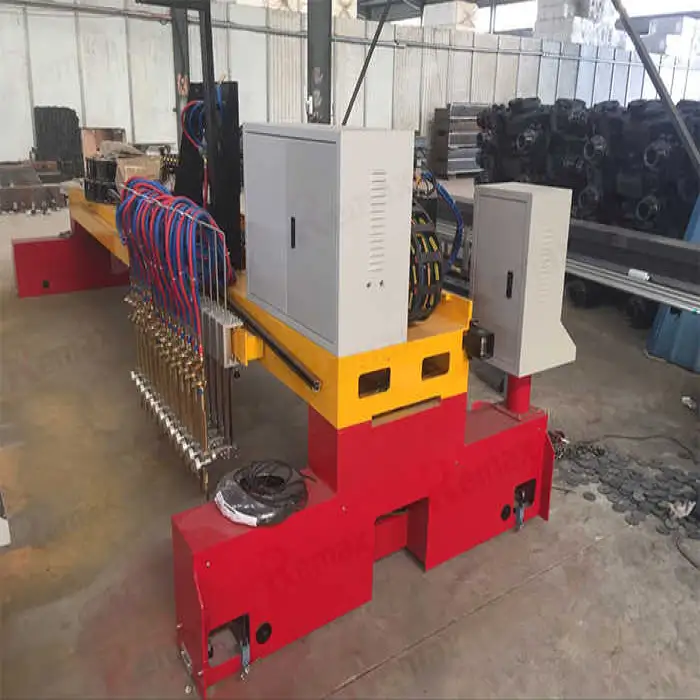
3060 CNC Gas Plasma Cutting Machine
Asset finance available
Do you want funding for this equipment?
Afrimart can connect you with trusted funding partners who specialise in asset finance for businesses like yours. Compare options and apply in minutes — final approval is subject to provider review.
Check funding options
Secure & no obligation

- Section : Machinery
- Category : CNC industrial Machinery
- SKU : 1601228414246

Remax 3060 CNC Gas Plasma Cutting Machine
The Remax 3060 CNC Gas Plasma Cutting Machine is a powerful tool for cutting metal with precision and speed. It is designed for industrial use, making it perfect for professionals who need a reliable cutting solution. With its advanced features, this machine can handle thick materials while maintaining high accuracy. Whether you are in manufacturing or metalworking, this machine will meet your needs.
Specifications
| Attribute | Details |
|---|---|
| Cutting Thickness (mm) | 1 - 200 |
| Cutting Speed (mm/min) | 50 - 8800 |
| Cutting Precision (mm) | 1 |
| Motor | Stepper / Servo Motor |
| Weight (kg) | 1000 |
| Voltage | 220/380V |
| Video Outgoing Inspection | Provided |
| Machinery Test Report | Provided |
| Machine Type | Profiling Type Cutting Machine |
| Cutting Mode | Flame |
| Control System | START Control System |
| Application | Industrial Metal Cutting |
| Cutting Material | Metal |
| Plasma Cutting Thickness | 0-200mm |
| Power Source | HUAYUAN Power Source |
Key Features
- High accuracy cutting up to 1 mm precision.
- Versatile cutting thickness from 1 to 200 mm.
- Fast cutting speed ranging from 50 to 8800 mm/min.
- Durable motor options for reliable performance.
- Comprehensive inspection and testing reports provided.
Applications
- Manufacturing metal parts and components.
- Fabrication of metal structures and frames.
- Automotive and aerospace industries for precise cuts.
- Metalworking shops for custom projects.
- Artistic metal designs and sculptures.
Product Info Gallery
- Shipping Timeframes: All orders are processed within 2-5 business days (excluding weekends and holidays). After your order has been processed, the estimated delivery time is before 02 Jul, 2026, depending on customs, Please note that due to high demand, some items may experience longer shipping times, which will be communicated at order confirmation email.
- Order Processing Time: Please allow 2-5 business days for us to process your order before it is shipped . Orders placed after 16:00 on Fridays, or during weekends and public holidays, will begin processing on the next business day. Processing times may be extended during peak seasons or sales events.
- Manufacturing Time: Some products needs manufacturing time, the manufacturing process will take approximately 10-30 business days depending on the product. This timeframe may vary depending on the complexity of the product and current demand. but this will be communicated with you during order confirmation.
- Returns and Exchanges: We offer a 30-day return policy for most items. If you are not completely satisfied with your purchase, you may return it within 30 days of receipt for a refund or exchange. Items must be unused, in their original packaging, and accompanied by proof of purchase. Return shipping costs are the responsibility of the customer, unless the item was damaged or defective upon arrival.
1. What materials can the Remax 3060 CNC Gas Plasma Cutting Machine cut?
The Remax 3060 is designed for industrial metal cutting and can cut conductive metals including mild steel, stainless steel, aluminum and other ferrous and non‑ferrous metals. Exact performance depends on material type, thickness and the plasma gas/consumables used.
2. What is the maximum and minimum cutting thickness?
Cutting thickness ranges from 1 mm up to 200 mm (plasma cutting thickness listed as 0–200 mm). Actual maximum effective thickness depends on the plasma power source, consumables and cutting parameters.
3. What cutting precision and speed can I expect?
The machine offers cutting precision up to 1 mm and a cutting speed range from 50 to 8,800 mm/min, adjustable to match material and thickness.
4. What power and electrical supply does the machine require?
The Remax 3060 supports 220V or 380V supply. It uses a HUAYUAN power source; confirm whether your site requires single‑phase 220V or three‑phase 380V and ensure a stable supply and proper grounding.
5. What type of motor and drive does the machine use?
The machine is offered with stepper or servo motor options. Servo motors provide higher speed and better dynamic response, while stepper motors are a cost‑effective choice for many applications.
6. Which control system and file formats are supported?
The machine uses the START Control System. Most START‑based CNC systems accept common formats such as G‑code, DXF and PLT, but you should confirm exact format compatibility and post‑processor requirements with the supplier.
7. Is the listed 'Cutting Mode: Flame' a typo? Does this machine do plasma cutting or flame cutting?
The model is described as a gas plasma cutting machine but the spec also lists 'Cutting Mode: Flame', which suggests the platform may support both plasma and oxy‑fuel torches or that the specification template included flame by default. Confirm with the vendor whether your unit is fitted for plasma only or also configured for oxy‑fuel/flame cutting.
8. What gases are used for plasma cutting on this machine?
Plasma cutting commonly uses compressed air, oxygen, nitrogen or special gas mixes depending on the metal and cut quality desired. The appropriate gas depends on the power source and consumable recommendations—verify compatible gases with the supplier and HUAYUAN power source documentation.
9. What consumables and spare parts should I keep on hand?
Typical consumables include electrodes, nozzles/tips, swirl rings and shields. Keeping a stock of these wear parts plus spare torches, torch leads and replacement filters for compressed air is recommended to minimize downtime.
10. What maintenance does the Remax 3060 require?
Regular maintenance includes cleaning torch components, checking and replacing consumables, inspecting cables and connections, verifying alignment and grounding, lubricating linear guides/rails as recommended, and ensuring clean, dry compressed air. Follow the supplier’s maintenance schedule.
11. What safety precautions are required when operating this machine?
Use appropriate PPE (welding/plasma goggles or shaded face shield, gloves, protective clothing), provide adequate ventilation or fume extraction, secure gas cylinders, ensure proper machine grounding, and follow lockout/tagout procedures for maintenance. Adhere to local safety regulations.
12. Does the machine come with inspection and test documentation?
Yes — the specification lists that video outgoing inspection and a machinery test report are provided with the machine.
13. What are common industrial applications for this model?
Typical applications include manufacturing metal parts and components, fabrication of structures and frames, automotive and aerospace component cutting, metalworking shops doing custom projects, and artistic metal sculpture work.
14. How heavy is the machine and what should I consider for installation?
The machine weight is approximately 1,000 kg. Ensure your facility has adequate floor load capacity, space for installation and maintenance, proper electrical supply (220/380V), gas and compressed air hookups, and safe access for delivery and positioning.
15. What warranty, installation and after‑sales support are available?
Warranty and after‑sales services vary by seller. Many suppliers offer installation, commissioning, operator training and spare parts support. Contact the vendor or distributor for specific warranty terms, service packages and local support options.
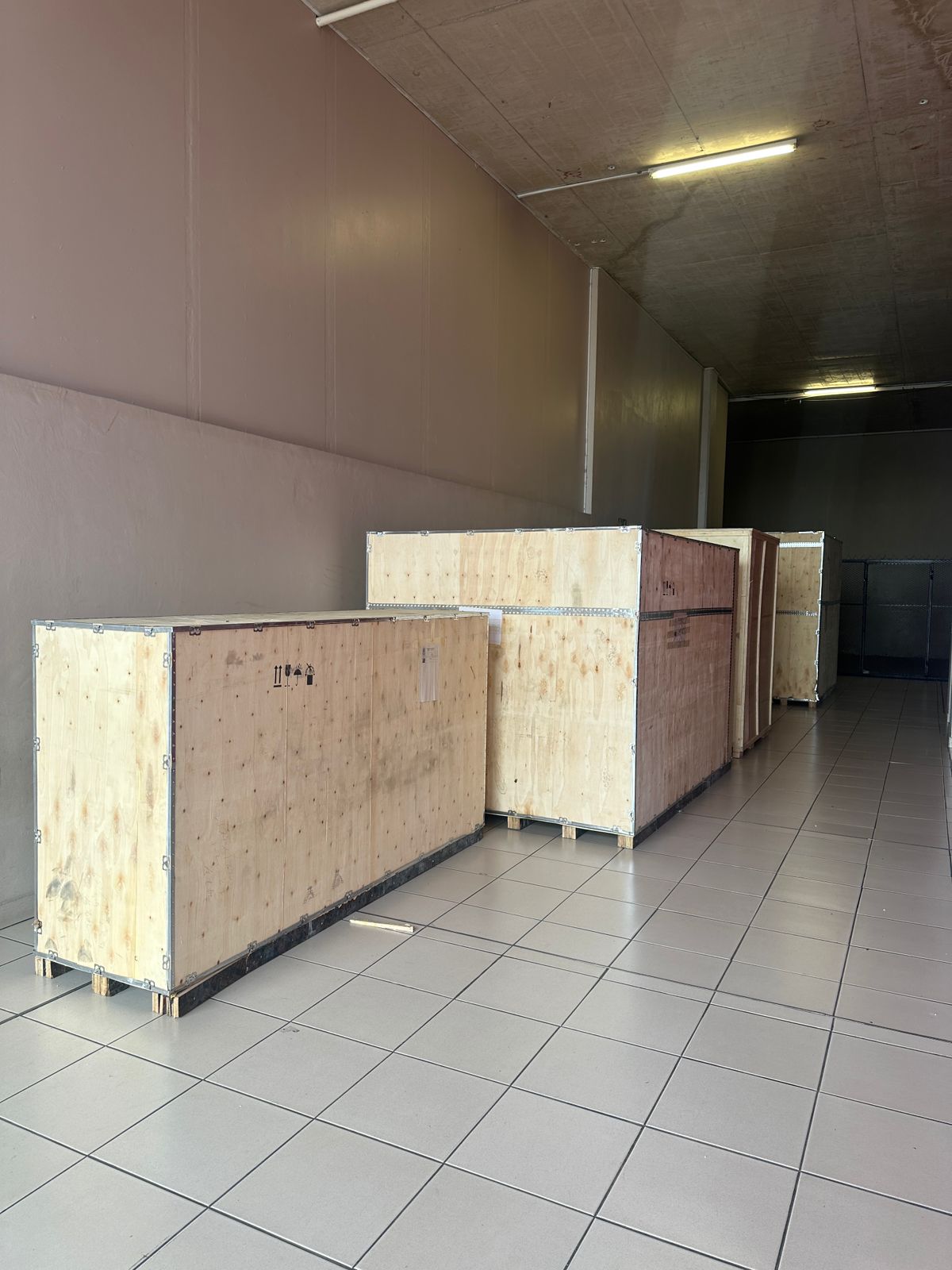
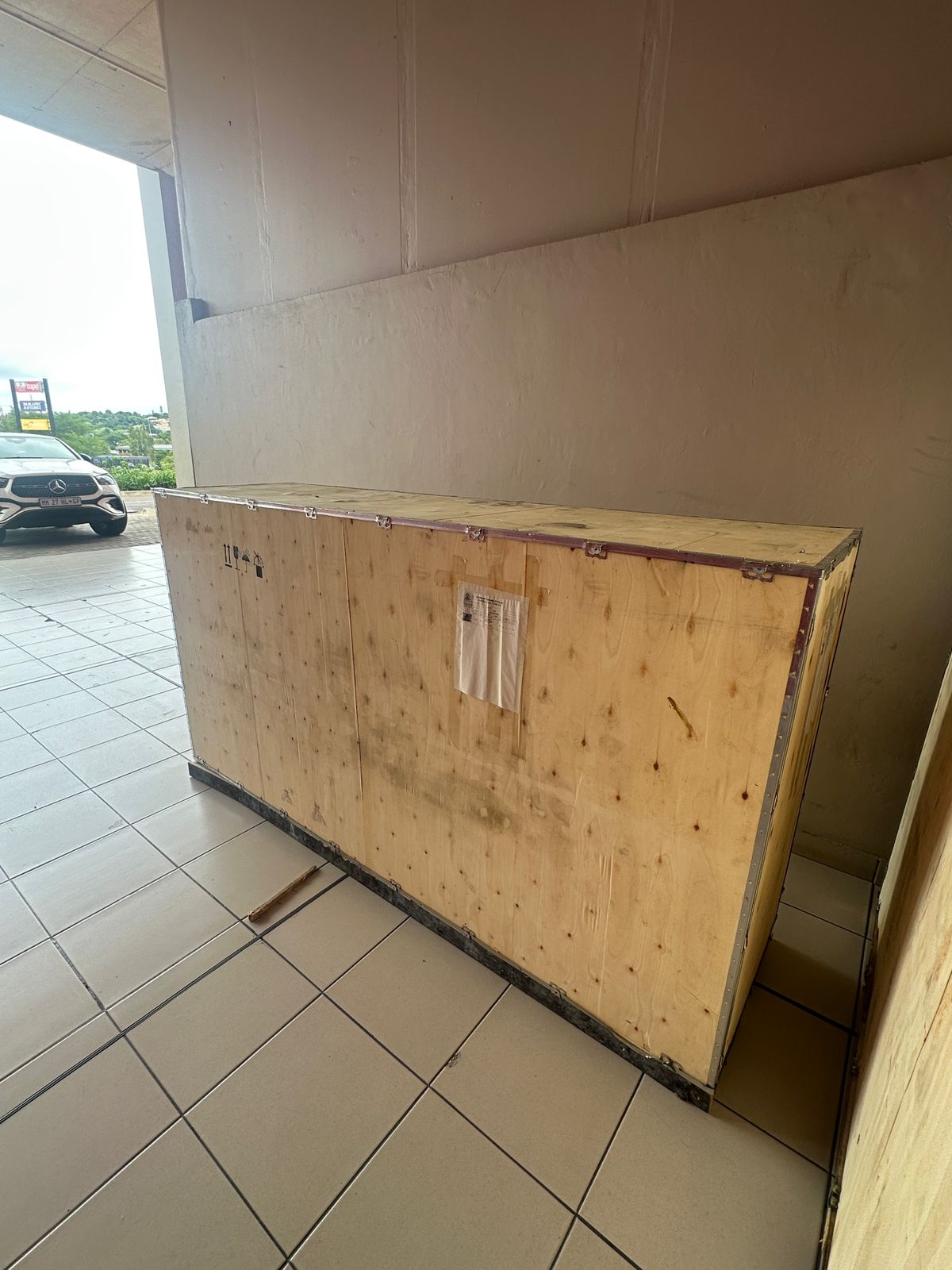
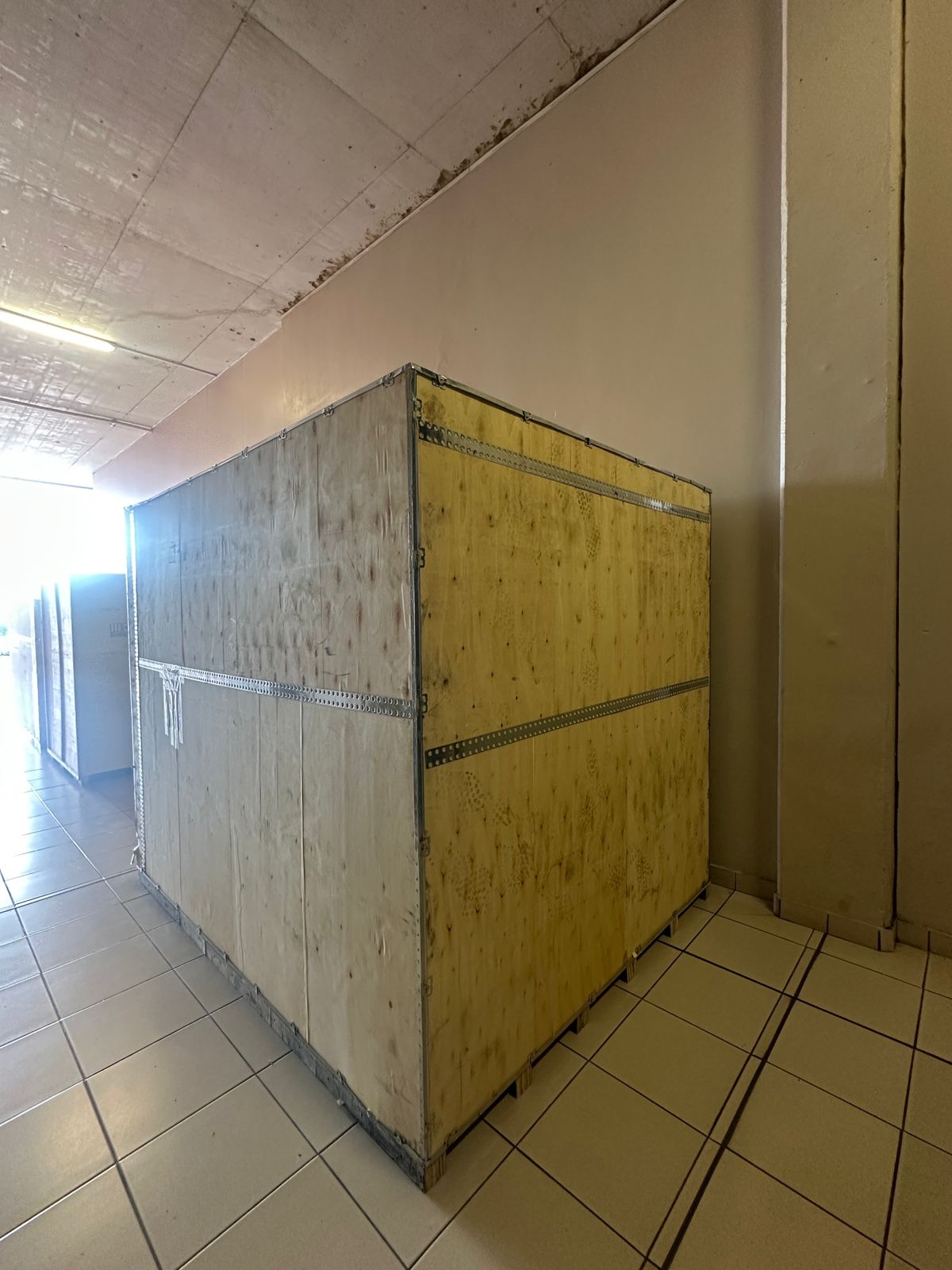
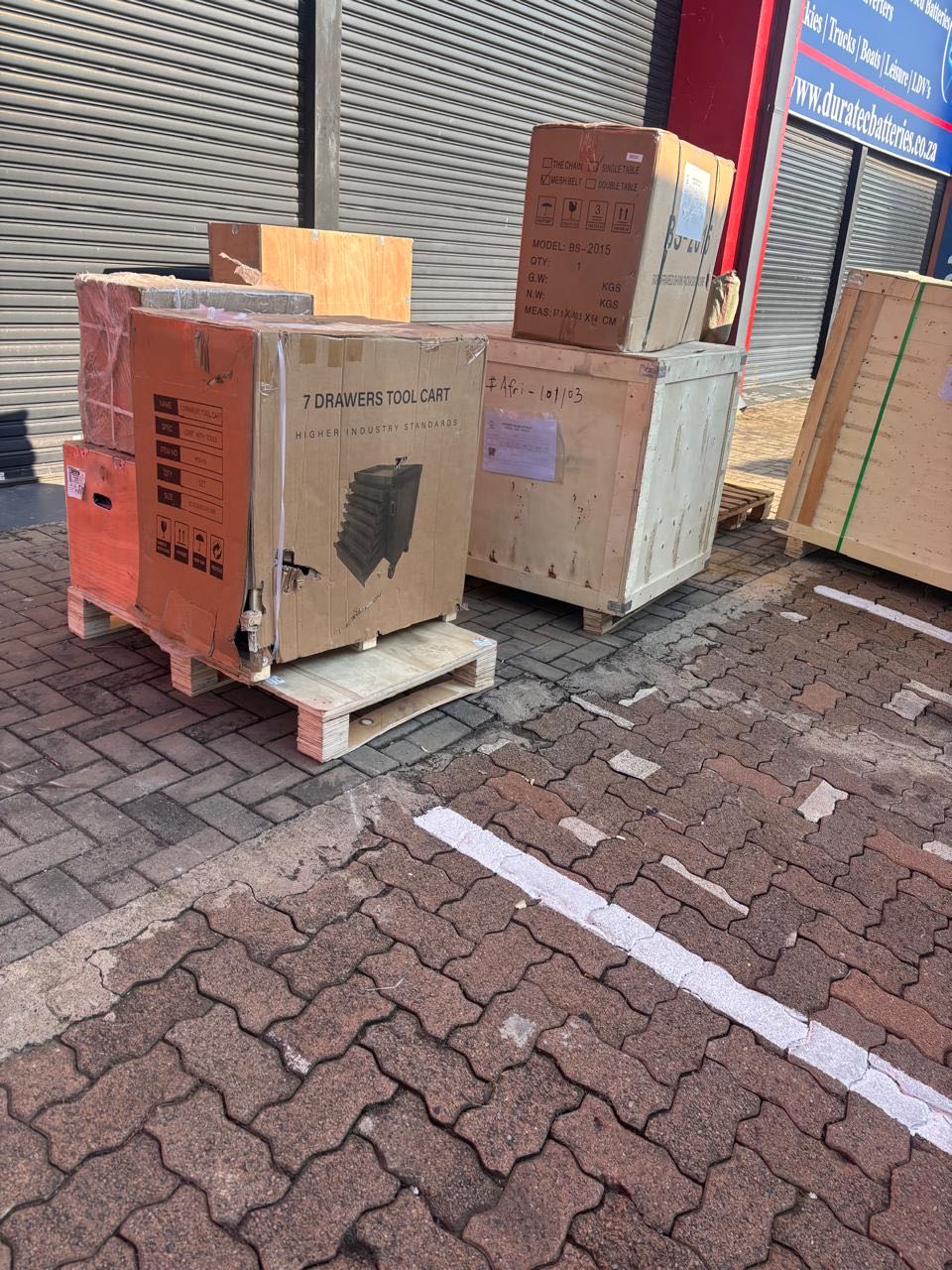
Latest Order Arrivals
Discover our latest orders
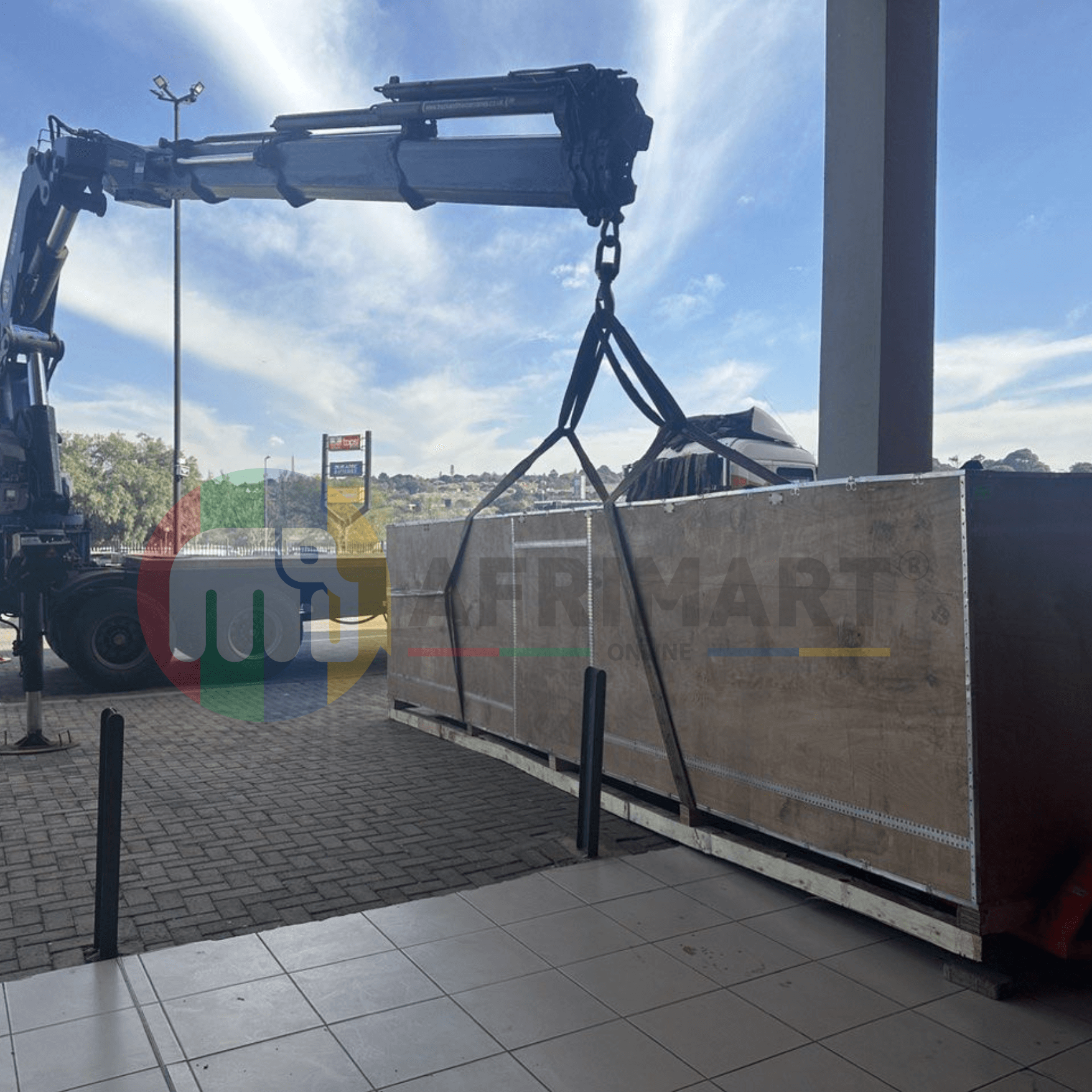
12 Heads Embroidery Machine
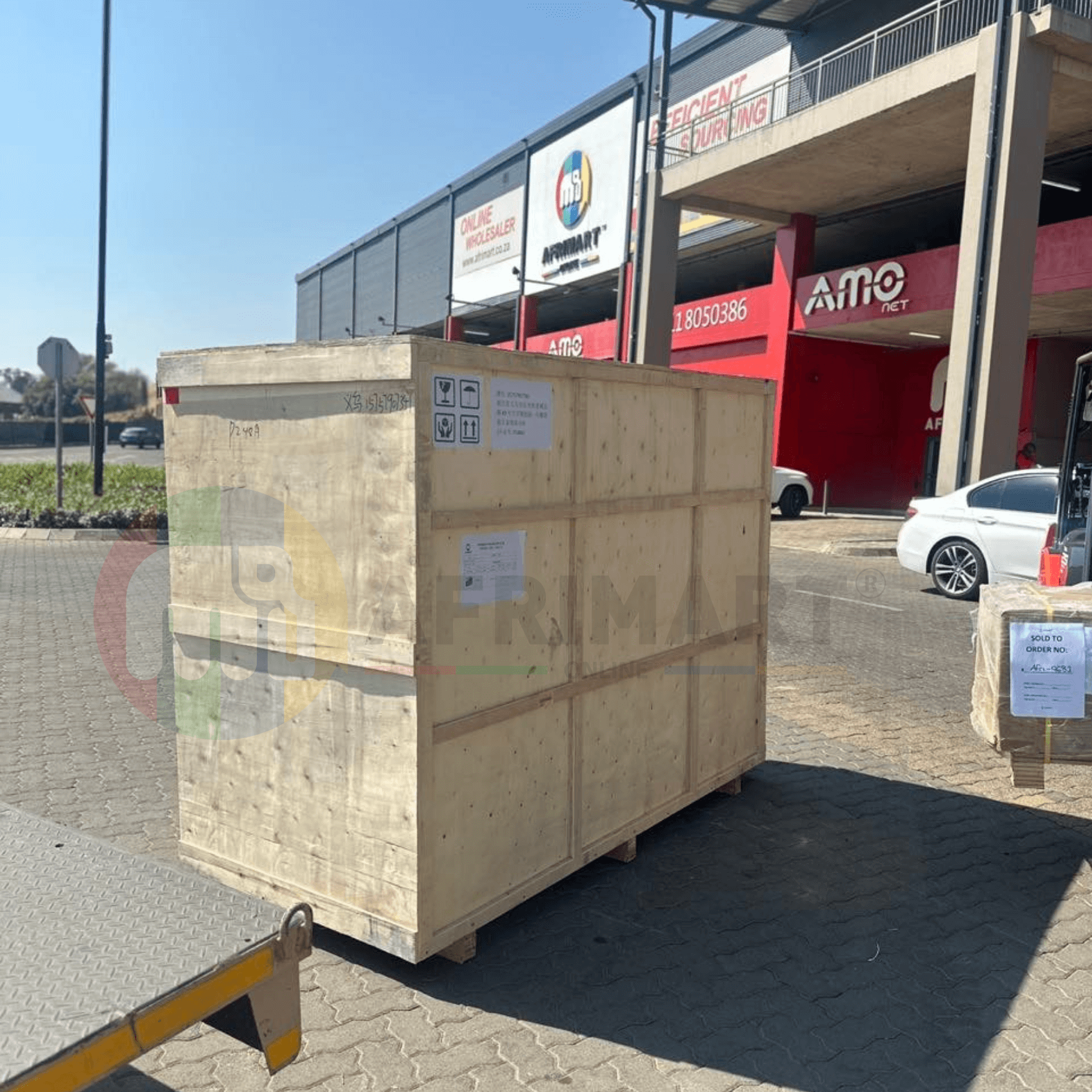
Dewatering Pump Machine
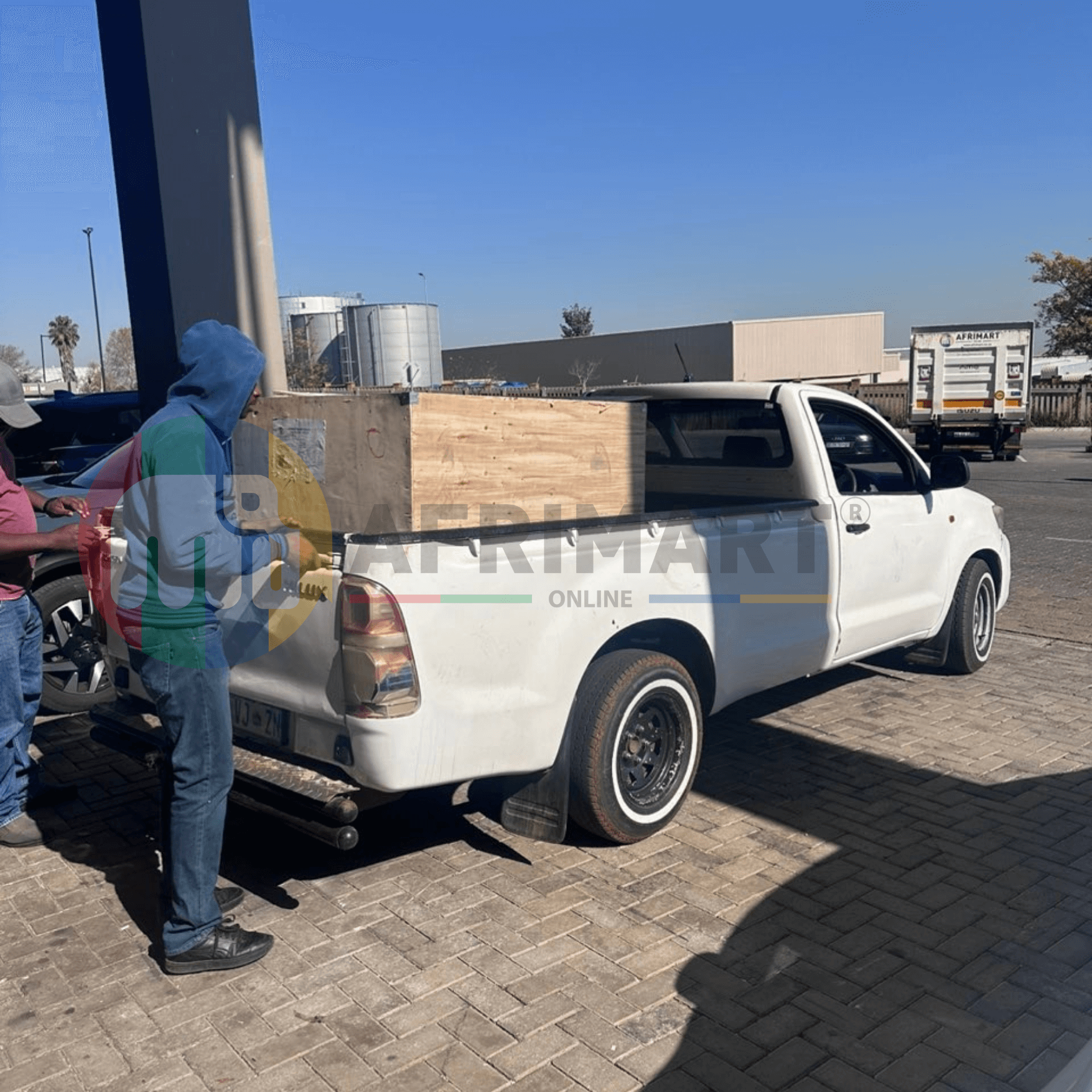
Order Collection
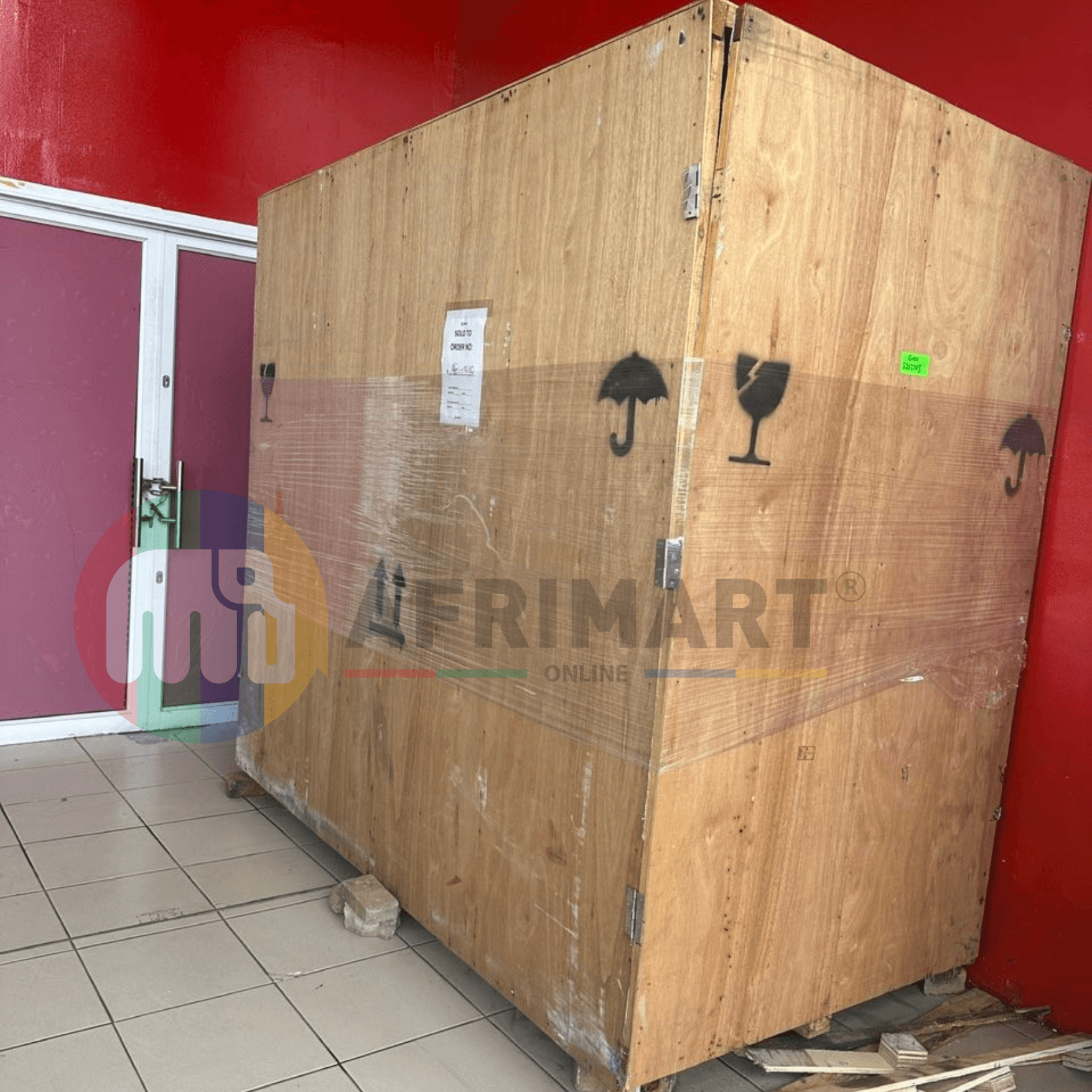
Portable Water Drilling Rig
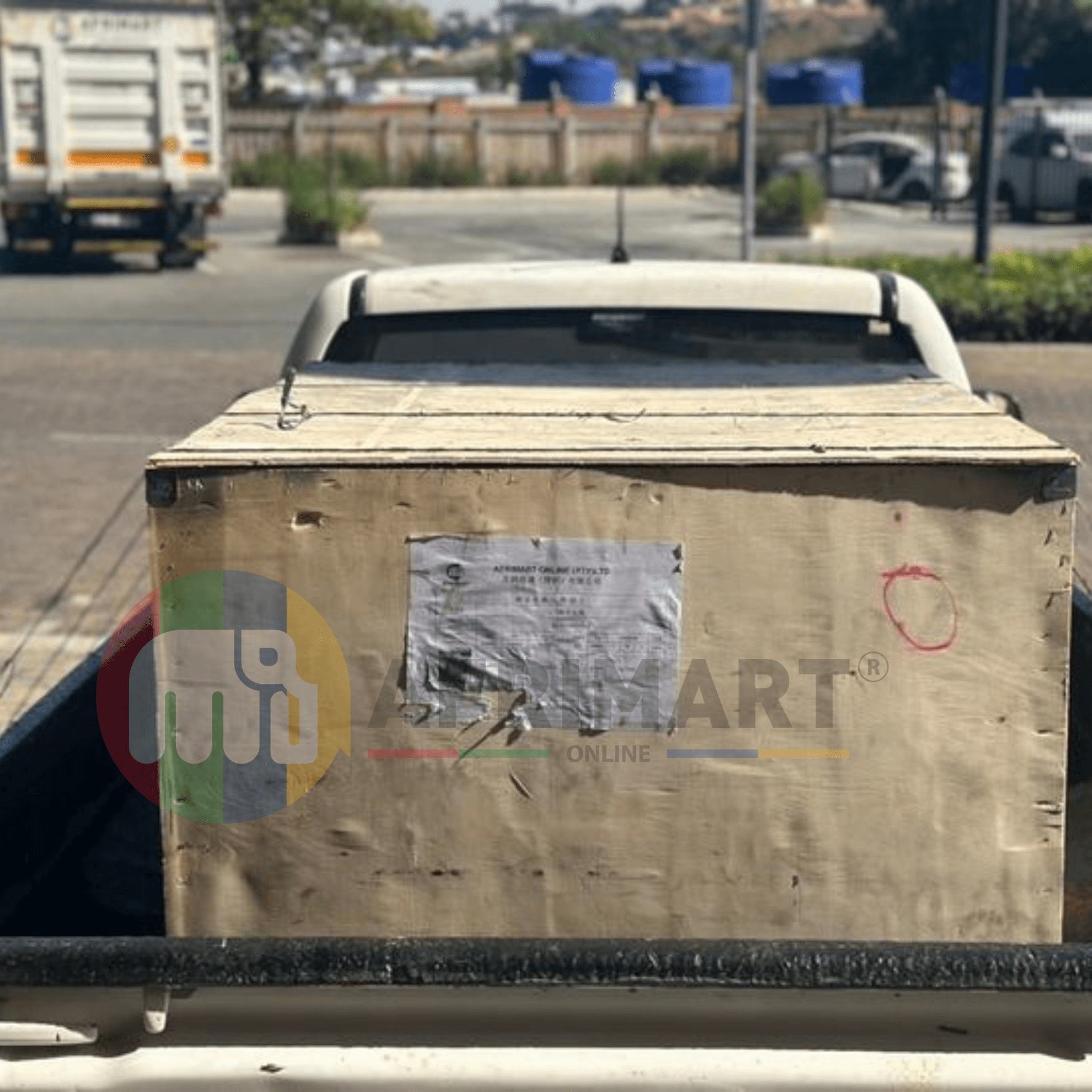
Order Usefully Collected
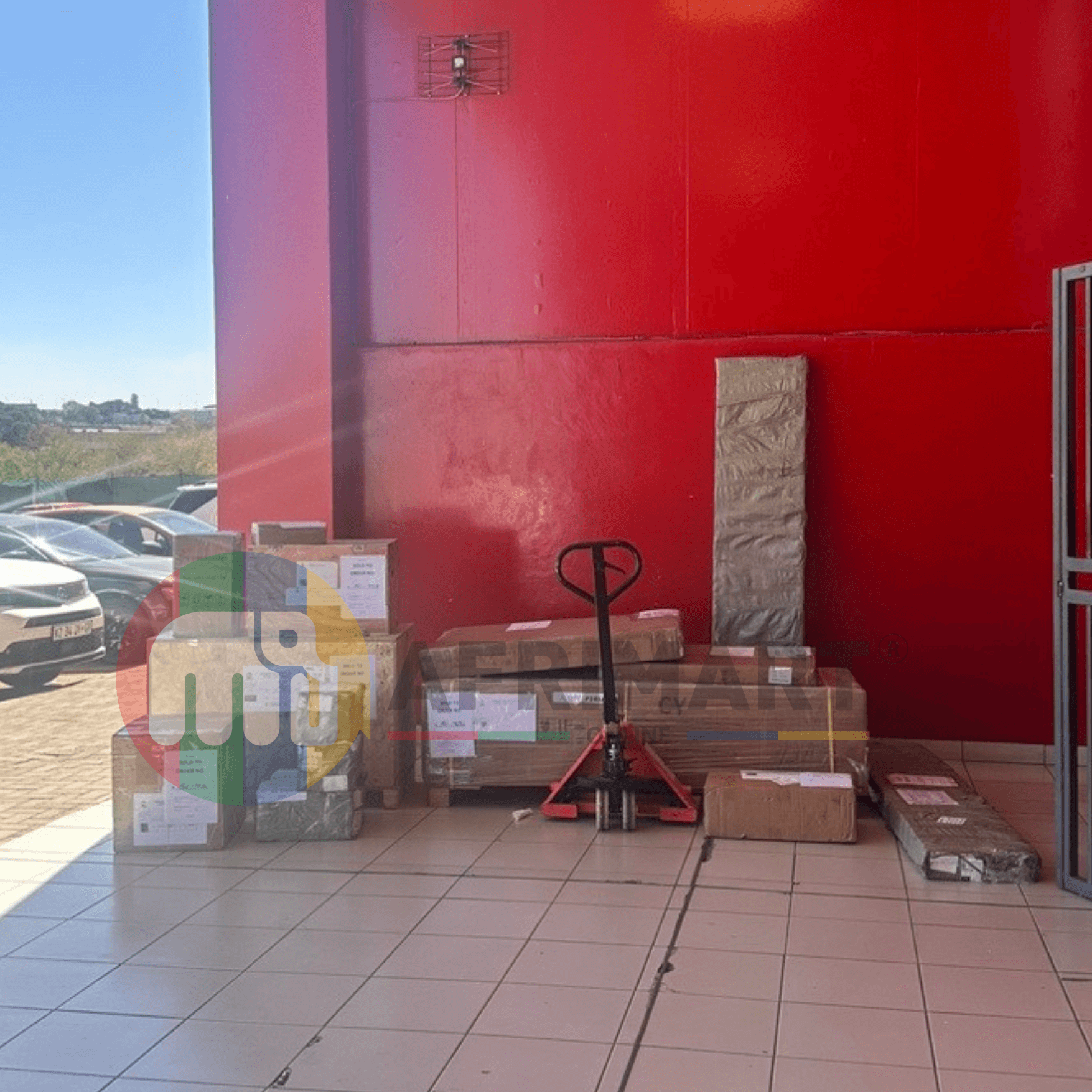
Batch of Orders
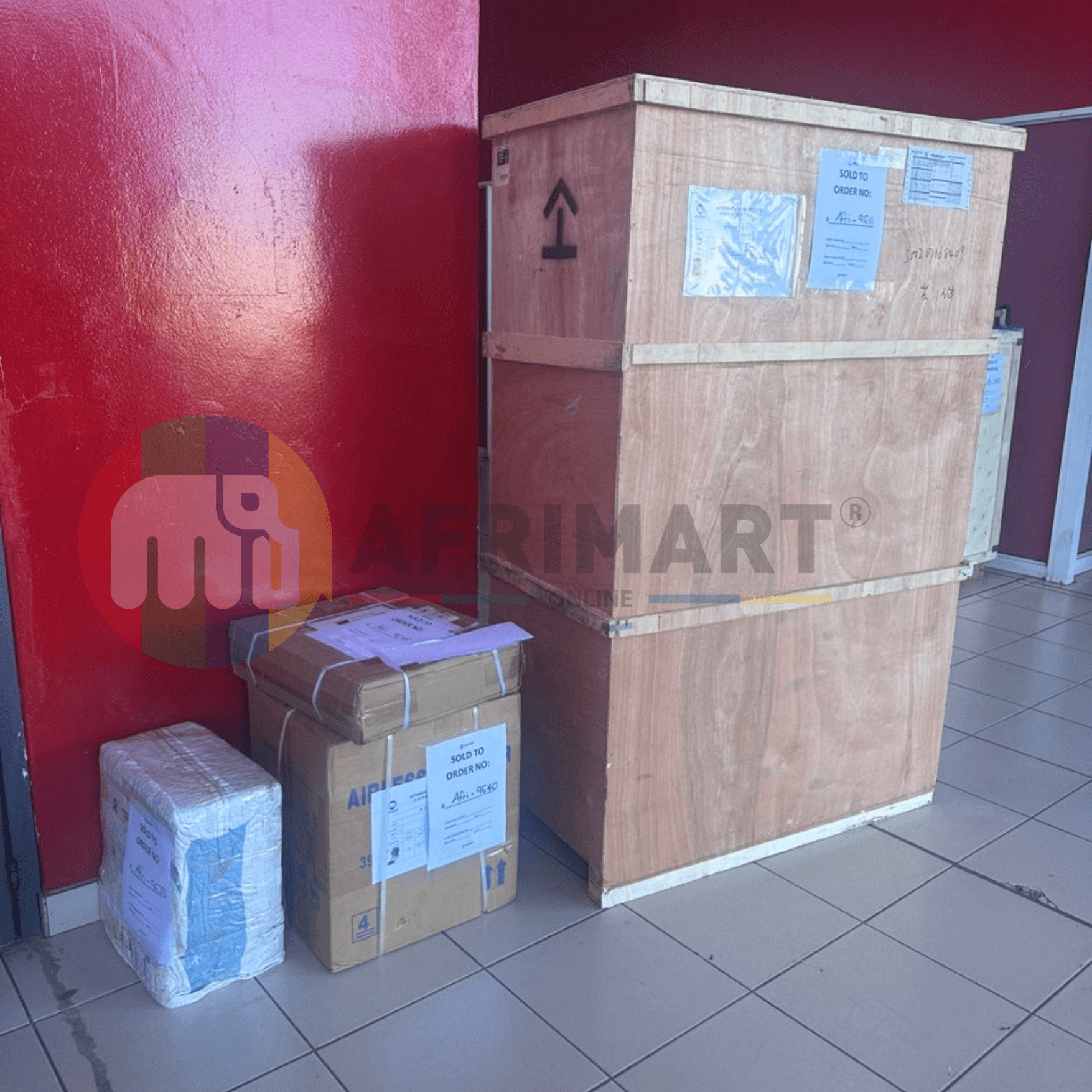
Agriculture Processing Machines
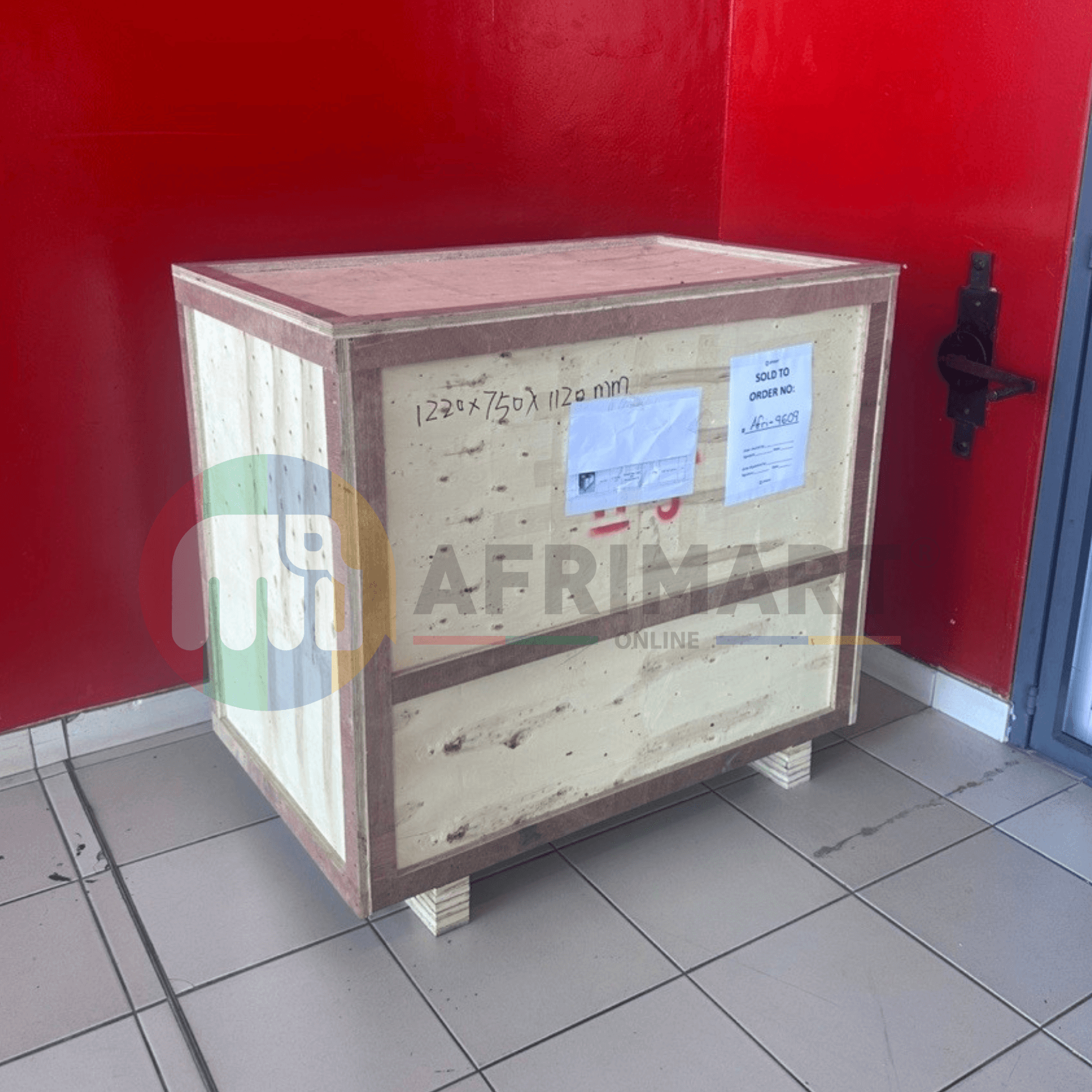
Meat Grinder Machine
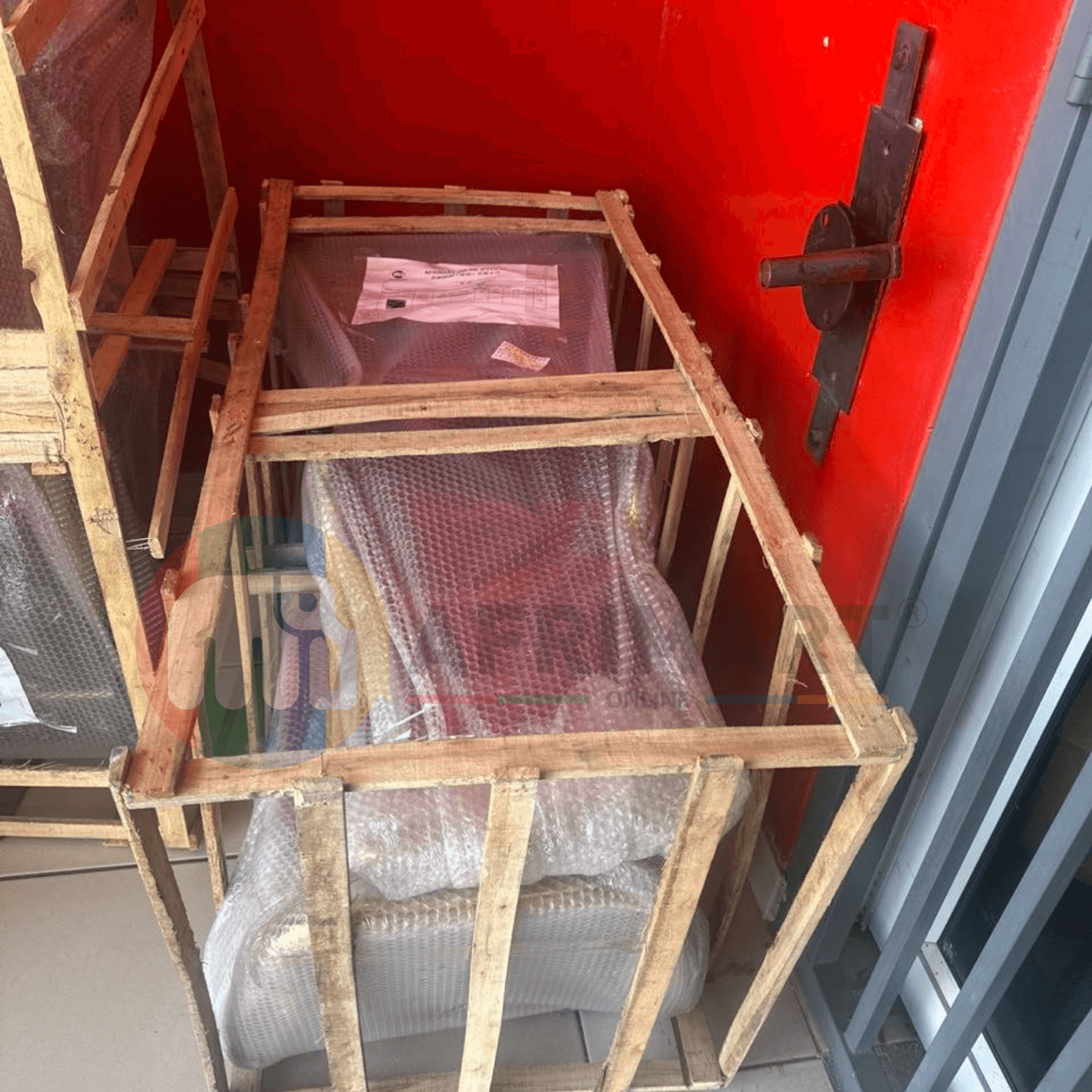
Water Pump Equipment
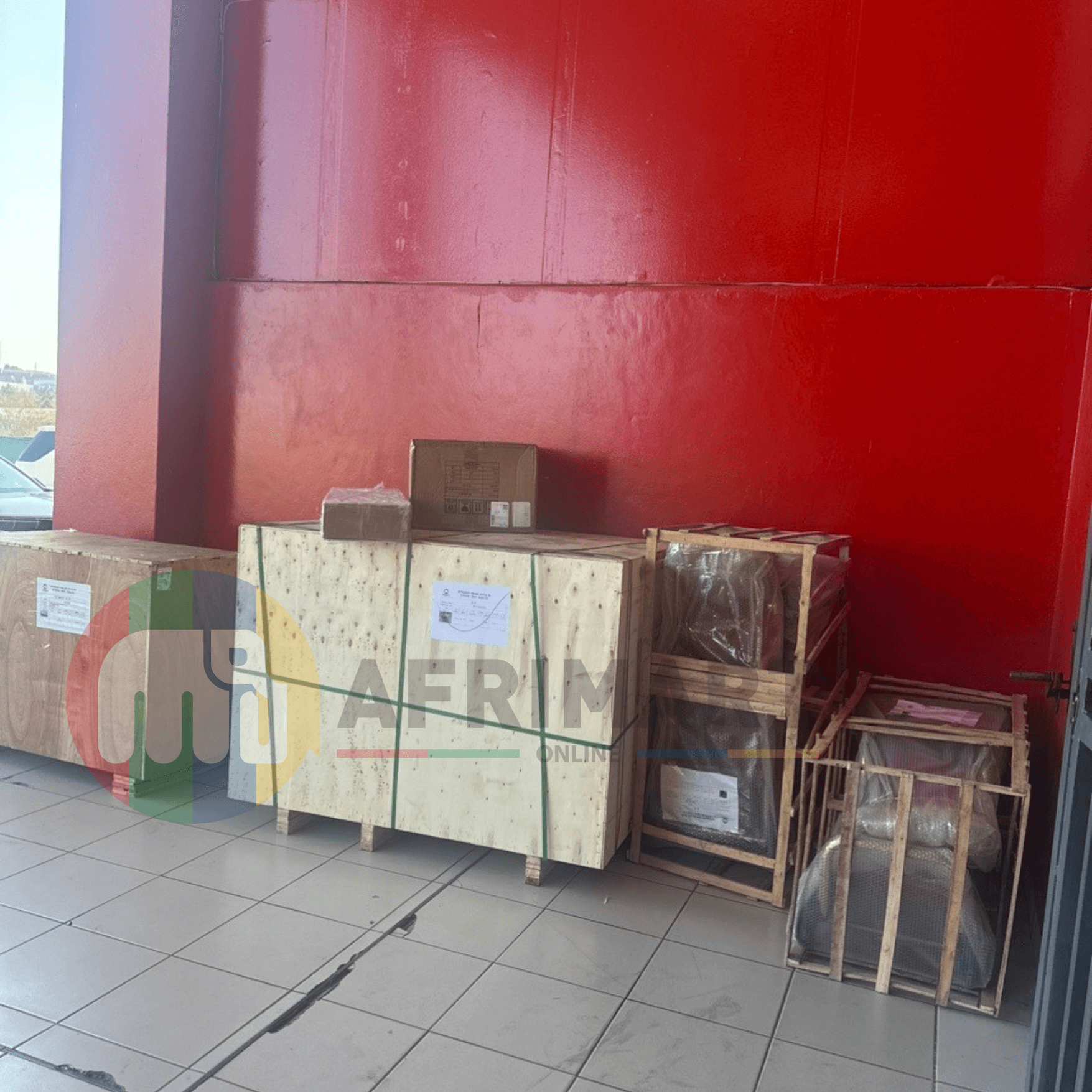
Packaging Machine and accessories
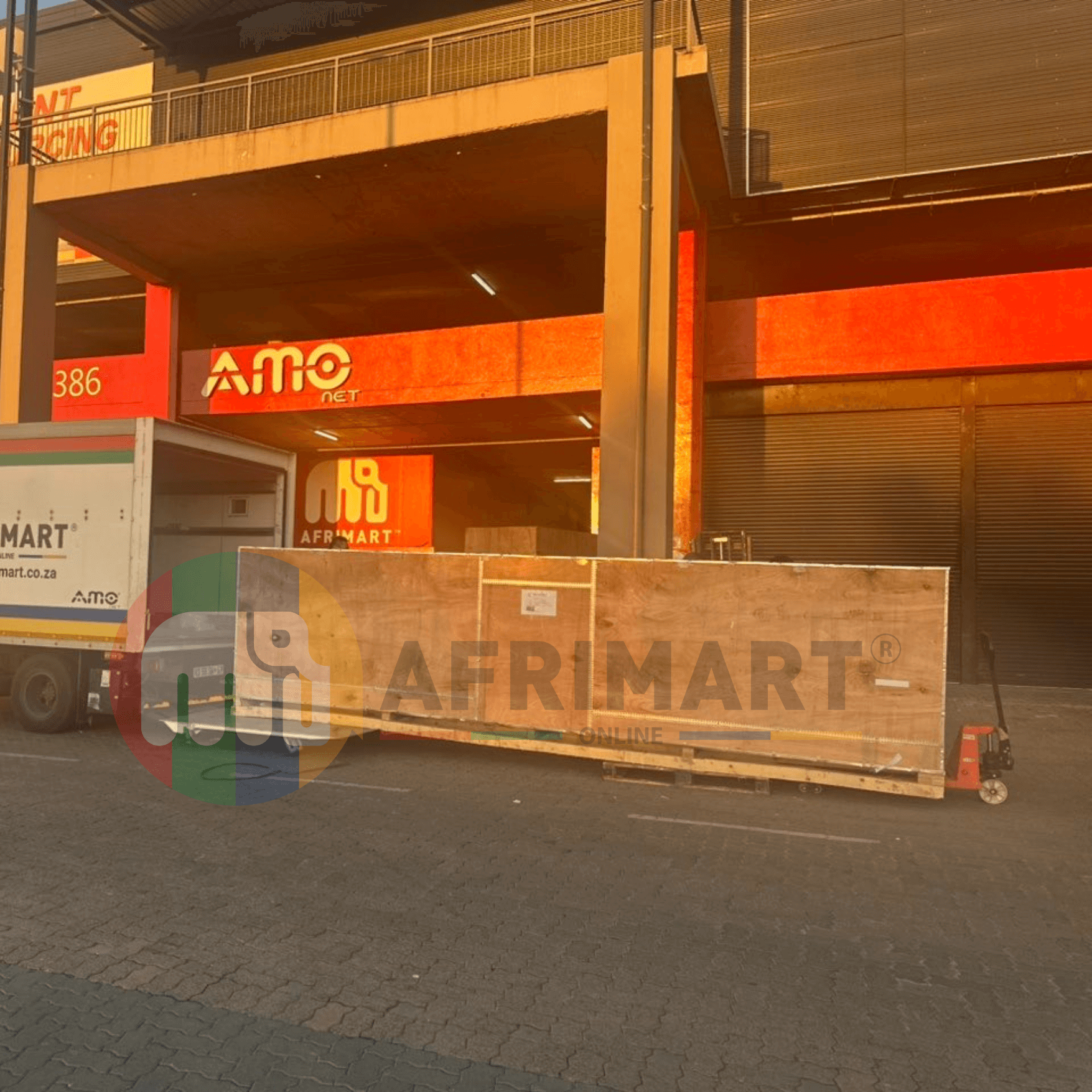
Fabrics Manufacturing Equipment
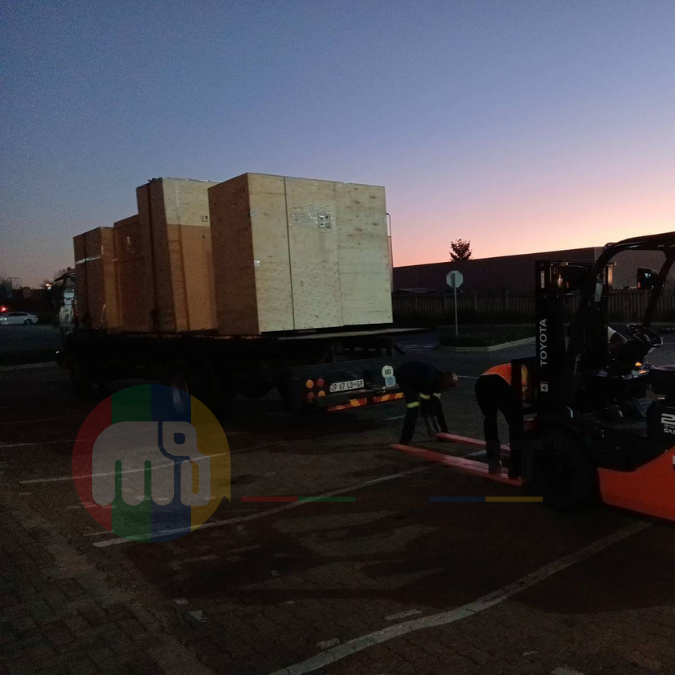
Mining Equipments
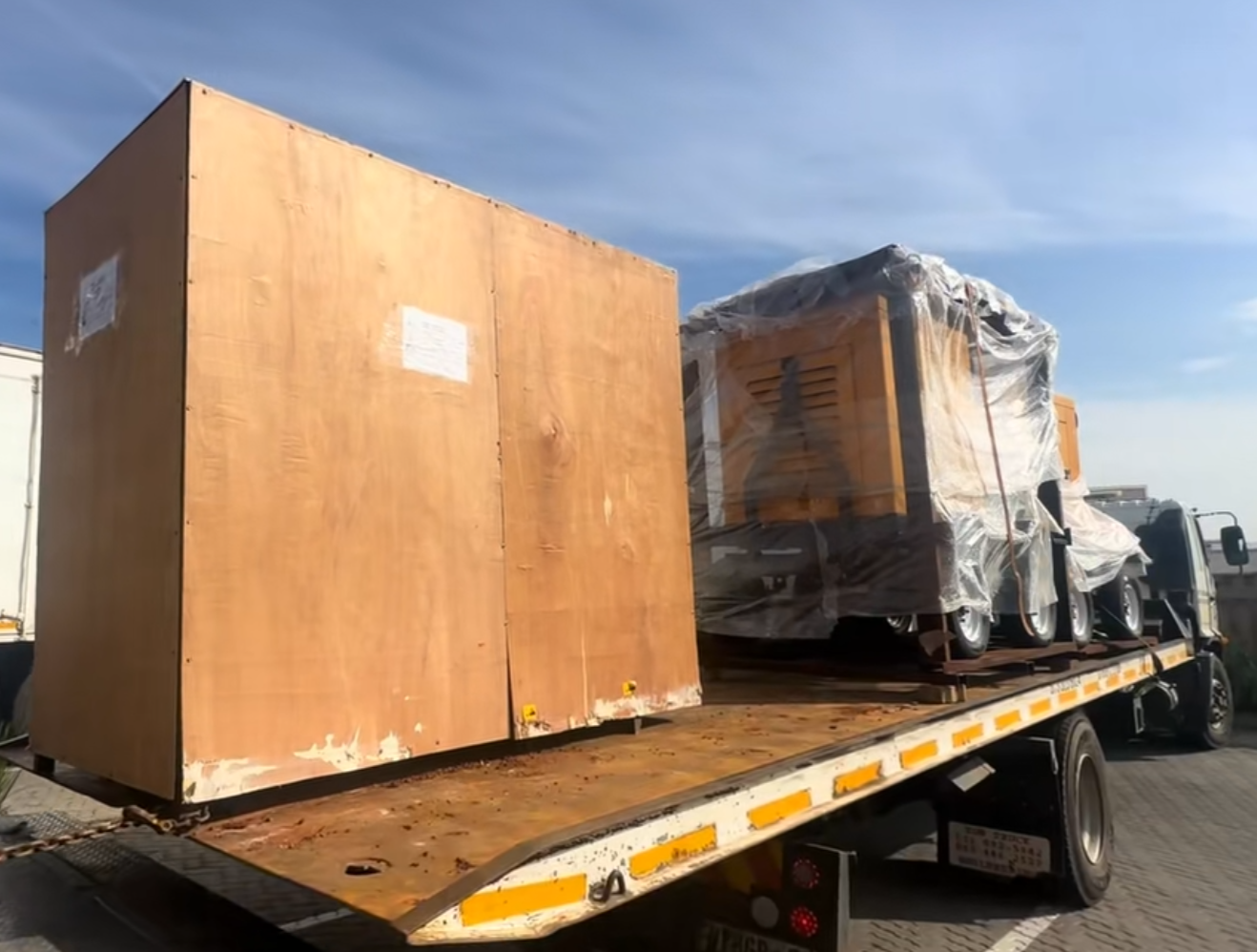
Food Processing Machine
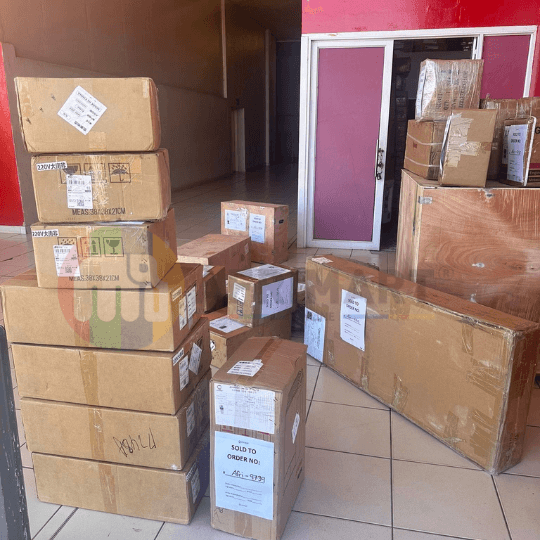
Batch of Orders
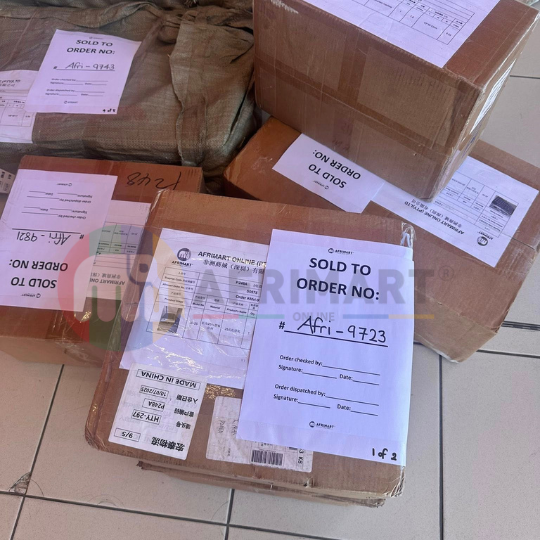
Batch of Orders
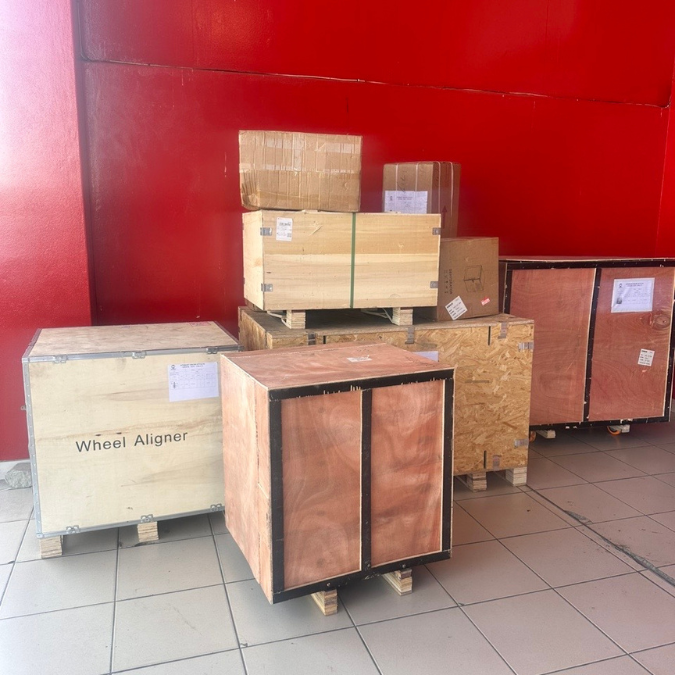
Latest Orders Labelled
wheel alignment machines
new arrivals
Pre Orders Offloading
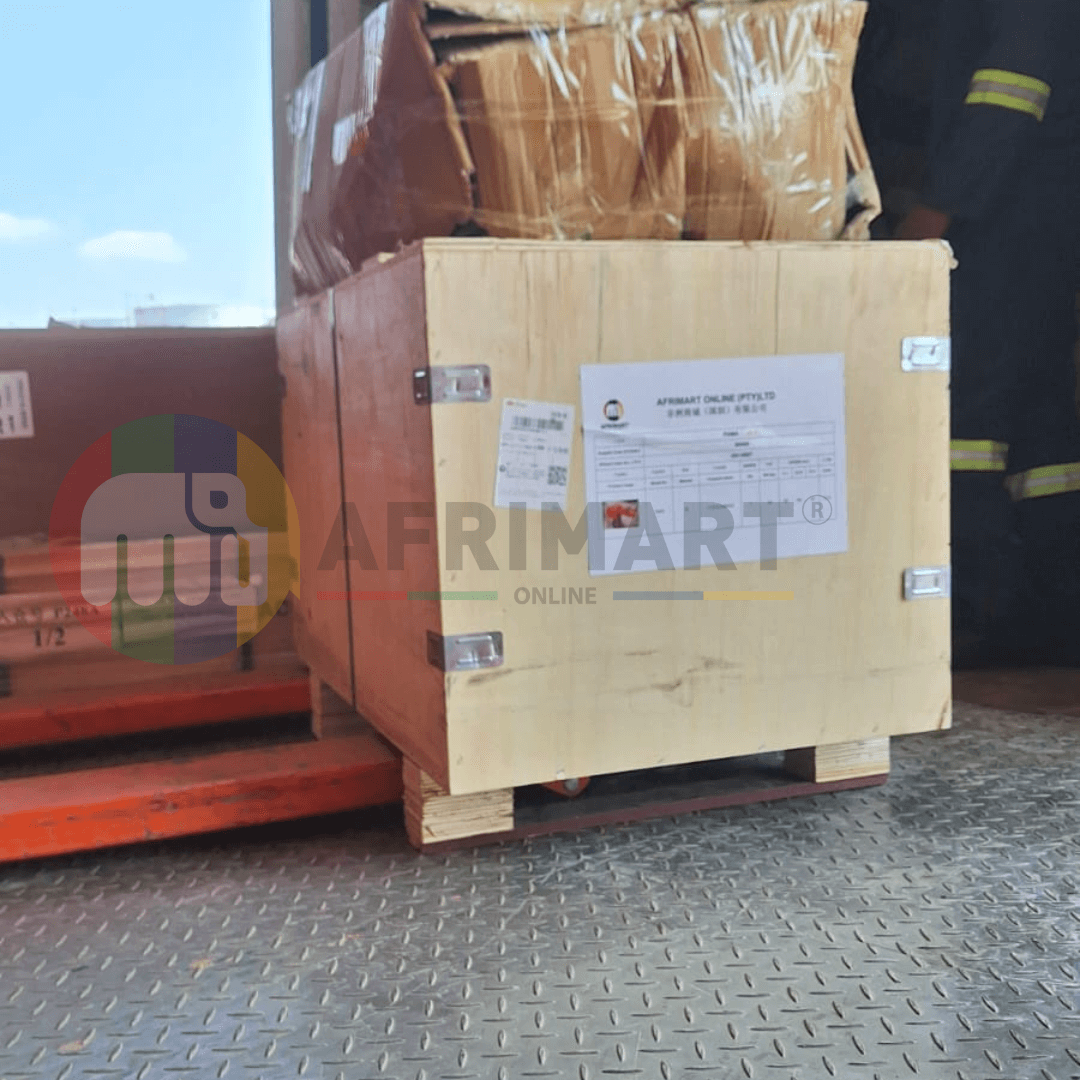
Latest Arrivals
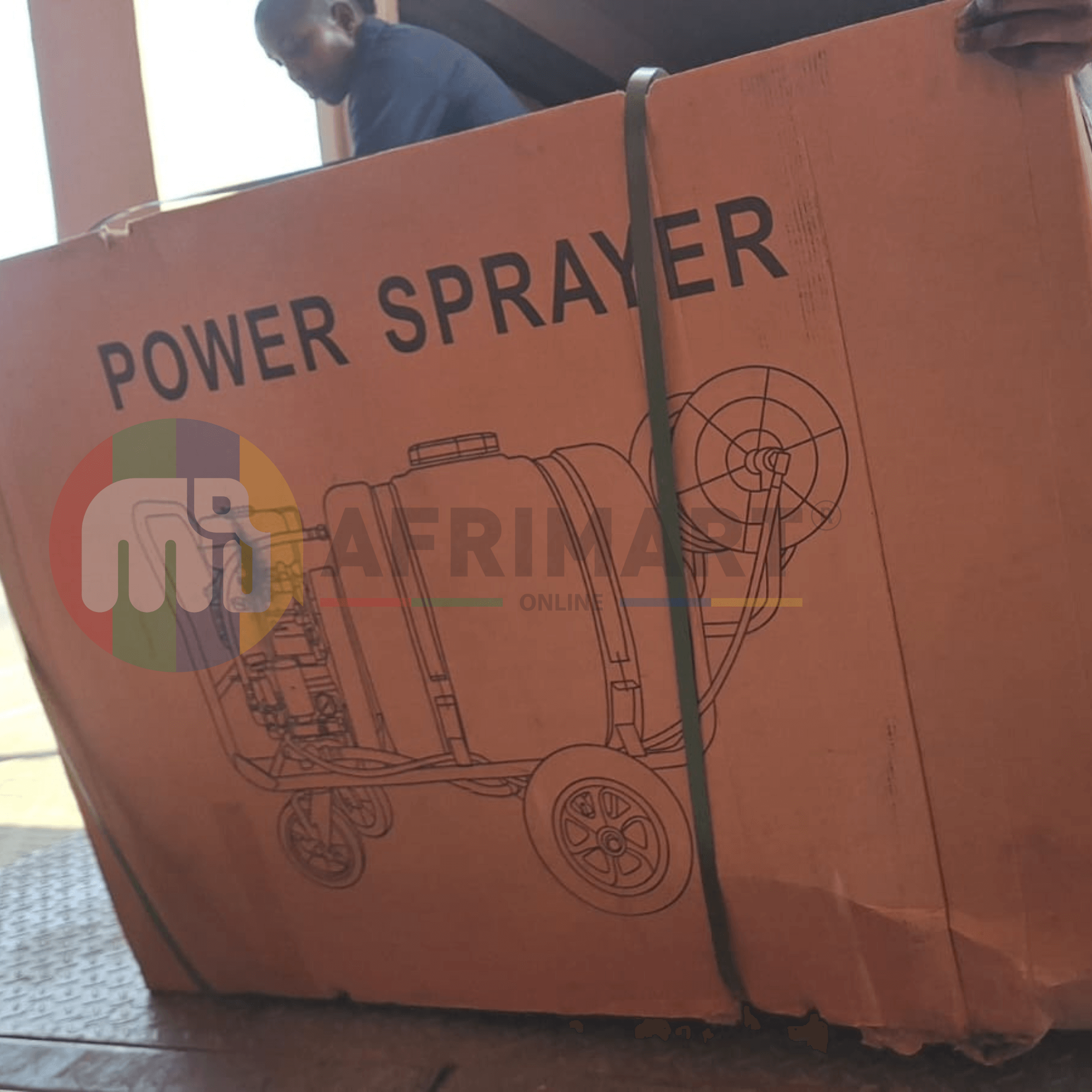
Latest Arrivals
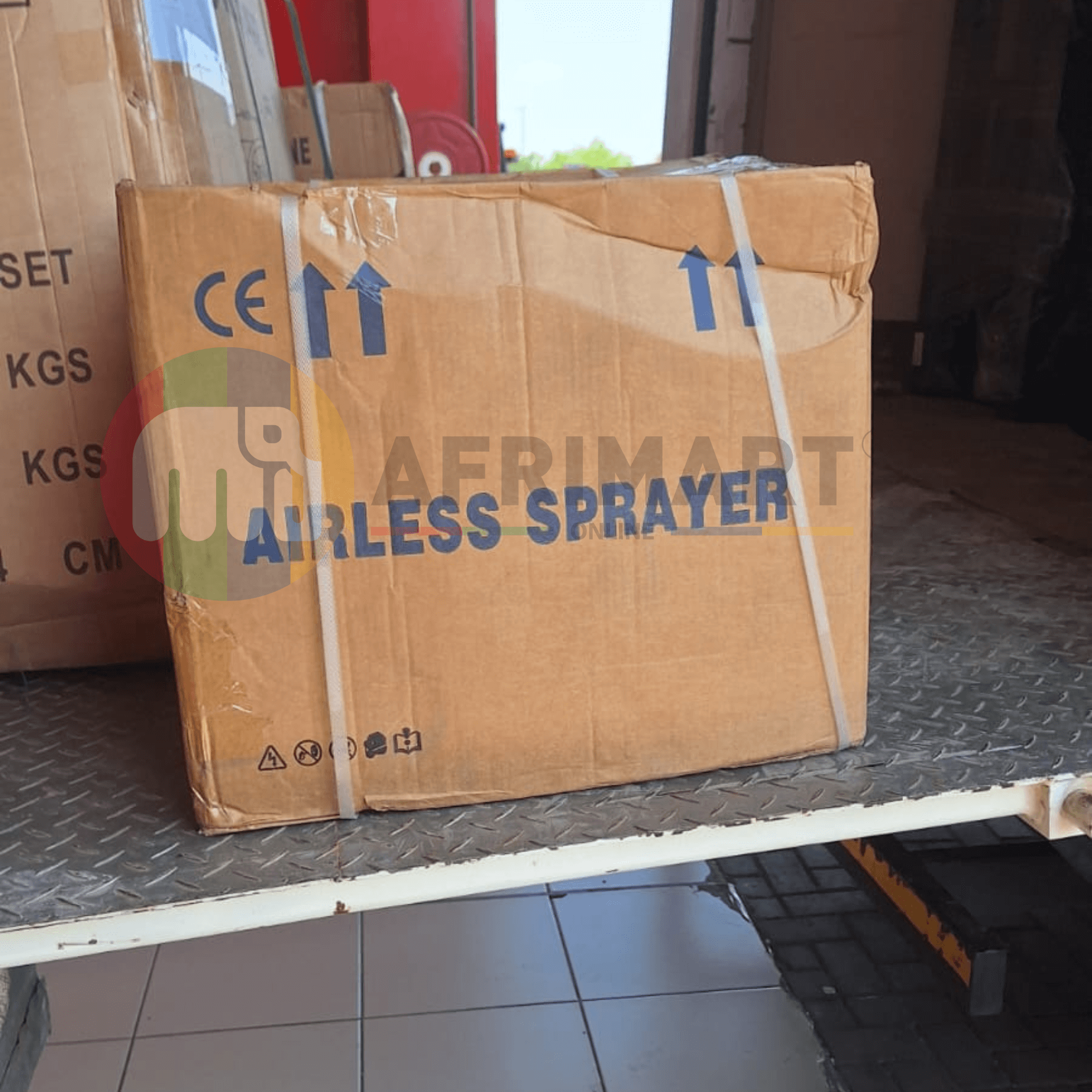
Latest Arrivals
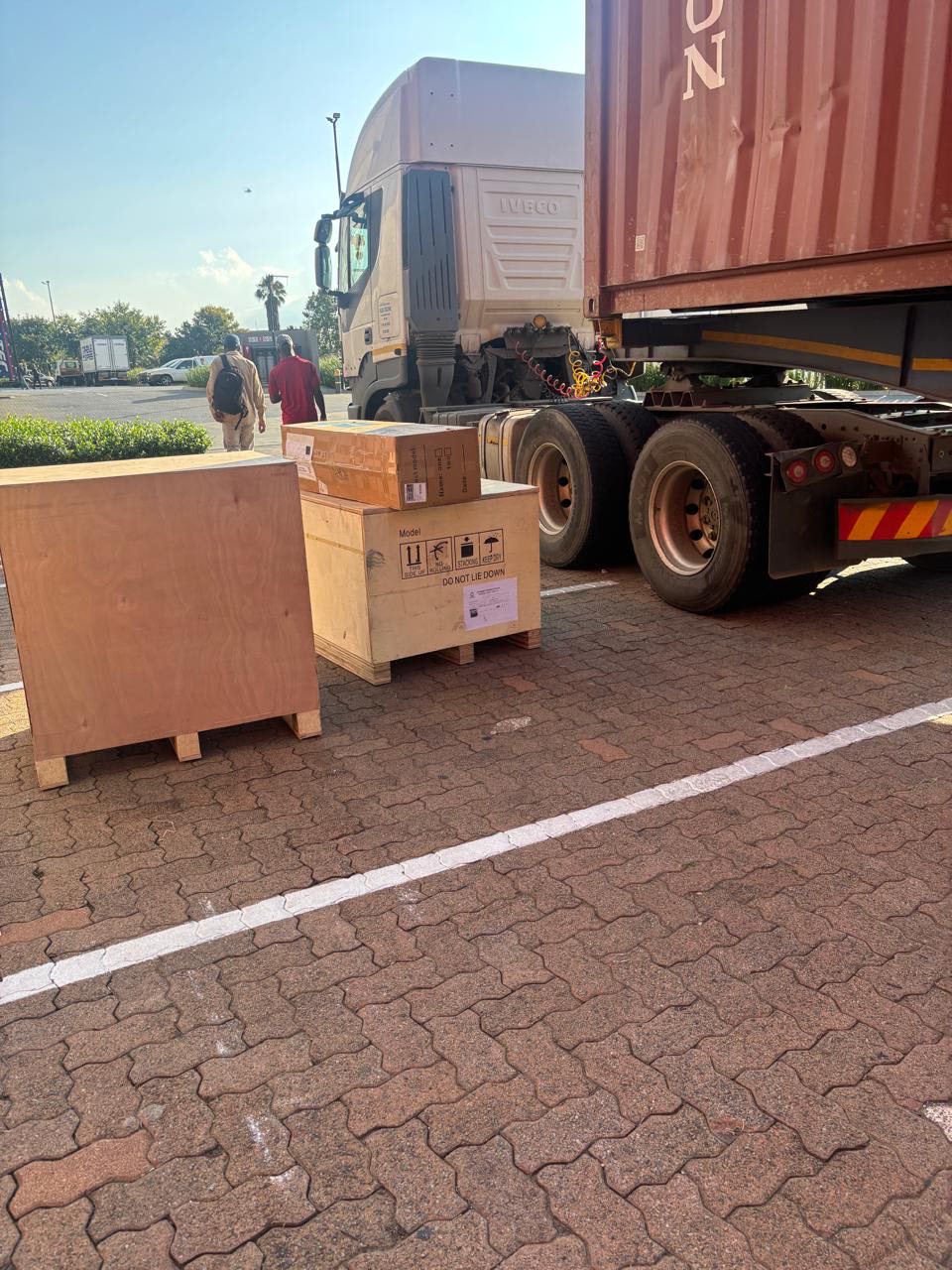
26 January 2026
Toilet paper making machine
Toilet paper making machine
Toilet paper Rewinding Machine
latest arrivals
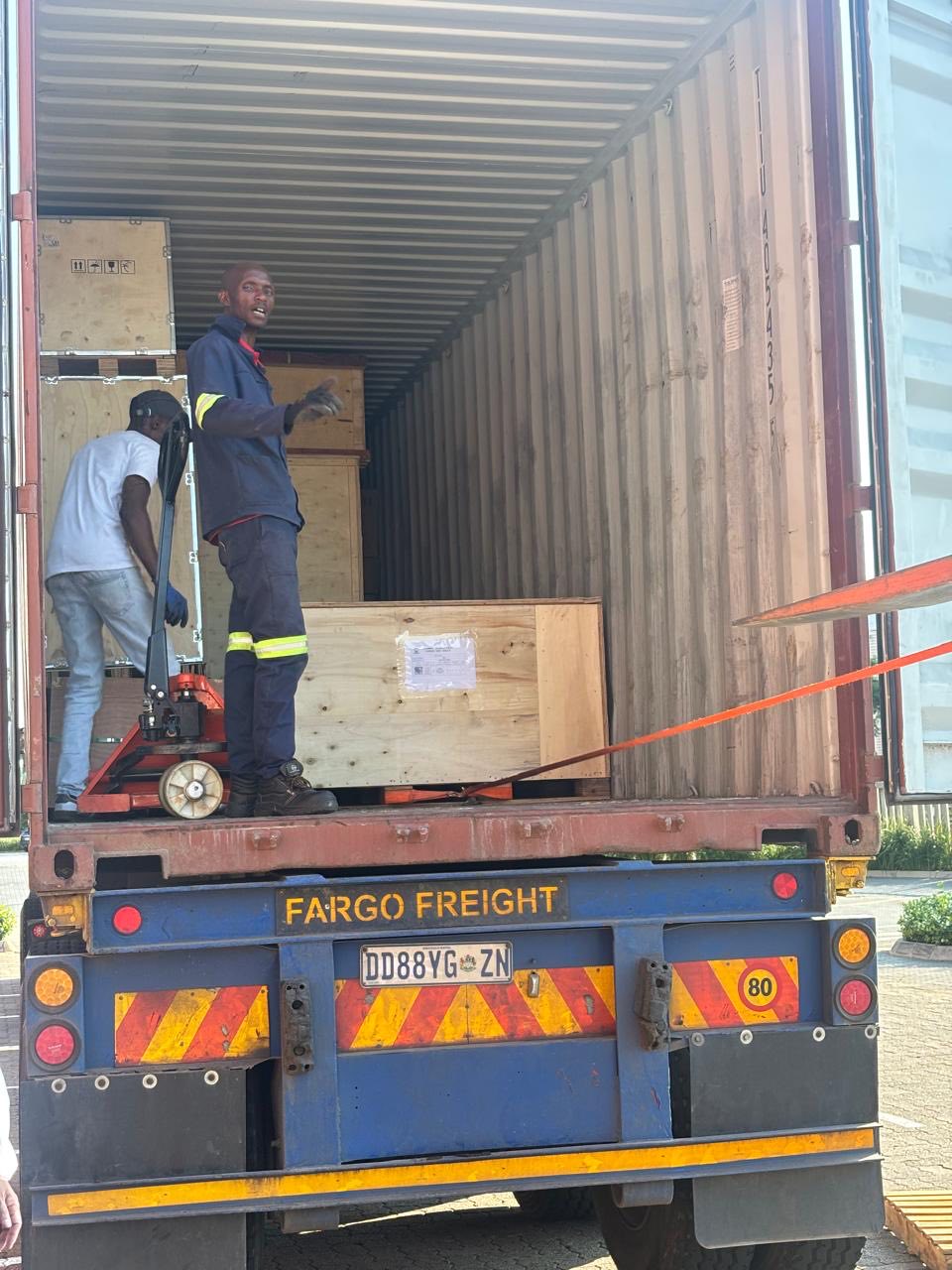
offloading
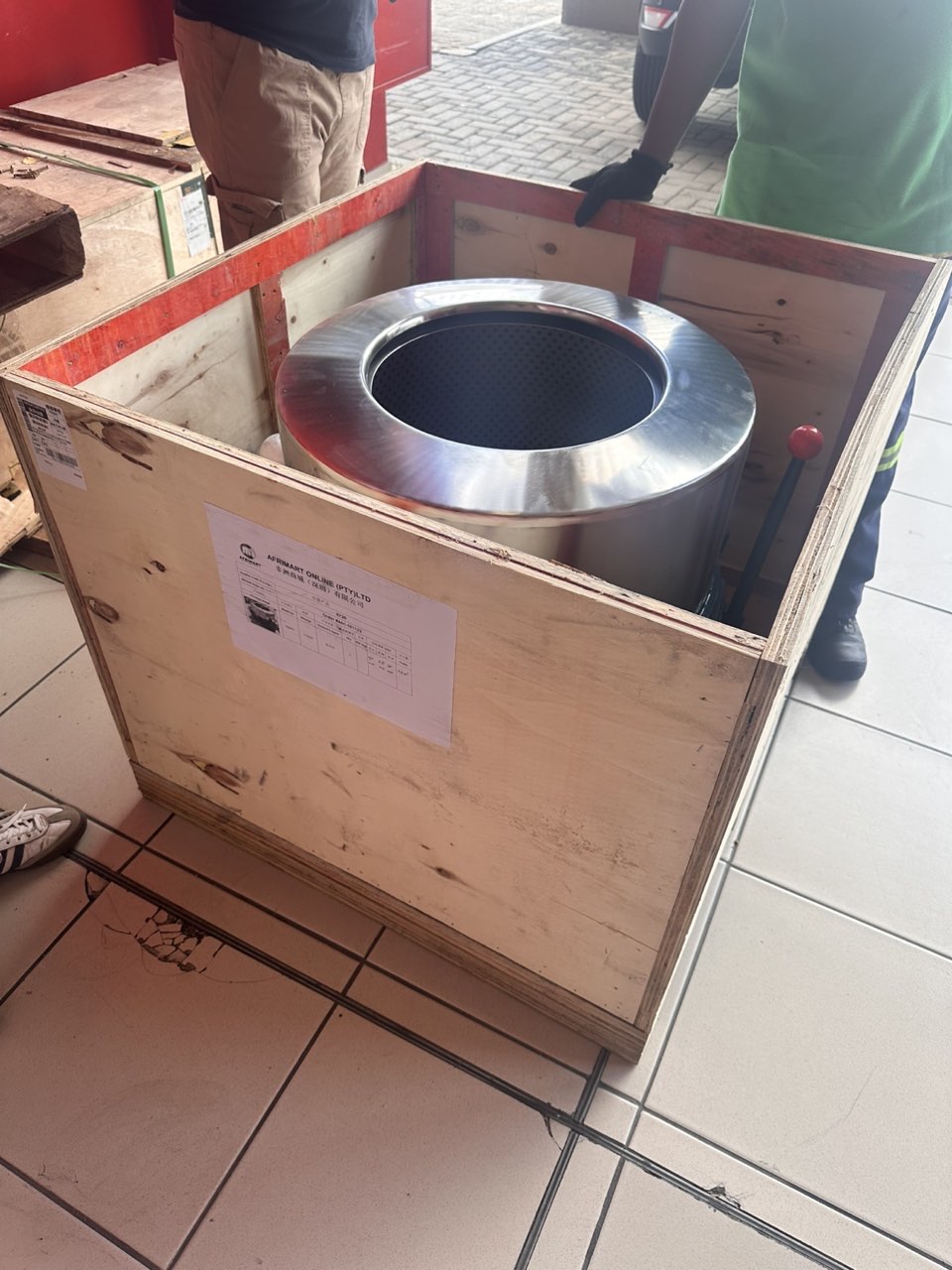
order success
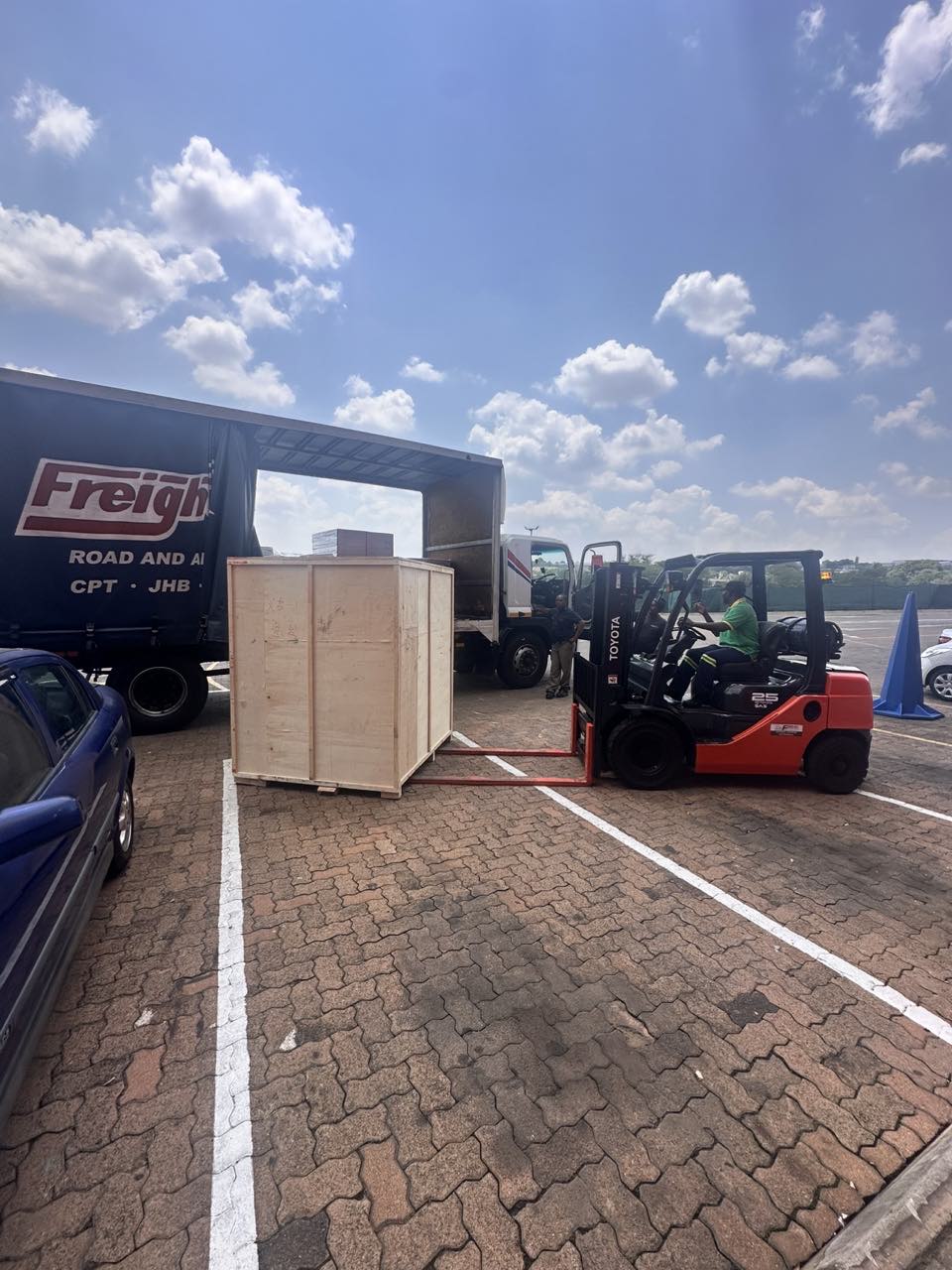
order collection
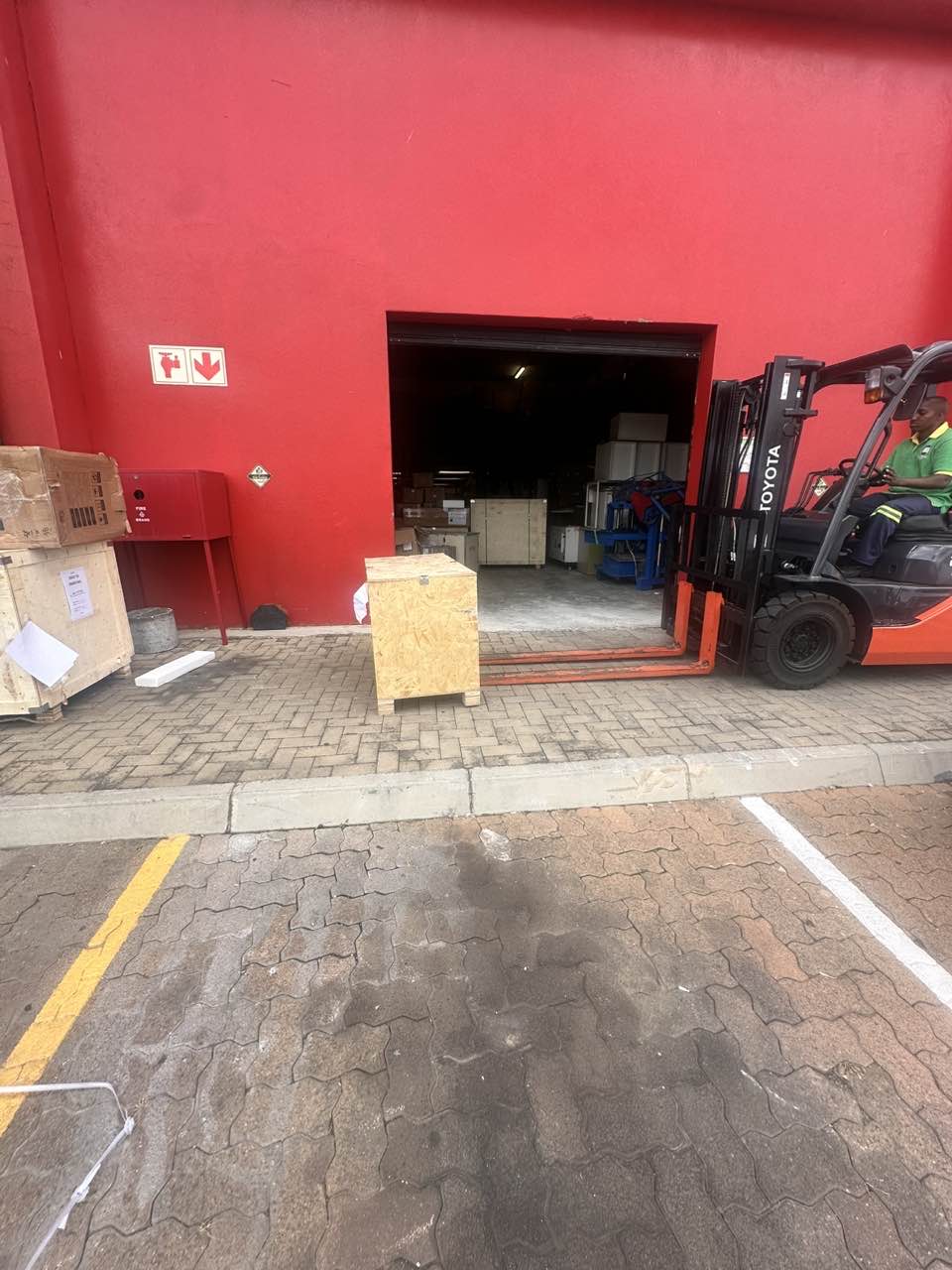
order offloading