B21, China Town Mall, Midrand

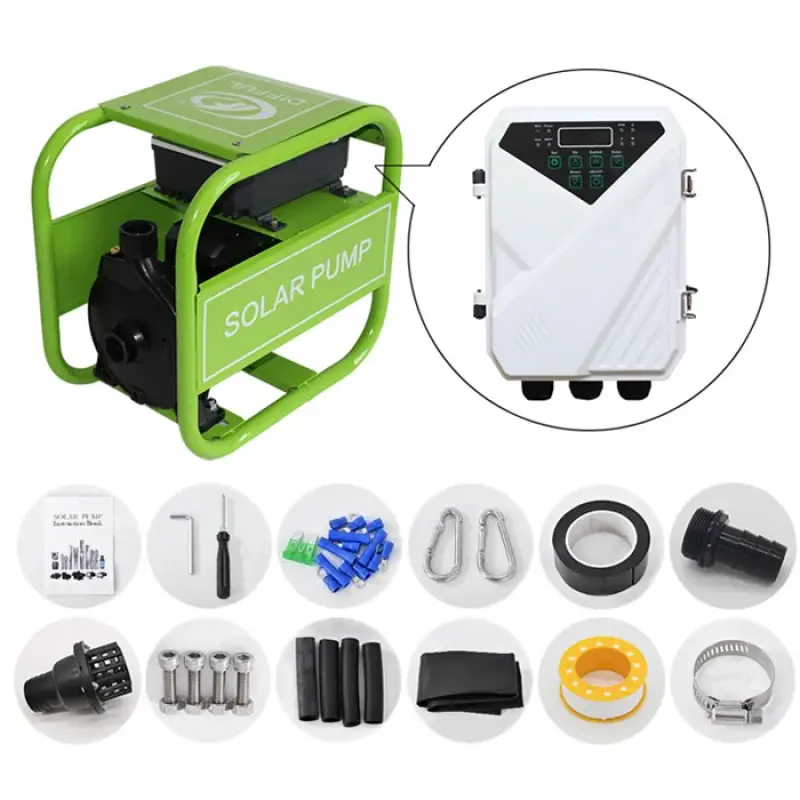
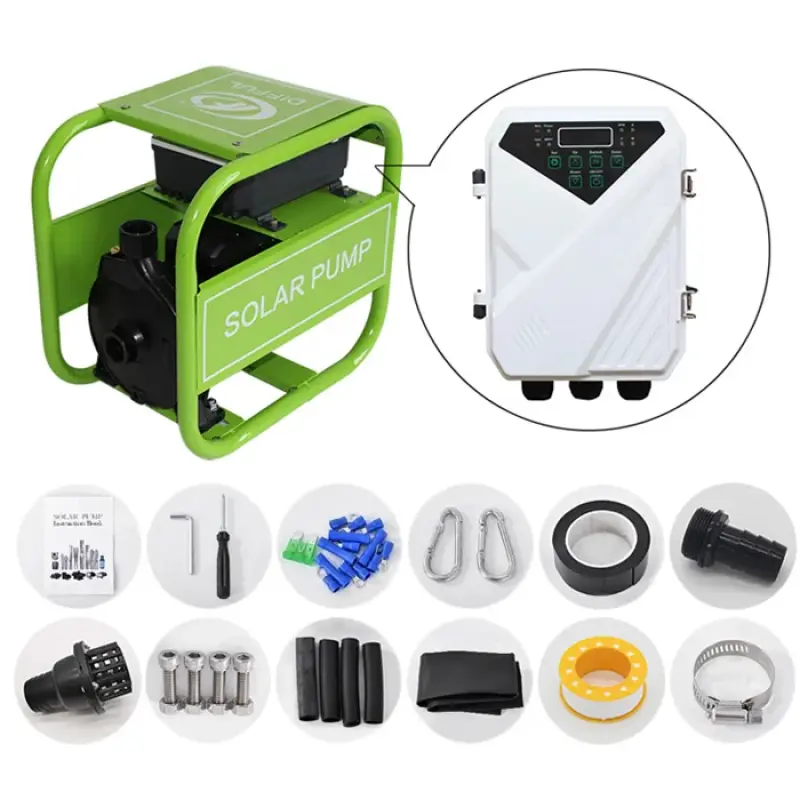
26m3/H Solar Water Pump For Irrigation (DCMP26-15-72-1100)

- Section : Electrical & Tools
- Category : Solar Water Pump
- SKU : 1600591700238

Product Description


Advantage and application
- Shipping Timeframes: All orders are processed within 2-5 business days (excluding weekends and holidays). After your order has been processed, the estimated delivery time is before 11 Mar, 2026, depending on customs, Please note that due to high demand, some items may experience longer shipping times, which will be communicated at order confirmation email.
- Order Processing Time: Please allow 2-5 business days for us to process your order before it is shipped . Orders placed after 16:00 on Fridays, or during weekends and public holidays, will begin processing on the next business day. Processing times may be extended during peak seasons or sales events.
- Manufacturing Time: Some products needs manufacturing time, the manufacturing process will take approximately 10-30 business days depending on the product. This timeframe may vary depending on the complexity of the product and current demand. but this will be communicated with you during order confirmation.
- Returns and Exchanges: We offer a 30-day return policy for most items. If you are not completely satisfied with your purchase, you may return it within 30 days of receipt for a refund or exchange. Items must be unused, in their original packaging, and accompanied by proof of purchase. Return shipping costs are the responsibility of the customer, unless the item was damaged or defective upon arrival.
1. What is the rated flow rate of the DCMP26-15-72-1100 solar water pump?
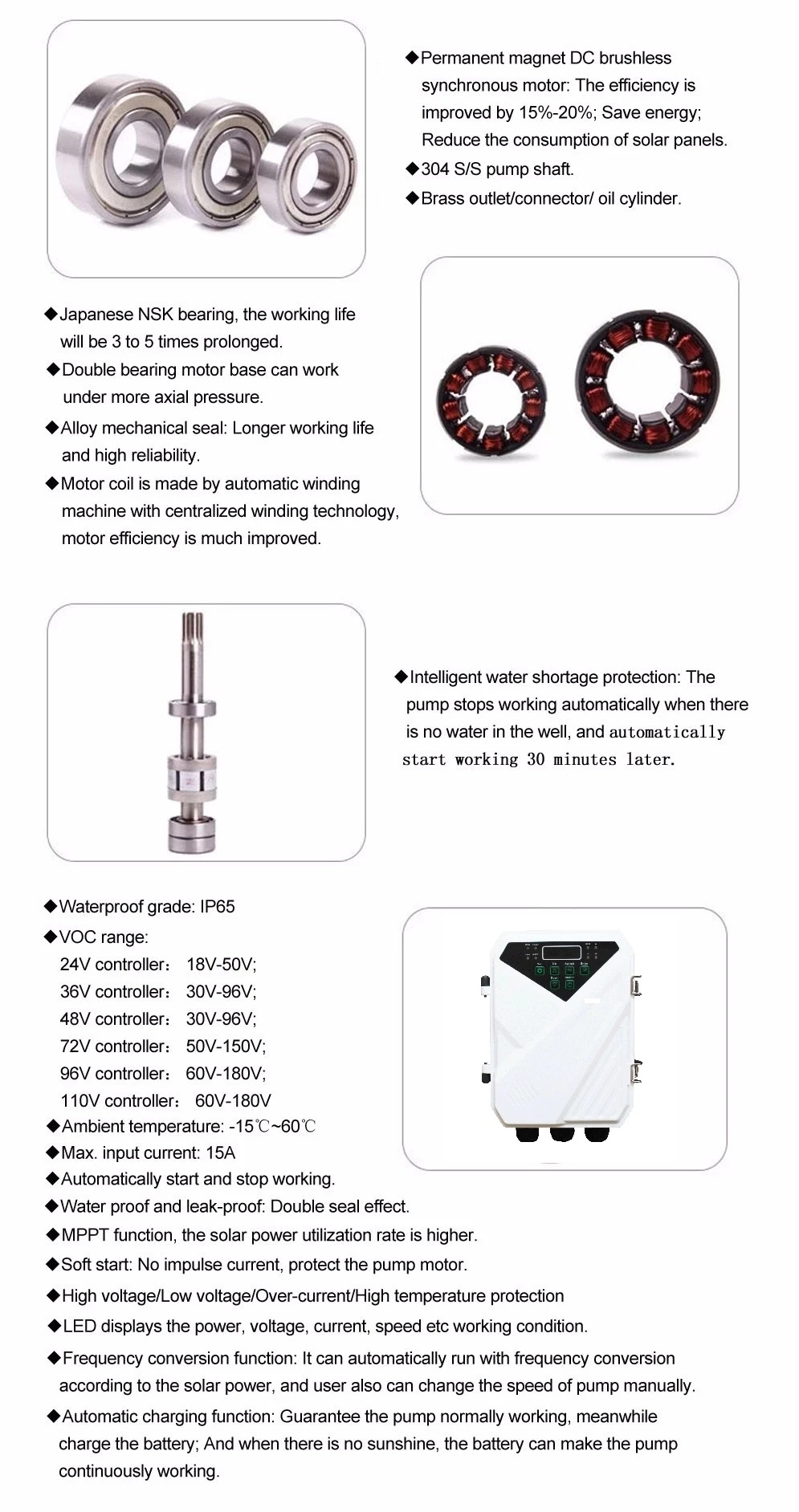
As indicated in the product name, this model is rated to deliver up to 26 m3/h (26 cubic meters per hour) under appropriate operating conditions. Actual flow will vary with system head and solar irradiance.
2. Is this pump suitable for irrigation?
Yes. The DCMP26-15-72-1100 is designed for irrigation applications such as field irrigation, drip systems, orchard watering, greenhouse use, livestock watering and moving water from a well, pond or reservoir to the irrigation system.
3. What do the model numbers (26-15-72-1100) mean?
The model string commonly encodes key parameters: '26' refers to the nominal flow (26 m3/h). '15' typically indicates a reference head (often ~15 m), '72' often denotes system voltage (72 V DC), and '1100' often approximates rated input power (~1100 W). You should confirm exact values on the official datasheet or with the supplier.
4. What type of power source does this pump require?
This is a DC solar water pump designed to operate from a PV array through an appropriate solar controller/MPPT. It is optimized to run directly off solar panels but can also work with batteries or through an inverter depending on system design.
5. Do I need a battery for the pump to work?
A battery is optional. For daytime-only irrigation when sun is sufficient, the pump can run directly from the PV array with a proper MPPT controller. If you need pumping at night, during low-sun periods or want stable flow, add a battery storage system sized for the pump's energy consumption.
6. How large should the solar array be to run this pump?
Array size depends on the pump's actual input power, local peak sun hours and system losses. As an example, if the pump requires about 1,100 W to operate at rated point and you have 5 peak sun hours, you would typically need roughly 1.4–1.8 kW of PV (to allow for controller losses and variance). Always calculate using the pump's exact power draw and local irradiance and consult the manufacturer for a recommended PV sizing.
7. Does the pump come with a solar controller or MPPT?
Check the specific product package; some suppliers include an MPPT solar controller while others sell it separately. An MPPT controller is recommended because it maximizes energy harvest and stabilizes pump performance across varying irradiance.
8. Can this pump lift water from a well or pond (suction lift)?
Yes, the pump can be used with wells or ponds, but suction-lift capability depends on installation and pump configuration (surface pump vs submersible). Verify the maximum suction lift and priming requirements in the datasheet—for deep wells a submersible version or appropriate placement is usually required.
9. How does head affect flow rate?
Flow and head are inversely related. The pump's flow is highest at low head and decreases as system head (vertical lift + friction losses) increases. Consult the pump performance curve (flow vs head) to find expected flow at your system head.
10. What materials are used and is the pump corrosion-resistant?
Solar irrigation pumps are typically built with corrosion-resistant materials such as stainless steel and engineered plastics for wetted parts. Verify the exact materials and suitability for saline or abrasive water with the supplier or datasheet.
11. What maintenance does the pump require?
Routine maintenance usually includes checking and cleaning filters/strainers, inspecting intake screens, verifying electrical connections and controller settings, and periodic inspection of seals and bearings. Frequency depends on water quality and usage—more frequent checks for sediment-laden sources.
12. Is the pump protected against dry-run and overload?
Many solar pump systems include dry-run protection and electronic protections in the MPPT/controller to prevent motor damage. Confirm whether these protections are integrated or provided as optional accessories with this model.
13. Can this pump be used with drip irrigation and sprinkler systems?
Yes. When paired with proper pressure regulation (pressure tanks, pressure pumps or pressure controllers) and filtration (for drip systems), this pump can supply water for drip, micro-sprinklers or sprinkler irrigation. Ensure the system pressure and flow match irrigation requirements.
14. How do I choose the correct model for my farm?
Start by defining required flow (m3/h) and total dynamic head (vertical lift + pipe friction). Compare those with the pump performance curve to ensure the model can deliver needed flow at your head. Also consider daily irrigation volume, solar resource, and whether you need storage/batteries. When in doubt, provide your site data to the supplier for sizing assistance.
Latest Order Arrivals
Discover our latest orders
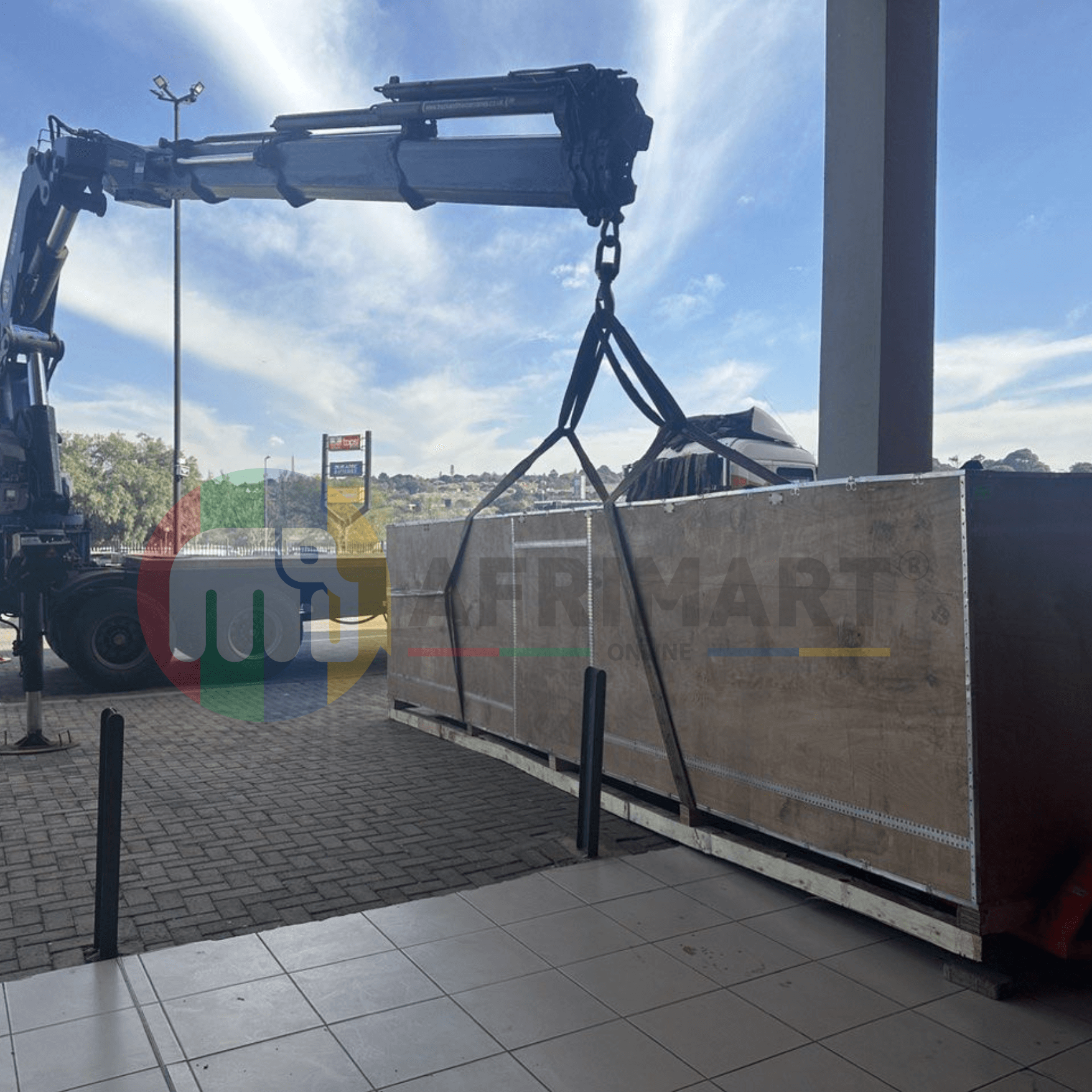
12 Heads Embroidery Machine
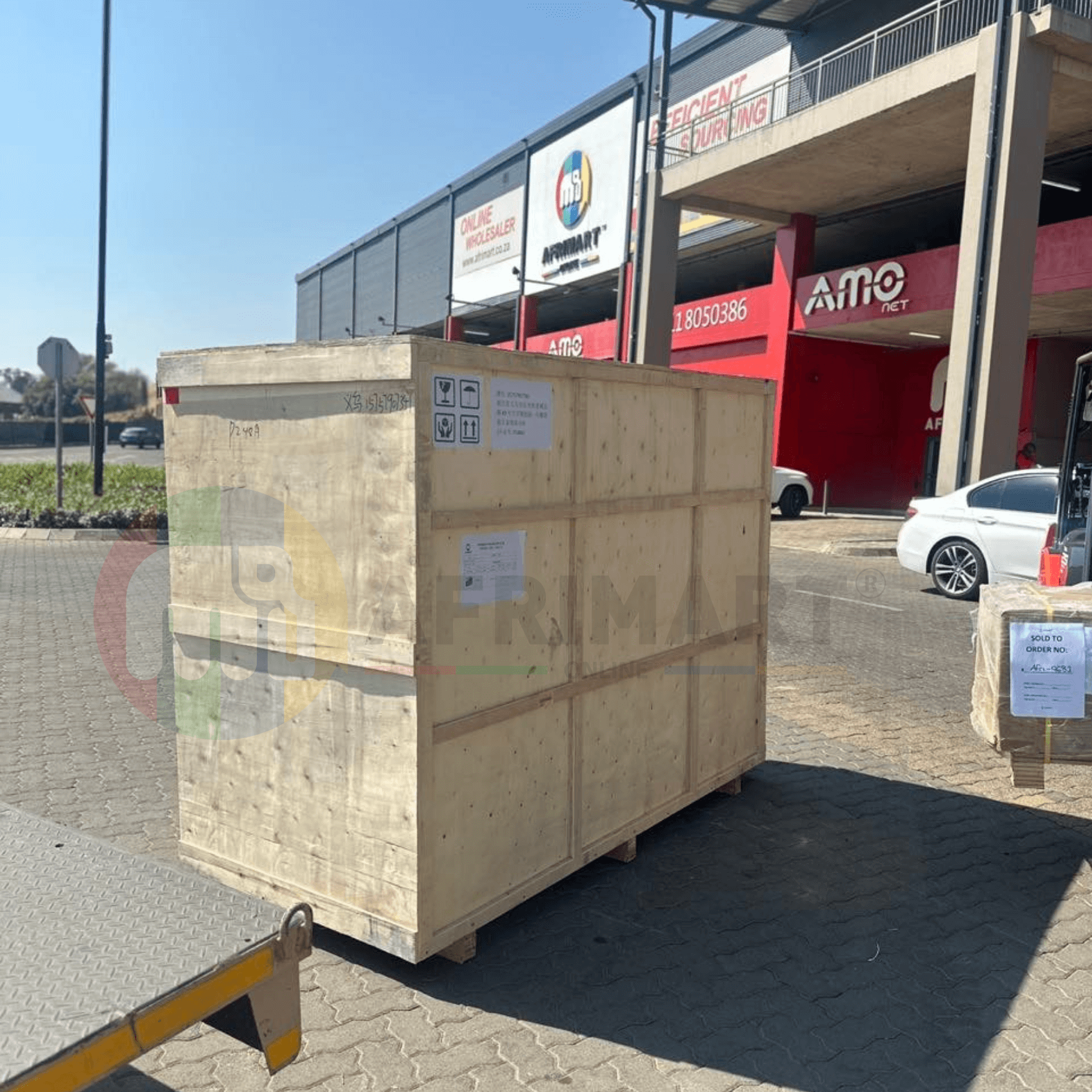
Dewatering Pump Machine
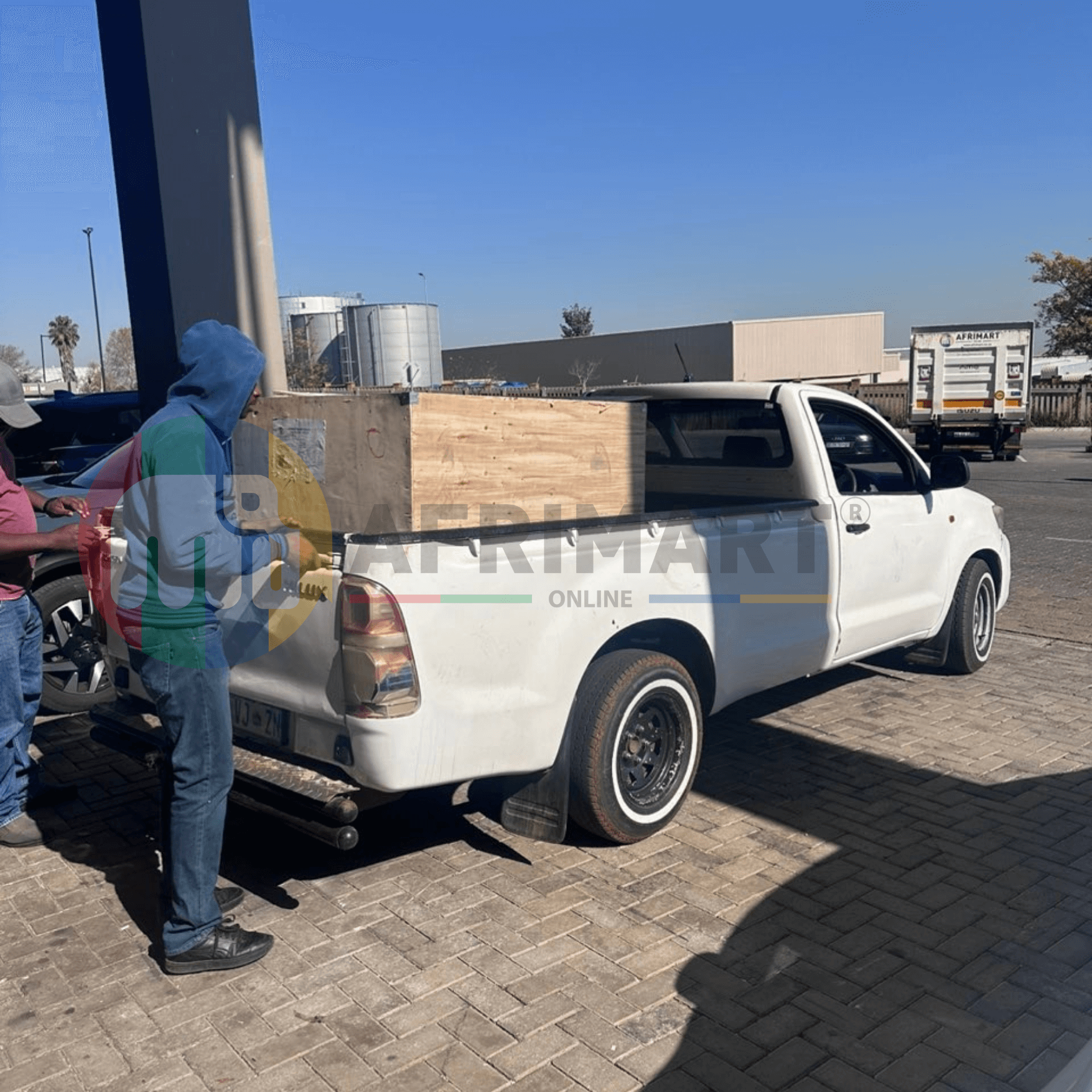
Order Collection
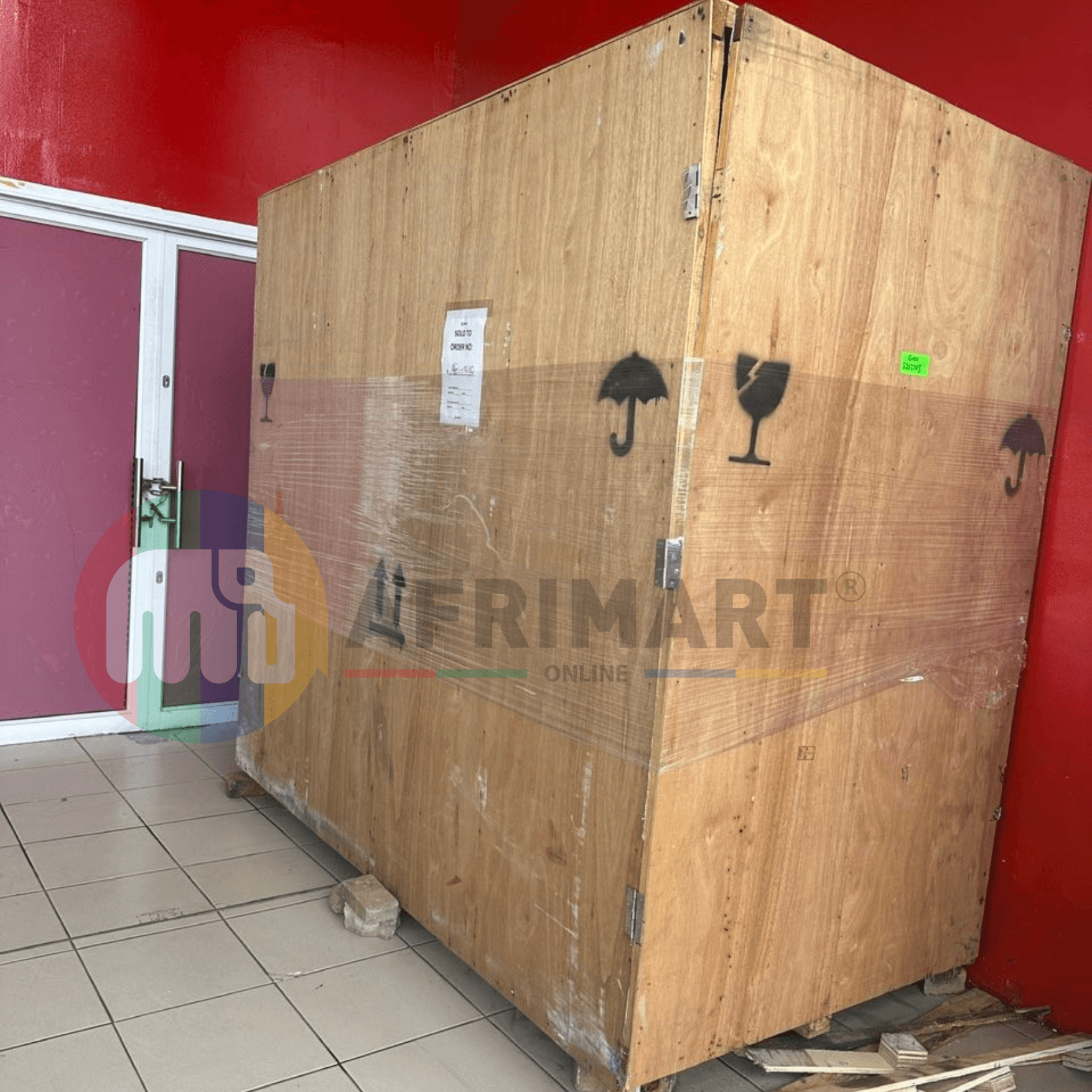
Portable Water Drilling Rig
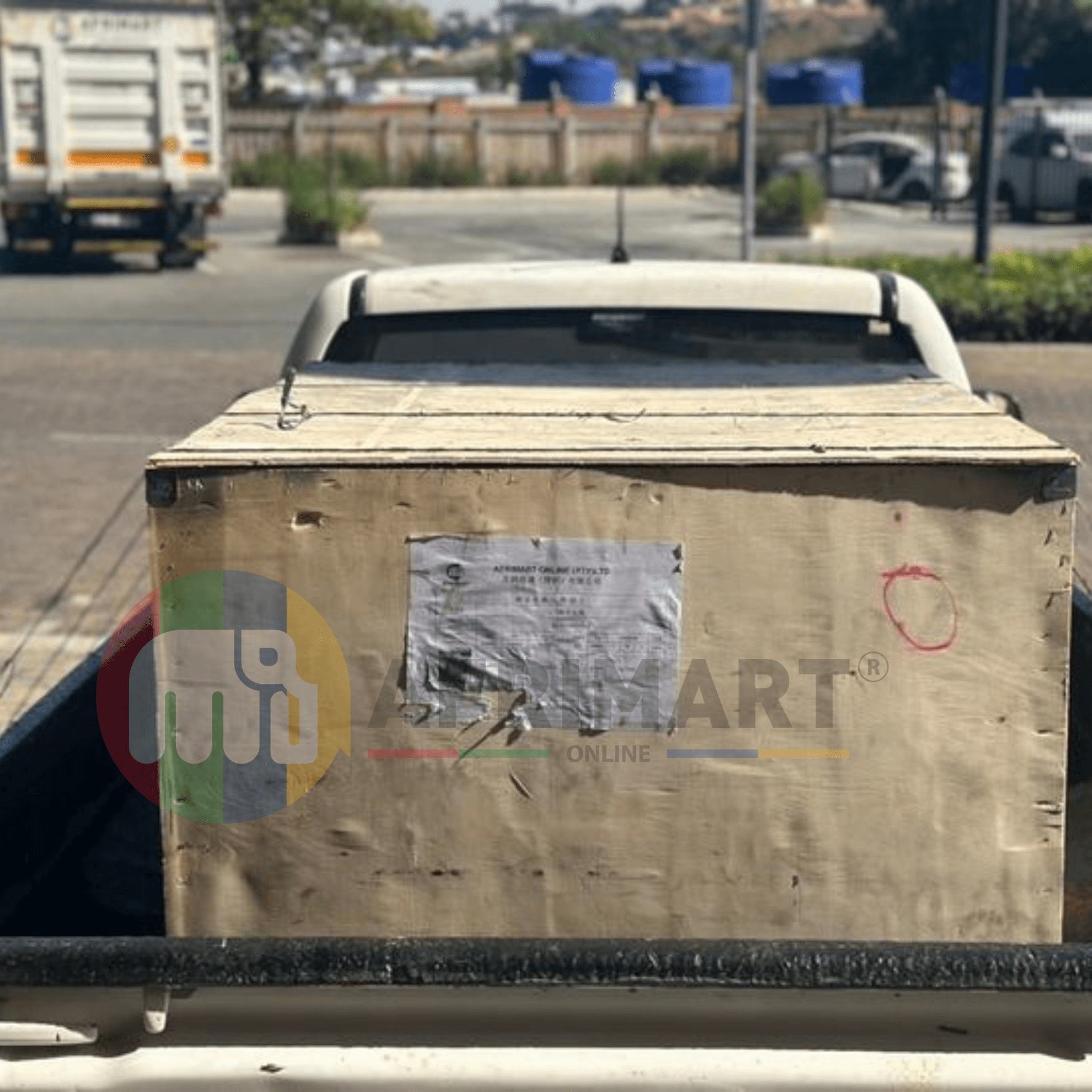
Order Usefully Collected
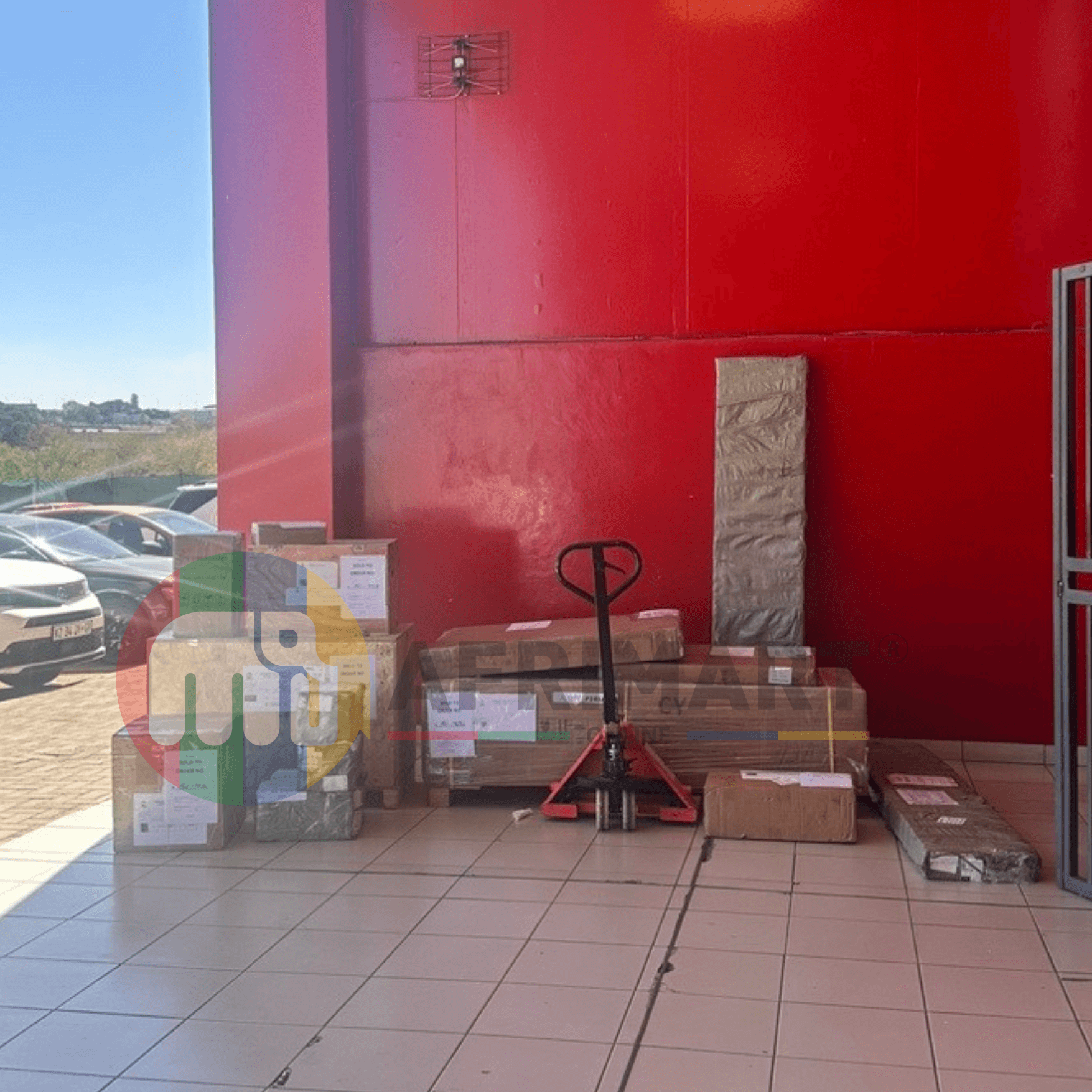
Batch of Orders
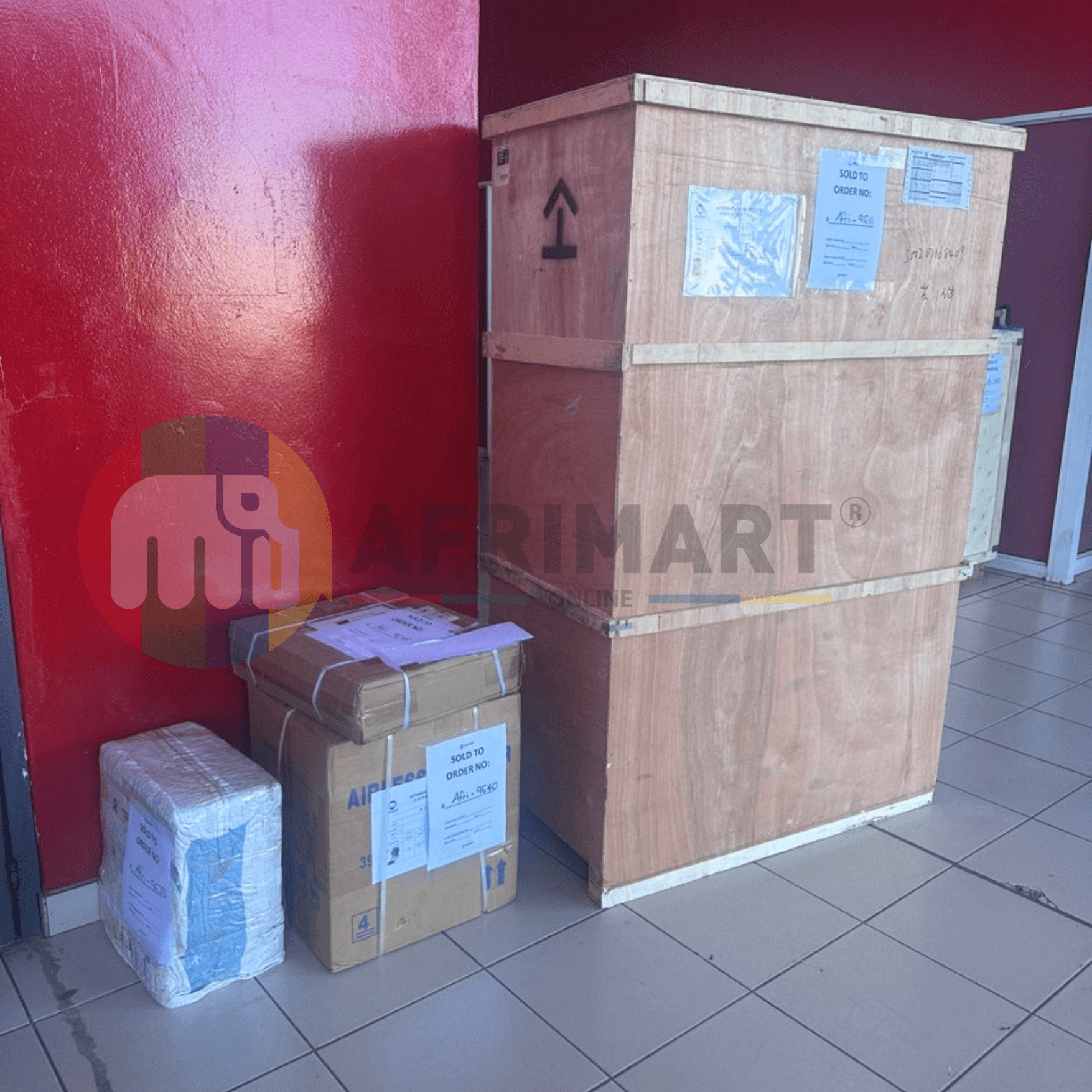
Agriculture Processing Machines
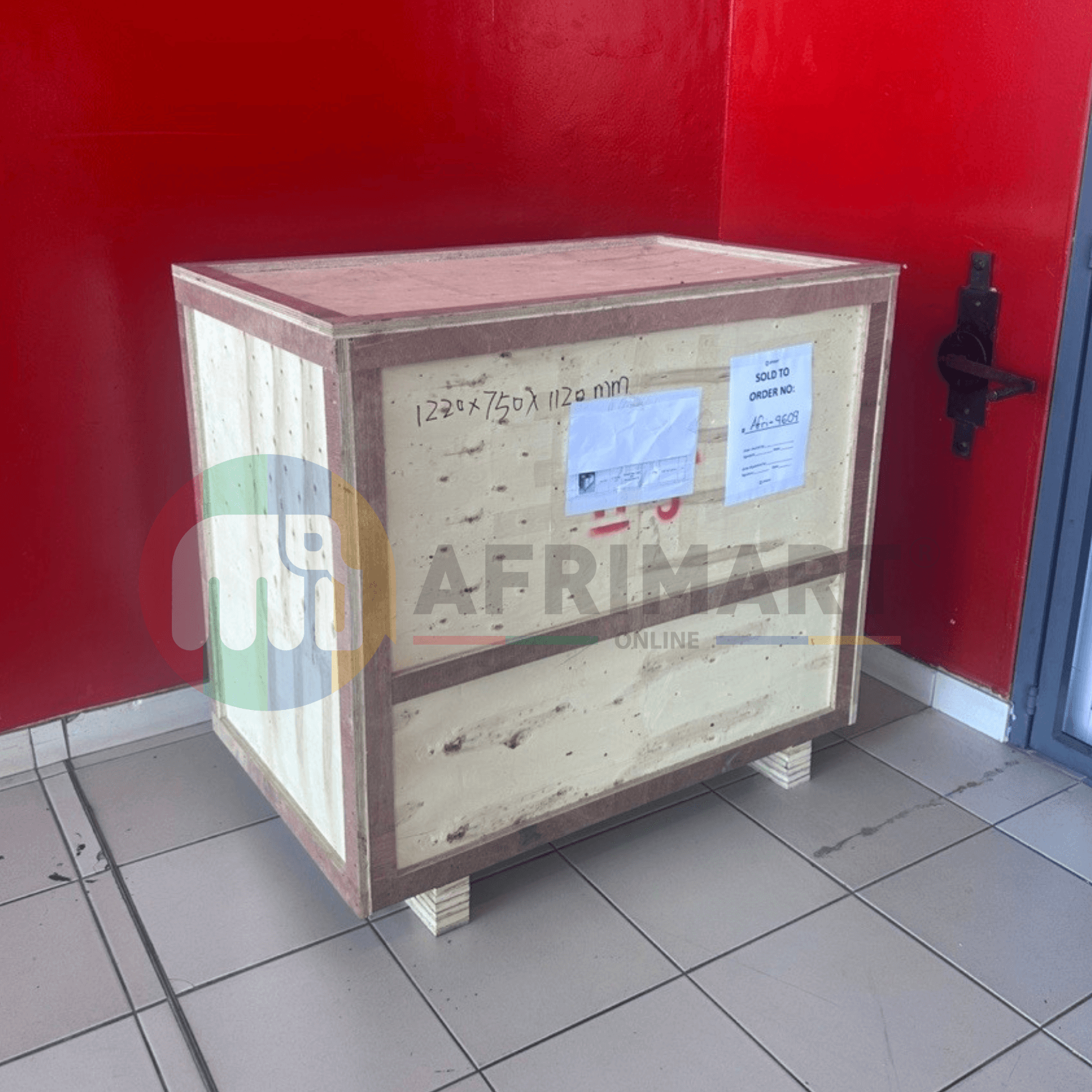
Meat Grinder Machine
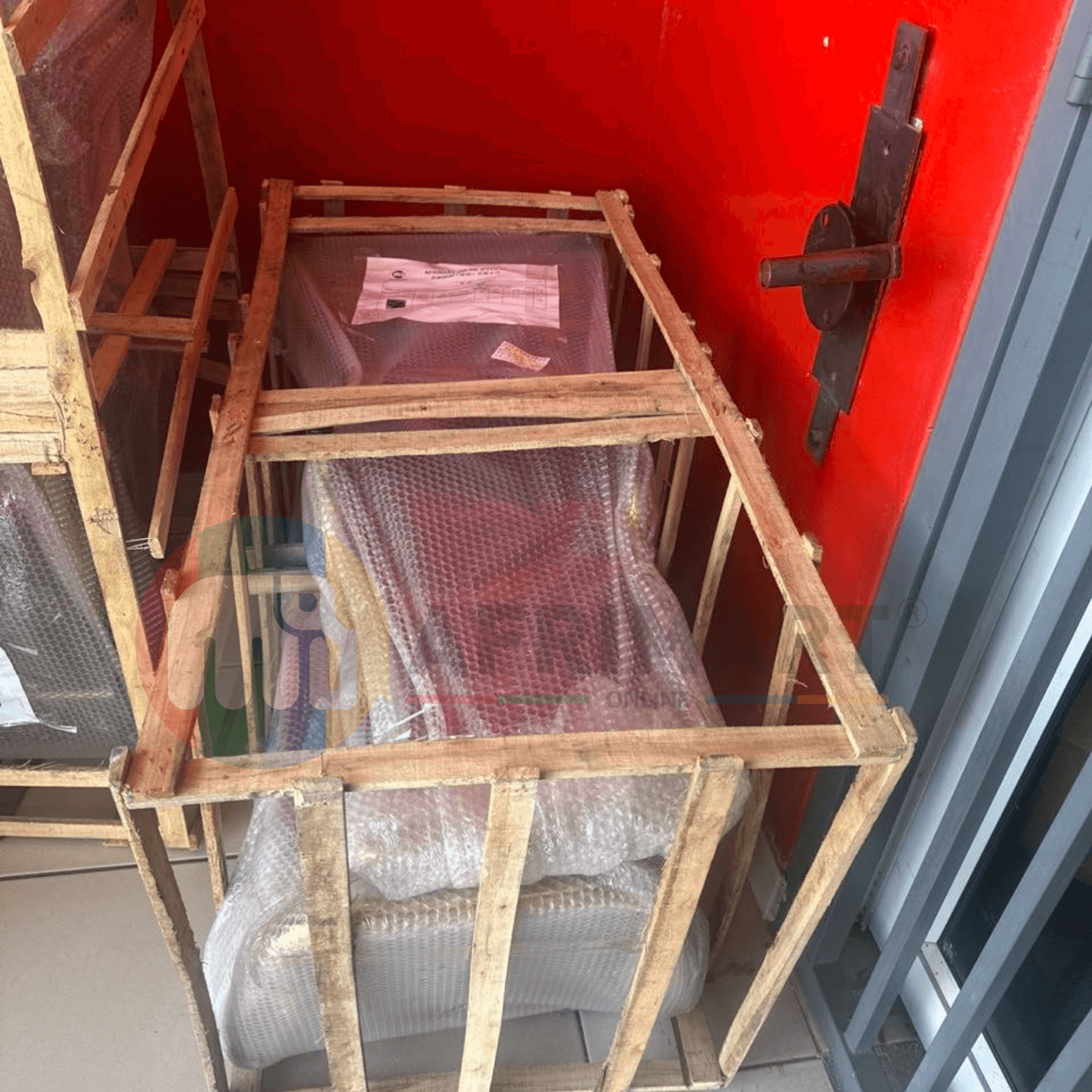
Water Pump Equipment
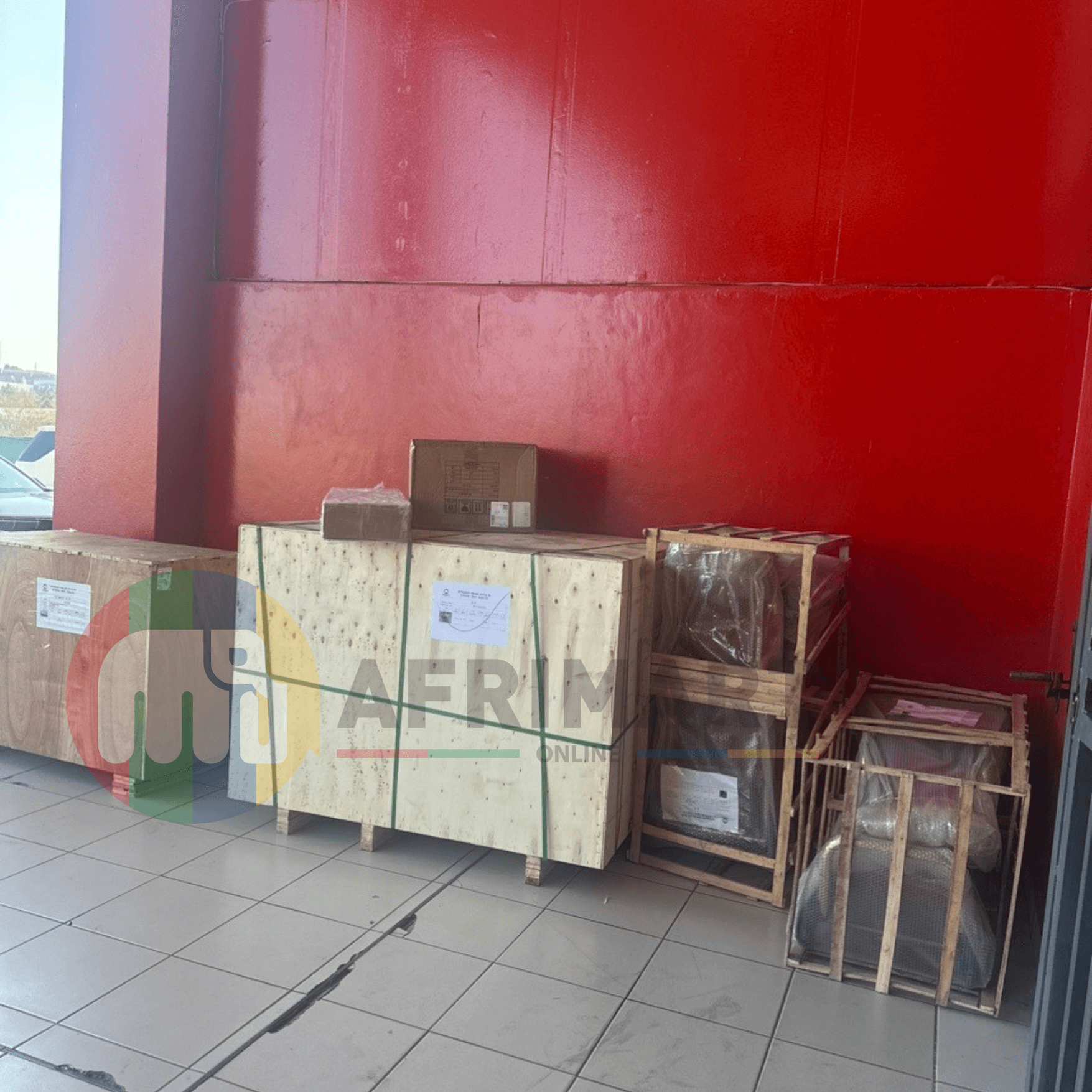
Packaging Machine and accessories
Fabrics Manufacturing Equipment
Mining Equipments
Food Processing Machine
Batch of Orders
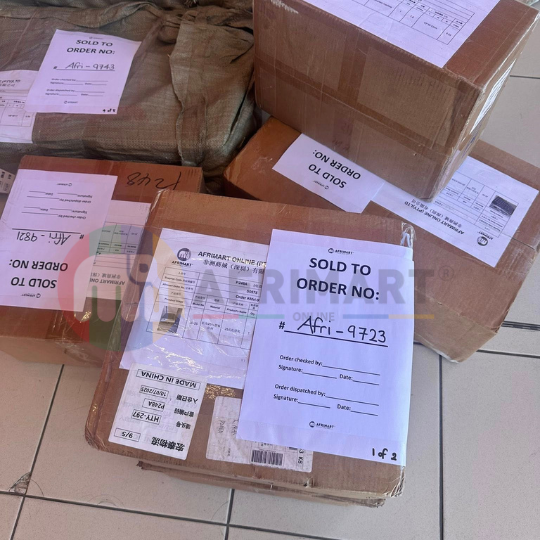
Batch of Orders
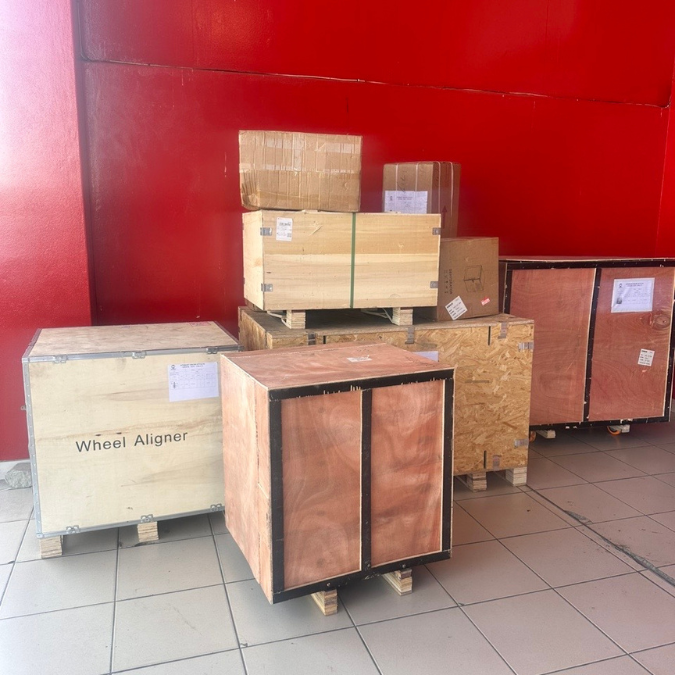
Latest Orders Labelled
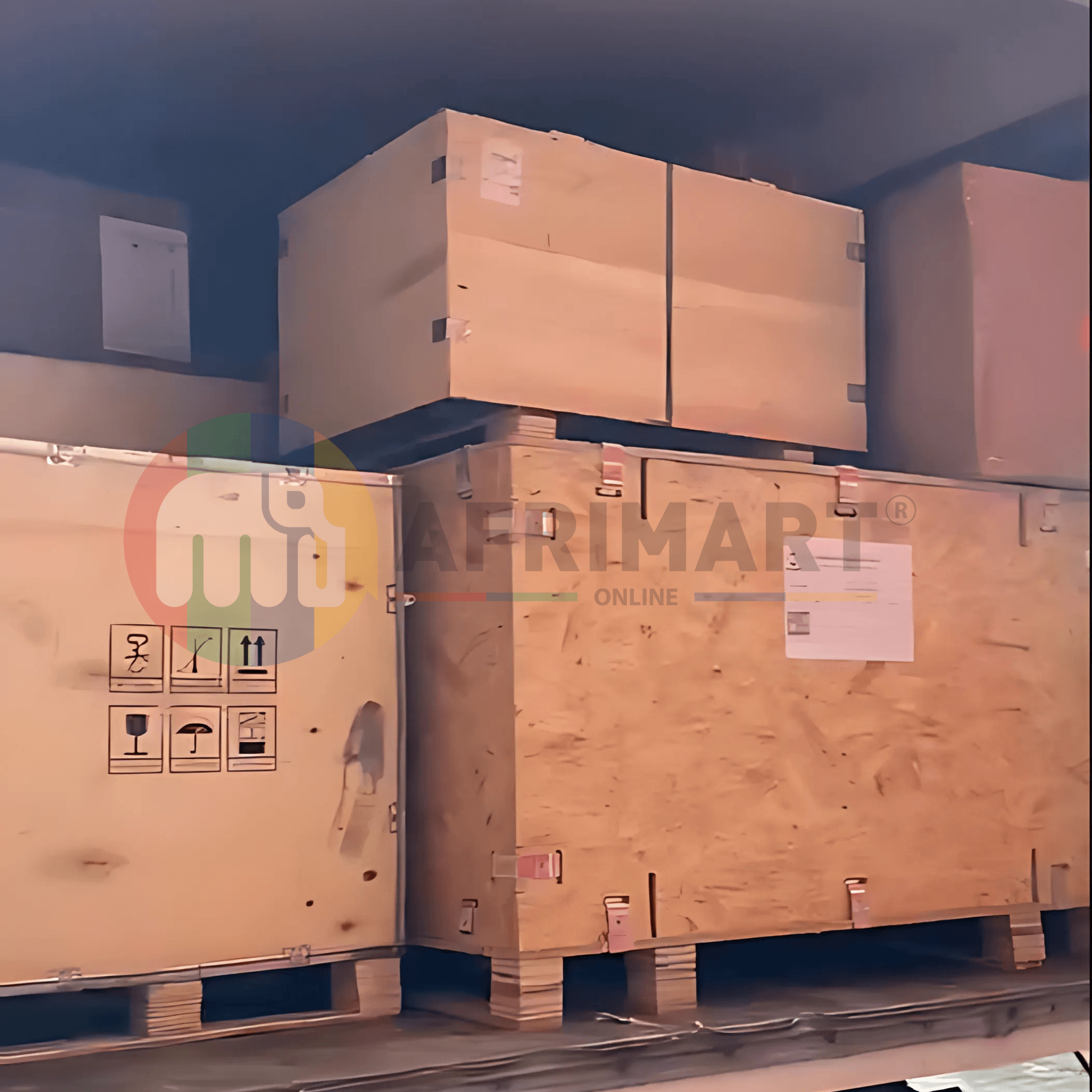
wheel alignment machines
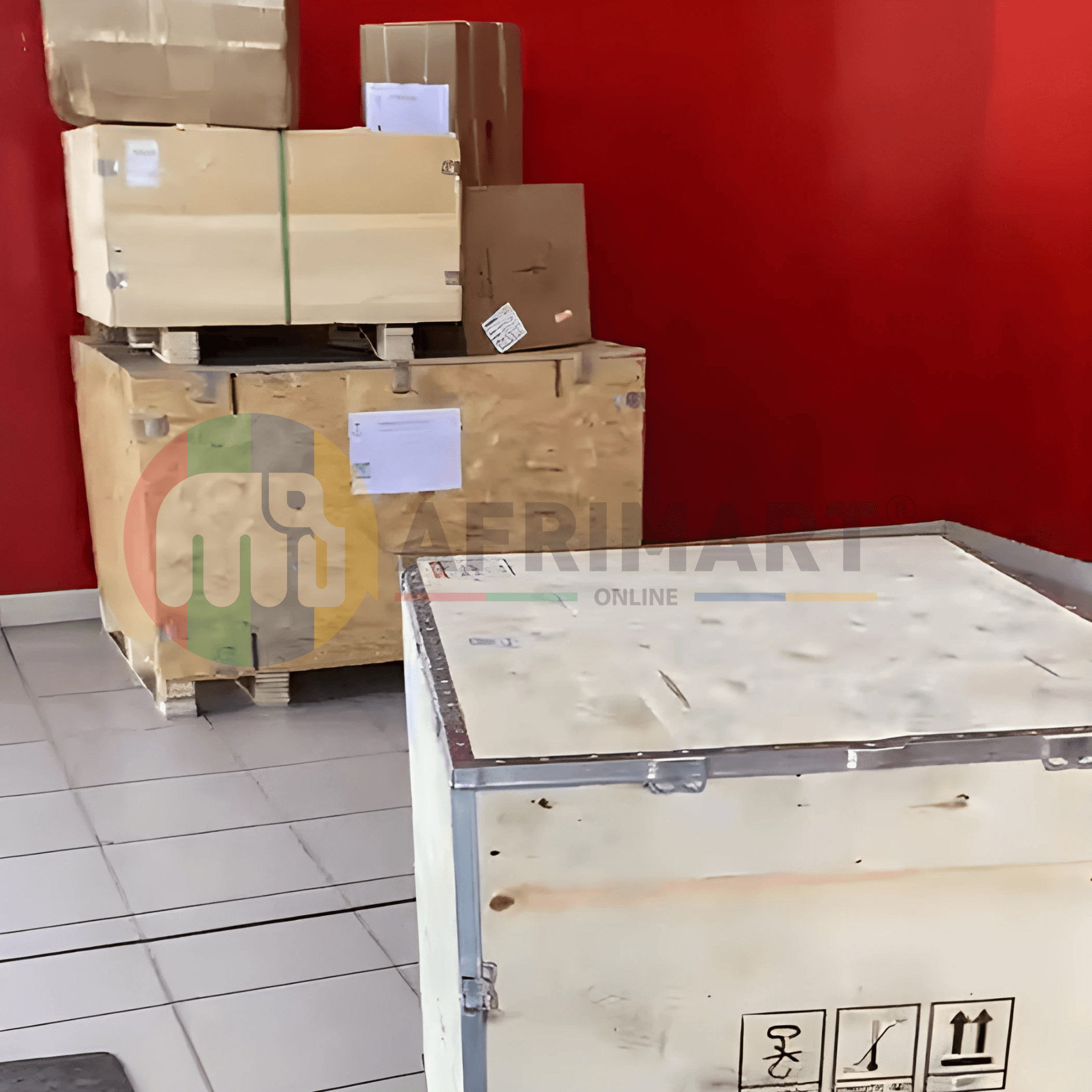
new arrivals
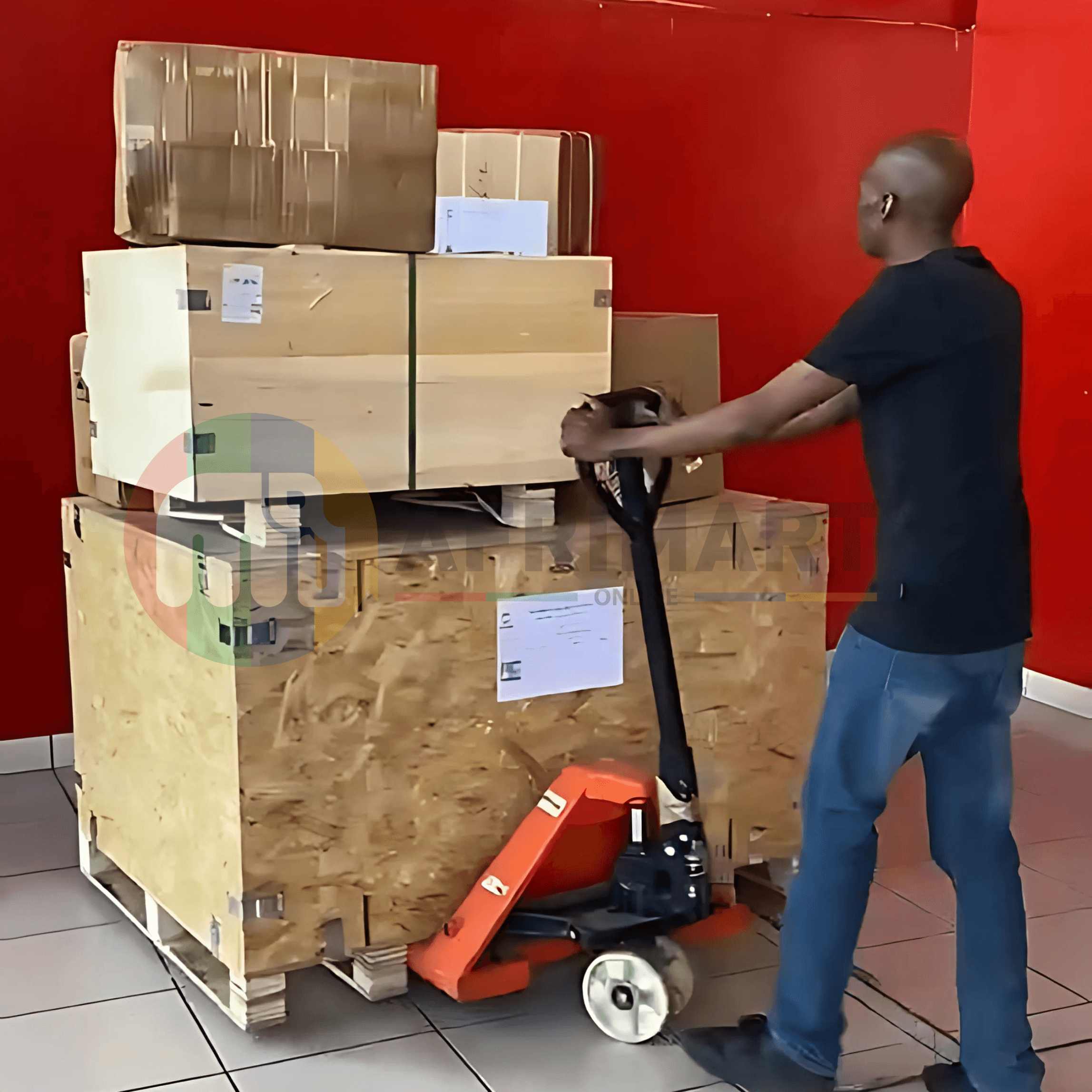
Pre Orders Offloading
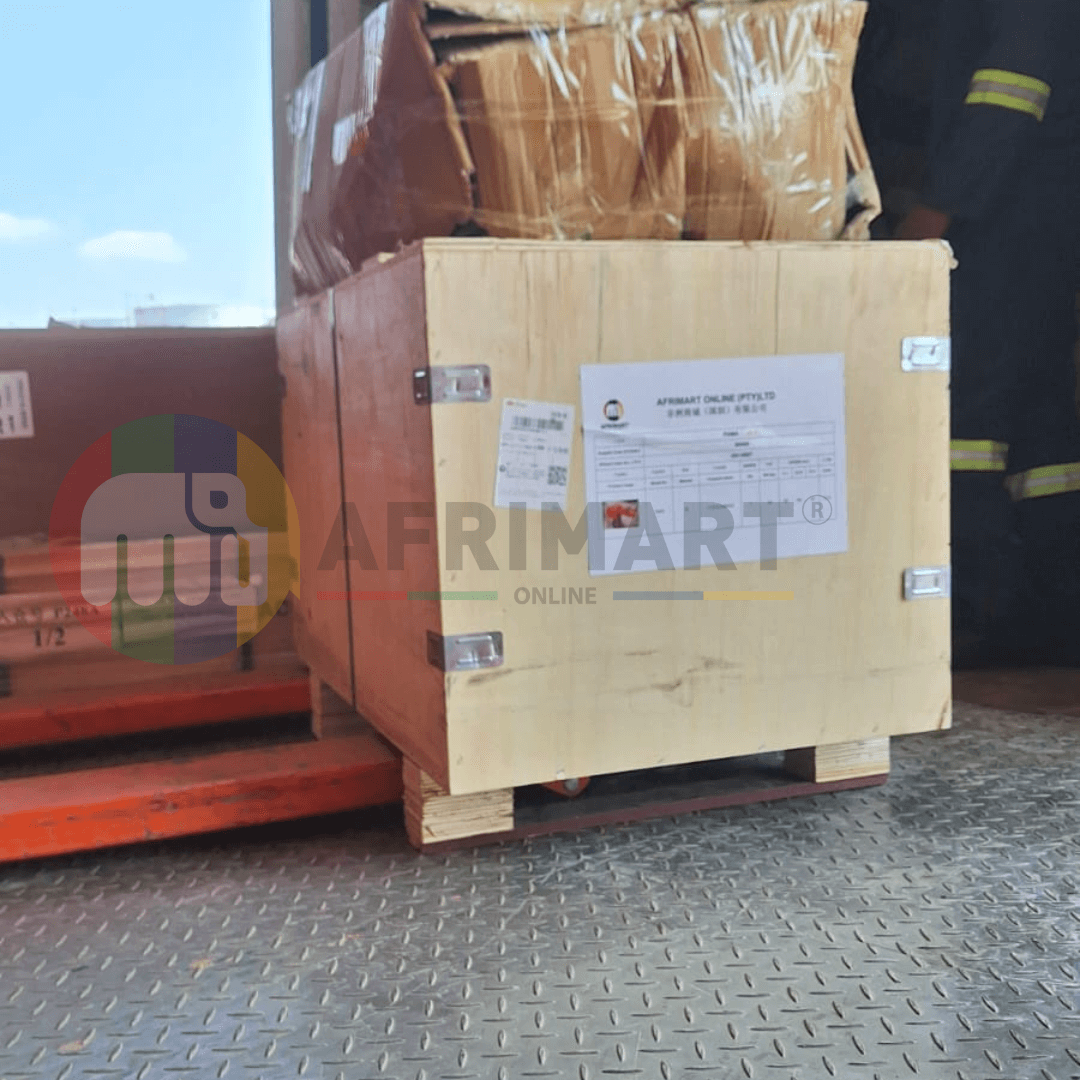
Latest Arrivals
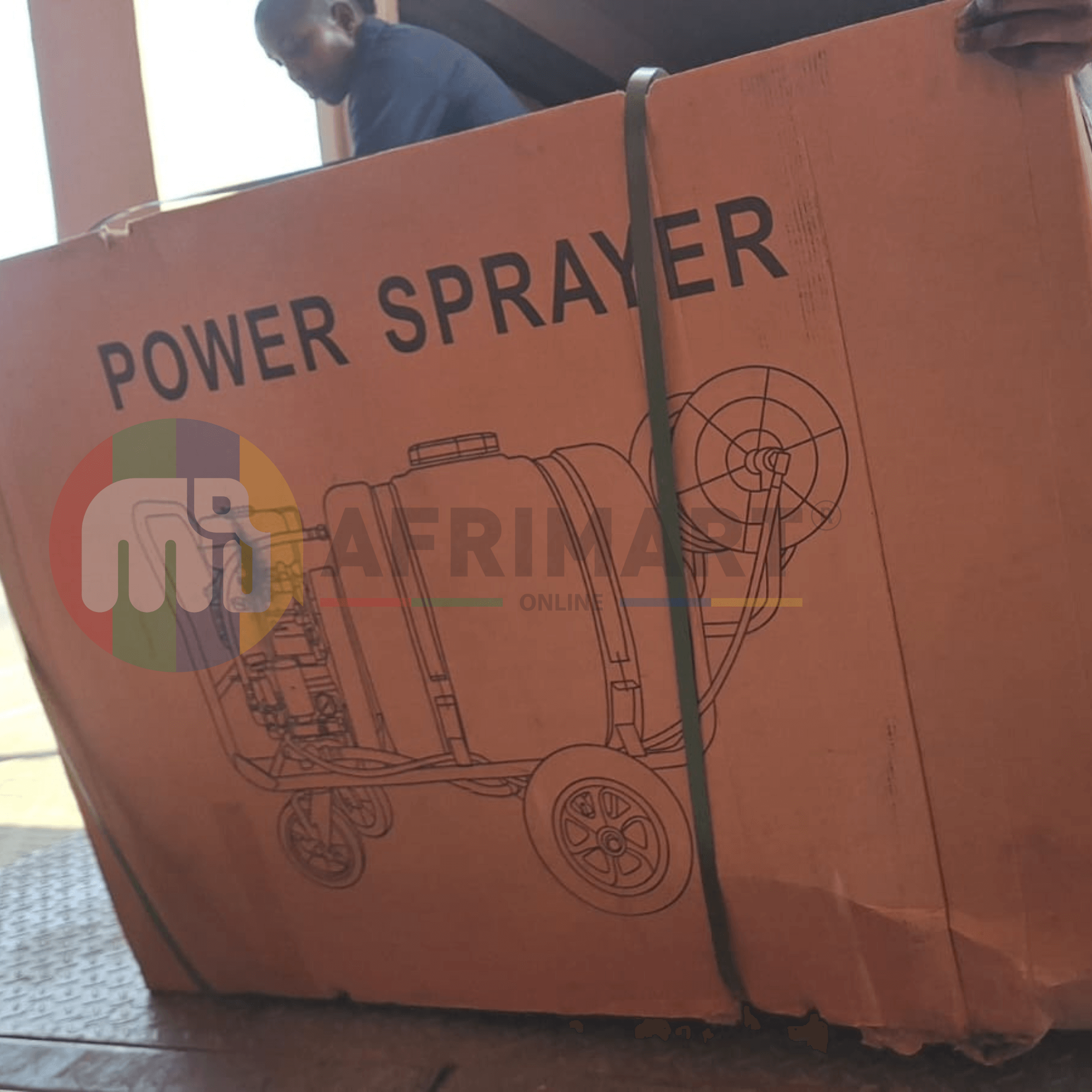
Latest Arrivals