B21, China Town Mall, Midrand

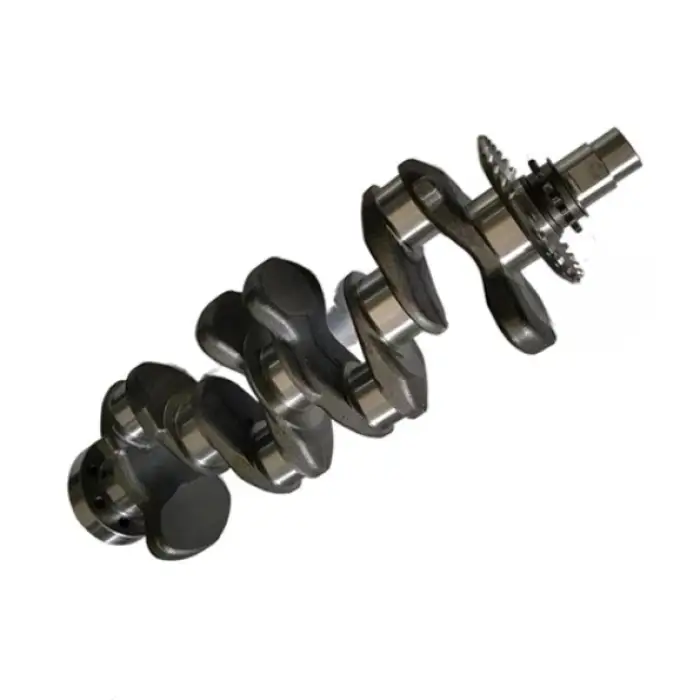


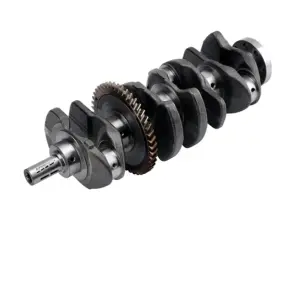
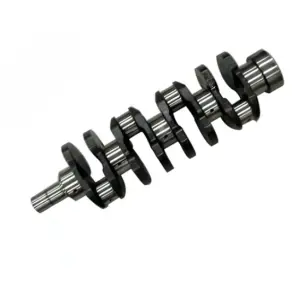
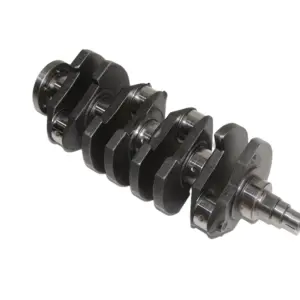
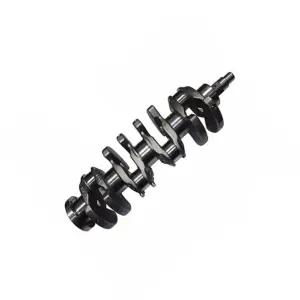
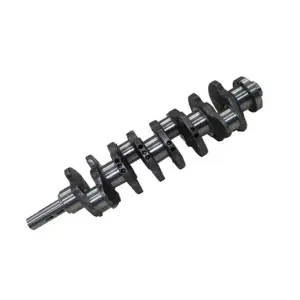
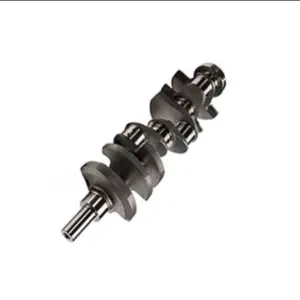
13401-47011 1NR Crankshaft for Toyota
The 13401-47011 1NR Crankshaft for Toyota is a high-quality component designed to enhance the performance of your vehicle. This crankshaft is made specifically for Toyota models, ensuring a perfect fit and reliable operation. With its durable material, it provides the strength needed for your engine to run smoothly and efficiently.
Specifications
| Attribute | Details |
|---|---|
| EM No/Model | 13401-47011 1NR |
| Apply | for Toyota |
| Material | Crankshaft |
Key Features
- High-quality crankshaft for Toyota vehicles.
- Durable material for long-lasting performance.
- Designed for a perfect fit and easy installation.
- Enhances engine efficiency and power.
Applications
- Replacement for worn or damaged crankshafts.
- Used in engine rebuilds and restorations.
- Ideal for performance upgrades in Toyota models.
- Compatible with various Toyota engine types.
Product Info Gallery
- Shipping Timeframes: All orders are processed within 2-5 business days (excluding weekends and holidays). After your order has been processed, the estimated delivery time is before 04 Mar, 2026, depending on customs, Please note that due to high demand, some items may experience longer shipping times, which will be communicated at order confirmation email.
- Order Processing Time: Please allow 2-5 business days for us to process your order before it is shipped . Orders placed after 16:00 on Fridays, or during weekends and public holidays, will begin processing on the next business day. Processing times may be extended during peak seasons or sales events.
- Manufacturing Time: Some products needs manufacturing time, the manufacturing process will take approximately 10-30 business days depending on the product. This timeframe may vary depending on the complexity of the product and current demand. but this will be communicated with you during order confirmation.
- Returns and Exchanges: We offer a 30-day return policy for most items. If you are not completely satisfied with your purchase, you may return it within 30 days of receipt for a refund or exchange. Items must be unused, in their original packaging, and accompanied by proof of purchase. Return shipping costs are the responsibility of the customer, unless the item was damaged or defective upon arrival.
1. What vehicles does the 13401-47011 1NR crankshaft fit?
This crankshaft is intended for Toyota applications that use the 1NR engine family. Always verify fitment by cross-referencing your vehicle VIN, engine code, or the OEM part number with the seller or a Toyota parts catalog before purchase.
2. Is the 13401-47011 an OEM (genuine Toyota) part or an aftermarket replacement?
The listing name alone doesn't guarantee OEM status. Some sellers offer genuine Toyota parts while others supply high-quality aftermarket units. Check the product description or contact the seller to confirm whether it is OEM, aftermarket, or remanufactured.
3. What material is the crankshaft made from?
Crankshafts are generally manufactured from a high-strength steel alloy and are heat-treated for durability. For exact material specifications and manufacturing processes for this specific part number, ask the seller or consult the manufacturer documentation.
4. Is the crankshaft new or remanufactured?
The condition (new, remanufactured, or used) varies by supplier. The product page or seller should explicitly state the condition—confirm before buying.
5. Do I need to have the crankshaft balanced before installation?
If the crankshaft is a direct OEM replacement, it is often delivered pre-balanced to factory specs. However, if it has been machined, modified, or you're building a high-performance engine, professional dynamic balancing is recommended.
6. What additional parts should I replace when installing this crankshaft?
It's recommended to install new main and rod bearings, thrust washers, front and rear seals, and any related bolts. Also inspect or replace timing components, harmonic balancer, and flywheel/flexplate as needed.
7. Are bearings and seals included with the crankshaft?
Many crankshafts are sold without bearings and seals. Verify the included items on the product listing; if they are not included, purchase the correct bearings and seals separately.
8. What installation procedures and measurements should I follow?
Follow the Toyota service manual for journal clearances, main cap torque specifications and sequence, crankshaft end play, and lubrication procedures. Measure bearing clearances with plastigage or micrometers and use recommended torque values—do not guess.
9. Where can I find torque specs and other technical details?
Torque specs, assembly sequences, and technical details are published in the official Toyota service manual for your vehicle/engine. If you don't have one, dealers and many reputable online sources can provide the exact specifications for the 1NR engine.
10. Can this crankshaft be used for performance upgrades or racing builds?
It can be used for performance builds if it meets your strength and balancing requirements. For high-power or high-RPM applications, consult an engine builder to confirm the crankshaft's suitability and whether additional machining or reinforcement is necessary.
11. How do I verify the 13401-47011 part number for my vehicle?
Verify the part number by checking your vehicle's VIN/engine code against a Toyota parts catalog, contacting a Toyota dealer, or using a trusted online parts lookup. Cross-referencing ensures correct fitment.
12. What should I check on delivery/receipt of the crankshaft?
Inspect for physical damage, correct part number labeling, smooth journals free of scoring, protective coatings (e.g., rust inhibitor), and proper packaging. Report any damage to the seller immediately.
13. Is professional installation recommended?
Yes. Installing a crankshaft requires precise measurements and torque control. Professional installation ensures correct clearances, endplay, and balance, which are critical to engine longevity.
14. What warranty and return options are typically available?
Warranty and return policies vary by supplier. Check the seller’s warranty period, coverage details, and return conditions before purchasing. Keep proof of purchase and inspect parts promptly to meet return deadlines.
15. Who should I contact if I need technical support or have compatibility questions?
Contact the seller or manufacturer for technical questions. For installation guidance, consult a qualified Toyota mechanic or an experienced engine builder and reference the official Toyota service manual for your vehicle.
Latest Order Arrivals
Discover our latest orders
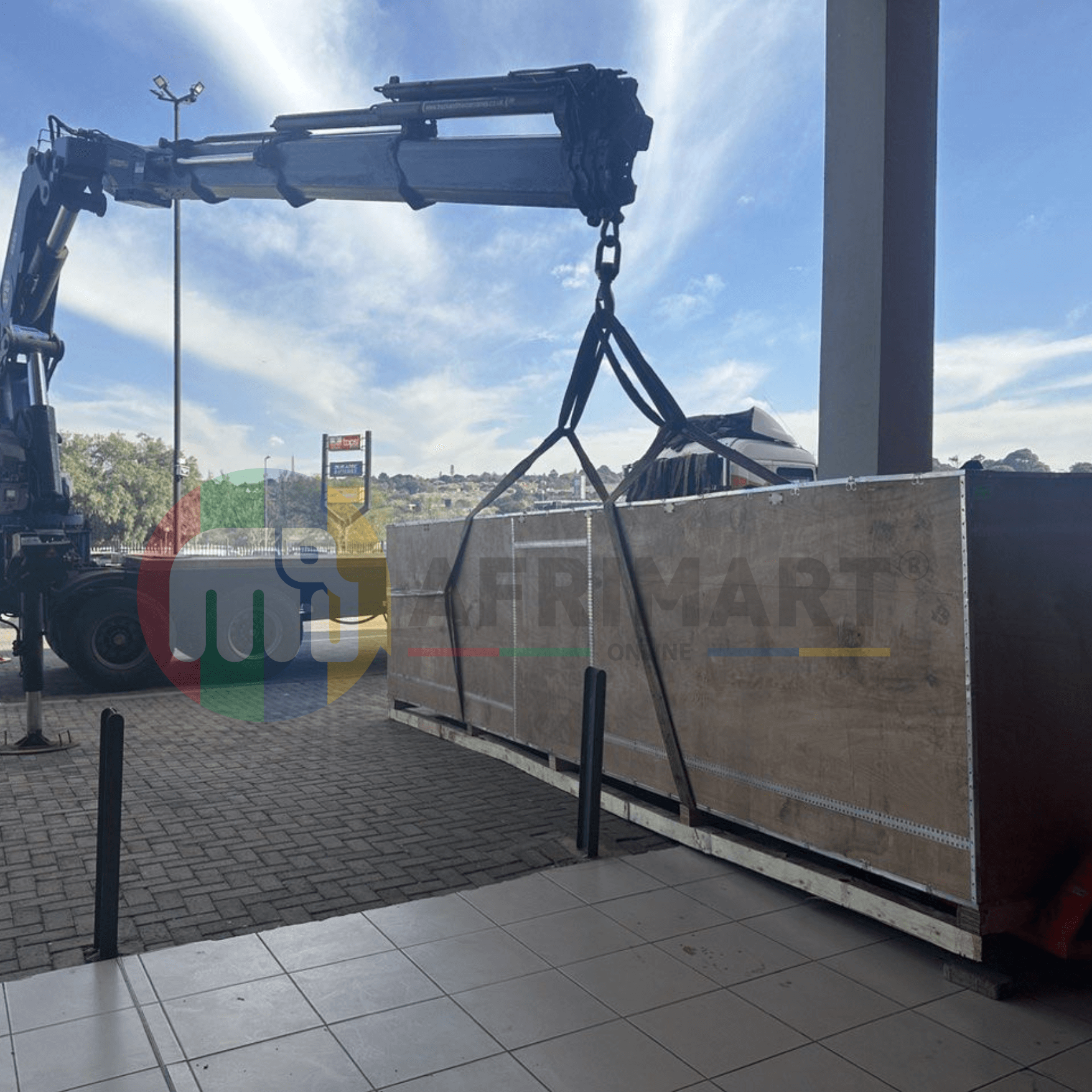
12 Heads Embroidery Machine
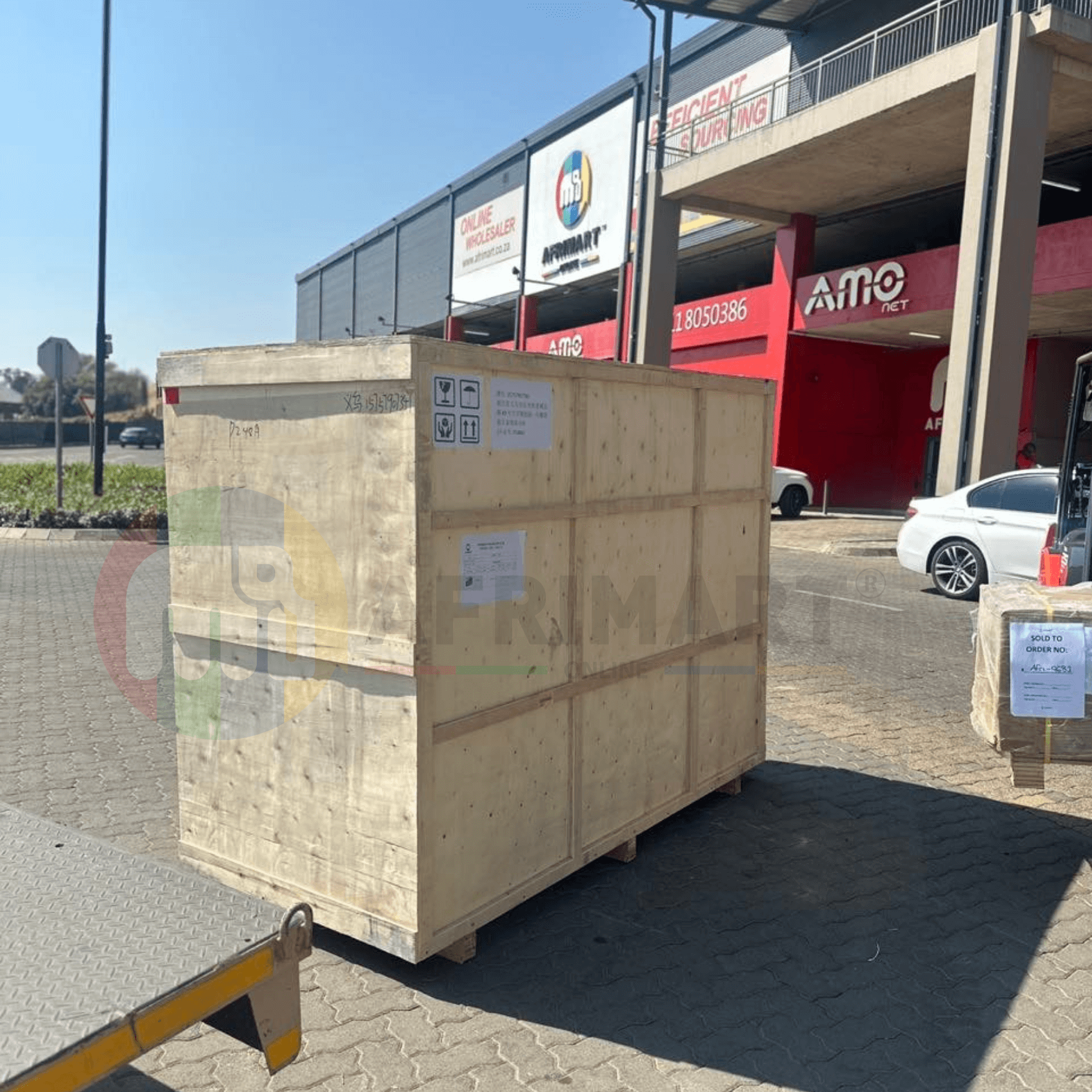
Dewatering Pump Machine
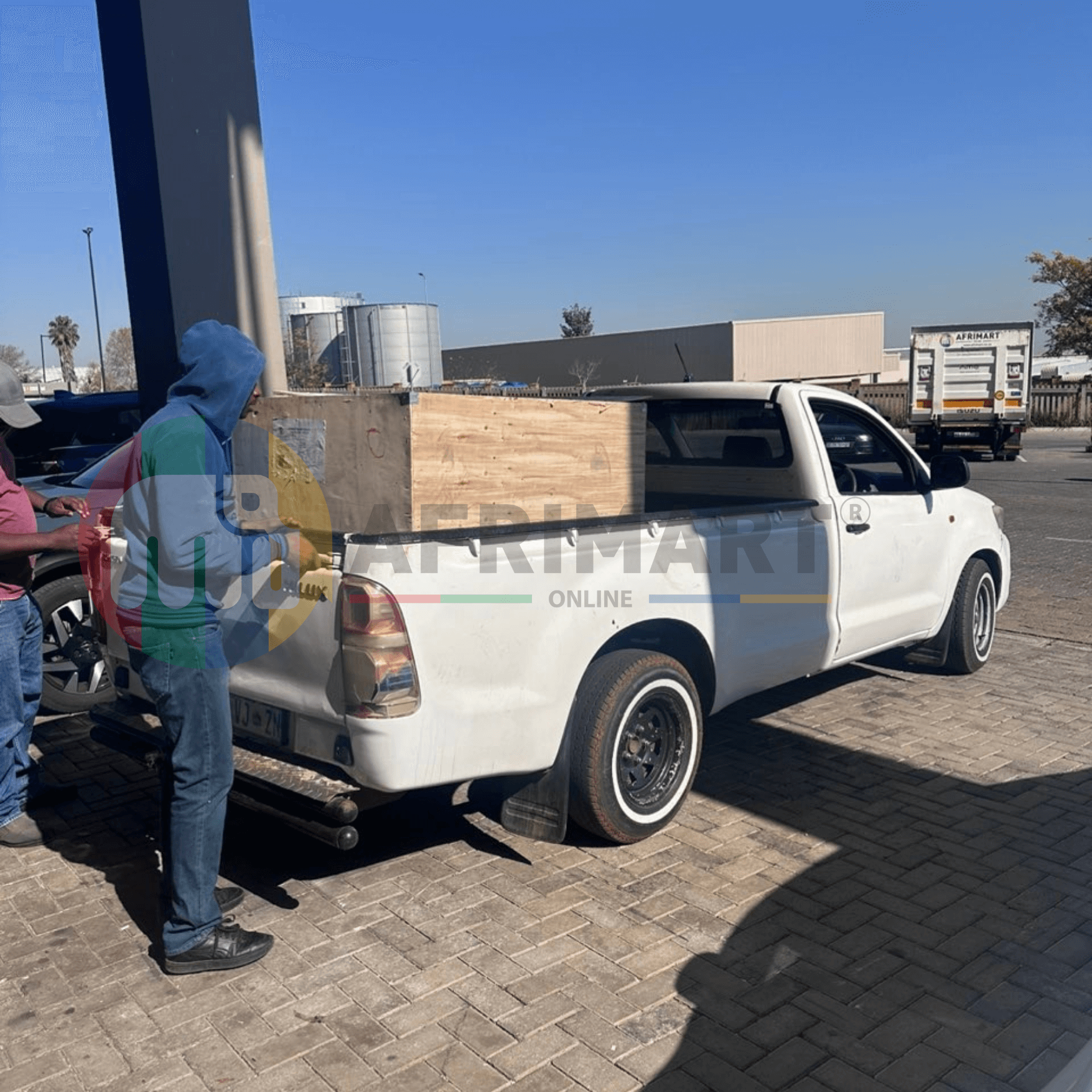
Order Collection
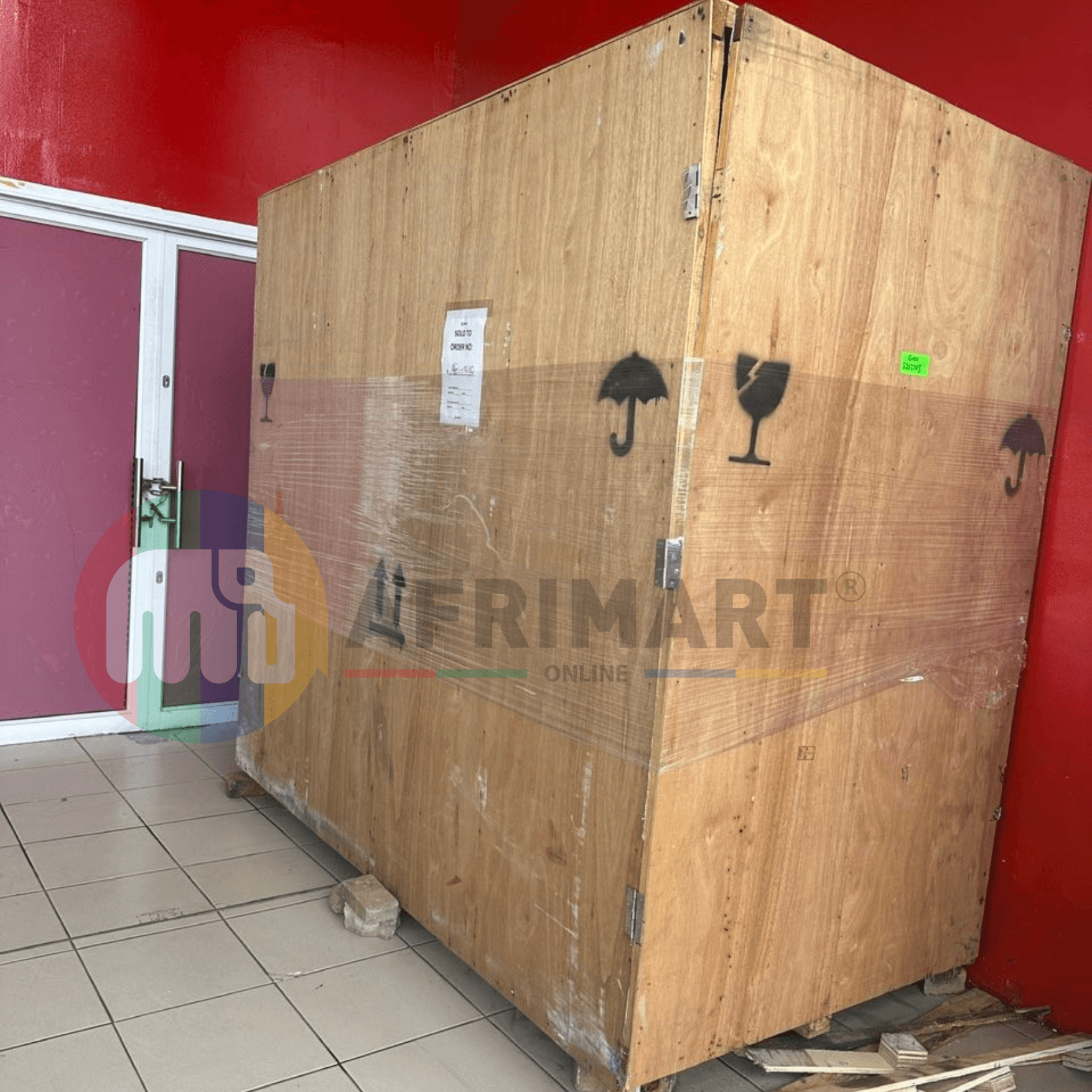
Portable Water Drilling Rig
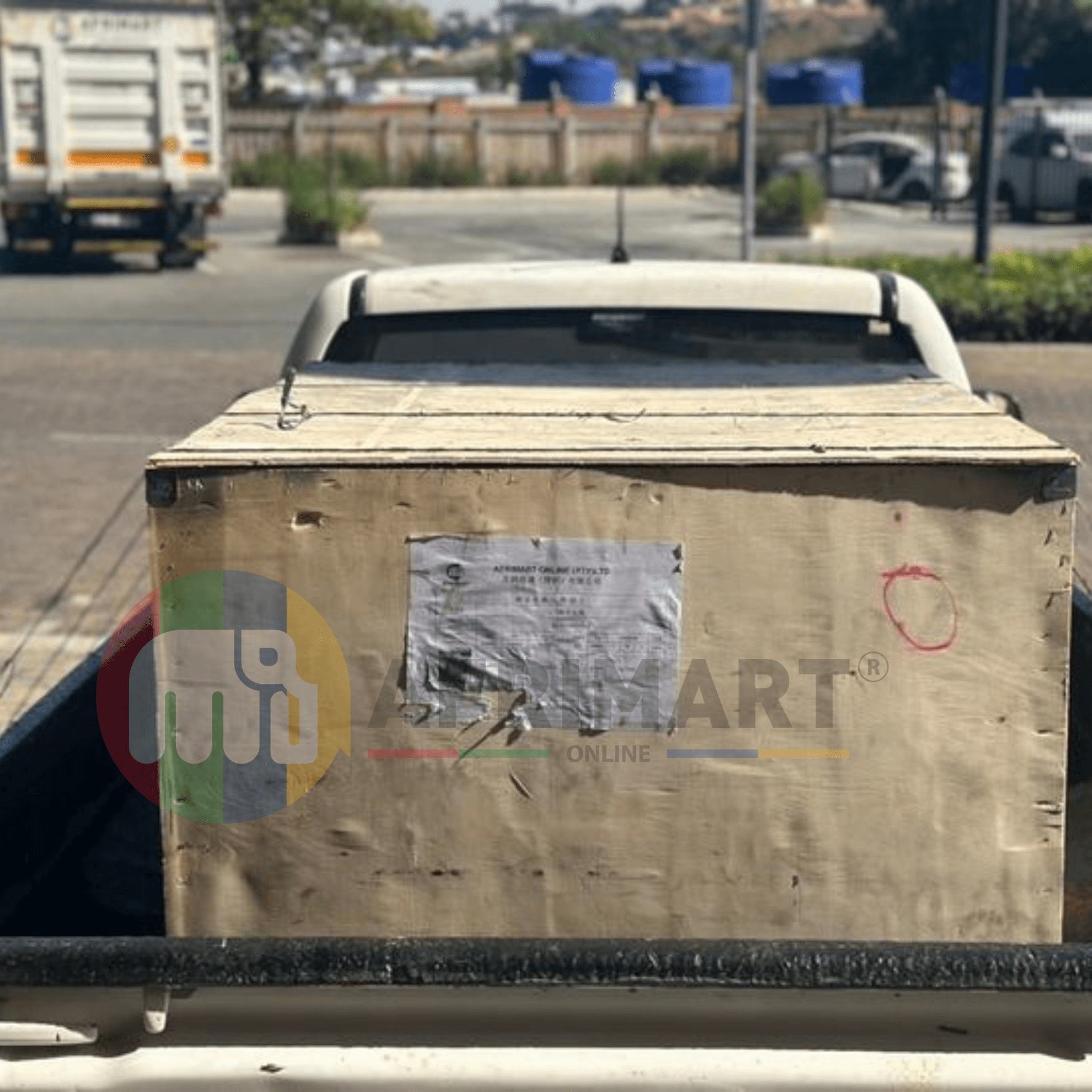
Order Usefully Collected
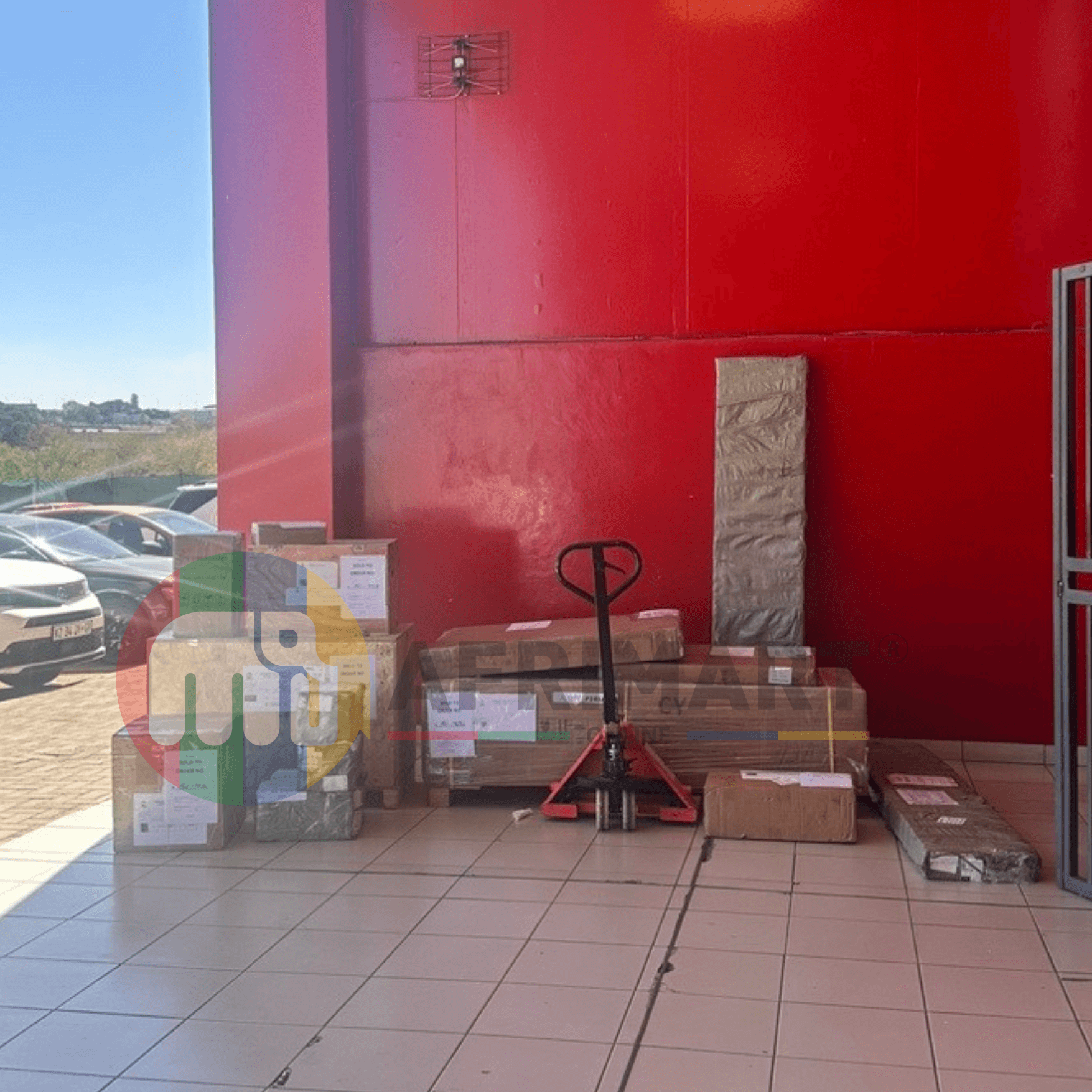
Batch of Orders
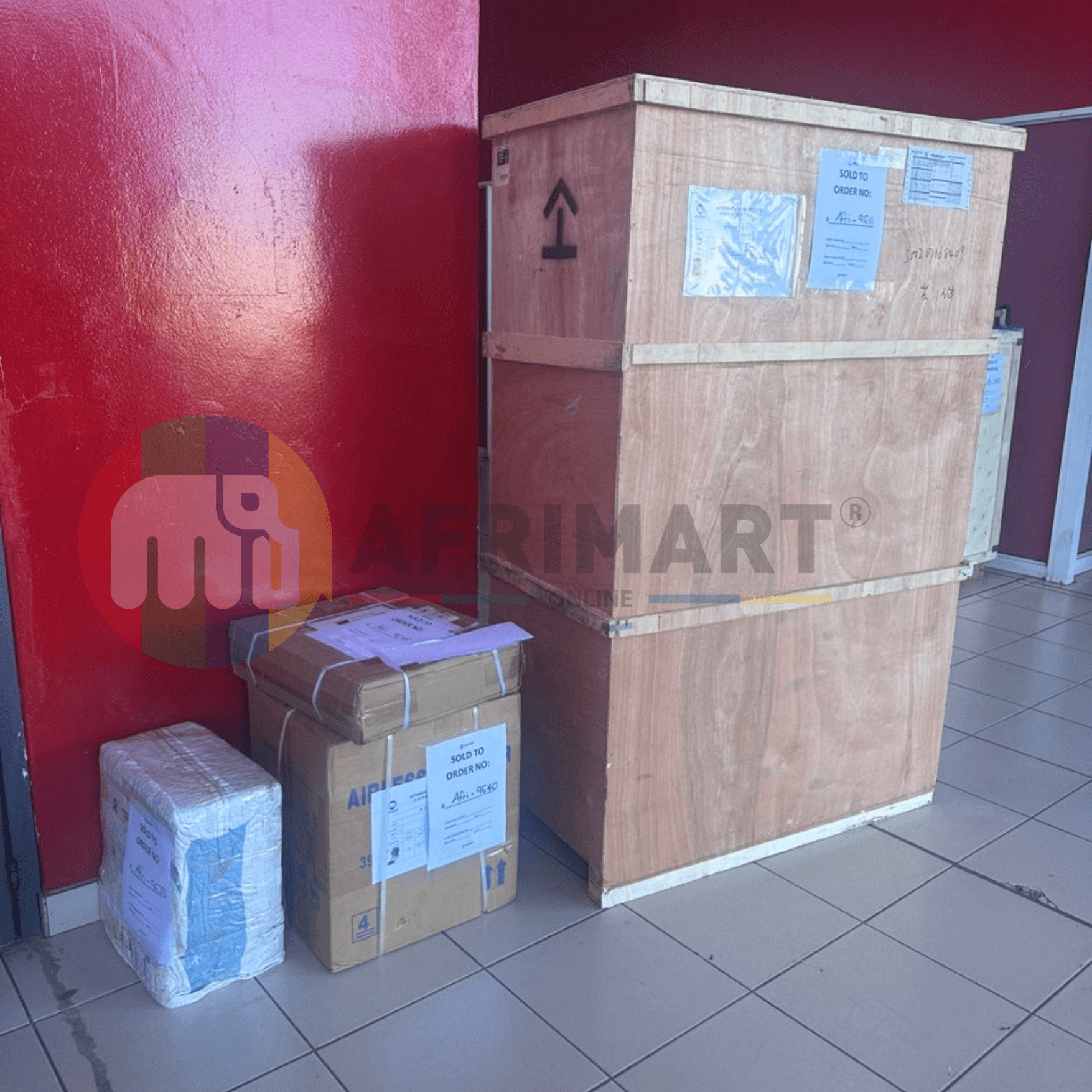
Agriculture Processing Machines
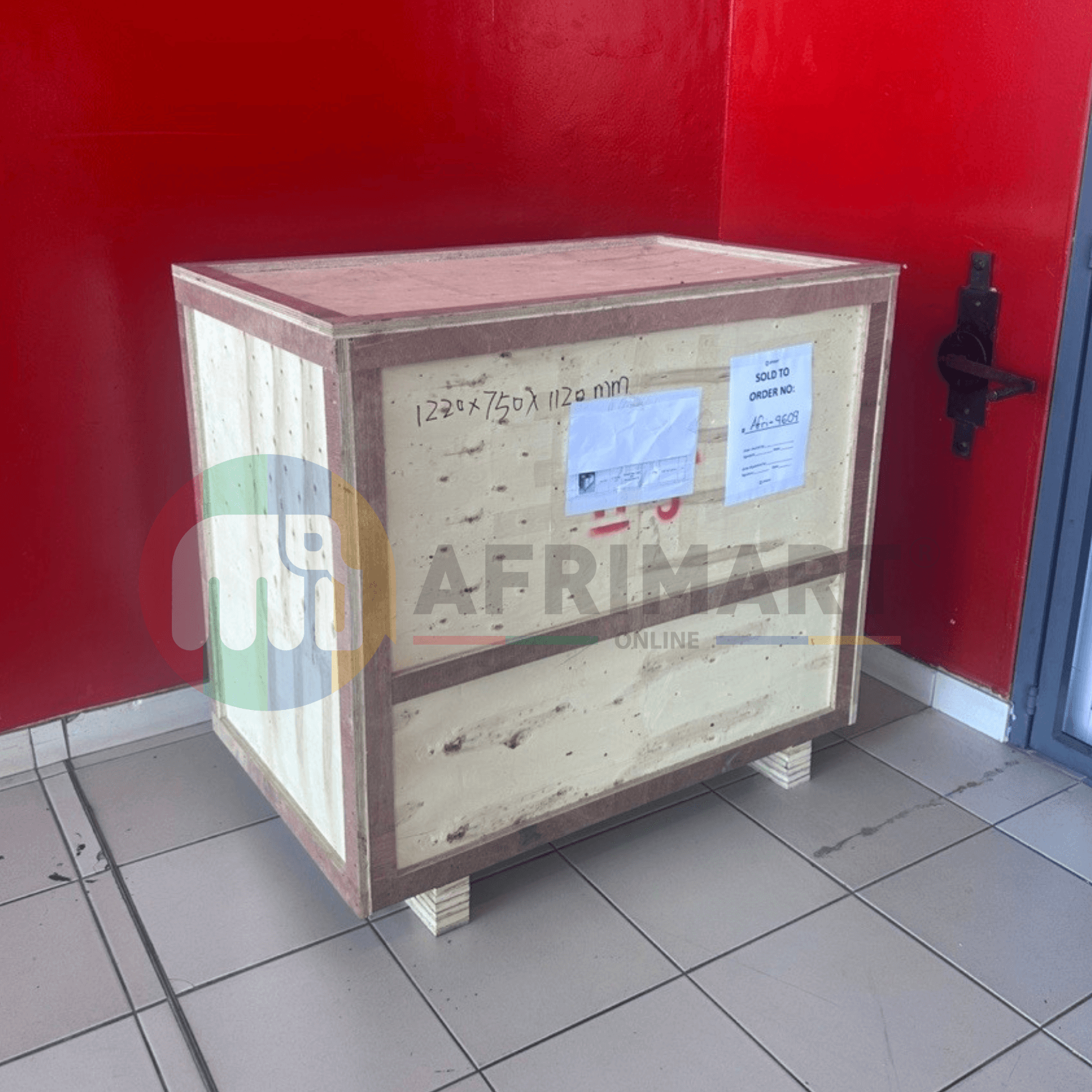
Meat Grinder Machine
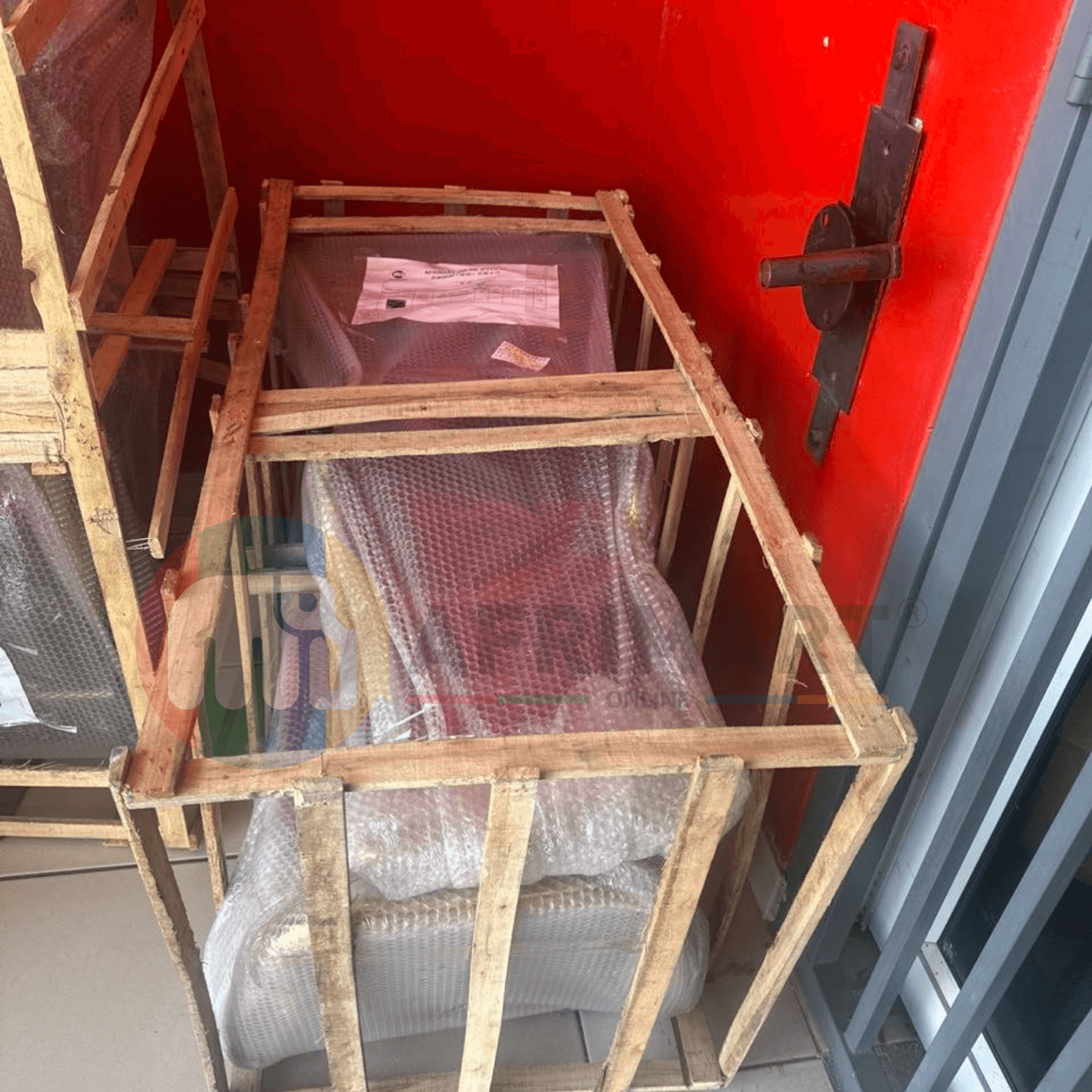
Water Pump Equipment
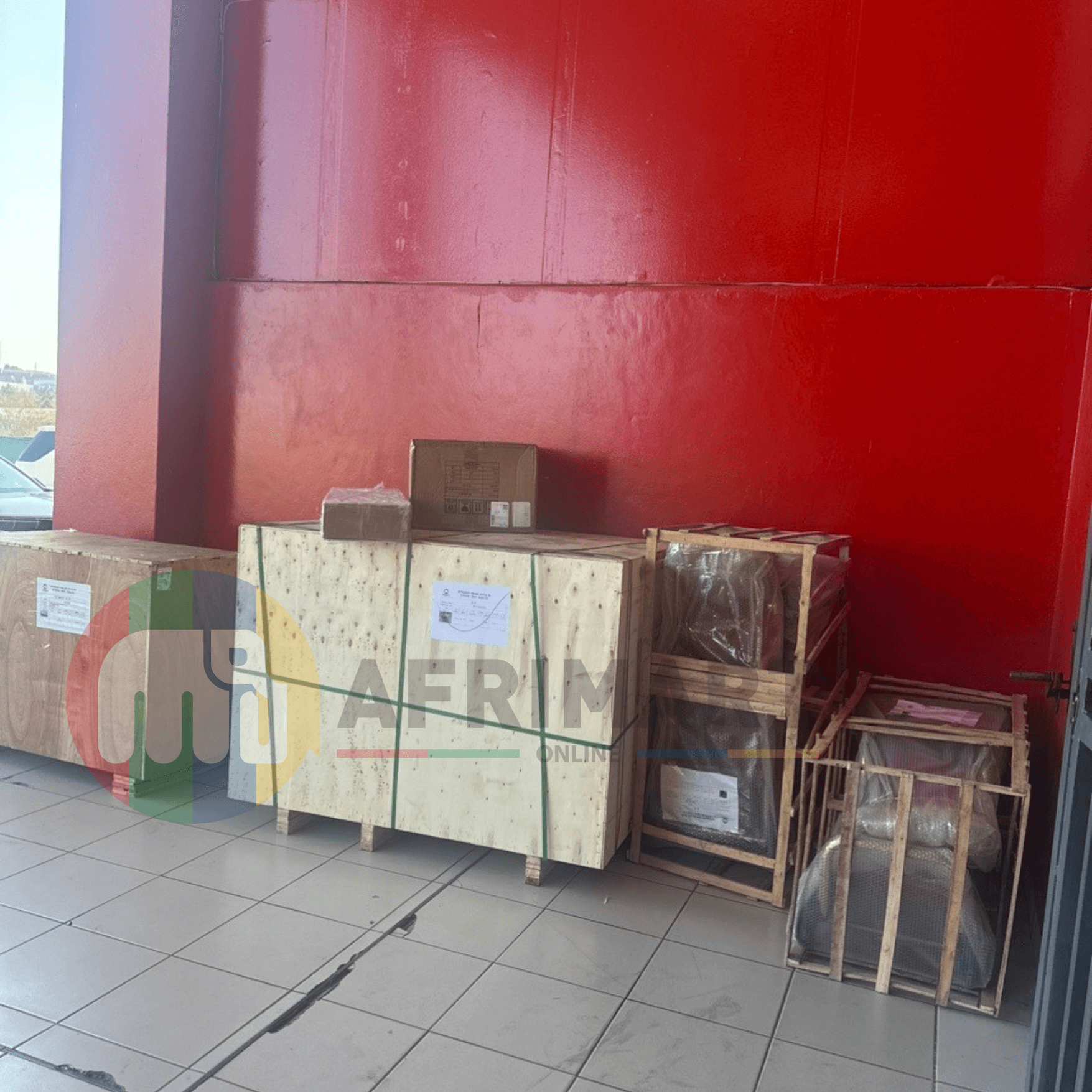
Packaging Machine and accessories

Fabrics Manufacturing Equipment
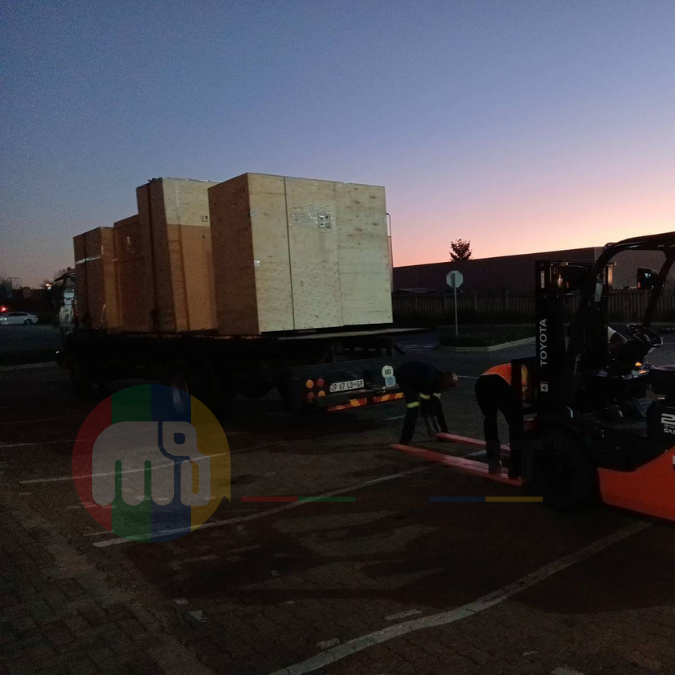
Mining Equipments
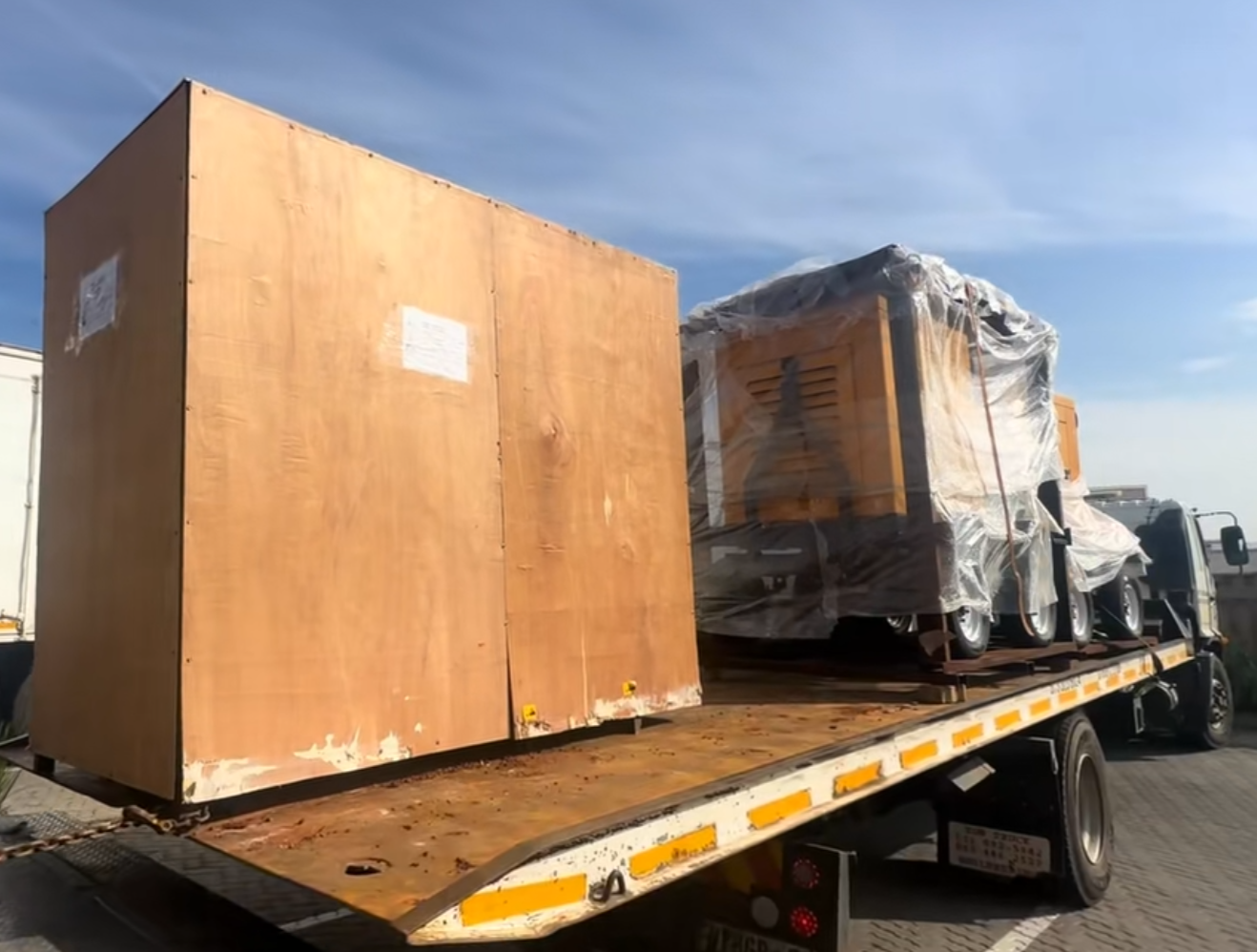
Food Processing Machine
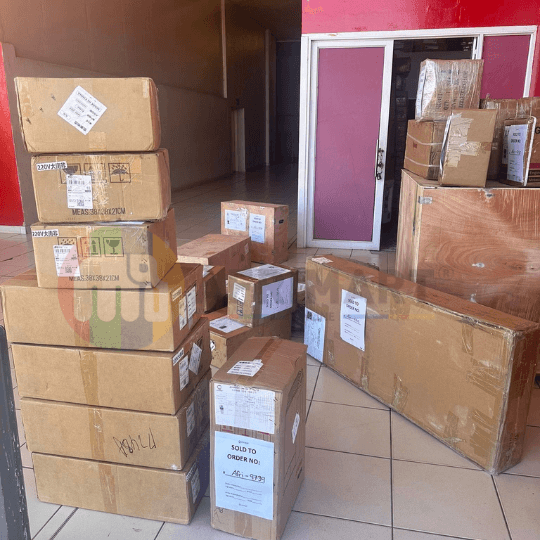
Batch of Orders
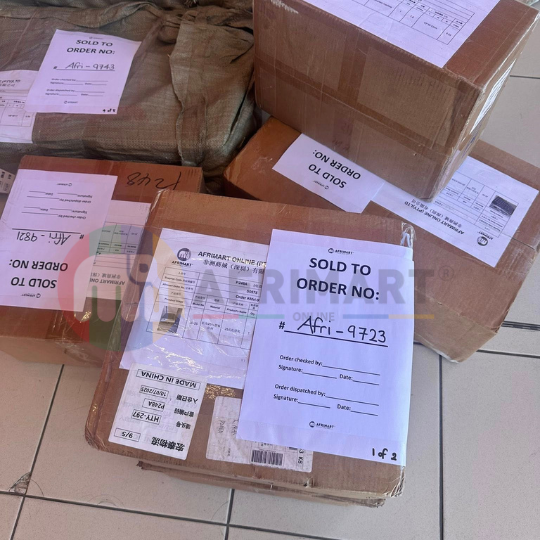
Batch of Orders
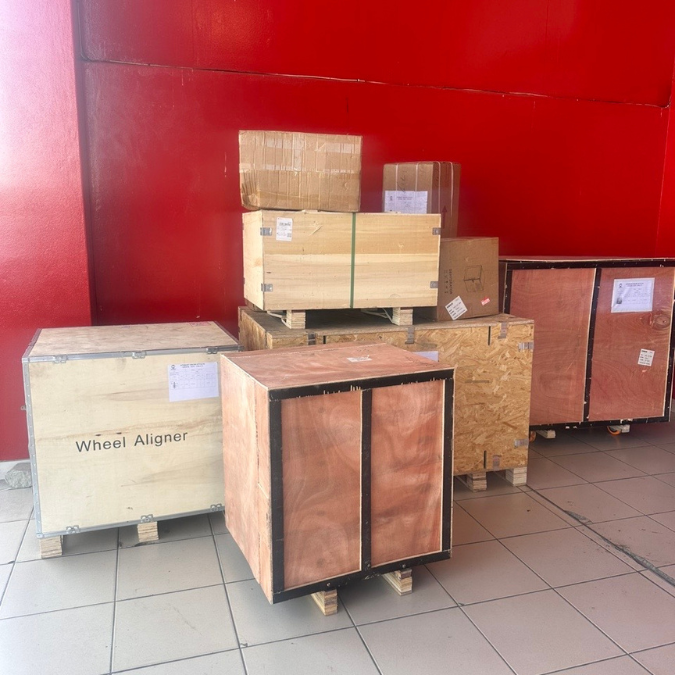
Latest Orders Labelled
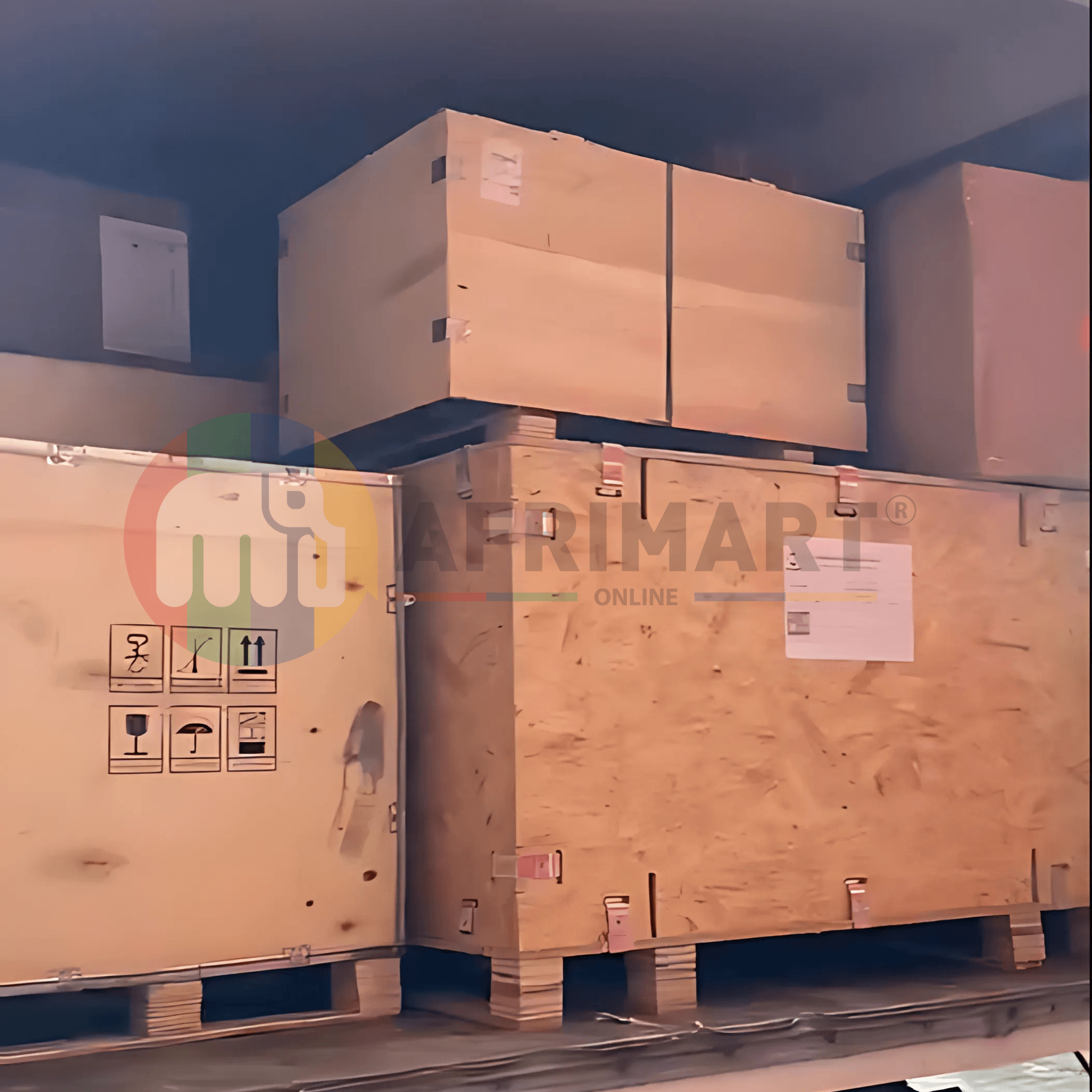
wheel alignment machines
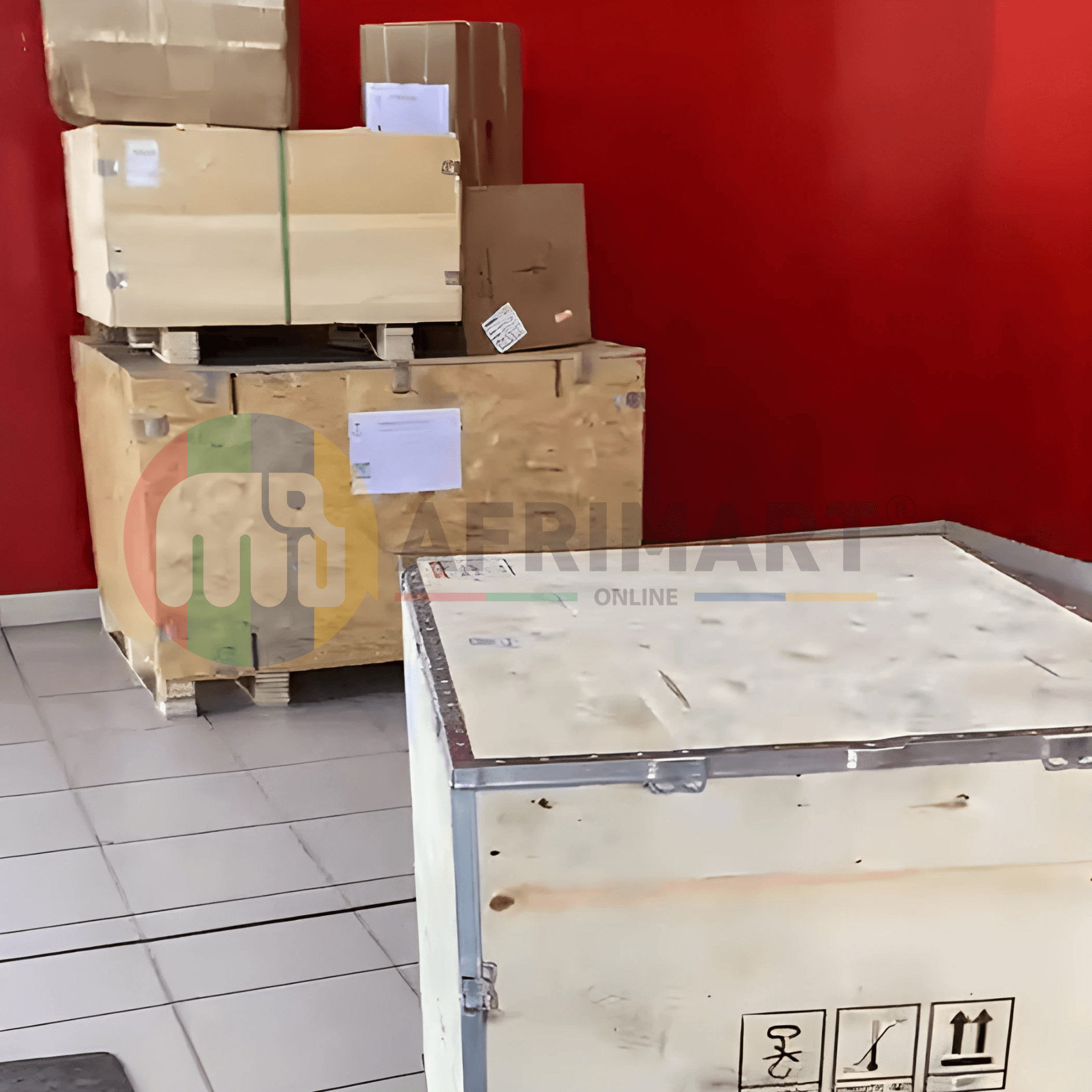
new arrivals
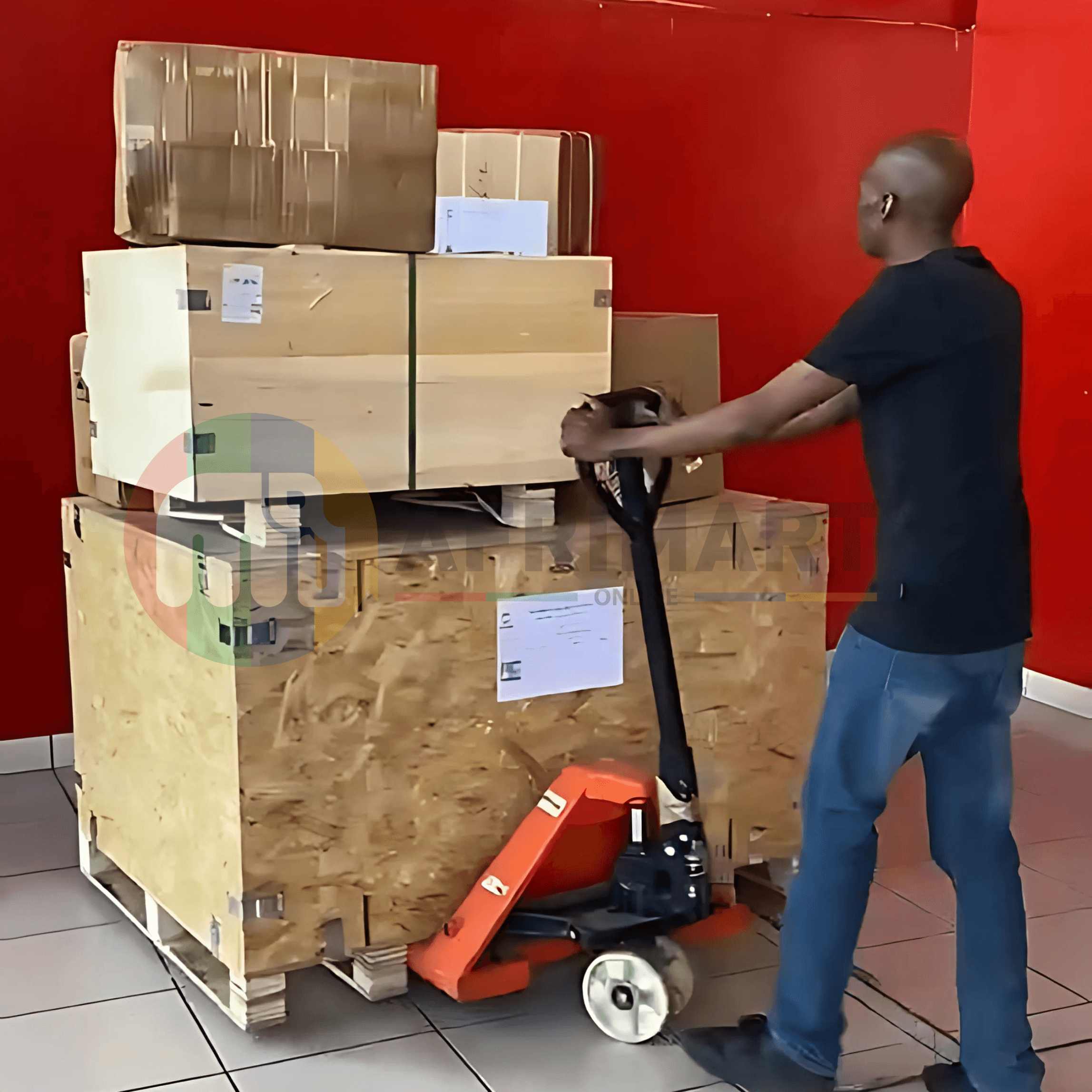
Pre Orders Offloading
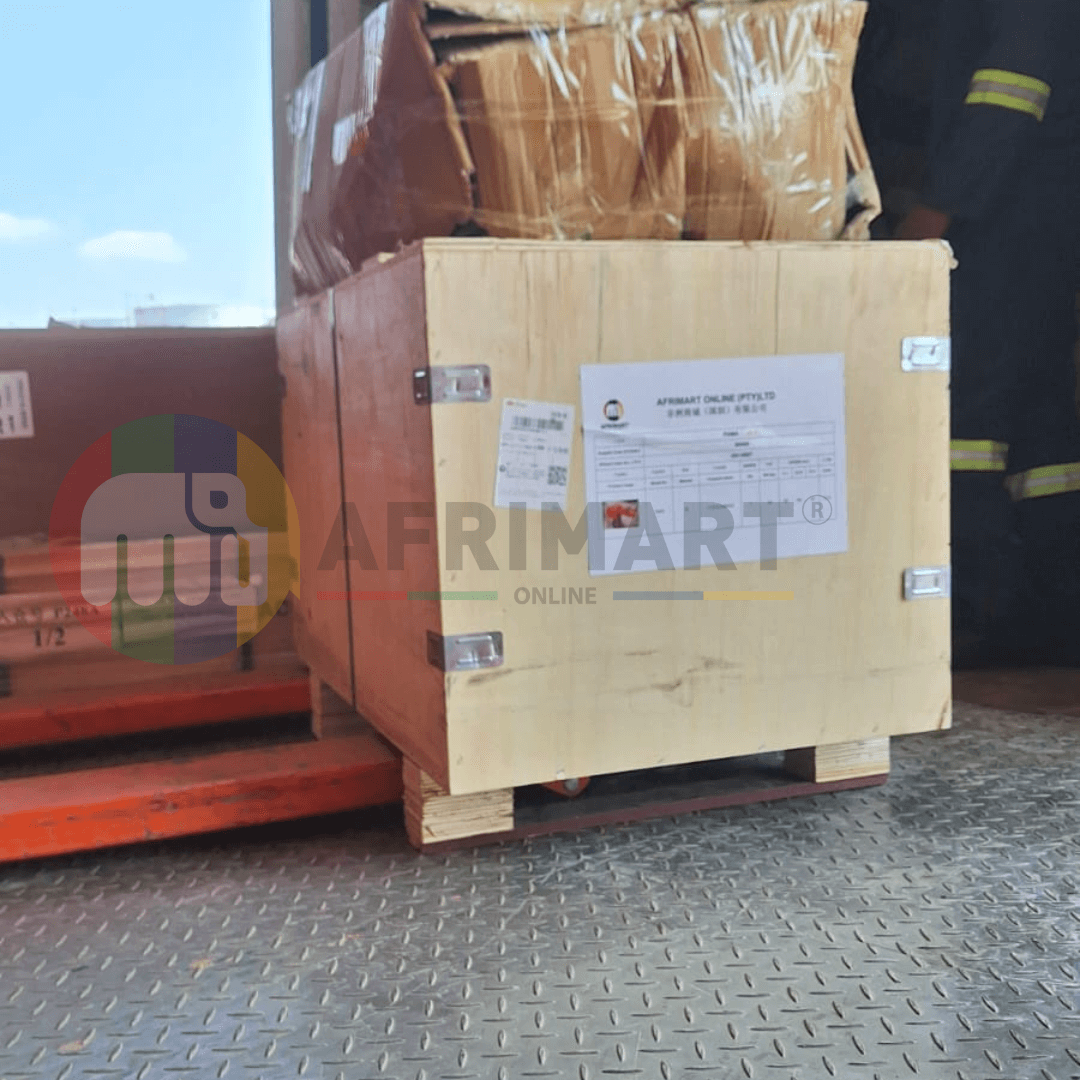
Latest Arrivals
Latest Arrivals